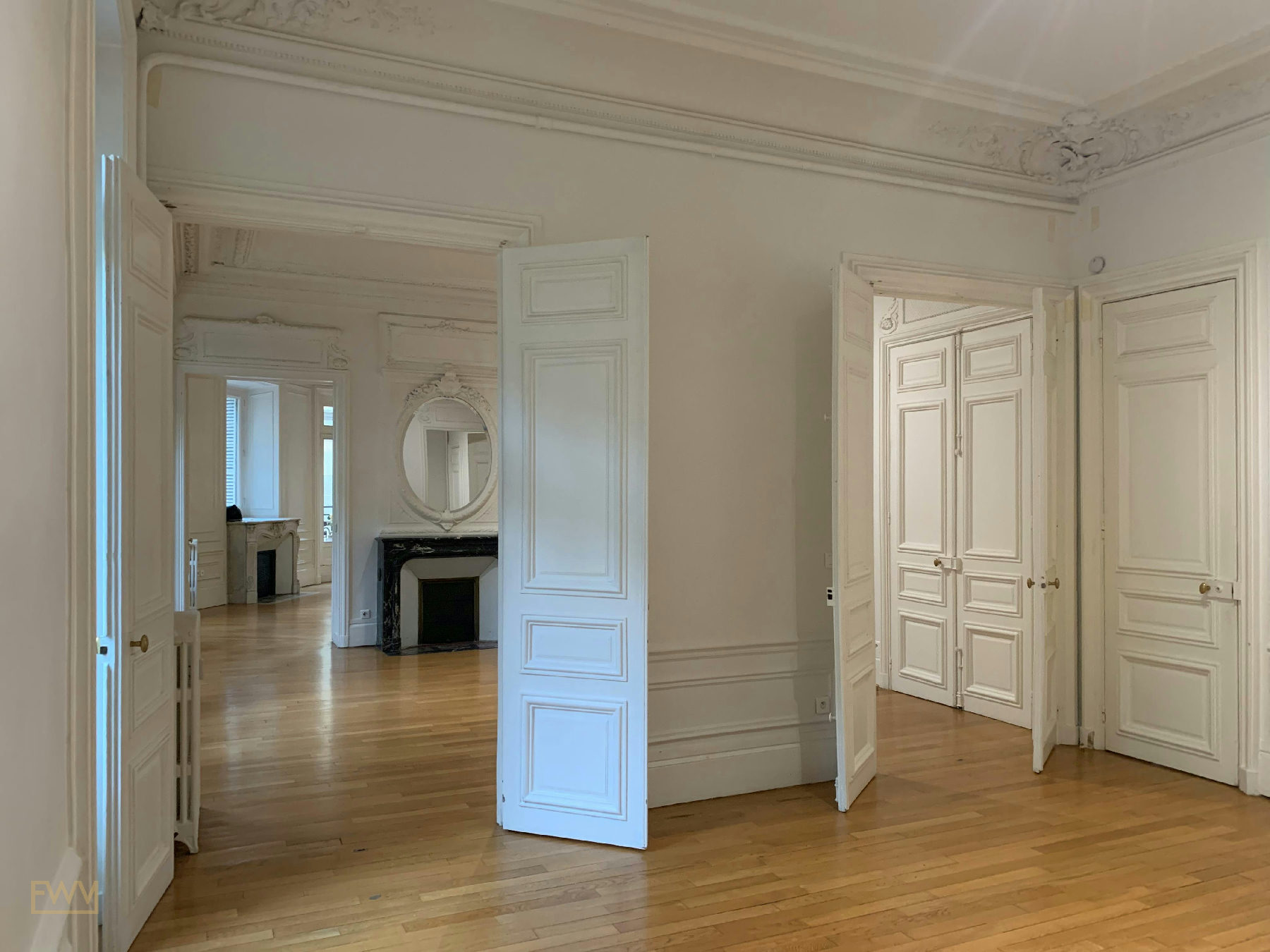
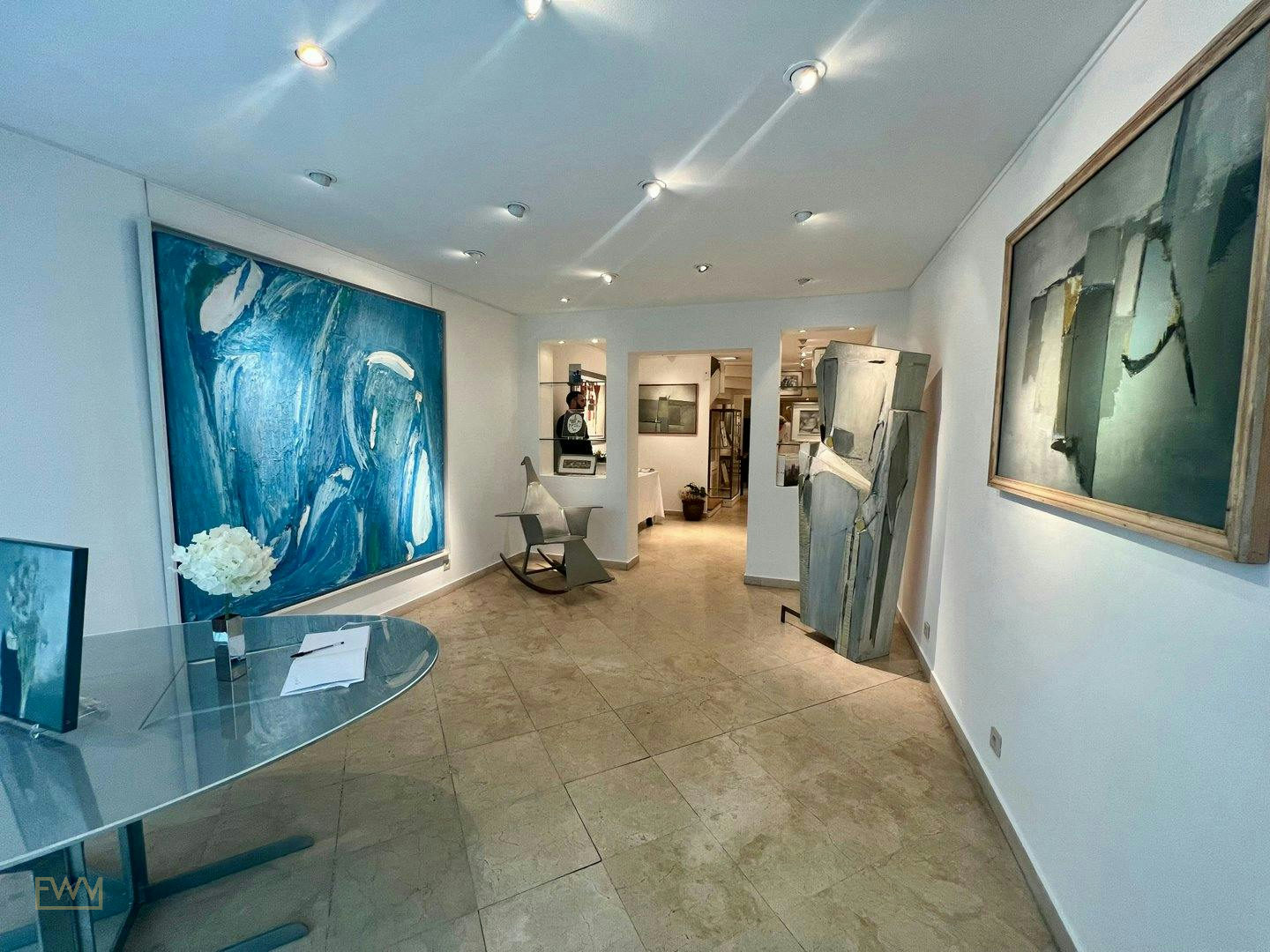
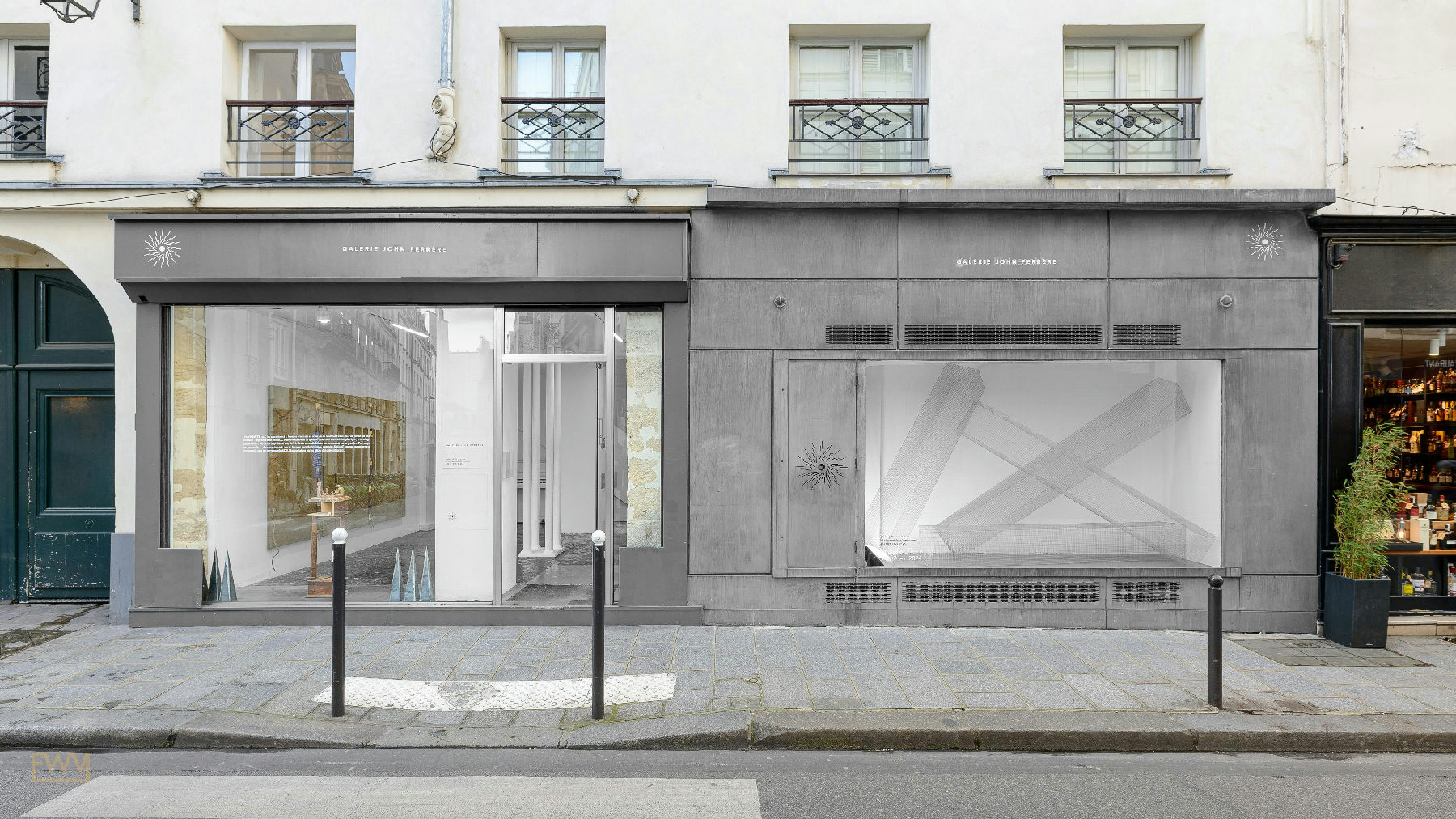
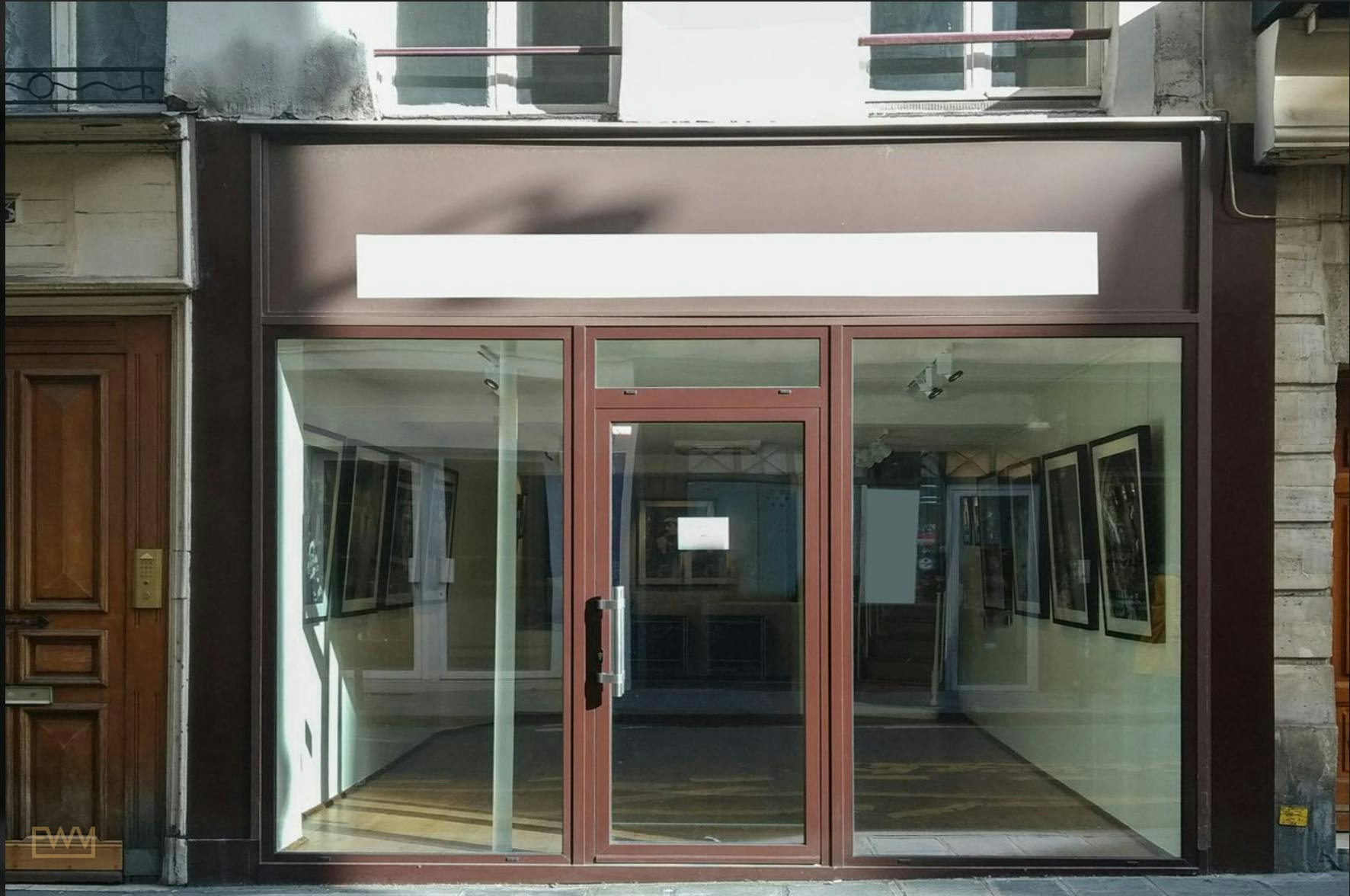
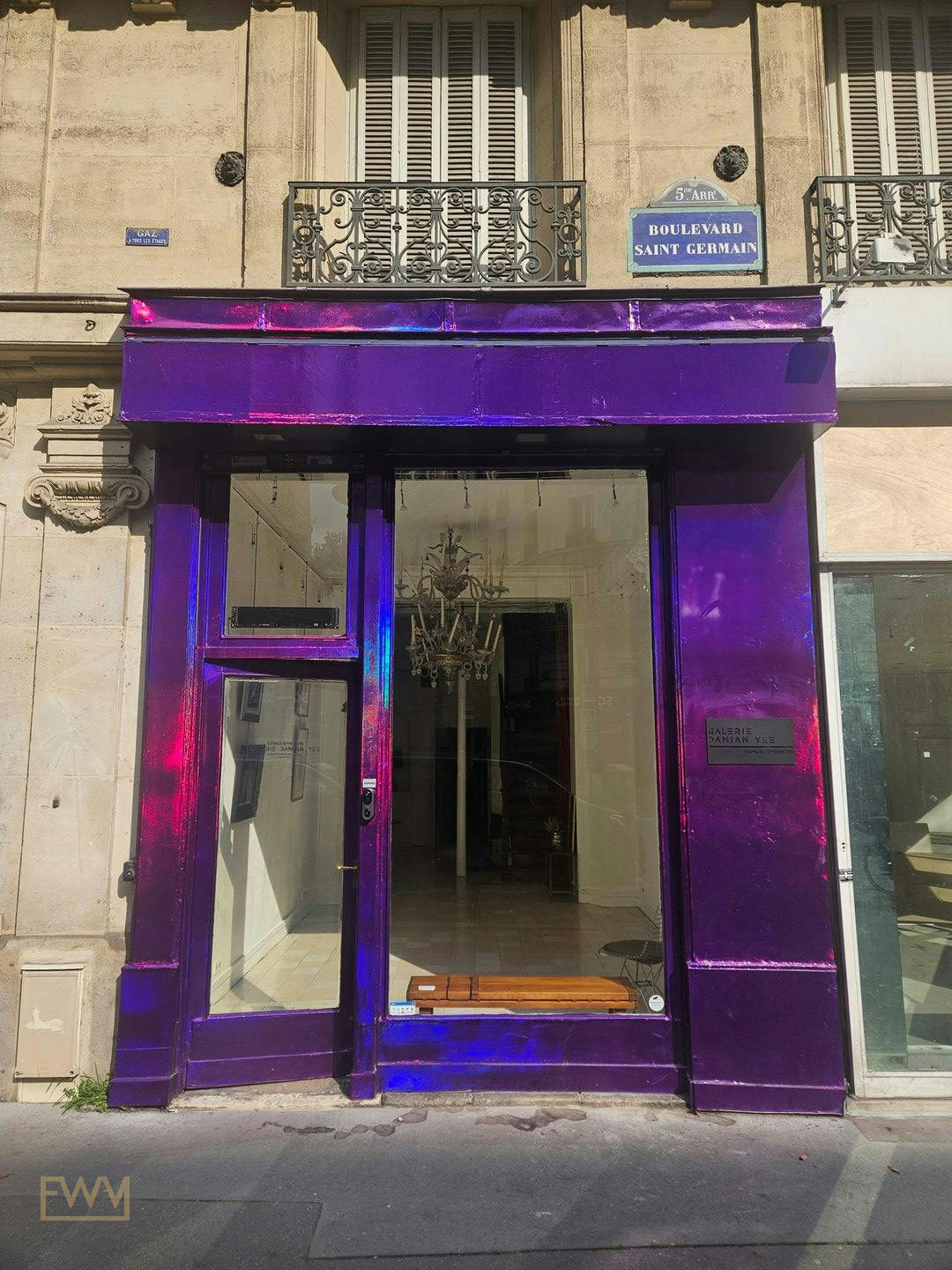
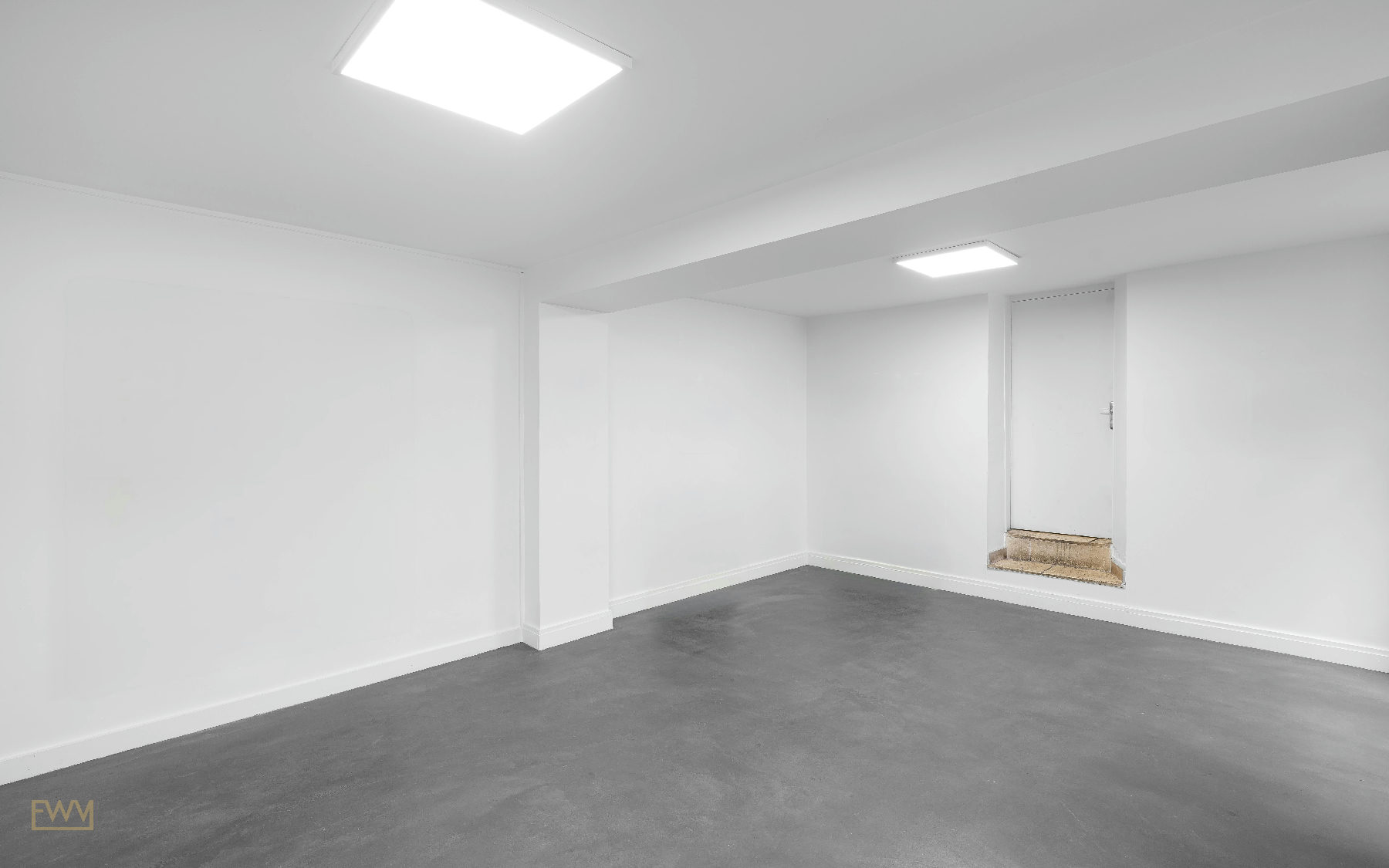
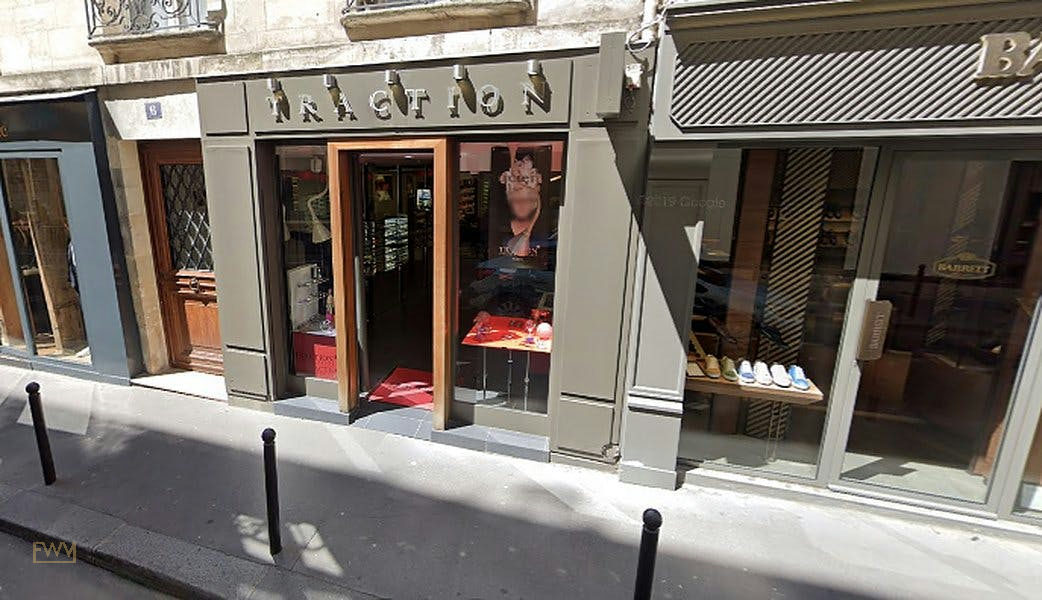
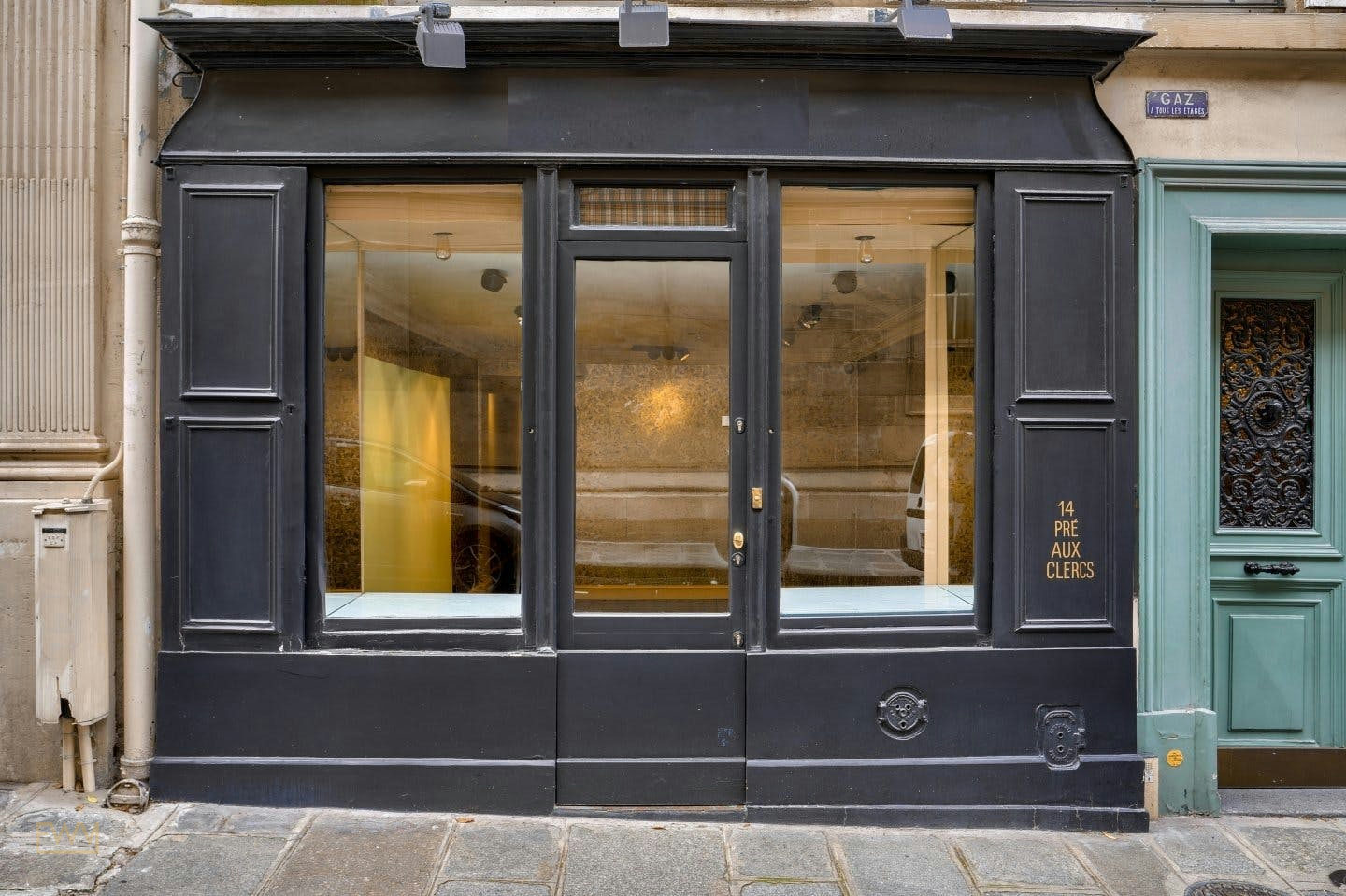
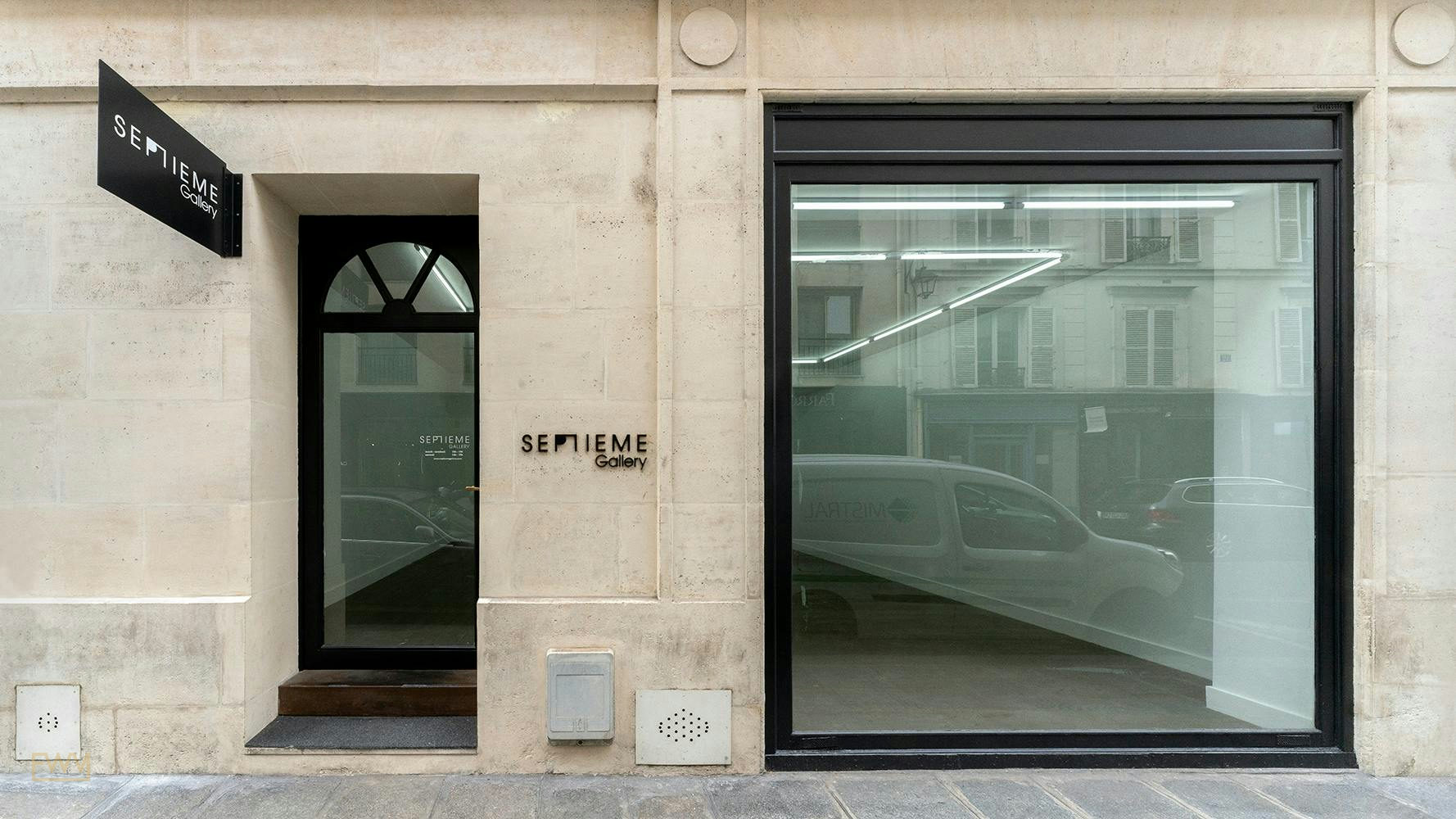
Fashion Week venues play a pivotal role in defining a brand’s public image and ensuring a successful collection launch. From securing the perfect location in Paris to mastering the logistics of temporary retail spaces, understanding the intricacies of venue selection is essential. Fashion Week Venues, a leading agency in this realm, offers comprehensive services that simplify the process, catering to luxury and emerging brands alike. This guide dives deep into all aspects of choosing and managing Fashion Week venues to drive brand visibility and success.
Understanding Fashion Week Venue Dynamics
The dynamics of selecting a venue during Fashion Week involve factors beyond mere aesthetics. Venues must align with the brand’s identity, accommodate the right audience, and facilitate designers in showcasing their work optimally. The impact of a well-chosen venue extends to media coverage and influencer participation, thus amplifying brand message and reach.
Fashion Week venues not only serve as a canvas for creativity but also reflect strategic business decisions typical of brand activation. Using Paris, the epicenter of fashion, as a key market example, it's clear that venue selection requires a balance between traditional elegance and contemporary needs, suitable for a diverse audience spectrum.
KEY TAKEAWAY: The right venue is a strategic asset that influences brand perception, amplifies marketing efforts, and directly impacts a collection’s market reception.
Understanding the interrelation between venue choice and brand identity paves the way for discussing the specific factors involved in sourcing such venues.
Sourcing the Perfect Venue
Sourcing the right venue for Fashion Week involves multiple layers of decision-making. From spatial dimensions to technical requirements and ambiance, each facet requires careful consideration. Fashion Week Venues offers venue sourcing services that streamline this complex process by providing a suite of tools and a marketplace of curated spaces fitting diverse brand profiles.
| Criteria | Importance | Considerations |
|---|---|---|
| Location | High | Proximity to key industry hubs and ease of access for guests. |
| Capacity | Medium | Adequate space to accommodate guests and media. |
| Amenities | High | Technical infrastructure for sound, lighting, and displays. |
| Ambiance | Medium | Atmosphere that aligns with brand’s aesthetic vision. |
Deciding on a venue requires balancing these factors against budget constraints and potential returns. Utilizing tools like the budget calculator can aid in navigating financial decisions effectively.
Quick answer: Selecting a venue is about finding a perfect matching space, evaluating logistics, and considering how well the environment complements the brand’s theme and activation goals.
TIP: Leveraging local expertise like Fashion Week Venues can uncover unique venue options that are not mainstream but offer incredible potential.
Transitioning from sourcing the venue to planning its design and production is the logical next step in ensuring a cohesive event outcome.
Design and Production Planning
Once a venue has been secured, the focus shifts to design and production, which are critical in translating brand aesthetics into physical spaces. Temporary spaces such as pop-up stores or showrooms require meticulously planned production builds that encompass everything from architectural layouts to final touches in décor.
| Phase | Tasks | Considerations |
|---|---|---|
| Concept Development | Theme design, material selection | Ensure compatibility with brand narrative and identity. |
| Build Planning | Structural arrangement, timeline setup | Flexible planning for unforeseen changes and permits. |
| Execution | Final assembly, quality checks | Coordination with multiple vendors for timely delivery. |
DID YOU KNOW: The average Fashion Week pop-up setup spans 2-4 weeks from planning to beginning operation, requiring detailed timelines and resource management strategies.
KEY TAKEAWAY: Effective design and production planning are pivotal in transforming creative concepts into immersive experiences that capture the brand story.`
Advancing from design to broader operational logistics, seamless integration of permit acquisition becomes essential.
Permits and Compliance: Navigating Paris Regulations
Securing the necessary permits for your venue is crucial to operational success. In Paris, the landscape of permitting is sophisticated, demanding thorough understanding and compliance with French laws such as the **bail dérogatoire** and **AOT**. These frameworks differ from typical commercial leases in both scope and legal requirements.
The permits tool from Fashion Week Venues assists brands in understanding these nuances by providing guidance tailored to specific needs. Engage with legal experts to cross-verify requirements, which can vary significantly depending on the space’s location (arrondissement), use case, and duration of rental.
MYTH: Any brand can easily rent a space for short-term use in Paris without needing specialized legal advice.
FACT: Lease agreements such as bail dérogatoire require specific compliance checks and may not cover all activation needs, making legal consultation essential.
Proper permit acquisition not only aligns with regulatory demands but also fortifies the brand’s strategy to enter new markets like Paris with authority and readiness.
Quick answer: Missteps in permits can lead to operational delays; hence, legal advisement is a valid investment for short-term leases.
Armed with legal permits and compliance, operational logistics are the next frontiers to conquer for ensuring event readiness.
Operational Logistics for Fashion Week Venues
Operational management is what brings a Fashion Week venue to life. From logistics coordination to staff allocation, each element must be refined to the point of precision. The focus here is effective administration of short-term leases amidst the bustling dynamics of Fashion Week.
- Staff Hiring: Expertise in retail, customer service, and technology is essential.
- Supply Chain: On-time procurement and inventory management.
- Security and Maintenance: Ensuring safety standards and operational integrity.
Retail staffing services from Fashion Week Venues provide essential support in outfitting events with skilled personnel who understand the nuances of luxury retail and customer engagement.
IMPORTANT: Each logistic decision may require adjustments even after planning, necessitating flexible management and contingency strategies.
Prepare operationally by consulting with expertise ahead of time, safeguarding against supply chain disruptions, and tech mishaps to establish fluid event execution.
KEY TAKEAWAY: Optimal operational logistics establish a seamless pathway from planning to execution, impacting everything from brand reputation to bottom-line results.
With operations refined, the next phase involves marketing and engaging the intended audience.
Marketing and Influencer Engagement
Marketing efforts during Fashion Week are paramount in ensuring a venue’s success. Coordinated strategies that integrates social media influencers, media coverage, and events amplify the overall impact. Employing influencer marketing services can significantly boost brand awareness and audience engagement.
Partnerships with high-profile influencers open gateways to targeted demographics, while traditional media captures wider interest.
- Identify Key Influencers: Select personalities within target demographic circles.
- Coordinate Campaigns: Align digital strategy with physical event highlights.
- Media Collaboration: Engage key media outlets for broader storytelling.
TIP: Integrate influencer-generated content into digital campaigns for a cohesive online-offline brand experience.
Quick answer: Carefully curated marketing endeavors maximize reach and resonance, pulling together narratives that align with audience interests and brand claims.
After setting the marketing wheels in motion, the course shifts focus on service efficiency using integrated technology solutions.
Technological Integration in Fashion Week Venues
Modern technology integration within Fashion Week venues can significantly enhance visitor experiences and operational efficiency. From augmented reality displays to digital check-ins, these solutions add palpable value and reassurance of innovation within the brand exhibit.
A seamless visitor journey, supported by reliable technological innovations, ensures practicality in a highly competitive fashion presentation environment. Implementing Point-of-Sale (POS) systems, real-time analytics, and tracking technologies becomes crucial in gathering customer insights and refining future marketing strategies.
POS and Payment solutions available on Fashion Week Venues further simplify the business transaction process during event activations.
By capitalizing on technology, brands ensure operational transparency, capture data-driven insights, and cultivate a smoother user engagement pathway, integral to lasting brand impressions.
MYTH: Traditional retail experience remains unmatched by any technological advancements.
FACT: Augmented and virtual reality technologies not only reimagine engagement possibilities but also enhance brand interactions beyond physical constraints.
KEY TAKEAWAY: Tech-driven solutions forge an interactive, efficient, and personalized experience for attendees.
With technology and strategy established, understanding costs effectively helps forecast and guide investments within a rational framework.
Cost Management and Budgeting
Managing costs effectively during Fashion Week involves aligning budget strategies with both business goals and spending capacities. Goal-setting, predictive insights, and early budgeting help brands maximize financial performance during pop-up events or short-term leases.
Budget calculators from Fashion Week Venues support estimating potential costs and optimizing financial outlay against expected returns, whether for venue hire or promotional expenditures.
| Cost Factor | Estimate Range | Considerations |
|---|---|---|
| Venue Hire | 3000-8000 EUR | Depends on location and space requirements. |
| Design and Production | 5000-15000 EUR | Scale of setup and customization needs. |
| Marketing | 2000-7000 EUR | Scope of campaigns and influencer fees. |
Financial oversight reduces risk and augments flexibility, making way for valuation of brand objectives during the course of an event or show.
Quick answer: With precise budgeting strategies, brands limit overspending and optimize ROI, steering resources efficiently where they yield the best results.
Capping financial strategy with precision leads us to the final frontier—creating brand experiences that leave a lasting impact.
Crafting Impressive Brand Experiences
Crafting memorable brand experiences during Fashion Week extends beyond visual displays to include integral emotional engagement. These experiences influence audiences, creating powerful affinities and establishing a solid brand community.
Engagement strategies could range from interactive digital elements to experiential setups that invite on-site participation, offering exclusivity and deeper connections with the brand message. The twin concept allows for co-activation and coordinated brand campaigns, effectively expanding brand interaction beyond singular venues.
DID YOU KNOW: Experiential marketing can enhance brand loyalty by 66%, as it aligns consumer perceptions with authentic brand promises.
Ensuring experiences are curated and aligned with target audiences secures their impact and sets up avenues for broader, long-term engagement.
KEY TAKEAWAY: Elevated brand experiences foster enduring brand relationships, translating momentary engagements into lasting impressions.
With a complete understanding of creating impactful experiences, we now address common misconceptions within the industry.
Common Myths Debunked
MYTH: Only well-established brands can afford prime locations during Paris Fashion Week.
FACT: Smaller brands can access strategic and economically viable venues through platforms like the Fashion Week Venues marketplace, designed for creative engagement tailored to diverse budgets.
MYTH: A successful pop-up campaign relies solely on heavy marketing expenditure.
FACT: Strategic allocation of resources to relevant influencer programs and prime venue selections can yield higher returns with judicious spending.
MYTH: Standard commercial leases are acceptable for temporary activations.
FACT: Temporary activateions often require specialized leasing, such as bail dérogatoire, demanding niche understanding and compliance.
Frequently Asked Questions
What types of venues are best suited for Fashion Week events?
Venues that offer a combination of accessibility, brand alignment, and the necessary technical and aesthetic infrastructure are ideal for Fashion Week events. Spaces such as galleries, historical buildings, and modern commercial venues can cater to the distinct needs of different brands, offering a spacious environment that combines elegance with utility.
How do I choose the right location for my Fashion Week venue?
Choosing the right location involves assessing factors such as target audience, brand alignment, ease of accessibility, and local competition. It's important to factor in how the location integrates with other event dynamics like timing and publicity. Consulting tools like Fashion Week Venues Locator can provide pivotal insights for strategic decisions.
Is it necessary to hire a venue sourcing agency?
While not mandatory, hiring a venue sourcing agency brings extensive market insight, resource connections, and logistical expertise that can significantly streamline the complex process of venue selection. Agencies like Fashion Week Venues facilitate strategic decisions backed by local expertise and a comprehensive inventory of unique venues.
What should my budget plan include for a Fashion Week activation?
A thorough budget plan should encompass venue hire, production and design, marketing, staffing, technology, and contingency for unexpected costs. Utilizing budgeting tools offered by agencies like Fashion Week Venues ensures that resources are allocated effectively to support event goals and expected returns.
How important is it to obtain permits for my temporary retail space?
Obtaining permits is crucial as it ensures legal compliance and smooth operation. Ignoring this step can lead to legal challenges, fines, and even shutdowns. Consult Fashion Week Venues permits guidance tools for a better understanding of compliance requirements specific to Paris.
Can I integrate digital solutions into my Fashion Week venue?
Yes, integrating digital solutions like AR displays, POS systems, and interactive screens can enhance visitor experience and improve operational efficiency. This strengthens the connection between digital audiences and brand messaging, optimizing engagement across both physical and digital landscapes.
What role do influencers play at Fashion Week events?
Influencers serve as critical channels for brand amplification and audience engagement during Fashion Week. They can drive traffic to venues, amplify social media presence, and align their personal brand with a company's message to expand reach and relevance among targeted consumer bases.
How does Fashion Week Venues support brand activations?
Fashion Week Venues supports brand activations through comprehensive services such as venue sourcing, production planning, staffing, marketing, and logistic management. It provides tools for budgeting, ROI calculation, and permit guidelines, effectively streamlining every phase of the activation process from start to finish.
Are traditional marketing strategies effective during Fashion Week?
While traditional marketing strategies like print media and press releases remain important, digital channels and influencer connections are becoming increasingly critical for engaging modern audiences effectively. Carefully strategized marketing that blends both traditional and modern methodologies often yields the best results.
What advantages do pop-up spaces offer at Fashion Week?
Pop-up spaces allow brands to showcase their identity creatively, create buzz, and engage more dynamically with customers and industry stakeholders during Fashion Week. These spaces provide a versatile platform for experimentation and building direct consumer relationships outside the constraints of traditional retail environments.
Conclusion
Positioning a brand for success during Fashion Week involves more than just creative genius—it requires strategic planning, operational finesse, and comprehensive resource management. Whether it's through precisely tailored available spaces on the Fashion Week Venues marketplace or expert agency guidance, venturing into pop-up venues in Paris can open new brand opportunities and consolidate market presence effectively. As the fashion landscape evolves, those who leverage these strategies effectively will undoubtedly position themselves at the forefront of innovation and brand connectivity.