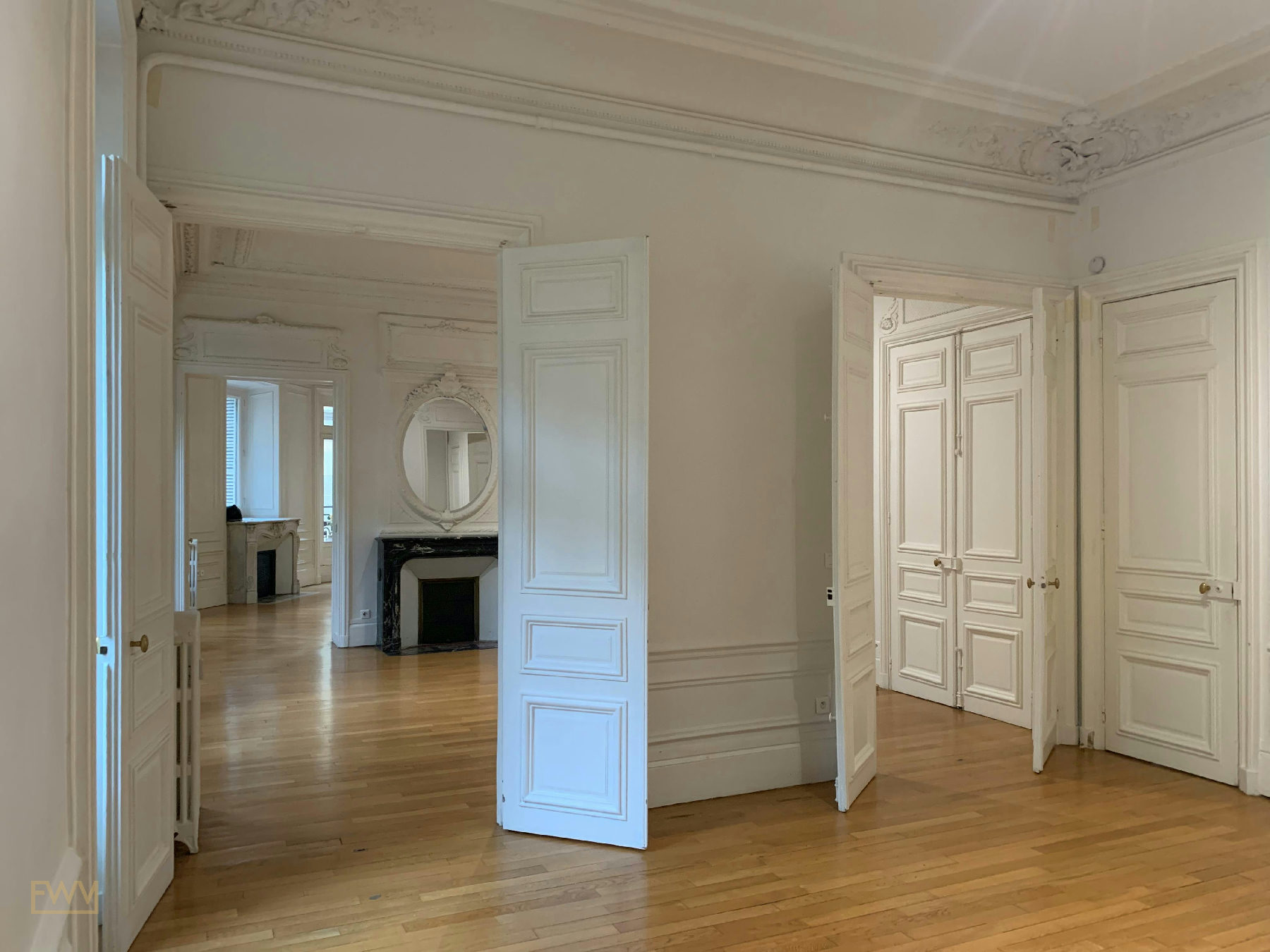
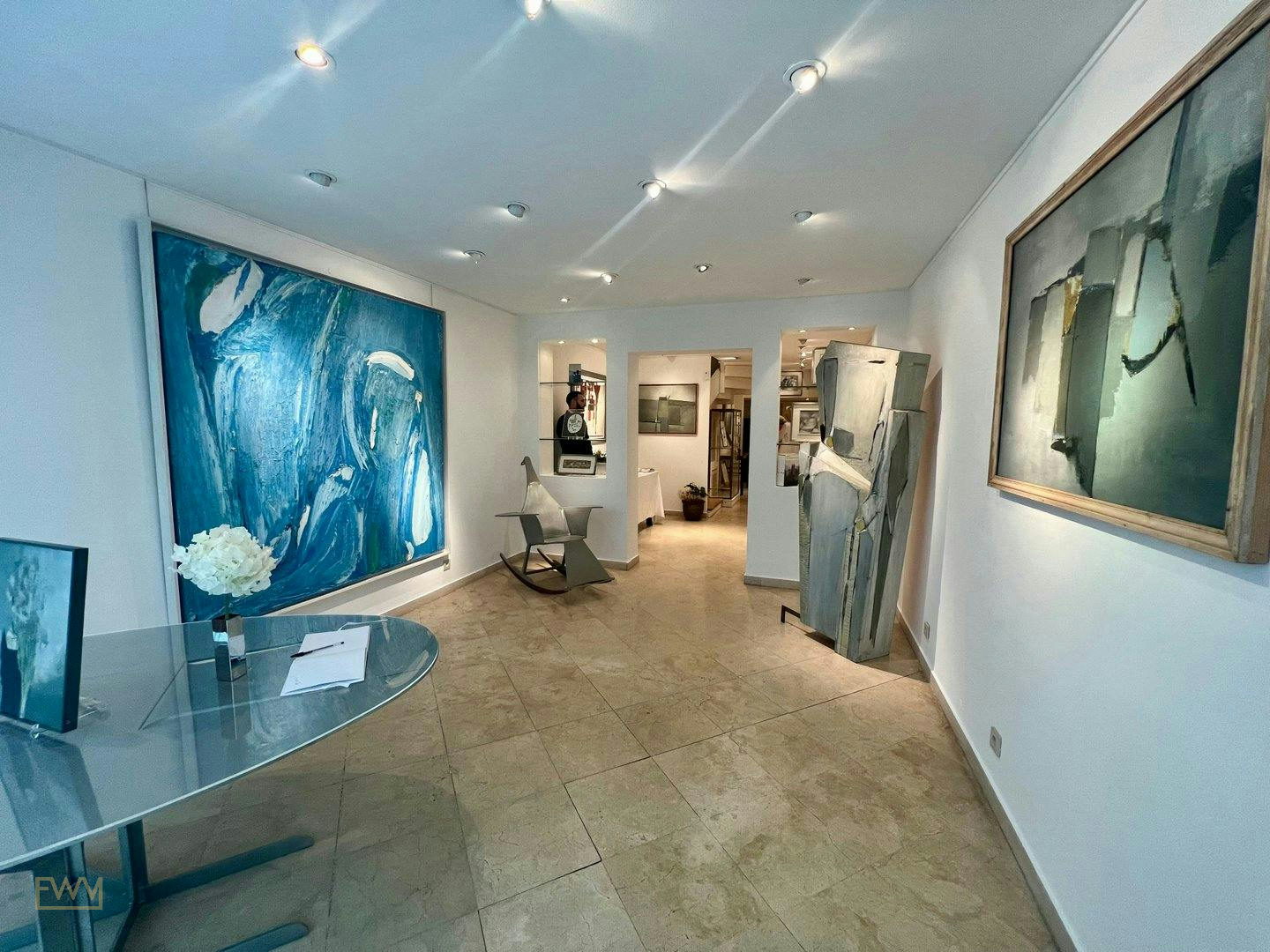
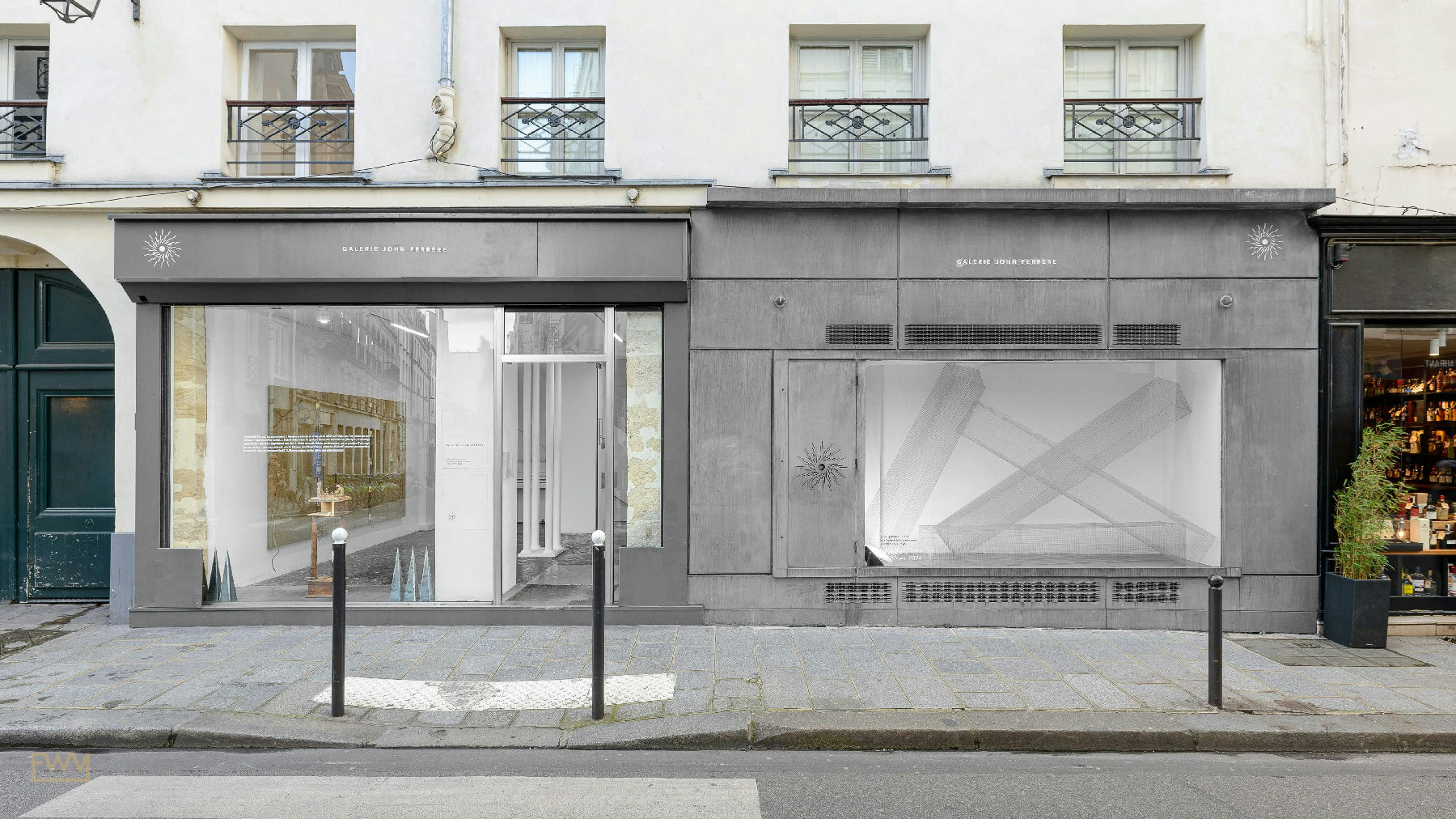
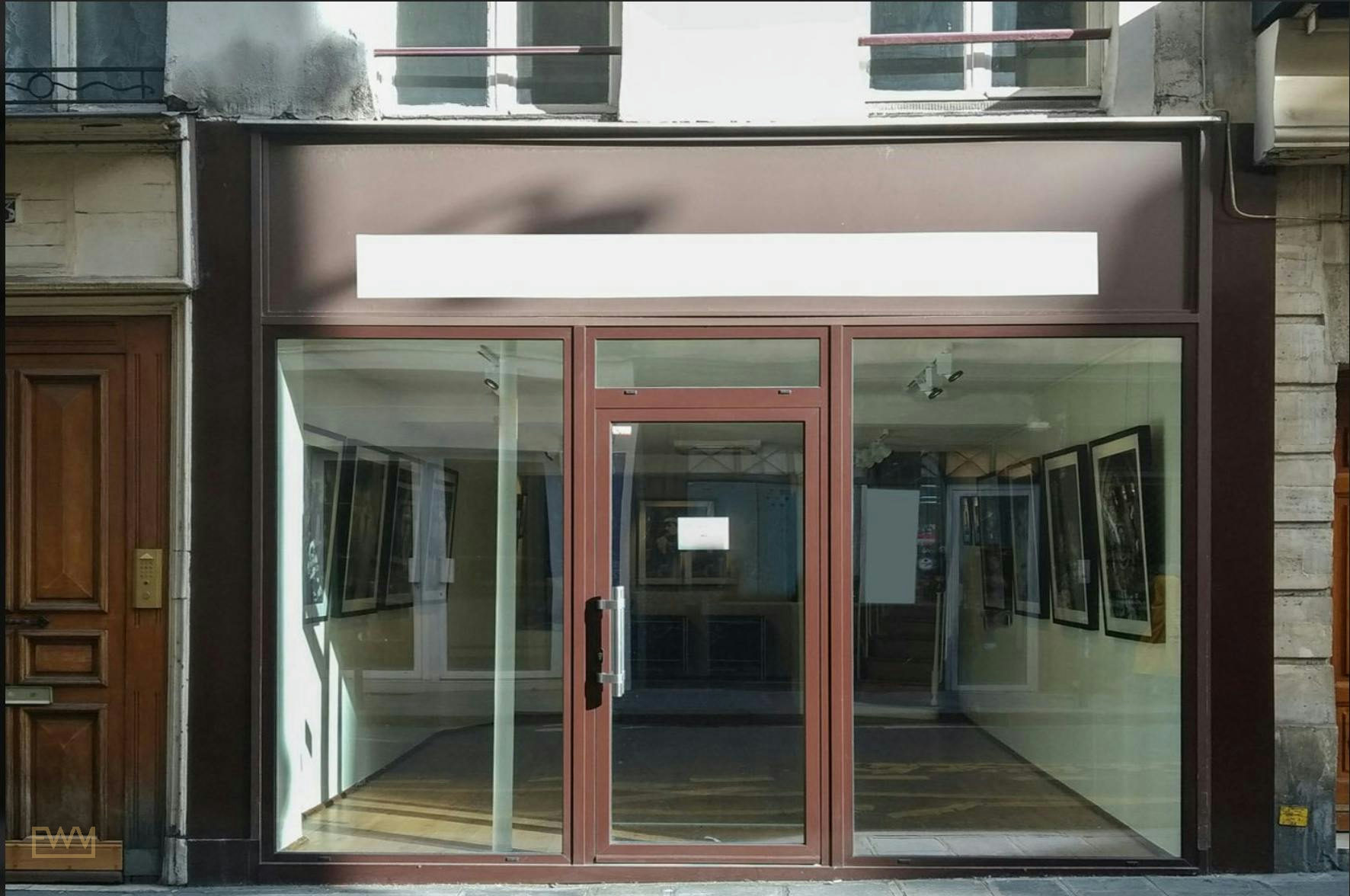
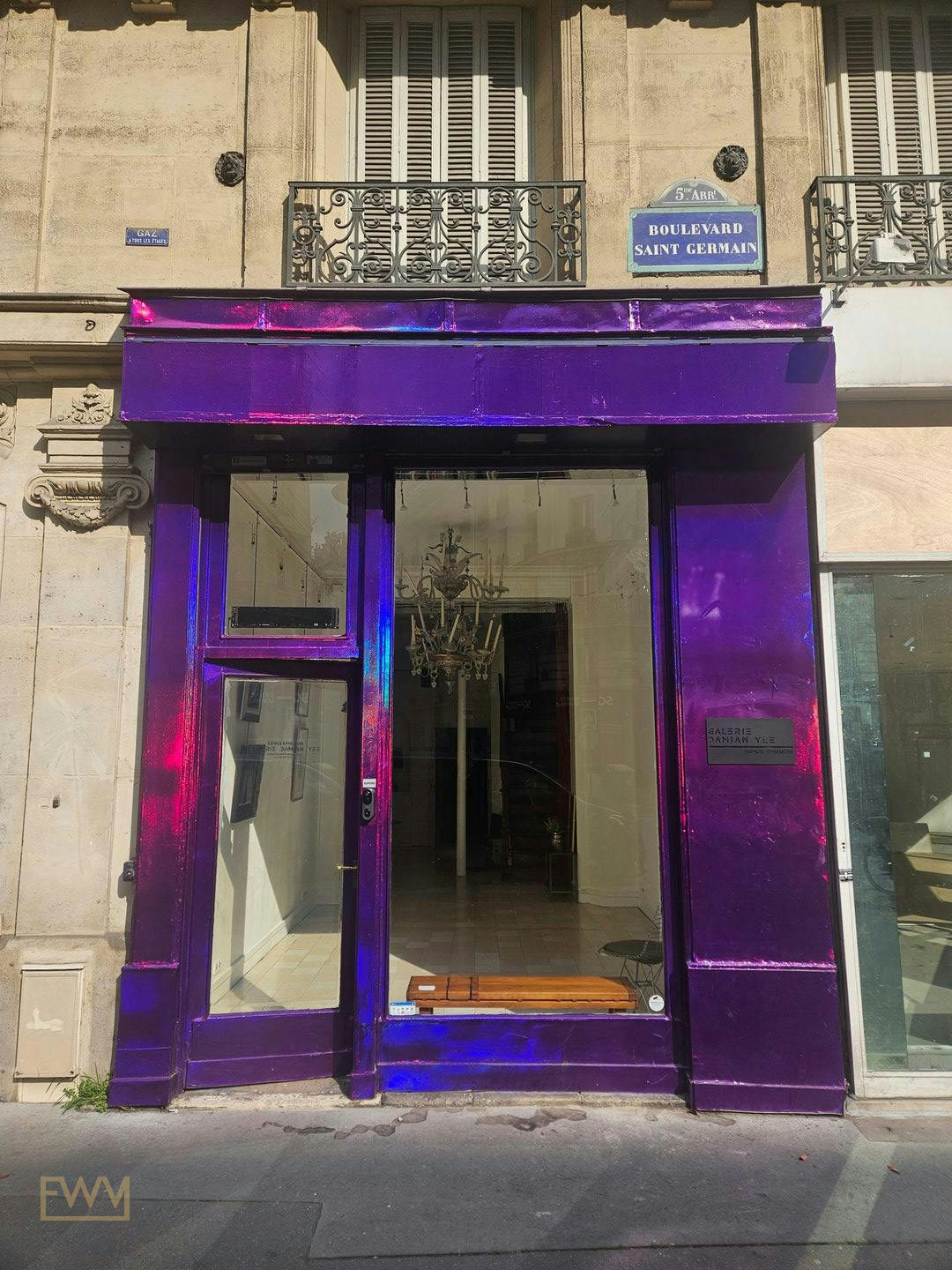
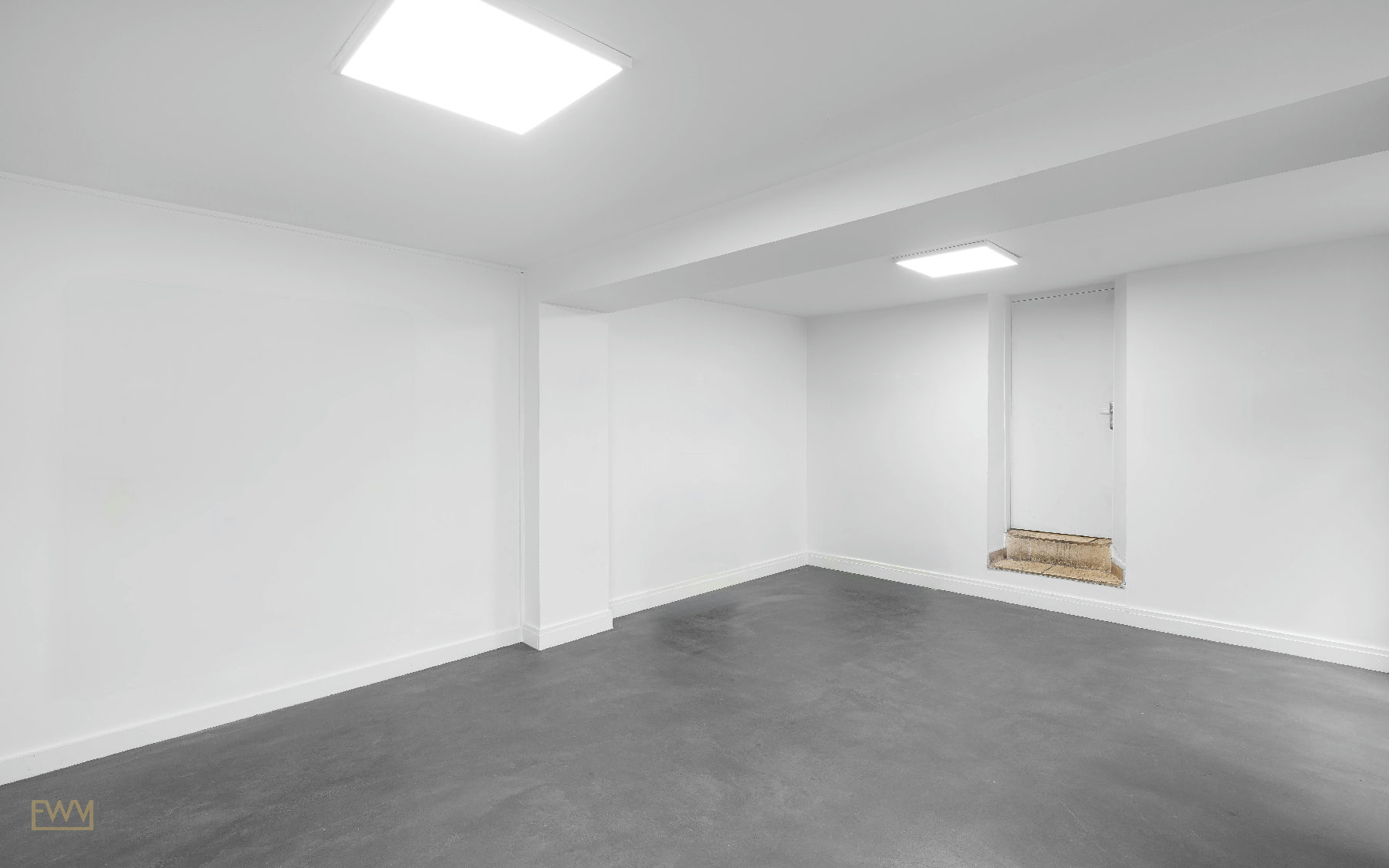
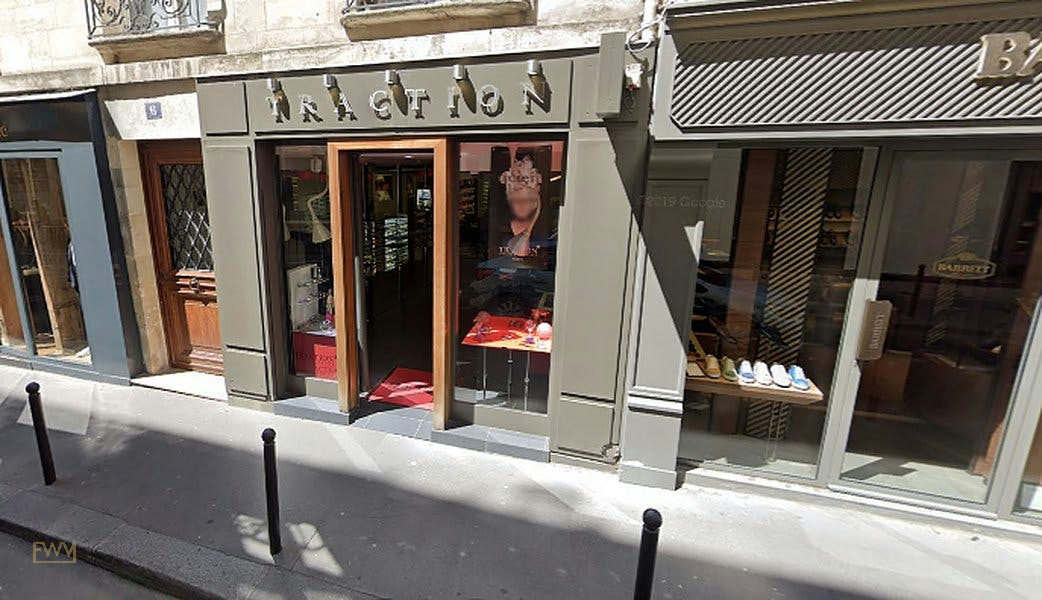
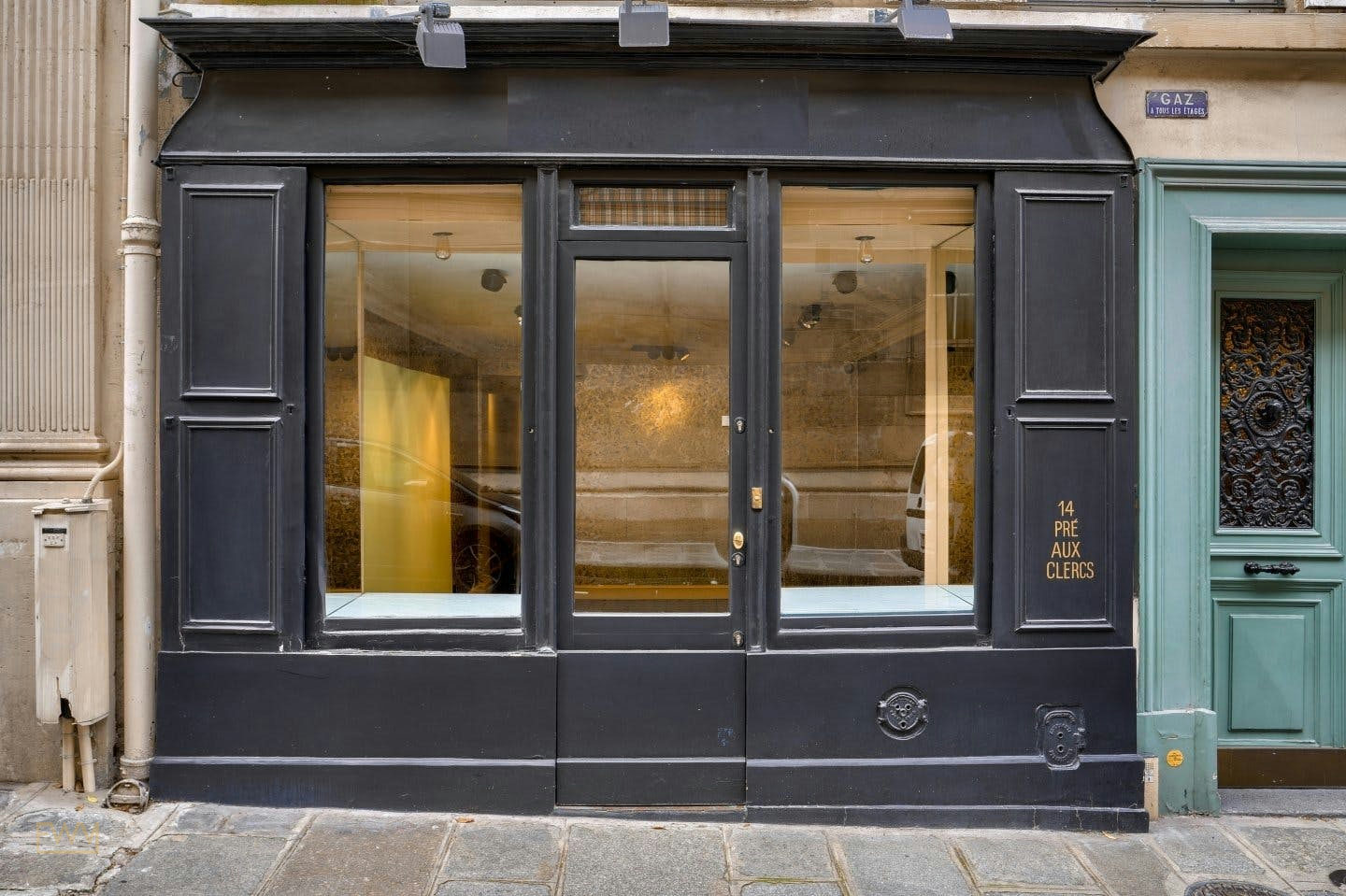
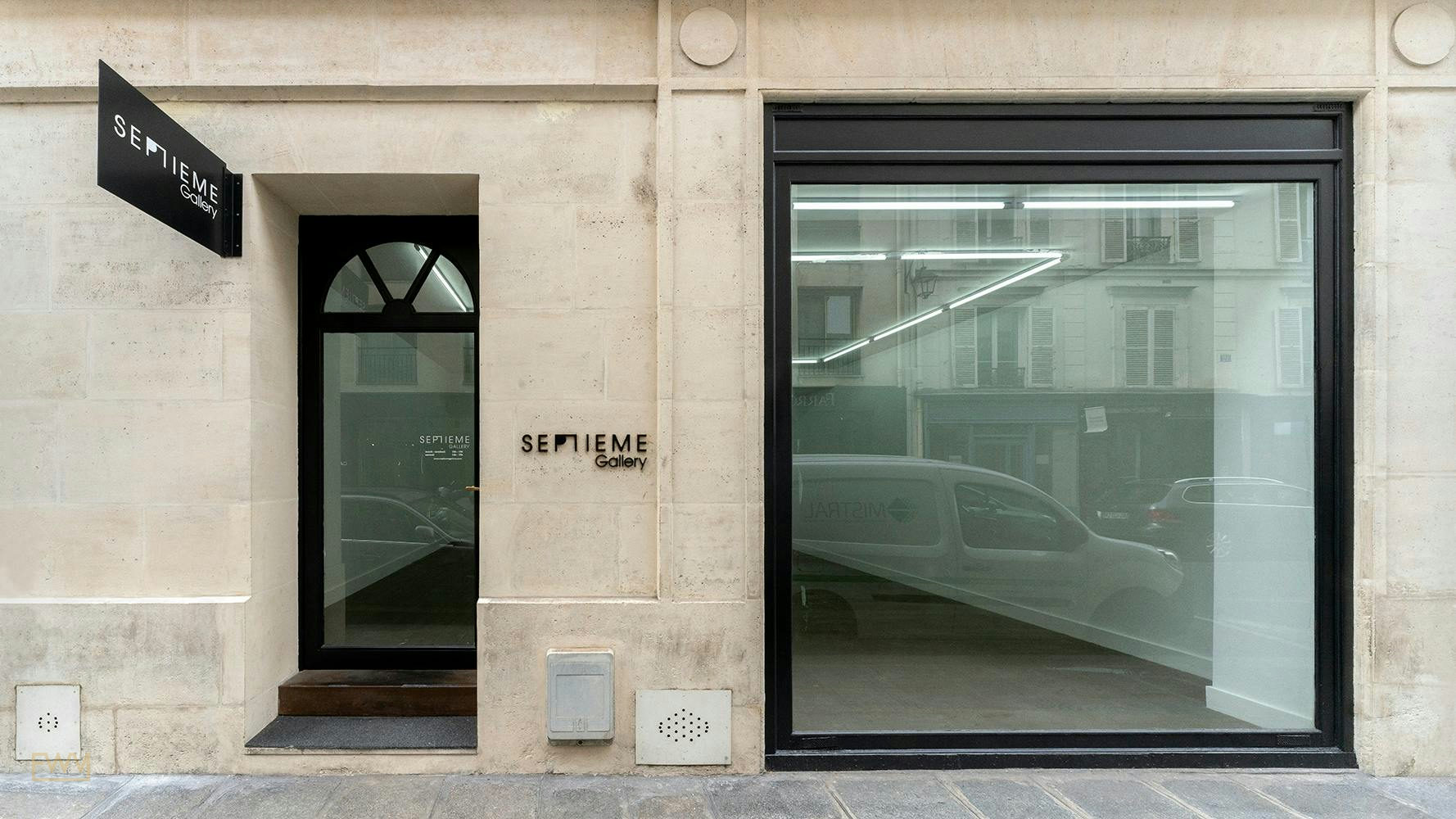
Fashion Week venues in Paris offer an unparalleled platform for brand activations, pop-up shops, and showrooms, providing a unique opportunity to engage directly with the fashion industry's elite. As the primary hub for luxury retail and high-fashion events, choosing the right venue is both crucial and challenging. Fashion Week Venues, a leading agency in pop-up retail and space marketplaces, specializes in helping brands navigate this complex environment with expert services including venue sourcing, concept direction, and activation management.
Understanding Paris as a Fashion Venue Hub
Paris is not just a city but a symbol of fashion and luxury. Each arrondissement offers a different essence, essential for deciding where to host an event. From the rich historical backdrop of Le Marais to the posh streets of Rue Saint-Honoré, the setting of your venue plays a pivotal role in the success of your event. Choosing a location in alignment with your brand's narrative can enhance visibility among industry professionals, fashion enthusiasts, and potential clients.
Interestingly, the Parisian fashion retail scene is evolving continually, creating new opportunities for temporary retail and brand activation spaces. The intersection of history with modernity in neighborhoods like Saint-Germain-des-Prés or Opéra offers brands a chance to appeal to diverse target demographics in awe-inspiring settings. Whether you're hosting a traditional showroom or an experiential marketing event, understanding these nuances will empower your decision-making.
Quick answer: Paris, as a hub for fashion venues, offers diverse opportunities across its unique districts, making it essential for brands to align their venue choice with their narrative and audience preferences.
For brands venturing into this market, partnering with agencies like Fashion Week Venues ensures comprehensive support in matching your concept with the ideal locale.
KEY TAKEAWAY: Your venue choice should reflect your brand's essence and appeal directly to your target audience, leveraging Paris’s unique neighborhoods to enhance your brand narrative.
Next, we will explore what distinguishes short-term retail activations from traditional retail setups, and how they can be an indispensable part of your strategy.
The Advantages of Short-term Retail and Pop-up Shops
Short-term retail activations such as pop-up shops offer brands a dynamic way to test markets, engage audiences, and create a sense of urgency and exclusivity. Unlike traditional retail outlets, pop-up spaces can flexibly adapt to branding needs without the long-term financial commitment. This agility positions them as excellent venues for seasonal product launches, limited-edition sales, or collaborative brand events.
Pop-up shops offer a unique platform for personal engagement, providing customers an exclusive in-store experience that cannot be replicated online. This interaction can generate valuable consumer data and real-time feedback, guiding future marketing and product strategies. The direct interaction fosters brand loyalty and creates memorable experiences that traditional retail often cannot achieve.
Quick answer: Pop-up shops provide cost-effective solutions for brands to test new markets, engage with customers directly, and create memorable brand experiences without long-term commitments.
Additionally, these venues are instrumental for driving impulse purchases due to their temporary nature, thus enhancing sales performance during the activation period. Pop-up shops can also be strategically located to coincide with major events like Paris Fashion Week, heightening visibility and engagement.
| Short-term Retail Vs Traditional Retail | Short-term Retail | Traditional Retail |
|---|---|---|
| Flexibility | High - adaptable to brand needs | Low - fixed layout and lease terms |
| Cost | Variable - based on duration and space | High - includes fixed long-term expenses |
| Engagement | Direct - personal and memorable experiences | Indirect - traditional interactions |
KEY TAKEAWAY: Utilizing short-term retail spaces like pop-up shops provides flexible opportunities for engaging with your audience, offering unique experiences that can drive both brand exposure and sales.
This brings us to the next crucial element of successful venue selection: understanding the logistics of setting up in Paris, including legal considerations and compliance.
Legal Considerations and Compliance for Pop-up Venues
Establishing a short-term retail presence in Paris requires navigating French commercial laws and regulations. Understanding these legal requirements is crucial for a successful activation. Two key concepts are the bail dérogatoire and the AOT (Autorisation d'Occupation Temporaire), which are unique to the French market.
The bail dérogatoire allows businesses to engage in short-term leases without following the stringent requirements of regular commercial leases. This lease must be agreed upon for a duration that does not exceed the legal limit of three years. Meanwhile, the AOT permits temporary occupancy of public spaces, often used for outdoor activations or events that utilise city property.
Quick answer: A bail dérogatoire is essential for legal short-term retail operations in Paris, enabling flexible rental agreements for periods under three years, augmented by AOT for public space use when required.
Despite offering more leniency than traditional leases, these contractual forms still require careful consideration and professional guidance. Brands must be aware of zoning laws, safety regulations, and necessary permits for specific types of activations. Consulting with a legal advisor familiar with French law is advisable to ensure that all aspects of the activation comply with local regulations.
KEY TAKEAWAY: Compliance with French laws for short-term retail requires understanding special leases like the bail dérogatoire and AOT, making legal advice essential for navigating these requirements.
Understanding legal constraints prepares you for the financial planning involved in securing a venue in Paris, which we will discuss next.
Budget Planning for Fashion Week Venues
Planning a successful fashion event involves a comprehensive budget strategy that considers all potential expenses, ranging from venue rentals to marketing activities. To effectively manage these costs, tools such as the budget calculator offered by Fashion Week Venues can prove invaluable. These tools help brands estimate expenses and allocate budget effectively, ensuring no hidden surprises emerge during the activation.
Quick answer: Budget planning for Fashion Week venues should leverage specialized tools to estimate costs accurately, factoring in all expenses from leasing to marketing to ensure financial efficiency.
Crafting a realistic budget begins with venue rental fees, which can vary widely based on location, size, and duration. Additional costs encompass permits, insurance, staffing, setup and takedown, and additional services such as security or cleaning. Marketing and advertising also occupy a significant portion of the budget to drive traffic and engagement during the event.
When crafting your budget, consider seasonal fluctuations and local events that might influence costs. The economic landscape in Paris is dynamic; thus, brands must remain agile to adapt to unexpected changes, such as shifts in consumer behavior or economic trends.
Utilizing the ROI calculator tool can assist brands in forecasting potential returns on event investments. By analysing consumer engagement, sales figures, and brand exposure metrics, businesses can justify budgeting decisions and adjust strategies for subsequent activations.
KEY TAKEAWAY: A well-crafted budget plan incorporates venue fees, marketing, and operational costs, supported by tools like budget and ROI calculators to maximize efficiency and ensure a successful activation.
Next, we delve into the critical element of timeline planning to ensure seamless execution.
Effective Timeline Planning for Event Activations
Every successful brand activation hinges on efficient timeline planning. Establishing a detailed timeline involves mapping out each phase of your event, from conceptualization to execution and post-event analysis. An effective timeline ensures that all components align systematically, avoiding costly oversights and enabling seamless operation.
When planning an activation in Paris, you must consider several key milestones: securing a venue, obtaining necessary permits, executing construction and setup, staffing, marketing communications, and hosting the event. Each task should be allocated a reasonable timeframe, ensuring each team is adequately prepared at every stage.
The timeline planning tool provided by Fashion Week Venues can assist in structuring your activation timeline, detailing each step from venue booking to post-event teardown. This tool offers customization for specific project needs, adapting to variables like team size and project scope to deliver a realistic, actionable plan.
Quick answer: Timeline planning for event activations involves coordinating every phase from venue booking to analysis, utilizing tailored tools to streamline and effectively manage the process.
Effective timeline management allows for flexibility to accommodate unforeseen changes, such as delays in permit approvals or unexpected changes in consumer trends. By being prepared with a comprehensive timeline, businesses can adapt rapidly without sacrificing quality or missing critical deadlines.
KEY TAKEAWAY: Timeline planning is essential for a successful activation, ensuring each phase is executed efficiently and potential issues are identified and mitigated ahead of time.
Now, let's examine how to maximise the potential of branding and retail staffing in relation to fashion event venues.
Branding and Retail Staffing for Event Success
Ensuring that your staffing and branding initiatives are aligned with your activation goals is crucial to achieving success during Paris Fashion Week. Your branding should narrate your brand’s story and resonate with your audience, which can be enhanced by visual merchandising strategies and collaborations with influencers.
Effective staffing is equally vital. Trained sales and marketing staff can be the difference between a standard activation and an exceptional brand experience. They should be well-equipped to engage attendees, uphold brand values, and provide a personalized experience that instills lasting impressions.
Quick answer: Successful branding and staffing are pivotal to event success; both should reflect your brand values, enhancing customer engagement through personalized interactions.
Collaborating with a staffing agency ensures you secure talent that mirrors your brand ethos. Custom-branded merchandising or unique uniforms can further reinforce theme congruity and improve brand recall among attendees.
Lastly, influencer collaboration can amplify your brand's reach. Social media influencers and fashion bloggers can create buzz, driving audience engagement and extending the reach of your event beyond its physical constraints.
KEY TAKEAWAY: Aligning your branding and staffing is key to ensuring a memorable activation experience, escalating both attendee engagement and overall brand impact.
We will now look into practical cases, exploring how different brands have successfully executed their activations in Paris.
Successful Brand Activations: Case Studies from Paris
Learning from real-world examples, several brands have effectively harnessed the opportunities afforded by Paris's dynamic fashion scene. Through careful planning and strategic alignment with local culture and consumer expectations, brands have turned temporary activations into significant milestones.
Consider the case of a luxury fashion house using a pop-up in the Marais to launch a new collection. By infusing local art and culture into the venue setup and using targeted influencer marketing, they created a highly immersive brand experience that not only attracted fashion enthusiasts but also appealed to the local Parisian audience.
Quick answer: Successful brand activations in Paris leverage cultural themes and strategic location choices to create engaging brand narratives that resonate with both local and international audiences.
This approach underscores the importance of location selection, cultural integration, and the innovative use of technology, like augmented reality installations to enhance the shopping experience. Fashion tech can turn a simple showroom into an interactive learning space that captivates and retains customer interest longer.
Another pivotal component is collaborating with a local fashion week agency to oversee logistics and ensure regulatory compliance. This allows brands to focus on creative aspects rather than being bogged down by operational details.
KEY TAKEAWAY: Leveraging local culture, strategic logistics planning, and innovative technology engagement are critical components of successful brand activations in Paris.
Next, let us unveil common myths about fashion week venues and set the facts straight.
Common Myths Debunked
MYTH: You need to have a French legal entity to rent a space in Paris.
FACT: While navigating rental agreements in Paris does require adherence to specific rules, companies can establish agreements without a formal French legal entity by obtaining the necessary permits and consulting with local legal experts.
MYTH: Paris Fashion Week is the only calendar window for brand activations.
FACT: Although Paris Fashion Week offers high visibility, it is not the only opportunity for brand activations. The fashion calendar in Paris includes many key opportunities throughout the year suitable for launches and events.
MYTH: Using commission brokers is the only way to find a fashion venue in Paris.
FACT: While commission brokers have traditionally been a go-to solution, modern platforms like the Fashion Week Venues marketplace offer brands direct access to venues without intermediary fees and enhanced flexibility in choosing the right space.
MYTH: Short-term leases are straightforward without any need for specialist help.
FACT: Although short-term leases like the bail dérogatoire provide flexibility, they require an understanding of specific legal frameworks, making specialist advice essential to navigate potential compliance issues.
By unraveling these myths, brands can approach their Parisian activations with a newfound clarity and strategic focus. Next, we provide answers to frequent questions we encounter from brand managers and activation planners.
Frequently Asked Questions
What is the bail dérogatoire?
The bail dérogatoire is a special type of lease in France, allowing companies to rent commercial properties for a period typically up to three years without the permanence of a standard commercial lease. This flexibility makes it ideal for short-term activations and pop-up shops. Understanding its limits and ensuring compliance with local regulations is essential to maximizing its benefits.
When is the best time to hold a pop-up shop in Paris?
While Paris Fashion Week is a prime opportunity for visibility, other periods like the Christmas holiday, summer sales, and other thematic local events also offer excellent opportunities for pop-up shops. It’s recommended to align the timing with product launches or specific brand stories to maximise impact.
Do I need a permit for all types of retail activations?
Yes, most types of retail activations require specific permits, including authorisations from local government bodies, especially if they involve structural changes or public space usage. Consulting with a local expert or using tools like the permits tool can ensure you understand all necessary steps and procure the appropriate documentation in advance.
Can international brands easily access Paris venues?
International brands can access Parisian venues with the right support and guidance. Partnering with local agencies such as Fashion Week Venues offers essential insights into the local market, cultural nuances, and legal requirements, facilitating smoother entry and successful activations.
How important is location for a fashion event in Paris?
Location is critical to a fashion event’s success as it affects foot traffic, brand perception, and audience engagement. Choosing a venue that aligns with your brand's narrative and target audience preferences can significantly enhance visibility and brand identity in the competitive Parisian market.
What are the potential costs of booking a fashion venue in Paris?
Costs can vary widely depending on the venue's location, the size of the space, and the duration of the rental. Estimations should also consider additional costs like staffing, marketing, permits, and operational expenses. Utilizing a dedicated budgeting tool can help provide a clearer picture of the overall financial commitment required.
How does Fashion Week Venues assist brands?
Fashion Week Venues assists brands by offering comprehensive services such as venue sourcing, activation management, and logistics support for pop-up shops. They also provide useful tools, including timeline and budget calculators, to enhance the planning and execution phases of fashion events.
Is a local partner necessary for organizing a fashion event in Paris?
While not mandatory, partnering with local experts can significantly benefit the planning and execution processes by providing insights into cultural practices, regulatory requirements, and logistical solutions tailored to the Paris market. Such partnerships help mitigate risks while maximizing engagement and brand impact.
Can emerging brands compete with established names during Paris Fashion Week?
Absolutely. Emerging brands can leverage pop-up shops and innovative marketing strategies to create unique experiences that resonate with audiences. By focusing on authenticity, storytelling, and high-quality customer interactions, smaller brands can stand out and generate buzz during high-profile events.
Why are short-term retail spaces appealing during Fashion Week?
Short-term retail spaces allow brands to capitalize on the concentrated media and public attention during Fashion Weeks. These spaces provide flexibility, enabling brands to create bespoke experiences tailored to the specific event and audience, thus enhancing visibility and engagement.
Conclusion
Fashion Week Venues provides indispensable services and insights for planning and executing successful brand activations in Paris. From understanding local legal frameworks like the bail dérogatoire, to effective timeline and budget planning, their comprehensive support acts as a cornerstone for any brand aiming to make a mark in the fashion capital. By leveraging the expertise of Fashion Week Venues, brands can not only navigate the operational complexities but also enhance their event’s impact through optimal location choice and strategic staffing.
Paris provides a unique and vibrant platform for brand narratives, rightfully calling for an approach that is both culturally aligned and strategically planned. To move from research to activation, start exploring available spaces on the Fashion Week Venues marketplace and build a focused brief for your target neighbourhood, space type, and calendar window. Accompanied by the right tools and expert guidance, these events can transform from mere representations to industry benchmarks.