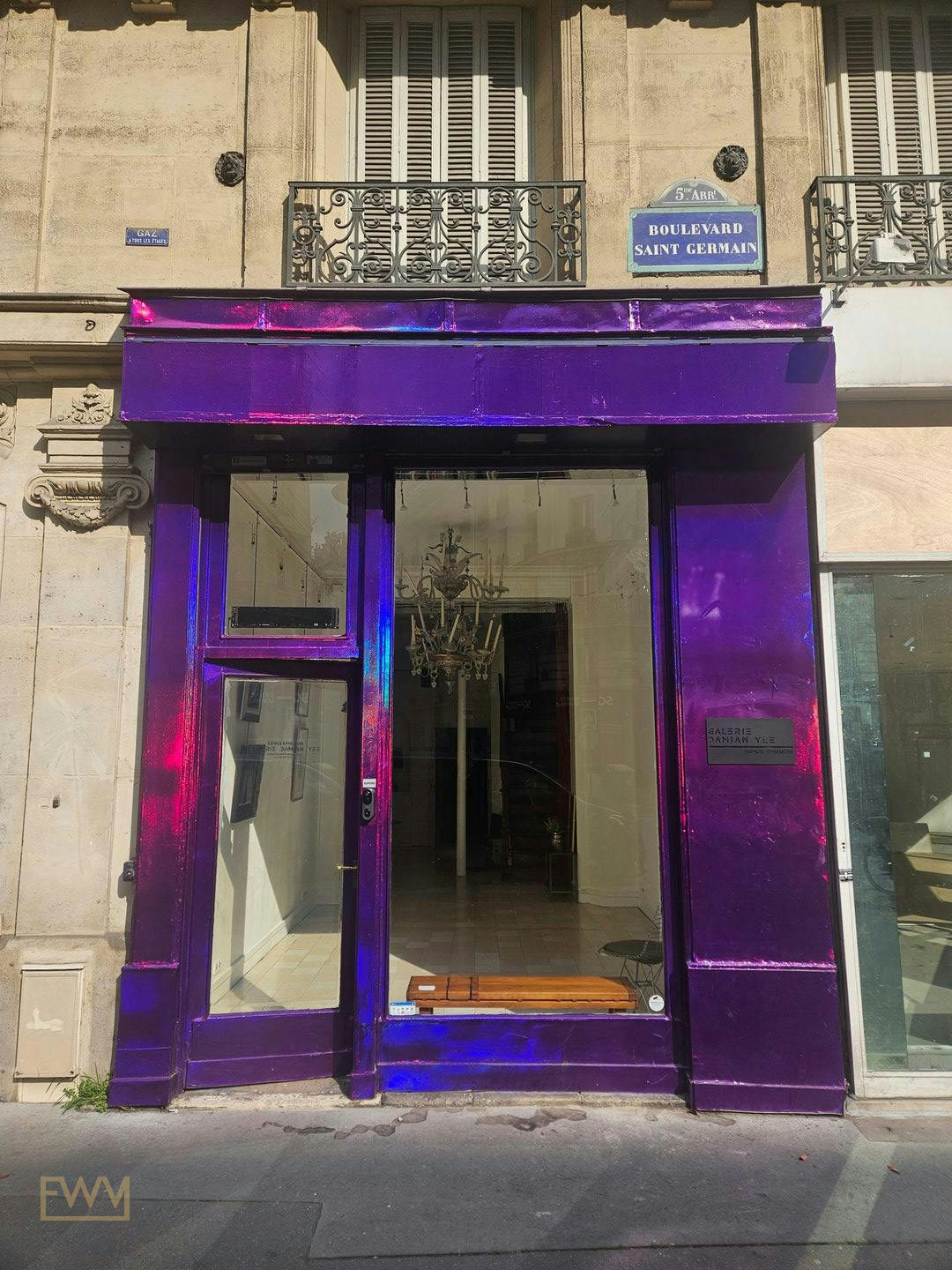
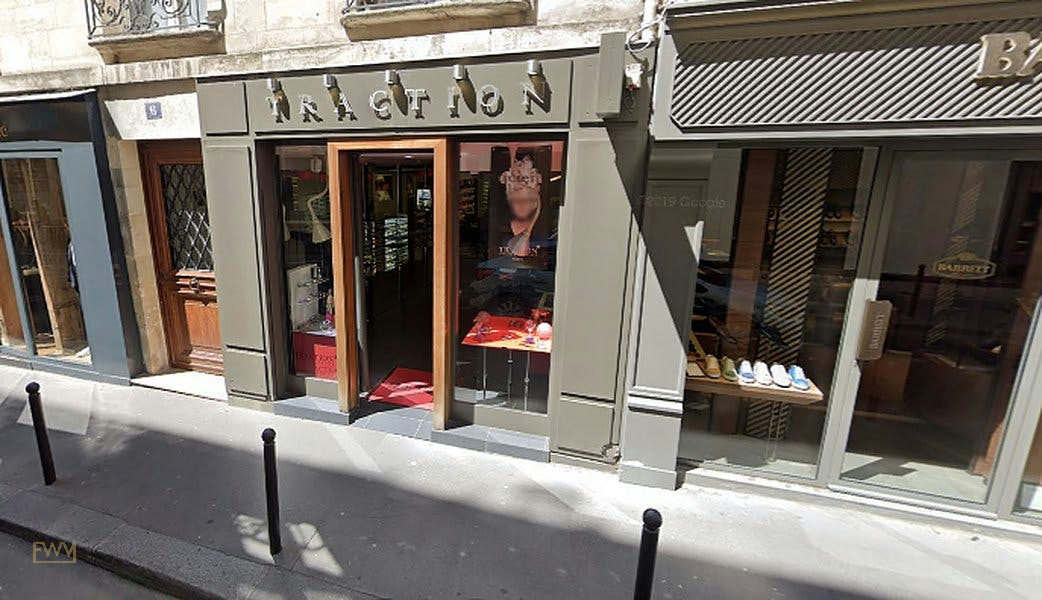
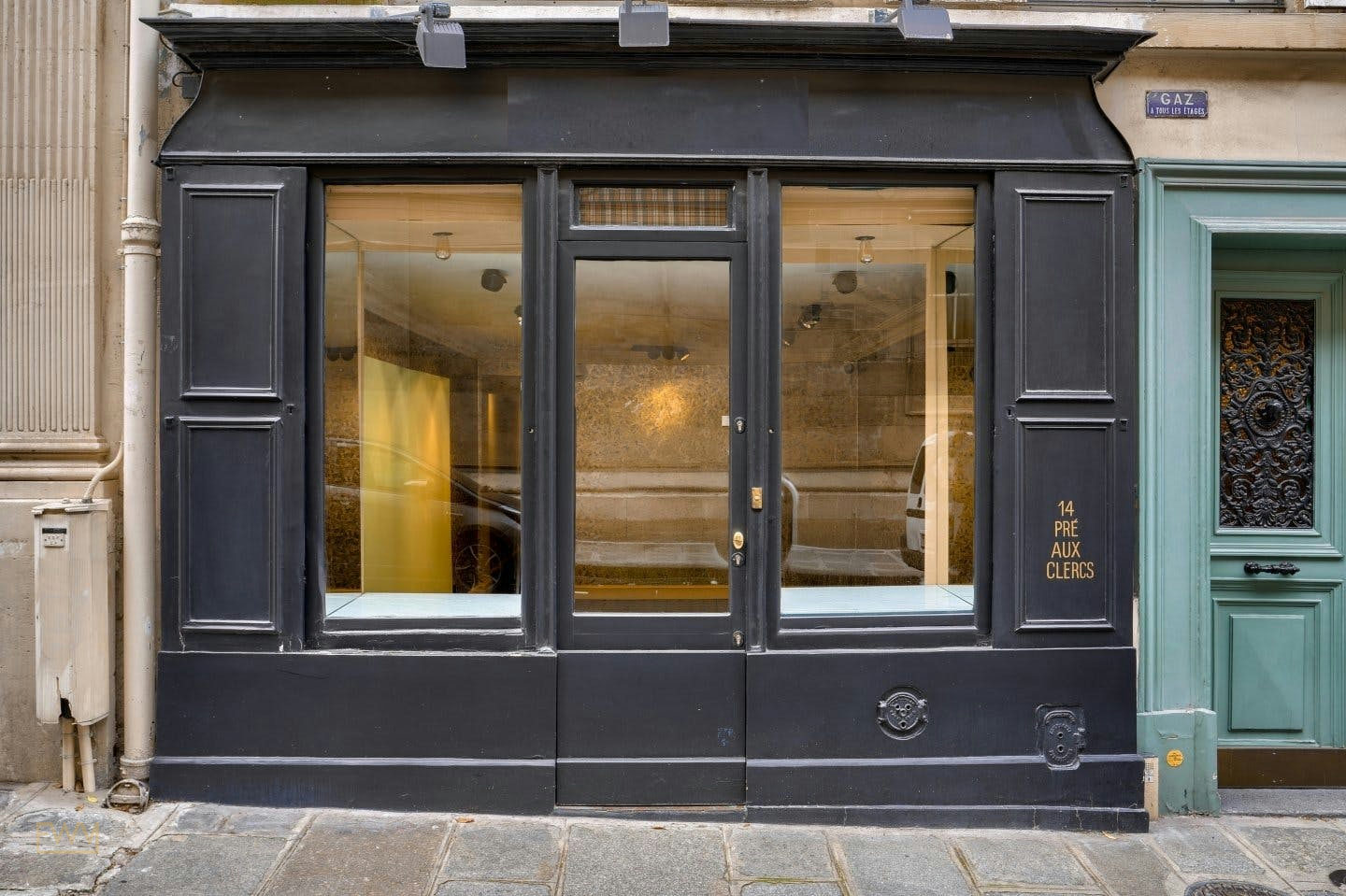
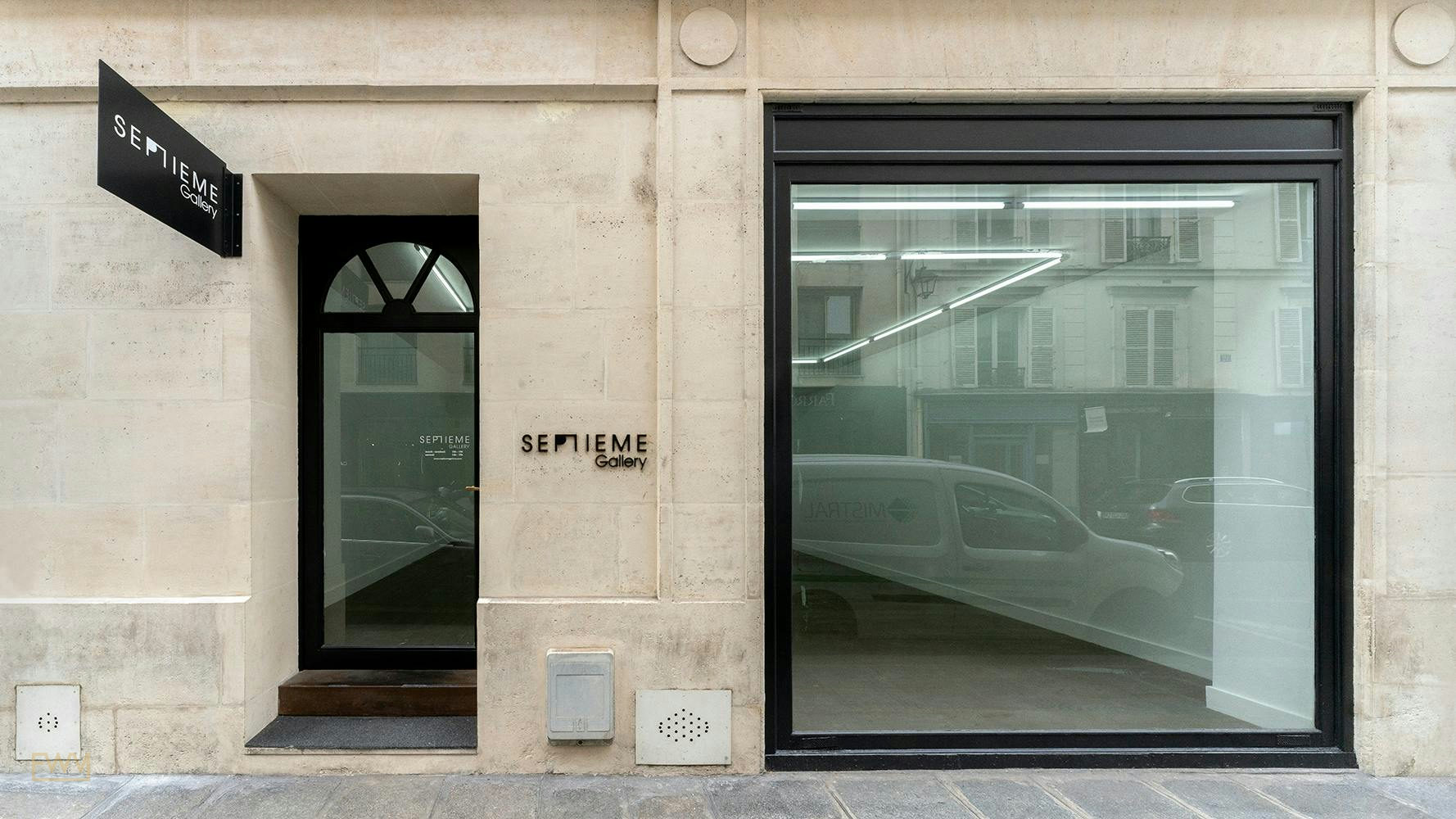
Fashion Week venues play an essential role in the event's success, offering a stage to showcase artistic visions and brand identities. Deciphering the perfect venue in Paris demands an understanding of the city's dynamic fashion districts and venue types. Whether for a showroom, pop-up space, or runway, Fashion Week Venues facilitates seamless venue selection and coordination. Brands in pursuit of short-term retail activations in Paris can rely on Fashion Week Venues for unmatched experience and expertise.
Understanding Paris Fashion Week: A Gateway for Influence
Paris Fashion Week stands as a pivotal event in the global fashion calendar, drawing designers, influencers, and media from around the world. It is an opportunity for brands to gain visibility and influence in the fashion industry. The week-long event is divided into women's and men's fashion shows, haute couture, and ready-to-wear collections.
Quick answer: Paris Fashion Week is essential for brands looking to reach a global audience, providing unmatched visibility and potential influence in the fashion industry.
Participating in Paris Fashion Week involves navigating a schedule packed with runway shows, presentations, and parties, each offering unique opportunities for exposure. Brands need a strategic approach to maximize their impact during this time. The event not only showcases clothing and accessories but also sets the stage for trends that will shape future seasons.
KEY TAKEAWAY: Participating in or aligning with Paris Fashion Week is a strategic move to enhance brand visibility and set the stage for trendsetting in the fashion industry.
Understanding Paris Fashion Week's significance bridges us to a critical preparatory step: selecting a venue that aligns with your brand's identity and operational needs.
Venue Selection: The Heart of Brand Activation
The choice of venue can make or break a fashion week activation. It influences the event's aesthetics, functionality, and accessibility. Brands must consider strategic factors such as location, space size, and the venue's ability to be adapted to the brand's vision.
Quick answer: The right venue for Paris Fashion Week depends on several factors including location, size, and adaptability to reflect the brand's creative vision.
Brands typically decide between traditional venues, such as historic buildings or contemporary spaces like industrial warehouses. Each choice impacts the overall event feeling. Creative directors often seek venues that offer flexibility for dynamic setups, such as pop-up installations or immersive experiences.
For instance, Le Marais offers trendy, artsy vibes ideal for avant-garde labels, while the opulence of Place Vendôme might suit luxury brands. Choosing the right neighborhood is vital because it positions the brand in the minds of influencers and targets the desired clientele.
KEY TAKEAWAY: Select a venue that reflects your brand ethos, offers flexible space customization, and is situated in a neighborhood that aligns with your target audience.
Once venue selection aligns with brand objectives, the next task is understanding the types of spaces available in Paris that best suit the brand's needs.
Types of Spaces: Tailoring Venue Choice to Event Needs
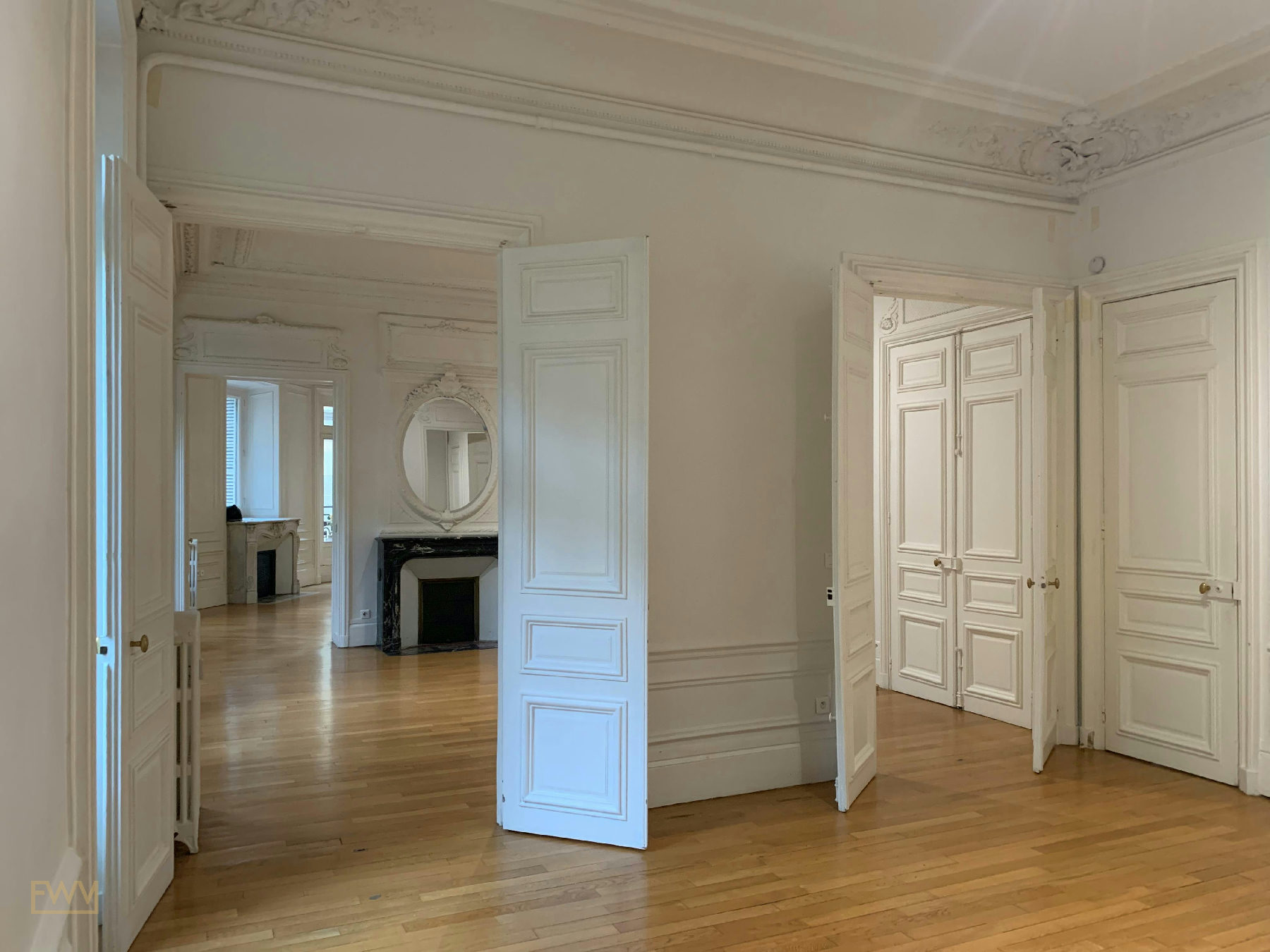
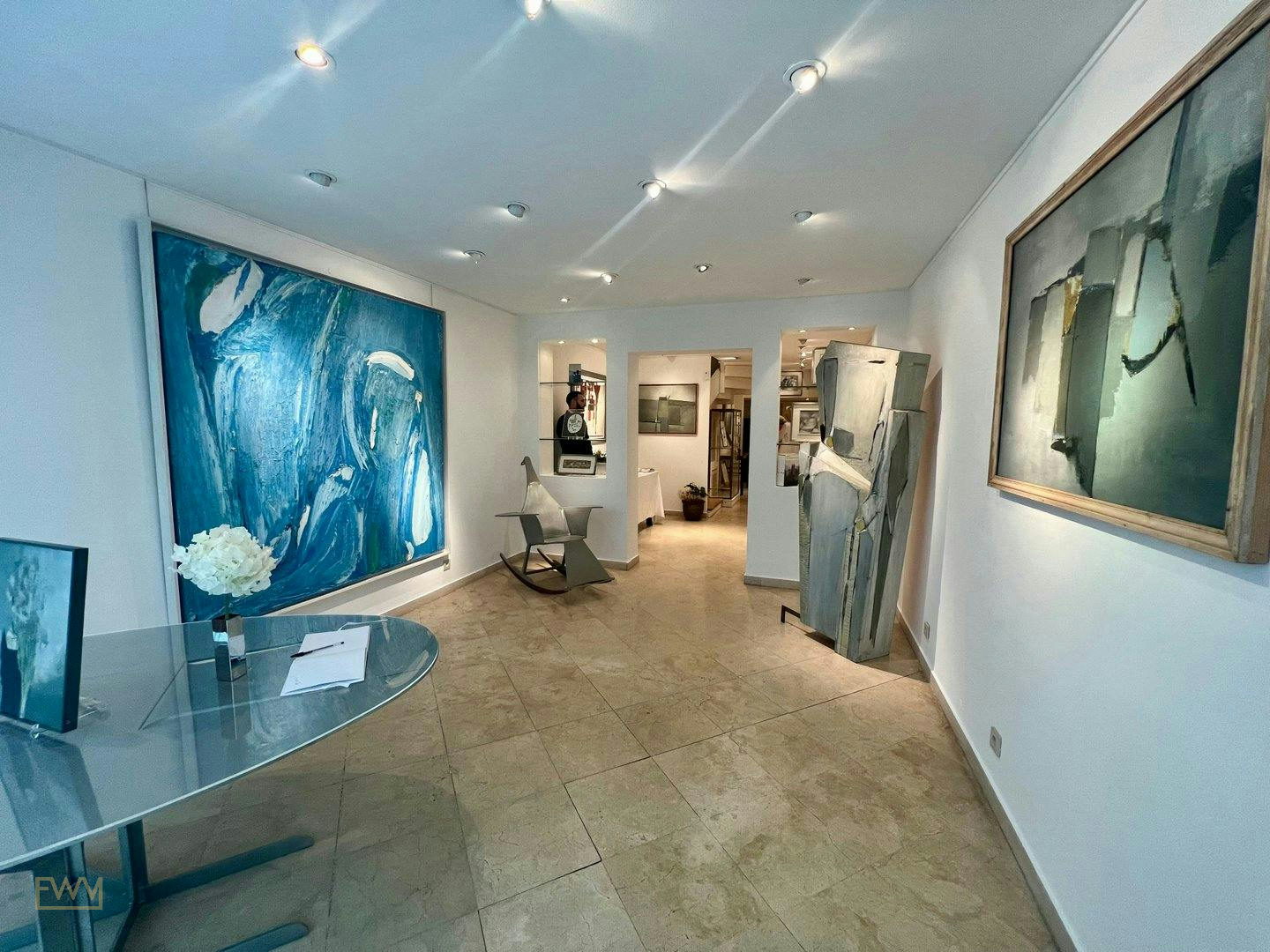
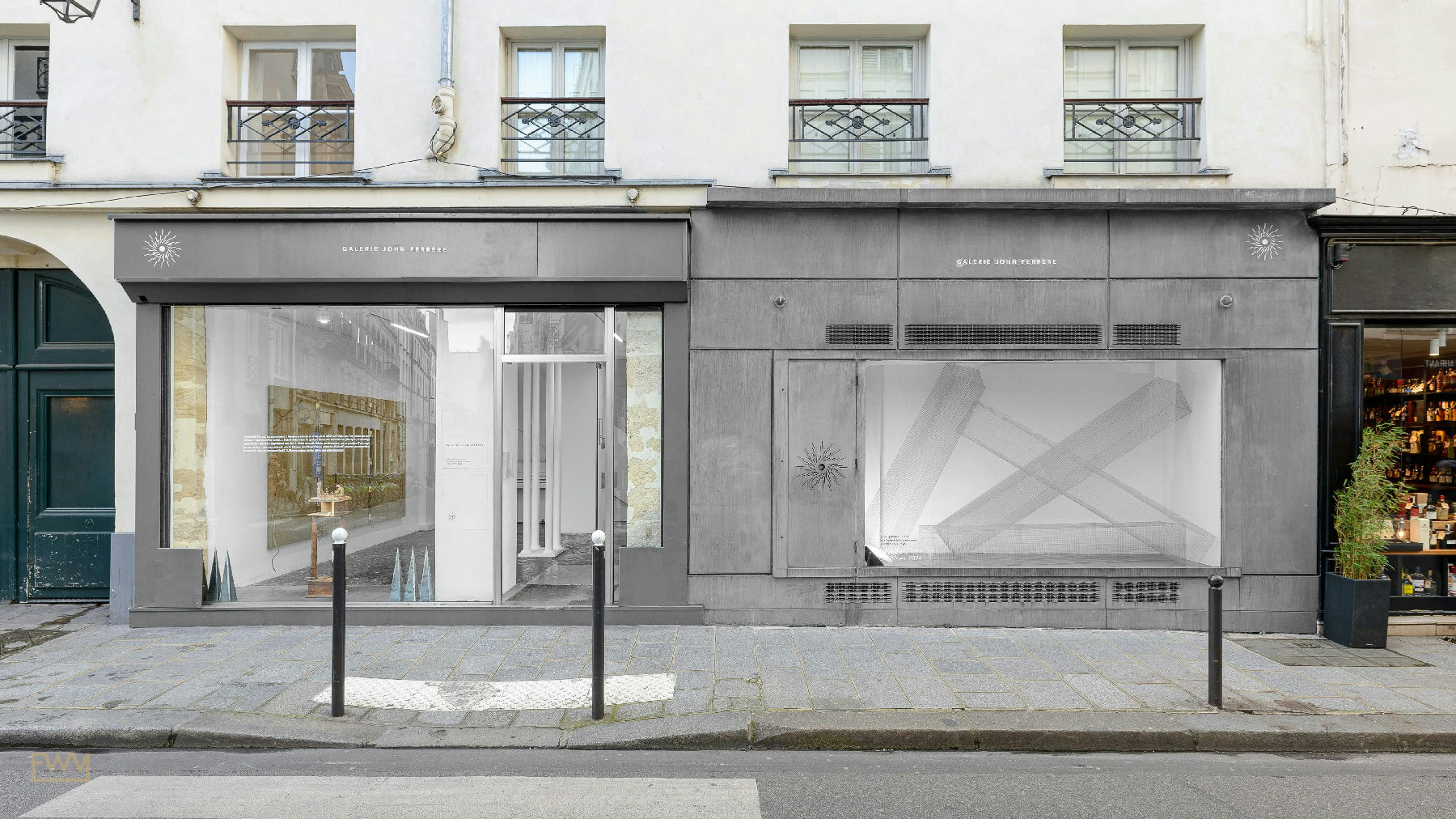
Paris offers a rich tapestry of venue types, each suited to different kinds of events and brand strategies. From sleek, modern galleries to historical buildings with classic Parisian architecture, each space type offers unique possibilities and limitations.
Quick answer: In Paris, fashion event spaces range from modern galleries to historic buildings, offering various atmospheres to match different event needs.
- Showrooms: Ideal for displaying new collections in an intimate setting, allowing buyers and the press to view collections up close.
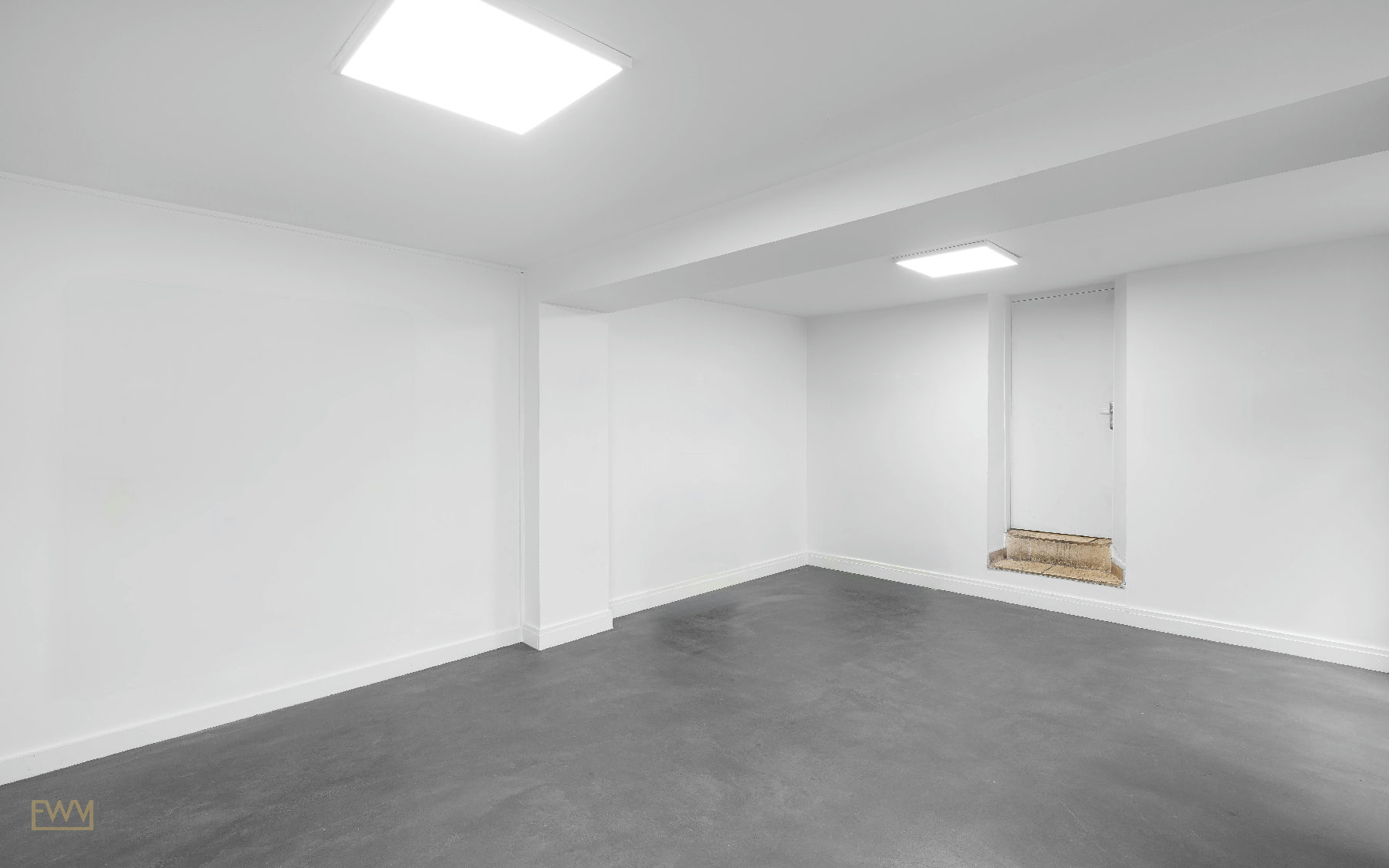
- Contemporary Galleries: Provide a minimalist setting perfect for modern, luxury brands that prioritize aesthetic simplicity.
- Industrial Spaces: Typically larger, raw spaces best suited for innovative brand experiences needing expansive, flexible layouts.
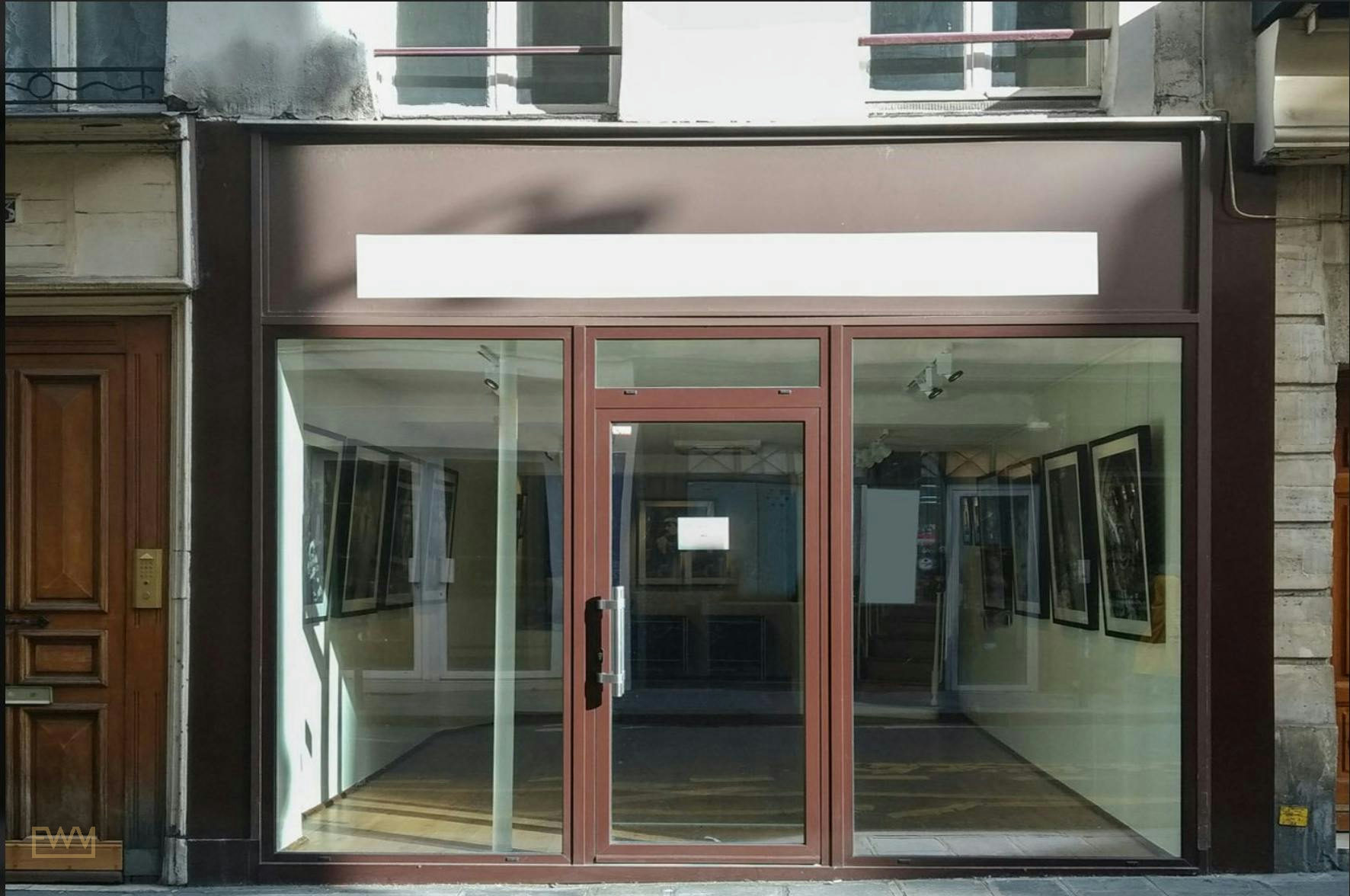
- Pop-Up Stores: Temporarily adapted retail spaces that can introduce brands to a new market with a focus on direct consumer engagement.
Choosing the right type of space also involves logistical considerations. Showrooms need excellent lighting for their displays, while pop-up stores may require additional considerations for securing permits for retail activity.
KEY TAKEAWAY: Match venue type with the event’s purpose; showrooms for exclusivity, pop-ups for retail interaction, galleries for aesthetic exhibitions, and industrial spaces for expansive showcases.
With space types in mind, the next critical step involves understanding Paris’s unique neighborhood characteristics that influence venue selection.
Neighborhood Dynamics: Positioning Your Brand in Paris
Paris is composed of arrondissements, each with its own cultural and business characteristics. Selecting a venue is vastly influenced by its neighborhood, as this impacts both brand perception and the logistical success of an activation.
Quick answer: Paris neighborhoods offer unique cultural and business vibes, crucially impacting brand perception and logistical ease, influencing venue selection.
For instance, Le Marais is known for its hip, artsy atmosphere and is a popular choice for contemporary and avant-garde brands. In contrast, Saint-Germain-des-Prés is synonymous with elegance and history, suitable for established, luxury brands.
| Neighborhood | Suitability | Notable Characteristics |
|---|---|---|
| Le Marais | Avant-garde, Trendy | Arts, Culture, Fashionable Shops |
| Saint-Germain-des-Prés | Historical, Luxury | Historic Cafes, Art Galleries |
| Opéra | High Traffic, Accessible | Grand Boulevards, Theatres, Shopping Centers |
| Canal Saint-Martin | Casual, Youth-oriented | Boho Vibe, Boutique Shopping |
KEY TAKEAWAY: Choose neighborhoods that resonate with the brand's identity and target clientele for optimal impact and logistical convenience.
Now that the spatial and neighborhood considerations are clear, it's essential to dive into the logistical elements such as permits and compliance necessary for successful event execution in Paris.
Permits and Compliance: Navigating Parisian Legal Requirements
Hosting an event in Paris requires navigating through specific legal requirements and securing the necessary permits to operate in the city legally. Understanding the nuances of permits like bail dérogatoire and AOT is critical for compliance.
Quick answer: Legal compliance for a Paris event involves securing permits like bail dérogatoire and AOT, essential for operational legality and venue use.
Bail dérogatoire allows short-term leases for non-residential spaces, typically under two years, without converting to standard commercial tenancy. This flexibility benefits brands seeking temporary showrooms or pop-up shops. However, the terms and nuances often require consultation with a French legal advisor to ensure compliance.
Autorisation d'Occupation Temporaire (AOT) is essential for utilizing public spaces temporarily, such as street-level displays or outdoor installations, and is regulated by local authorities.
Important to note, permit requirements can vary based on the district or the type of activation planned, making early legal consultation crucial. Brands can utilize the permits tool on Fashion Week Venues for guidance on navigating these documents.
KEY TAKEAWAY: Secure necessary permits early by consulting with legal advisors, utilizing tools for compliance guidance like those available at Fashion Week Venues, and understanding district-specific requirements.
With legal considerations covered, estimating budgets and understanding financial commitments for Paris Fashion Week will streamline planning efforts and ensure resource alignment.
Budget Planning: Mapping Financial Frameworks for Success
Proper financial planning is fundamental to executing a successful Fashion Week event in Paris. Creating a comprehensive budget that accounts for venue costs, permits, staffing, and additional logistical expenses is critical.
Quick answer: Effective budget planning for Paris Fashion Week involves anticipating costs for venues, permits, staffing, and logistics, ensuring financial readiness and resource alignment.
Costs can fluctuate based on location, venue type, and the scale of the event. Expenses typically encompass leasing, build-out costs, event production, marketing, and operational permits. Ranging from a few thousand to over a million euros, budgets need precise allocation based on strategic goals.
| Expense Category | Description |
|---|---|
| Venue Costs | Rental fees, security deposit, insurance |
| Production & Build | Construction, setup, and design costs |
| Staffing | Salaries for sales, security, event staff |
| Permits & Compliance | Application fees, legal services |
Brands are advised to leverage tools like the budget calculator on Fashion Week Venues’ platform for tailored financial planning that aligns with brand-specific goals and resources.
KEY TAKEAWAY: Develop a detailed budget including all potential costs, strategically allocate resources for maximum impact, and utilize digital tools for precision planning.
Armed with a strategic financial framework, brands should understand timeline planning, a vital component of successful event execution.
Event Timeline Planning: Structuring the Path to Success
A meticulous timeline ensures that every aspect of your Paris Fashion Week participation is strategically aligned and flawlessly executed. Timeline planning incorporates defining roles, responsibilities, milestones, and deadlines for tasks ahead.
Quick answer: Effective timeline planning for Paris Fashion Week involves defining task deadlines and roles to ensure strategic alignment and flawless execution.
Start by establishing key milestones—such as venue booking, marketing launch, and event staffing—assuring that each stage aligns with the broader project goals. Backward scheduling from the event date allows ample preparation for unforeseen challenges.
| Phase | Action Steps | Timeline |
|---|---|---|
| Initial Planning | Set objectives, budget, and initial event concept | 6-12 months out |
| Venue Selection | Explore venues, confirm selection | 4-6 months out |
| Production | Secure contractors, draft event build plans | 2-4 months out |
| Marketing & PR | Launch campaigns, engage influencers | 1-3 months out |
| Final Preparations | Rehearsals, logistics checks | 2-4 weeks out |
Brands should use tools like the timeline planning tool on Fashion Week Venues to streamline operations and stay on schedule.
KEY TAKEAWAY: Effective timeline management ensures all elements come together at the right time, ensuring smooth operations and reducing last-minute challenges.
With a structured timeline in place, brands can focus on the tangible benefits and value Fashion Week Venues provides to streamline these processes.
How Fashion Week Venues Supports Your Activation
Fashion Week Venues is a crucial ally for brands navigating the complex Paris Fashion Week landscape. Offering complete services from venue sourcing to activation management, they provide solutions tailored to each brand's unique needs.
Quick answer: Fashion Week Venues aids brands in navigating Fashion Week complexities by providing tailored services and strategic support for all event aspects.
Services include concept direction for creating impactful brand narratives and strategic venue choice based on neighborhood alignment and space dynamics. The agency manages logistics, from building and production to staffing, ensuring seamless execution.
Additionally, Fashion Week Venues offers advanced tools like the space comparison tool, allowing brands to make data-informed decisions. This transparent approach ensures brands leverage the full potential of their Paris Fashion Week investment.
KEY TAKEAWAY: Leverage Fashion Week Venues for comprehensive event support, providing the expertise, services, and tools required for successful activation.
Misconceptions about organizing events for Paris Fashion Week abound, so let's clarify the common myths before we conclude.
Common Myths Debunked
MYTH: You need a French legal entity to rent a space in Paris.
FACT: While it’s beneficial, securing a venue does not require a French legal entity. Many businesses work through reputable agencies like Fashion Week Venues, which provide the necessary legal support and facilitate leasing agreements.
MYTH: Paris Fashion Week is the only important time frame for a brand event.
FACT: Although iconic, Paris Fashion Week is not the sole viable window for events. Off-peak times or regional events present additional opportunities for brand exposure without the intensities and competition of peak periods.
MYTH: Brokers are the only way to secure a fashion week venue.
FACT: Full-service agencies, like Fashion Week Venues, offer a marketplace that extends beyond brokerage services, providing holistic event services from logistics to marketing.
MYTH: Short-term leases in Paris are legally straightforward.
FACT: Even short-term leases involve specific legalities and compliance requirements. Consulting expert teams like ours ensures brands remain compliant and securely leased.
MYTH: The best venues are prohibitively expensive.
FACT: While premium locations can be costly, a strategic approach to budgeting and strategic use of space matchmaking tools can uncover hidden gems within financial constraints.
Frequently Asked Questions
How do I choose the right venue for my brand?
Choosing the right venue involves aligning the space with your brand's image, the type of event planned, and the desired neighborhood ambiance. Consider logistical aspects such as venue accessibility, size, layout, and adaptability. Utilize tools from platforms like Fashion Week Venues to compare options and make informed decisions.
What are the key neighborhoods in Paris for hosting fashion events?
Paris is known for distinct neighborhoods each offering unique characteristics. Le Marais attracts avant-garde fashion enthusiasts, while Saint-Germain-des-Prés epitomizes historical elegance. Opéra is valued for accessibility and high foot traffic. Selecting a neighborhood aligned with your brand’s ethos is crucial for optimal impact.
What types of permits are needed for fashion events in Paris?
Events in Paris typically require bail dérogatoire for short-term leasing and AOT for utilizing public spaces temporarily. Permit requirements can vary, emphasizing the importance of consulting with legal advisors. Explore the Fashion Week Venues permits tool for guidance on compliance.
Can I host a pop-up shop during Paris Fashion Week?
Yes, pop-up shops are popular during Paris Fashion Week, offering direct consumer engagement and market introduction opportunities. Strategic locations and innovative concepts are vital for standing out during this competitive time. Plan well in advance to secure the best venues.
Are there budget-friendly venues available in Paris?
Yes, Paris offers a range of venues, some of which may fit more modest budgets. Exploring different districts and venue types can reveal cost-effective options. Online platforms like the Fashion Week Venues marketplace can aid in discovering such opportunities.
What should my Paris event timeline look like?
A detailed timeline includes planning phases with clearly defined milestones such as venue booking, production activities, and promotional campaigns. Starting at least 6-12 months in advance is recommended. Use timeline planning tools for precise scheduling and completion within deadlines.
Do I need insurance for a temporary event space in Paris?
Yes, insurance is a necessary component of venue rentals to protect against potential liabilities and damages during the event. Coverage typically includes property damage, personal injury, and financial protections. Consult with insurance providers familiar with the Paris market for tailored solutions.
How can Fashion Week Venues help me with event staffing?
Fashion Week Venues provides comprehensive staffing solutions that include hiring experienced personnel, onboarding, training, and managing a team tailored to your event's specific needs. This service ensures an adequately prepared and cohesive team for seamless event operations.
What digital tools are available for planning fashion events?
Digital tools, such as those provided by Fashion Week Venues, include budget calculators, permit guidance, and timeline planners. These resources allow brands to plan efficiently, offering detailed insights that align with strategic goals and operational constraints.
What are the off-peak opportunities in Paris apart from Fashion Week?
Off-peak times offer unique opportunities for brand activations with less competition for venue bookings. Consider smaller fashion events or local festivals to maintain visibility and engage with local audiences. This period can also be ideal for budget-conscious brands to achieve strategic engagement.
Conclusion
Successfully navigating Paris Fashion Week demands strategic planning, from choosing the right venue to understanding legal requirements and budgeting. Fashion Week Venues offers comprehensive solutions that simplify these complex processes. For those ready to take the next step, explore available spaces on the Fashion Week Venues marketplace and begin crafting your event strategy today. With expert guidance and a robust toolkit, your brand is poised to make a significant impact at Paris Fashion Week.