
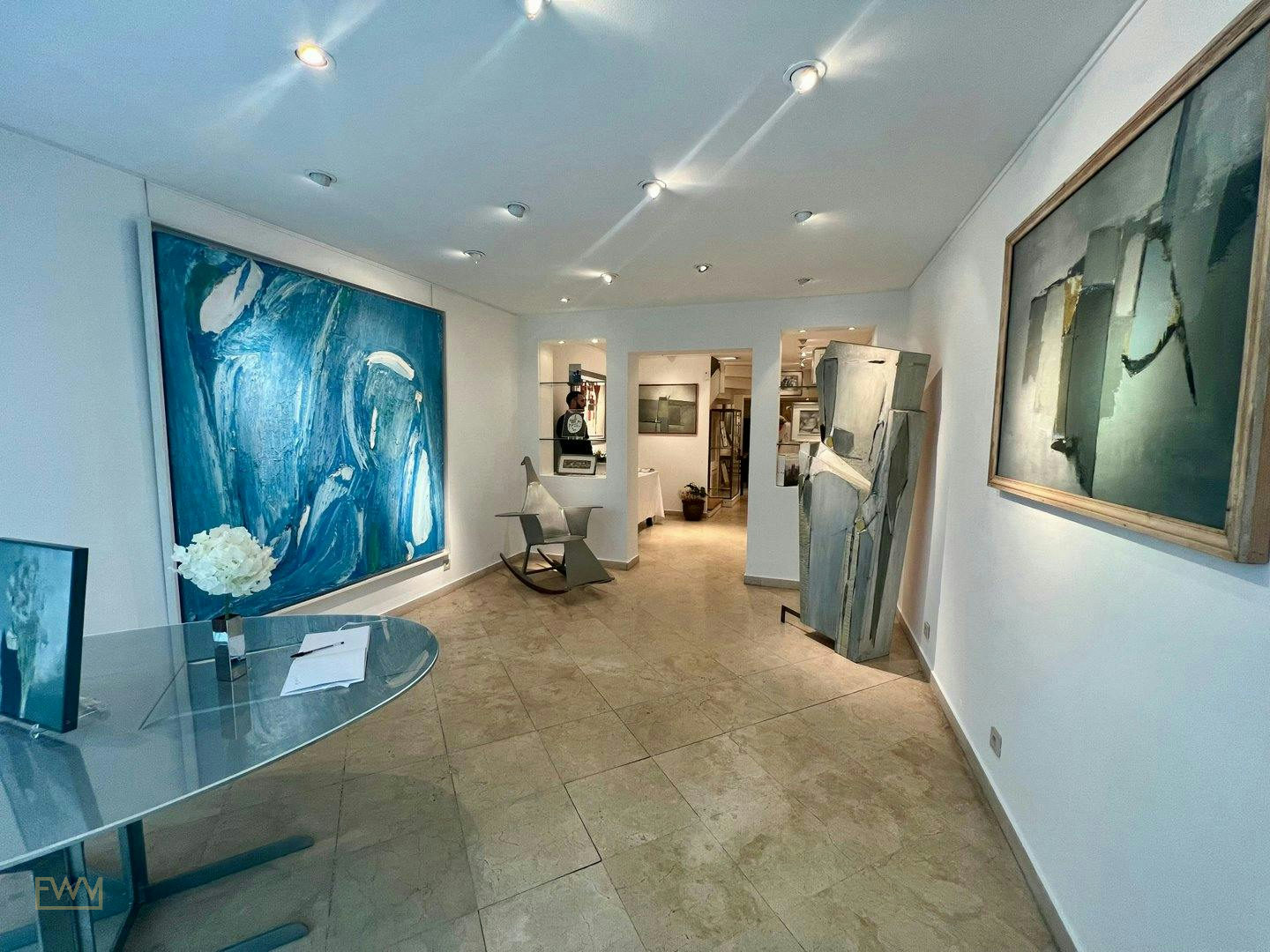
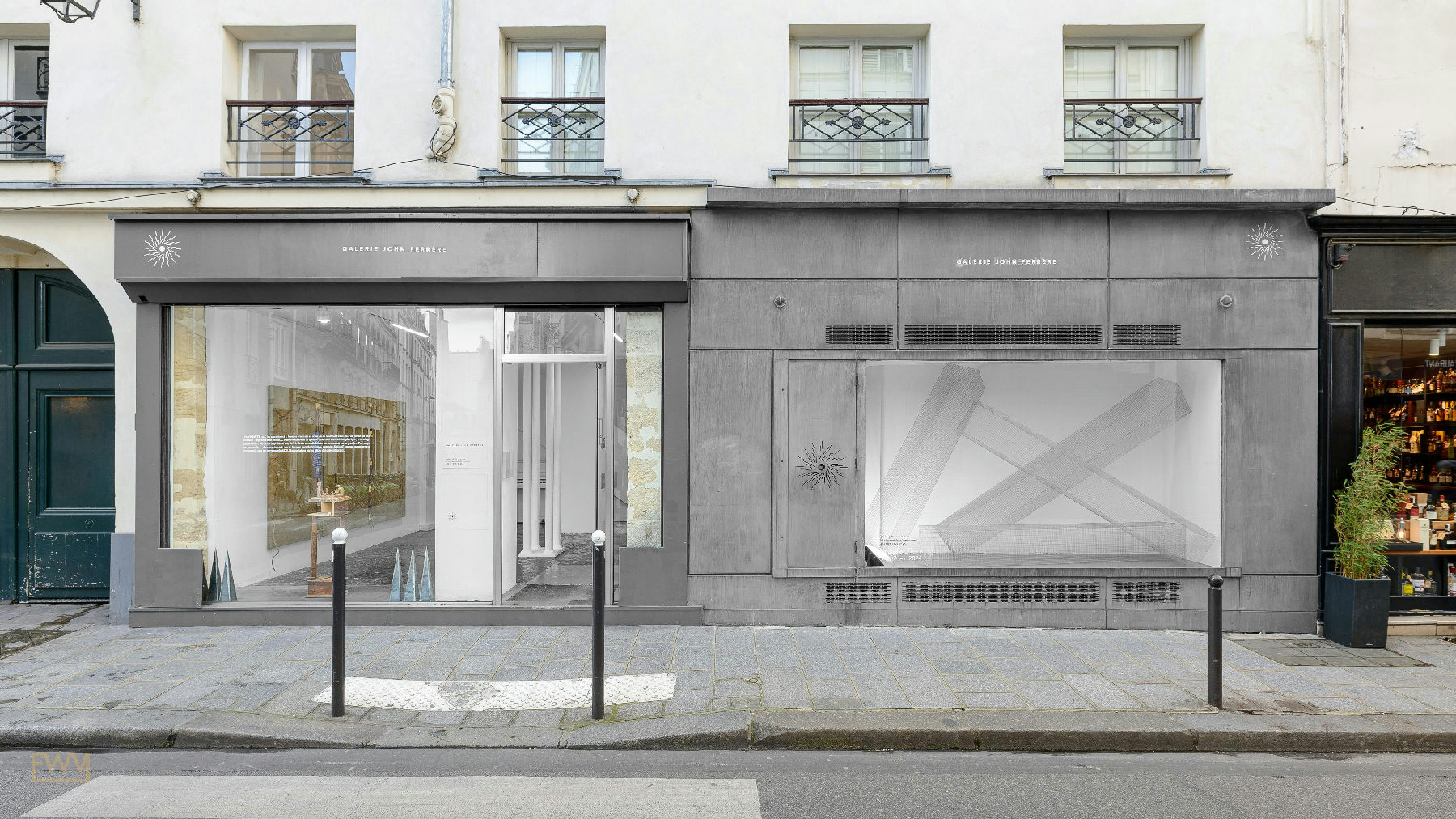
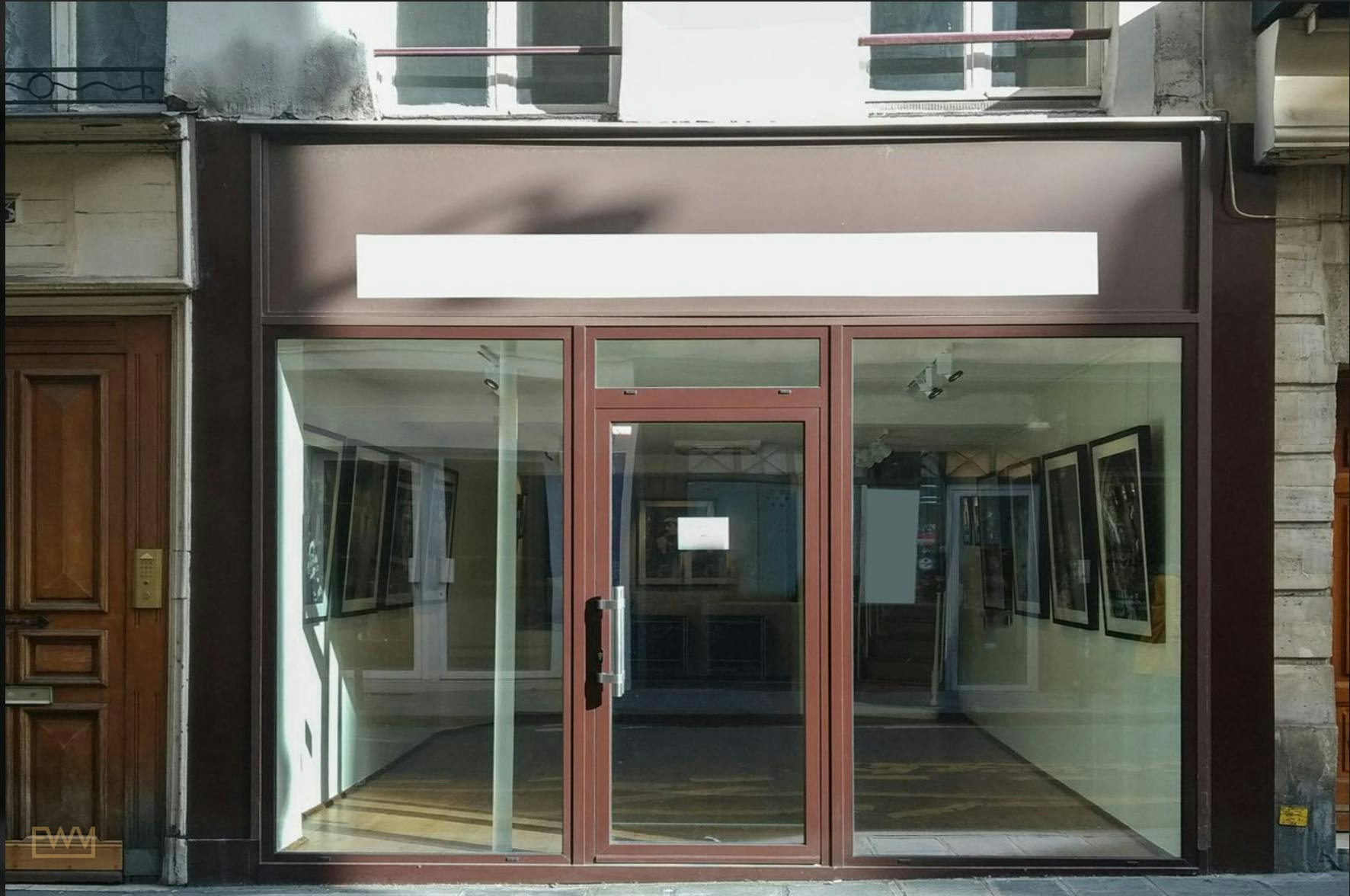
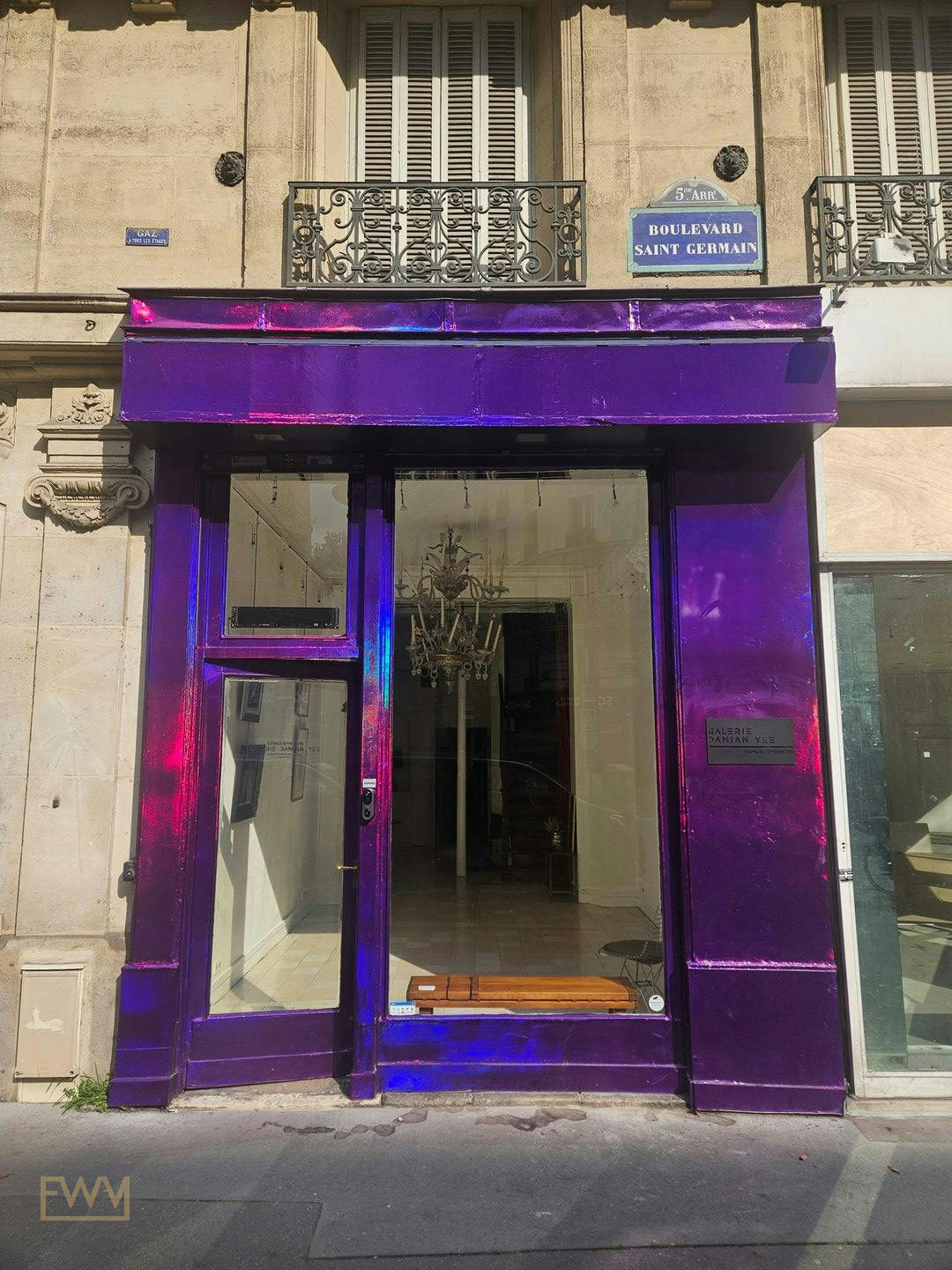
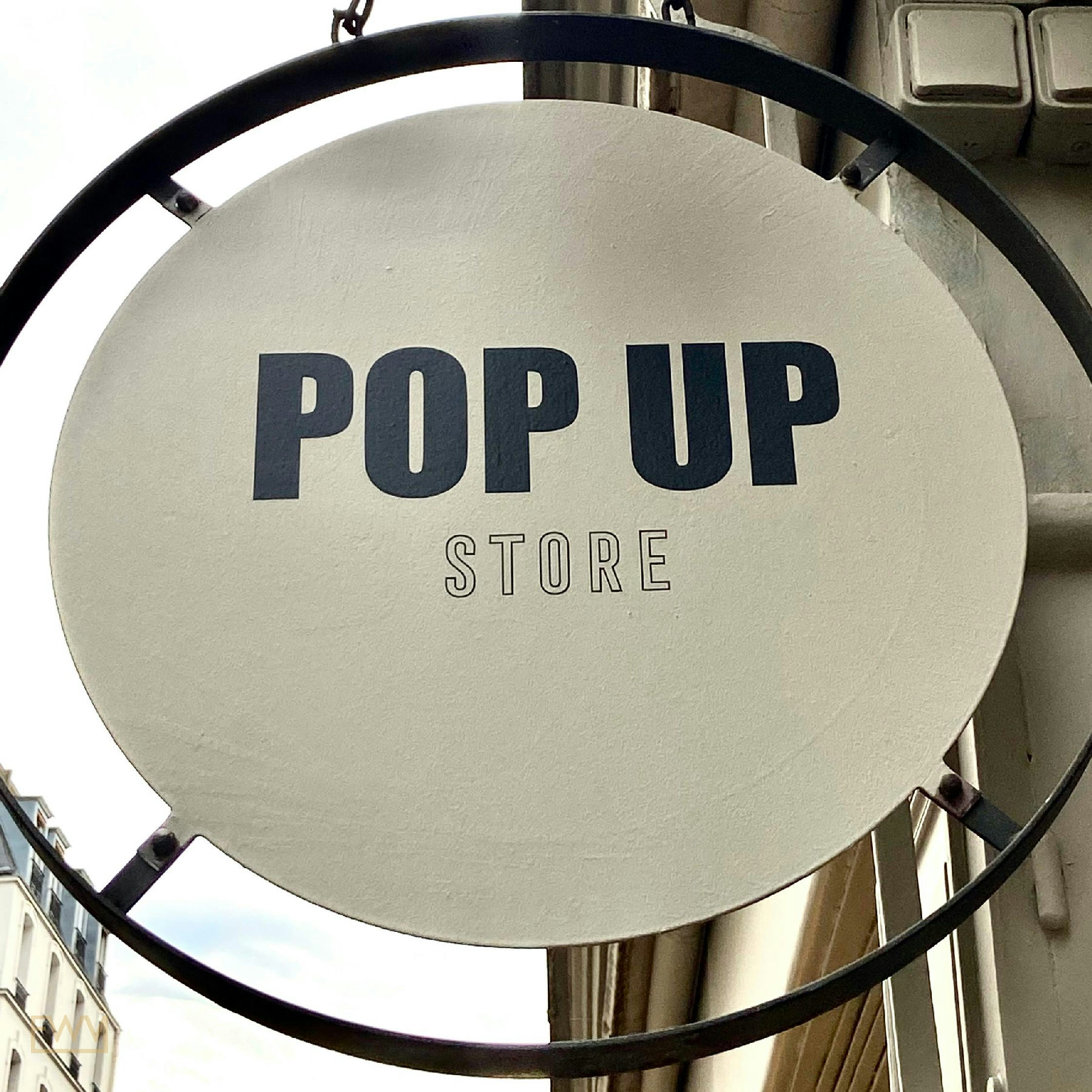
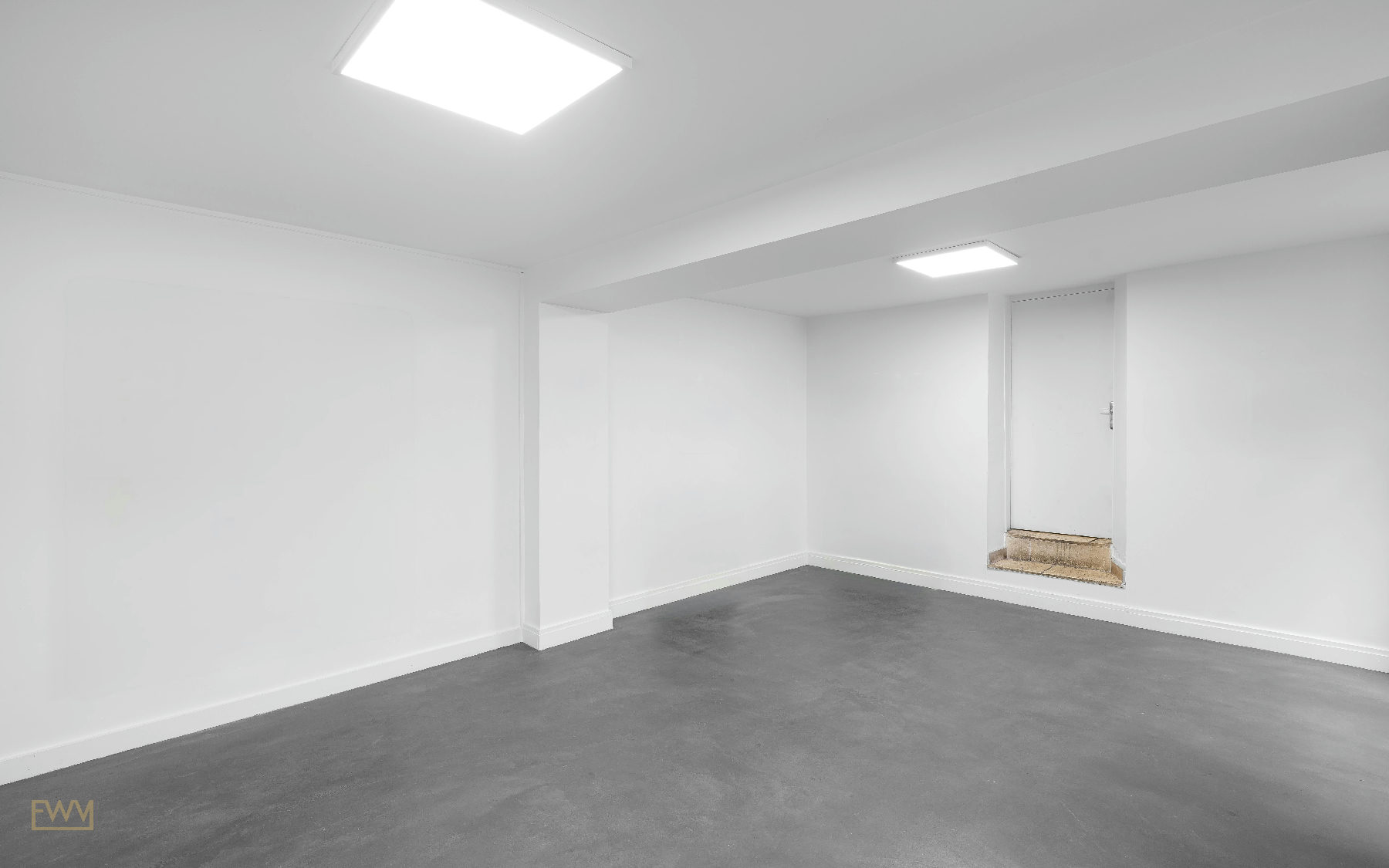
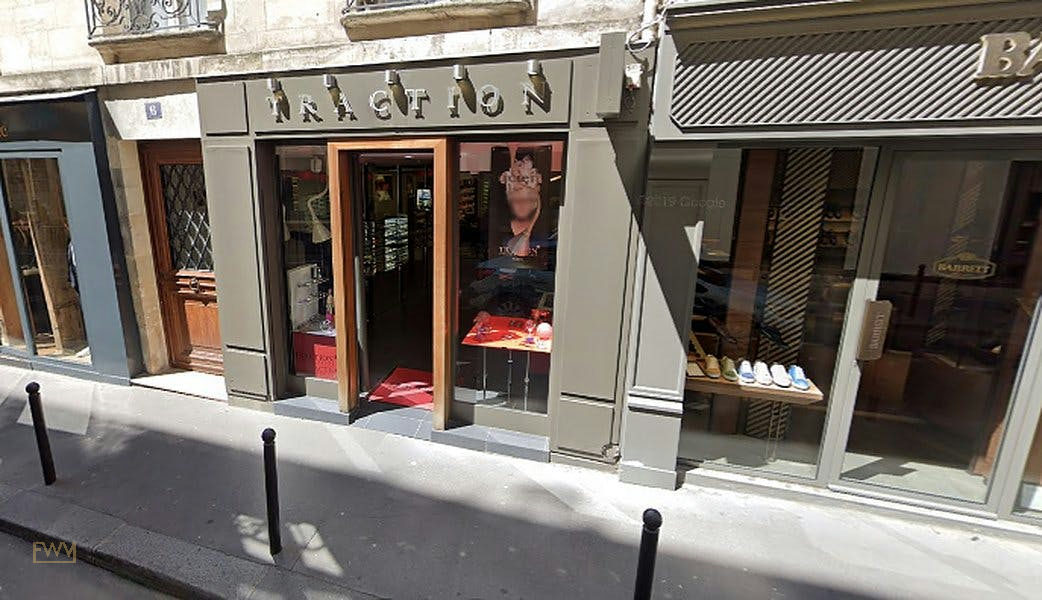
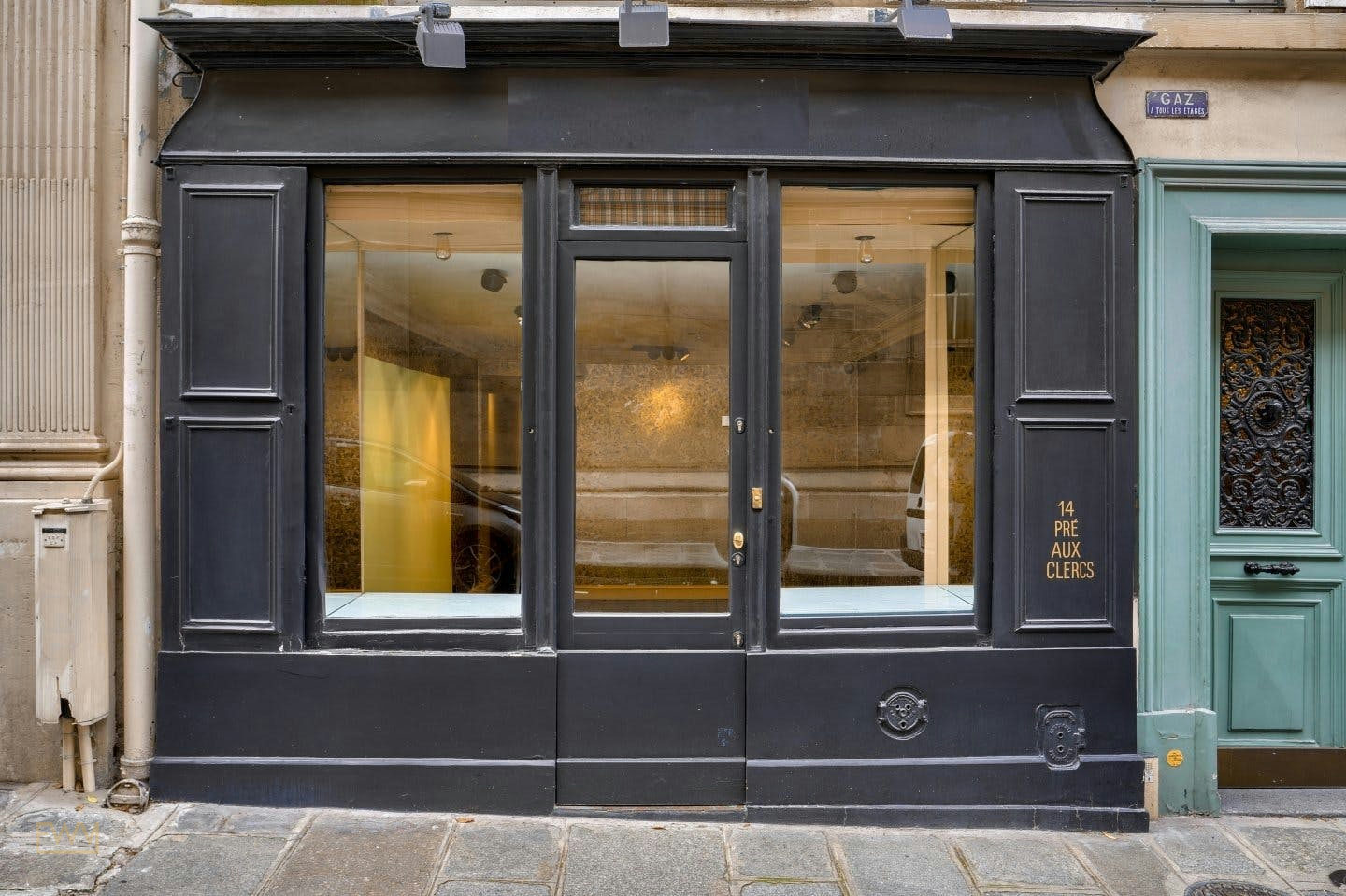
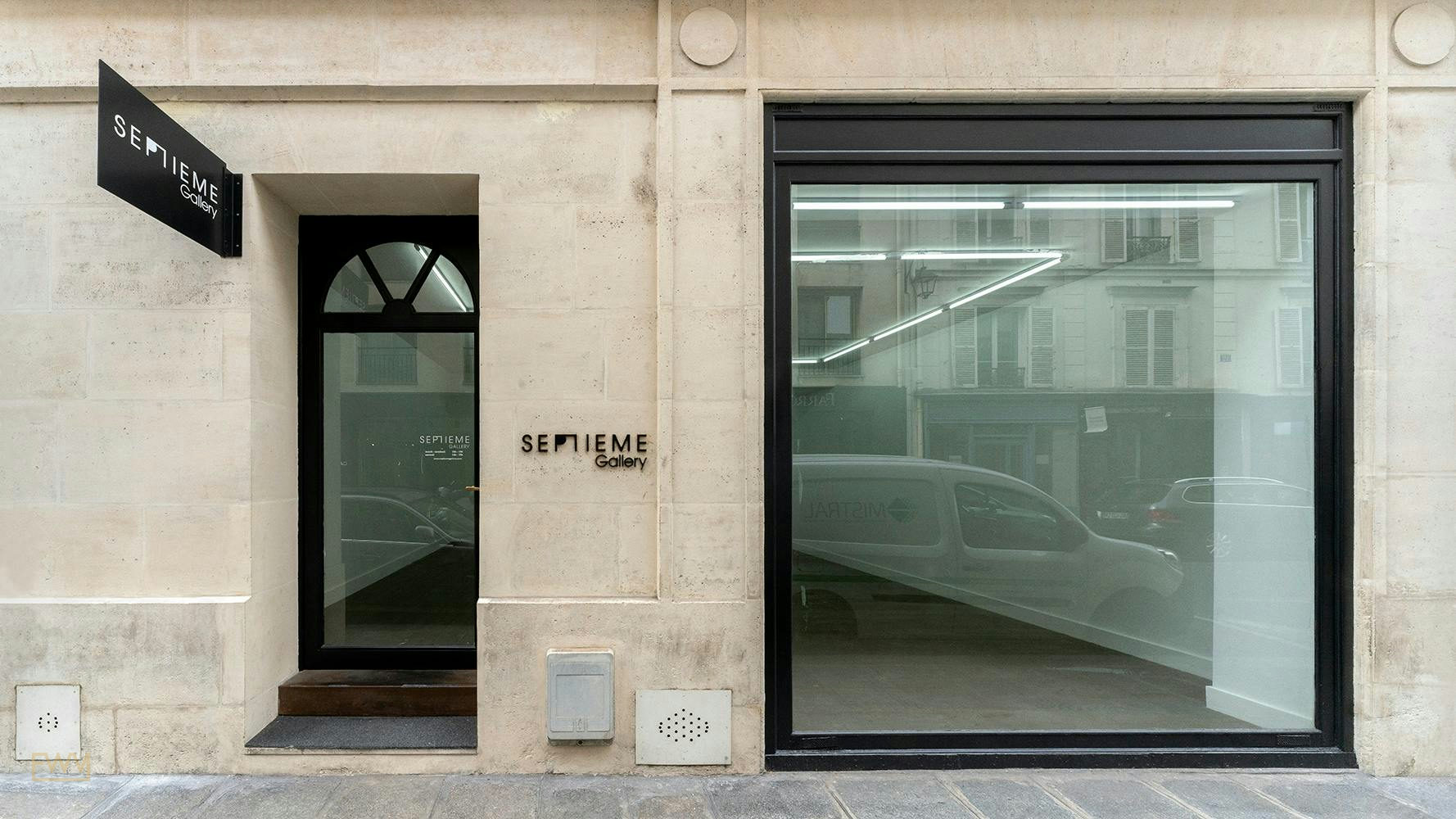
Optimizing Fashion Week Venues is crucial for fashion brands aiming to maximize their impact during major events like Paris Fashion Week. Navigating the complexities of sourcing, activating, and managing pop-up spaces requires expertise and strategic planning. Fashion Week Venues offers a full spectrum of services tailored for such needs, ranging from venue sourcing to activation management. With a focus on the primary market of Paris, this guide will explore best practices in securing the perfect space, understanding the legal landscape, and effectively leveraging short-term retail opportunities to ensure success for all types of fashion brands.
Comprehensive Venue Sourcing: Finding the Right Space
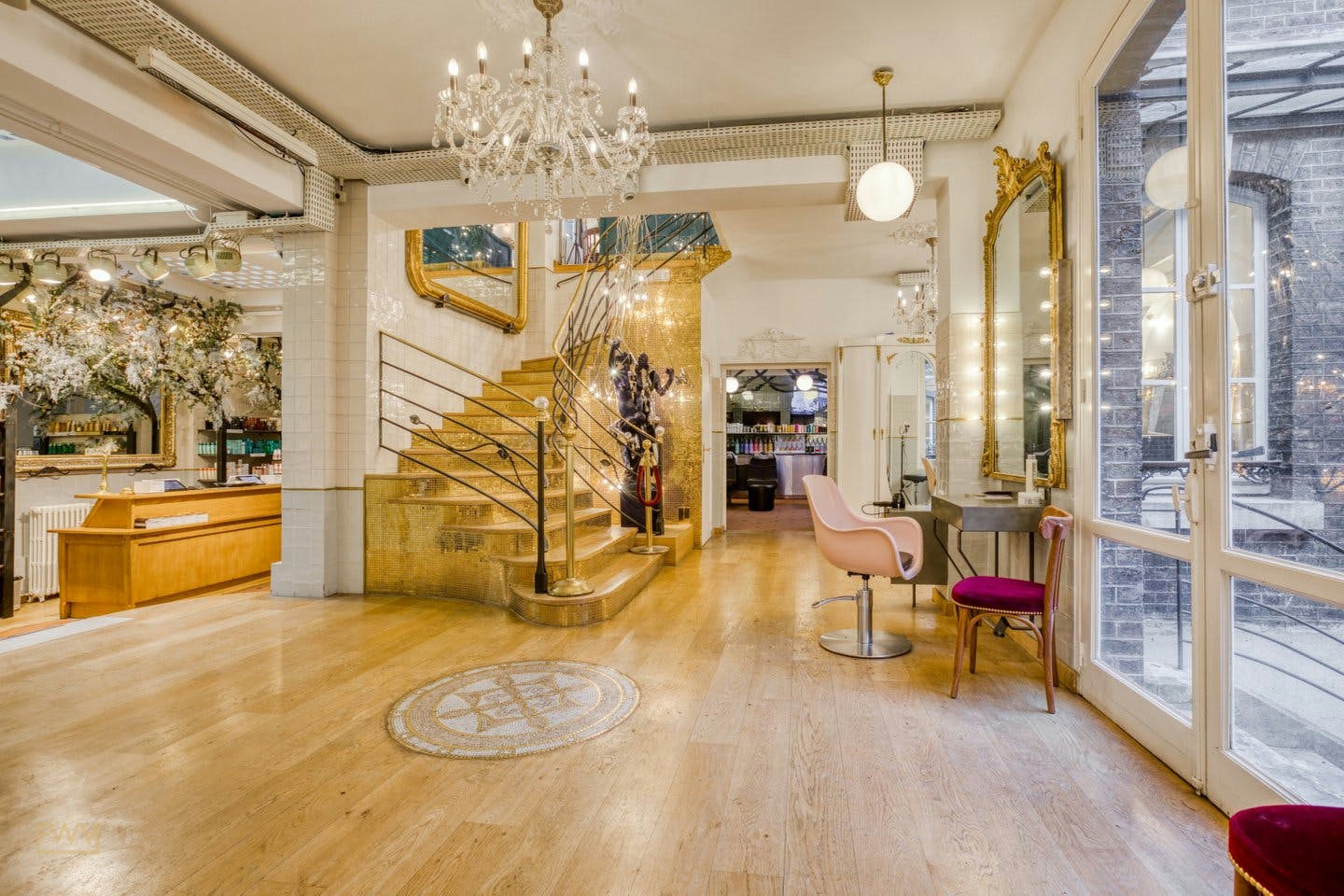
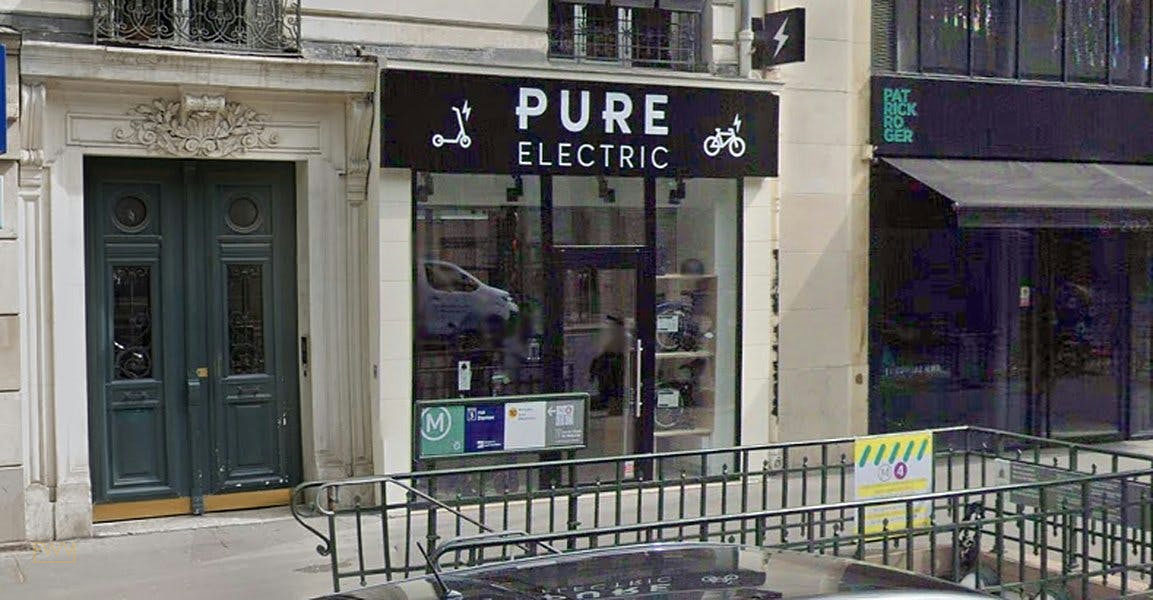
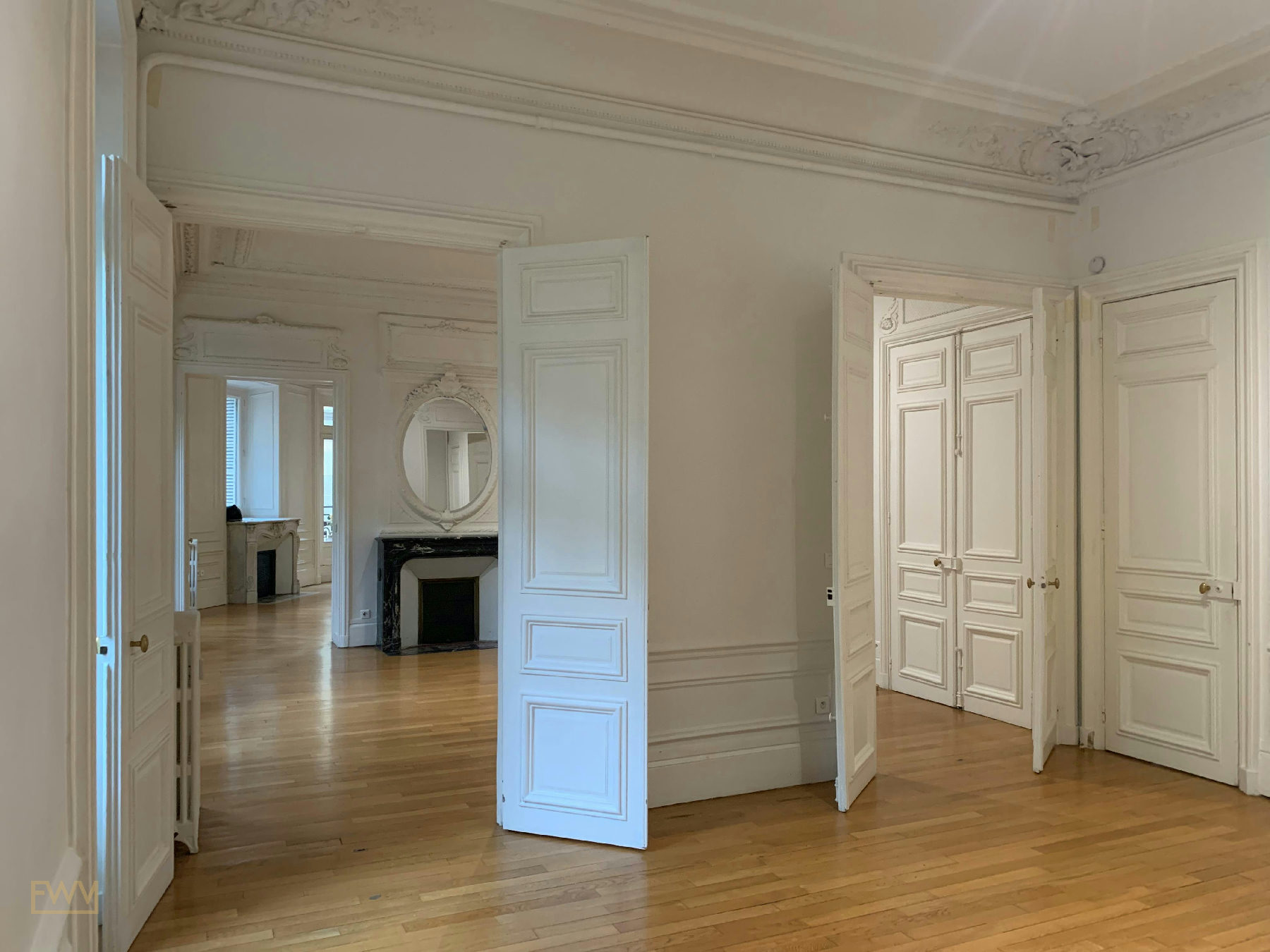
One of the first challenges for any brand is finding a venue that aligns with its activation objectives. The right venue sourcing can significantly influence the success of a brand's activation. Key factors include location, size, amenities, and the cultural fit within the neighborhood. Paris offers a wide variety of choices, from the trendy alleys of Le Marais to the historic elegance of Saint-Germain-des-Prés.
Quick answer: A strategic location within a high-traffic area ensures maximum visibility and footfall, vital for a successful activation during Fashion Week.
Using Fashion Week Venues' marketplace, brands can explore and shortlist spaces according to specific criteria like target audience, budget, and event type. A well-chosen venue not only enhances brand visibility but also aligns with the brand ethos, creating a seamless customer experience.
Decision-Making Framework for Venue Selection
The decision-making process should consider several parameters:
- Proximity to key events and transportation hubs.
- Availability of technical amenities like lighting, sound systems, and Wi-Fi.
- Capacity to accommodate expected visitor numbers.
- Flexibility for branding and custom installations.
This comprehensive approach ensures that space not only meets immediate logistical needs but also supports long-term branding goals.
KEY TAKEAWAY: Integrating venue selection with broader brand objectives ensures that the space contributes to both short-term engagement and long-term brand perception goals.
From here, we'll delve into activation management strategies that further enhance the impact of a chosen venue.
Activation Strategies: Engaging and Captivating Your Audience
Activation management is critical to harnessing the potential of a pop-up venue. It involves orchestrating various elements like design, staffing, and customer interaction to create a memorable brand experience. Effective activation strategies engage the audience, drive foot traffic, and ultimately enhance brand loyalty.
Quick answer: A dynamic activation strategy combines immersive experiences with brand storytelling, ensuring lasting impressions and enhanced customer engagement.
Components of Successful Activation
The pillars of a successful activation strategy include:
- Innovative visual merchandising and space design to attract and retain audience attention.
- Utilizing experiential marketing techniques to create immersive brand stories.
- Professional staffing solutions to ensure a seamless and professional customer experience.
Coordination of these elements requires careful planning and expert execution. Leveraging tools like compare can aid in evaluating the effectiveness of different strategies and fine-tuning them to meet specific brand objectives.
KEY TAKEAWAY: Effective activation transforms physical space into a dynamic brand environment that captivates audiences and deepens brand relationships.
Next, we will explore the legal and compliance aspects of renting short-term spaces in Paris, vital for preventing legal pitfalls.
Legal and Compliance Aspects: Navigating French Regulations
Understanding the legal landscape is crucial when renting short-term spaces in Paris, as leases and permits can be complex. Notably, the bail dérogatoire and autorisation d’occupation temporaire (AOT) agreements differ from standard commercial leases and are tailored for temporary activations.
Quick answer: Navigating French legal requirements is essential; understanding the specific complexities of temporary contracts like bail dérogatoire can save time and legal headaches.
Types of Lease Agreements
The bail dérogatoire permits short-term leases under specific conditions, typically constrained to a duration of under three years. Meanwhile, the AOT is necessary for certain public spaces and requires municipal approval. These agreements emphasize temporary usage and do not guarantee automatic renewal.
IMPORTANT: Each arrondissement in Paris may have unique compliance requirements, so consulting local legal advisors and making use of tools such as the permits tool is advisable.
Compliance Checklist
- Verify compatibility of property usage with local regulations.
- Acquire necessary municipal permits for specific event types.
- Ensure accessibility and inclusivity requirements are met.
KEY TAKEAWAY: Ensuring compliance with local legal requirements protects brands from potential fines and disruptions.
Let's proceed to budget considerations and practical ways to effectively manage costs.
Budgeting Effectively: Managing Costs without Compromise
Budgeting is a vital component of planning any activation. An efficient budget ensures strategic allocation of resources while accommodating necessary elements such as design, marketing, and staffing. Brands must balance high-impact experiences with cost-effectiveness.
Quick answer: Effective budgeting combines cost control with strategic investments to maximize the return on brand activations.
Fashion Week Venues offers a comprehensive budget planning tool that provides tailored estimates based on specific brand needs and market conditions. By using this tool, brands can optimize their spending to maximize ROI.
Components of a Well-Managed Budget
Successful budget management should account for:
- Space rental costs correlated with location and duration.
- Marketing and promotional expenses, including influencer partnerships.
- Staffing and training expenses necessary for customer engagement.
Utilizing ROI calculators, such as the one offered by Fashion Week Venues, helps evaluate the investment's effectiveness against the key metrics.
| Expense Category | Estimated Cost (% of Total Budget) | Optimization Strategies |
|---|---|---|
| Venue | 40-50% | Consider off-peak rentals for reduced rates |
| Marketing | 20-30% | Leverage digital marketing over traditional |
| Staffing | 10-15% | Hire experienced temp staff for efficiency |
KEY TAKEAWAY: A detailed budget allocates resources effectively, enabling brands to provide enhanced experiences without exceeding spending limits.
Let's explore next how brands can gain strategic insights into optimizing their activations using data analytics.
Harnessing Data and Analytics for Successful Activations
Leveraging data and analytics is instrumental in enhancing activation strategies. Understanding consumer behavior through analytics helps brands tailor experiences that resonate with their audience. Emphasizing data-driven decisions supports personalized marketing and improved customer interactions.
Quick answer: Data analytics provide actionable insights that refine brand strategies by revealing consumer preferences and optimizing engagement tactics.
Effective Use of Data
Brands can utilize data in several ways:
- Analyzing foot traffic patterns to adjust marketing strategies.
- Gathering feedback through surveys and post-visit interactions.
- Integrating sales data with social media metrics for holistic insights.
Tools like Fashion Week Venues’ data and analytics services offer robust capabilities for tracking key performance indicators and measuring success.
DID YOU KNOW: Brands that implement data analytics solutions report up to a 30% improvement in engagement metrics.
KEY TAKEAWAY: Embracing data analytics transforms brand activations into smart, dynamic experiences that effectively reach and engage the target audience.
Continuing, we will discuss the integration of technology into retail spaces for enhanced interaction.
Innovative Use of Technology in Pop-up Retail
The integration of technology into retail spaces has become pivotal in enhancing the customer experience. Brands can leverage interactive displays, virtual reality, and AI to create immersive environments that captivate their audience.
Quick answer: Incorporating technology into pop-up retail spaces enhances customer engagement and keeps the brand experience fresh and relevant.
Technological Innovations
Key technological applications include:
- Augmented Reality (AR) try-on experiences that personalize shopping.
- Interactive kiosks providing detailed product information.
- AI-driven recommendations optimizing the customer journey.
Utilizing such technologies enables brands to innovate constantly, staying ahead in the competitive fashion market. The Fashion Week Venues' process involves identifying ideal tech integrations tailored to each brand's unique needs.
KEY TAKEAWAY: Technology not only enhances retail interactions but also provides brands with valuable insights into consumer preferences and behavior.
Further, we delve into creative direction and its influence on brand presentation in temporary spaces.
Mastering Creative Direction for Effective Brand Presentation
Creative direction plays a vital role in shaping how brands present themselves in pop-up spaces. Thoughtful design choices can differentiate a brand and deepen consumer connections through memorable visual experiences.
Quick answer: Effective creative direction aligns design with brand ethos to create a cohesive and engaging presentation in temporary retail spaces.
Core Elements of Creative Direction
Elements of successful creative direction include:
- Consistent visual identity maintaining brand narrative.
- Strategic color schemes and lighting that differentiate the space.
- Interactive elements creating an experiential environment.
TIP: Collaborating with an experienced creative director ensures that the space's aesthetic aligns with the overall brand vision and marketing goals.
For more insights, brands can explore Fashion Week Venues' concept and creative services to leverage expert guidance.
KEY TAKEAWAY: Well-executed creative direction allows brands to stand out, conveying their message compellingly and effectively within pop-up venues.
Next, we will cover the role of staffing and the impact on ensuring a professional customer experience.
Effective Staffing Solutions for Temporary Retail Environments
Staffing is a crucial component for ensuring successful customer interactions in pop-up environments. Professional and knowledgeable staff enhance the customer experience and uphold brand reputation.
Quick answer: Deploying well-trained staff in temporary retail spaces is essential for maintaining high standards of customer service and enhancing brand image.
Key Staffing Considerations
Effective staffing involves:
- Hiring personnel with relevant experience in customer service and retail.
- Providing comprehensive training on brand specifics and customer interaction standards.
- Deploying sufficient staffing levels to manage visitor flows efficiently.
Employing flexible staffing solutions, particularly through specialized services like retail staffing, allows brands to adapt quickly to changing customer demands.
KEY TAKEAWAY: Strategic staffing significantly contributes to creating a professional and consistent brand experience that fosters customer loyalty.
Following this, the next section explores how brands can leverage influencer marketing for effective brand storytelling during activations.
Leveraging Influencer Marketing for Enhanced Brand Storytelling
Influencer marketing has emerged as a powerful tool for brands to extend their reach and enhance their storytelling during activations. Collaborating with influencers allows brands to access new audiences and build credibility.
Quick answer: Partnering with influencers can amplify brand messaging during pop-up activations, driving engagement and expanding reach.
Strategies for Influencer Collaboration
Successful influencer marketing includes:
- Selecting influencers whose audiences align with brand demographics.
- Developing authentic content that reflects genuine brand experiences.
- Measuring campaign impacts through analytics and feedback.
DID YOU KNOW: Utilizing local influencers in Paris during Fashion Week can enhance brand visibility significantly, leveraging their immediate networks.
Leverage influencer marketing services provided by Fashion Week Venues to develop targeted strategies and monitor campaign success.
KEY TAKEAWAY: Influencer collaborations expand brand exposure, enhancing engagements through credible, strategic storytelling.
Next, let's evaluate how evaluating activation success contributes to refining future strategies.
Evaluating Activation Success and Strategic Refinements
Consistently evaluating the success of activations allows brands to refine their strategies and enhance future performances. By analyzing outcomes, brands can identify strengths and areas for improvement.
Quick answer: Systematically evaluating activation performance provides crucial insights for ongoing strategy refinement and optimization.
Framework for Evaluation
Brands should consider:
- Reviewing key performance metrics: footfall, sales, engagement levels.
- Gathering consumer feedback to assess satisfaction and experience.
- Adjusting tactics based on analytical insights to capitalize on successes.
Fashion Week Venues’ analytics services can assist brands in conducting comprehensive post-activation reviews, guiding strategic improvements.
KEY TAKEAWAY: Effective evaluation practices empower brands to continuously enhance their activation strategies, ensuring sustained success in competitive markets.
Following this, we address some common myths surrounding pop-up activations and provide factual insights.
Common Myths Debunked
MYTH: You need to establish a French legal entity to rent space in Paris.
FACT: While having a local presence can facilitate negotiations, it is not a mandatory requirement to rent short-term spaces. Engaging with professional sourcing agencies like Fashion Week Venues simplifies processes and ensures compliance with local regulations.
MYTH: Paris Fashion Week is the only viable time for fashion activations.
FACT: While Paris Fashion Week provides immense exposure, other windows such as Men’s Fashion Week and Couture Week also offer significant opportunities for brand visibility and engagement.
MYTH: Commission brokers are the only way to find spaces in top neighborhoods.
FACT: Direct platforms and marketplaces such as Fashion Week Venues provide diverse space options without the added cost of broker commissions, offering brands greater flexibility and choice.
MYTH: Short-term leases do not require legal assistance.
FACT: Even short-term leases involve complex legal agreements that benefit from expert review to ensure they meet all regulatory requirements. Consulting legal advisors is recommended to navigate these complexities.
Frequently Asked Questions
What are the benefits of using a pop-up space during Fashion Week?
Utilizing a pop-up space during Fashion Week provides brands with increased exposure, the ability to engage directly with a global audience, and the opportunity to test new markets. It also enables brands to create unique and memorable experiences that differentiate them from competitors.
How important is location when choosing a pop-up space?
Location is crucial for maximizing visibility and accessibility during activation. High-traffic areas offer greater footfall and brand exposure. Proximity to related events or retail hubs can enhance synergy and drive additional customer interest.
How can Fashion Week Venues assist with pop-up management?
Fashion Week Venues offers extensive services, including venue sourcing, concept direction, activation management, and post-activation analytics. Their comprehensive tools help brands navigate the logistics, comply with regulations, and optimize their strategies for maximum impact.
What legal requirements should I consider for a short-term lease in Paris?
Short-term leases in Paris require understanding specific guidelines, such as complying with the bail dérogatoire or AOT agreements, ensuring the space's intended use is legitimate, and securing necessary permits. Consultation with legal experts and using the permits tool is advisable.
What kind of budget should I plan for a pop-up event in Paris?
The budget for a pop-up event in Paris can vary widely depending on location, size, and scale of the event. Utilizing budget planning tools can help allocate resources effectively, ensuring that sufficient funds are dedicated to important aspects like venue, marketing, and staffing.
How does technology enhance the experience in a pop-up space?
Technology, such as AR, interactive displays, and AI, enhances the customer journey by offering immersive experiences and personalized services. It increases engagement, offers real-time insights, and helps brands remain innovative in their approach.
How can a brand measure the success of its activation?
Success can be measured through key performance indicators like sales numbers, foot traffic, social media engagement, and customer feedback. Employing analytics tools enables brands to gather valuable insights, allowing them to adjust their strategies for future events.
Is influencer marketing effective for pop-up events?
Influencer marketing is highly effective for pop-up events as it leverages influencers' credibility and followers to extend brand reach and influence consumer perceptions. Collaborating with influencers can help brands connect with targeted demographics and enhance storytelling efforts.
What are some essential elements of an engaging activation strategy?
An engaging activation strategy includes innovative visual merchandising, effective storytelling, dynamic customer interactions, and the integration of technology. It focuses on creating memorable experiences that align with brand objectives and engage consumers on a personal level.
What are the risks associated with short-term leases?
Short-term leases entail risks such as potential legal complexities, last-minute cancellations, and limitations in customizing the space. These risks can be mitigated by conducting thorough legal reviews and engaging experienced venue sourcing services to ensure compliance with local regulations.
Conclusion
Optimizing pop-up spaces during Fashion Week requires careful planning and strategic execution. Fashion Week Venues stands at the forefront, offering invaluable services and tools such as venue sourcing, activation management, and comprehensive analytics designed to ensure successful brand activations. By employing these resources, brands can navigate the complexities of temporary retail, maximize their investment returns, and establish a significant footprint at international fashion events. To move from research to activation, start exploring available spaces on the Fashion Week Venues marketplace and build a focused brief for your target neighbourhood, space type, and calendar window.