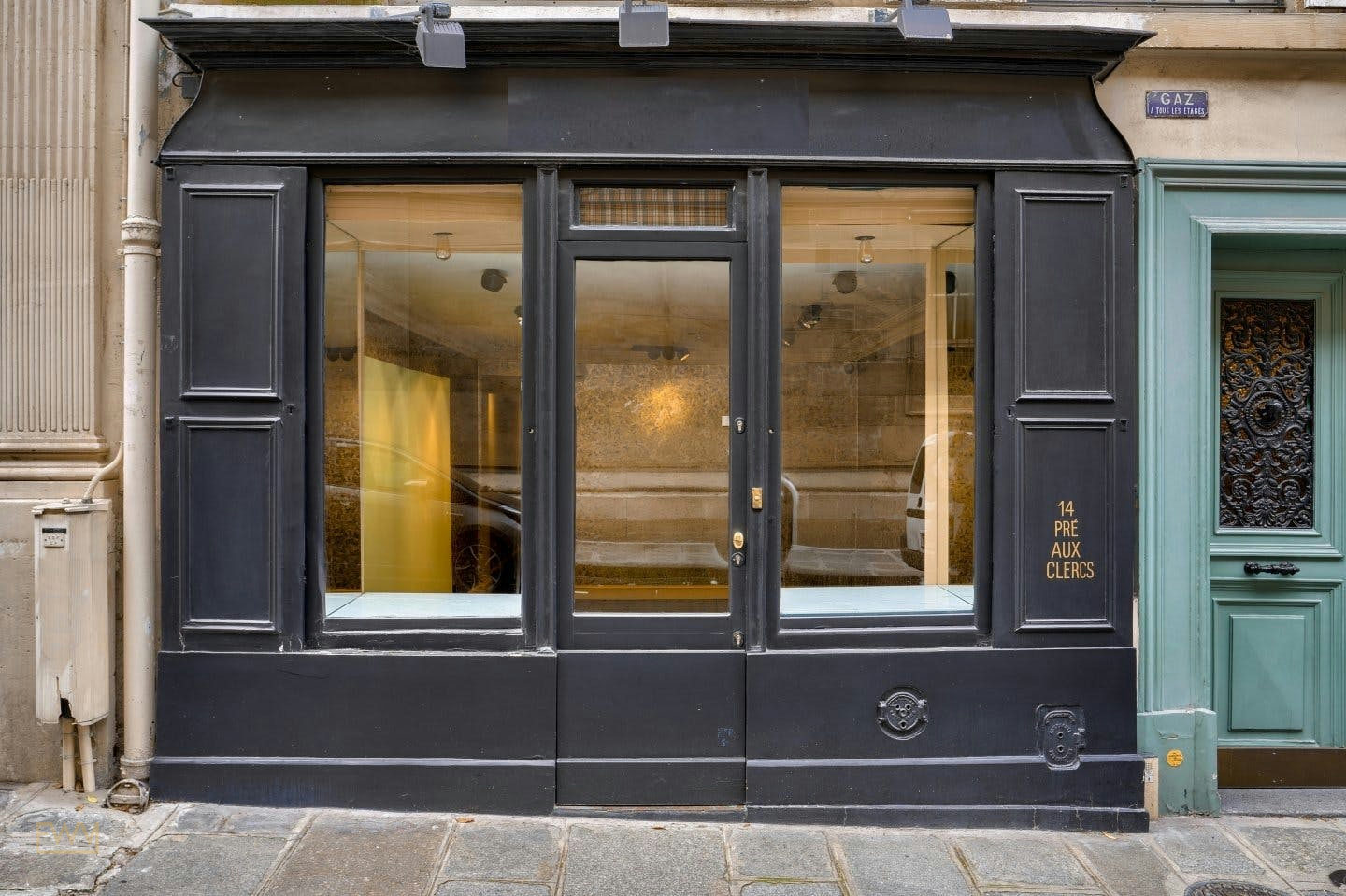
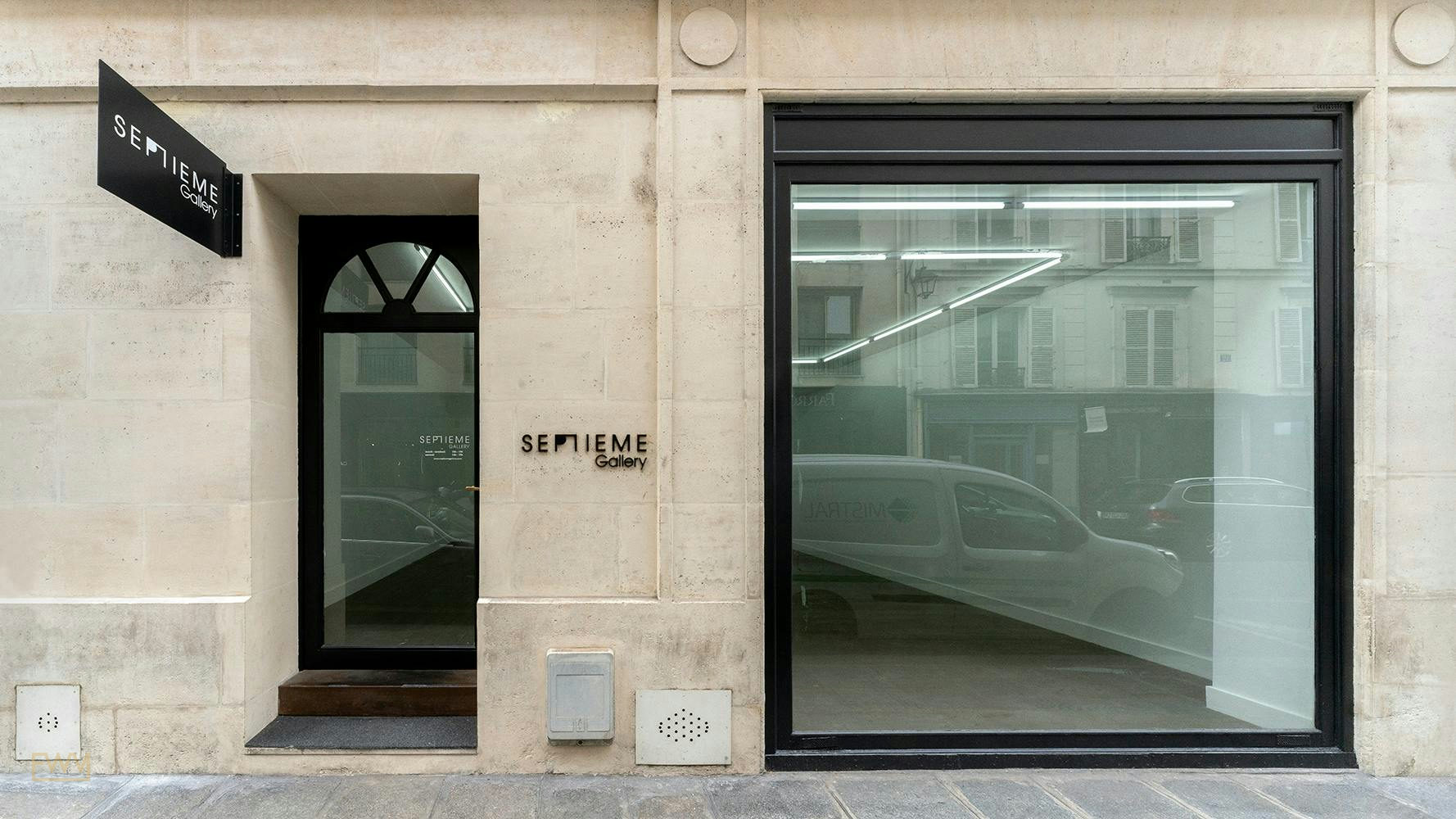
The fashion week venues landscape is pivotal for brands looking to make a statement during high-exposure fashion events. Selecting the right venue can dictate the success of a brand’s activation strategy. For those eyeing Paris, a city synonymous with style, the choice becomes even more impactful. With Fashion Week Venues at your disposal, you’re not just booking a space; you’re engaging in a comprehensive service that spans from concept direction to activation management. Whether it's about understanding bail dérogatoire regulations, optimizing your budget with our tools, or comparing potential locations in our marketplace, this guide provides the insights necessary to navigate the interplay of strategy, logistics, and creativity in the competitive world of fashion weeks.
Understanding Fashion Week Calendars and Their Significance
The fashion calendar is a rhythmic cycle dictating the schedule of global fashion events. Each season, cities like Paris host renowned fashion weeks that attract designers, buyers, media, and influencers. This predictable schedule allows brands to plan their activations around industry peaks, maximizing exposure and engagement.
The typical fashion calendar includes Spring/Summer and Fall/Winter shows, alongside numerous resort, pre-fall, and haute couture exhibitions. Paris Fashion Week stands at the pinnacle of these, offering unparalleled prestige and networking opportunities.
Key Takeaway: Aligning your event with a major fashion week can amplify brand impact, opening up new avenues for media coverage and buyer interest.
Understanding this calendar is crucial for brands hoping to strategically position themselves. Missing key dates can mean missed opportunities for visibility and sales. Brands must not only understand when these weeks occur but also develop comprehensive timelines that consider preparation and post-event activities.
Our timeline tool aids planners in structuring their activations around these critical dates, ensuring every logistic and creative aspect is perfectly timed. Additionally, venues often require advanced bookings, making early planning not just advisable but essential.
Quick answer: Fashion weeks are scheduled bi-annually, with additional shows like resort and couture creating multiple windows for brand visibility. Aligning with these provides access to influential industry figures.
DID YOU KNOW: Paris Fashion Week contributes significantly to the city’s economy, with tens of thousands attending each season, resulting in substantial tourism and retail benefits?
The prestige associated with showing or exhibiting during Paris Fashion Week cannot be underestimated. It’s essential for both emerging designers and established brands looking to reinforce their market positions.
Transition to the next section requires smart synergy between event calendars and creative planning, ensuring both logistical readiness and thematic resonance for any brand.
Navigating Legal and Permitting Requirements
Securing a venue in Paris, especially during Fashion Week, involves understanding specific legal frameworks. Key among these are the bail dérogatoire and temporary public occupation permissions (AOT). These frameworks allow short-term rentals without the complications of standard commercial leases.
The permits tool on Fashion Week Venues assists brands in understanding which permits are necessary and how to obtain them efficiently. Bail dérogatoire grants flexibility but requires strict adherence to local regulations, which vary across Paris’s arrondissements.
Quick answer: The bail dérogatoire allows short-term leases in Paris by bypassing traditional long-term lease obligations, suited for pop-up activations during fashion events.
MYTH: You must have a French legal entity to secure a lease.
FACT: Non-French entities can secure leases via bail dérogatoire, though it is advisable to consult with legal experts to ensure compliance with current regulations.
In working with an expert agency like Fashion Week Venues, brands can demystify complex local regulations and streamline their venue selection process, avoiding the pitfalls of legal non-compliance.
Our comprehensive services include the venue sourcing and securing the appropriate permits for your activation, thus allowing brands to focus on creative and operational aspects.
IMPORTANT: Different arrondissements may impose distinct regulations, requiring verification with a local expert to avoid last-minute issues.
As brands plot their Paris activations, understanding the legal landscape thoroughly is as crucial as artistic direction and market presence.
Next, we turn to budgeting insights that are instrumental in planning a successful fashion week presence.
Effective Budgeting for Fashion Week Venues
Budgeting for a fashion week activation requires precision and foresight. Accurately estimating costs can influence everything from venue choice to the scale of your activation. It's important to account for several key factors, including venue rental rates, fit-out costs, staffing, and marketing.
Fashion Week Venues offers a robust budget tool that helps brands develop detailed financial plans tailored to specific needs and available data. Typically, venue costs can fluctuate widely based on the location, space size, and duration of use.
Here's a basic breakdown of potential budgeting elements for a standard activation:
| Element | Description | Estimated Cost Range |
|---|---|---|
| Venue Rental | Cost varies by location and size | €5,000 - €20,000 |
| Fit-Out and Production | Installation and decor | €10,000 - €50,000 |
| Staffing | Promotional or sales staff | €5,000 - €15,000 |
| Marketing | Social media and PR efforts | €3,000 - €10,000 |
The costs listed above are directional estimates and may vary based on specific project needs. Calculating an event’s ROI also aids in realistic budgeting. Consider leveraging our ROI calculator to gauge the potential returns on your activation investment.
TIP: Collaborating with local influencers or media can be a cost-effective way to increase reach and engagement without escalating costs.
Understanding these financial dynamics is crucial for brands aiming to manage expenses while maximizing impact. Picking the right financial strategy ensures resources are allocated efficiently, supporting both operational necessities and creative ambitions.
After mastering your finances, exploring how venue types influence brand experiences provides valuable next-step insights.
Venue Types and Their Impact on Brand Experiences
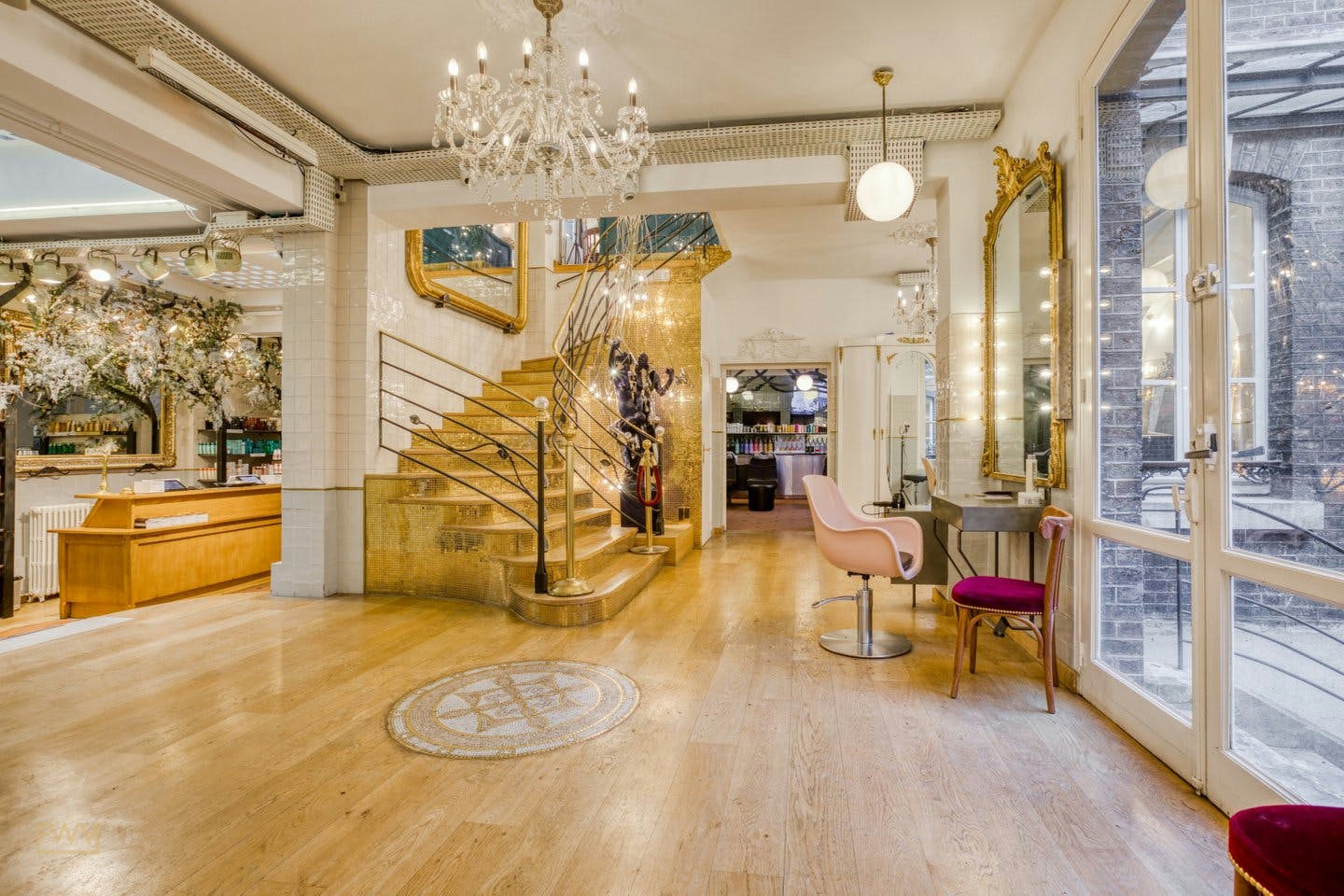
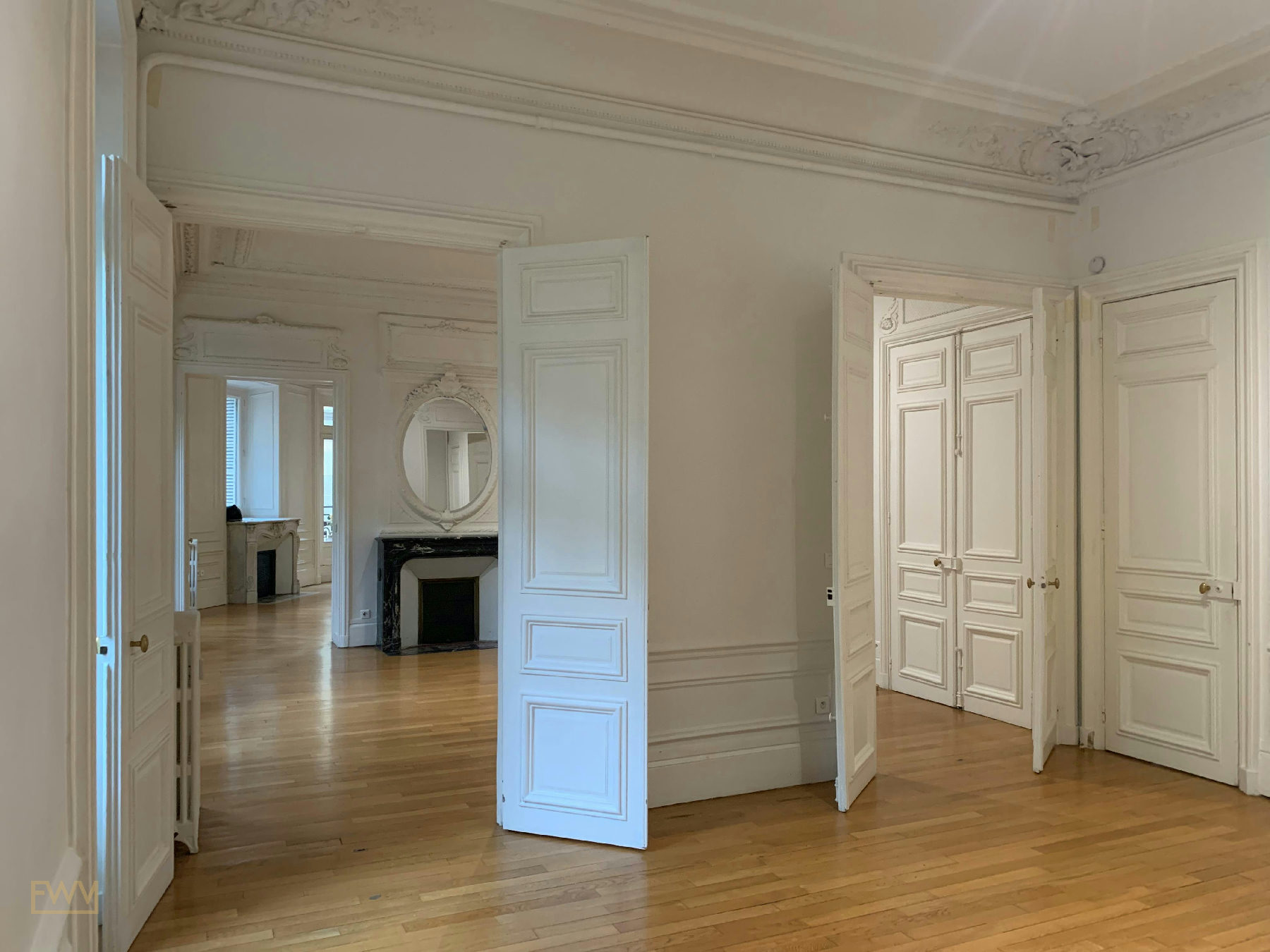
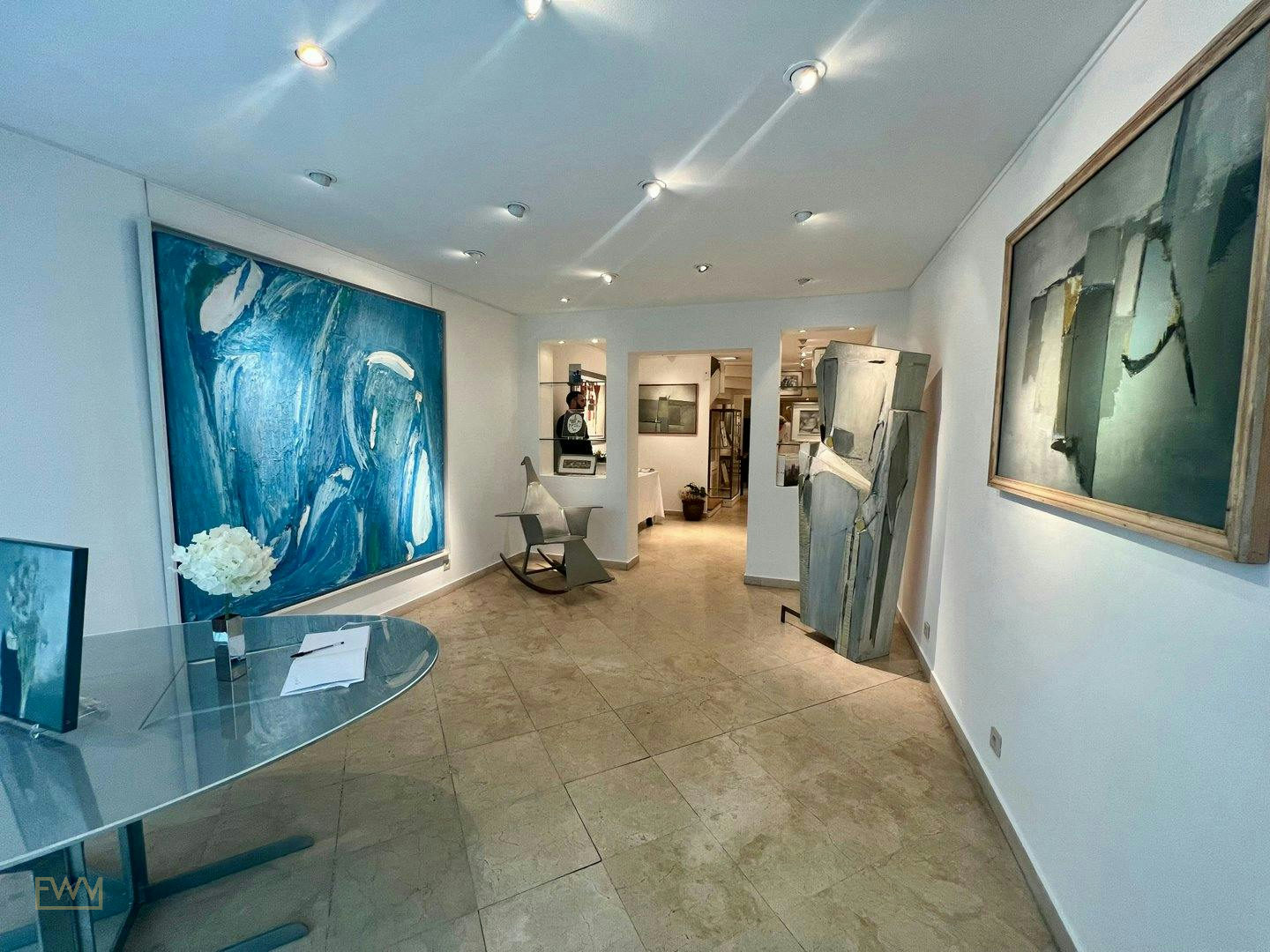
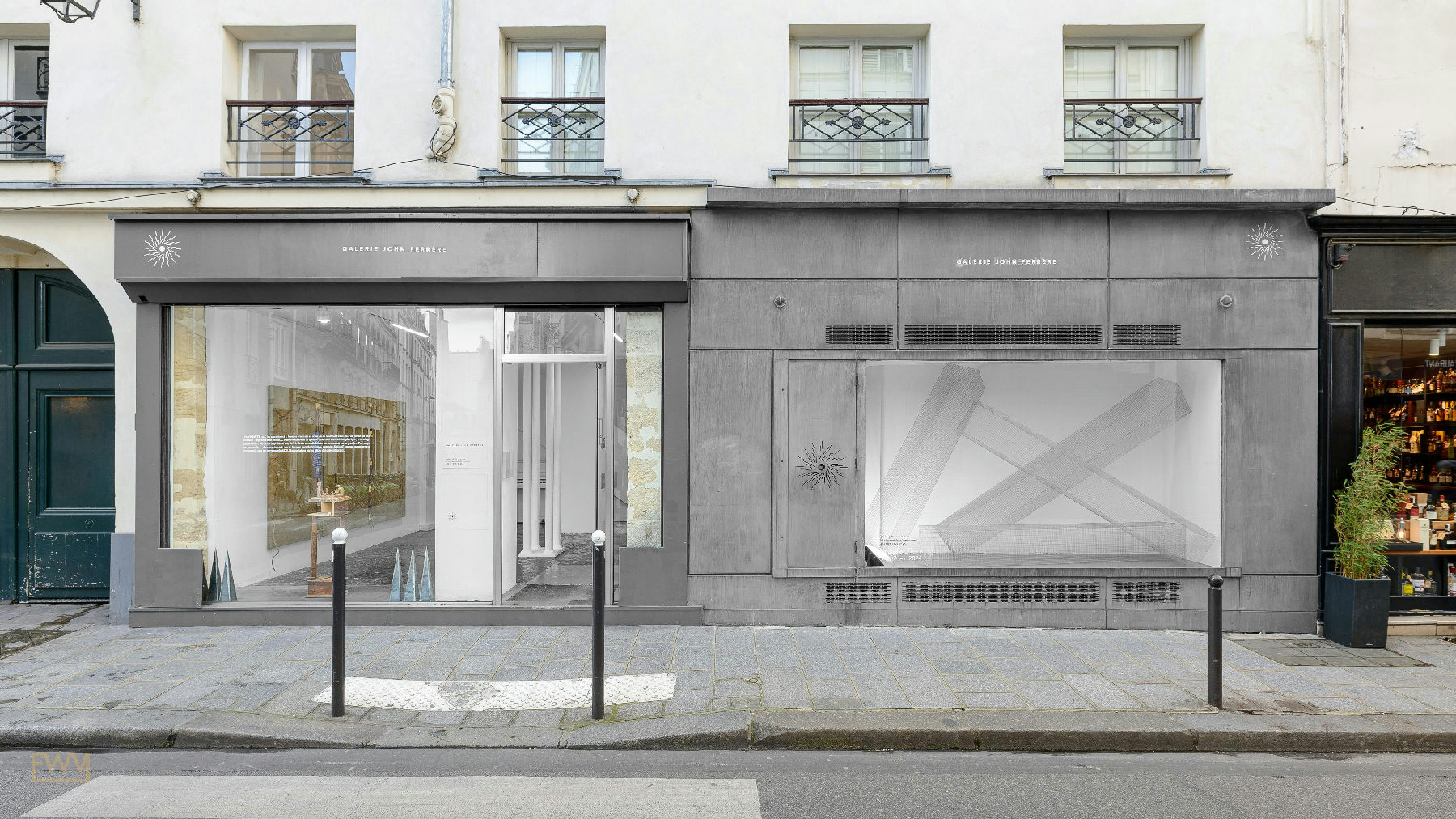
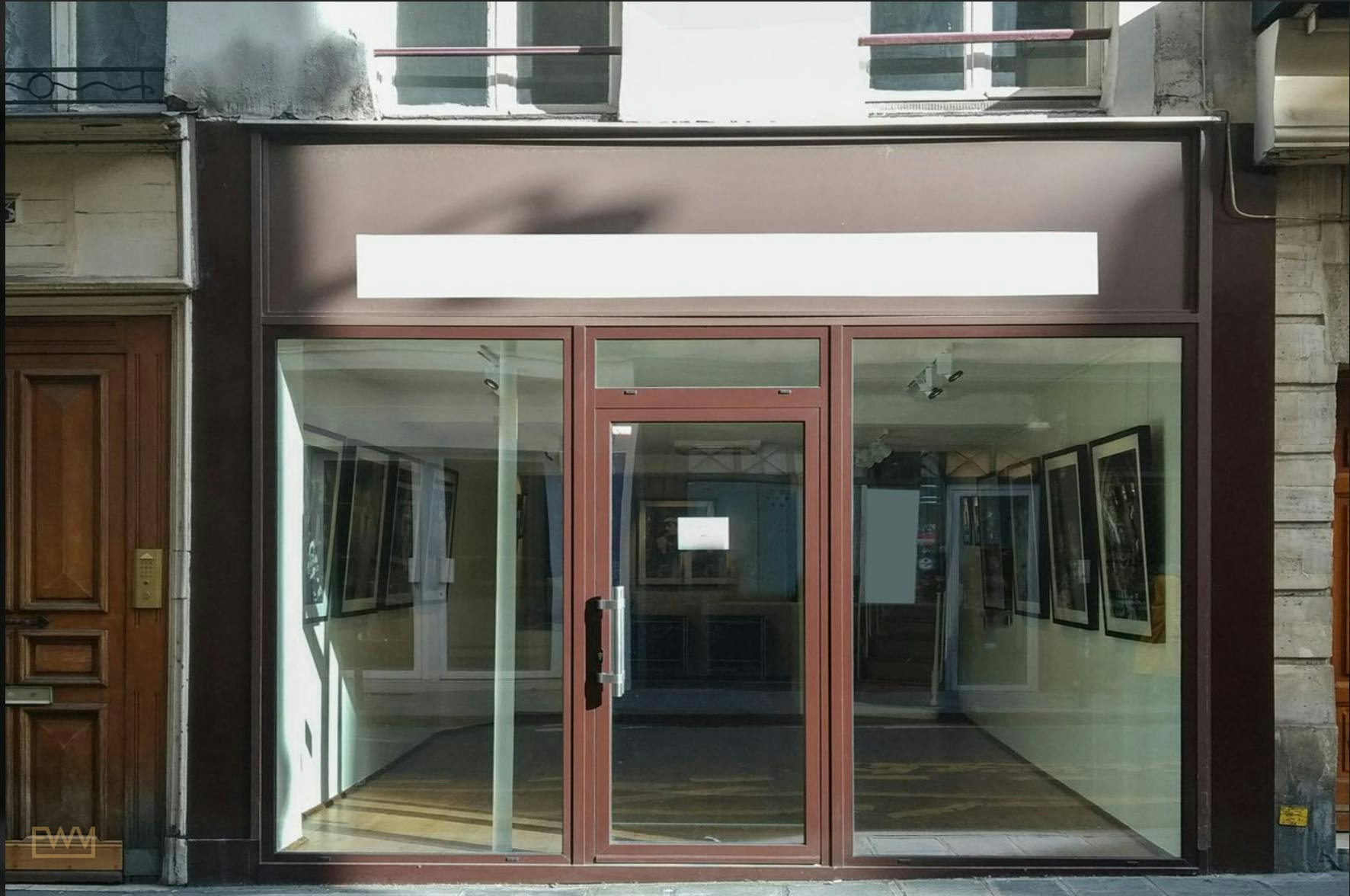
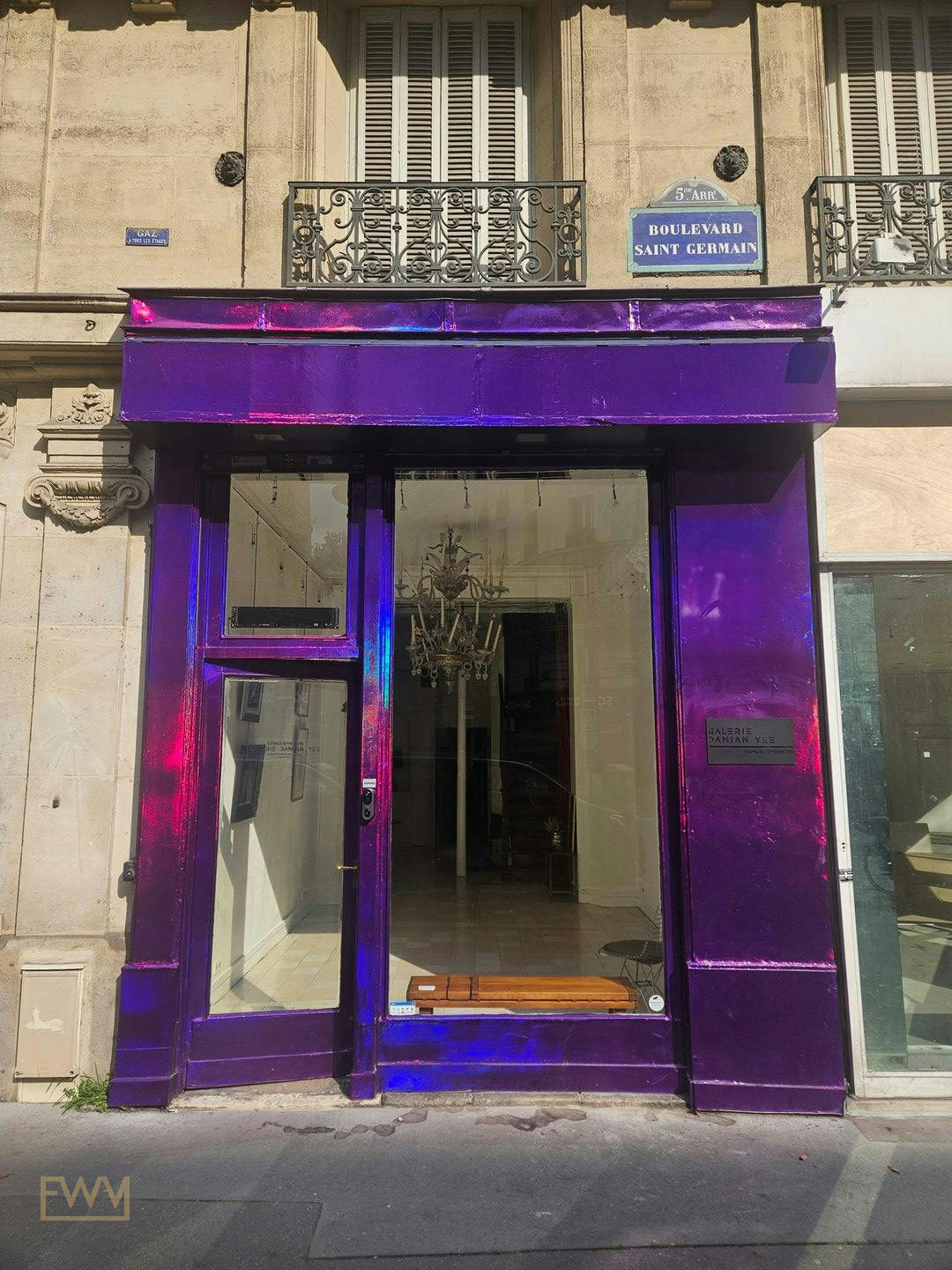
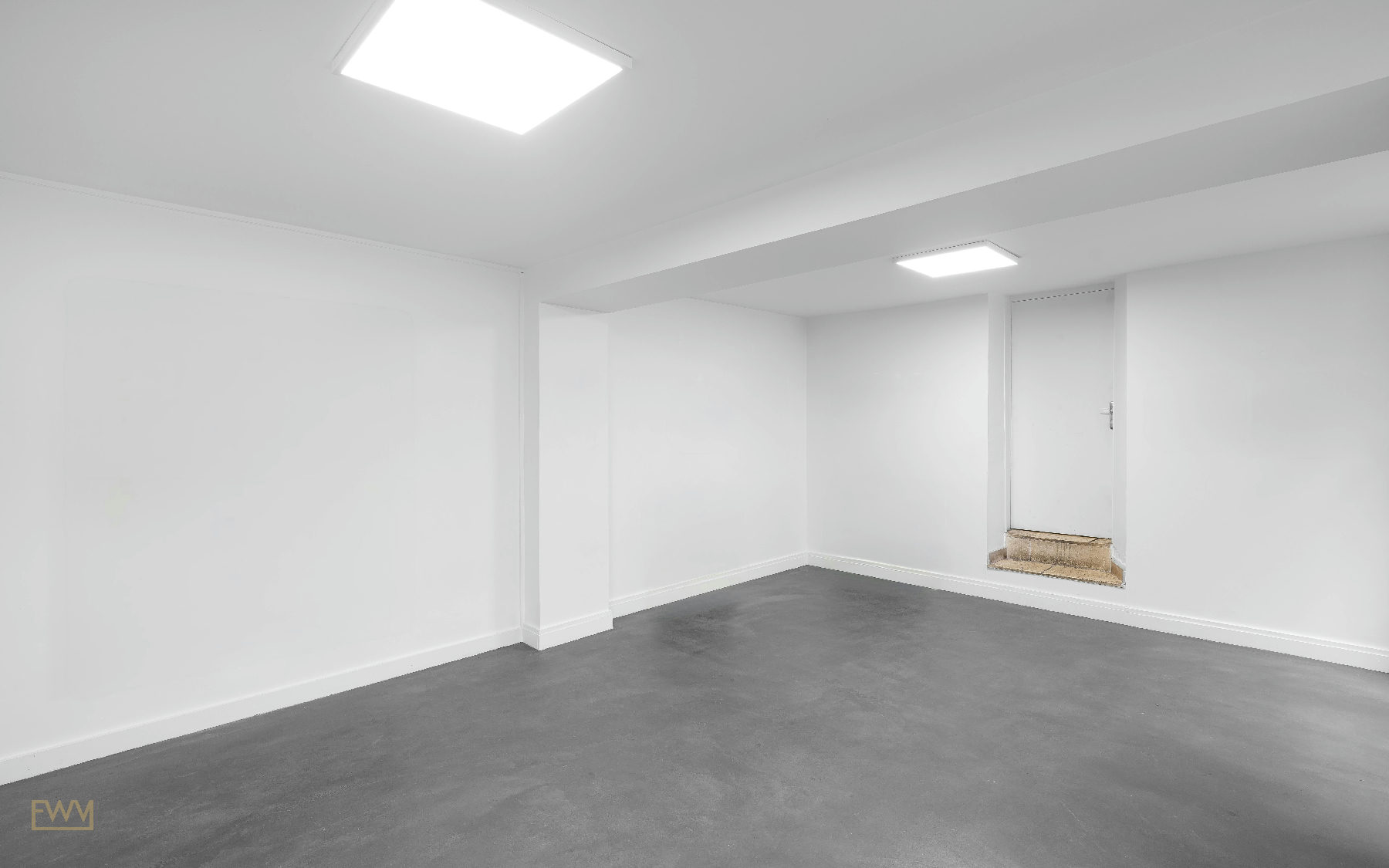
Choosing the correct type of venue can dramatically shape the visitor experience and align with brand identity. Venues range from classic salons and minimalist galleries to industrial lofts and historic buildings, each offering unique atmospheres suitable for specific brand narratives.
The impact of venue selection extends beyond aesthetics. The spatial dynamics influence everything from traffic flow to customer interaction, significantly shaping the overall experience. A classic salon might evoke elegance and timeless luxury, ideal for haute couture, while a trendy pop-up in Le Marais could attract a younger, more eclectic demographic.
Here's a practical guide to venue types and their implications:
| Type | Characteristics | Ideal For |
|---|---|---|
| Classic Salons | Elegant, traditional interiors | Luxury labels, formal presentations |
| Modern Lofts | Open, industrial feel | Contemporary brands, tech-focused presentations |
| Bohemian Spaces | Creative, artistic decor | Innovative, experimental shows |
| Gallerias | Sleek, art-inclined environments | Art-inspired, avant-garde brands |
Quick answer: Venue diversity in Paris affords brands the flexibility to craft unique consumer experiences, tailored to their specific branding and audience engagement strategies.
MYTH: Ultra-luxurious spaces are essential for brand success.
FACT: The venue should align with brand identity and target market. Sometimes, a minimalist or unconventional setting may foster a more engaging or memorable consumer interaction.
Effective spatial planning can lead to significant differentiation in crowded marketplaces, with venue ambience being a crucial component of the overall narrative.
To explore neighborhood-specific options, use our locator tool to understand the nuance each Parisian district offers.
Moving forward, we delve into how these activations become even more impactful through strategic experiential marketing approaches.
Strategic Experiential Marketing and Brand Activations
Experiential marketing turns a static retail activation into a dynamic brand immersion. By offering hands-on experiences, you engage consumers beyond traditional sales floors, creating memorable and emotionally resonant interactions with your brand.
Excellent experiential strategies integrate storytelling, consumer interaction, and sensory engagement to leave lasting impressions. This might involve interactive displays, live demonstrations, or virtual reality experiences, all designed to resonate with the target audience.
A successful activation considers:
- Customer Journey Mapping: Understanding visitor interactions from entry to exit.
- Story Integration: Infusing brand messaging into every touchpoint.
- Ambient Design: Using light, sound, and scent to enhance the narrative.
Fashion Week Venues supports brand activation through expert activation management, ensuring seamless execution from concept to production.
Quick answer: Strategic experiential marketing involves crafting sensory experiences that align with brand stories, thus creating deeper consumer connections.
MYTH: Experiential marketing is only for large brands with extensive budgets.
FACT: It’s scalable. Small brands can also achieve significant impact through creative low-cost experiential tactics, leveraging innovation over expense.
These events, especially when conducted during high-profile events like fashion weeks, significantly influence brand perception and can lead to increased media visibility and customer loyalty.
KEY TAKEAWAY: Aligning experiential components with brand ethos ensures every element reinforces the intended narrative, culminating in a cohesive brand experience.
The next challenge involves understanding how to operationalize these experiences effectively, paving the way for strategic staffing considerations.
Staffing Strategies for Effective Fashion Activations
The success of a pop-up largely depends on the team executing it. Effective staffing involves more than hiring salespeople; it includes finding brand ambassadors who can embody and communicate the brand’s story and values.
Considerations for staffing include:
- Role Suitability: Match roles to required skills and brand objectives.
- Training: Thorough briefing on brand history, values, and activation specifics ensures cohesive consumer interactions.
- Diversity: Select a team representing the brand's target demographics.
- Flexibility: Staff capable of adapting to various roles as needed.
Fashion Week Venues offers comprehensive retail staffing solutions that match personnel to event needs, ensuring operational smoothness.
Quick answer: Effective staffing for fashion activations involves recruiting personnel who not only fit functional roles but also embody brand ethos and engage meaningfully with consumers.
MYTH: Temporary staff merely fill space during an activation.
FACT: Professional staff serve as brand ambassadors, crucial to creating engaging, memorable consumer interactions.
Regardless of scale, well-trained teams translate strategic marketing and creative efforts into tangible consumer connections. This fosters a more personalized shopping experience, pivotal in distinguishing the brand in a competitive landscape.
To enhance the effectiveness of your activation, consider strategies that further support your staffing plans, transitioning towards maximizing retailer-consumer engagement.
The Role of Data and Technology in Enhancing Retail Activations
Data and technology are pivotal in crafting a successful retail activation. They facilitate better understanding of target demographics, optimize resource allocation, and improve consumer engagement. Using data analytics helps brands gain insights into consumer preferences and behavior, critical for tailoring experiences that resonate with target audiences.
Our data and analytics services empower brands with access to cutting-edge tools that collect and interpret data, ensuring decisions are data-driven and outcomes are maximized.
Here's how data integration can enhance your pop-up strategy:
- Personalization: Use consumer data to tailor experiences, improving relevance and engagement.
- Predictive Insights: Analyze trends to forecast demand and optimize inventory.
- Performance Metrics: Track and measure the success of activations in real-time for agile adjustments.
DID YOU KNOW: Brands using data-driven strategies can increase ROI by 20-25%, underscoring the business impact of well-informed retail decisions?
Integrating technology like contactless payments or augmented reality further enriches consumer experiences, paving the path for seamless and innovative interactions.
Quick answer: Leveraging data in retail activations aids in crafting personalized experiences and real-time adjustments, directly enhancing consumer satisfaction and business outcomes.
Employment of data and tech tools not only refines operational aspects but allows for more dynamic interactions, boosting brand loyalty and retention.
Next, examining strategic partnership opportunities offers insights into how collaborations can expand reach and resources.
Collaborative Partnerships for Enhanced Brand Visibility
Collaborative partnerships can dramatically magnify the reach and impact of brand activations, offering new audiences and shared resources. These partnerships might involve co-hosting events with complementary brands, leveraging media partnerships, or engaging local influencers.
Co-activation strategies, such as those enabled by Fashion Week Venues' twin concept, allow brands to pool their strengths and resources, resulting in a more impactful consumer experience.
Here are the core benefits of such partnerships:
- Increased Reach: Partnerships expose brands to a wider audience pool.
- Resource Sharing: Shared costs and ideas can enhance creative output.
- Mutual Credibility: Aligning with well-regarded partners can boost brand credibility.
Quick answer: Collaborative partnerships leverage shared resources and audiences to enhance visibility and consumer engagement, optimizing the benefits for all involved brands.
MYTH: Partnerships dilute brand identity.
FACT: Properly managed, partnerships amplify both brands’ strengths and can solidify brand positioning while fostering innovation.
Partnerships are crucial for those seeking to maximize their presence during high-impact fashion events without excessive spending. They enable diversification and a broader impact, particularly in crowded markets like Paris.
Transitioning from partnerships, we further explore the role of creative direction in ensuring activation resonates with brand ethos and audience expectations.
The Importance of Creative Direction in Fashion Activations
Creative direction serves as the backbone of impactful fashion activations, shaping every aspect from design to execution. This process ensures a brand’s core messaging and ethos are consistently represented throughout the consumer journey.
Fashion Week Venues offers expert concept direction services, ensuring brand narratives align with spatial design and consumer engagement strategies.
A successful creative direction plan involves:
- Brand Alignment: Reflecting brand identity and mission in all visual and experiential elements.
- Innovative Design: Utilizing space creatively to tell compelling visual stories.
- Consumer Engagement: Creating an interactive experience that connects with the audience emotionally.
Quick answer: Effective creative direction ensures all elements of a fashion activation align with the brand’s core ethos, essential for meaningful consumer connections.
MYTH: Creative direction is expendable in cost-cutting.
FACT: Strategic creative direction is essential for maintaining brand consistency, which is crucial for consumer trust and long-term success.
Through cohesive design and thematic consistency, brands ensure every consumer interaction is meaningful and aligned with broader marketing goals.
With creative strategy fortified, our focus shifts to navigating the logistical complexities inherent in executing high-impact activations.
Logistics Planning for Seamless Activations
Executing a successful activation during fashion weeks requires meticulous logistics planning. This involves coordinating transport, managing inventory, overseeing on-site operations, and ensuring compliance with all local regulations.
Operational efficiency can markedly improve consumer experiences and contribute to a smoother overall event execution. Key considerations include:
- Supply Chain Coordination: Timely delivery and quality control of materials.
- On-Site Setup: Efficient setup and breakdown processes to reduce downtime.
- Regulatory Compliance: Ensuring all permits and safety standards are met.
Fashion Week Venues provides comprehensive production and build services, handling everything from structural setup to interior finishes, ensuring seamless execution.
Quick answer: Thorough logistics planning underpins successful fashion activations, streamlining operations and enhancing the consumer experience through efficient management.
MYTH: Logistics details can be improvised on the spot.
FACT: Pre-planning is essential to handle complexities efficiently, avoiding disruptions and enhancing event flow.
Implementing robust logistical frameworks is vital to support the strategic and creative aspects of an activation. Well-orchestrated logistics mean fewer risks of setbacks and a greater focus on engaging consumers.
As logistics set the stage, focusing next on neighborhood advantages helps understand the locational impacts on brand presence and audience appeal.
Optimizing Neighborhood Selection for Maximum Impact
Selecting the right neighborhood is a strategic decision that impacts foot traffic, visitor demographics, and brand perception. Each Parisian district offers unique aesthetic and cultural vibes, affecting how a brand is perceived.
Le Marais, for instance, is renowned for its artsy, eclectic vibe, making it ideal for lifestyle and heritage brands. Conversely, areas like Rue Saint-Honoré are steeped in luxury, attracting high-end market segments.
Here's a breakdown of notable neighborhoods:
| Neighborhood | Character | Ideal For |
|---|---|---|
| Le Marais | Eclectic, trendy | Young, lifestyle brands |
| Saint-Germain-des-Prés | Historic, chic | Art and literary-focused brands |
| Opéra | Busy, bustling | Mass-market retail |
| Place Vendôme | Opulent, prestigious | Luxury jewelry, high fashion |
Our compare tool offers deeper insights into neighborhood dynamics, aiding brands in selecting districts that align with their image and target demographics.
Quick answer: Strategic neighborhood selection in Paris shapes brand perception and accessibility, optimizing consumer engagement based on location's unique characteristics.
MYTH: The most expensive neighborhoods guarantee success.
FACT: The best fit depends on the brand’s target audience and objectives, where resonance with location character often outweighs just capital cost considerations.
In choosing the right location, brands optimize for cultural compatibility and audience attraction, which then dovetails into tailored marketing campaigns designed to maximize venue-specific advantages.
After setting the stage with neighborhood selection, it’s essential to understand how future retail trends can influence your overall strategy.
Forecasting Future Trends in Retail Activations
Staying ahead in fashion retail requires anticipating future trends. The emergent trends focus on sustainability, digital innovations, and consumer personalization, which significantly shape upcoming activations.
Today's consumer is digitally savvy, environmentally aware, and increasingly seeking brands that align with personal values. Thus, understanding these shifts can position brands to adjust and resonate more effectively with evolving market demands.
Leading the charge are:
- Sustainability: Incorporating eco-friendly practices in design and operations.
- Tech Integration: Use of AI, AR, and IoT to enhance shopping experiences and operational efficiency.
- Omnichannel Strategies: Coordinating online and in-store experiences for seamless consumer journeys.
Quick answer: Future retail activations will need to embrace sustainability, technological advances, and personalized experiences to align with consumer expectations.
MYTH: Fashion retail can remain unaffected by digital and ecological shifts.
FACT: Consumers increasingly prioritize sustainability and tech integration, expecting brands to reflect these values through operational practices.
Fashion Week Venues supports these evolving needs through forward-thinking solutions, ensuring brands stay at the forefront of retail innovation.
With future trends in mind, the next section draws these insights together, offering a guide to leveraging assets and partnerships to thrive during fashion weeks.
How Fashion Week Venues Supports Brand Success
Fashion Week Venues is pivotal in transforming creative visions into tangible, successful activations. We cater to diverse needs with our all-encompassing services, from concept direction to activation management. Our digital tools, such as the ROI calculator and permits guidance tool, simplify complex processes, helping brands across various stages of their project journey.
Brands working with us benefit from our deep industry knowledge, strategic planning, and extensive network, all critical for navigating the complex logistics of Paris Fashion Week. We redefine how brands utilize temporary spaces, ensuring innovative engagement approaches are met with operational precision.
Our support extends beyond logistics, tapping into experiential aspects to align marketing efforts with brand identity, moving beyond conventional approaches to fashion retail spaces.
Leveraging our services, brands can effectively navigate challenges, maximizing their presence during pivotal fashion events. This expert guidance cultivates an environment where creative and operational excellence is a standard.
For those eager to embark on their next fashion week journey, visit our space marketplace to begin crafting your perfect activation experience in Paris.
As the orchestration of these elements converges, the strategy pivots towards examining common myths, providing clarity and actionable insights for brands at every step.
Common Myths Debunked
MYTH: A French legal entity is essential for securing a venue.
FACT: Utilizing the bail dérogatoire allows foreign brands to acquire leases without establishing a French legal entity, although consulting with a legal expert is advised for optimal compliance.
MYTH: Paris Fashion Week is the only viable opportunity for brand activation.
FACT: Paris hosts numerous high-profile events and seasons throughout the year, offering diverse opportunities for brand visibility beyond Fashion Week alone.
MYTH: Commission brokers are the sole resource for finding suitable venues.
FACT: Platforms like Fashion Week Venues provide comprehensive support and access to a robust network of curated spaces, circumventing commission fees typically associated with brokers.
MYTH: Short-term leases in Paris are straightforward to manage independently.
FACT: Understanding local regulations and permits is complex and requires specialist knowledge to navigate effectively without legal obstacles.
Debunking these myths helps brands make informed decisions, avoiding potential pitfalls and maximizing their resources during one of the most critical market windows.
Frequently Asked Questions
What is bail dérogatoire?
Bail dérogatoire is a type of short-term lease unique to France that allows brands to rent spaces for temporary activations without the typical constraints of long-term commercial leases. It provides flexibility in lease terms and bypasses certain bureaucratic measures, though legal guidance is recommended to ensure compliance with all regulations and to navigate any complex legal terms effectively.
When is Paris Fashion Week held?
Paris Fashion Week occurs bi-annually, typically in February/March for the Autumn/Winter collections and September/October for the Spring/Summer collections. Additional events such as Haute Couture Week and Menswear Week also present opportunities for brand engagement, making Paris a year-round hub for fashion activations.
How does Fashion Week Venues help with budgeting?
Fashion Week Venues offers a comprehensive budget tool that helps brands estimate costs across various parameters like venue rental, production, staffing, and marketing. This tool provides directional estimates to assist in financial planning, ensuring brands allocate their resources wisely for maximal impact during their activations.
What types of venues are available in Paris for fashion activations?
Paris offers a broad spectrum of venues, including classic salons, industrial lofts, historic buildings, and contemporary galleries. Each type offers unique atmospheres and logistical advantages that align well with different brand strategies and aesthetic goals. This venue diversity supports varied thematic expressions and consumer experiences.
Can small brands also benefit from experiential marketing?
Yes, experiential marketing is scalable and can be tailored to fit brands of all sizes. Small brands can achieve significant impact by leveraging creativity over high budgets, using innovative, interactive tactics to engage consumers and elevate their brand stories without substantial expenditures.
What should brands consider when choosing a neighborhood in Paris?
Brands should consider the demographic and cultural vibes of each Parisian district. Factors like foot traffic, consumer demographics, and neighborhood reputation play crucial roles. Areas such as Le Marais and Rue Saint-Honoré, for example, cater to different styles and audiences. Selecting a neighborhood that aligns with brand objectives ensures optimal visibility and consumer engagement.
How important is creative direction in a fashion activation?
Creative direction is crucial as it shapes the visual and experiential narrative of a brand activation. It ensures all elements from design to visitor interactions consistently reflect the brand's ethos. Effective creative direction contributes significantly to consumer engagement by crafting memorable and cohesive experiences.
What are the main challenges in logistics planning for pop-up events?
Key logistical challenges include coordinating supply chains, managing inventory, ensuring timely setup and teardown, and adhering to legal requirements. Successful logistics require foresight and meticulous planning to minimize disruptions, ensuring smooth and effective execution of the activation.
How does Fashion Week Venues ensure compliance with local regulations?
Fashion Week Venues offers detailed guidance on local regulations and required permits, using tools like the permits tool. Our expertise helps brands navigate the complexities of legal frameworks like bail dérogatoire and ensures adherence to local standards to avoid complications during activations.
What role does technology play in modern retail activations?
Technology enhances retail activations by offering personalization through data analytics, implementing interactive digital elements like AR and VR, and ensuring operational efficiency with innovations like contactless payments. This enhances consumer experiences, making them both engaging and streamlined.
Are partnerships essential for successful brand activations?
Partnerships are highly beneficial as they expand reach, share resources, and afford brands access to new audiences. By aligning with complementary brands or leveraging local influencer networks, activations can achieve greater impact and consumer engagement, often at a reduced cost compared to standalone efforts.
Conclusion
Mastering the complexities of fashion week activations involves strategic planning across multiple dimensions, from legal compliance and budgeting to creative direction and experiential marketing. Fashion Week Venues provides expertise and valuable tools at every stage, transforming brand visions into reality through curated spaces and services that align with both industry trends and consumer expectations. Whether you're planning your first activation or refining an established strategy, our resources facilitate every aspect of planning and execution, ensuring brands can confidently elevate their presence in Paris's renowned fashion landscape. To move from research to activation, start exploring available spaces on the Fashion Week Venues marketplace and build a focused brief for your target neighborhood, space type, and calendar window.