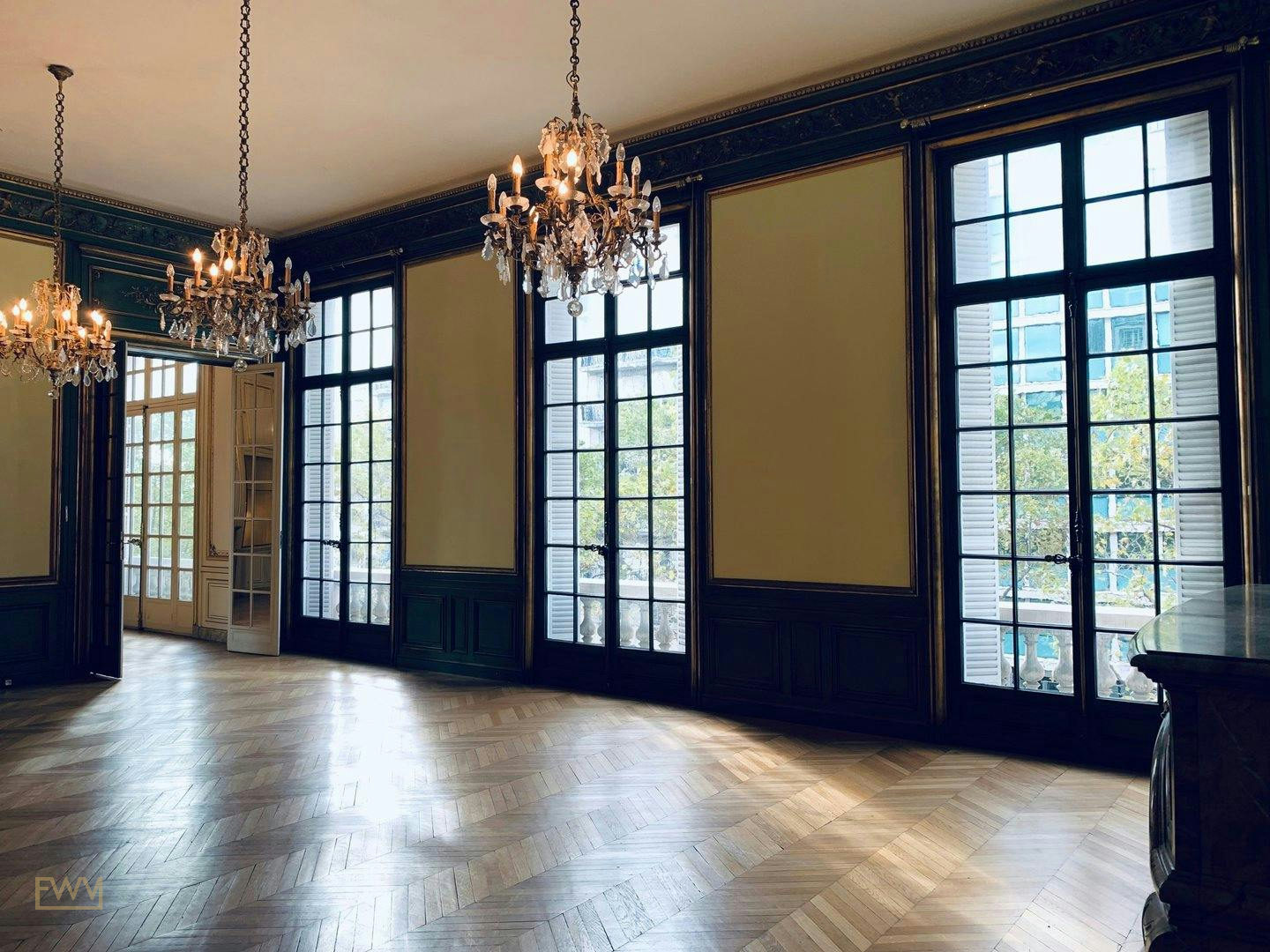
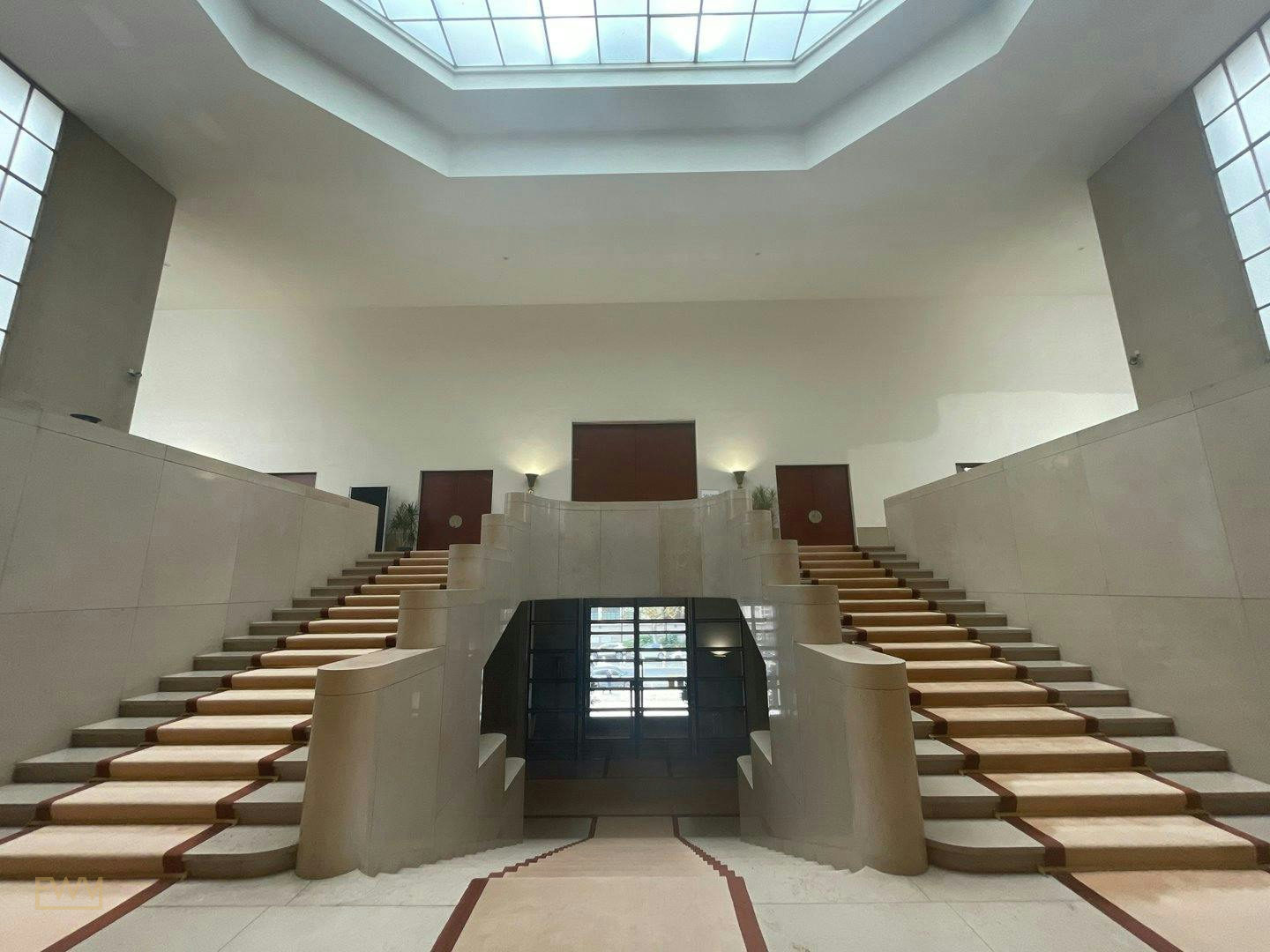
Fashion Week in Paris is an unparalleled event, featuring some of the world's most prestigious designers and attracting a global audience of fashion enthusiasts. For brands aiming to make a splash during this pivotal moment, selecting the right venue is crucial. The process isn't just about size or location but involves careful consideration of your brand's identity and objectives. Fashion Week Venues provides comprehensive solutions from venue sourcing to activation management, ensuring that your brand stands out in this competitive environment.
Understanding Fashion Week Venue Options
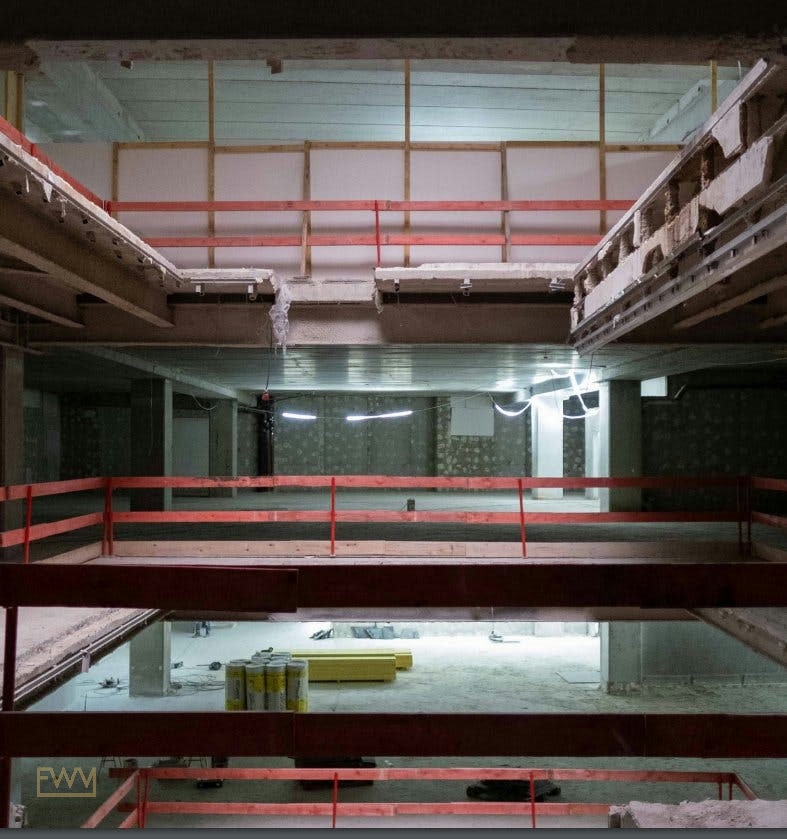
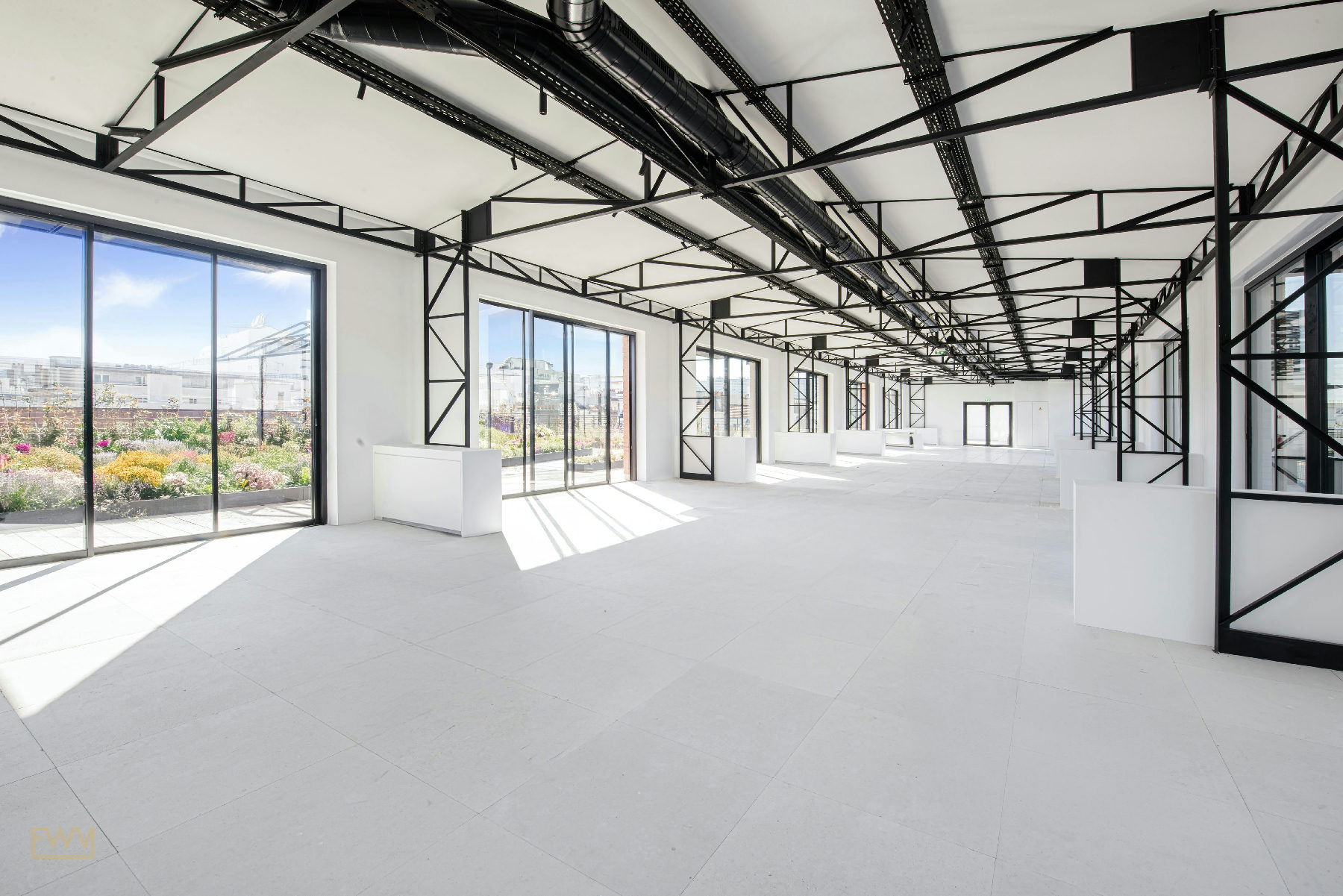
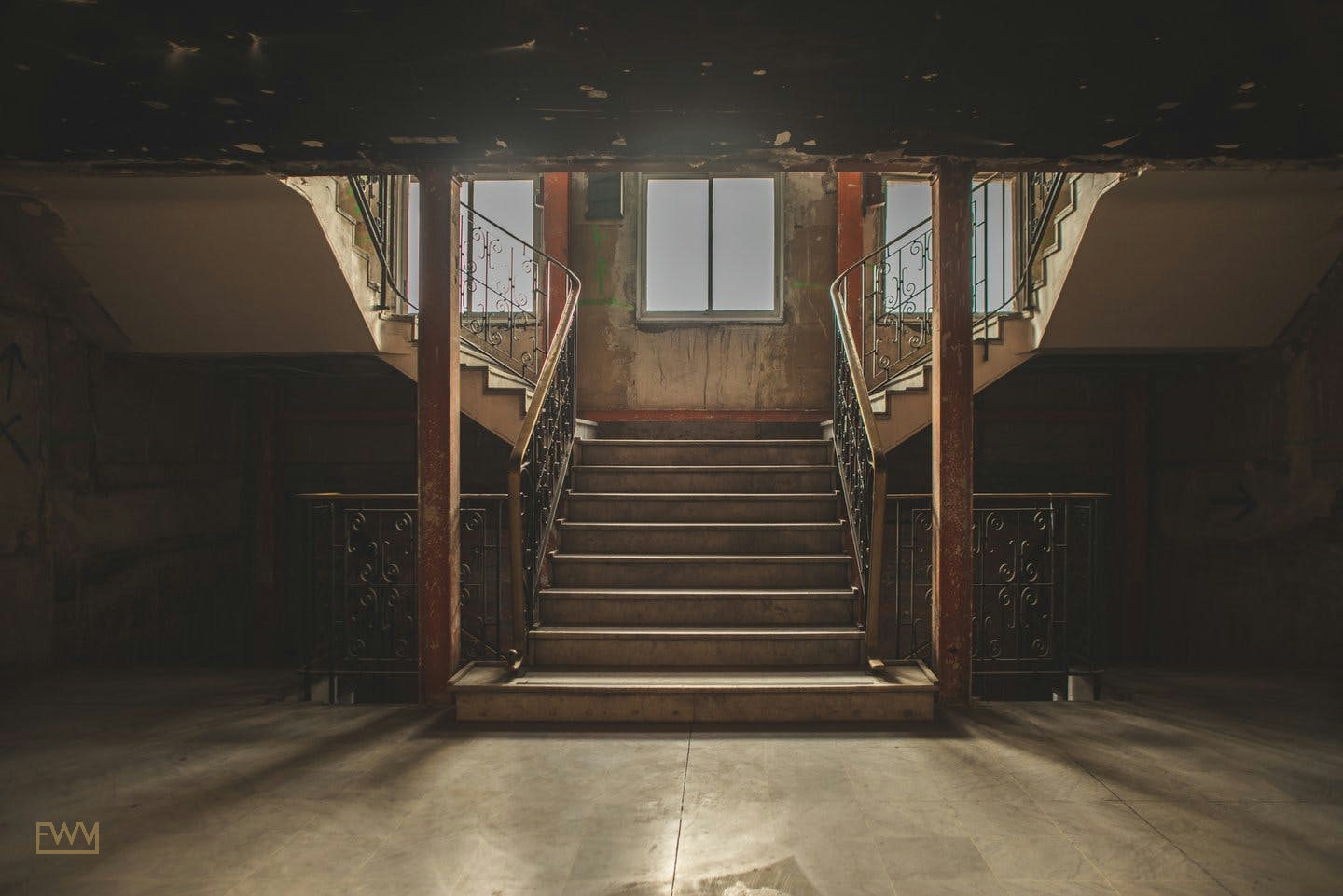
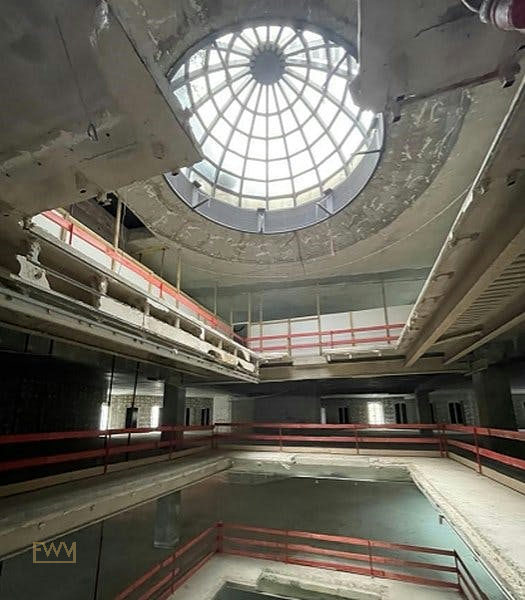
Choosing the perfect venue during Paris Fashion Week involves more than just securing a space; it requires a strategic approach based on brand alignment and audience engagement. Venues range from traditional showrooms and iconic landmarks to modern pop-up spaces. Each option offers unique advantages for showcasing collections and enhancing brand visibility.
Quick answer: The right fashion venue aligns with your brand identity, audience, and objectives, offering flexibility and standout visibility during Paris Fashion Week.
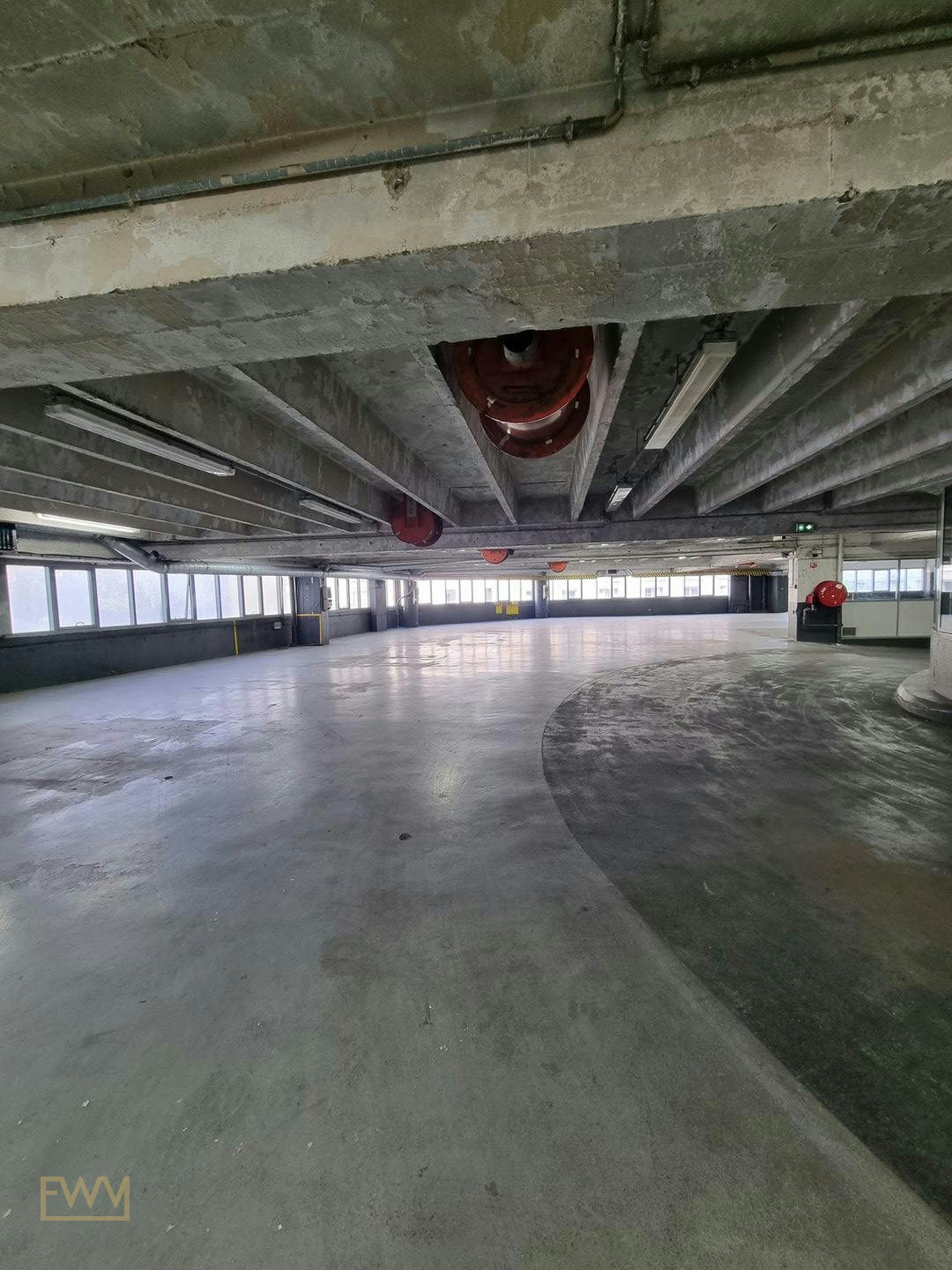
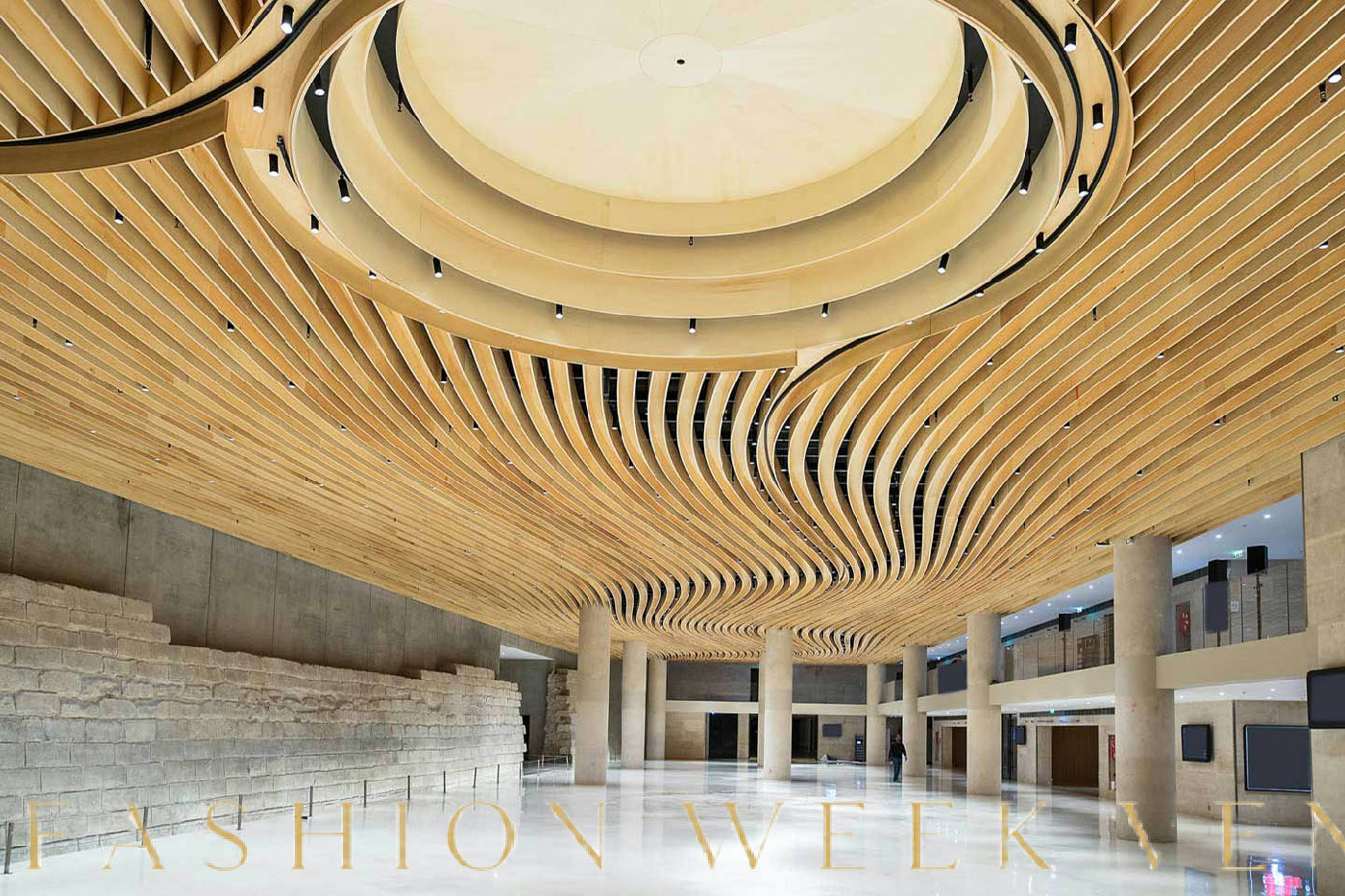
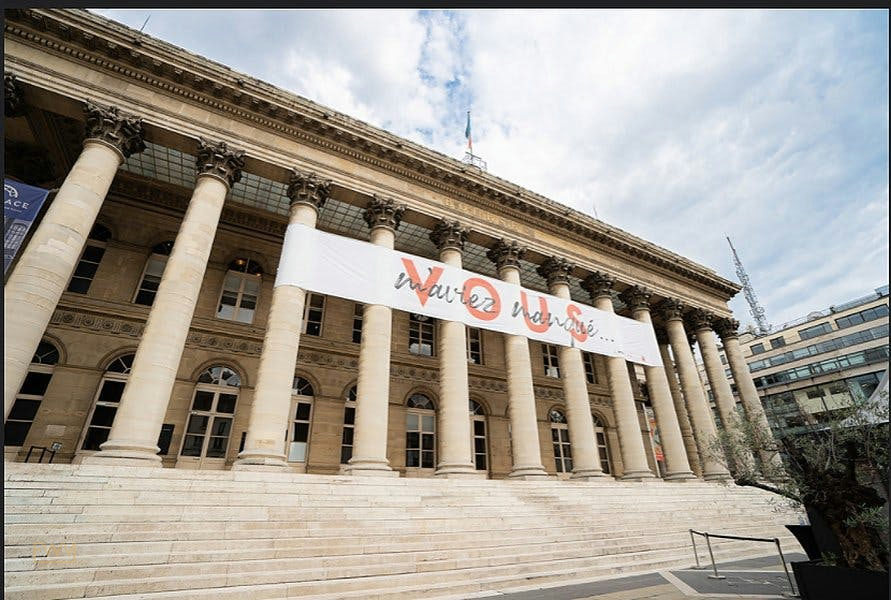
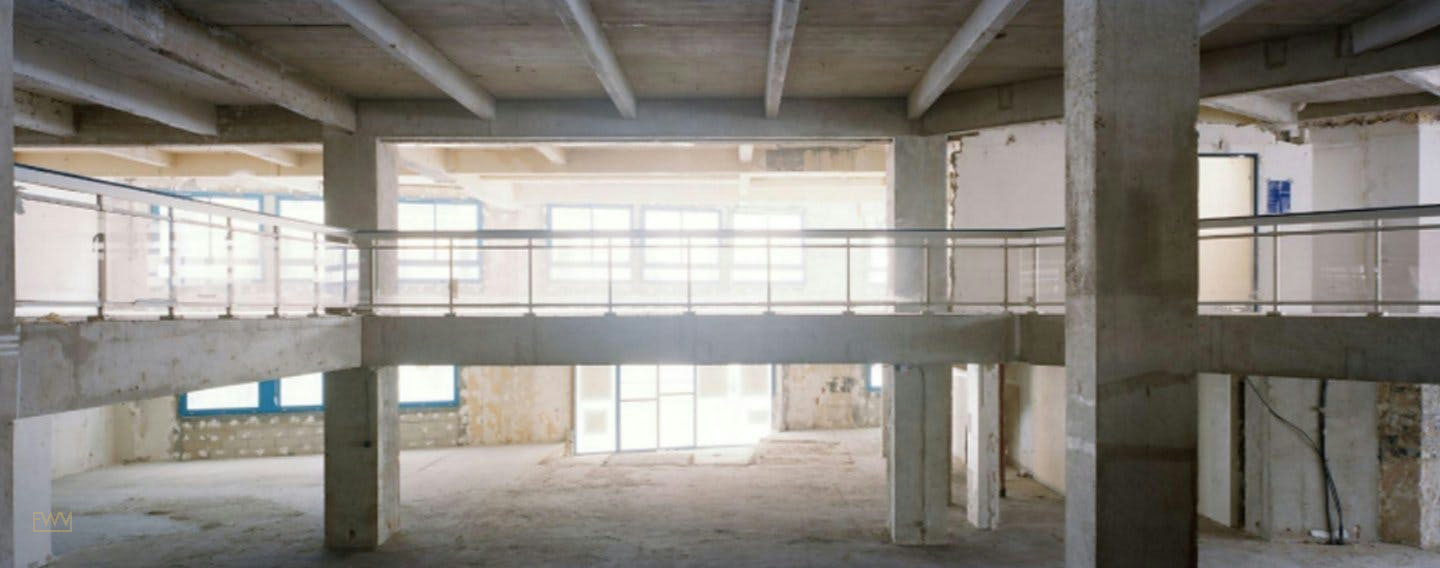
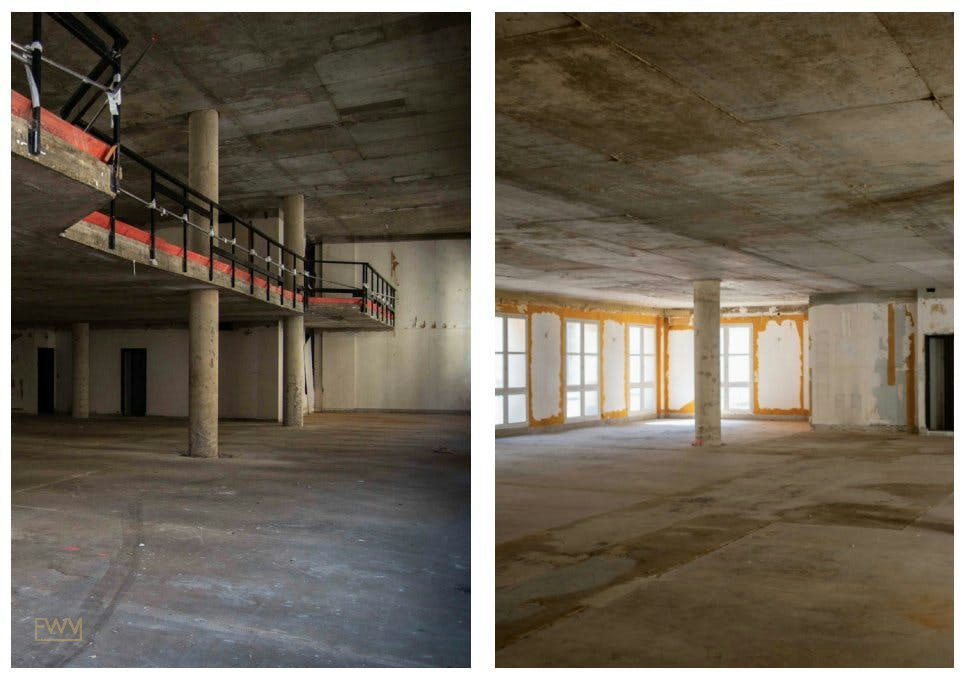
Traditional showrooms can provide a refined setting, ideal for brands that resonate with classic elegance and sophistication. These venues often have established connections with buyers and press, providing a seamless integration into the fashion calendar. For creative brands aiming to surprise their audience, pop-up spaces offer flexibility and an opportunity to design an immersive experience tailored to specific themes. Rental event spaces, like museums or historic buildings, add prestige and can amplify the storytelling aspect of a collection.
Key Types of Venues in Paris:
| Venue Type | Advantages | Considerations |
|---|---|---|
| Showrooms | Established connections, refined setting | Limited flexibility |
| Pop-Up Spaces | Flexible design, immersive experiences | Requires creative direction |
| Historic Buildings | Prestige, unique atmosphere | Higher costs, complex logistics |
Understanding these venue types helps brands make informed decisions that align with their strategic goals. For comprehensive venue options, the Fashion Week Venues marketplace offers a curated selection tailored to the needs of fashion brands entering Paris Fashion Week.
KEY TAKEAWAY: Matching venue types with brand objectives enhances event impact and audience resonance. Traditional showrooms, flexible pop-up spaces, and historic venues each offer distinct benefits. Choose based on brand strategy and audience engagement goals.
With venue variety understood, brands must next consider the logistics of short-term leasing and operational planning during fashion week.
Short-Term Leasing and Permits for Fashion Week Venues
Securing a venue in Paris during Fashion Week entails navigating the complex landscape of short-term leasing and permits. Understanding legal arrangements like bail dérogatoire and AOT (Autorisation d’Occupation Temporaire) is critical to ensuring compliance and avoiding legal pitfalls.
Quick answer: Navigating short-term leases in Paris involves understanding specific legal formats and securing necessary permits for operational compliance, requiring specialized knowledge.
Bail Dérogatoire: This type of lease allows temporary occupancy without the constraints of typical commercial lease terms, typically used for durations of less than three years. It is an ideal solution for temporary retail spaces or pop-up activations during events like Fashion Week.
AOT (Autorisation d’Occupation Temporaire): AOT permits are often required for public space occupations. This type of authorization is crucial when utilizing areas like streets or squares for event purposes.
To facilitate these processes, brands should engage with a French legal advisor familiar with Parisian jurisdiction to ensure full compliance. Fashion Week Venues provides guidance tools for permits to ease this process.
DID YOU KNOW: Permits differ significantly across Paris’s arrondissements due to varying local regulations, and obtaining them can impact your event timeline and budget.
Space owners often require proof of insurance and a detailed event plan. Demonstrating a clear understanding of these processes improves negotiation leverage. From planning permits to temporary occupation authorizations, taking the time to understand these legalities helps avoid unnecessary delays.
KEY TAKEAWAY: Understanding the intricacies of permits and short-term leases in Paris minimizes legal risks and ensures smoother operations during Fashion Week.
After settling legal requirements, the next focus is on budget planning and aligning costs with brand strategy.
Budget Planning for Paris Fashion Week Venues
Budgeting accurately for a venue during Fashion Week in Paris is paramount to maintaining financial control and optimizing return on investment. The process involves more than just rental costs; it encompasses logistics, production, staffing, and marketing.
Quick answer: Effective budget planning for Paris Fashion Week involves a comprehensive approach including rental, logistics, production, and marketing costs.
Core components to consider in budget planning include:
- Venue rental fees
- Fit-out and production costs
- Staffing and operational expenses
- Marketing and activation costs
- Permitting and insurance
Brands must also consider the impact of conversion and exchange rates on their budgets, especially when dealing with international transactions. Utilizing budget estimation tools, like those provided by Fashion Week Venues, can be invaluable in capturing these complexities.
Important Considerations in Budgeting:
| Component | Estimated Cost | Considerations |
|---|---|---|
| Venue Rentals | Variable | Depends on location and size |
| Logistics | Variable | Influenced by transport costs |
| Staffing | Variable | Includes training and accommodation |
TIP: Always incorporate a contingency buffer of approximately 10-15% of the overall budget to accommodate unforeseen expenses.
Once the budget is formulated, aligning it with strategic objectives ensures that every expenditure contributes to achieving broader goals. Carefully tracking all expenses further improves financial discipline and outcome predictability.
KEY TAKEAWAY: Effective budgeting not only ensures financial constraints are respected but also maximizes the strategic impact of the brand's presence at Fashion Week.
Once your budget is aligned, the focus shifts to optimizing timelines to ensure seamless execution of your activation.
Optimizing Timeline for Fashion Week Activation
Effective timeline management is crucial for ensuring all elements of a campaign are smoothly executed during Paris Fashion Week. From venue preparation to the final event production, every detail should align with a robust timeline plan.
Quick answer: Optimizing your Fashion Week activation timeline ensures each campaign element is timely and aligns with broader strategic goals.
Working backwards from the start of Fashion Week, brands should schedule major tasks such as venue selection, permits, fit-out, staffing, marketing, and onsite setup. A well-structured timeline not only aligns internal teams but also manages external dependencies, like suppliers or regulatory approvals.
Basic Timeline Structure:
| Timeline Phase | Key Activities | Timeframe |
|---|---|---|
| Pre-Planning | Venue identification, budget approval | 6-12 months prior |
| Execution | Build-out, marketing preparation | 3-6 months prior |
| Finalization | Onsite logistics, staff training | 1-2 months prior |
An essential component of timeline management is using tools like Fashion Week Venues' timeline planning tool. This aids in visualizing and tracking milestones, ensuring that key activities are neither rushed nor delayed.
TIP: Regularly update and communicate the timeline with all stakeholders to mitigate risks of oversights and ensure synchrony across all activities.
Efficient timeline management minimizes disruptions and guarantees that the brand is primed for its moment in the spotlight. After establishing a clear timeline, integrating experiential elements can enhance audience engagement.
KEY TAKEAWAY: An optimized timeline reduces stress and potential delays, keeping all teams aligned with expectations and workload, setting the stage for a successful activation.
With your timeline in place, explore how experiential elements can elevate your fashion event next.
Enhancing Events with Experiential Elements
Integrating experiential elements into your fashion show can significantly improve audience engagement and leave a lasting impression. Such activations not only showcase your collection but also tell your brand story compellingly.
Quick answer: Experiential elements in fashion shows enhance engagement by creating memorable moments that align with brand storytelling and audience interaction.
Experiential marketing strategies involve creating immersive environments that engage all senses. For example, incorporating interactive tech, using virtual and augmented reality, and curating multi-sensory installations. These innovations draw the audience deeper into the narrative behind the garments and foster a stronger brand connection.
TYPES OF EXPERIENTIAL ELEMENTS:
- Interactive displays and touchpoints
- Augmented and virtual reality experiences
- Live art performances and installations
The objective is to create a unique experience that distinguishes your brand amidst the sea of shows during Paris Fashion Week. Through activation management, brands can seamlessly weave these elements into the event, contributing to both buzz and media coverage.
DID YOU KNOW: Experiential elements can create viral social media moments, amplifying reach beyond the physical event space.
Designing an experiential strategy requires balancing creativity with practical considerations like budget and space constraints. Collaborating with experts in production and creative direction is essential to align what’s feasible with what’s innovative.
KEY TAKEAWAY: Experiential elements offer powerful tools to enhance interaction and leave lasting impressions, helping your brand to resonate deeply during Fashion Week events.
Next, consider how Fashion Week Venues can assist in executing these complex activations.
How Fashion Week Venues Supports Your Activation
Fashion Week Venues offers a comprehensive suite of services designed to simplify the logistical complexities of executing a successful event in Paris. With expertise spanning venue sourcing, conceptual direction, production, and activation, they assist brands in creating memorable experiences tailored to the distinctive atmosphere of Paris Fashion Week.
Quick answer: Fashion Week Venues supports your Paris Fashion Week presence by providing integrated planning, sourcing, production, and activation services tailored to brand-specific needs.
Services Offered:
- Venue Sourcing: Experts identify and secure locations that align with your brand’s vision.
- Concept Direction: Offers creative visioning aligned with your brand identity.
- Production and Build: Ensures your venue is transformed precisely as envisioned.
- Activation Management: Oversee all event elements, ensuring seamless execution.
- Retail Staffing: Provide trained personnel to enhance customer interaction.
For brands looking to optimize their investments, tools like ROI calculators offer insights into potential returns, enabling strategic decision-making tailored to maximize impact within the Paris market.
Although Fashion Week Venues provides substantial support, brands must also address internal planning and align these resources with core objectives to maximize benefits.
KEY TAKEAWAY: By leveraging Fashion Week Venues' suite of services, brands can reduce logistical burdens and focus on crafting unforgettable experiences during Fashion Week.
Having explored the benefits of strategic support, it's essential to dispel common myths associated with setting up Paris Fashion Week venues next.
Common Myths Debunked
MYTH: You need a French legal entity to rent a space in Paris.
FACT: While having a French entity can simplify some processes, it is not a strict requirement to rent venues in Paris. Many spaces welcome international brands without a local office, though you may need local representation for legal purposes.
MYTH: Paris Fashion Week is the only viable calendar window for brand exposure in Paris.
FACT: Although Paris Fashion Week is highly visible, brands can also achieve significant exposure through events outside this window, especially for niche or targeted audiences.
MYTH: Commission brokers are the only way to find suitable event spaces.
FACT: There are alternative ways to find venues, such as online marketplaces. Platforms like Fashion Week Venues allow more direct interaction without intermediary commission fees.
MYTH: Short-term leases in Paris are straightforward and require minimal legal input.
FACT: Short-term leases often involve complex legal frameworks, like bail dérogatoire, requiring expert advice to navigate local requirements effectively.
Dispelling these myths helps clarify the reality of planning a successful event during Paris Fashion Week. Next, we answer common questions frequently posed by brands planning their Parisian events.
Frequently Asked Questions
What are the advantages of using a pop-up space for Fashion Week events?
Pop-up spaces offer brands the flexibility to create tailored, immersive experiences aligned with specific themes or narratives. Their temporary nature allows brands to be agile, responding to emerging trends or consumer interests without the commitment of a long-term lease. Additionally, pop-up spaces can generate buzz and exclusivity, attracting both media attention and consumer engagement.
How do I ensure a successful activation at Paris Fashion Week?
Success during Paris Fashion Week depends on thorough preparation and strategic planning. Key elements include selecting a venue that aligns with your brand, creating a cohesive marketing and creative direction, and assembling a skilled production team. Additionally, leveraging data and analytics to understand and engage your target audience optimally will enhance the impact of your activation.
Can Fashion Week Venues assist with production and creative direction?
Yes, Fashion Week Venues offers a range of services including production and concept direction. These services ensure that every aspect of your event, from the physical setup to the thematic narrative, is expertly managed to reflect your brand’s identity and objectives.
What are the most sought-after neighborhoods for fashion events in Paris?
The most popular neighborhoods for fashion events include Le Marais, known for its vibrant cultural scene, and Saint-Germain-des-Prés, celebrated for its historical artistic influence. Opéra and Rue Saint-Honoré are also esteemed destinations due to their concentrations of luxury boutiques and iconic landmarks, ideal for attracting elite clientele during Fashion Week.
What type of permits do I need for a fashion event in Paris?
Required permits vary depending on the venue type and location. Common permits include bail dérogatoire for short-term leases and AOT for occupying public spaces. Engaging local legal advice or leveraging permit guidance tools is advisable to navigate regulations and ensure compliance.
How can I optimize my budget for a Paris Fashion Week venue?
To optimize your budget, clearly outline all expected costs, including venue rental, permits, production, staffing, and marketing. Employ tools like the Budget Estimator to manage financial planning effectively, and always include a contingency to handle unforeseen expenses.
What roles do experiential elements play in fashion shows?
Experiential elements are pivotal in engaging audiences by offering interactive and memorable experiences. They facilitate deeper emotional connections with a brand, differentiate events, and can significantly amplify media coverage. Elements like augmented reality, live art installations, or immersive displays are particularly impactful.
How does Fashion Week Venues streamline event preparation?
Fashion Week Venues simplifies event preparation through a comprehensive suite of services, from venue sourcing to activation management. They provide strategic tools for budgeting, ROI analysis, and timeline management, offering a holistic approach to ensure seamless integration and execution of brand events.
Are there any particular timelines to follow for event logistics?
Event logistics should follow a careful timeline starting 6-12 months before the event with major decisions like venue selection and budget approvals. Execution phases include production and marketing preparation and onsite logistics, wrapping up in the final month before the event. Utilize tools like timeline planning to stay organized and effective.
Why choose Paris over other fashion capitals for my event?
Paris is considered the epicenter of fashion, with unmatched prestige and influence in the global fashion industry. Its rich history, iconic venues, and diverse audience offer unique opportunities for brands to enhance their image and engage with influential fashion circles. Paris’s reputation ensures media attention and enhances brand prestige within luxury and high-fashion market segments.
Conclusion
Executing a successful activation during Paris Fashion Week demands meticulous preparation, strategic foresight, and a deep understanding of the local market. From selecting the right venue and managing permits to optimizing budgets and incorporating experiential elements, each step is crucial. By leveraging the comprehensive services and tools from Fashion Week Venues, brands can elevate their presence and impact. To move from research to activation, start exploring available spaces on the Fashion Week Venues marketplace and build a focused brief for your target neighbourhood, space type, and calendar window. This strategic approach ensures your brand doesn't just participate in Fashion Week but stands out, creating lasting impressions and driving meaningful engagement.