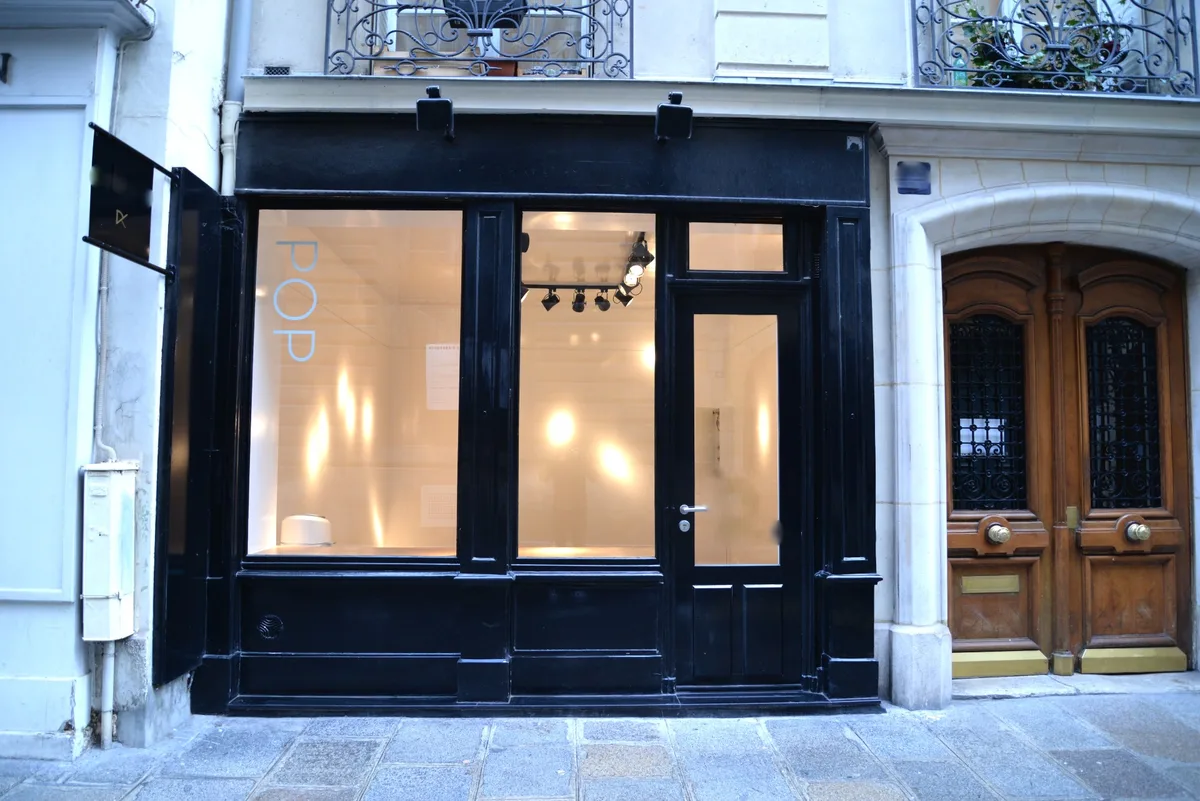
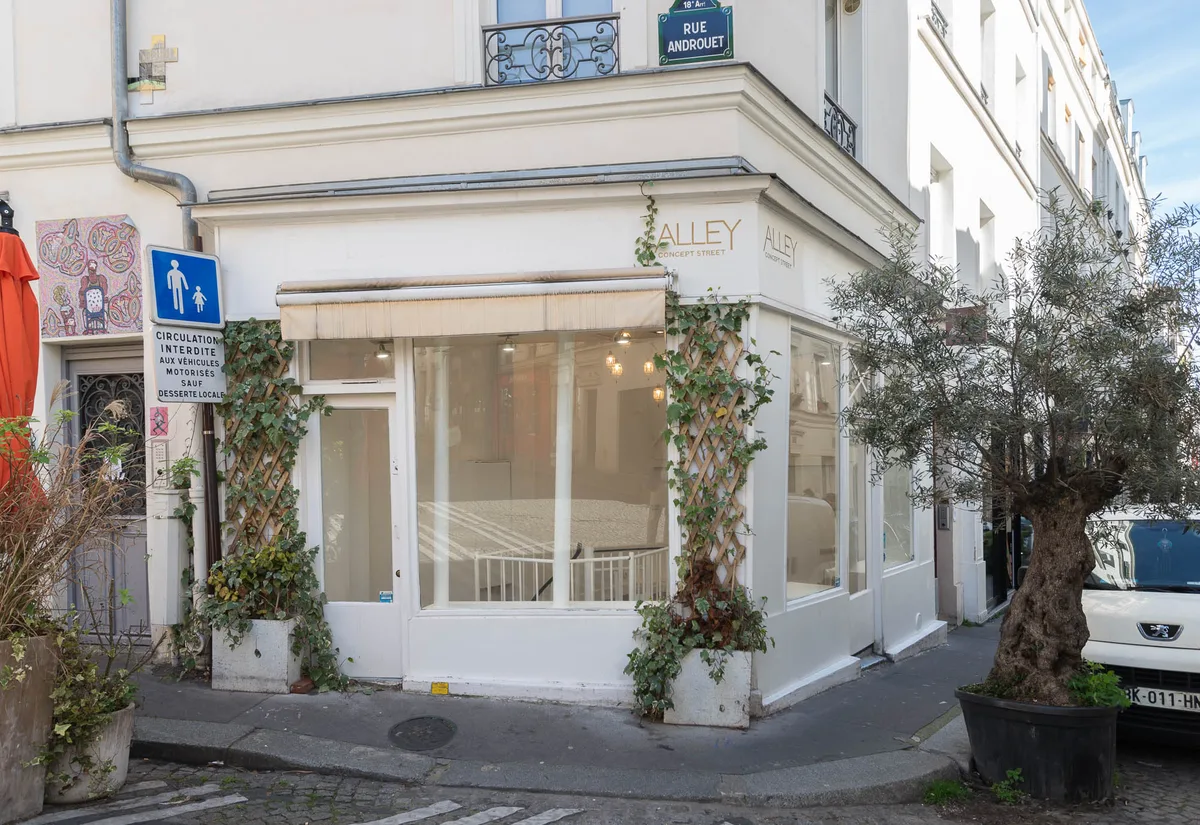
When teams plan to hire retail space in the 2nd arrondissement Paris, they are choosing one of the most strategically layered commercial districts in the French capital. The 2nd arrondissement sits between the luxury corridors of the 1st and the creative energy of the 3rd and 4th, combining historic covered passages, emerging food destinations, fashion showroom clusters, and dense daily foot traffic from both local professionals and international visitors. Whether you are staging a temporary pop-up shop during Paris Fashion Week, opening a short-term boutique on Rue Montorgueil, or launching a brand activation in a loft space near the Bourse, the 2nd offers a breadth of space types, price points, and neighbourhood characters that few other arrondissements can match. Fashion Week Venues works with brands across this district to source, activate, and manage retail spaces built for results.
Where Is the 2nd Arrondissement and Why Does It Matter for Retail?
The 2nd arrondissement of Paris is one of the city's smallest by area but among its most commercially active. It is bounded to the west by the 1st arrondissement and the prestige axis running from Place Vendôme through Rue de la Paix toward Palais Garnier. To the east it connects with the 3rd arrondissement, which borders Le Marais. To the north it reaches into the 9th, near Galeries Lafayette and Printemps on Boulevard Haussmann. To the south, the 2nd touches Les Halles and the Louvre-Rivoli corridor.
This central position is not incidental. The 2nd arrondissement has historically been the commercial and printing district of Paris, home to Le Sentier, the former textile and garment quarter, which has since evolved into a fashion showroom and creative industry cluster. Today it is one of the most sought-after zones for temporary retail, short-term commercial leases, and brand activations because it attracts both the fashion industry's professional buyers and a broad consumer audience.
Key landmarks and axes within and immediately adjacent to the 2nd arrondissement include the Palais Brongniart, Passage des Panoramas, Passage Choiseul, Passage des Princes, Passage du Grand-Cerf, Galerie Vivienne, Rue du Nil, Rue Montorgueil, Rue Montmartre, Rue Sainte-Anne, Rue de Richelieu, Avenue de l'Opéra, and RUE DU QUATRE SEPTEMBRE. The district also sits within walking distance of Place de l'Opéra and Place de la Madeleine to the west, making it a logical extension for brands already operating in the Golden Triangle or along the Rue Saint-Honoré and Rue de Rivoli axes.
Metro access is excellent. The 2nd arrondissement is served by lines connecting to Réaumur-Sébastopol, Bourse, Étienne Marcel, Sentier, and with proximity to the metro stop serving Les Halles and Châtelet-Les Halles, which is one of the busiest transport hubs in Europe. This means that any retail or pop-up space within the 2nd can draw from a diverse and high-volume visitor pool across the city.
DID YOU KNOW: The covered passages of Paris, known as les passages couverts parisiens, were the world's first shopping malls. The 2nd arrondissement contains several of the most intact examples, including Passage des Panoramas and Galerie Vivienne, both of which attract significant tourist and lifestyle audiences year-round.
KEY TAKEAWAY: The 2nd arrondissement occupies a rare position in Paris that bridges luxury, fashion industry, food culture, creative retail, and high-footfall transit corridors, making it one of the most versatile districts for brands hiring temporary or short-term retail space in Paris.
Understanding the geography sets the foundation for choosing the right subzone within the 2nd, and the next step is understanding what types of spaces are available across its different neighbourhoods.
Retail Space Types Available to Hire in the 2nd Arrondissement Paris
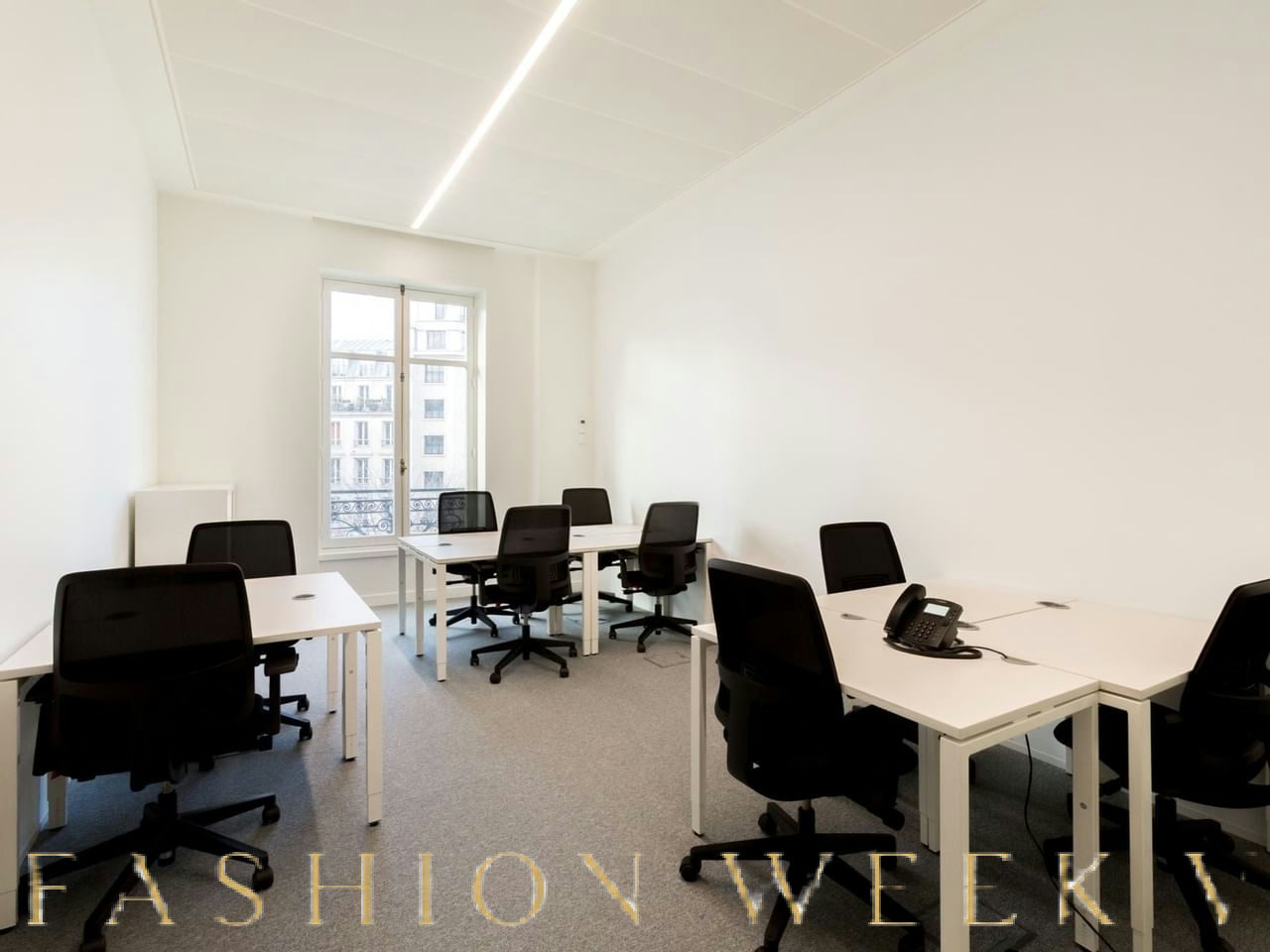
The 2nd arrondissement offers a wider variety of space typologies than its compact size might suggest. Brands looking to hire retail space here can choose from classic storefronts, converted lofts, studio photography spaces, apartments used as intimate showrooms, gallery-style white cube spaces, and spaces within the covered passages themselves.
Storefronts and Boutiques
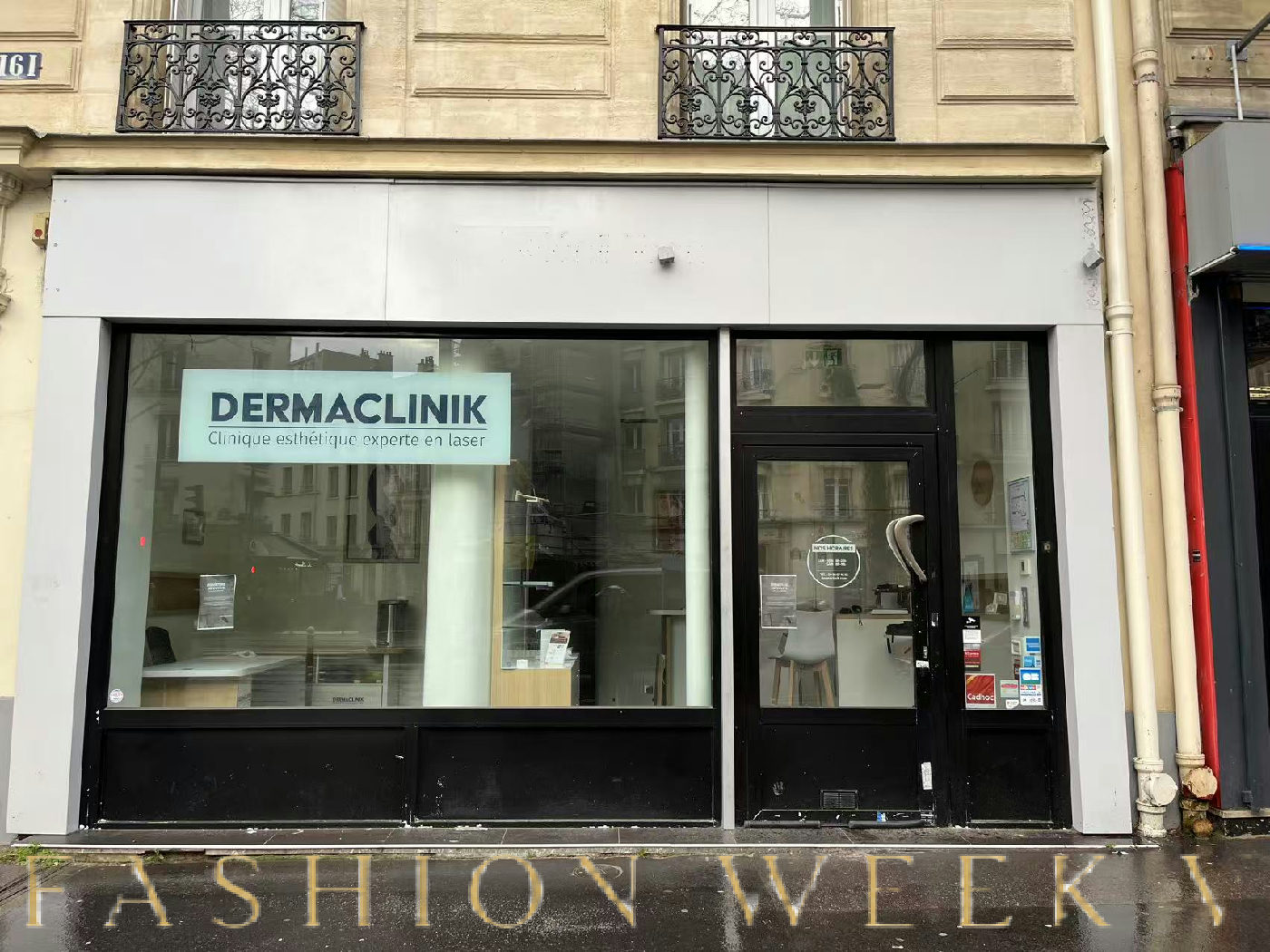
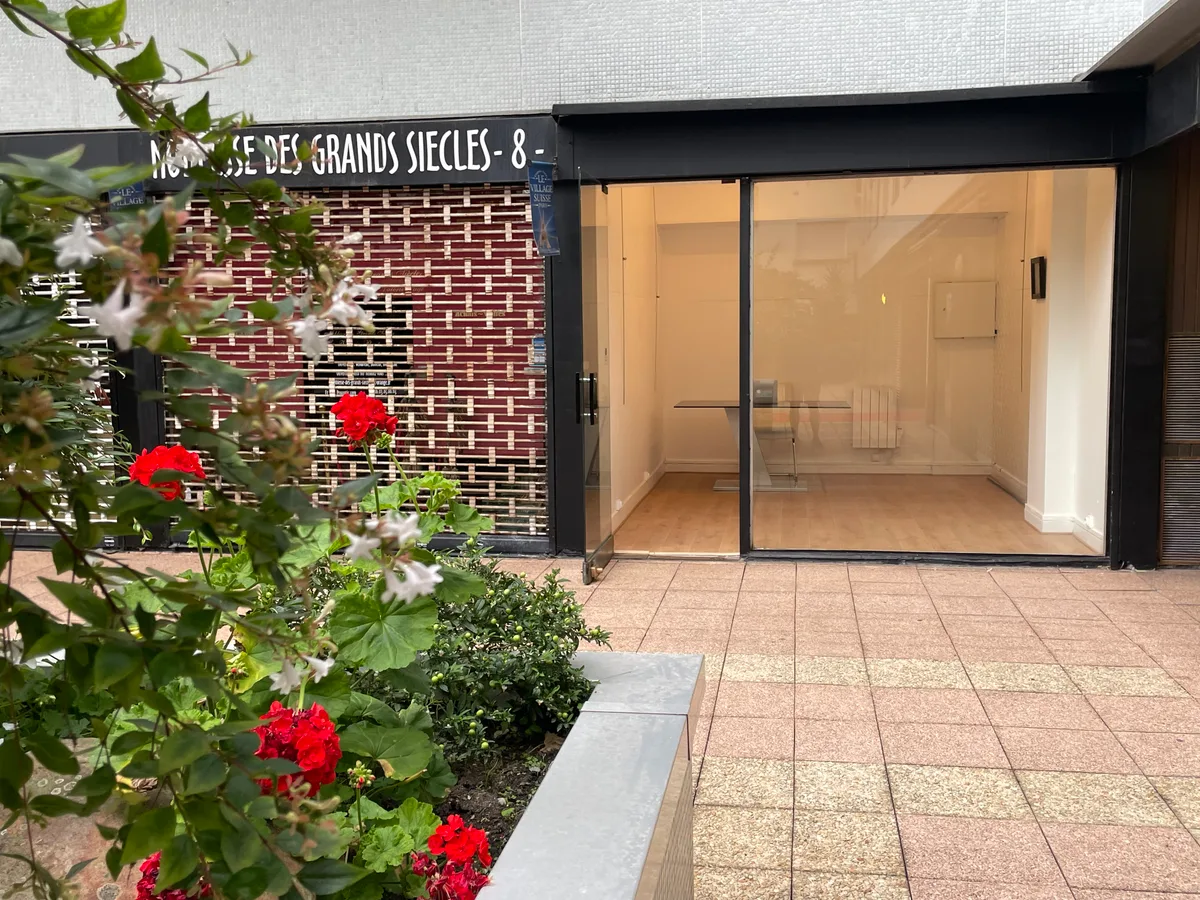
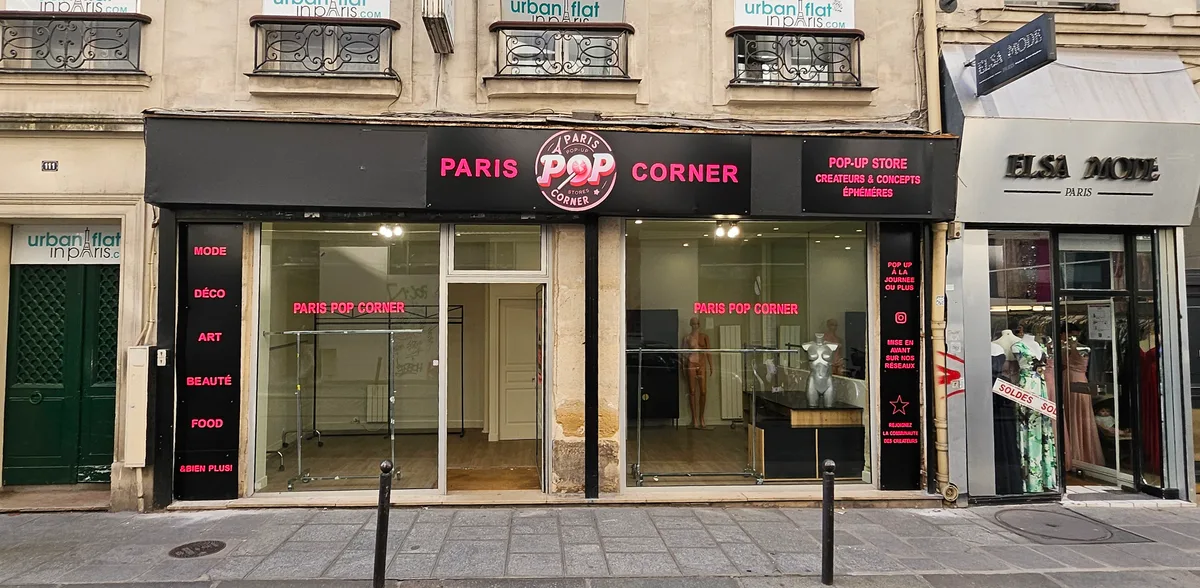
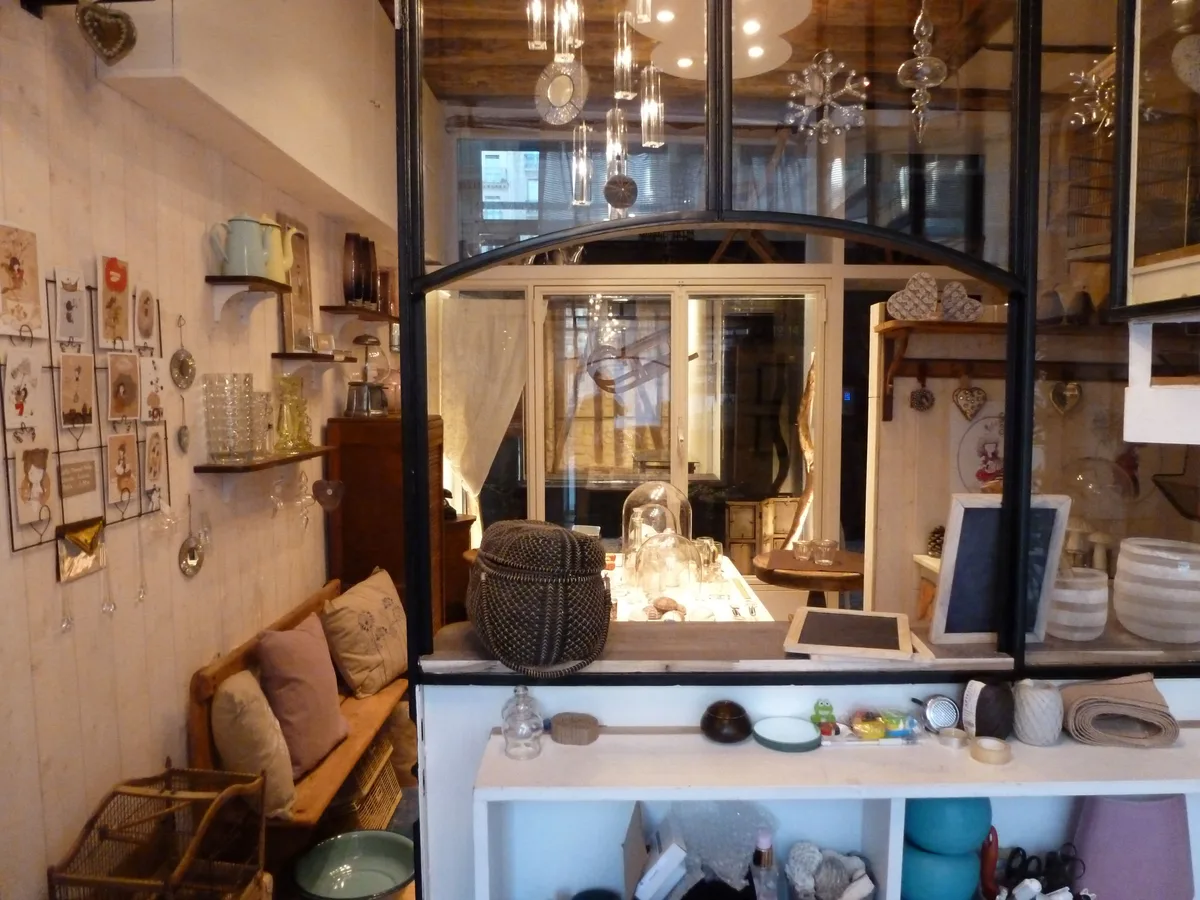
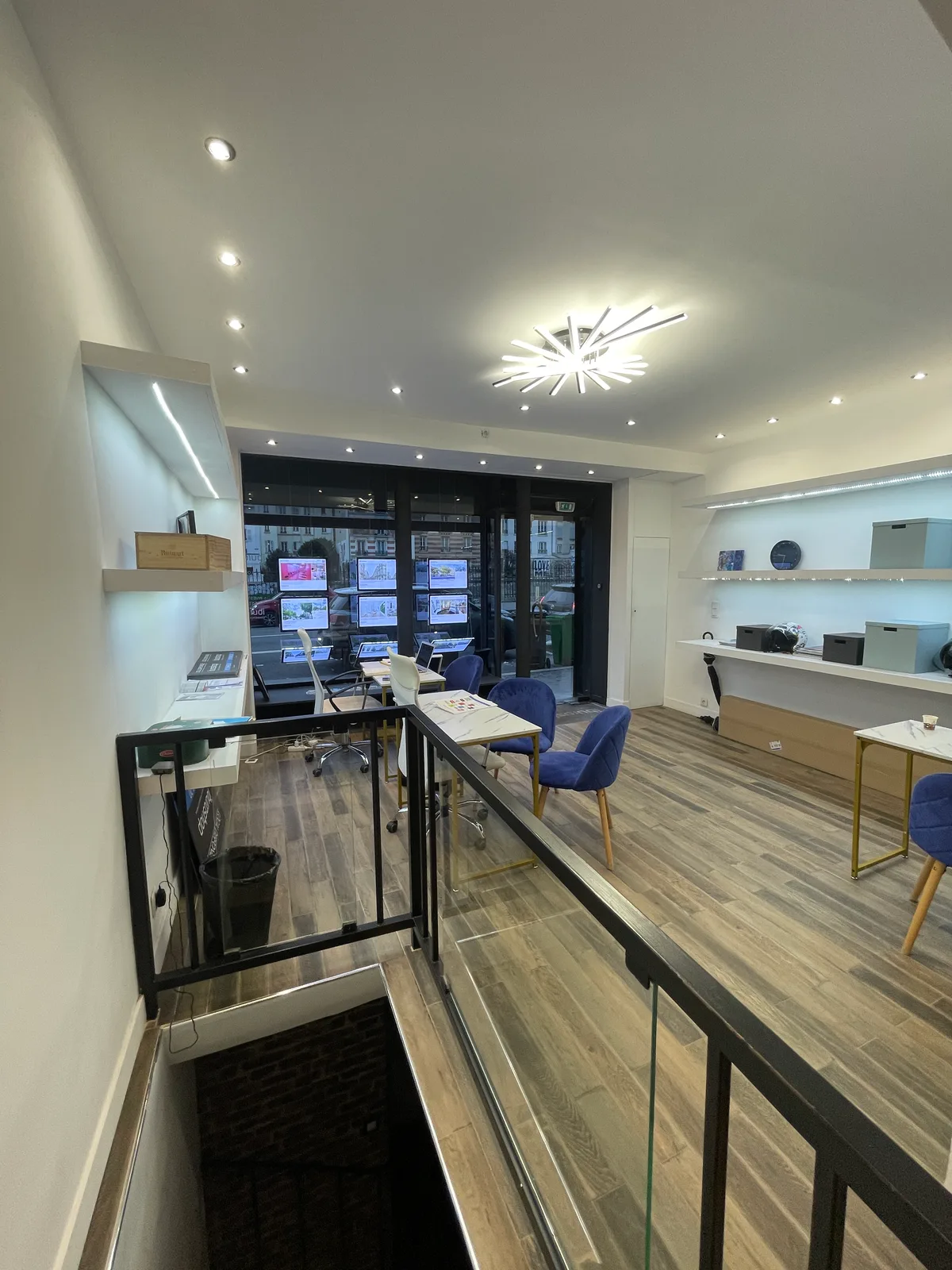
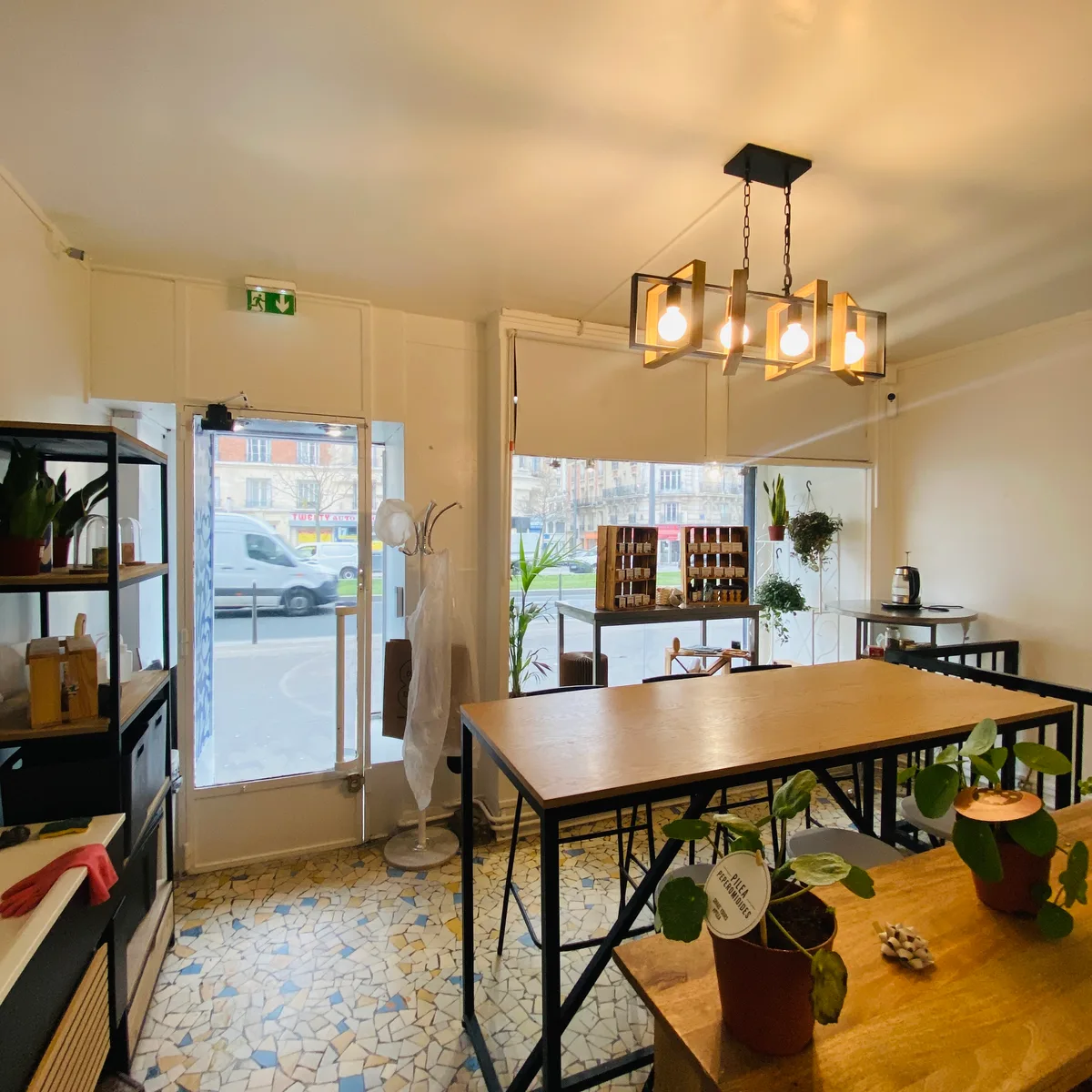
Ground-floor storefronts along Rue Montorgueil, Rue Montmartre, and the Étienne Marcel corridor are the most visible and highest-footfall options in the district. These charming boutique formats typically range from compact units of 30 to 60 square metres to larger flagship-scale formats of 100 square metres and above. They suit fashion brands, beauty labels, and concept stores where street visibility and ease of customer entry matter. The Rue Montorgueil pedestrian zone in particular attracts a food-forward, lifestyle-oriented crowd, with anchor draws including Stohrer, the historic patisserie founded in 1730, Frenchie To Go, the casual counter concept from Chef Grégory Marchand of Frenchie restaurant on Rue du Nil, and newer entrants like Grom and a range of independent food, coffee, and fashion operators. The street has become a genuine lifestyle destination that benefits adjacent retail operators.
Showrooms and Fashion Showrooms
The Sentier quarter, running along Rue Réaumur and south toward Étienne Marcel, remains one of the most active fashion showroom clusters in Paris. During Paris Fashion Week and buying seasons, this area fills with wholesale buyers, press, stylists, and brand teams conducting appointments. Brands hiring a fashion showroom here are positioning themselves in the professional flow of the industry. Showroom formats vary from open-plan loft spaces to partitioned multi-room layouts depending on the building and floor.
Galleries and Espace Créatif Formats
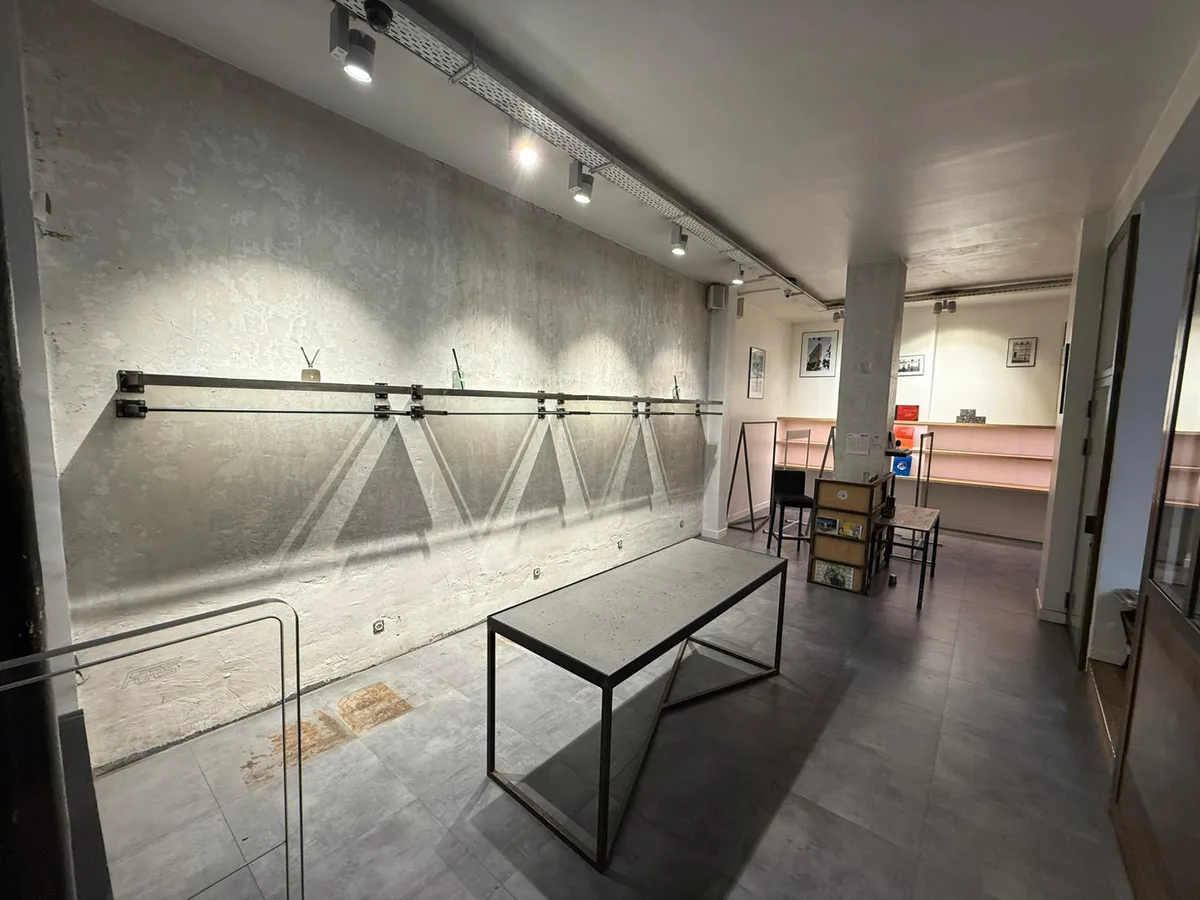
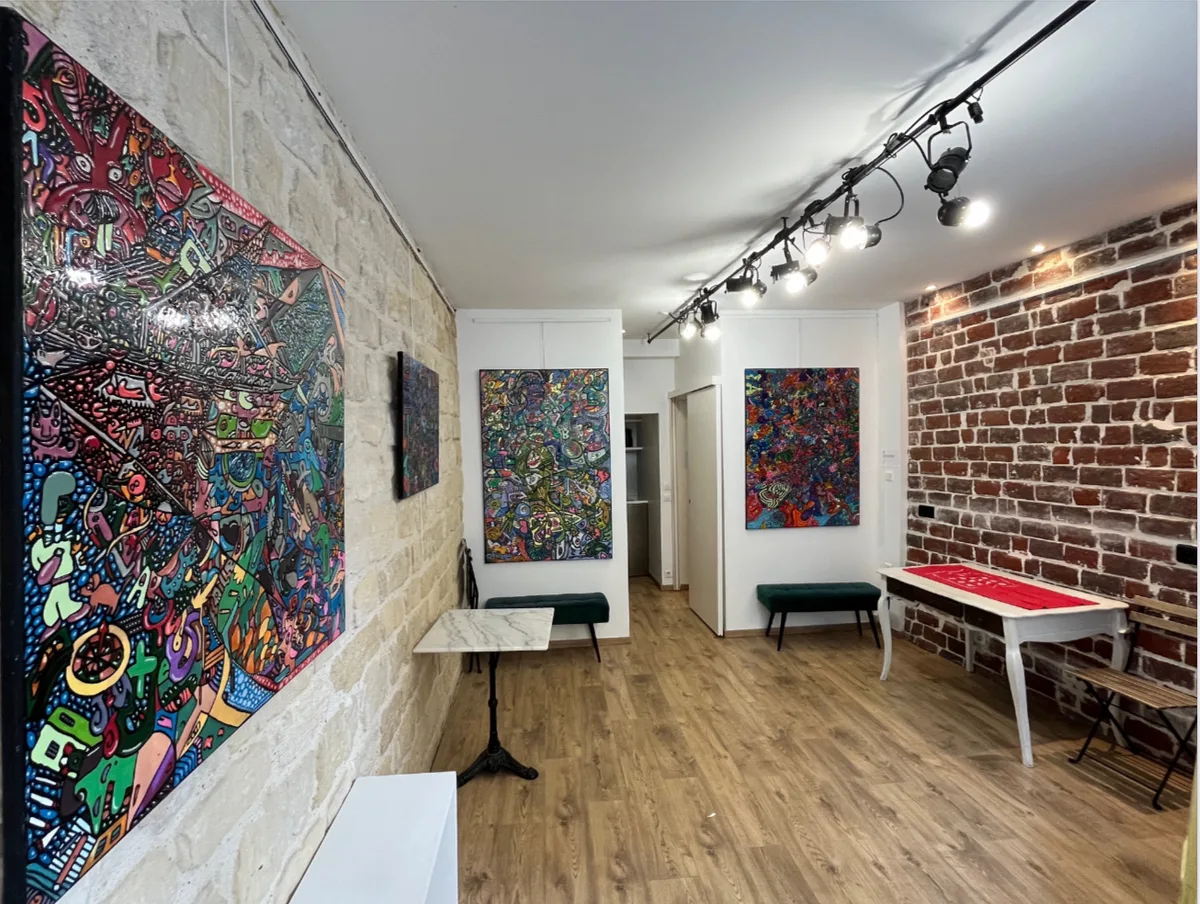
For brands seeking a more editorial or experiential format, gallery-style spaces in the 2nd arrondissement offer high ceilings, neutral walls, polished concrete or parquet floors, and exposure-ready natural or track lighting. These espace créatif formats are popular with art-adjacent brands, luxury labels presenting seasonal collections, and beauty or wellness brands creating immersive brand experiences. Galerie d'art formats within or near the covered passages also carry a distinctive Parisian aesthetic that no purpose-built event space can replicate.
Lofts and Studio Formats
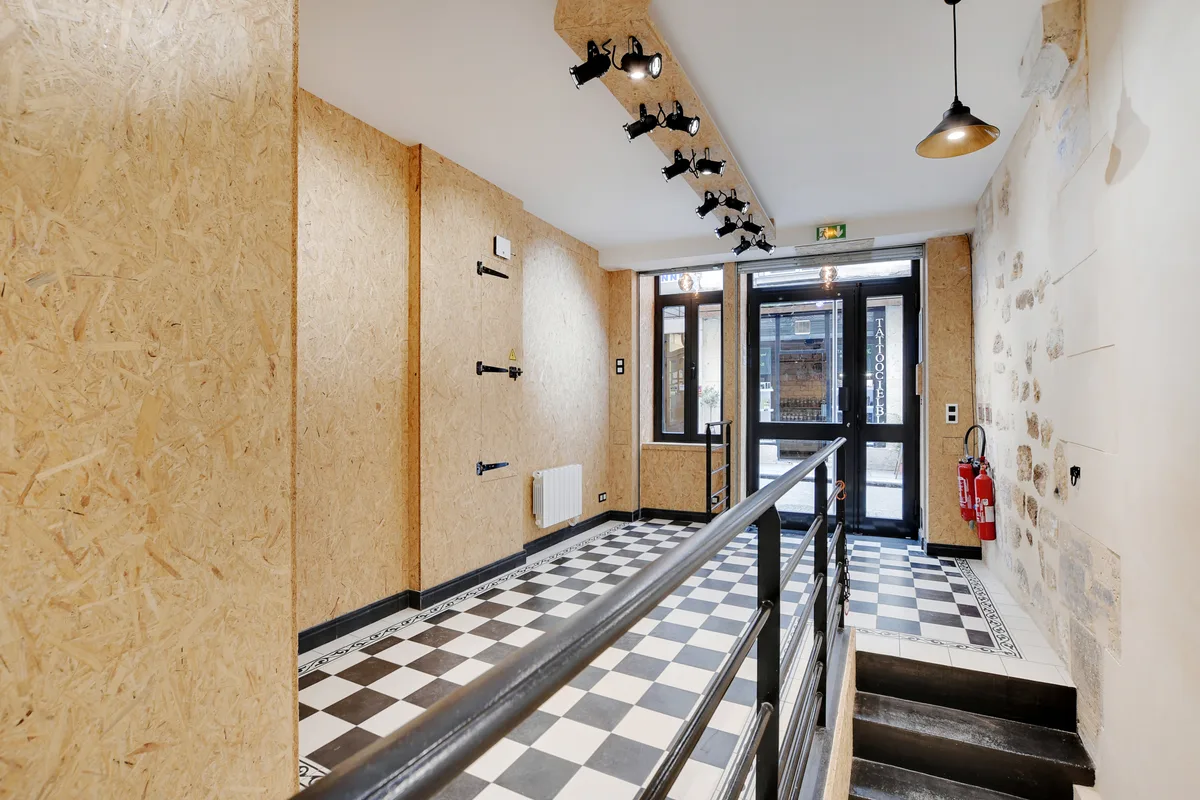
Upper-floor loft spaces in Haussmann-era buildings and converted industrial buildings near Réaumur-Sébastopol combine large open floorplates with architectural character. Exposed stone columns, exposed piping, raw or polished concrete floors, high ceilings, brick walls, and large windows are all commonly found in this typology. These spaces suit photo studios, content creation activations, and experiential retail formats where the space itself is part of the brand message.
Covered Passage Spaces
Hiring a space within Passage des Panoramas, Passage Choiseul, Passage des Princes, or Passage du Grand-Cerf places a brand within one of Paris's most iconic and photogenic environments. These passages attract high numbers of visitors, particularly tourists and culturally engaged Parisians, and carry significant social media appeal. Available units vary from narrow traditional boutique formats to larger anchor units at passage intersections.
Quick answer: Space types available to hire in the 2nd arrondissement Paris include storefronts, charming boutiques, fashion showrooms, loft spaces, gallery formats, studio spaces, apartments, and units within the historic covered passages. Sizes range from under 30 square metres for intimate pop-up shops to over 200 square metres for flagship or multi-room activations.
| Space Type | Typical Size Range | Best Use Case | Key Subzones in the 2nd |
|---|---|---|---|
| Storefront / Boutique | 30 to 150 sq m | Fashion retail, beauty, concept pop-up | Rue Montorgueil, Étienne Marcel |
| Fashion Showroom | 50 to 200 sq m | Wholesale buying, press appointments | Sentier, Réaumur area |
| Gallery / Espace Créatif | 60 to 300 sq m | Brand experience, art activation, editorial | Near passages, Bourse |
| Loft / Studio | 80 to 300 sq m | Photo studio, content creation, experiential | Réaumur-Sébastopol, Rue Montmartre |
| Covered Passage Unit | 15 to 80 sq m | Boutique retail, concept store, art gallery | Passage des Panoramas, Galerie Vivienne |
| Apartment / Intimate Showroom | 40 to 120 sq m | Private client events, VIP showrooms | Near Palais Royal, Rue de Richelieu |
KEY TAKEAWAY: The 2nd arrondissement's space portfolio spans a broader range of typologies than most districts its size, meaning brands can find formats suitable for everything from a focused 30-square-metre pop-up shop to a multi-level, 300-square-metre brand experience space.
Knowing what types of spaces exist is only useful if you also understand how the district's different neighbourhoods function and which subzones align with your brand's target clientele and commercial objectives.
Neighbourhoods and Key Streets Within and Around the 2nd Arrondissement
The 2nd arrondissement is not a single homogeneous neighbourhood. It contains distinct micro-zones, each with its own character, foot traffic profile, and commercial positioning. Understanding these subzones is essential when you hire retail space in the 2nd arrondissement Paris, because a misjudged location can undermine even the best brand activation.
Rue Montorgueil and Marché Montorgueil
Rue Montorgueil is one of the most vibrant pedestrian streets in central Paris. Designated a pedestrian zone, it runs from Les Halles northward and is anchored by a daily market, historic food shops including Stohrer, independent cafés, and fashion boutiques. The street's clientele is local Parisian, tourist, and increasingly international lifestyle-oriented. Sézane, the French label celebrated for its accessible Parisian aesthetic, has its flagship presence in this corridor, which demonstrates the street's appeal to contemporary fashion brands with a European consumer positioning. The Frenchie ecosystem anchored by Chef Grégory Marchand, including Frenchie restaurant at 5 Rue du Nil, Frenchie To Go, and the Frenchie wine bar, has cemented the Rue du Nil as a foodie destination with a sophisticated, internationally aware clientele that overlaps strongly with fashion and design brand audiences.
Sentier and the Fashion District
The Sentier quarter, the historic centre of Paris's textile and ready-to-wear industry, has evolved into a hub for fashion showrooms, creative agencies, and technology startups. During Paris Fashion Week buying seasons, the density of professional fashion activity here is unmatched outside of Saint-Germain-des-Prés and the Marais. Brands hiring showroom space in Sentier benefit from proximity to buyers and press already moving through the district on appointment rounds.
Bourse and Palais Brongniart
The area around the Palais Brongniart and the Bourse metro station has a more formal, institutional character that suits brands seeking gravitas and prestige. The Palais Brongniart itself has been used as an event venue for major brand activations and fashion presentations. Streets including Rue de la Paix to the west and Avenue de l'Opéra to the north-west connect this zone to the luxury Golden Triangle and the Place de la Madeleine axis.
The Covered Passages
The passages couverts Parisiens within and adjacent to the 2nd arrondissement represent a category in themselves. Passage des Panoramas on Boulevard Montmartre is the oldest covered arcade in Paris and a designated historic monument. Passage Choiseul on Rue Saint-Augustin connects to a dense residential and office catchment. Passage du Grand-Cerf on Rue Saint-Denis is celebrated for its ironwork and height. Galerie Vivienne, technically straddling the 1st and 2nd, offers some of the most prestigious covered passage retail footage in the city. Passage des Princes connects Boulevard des Italiens to Rue de Richelieu. Brands hiring space within these passages benefit from their UNESCO-recognised architectural heritage and the social media magnetism of their interiors.
Proximity to Adjacent Luxury and Lifestyle Axes
The 2nd arrondissement benefits from proximity to, without the full cost of, several major luxury corridors. Place Vendôme and Rue de la Paix sit immediately to the west, housing the major jewellery maisons. Rue Saint-Honoré and its extension Rue du Faubourg Saint-Honoré extend the luxury fashion corridor. Avenue des Champs-Élysées and the Golden Triangle are accessible within 15 to 20 minutes by metro or on foot. Galeries Lafayette and Printemps on Boulevard Haussmann draw enormous international visitor volumes. Brands hiring in the 2nd can credibly position themselves within the orbit of these luxury precincts while typically operating at lower per-square-metre costs.
Quick answer: The key subzones for hiring retail space in the 2nd arrondissement Paris include Rue Montorgueil for lifestyle and food-adjacent retail, Sentier for fashion showrooms, Bourse for prestige activations, the covered passages for boutique and gallery formats, and the broader district for proximity to the Vendôme, Saint-Honoré, and Boulevard Haussmann luxury axes.
To compare neighbourhoods and space types, explore the Paris city hub on Fashion Week Venues and shortlist spaces that match your brief, budget, and calendar window.
KEY TAKEAWAY: Location within the 2nd arrondissement matters as much as the space itself. Rue Montorgueil attracts a lifestyle consumer audience. Sentier serves the professional fashion trade. The passages draw tourists and culturally engaged visitors. The Bourse zone suits prestige and institutional activations.
Once you have identified the right subzone, the next critical step is understanding how rental and lease structures work for temporary retail space in Paris, and what legal and permit considerations apply.
Rental Structures, Leases, and Permit Requirements for Short-Term Retail in Paris
Hiring retail space in the 2nd arrondissement Paris involves navigating a commercial real estate and regulatory framework that is distinct from the UK, US, or other major markets. Understanding the basic structures available to international brands, and the compliance requirements that attach to different space types and durations, is essential before signing any agreement.
Bail Dérogatoire: The Short-Term Commercial Lease
The standard commercial lease in France, known as the bail commercial, is a nine-year minimum-term contract governed by strict tenant protections. For temporary retail, pop-up shops, and short-term brand activations, the relevant instrument is the bail dérogatoire, also known as the bail précaire or short-term commercial lease. Under French law, a bail dérogatoire can be concluded for a maximum cumulative duration of three years with the same tenant for the same premises. Beyond that, the lease automatically converts to a full bail commercial, which carries significant legal and financial implications.
For most brand pop-up activations, which run for days, weeks, or months during Paris Fashion Week or the broader fashion calendar, the bail dérogatoire is the appropriate instrument. However, requirements vary by space type, building classification, duration, and the specific arrondissement in which the property is located. Brands should always verify arrangements with a qualified French legal advisor before entering into any lease.
Autorisation d'Occupation Temporaire (AOT)
For spaces located in public or semi-public domains, such as covered passages under public management, terraces on public footways, or spaces within publicly administered buildings, an Autorisation d'Occupation Temporaire (AOT) may be required. This is a permit issued by the relevant public authority allowing temporary commercial use of publicly administered space. AOTs are time-limited and purpose-specific, and their conditions vary significantly depending on the administering authority and the nature of the proposed use.
AOT requirements are not universal across the 2nd arrondissement, but brands planning to activate in passages, on terraces, or in spaces with any connection to public domain assets should take professional advice early in the planning process. The permit guidance tool on Fashion Week Venues can help brands understand which permit pathways apply to their intended space type and activation format.
Commercial Space vs. Event Space: Classification Matters
Not all spaces in the 2nd arrondissement are classified for retail commercial use. Some spaces listed for short-term hire are classified as offices, studios, or event spaces. Using a space for retail commercial purposes under a non-retail classification can create compliance problems with the landlord, building management, and local regulatory authorities. Brands should confirm the ERP classification (Établissement Recevant du Public) status of any space before planning a consumer-facing activation, as this determines fire safety, public access, and insurance requirements.
Property Tax and Local Regulations
Commercial tenants in France may encounter obligations related to the taxe foncière and the cotisation foncière des entreprises (CFE), depending on the nature and duration of the occupation. In short-term lease arrangements, these are typically absorbed by the landlord, but it is important to clarify the full cost structure of any agreement before signing. Local regulations in central Paris arrondissements can also affect opening hours, signage, external branding, and noise levels, all of which are relevant to planning a pop-up activation.
IMPORTANT: France's commercial property framework is significantly different from common law markets. Do not assume that verbal agreements, short email exchanges, or platform bookings provide the same protections as a properly executed legal agreement. Always engage a French legal advisor or work with a specialist agency that understands local commercial real estate law before committing to a space.
Quick answer: Short-term retail space in the 2nd arrondissement Paris is typically governed by a bail dérogatoire, a legally recognised short-term commercial lease that allows occupancy for up to three cumulative years without converting to a standard nine-year bail commercial. AOTs may also be required for spaces in public or semi-public domains. Permit and classification requirements vary and should always be verified with a qualified French legal advisor.
KEY TAKEAWAY: Legal structure and permit compliance are not optional considerations when hiring retail space in Paris. Understanding the difference between a bail dérogatoire, a standard bail commercial, and an AOT is the minimum baseline for any brand entering the French commercial property market, regardless of the duration of the intended activation.
With lease structures and compliance requirements understood, the next practical consideration is budget, and how to build a realistic cost model for a 2nd arrondissement retail activation.
Understanding the Cost of Hiring Retail Space in the 2nd Arrondissement Paris
The cost of hiring retail space in the 2nd arrondissement Paris varies significantly depending on space type, size, subzone, duration, and the season or calendar window in which the activation is planned. It is not possible to state a single reliable figure that applies across all formats, and any source that quotes a flat price without qualification should be treated with caution.
Factors That Drive Cost Variation
Several variables affect the cost of hiring a space in the 2nd arrondissement. The subzone matters considerably, with spaces directly on Rue Montorgueil, within the covered passages, or on streets immediately adjacent to Place Vendôme commanding premium rates compared to upper-floor spaces in the Sentier interior. The space size in square metres is a primary cost driver, but price per square metre is not linear, as smaller spaces often carry higher per-square-metre costs due to their scarcity and visibility. The duration of the hire also affects daily or weekly rates, with longer bookings often available at reduced per-day costs. During Paris Fashion Week and major retail events, demand increases significantly and rates reflect that.
Space Features and Their Cost Implications
Certain architectural features command premium pricing because they are sought after by brands for both functional and aesthetic reasons. Spaces with marble floors, parquet floors, polished concrete floors, high ceilings, exposed stone columns, exposed stone walls, natural top lighting, and curated architectural details tend to carry higher hire costs than equivalent square metres in more utilitarian formats. Lighting quality is particularly important for fashion retail and photography-oriented activations. Spotlights, gallery rail systems, and natural daylight are differentiating features that affect both hire cost and production budget requirements.
Production and Activation Costs Beyond Hire
The hire cost of the space itself is rarely the largest line item in a full activation budget. Fit-out and production costs including branded store design, furniture rental, fixtures, flooring overlays, signage, AV systems, and technology infrastructure typically represent a substantial portion of the total budget. Staffing costs including bilingual sales staff, security, and back-of-house operations add further overhead. Marketing and social media amplification, influencer marketing coordination, and content creation costs are additional variables. Brands planning a 2nd arrondissement activation should build a total activation budget that accounts for all of these components, not just the space hire fee.
DID YOU KNOW: Industry data from the experiential retail sector consistently shows that the space hire cost typically represents between 20 and 40 percent of total activation spend for professionally produced pop-up stores. For brands new to Paris, underestimating non-space costs is one of the most common budget planning errors.
For a brand-specific estimate, the budget estimation tool on Fashion Week Venues allows teams to input their space size, duration, service requirements, and target neighbourhood to generate a directional cost model tailored to their activation type.
Quick answer: The cost of hiring retail space in the 2nd arrondissement Paris depends on the subzone, space type, size in square metres, duration, season, and space features. No single figure applies across all formats. Brands should build a full activation budget that includes space hire, fit-out, staffing, marketing, and compliance costs alongside the headline hire fee.
KEY TAKEAWAY: Budget planning for a 2nd arrondissement retail activation must go beyond the space hire rate. Production, staffing, permits, and marketing are all material cost drivers. Using a structured budget tool early in the planning process reduces the risk of mid-project cost overruns.
Knowing the cost landscape sets the financial framework, but brands also need to understand the calendar implications of planning a retail activation in Paris around the fashion industry's key windows.
Paris Fashion Week and the Fashion Calendar: When to Activate in the 2nd Arrondissement
Paris Fashion Week is the anchor event of the global fashion calendar, but it is not the only viable activation window for brands hiring retail space in the 2nd arrondissement. Understanding the full fashion and retail calendar for Paris helps brands plan more strategically and avoid either missing peak opportunity windows or overpaying for dates that could be replaced by equally productive alternatives.
The Paris Fashion Week Windows
Paris Fashion Week takes place twice annually. The Womenswear collections are typically shown in late February and early March for the autumn/winter season, and in late September and early October for the spring/summer season. Haute Couture weeks in January and July attract a smaller but extremely high-value professional and press audience. Menswear Fashion Week in January also draws international buyers and press. During each of these windows, demand for showroom and retail space in the 2nd arrondissement and surrounding districts increases sharply, and space availability tightens considerably.
Buying Seasons Beyond Fashion Week
The professional fashion calendar extends well beyond the formal Fashion Week dates. Pre-collections, resort presentations, trade show schedules including Who's Next and other Paris-based trade events, and the private appointment programmes run by multi-brand showrooms all create sustained professional demand for space throughout the year. Brands targeting wholesale buyers and press should plan activations around these buying season windows, not only around the formal Fashion Week runway shows.
Consumer-Facing Calendar Considerations
For brands running consumer-facing pop-up stores, the most productive calendar windows in Paris include the late September to early November retail season, the pre-Christmas period in November and December, the January sales and Fashion Week overlap, and the spring season from late March through May. Summer months present lower domestic consumer traffic in Paris but higher tourist volume, which can benefit brands positioned in high-tourism zones such as the covered passages or near major department store clusters.
Lead Times for Securing Space
Premium spaces in the 2nd arrondissement during Paris Fashion Week or peak retail periods require booking lead times that most international brands underestimate. For Fashion Week windows, spaces with the strongest track records are often confirmed three to six months in advance. For consumer-facing pop-up formats in high-footfall locations, two to four months of lead time is a practical minimum for most space types. Brands that leave space sourcing to the last six weeks before activation often find that the strongest options are already committed.
TIP: Use the timeline planning tool on Fashion Week Venues to map your activation calendar from brief to opening day. The tool helps teams identify the key milestones for space confirmation, permit applications, fit-out production, and staff recruitment relative to their target activation date.
Quick answer: Paris Fashion Week in February/March and September/October creates peak demand for showroom and retail space in the 2nd arrondissement, but the full professional fashion calendar and consumer retail calendar offer multiple viable activation windows throughout the year. Premium spaces require booking lead times of two to six months depending on the window and space type.
KEY TAKEAWAY: Timing is as strategic as location when hiring retail space in the 2nd arrondissement Paris. The Fashion Week windows create intense competition for the best spaces, but the broader fashion and retail calendar offers productive alternatives for brands willing to plan ahead and think beyond the peak show dates.
With calendar strategy established, the most efficient way to execute a successful activation is to understand what a specialist agency brings to the process and why that matters for international brands entering Paris.
Why Brands Use a Specialist Agency to Hire Retail Space in Paris
International brands entering the Paris market for a pop-up activation, showroom rental, or temporary retail launch face a distinct set of challenges that are not typical in their home markets. A specialist agency bridges these gaps and reduces the risk of costly mistakes in space selection, legal compliance, production, and brand execution.
Market Knowledge and Space Access
The Parisian commercial real estate market for short-term retail is not fully represented on standard property portals. Many of the best spaces in the 2nd arrondissement are managed through direct landlord relationships, private property networks, specialist short-term space agencies, and proprietary marketplaces. Brands working without local market knowledge often find themselves limited to publicly listed spaces that have been passed over by better-informed operators. An agency with active relationships in the 2nd arrondissement and the broader Paris market has access to a wider inventory, including spaces that never appear on public listings.
Legal and Compliance Navigation
As described earlier, the French commercial property framework involves lease instruments, permit pathways, ERP classifications, and local regulatory requirements that are unfamiliar to most international brand teams. An agency with Paris-specific expertise can guide teams through the appropriate lease structure, identify permit requirements specific to their intended space type and activation format, and ensure that the occupation is legally compliant before opening day. This is not a theoretical concern. Brands that have entered Paris without specialist support have encountered situations where spaces were not legally configured for their intended use, permits were not obtained in time, or lease terms were materially unfavourable compared to market norms.
End-to-End Activation Services
Beyond space sourcing and legal navigation, a full-service agency provides the production, design, staffing, and operational infrastructure that transforms an empty space into a functioning brand environment. For brands without an existing Paris operational infrastructure, this is a significant practical advantage. The alternative is assembling a network of individual local suppliers for design, build, furniture rental, staffing, POS, and technology, a process that takes considerable time and carries coordination risk.
Cost Efficiency and ROI Accountability
A specialist agency with experience across multiple Paris activations can provide directional benchmarks on space costs, production costs, and expected performance metrics that help brands make better-informed decisions about their investment. Agencies that operate ROI-aware frameworks help teams set measurable objectives, track performance against those objectives during the activation, and extract data and insights that inform future market decisions. The ROI calculation tool on Fashion Week Venues helps brands model expected returns against planned activation investment before committing to a space.
Quick answer: Brands use a specialist agency to hire retail space in Paris because the market requires local relationships, French legal expertise, production capability, and operational infrastructure that most international teams do not have in-house. A specialist agency reduces risk, improves space access, and provides the end-to-end services needed to execute a successful activation.
For a detailed breakdown of what to look for when evaluating a pop-up and retail activation agency for Paris, the agency selection guide on Fashion Week Venues provides a structured framework for assessing agency capability, experience, and service scope.
KEY TAKEAWAY: The agency question is not whether to use one but which one to use. In Paris, where the legal framework, space market, and operational requirements all differ materially from other major retail markets, specialist agency support is one of the clearest ways to protect activation investment and improve execution quality.
The following section explains specifically how Fashion Week Venues operates and which of its services and tools are most relevant to brands planning to hire retail space in the 2nd arrondissement Paris.
How Fashion Week Venues Helps Brands Hire Retail Space in the 2nd Arrondissement Paris
Fashion Week Venues is a full-service pop-up shop agency and space marketplace operating across major fashion capitals, with Paris as the primary market. For brands planning to hire retail space in the 2nd arrondissement Paris, the platform and agency service covers every phase of the process from initial space discovery through to activation delivery and post-activation analysis.
Space Discovery and the Marketplace
The Fashion Week Venues marketplace lists short-term retail spaces, showrooms, gallery formats, loft spaces, and boutique units across Paris, including the 2nd arrondissement and all adjacent districts. Brands can search by space type, size, neighbourhood, available dates, and budget range. The marketplace is complemented by the venue sourcing service, through which the Fashion Week Venues team actively identifies and presents spaces that match a brand's brief, including off-market options not listed publicly.
Concept Direction and Branded Store Design
Once a space is identified, the concept direction and branded store design services help brands develop a spatial concept that aligns with their identity and commercial objectives. The design process is informed by the specific architectural character of the chosen space, including its floor type, ceiling height, lighting quality, and structural features, all of which affect how a brand environment translates in the real space. The imagine tool on the Fashion Week Venues platform allows teams to visualise their concept within a selected space before committing to production.
Production, Fit-Out, and Furniture Rental
The production and build service manages the physical transformation of the space from an empty shell to a complete branded retail environment. This includes joinery, fixtures, flooring overlays, wall treatments, signage, and AV or technology infrastructure. The furniture rental service provides curated furniture selections appropriate for fashion retail, showroom, and experiential formats, reducing the need for brands to source and return individual pieces through local suppliers.
Retail Staffing, POS, and Operational Support
A brand activation in Paris requires bilingual staff who understand both the retail environment and the brand they are representing. The retail staffing service provides trained, brand-briefed staff for the duration of the activation. POS and payment systems appropriate for short-term retail in France are also part of the service scope, ensuring that transactional operations are compliant and functional from day one.
Data, Analytics, and Influencer Marketing
The data and analytics service provides real-time and post-activation reporting on footfall, conversion, average transaction value, and audience demographics, giving brand teams the evidence base they need to evaluate performance and brief future activations. The influencer marketing service connects brands with relevant Paris-based content creators and social media audiences to amplify the activation before, during, and after the opening window.
Planning Tools for Brand Teams
Fashion Week Venues provides a suite of planning tools that brand teams can use independently during the research and decision-making phase. These include the budget tool for cost modelling, the ROI tool for investment evaluation, the compare tool for assessing multiple spaces, the timeline tool for planning production and compliance milestones, the permits tool for understanding permit requirements, and the locator tool for mapping available spaces by neighbourhood. These tools reduce the planning burden on internal teams and create a structured foundation for briefing the agency.
IMPORTANT: Fashion Week Venues can provide guidance and support across all phases of the activation process, but the agency does not guarantee space availability, permit approval, or specific commercial outcomes. All recommendations are subject to the specific conditions of the chosen space, the relevant French regulatory framework, and the brand's own operational decisions.
KEY TAKEAWAY: Fashion Week Venues offers brands hiring retail space in the 2nd arrondissement Paris a single-agency pathway from space discovery through to activation delivery and performance analysis, reducing the coordination complexity and risk associated with assembling multiple local suppliers independently.
Understanding common misconceptions about hiring retail space in Paris is equally important. The following section addresses the most frequently held myths that lead to poor decisions or missed opportunities.
Common Myths About Hiring Retail Space in the 2nd Arrondissement Paris
MYTH: You need a French legal entity or a registered French company to rent a short-term retail space in Paris.
FACT: International brands and non-French entities can enter into bail dérogatoire agreements in France without requiring a pre-existing French company registration. However, the specific requirements vary depending on the landlord, the space type, and the intended use, and additional steps such as providing a French bank account, a local guarantor, or specific insurance coverage may be required. Working with a specialist agency that has established landlord relationships can simplify this process considerably.
MYTH: Paris Fashion Week is the only commercially viable calendar window for a pop-up activation in the 2nd arrondissement.
FACT: Paris Fashion Week creates the highest concentration of industry professionals and press in the city, but it is not the only productive window. The pre-Christmas consumer retail season, the spring lifestyle calendar, the buying season appointment windows, and major tourism periods all generate strong commercial conditions for well-positioned retail activations. Brands that activate only during Fashion Week also face the highest competition for space and the highest hire rates. A year-round calendar strategy often delivers better ROI than a single Fashion Week activation.
MYTH: Commission-based brokers are the only way to access short-term retail space in Paris.
FACT: Commission brokers represent one route to market, but specialist pop-up marketplaces, full-service activation agencies, direct landlord relationships, and curated space platforms all provide access to short-term retail space in Paris without requiring the traditional broker model. Full-service agencies that also manage production, staffing, and activation typically offer more integrated and cost-transparent service structures than commission-based intermediaries.
MYTH: Short-term retail leases in France are legally straightforward and do not require specialist legal advice.
FACT: The bail dérogatoire and related short-term occupancy arrangements in France are governed by specific provisions of the French Commercial Code and are subject to strict conditions on duration, renewal, and use classification. Errors in lease structuring, incorrect use classification, or failure to obtain required permits can result in significant legal and financial exposure. Specialist legal advice from a French commercial property solicitor is not an optional extra but a necessary component of any serious Paris retail activation.
MYTH: The 2nd arrondissement is only relevant for fashion industry professionals and wholesale buyers, not consumer-facing brands.
FACT: While the Sentier quarter within the 2nd has a strong professional fashion industry character, streets including Rue Montorgueil, the covered passages, and zones near Étienne Marcel attract a broad and commercially significant consumer audience including Parisian residents, tourists, and lifestyle-oriented international visitors. Consumer-facing pop-up stores and retail activations have performed successfully across the 2nd arrondissement, particularly in its higher-footfall pedestrian zones.
A Step-by-Step Workflow for Hiring Retail Space in the 2nd Arrondissement Paris
Executing a successful retail space hire in the 2nd arrondissement requires a structured process that runs from initial strategic brief through to post-activation review. The following workflow reflects the sequence that professional brand teams and specialist agencies follow when managing Paris retail activations.
| Phase | Key Activities | Typical Timing Before Activation |
|---|---|---|
| 1. Strategic Brief | Define objectives, target audience, space requirements, budget range, calendar window, and KPIs | 4 to 6 months |
| 2. Space Discovery | Search marketplace, brief venue sourcing agency, review shortlist options, conduct site visits | 3 to 5 months |
| 3. Space Selection | Compare shortlisted spaces on size, location, features, cost, and compliance profile using compare and locator tools | 3 to 4 months |
| 4. Legal and Permit | Confirm lease structure with French legal advisor, identify permit requirements, apply for AOT if required, confirm ERP classification | 2 to 4 months |
| 5. Concept and Design | Develop spatial concept, finalise branded store design, visualise using imagine tool, approve production drawings | 2 to 3 months |
| 6. Production and Build | Procure materials, manufacture fixtures, schedule site access, manage fit-out, install furniture and technology | 1 to 6 weeks |
| 7. Staffing and Operations | Brief and hire retail staff, set up POS and payment systems, confirm logistics and delivery schedules | 2 to 4 weeks |
| 8. Marketing and Activation | Launch influencer marketing, social media content, press outreach, consumer communications | 2 to 4 weeks before and during activation |
| 9. Live Activation | Manage daily operations, collect data and analytics, respond to performance signals | Activation period |
| 10. De-rig and Review | Restore space to original condition, compile performance data, complete ROI analysis, brief future activations | Immediately post-activation |
Quick answer: A professional retail space hire process for the 2nd arrondissement Paris runs across ten phases from strategic brief to post-activation review, with planning typically beginning three to six months before the intended opening date. The critical path includes space selection, legal confirmation, permit applications, production, and staffing, all of which require structured lead times.
KEY TAKEAWAY: The brands that achieve the strongest results from Paris retail activations are those that begin the planning process earliest. Compressed timelines increase cost, reduce space choice, and raise the risk of compliance gaps. A six-month lead time for a major Fashion Week activation is not excessive but is the realistic minimum for a well-executed project.
With the workflow understood, the final planning tool brands need is a clear comparison of the 2nd arrondissement relative to other Paris districts, to confirm that it is genuinely the right location for their specific brief.
Comparing the 2nd Arrondissement to Other Paris Retail Districts
Brands hiring retail space in Paris typically evaluate the 2nd arrondissement alongside several other districts. The following comparison provides a directional framework for understanding the relative positioning of each district across key criteria relevant to brand activation decisions.
| District | Character | Best For | Fashion Week Relevance | Consumer Footfall |
|---|---|---|---|---|
| 2nd Arrondissement | Fashion trade, food culture, historic passages, emerging creative | Showrooms, food-adjacent retail, boutique pop-ups, editorial spaces | High (Sentier showroom cluster) | Medium to high (Rue Montorgueil) |
| Marais / Le Marais (3rd/4th) | Contemporary art, fashion boutiques, lifestyle, tourism | Consumer pop-ups, concept stores, art-adjacent activations | High (gallery and showroom density) | Very high (Les Enfants Rouges, Rue de Bretagne) |
| Saint-Germain-des-Prés (6th) | Intellectual luxury, heritage brands, premium lifestyle | Luxury pop-ups, heritage brand activations, premium beauty | Medium to high | High (tourist and luxury consumer) |
| Golden Triangle / 8th | Luxury flagship, international prestige, Champs-Élysées | Luxury flagship events, major brand launches | High (show venues and press events) | Very high (Avenue des Champs-Élysées) |
| Palais Royal / 1st | Heritage luxury, creative boutiques, institutional | Editorial pop-ups, luxury accessories, cultural activations | High (proximity to Tuileries show venues) | Medium to high |
| Montmartre / Pigalle (9th/18th) | Emerging creative, bohemian, local lifestyle | Brand discovery activations, creative industry | Low to medium | Medium (tourist volume in Montmartre) |
This comparison illustrates that the 2nd arrondissement occupies a distinctive position that is more accessible and operationally flexible than the Golden Triangle or Saint-Germain-des-Prés, while offering more professional fashion industry density than Le Marais or Montmartre. For brands seeking a space that bridges the professional trade audience and a sophisticated consumer audience, the 2nd is often the most versatile choice in central Paris.
Quick answer: The 2nd arrondissement Paris sits between the luxury prestige of the 1st and the consumer creativity of the Marais, offering fashion industry showroom density, Rue Montorgueil consumer footfall, historic passage character, and competitive hire rates relative to the Golden Triangle. It is particularly suited to brands that need to serve both professional and consumer audiences within a single activation window.
KEY TAKEAWAY: No Paris district is universally superior for all brand types. The 2nd arrondissement's specific strength is its combination of professional fashion trade density, diverse consumer footfall zones, architectural character, and relative accessibility compared to the city's premium luxury precincts. It is an intelligent default choice for brands entering Paris for the first time.
Frequently Asked Questions About Hiring Retail Space in the 2nd Arrondissement Paris
What types of retail spaces are available to hire in the 2nd arrondissement Paris?
The 2nd arrondissement offers a broad range of short-term retail space formats including ground-floor storefronts, charming boutiques, fashion showrooms, gallery-style espace créatif spaces, loft and studio formats, covered passage units within venues such as Passage des Panoramas and Passage du Grand-Cerf, and apartment-style intimate showrooms. Sizes range from under 30 square metres for compact pop-up shops to over 200 square metres for larger brand experience formats. The most appropriate space type depends on the brand's target audience, activation format, commercial objectives, and budget.
Do I need a French legal entity to rent retail space in the 2nd arrondissement Paris?
International brands do not necessarily need a pre-existing French company to enter into a short-term commercial lease in Paris. However, landlords may require specific documentation, insurance coverage, bank guarantees, or other conditions that vary by space and owner. The requirements for short-term retail leases, known as bail dérogatoire agreements, differ from those for standard long-term commercial leases. Brands should always work with a French legal advisor and, where possible, with a specialist agency that has established landlord relationships in the district to navigate these requirements effectively.
What is a bail dérogatoire and how does it apply to pop-up retail in Paris?
A bail dérogatoire is a short-term commercial lease instrument under French law that allows a tenant to occupy commercial premises for a defined period without triggering the tenant protections and nine-year minimum term of a standard bail commercial. It is the most appropriate legal instrument for temporary retail activations, pop-up shops, and short-term showroom hires in Paris. The cumulative maximum duration with the same tenant for the same premises is three years, after which the lease automatically converts to a full bail commercial. Conditions and requirements vary, and specialist legal advice is essential before signing.
How far in advance should I book retail space in the 2nd arrondissement for Paris Fashion Week?
For premium spaces in the 2nd arrondissement during Paris Fashion Week windows in February/March and September/October, a lead time of three to six months is recommended. The most sought-after showroom and boutique spaces with strong industry track records are often confirmed well in advance of the public booking window. Brands that begin their space search six months before their target activation date have the widest choice of locations, formats, and price points. Leaving the search until six weeks before the event significantly reduces the quality of available options.
What permits are required for a pop-up retail activation in Paris?
Permit requirements for a pop-up activation in Paris depend on the space type, the building's ERP classification, the nature of the activation, whether the space occupies any public or semi-public domain, and the specific arrondissement. The most common permit instrument for spaces in or adjacent to publicly administered areas is the Autorisation d'Occupation Temporaire (AOT). ERP classification determines fire safety and public access requirements for consumer-facing spaces. Permit requirements vary significantly and should always be verified with a French legal advisor and through the permit guidance tool available on Fashion Week Venues.
What is the difference between a showroom and a pop-up shop in the context of the 2nd arrondissement?
In the context of the 2nd arrondissement Paris, a showroom is typically a space used for professional trade appointments with buyers, press, and stylists during buying seasons or Fashion Week. It is generally not open to the general public. A pop-up shop is a consumer-facing temporary retail space open to walk-in customers for a defined activation period. Both formats may use the same physical space type, but their operational requirements, staffing, permit classifications, and marketing strategies differ. Some brands run dual activations using the same space for trade appointments during the day and consumer events in the evening.
Which subzone of the 2nd arrondissement has the highest foot traffic for consumer retail?
Rue Montorgueil and the Marché Montorgueil pedestrian zone consistently generate the highest consumer foot traffic within the 2nd arrondissement. The street benefits from a daily market, high concentration of food, café, and lifestyle destinations including Stohrer, Frenchie To Go, and Café Joyeux, and strong residential and tourist footfall throughout the week. Spaces on or immediately adjacent to Rue Montorgueil suit consumer-facing pop-up shops and boutique retail activations targeting lifestyle-oriented Parisian and international audiences.
Can I hire retail space in the covered passages of the 2nd arrondissement?
Units within the historic covered passages, including Passage des Panoramas, Passage Choiseul, Passage des Princes, and Passage du Grand-Cerf, do come available for short-term hire, though availability is more limited than for standard street-level retail units. These spaces carry significant architectural character and social media appeal, with marble floors, parquet flooring, high glazed rooflines, and ornate ironwork common across the better-preserved passages. Permit and occupancy conditions within the passages may differ from standard street-level retail, and prospective tenants should confirm the specific legal and compliance framework applicable to their chosen passage unit.
How does the 2nd arrondissement compare to Le Marais for a fashion pop-up activation?
The 2nd arrondissement and Le Marais (3rd and 4th arrondissements) both offer strong options for fashion pop-up activations but serve different strategic objectives. Le Marais has higher general consumer footfall, a more established gallery and concept store ecosystem, and stronger tourism volume. The 2nd has greater professional fashion trade density, lower average hire costs, stronger food and lifestyle anchors along Rue Montorgueil, and the unique character of the covered passages. Brands targeting wholesale buyers and press alongside consumer audiences often find the 2nd more operationally effective. Brands focused purely on consumer sales and social media reach may favour the Marais.
What are the typical space features I should look for when hiring a fashion retail space in the 2nd arrondissement?
The most commercially valuable architectural features in fashion retail spaces within the 2nd arrondissement include high ceilings that allow for flexible visual merchandising, good natural lighting from skylights or large windows, quality base flooring such as parquet, polished concrete, or marble, exposed structural elements including stone columns and brick walls that create distinctive photography and social media backdrops, and adequate electrical infrastructure for lighting rigs and technology systems. Spotlights and gallery rail lighting systems are preferred for fashion retail displays. Ground-floor or direct street-level access is important for consumer-facing activations, while upper-floor spaces suit professional showroom formats where appointment-based access is the model.
Is it possible for an international brand to buy commercial premises in the 2nd arrondissement rather than renting?
International entities can purchase commercial premises in France, including in the 2nd arrondissement, subject to French property acquisition regulations and any applicable restrictions on the commercial use classification of the property. However, for brands testing the Paris market through a temporary activation, purchasing is rarely the appropriate strategy. Short-term leases and pop-up space hire arrangements provide market access without the capital commitment, legal complexity, and ongoing property management obligations of an outright purchase. For brands considering a permanent Paris retail presence, specialist French commercial property legal advice is essential before making any purchase commitment.
What is the Sentier quarter and why is it important for fashion brands?
The Sentier quarter is the historic garment and textile district of Paris, located within the 2nd arrondissement along the Rue Réaumur and Rue du Sentier axis south toward Étienne Marcel and Les Halles. It was for decades the operational heart of the French ready-to-wear industry, housing garment manufacturers, wholesale traders, and fashion importers. Today, Sentier has transformed into a cluster of fashion showrooms, creative agencies, and technology and media businesses, while retaining a significant professional fashion industry density. During Paris Fashion Week and buying seasons, the area fills with the professional fashion trade, making showroom spaces here particularly well-positioned for brands targeting wholesale buyers, press, and stylists.
How do I estimate the total budget for hiring and activating a retail space in the 2nd arrondissement Paris?
A total activation budget for a 2nd arrondissement retail space should include the space hire fee, legal and permit costs, fit-out and production costs, furniture rental, branded store design fees, retail staffing costs, POS and payment systems, marketing and influencer costs, logistics and operations, and a contingency allowance. The space hire fee typically represents between 20 and 40 percent of total activation spend for a professionally produced pop-up store. Brands can use the budget estimation tool on Fashion Week Venues to generate a directional cost model based on their specific space size, duration, service scope, and target neighbourhood.
What local businesses and landmarks make the 2nd arrondissement attractive to a fashion brand's target clientele?
The 2nd arrondissement's local business ecosystem is one of its strongest assets for fashion brand activations. Rue Montorgueil and Rue du Nil are home to destination food and lifestyle businesses including Stohrer, Frenchie restaurant at 5 Rue du Nil, Frenchie To Go, Grom, and Café Joyeux, all of which attract a sophisticated, internationally aware consumer audience. Sézane's presence in the corridor signals its consumer positioning. The covered passages draw culturally engaged tourists and Parisian residents. The proximity to Galeries Lafayette and Printemps on Boulevard Haussmann adds department store traffic to the catchment. Together these anchors create a concentrated ecosystem that supports fashion and lifestyle brand activations with a built-in qualified audience.
How can Fashion Week Venues help me find and activate a retail space in the 2nd arrondissement Paris?
Fashion Week Venues supports brands across every phase of a 2nd arrondissement retail activation. The process begins with the marketplace and venue sourcing service for space discovery, moves through concept direction and branded store design, production and build management, furniture rental, retail staffing, POS and payment systems, and data and analytics during the live activation. Planning tools including the budget tool, ROI tool, compare tool, timeline tool, and permits tool provide brand teams with the decision-making infrastructure to plan effectively before engaging the full agency service. The Paris city hub on Fashion Week Venues provides neighbourhood-specific information, space listings, and market context for brands entering the Paris market.
Conclusion: Making the Right Decision When You Hire Retail Space in the 2nd Arrondissement Paris
The 2nd arrondissement Paris is one of the most strategically versatile commercial districts in the French capital for brands planning a temporary retail activation, showroom hire, or pop-up launch. Its combination of professional fashion industry density in Sentier, high consumer footfall on Rue Montorgueil, unique architectural character in the covered passages, and competitive positioning relative to the city's premium luxury precincts makes it a compelling first choice for brands entering Paris or deepening their presence in the market.
Executing a successful activation in the 2nd requires more than booking a space. It demands a clear strategic brief, an understanding of French commercial lease structures and permit requirements, a realistic total budget that accounts for production and operational costs beyond the hire fee, a well-planned calendar strategy that goes beyond the peak Fashion Week dates, and a specialist agency partner with the local relationships and full-service capability to deliver a professional result.
The brands that achieve the strongest outcomes in Paris are those that plan earliest, understand the local framework most thoroughly, and work with partners who have demonstrated experience in the specific market. Fashion Week Venues provides that combination of marketplace access, agency expertise, planning tools, and end-to-end service capability for brands committed to making their Paris activation count.
To move from research to activation, start exploring available spaces on the Fashion Week Venues marketplace and build a focused brief for your target neighbourhood, space type, and calendar window.