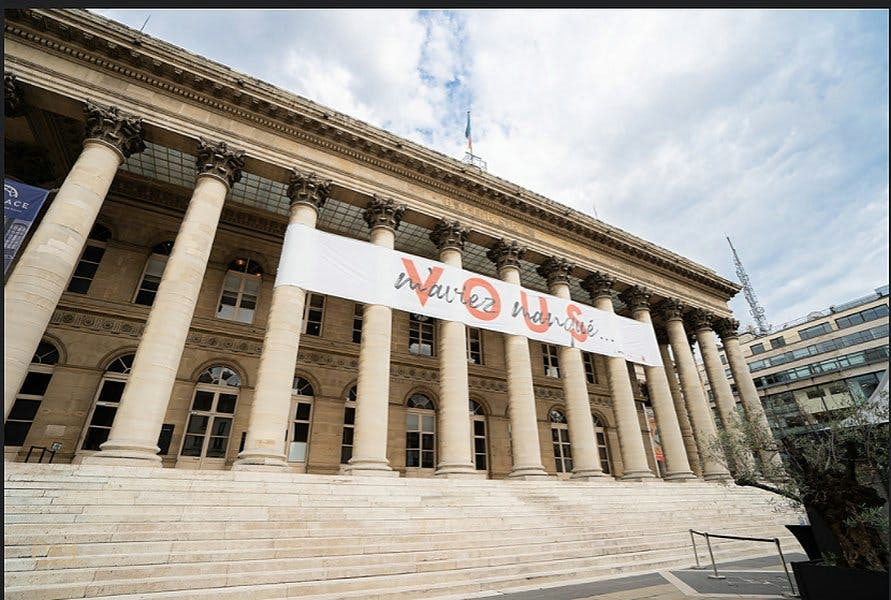
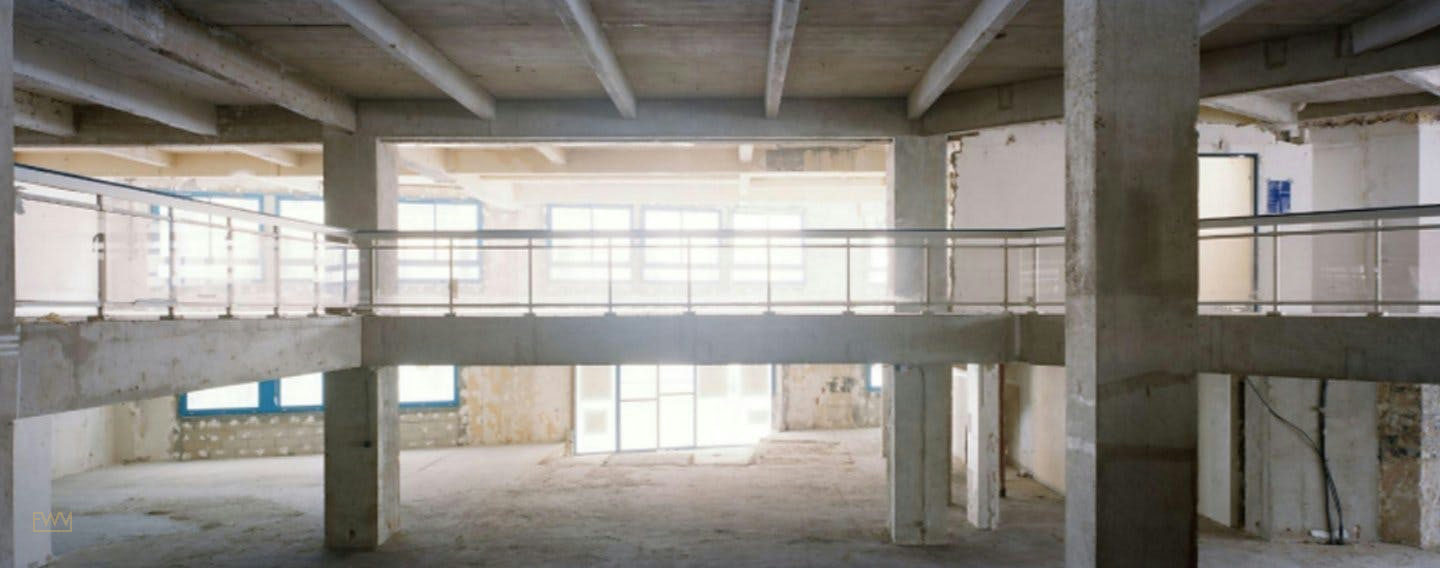
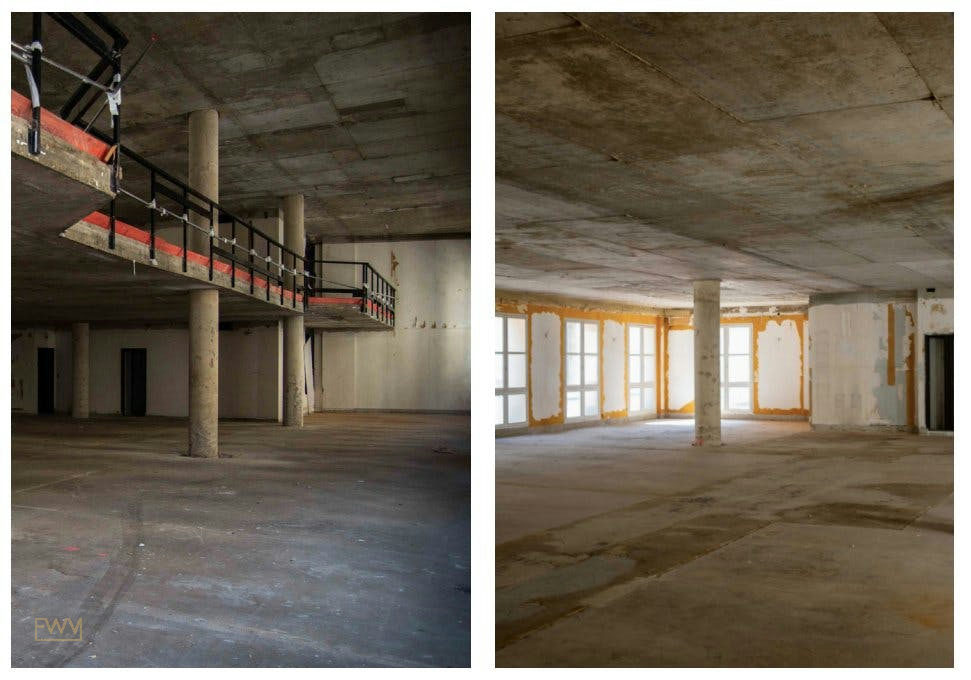
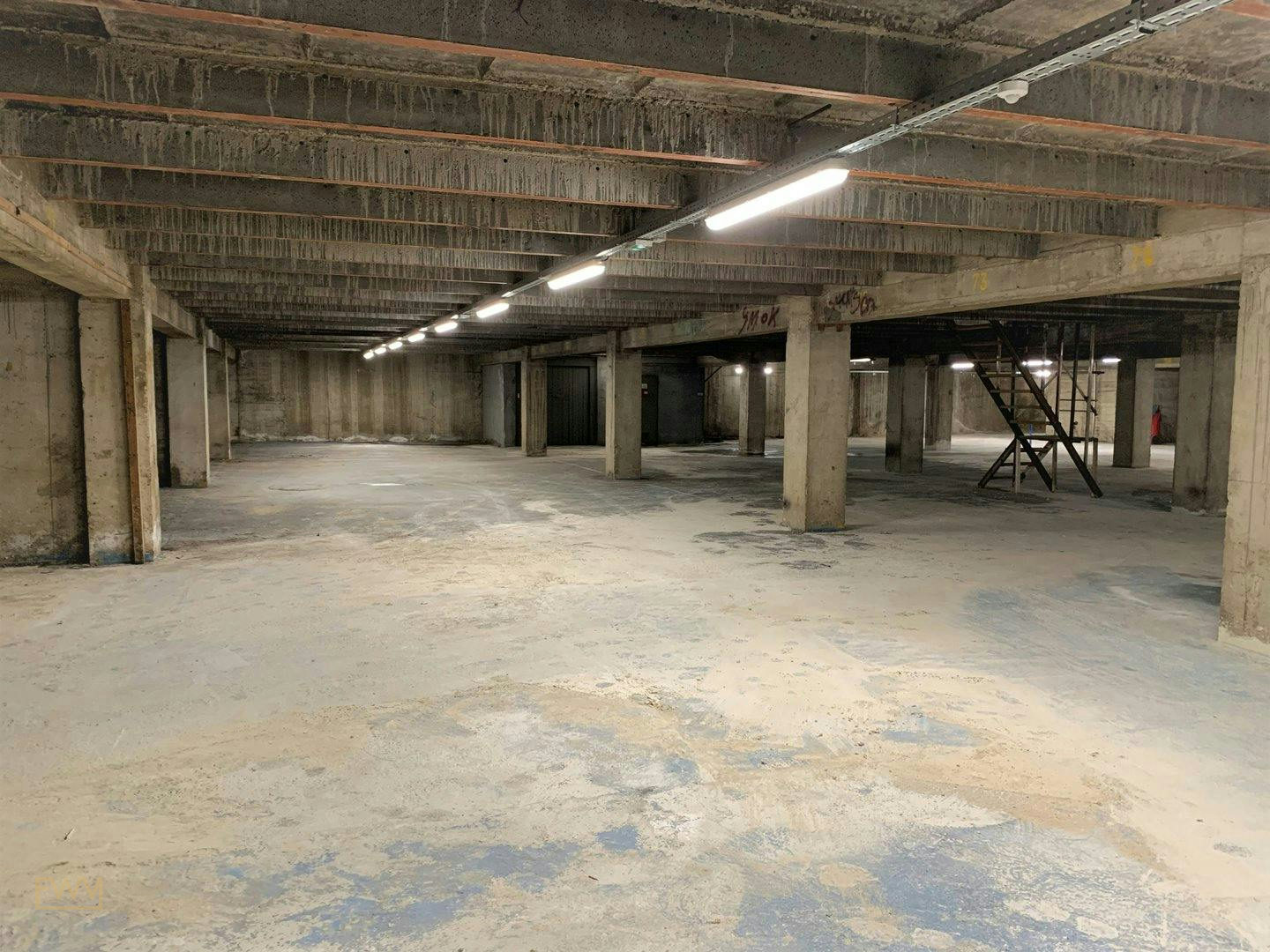
If you are planning to hire retail space in the 3rd arrondissement Paris, you are looking at one of the most strategically valuable short-term rental markets in Europe. Le Marais is not a generic commercial district. It is a neighbourhood where Parisian history, contemporary fashion, and international brand culture converge on streets that have drawn designers, artists, and luxury houses for decades. The 3rd arrondissement sits at the northern tip of this storied district, anchored by iconic cultural landmarks and some of the highest footfall streets in the French capital. Fashion Week Venues operates across this market, helping brands source showrooms, pop-up stores, event venues, and short-term retail activations across Paris. This guide covers every dimension of renting commercial space in the 3rd arrondissement: the geography, the space types, the permit landscape, the budget considerations, and the practical steps brands use to activate here.
What Is the 3rd Arrondissement and Why Does It Matter for Retail?
Quick answer: The 3rd arrondissement, known as the Temple district, forms the northern half of Le Marais. It is bounded by the 4th arrondissement to the south, the 2nd to the north, and the 10th and 11th to the east. For brands, it offers a rare combination of historic architecture, dense cultural institutions, high foot traffic, and a resident demographic of affluent creatives and international visitors.
The 3rd arrondissement is one of the smallest and most densely packed districts in Paris. It covers roughly 1.17 square kilometres and has historically been associated with the French aristocracy, the medieval priory of the Knights Templar, and centuries of craft trade. Today it forms the Haut-Marais zone that has become synonymous with independent fashion, concept retail, and high-end design. Streets including Rue de Bretagne, Rue des Archives, Rue de Turenne, and Rue des Francs-Bourgeois serve as the commercial spine of this district, and each carries its own character in terms of space type, footfall, and visitor profile.
From a retail strategy perspective, the 3rd arrondissement offers something most Paris districts cannot: the combination of tourism-driven footfall, a fashion-literate local population, and proximity to major cultural magnets. The Musée Picasso, housed in the Hôtel Salé on Rue de Thorigny, draws hundreds of thousands of visitors annually. The Musée des Arts et Métiers on Rue Réaumur and the Musée de la Chasse et de la Nature on Rue des Archives both attract educated, design-aware visitors who represent a core audience for fashion, homeware, and creative brand activations. The Centre Pompidou sits just across the border into the 4th arrondissement, close enough to significantly influence foot traffic patterns in the southern parts of the 3rd.
The Carreau du Temple, a stunning nineteenth-century covered market building on Rue Eugène Spuller, has become one of the most sought-after event venues in Paris. Originally a medieval priory site, then a real textile and clothing market, it now operates as a cultural and events space and sits at the heart of the Haut-Marais retail ecosystem. The Marché des Enfants Rouges on Rue de Bretagne, the oldest covered market in Paris dating to 1615, draws a daily crowd of locals and tourists and sustains significant commercial activity on the surrounding streets.
The 3rd arrondissement also has strong LGBTQ+ community presence, which reinforces its identity as an inclusive, progressive, and culturally forward district. Brands entering this space with values-driven or lifestyle-focused activations often find receptive audiences that extend well beyond the fashion category.
Transit access is strong. The Hôtel de Ville metro station on line 1 and 11 provides direct access from central Paris and from Gare de l'Est and Gare du Nord connections via line 5. The Arts et Métiers station on lines 3 and 11 serves the northern part of the arrondissement. This connectivity makes the area accessible not just for walk-in visitors but for trade buyers, press, and stockists arriving from across Paris for Fashion Week showroom appointments.
KEY TAKEAWAY: The 3rd arrondissement combines architectural prestige, cultural density, and strong daily footfall with a fashion-literate, internationally aware visitor base. For brands choosing between Paris districts, this neighbourhood offers a competitive advantage that purely commercial locations cannot replicate.
Understanding the district's geography and sub-zones matters enormously when you are selecting a specific street or building type for your activation. The next section breaks down the key micro-locations and what each delivers for different brand objectives.
Key Streets and Micro-Locations for Hiring Retail Space in the 3rd Arrondissement
Quick answer: Within the 3rd arrondissement, the most commercially active streets for short-term retail rental include Rue de Bretagne, Rue des Francs-Bourgeois, Rue de Turenne, Rue Charlot, and the area surrounding the Carreau du Temple. Each street attracts a different visitor profile and suits different brand categories and space types.
Paris retail geography is granular. A brand that selects the wrong street, even within an excellent arrondissement, can miss its target audience entirely. The following breakdown covers the primary micro-locations within the 3rd arrondissement and what each delivers for brand teams planning a pop-up store, showroom, or event activation.
Rue de Bretagne and the Marché des Enfants Rouges Zone
Rue de Bretagne is the main commercial artery of the northern Marais. The Marché des Enfants Rouges sits halfway along this street and generates consistent daily foot traffic from both local residents and tourists. The surrounding streets carry a neighbourhood-market energy that suits lifestyle brands, food and beverage crossovers, independent design labels, and community-driven retail concepts. Space types here tend to include ground-floor boutiques, converted atelier spaces, and small format storefronts with parquet floors and high ceilings characteristic of Haussmann-era and pre-Haussmann Parisian buildings.
Rue des Francs-Bourgeois
Running through both the 3rd and 4th arrondissements, Rue des Francs-Bourgeois is one of the most visited streets in Paris. It connects the Place des Vosges zone in the 4th with the heart of the Haut-Marais and carries very high tourist footfall, particularly on weekends. Space types here lean toward well-presented boutiques and gallery-format storefronts. Brands with strong visual identity and a retail-ready proposition tend to perform well in this location. The street is competitive and spaces are in consistent demand, which means lead times for securing short-term rental here tend to be longer than in less prominent streets.
Rue Charlot and the Art Gallery Corridor
Rue Charlot, sometimes called the gallery street of Le Marais, is home to a high concentration of art galleries, concept stores, and design boutiques. It attracts a culturally sophisticated visitor who is comfortable with premium pricing and is actively seeking discovery. For fashion brands with a design-led or artistic positioning, Rue Charlot offers alignment with neighbouring galerie d'art culture that can reinforce brand credibility. Spaces here often include dramatic period architecture with French Renaissance elements, marble floors, and strong natural light.
Rue de Turenne
Rue de Turenne runs north to south through the 3rd arrondissement and provides a slightly quieter alternative to the most tourist-heavy streets, while still benefiting from proximity to the Picasso Museum and the Carreau du Temple. It suits brands that want a curated, less overtly commercial setting. Showroom formats and private-sale activations work particularly well in the deeper street-level spaces and apartment-format venues available along this corridor.
The Carreau du Temple and Surrounding Streets
The area immediately around the Carreau du Temple, including Rue Perrée and Rue Eugène Spuller, has developed into one of the most dynamic event and activation zones in Paris. The Carreau itself operates as a large multi-purpose venue, but the surrounding streets have seen increased interest in temporary retail, pop-up stores, and brand residencies. Brands holding events at or near the Carreau often look for complementary street-level spaces to extend their activation footprint.
Oberkampf and the Eastern Edge
The Oberkampf area, which straddles the border between the 3rd and 11th arrondissements, offers a younger, more streetwear-oriented consumer profile. Brands targeting a contemporary or street-influenced fashion audience often look at spaces in this zone as a more accessible alternative to the premium Haut-Marais corridor, with lower rental pressure and a more experimental cultural atmosphere.
| Street or Zone | Primary Visitor Profile | Best For | Typical Space Type |
|---|---|---|---|
| Rue de Bretagne | Locals and market tourists | Lifestyle, food, independent design | Ground-floor boutique, atelier |
| Rue des Francs-Bourgeois | International tourists and fashion shoppers | Fashion retail, strong visual brands | Boutique storefront, gallery format |
| Rue Charlot | Design and art audience | Design-led, artistic positioning | Gallery space, period architecture |
| Rue de Turenne | Curated fashion visitors | Showroom, private sale, press days | Apartment format, street-level loft |
| Carreau du Temple area | Event-goers, creative professionals | Brand events, activations, residencies | Large venue, event space, pop-up |
| Oberkampf | Young fashion, streetwear consumer | Contemporary brands, experimental retail | Raw loft, converted commercial space |
KEY TAKEAWAY: Street selection within the 3rd arrondissement is a strategic decision that directly affects visitor profile, space type availability, and rental demand. Aligning your street choice with your brand positioning and visitor target is as important as the space itself.
Once you have a sense of where in the 3rd arrondissement your brand belongs, the next question is what type of space will best serve your activation objectives.
Types of Retail Space Available to Hire in the 3rd Arrondissement
Quick answer: Brands hiring retail space in the 3rd arrondissement can access a range of space types including ground-floor storefronts, apartment-format showrooms, loft spaces, gallery formats, multi-room townhouse venues, and purpose-built event halls. The right choice depends on your format, duration, and activation goals.
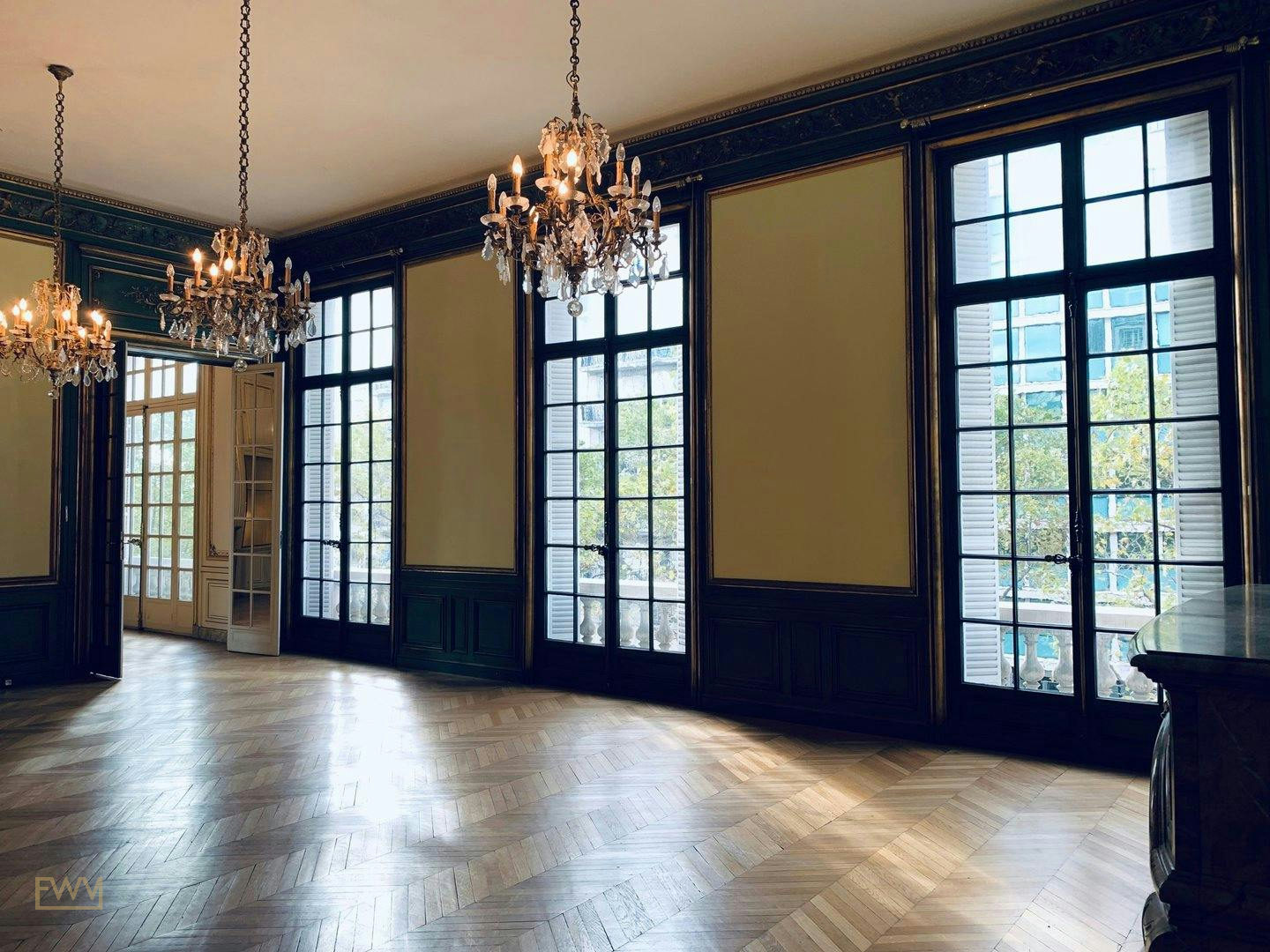
The 3rd arrondissement is architecturally diverse. Because much of the district predates Haussmann's nineteenth-century redesign of Paris, many buildings retain features from the seventeenth and eighteenth centuries, including vaulted cellars, interior courtyards, heavy timber beams, parquet floors, marble fireplaces, and high decorative ceilings. This architectural character is a significant advantage for brands seeking distinctive, photogenic, and editorially valuable spaces.
Ground-Floor Boutique Storefronts
The most requested space type for short-term retail hire in Le Marais is the ground-floor storefront. These range from compact 20-to-40 square metre formats suited to a single brand or product launch, to larger 80-to-150 square metre premises that can accommodate a full retail layout, fitting area, and small event function. Many storefronts in the 3rd arrondissement feature the architectural details that make Marais spaces commercially attractive: glazed frontages, original flooring, exposed stone walls, and ceiling heights well above the standard commercial average.
Apartment-Format Showrooms
Paris fashion showrooms frequently operate from residential-format spaces, particularly during the Paris Fashion Week showroom season in January, February, September, and October. Apartment showrooms in the 3rd arrondissement offer a private, curated presentation environment that suits brands presenting to press, buyers, and stockists rather than general retail consumers. These spaces typically occupy upper floors of historic buildings and may feature period furniture, original woodwork, and a domestic scale that creates an intimate brand narrative.
Loft and Atelier Spaces
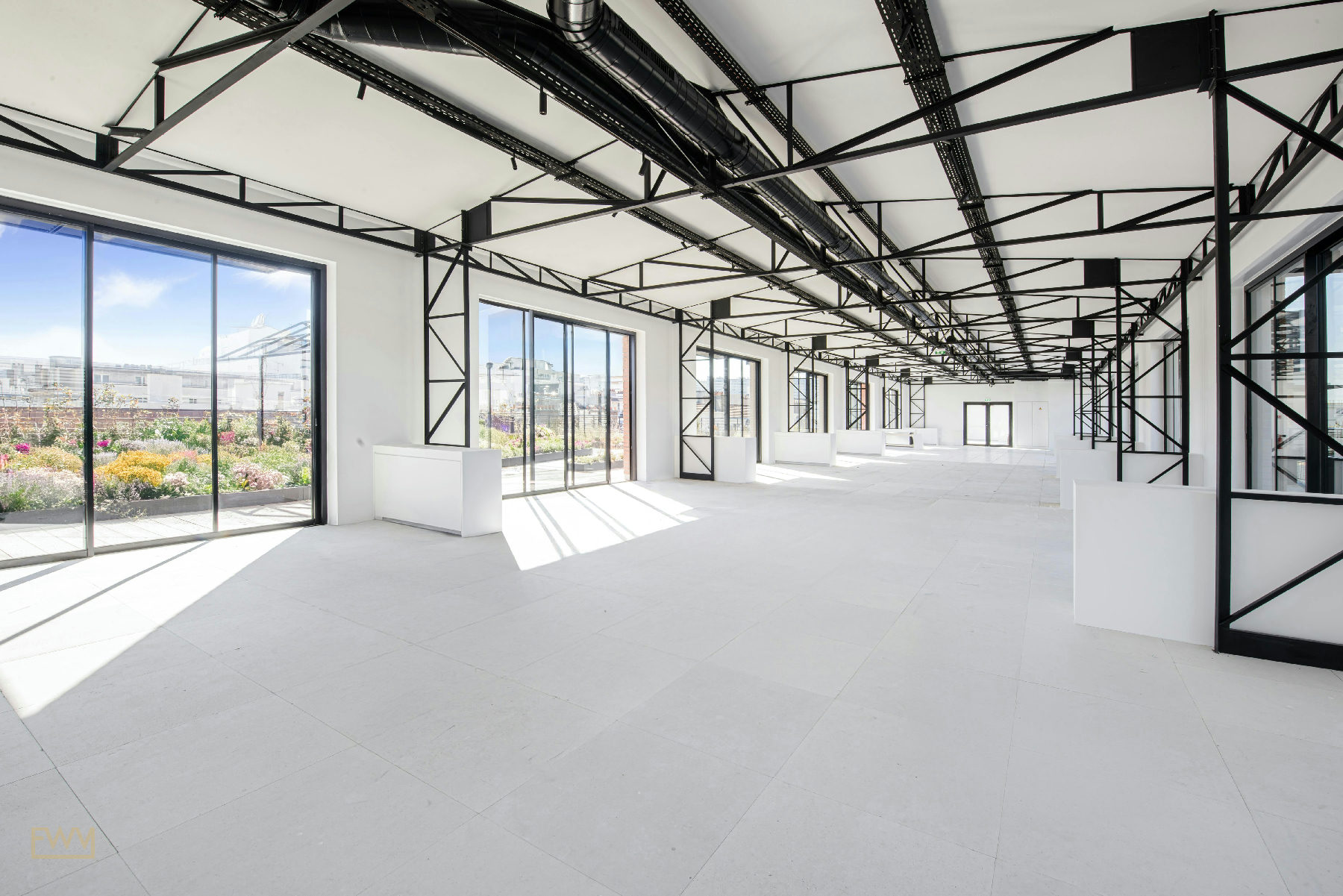
The Haut-Marais has a concentration of former workshop and atelier buildings that have been converted into open-plan loft spaces. These are particularly popular with brands that want a more industrial or contemporary aesthetic as a contrast to the ornate period settings of the district. Loft spaces offer greater flexibility for bespoke fit-out and production design, and they typically allow more freedom for branding, structural changes, and technical installations than listed or protected historic properties.
Gallery Format Spaces
Given the density of art galleries along Rue Charlot and surrounding streets, gallery-format spaces are relatively accessible in the 3rd arrondissement. These typically feature white walls, polished concrete or timber floors, strong artificial lighting, and clean architectural lines. For fashion brands with a product that benefits from a gallery-style presentation, these spaces offer natural alignment with the cultural context of the neighbourhood.
Multi-Room Townhouse and Hôtel Particulier Venues
The 3rd arrondissement contains several hôtels particuliers, the grand private townhouses of the French aristocracy that were built throughout the seventeenth and eighteenth centuries. Some of these are available for short-term hire and can accommodate multi-room brand activations across several hundred square metres. For brands planning a comprehensive consumer experience, a press event combined with a showroom, or a high-profile cultural collaboration, these multi-room venues offer architectural grandeur that is genuinely difficult to replicate anywhere else in Europe.
To compare available space types and their specific features, the space comparison tool on Fashion Week Venues allows brand teams to evaluate formats side by side based on size, location, rental period, and configuration.
| Space Type | Typical Size Range | Best Activation Format | Key Architectural Feature |
|---|---|---|---|
| Ground-floor storefront | 20 to 150 sqm | Pop-up retail, product launch | Street frontage, glazing, original floors |
| Apartment showroom | 60 to 200 sqm | Fashion showroom, press days, buyer appointments | Period detail, domestic scale, upper floor |
| Loft or atelier | 80 to 400 sqm | Brand event, bespoke fit-out, production-heavy activation | Open plan, exposed structure, industrial character |
| Gallery format | 40 to 120 sqm | Editorial shoot, brand presentation, curated retail | White walls, clean lines, exhibition lighting |
| Hôtel particulier | 200 to 800 sqm | Multi-room activation, press and consumer combined | Historic rooms, courtyards, ornate interiors |
KEY TAKEAWAY: Space type selection should be driven by your activation format first and aesthetic preference second. A press showroom has different spatial requirements than a consumer-facing pop-up, even if both occupy similar square metrage.
Choosing the right space type is one decision. Understanding the legal and permit framework that governs how you can use that space in Paris is an equally important step that many international brands underestimate.
Permits, Leases, and Legal Framework for Short-Term Retail Hire in Paris
Quick answer: Short-term retail hire in Paris typically operates under a bail dérogatoire, a short-term commercial lease derogation that allows rentals of up to 36 months outside standard French commercial lease protections. Some temporary activations in public spaces may also require an autorisation d'occupation temporaire. Requirements vary significantly by space type, duration, and location.
One of the most common areas of confusion for international brands entering the Paris retail market is the legal structure governing short-term commercial rental. Unlike in some other markets, French commercial real estate law offers specific protections to long-term tenants under standard commercial leases, known as baux commerciaux. These protections do not apply to short-term arrangements, and understanding which legal framework applies to your rental is essential before signing anything.
Bail Dérogatoire: The Short-Term Lease Framework
The bail dérogatoire, also referred to as a bail précaire or short-form lease, allows a landlord and tenant to agree a commercial occupancy for a period of up to 36 months without triggering the full protections of the standard French commercial lease. This is the mechanism most commonly used for pop-up stores, temporary retail, and short-term brand activations in Paris. The key advantage for brands is flexibility: you can agree a rental period as short as a few days or weeks without committing to multi-year terms. The key risk is that the arrangement must genuinely be intended as temporary, and both parties must explicitly confirm in writing that they are opting out of standard lease protections.
For periods shorter than 23 days, some spaces may operate under a simple location agreement or event hire contract rather than a bail dérogatoire. The specific documentation required depends on the nature of the space, the landlord's preferences, and whether the space has a commercial classification that permits retail use.
Autorisation d'Occupation Temporaire (AOT)
If your activation involves any element of public space use, including terrace extensions, street-facing displays, or temporary structures on the public domain, you may require an Autorisation d'Occupation Temporaire from the relevant Paris city authority, typically the mairie of the arrondissement. AOT requirements and approval timelines vary by location and by the scale of the proposed occupation. Brands planning activations during Paris Fashion Week should factor AOT lead times into their production planning, as demand for public space permissions is high during fashion calendar windows.
Commercial Use Classification
Not every space in Paris can legally be used for retail purposes. Some spaces are classified for residential use only, some for office or professional use, and some for storage or industrial purposes. Using a space for commercial retail without the correct classification can expose both the tenant and the landlord to penalties. International brands often assume that any ground-floor space in a busy retail street is automatically available for commercial use, which is not always the case. Verifying the commercial classification of any space before signing is a non-negotiable step.
IMPORTANT: French commercial property law is complex, and requirements vary significantly by space type, building classification, duration, and arrondissement. Always verify the legal status of any proposed space with a qualified French legal advisor before committing to a rental agreement. Do not rely solely on a landlord's representations about what the space permits.
The permits guidance tool on Fashion Week Venues provides a practical starting framework for understanding what permissions may apply to your specific activation, though it does not replace professional legal advice.
TIP: Start permit and legal review at least eight weeks before your intended activation date. During Paris Fashion Week periods, both legal advisors and city authority offices experience high demand, and delays are common.
KEY TAKEAWAY: The bail dérogatoire is the standard legal mechanism for short-term retail hire in Paris and offers genuine flexibility for brand activations. However, the process requires careful documentation, correct commercial classification of the space, and ideally the involvement of an experienced Paris commercial property specialist from the outset.
With the legal framework understood, the next critical variable for any brand is budget. Retail space hire in the 3rd arrondissement operates across a wide range of price points depending on the specific street, space size, duration, and timing relative to the fashion calendar.
Budget Considerations for Hiring Retail Space in the 3rd Arrondissement
Quick answer: Retail space hire costs in the 3rd arrondissement vary considerably based on street prominence, space size, duration, and season. The highest-demand windows coincide with Paris Fashion Week in January, February, September, and October. Directional budget estimates should be validated against current market conditions, and brands should account for all cost layers including rental, production, staffing, and permits.
Budget planning for a Paris retail activation involves multiple cost layers that many brands underestimate when they focus exclusively on the headline rental cost. A realistic budget framework must account for the rental fee itself, the fit-out and production costs, the staffing requirement, any permit or compliance fees, and the operational costs of running the space during the activation period.
Rental Cost Drivers in the 3rd Arrondissement
Several factors drive the rental cost of a specific space in the 3rd arrondissement. Street prominence is the most significant variable: a storefront on Rue des Francs-Bourgeois or directly facing the Carreau du Temple will command a meaningfully higher price than a comparable space on a secondary street two blocks away. Size is the second major driver, though in Paris the relationship between price per square metre and total size is not always linear, as smaller, perfectly located spaces can carry premium rates. Architectural quality, particularly the presence of period features and high ceilings, adds further premium. Finally, timing relative to the fashion calendar is critical: spaces hired during Paris Fashion Week windows in February and September command significantly higher rates than the same spaces outside these periods.
Beyond the Rental Fee
The total cost of a retail activation in Paris typically includes a fit-out and production budget, which covers the design and build of the space, furniture rental, branded installation elements, lighting, and any structural modifications. For a short-term activation in a period space, brands must also factor in the reinstatement cost, which is the cost of returning the space to its original condition after the activation. Staffing costs in Paris operate under French employment regulations, which include specific requirements around contracts, social contributions, and working hours. Point-of-sale technology, insurance, logistics, and any third-party service providers add further layers to the total budget.
DID YOU KNOW: Paris Fashion Week generates concentrated demand for the best commercial spaces in Le Marais during just a few weeks of the year. Brands that commit to spaces earlier in the calendar year for the September window, or in late summer for the January window, typically access a wider range of options at more competitive rates than those who approach the market at short notice.
For a brand-specific directional estimate based on your space size, duration, and activation format, the budget planning tool on Fashion Week Venues provides a structured starting framework. This does not replace a full agency quotation but gives brand teams a reliable working range before entering commercial negotiations.
To compare spaces on the Fashion Week Venues marketplace and evaluate their pricing relative to your brief, visit the Paris city hub for a curated view of available spaces, neighbourhoods, and space categories across Paris.
KEY TAKEAWAY: Budget planning for a Paris retail activation requires accounting for all cost layers, not just the rental fee. Production, staffing, permits, and reinstatement can collectively equal or exceed the rental cost, particularly for activations in architecturally sensitive spaces.
Budget and legal preparation are internal planning steps. The practical process of actually finding, evaluating, and securing the right space in the 3rd arrondissement requires a structured sourcing approach.
How to Find and Secure Short-Term Retail Space in Le Marais
Quick answer: Finding short-term retail space in the 3rd arrondissement requires a combination of market knowledge, active sourcing, and fast decision-making. The most effective approaches combine a curated marketplace like Fashion Week Venues with specialist agency support, particularly for brands unfamiliar with the Paris commercial property market.
The Paris short-term retail market does not operate like a standard commercial property market. The most desirable spaces in Le Marais are not consistently listed on major commercial real estate platforms, and the spaces that do appear publicly often represent the less competitive end of the market. The best spaces are frequently allocated through existing relationships, direct landlord contacts, and specialist agency networks well before they appear on any public listing.
Step-by-Step Space Sourcing Workflow
| Step | Action | Timing Before Activation | Key Consideration |
|---|---|---|---|
| 1 | Define your brief: format, size, location, duration, and budget range | 12 to 16 weeks out | Be specific about space type and street preference |
| 2 | Explore the marketplace and identify shortlisted options | 10 to 14 weeks out | Use filters for size, neighbourhood, and space features |
| 3 | Arrange viewings for shortlisted spaces | 8 to 12 weeks out | Assess ceiling height, floor access, and frontage quality in person |
| 4 | Confirm legal classification and permit requirements | 8 to 10 weeks out | Engage a French legal advisor for bail dérogatoire review |
| 5 | Negotiate and execute the rental agreement | 6 to 8 weeks out | Confirm fit-out access period and reinstatement terms |
| 6 | Begin production planning and design brief | 6 to 8 weeks out | Align fit-out design with architectural constraints of the space |
| 7 | Apply for any required permits (AOT, commercial use confirmation) | 5 to 7 weeks out | Build in contingency for administrative delays |
| 8 | Confirm staffing, POS, and logistics arrangements | 3 to 4 weeks out | French employment regulations apply to all on-site staff |
| 9 | Execute fit-out and install | 1 to 2 weeks out | Allow buffer time for delivery delays and access issues |
| 10 | Open, operate, and measure activation performance | Activation period | Collect footfall, sales, and brand engagement data throughout |
Using a Specialist Agency Versus Independent Search
Some brands attempt to source short-term retail space in Paris independently, using platforms such as commercial property aggregators, local estate agents, or peer recommendations. This approach can work for brands with existing Paris market knowledge and local contacts, but it carries material risks for international brands unfamiliar with the nuances of French lease law, commercial classification requirements, and the practical realities of fit-out compliance in listed buildings. A specialist agency that operates specifically in the Paris short-term retail market brings pre-vetted space relationships, permit knowledge, and production capability that significantly reduces execution risk.
To understand what to look for when selecting a specialist agency for a Paris activation, the agency hiring guide on Fashion Week Venues covers the key criteria, questions, and red flags relevant to short-term retail and pop-up activation in Paris and other fashion capitals.
KEY TAKEAWAY: Securing the best short-term retail space in the 3rd arrondissement requires starting earlier than most brands expect. The most competitive spaces for Paris Fashion Week periods are typically committed six to twelve weeks in advance, and the sourcing process itself benefits significantly from specialist market knowledge and established landlord relationships.
Understanding how a full-service specialist agency can support the entire process, from space sourcing to activation management, is the next dimension to explore for brands planning a Paris retail presence.
How Fashion Week Venues Supports Retail Activations in the 3rd Arrondissement
Quick answer: Fashion Week Venues operates as a full-service pop-up shop agency and space marketplace with deep expertise in the Paris short-term retail market. The agency combines a curated space discovery platform with end-to-end activation services that cover venue sourcing, concept direction, production, staffing, POS, data analytics, and influencer marketing.
For brand teams planning to hire retail space in the 3rd arrondissement, Fashion Week Venues offers two complementary entry points. The first is the marketplace, where brands can browse and shortlist available spaces across Paris, filtered by neighbourhood, size, space type, and calendar availability. The second is full agency engagement, where Fashion Week Venues takes responsibility for sourcing, securing, designing, building, staffing, and operating the retail activation on behalf of the brand team.
Services Relevant to a 3rd Arrondissement Activation
The venue sourcing service from Fashion Week Venues applies the agency's market knowledge and landlord relationships specifically to a brand's brief. Rather than presenting a generic list of available spaces, the team identifies options that match the brand's target location, space type, aesthetic requirement, budget range, and calendar window. For the 3rd arrondissement specifically, this means access to spaces that may not appear on any public listing, including off-market apartments, gallery spaces during transitional periods between exhibitions, and recently vacated storefronts ahead of formal public availability.
The concept direction service supports brand teams in translating their creative brief into a spatial concept that works within the specific architectural parameters of a Marais space. High-ceilinged period rooms, marble floors, parquet surfaces, and stone walls all require a different approach to design and installation than a standard blank-canvas retail space. The concept direction team brings experience with these architectural constraints and can develop a design narrative that uses the space's historic character as a brand asset rather than a complication.
The production and build service manages the fit-out of the space from approved design through to installation. In Paris, fit-out in historic buildings requires specific knowledge of what modifications are permissible, what materials are appropriate, and what reinstatement obligations apply. The production team coordinates with local tradespeople, manages material delivery logistics within the narrow streets of the Marais, and works to the access timeline defined in the rental agreement.
Retail staffing in Paris requires compliance with French employment law, including registration requirements, contract formats, and social contribution obligations. The retail staffing service handles the recruitment, contract management, and management of brand representatives and sales staff for the duration of the activation, removing a significant operational burden from international brand teams operating without a French legal entity.
The agency's tools section provides structured planning support at every stage of the process. The timeline planning tool maps the critical path from brief to opening day. The ROI calculator helps brand teams model the expected return from their investment based on format, duration, footfall projections, and product margin. The space locator tool identifies available spaces by precise geography, allowing brands to cross-reference specific streets and zones within the 3rd arrondissement against their brief.
For brands considering a shared activation model, the twin co-activation concept allows two complementary brands to share a single space in Paris, splitting the rental and production cost while maintaining separate brand identities within the space. This is a particularly relevant model for emerging brands or international brands entering Paris for the first time, where the full cost of an independent activation may be disproportionate to the scale of the initial market entry.
Which Brand Teams Benefit Most
Fashion Week Venues is most relevant for international brands planning a Paris retail activation for the first time, brands without a French legal entity or local operational structure, established brands looking to scale their Paris presence efficiently, and brand teams that need a reliable full-service partner to manage execution while the internal team focuses on commercial and creative priorities. The agency is not a general commercial property broker and does not operate standard long-term leases or investment property transactions.
KEY TAKEAWAY: The combination of marketplace access and full agency services makes Fashion Week Venues a practical and efficient partner for brands at any stage of their Paris retail planning, from initial research through to activated and trading space. Past examples of how the agency has worked with brands are available through the work section of the platform.
With the agency landscape understood, it is worth grounding the Paris 3rd arrondissement opportunity in its broader cultural and commercial context, including the ways in which fashion calendar timing amplifies the value of a presence in this neighbourhood.
Paris Fashion Week and the 3rd Arrondissement: Calendar Timing and Brand Strategy
Quick answer: Paris Fashion Week takes place twice annually, in January and February for the Autumn/Winter collections and in September and October for the Spring/Summer collections. The 3rd arrondissement, and Le Marais more broadly, is one of the most active zones for showroom activity, press events, and brand activations during these periods, making timing relative to the fashion calendar a central strategic consideration for any brand hiring retail space in this district.
Paris Fashion Week is the culmination of the global fashion calendar and consistently attracts buyers, press, stylists, influencers, and brand-literate consumers from around the world. The concentration of this audience in Paris for an intensive two-week period creates a commercial and cultural environment unlike any other moment in the retail year. For brands in the fashion, beauty, accessories, homeware, and lifestyle categories, the Fashion Week window represents a disproportionate opportunity to achieve press coverage, buyer engagement, and social media amplification relative to any equivalent investment outside the calendar.
The 3rd arrondissement specifically benefits from Fashion Week because of its role as the historic centre of Parisian showroom culture. Many of the major fashion houses and independent designers who show during Paris Fashion Week maintain or activate showroom spaces in the Marais during the season, and the concentration of industry professionals moving between appointments across the district creates a secondary footfall effect that benefits all brand activations in the neighbourhood.
For brands not directly participating in the official Fashion Week schedule, activating in the 3rd arrondissement during the Fashion Week window still delivers access to the most fashion-engaged and commercially active audience in Paris at that moment of the year. Pop-up retail stores, brand experience spaces, and limited-edition product launches aligned with the Fashion Week calendar routinely outperform equivalent activations held outside the fashion calendar window.
Beyond Fashion Week, the 3rd arrondissement sustains strong commercial activity throughout the year driven by its cultural institutions, its tourism profile, and its local resident community. Brands that are not constrained to the fashion calendar may find that off-peak windows offer a more accessible rental market, more availability of preferred spaces, and a visitor profile that includes the year-round cultural tourism audience attracted by the Musée Picasso, the Musée des Arts et Métiers, and the Musée Carnavalet.
DID YOU KNOW: The Musée Picasso Paris, housed in the Hôtel Salé, one of the most remarkable examples of French Renaissance architecture in the Marais, receives over 700,000 visitors annually according to public museum attendance records. The concentration of this visitor flow on Rue de Thorigny and the surrounding streets creates year-round footfall that benefits adjacent retail and activation spaces throughout the 3rd arrondissement.
KEY TAKEAWAY: Timing your activation to align with the Paris Fashion Week calendar delivers a materially higher-value audience during the activation period. However, the 3rd arrondissement provides a strong commercial base for brand activations throughout the year, and brands should weigh Fashion Week premium costs against the year-round opportunity depending on their specific commercial objectives.
Cultural Context: Why the History and Architecture of the 3rd Arrondissement Matters for Brands
Quick answer: The 3rd arrondissement's cultural and architectural heritage is not merely decorative context. It actively shapes consumer perception, editorial value, and the credibility of brand activations that take place within it. Brands that understand this context and incorporate it into their creative strategy derive significantly more value from a Marais activation than those that treat it as a neutral backdrop.
The history of the 3rd arrondissement is inseparable from the history of Paris itself. The district sits on territory that was central to French aristocratic life, royal administration, and artistic patronage for over four centuries. The construction of the Place des Vosges, begun under Henry IV in 1605 and located just across the border in the 4th arrondissement, established the Marais as the preferred address for the French nobility and created the architectural character that makes the district uniquely compelling today. The hôtels particuliers built by the aristocracy during the seventeenth and eighteenth centuries survive in large numbers in the 3rd arrondissement, many now serving as cultural institutions, galleries, and event spaces.
The Hôtel Salé, completed in 1659 and now home to the Musée Picasso, is the most visible example of this architectural legacy. Its connection to Picasso also links the district to the twentieth-century artistic transformation of Paris, reinforcing the 3rd arrondissement's identity as a place where historical depth and contemporary creativity coexist. The artist Sophie Calle, whose work bridges conceptual art and personal narrative, has long been associated with the Marais, adding another layer of cultural credibility to the district for brands working at the intersection of art and fashion.
The Carreau du Temple, a building with roots in the medieval priory of the Knights Templar, was rebuilt in its current form as a covered market during the nineteenth century. It served for decades as a clothing and textile market before its conversion to a cultural and events venue, maintaining a direct physical link between the district's commercial history and its contemporary creative economy.
The Musée des Arts et Métiers, located on Rue Réaumur at the edge of the 3rd arrondissement, occupies the former medieval priory of Saint-Martin-des-Champs. Its collection of scientific instruments, industrial inventions, and design artefacts draws a visitor profile interested in craft, innovation, and material culture. Brands in the design, technology, and artisanal fashion categories find particular resonance with the audiences this institution attracts.
For brand teams, this cultural density means that a retail activation in the 3rd arrondissement carries implied associations that purely commercial locations cannot offer. Press and editorial teams commissioning content in Le Marais have access to streets, courtyards, and façades that function as natural set design. Influencers creating content in the neighbourhood benefit from the inherent visual grammar of the Marais streetscape. Consumer audiences who visit a brand activation in the 3rd arrondissement carry away a memory imprinted with the architectural and cultural quality of the neighbourhood, not just with the brand's own installation.
KEY TAKEAWAY: The cultural and architectural context of the 3rd arrondissement is a strategic brand asset. Activations that engage with this context, whether through space selection, design narrative, or programming, derive significantly more editorial and consumer value than those that ignore it.
Common Myths About Hiring Retail Space in the 3rd Arrondissement Paris
MYTH: You need a French legal entity to rent a space in Paris as a brand.
FACT: International brands can hire short-term retail space in Paris without establishing a French company, provided the rental arrangement is structured correctly and appropriate guarantees or deposits are provided to the landlord. Many specialist agencies, including Fashion Week Venues, can facilitate rental agreements on behalf of international clients. However, specific landlord requirements and legal structures vary, and brands should always seek qualified advice for their specific situation.
MYTH: Paris Fashion Week in September and October is the only viable calendar window for a brand activation in Le Marais.
FACT: While the Fashion Week windows in February and September-October are peak demand periods, the 3rd arrondissement sustains strong commercial footfall throughout the year driven by tourism, cultural institutions, and its local resident community. Brands with objectives beyond industry press and buyer engagement may find the quieter calendar windows offer better space availability, lower rental pressure, and a more leisurely consumer audience suited to certain product categories and brand experiences.
MYTH: Commission brokers are the only reliable way to find a retail space in the 3rd arrondissement.
FACT: While commercial property brokers play a role in the Paris property market, the short-term retail activation market in Le Marais operates on different dynamics. Many of the most sought-after spaces are sourced through specialist agency relationships, direct landlord networks, and curated marketplaces rather than through standard commercial real estate brokerage channels. Platforms and agencies that specialise specifically in short-term retail and brand activations typically offer a more relevant and efficient sourcing route for fashion and lifestyle brands.
MYTH: Short-term retail leases in Paris are legally straightforward and can be signed without specialist advice.
FACT: French commercial property law is complex, and the bail dérogatoire framework, while designed to facilitate flexibility, contains specific requirements that must be correctly observed for the arrangement to be legally valid. Errors in documentation, classification mismatches, or incorrect duration structuring can create significant legal and financial exposure. Brands should always engage a qualified French legal advisor when entering any commercial rental agreement in Paris, regardless of the duration or scale of the activation.
MYTH: Any ground-floor space on a Marais street can legally be used for retail without further verification.
FACT: Commercial use classification in Paris is specific to each property and must be verified before committing to a rental. Some spaces that visually appear to be retail premises may carry residential or office classification, and using them for commercial retail without the correct designation can create legal issues for both the tenant and the landlord. Verifying the commercial classification of a space is a standard due diligence step that should be completed before any rental agreement is signed.
Frequently Asked Questions
What is the 3rd arrondissement known for?
The 3rd arrondissement, part of the historic Le Marais district, is known for its exceptional concentration of seventeenth and eighteenth-century architecture, major cultural institutions including the Musée Picasso, the Carreau du Temple, the Musée des Arts et Métiers, and the Musée de la Chasse et de la Nature, and its status as one of Paris's most vibrant neighbourhoods for independent fashion, design, and contemporary art. It is also recognised for its LGBTQ+ community, its diverse food culture anchored by the Marché des Enfants Rouges, and its role as a centre of Paris Fashion Week showroom and activation activity.
Is the 3rd arrondissement a good location for a fashion pop-up store?
The 3rd arrondissement is one of the most strategically valuable locations in Paris for a fashion pop-up store. It combines high footfall from both tourists and fashion-engaged locals, architectural spaces with genuine editorial value, proximity to the Musée Picasso and other cultural magnets, and a resident commercial culture of boutiques, galleries, and concept stores that creates a receptive environment for new brand activations. The neighbourhood is particularly strong for brands with a design-led, artisanal, or culturally positioned identity.
How long in advance should I start looking for retail space in Le Marais?
For activations aligned with Paris Fashion Week, brands should begin their space sourcing process at least ten to twelve weeks in advance of their intended opening date. The most desirable spaces in the 3rd arrondissement, particularly those on Rue des Francs-Bourgeois, Rue Charlot, and around the Carreau du Temple, are often committed well in advance of the fashion calendar window. For activations outside Fashion Week, a lead time of six to eight weeks is generally sufficient, though starting earlier always expands the range of available options.
What does retail space in Le Marais typically include?
Short-term retail space in Le Marais typically includes the bare premises with access to electricity, basic plumbing where relevant, and building services. Most spaces do not come pre-fitted for retail and require a fit-out investment. Some spaces offer furniture and display fixtures as part of the rental, and some specialists like Fashion Week Venues can provide furniture rental as a separate service. Broadband connectivity, payment technology, security, and staffing are typically arranged separately by the activating brand or through their agency partner.
Do I need a French company to rent a commercial space in the 3rd arrondissement?
Not necessarily, though the specific requirements depend on the individual landlord and the structure of the rental agreement. Some landlords in Paris are comfortable renting to international companies under a bail dérogatoire with appropriate guarantees, while others prefer to work with French-registered entities or through an agency intermediary. International brands working through a specialist agency with established landlord relationships in the Marais often find this requirement is more easily navigated than when approaching landlords directly without local support.
What is a bail dérogatoire and how does it apply to short-term retail?
A bail dérogatoire is a short-term commercial lease derogation under French law that allows a commercial rental agreement of up to 36 months to operate outside the standard protections of a full French commercial lease. It is the standard legal mechanism for pop-up stores, temporary retail activations, and short-term brand residencies in Paris. The arrangement must be explicitly documented as temporary and both parties must formally confirm they are waiving standard commercial lease protections. Requirements for valid documentation are specific and should be reviewed by a qualified French legal advisor before any agreement is signed.
Can I rent a storefront in Le Marais for just a few days or weeks?
Yes, short-term retail rentals of just a few days or a week or two are available in Le Marais, though very short-term arrangements may be structured under different contractual formats than a formal bail dérogatoire. Some spaces operate an event hire model for activations of under two weeks. The availability of very short-term spaces is constrained by demand, particularly during Fashion Week periods, and these arrangements often require full payment in advance along with a security deposit. Brands with flexible timelines may find more favourable terms by committing to a slightly longer period.
How does Fashion Week Venues help brands find space in the 3rd arrondissement?
Fashion Week Venues supports brands through two primary routes. The marketplace platform allows brands to browse and shortlist available spaces in Paris, including the 3rd arrondissement, filtered by size, space type, neighbourhood, and calendar availability. For brands that want full-service support, the agency offers venue sourcing, concept direction, production, staffing, POS management, data analytics, and influencer marketing as an integrated service. The agency's tools section also provides budget estimation, ROI modelling, timeline planning, permit guidance, and space comparison functions that support the planning process at every stage.
Is the 3rd arrondissement safe for international brand teams and visitors?
The 3rd arrondissement is considered a safe and welcoming neighbourhood for both visitors and commercial operators. It has strong street activity throughout the day and evening, a dense residential population, and a well-established community of cultural institutions, restaurants, and boutiques that maintain an active public realm. As with any busy urban area, standard precautions around personal security and asset protection apply, but the neighbourhood does not present any specific or unusual safety concerns for brand teams operating a retail activation there.
What types of brands typically hire retail space in the 3rd arrondissement?
The 3rd arrondissement attracts a diverse range of brand categories including independent fashion designers, international fashion brands activating during Paris Fashion Week, accessories and jewellery brands, homeware and design brands, beauty and fragrance houses, art galleries and cultural institutions, and lifestyle and food-related brands. The neighbourhood's cultural credibility and diverse visitor profile make it suitable for a wide range of brand positioning strategies, from established luxury to emerging independent, provided the activation is designed with the specific micro-location and its visitor profile in mind.
What is the difference between a showroom and a pop-up store in the context of a Paris activation?
A showroom in Paris typically refers to a private or semi-private presentation space where brands show their collections to press, buyers, and industry professionals, often during Fashion Week appointment windows. A pop-up store is a consumer-facing retail activation where members of the public can browse and purchase products directly. The space requirements for these two formats are different: showrooms prioritise presentation quality, appointment flow, and a controlled environment, while pop-up stores require retail-ready layouts, payment infrastructure, and visitor management for general public access. Some activations combine both functions in different areas of the same space.
What is the Carreau du Temple and how is it relevant to retail activations?
The Carreau du Temple is a nineteenth-century covered market building on Rue Eugène Spuller in the 3rd arrondissement. Built on the site of the medieval priory of the Knights Templar, it operated as a textile and clothing market for decades before being converted into a cultural and events venue managed by the City of Paris. It is one of the most distinctive and architecturally impressive event spaces in the Marais and attracts significant footfall. Brands activating at or near the Carreau du Temple benefit from its cultural visibility and the creative community it draws throughout the year.
Are there co-activation options for brands entering the 3rd arrondissement for the first time?
Yes. Fashion Week Venues operates a twin co-activation concept that allows two complementary brands to share a single space in Paris, splitting the rental and production costs while maintaining distinct brand identities within the space. This model is particularly relevant for emerging brands, brands entering Paris for the first time, or brands with a smaller initial budget that want to test the Paris market before committing to a full independent activation. Co-activation also creates programming interest that can attract a broader combined audience than either brand would draw independently.
How do I estimate the ROI of a retail activation in Le Marais?
Estimating ROI for a Paris retail activation requires quantifying both direct commercial returns, including sales revenue, new stockist conversions, and media value of press coverage, and indirect returns including brand awareness uplift, social media reach, influencer coverage, and long-term customer acquisition. The Fashion Week Venues ROI calculator provides a structured framework for modelling these returns based on your activation format, duration, estimated footfall, and product margin. The tool does not guarantee specific outcomes but provides a realistic range based on comparable activation parameters.
What transit connections serve the 3rd arrondissement?
The 3rd arrondissement is well served by Paris metro lines 1, 3, and 11, with stations at Arts et Métiers, Temple, Filles du Calvaire, and Saint-Sébastien-Froissart providing convenient access from across Paris. Gare du Nord and Gare de l'Est, both major international rail terminals serving Eurostar and TGV connections, are reachable in under fifteen minutes by metro. This connectivity is a significant practical advantage for international brand teams, press, and buyers arriving in Paris for Fashion Week or other calendar events, as well as for retail consumers visiting from other parts of the city.
Conclusion: Making Your Retail Activation in the 3rd Arrondissement Work
The 3rd arrondissement offers a genuinely rare combination of cultural depth, architectural prestige, diverse space types, and commercially engaged visitor audiences. For brands planning to hire retail space in Paris, this neighbourhood provides a platform that can simultaneously serve consumer retail objectives, press and editorial goals, industry buyer engagement, and long-term brand positioning in the French and European market. The practical complexity of accessing the market, navigating French lease law, managing a fit-out in a period building, and operating a staffed retail space in Paris is real, but it is a complexity that specialist support can navigate efficiently.
The key decisions for any brand entering this market are clear: define your specific brief in terms of format, street preference, size, duration, and budget before beginning your space search; start the sourcing process earlier than feels necessary; verify all legal and permit requirements with qualified advisors before committing to a rental; and plan your total activation budget to include all cost layers, not just the rental fee. A well-executed activation in the 3rd arrondissement, timed intelligently relative to the Paris fashion calendar and designed with genuine understanding of the neighbourhood's character, can deliver returns in press, sales, and brand equity that significantly outperform equivalent investments in less culturally loaded locations.
To move from research to activation, start exploring available spaces on the Fashion Week Venues marketplace and build a focused brief for your target neighbourhood, space type, and calendar window.