
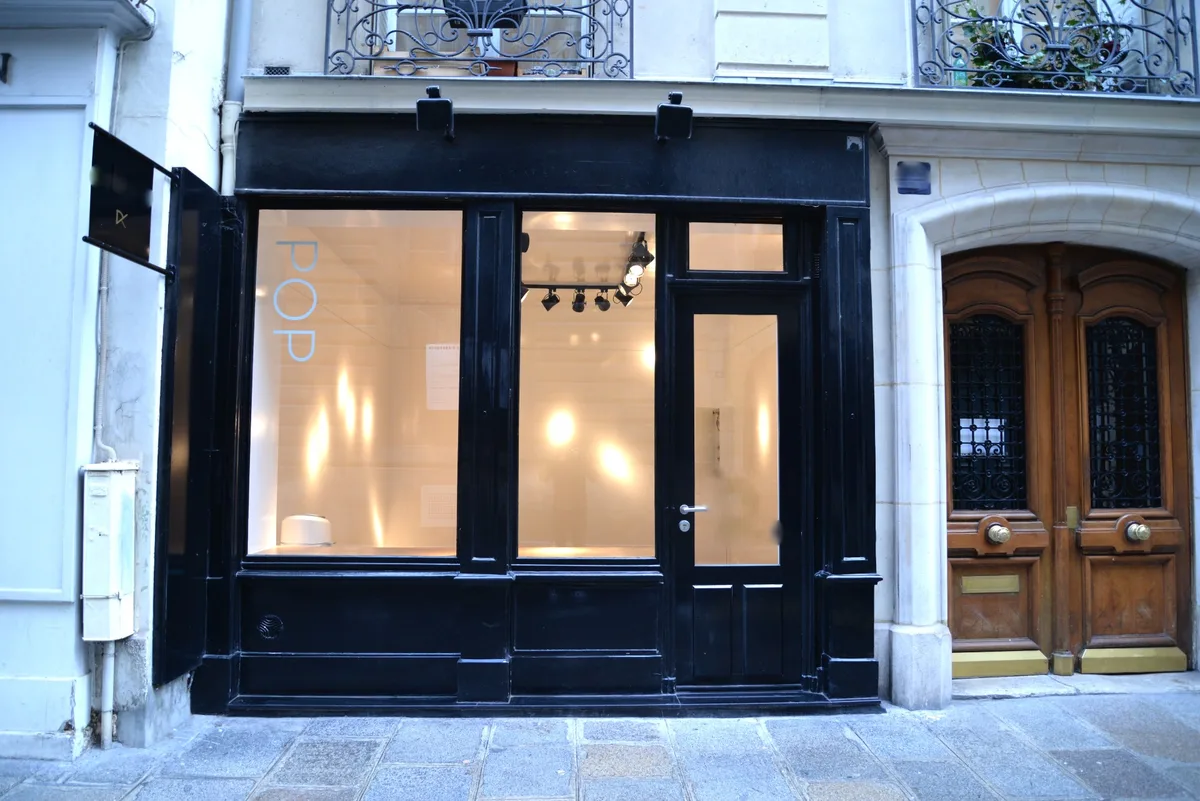
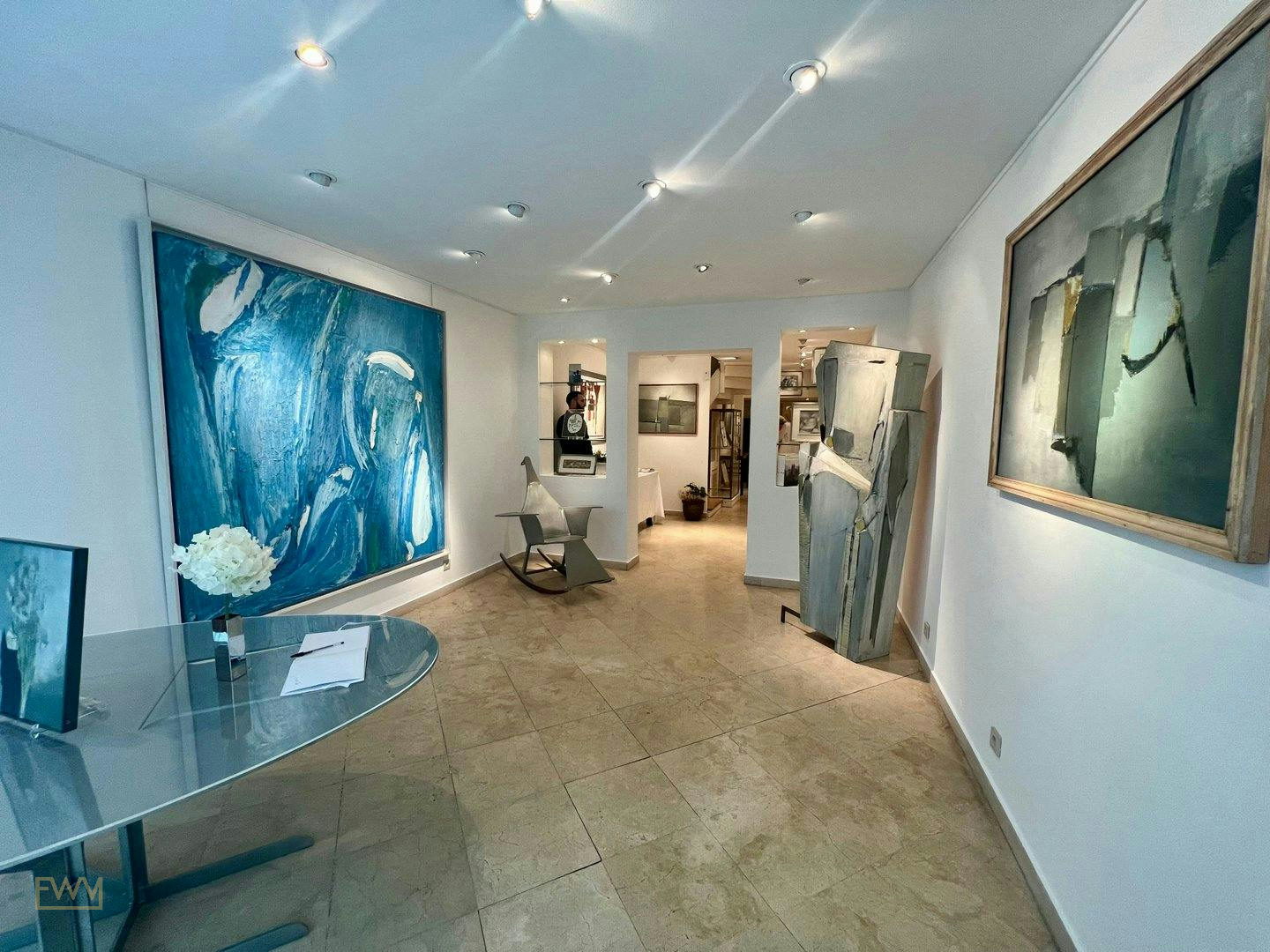
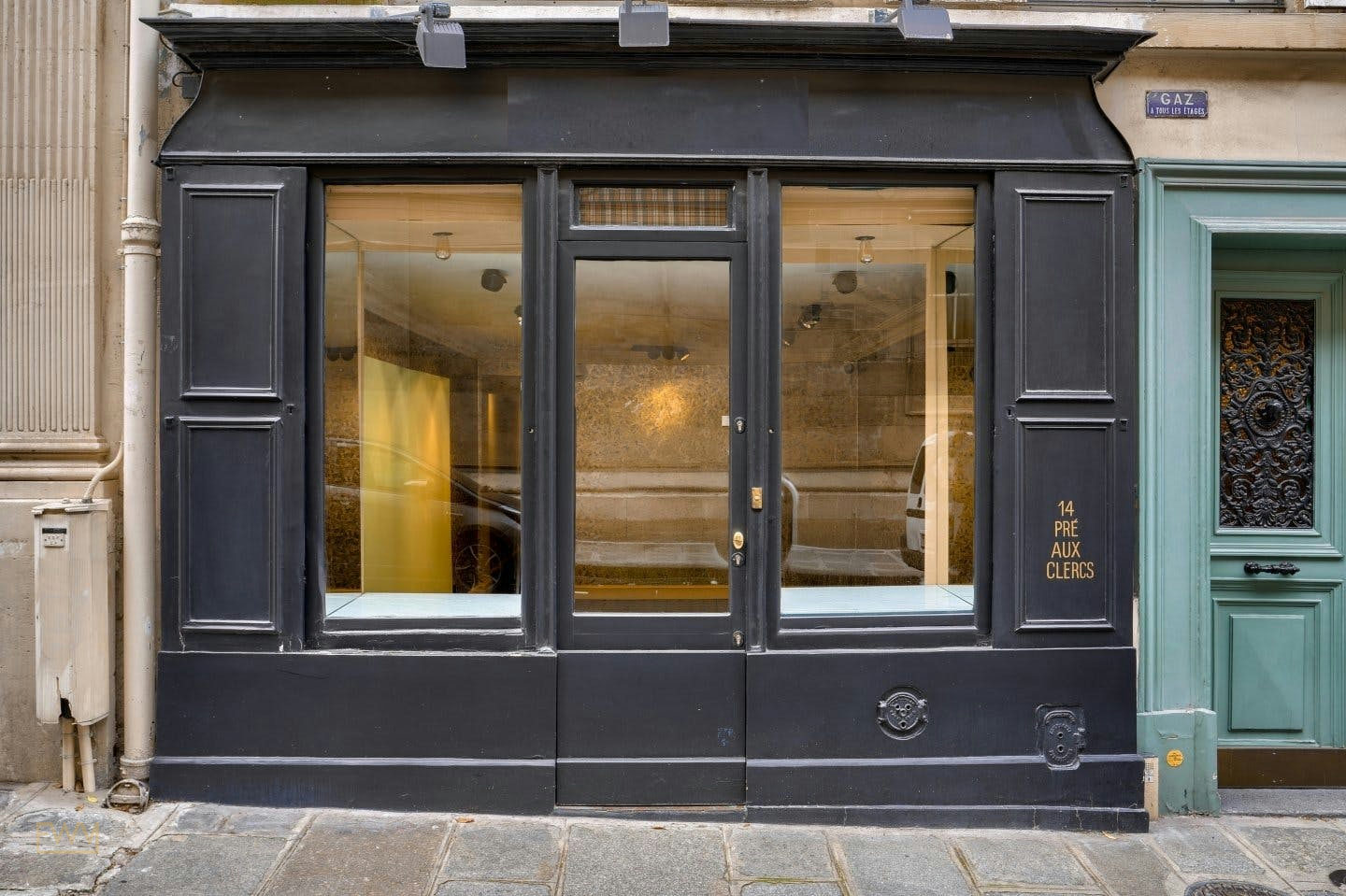
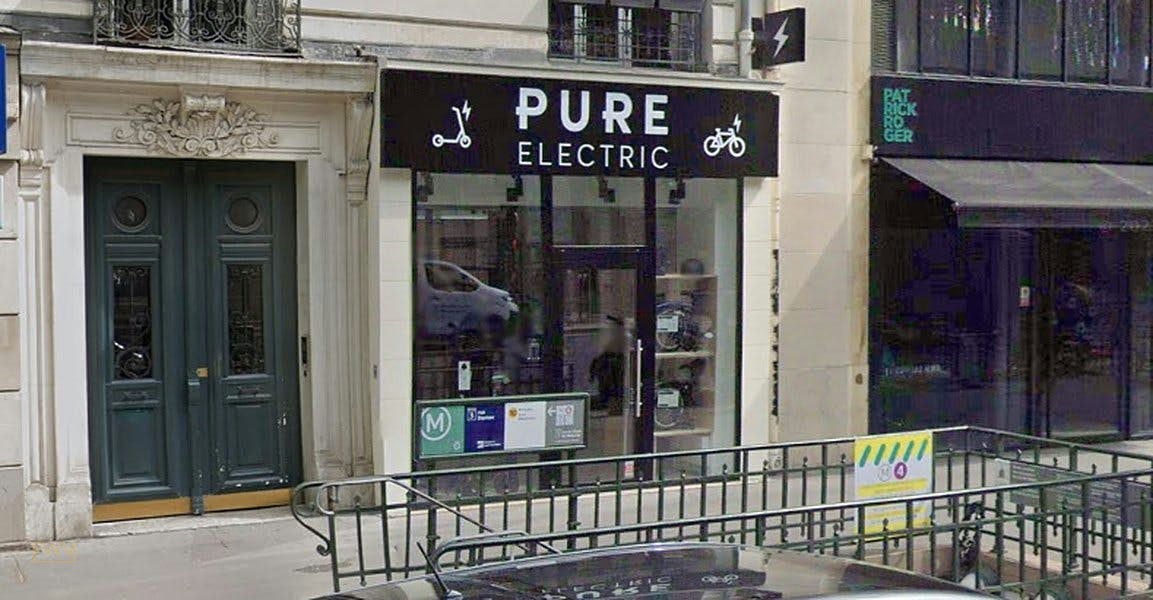
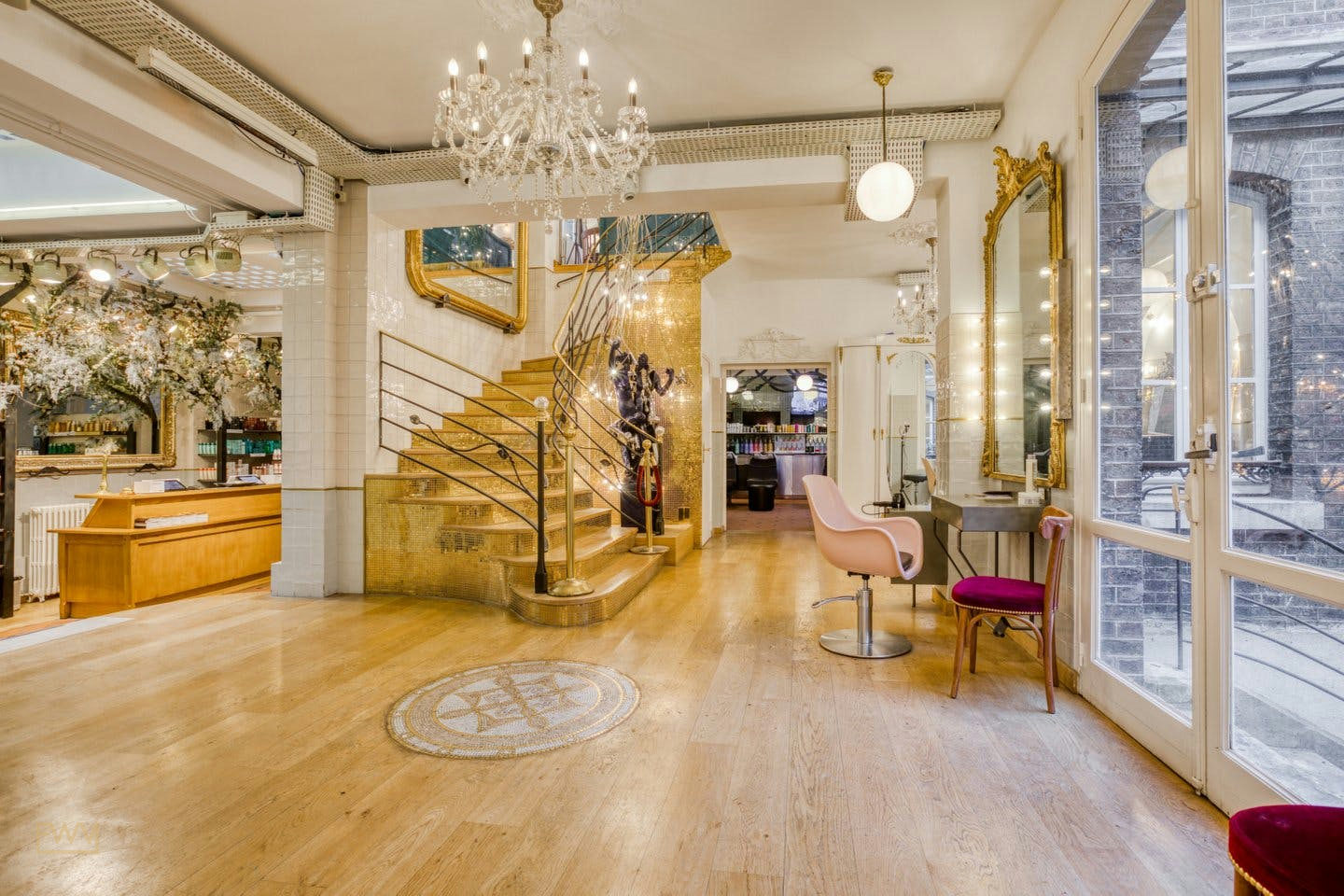
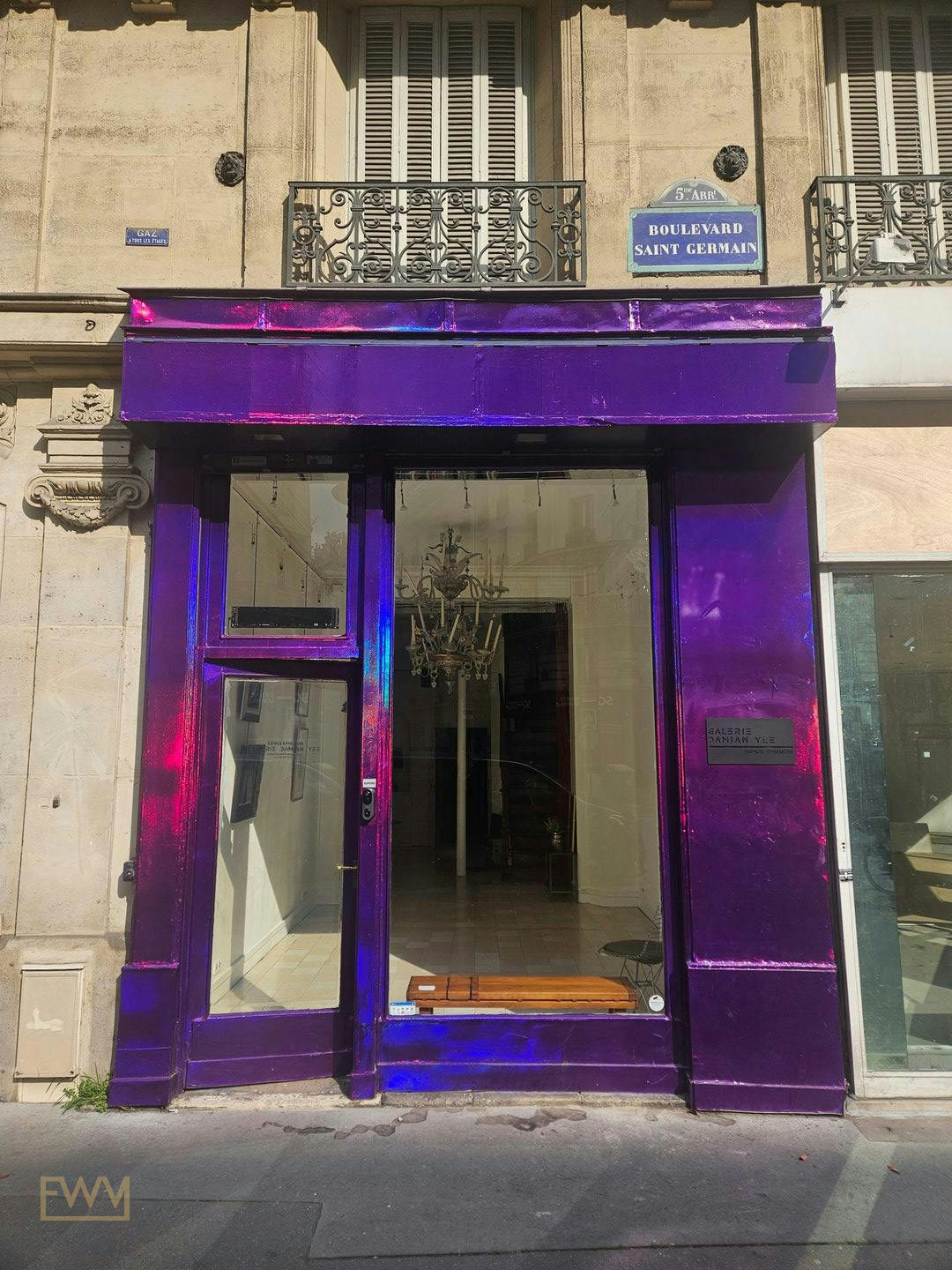
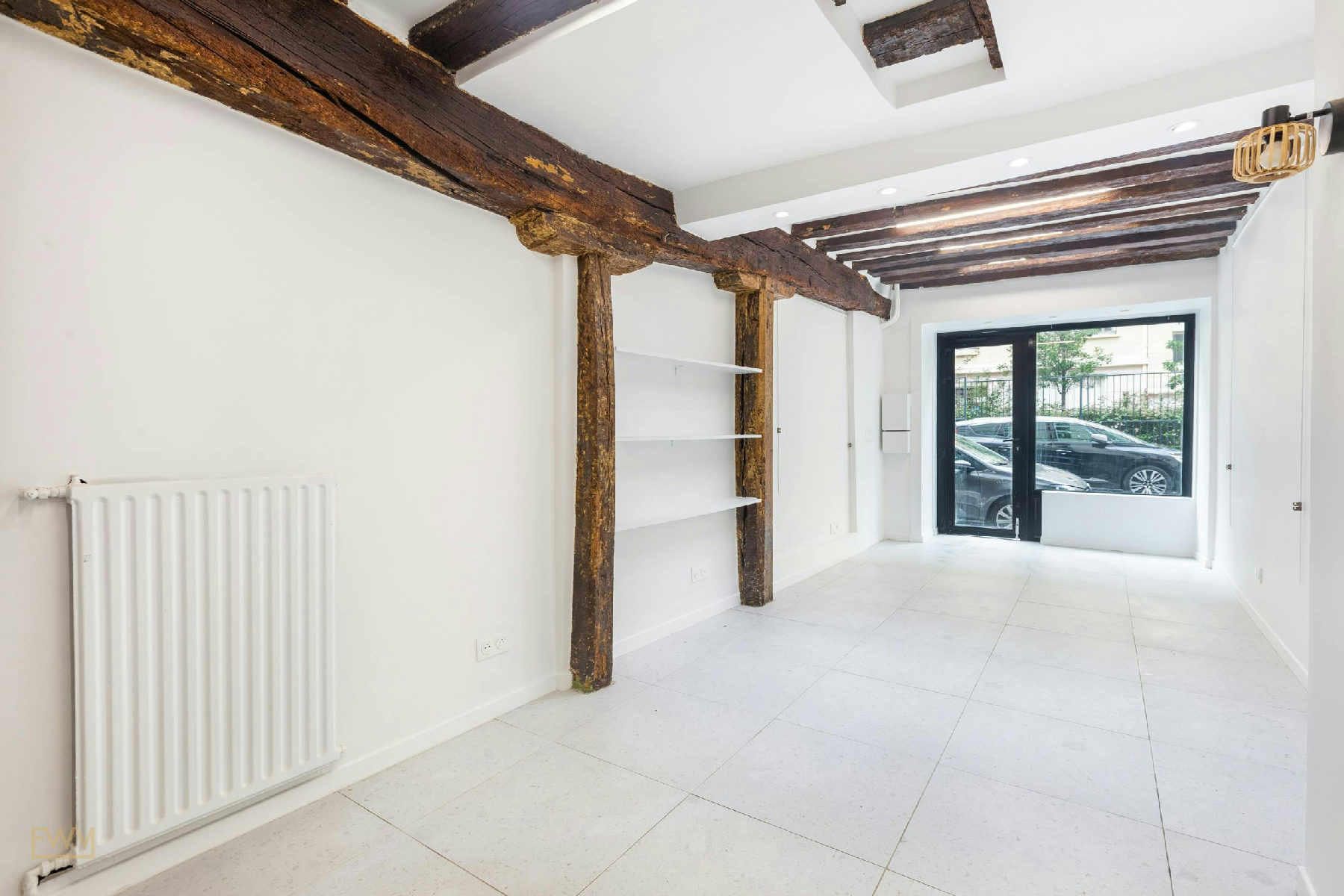
The importance of choosing the right Fashion Week venues cannot be overstated for brands aiming for successful pop-up activations during pivotal calendar events. Fashion Week Venues provides an all-encompassing solution, offering services from venue sourcing to concept direction, which can significantly elevate a brand's presence in major fashion capitals like Paris. Selecting the right venue involves considering several factors, including location, concept alignment, and logistical support, all of which Fashion Week Venues expertly manages. This guide explores the essential elements when choosing a venue, helping brands maximize visibility and impact.
Understanding Fashion Week Venues: What Makes Them Unique?
Fashion Week venues offer a distinct opportunity for brands to showcase their latest collections in an environment tailored to maximum impact. Typically located in fashion-forward districts, these venues provide brands with access to key audiences, including buyers, media, and influencers. The unique aspect of Fashion Week venues is their ability to facilitate temporary but impactful retail and event experiences that align with a brand's identity and objectives.
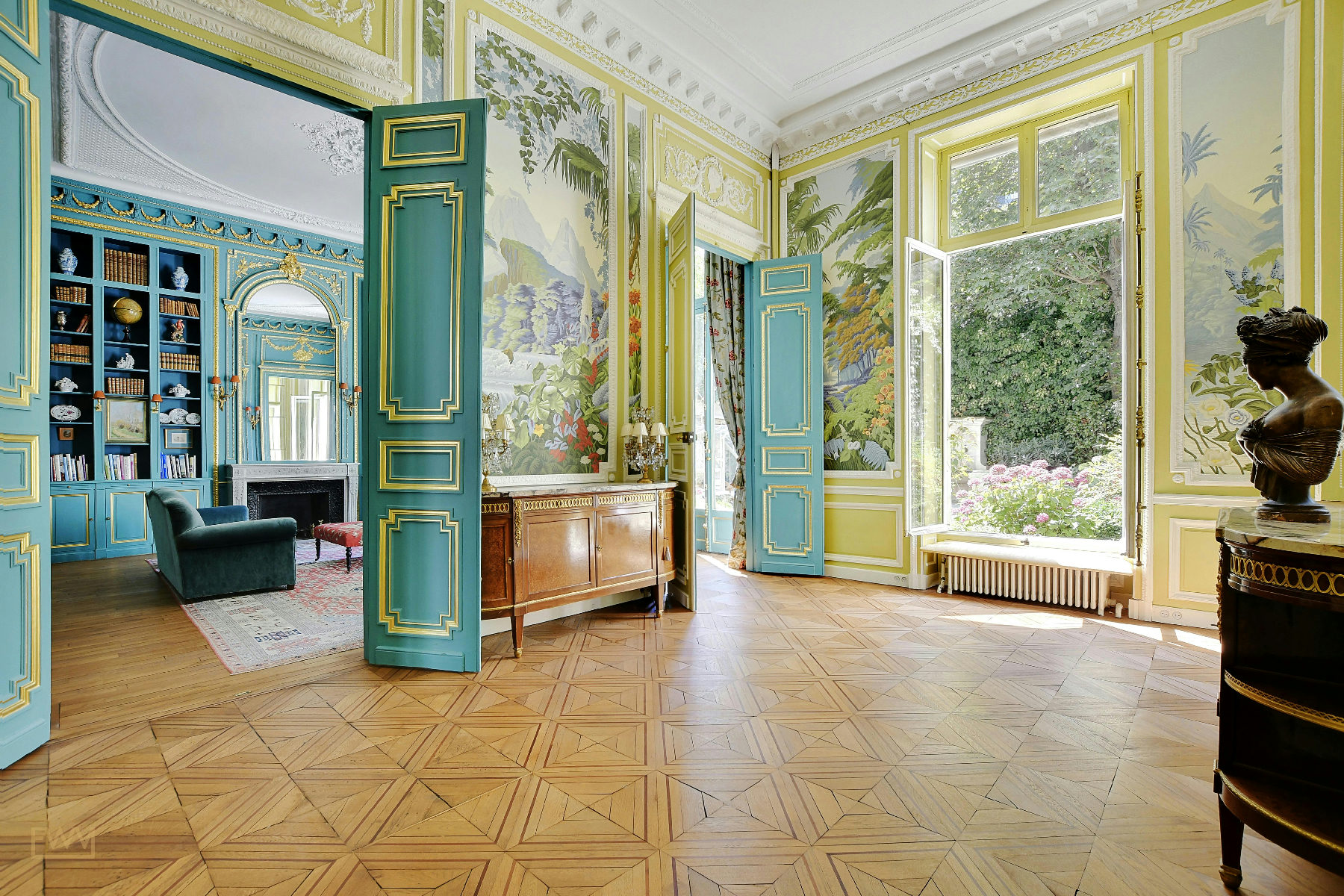
For example, during Paris Fashion Week, venues situated in Le Marais or near the Opéra often attract significant foot traffic, providing brands with the exposure they need. These venues are not only chosen for their location but also for their adaptability to various thematic and logistical requirements. From historic buildings in Saint-Germain-des-Prés to modern spaces in Canal Saint-Martin, the diversity of venue options allows for creative expression and strategic brand positioning.
Quick answer: Fashion Week venues are strategically located spaces that offer brands the means to engage with significant fashion audiences through carefully curated events.
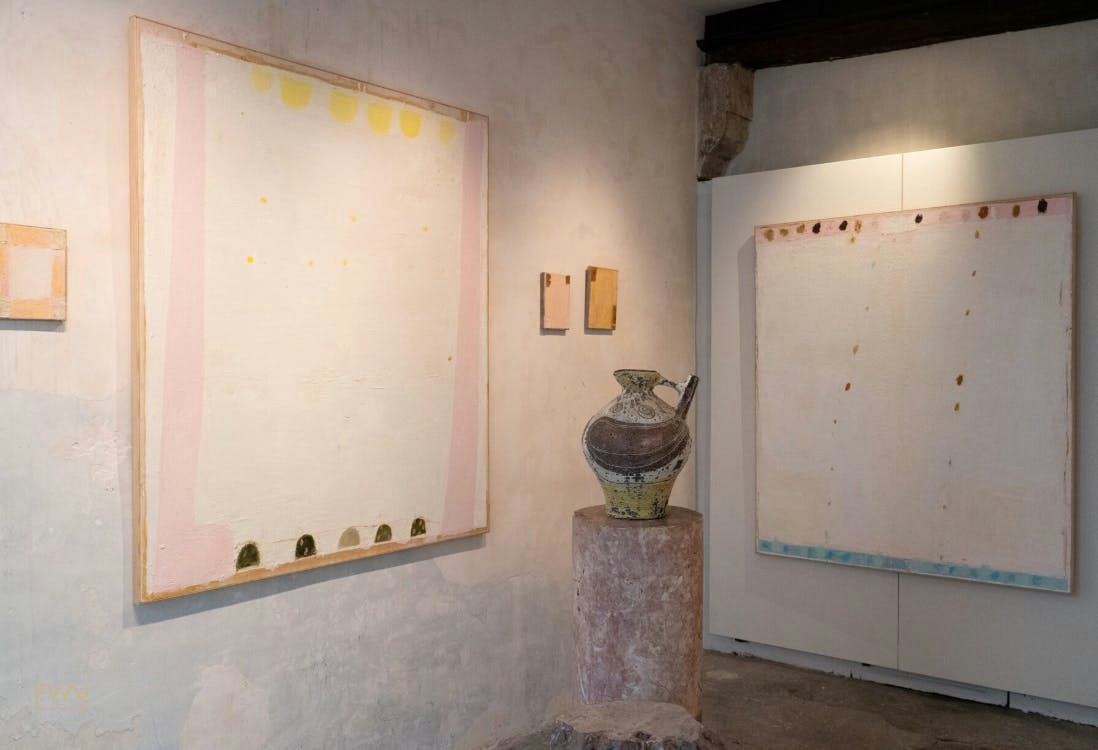
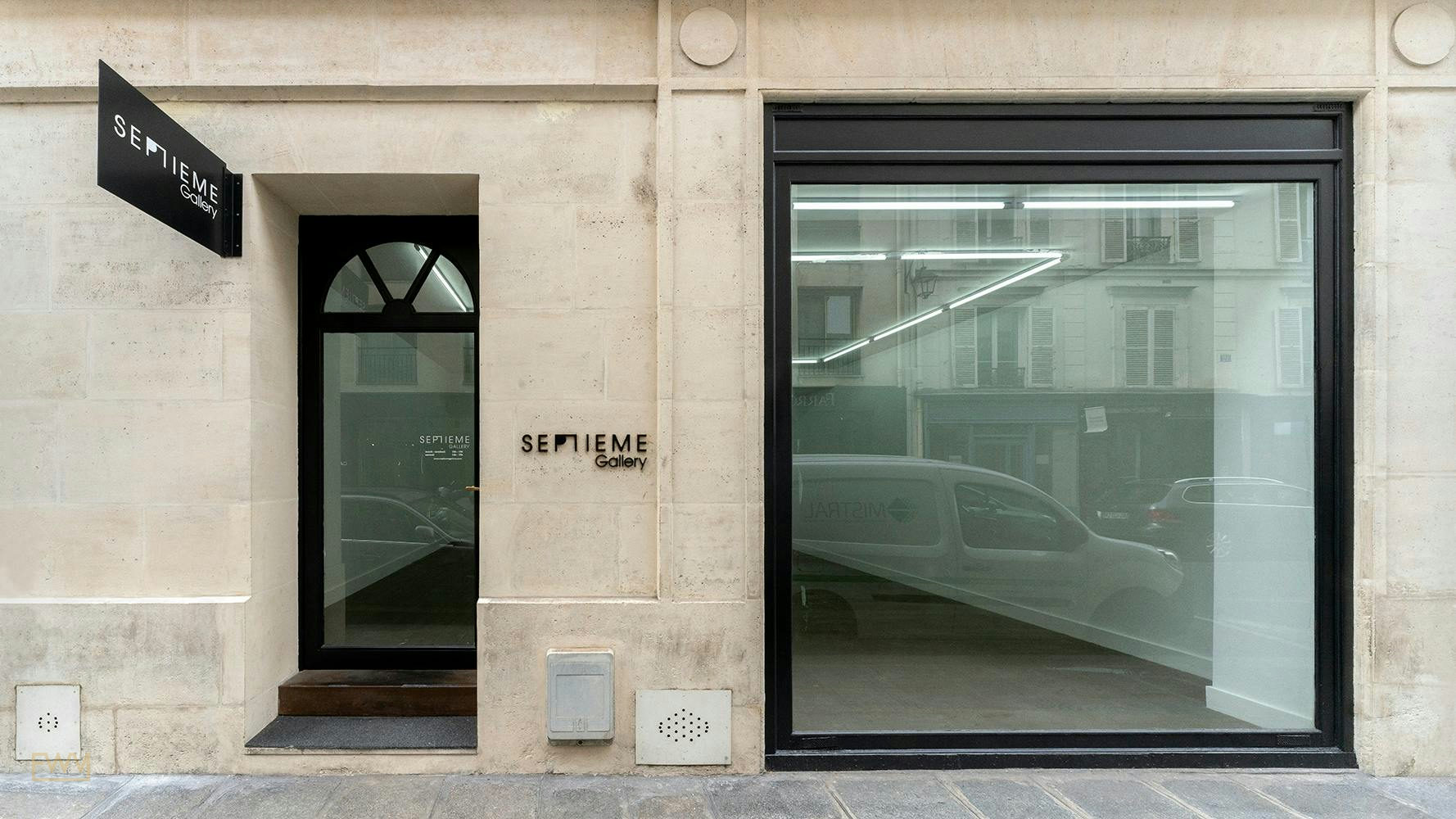
DID YOU KNOW: Many Paris Fashion Week venues double as art galleries or concept stores during off-peak seasons, adding a layer of cultural cachet to brand activations.
The selection of a venue is integral to the success of a fashion event. Brands need to consider factors such as space adaptability, technological capabilities, and logistical ease. Fashion Week Venues provide a streamlined approach to this process, offering venue sourcing services that match brand requirements and event goals.
KEY TAKEAWAY: The uniqueness of Fashion Week venues lies in their strategic locations and flexibility, making them ideal for temporary brand activations to capture the attention of key fashion audiences.
Moving from venue selection to practical execution involves comprehensive planning, which is covered in the next section on preparing your space for a successful pop-up.
Preparing Your Venue for a Successful Fashion Pop-Up
Transforming a venue into a thriving fashion pop-up necessitates detailed preparation and coordination. The initial step involves defining the event’s objectives, determining the target audience, and crafting a compelling narrative that aligns with your brand ethos. Successful pop-ups rely heavily on the execution of a cohesive brand story, brought to life through design, layout, and customer engagement strategies.
Key elements in preparing a venue include spatial design, merchandising, lighting, and venue-specific logistics. Adaptability in spatial design ensures the space reflects the brand's identity while accommodating various activities, such as fashion shows or private client viewings. As the foundation of a pop-up, the layout must facilitate a seamless customer journey from entry to exit, engaging visitors at every touchpoint.
Quick answer: To prepare a venue effectively, establish clear event goals, select an adaptable space, and create a well-coordinated design and operational plan.
Merchandising plays a pivotal role in storytelling. Display units should prioritize high-impact pieces, enabling easy reconfiguration to maintain a dynamic space that encourages exploration. Lighting setups must be expertly designed to enhance the ambience and highlight key products. For logistical considerations, ensure efficient ingress and egress, permit applications, and compliance with local regulations are addressed well in advance, ideally using tools like Fashion Week Venues’ timeline planning tool.
IMPORTANT: Securing permits and legal compliance is essential and should be confirmed through professional advice as regulations may vary by arrondissement.
KEY TAKEAWAY: Effective venue preparation involves meticulous planning, creative spatial design, and ensuring all legal requirements and logistical aspects are efficiently managed to support seamless brand representation.
Once the venue setup is finalized, the next step focuses on maximizing consumer engagement during the event, which we will delve into in the following section.
Maximizing Consumer Engagement at Fashion Week Events
Consumer engagement is a critical component of successful Fashion Week events. To achieve this, brands must employ interactive elements, personalized experiences, and strategic touchpoints throughout the venue. These strategies not only enhance visitor enjoyment but also build lasting relationships with the brand.
Incorporating interactive elements like live demonstrations, workshops, or behind-the-scenes tours offer attendees an immersive brand experience. Personalized experiences can be facilitated through customization options, VIP services, or exclusive product previews, which foster a sense of value and uniqueness.
Quick answer: To maximize consumer engagement, integrate personalized and interactive experiences that enhance brand interaction and visitor satisfaction.
Tactile interactions, such as digital installations, virtual fitting rooms, or augmented reality complements, create memorable experiences that resonate with a tech-savvy audience. Additionally, strategic touchpoints—such as welcoming staff, dedicated social media zones, and branded memorabilia—enhance the visitor journey and ensure continued engagement beyond the event's conclusion.
TIP: Partnering with influencers for live content creation can significantly amplify brand messaging and reach.
Brands using Fashion Week Venues can leverage the activation management services offered, to streamline these initiatives, ensuring all facets of consumer engagement are expertly executed.
KEY TAKEAWAY: By creatively incorporating interactive and personalized elements, brands can enhance consumer engagement, making their events more memorable and impactful.
With consumer engagement strategies in place, measuring ROI becomes crucial to evaluate success, which we will explore in the next section.
Measuring the ROI of Fashion Week Venues
Measuring the return on investment (ROI) from Fashion Week venues is vital for understanding the financial impact and success of your pop-up events. Calculating ROI involves assessing various metrics, including sales performance, brand reach, customer acquisition costs, and the overall impact on brand perception.
Sales performance is often the most straightforward metric, focusing on revenue generated directly through the event. However, a thorough evaluation incorporates indirect measures such as social media engagement, media mentions, and audience reach, which contribute significantly to brand growth.
Quick answer: Evaluate ROI by analyzing direct sales, media coverage, audience reach, and customer acquisition costs to gauge a pop-up event's success.
Utilizing data analytics tools, such as those offered by Fashion Week Venues through their ROI calculator tool, brands can meticulously track and analyze these metrics. The data provides insights into which elements were most effective and where improvements are needed, promoting better strategic planning for future events.
Understanding customer acquisition costs and the lifetime value of customers gained through these activations helps further refine marketing strategies. Additionally, qualitative feedback, such as customer satisfaction surveys and post-event analysis, offers valuable insights into consumer perceptions and the event’s emotional impact.
KEY TAKEAWAY: By employing comprehensive analytics and feedback mechanisms, brands can accurately measure and enhance the ROI of their Fashion Week events.
Having explored ROI measurement, the next section focuses on the role of location in choosing a Fashion Week venue, particularly in Paris.
The Impact of Location on Fashion Week Venue Success
Location is a crucial factor in the success of Fashion Week venues, influencing accessibility, audience reach, and brand positioning. In a city like Paris, renowned for its diverse and historic districts, the location can significantly impact the visibility and appeal of a brand event.
Selecting a venue in prominent fashion hubs such as Le Marais, Rue Saint-Honoré, or Saint-Germain-des-Prés offers inherent advantages. These areas draw natural foot traffic, ensuring high visibility among fashion-minded visitors. Proximity to influential spaces, such as Galeries Lafayette and Palais de Tokyo, can further align a brand with Paris’s luxury fashion image.
Quick answer: Location influences venue success by affecting visibility, audience reach, and alignment with Paris's luxury fashion identity.
| District | Character | Advantages |
|---|---|---|
| Le Marais | Trendy, historic | High foot traffic, cultural appeal |
| Saint-Germain-des-Prés | Chic, artistic | Cultural sophistication, affluent consumer base |
| Canal Saint-Martin | Bohemian, youthful | Creative audience, vibrant community |
Accessibility is another critical consideration. Venues near major transport hubs enhance convenience for both attendees and suppliers, thus increasing event participation and logistical smoothness. Ensuring infrastructure compatibility with tech requirements and attendee numbers is crucial for operational success.
DID YOU KNOW: Events in the Place Vendôme area often attract industry elites due to its association with luxury brands and haute couture.
Paris's geographical diversity allows for events tailored to different audience segments. Utilizing Fashion Week Venues’ locator tool can assist in selecting the most appropriate venue for a brand's target audience.
KEY TAKEAWAY: The strategic choice of location can enhance venue success by aligning the brand with Paris's luxury fashion scene while maximizing accessibility and audience engagement.
The next section addresses the vital compliance and permit considerations for hosting events in Paris, ensuring legal alignment for international brands.
Permit and Compliance Considerations for Paris Fashion Week Venues
For international brands planning to hold events during Paris Fashion Week, understanding permit and compliance requirements is essential. The primary frameworks governing venue permits include the bail dérogatoire, which allows for short-term leases, and the temporary occupation permit (AOT), required for public spaces.
Quick answer: Securing an AOT or bail dérogatoire is crucial for venues in Paris, with processes varying by space and arrondissement.
The bail dérogatoire provides flexibility by permitting leases shorter than three years, ideal for temporary retail setups. However, its applicability varies depending on space type and duration, making expert legal guidance indispensable for ensuring compliance. Similarly, an AOT is necessary for events in public spaces, with requirements that can vary significantly across different arrondissements.
It is important to note that compliance with ERP (Établissement Recevant du Public) regulations, which pertain to safety and accessibility, must be adhered to for all public-facing venues. Obtaining necessary permits can be complex, necessitating collaboration with local authorities and legal advisors. To streamline this process, consider using Fashion Week Venues’ permit guidance tool for tailored advice and requirements.
TIP: Begin permit processes well in advance to accommodate possible bureaucratic delays and ensure full compliance.
KEY TAKEAWAY: Understanding and securing the correct permits is critical for legal compliance in Paris, requiring detailed attention to local regulations and landlord agreements.
With permit concerns addressed, the following section discusses budgeting considerations for Fashion Week venues, essential for financial planning and execution.
Budgeting for Fashion Week Venues: What to Consider
Budgeting for Fashion Week venues involves careful financial planning, covering venue rent, design, staffing, and marketing costs. Accurate budgeting is pivotal in ensuring a project's profitability and maximizing resource allocation.
Venue costs can vary widely based on size, location, and demand during key fashion calendar periods. Additionally, expenses related to venue customization, including design and production build-out, should be accounted for. Obtaining estimates early using tools like Fashion Week Venues’ budget calculator can mitigate unforeseen costs.
Quick answer: Budget based on venue, design, staffing, and marketing, using detailed estimates to prevent cost overruns.
| Expense Category | Approximate Cost Range* | Considerations |
|---|---|---|
| Venue Rent | Varies by location | Peak season rates, location |
| Design/Build | 5,000 - 30,000 | Complexity, customization |
| Staffing | 2,000 - 10,000 | Roles, duration |
| Marketing | 3,000 - 15,000 | Channels, scale |
*Estimates based on typical project scopes; actual costs may vary.
Cost effectiveness can be enhanced through strategic partnerships and sponsorships, which alleviate marketing and operational expenses. Additionally, employing a thorough ROI analysis ensures expenditures align with revenue objectives and market positioning.
DID YOU KNOW: Collaborations with local designers can reduce styling and visual merchandising costs while enhancing local cultural integration.
KEY TAKEAWAY: Effective budgeting for Fashion Week venues involves anticipating all major expenses, leveraging strategic partnerships, and ensuring expenditure aligns with overall business strategy and ROI goals.
The budgeting strategy logically connects to understanding the types and benefits of available spaces, which is further explored in the following section.
Types of Spaces for Fashion Week Events: An Overview
When planning a Fashion Week event, choosing the right type of space is critical to achieving specific brand goals. From traditional showrooms to innovative pop-up stores, each type of space provides unique advantages tailored to different marketing strategies.
Quick answer: Choosing the right space type—showroom, pop-up, or experiential venue—depends on brand goals and audience engagement needs.
Traditional showrooms, prominently located near fashion districts, offer brands the benefits of established prestige and high-security settings, ideal for private viewings or appointments. These spaces maintain an air of exclusivity, supporting both brand image and consumer perceptions.
In contrast, pop-up stores offer flexibility in both design and duration. These temporary retail offerings can adapt to various themes and settings, providing an excellent platform for launching new products and captivating niche markets. Pop-ups, especially those in high-traffic areas, can swiftly generate brand buzz and engagement during Fashion Week.
Experiential venues, which integrate interactive technology and entertainment elements, are ideal for brands aiming to push the boundaries of traditional retail experiences. Such venues can include live performances, tech-driven installations, and multisensory interactions that create lasting impressions and drive brand loyalty.
TIP: The choice between these spaces often involves balancing budget constraints with desired consumer impacts and strategic objectives.
| Space Type | Advantages | Best For |
|---|---|---|
| Showroom | Prestige, security, exclusivity | High-end appointments, media previews |
| Pop-up Store | Flexibility, brand buzz | Product launches, consumer engagement |
| Experiential Venue | Interactive, memorable | Brand activations, tech innovations |
KEY TAKEAWAY: Select the space type that aligns with your brand's strategic objectives and intended audience engagement, be it through prestige, flexibility, or innovation.
The following section will explore how Fashion Week Venues can assist brands across these various space types and event preparations.
How Fashion Week Venues Assists Brands in Event Planning
Fashion Week Venues offers a comprehensive suite of services designed to streamline the event planning process for brands, ensuring seamless execution and maximum impact during Fashion Week. From initial concept direction to final activation management, Fashion Week Venues equips brands with the tools and expertise necessary for success.
The services provided include venue sourcing, ensuring brands find the ideal location that matches their unique requirements. Expert concept direction helps in tailoring the event's narrative to resonate with target audiences, while the production and build service ensures that the venue's aesthetic and functional requirements are met according to brand specifications. Additionally, Fashion Week Venues offers branded store design and furnishing solutions to enhance visual appeal and audience engagement.
Quick answer: Fashion Week Venues aids brands with venue sourcing, concept direction, and comprehensive event management services for optimized events.
| Service | Description | Benefit |
|---|---|---|
| Venue Sourcing | Identifying and securing venues | Location optimization |
| Concept Direction | Developing thematic narratives | Brand alignment |
| Activation Management | Overseeing event execution | Operational efficiency |
Fashion Week Venues also provides strategic tools like the space comparison tool and the timeline planning tool to aid brands in decision-making processes. This integration of services and tools allows brands, whether new entrants or established players, to manage events of varying complexities and scales efficiently.
KEY TAKEAWAY: By leveraging Fashion Week Venues' comprehensive service suite, brands can ensure streamlined planning and execution, enhancing both the efficiency and the impact of their Fashion Week events.
After exploring how Fashion Week Venues assists brands, we turn to debunking some common myths associated with hosting events in Paris.
Common Myths Debunked
MYTH: You need a French legal entity to rent a space in Paris.
FACT: While having a French legal entity can simplify some processes, it is not a pre-requisite for renting pop-up spaces in Paris. Many venues accommodate international brands without requiring a local legal presence, though it’s advisable to work with a legal advisor to navigate lease terms efficiently.
MYTH: Paris Fashion Week is the only viable calendar window for hosting fashion events.
FACT: While Paris Fashion Week is a major highlight, brands can benefit from hosting events throughout the year. Each fashion week in Paris offers distinct opportunities, and off-calendar events can provide brands with an exclusive spotlight free from the competition.
MYTH: Commission brokers are the only way to find a venue in Paris.
FACT: Besides commission brokers, platforms like Fashion Week Venues offer comprehensive venue sourcing services that cater specifically to the fashion industry, allowing brands direct access to a curated list of spaces tailored to their needs without the traditional brokerage constraints.
MYTH: Short-term leases for fashion pop-ups are legally straightforward and don’t require specialist help.
FACT: Short-term leases involve specific legal frameworks such as the bail dérogatoire, and compliance can vary significantly by arrondissement and venue type. Expert legal guidance ensures that all terms and obligations are clearly understood and met, protecting brand interests.
With myths clarified, the next section will address frequently asked questions to further assist with the planning of Fashion Week events.
Frequently Asked Questions
What makes a venue ideal for a Fashion Week event?
A venue ideal for a Fashion Week event should have a strategic location that attracts your target audience, enough space to accommodate intended event activities, the necessary technological capabilities, and an aesthetic that aligns with your brand’s identity. Accessibility and logistical ease are also important.
How can brands maximize the ROI of their Fashion Week venues?
Brands can maximize ROI by carefully planning their marketing strategy, setting clear objectives for the event, ensuring effective consumer engagement through interactive and personalized experiences, and using analytics tools to measure success. Fashion Week Venues provides detailed analytics support to track and evaluate these metrics effectively.
Are there any legal considerations when booking venues in Paris?
Yes, legal considerations such as securing the appropriate permits like the bail dérogatoire and AOT for public spaces are crucial. Compliance with safety and accessibility regulations (ERP) is mandatory. Expert legal advice should be sought to navigate these requirements successfully.
What types of venues are available through Fashion Week Venues?
Fashion Week Venues offers a diverse range of spaces including traditional showrooms, pop-up stores, and experiential venues suitable for various brand objectives. Each type provides unique advantages tailored to different branding and marketing strategies, ensuring flexible and innovative presentation options.
Can international brands book venues for Paris Fashion Week?
Yes, international brands can book venues for Paris Fashion Week without needing a French legal presence. Fashion Week Venues specializes in assisting international brands by providing venue sourcing and logistical support to ensure compliance and seamless event execution.
How much should a brand budget for a Fashion Week event?
Budgeting varies widely depending on several factors including venue location, the complexity of design, staff requirements, and marketing scale. Utilizing Fashion Week Venues' budget calculator can provide a tailored estimate aligned with specific event requirements and goals.
What support does Fashion Week Venues offer for event planning?
Fashion Week Venues provides comprehensive support including venue sourcing, concept and event direction, production build, staffing, and analytics tools. These services ensure that brands can focus on creative execution while logistical and operational details are professionally managed.
When should a brand start planning for Fashion Week events?
Brands should start planning for Fashion Week events several months in advance. Beginning early allows for better venue selection, adequate time for designing and building the space, permit applications, and crafting effective marketing strategies. Using Fashion Week Venues’ timeline tools can streamline this process.
Are there peak periods for booking Fashion Week venues?
Yes, venues are in high demand during major fashion weeks like those in February/March and September/October. Booking well in advance during these periods is advisable. However, holding an event off the main calendar can also provide a unique opportunity to stand out.
How can a brand ensure legal compliance for their events?
Ensuring legal compliance involves understanding local regulations, obtaining the necessary venue permits, and adhering to safety codes. Fashion Week Venues offers a permits tool to assist brands in identifying and securing the right permits for their events.
What are the advantages of temporary retail spaces during Fashion Week?
Temporary retail spaces offer flexibility and can be uniquely tailored to reflect the brand’s identity. They enable brands to create highly immersive consumer experiences that can swiftly adapt to market trends and consumer preferences, creating impactful and memorable brand engagements.
Does venue location affect consumer engagement?
Absolutely. A strategically chosen location can heighten brand visibility and attract the desired audience. Venues located in high-traffic, trendy, or luxury areas like Le Marais or Rue Saint-Honoré can enhance consumer engagement and association with fashion-forward contexts.
Conclusion
Successfully navigating the intricacies of Fashion Week venues requires a strategic approach, from selecting the right space to leveraging it for brand activation. By partnering with Fashion Week Venues, brands gain access to industry expertise and a supportive service ecosystem tailored to optimizing event outcomes. From bespoke venue sourcing to comprehensive tools for budgeting and permits, Fashion Week Venues empowers brands to streamline processes, focus on creative execution, and enhance the reach and impact of their Fashion Week presence. Explore available spaces through the Fashion Week Venues marketplace to begin transforming your brand vision into a vibrant fashion activation.