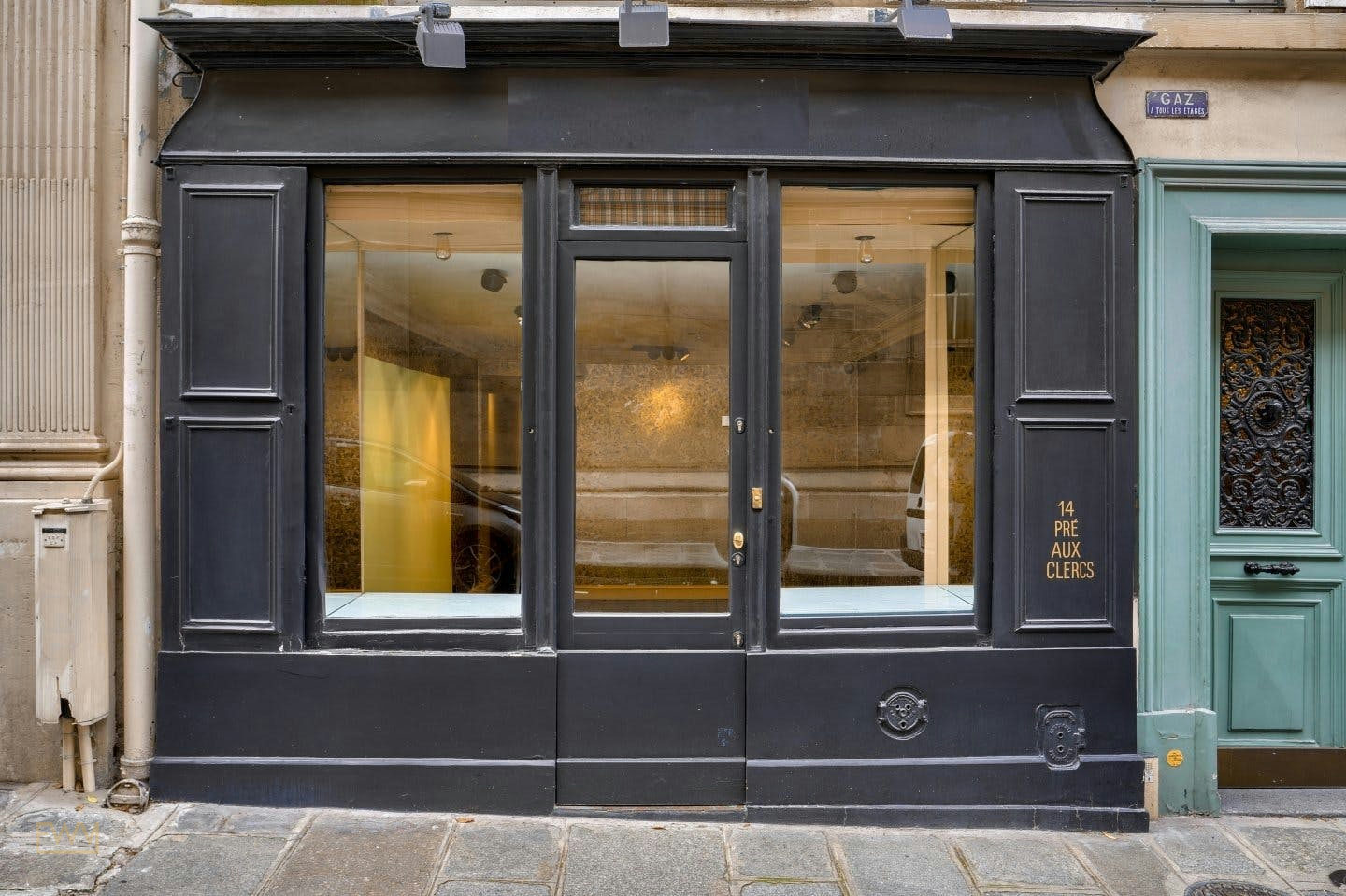
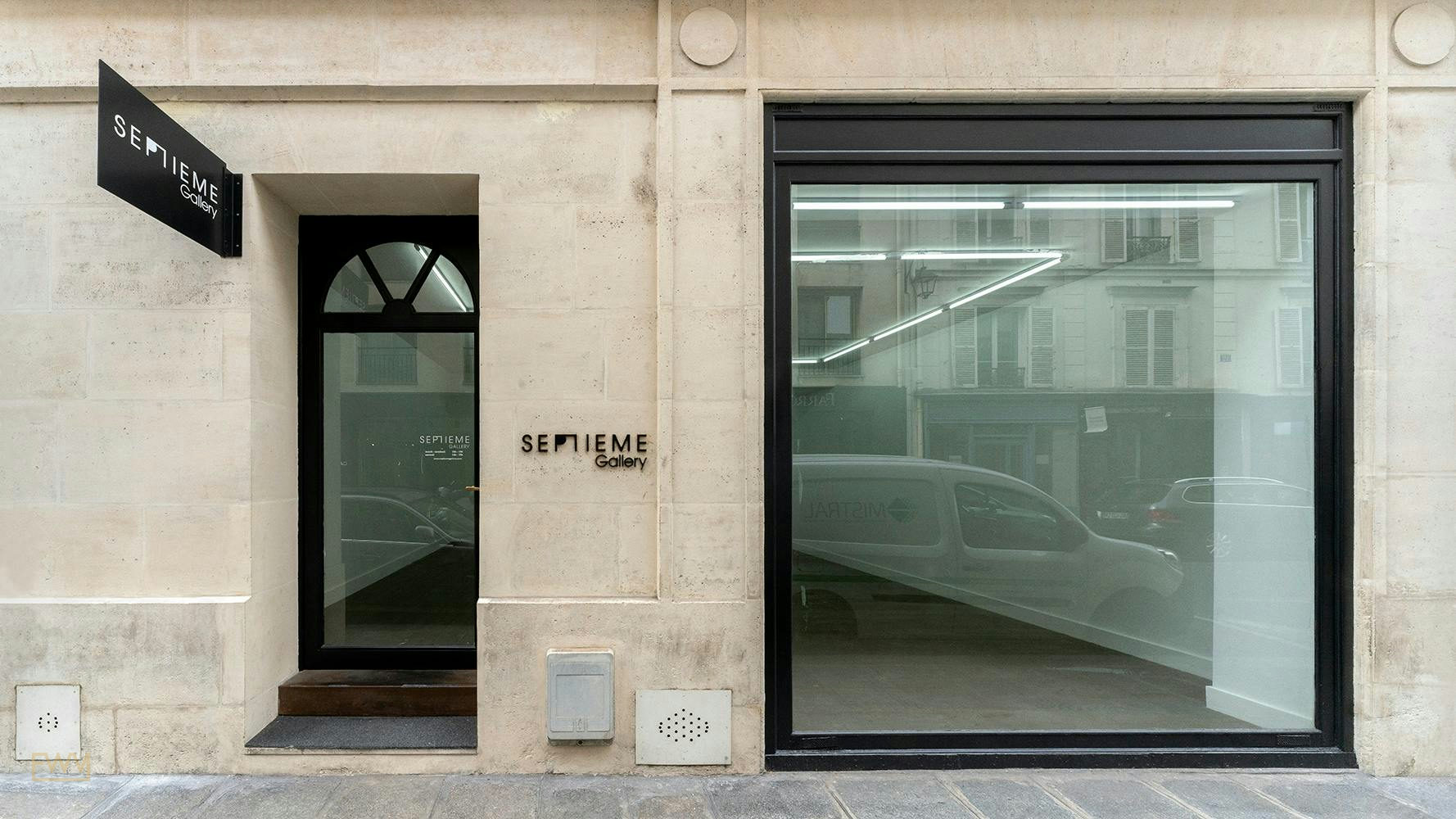
Fashion Week venues represent pivotal points for brands aiming to capture global attention during key fashion events in capitals like Paris. Navigating the intricate landscape of pop-up spaces, showrooms, and event venues requires strategic planning, especially for those eyeing short-term activations. Fashion Week Venues serves as a one-stop agency dedicated to transforming these challenges into seamless solutions, offering a spectrum of services and tools tailored to enhance retail activations. This article delves into how brands can leverage these opportunities to maximize their impact in the competitive world of fashion.
Understanding the Importance of Fashion Week Venues
Fashion Week venues are crucial for brands because they offer an unparalleled opportunity to showcase new collections and engage with key industry players. In cities such as Paris, these events are not only a runway spectacle but also an integral part of a brand's marketing strategy. The right venue significantly affects a brand's presentation and its perception in the fashion community.
Quick answer: Securing the right Fashion Week venue can elevate a brand’s profile by aligning its presentation with iconic events and spaces, thereby enhancing visibility and prestige among international audiences.
Choosing between a permanent store and a short-term venue for Fashion Week involves understanding several dynamics. Permanent stores provide ongoing brand visibility, while short-term venues offer flexibility and targeted reach. For brands focusing on immediacy, a pop-up space during Fashion Week enables an adaptive strategy that can align with specific event goals. Factors such as location, foot traffic, and audience type play critical roles in this decision-making process.
| Consideration | Permanent Store | Short-term Venue |
|---|---|---|
| Visibility | Consistent presence | Event-specific spotlight |
| Flexibility | Low | High |
| Audience Engagement | Local and regular | Event attendees and influencers |
KEY TAKEAWAY: Fashion Week venues act as dynamic spaces that cater to brands wanting to make a significant impression in a short time. This method offers a focused, high-impact approach, particularly advantageous for brands seeking to enhance their presence quickly.
The next step is understanding how temporal elements impact venue success, which we will cover in detail to optimize your event planning strategy.
Timing and Location: Crucial Elements for Success
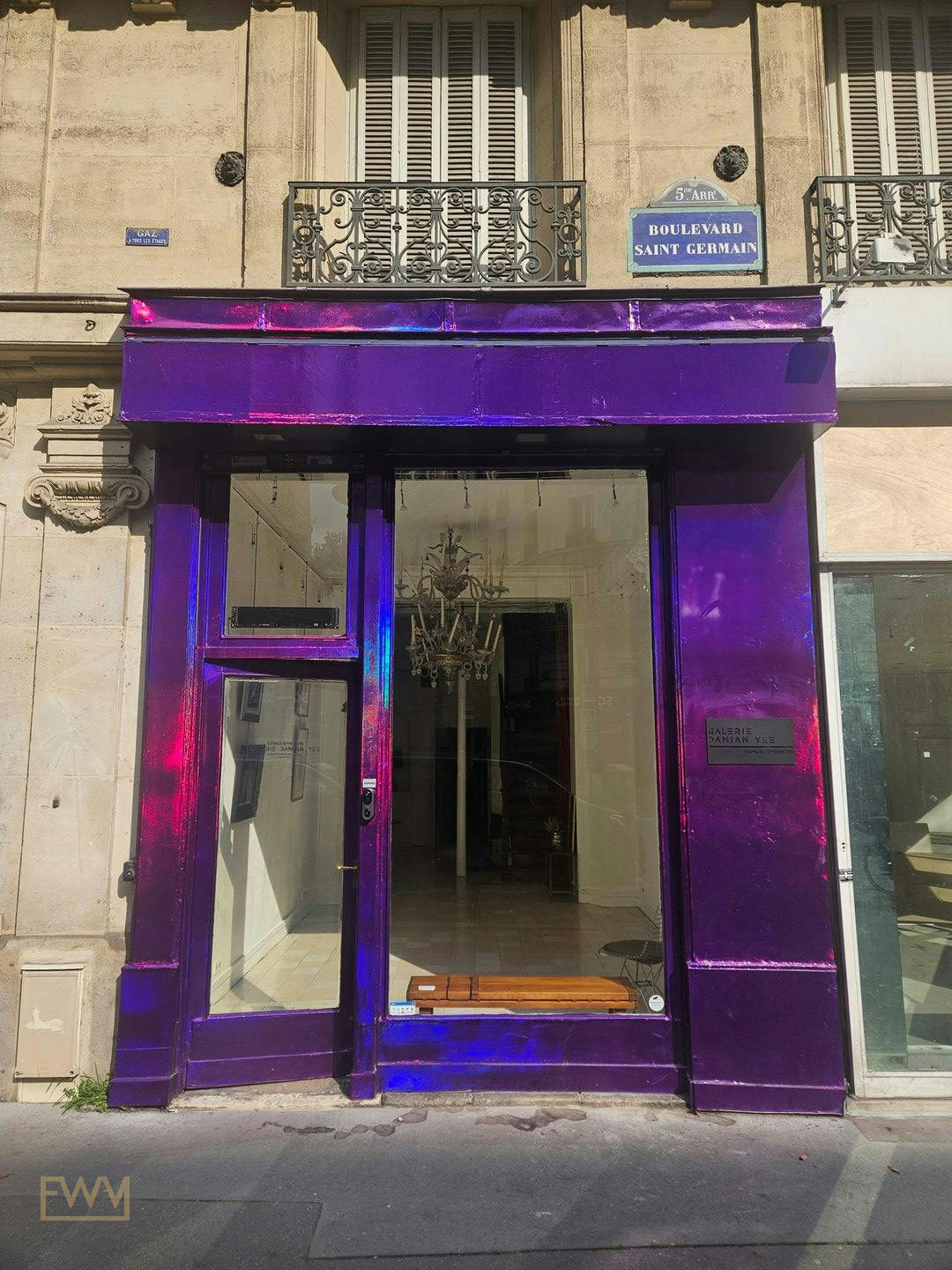
The success of a temporary venue during Fashion Week depends heavily on timing and location. Paris, for instance, is a hub of activity during Fashion Week, with distinct areas like Le Marais and Saint-Germain-des-Prés offering vibrant settings for different brand narratives. Selecting the right time and place can make or break your pop-up activation.
Quick answer: For optimal exposure, align your venue’s location with high foot traffic areas during Fashion Week, and ensure booking aligns with peak event times to maximize audience engagement.
Understanding the fashion calendar intricacies is essential. Paris Fashion Week is a highlight in the industry’s calendar, drawing global attention and attendance. Therefore, choosing your venue’s location in relation to major event locales, such as the Palais de Tokyo or along Rue Saint-Honoré, is strategic for attracting the target demographic.
DID YOU KNOW: Rue Saint-Honoré is not only central to luxury retail; it’s also a cultural nexus that offers brands unparalleled exposure to influential industry figures during Fashion Week.
Deciding on a venue involves recognizing the unique characteristics of various Parisian neighborhoods, each offering specific advantages. For example, the historic appeal of Le Marais attracts a diverse crowd interested in innovative designs, while the opulent aura of Mayfair in London draws a more traditional luxury clientele.
KEY TAKEAWAY: Align venue timing and location with peak Fashion Week activities and venues to leverage maximum footfall and industry tabloid coverages, ultimately amplifying brand visibility and the likelihood of memorable engagements.
As we move forward, we will explore how logistic aspects like permits and compliance can affect the feasibility of your temporary installations.
Navigating Permits and Compliance
Operating a pop-up venue during Fashion Week in Paris involves navigating a complex landscape of permits and compliance. Understanding the local regulations, such as bail dérogatoire and AOT, is crucial for legally securing temporary retail spaces. Unlike standard commercial leases, these permits cater to the specific short-term requirements of fashion events.
Quick answer: To secure a pop-up space legally in Paris, familiarize yourself with bail dérogatoire and AOT permits, and consult with a French legal advisor to navigate these complexities effectively.
The bail dérogatoire allows for short-term leasing up to three years without altering the nature of the premises substantially, while the AOT permit is necessary for occupying public spaces for commercial activities. Each arrondissement in Paris may have different requirements, and verification with local authorities or legal advisors ensures compliance.
| Permit | Purpose | Application |
|---|---|---|
| Bail dérogatoire | Short-term lease arrangements | Secure limited-term retail operations |
| AOT | Public space occupation | Legal commercial activities in public areas |
IMPORTANT: Failure to comply with local regulations can lead to costly fines or forced closures. It's vital to use tools like the permit guidance tool from Fashion Week Venues to navigate these requirements efficiently.
KEY TAKEAWAY: Understanding and fulfilling permit and compliance requirements are mandatory for legal and successful pop-up activations, ensuring smooth operations and protecting brand integrity against enforcement actions.
With permits and logistics aligned, exploring venue design and aesthetics will further enhance brand representation, discussed next.
Creative Direction: Designing Impactful Spaces
The creative direction of your Fashion Week venue is the bridge between your brand’s identity and public perception. Crafting a compelling visual and experiential design is essential for engaging your audience effectively. This process involves meticulous planning and conceptual direction, transforming a space into an immersive brand experience.
Quick answer: Effective venue design combines brand ethos with audience expectations to create a visually compelling and immersive experience, imperative for impactful brand storytelling.
Brands can incorporate various elements into their venue design, including digital media displays, interactive installations, and thematic decor aligning with the brand's narrative. This alignment not only attracts visitors but also conveys a cohesive story that enhances brand recall.
TIP: Collaborate with professional designers who specialize in retail settings or use the concept direction services of Fashion Week Venues to align aesthetic assets with broader marketing strategies.
Tableau vivant displays or performance art can also be incorporated to provide experiential depth, transforming simple viewings into memorable experiences that capture the cultural zeitgeist around Fashion Week.
KEY TAKEAWAY: A well-designed venue is more than a backdrop; it provides a narrative space that actively engages consumers, creating lasting impressions that resonate beyond the immediate event.
Our discussion will next look into the execution of these ideas, considering the practical aspects of production and build.
Production and Build: Executing Your Vision
Production and build phase is critical for transforming a creative vision into a physical and operational venue during Fashion Week. This phase involves logistics, construction, and installation, ensuring that the final space upholds the brand's standards and creative directives.
Quick answer: Successful production and build require meticulous coordination and expert execution of design plans to deliver a functional and aesthetically aligned venue within tight timelines intrinsic to Fashion Week.
Key components include sourcing materials that match the design intentions and managing the scheduling of contractors and installers. It is essential to coordinate each step with precision due to the typically narrow pre-event windows that characterize Fashion Week scheduling.
| Phase | Task | Outcome |
|---|---|---|
| Planning | Blueprint development and material selection | Blueprint aligns with creative vision |
| Execution | Construction and decoration | Space mirrors design intent and functional needs |
| Finalisation | Setup inspection and adjustments | Adjustments ensure operational readiness |
Integrating sustainability into the build phase is increasingly important, with many brands opting for reusable elements or sourcing from environmentally responsible vendors to align with evolving consumer expectations.
KEY TAKEAWAY: Meticulous planning, efficient execution, and sustainability considerations during the production and build phase set the foundation for a successful and impactful Fashion Week activation.
The next logical step involves understanding activation dynamics, aiming for audience engagement and operational success.
Activation Strategy: Engaging the Audience
The activation stage is where your Fashion Week venue comes to life, connecting the brand with its audience through engagement activities. This involves strategic planning around marketing, communication, and interactive elements that encourage visitor participation and buzz.
Quick answer: To maximize impact during Fashion Week, integrate interactive and engaging elements within your venue to create memorable experiences that enhance brand relevance and consumer loyalty.
Successful activations depend on a mix of digital and physical elements. Incorporating social media integration allows real-time sharing of brand experiences, extending reach beyond immediate attendees. Interactive elements such as touchpoints or onsite workshops further deepen engagement and encourage visitor interaction.
IMPORTANT: Ensure your team includes seasoned event professionals or leverage the activation management services provided by Fashion Week Venues for expertise in executing crowd-pleasing strategies effectively.
Consider collaboration with influencers to expand audience reach. Not only does this heighten visibility, but it also brings authentic interaction to your venue, enriching the overall consumer experience through personalized engagement.
KEY TAKEAWAY: For a memorable brand activation, intertwining dynamic activities with digital innovation is essential to captivate consumers and bolster brand identity during the competitive Fashion Week period.
Our comprehensive examination will now address how Fashion Week Venues can streamline these processes for brand executives.
How Fashion Week Venues Can Facilitate Your Activation
Fashion Week Venues is integral in assisting brands navigate the complexities of temporary retail spaces. By offering a full suite of services including venue sourcing, concept direction, production, and staffing, the agency acts as a comprehensive partner for achieving impactful activations.
Brands, whether they are established names or emerging entities, benefit significantly from the bespoke services provided. By aligning with Fashion Week Venues, they gain access to expert guidance on permits, creative design, and the logistical execution of venues tailored to match their marketing objectives.
The space marketplace provides brands with a broad range of venue options, enabling them to find locations that perfectly fit their aesthetic and budget requirements. Additionally, services like venue sourcing and ROI calculators ensure that investments are both strategically sound and fiscally prudent.
DID YOU KNOW: Fashion Week Venues also offers tools such as a permits tool and budget calculator, essential for brands planning their logistics comprehensively and efficiently.
Importantly, the agency provides tailored solutions, taking into account the individuality of each brand’s requirements and focusing on crafting unique consumer experiences that align closely with the brand ethos.
KEY TAKEAWAY: Engaging Fashion Week Venues as a partner provides brands with strategic and operational expertise, ensuring effective and memorable activations aligned with business goals during high-stakes events like Fashion Week.
Moving forward, demystifying common misconceptions related to Fashion Week venues will aid in setting realistic expectations.
Common Myths Debunked
MYTH: You need a French legal entity to rent a space in Paris.
FACT: While navigating Parisian leases can be complex, international brands do not need to establish a local entity to secure a temporary venue. Services like Fashion Week Venues facilitate these arrangements, ensuring legal requirements are met through professional guidance.
MYTH: Paris Fashion Week is the only viable time for a successful brand launch.
FACT: Although Paris Fashion Week offers high visibility, brands can achieve similar success throughout the year by selecting other strategic time frames. Partnering with an agency that understands off-peak opportunities can be equally beneficial.
MYTH: Commission brokers are the only way to find a pop-up space.
FACT: While brokers are one option, the rise of platforms and agencies like Fashion Week Venues provides a more comprehensive approach to venue sourcing, offering curated options and tools for direct engagement.
MYTH: Short-term leases are straightforward and require little specialist help.
FACT: Short-term leases come with specific legal and financial complexities. It's advisable to seek expert guidance to navigate these efficiently, preventing potential pitfalls.
Next, we address frequently asked questions to further clarify the logistics and dynamics of Fashion Week venues.
Frequently Asked Questions
What is the primary advantage of using a pop-up space during Fashion Week?
The primary advantage of using a pop-up space during Fashion Week is the ability to capitalize on the event’s global audience. This temporary setup allows brands to showcase new products, engage with key industry figures, and generate significant media buzz without the long-term commitments of permanent leases. The temporal and flexible nature of pop-ups makes them ideal for limited-time campaigns and launching new lines.
How do I choose the right location for my Fashion Week venue?
Choosing the right location involves assessing foot traffic, aligning with target demographics, and proximity to major Fashion Week events. Utilize tools like the space location tool from Fashion Week Venues to compare different neighborhoods and decide which will best attract your intended audience while offering the highest visibility.
What are the common challenges of setting up a venue during Fashion Week?
Common challenges include adhering to strict timelines, securing the appropriate permits, and ensuring that the space reflects the brand's aesthetic identity. Effectively managing logistics such as staffing and material sourcing also presents significant hurdles. Successful implementation involves precise coordination and reliable partners like Fashion Week Venues, who provide expert guidance and resources.
Can international brands rent pop-up spaces in Paris without a local presence?
Yes, international brands can rent pop-up spaces in Paris without locally establishing themselves. Agencies like Fashion Week Venues streamline the process, handling everything from permits to space reservation, thereby eliminating the complexities typically involved in international operations.
How important is timing when planning a Fashion Week activation?
Timing is crucial when planning a Fashion Week activation as it directly affects foot traffic and media attention. Launch events should align with peak Fashion Week schedules to maximize exposure. Utilizing timeline planning tools and expert advice can ensure optimal scheduling and execution.
What permits do I need to secure a venue for Fashion Week?
Securing a venue for Fashion Week typically requires a bail dérogatoire or an AOT permit, depending on the nature and duration of the lease. These permits cater specifically to short-term retail needs, and understanding the regulations for each type is crucial. Fashion Week Venues offers tools to help brands navigate these requirements effectively.
How can I ensure my venue aligns with my brand identity?
Ensuring your venue aligns with your brand identity involves detailed planning of visual elements and consumer experiences that resonate with your brand ethos. Engage designers who understand retail aesthetics or utilize agency services like those offered by Fashion Week Venues to guide concept and design direction.
What role does digital engagement play in Fashion Week activations?
Digital engagement is pivotal in expanding the reach and impact of Fashion Week activations. Incorporating social media and interactive digital installations can enhance visitor engagement at the venue while simultaneously facilitating broader brand storytelling across digital platforms.
Is engaging an agency like Fashion Week Venues worth it for smaller brands?
Engaging an agency like Fashion Week Venues can be highly beneficial for smaller brands, as it offers access to extensive resources, expert knowledge, and comprehensive logistical support that might otherwise be inaccessible. This support can significantly amplify a brand's impact during competitive events like Fashion Week.
How do I measure the success of my activation?
Measuring the success of an activation involves analyzing metrics like foot traffic, social media engagement, sales data, and press coverage. Utilizing analytical tools and services provided by agencies can offer in-depth insights into performance relative to objectives, ensuring actionable understanding and planning for future events.
Are there specific design trends I should consider for my venue?
Design trends worth considering include eco-friendly materials, modular and adaptable setups, and incorporating digital technology for an immersive experience. Keeping abreast of current industry trends and leveraging expert design services can ensure your venue remains contemporary and appealing.
Continual engagement with Fashion Week dynamics and strategic planning leads to successful activations, a process detailed further in our final summary.
Conclusion
Properly navigating the realm of Fashion Week venues involves strategic planning, creative direction, and a deep understanding of logistical intricacies. From securing appropriate permits to crafting engaging activation strategies, the role of an experienced partner in Fashion Week Venues proves invaluable in streamlining every aspect of this complex process. As brands aim for impactful presentations, tools and services provided by such agencies ensure alignment with industry expectations and consumer engagement.
To move from research to activation, start exploring available spaces on the Fashion Week Venues marketplace and build a focused brief for your target neighbourhood, space type, and calendar window. This foundational step promises not only remarkable event success but an enduring brand presence.