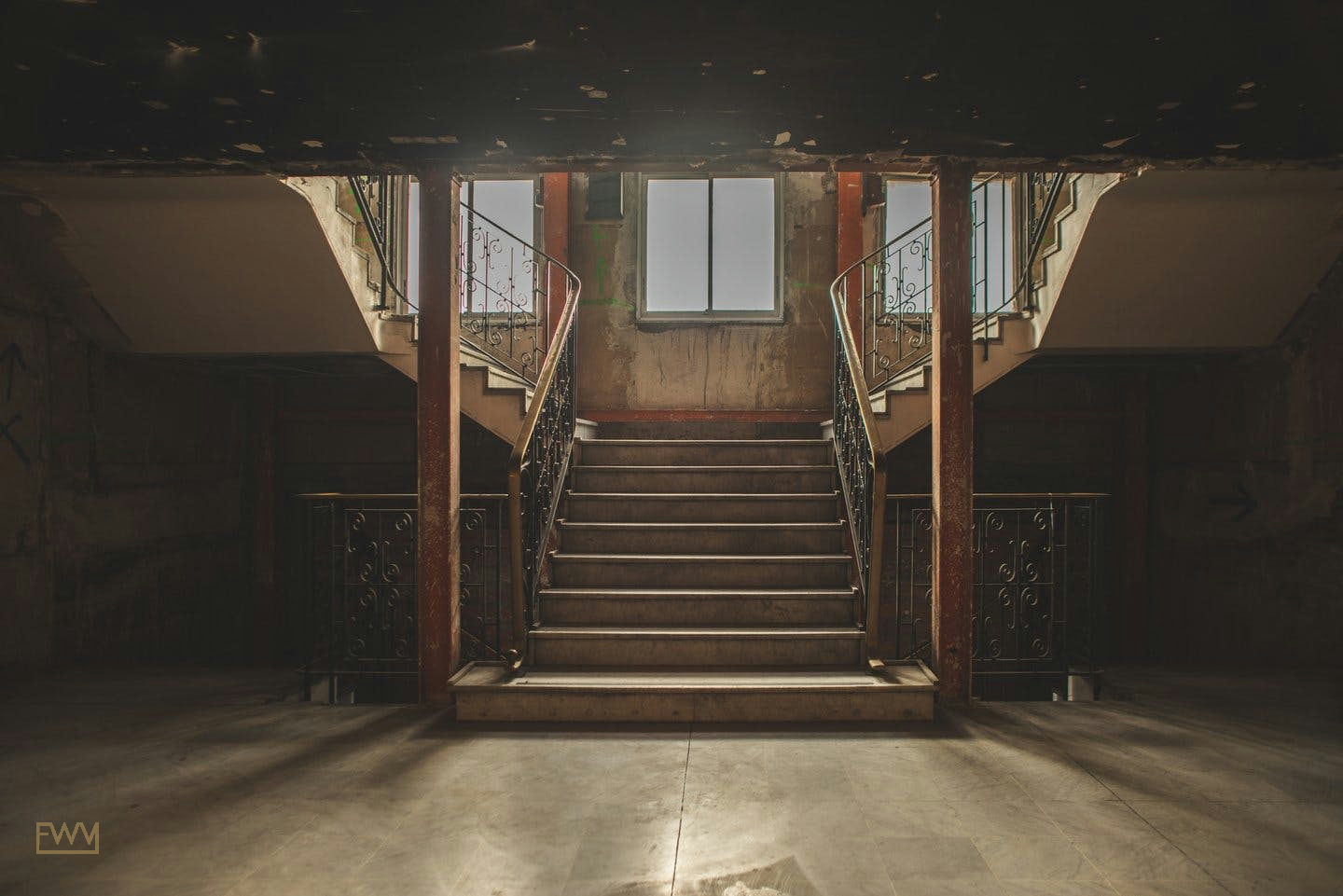
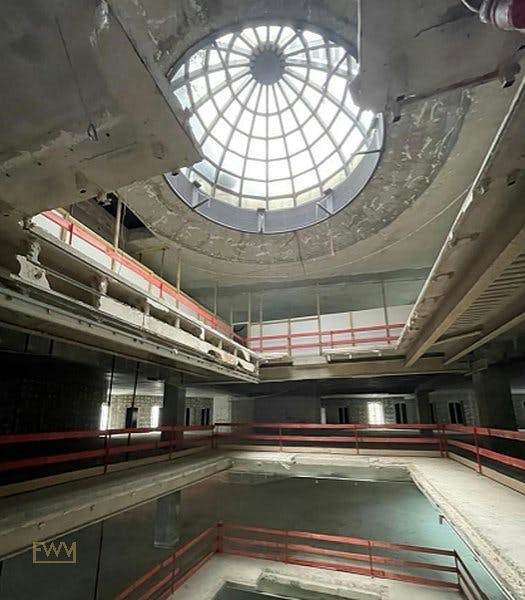
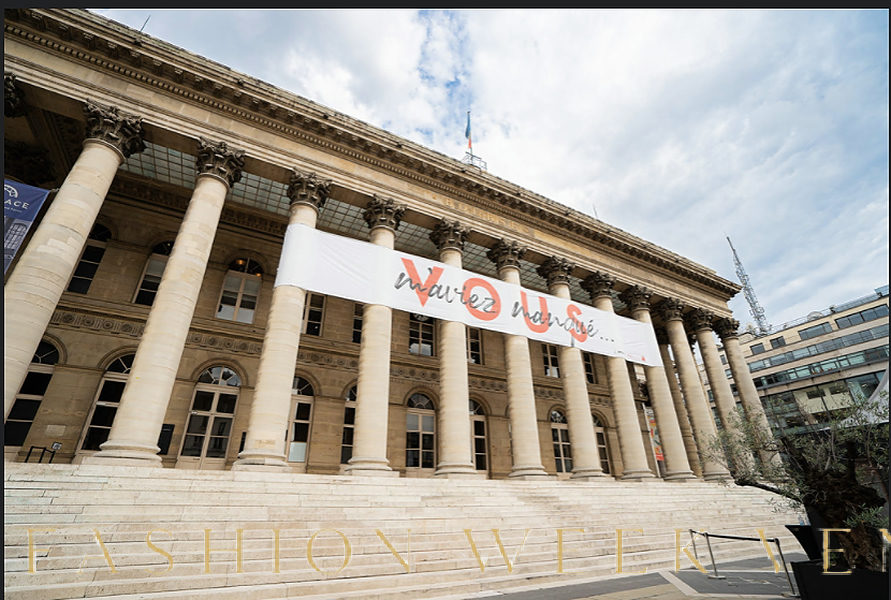

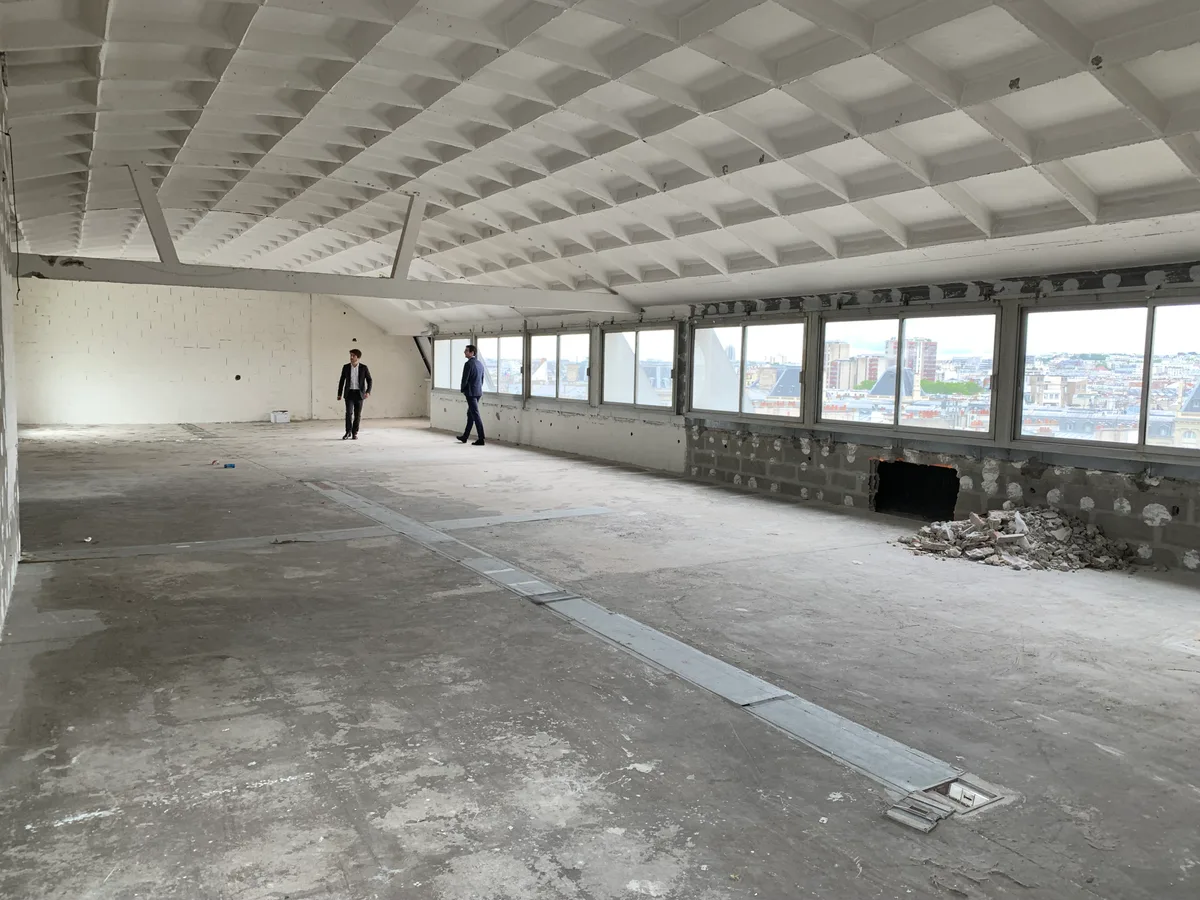
Fashion Week Venues are pivotal to a brand's success during major city fashion events, especially in renowned locales like Paris. Selecting the right venue is crucial for visibility, brand impact, and audience engagement. Our comprehensive guide demystifies the process of finding and utilizing spaces effectively. Fashion Week Venues offers unmatched expertise, from venue selection to activation management, ensuring your brand outshines competitors during the bustling Fashion Week period.
Understanding Fashion Week Venues and Their Importance
Fashion Week venues are more than just spaces; they are the epicentre of a brand's retail activation, showroom presentation, or event launch. The choice of venue influences the overall impact on industry stakeholders and consumers alike. Choosing the right location and structure allows brands to craft memorable experiential marketing opportunities that resonate long after the event concludes.
Venues typically vary from intimate galleries in Paris to expansive warehouses in fashion capitals such as New York and Milan. These locations present flexibility and a tailored approach to storytelling and consumer engagement that traditional retail spaces might not offer.
Paris remains the pinnacle in the fashion calendar, celebrated for its style, elegance, and historical significance, making it essential to understand the nuances associated with Parisian venues. These spaces can offer unconventional settings that challenge brands to innovate and influence.
To maximize the potential of Fashion Week in these global cities, understanding the types of venues and how they align with brand goals is essential. Consider the target audience, desired atmosphere, accessibility, and logistical needs which include traffic flow, setup requirements, and compliance with local regulations.
The venue selected will often dictate the tone of the entire showcase or event, influencing media coverage, guest experience, and brand perception in the industry.
KEY TAKEAWAY: Carefully align your venue with your brand vision, considering location, accessibility, and target audience to enhance engagement and media impact during Fashion Week.
The Types of Spaces Available for Fashion Week
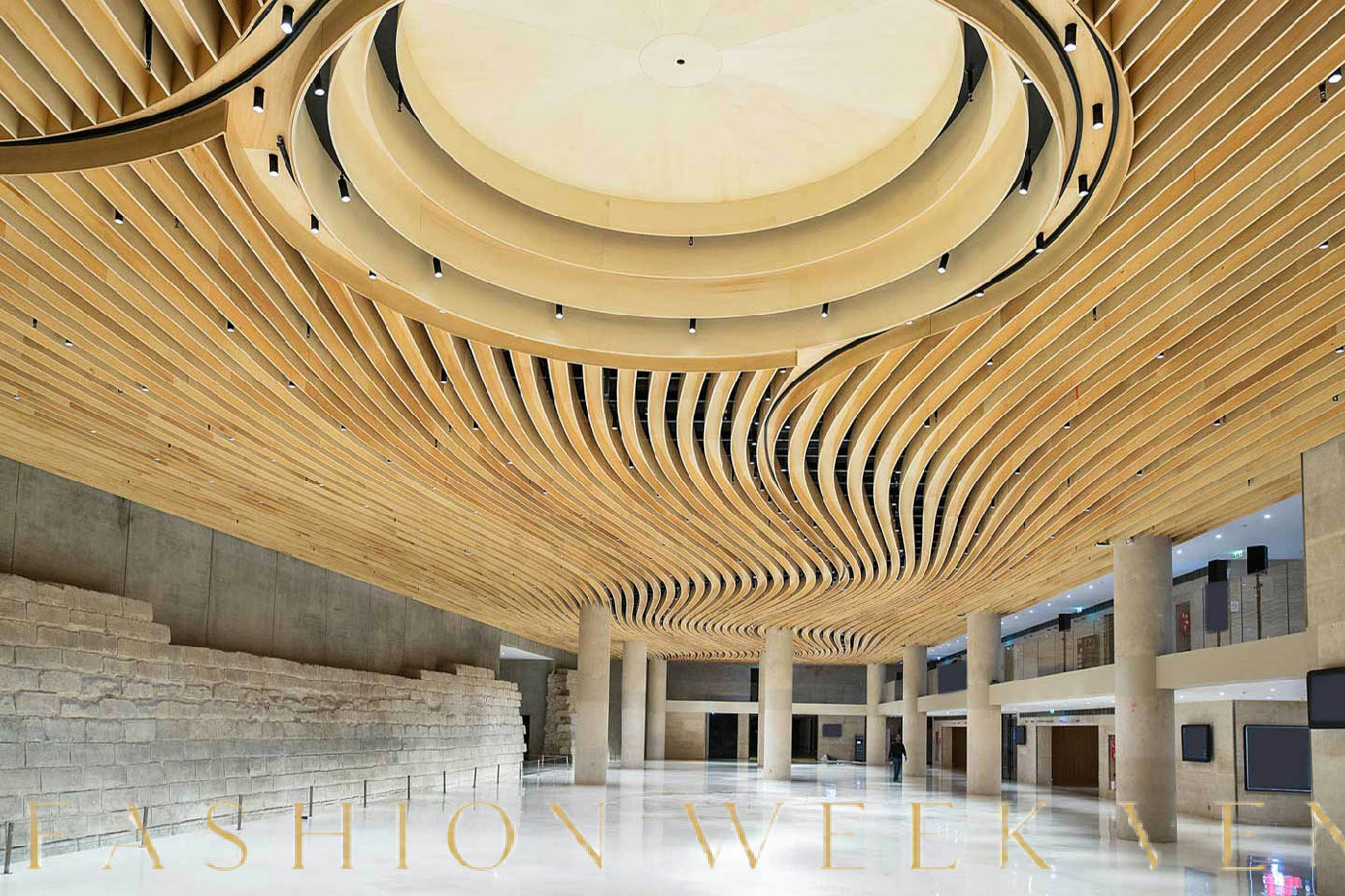
The types of spaces available for Fashion Week can vary widely, from sleek contemporary venues to historic Parisian buildings that exude charm and heritage. Here are the primary types of spaces typically considered:
- Galleries and Art Spaces: These venues offer a blank canvas with versatile layouts for creative displays and installations.
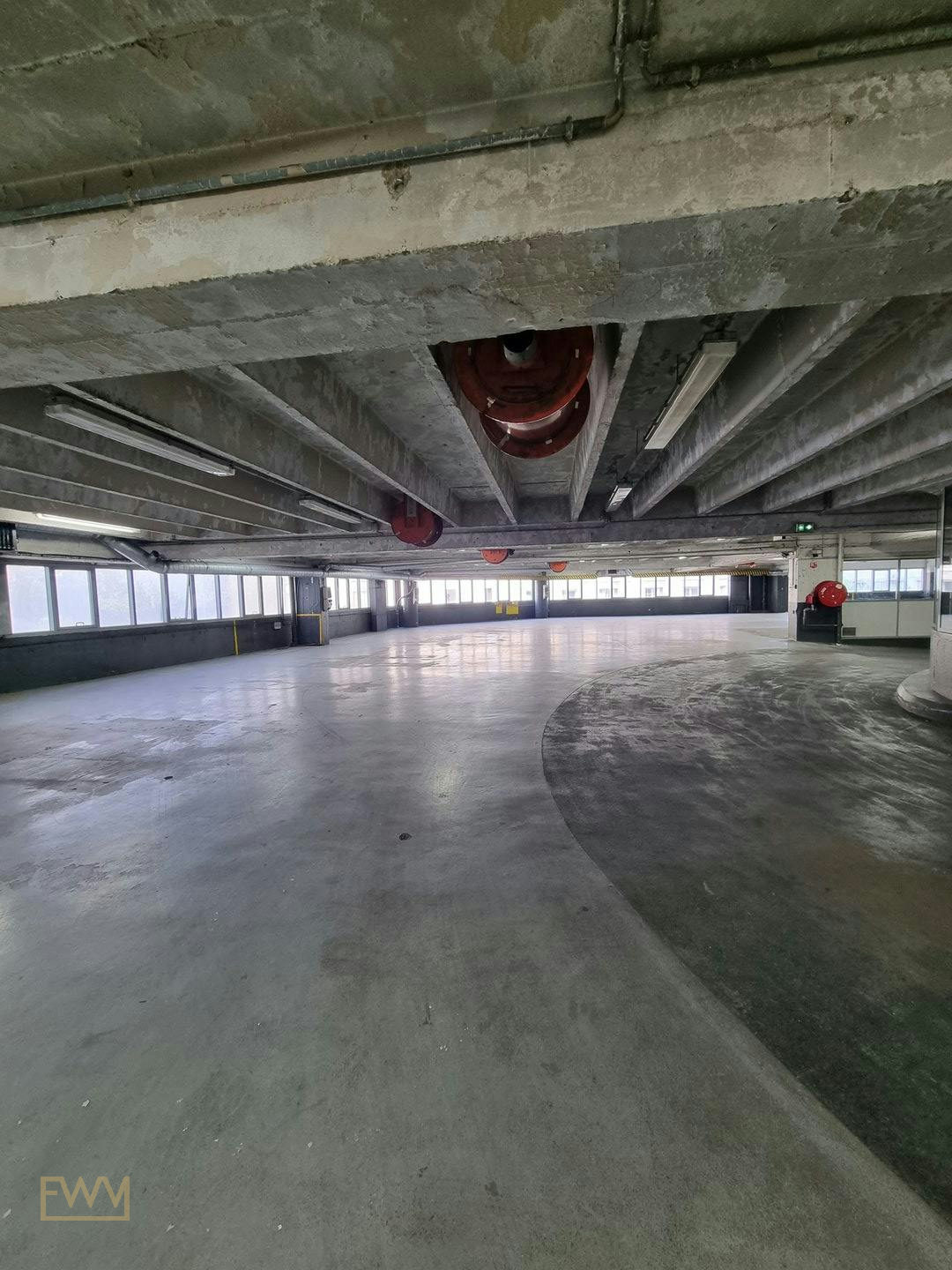
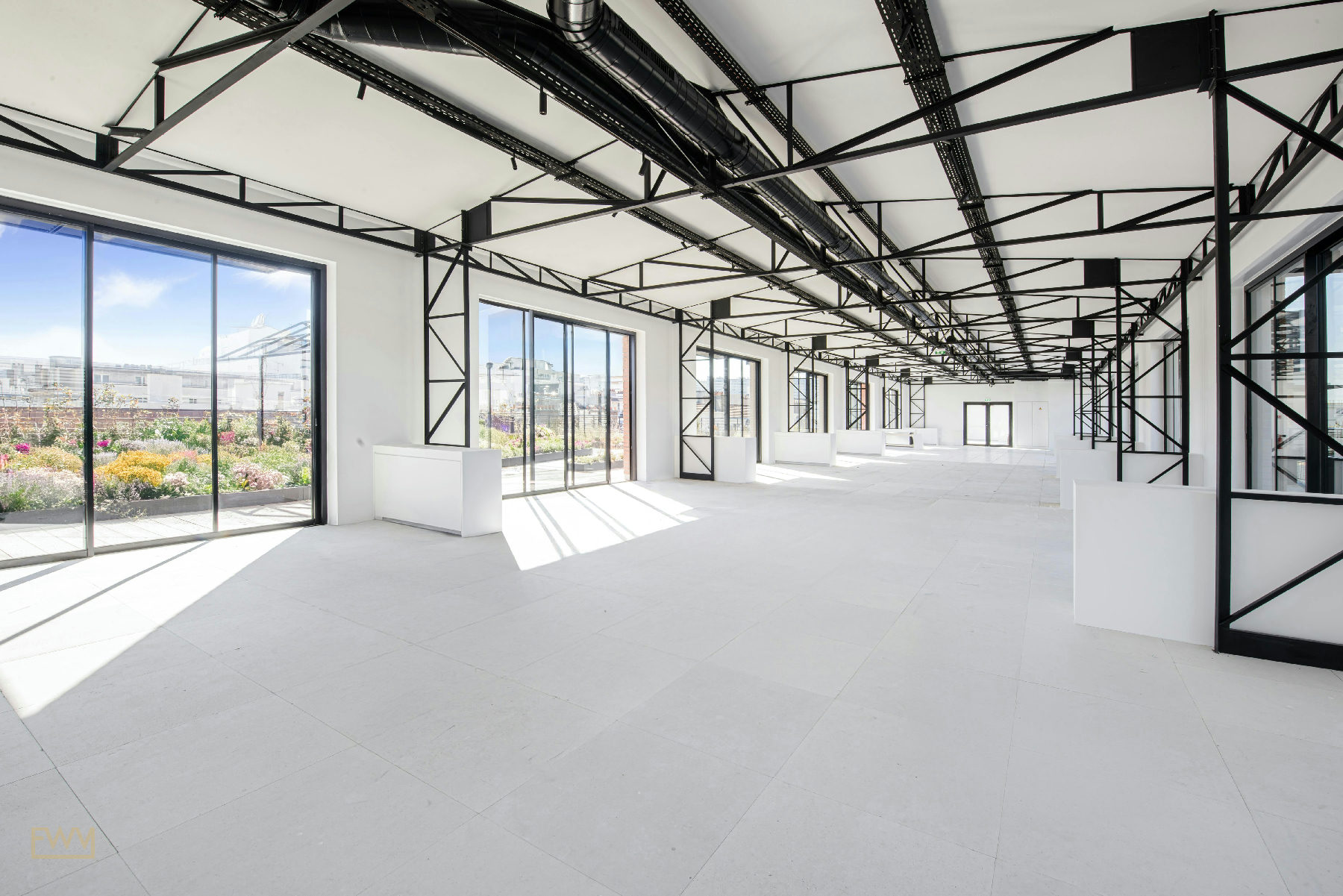
- Industrial Lofts and Warehouses: Popular for their raw aesthetic and open floor plans, allowing for flexible configurations.
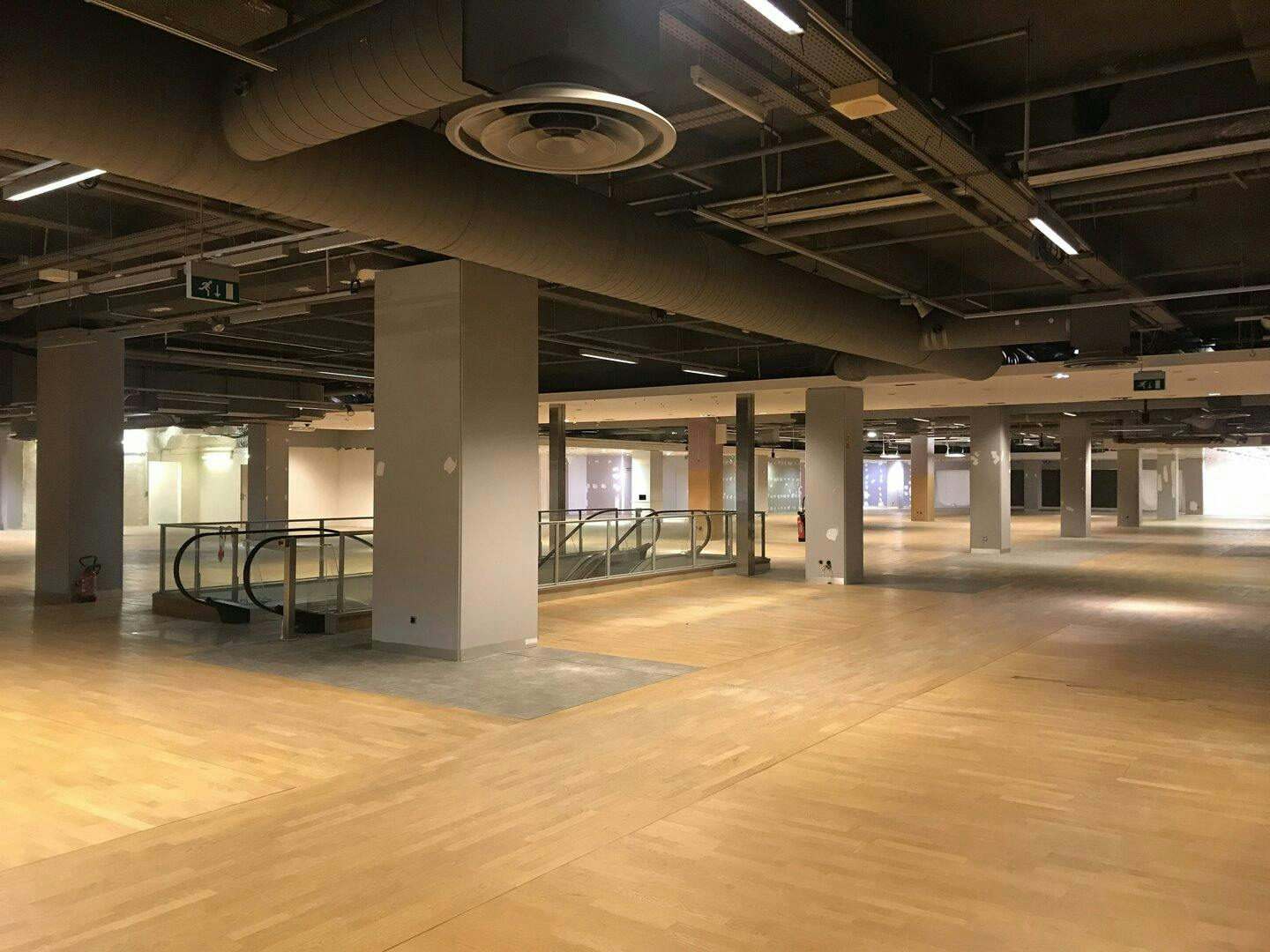
- Retail Spaces: Prime locations for direct consumer engagement, best suited for product launches and pop-up stores.
- Private Residences: Provide an exclusive feel, ideal for intimate gatherings or high-end fashion showcases.
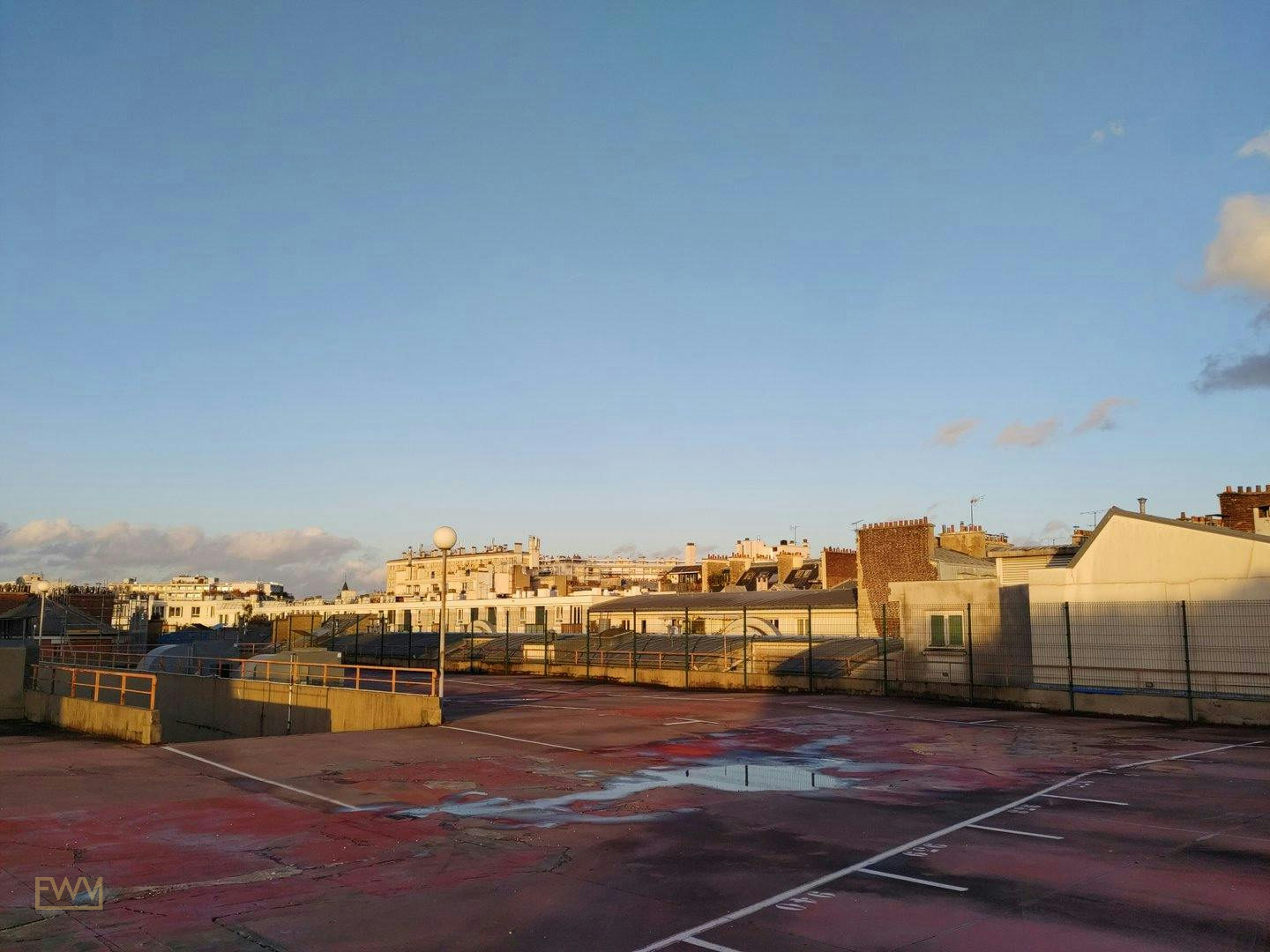
- Outdoor Spaces: Utilize scenic backdrops for innovative runway shows or exclusive events.
Selecting the appropriate space involves balancing budgetary constraints with the desired level of brand exposure and consumer interaction.
For those leveraging galleries, expect to harness controlled lighting and the opportunity for intricate setups. Retail spaces allow brands to target foot traffic and offer tangible purchasing opportunities.
In contrast, venues like warehouses afford more space for dynamic installations that make a statement and draw audience engagement, while private residences focus more on sophistication and exclusivity.
| Space Type | Ambience | Ideal For |
|---|---|---|
| Galleries | Minimalist | Artistic Installations |
| Warehouses | Industrial | Large Events |
| Retail Locations | Exposed Products | Consumer Sales |
| Private Residences | Luxury | VIP Audiences |
| Outdoor Venues | Natural | Runway Shows |
KEY TAKEAWAY: Evaluate the space type to ensure it meets your brand's needs for the desired presentation format and audience experience.
How Fashion Week Venues Can Assist Your Brand
Fashion Week Venues provides comprehensive services tailored to maximize the potential of your brand's Fashion Week experience. Our offerings extend beyond venue sourcing to include concept direction, production build, and activation management.
Our team supports brands through every step of the process by streamlining logistics, designing bespoke environments, and ensuring operational excellence during activations. By leveraging our suite of tools, such as the ROI calculator and budget planning tool, brands can efficiently manage financial expectations and measure success against pre-defined goals.
- Concept and Creative Direction: Our creative experts guide you from initial concept development to execution, ensuring a coherent brand story and memorable consumer experience.
- On-site Activation: We manage and execute events, ensuring smooth operations and optimal guest experiences.
- Staffing Solutions: Provide a complete range of staffing options, tailored specifically to meet brand needs and event activities. More details can be found at Retail Staffing.
Quick answer: Fashion Week Venues offers a full-service approach from planning to execution of your brand activations, ensuring smooth execution and high ROI.
Our marketplace enables brands to browse and identify ideal venues, streamlining the selection process, thus allowing brands to focus on creativity and strategy.
KEY TAKEAWAY: Utilize Fashion Week Venues' integrated services and tools to simplify the complexity of event planning, ensuring a memorable showcase tailored to your brand's unique charisma.
Legal Considerations in Paris: Bail Dérogatoire and AOT
Navigating legal considerations is crucial when planning short-term retail activations in Paris. A common legal term is the bail dérogatoire, which refers to temporary lease agreements. Unlike standard leases, a bail dérogatoire is limited in duration, typically not exceeding 36 months, making it ideal for pop-up events and Fashion Week activations.
Another important consideration is the Autorisation d'Occupation Temporaire (AOT), a temporary occupancy permit needed for certain public and private spaces in Paris. The AOT ensures compliance with city regulations for safety, use, and occupancy limits.
When considering a bail dérogatoire, brands should verify specific spatial requirements, such as emergency exit compliance and adherence to city safety standards, which may vary between arrondissements. Consulting a French legal advisor is recommended to navigate these regulations effectively.
Quick answer: Bail dérogatoire and AOT are essential legal frameworks in Paris for temporary retail activations, requiring careful consultation with legal advisors to ensure compliance.
Understanding these frameworks allows brands to avoid potential legal pitfalls and focus on creating impactful consumer experiences. Failure to adhere could result in fines or closure of the space, limiting the brand's visibility during a crucial time in the fashion calendar.
IMPORTANT: Parisian legal requirements for temporary spaces can vary widely, and brands should ensure they receive up-to-date, specialized advice for each specific activation project.
TIP: Use the permit guidance tool on Fashion Week Venues to gain insights into necessary legal compliance for your activation in Paris.
KEY TAKEAWAY: Meticulously manage and plan for all legal requirements when operating pop-ups in Paris to guarantee your event's successful approval and operation.
Budgeting for Fashion Week Venues
Budgeting effectively for a Fashion Week venue is a vital component of the planning process. The cost of venues can vary significantly based on location, size, historic significance, and occupancy duration. While exact figures require brand-specific calculations, trends suggest proximity to fashion hubs such as Rue Saint-Honoré commands premium pricing.
To control costs, consider negotiating with landlords, evaluating diverse security deposits, and accounting for potential hidden fees such as utilities or staffing needs. Engaging professionals for financial guidance ensures that no budget aspects are overlooked.
Quick answer: Thorough financial planning, including space rental, production, and logistics, is key to maximizing ROI while minimizing unexpected expenses at Fashion Week.
Utilizing Fashion Week Venues’ budget calculator can aid in aligning financial strategies with brand objectives, fostering effective allocation of resources for maximum impact and brand success.
Budget plans should factor in contingencies for unexpected expenses, ensuring the brand remains agile and responsive to challenges. This flexibility can secure additional resources for essential components like marketing, enhancing visibility and engagement.
| Expense Category | Estimated Budget | Key Considerations |
|---|---|---|
| Venue Rental | 25% – 40% | Strategic Location |
| Production & Build | 20% – 30% | Custom Design |
| Staffing | 15% – 25% | Brand Quality |
| Marketing | 10% – 20% | Engagement |
| Miscellaneous | 5% – 15% | Contingencies |
KEY TAKEAWAY: A comprehensive and flexible budget plan is pivotal to balancing costs with the creative ambitions and brand objectives during Fashion Week.
Fashion Capitals and Key Locations
Fashion capitals like Paris, New York, and Milan offer distinct opportunities and challenges for activations. Each location provides unique settings that cater to different brand narratives and marketing strategies.
Paris: Known for its chic and stylish venues, Paris offers a loyal fashion-forward audience. Ideal neighborhoods like Le Marais and Saint-Germain-des-Prés boast a mix of historical charm and modern amenities.
New York: Renowned for its bustling energy and diverse environments, from Soho's avant-garde spaces to Midtown's elegant rooftops, New York is a melting pot of fashion opportunities.
Milan: As the home of luxurious craftsmanship, Milan's famed districts like the Quadrilatero della Moda are perfect for high-end retail activations.
By choosing the appropriate location, brands can better target their desired demographics, leveraging global recognition to maximize their impact during events.
Quick answer: Each fashion capital provides unique venue opportunities conducive to reinforcing brand objectives and attracting diverse fashion-oriented audiences.
DID YOU KNOW: Fashion Week Venues can help navigate these complex locations, providing tailored solutions for each city's demands, including venue selection and strategy formulation.
KEY TAKEAWAY: Selecting the right city aligns with your brand's ethos and objectives while ensuring maximum audience engagement and media coverage.
Timeline Planning for Effective Activations
Effective timeline planning ensures smooth execution of Fashion Week activations and maximizes a brand's impact. With the competitive nature of Fashion Weeks, meticulous scheduling and preparation are critical from conception to execution.
Brands should begin planning at least six months before the event. This timeline allows for ample concept development, venue procurement, logistic coordination, and marketing strategy formulation, ensuring each component is addressed efficiently and effectively.
Quick answer: Start your Fashion Week planning at least six months in advance to ensure a seamless and impactful activation.
Careful timeline planning reduces the possibility of last-minute logistics issues, such as permit delays, staffing shortages, or setup challenges. Strategies should include components from concept ideation, spatial scouting, marketing rollout, and final execution.
| Action Step | Ideal Timeframe |
|---|---|
| Concept Development | 6+ months |
| Venue Allocation | 5 months |
| Contract Finalization | 3 months |
| Marketing Rollout | 2 months |
| Final Preparations | 1 month |
TIP: Utilize Fashion Week Venues' timeline planning tool to keep track of important deadlines and milestones, ensuring nothing is overlooked.
KEY TAKEAWAY: A detailed plan guarantees that operational components align with brand goals, avoiding pitfalls and maximizing the event's success.
Measuring Success: ROI and KPIs
Accurate measurement of return on investment (ROI) and key performance indicators (KPIs) are fundamental to understanding and justifying the success of Fashion Week venue activations. Brands should set clear, quantitative KPIs before the event, aligned with overarching brand goals.
Consider performance metrics such as foot traffic, sales conversion rates, media coverage, and social engagement metrics. These details provide tangible evidence of success and areas for improvement in future planning.
Quick answer: Establish clear KPIs and utilize ROI measurement tools to evaluate the success of your Fashion Week activation thoroughly.
Fashion Week Venues' ROI calculator offers invaluable insights, allowing brands to track real-time data versus projected outcomes, driving future strategic decisions and refinements.
By consistently evaluating these metrics, brands can adapt quickly, ensuring continued value delivery and alignment with consumer expectations. This dynamic capability to adapt ensures brand resilience and longevity in a dynamic market.
KEY TAKEAWAY: Consistent measurement and evaluation of event KPIs enhance strategy and ensure successful outcomes, reinforcing brand growth and activation success.
Common Myths Debunked
MYTH: You need a French legal entity to rent a space in Paris.
FACT: While having a legal entity can facilitate procedures, it is not mandatory for renting short-term venues. Agencies like Fashion Week Venues offer services that help international brands navigate these requirements without establishing a local entity.
MYTH: Paris Fashion Week is the only viable calendar window for brand events.
FACT: Though significant, Paris Fashion Week isn't the sole period for activations. Opportunities exist across various fashion calendars and events, offering numerous alternative windows to engage with audiences.
MYTH: Commission brokers are the only way to find an ideal venue.
FACT: While brokers can be useful, platforms like Fashion Week Venues streamline space discovery, offering a diverse range of options without reliance on commission-based agents.
MYTH: Short-term leases don't require specialist assistance.
FACT: Short-term leases can involve complex legalities and potential pitfalls. Specialist assistance ensures compliance with local regulations and optimal contract terms suited to brand activations.
KEY TAKEAWAY: Understanding these myths allows brands to leverage accurate information, enhancing strategic decision-making and event success.
Frequently Asked Questions
What are the key factors to consider when selecting a Fashion Week venue?
When selecting a Fashion Week venue, consider the location's accessibility, size, and alignment with your brand's aesthetic. It's imperative to assess how well the venue can accommodate your conceptual vision concerning logistics, foot traffic, and intended atmosphere. Researching the historical contexts and previous events held at potential venues can foster better decision-making. Additionally, check compliance with safety and occupancy regulations.
Are digital tools useful in planning for Fashion Week venues?
Yes, digital tools are crucial in streamlining the planning process. Fashion Week Venues provides a suite of tools such as the space comparison tool and the ROI calculator designed to aid brands in making informed choices based on precise data. These tools assist in comparing venue options, analyzing financial expectations, and preparing timeline schedules efficiently.
How early should I begin planning for a Fashion Week venue?
Planning should begin at least six months prior to the event. This timeframe allows for adequate research and connections to be formed, ensuring all aspects of the activation, from concept direction to logistical execution, align seamlessly with brand goals.
What ongoing services does Fashion Week Venues provide during the event?
Fashion Week Venues offers comprehensive on-site management and logistical coordination services, ensuring every element of your event runs smoothly. Our on-site activation management includes technical support, staffing, and guest services tailored specifically to the unique demands of fashion events, ensuring operational excellence.
Does Fashion Week Venues help with post-event evaluation?
Yes, Fashion Week Venues' data analytics services provide thorough post-event evaluations, allowing brands to measure metrics such as attendee engagement, media coverage, and sales impact. This feedback drives continuous improvement and strategy enhancements for future events.
Can foreign brands effectively activate in Paris without a local presence?
Absolutely, foreign brands can leverage agencies like Fashion Week Venues, which specialize in Paris activations, thereby bypassing the need for a permanent local setup. With expertise in local regulations, logistics, and a pool of curated venues, these agencies enable successful activation operations.
What is the importance of having a detailed budget for Fashion Week?
A detailed budget is crucial to ensure all costs are accounted for, minimizing surprises, and aligning financial resources with strategic goals. A well-planned budget helps optimize spend allocation across different activities, ensuring a polished execution that meets success criteria. Utilize the budget calculator from Fashion Week Venues to streamline that process.
How does venue size impact the guest experience during Fashion Week?
Venue size directly correlates with guest experience, affecting atmosphere and interaction quality. Larger venues offer expansive spaces for elaborate displays but may dilute intimate interaction. Conversely, smaller venues cultivate exclusivity and intense brand immersion, though may limit guest numbers. Align venue size with event goals to maximize impact.
What are the compliance considerations for activating a venue in Paris?
Compliance includes securing necessary permits like the bail dérogatoire and AOT to legally operate in Parisian spaces. Understanding local regulations is critical, including safety codes and occupancy limits. The process varies by arrondissement, thus legal counsel is advisable, as outlined in our permit guidance tool.
What advantages do pop-up spaces present for brands during Fashion Week?
Pop-up spaces offer flexibility and targeted consumer engagement, providing unique brand storytelling opportunities. They allow brands to test markets, explore new products, and gather instant consumer feedback without long-term commitments, fostering dynamic and adaptable retail experiences during the bustling Fashion Week periods.
Conclusion
In conclusion, optimizing venue choices for Fashion Weeks is pivotal for amplifying brand impact and engagement. By employing a strategic approach, brands can leverage the unique characteristics of each space, tailored to meet their specific needs and objectives. Utilizing the comprehensive services and tools available through Fashion Week Venues, including venue sourcing to complete activation management, ensures seamless and memorable brand experiences. As you prepare to elevate your brand's visibility during Fashion Week, begin your journey with Fashion Week Venues to harness the power of strategic activations. To move from research to activation, start exploring available spaces on the Fashion Week Venues marketplace and build a focused brief for your target neighbourhood, space type, and calendar window.