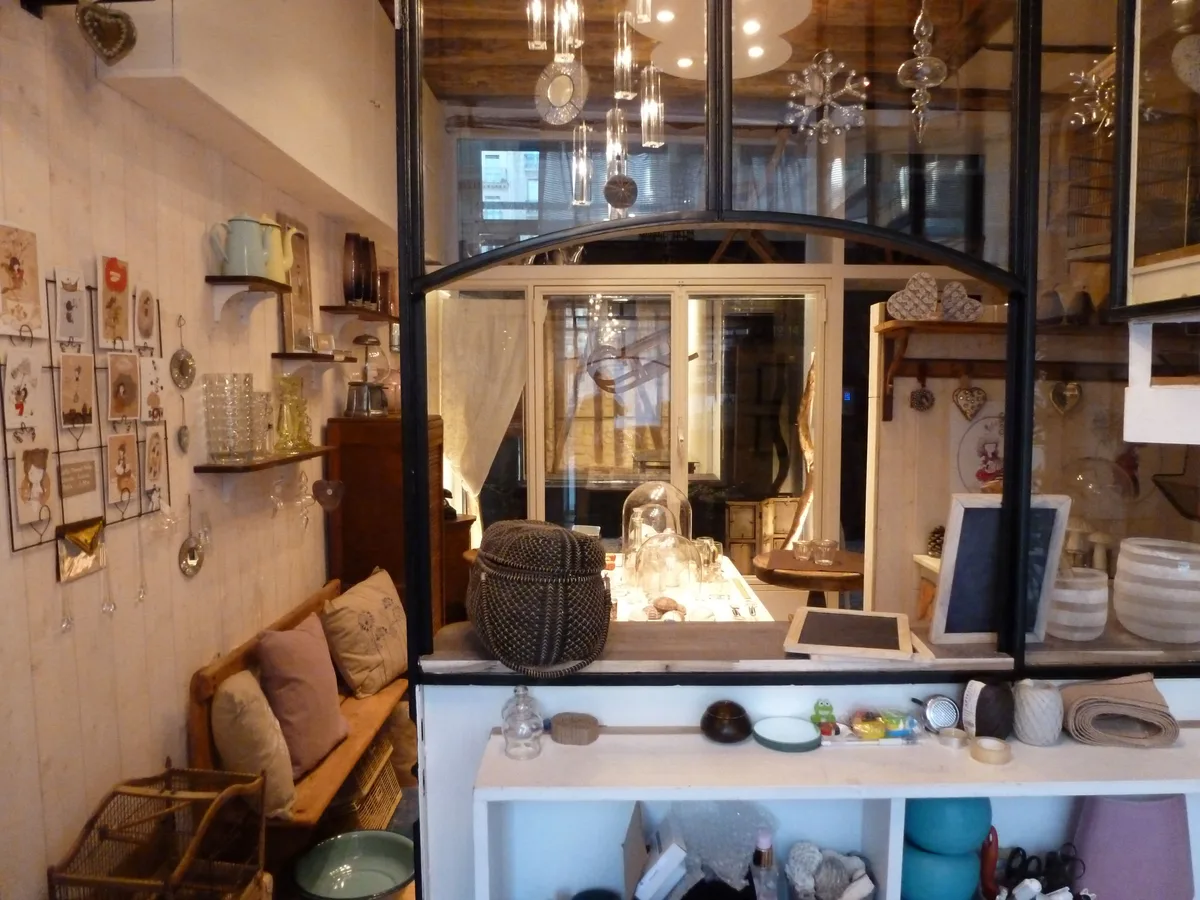
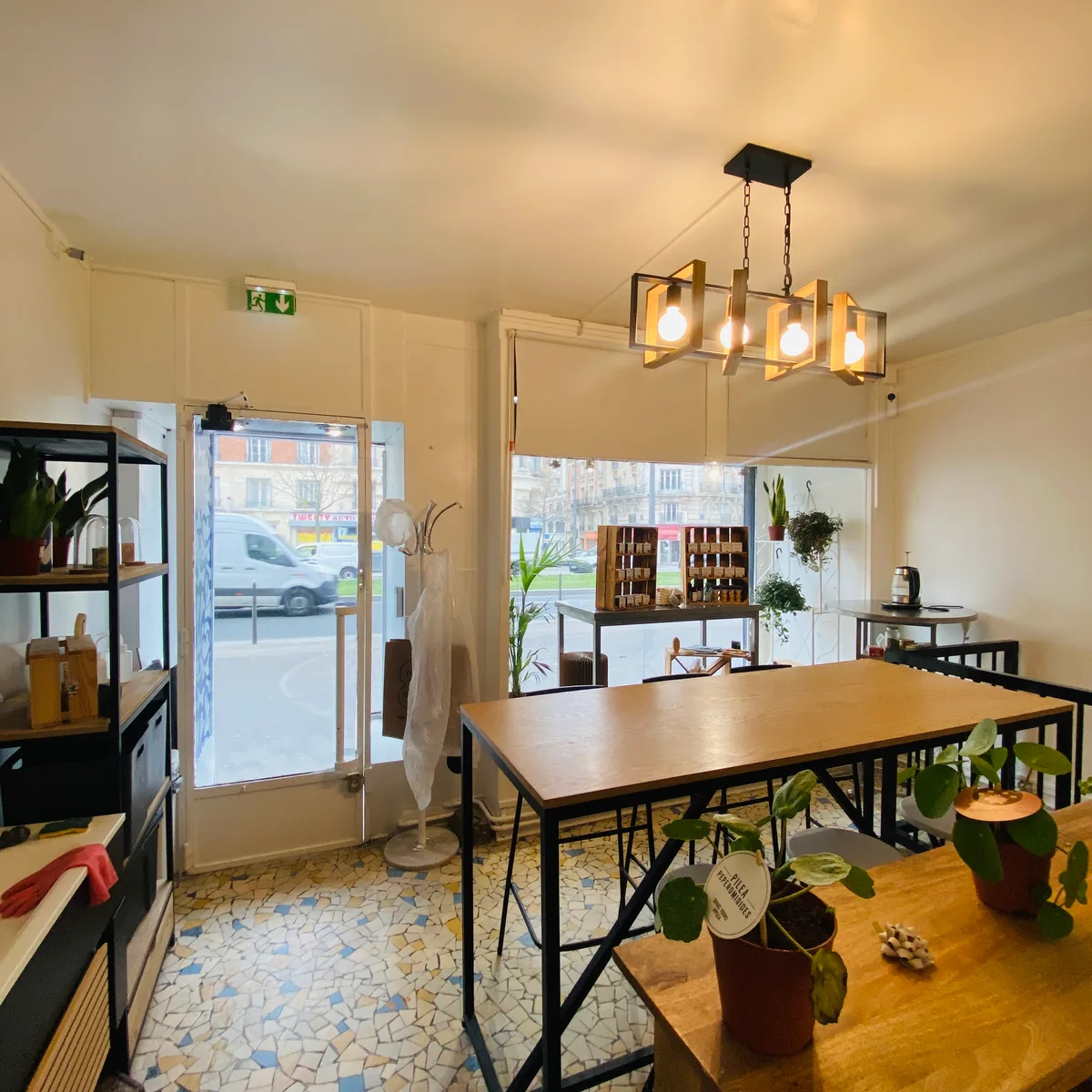
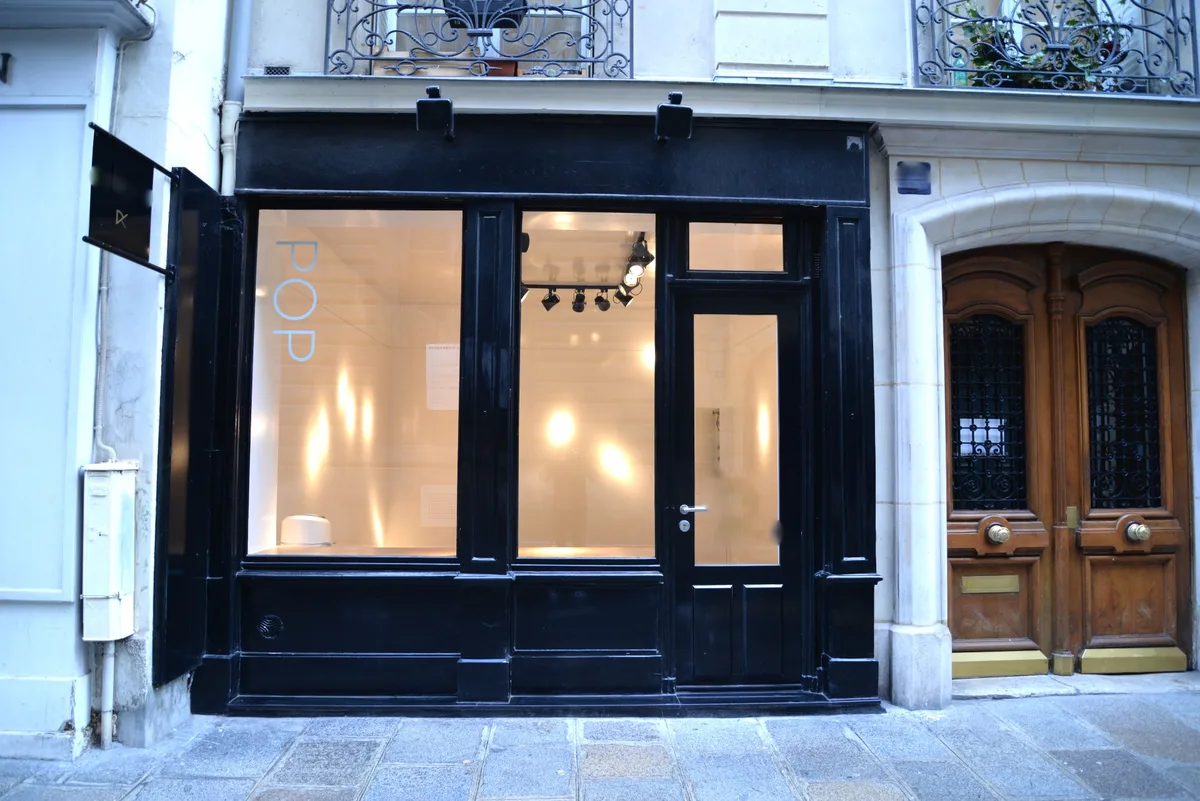
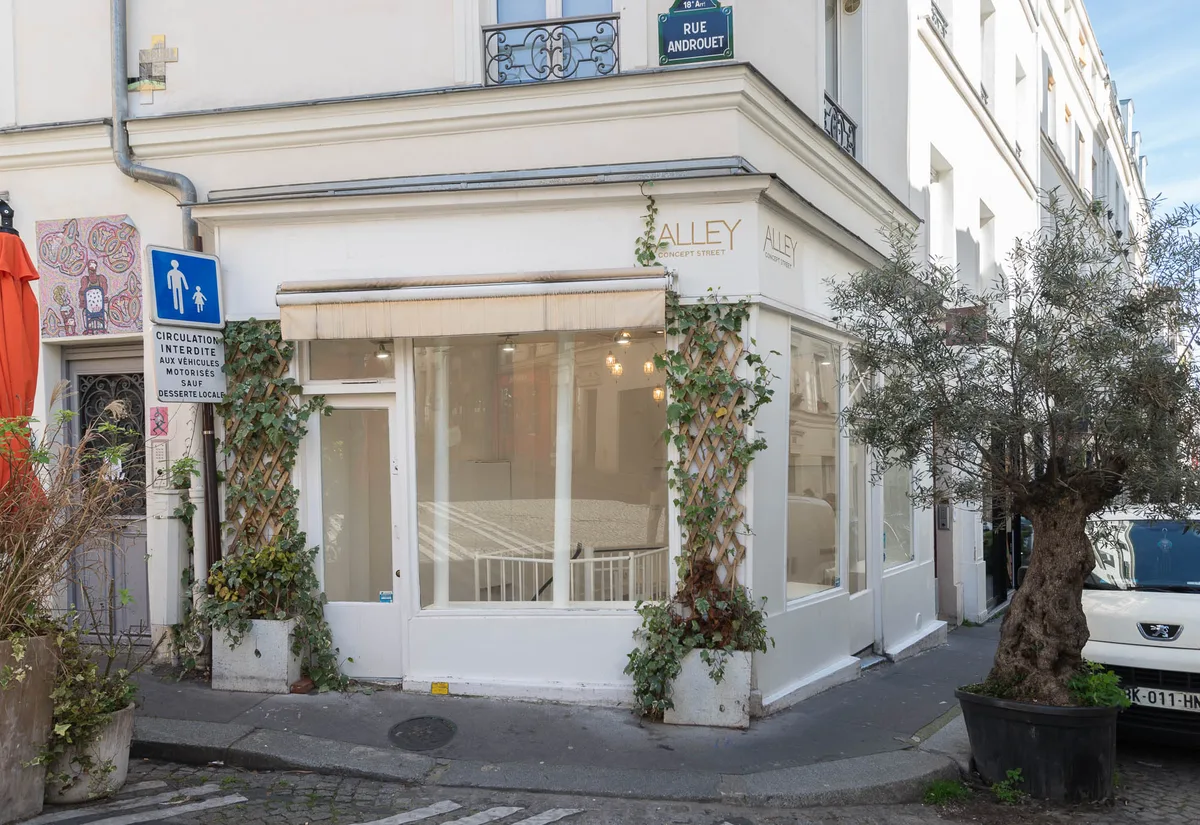
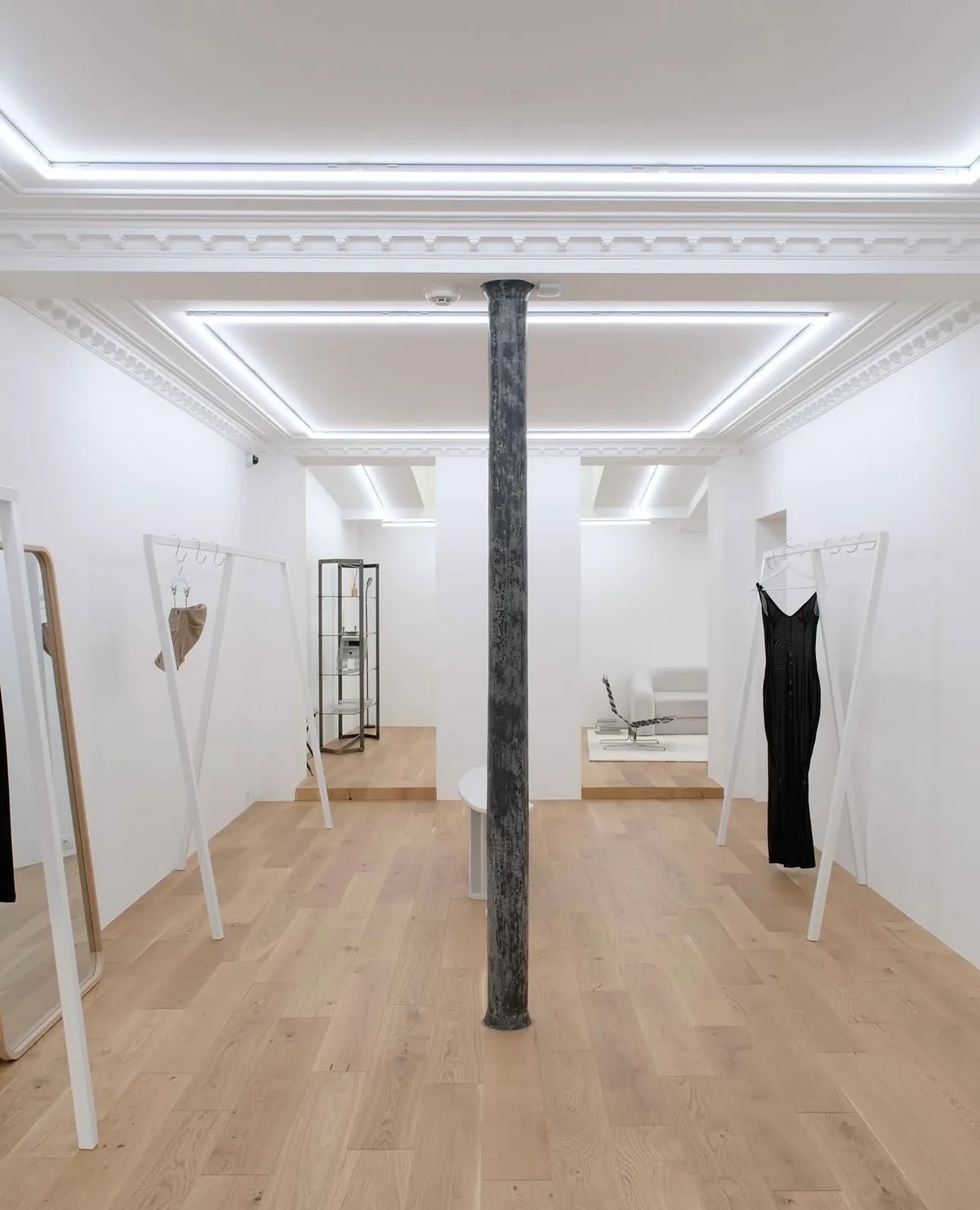
Fashion Week venues play a critical role in the grand tapestry of global fashion events, especially in a style metropolis like Paris. As the need for unique and flexible spaces grows, brands are turning to specialized agencies such as Fashion Week Venues to find the perfect pop-up spaces, showrooms, and event venues that align with their brand ethos. This guide delves into the nuances of selecting and navigating these venues, offering expert insights into permit processes, space types, budgeting, and the vibrant districts that house these pivotal spaces.
Understanding Fashion Week Venues
Fashion Week venues are vital components of the fashion industry's exhibition dynamics. These venues offer brands unique platforms to showcase collections and engage directly with customers and press. In cities like Paris, which is synonymous with haute couture, the selection of a venue is not just about space; it's about aligning with the city's style and heritage.
Quick answer: Fashion Week venues are specialized spaces rented for short-term use during fashion weeks, enabling brands to display their collections in an immersive environment.
The choice of a venue significantly impacts a brand's perceived image, making it essential to select a space that reflects the brand's identity and appeals to its target audience. Depending on the brand's objectives—whether launching a collection, engaging with media, or retailing directly to consumers—different venues offer varied benefits.
Venues range from historic mansions in the Marais to modern galleries in St. Germain, each with its own atmosphere and logistical advantages. For instance, brands targeting high-end clients may prefer spaces near Place Vendôme, renowned for luxurious fashion houses.
DID YOU KNOW: The Paris Fashion Week alone generates approximately €400 million in economic impact for the city, underlining the significance of venue selection in this fashion capital.
However, choosing a venue is not simply a matter of preference. It also involves understanding legal requirements such as bail dérogatoire permits, ensuring compliance with local regulations, and aligning the event timeline with the fashion calendar.
KEY TAKEAWAY: Selecting the right Fashion Week venue is a nuanced process involving branding, logistics, and compliance considerations.
This stage-setting knowledge about Fashion Week venues segues into understanding the types of spaces available and their unique offerings.
Types of Fashion Week Spaces
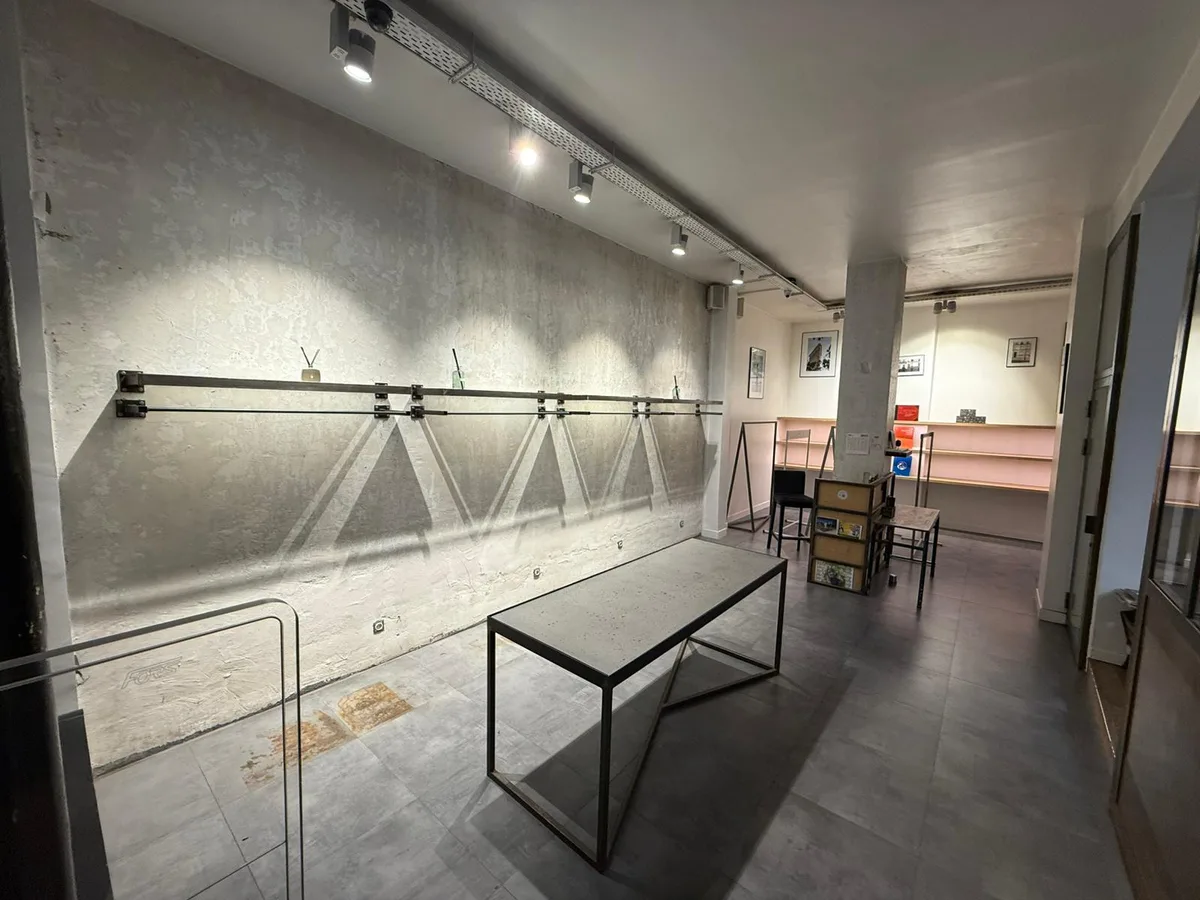
The choice of space for a Fashion Week event can make or break the impact it has on attendees. These spaces vary widely, from traditional showrooms to pop-up shops and large-scale event venues, each catering to different aspects of a brand's needs.
Quick answer: Fashion Week spaces encompass showrooms, pop-up shops, and event venues, each offering distinct advantages tailored to specific brand goals.
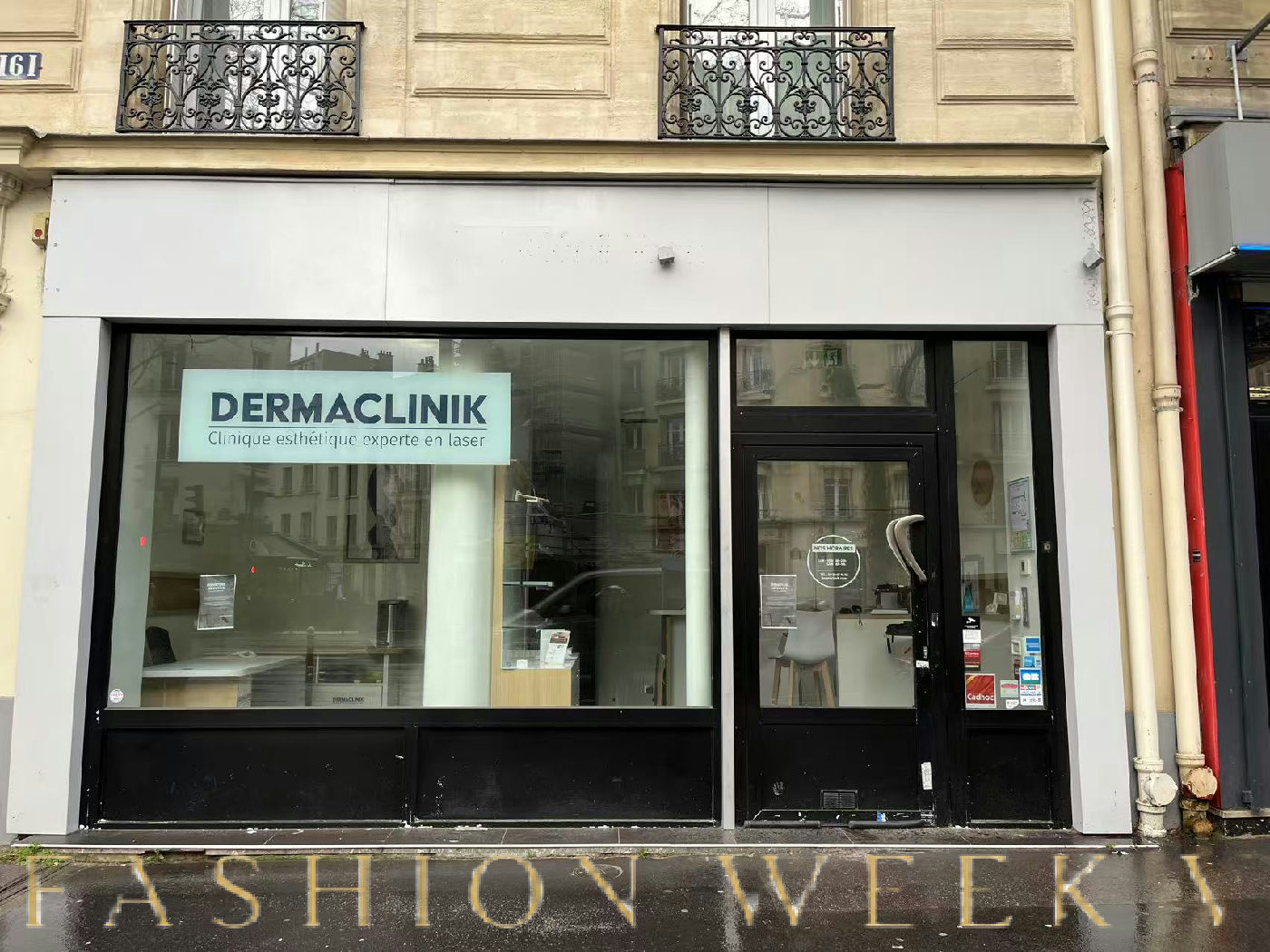
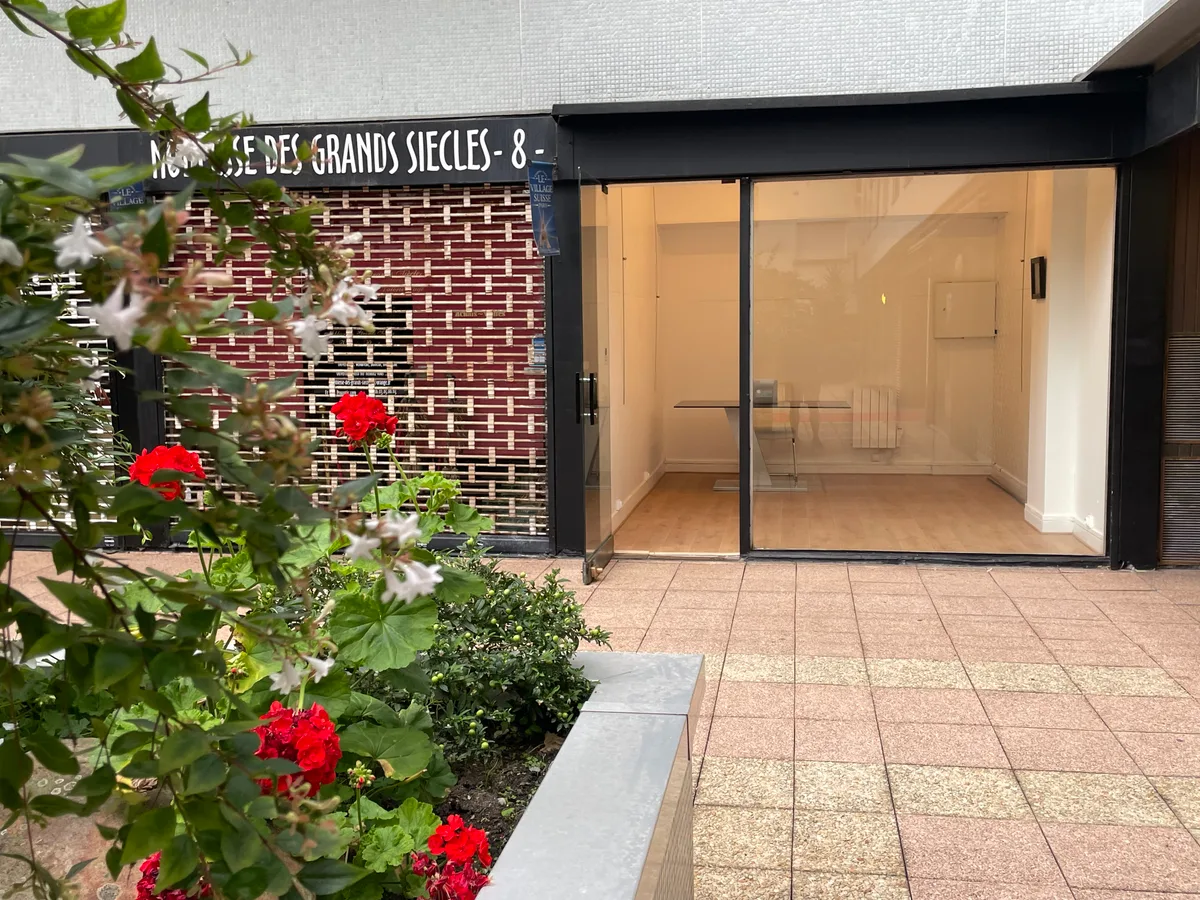
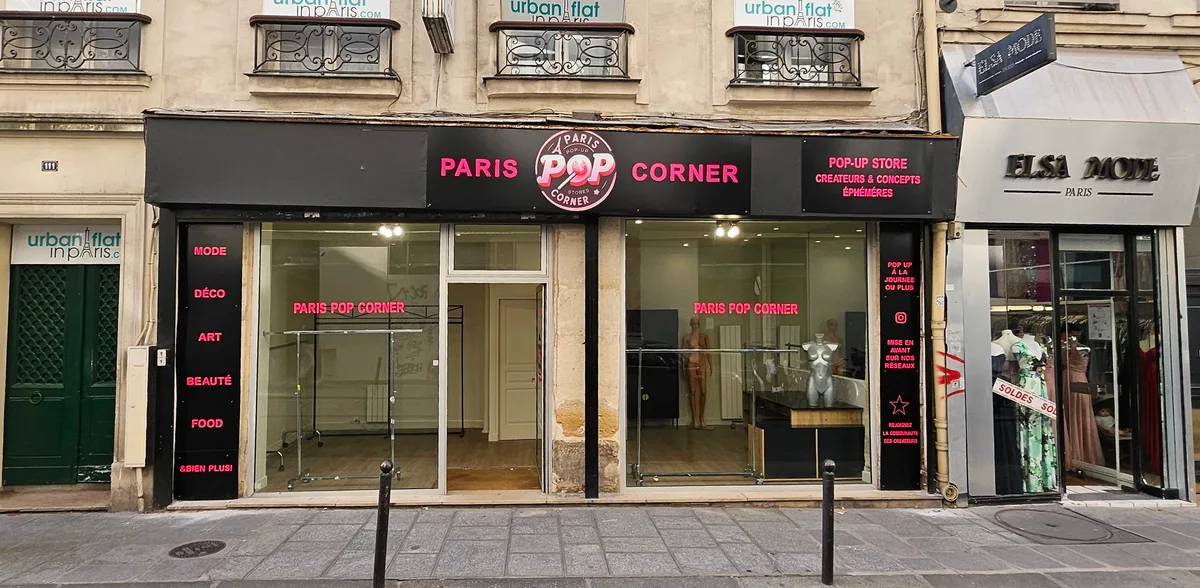
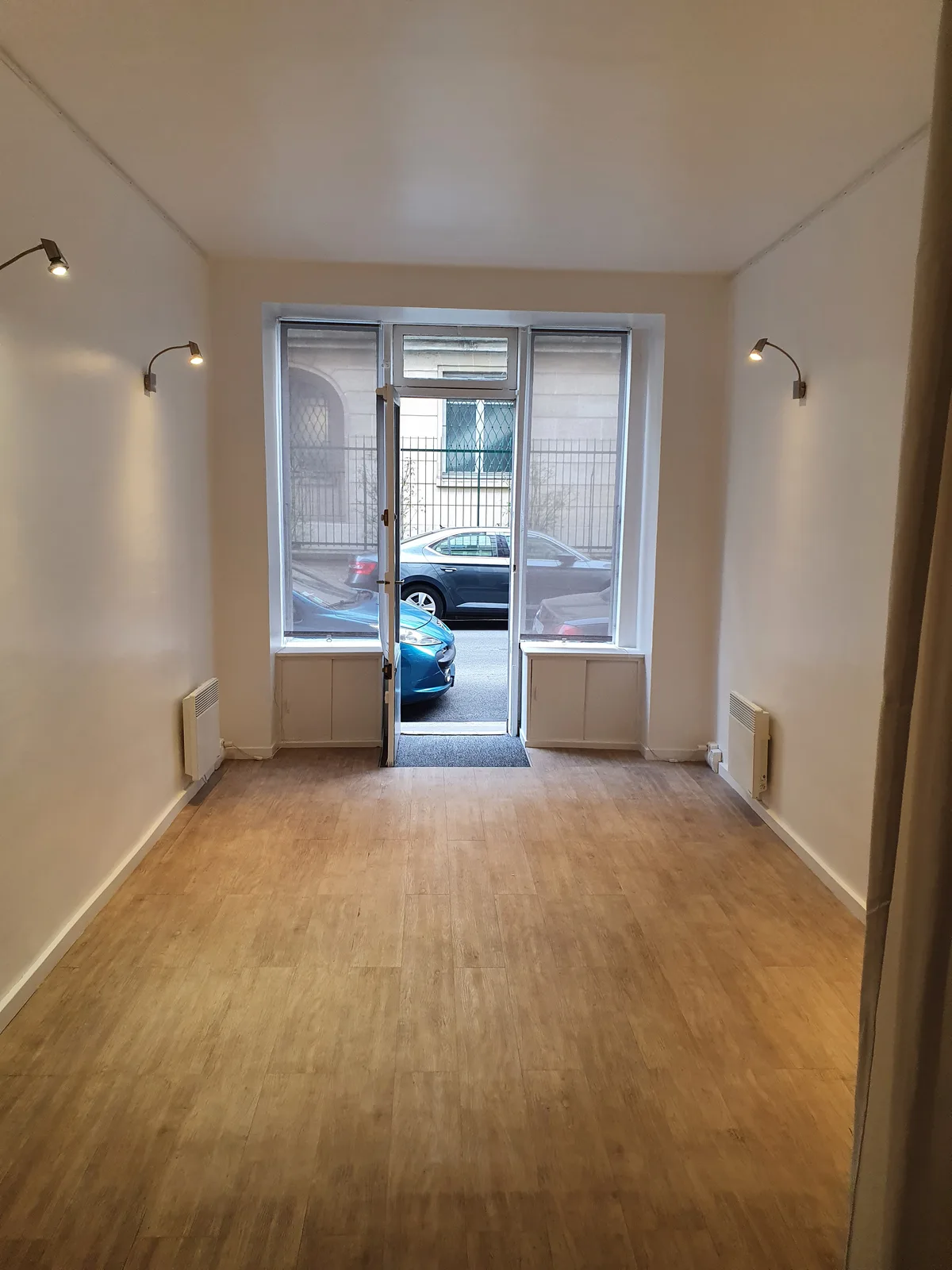
Showrooms provide an intimate setting ideal for displaying collections in a way that feels personal and exclusive. Typically located in bustling fashion districts, they grant brands the ability to create focused, immersive spaces that highlight craftsmanship and detail. Pop-up shops, on the other hand, offer flexibility and the chance to engage directly with consumers. These temporary retail spaces allow brands to experiment with new markets or concepts at a much lower commitment level than permanent stores.
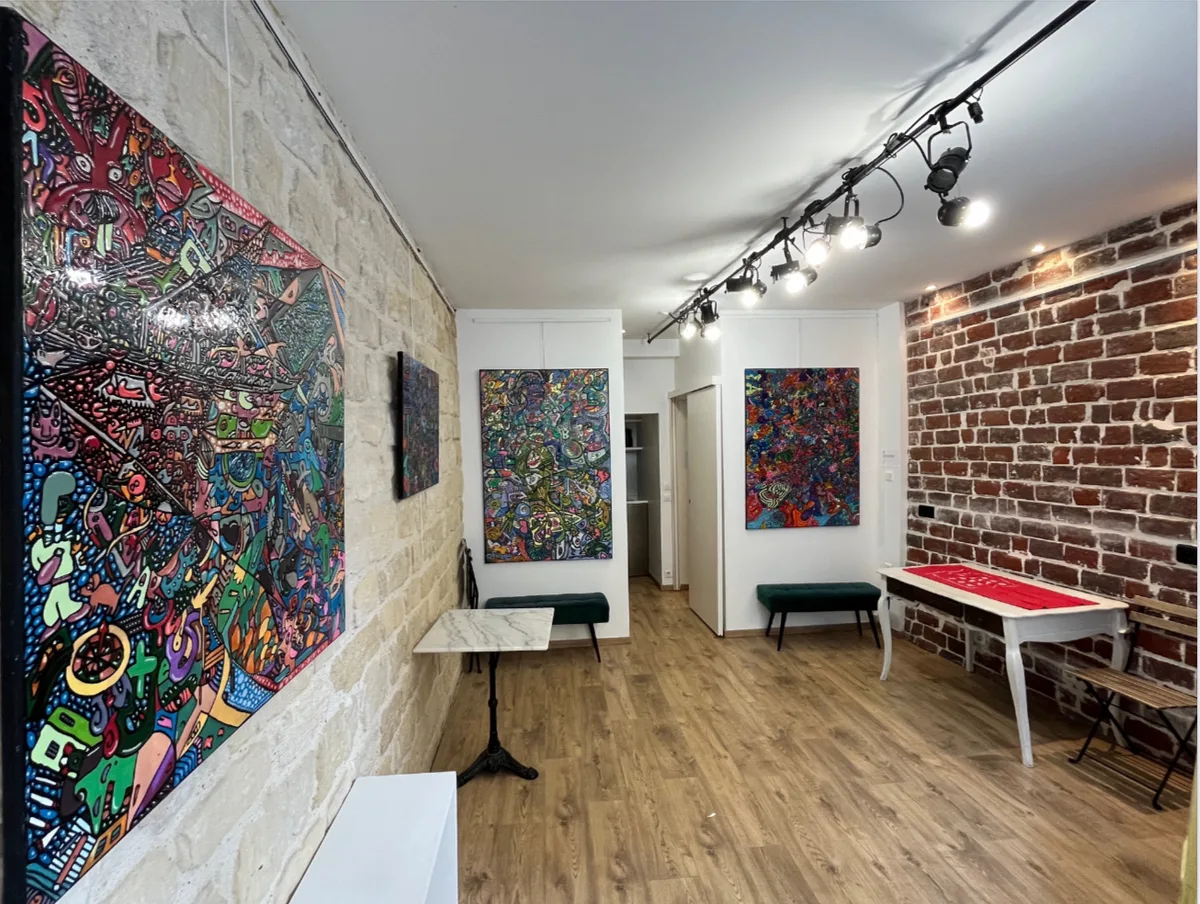
For larger audiences, event venues such as hotel ballrooms or art galleries offer the capacity to host significant numbers, perfect for runway shows or media events. The choice of a venue thus depends largely on the intended size of the audience and the type of interaction a brand wishes to have with its guests.
| Space Type | Ideal Use | Key Locations |
|---|---|---|
| Showroom | Collection display, media events | Le Marais, St. Germain |
| Pop-up Shop | Direct customer engagement | Canal Saint-Martin, Opéra |
| Event Venue | Runway shows, large audiences | Palais de Tokyo, Place Vendôme |
TIP: When exploring spaces, use tools like Fashion Week Venues' space comparison tool to assess venue suitability according to size, type, and location.
KEY TAKEAWAY: Choosing the right space type depends on the brand's goals, whether focusing on consumer engagement, media interaction, or large-scale presentations.
Next, we'll delve into how timing aligns with these venue selections within fashion week calendars.
Aligning Venue Choice with Fashion Week Calendars
The fashion week calendar is the backbone of planning any successful event. Knowing the timing of when to hold a show or activation can influence the reach and impact of a brand's presentation.
Quick answer: Aligning venue choice with the fashion week calendar ensures maximum audience reach and media engagement, optimizing brand visibility.
Each city hosting a Fashion Week has distinct periods across spring and fall where fashion aficionados, media, and buyers converge to view new collections. In Paris, slots are highly competitive, with designers vying for venues that offer optimal exposure during key moments of the schedule.
Choosing a venue linked to specific dates in the fashion calendar can affect everything from foot traffic in pop-up shops to media coverage at shows. For instance, securing a showroom for Paris Fashion Week in March ensures exposure during a time when international attention is at its peak.
Additionally, brands often face challenges in aligning logistics and creative direction timed perfectly with fashion week schedules. As fashion industry activities peak, so does competition for prime locations. Thus, advanced planning and flexibility are crucial.
Consideration must also be given to the themes of collections and the story a brand wishes to convey. This allows seamless integration into the broader narrative of Fashion Week. Fashion Week Venues’ concept direction service can help brands align their creative vision with the timing of their chosen events.
KEY TAKEAWAY: Successful alignment of venue choice and fashion week calendar optimizes brand visibility and engagement.
Understanding the timing leads us to consider the budgetary aspects involved in venue selection.
Budgeting for Fashion Week Venues
Budgeting for a Fashion Week venue is a crucial step in the planning process, as costs can fluctuate based on a variety of factors including location, size, and length of the lease. Accurate budgeting ensures resources are allocated effectively, maximizing the opportunity for return on investment.
Quick answer: Accurate budgeting for Fashion Week venues involves considering location, size, and extras such as permits and staffing, with tools available to estimate costs effectively.
Typically, renowned districts like Rue Saint-Honoré or areas around the Palais de Tokyo come with premium pricing due to their prestige and high footfall. Meanwhile, emerging districts like Canal Saint-Martin may offer more competitive rates while still attracting a trendy crowd.
| Location | Estimated Budget Range* | Primary Audience |
|---|---|---|
| Rue Saint-Honoré | €10,000 - €50,000 | Luxury, high-end |
| Palais de Tokyo | €7,000 - €30,000 | Media, influencers |
| Canal Saint-Martin | €3,000 - €15,000 | Trendy, urban |
*Indicative budgets only. Use the budget calculator for precise estimates.
When estimating budget, brands should consider not only the base price of the venue but also additional costs such as permits, transportation, furniture rentals, and staffing. Parisian venues, for instance, often require short-term leases known as bail dérogatoire. This type of lease can add complexities and potential costs to the budgeting process.
TIP: Utilize tools like the ROI calculator to project the financial impact of your venue selection.
KEY TAKEAWAY: A carefully planned budget incorporating all potential costs can enhance the success of an event and ensure financial viability.
Following budgeting, we proceed to the logistical needs of these unique spaces.
Logistics of Managing Fashion Week Venues
Handling logistics for Fashion Week venues requires strategic planning to ensure seamless operations. From set-up to tear-down, each phase must be meticulously organized to maintain brand integrity and event success.
Quick answer: Effective logistics management in Fashion Week venues involves coordinated pre-event planning, on-site operations management, and post-event teardown processes.
The complexity of logistics varies significantly across different types of events. For pop-up stores, logistics involve inventory management, POS setup, and customer service staffing. For shows, audio-visual needs, runway construction, seating arrangements, and backstage management take precedence.
TIP: Employing a dedicated event manager or logistics coordinator can minimize disruptions and handle last-minute changes efficiently.
Fashion Week Venues provides comprehensive activation management services that cover everything from initial planning phases to the execution of logistics, ensuring smooth transitions between event components. Additionally, our tools like the timeline planning tool assist in organizing all logistical elements according to critical deadlines.
Another critical aspect of logistics is the need for compliance with local regulations. Securing necessary permits such as the AOT (Autorisation d’Occupation Temporaire), especially for larger and outdoor events, is non-negotiable and can impact timelines and budgets if neglected.
KEY TAKEAWAY: Efficient logistics management is crucial for executing successful Fashion Week events, from planning stages through to breakdown.
Comprehending logistics prepares us to tackle the complex issue of permits and legal compliance.
The Complexity of Permits and Legal Compliance
Navigating the legal landscape of Fashion Week venues in Paris involves understanding the nuances of permits and local regulations. The requirements can vary based on the location, duration, and nature of the event.
Quick answer: Achieving permit compliance for Fashion Week venues involves understanding bail dérogatoire versus standard leasing laws and acquiring necessary permits responsibly.
The two primary types of permits involved are the bail dérogatoire and the AOT permit. The bail dérogatoire allows brands to rent commercial spaces for less than three years, crucial for pop-ups and short-term events. However, negotiating these permits often requires a local expert versed in French real estate laws.
IMPORTANT: Always verify permit applications with a French legal advisor to ensure full compliance and avoid costly mistakes.
Meanwhile, AOT permits pertain to temporary occupation of public spaces and must be coordinated with municipal authorities. These permits ensure that public safety and space use regulations are adhered to, reflecting the strategic importance of having compliance foresight.
| Permit Type | Use Case | Regulatory Body |
|---|---|---|
| Bail Dérogatoire | Short-term commercial leases | Private Lease Agreements |
| AOT | Temporary public space use | Ville de Paris |
Fashion Week Venues offers access to a permits tool, designed to help brands navigate the intricacies of obtaining these permits efficiently.
KEY TAKEAWAY: Properly managed permits ensure legal compliance and smooth execution of Fashion Week events.
With legal complexities out of the way, let's see how Fashion Week Venues optimizes the whole process for brands.
How Fashion Week Venues Supports Brand Success
Fashion Week Venues plays an instrumental role in streamlining the process of venue selection and event management for brands aiming to make a mark during Fashion Week. Offering a suite of services and tools, it simplifies complex procedures and enhances brand experience at every interaction point.
Quick answer: Fashion Week Venues enhances brand success through comprehensive services such as venue sourcing, activation management, and strategic tools aiding efficient planning.
Our venue sourcing service takes the guesswork out of finding the perfect location, backed by a deep understanding of market trends and district-specific requirements. Once a venue is chosen, Fashion Week Venues assists in every phase of the event lifecycle—from production builds such as set design and installation to staffing solutions that ensure your team is well-prepared for customer interactions.
Moreover, brands can utilize our suite of tools like the timeline and locator tools to efficiently plan their event logistics within tight timeframes and budgets.
Our experience extends to providing strategic insights into experiential marketing and pop-up activations that captivate audiences and enhance brand storytelling, essential in a world increasingly influenced by retail experiences.
KEY TAKEAWAY: Fashion Week Venues offers an all-encompassing service approach, reducing the complexity of hosting events during Fashion Week through strategic support and practical tools.
Having discussed the comprehensive support offered, it's valuable to address common myths and misconceptions about fashion venues.
Common Myths Debunked
MYTH: You must have a French legal entity to rent a space in Paris.
FACT: While it's beneficial for tax and operational reasons, it's not mandatory to have a French legal entity to rent temporary spaces. International brands can work through agencies like Fashion Week Venues, which act as liaisons for negotiations and compliance details.
MYTH: Paris Fashion Week is the only viable calendar window.
FACT: While Paris Fashion Week offers significant media exposure, there are multiple fashion calendar events worldwide where brands can showcase their collections. Utilizing our services, brands can activate any time of year, leveraging other local or international events.
MYTH: Commission brokers are the only way to find a space.
FACT: Online marketplaces like Fashion Week Venues’ space discovery platform provide a wide range of options, reducing dependency on brokers and facilitating direct engagement with venue owners.
MYTH: Short-term leases are legally straightforward without specialist help.
FACT: Although short-term leases sound simple, understanding all legal nuances like bail dérogatoire and compliance requirements demands expert guidance, as errors can lead to legal complications.
Exploring these myths provides clarity, but more questions might arise, addressed in the FAQs.
Frequently Asked Questions
What types of spaces are available for Fashion Week events?
Fashion Week venues range widely, including showrooms for intimate collection displays, large event halls for runway shows, and pop-up shops for direct customer engagement. Each space type offers unique benefits suited to different brand goals and budgets. An online directory such as Fashion Week Venues' marketplace can help you find the best match for your needs.
Do I need a French presence to organize a Fashion Week event in Paris?
Not necessarily. While having a French entity can simplify some aspects of planning, international brands can work with agencies like Fashion Week Venues to handle permits, logistics, and legal compliance. This collaboration allows for effective organization of your event, regardless of your geographical location.
How important is the timing for securing a venue?
Timing is crucial when booking a venue for Fashion Week. Key dates and high-demand periods during fashion weeks can fill up quickly, so early planning and booking are essential. This ensures you secure a prime location that aligns with your brand's calendar and maximizes exposure.
What legal considerations should I be aware of for Paris venues?
For renting venues in Paris, the significance of understanding bail dérogatoire (a type of short-term lease) and AOT (permits for public space use) cannot be overstated. Working with experts familiar with French law is essential in navigating these requirements to avoid potential legal issues.
How can I estimate the cost of a Fashion Week venue?
Venue costs can be estimated based on factors such as location, size, and required duration. For more accurate budgeting, brands should account for additional costs like permits and staffing. Tools like Fashion Week Venues’ budget calculator can provide tailored cost estimates based on specific needs.
Is the fashion week calendar the only time to host an event?
No, while fashion weeks provide maximum media exposure, brands can leverage other significant events and seasons throughout the year to engage with their audience. Utilizing strategic calendar windows and industry events can optimize brand impact outside traditional fashion week periods.
Can I manage logistics myself, or should I hire a coordinator?
While some brands manage logistics internally, hiring a professional coordinator or agency offers expertise in handling complex logistics, from venue setup to compliance and event teardown. Agencies provide the resources needed to execute a seamless event, particularly in unfamiliar territories.
What roles do permits play in hosting a fashion event?
Permits ensure your event operates within legal standards and comply with local regulations. Essential permits like bail dérogatoire and AOT are crucial for securing temporary occupation rights for venues and public spaces. Developing an understanding and acquiring these permits with expert help is vital for event legality.
How can Fashion Week Venues assist in my event planning?
Fashion Week Venues offers extensive services including venue sourcing, production build, concept direction, and event activation management. Our comprehensive tools and experienced team provide end-to-end support, guiding brands through every step from conceptualization to execution, ensuring a successful event.
What are the benefits of choosing pop-up shops over traditional stores?
Pop-up shops offer flexibility and reduced overhead costs compared to traditional stores. They enable brands to test markets, build buzz, and extend their reach without long-term commitments. They are particularly effective during fashion weeks due to short-term leases aligned with event timing.
Does Fashion Week in Paris differ from other cities?
Yes, Paris is woven deeply into the fabric of the fashion world, offering unique prestige that sets it apart from other cities. The city's rich history and iconic fashion houses make Paris Fashion Week particularly significant, attracting a global audience of industry influencers, buyers, and media.
Are there cost-saving measures for hosting a Fashion Week event?
Planning with precision, using a reliable budgeting tool, and selecting venues in emerging neighborhoods can cut costs. Leveraging strategic partnerships, opting for turnkey solutions, and scheduling during less competitive seasons offer additional ways to manage expenses without sacrificing quality and impact.
Conclusion
Fashion Week venues are fundamental to a successful brand presentation during global fashion events. Understanding the complexities of space selection, timing alignment with the fashion calendar, budgeting, logistics, and permit compliance can significantly impact brand success. Fashion Week Venues stand as a partner in navigating these complexities, offering comprehensive services and strategic tools tailored to the precise needs of brands entering the vibrant fashion landscapes of cities like Paris. For those ready to launch into the world of pop-up spaces and short-term activations, begin browsing available spaces on the Fashion Week Venues marketplace to build a targeted brief that aligns with your brand vision and strategic goals. This proactive approach paves the way for impactful brand experiences and elevated industry presence.