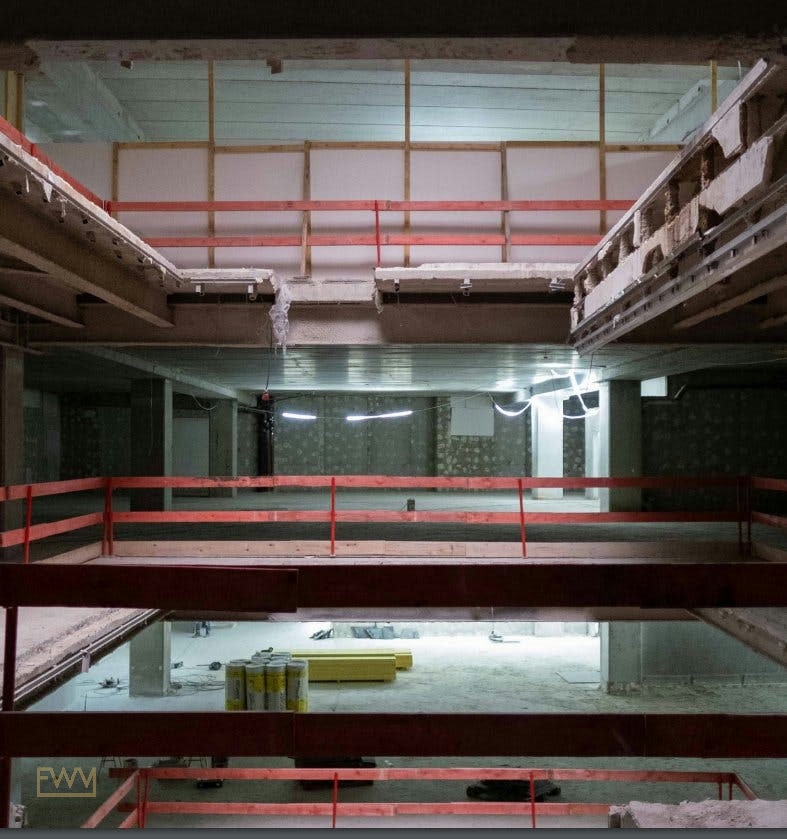
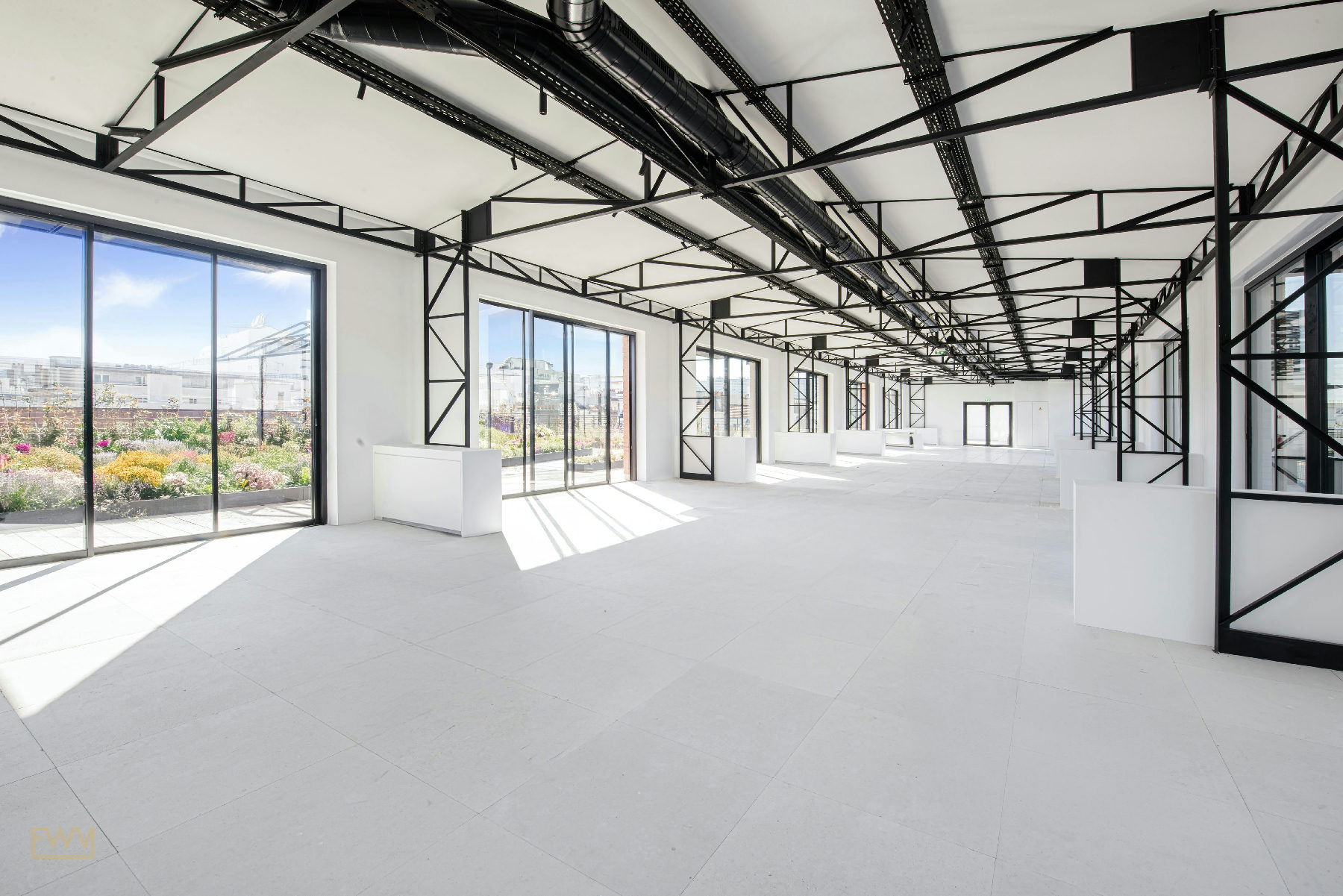
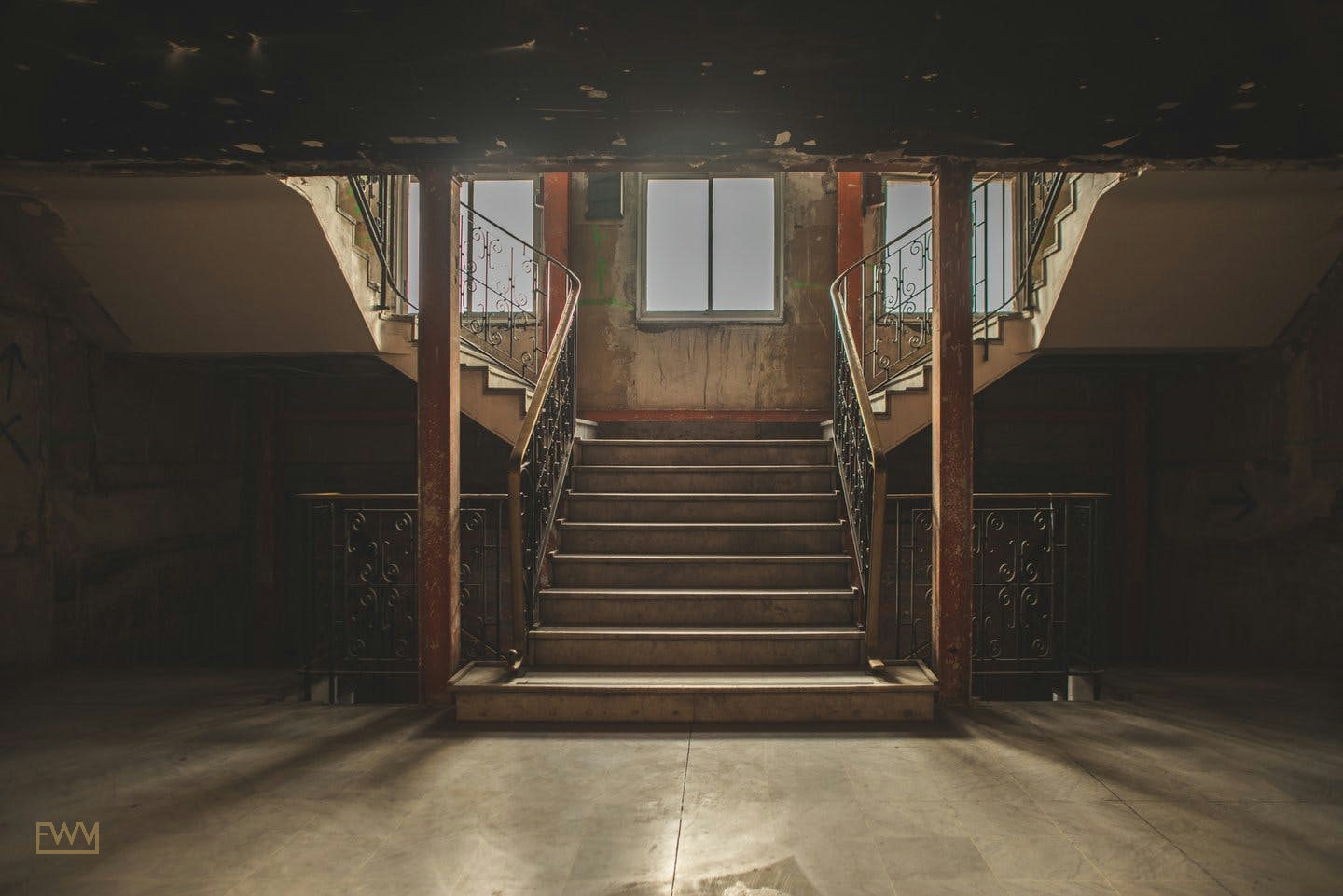
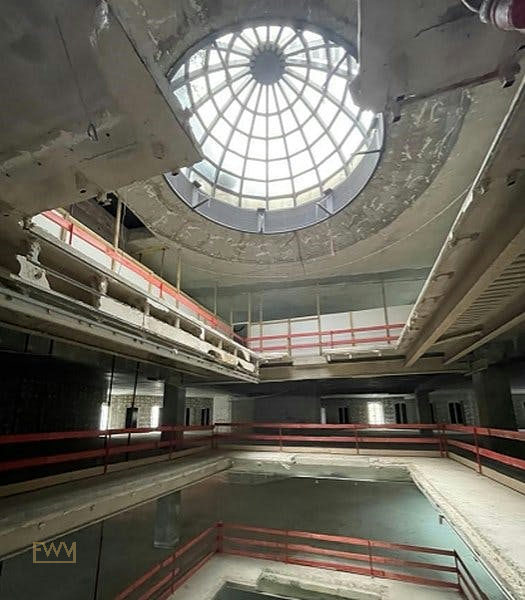
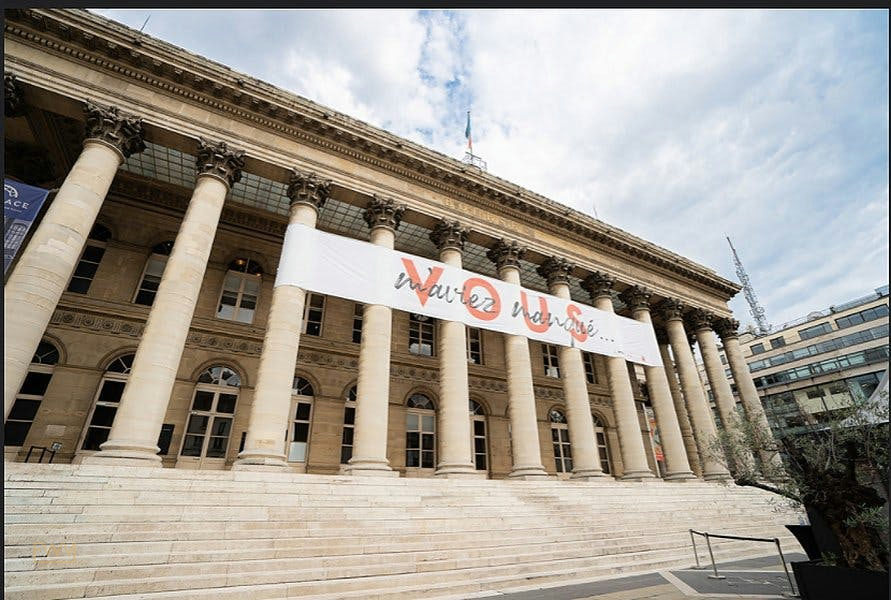
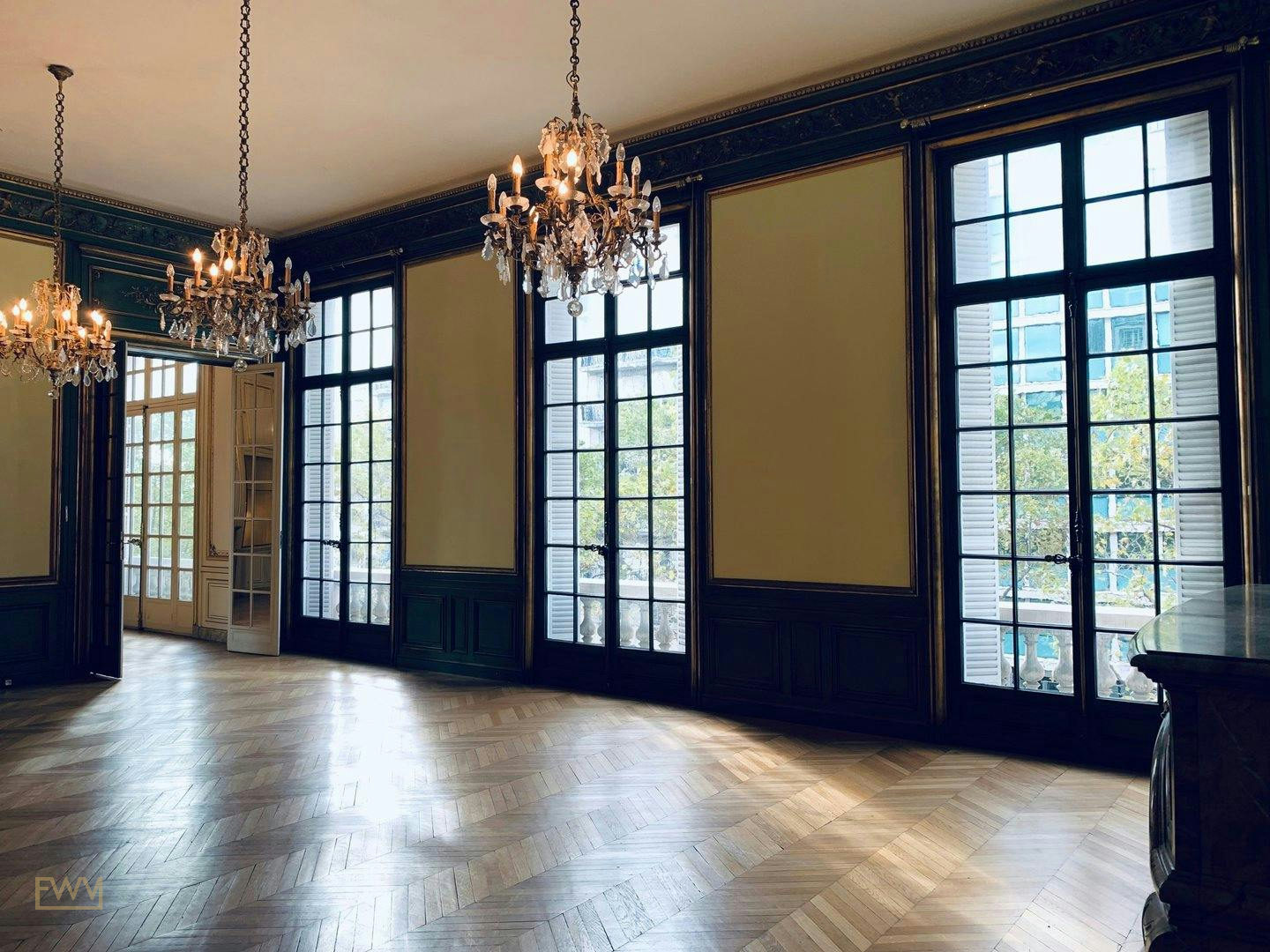
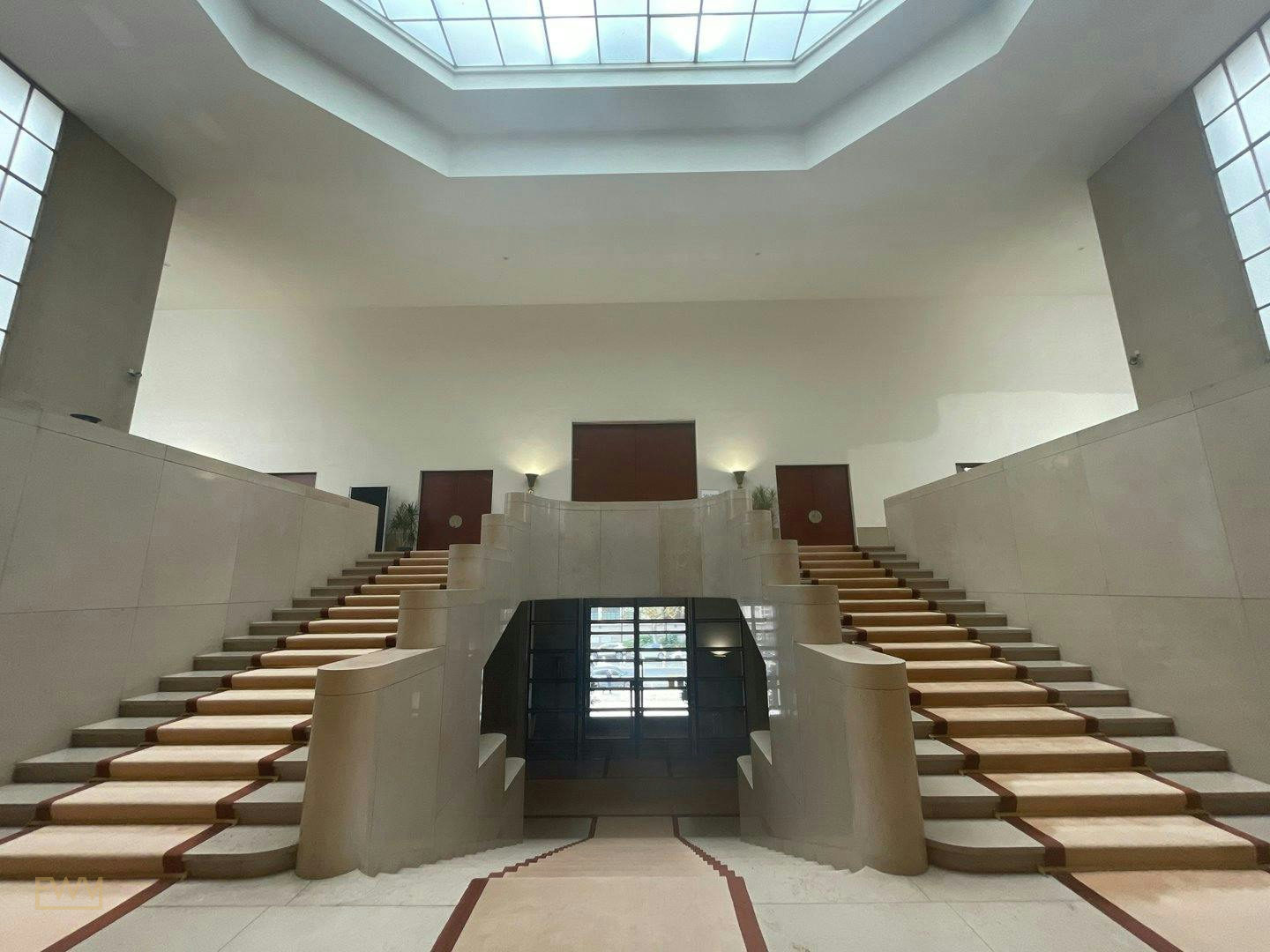
Discovering the perfect venue for your brand during Paris Fashion Week is critical for activating your next luxury retail concept. Leveraging the primary keyword, pop-up spaces, ensures your brand stands out in the bustling fashion capital. At Fashion Week Venues, we specialize in connecting brands with ideal venues and offering comprehensive activation management. From short-term retail activations to high-impact showrooms, pop-up spaces allow brands to strategically engage with audiences at key calendar moments.
Understanding Pop-Up Spaces and Their Benefits
Pop-up spaces provide brands with tailored, temporary venues to showcase products, drive brand awareness, and engage directly with consumers. These spaces can be anything from vacant shops to unique locations converted into experiential environments. By renting a pop-up space through our space marketplace, brands have the flexibility to explore different neighborhoods, designs, and layouts uniquely suited to their audiences.
Quick answer: Pop-up spaces are temporary retail environments that help brands engage directly with consumers, facilitate unique shopping experiences, and boost visibility during high-traffic periods like fashion week.
One of the primary advantages of pop-up spaces is their ability to generate buzz. These temporary locations provide a sense of exclusivity and urgency, encouraging foot traffic and media attention. Additionally, they offer cost flexibility since brands only lease the space for a short duration. This can be particularly advantageous in areas like Paris, where rental prices for permanent shops are high.
Pop-up spaces also serve as a testing ground for new products and marketing strategies. Brands can experiment with innovative retail concepts without the long-term commitment of a permanent location. This flexibility is especially beneficial for international brands entering new markets and seeking to understand local consumer behaviors.
| Benefit | Description |
|---|---|
| Flexibility | Short-term leases allow for dynamic marketing strategies. |
| Buzz Creation | Generates buzz and media coverage due to novelty and exclusivity. |
| Cost-Effective | Reduces costs associated with long-term commercial leases. |
| Market Testing | Ideal for testing new products and gathering consumer insights. |
KEY TAKEAWAY: Pop-up spaces provide a flexible, cost-effective way for brands to enhance visibility, test new concepts, and engage directly with consumers during crucial calendar periods.
Moving forward, understanding the diverse types of pop-up spaces available can significantly influence your strategic planning.
Types of Pop-Up Spaces Available for Fashion Week
During Paris Fashion Week, the types of pop-up spaces available can vary widely, each offering unique advantages tailored to different brand needs. Choosing the right type involves understanding your brand's goals and how each space type aligns with them.
Quick answer: Pop-up spaces range from gallery spaces, concept stores, and blank-slate venues to specialty locations like historic sites and pop-up tents, each suited to different types of brand activations.
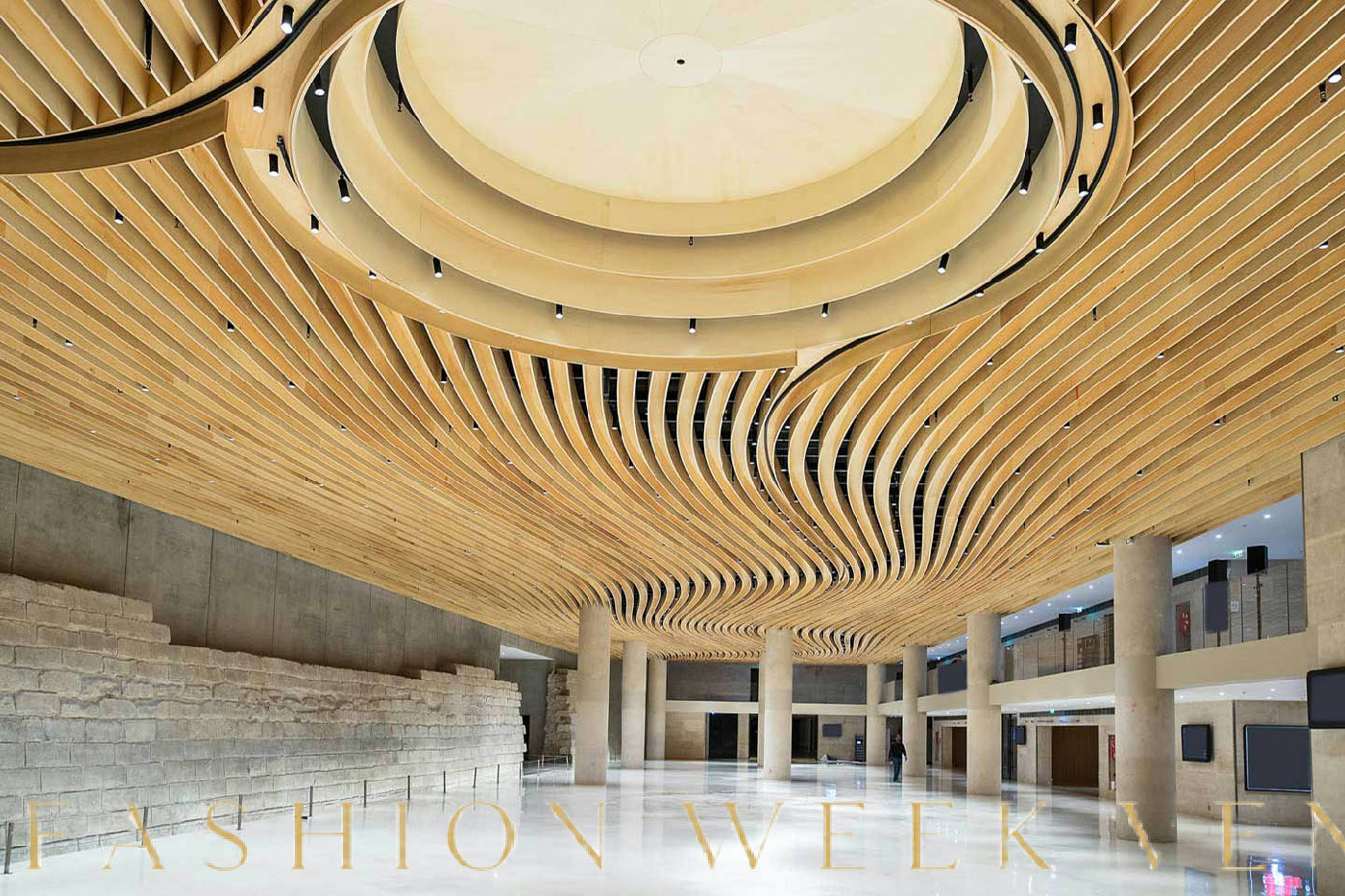
Gallery spaces offer an artful backdrop, ideal for luxury brands aiming to highlight their products' aesthetic value. These spaces are typically housed in buildings with artistic history or cultural significance, adding prestige to the activation.
Concept stores, on the other hand, provide a complete narrative experience that combines retail and entertainment. Brands can engage consumers directly, using storytelling and immersive displays tailored to a brand's identity.
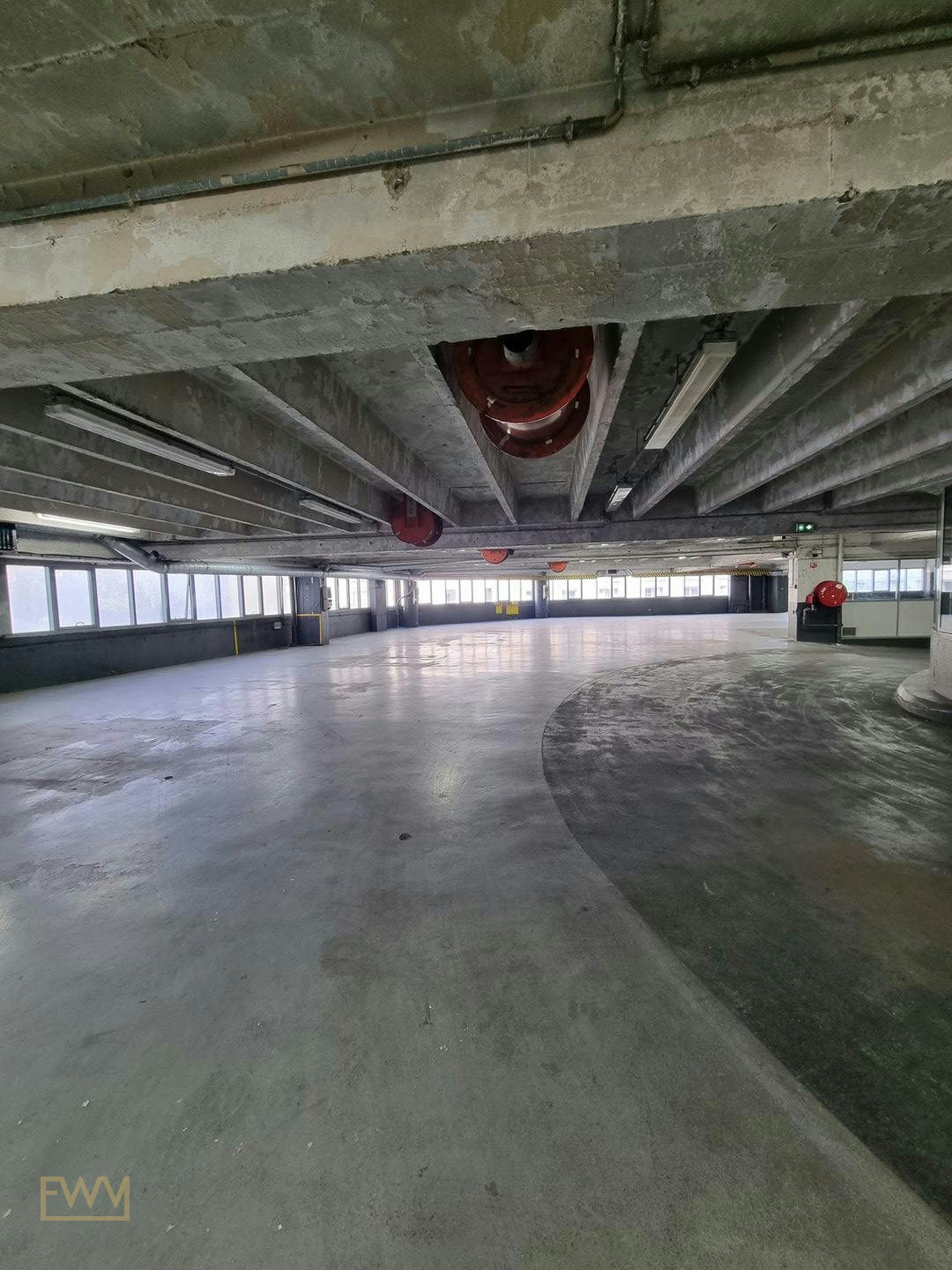
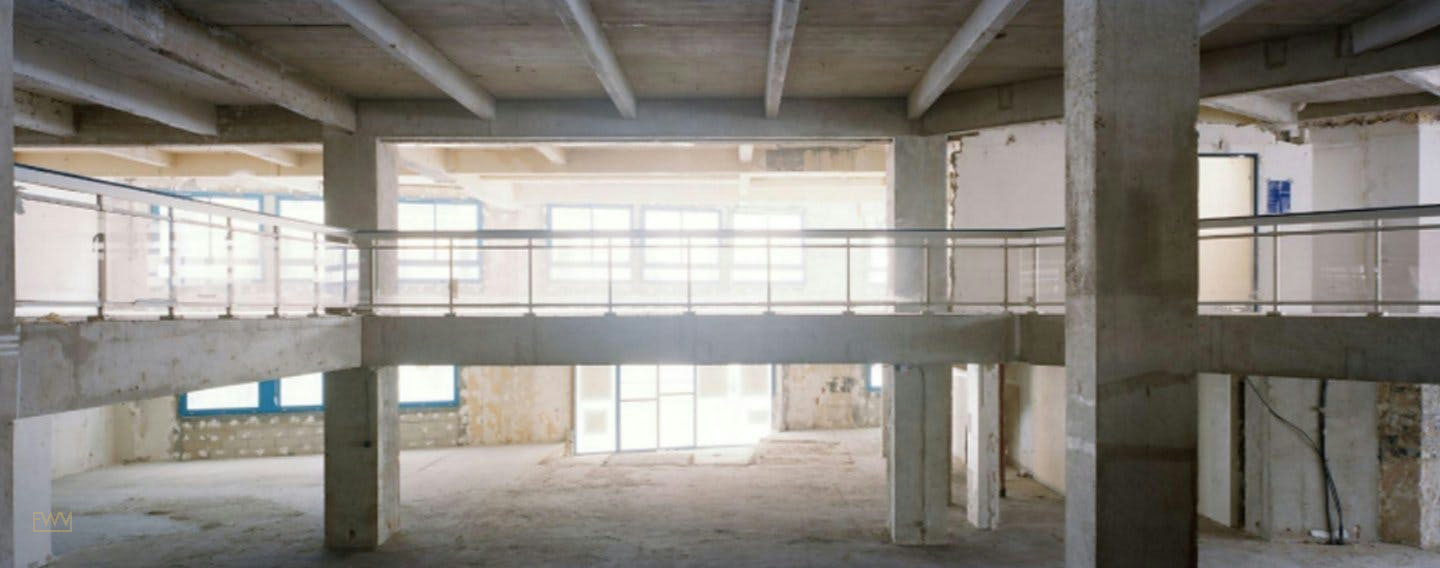
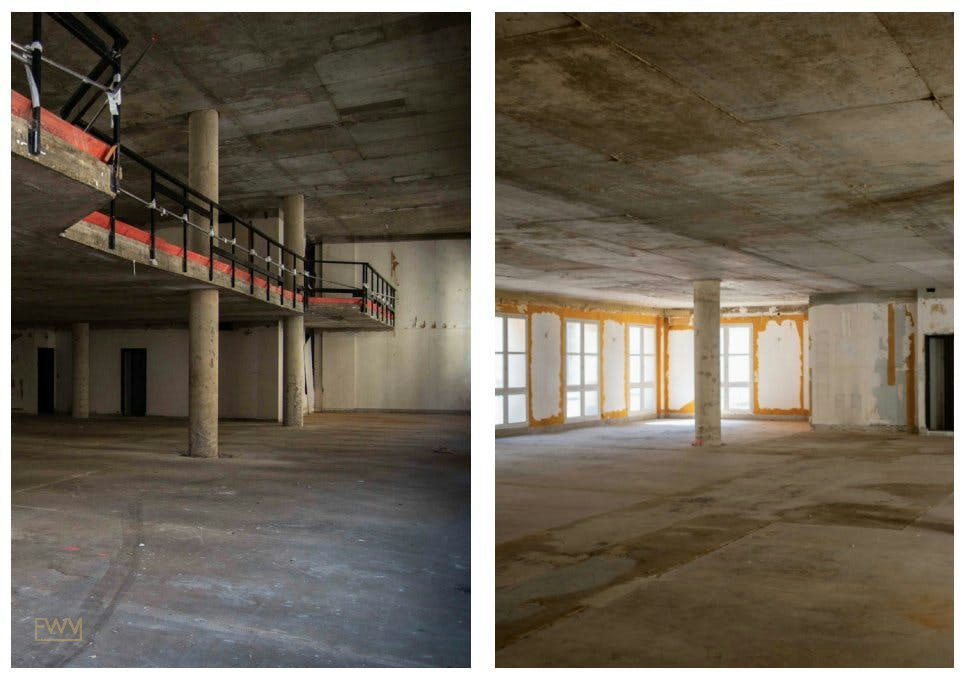
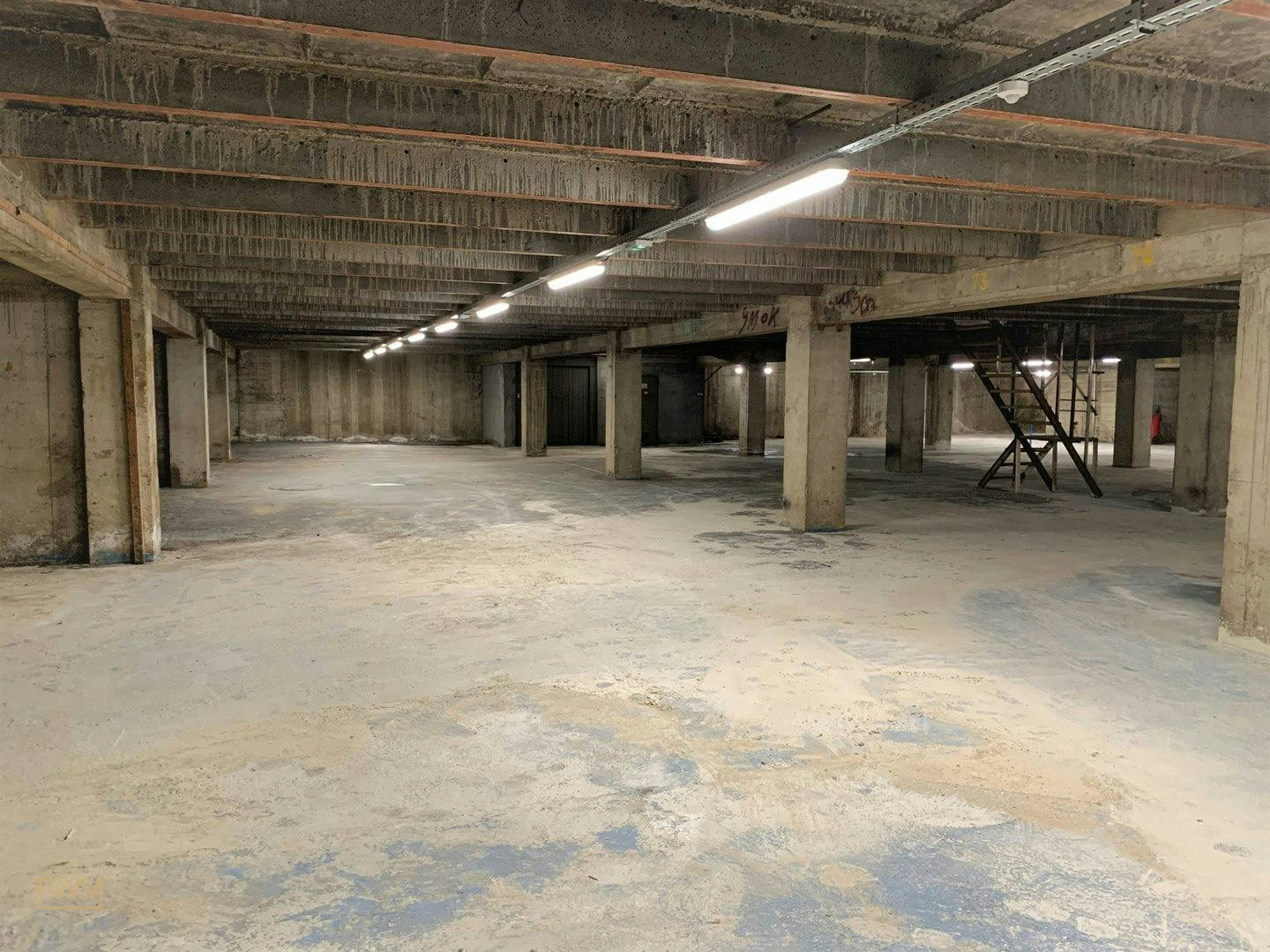
Blank-slate venues are another popular choice, offering a customizable environment for brands to build their pop-up from the ground up. This type allows for creative freedom in designing an entirely unique retail experience.
| Space Type | Description |
|---|---|
| Gallery Spaces | Located in culturally significant venues, perfect for high-end products. |
| Concept Stores | Interactive retail spaces ideal for brand storytelling and engagement. |
| Blank-Slate Venues | Customizable spaces allowing complete freedom in design and setup. |
| Historic Sites | Sites with historical value, adding a unique backdrop to brand activations. |
Additionally, specialty locations like historic sites or temporary structures such as tents can add an element of distinctiveness to a brand's presence during fashion week.
KEY TAKEAWAY: Selecting the right type of pop-up space is critical. It should align with the brand's objectives, consumer expectations, and budget constraints to ensure maximum impact.
Next, determining the strategic location for your pop-up can influence success more than any other decision.
Strategic Location Considerations for Pop-Up Spaces
Choosing the right location for your pop-up space in Paris involves a strategic analysis of foot traffic, target demographics, and proximity to other high-profile events. Different neighborhoods offer distinctive advantages that can align with various brand strategies.
Quick answer: Ideal locations include high-traffic areas and those with target demographic presence, ensuring maximum visibility and engagement during fashion week.
Le Marais, for instance, known for its blend of historic charm and contemporary vibrancy, attracts a trendy and diverse audience, perfect for fashion-forward brands. Meanwhile, Saint-Germain-des-Prés, rich in literary and cultural history, draws sophisticated shoppers looking for luxury and refinement.
Neighbourhoods such as Rue Saint-Honoré are optimal for high-end brands due to their prestigious retail surroundings. This area is synonymous with luxury and attracts consumers specifically seeking premium goods.
Canal Saint-Martin offers a more eclectic and youthful ambiance. With its artsy vibe, it's well-suited for brands targeting younger, trend-conscious consumers. Additionally, Opéra's proximity to major landmarks makes it a foot traffic hotbed.
| Neighborhood | Key Advantages | Ideal For |
|---|---|---|
| Le Marais | Trendy, high foot traffic, historic appeal | Emerging brands, trendy lines |
| Saint-Germain-des-Prés | Luxury shopping, cultural history | Luxury brands, cultural themes |
| Rue Saint-Honoré | Prestigious location, luxury shoppers | High-end designer brands |
| Canal Saint-Martin | Youthful, artsy, eclectic | Younger audiences, niche fashion |
DID YOU KNOW: Certain Paris districts offer greater flexibility in terms of operational hours and promotional activities, crucial for pop-ups looking to host exclusive events or after-hours programs.
Understanding the dynamics of these neighborhoods helps in selecting the ideal location to enhance brand visibility and consumer engagement.
KEY TAKEAWAY: The strategic choice of location is paramount; it determines the type of clientele, potential foot traffic, and overall impact of your pop-up event.
Having explored location, now focus shifts to the critical planning process each brand must undergo to ensure a successful activation.
Crucial Planning Processes for Pop-Up Activations
Successful pop-up activations require meticulous planning across several fronts—timeline, budget, and logistics are pivotal to an effective rollout. Ensuring that all elements align requires an established framework.
Quick answer: Effective planning for pop-ups involves three primary elements: comprehensive timelines, accurate budgeting, and seamless logistics management, tailored to the fashion week schedule.
The first step is creating a timeline that accounts for major tasks and deadlines. Utilizing tools such as the timeline tool from Fashion Week Venues helps streamline this process, providing clear cutoffs for pre-opening preparations and post-event wrap-up activities.
A crucial element is the budgeting phase, which can have significant implications for your activation. By leveraging the budget calculator tool, brands can forecast potential expenditures and adjust plans accordingly to maintain fiscal responsibility.
| Phase | Key Activities |
|---|---|
| Timeline Planning | Scheduling, task delegations, deadline setting |
| Budgeting | Cost estimation, resource allocation, financial forecasting |
| Logistics | Setup coordination, staffing arrangements, permit handling |
Logistics management is another pillar, involving everything from securing personnel through retail staffing services to overseeing the production and setup as facilitated by the production team.
KEY TAKEAWAY: Robust planning ensures that all facets of your pop-up space, from budget to logistics, are aligned and support the overall goals of your brand’s activation.
As you finalize planning, understanding the necessary permits and legal guidelines is a critical step that cannot be overlooked.
Understanding Permits and Legal Requirements
Operating a pop-up space in Paris requires a thorough understanding of local permits and legal requirements, crucial for a seamless activation. Terms such as bail dérogatoire and AOT (Autorisation d'Occupation Temporaire) may initially seem daunting but are essential for compliance.
Quick answer: To operate legally, brands need to secure relevant permits like bail dérogatoire, and coordinate with city ordinances to ensure compliance.
The bail dérogatoire allows short-term leases and is distinct from traditional commercial leases, offering greater flexibility but requiring specific stipulations to be met. On the other hand, an AOT allows temporary use of city property for pop-up operations, typically used in public spaces.
Brands are advised to consult the permits tool for guidance tailored to their specific space type, duration, and Paris arrondissement.
IMPORTANT: Requirements for permits and compliance can vary significantly based on location, duration, and nature of the pop-up. It is imperative to consult a French legal advisor to navigate these complexities.
| Permit Type | Description | Usage |
|---|---|---|
| Bail Dérogatoire | Short-term lease for commercial purposes | Most pop-up retail use cases |
| AOT | Temporary occupation of municipal spaces | Public space activations |
KEY TAKEAWAY: Accurate permits and legal compliance are foundational steps to ensuring the smooth operation of your pop-up space. Failing to adhere can result in fines or closure by local authorities.
Succeeding in compliance sets the stage to focus on the logistics of setting up and launching your activation.
Logistics and Setup Strategies for Successful Launches
Effective logistics and setup management are crucial for transforming pop-up spaces from idea to reality. This involves coordinating everything from build-out to staffing, ensuring seamless operational execution.
Quick answer: Logistics encompass planning the physical setup, coordinating with suppliers, and managing day-to-day operations for the duration of the pop-up.
Partnering with experienced teams, such as those offering production and build services, ensures all elements from fit-out to final decor are expertly managed. Their support includes layout planning, design implementation, and even last-minute adjustments.
Staffing is another logistical cornerstone, where retail staffing solutions play a critical role in providing trained personnel who understand brand values and customer engagement techniques.
The use of efficient inventory management systems and point-of-sale (POS) solutions from POS and payments services helps ensure that stock levels are maintained, and sales processes are smooth.
Finally, rigorous testing of all elements prior to launch, including lighting, security systems, and customer flow pathways, ensures the venue operates without interruptions.
KEY TAKEAWAY: Comprehensive logistics planning and expert setup are paramount to executing a successful pop-up activation. This minimizes operational hiccups and enhances customer experience right from the outset.
Once logistics are streamlined, it's crucial to explore how data and analytics can be leveraged to optimize both current and future pop-up strategies.
Leveraging Data and Analytics for Pop-Up Success
Data and analytics play an integral role in enhancing the effectiveness of pop-up activations. Brands can utilize consumer insights, sales data, and foot traffic analysis to refine their approach and maximize success.
Quick answer: Use data analytics tools to track consumer behavior, sales performance, and marketing ROI, facilitating real-time adjustments and future strategic planning.
Access to sales analytics allows brands to identify best-selling products, adjust inventory levels, and modify pricing strategies in real time. Such insightful data comes from integrated POS systems adapted to connect with larger databases for long-term analysis.
Consumer behavior studies, including foot traffic analysis and customer engagement metrics, help brands understand how people interact within the space. With this data, targeted marketing efforts can be refined to amplify customer conversion rates.
Tools like the Fashion Week Venues data and analytics service offer comprehensive reports on engagement and sales patterns, assisting brands in making informed, data-driven decisions.
DID YOU KNOW: Brands that leverage data analytics during pop-up events report up to 30% more effective customer targeting and engagement compared to those that do not.
| Analytics Type | Use Case |
|---|---|
| Sales Data | Adjust pricing and inventory based on real-time insights. |
| Foot Traffic | Optimize space design and product placement. |
| Customer Engagement | Refine marketing strategies based on interaction data. |
KEY TAKEAWAY: Leveraging rich data analytics equips brands with the insights needed to optimize pop-up activations, ensuring that each campaign strategically supports broader business objectives.
Utilizing data is foundational, but how a brand presents itself creatively also defines its impact. Let's explore the realm of branded design.
The Art of Branded Store Design in Pop-Up Spaces
The design of a pop-up space serves as a physical embodiment of a brand’s ethos and values, creating an immediate and lasting impression on consumers. Every design choice reflects the brand’s identity and can significantly influence consumer perception and engagement.
Quick answer: Branded design merges aesthetics with functionality to create environments that resonate with consumers and strengthen brand identity.
Every element, from color schemes to furniture layout, should be chosen with intentionality to create a cohesive atmosphere that aligns with brand messaging. The branded store design service at Fashion Week Venues offers tailored solutions ensuring that the visual merchandising aligns with brand identity and resonates with the target audience.
By incorporating storytelling elements into the design, brands can enhance consumer experiences, fostering stronger emotional connections. For example, interactive displays that highlight the brand’s journey or sustainability initiatives can differentiate a pop-up from competitors.
Accessibility and layout are also crucial considerations. Ensuring that space design caters to diverse consumer needs while optimizing for traffic flow can enhance both usability and overall customer satisfaction.
TIP: Incorporate sustainable materials in your pop-up design; it not only resonates with eco-conscious consumers but also enhances brand credibility in today's market.
- Choose sustainable design elements aligned with brand values.
- Ensure design supports interactive consumer engagement.
- Focus on creating an intuitive, navigable space layout.
KEY TAKEAWAY: An effective branded store design seamlessly combines aesthetics with brand ethos, engaging consumers and enhancing the overall shopping experience.
Having crafted the perfect physical space, it's essential to consider strategic brand activations to maximize impact during fashion week.
Strategic Activations to Enhance Pop-Up Impact
Strategic activations within pop-up spaces are designed to amplify brand presence and foster deeper consumer connections. These activations may include a mix of experiential marketing, influencer partnerships, and interactive events to drive brand engagement during fashion weeks.
Quick answer: Activations involve curated experiences such as workshops, influencer events, and exclusive product launches, designed to elevate a brand’s pop-up presence.
Experiential marketing transforms passive shopping into an active, immersive experience, engaging consumers through senses and emotions. Brands can use tools like live demonstrations or interactive product trials to showcase their offerings in dynamic ways.
Partnering with influencers provides leverage through established networks, expanding reach and driving organic traffic to pop-up spaces. Fashion Week Venues’ influencer marketing services connect brands with figures who align with their market and mission.
Hosting exclusive events such as product launches or panel discussions can also attract media attention and industry influencers, further benefiting brand visibility and consumer interest.
DID YOU KNOW: Strategic brand activations can increase consumer interaction and conversion rates by up to 40% compared to standard pop-up models.
- Incorporate live events such as workshops or demos.
- Leverage influencer partnerships for wider reach.
- Create exclusive launch events for heightened media coverage.
KEY TAKEAWAY: The success of pop-up spaces often hinges on impactful activations, transforming consumer experience and enhancing brand recall.
Now that activations are in place, evaluate these efforts’ effectiveness to ensure continuous improvement and optimization.
Evaluating the Success of Your Pop-Up Space
Post-activation evaluation is vital for understanding the effectiveness of pop-up spaces and for guiding future strategies. Metrics for success include sales figures, brand awareness, and consumer feedback.
Quick answer: Success can be measured through sales metrics, increased brand awareness, consumer feedback, and ROI analysis.
Sales figures provide a direct measure of a pop-up's financial success. Comparing sales data with event costs helps in assessing the ROI, enabled through tools such as the ROI calculator.
Brand awareness is another critical metric, which can be assessed through media coverage, social media mentions, and foot traffic analytics.
Lastly, consumer feedback collected during and after the event provides qualitative insights into customer perceptions and areas for improvement. Feedback can often surface underlying issues not immediately obvious through quantitative metrics.
IMPORTANT: Consistently measuring the impact and gathering consumer insights are crucial steps towards refining future pop-up activations.
KEY TAKEAWAY: Comprehensive evaluation provides a roadmap for future improvements, ensuring that each pop-up space maximizes impact and aligns with overarching brand strategies.
Let's now address and dispel some common myths surrounding pop-up venues, particularly in the context of Paris.
Common Myths Debunked
MYTH: You must establish a French legal entity to rent a space in Paris.
FACT: While having a local entity can simplify some processes, it is not an absolute requirement. Brands can operate through leases designed specifically for temporary retail, known as a bail dérogatoire, which allows international companies to launch pop-ups without forming a permanent French entity.
MYTH: Paris Fashion Week is the only viable window for pop-up activation.
FACT: While Paris Fashion Week is a high-visibility period, other windows offer strategic opportunities as well, depending on the brand’s target audience and marketing objectives. Pop-up spaces can be highly effective during less congested periods when competition for consumer attention is reduced.
MYTH: Commission brokers are the only way to find a pop-up space in Paris.
FACT: Brands have direct access to venues through marketplaces like Fashion Week Venues’ online platform, allowing them to compare, select, and book spaces without intermediaries, saving on commission costs.
MYTH: Short-term leases are straightforward and don't require specialist assistance.
FACT: Navigating the legal and logistical nuances of short-term leasing can be intricate. Engaging with specialists familiar with local regulations can mitigate potential risks and ensure compliance with all necessary legal frameworks.
Having clarified these myths, let's address common questions that arise when planning a pop-up event.
Frequently Asked Questions
What types of pop-up spaces are available for Paris Fashion Week?
Pop-up spaces range from traditionally enclosed shops to unique cultural venues and outdoor sites. Options such as gallery spaces, concept stores, and blank-slate venues provide diverse opportunities for creating tailored brand experiences suited to specific retail strategies.
How do I choose the right neighborhood for my pop-up?
The ideal location depends on your target demographic, brand position, and desired consumer engagement level. For instance, Le Marais caters to trendy audiences, while Rue Saint-Honoré aligns with luxury brands. Understanding neighborhood characteristics and consumer behavior is crucial in making the right choice.
What are the legal requirements for hosting a pop-up space in Paris?
Key requirements include securing a bail dérogatoire for short-term rental and possibly an AOT for public space use. Compliance with local regulations is essential, and consultation with a legal advisor is highly recommended to navigate these processes effectively.
How can pop-up activations impact my brand during fashion week?
Pop-up activations boost brand awareness and engagement by utilizing high traffic periods to showcase products and create memorable consumer interactions. Strategic activations can include live events, influencer involvement, and exclusive launches, which altogether can significantly enhance brand visibility.
How do I ensure my pop-up space is accessible and engaging?
Ensuring accessibility and engagement involves thoughtful design focusing on consumer navigation and experience. Décor, layout, and interactive elements should be tailored to your target audience, enhancing engagement. Incorporating features that reflect brand story and values will attract and retain consumer interest.
What logistics are involved in setting up a pop-up shop?
Logistical considerations include venue fit-out, staffing, inventory management, and technical setups like POS systems. These components need synchronization to ensure a smooth setup and operation. Experienced partners and services can provide critical support across these facets, optimizing the overall execution.
How can data and analytics improve my pop-up strategy?
Data and analytics provide insights into sales trends, consumer behaviors, and marketing impacts. Using these insights, brands can make informed adjustments to strategy and execution, improving not just current pop-up performance but also planning future activations with greater effectiveness.
Are there any hidden costs associated with pop-up spaces?
While significant costs are associated with venue rental and setup, brands should also anticipate possible additional costs such as utilities, permits, insurance, and marketing expenses. Accurately forecasting these facilitates better budget planning and enables efficient allocation of resources.
Can international brands easily enter the Paris market using pop-up spaces?
Utilizing pop-up spaces is an effective entry strategy for international brands, as it mitigates the risks of long-term commitments while maximizing market exposure. Fashion Week Venues provides comprehensive services to streamline the process and support seamless brand entries into Paris.
Does Fashion Week Venues offer design and concept direction support?
Yes, Fashion Week Venues specializes in providing concept direction to ensure that each pop-up reflects accurate brand identity. This service includes collaborative design processes that integrate brand values and mission into the spatial arrangement.
Are there tools to help plan my pop-up event?
Yes, Fashion Week Venues offers a variety of tools such as budget calculators, ROI analysis, and timeline planners. These are designed to facilitate efficient planning and execution of pop-up activations, minimizing risks and optimizing strategic outcomes.
Conclusion
Pop-up spaces provide unparalleled opportunities for brand visibility and consumer engagement during Paris Fashion Week. Utilizing these spaces strategically with the support of Fashion Week Venues ensures tailored venue sourcing, concept direction, and ongoing activation management, empowering brands to achieve impactful results. For brands ready to make their mark in Paris, explore available spaces on the Fashion Week Venues marketplace to start crafting a pop-up experience that resonates.