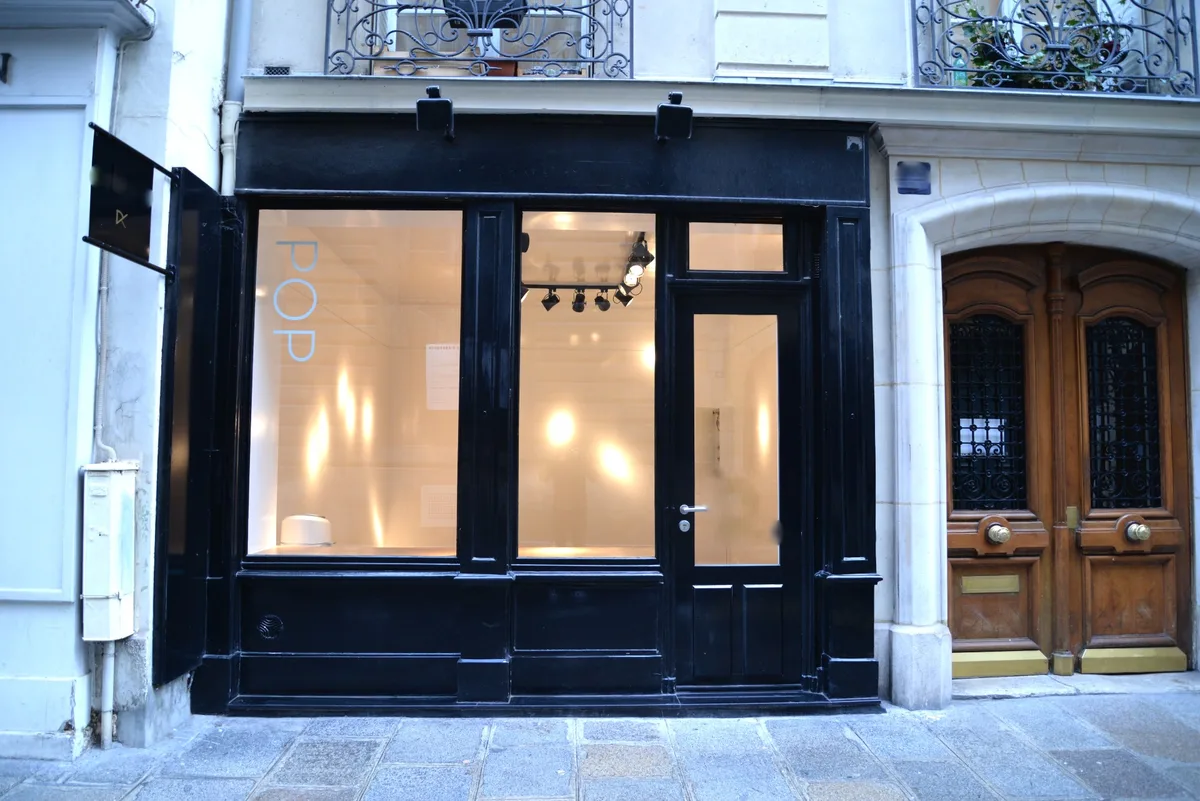
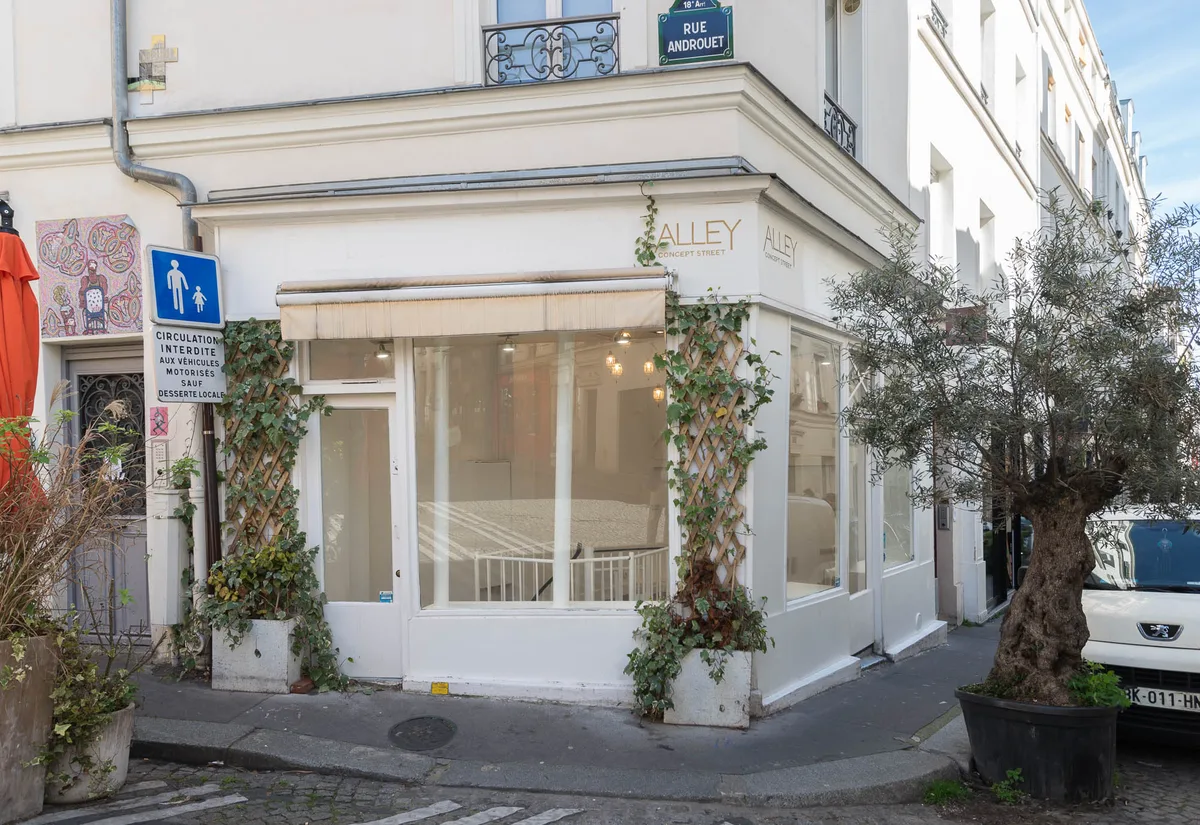
Fashion Week Venues offers a comprehensive solution for brands looking to make an impact during Fashion Week with pop-up spaces, showrooms, and events across major fashion capitals like Paris. The city's dynamic retail environment demands careful consideration of venue locations, types, and compliance requirements. Fashion Week Venues guides brands through this process by providing expert services, from venue sourcing to activation management. This article explores everything you need to know about selecting the perfect venue, ensuring your brand stands out during one of the industry's most crucial events.
The Importance of Location in Fashion Week Venues
Choosing the right location is paramount when selecting a fashion week venue. A venue's location can dictate foot traffic, brand visibility, and the overall impact of your fashion event. Paris, known for its diverse arrondissements, offers a variety of neighborhoods each with unique advantages for fashion events.
Le Marais is perfect for brands aiming to capture a trendy and edgy crowd. This historic district, with its mix of modern boutiques and charming streets, attracts fashion-forward consumers and influencers alike. On the other hand, areas like Saint-Germain-des-Prés offer a more classic and upscale atmosphere, ideal for luxury brands targeting a sophisticated audience.
An essential consideration for location is accessibility. Venues near major transit hubs or landmark attractions can facilitate higher foot traffic and greater exposure. Additionally, the type of venue you choose—whether a pop-up retail space, showroom, or gallery—should align with the brand's image and event goals.
KEY TAKEAWAY: When selecting a venue in Paris, consider the neighborhood's vibe, accessibility, and the venue type that best aligns with your brand's objectives. Leverage the city's diverse areas to find the perfect fit for your audience.
Next, we explore the extensive range of venue types available and their strategic advantages.
Exploring Different Types of Fashion Week Venues
Fashion Week Venues offer an array of venue types designed to cater to different brand needs and event goals. From pop-up stores and showrooms to private exhibitions and experiential spaces, each type serves a distinct purpose in enhancing brand visibility and engagement.
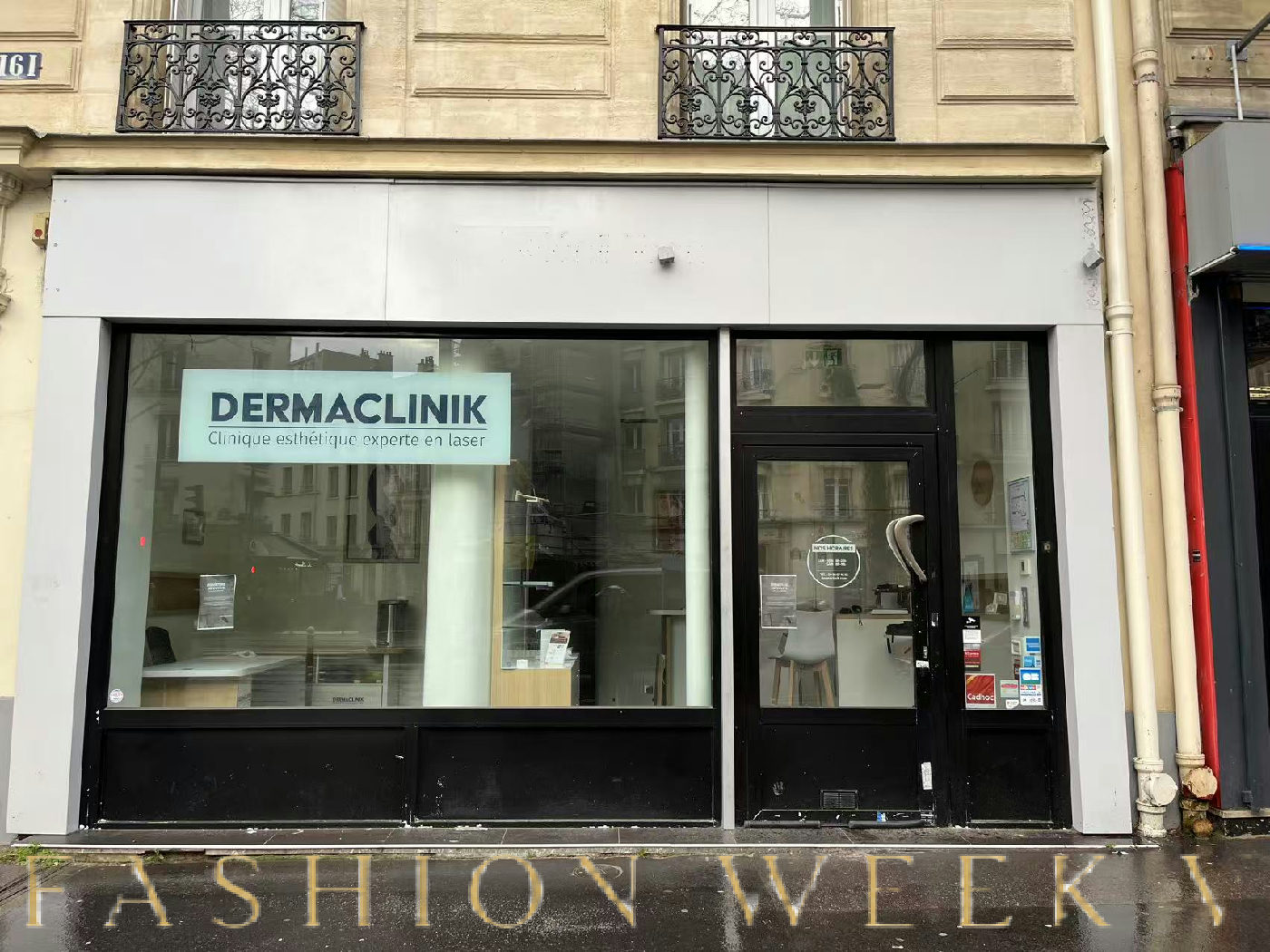
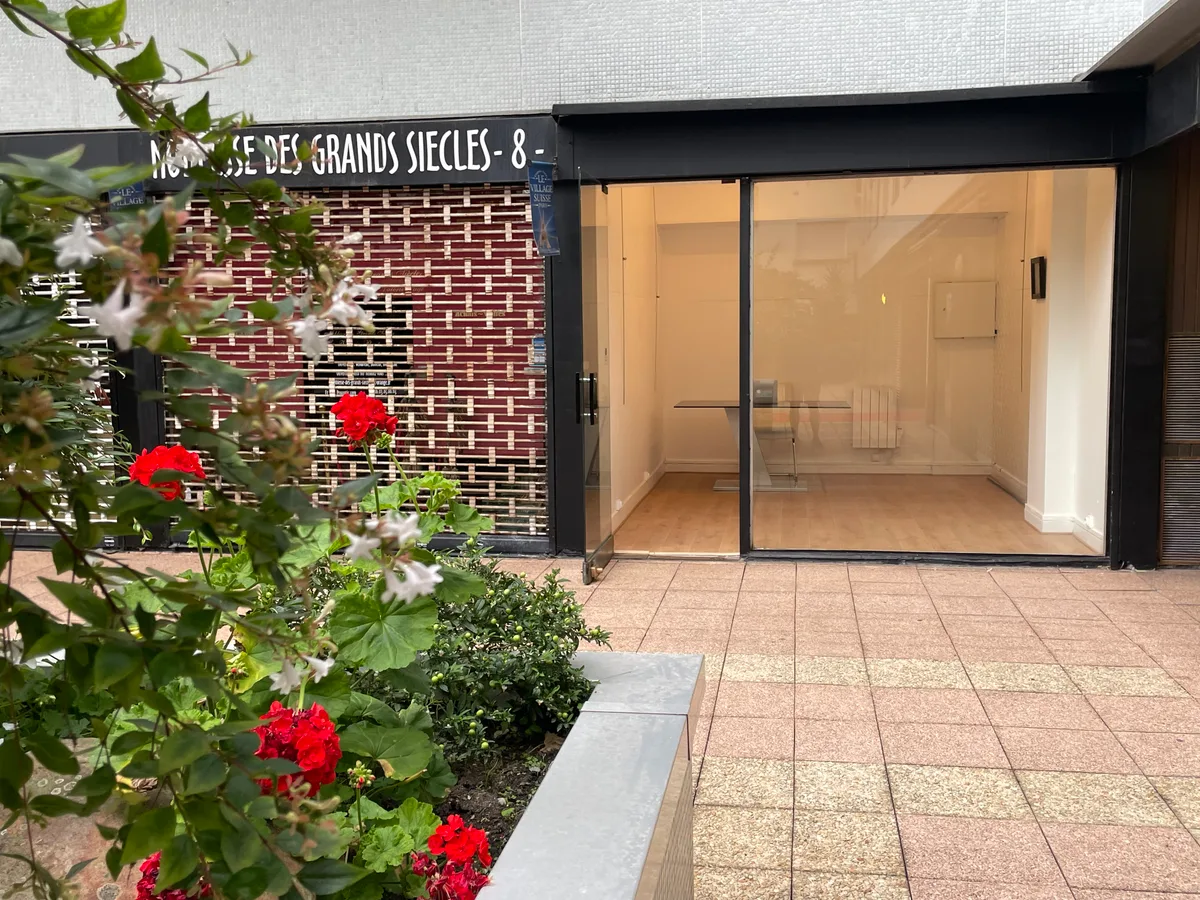
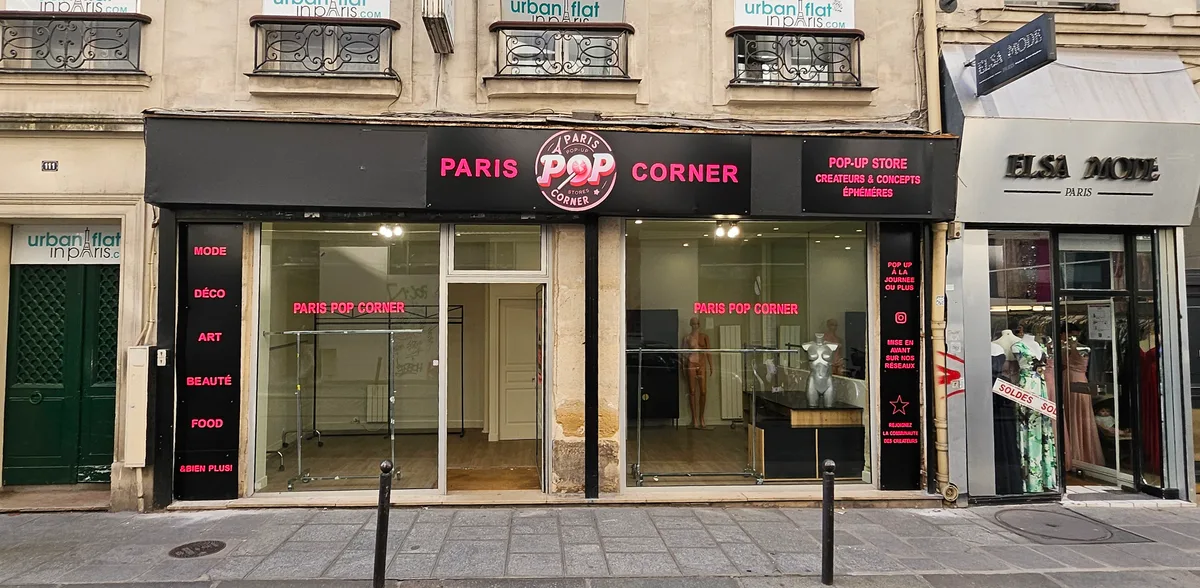
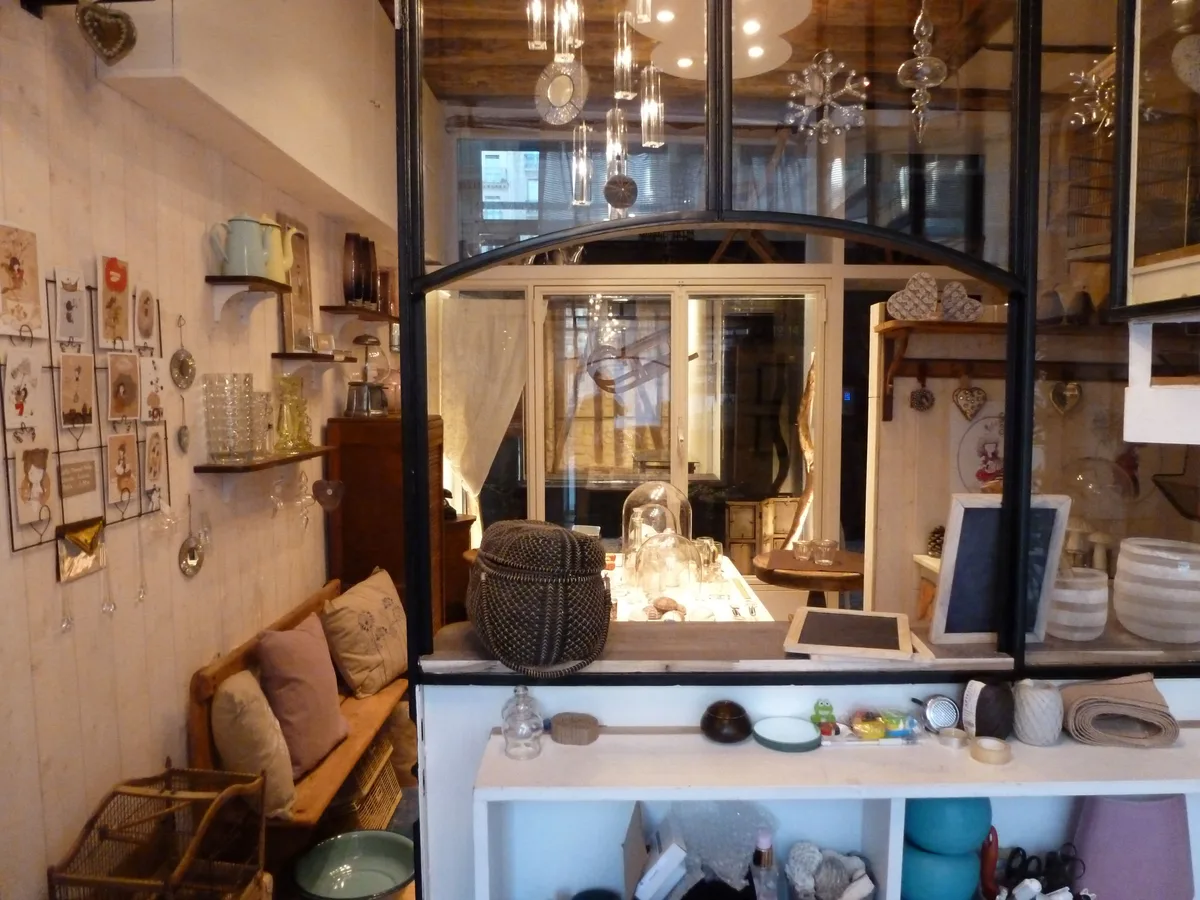
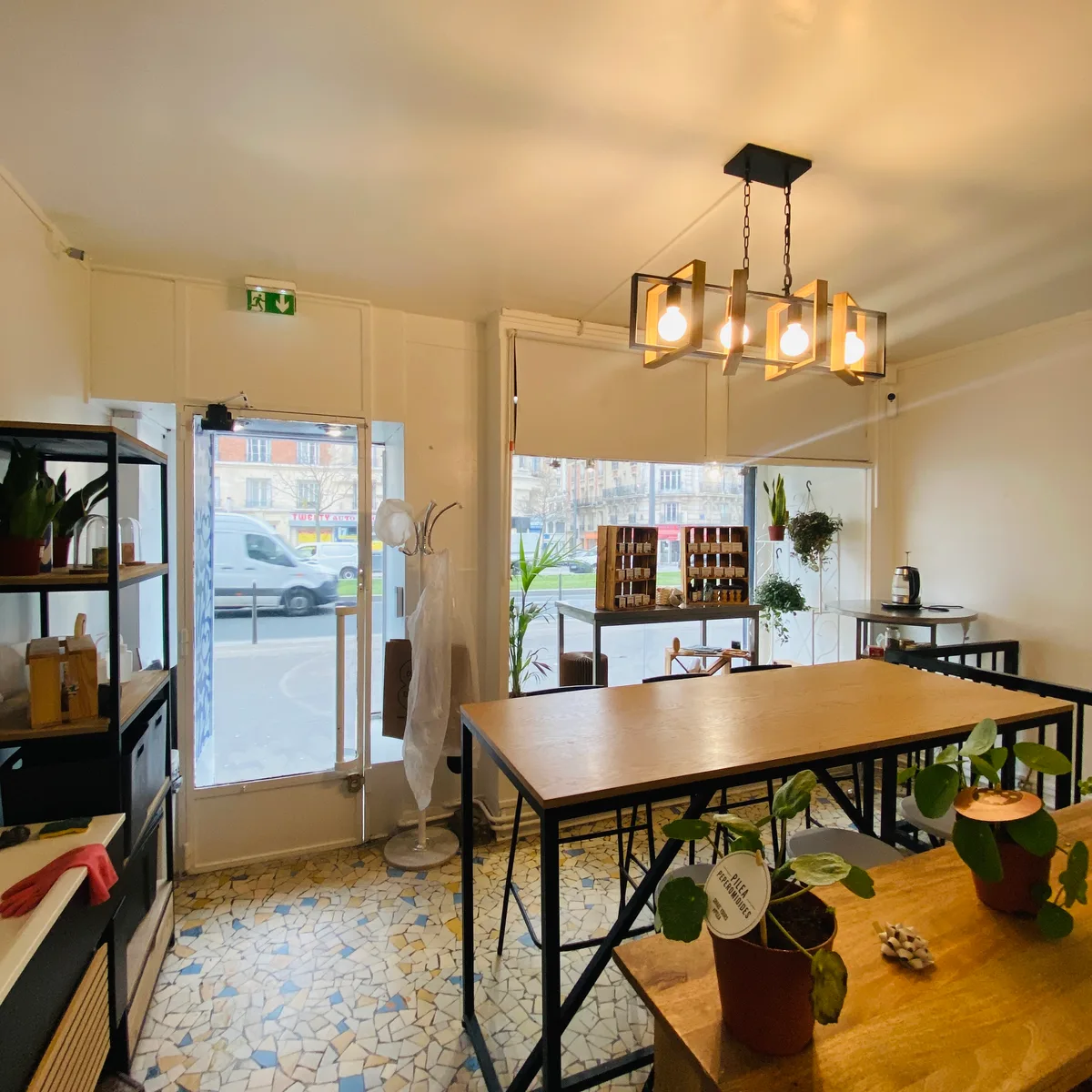
Pop-up stores are a favored choice for generating buzz and engaging directly with consumers. These temporary retail spaces allow brands to offer exclusive collections or limited-time promotions, driving a sense of urgency and exclusivity among buyers. A successful pop-up experience is immersive, often leveraging creative design and experiential marketing to create memorable brand interactions.
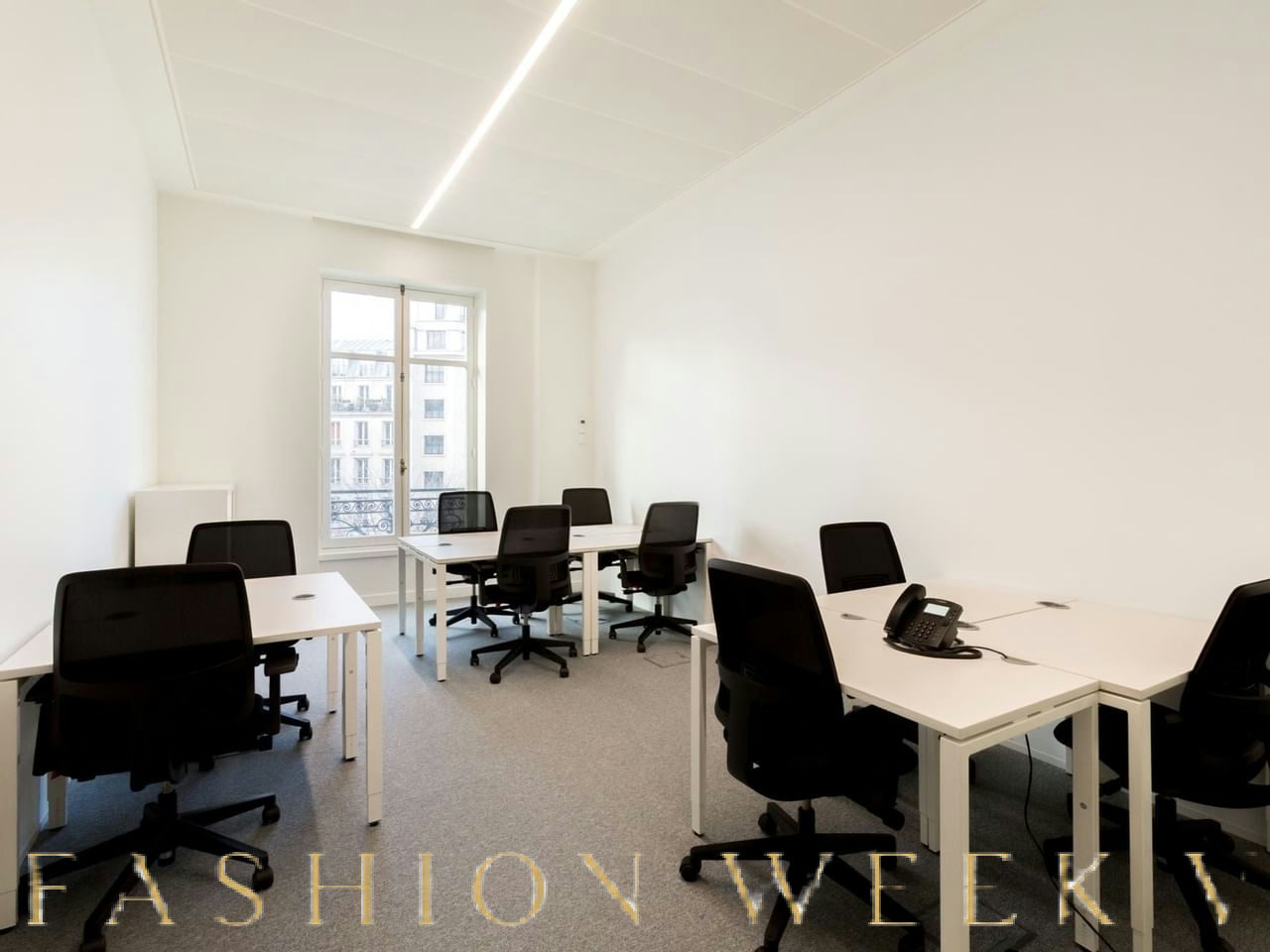
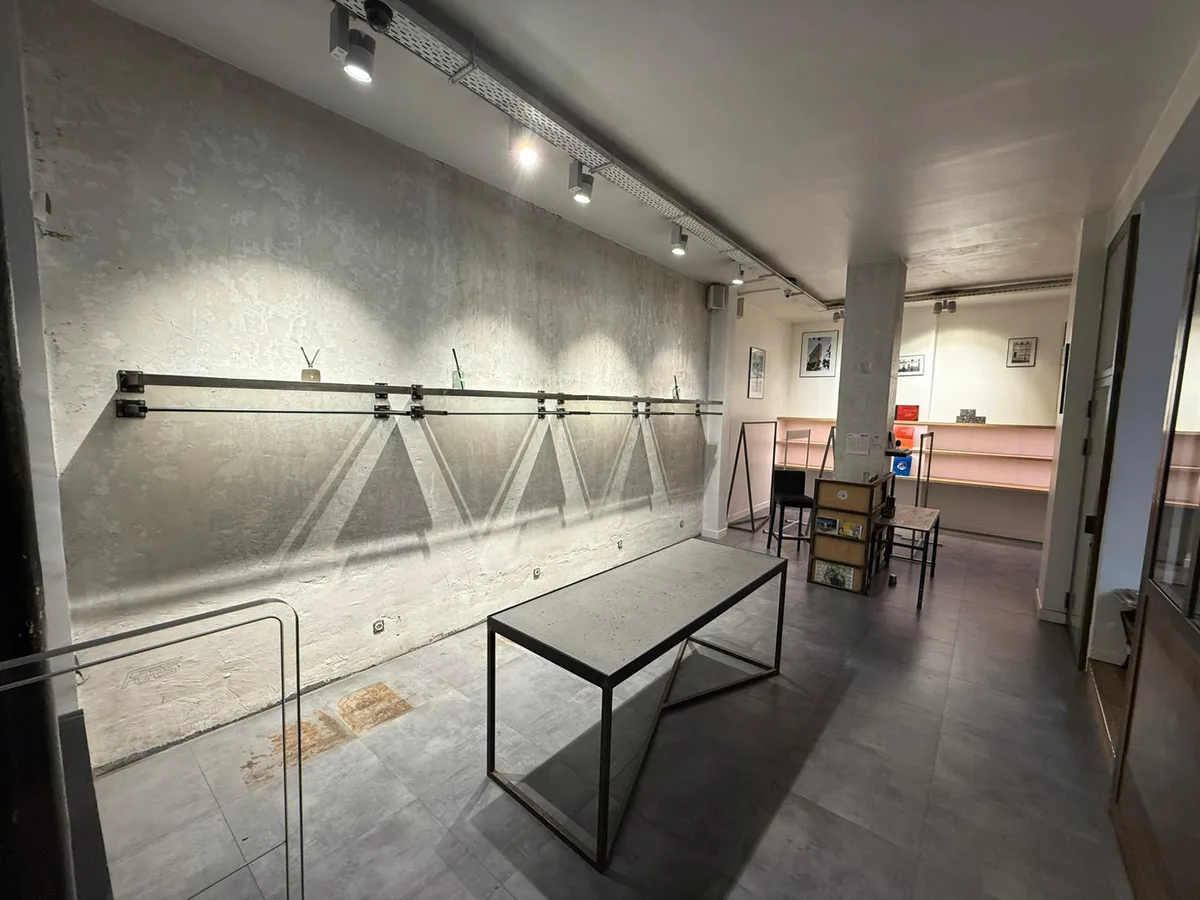
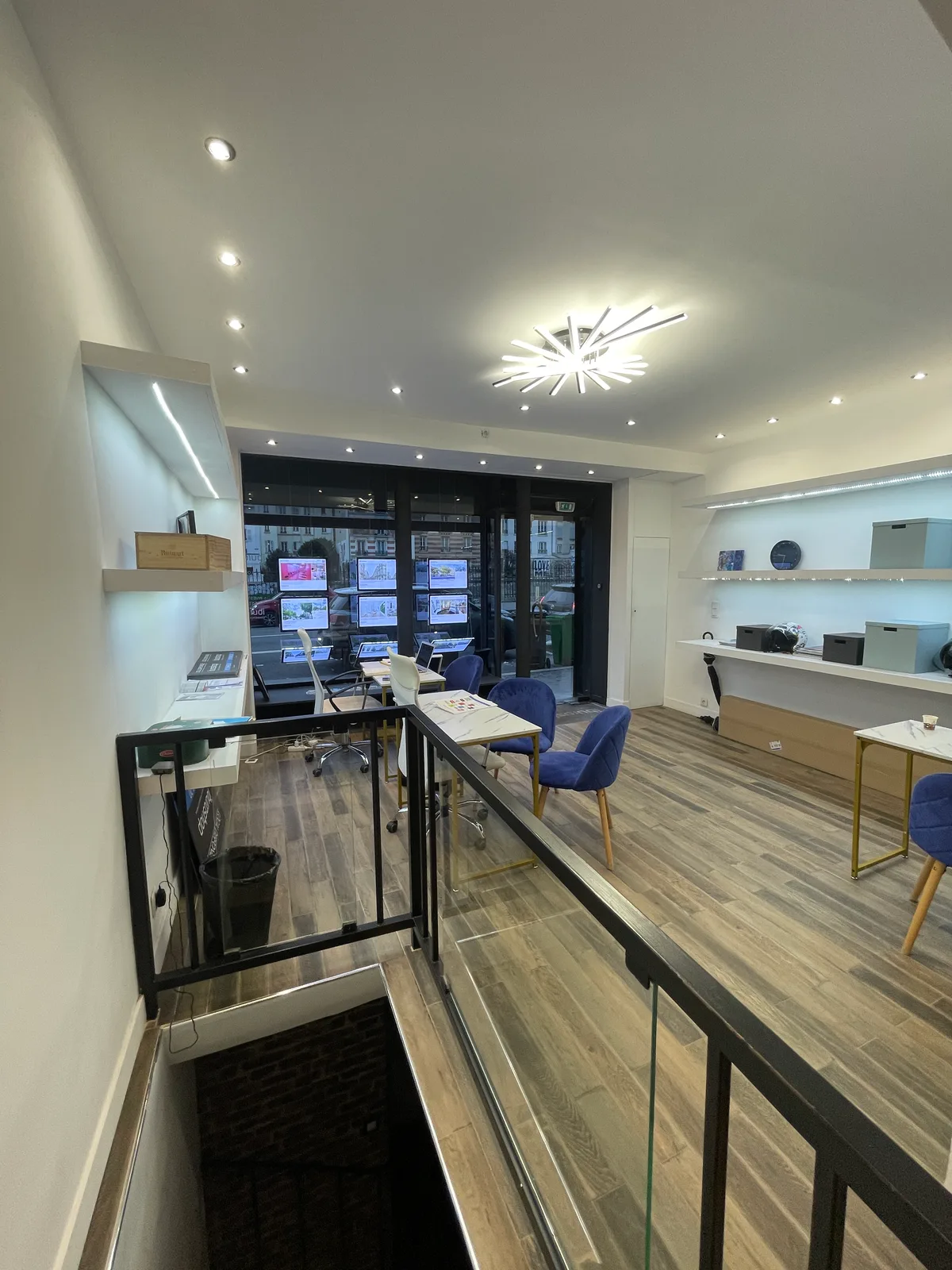
Showrooms, typically utilized for buyer meetings and press previews, emphasize a more intimate setting. They allow brands to display their collections in a controlled environment, offering personalized experiences for industry insiders. The choice between a public or a private showroom depends on the target audience and overall event strategy.
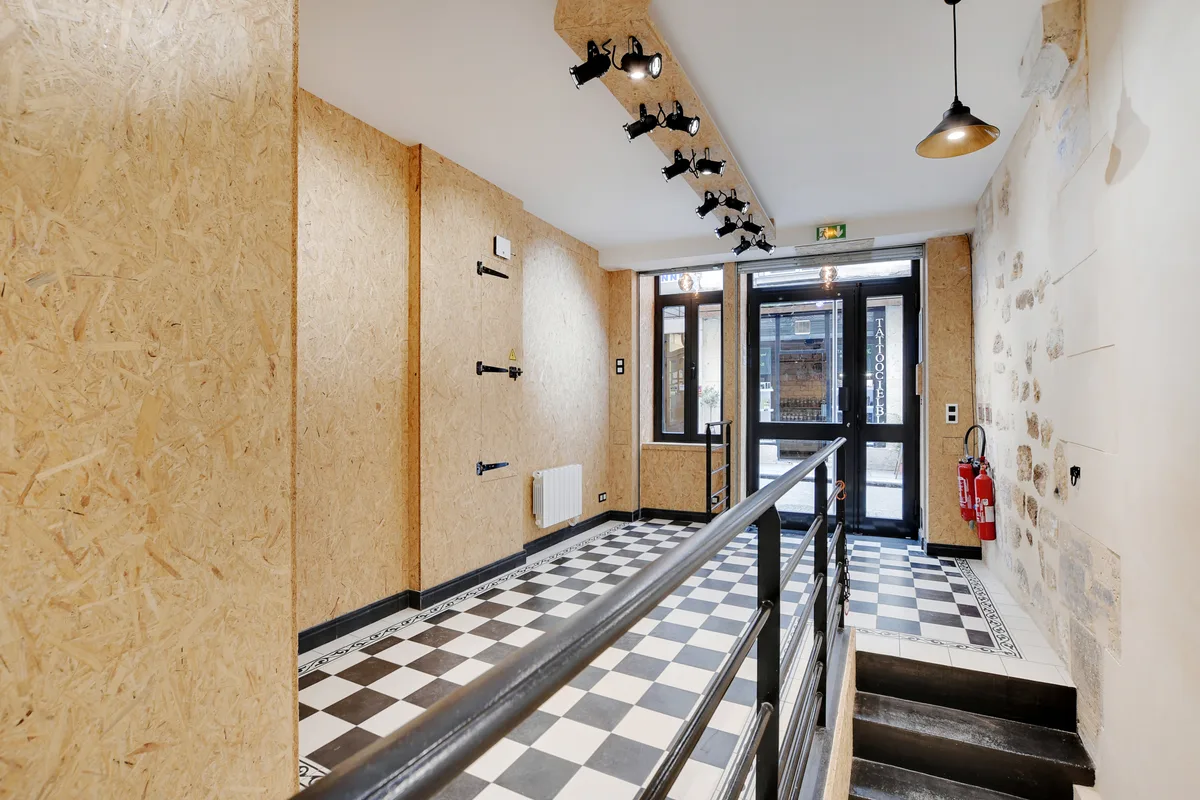
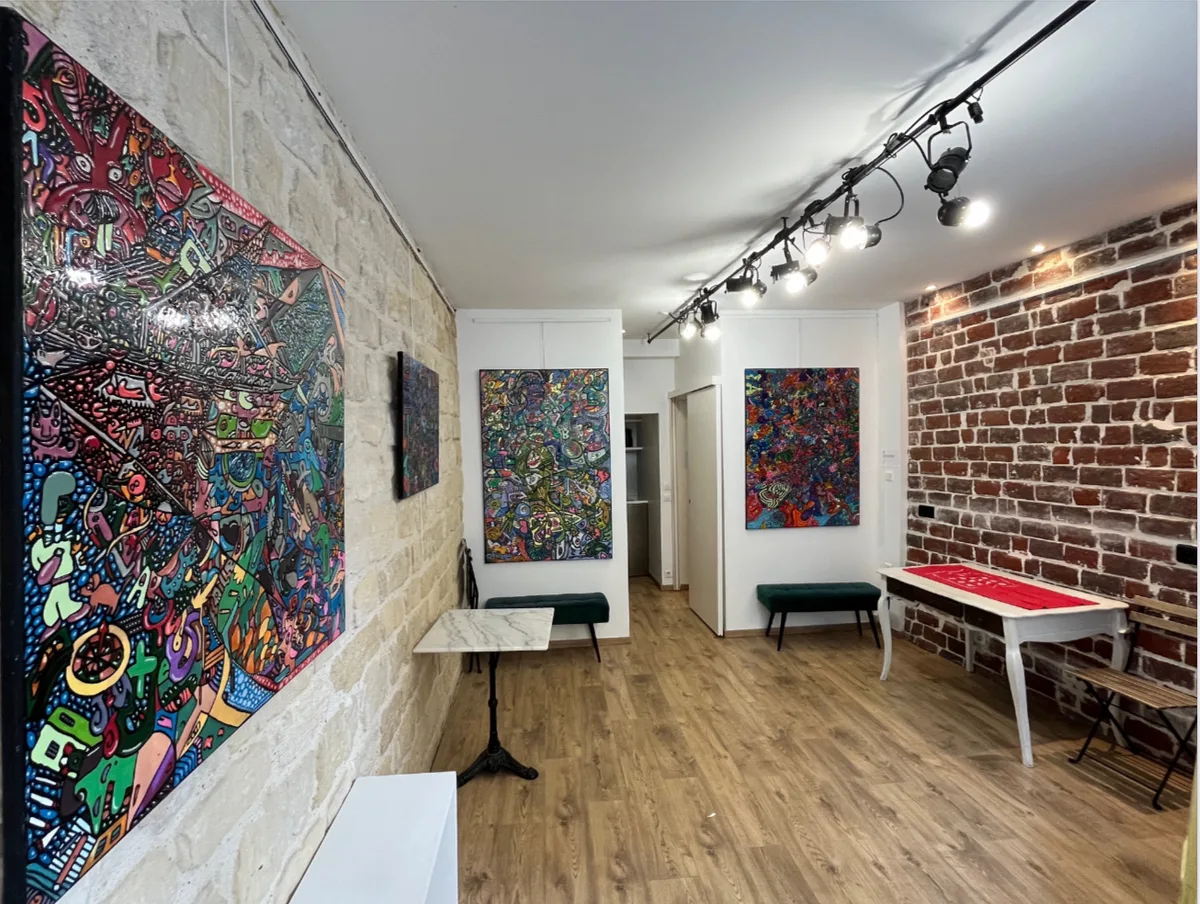
Additionally, event spaces such as galleries or studios might host fashion shows or art-crossover events. These venues serve as a blank canvas for brands to creatively engage audiences through curated experiences that blend fashion with art and culture.
Quick answer: Fashion Week Venues provide pop-up stores for retail engagement, showrooms for intimate showcases, and galleries for creative events, each offering unique opportunities for brand interaction.
Understanding the wide variety of available venues and aligning them with your brand's objectives is essential for maximizing impact during Fashion Week.
Next, we'll guide you through the logistical considerations vital for executing a successful fashion event in Paris.
Logistics and Planning for Fashion Week Events
Logistics form the backbone of any successful fashion event, especially in a bustling city like Paris. A well-orchestrated logistical plan ensures seamless execution, enhances guest experience, and amplifies brand messaging during the event.
Key logistical considerations include transport, installation, and compliance. Transport logistics encompass the movement of equipment, apparel, and personnel. Timely and planned transport is crucial, particularly given Paris's strict traffic regulations and narrow streets in certain areas.
Installation logistics include the setup and breakdown of displays and infrastructure. Venues often have specific operational timelines, demanding punctuality and coordination. This requires experienced teams who can efficiently manage installations without compromising on quality or safety.
Compliance involves adhering to local regulations and obtaining necessary permits. Understanding concepts like bail dérogatoire or an AOT permit is essential, as non-compliance can lead to fines or event cancellations. Engaging with local experts or using tools such as Fashion Week Venues’ permit guidance tool is advisable to navigate these complexities.
TIP: Utilize Fashion Week Venues' expert services for a hassle-free logistical experience, ensuring all aspects from transport to permits are professionally managed.
Next, we delve into the financial aspects of planning a fashion week event.
Budgeting for a Fashion Week Venue
Budgeting is a critical component in planning for a fashion week venue. It impacts everything from location and venue size to event design and marketing strategies. While the cost of venues in Paris can vary widely based on size, location, and amenities, a well-structured budget ensures effective allocation of resources.
Start by defining clear objectives and itemizing potential expenses—venue rental, production costs, staffing, and marketing are key areas to consider. Use tools like the budget estimation tool to get tailored insights based on your brand's specific needs.
Fashion Week Venues provides access to a range of services that offer value-for-money propositions, ensuring you achieve maximum ROI without overspending. Consider the potential financial benefits of hosting in a high-traffic area even if the upfront cost is higher.
Quick answer: Effective budgeting involves aligning event goals with financial planning, using specialized tools for accuracy, and investing strategically in high-impact areas.
Understanding financial commitments upfront allows for strategic decisions that can enhance event outcomes.
In the next section, we explore compliance in more detail, focusing on the unique requirements in Paris.
Legal and Compliance Considerations
Paris’s legal landscape for event spaces requires careful navigation. Compliance with local regulations, including securing appropriate permits, is vital for success. The concept of bail dérogatoire and AOT permits often confuses many international brands.
Bail dérogatoire permits allow the temporary use of a venue for purposes other than what is stipulated in its main lease, ideal for short-term events like pop-ups. However, understanding terms and conditions clearly is essential to avoid legal issues.
An AOT, or Autorisation d’Occupation Temporaire, permits temporary use of public spaces. Brands must acquire this permit when planning to host events in such areas to avoid penalties.
While certain permits may seem straightforward, complexities arise from varying requirements based on space type, duration, and arrondissement. This legal intricacy necessitates consultation with local advisors or using resources like the Fashion Week Venues permit tool.
DID YOU KNOW: Non-compliance with Paris’s strict legal requirements can lead to hefty fines or event shutdowns.
Understanding these permits and consulting with experts ensures smooth legal transitions and successful event execution.
Next, learn how Fashion Week Venues can assist with your event.
How Fashion Week Venues Supports Your Fashion Event
Fashion Week Venues simplifies the complexity of organizing a successful fashion event through expert guidance, comprehensive services, and innovative tools. From venue sourcing and concept direction to staffing and activation management, the agency manages every aspect to ensure seamless operation.
The agency's tools, such as the budget estimator and ROI calculator, help in optimizing financial planning and measuring event success. These resources are designed for brand teams seeking informed decisions for event planning, ensuring all logistical and strategic aspects are covered.
Moreover, Fashion Week Venues offers a twin co-activation concept, allowing brands to host dual events for broader outreach. Their services cater to creative directors, brand activation managers, and retail strategists looking to capitalize on strategic event placements in Paris.
IMPORTANT: While Fashion Week Venues provides comprehensive support, success also depends on clear communication of goals and collaborative planning with their team.
Next, we address common myths surrounding fashion week venues in Paris.
Common Myths Debunked
MYTH: You need a French legal entity to rent a space in Paris.
FACT: While having a legal presence in France can facilitate processes, it is not necessary to rent a space. Many venues and agencies, including Fashion Week Venues, work with international clients without local legal entities.
MYTH: Paris Fashion Week is the only viable calendar window.
FACT: Though significant, Paris Fashion Week is not the only time to host successful fashion events. Paris has a vibrant year-round fashion scene with opportunities to engage different audiences.
MYTH: Commission brokers are the only way to find a space.
FACT: While traditional brokers aid in securing spaces, platforms like the Fashion Week Venues marketplace offer direct access to venue listings, saving time and potentially reducing costs.
MYTH: Short-term leases are always legally straightforward.
FACT: Short-term leases involve specific complexities, especially concerning permits and legal conditions like bail dérogatoire. Professional guidance is advised.
By debunking these myths, brands can navigate the Paris fashion scene more efficiently, maximizing their impact without common pitfalls.
Next, we provide answers to frequently asked questions about fashion week venues.
Frequently Asked Questions
What is the best type of venue for a pop-up event in Paris?
Choosing the best venue for a pop-up in Paris depends on your target audience and brand objectives. Le Marais is popular for its trendy appeal, while Saint-Germain-des-Prés suits high-end luxury brands. Consider factors like accessibility and foot traffic, and how these align with your marketing goals.
How can I manage logistics for my fashion week venue?
Effective logistics involve detailed planning of transport, setup, and tear-down processes. Engaging experienced planners or working with an agency like Fashion Week Venues can ensure these aspects are handled professionally, meeting local regulations and optimizing event flow.
What are the key legal permits required for hosting events in Paris?
The primary permits include the bail dérogatoire for temporary commercial use and AOT for occupying public spaces. Understanding permit requirements and consulting with local experts or tools like the Fashion Week Venues' permit guide can facilitate compliance.
Do I need a large budget to host an event during Paris Fashion Week?
While costs can be substantial, strategic planning allows for effective events without overspending. Utilize the budget estimation tools from Fashion Week Venues to identify key areas to allocate funds, maximizing impact within your financial limits.
Can I rely on traditional brokers for venue sourcing in Paris?
Brokers are helpful, but today’s digital platforms, like the Fashion Week Venues marketplace, offer direct, transparent access to venues, reducing reliance solely on brokers and potentially cutting costs.
Why is venue type important for brand activation?
The venue type defines the experience. A pop-up store focuses on consumer engagement, while a showroom offers intimate displays for insiders. Choosing the right type enhances your brand's interaction and aligns with your event objectives.
What should international brands consider when planning Paris events?
International brands should understand local market dynamics, cultural nuances, and compliance needs. Working with local partners like Fashion Week Venues ensures these factors are addressed, allowing smooth transitions and effective brand representation.
Is Fashion Week the only time to engage the Paris market?
Paris offers ample opportunities beyond Fashion Week, with diverse cultural and fashion events year-round. Brands can leverage these periods to target different audiences without the intense competition of Fashion Week.
How can experiential marketing enhance my fashion event?
Experiential marketing involves creating immersive brand experiences that engage all senses. This strategy builds lasting impressions and deeper connections with attendees. Fashion Week Venues aids in crafting such experiences through expert design and production services.
What is the advantage of using a venue sourcing service?
Using a venue sourcing service streamlines the search process and provides insights into market trends and venue specifics. It saves time, reduces stress, and helps secure the most fitting venue for your brand's unique needs.
Conclusion
Finding and securing the right fashion week venue in Paris requires expert knowledge of location dynamics, venue types, logistical planning, and legal compliance. Fashion Week Venues offers comprehensive services and tools that support brands in every step of this journey, ensuring smooth and impactful events. As you plan your next fashion activation, leveraging these expert resources can transform challenges into opportunities. Begin exploring the available spaces on the Fashion Week Venues marketplace today to build your ideal event experience. With meticulous planning and the right guidance, your brand can make a significant impact in the world’s leading fashion capital.