
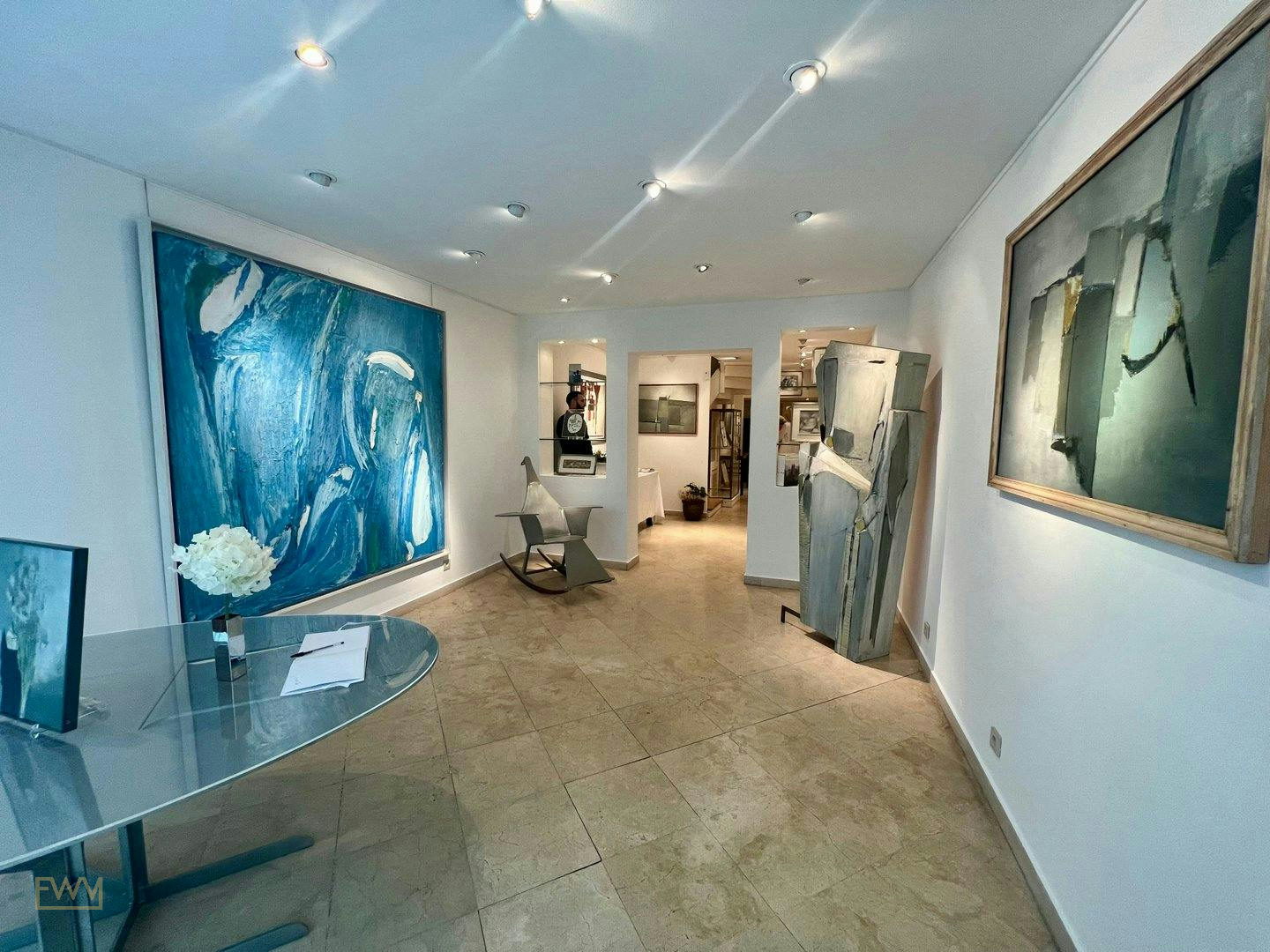
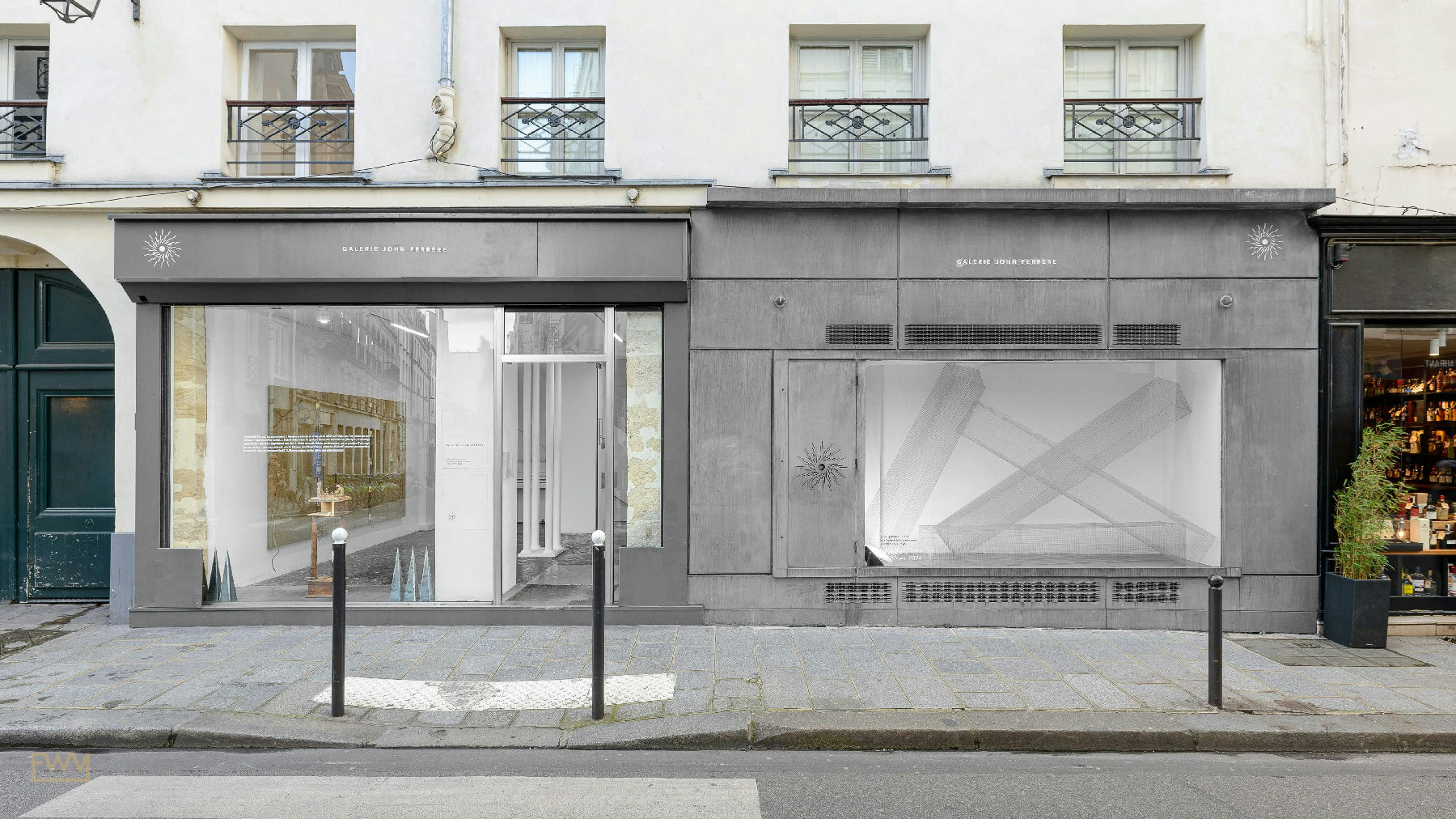
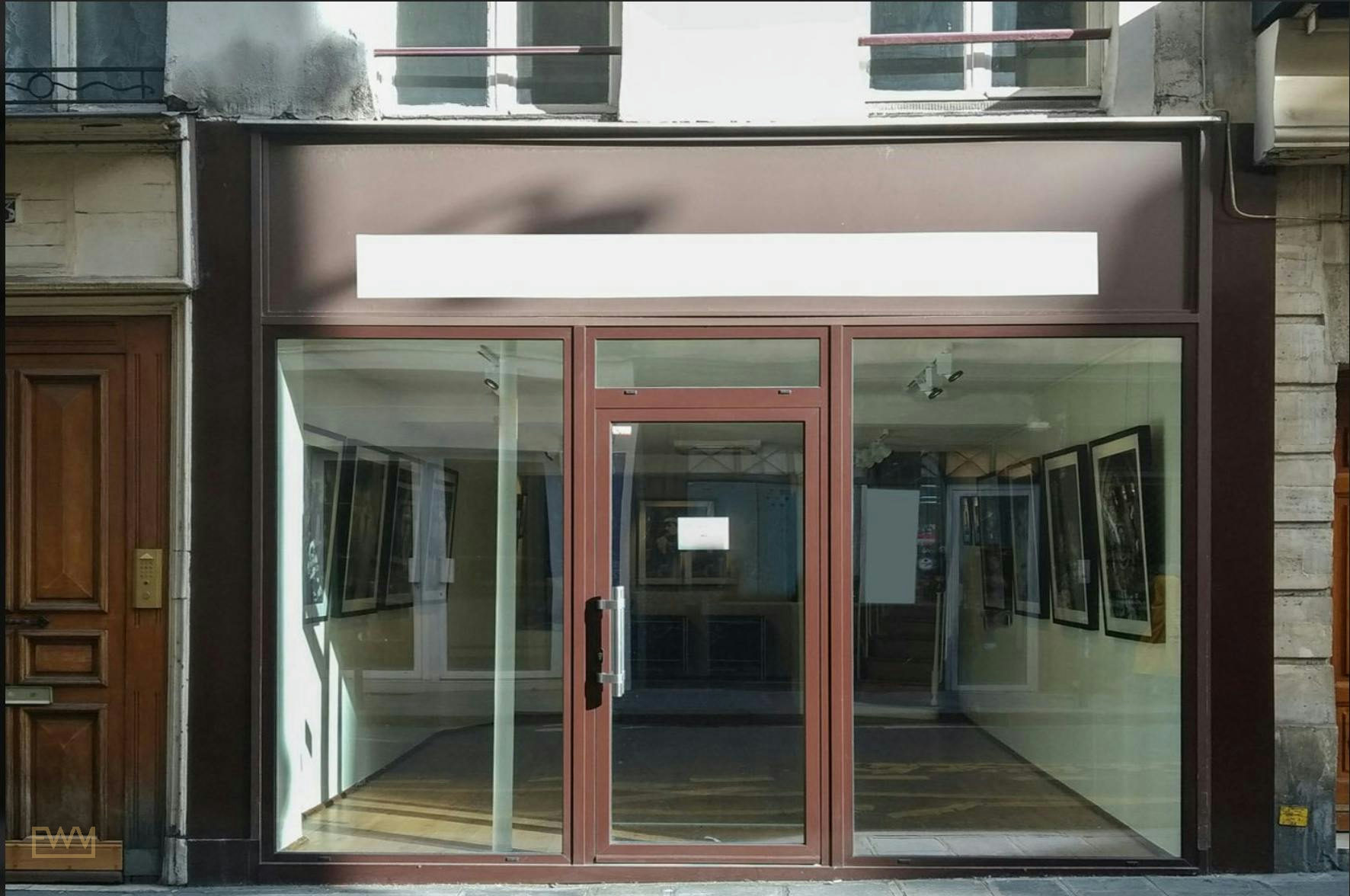
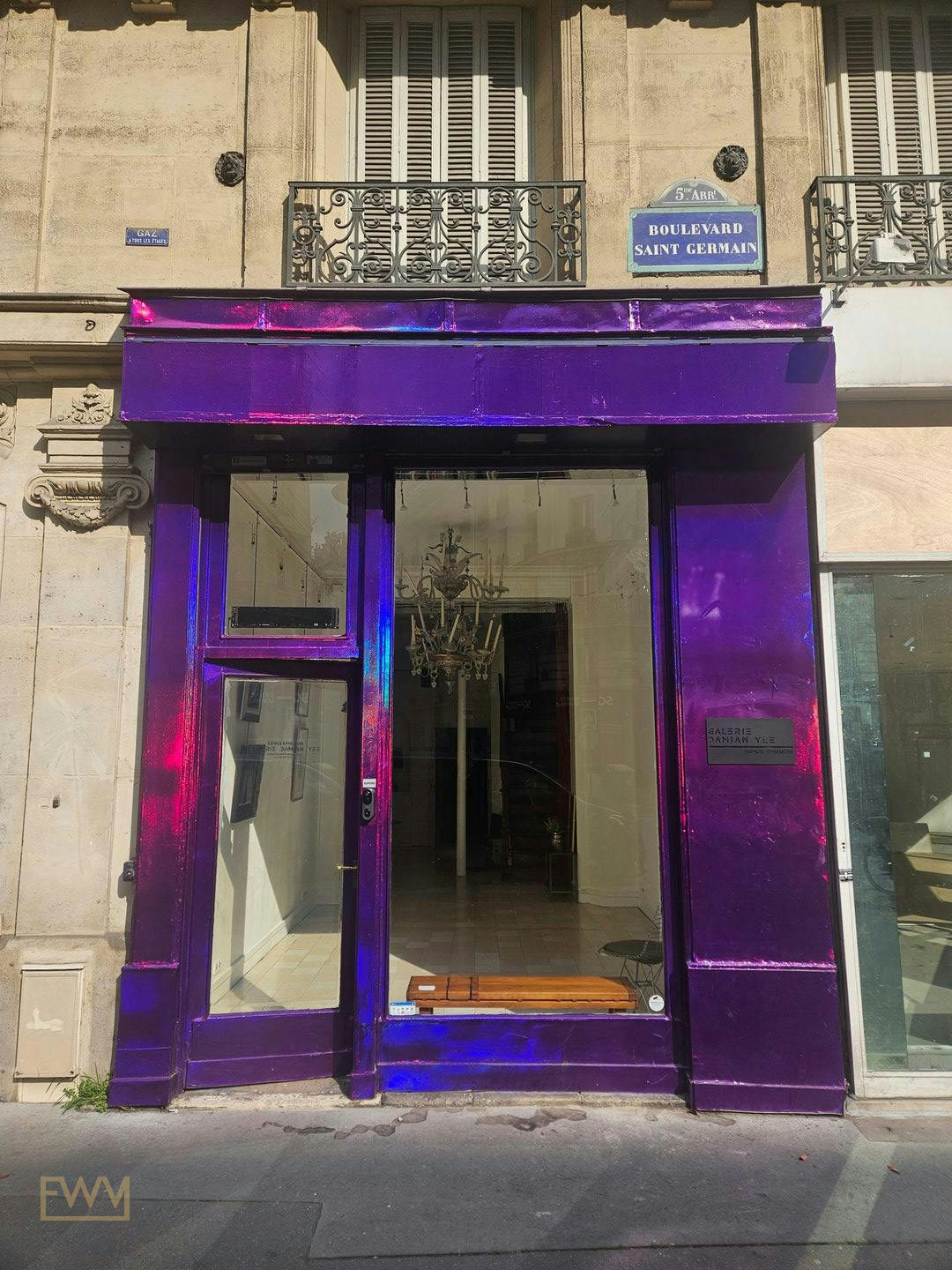
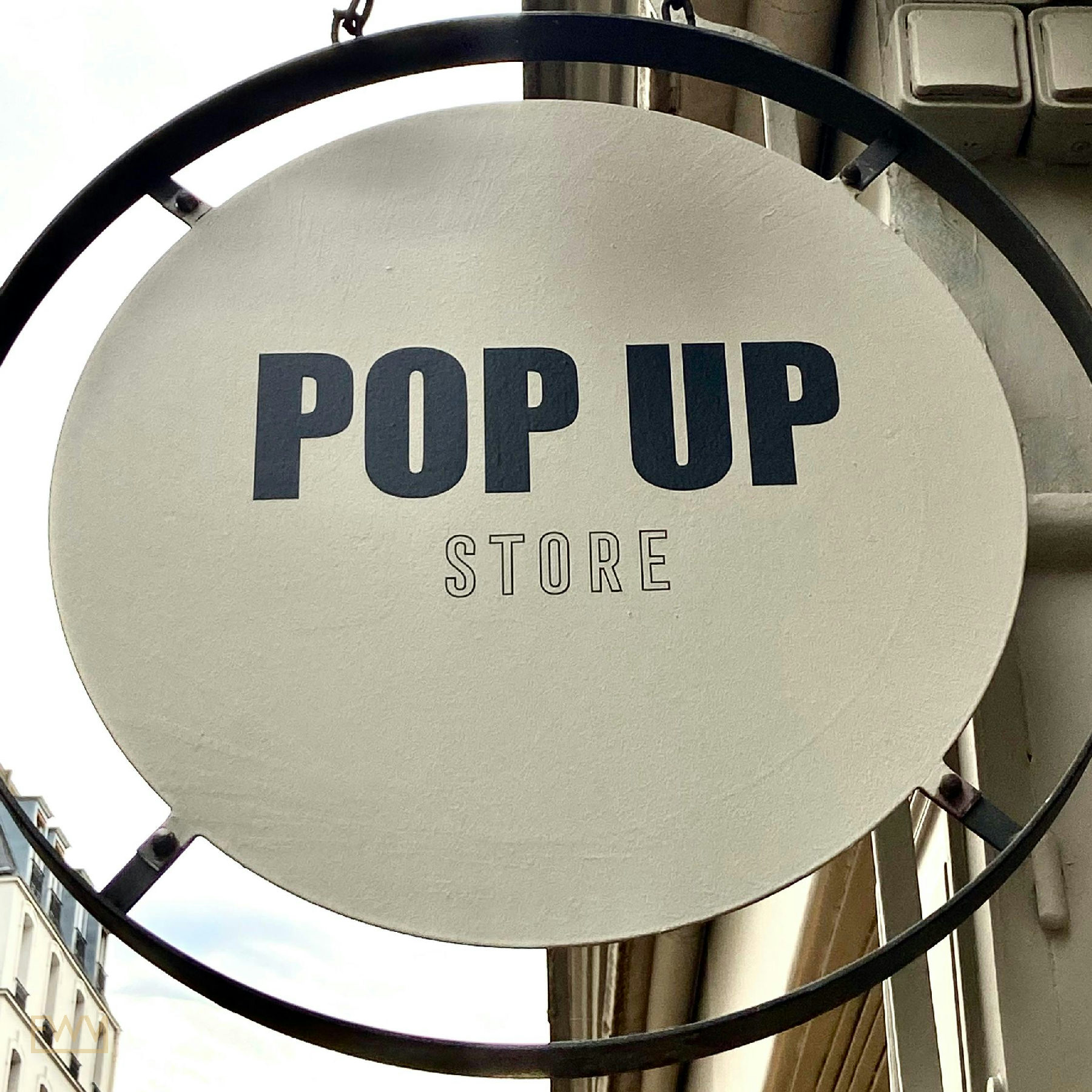
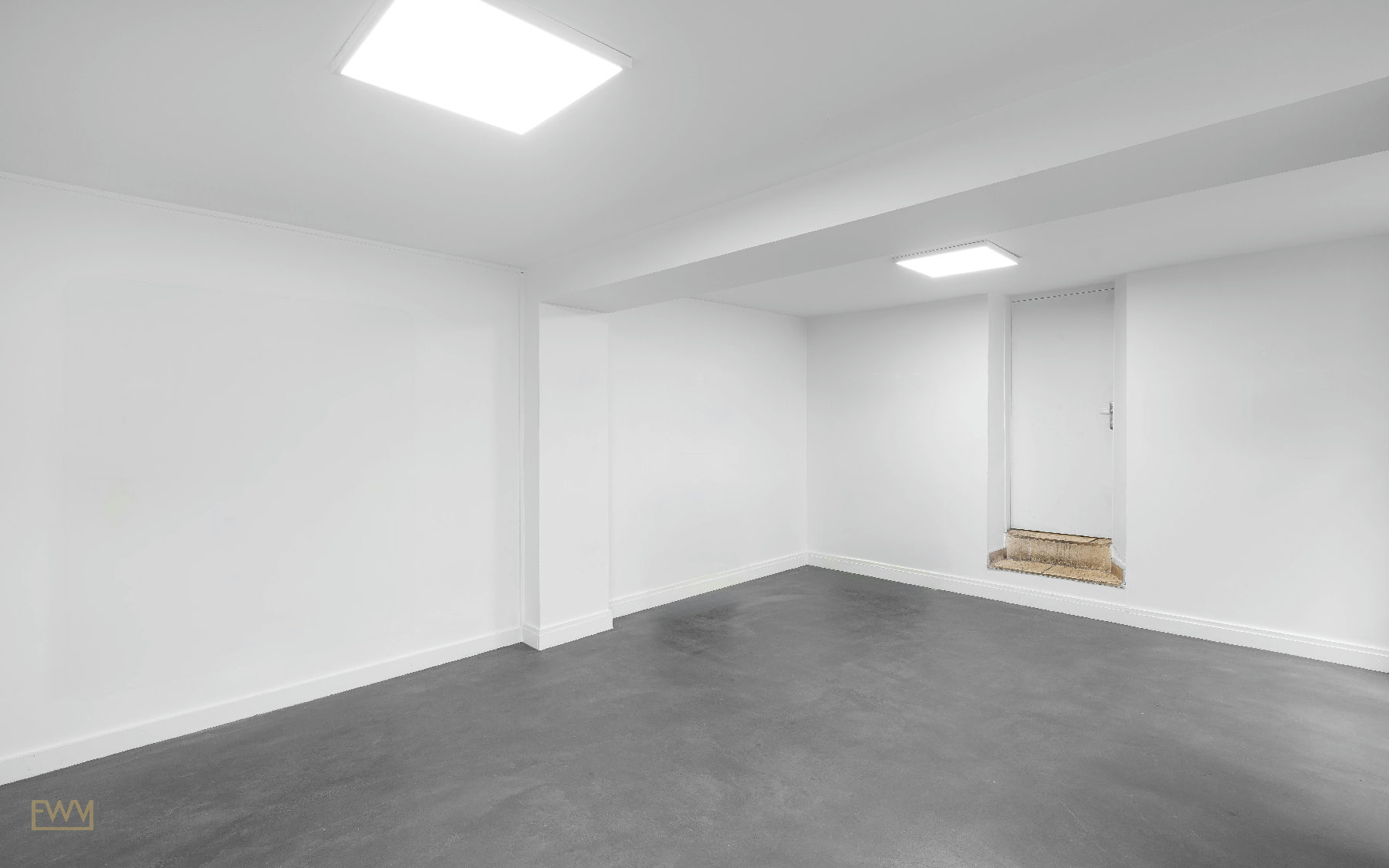
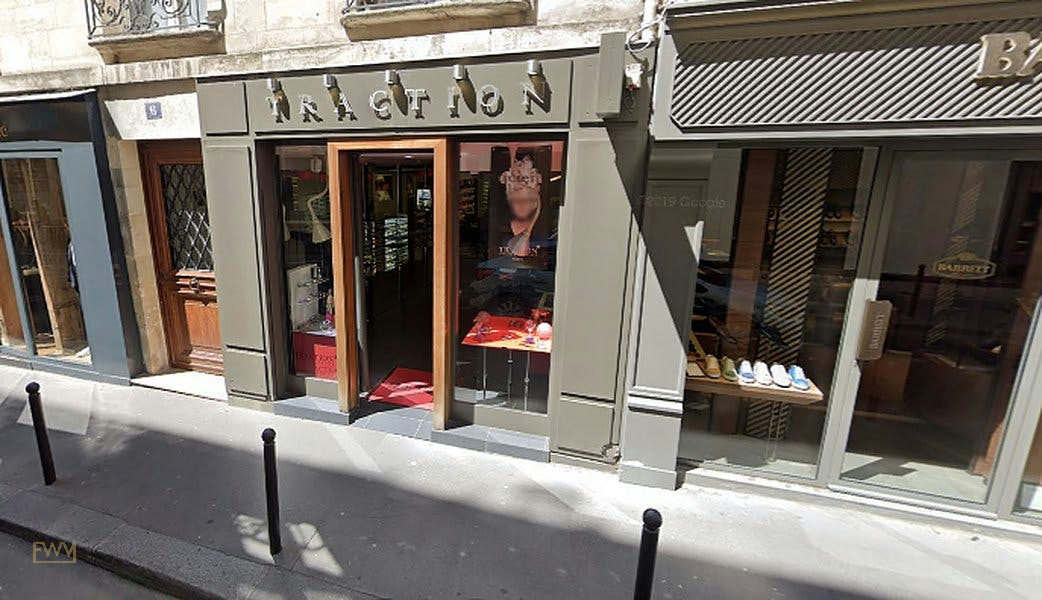
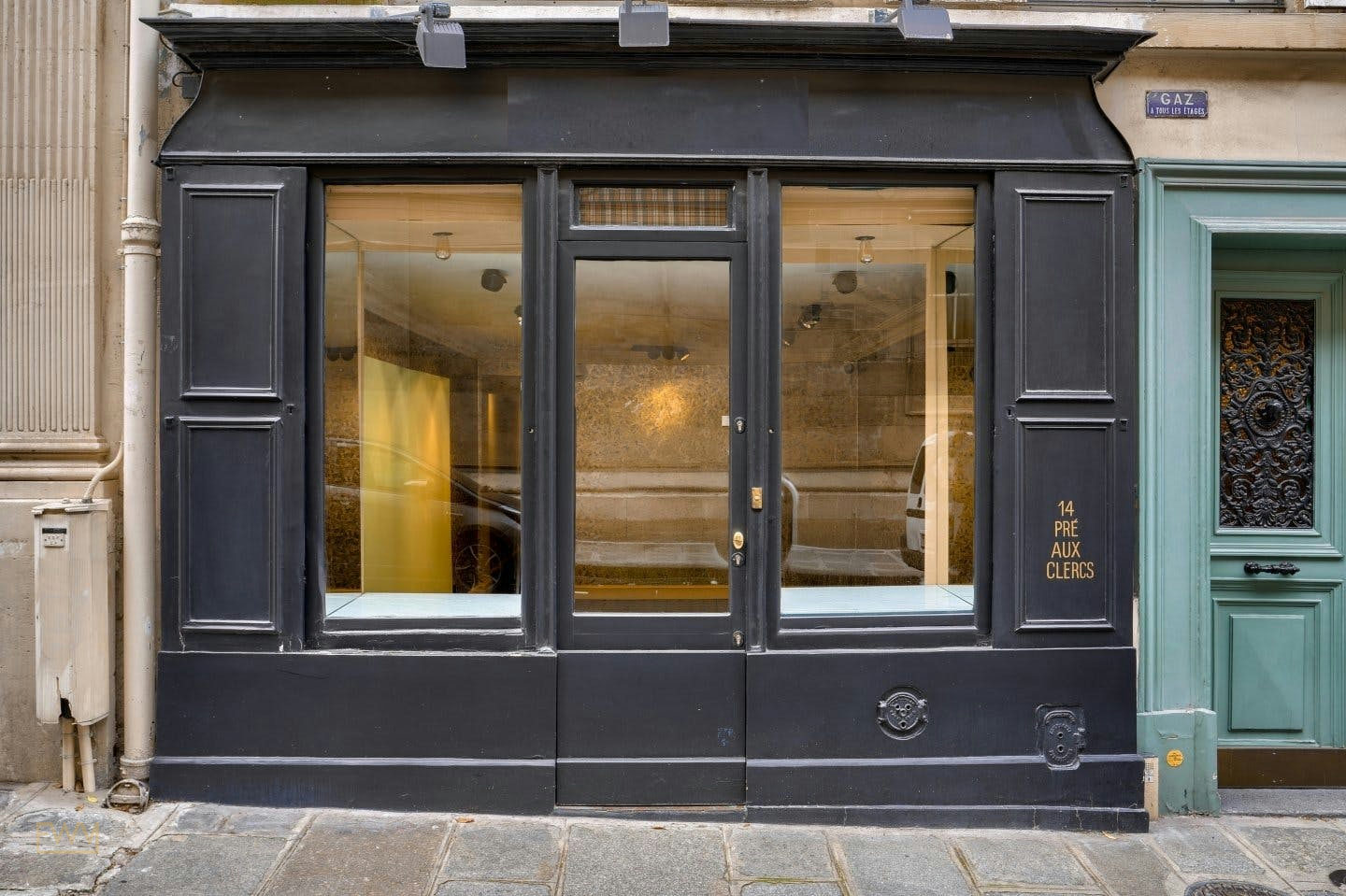
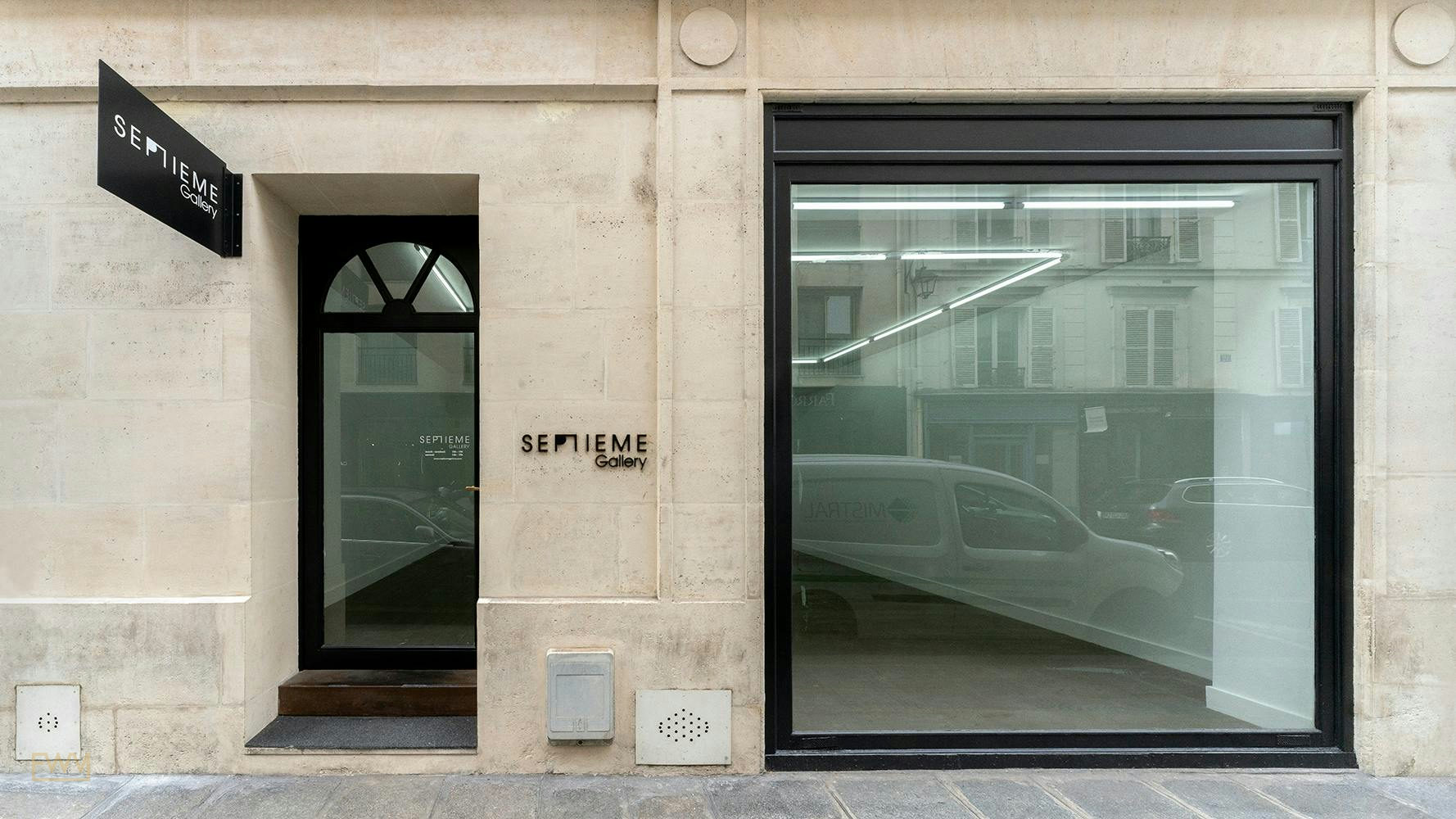
For global brands seeking exposure at the world’s top fashion events, securing the right venue is crucial. Paris, known for its iconic Fashion Week venues, offers unparalleled opportunities to showcase collections, host exclusive events, and engage with key audiences. Fashion Week Venues is an esteemed agency specializing in the nuanced art of venue sourcing and pop-up space activation. From intimate showrooms to grand event halls, understanding how to navigate the marketplace in Paris is key to achieving successful brand activations. Let’s delve into the strategic considerations and practicalities of selecting a venue during Fashion Week.
Understanding the Importance of Venue Selection
Choosing the right venue is integral to the success of any fashion event. It's not just a physical space; it's a pivotal aspect of branding, affecting everything from guest perceptions to logistical planning. An appropriate venue can enhance your brand image, cater to your target audience, and provide the necessary facilities for seamless execution.
When selecting a venue during Fashion Week in Paris, considerations include location, amenities, size, and the overall ambiance of the space. Each of these factors plays a critical role in how your event is perceived by attendees and the media.
Key Takeaway: Venue selection is more than securing a space; it's about aligning your brand's ethos with an environment that complements and amplifies your message and objectives.
To effectively compare and shortlist venues based on these criteria, brands can explore tools provided by agencies such as Fashion Week Venues, which streamline decision-making processes and ensure alignment with brand goals. This foundation leads directly into understanding the types of spaces available in the Paris market.
Types of Spaces Available for Fashion Week Events
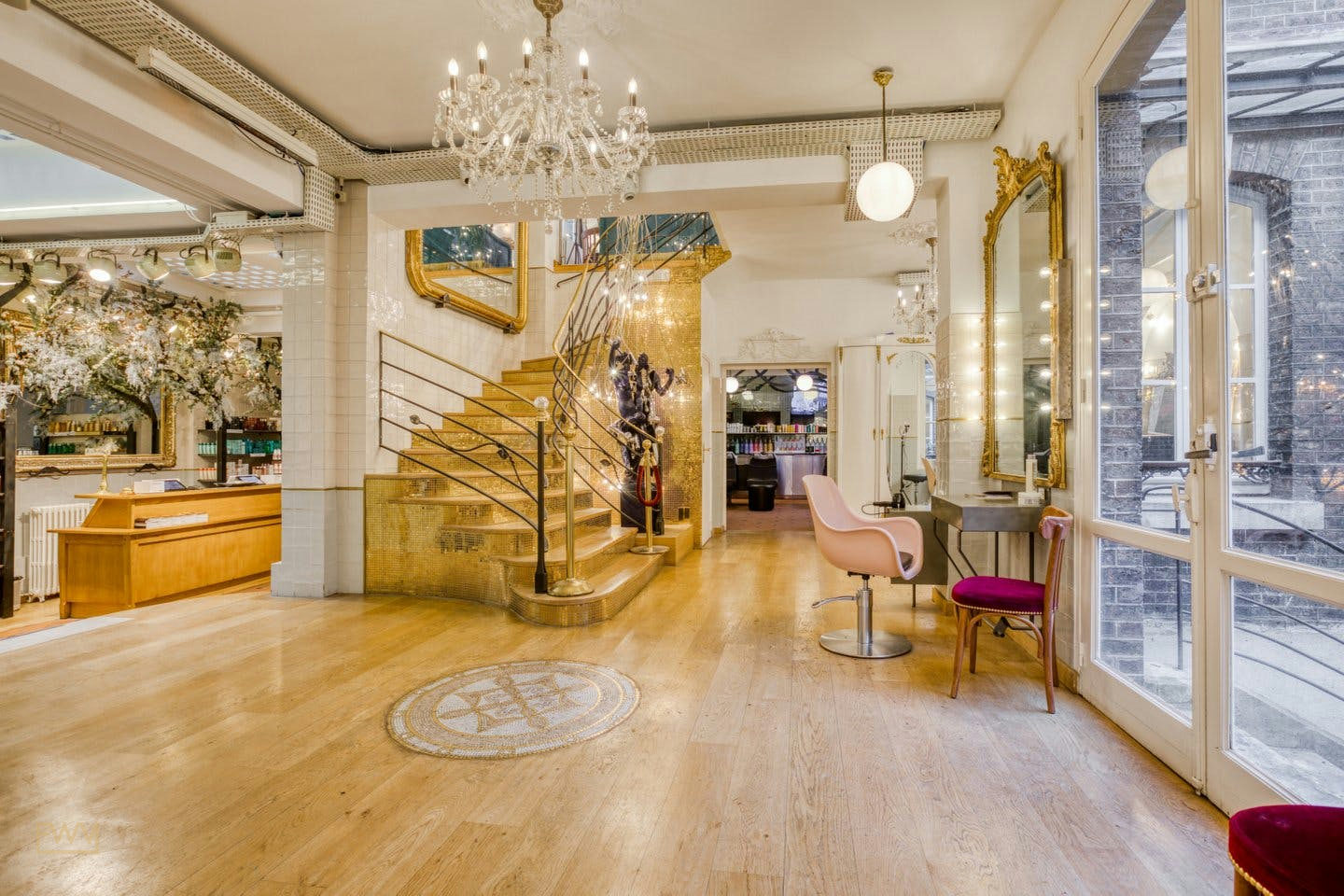
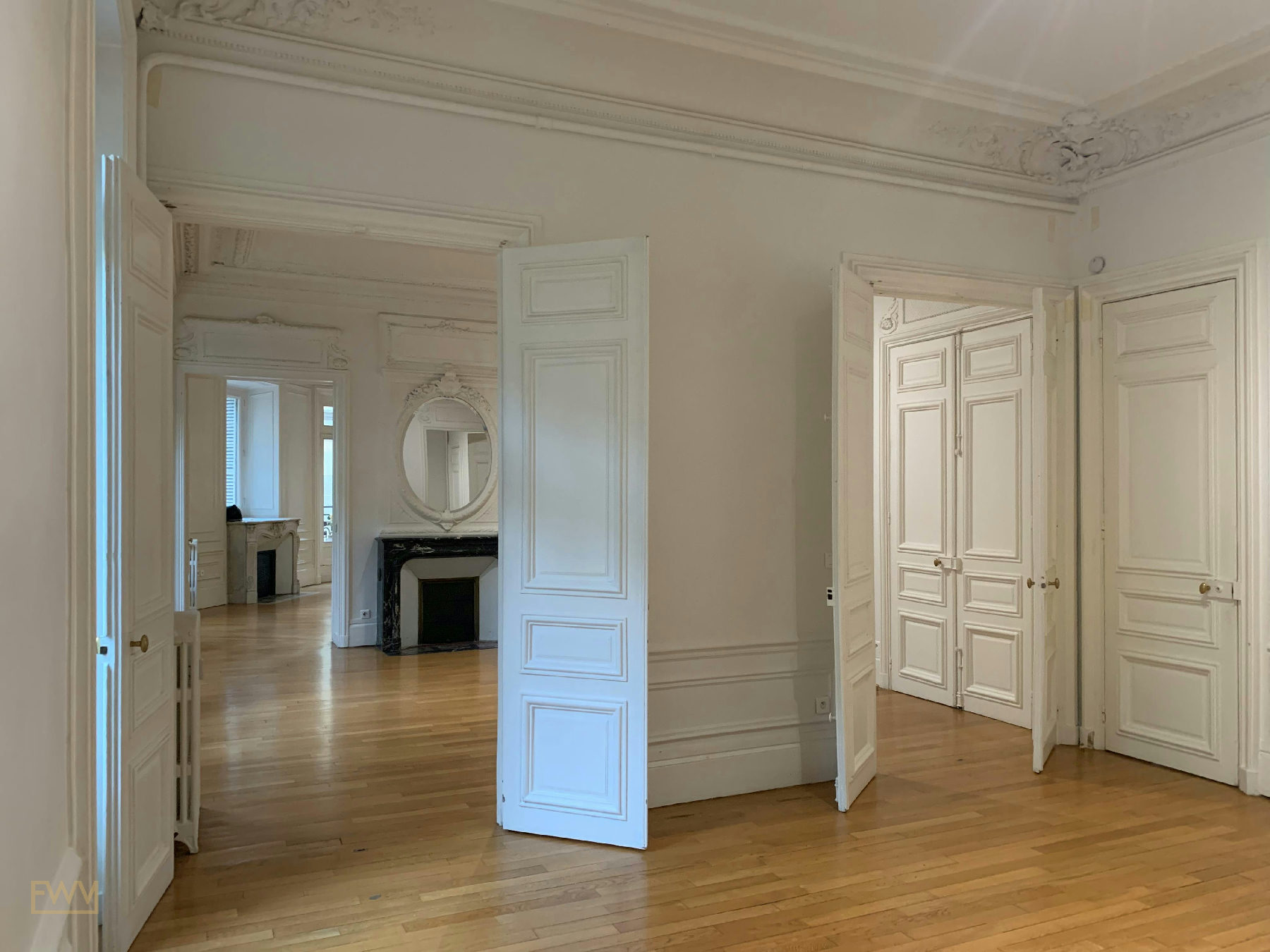
Paris offers a variety of spaces that cater to different needs during Fashion Week. These range from grand historical venues to cutting-edge contemporary spaces, each with unique attributes suitable for diverse brand requirements. Common types include showrooms, event spaces, and pop-up shops.
| Space Type | Characteristics | Ideal For |
|---|---|---|
| Showrooms | Intimate, well-lit spaces in stylish locations. | Showcasing collections to buyers and media. |
| Event Spaces | Large-scale venues with flexible layouts. | Hosting high-profile runway shows and parties. |
| Pop-up Shops | Temporary retail spaces for direct consumer engagement. | Launching new products and enhancing retail experiences. |
Quick Answer: The choice between showrooms, event spaces, and pop-up shops largely depends on your event goals, target audience, and desired brand interaction level. Each space type offers specific advantages that align with different aspects of brand strategy.
Understanding these space types is crucial as it directly influences the style and logistics of the event. This knowledge is necessary as we move forward to discuss the critical aspects of location and its impact on event success.
The Impact of Location on Event Success
Location is a determinant of accessibility and brand imagery, impacting not only who attends but also how the media perceives the event. Popular districts such as Le Marais, Saint-Germain-des-Prés, and Rue Saint-Honoré offer different atmospheres, influencing the overall tone of the event.
For instance, Le Marais is renowned for its trendy boutiques and art galleries, creating a vibrant backdrop for innovative brands. In contrast, Rue Saint-Honoré is home to luxury flagship stores, offering a more upscale and exclusive setting. Understanding these neighborhood characteristics helps brands tailor their events to align perfectly with their brand image and target audience.
Key Takeaway: Selecting the right neighborhood involves aligning the local ambiance with the brand’s values and target demographic, enhancing the overall impact and memorability of the event.
With the right location in mind, it's crucial to understand the financial and logistical considerations, which are often influenced by the neighborhood chosen. The subsequent section addresses these aspects comprehensively.
Financial and Logistical Considerations
Budgeting is a core part of venue selection, combining direct costs like rental fees with indirect expenses such as permits, staff, and logistical arrangements. In Paris, location and space size are the primary cost drivers. The use of comprehensive budgeting tools, such as those offered by Fashion Week Venues, helps brands outline detailed financial expectations, including allowances for unforeseen expenditures.
A robust budget caters not only to venue costs but also production, setup, and unexpected expenses. Given the high demand during Fashion Week, early booking is essential to secure favorable rates and desired locations.
Quick Answer: Successful budgeting involves aligning projected expenses with strategic brand objectives, adapting as necessary to ensure comprehensive coverage of all logistical aspects.
By examining these considerations, we transition naturally into the operational aspects of securing a venue, including contract negotiations and necessary permits.
Contract Negotiations and Securing Permits
Securing a venue in Paris involves navigating intricate contract negotiations and compliance with local regulations. Brands must be familiar with terms like bail dérogatoire (temporary occupancy agreements) and AOT (temporary occupation authorization), which are unique to the Parisian market. These determine legal obligations and financial commitments.
Working with experienced agencies such as Fashion Week Venues can simplify this process by providing expert permit guidance, while helping brands identify required permits, manage negotiations, and ensure legal compliance without unnecessary delays.
DID YOU KNOW: Temporary occupation agreements in Paris can vary significantly based on location, duration, and intended use. Consulting a French legal advisor is recommended to ensure compliance with specific terms.
With these logistical and legal aspects in mind, we move towards understanding how to maximize the potential of venue design and branding during Fashion Week.
Maximizing Venue Design and Branding
Effective venue design is a critical component of successful brand activations. This involves strategic concept execution that reflects brand identity and enhances the event experience. It includes spatial design, experiential elements, and digital integrations.
Fashion Week Venues assists brands in designing immersive spaces that complement collections, using branded elements, lighting, and multimedia presentations. This strategy extends beyond aesthetics, fostering an environment where guests engage authentically with the brand.
Quick Answer: Venue design is an artful balance of aesthetic elements and brand storytelling, requiring creativity and strategic planning to achieve seamless brand experiences.
As we delve further, understanding the intricate balance of audience engagement and brand message integration becomes vital.
Audience Engagement and Brand Messaging
Fashion events are not just about showcasing collections but about engaging audiences and conveying a brand's ethos effectively. Interactive elements, storytelling, and multimedia experiences are becoming central to fashion week venues.
Crafting a compelling narrative through the event—be it through presentations, visual storytelling, or influencer participation—ensures that the brand's message resonates. Utilize digital tools and platforms to enhance audience interaction.
TIP: Engaging with audiences through creative digital experiences can significantly enhance event impact, providing a lasting impression of the brand's message.
This section bridges into understanding how to integrate digital and physical experiences effectively, an area where brands can leverage new technologies and platforms.
Integrating Digital and Physical Experiences
In the modern fashion landscape, melding digital and physical experiences offers a dynamic way to enhance brand interactions. Utilizing digital platforms such as virtual reality, augmented experiences, and live streaming can extend your event's reach and impact.
Fashion Week Venues supports brands by integrating cutting-edge technology into physical spaces, creating seamless transitions between the online and offline worlds, ensuring broader engagement and enhanced customer experiences.
Quick Answer: Successful integration of digital technology in physical spaces involves leveraging cutting-edge tools to enhance brand storytelling, engage wider audiences and enrich the overall experience.
With robust digital integration strategies, the focus then shifts to performance evaluation and deriving insights from event outcomes.
Evaluating Event Success and Insights
The effectiveness of a fashion event is often measured through a combination of qualitative and quantitative metrics. Key performance indicators might include audience engagement levels, social media reach, media coverage, and sales activity.
Collecting data from these events provides insights into consumer behavior and can guide future strategies. Fashion Week Venues offers tools to measure these metrics effectively, helping brands refine their approach for future events.
Key Takeaway: Leveraging comprehensive data analytics post-event is essential for measuring success and crafting data-driven strategies for future brand activations.
Having explored event evaluations, the next focus is on how Fashion Week Venues enhances brand success through its comprehensive suite of services and tools.
How Fashion Week Venues Can Enhance Your Brand Activation
Fashion Week Venues provides a full-service approach to fashion brand activations. From venue sourcing to activation management and concept and creative direction, it enables brands to deliver impactful experiences. The platform's tools, such as the permits tool, timeline tool, and rental services enhance operational efficiency.
Brands benefit from Fashion Week Venues’ extensive market knowledge and partner network, ensuring experiential marketing is executed seamlessly.
IMPORTANT: While Fashion Week Venues offers invaluable support, it's crucial for brand teams to maintain clear communication to align objectives and expectations effectively.
The subsequent focus addresses some common myths around utilizing Fashion Week Venues in Paris, shedding light on typical misconceptions.
Common Myths Debunked
MYTH: You need a French legal entity to rent a space in Paris.
FACT: While it is beneficial to have a local entity for certain administrative processes, it is not mandatory to rent event spaces. Many agencies and legal advisors can facilitate this process, ensuring compliance with local regulations without setting up a formal legal entity in France.
MYTH: Paris Fashion Week is the only viable calendar window.
FACT: Although Paris Fashion Week draws global attention, brands can benefit from other significant fashion events and off-season opportunities to gain exposure and engage with diverse audiences throughout the year.
MYTH: Commission brokers are the only way to find a venue.
FACT: While brokers can be helpful, platforms like Fashion Week Venues provide a marketplace for discovering venues independently, allowing brands to compare different options and make informed decisions efficiently.
MYTH: Short-term leases are legally straightforward without specialist help.
FACT: Navigating short-term leases and their legal implications can be complex. Specialist guidance ensures brands meet all compliance needs and avoid potential pitfalls, offering peace of mind.
Frequently Asked Questions
What permits are necessary to host an event in Paris?
The types of permits required depend on the event type, location, and duration. Typically, a bail dérogatoire or AOT is necessary, along with compliance to ERP standards. Consultation with a legal advisor and utilizing tools such as Fashion Week Venues' permit guidance is recommended.
How far in advance should I book a venue for Fashion Week?
It's advisable to book a venue at least 6 to 12 months in advance due to high demand. Early planning guarantees better access to desirable locations and optimal pricing conditions. Utilize Fashion Week Venues' tools to streamline this process and explore venue options.
What is the average cost of renting a space during Fashion Week in Paris?
Costs vary widely depending on the venue size, location, and amenities. While figures can range from a few thousand euros to tens of thousands per day, utilizing a budget estimation tool offers tailored insights relative to your specific needs and constraints.
Is it possible to host a virtual event during Fashion Week?
Yes, hosting virtual or hybrid events is increasingly popular. Such events can widen engagement scope and accessibility while reducing operational costs. Fashion Week Venues supports immersive digital experiences that complement physical events, elevating brand reach.
Can Fashion Week Venues assist with creative and aesthetic direction?
Yes, Fashion Week Venues offers concept and creative direction services to help brands align their vision with event designs, ensuring a cohesive and impactful presentation.
How does Fashion Week Venues handle unexpected changes or cancellations?
Fashion Week Venues adopts a flexible approach, working closely with brands to manage changes. They're equipped with contingency plans and offer guidance on re-negotiations and adjustments, maintaining a stable and proactive service delivery.
Why is visitor engagement important during fashion events?
Visitor engagement is key to leaving a lasting impression and effectively conveying brand stories. Engaged audiences are more likely to have positive experiences, leading to improved brand perception and greater word-of-mouth promotion.
What strategies are effective for engaging audiences digitally?
Strategies include leveraging social media platforms, live streaming, virtual tours, and interactive elements. Fashion Week Venues can assist in integrating such strategies with expert support to enhance online engagement and reach.
What metrics should we track to evaluate an event's success?
Metrics such as attendance numbers, audience engagement, social media activity, sales conversion, and media coverage are crucial. Utilizing comprehensive analytics tools helps ensure these metrics are tracked effectively, guiding insight-driven decision-making.
How do I determine the best neighbourhood for our event in Paris?
Choosing an ideal neighborhood depends on brand identity and target audience. Researching areas such as Le Marais for a creative, trendy atmosphere or Rue Saint-Honoré for luxury vibe through platforms and guides from Fashion Week Venues aids in informed decisions.
Conclusion
Successfully hosting an event during Paris Fashion Week requires careful planning, strategic decision-making, and expert guidance. By understanding the significance of venue selection, logistical planning, and audience engagement, brands can execute events that not only capture attention but also strengthen their market presence. Fashion Week Venues offers essential tools and services, from sourcing to activation, aiding in every phase of the process. To explore opportunities for your brand, visit the Fashion Week Venues marketplace and start planning your next activation. Paris awaits you with unparalleled opportunities for growth and brand exposure.