
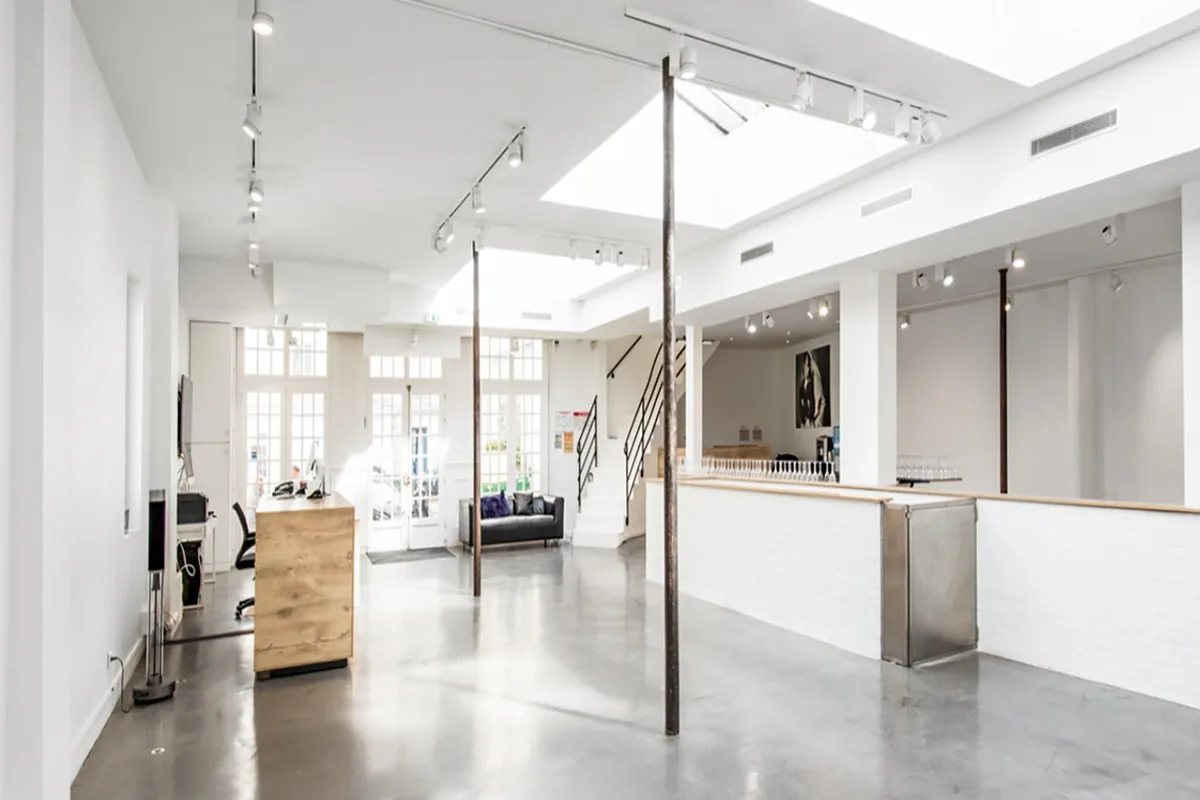
Securing the right venue for Fashion Week can make or break a brand activation or retail event. The process involves meticulous planning, from selecting the location to navigating legal and logistical challenges. Partnering with a full-service agency like Fashion Week Venues streamlines this journey, benefiting from their expertise in venue sourcing and event management. This guide equips fashion brands with the necessary insights and strategies to choose the ideal space, ensuring a successful Fashion Week presence.
Understanding Fashion Week Venues: Key Considerations
When selecting a venue for Fashion Week, understanding the industry's pulse is crucial. The right venue should align with your brand's identity and the event's goals.
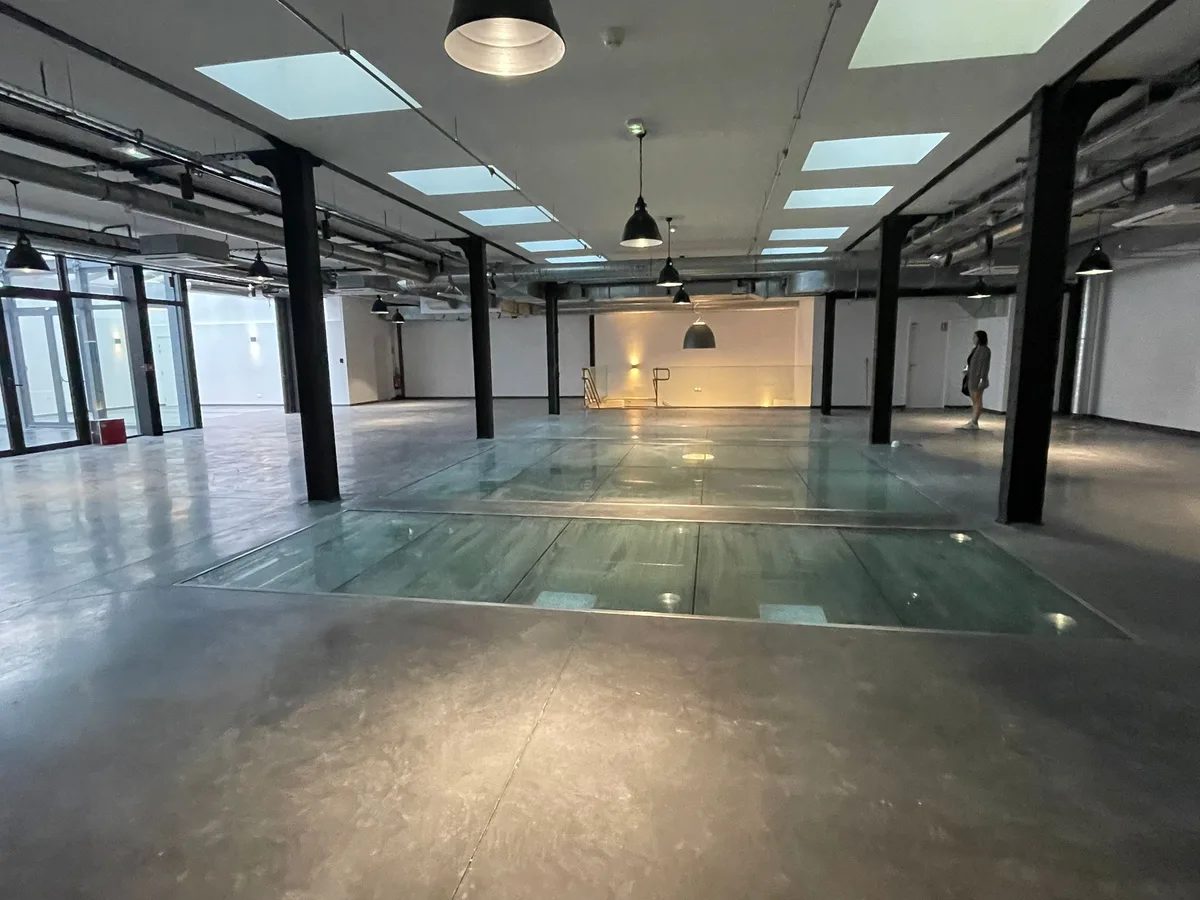
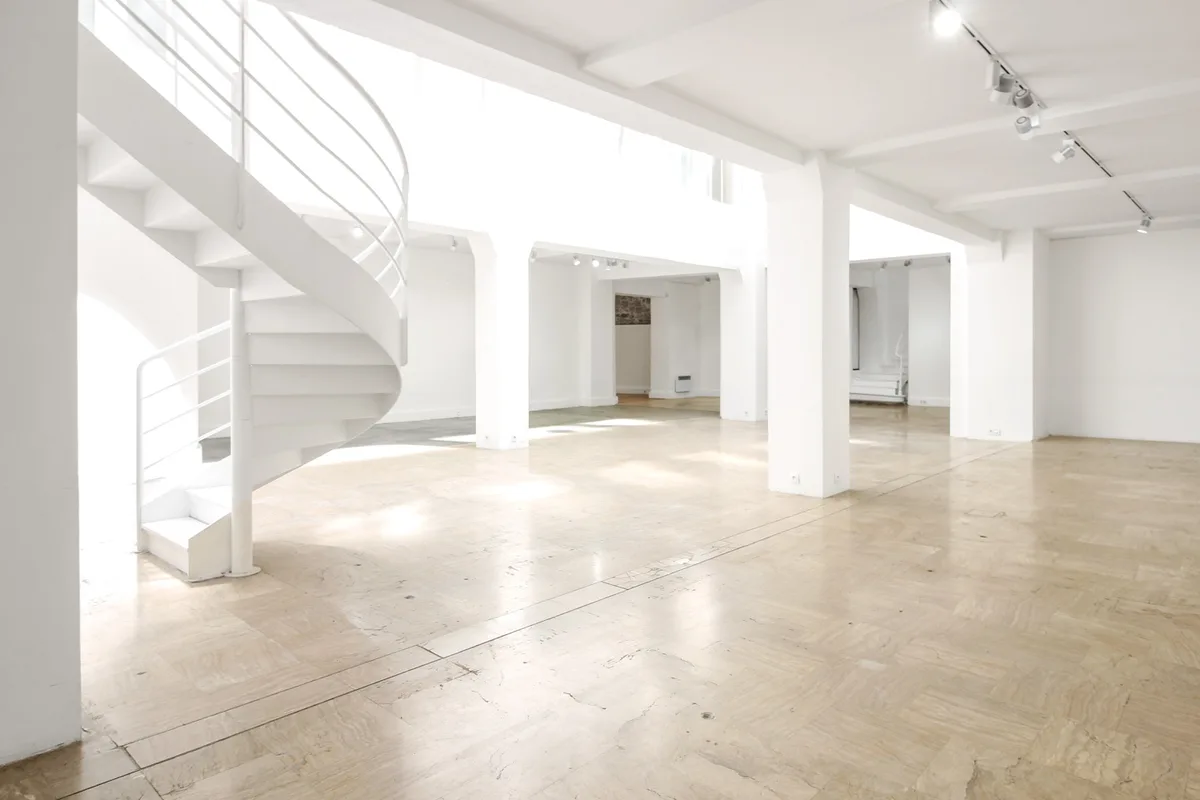
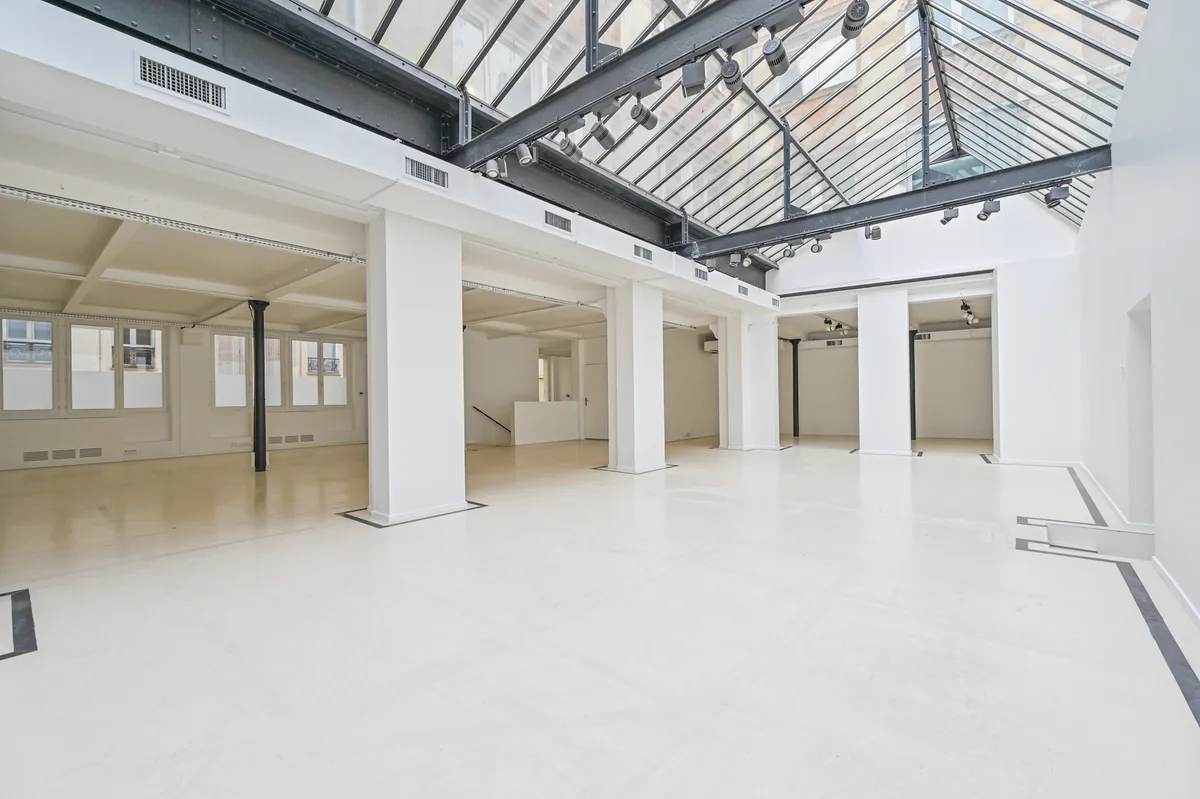
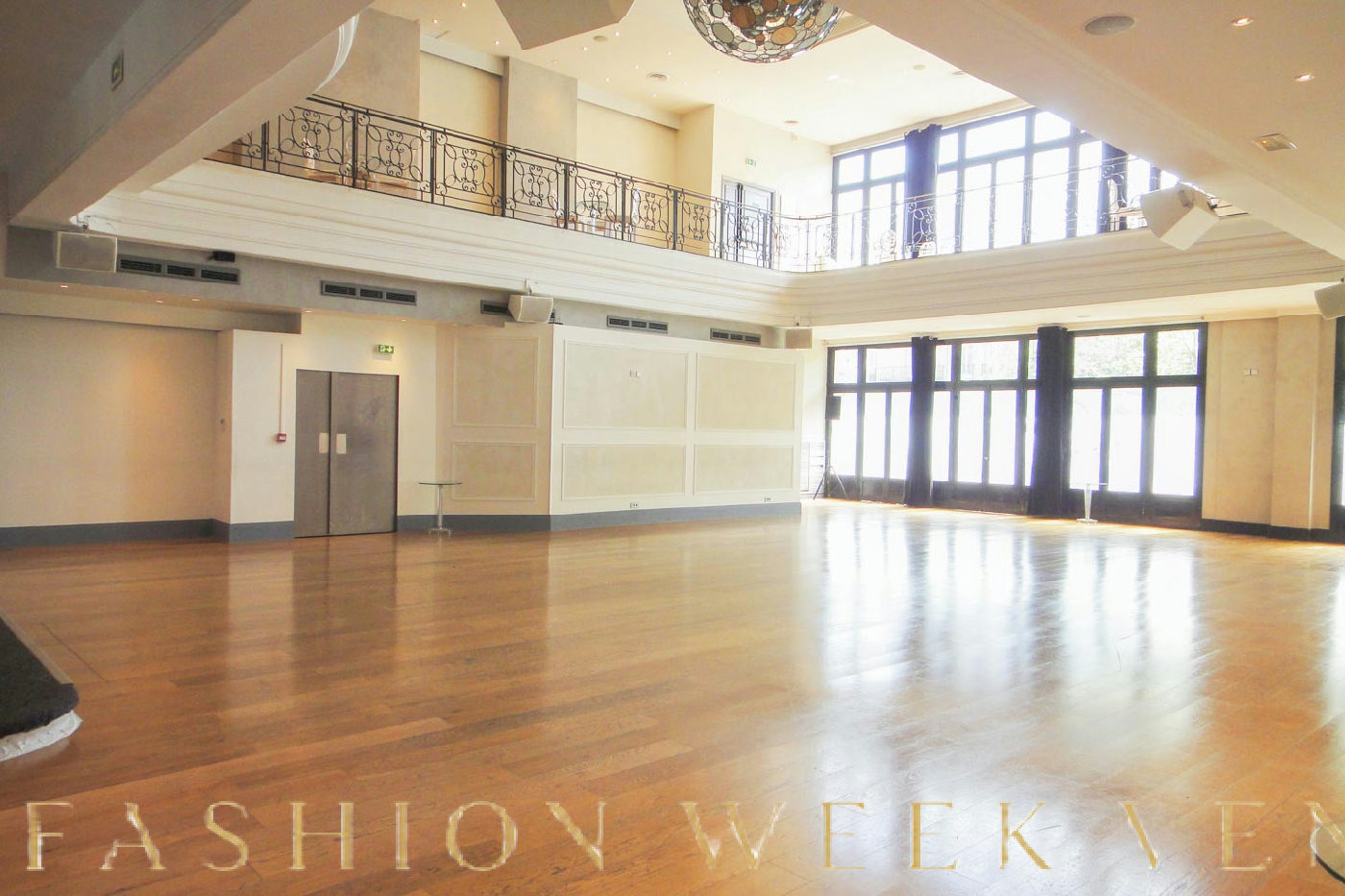
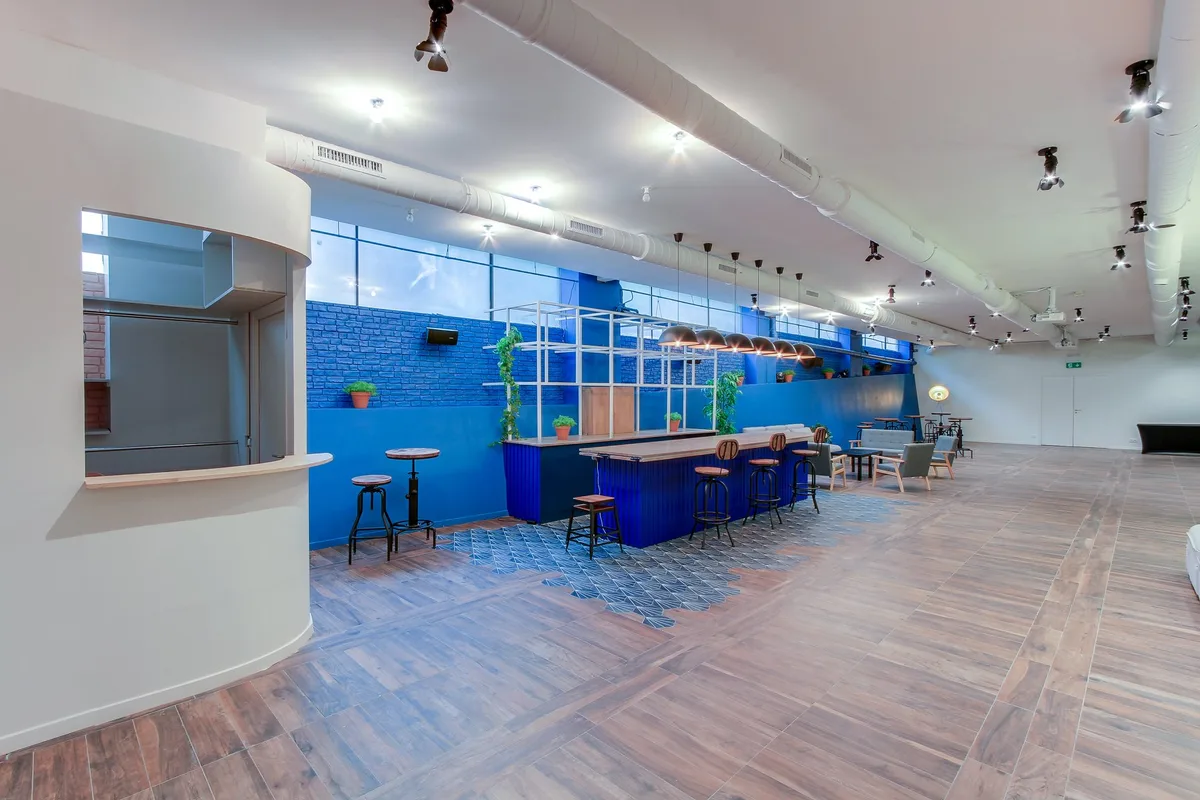
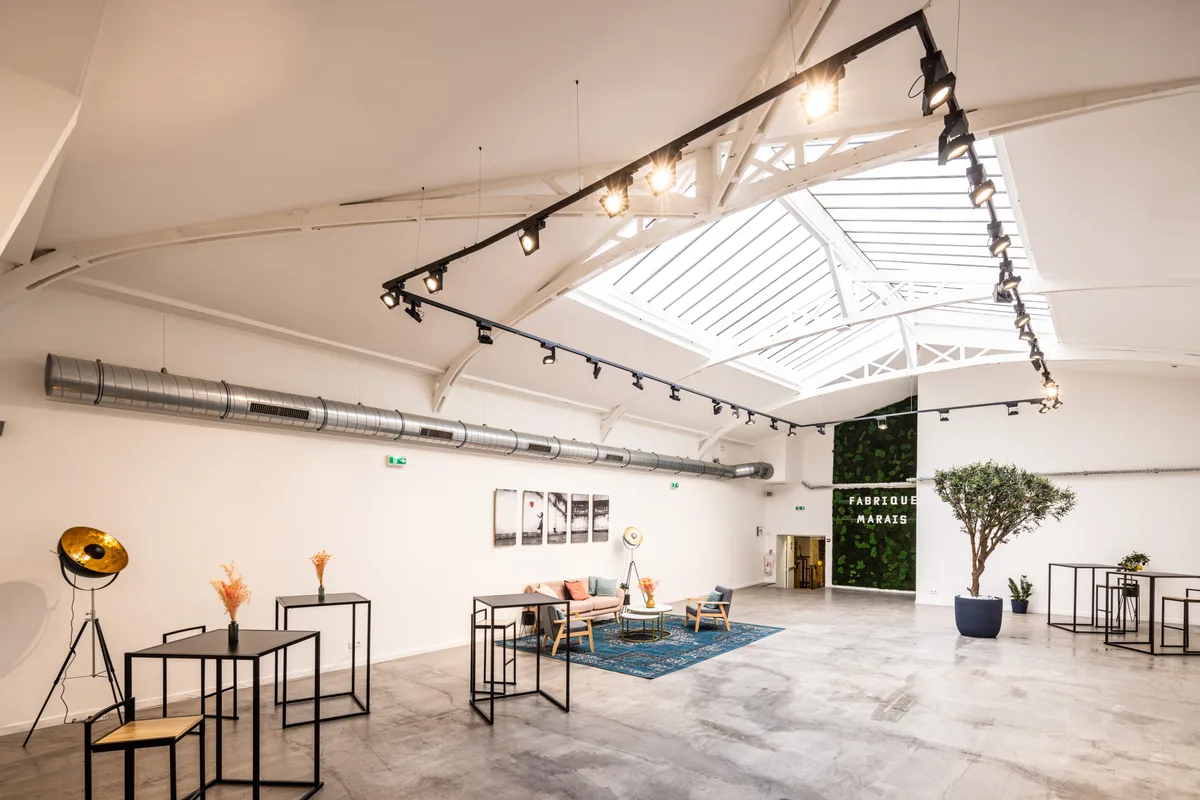
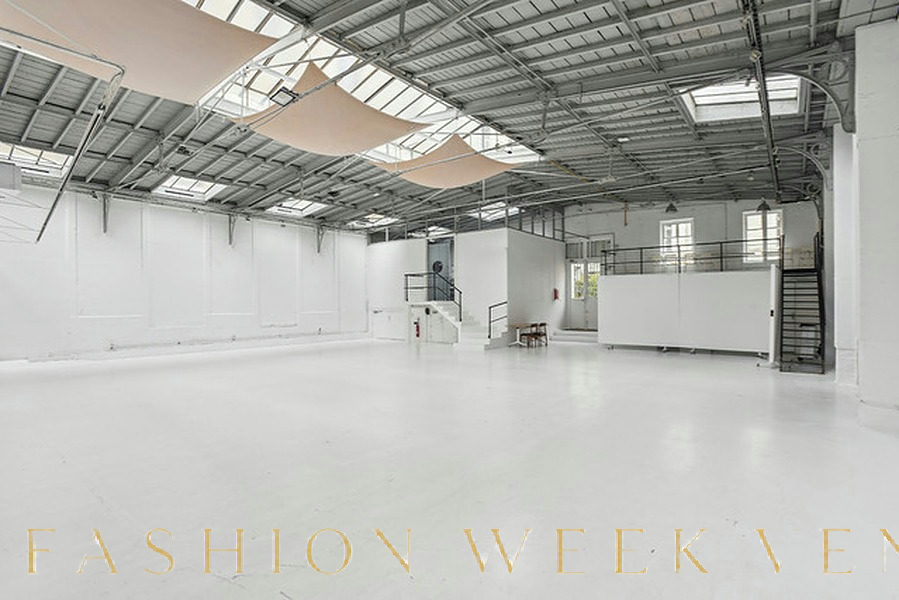
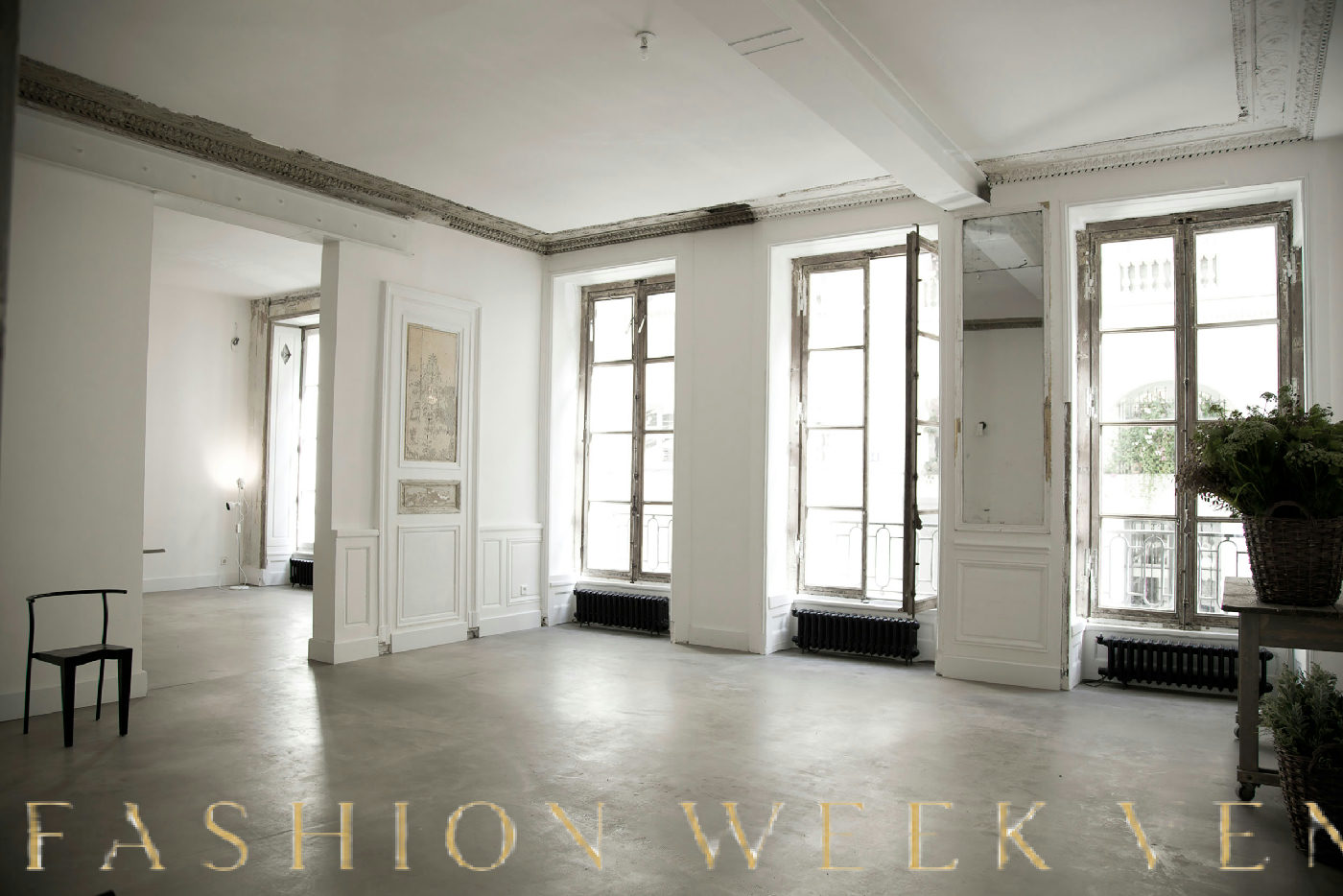
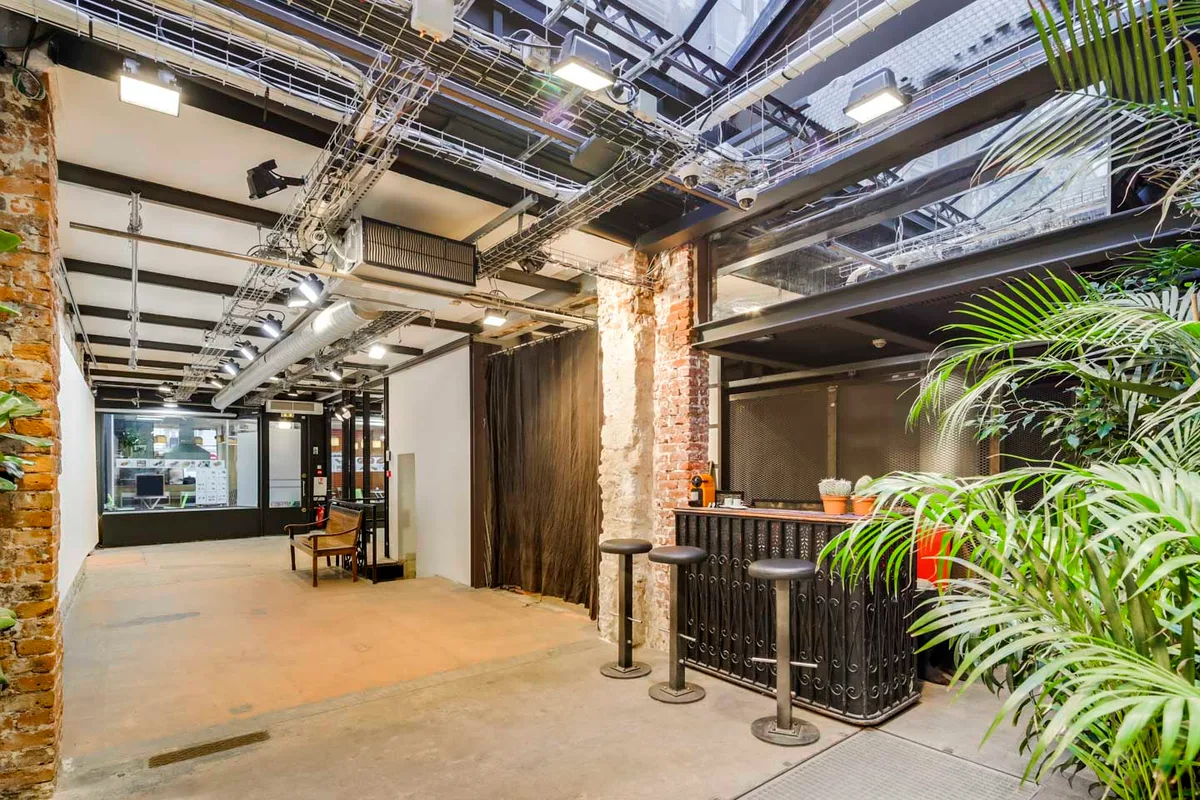
Fashion Week environments vary significantly, with options ranging from grand halls in historic buildings to sleek modern lofts. Each venue presents unique characteristics, making the selection process both exciting and challenging.
For emerging designers, boutique spaces in hip districts like Canal Saint-Martin can offer authenticity and trendiness, while established brands might opt for central locales such as Rue Saint-Honoré to underline their prestige.
Quick answer: Choosing the right Fashion Week venue requires balancing brand identity, budget, and logistical needs with the audience's expectations to create a compelling event experience.
| Venue Type | Advantages | Disadvantages |
|---|---|---|
| Historic Buildings | Elegant atmosphere, prestigious location | High costs, strict regulations |
| Modern Lofts | Flexible layout, contemporary style | Limited access, industrial aesthetic |
| Outdoor Spaces | Natural lighting, unique ambiance | Weather dependency, sound challenges |
KEY TAKEAWAY: Identifying the ideal venue involves understanding the advantages and potential drawbacks each space type presents.
As we explore further, understanding how to strategically leverage these venues can enhance your brand's visibility and impact during Fashion Week.
Maximising Venue Impact at Fashion Week
Successful events at Fashion Week require not just a venue but also a strategy that maximises impact. By carefully planning each aspect of the event, including layout, design, and promotions, brands can enhance audience engagement.
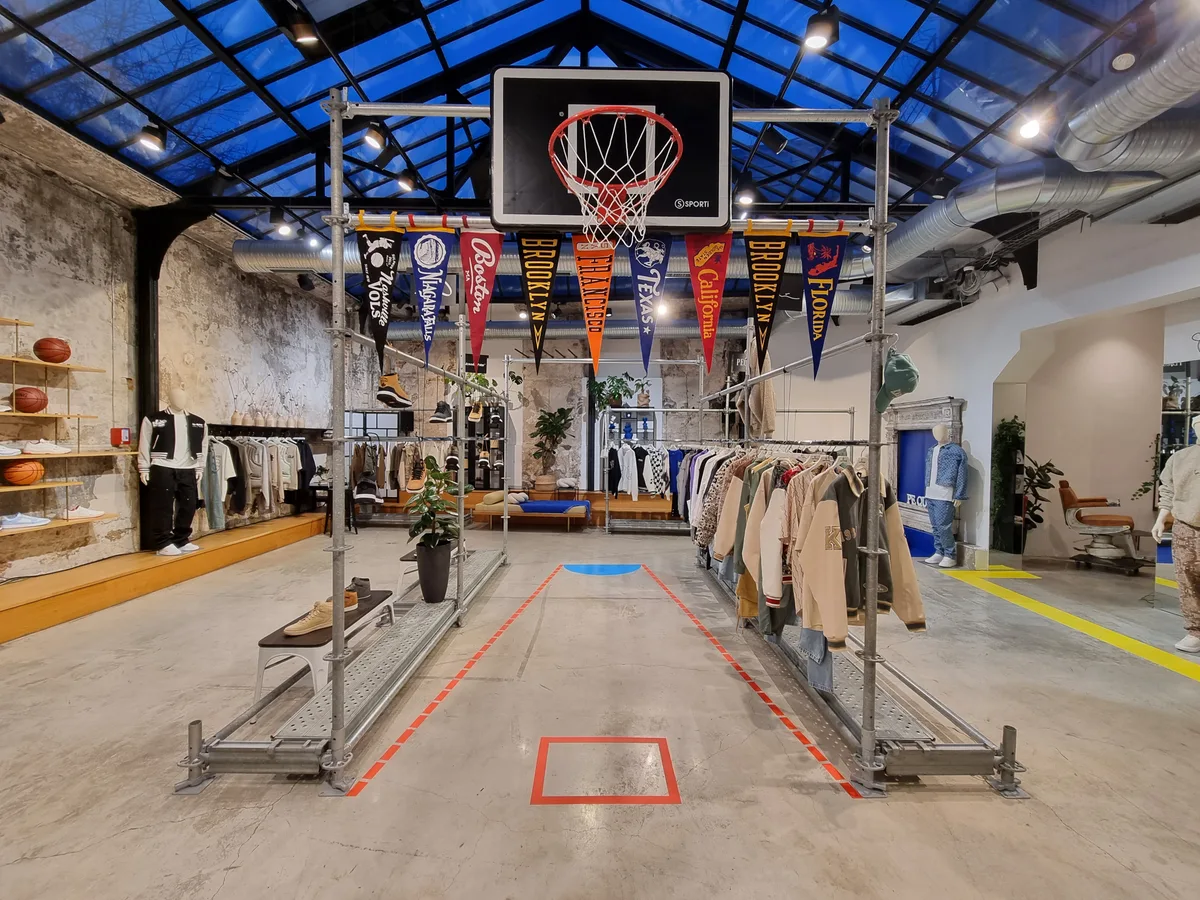
Fashion brands can explore creative possibilities by utilising visual merchandising tools and experiential setups. These not only elevate the aesthetics of the venue but also provide interactive platforms for showcasing collections.
Quick answer: Maximising venue impact involves strategic planning, immersive setups, and a cohesive branding approach during Fashion Week.
The layout should guide the attendee seamlessly through the brand's narrative while ensuring that practical aspects such as lighting, sound, and accessibility are expertly managed.
- Integrate digital elements like AR/VR to enrich guest experience.
- Install temporary structures to transform space dynamics.
- Leverage influencer partnerships to amplify reach.
By engaging experts in concept direction and activation management, brands can ensure a bespoke and memorable event.
KEY TAKEAWAY: The venue's impact is best maximised through a blend of innovative design, strategic marketing, and practical execution.
Next, consider the logistical elements that can either streamline the event flow or become constraints if not properly managed.
Navigating Legal and Permitting Challenges
The complexity of conducting a successful event at Fashion Week is significantly heightened by legal and permitting requirements. Understanding these can prevent potential mishaps that may disrupt plans.
The Bail Dérogatoire, a critical aspect of short-term lease agreements in France, offers a flexible yet regulated approach to securing temporary venues. It requires careful attention to detail in compliance to ensure all safety and operational standards are met.
Similarly, the Autorisation d’Occupation Temporaire (AOT) allows brands more flexibility with public space activations. Yet, navigating these permits can be daunting and typically requires expertise.
Quick answer: Ensuring compliance with local laws through proper permits like Bail Dérogatoire and AOT is essential for legitimate event operations in Paris.
| Permit Type | Purpose | Key Requirements |
|---|---|---|
| Bail Dérogatoire | Short-term lease agreements | Legal compliance, safety regulations |
| Autorisation d’Occupation Temporaire (AOT) | Public space utilization | City approvals, risk management |
KEY TAKEAWAY: Navigating the legal landscape with expertise is vital, ensuring all permits are in place to sidestep potential compliance issues.
With legalities well understood, the focus can shift to efficiently managing costs and budgeting for a flawless Fashion Week event.
Budgeting and Cost Management for Fashion Week Venues
Accurately budgeting for a Fashion Week venue is pivotal. Costs can vary widely based on location, period, and services included. Therefore, a detailed budget covering venue costs, staffing, production, and marketing is necessary.
Using a tool like Fashion Week Venues’ budget calculator can assist brands in aligning their financial strategies with their creative aspirations.
| Expense Category | Expected Range |
|---|---|
| Venue Rental | €10,000 - €50,000 |
| Production Costs | €5,000 - €30,000 |
| Staffing | €3,000 - €15,000 |
| Marketing and Promotion | €2,000 - €20,000 |
Quick answer: Budgeting for Fashion Week involves estimating for venue rentals, production, staffing, and marketing while allowing for unforeseen expenses.
KEY TAKEAWAY: Creating a realistic budget, using financial tools, ensures that all aspects are covered without financial strain, ultimately contributing to a smooth-running event.
After establishing a solid budget, it’s crucial to optimise the venue usage timeline for effective management and implementation.
Effective Timeline Management for Fashion Events
Managing the timeline for a Fashion Week event is as critical as budgeting. The timeline impacts every aspect of the event from design to execution.
An efficient timeline ensures timely completion of tasks, accommodating contingency plans, and optimising each phase of event development. This includes planning phases like venue sourcing, marketing roll-out, and set-up dismantling.
Quick answer: Managing an event timeline involves coordinating schedules to ensure all logistical, creative, and operational elements align for effective execution.
| Phase | Description | Duration |
|---|---|---|
| Initial Planning | Define objectives and scope | 2-3 weeks |
| Venue Selection | Scout and finalise location | 4-6 weeks |
| Design and Production | Setup and fittings | 4-5 weeks |
| Marketing and Promotion | Advertising and PR initiatives | 3-4 weeks |
KEY TAKEAWAY: A well-managed timeline ensures that every operational detail is on track, facilitating seamless execution.
Once the timeline is in place, choosing the right location becomes crucial. Let's delve into the Paris market to explore potential spaces.
Exploring Paris as a Prime Fashion Week Destination
Paris stands as a beacon for fashion lovers and industry insiders, with its iconic districts hosting renowned Fashion Week events. Choosing the right neighborhood in Paris can unequivocally amplify a brand's reach and impact.
The diversity of Parisian districts offers numerous backdrops: Le Marais’s trendy charm, the historic elegance of Saint-Germain-des-Prés, or the luxurious allure of Place Vendôme. The location not only moves the event's theme forward but also influences accessibility and audience reach.
Quick answer: Selecting a district in Paris for Fashion Week should reflect your brand image and target audience, influencing both the event's vibe and reach.
| District | Characteristics | Ideal For |
|---|---|---|
| Le Marais | Trendy, artistic | Emerging designers, art-focused brands |
| Saint-Germain-des-Prés | Elegant, historic | Luxury and heritage brands |
| Place Vendôme | Prestigious, luxurious | High-end luxury brands |
KEY TAKEAWAY: Selecting the right Paris district can amplify brand messaging and optimize target audience engagement.
With Parisian venues in mind, let's clarify common misconceptions about space selection for Fashion Week.
Common Myths Debunked
MYTH: A French legal entity is required to rent space in Paris.
FACT: While local representation simplifies certain processes, international brands can directly lease venues through agencies like Fashion Week Venues without establishing a French entity. Legal advisers facilitate these agreements.
MYTH: Paris Fashion Week is the only viable event window.
FACT: Brands can activate events outside this window, aligning with personal launch schedules. Paris offers continuous retail opportunities all year.
MYTH: Only commission brokers can secure desirable spaces.
FACT: Space marketplaces like Fashion Week Venues provide a transparent, no-commission platform, allowing direct bookings and often better negotiation power.
MYTH: Short-term leases are straightforward and require no specialist help.
FACT: Even temporary leases involve intricate legalities like the Bail Dérogatoire. Consulting with experts ensures compliance and mitigates risks.
KEY TAKEAWAY: Dispelling these myths helps brands make informed, efficient decisions regarding venue selection and event management.
With these misconceptions addressed, let's explore how Fashion Week Venues can enhance and streamline your activation.
How Fashion Week Venues Simplifies Venue Selection and Event Execution
Fashion Week Venues offers a robust, one-stop solution for brands intent on making their mark during Fashion Week. With expertise in venue sourcing, event production, and activation management, Fashion Week Venues covers every client need.
From scouting prime locales to handling logistics and compliance, they ensure a seamless process, empowering creative directors and brand managers to concentrate on crafting the perfect experience for Fashion Week audiences.
Quick answer: Fashion Week Venues streamlines venue selection and event execution by handling logistics, legalities, and creative support.
The platform's permits tool and timeline tool are ideal for planning and executing within defined schedules and budgets, offering data and insights to aid strategic decisions.
KEY TAKEAWAY: By entrusting venue and event management to professionals at Fashion Week Venues, brands can seamlessly integrate strategic and creative objectives to optimise their Fashion Week impact.
Next, let’s address common queries and deeper details concerning Fashion Week venues as part of our FAQ.
Frequently Asked Questions
What factors should I consider when choosing a fashion Week venue?
When choosing a Fashion Week venue, consider the space's alignment with your event goals and brand identity, as well as its capacity, amenities, accessibility, and cost. The venue's location, atmosphere, and technical capabilities (e.g., AV setup, lighting) also play crucial roles in creating a memorable event experience.
How far in advance should I book my venue for Fashion Week?
Ideally, venues for Fashion Week should be booked 6–12 months in advance to secure preferred dates and locations. This timeline allows adequate planning for design, production, and promotional strategies.
Are there specific legal requirements for hosting an event in Paris?
Yes, hosting an event in Paris involves abiding by legal requirements, such as obtaining a Bail Dérogatoire for short-term leases or an AOT for events in public spaces. Consulting with a French legal advisor is recommended to ensure compliance with local regulations.
What are the costs associated with hosting a fashion event in Paris?
Costs vary widely based on the venue, size, duration, and services required. Essential expenses include venue rental, production costs, staffing, and marketing. Using the budget calculator tool can help estimate these costs based on specific needs.
How can I maximise my event's impact at Fashion Week?
Maximising impact involves strategic branding, engaging storytelling, and leveraging digital technologies such as AR/VR. Partnerships with influencers and creating an immersive experience also enhance audience engagement and reach.
How do I ensure my Fashion Week event aligns with my brand image?
Aligning your event with your brand requires maintaining consistent theme and messaging throughout all event elements, from venue selection to design and promotion. Engage professionals in concept direction and branded store design to ensure consistency.
Is it possible to book a venue during off-peak times for lower costs?
Yes, booking during Fashion Week's off-peak periods may lead to lower costs and increased availability. Events outside the traditional calendar can still resonate if aligned with strategic brand initiatives.
What are the benefits of using a venue sourcing agency for Fashion Week?
Agencies like Fashion Week Venues offer expertise in selecting suitable venues, managing logistics, ensuring compliance, and providing creative and strategic support. Their services simplify the process, boost negotiation power, and enhance the event's execution.
Can international brands host events in Paris without a local office?
Yes, international brands can host events in Paris without a local office by partnering with agencies that facilitate legal requirements and ensure compliance with local standards. This approach allows them to leverage key insights and access desired venues efficiently.
How does Fashion Week Venues facilitate event planning?
Fashion Week Venues simplifies event planning with tools for venue comparison, permits guidance, timeline planning, and ROI calculation. These resources help brands effectively manage the planning phases, ensuring events are executed smoothly and within budget.
Conclusion
Successfully executing an event during Fashion Week begins with selecting the right venue. This guide highlights the strategic, logistical, and creative elements crucial for effective decision-making. Fashion Week Venues provides comprehensive support throughout this process, from venue sourcing to execution, backed by extensive industry knowledge. Begin your journey to a successful Fashion Week by exploring available spaces on the Fashion Week Venues marketplace and crafting an event that speaks to your brand's essence and audience expectations.