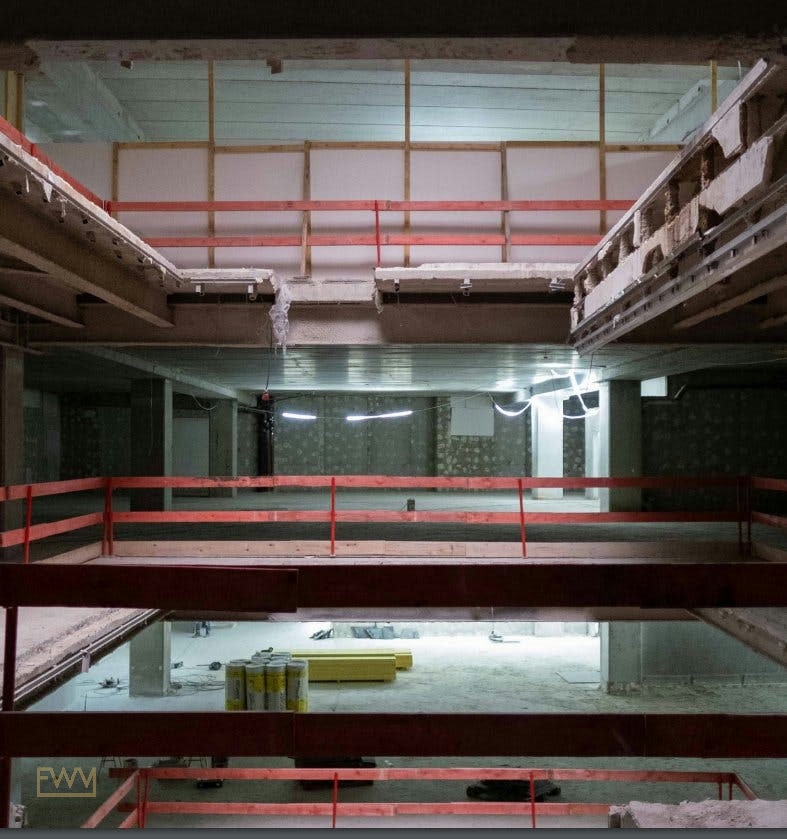
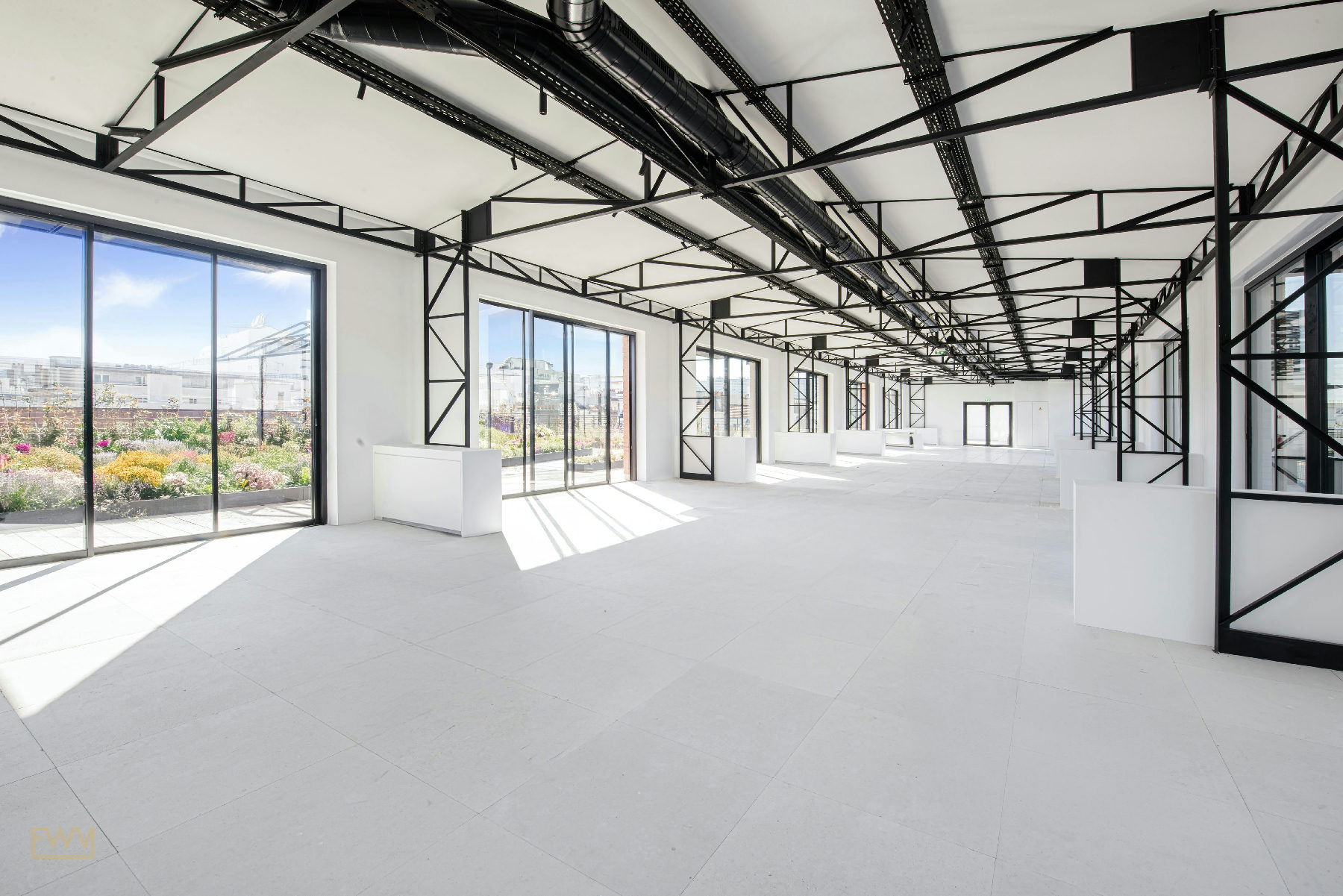
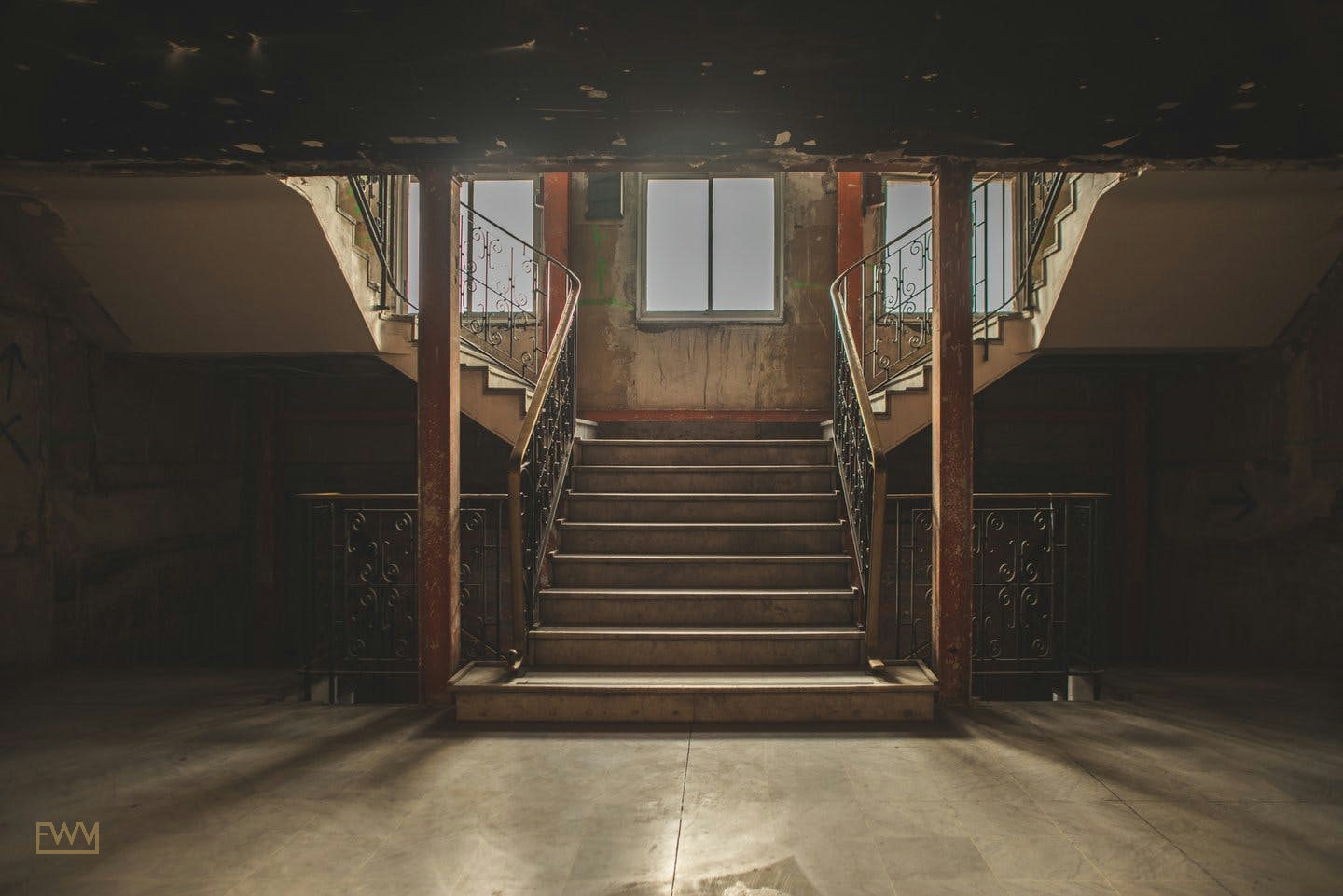
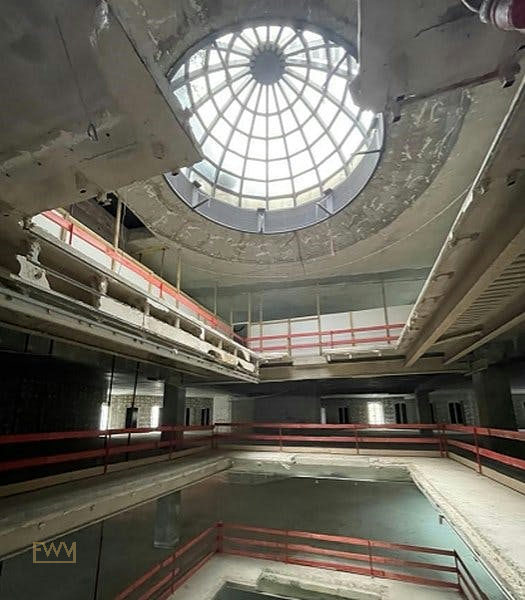
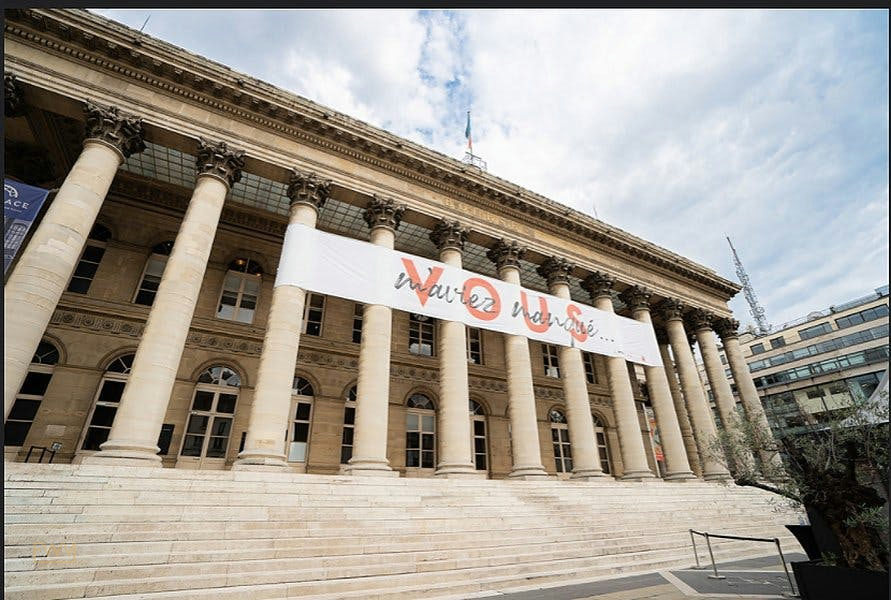

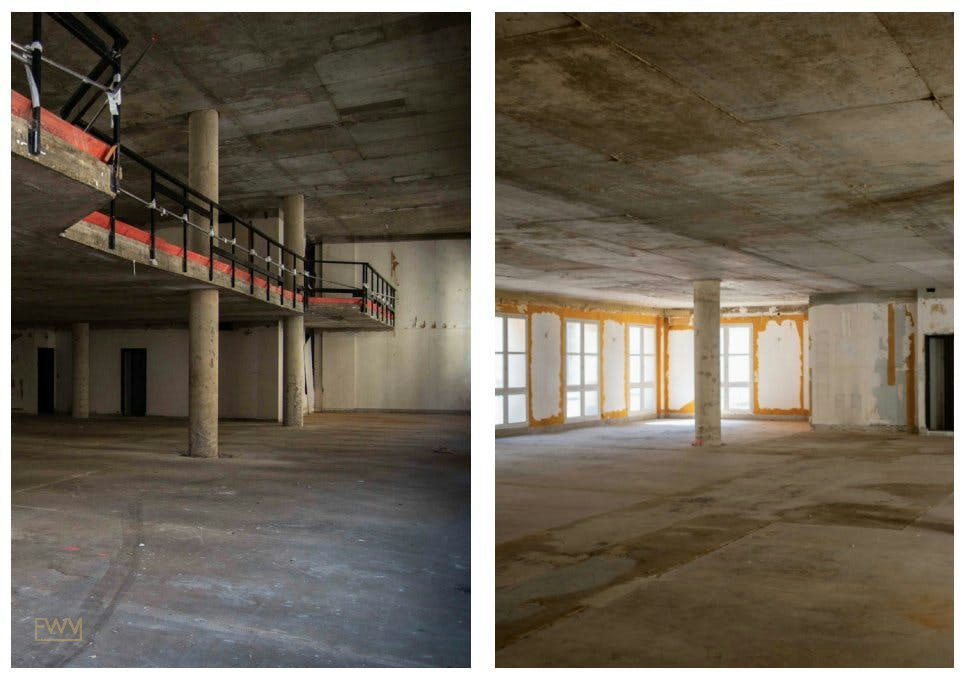
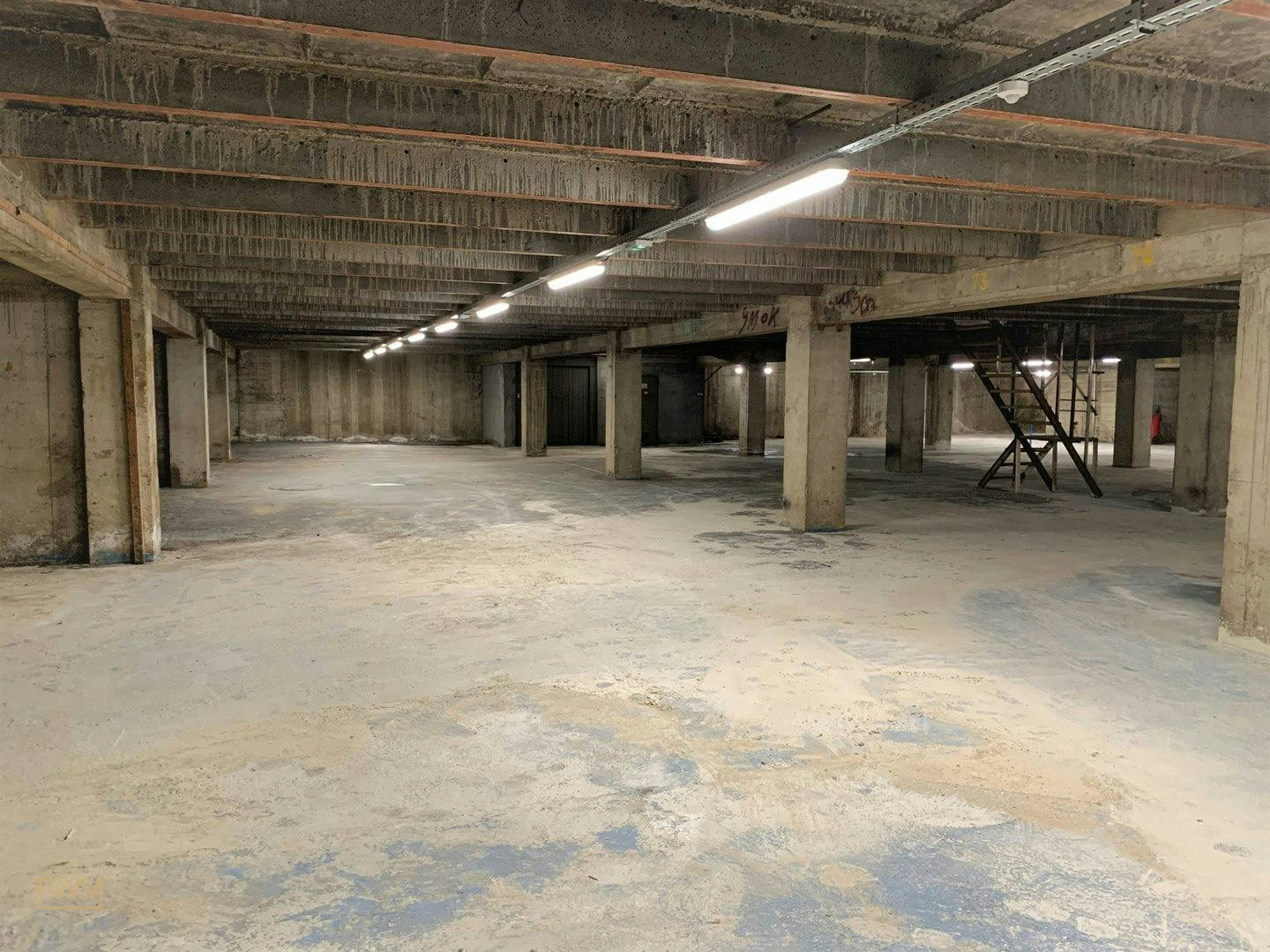
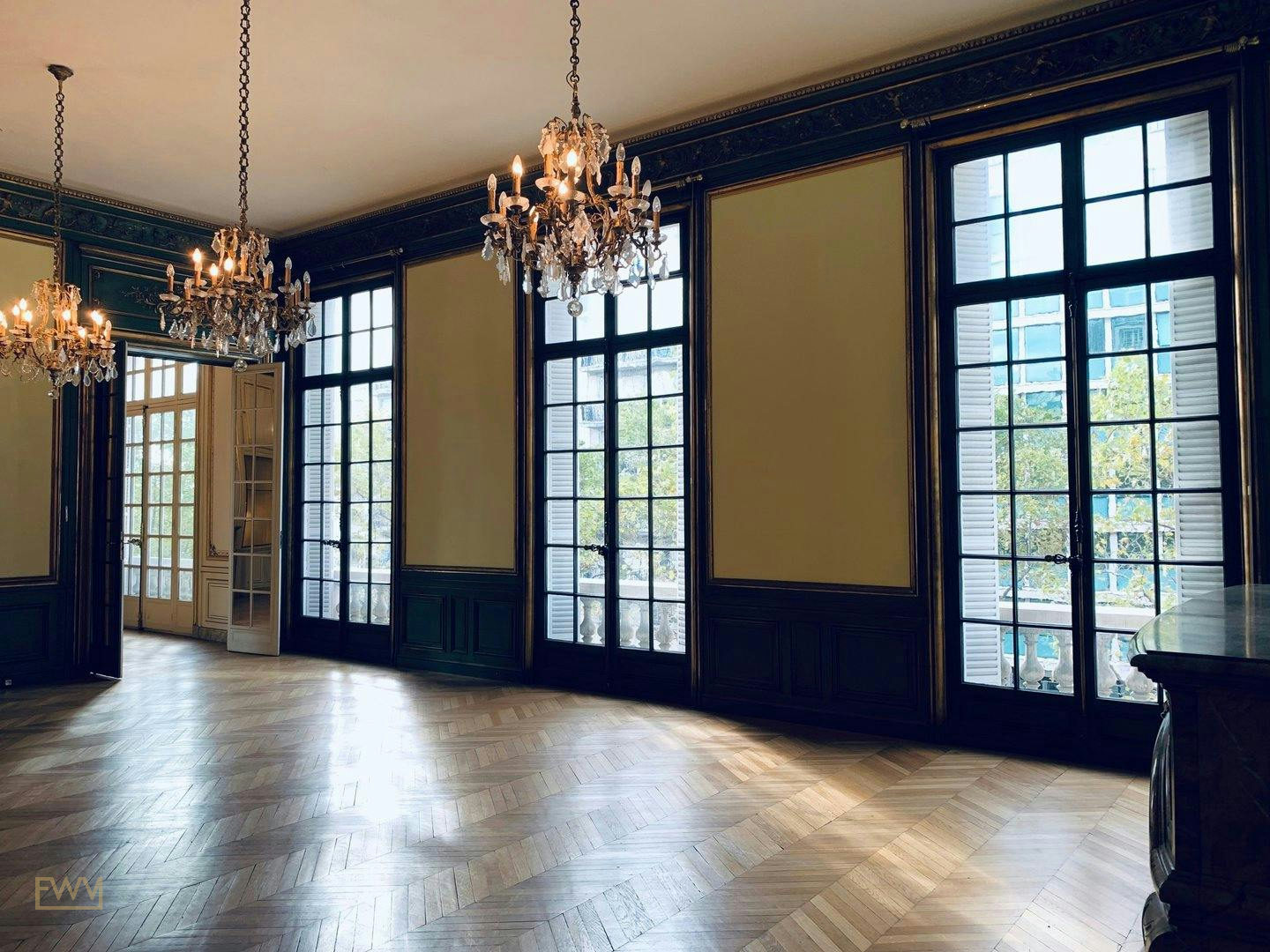
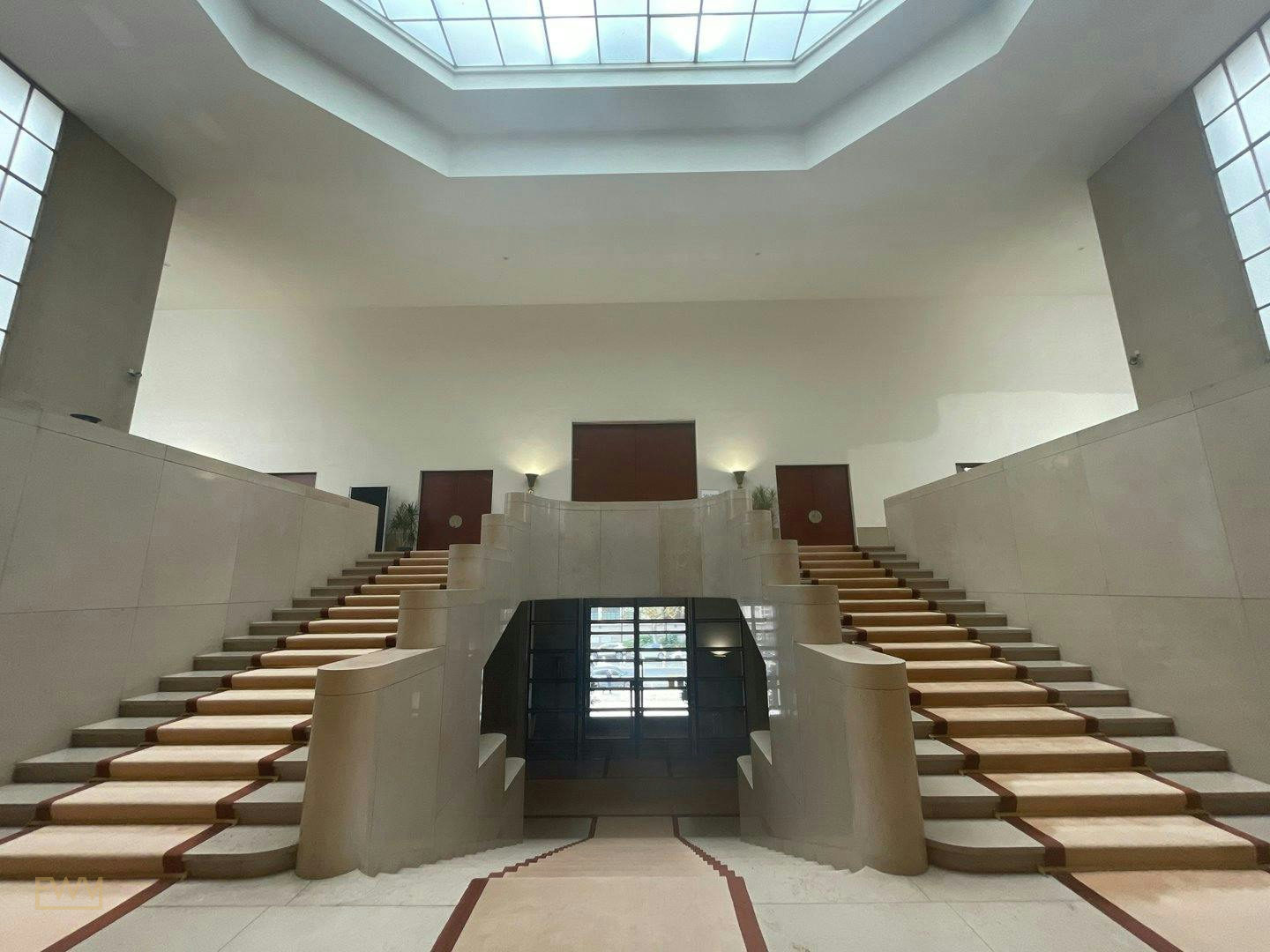
Finding the ideal venue for Fashion Week activations hinges on strategic decisions and understanding the unique demands of the fashion industry. From luxurious pop-up spaces in Paris to world-renowned showrooms, each choice affects how a brand is perceived during this pivotal time. Fashion Week Venues offers a comprehensive marketplace and suite of services to navigate these decisions effectively. This guide delves into key considerations and insights needed to secure a venue that aligns with your brand's goals and audience expectations.
Understanding the Paris Fashion Week Landscape
Paris Fashion Week is a cornerstone in the fashion calendar, drawing global attention to the City of Light. This prestigious event occurs twice yearly, showcasing the top collections from leading designers. Navigating this landscape requires not only an understanding of fashion trends but also the logistical intricacies of hosting in a city with such a storied fashion history.
Quick answer: Paris Fashion Week takes place semi-annually, featuring men's and women's fashion for spring/summer and autumn/winter collections. It is a crucial period for brand exposure and networking.
The event's history traces back to 1945, organized by the Fédération de la Haute Couture et de la Mode, which sets the official calendar that dictates the tone of the global fashion industry. For brands, Paris Fashion Week is not just about the shows; the venue you choose can significantly impact your brand's visibility and success.
KEY TAKEAWAY: Choosing the right venue during Paris Fashion Week impacts brand visibility and engagement with the fashion community.
The next section will delve into practical strategies for selecting the right space.
Strategies for Venue Sourcing and Selection
Securing a venue that resonates with your brand ethos while effectively hosting your Fashion Week activation requires nuanced strategy. Paris offers a variety of spaces—from classic Haussmannian buildings to modern marvels—each with unique characteristics and logistical considerations.
To begin, identify your event's primary goals. Are you launching a new collection, hosting a press view, or engaging in retail activation? Your goals will influence your venue choice, affecting everything from size and location to available amenities.
Quick answer: Begin by defining the primary objectives of your activation—such as launching a collection or hosting influencers—to guide your venue selection process in Paris.
| Objective | Recommended Venue Type | Key Considerations |
|---|---|---|
| Collection Launch | Showroom | Accessibility, lighting, privacy |
| Press View | Hotel Ballroom | Press facilities, visibility, in-house services |
| Retail Activation | Pop-Up Store | Foot traffic, location ambiance, brand alignment |
Often, working with experts in venue sourcing, such as Fashion Week Venues, provides access to a curated list of spaces tailored to meet set criteria. These specialists assist in navigating France's complex legal requirements, which are crucial for securing short-term leases like bail dérogatoire.
KEY TAKEAWAY: Professional venue sourcing helps mitigate risks and ensures compliance with Paris' regulatory environment.
As we explore further, let's consider the financial aspects of hosting Fashion Week activations.
Financial Planning for Fashion Week Activations
Financial planning is critical when orchestrating a successful event during Fashion Week. From venue rental costs to staffing and logistics, careful budgeting ensures that potential returns justify the investment.
Quick answer: Use comprehensive budgeting tools to forecast expenses accurately. Venue rental, staffing, and logistic costs form the core of the budget for a Fashion Week activation.
| Budget Category | Estimated Allocation (%) | Description |
|---|---|---|
| Venue Rental | 30% | Cost varies by location and space size |
| Staffing | 25% | Includes setup, event, and teardown staff |
| Logistics | 20% | Transport, materials, and equipment |
| Marketing | 15% | Advertising, digital campaigns, influencers |
| Contingency | 10% | Unforeseen costs |
For a precise estimation tailored to your brand, the budget calculator tool by Fashion Week Venues can help outline potential costs and ROI.
KEY TAKEAWAY: Invest strategically by understanding and planning for the main cost drivers of your activation event.
With budgeting considerations in place, next, let's explore some common myths about Paris Fashion Week.
Common Myths Debunked
MYTH: Only French companies can rent venues in Paris for Fashion Week.
FACT: While some legalities must be addressed, such as gaining the proper permits, international brands can successfully lease short-term event spaces in Paris without needing a French entity. Key is navigating these through experienced agencies like Fashion Week Venues.
MYTH: The only beneficial time to hold an event in Paris is during the official Fashion Week.
FACT: Although Fashion Week is a prime time for exposure, events held during off-peak periods can also be strategic, allowing for better venue availability and negotiated rates. Brands can leverage other fashion events and festivals throughout the year.
MYTH: Hiring commission brokers is the fastest way to secure a venue in Paris.
FACT: While brokers access various properties, platforms like Fashion Week Venues offer direct access to venues without additional commission fees, along with added benefits of concept direction and activation management.
MYTH: Short-term rentals are easy and do not require legal expertise or special permits.
FACT: Securing a bail dérogatoire or temporary occupation authorization (AOT) often requires careful legal compliance and expertise. It is recommended to consult France-based legal professionals for seamless execution.
Having dispelled these myths, let's examine the logistics of preparing for a Fashion Week event.
Logistics and Planning for Fashion Week Events
Logistics is the backbone of a successful Fashion Week activation, encompassing everything from venue setup to dismantling. Effective coordination ensures that all components come together seamlessly, creating an environment tailored for brand storytelling.
Quick answer: A well-coordinated logistics plan addresses venue preparation, material transportation, and contingency management to ensure flawless event execution.
Comprehensive planning begins with a timeline that maps critical phases, from venue booking and interior setup to marketing and event execution. Utilizing detailed tools like Fashion Week Venues' timeline planning tool aids in tracking progress against deadlines.
| Phase | Timeline | Key Activities |
|---|---|---|
| Pre-Event | 6-8 months prior | Venue booking, budget finalization, contractor engagement |
| Setup | 3-4 weeks prior | Interior design, AV setup, logistics coordination |
| Event | Event duration | Live management, attendee coordination, media interaction |
| Post-Event | 1-2 weeks after | Dismantling, feedback collection, follow-up with stakeholders |
KEY TAKEAWAY: Efficient logistics planning is essential for managing the complex layers of a Fashion Week event, ensuring all operational elements align smoothly.
Following logistics and planning, understanding the regulatory and permit landscape is crucial for compliance.
Navigating Permits and Regulatory Compliance
Understanding permit requirements and compliance is critical for renting event spaces in Paris. The legal landscape can be daunting, especially for international brands unfamiliar with local regulations.
Quick answer: Properly securing permits like bail dérogatoire or AOT is crucial for legal compliance when renting short-term spaces in Paris for events.
Securing a venue often requires a bail dérogatoire, which permits commercial use of spaces not zoned for retail, typically for short durations. Additionally, an AOT may be necessary for occupying public domains. Consulting with legal professionals or using resources like Fashion Week Venues' permits tool can assist in this process.
KEY TAKEAWAY: Regulatory compliance ensures smooth operational flow and avoids legal pitfalls when hosting events in Paris.
Next, let's explore the benefits and implementation of using pop-up stores for brand activations.
Leveraging Pop-Up Stores for Brand Activation
Pop-up stores offer a dynamic platform for brand activation during Fashion Week, providing a flexible, cost-effective way to engage audiences. These temporary setups can be tailored to create immersive brand experiences that leave a lasting impression.
Quick answer: Pop-up stores enable brands to reach new audiences and create curated experiences through flexible, short-term engagements.
The benefits of pop-up stores extend beyond their temporary nature. They allow brands to test markets, introduce new products, and generate buzz, utilizing strategic locations such as Le Marais or Saint-Germain-des-Prés, known for high foot traffic and fashion-forward crowds.
Fashion Week Venues facilitates this through space browsing and discovery, helping brands find the perfect location that aligns with their target market and marketing strategies.
KEY TAKEAWAY: Pop-up stores provide an innovative avenue for brand storytelling and customer engagement during peak fashion events.
With a clear understanding of pop-up advantages, the focus now shifts to effectively designing these spaces.
Designing the Perfect Event Space for Fashion Week
Designing an event space involves more than aesthetic appeal; it requires thoughtful integration of brand identity into physical spaces, encouraging interaction and enhancing customer experience.
Quick answer: Effective event space design during Fashion Week requires an integration of brand identity, functional layout, and sensory elements to engage visitors.
When designing a Fashion Week venue, focus on creating immersive experiences that articulate the brand's message. Consider elements such as lighting, ambient sounds, and product displays that captivate and connect with attendees. Engaging a professional design service, like Fashion Week Venues' branded store design, can help bring these elements together seamlessly.
KEY TAKEAWAY: A well-designed space reinforces brand messaging and enhances overall event success through strategic visual merchandising.
Integrating innovative concepts leads us to how technology plays a role in enhancing event execution.
Integrating Technology to Enhance Event Execution
Incorporating technology in Fashion Week activations enhances both the operational execution and the attendee experience, making events more interactive and memorable.
Quick answer: Utilizing advanced technologies such as virtual reality and digital analytics can elevate Fashion Week events, providing deeper insights and immersive experiences.
Tools like augmented reality (AR) and interactive installations offer fresh ways to engage attendees. Meanwhile, data analytics provides valuable insights into attendee behavior, preferences, and engagement levels, enabling brands to refine their strategies dynamically.
Fashion Week Venues offers services such as data and analytics to help brands harness this information effectively, enhancing future event impact.
KEY TAKEAWAY: Implementing the right technological tools enhances event engagement and provides actionable insights for ongoing improvement.
Moving forward, an understanding of these concepts underscores the importance of crafting effective post-event strategies.
Post-Event Strategies for Sustained Engagement
The impact of a successful Fashion Week activation can be extended through well-planned post-event strategies, ensuring sustained engagement and brand recall.
Quick answer: Post-event strategies involve maintaining communication with attendees, evaluating ROI, and leveraging gathered insights to enhance brand storytelling.
Following up with attendees through personalized emails, inviting feedback, and sharing event highlights via social media channels help maintain engagement. Furthermore, analyzing feedback and data using tools like Fashion Week Venues' ROI calculator tool helps assess success and informs future strategies.
KEY TAKEAWAY: Effective post-event strategies catalyze the momentum built during events, ensuring long-term brand loyalty and market presence.
Before concluding, let's address some common questions brands have when planning Fashion Week events.
Frequently Asked Questions
What are the main considerations when choosing a venue for Fashion Week?
When selecting a venue for Fashion Week, consider factors like location, accessibility, size, amenities, and cost. The venue should align with your brand image and cater to your target audience. Engaging experts like those at Fashion Week Venues can simplify the process, offering tailored solutions and ensuring that the venue enhances your brand visibility and experience.
Is it necessary to work with a venue sourcing agency?
Utilizing a venue sourcing agency, such as Fashion Week Venues, streamlines the complex process of finding and securing suitable spaces. Agencies have extensive networks and can provide insights into local regulations and market trends, ensuring compliance with legal requirements like bail dérogatoire and enhancing the strategic impact of your venue choice.
How can I optimize my budget for a Fashion Week event?
Optimizing your budget involves detailed planning and strategic allocation of resources. Utilize budgeting tools to forecast costs, prioritize essential elements such as venue, staffing, and logistics, and maintain a contingency fund for unexpected expenses. Consulting tools like Fashion Week Venues' budget calculator can offer precise estimations tailored to your needs.
What permits are needed for hosting an event in Paris?
Hosting an event in Paris often requires obtaining a bail dérogatoire for short-term use of commercial spaces and may involve an AOT for public space use. Each type of event may have specific needs, so it is advisable to consult with local legal experts or use tools from agencies like Fashion Week Venues to ensure compliance.
What role does experiential marketing play in Fashion Week events?
Experiential marketing is central to Fashion Week events, transforming activities into immersive experiences that engage attendees deeply. Such marketing strategies can increase brand recall and enhance customer loyalty. Successful events leverage sensory engagement and interactive elements to align the brand's message with target audience expectation, emphasizing its execution during Fashion Week.
Can pop-up stores serve as a testing ground for new markets?
Yes, pop-up stores are an excellent avenue for market testing. They offer a flexible and relatively low-cost way to introduce products in new environments and gauge audience responses and preferences. Insights gained from locations like Le Marais can inform strategic decisions and adaptations for longer-term retail endeavors.
How can digital tools influence Fashion Week activations?
Digital tools complement traditional marketing by providing real-time analytics, enhancing customer interaction, and refining engagement strategies. Technologies like AR offer memorable experiences, whereas analytics tools provide insights into guest interactions. Such tools prove invaluable in optimizing both the operational and experiential aspects of a Fashion Week activation.
What are the risks of poorly planned logistics in Fashion Week?
Inadequate logistics planning can lead to operational disruptions, compromise guest experience, and diminish brand credibility. This includes issues from delayed setups to ineffective event management. A structured logistics plan overseen by professionals ensures smooth execution and optimizes resource utilization, reinforcing the success of your activation.
What is the importance of follow-up after a Fashion Week event?
Post-event follow-ups are crucial for maintaining the engagement built during Fashion Week. This strategy involves reiterating critical brand messages, thanking attendees, and capturing insights through feedback. The data gleaned from post-event analysis informs future strategies, ensuring continued relevance and audience connection.
Are there financial incentives for international brands hosting events in Paris?
While hosting events in Paris can be expensive due to high demand and prestige, financial incentives such as competitive venue pricing and negotiated deals for off-peak times are available. Building relationships with local organizers and leveraging platforms like Fashion Week Venues can identify cost-saving opportunities within the constraints of Paris's premium market.
Conclusion
Hosting a successful Fashion Week activation in Paris involves a blend of strategic venue selection, financial planning, and leveraging innovative technologies. With Fashion Week Venues offering comprehensive support through venue sourcing, design, and logistics, brands are equipped to create memorable, impactful experiences that resonate with audiences worldwide. To move from research to activation, start exploring available spaces on the Fashion Week Venues marketplace and build a focused brief for your target neighbourhood, space type, and calendar window.