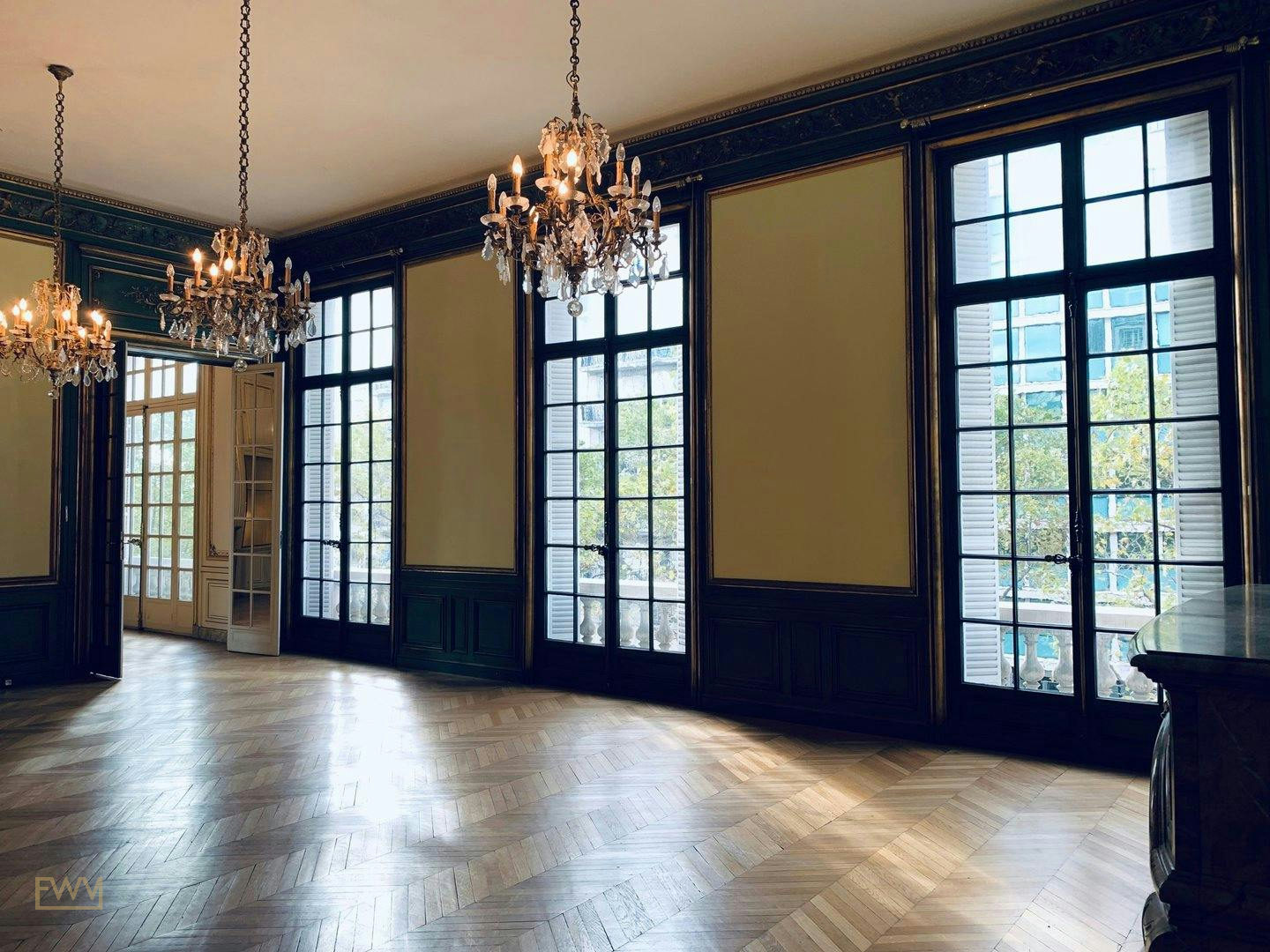
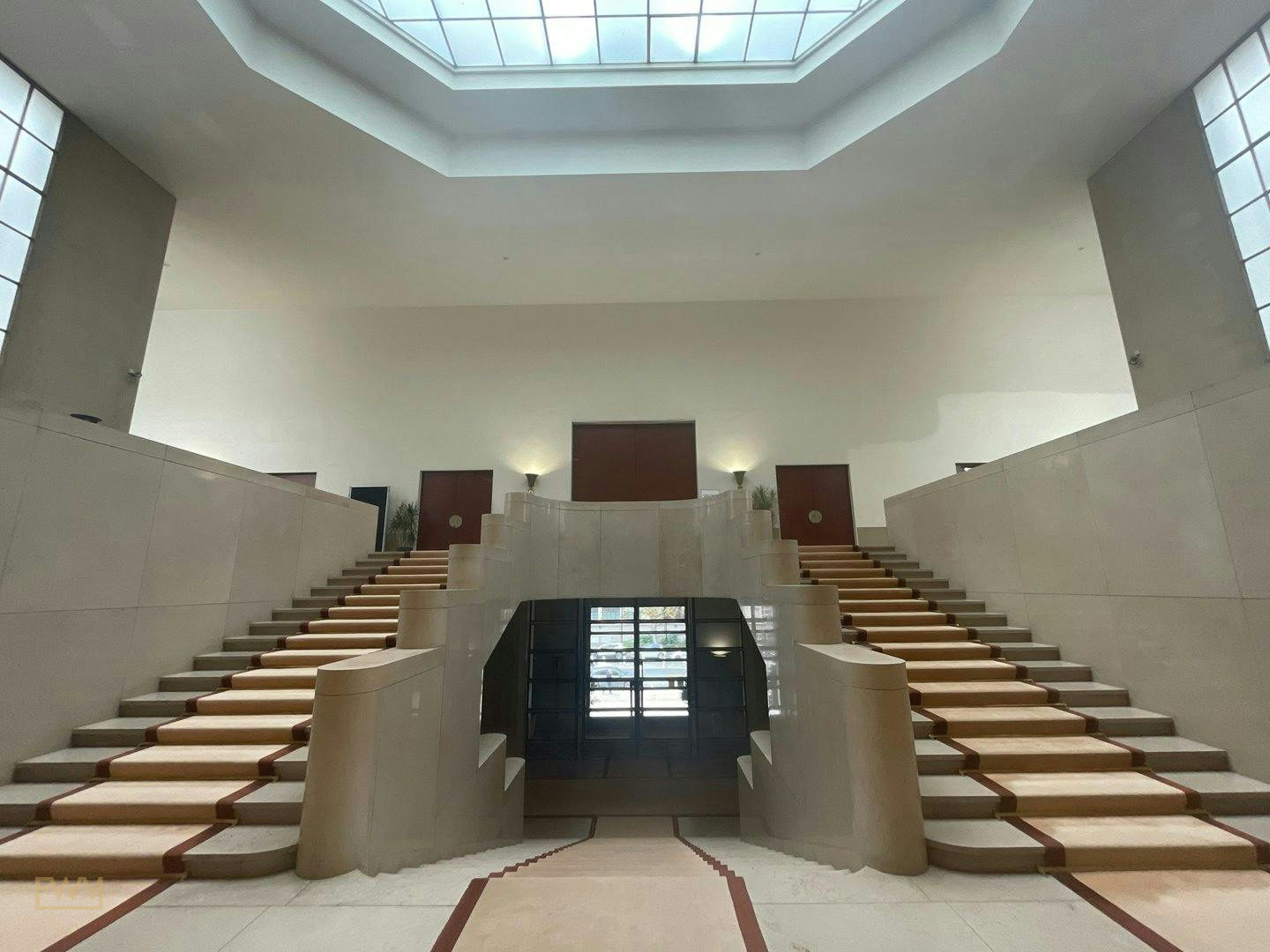
In the bustling world of high fashion, identifying the perfect venue for Fashion Week events is both an art and a science. Global brands looking to make their mark in fashion capitals often face the daunting task of navigating complex venue logistics, activation strategies, and compliance requirements. This is where Fashion Week Venues steps in, offering expertise in sourcing, activation, and comprehensive venue management across major fashion hubs like Paris. From pop-up shops to grand exhibition spaces, understanding the nuances of venue selection could significantly impact brand visibility and success. Let's explore the intricate dynamics of fashion week venues, delve into essential location criteria, and reveal how Fashion Week Venues can be your strategic partner in creating memorable fashion experiences.
Understanding Fashion Week Venue Dynamics
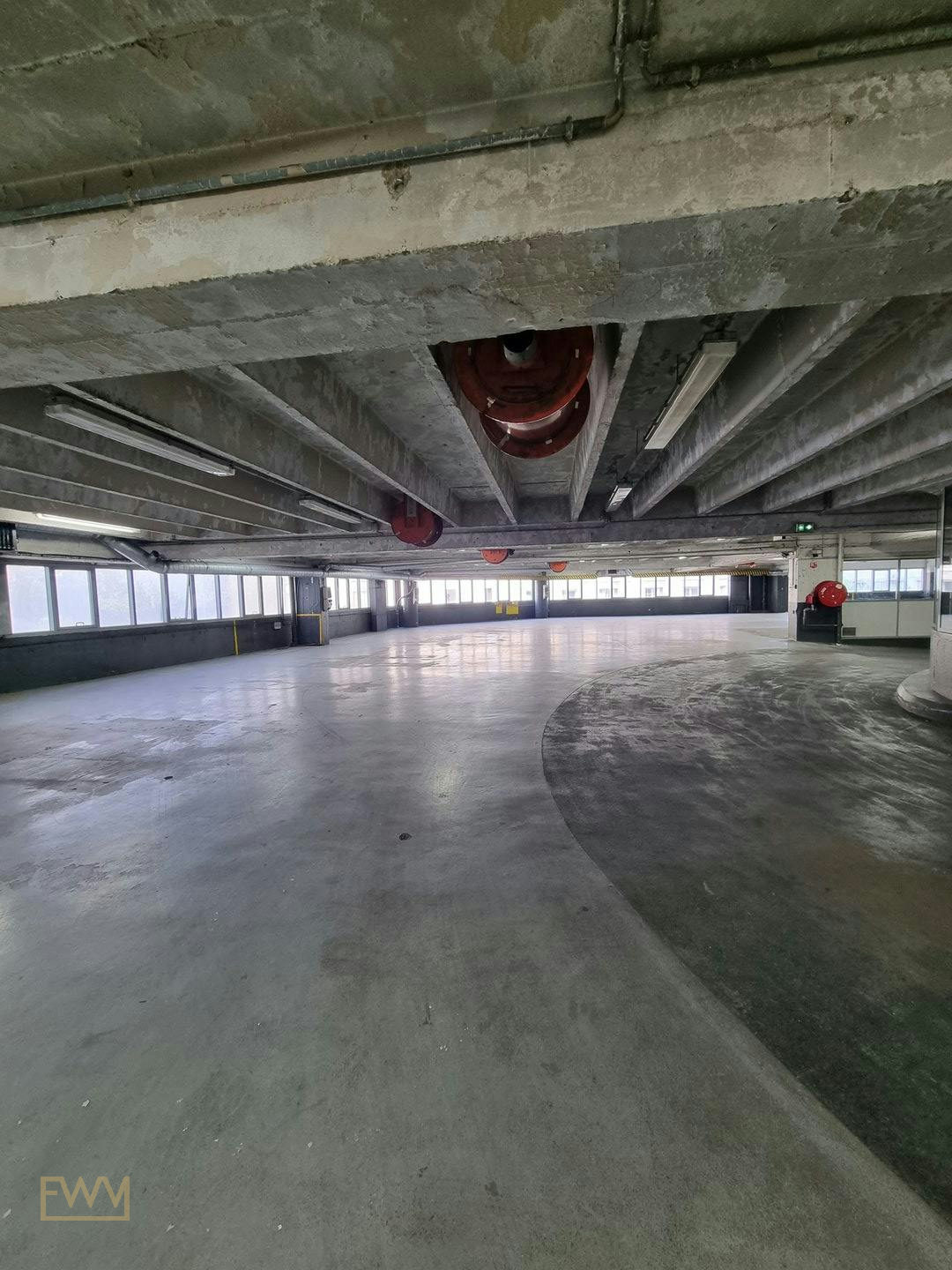
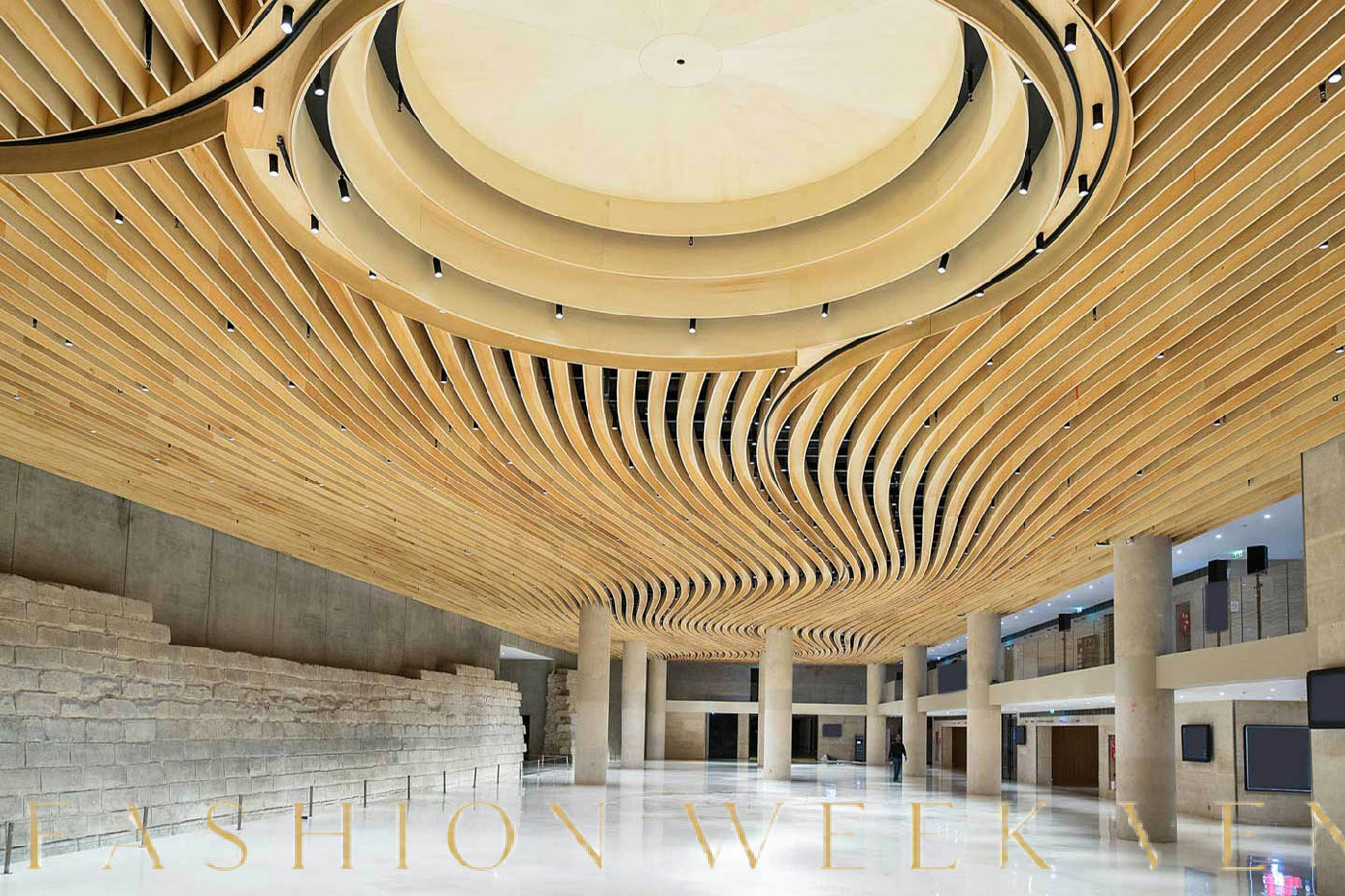
Fashion Week venues, especially in cosmopolitan areas like Paris, New York, and Milan, are more than just physical spaces—they are strategic assets that can enhance brand storytelling and consumer engagement. Selecting the right venue involves considering factors such as location, capacity, infrastructure, and brand alignment.
Fashion Week takes place semi-annually, featuring Spring/Summer and Autumn/Winter collections, with each requiring bespoke venue considerations. For instance, venues near iconic fashion districts like Le Marais in Paris or Soho in New York are often preferred due to their cultural and commercial significance.
Quick answer: Optimal venue selection during Fashion Week is crucial for brand exposure and engagement, requiring careful consideration of location, capacity, and thematic alignment.
The venue size and capacity are critical—too small and the event may feel overcrowded; too large and it could lose its intended exclusivity. Modern venues frequently offer integrated technology solutions, essential for brands looking to provide an immersive experience through augmented reality presentations or live streaming capabilities.
KEY TAKEAWAY: Selecting a fashion week venue requires balancing brand image with logistical feasibility, ensuring the location supports brand narratives and consumer engagement strategies.
Understanding the dynamics of venue selection involves considering geographical advantages, logistical needs, and thematic coherence. The choice of venue influences not only the event's execution but also its reception among industry insiders and the media.
To delve deeper into venue logistics and discover spaces that align with your brand's needs, explore our comprehensive space marketplace at Fashion Week Venues.
The Role of Pop-Up Shops in Fashion Week
Pop-up shops are a dynamic tool for fashion brands seeking short-term retail activation during Fashion Week, providing flexibility and a platform for experimentation without long-term commitments. They are particularly popular in fashion-forward districts like Saint-Germain-des-Prés and Opéra, known for their trendy appeal and affluent consumer base.
Quick answer: Pop-up shops allow brands to innovate and engage directly with consumers without the constraints of permanent retail operations, offering significant flexibility and brand agility.
These short-term retail experiences can cater to specific Fashion Week audiences, leveraging transient consumer interest and providing a stage for unique brand stories. Conceptually, pop-up shops can range from interactive installations showcasing a new collection to experiential environments highlighting brand heritage.
DID YOU KNOW: Pop-up shops can reduce overheads by up to 30% compared to traditional retail spaces, according to industry estimates.
Fashion Week Venues specializes in activation management for pop-up shops, ensuring that every aspect of the temporary setup is finely tuned to maximize impact.
KEY TAKEAWAY: Pop-up shops offer unparalleled flexibility for brands during Fashion Week, acting as a testing ground for new concepts and enabling direct consumer interaction in high-traffic areas.
TIP: Utilize data analytics to understand consumer engagement and preferences from pop-up shop interactions, which can guide long-term strategic decisions.
Location, Location, Location: Choosing the Right Neighborhood
When it comes to Fashion Week venues, selecting the right neighborhood is pivotal. Each district offers unique advantages, and understanding these can substantiate a successful event.
Paris neighborhoods like Rue Saint-Honoré are synonymous with luxury, hosting flagship stores for brands such as Chanel and Hermès. Opting for a location here aligns your brand with high status and prestige. Conversely, areas like Canal Saint-Martin appeal to more eclectic brands, offering an avant-garde ambiance.
Quick answer: Neighborhood selection impacts your brand's perceived status and audience engagement potential; choose locales that align best with your target demographic and brand ethos.
IMPORTANT: Local permitting laws and regulations can vary significantly between neighborhoods. Engaging with professionals familiar with Paris's comprehensive permit landscape is recommended to ensure compliance.
To allow for independence despite the stringent Parisian lease environment, Fashion Week Venues assists brands in navigating these intricacies, providing detailed location guidance.
KEY TAKEAWAY: The choice of neighborhood for your Fashion Week venue establishes brand tone and influences consumer perceptions, enhancing or diluting the desired image.
To compare different neighborhoods and identify spaces that align with your brand vision, check the Paris city hub on Fashion Week Venues.
Understanding Permit Requirements and Legal Compliance
Navigating the legal landscape of securing a Fashion Week venue in cities like Paris necessitates understanding specific permit requirements and ensuring full compliance.
One key consideration is the type of lease agreement. The bail dérogatoire is a short-term commercial lease that allows for flexibility, typically lasting less than three years and is advantageous for events like fashion weeks.
Quick answer: Securing a venue in Paris requires understanding various lease options, such as the bail dérogatoire, which provides flexibility but requires careful legal navigation.
Alternatively, the temporary occupation authorization (AOT) allows usage of public spaces for events, offering opportunities for outdoor fashion presentations or large public installations. Both options come with distinct bureaucratic hurdles and necessitate thorough documentation.
Fashion Week Venues provides comprehensive support through its permit guidance tool, simplifying these complicated processes for clients.
KEY TAKEAWAY: Securing the correct permits and understanding local regulatory requirements ensure smooth operations and legal protection.
TIP: Consult with a local legal advisor to navigate the complex Parisian regulations and avoid delays or legal challenges.
Production and Build: Realizing Your Creative Vision
The production and build phase of a Fashion Week venue transforms conceptual ideas into tangible spaces that captivate and engage audiences.
This process begins with understanding the desired consumer experience and ends with visually compelling executions that align with brand themes. Important elements include interior design, lighting, acoustics, and digital integration.
Quick answer: Successful execution of production and build phases fuses aesthetic insights with functional needs, ensuring that brand messaging is cohesive and compelling.
Fashion Week Venues excels in design execution, providing services like production and build assistance that integrate creative direction with logistical reality.
KEY TAKEAWAY: A well-executed build translates creative ideas into immersive brand experiences, crucial for engaging visitors and media effectively.
To realize your creative visions, collaborate early with professional teams who can merge aesthetic delivery with logistical prowess, ensuring a seamless setup during Fashion Week.
How Fashion Week Venues Supports Brands
Fashion Week Venues stands as the go-to partner for brands seeking to excel in event strategy and execution during global fashion weeks. Offering a multitude of services from venue sourcing to concept direction, Fashion Week Venues provides an all-in-one solution for event effectiveness.
Through tools like its budget calculator and ROI tools, brands can plan fiscally sound strategies while optimizing ROI on their activities.
Quick answer: Fashion Week Venues serves as a strategic partner, offering comprehensive services that simplify logistics and enhance brand experience, supported by expert consultative tools.
Fashion Week Venues seamlessly combines practicality with strategic vision, offering customized solutions that improve on-brand experience delivery. Its diverse toolset assists with planning, execution, and evaluation phases.
KEY TAKEAWAY: Enlisting the support of Fashion Week Venues transforms operational obstacles into strategic advantages, thanks to tailored services designed for rigorous Fashion Week demands.
Brand teams, including retail strategists, creative directors, and event producers, benefit significantly from these services, ensuring their Fashion Week activations are both impactful and memorable.
To explore the range of offerings and how they can support your fashion brand, visit our process page.
Myth vs Fact: Common Misconceptions About Fashion Week Venues
MYTH: You need a French legal entity to rent a space in Paris.
FACT: While having a local entity can simplify transactions, it is not mandatory. International brands can operate through specialized agencies like Fashion Week Venues, which facilitate compliance and operational processes in Paris.
MYTH: Paris Fashion Week is the only viable time for activations.
FACT: Though Paris Fashion Week provides significant exposure, there are several key moments throughout the year suitable for activations, allowing brands to align with various industry events.
MYTH: Using commission brokers is the only way to find spaces in Paris.
FACT: Commission brokers are one option, but platforms like Fashion Week Venues offer a more direct approach, enabling brands to discover and secure spaces efficiently.
MYTH: Short-term leases are legally straightforward and don't require specialist help.
FACT: Short-term leases like the bail dérogatoire involve specific legal frameworks. Specialist advice is recommended to navigate these requirements accurately to avoid legal pitfalls.
Understanding the realities behind these myths can streamline decision-making, allowing brands to focus on crafting compelling Fashion Week experiences. For further guidance, review Fashion Week Venues' permit guidance page.
Frequently Asked Questions
What is the best time to book a Fashion Week venue?
Booking early is critical to securing prime spots. Ideally, start planning and booking your Fashion Week venue at least six months in advance. This timeline allows for sufficient preparation and permits processing while ensuring your brand secures a location that aligns with your strategic goals.
How does Fashion Week Venues help with venue sourcing?
Fashion Week Venues provides expert venue sourcing services specifically tailored for fashion events. Utilizing an extensive network and market knowledge, we help brands identify and secure ideal locations that enhance their visibility and brand messaging. Our platform simplifies the process, offering insight into location benefits and logistical advantages.
Why choose pop-up shops during Fashion Week?
Pop-up shops provide a unique opportunity for brands to engage directly with their audience in a temporary, yet impactful way. This setup allows for testing new concepts and collecting direct consumer feedback. It's a cost-effective strategy to enhance brand presence and create buzz during high-profile events like Fashion Week.
What are the advantages of a bail dérogatoire in Paris?
The bail dérogatoire offers flexibility for short-term leases and is particularly beneficial for brands needing temporary spaces during Fashion Week. It allows brands to operate without the long-term commitments or costs associated with standard commercial leases, providing adaptability in prime locations.
How does the permit process work for using public spaces in Paris?
Obtaining permission to use public spaces requires AOT authorization. This involves presenting a detailed event plan to local authorities. It's essential to engage with a provider experienced in navigating Paris's comprehensive regulatory framework, such as Fashion Week Venues, to ensure compliance and swift processing.
What considerations are important for production and build?
Effective space production and build involve aligning practical requirements like lighting, acoustics, and digital components with your brand's creative vision. Begin by outlining the consumer journey, then work with versatile design teams to execute seamlessly, ensuring your brand message is clear and compelling.
Can short-term leases be negotiated cheaper in less popular areas?
Yes, opting for areas outside traditional fashion districts may yield more favorable lease terms. These locations can still provide significant strategic advantages if they align with your brand’s target demographic and messaging, often offering creative leverage with less congestion than premium counterparts.
How do pop-up shops impact brand strategy during Fashion Week?
Pop-up shops offer a flexible platform for brands to showcase new collections and engage with a targeted audience without long-term retail commitments. They are valuable tools for brand testing, consumer interaction, and gathering actionable data for future strategic decisions.
What costs should brands anticipate when using Fashion Week Venues services?
While specific costs vary depending on the scope and duration of the project, brands should anticipate expenses for space rental, permits, build production, staffing, and marketing strategies. Fashion Week Venues provides tools like their budget estimator to help manage and anticipate these investments effectively.
Which tools are most beneficial from Fashion Week Venues?
For comprehensive event planning, key tools include the space comparison tool for evaluating venue options, the timeline tool for scheduling, and the permits tool for understanding regulatory requirements.
What makes Paris an attractive location for Fashion Week?
Paris remains a global epicenter for fashion, synonymous with luxury and innovation. Hosting Fashion Week events here means tapping into a vibrant hub filled with influencers, press, and potential buyers. The city's rich fashion heritage and diverse venues offer numerous possibilities to enhance brand visibility and engagement.
Conclusion
Choosing the right Fashion Week venue involves meticulous planning and strategic foresight. From understanding legal requirements to executing a flawless activation, brands have numerous variables to consider. As a trusted partner, Fashion Week Venues offers comprehensive solutions and expert guidance to navigate these challenges, ensuring an impactful and seamless fashion presentation. To move from research to activation, start exploring available spaces on the Fashion Week Venues marketplace and build a focused brief for your target neighborhood, space type, and calendar window.