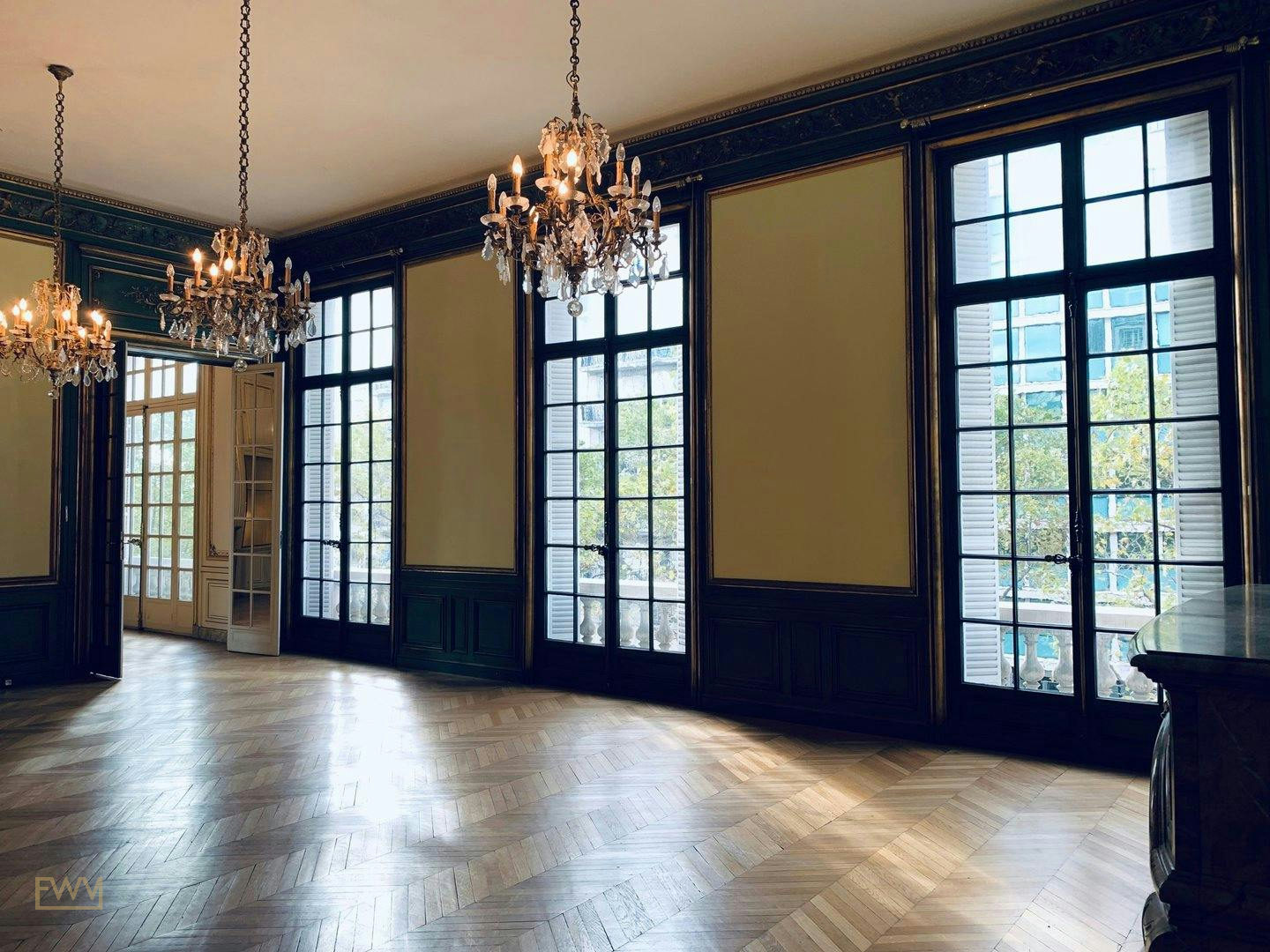
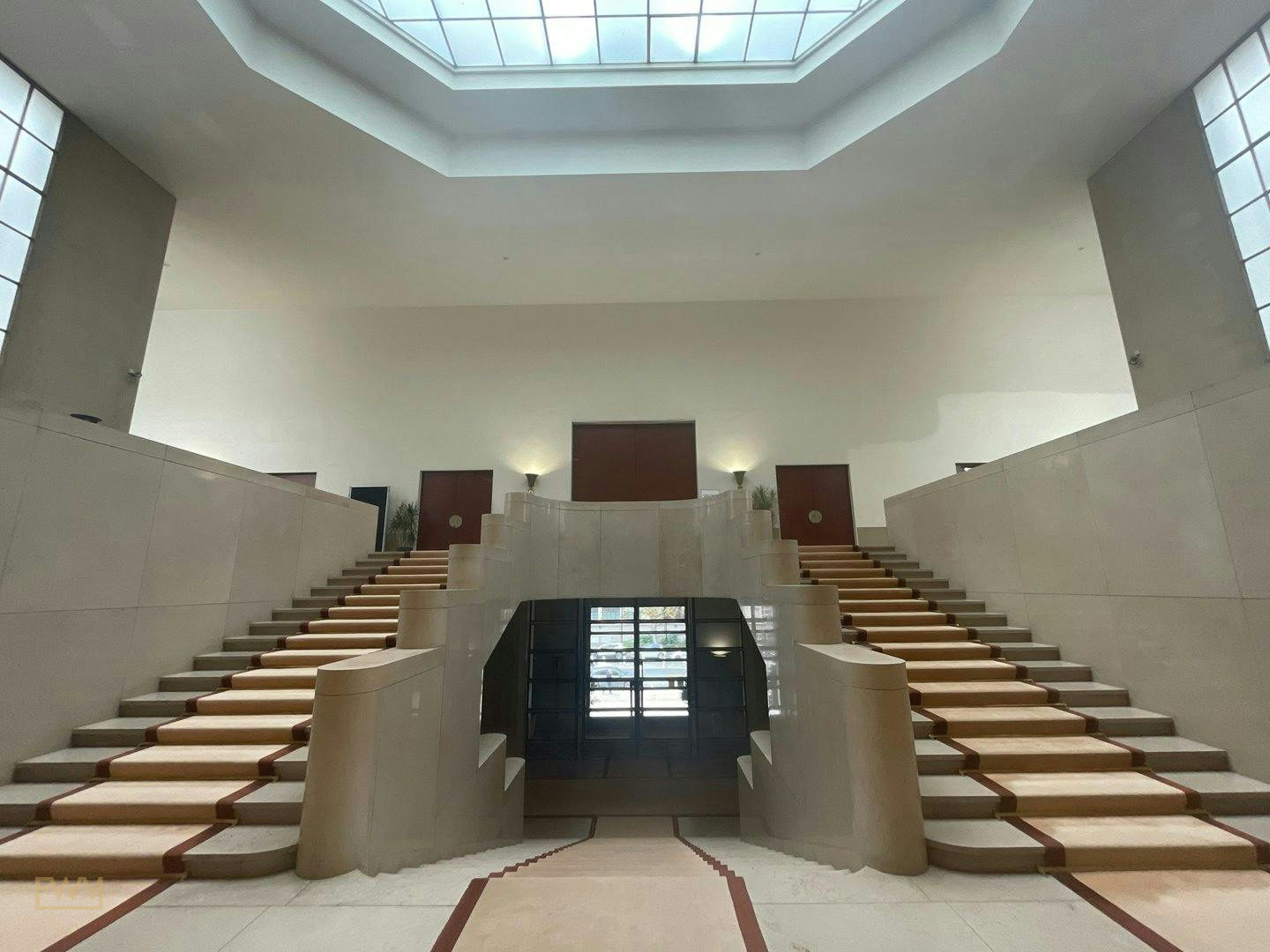
A pop up store near Le Bon Marché places your brand at the intersection of Paris's most affluent residential quarter and one of the world's most storied department stores. The 7th arrondissement, anchored by Le Bon Marché Rive Gauche on Rue de Sèvres, draws high-income Parisians, international luxury buyers, and culturally engaged visitors who expect thoughtful retail experiences rather than transactional encounters. For brands seeking short-term retail space with genuine footfall quality, this neighbourhood consistently outperforms more heavily trafficked but less selective locations. Fashion Week Venues works with brand teams sourcing, designing, and operating pop-up activations in this district and across Paris, offering both a curated space marketplace and full-service production support from brief to closing day.
Why the Le Bon Marché Neighbourhood Attracts Serious Pop-Up Investment
The area surrounding Le Bon Marché on the Left Bank is not simply a retail district. It is one of the most densely cultured, commercially sophisticated, and socially exclusive neighbourhoods in Île-de-France. Understanding why brands consistently choose this location requires looking beyond foot traffic numbers to the specific character of the audience, the density of complementary retail, and the reputational signal the address sends.
Le Bon Marché Rive Gauche, which opened in 1852 and became a flagship project for Gustave Eiffel and Louis-Charles Boileau in the 1870s, remains privately owned by LVMH and operates as a destination rather than a convenience store. Its customers are not passing browsers. They arrive with intent, with substantial purchasing power, and with a sophisticated appreciation for aesthetics, craft, and brand narrative. A pop-up store positioned within walking distance of this institution inherits a portion of that customer expectation.
The surrounding streets, including Rue du Bac, Rue de Grenelle, Rue de Varenne, and Boulevard Raspail, are lined with independent concept stores, high-end galleries, established fashion houses, and antique dealers. This density of premium retail creates what retail strategists call a halo effect: the neighbourhood's overall positioning elevates individual brand perception simply through association. A three-week pop-up on Rue de Grenelle reads differently to a press editor or a wholesale buyer than the same activation in a more generic arrondissement.
The 7th arrondissement also benefits from a resident population that actually shops locally. Unlike the tourist-heavy corridors of the Marais or the Champs-Élysées, the Left Bank around Le Bon Marché sees repeat visits from local residents who live within walking distance and who integrate this area into their daily rhythm. For brands launching a new product line, testing a direct-to-consumer model, or cultivating relationships with Paris's fashion and cultural community, this repeat-visit dynamic is operationally valuable.
La Plaza Rive Gauche, the food and lifestyle destination adjacent to Le Bon Marché's main building, further concentrates footfall by drawing visitors across multiple category interests simultaneously. The combination of fashion, food, homeware, and cultural programming within a compact geographical footprint makes the surrounding streets particularly productive for brand activations that benefit from cross-category browsing behaviour.
Quick answer: The Le Bon Marché neighbourhood attracts pop-up investment because it combines a high-income, repeat-visiting resident audience with premium retail density, cultural credibility, and the reputational halo of one of the world's most respected department stores, all within the prestigious 7th arrondissement of Paris.
KEY TAKEAWAY: Positioning a pop-up store near Le Bon Marché is not just a logistics decision. It is a brand statement. The address communicates selectivity, quality, and cultural seriousness to the exact audience most brands in fashion, accessories, and lifestyle are trying to reach.
Understanding this neighbourhood context is the foundation. The next step is understanding what types of pop-up formats and product categories perform well in this environment.
What Le Bon Marché Itself Does With Pop-Up Retail and Branded Activations
Le Bon Marché is not a passive backdrop. It is one of the most active curators of brand collaboration and temporary retail experience in Europe, and studying its internal pop-up strategy is directly useful for external brands activating nearby.
The Structure of Le Bon Marché's Internal Brand Collaborations
Le Bon Marché regularly dedicates substantial floor space within its building to mono-brand activations, immersive concept spaces, and product-specific installations that go beyond standard wholesale fixtures. These collaborations span fashion, accessories, beauty, homewares, and food. Brands such as Johanna Ortiz have created dedicated spaces within the store, blending prêt à porter, bijoux, and accessoires within a single curated environment that reflects the brand's visual identity rather than standard department store shelving conventions.
The Johanna Ortiz activation at Le Bon Marché is a useful reference point. Ortiz, known for Colombian craftsmanship, bold tropical notes, and references to Caribbean beaches, built a pop-up environment that translated her brand's geographical and cultural identity into a physical retail experience. The agencement of the space, including its lumières, display architecture, and product sequencing, was designed to immerse shoppers in the brand's world rather than simply presenting SKUs. This type of brand-environment storytelling is increasingly the standard expected of serious pop-up activations in this neighbourhood, whether inside Le Bon Marché or in the streets immediately surrounding it.
Summer Exhibitions and Thematic Editions
Le Bon Marché is particularly well known for its annual summer exhibition, which transforms large sections of the building into a themed cultural and retail experience. The store's summer editions have ranged from the conceptual to the visually spectacular. The "All Bright and Sun-Kissed" edition, for example, brought together beach-style stands, installations featuring sandcastles, and product presentations anchored in summer sensory themes. Another edition built around a Provençal village aesthetic worked with brands including Souleiado, the historic Provençal textile house, and Victoria, creating a temporary in-store village environment with multiple pop-up stands positioned like market stalls around a central theme.
These editions typically run for four to eight weeks and feature curated product selections across prêt à porter, bijoux, accessoires, souvenirs, and épicerie fine. The épicerie fine category is particularly strong, with Bon Marché's food and grocery offer representing a meaningful draw for local residents who integrate grocery and lifestyle shopping into a single visit. Brands in the food, drink, and artisan categories benefit from proximity to this traffic stream.
Expos Photos and Cultural Programming
Alongside commercial brand activations, Le Bon Marché has a consistent tradition of expos photos, using its escalators, mezzanines, and public-facing wall spaces to display large-format photography exhibitions. These exhibitions serve a dual commercial and cultural function: they attract visitors who may not have been planning a purchase, extend dwell time significantly, and create a social media context that amplifies brand visibility for all activations within the store and nearby. Brands that activate pop-ups in the surrounding streets during a Le Bon Marché photo exhibition period benefit from elevated general footfall and a heightened cultural mood in the neighbourhood.
The Institut Français de la Mode has also been involved in programming adjacent to Le Bon Marché, reinforcing the store's position as a site of genuine fashion education and cultural production rather than pure commercial retail. This institutional connection raises the quality ceiling for brand collaborations in the area.
Quick answer: Le Bon Marché uses internal pop-ups, thematic summer editions, brand collaborations, and photography exhibitions to create immersive, culturally rich retail experiences across fashion, accessories, food, and homeware. Brands activating in the surrounding streets benefit from this programming calendar through elevated neighbourhood footfall and heightened cultural context.
DID YOU KNOW: Le Bon Marché's summer exhibitions have featured the work of internationally recognised photographers alongside commercial brand activations, creating an unusual fusion of gallery culture and retail that draws audiences who would not normally enter a department store.
KEY TAKEAWAY: Studying Le Bon Marché's own activation calendar is an essential planning tool for any brand considering a pop-up in the surrounding neighbourhood. Aligning your opening window with a major store edition or expo can substantially increase organic footfall without additional marketing spend.
With the internal structure of Le Bon Marché's programming understood, the next step is mapping the practical space options available to external brands in the surrounding streets.
Types of Pop-Up Spaces Available Near Le Bon Marché
The immediate vicinity of Le Bon Marché offers a range of short-term retail formats, each with distinct characteristics in terms of footfall profile, space configuration, minimum tenure, and operational requirements.
Street-Level Retail Units on Surrounding Thoroughfares
The streets radiating from the Le Bon Marché building include some of Paris's most sought-after short-term retail addresses. Rue du Bac, running north to south and connecting the Seine to the 7th arrondissement's residential core, offers generous ground-floor retail units with strong natural light and consistent pedestrian flow. Rue de Sèvres, the street on which Le Bon Marché sits, provides maximum proximity to the store's customer stream and benefits from the density of shoppers arriving by Métro line 10 and 12. Rue de Grenelle offers a slightly more residential feel with a high concentration of fashion boutiques and galleries, making it particularly appropriate for premium fashion, jewellery, and accessories activations.
Concept Store Concessions and Shop-in-Shop Formats
Several existing concept stores and independent boutiques in the Le Bon Marché neighbourhood offer temporary concession arrangements, allowing brands to operate a dedicated section within an established retail environment. This format reduces operational overhead, provides immediate access to an existing customer base, and removes the need to build foot traffic from zero. The trade-off is less creative control over the physical environment and a shared brand context with other products in the host store.
Gallery and Cultural Hybrid Spaces
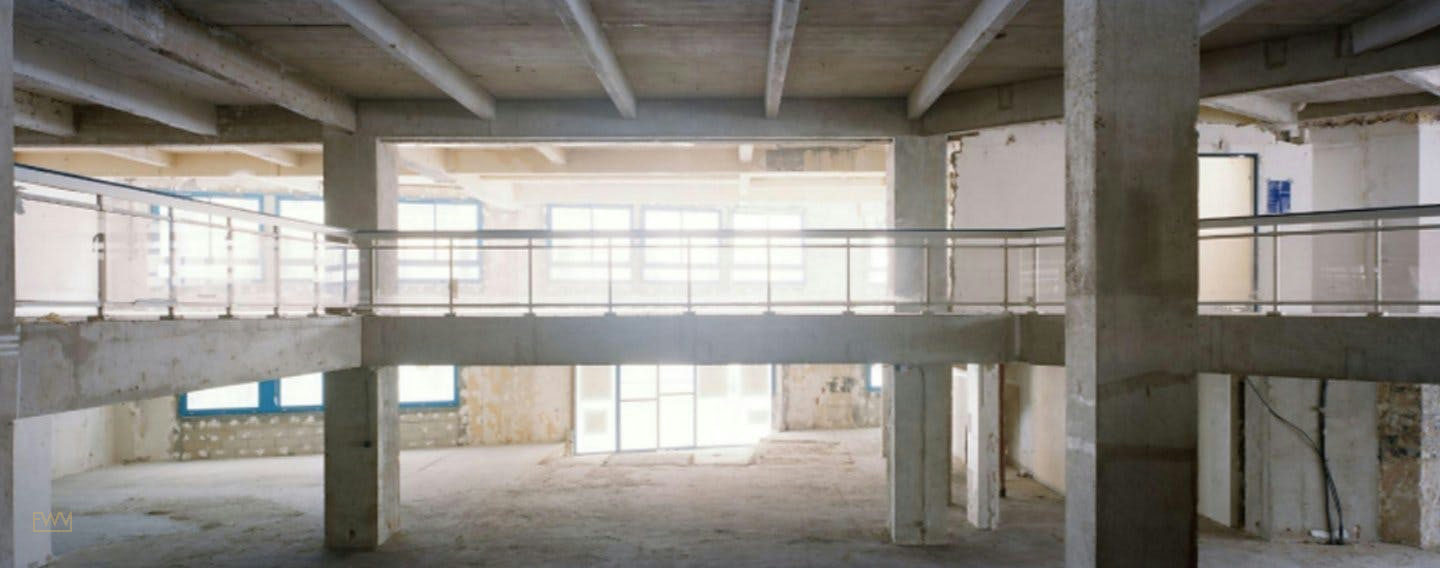
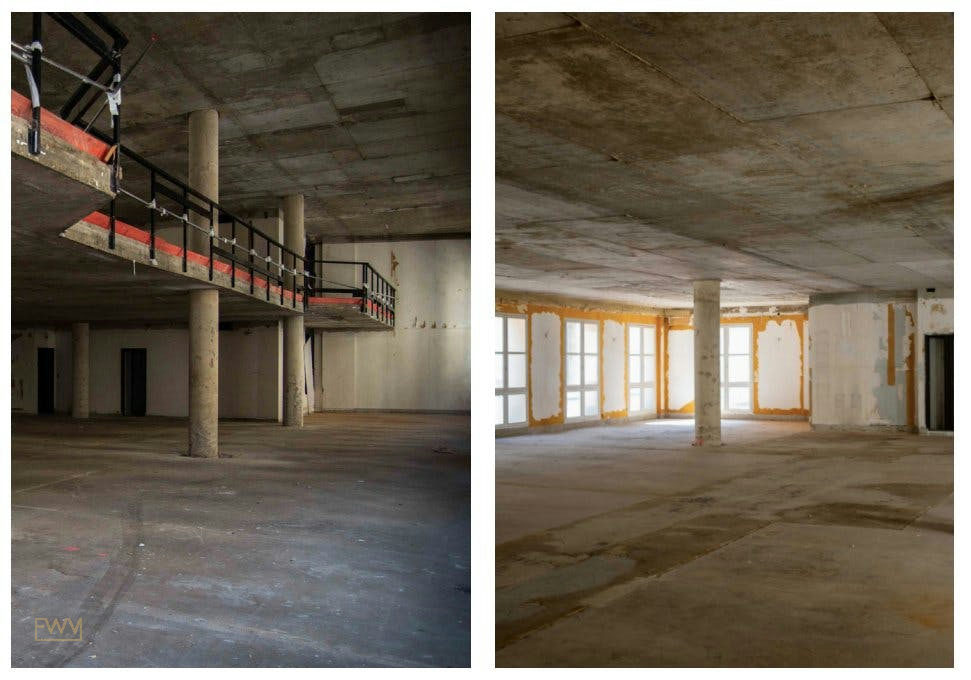
The 7th arrondissement has a significant concentration of private galleries and cultural spaces that have in recent years adapted to dual-use formats, operating as exhibition spaces during the week and as private event or retail spaces at other times. These spaces are particularly well suited to brands in fashion, jewellery, and artisan categories whose product benefits from a gallery-style presentation. The architecture of these spaces, often featuring high ceilings, polished concrete floors, and large windows, provides a natural backdrop that complements premium product without requiring extensive fit-out investment.
Hôtel Particulier and Courtyard Spaces
A smaller but distinctive category of space in this neighbourhood is the hôtel particulier, the private mansion format typical of the Left Bank's residential streets. Several of these properties make their ground-floor spaces or garden courtyards available for short-term brand activations, particularly during Paris Fashion Week and the summer season. These spaces offer unparalleled architectural prestige and are well suited to invitation-only showrooms, press previews, and exclusive brand experiences rather than high-volume retail pop-ups.
Space Types by Brand Format
| Space Type | Best For | Typical Tenure | Operational Complexity |
|---|---|---|---|
| Street-level retail unit | DTC retail, product launches, seasonal activations | 2 to 12 weeks | Medium to high |
| Concept store concession | Brand exposure, test retail, accessories | 1 to 6 weeks | Low to medium |
| Gallery hybrid space | Premium fashion, jewellery, artisan brands | 1 to 4 weeks | Medium |
| Hôtel particulier / courtyard | Showrooms, press days, exclusive events | 3 days to 2 weeks | Low to medium |
| Market stand or outdoor pitch | Seasonal retail, food, souvenirs, accessories | 1 to 8 weeks | Low |
Quick answer: Brands activating near Le Bon Marché can choose from street-level retail units, concept store concessions, gallery hybrid spaces, hôtel particulier properties, and outdoor market formats. Each format suits a different brand profile, product category, and operational budget.
KEY TAKEAWAY: Selecting the right space format matters as much as selecting the right street. A jewellery brand and a food brand have fundamentally different requirements for natural light, display infrastructure, storage, foot traffic volume, and operating hours, even if both are targeting the same Le Bon Marché neighbourhood customer.
Once the space format is identified, brands need to understand the product categories that perform particularly well in this environment.
Product Categories That Perform Well Near Le Bon Marché
Not every product category is equally well served by a pop-up location near Le Bon Marché. Understanding the specific purchasing behaviour and category preferences of the neighbourhood's customer base helps brands make better decisions about whether this location fits their product and whether the investment is likely to generate meaningful returns.
Prêt à Porter and Ready-to-Wear Fashion
The neighbourhood's fashion customer is sophisticated and selective. Prêt à porter collections that combine strong design identity with wearable quality perform well here. This is not a location where volume-driven fast fashion activations translate effectively. The customer expects a reason to engage: a story, a craft reference, a design point of view. Emerging designers who have press credibility but limited physical retail presence can use a pop-up near Le Bon Marché to convert existing brand awareness into first-time purchases from a high-value customer segment.
Bijoux and Fine Accessories
Bijoux and accessoires are consistently strong performers in pop-up activations near Le Bon Marché. The neighbourhood's customer base has significant discretionary spending on jewellery and accessories, and the visual format of a well-designed jewellery pop-up benefits from the architectural quality of spaces in this area. Brands with a strong craft narrative, whether referencing Colombian craftsmanship like Johanna Ortiz or Provençal textile traditions like Souleiado, can use their cultural origin story as a central display and storytelling element.
Épicerie Fine and Artisan Food
La Plaza Rive Gauche has established épicerie fine as one of the dominant product categories in the Le Bon Marché ecosystem. Independent food producers, regional specialty brands, and international gourmet labels all find a receptive audience here. The customer base is genuinely interested in provenance, production methods, and gastronomic narrative. A well-positioned food pop-up near Le Bon Marché can achieve strong conversion rates and high average basket values, particularly during the summer exhibition season when foot traffic peaks.
Souvenirs and Culturally Resonant Gifts
The neighbourhood's tourist segment, though less dominant than in other Paris arrondissements, consists largely of cultural travellers and international fashion professionals rather than mass tourism. This segment has a higher willingness to invest in meaningful, design-led souvenirs rather than generic merchandise. Brands offering édition limitée pieces, region-specific crafts, or collaborations with French cultural institutions find a receptive audience in this context.
Homeware, Design Objects, and Lifestyle
The concentration of interior design showrooms and lifestyle boutiques in the surrounding streets reflects a strong local appetite for considered homeware and design objects. Brands in this category benefit from proximity to an audience that is actively investing in their living environment and for whom considered purchases are a form of cultural self-expression.
Quick answer: The strongest product categories for pop-up stores near Le Bon Marché are prêt à porter fashion with strong design identity, bijoux and fine accessories, épicerie fine and artisan food, culturally resonant gifts and limited editions, and homeware or lifestyle objects. Volume-driven or price-led product categories are less well matched to this audience.
KEY TAKEAWAY: Brand and product fit matters enormously near Le Bon Marché. The neighbourhood rewards design seriousness, craft narrative, and cultural resonance. Brands that can articulate what makes their product worth the customer's attention, and translate that into their physical space, consistently outperform those that rely on footfall alone.
Product category selection must connect directly to the visual and spatial design of the activation, which brings us to the specific design and display principles that define successful pop-ups in this environment.
Design and Visual Principles for Pop-Up Stores Near Le Bon Marché
The visual and spatial standards expected in the Le Bon Marché neighbourhood are high. This is not a forgiving environment for rushed fit-outs, generic shelving, or underdeveloped brand environments. The design of your pop-up space communicates as much about your brand as the products displayed within it.
Agencement: Spatial Layout and Customer Flow
The agencement, or spatial layout, of a pop-up in this context needs to serve multiple functions simultaneously: guiding customer movement through the space, creating moments of discovery rather than linear browsing, and providing flexible areas for product interaction, photography, and private conversation with staff. Beach-style stands, for example, which feature in Le Bon Marché's summer exhibitions, use a looser, more exploratory layout that encourages lingering and tactile engagement. This contrasts with a tight fashion showroom format, which uses directed sightlines and controlled product sequencing to build anticipation. The right approach depends on your product category, average transaction value, and the social behaviour you want to encourage.
Lumières: Lighting as a Brand Tool
Lighting is one of the most important and frequently underinvested elements of pop-up store design. In the Le Bon Marché neighbourhood, where architectural quality is high and customer aesthetic expectations are calibrated to premium retail, poor lighting reads immediately as a quality signal failure. Lumières should serve both functional and atmospheric purposes: product lighting must be precise enough to flatter jewellery and textile colour without distortion, while ambient lighting should support the emotional tone of the brand environment. Brands referencing tropical notes or beach themes can use warm, diffused lighting to evoke sun and outdoor space. Provençal or artisan-positioned brands benefit from softer, more natural light sources that reference craft workshop aesthetics.
Escalators and Multi-Level Considerations
Le Bon Marché's interior famously uses its escalators as both functional infrastructure and display surfaces, with the escalator hall representing some of the most prominent display real estate in the building. For external brands activating in multi-level spaces in the surrounding neighbourhood, the same principle applies: vertical transitions are visual moments that should be designed rather than treated as purely functional. If your pop-up occupies two floors, the staircase or level transition should be a designed experience that builds anticipation or reveals a second brand narrative.
Thematic Coherence Across All Touchpoints
The brands that generate the strongest impression in this neighbourhood tend to maintain strict thematic coherence across every element of the space: window display, entry statement, product fixtures, packaging, staff styling, and sensory details such as scent and sound. Monsens, for example, approaches its brand environments with a level of detail that extends to the materials used for price tags and the texture of surface treatments. This degree of coherence is not exclusively the domain of large brands. Smaller brands with a clear visual identity can achieve the same effect through disciplined decision-making and a well-briefed production partner.
TIP: Start your design brief with the emotional state you want the customer to leave with, not with a list of products to display. The best pop-up spaces in the Le Bon Marché neighbourhood are designed backwards from a desired customer feeling.
Quick answer: Effective pop-up design near Le Bon Marché requires thoughtful spatial layout that guides discovery, precise and atmospheric lighting, thematic coherence across all visual touchpoints, and multi-level design thinking if the space has more than one floor. Generic or rushed fit-outs underperform in this environment.
KEY TAKEAWAY: In the Le Bon Marché neighbourhood, the physical quality of your pop-up space is part of your brand communication. Investing in professional concept direction and production is not optional in this context. It is the baseline required to compete for the attention of an audience that shops in one of the world's most design-serious retail environments.
Alongside the design challenge, brands activating near Le Bon Marché must navigate the practical legal and operational requirements of short-term retail in Paris.
Legal, Permit, and Lease Considerations for Pop-Up Stores in the 7th Arrondissement
Paris has a well-established legal framework for short-term commercial occupation, but the framework is more complex than international brands often anticipate. Understanding the relevant structures before signing anything is essential for protecting your brand and your budget.
The Bail Dérogatoire: Short-Term Lease in France
The most common legal instrument for short-term commercial occupation in France is the bail dérogatoire, a derogatory lease that sits outside the standard French commercial lease framework. Under French law, a standard commercial lease, known as a bail commercial, provides the tenant with significant statutory protections including a nine-year minimum term and a right of renewal. The bail dérogatoire allows both parties to agree to a shorter tenure, typically up to 36 months in aggregate, without triggering these statutory protections. This makes it the standard instrument for pop-up retail activations in Paris, including in the 7th arrondissement.
The bail dérogatoire must be established in writing, must clearly state the intention of both parties not to be bound by the standard commercial lease framework, and must not be used in such a way that it effectively constitutes a permanent occupation. If a brand occupies a space under successive bail dérogatoire agreements with the same landlord for the same space beyond the permitted threshold, French law may recognise the arrangement as a standard bail commercial, creating unintended legal obligations. Brands should always verify the precise terms and accumulated tenure with a qualified French legal advisor before signing.
Autorisation d'Occupation Temporaire for Public or Semi-Public Spaces
For activations on public squares, pavement areas, or semi-public spaces adjacent to buildings, the relevant instrument is the Autorisation d'Occupation Temporaire (AOT). This permit is granted by the relevant public authority, which may be the city of Paris, the arrondissement administration, or another body depending on the precise location and nature of the space. AOTs are subject to specific conditions including operating hours, permitted activities, visual presentation standards, and insurance requirements. Requirements vary significantly by location, season, and the nature of the proposed activation.
Outdoor activations near Le Bon Marché, including beach-style stands or summer market formats, typically require an AOT in addition to any private lease arrangements for associated storage or preparation space. The process for obtaining an AOT involves submission of a dossier to the relevant authority and may require supporting documentation including insurance certificates, technical drawings, and a description of the proposed activation. Timelines for approval are not fixed and can extend beyond initial estimates, so brands should factor significant lead time into their planning.
Important Compliance Considerations
IMPORTANT: International brands without a French legal entity are not automatically excluded from renting retail space in Paris, but the absence of a French entity complicates the signing process for many landlords. Some landlords require a French guarantor or a substantial deposit in lieu. Working with an agency experienced in navigating this process can significantly reduce friction. Requirements vary by space and by landlord, so do not treat any single example as universal guidance.
Use the Fashion Week Venues permit guidance tool to explore the specific permit requirements relevant to your space type, location, and activation format before committing to a calendar window or a space.
Quick answer: Short-term retail in Paris typically uses a bail dérogatoire for private space or an Autorisation d'Occupation Temporaire for public or outdoor space. Both instruments have specific legal requirements, and brands should verify all arrangements with a qualified French legal advisor. International brands without a French entity face additional but manageable complexity.
KEY TAKEAWAY: Legal and permit requirements for pop-up stores in Paris are more nuanced than in many other cities. Approaching this aspect of planning with the same rigour as design and product strategy is essential. Mistakes at the legal or permit stage can delay or cancel an activation that has already committed significant design and marketing investment.
With legal foundations understood, the next practical layer is budget and timeline planning, two areas where early rigour pays significant dividends.
Budget Planning and Timeline Considerations for a Pop-Up Near Le Bon Marché
Budgeting for a pop-up store near Le Bon Marché requires a comprehensive view of all cost categories, from space rental and fit-out to staffing, permits, marketing, and contingency. Brands that plan their budget at the headline rental figure level routinely encounter financial stress when operational and production costs accumulate in the weeks before opening.
Understanding the Full Cost Structure
The main cost categories for a pop-up store activation in this neighbourhood include: space rental, which varies considerably by street, space type, size, and tenure; fit-out and production, which includes design, construction, lighting, fixtures, and furniture; permits and insurance; staffing, both for the fit-out period and the trading period; technology, including point-of-sale systems and connectivity; marketing and influencer engagement; logistics, including product delivery, storage, and returns; and a contingency allowance that experienced operators typically set at fifteen to twenty percent of total committed costs.
Because this neighbourhood commands premium rental values and because the design standard expected is high, the all-in cost of a well-executed pop-up near Le Bon Marché is substantially higher than a comparable activation in a lower-profile location. However, the return on investment case is also stronger, given the higher average transaction values, the press and influencer density during Paris Fashion Week and the summer exhibition season, and the long-term brand equity value of a successful activation in this location.
Timeline Planning: Working Backwards From Opening Day
Experienced operators plan pop-up timelines by working backwards from the intended opening date, not forwards from the day the project starts. This approach forces early identification of the longest lead time items, which in Paris typically include permit applications, custom fixture production, and, during peak calendar periods, space availability itself.
| Stage | Activity | Typical Lead Time Before Opening |
|---|---|---|
| Brief and strategy | Define objectives, format, budget, and calendar window | 16 to 20 weeks |
| Space search | Shortlist, view, and secure space | 12 to 16 weeks |
| Concept direction | Design concept, spatial planning, material selection | 10 to 14 weeks |
| Permit applications | Submit dossiers for bail dérogatoire and any AOT requirements | 8 to 14 weeks |
| Production | Fixture fabrication, sourcing, and supplier management | 6 to 10 weeks |
| Fit-out | On-site build, lighting installation, dressing | 1 to 3 weeks |
| Soft opening and staff training | Trial trading, team briefing, system testing | 3 to 7 days |
TIP: During Paris Fashion Week periods, space availability near Le Bon Marché can tighten significantly up to six months in advance. Brands planning an activation during or immediately around Fashion Week should begin their space search no later than five months before their intended opening date.
To build a brand-specific cost estimate before committing to a space, use the Fashion Week Venues budget calculator, which accounts for space type, tenure, fit-out complexity, and staffing requirements.
Quick answer: A well-executed pop-up near Le Bon Marché requires careful planning across space rental, fit-out, permits, staffing, and marketing, with a full timeline of 16 to 20 weeks from brief to opening day for a standard activation. Budget planning must account for all operational costs, not just headline rental.
KEY TAKEAWAY: Under-budgeting and under-planning are the two most common causes of poor pop-up performance near Le Bon Marché. The neighbourhood rewards brands that invest in quality execution. Brands that cut costs on design, staffing, or marketing typically find that the premium location does not compensate for a premium-looking brief and a budget execution.
With budget and timeline foundations in place, the next section addresses how Fashion Week Venues specifically supports brands through this process.
How Fashion Week Venues Supports Brands Activating Near Le Bon Marché
Fashion Week Venues operates as a full-service pop-up agency and space marketplace specifically structured for the complexity of activating in premium fashion city neighbourhoods like the Le Bon Marché district. Understanding exactly how the agency works and where its services are most valuable helps brand teams make informed decisions about when and how to engage.
Space Sourcing and Marketplace Access
The Fashion Week Venues marketplace gives brand teams direct access to a curated selection of short-term retail spaces, showrooms, and event venues across Paris and other major fashion capitals. For brands seeking a pop-up near Le Bon Marché specifically, the venue sourcing service provides a more consultative approach, matching spaces to the brand's specific brief rather than requiring the brand to evaluate an unfiltered inventory. This is particularly valuable in the 7th arrondissement, where space characteristics, lease terms, and landlord requirements vary considerably between individual properties.
Concept Direction and Branded Store Design
For brands that need support translating their brand identity into a physical retail environment, Fashion Week Venues offers dedicated concept direction and branded store design services. These services are structured to work within the constraints of short-term retail, including lease limitations on structural alterations and the need for reversible fit-out solutions. The design team works with the brand's existing visual identity and product narrative to create a spatial experience that is coherent, commercially functional, and visually appropriate for the Le Bon Marché neighbourhood standard.
Production, Build, and Furniture Rental
Moving from approved concept to physical reality requires production management, supplier coordination, and on-site build oversight. Fashion Week Venues manages this process directly, reducing the risk of the coordination failures that frequently undermine pop-up timelines. For brands that need furnished spaces without custom fabrication, a furniture rental service provides access to a curated range of display and seating solutions appropriate for premium retail environments.
Retail Staffing, POS, and Data Analytics
Operational continuity during the trading period requires a staffed, technology-equipped, and data-aware operation. Fashion Week Venues provides retail staffing with brand briefing and customer service training, point-of-sale and payment system integration, and data and analytics reporting that allows brand teams to track performance against objectives in real time. This operational infrastructure is particularly valuable for international brands activating in Paris without an existing local operations team.
Influencer Marketing and Activation Management
The Le Bon Marché neighbourhood is one of the most influencer-visible retail districts in Paris, and an activation in this location represents a genuine opportunity to generate organic social media content from the target audience. Fashion Week Venues' influencer marketing service supports brands in identifying, briefing, and engaging relevant profiles before and during the activation period. The overall activation management service coordinates all of the above streams under a single point of accountability, which significantly reduces the management burden on the brand's internal team.
To compare the different service approaches available and understand how Fashion Week Venues has delivered activations for previous clients, review the Fashion Week Venues work and case study section and the full agency process page.
Quick answer: Fashion Week Venues supports brands activating near Le Bon Marché through space sourcing, concept direction, production management, retail staffing, POS integration, data analytics, and influencer marketing, all coordinated under a single agency structure suited to the complexity of premium Paris pop-up activations.
KEY TAKEAWAY: The most common source of avoidable cost and stress in a Le Bon Marché neighbourhood pop-up is coordination failure between separate suppliers operating without a shared brief or accountable project lead. A full-service agency approach removes this risk and allows the brand team to focus on product and customer engagement rather than logistics management.
To compare neighbourhoods and space types, explore the Paris city hub on Fashion Week Venues and shortlist spaces that match your brief, budget, and calendar window.
Aligning Your Pop-Up With Paris Fashion Week and the Seasonal Calendar
The Paris retail calendar has multiple peak windows, each with distinct audience characteristics, press density, and trading potential. Aligning your pop-up activation near Le Bon Marché with the right calendar window is one of the highest-leverage decisions you will make in the planning process.
Paris Fashion Week: The Primary Calendar Event
Paris Fashion Week takes place twice a year, in late September to early October for the spring and summer collections and in late February to early March for the autumn and winter collections. During these weeks, the city's population of fashion buyers, editors, stylists, photographers, and international press increases substantially. The 7th arrondissement, as a preferred base for many of these visitors, sees elevated footfall in its premium retail spaces and restaurants. Brands with press-facing or wholesale-oriented objectives should treat Fashion Week as a primary window for activation.
The Summer Exhibition Season
The summer season, roughly mid-June to late August, is a distinct and commercially significant window for the Le Bon Marché neighbourhood. The store's annual summer exhibition generates significant footfall from both Parisian residents and international visitors, and the mood of the neighbourhood during this period is relaxed, exploratory, and experiential. Brands in lifestyle, food, accessories, and holiday-adjacent categories perform particularly well in this window. The beach-style stands, sandcastles installations, and tropical notes theming associated with Le Bon Marché's summer editions create an environmental context that a well-aligned external activation can leverage effectively.
Paris Couture Week and Other Fashion Calendar Events
Paris Couture Week, held in January and July, is a smaller but highly concentrated fashion event that draws the global luxury industry's most senior creative and commercial figures. Brands with high-end positioning and targeted wholesale or press objectives can use Couture Week as a more focused activation window, when the volume of visitors is lower but the quality and seniority of the audience is exceptionally high.
Calendar and Space Availability Planning Tool
Use the Fashion Week Venues timeline planning tool to map your activation calendar against key Paris fashion industry events and identify the windows that best match your brand objectives, team capacity, and budget.
Quick answer: The three primary calendar windows for a pop-up near Le Bon Marché are Paris Fashion Week in February and September, the summer exhibition season from June to August, and Paris Couture Week in January and July. Each window attracts a distinct audience profile and serves different brand objectives.
KEY TAKEAWAY: Choosing the right calendar window is not just about maximising foot traffic. It is about ensuring that the visitors who see your pop-up are the right people for your brand objectives. Fashion Week brings press and buyers. Summer brings experiential shoppers. Couture brings luxury decision-makers. The strongest activations are designed specifically for the audience that will be present during their operating window.
Brands and Collaborations That Have Defined Pop-Up Culture Near Le Bon Marché
Examining specific brands and collaborations that have activated successfully in and around Le Bon Marché provides both inspiration and practical benchmarking for brands planning their own activations.
Johanna Ortiz and the Colombian Craftsmanship Narrative
Johanna Ortiz is one of the most frequently cited examples of successful brand collaboration with Le Bon Marché. The Colombian designer's brand is built on a very specific cultural and aesthetic identity: Colombian craftsmanship, references to Caribbean beaches, tropical notes in pattern and colour, and a sensory richness that extends from the garments themselves to the environments in which they are presented. Her activations at and near Le Bon Marché have consistently used the physical space to extend this narrative, using natural materials, lush plant installations, and colour treatments that make the brand's tropical identity tangible and immersive. The lesson for other brands is not to replicate Ortiz's aesthetic but to match her level of cultural specificity in translating their own origin story into a physical retail environment.
Souleiado and the Provençal Village Edition
Souleiado, the historic Provençal textile brand founded in Tarascon in the 18th century, has appeared within Le Bon Marché's themed editions in contexts that reflect a broader Provençal village aesthetic. The brand's distinctive printed cotton fabrics, with their rich colour saturation and botanical motifs, translate naturally into pop-up retail environments that evoke outdoor markets, artisan workshops, and regional French identity. For external brands seeking to activate nearby during a Le Bon Marché summer edition with a similar regional or artisan narrative, Souleiado's example demonstrates how product authenticity and environment design can reinforce each other effectively.
Victoria and Multi-Brand Thematic Activations
Victoria, within the context of Le Bon Marché's thematic editions, demonstrates another approach to pop-up activation: the multi-brand curated environment in which individual labels contribute to a collective narrative larger than any single brand. This curatorial approach is increasingly relevant for emerging brands that want to associate with a prestigious context without bearing the full cost of a solo activation. Understanding how to position your brand within a curated group context requires the same discipline as a solo activation, but the audience entry point is the shared theme rather than the individual brand.
Institut Français de la Mode and Educational Programming
The presence of the Institut Français de la Mode in the broader Le Bon Marché cultural ecosystem reinforces the neighbourhood's identity as a site of serious fashion thinking rather than pure commercial retail. Brands that can connect their activation to a genuine craft or design education narrative, whether through workshops, demonstrations, or collaborative programming with design students, find a receptive audience in this context. The IFM connection also provides access to a network of fashion professionals, students, and educators who can amplify brand messaging through professional and academic channels.
Quick answer: Johanna Ortiz, Souleiado, Victoria, and the Institut Français de la Mode all represent different models of brand activation at and near Le Bon Marché. Each demonstrates the value of a coherent cultural and craft narrative translated faithfully into a physical retail environment.
KEY TAKEAWAY: The most memorable and commercially successful activations near Le Bon Marché share one characteristic: a genuine cultural story that the physical space amplifies rather than contradicts. Generic or trend-following activations are quickly forgotten. Culturally specific, well-executed pop-ups generate lasting brand associations with the prestige of the neighbourhood.
Common Myths About Pop-Up Stores Near Le Bon Marché
MYTH: You need a French legal entity to rent a pop-up space near Le Bon Marché.
FACT: International brands without a French legal entity can rent short-term retail space in Paris, though the process is more complex. Some landlords require a French guarantor, a substantial deposit, or additional documentation. Working with an experienced agency that understands the local leasing market substantially reduces this friction. Requirements vary by property and landlord, so each situation should be assessed individually with appropriate legal advice.
MYTH: Paris Fashion Week is the only viable calendar window for a pop-up near Le Bon Marché.
FACT: Paris Fashion Week is one of several strong calendar windows for this neighbourhood. The summer exhibition season at Le Bon Marché, Couture Week, and the extended Christmas and New Year period all generate substantial footfall from high-quality audiences. The right window depends entirely on the brand's objectives, product category, and target customer. Many brands find the summer season or Couture Week more productive for their specific goals than Fashion Week itself.
MYTH: The only way to find a pop-up space in this neighbourhood is through commission brokers or personal connections.
FACT: While the Paris short-term retail market has historically relied heavily on broker relationships, curated space marketplaces and full-service agencies now provide direct access to verified space inventories without the opacity and incentive misalignment of traditional commission-based brokerage. A structured marketplace approach also allows brands to compare spaces systematically against defined criteria rather than evaluating options sequentially.
MYTH: Short-term leases in Paris are legally straightforward and do not require specialist help.
FACT: The French commercial leasing framework is complex, and the bail dérogatoire, while designed to facilitate short-term occupancy, has specific legal requirements that must be observed to avoid inadvertently triggering the protections of a standard bail commercial. Permit requirements for outdoor or semi-public space add a further layer of regulatory complexity. Brands should always engage a qualified French legal advisor and consider working with an agency experienced in navigating Paris-specific compliance requirements.
MYTH: Only large luxury brands can achieve a meaningful activation near Le Bon Marché.
FACT: Le Bon Marché's own curatorial approach includes emerging designers, artisan producers, and independent brands alongside established luxury names. The neighbourhood's customer base is interested in quality, originality, and craft narrative rather than brand scale alone. Well-briefed emerging brands with a coherent visual identity and a compelling cultural story can and do generate significant commercial and reputational returns from pop-up activations in this neighbourhood.
Frequently Asked Questions About Pop-Up Stores Near Le Bon Marché
What types of pop-up spaces are available near Le Bon Marché?
The Le Bon Marché neighbourhood offers a range of short-term retail formats including street-level retail units on Rue du Bac, Rue de Grenelle, and Rue de Sèvres, concept store concessions within established boutiques, gallery hybrid spaces with high architectural quality, hôtel particulier properties for exclusive brand events and showrooms, and outdoor market formats for seasonal activations. Each format suits a different brand profile, product category, and operational budget. The right starting point is defining your brand objectives and product type before narrowing the space format to one that supports both.
How far in advance should I begin planning a pop-up near Le Bon Marché?
For a well-executed activation, most experienced operators recommend beginning the planning process 16 to 20 weeks before the intended opening date. During peak calendar periods such as Paris Fashion Week, space availability in this neighbourhood tightens significantly, and some properties are committed up to six months in advance. Permit applications for outdoor or semi-public spaces add further lead time requirements. Starting early gives you the widest selection of available spaces, more time for concept development, and greater flexibility in the production and fit-out schedule.
Do I need a French company to rent a pop-up space near Le Bon Marché?
No, but the absence of a French legal entity adds complexity to the leasing process. Some landlords in the 7th arrondissement require a French guarantor or a higher deposit from international tenants without a French entity. Others are accustomed to working with international brands and have established processes for managing this. Working with an agency experienced in Paris's short-term retail market helps navigate these requirements efficiently. Always obtain qualified French legal advice before signing any lease or occupancy agreement.
What is a bail dérogatoire and how does it apply to pop-up retail?
A bail dérogatoire is a short-term commercial lease instrument under French law that allows landlord and tenant to agree a tenancy outside the statutory nine-year framework of a standard bail commercial. It is the most common legal instrument for pop-up retail activations in Paris. The agreement must be in writing and must explicitly state both parties' intention to derogate from standard commercial lease protections. There are aggregate tenure limits, and if exceeded, the arrangement may be reclassified as a standard bail commercial. Brands should always verify the precise terms with a qualified French legal advisor.
What is the best time of year to open a pop-up near Le Bon Marché?
The optimal timing depends on your brand objectives and product category. Paris Fashion Week in February and September brings the highest density of fashion industry professionals, press, and buyers. The summer exhibition season at Le Bon Marché, running approximately mid-June to late August, attracts a mix of local residents and culturally engaged visitors in a relaxed, experiential mood that suits lifestyle, food, and accessories brands. Paris Couture Week in January and July draws a smaller but exceptionally senior luxury audience. The Christmas and New Year period generates strong footfall from local residents investing in gifts and personal indulgences.
What product categories perform best in a pop-up near Le Bon Marché?
The strongest performing categories in this neighbourhood are prêt à porter fashion with a clear design identity and craft narrative, fine jewellery and accessories including bijoux, épicerie fine and artisan food products, culturally resonant limited edition gifts and souvenirs, and considered homeware and design objects. The neighbourhood's customer base prioritises quality, originality, and cultural story over price sensitivity. Volume-driven or trend-following products are generally less well matched to this audience than distinctive, well-positioned brands with a genuine creative point of view.
How much does a pop-up store near Le Bon Marché cost?
Total costs vary considerably depending on space size, duration, fit-out complexity, staffing requirements, and marketing investment. Headline rental is only one component of the full cost picture, which must also account for fit-out and production, permits, insurance, staffing, technology, logistics, and a contingency allowance. Because of the high design standard expected in this neighbourhood, fit-out costs can be a significant proportion of total investment. Use the Fashion Week Venues budget calculator to build a brand-specific estimate that reflects your space type, tenure, and operational requirements before committing to a space.
What permits do I need for a pop-up store in the 7th arrondissement?
Requirements depend on the type of space and the nature of your activation. A private retail unit typically requires a bail dérogatoire and standard business operating permissions. Outdoor or semi-public space activations, including market-style stands or pavement displays, require an Autorisation d'Occupation Temporaire from the relevant public authority. Permit requirements vary by location, activation format, and season. The Fashion Week Venues permit guidance tool provides a structured starting point, but brand teams should always verify specific requirements with a qualified French legal advisor and the relevant arrondissement authority.
Can I activate inside Le Bon Marché itself as a brand?
Le Bon Marché operates its own brand collaboration and pop-up programme internally, selecting brands through a curatorial process managed by the store's buying and events teams. External brands wishing to activate within the store need to approach this through Le Bon Marché's commercial and brand partnership channels directly. Not all brands are accepted, and the selection criteria reflect the store's positioning and current thematic programming. Activating in the surrounding streets is an alternative that many brands pursue alongside, or instead of, an internal collaboration.
How do I align my pop-up with Le Bon Marché's summer exhibition?
Le Bon Marché announces its summer exhibition themes, participating brands, and programming in the spring, typically between April and June. Monitoring these announcements allows external brands to identify thematic alignment opportunities and time their nearby activation to coincide with the elevated footfall and cultural mood generated by the store's programming. Brands with a strong visual or thematic connection to the store's summer edition theme, such as beach, Provençal, or tropical references, benefit from the contextual reinforcement that this alignment creates.
What is La Plaza Rive Gauche and how does it relate to pop-up opportunities?
La Plaza Rive Gauche is the food and lifestyle destination that operates as part of the Le Bon Marché complex, focusing on épicerie fine, artisan food, wine, and lifestyle products. It draws its own distinct audience stream of local residents with a high interest in quality food and drink, complementing the fashion and accessories focus of the main building. Brands in the food, drink, and lifestyle categories benefit most directly from proximity to La Plaza Rive Gauche, and external pop-ups positioned nearby can access a food-motivated footfall stream alongside the fashion audience generated by the main store.
How do I find pop-up spaces near Le Bon Marché without using a broker?
The Fashion Week Venues marketplace provides direct access to a curated inventory of short-term retail spaces across Paris, including the 7th arrondissement, without the opacity and incentive misalignment of traditional commission brokerage. Brands can browse available spaces by neighbourhood, size, and space type, compare options using the compare tool, and engage directly with the sourcing team for a consultative matching process. This structured approach gives brand teams a clearer and more complete picture of available options than a sequential broker-managed search.
What are beach-style stands and how are they used in pop-up activations?
Beach-style stands are a display format associated with Le Bon Marché's summer editions, characterised by a looser, more exploratory spatial layout that encourages tactile engagement, browsing, and lingering. They typically feature natural materials, open display surfaces, and a relaxed visual presentation that evokes outdoor market or coastal retail environments. For external brands activating nearby during the summer season, a beach-style stand format can create a thematic connection to the store's programming while providing an accessible, low-barrier customer engagement format suited to accessories, food, lifestyle, and artisan product categories.
What role does influencer marketing play in a pop-up near Le Bon Marché?
The Le Bon Marché neighbourhood is one of the most photographed retail districts in Paris. During Fashion Week and the summer exhibition season, the concentration of fashion influencers, photographers, and digital content creators in the area is exceptionally high. A well-designed pop-up in this neighbourhood has significant organic social media potential if the visual environment is optimised for photography and if the brand team proactively engages relevant influencer profiles before opening. Fashion Week Venues' influencer marketing service supports this process from profile identification and outreach through to content briefing and performance tracking.
How do I evaluate whether a pop-up near Le Bon Marché is commercially viable for my brand?
Commercial viability depends on the alignment between your brand objectives, your product category, your target customer profile, and the operational investment required. A rigorous pre-activation planning process should include a realistic assessment of expected footfall, conversion rates, average transaction values, and non-commercial returns such as press coverage and new wholesale relationships. The Fashion Week Venues ROI calculator provides a structured framework for building this assessment. Brands should also consider the long-term brand equity value of a successful activation in this neighbourhood, which may justify investment levels that would not be supported by trading revenue alone.
Conclusion: Making Your Pop-Up Near Le Bon Marché Work
A pop-up store near Le Bon Marché is one of the most commercially and reputationally significant short-term retail opportunities available to brands in Paris. The neighbourhood combines a high-income, design-literate local audience with consistent international visitor traffic, a premium retail environment that rewards creative quality, and the cultural credibility of proximity to one of the world's most admired department stores. Brands that invest in rigorous planning, coherent concept direction, high-quality execution, and the right calendar alignment can achieve returns, commercial, press, and brand equity, that justify and exceed the investment required.
The complexity of activating in this location, from navigating French lease law and permit requirements to meeting the design standards expected by a sophisticated Parisian audience, underlines the value of experienced local agency support. The difference between a memorable activation and a forgettable one in this neighbourhood often comes down not to budget scale but to brief quality, execution rigour, and genuine cultural commitment to the space and audience.
To move from research to activation, start exploring available spaces on the Fashion Week Venues marketplace and build a focused brief for your target neighbourhood, space type, and calendar window. The Paris team is available to support you through every stage, from initial space identification to closing day data review.