Finding the right place to rent retail space in Montorgueil requires more than browsing a listings platform. The Montorgueil quarter, sitting at the intersection of the 1st and 2nd arrondissements in central Paris, is one of the most commercially active pedestrian corridors in the city, attracting high foot traffic, an affluent local clientele, and growing international brand interest. Whether you are planning a pop-up boutique, a showroom activation, a brand experience venue, or a short-term retail shop, the neighbourhood offers a compelling mix of heritage architecture, Haussmann apartment ground floors, independent boutiques, and modern creative lofts. Fashion Week Venues works with brands across the full spectrum of commercial space needs in Paris, from venue sourcing and concept direction through to build, staffing, and activation management. This guide covers everything teams need to plan, budget, and execute a retail space rental in Montorgueil and the surrounding Paris commercial real estate market.
Why Montorgueil Is One of the Most Competitive Retail Corridors in Paris
Montorgueil sits within one of central Paris's most sought-after commercial zones, drawing consistent foot traffic from Parisian residents, tourists, and the creative and fashion communities that cluster across the 1st, 2nd, and 3rd arrondissements. The street itself is a fully pedestrianised market corridor with deep retail heritage, and the surrounding blocks extend into the lower end of Le Haut Marais to the east and toward the Palais Royal and rue Saint-Honoré to the west. This positioning makes it strategically relevant for brands that want central Paris visibility without anchoring exclusively in Le Marais or the high-luxury corridors of Place Vendôme.
Foot traffic in this zone is structurally high. The Montorgueil corridor attracts daily market shoppers, food tourism, fashion buyers visiting showrooms in Paris 3rd, and the creative professionals who work across the Beaubourg, Marais, and Châtelet neighbourhoods. For retail brands, pop-up operators, and experience-driven activations, this density of pedestrian movement translates directly into organic discovery and spontaneous entry.
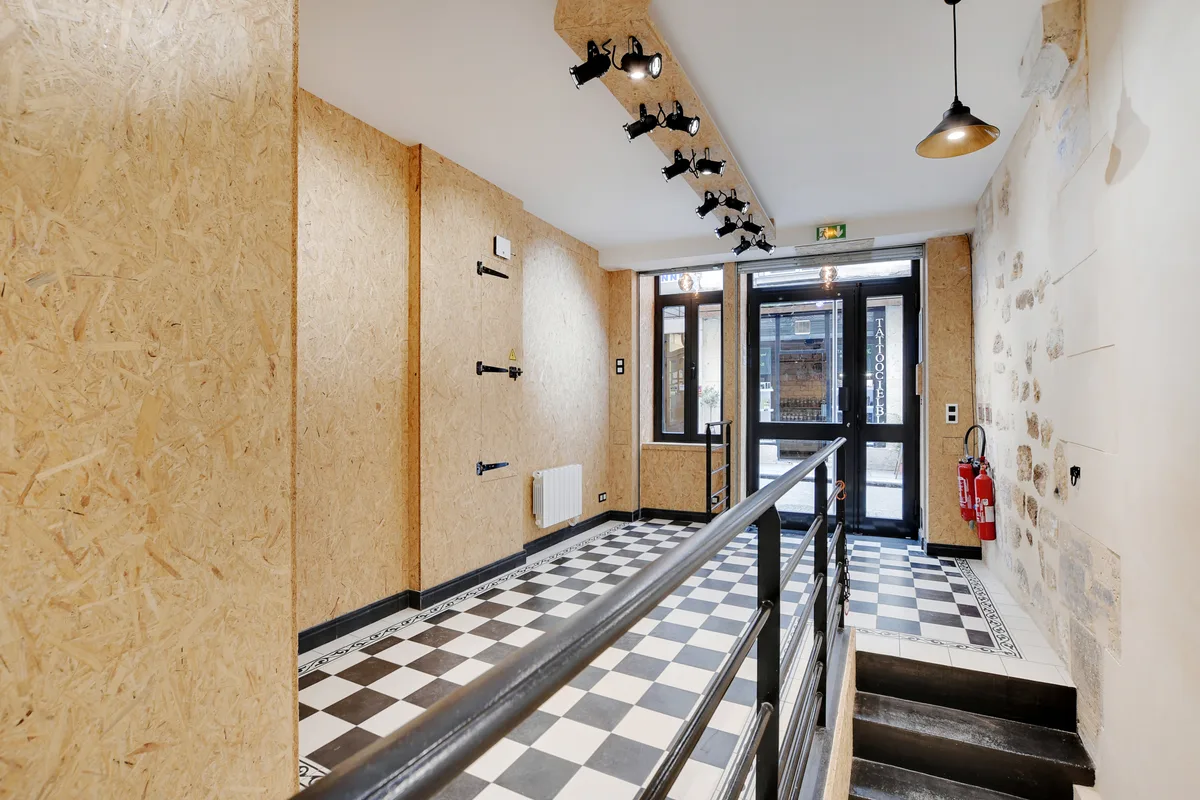
The commercial property mix in Montorgueil includes ground floor storefronts with character features including marble floors, exposed stone, and historic façades, as well as more contemporary loft-style spaces, photo studio conversions, and upper-floor showroom formats. The arrondissement also contains a number of former industrial workshops that have been converted into flexible creative spaces suited to gallery-style retail, product launches, and branded installations.
Unlike the tightly controlled luxury corridor of Saint-Honoré or the high-rent pressure of the 8th arrondissement near Haussmann, Montorgueil and the surrounding Paris 2nd offers brands a more accessible entry point into central Paris commercial real estate, while still delivering the cultural credibility and clientele quality that justifies investment. The neighbourhood has long been associated with Parisian daily life rather than luxury positioning, which makes it particularly effective for brands whose narrative centres on authenticity, craft, food, lifestyle, and contemporary fashion.
For international brands arriving from markets like Manhattan or San Francisco who are accustomed to high-traffic corridors with mixed retail and hospitality use, Montorgueil will feel immediately legible. The mix of cafés, restaurants, boutiques, galleries, and office tenants above retail creates the kind of layered neighbourhood energy that activates well for brand experiences.
DID YOU KNOW: The Montorgueil pedestrian zone is one of the oldest continuously operating market streets in Paris, with merchant activity dating back to the medieval period. This heritage gives the street an embedded cultural significance that purely commercial districts lack.
KEY TAKEAWAY: Montorgueil offers brands a rare combination of central Paris location, high foot traffic, cultural credibility, and a more varied property mix than the luxury corridors further west, making it particularly effective for pop-ups, showrooms, boutiques, and experience-led activations targeting a discerning but broad clientele.
Understanding the full range of property types available across this zone, and how they compare to other Paris neighbourhoods, is the essential next step before committing to any rental or lease structure.
Commercial Property Types Available When You Rent Retail Space in Montorgueil and Surrounding Paris Neighbourhoods
The commercial space market around Montorgueil spans several distinct property categories, each suited to different brand formats, activation models, and budget levels. Knowing which space type fits your concept before you begin searching saves significant time and reduces the risk of committing to a venue that underserves your operational needs.
Ground Floor Storefronts and Boutique Retail Units
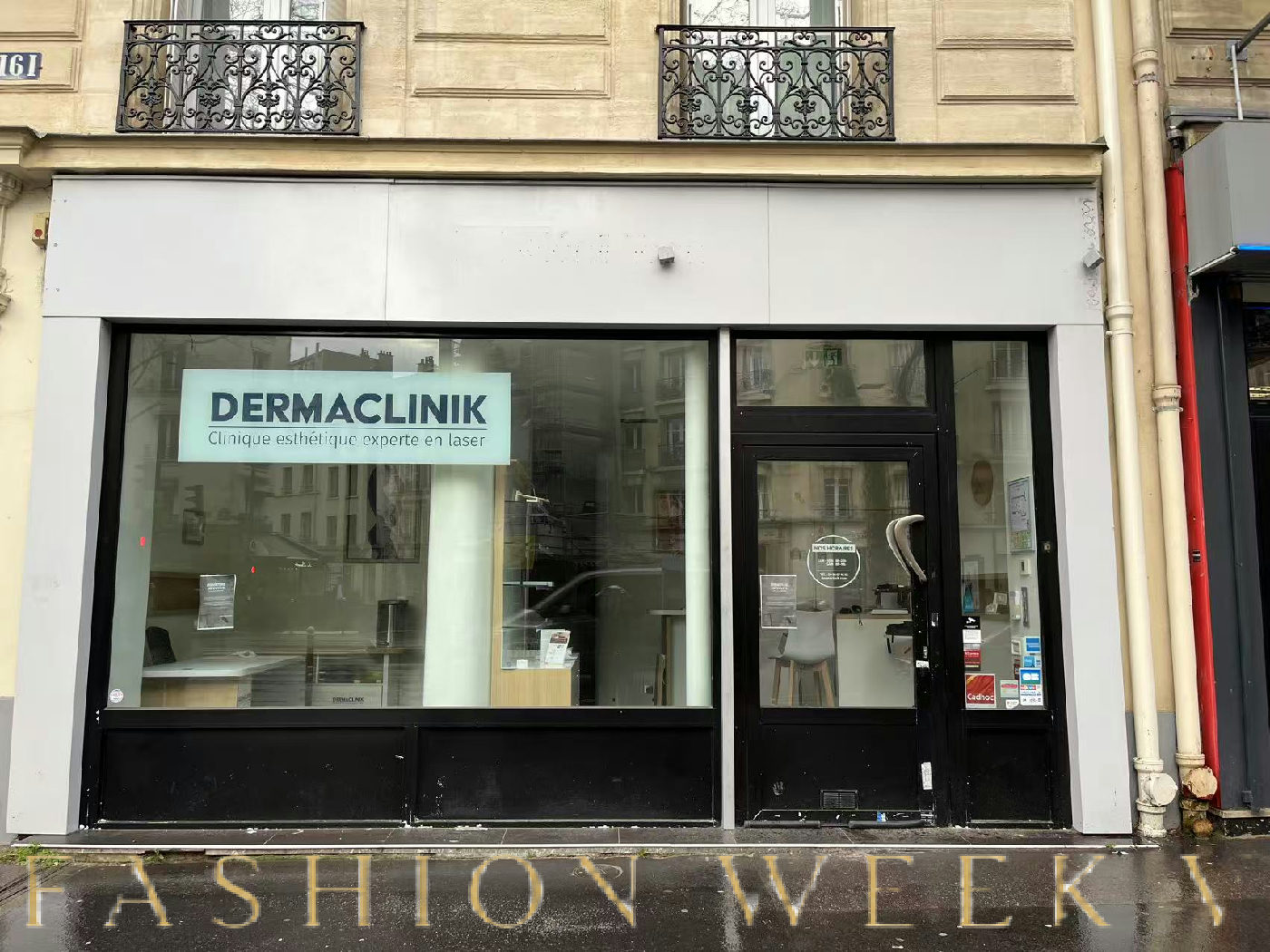
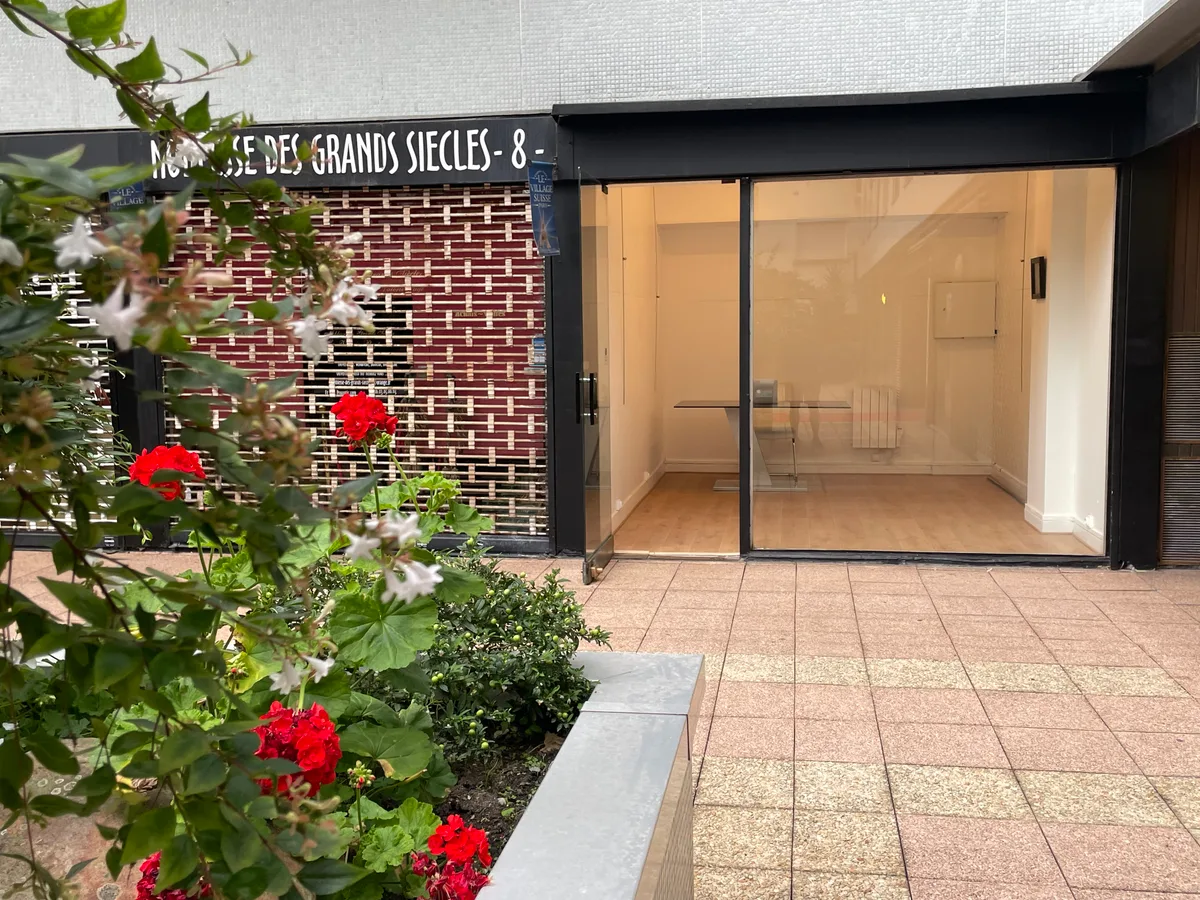
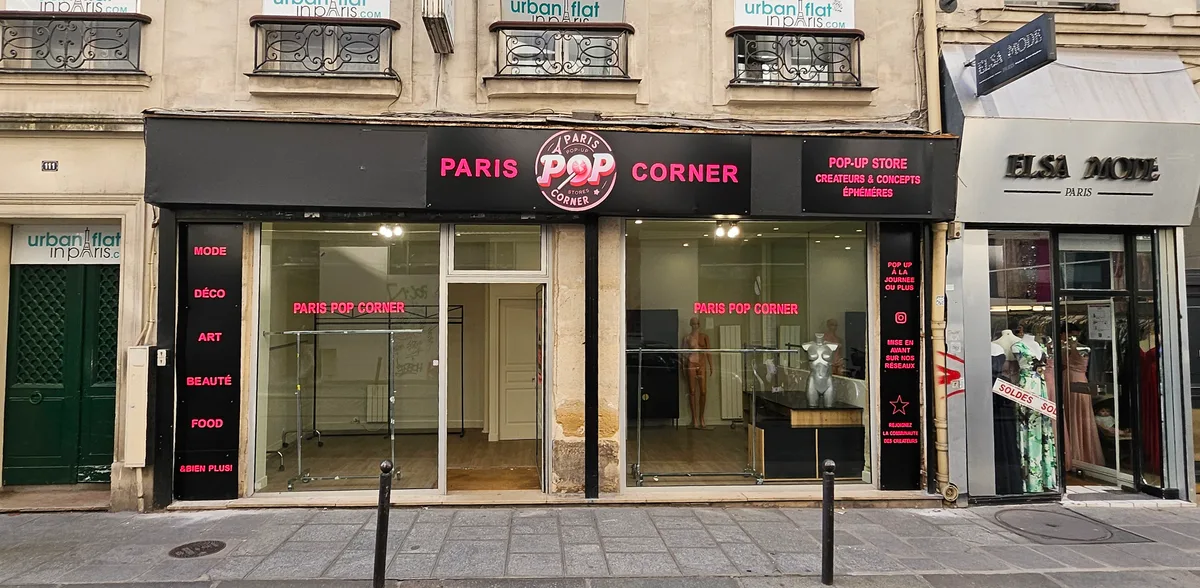
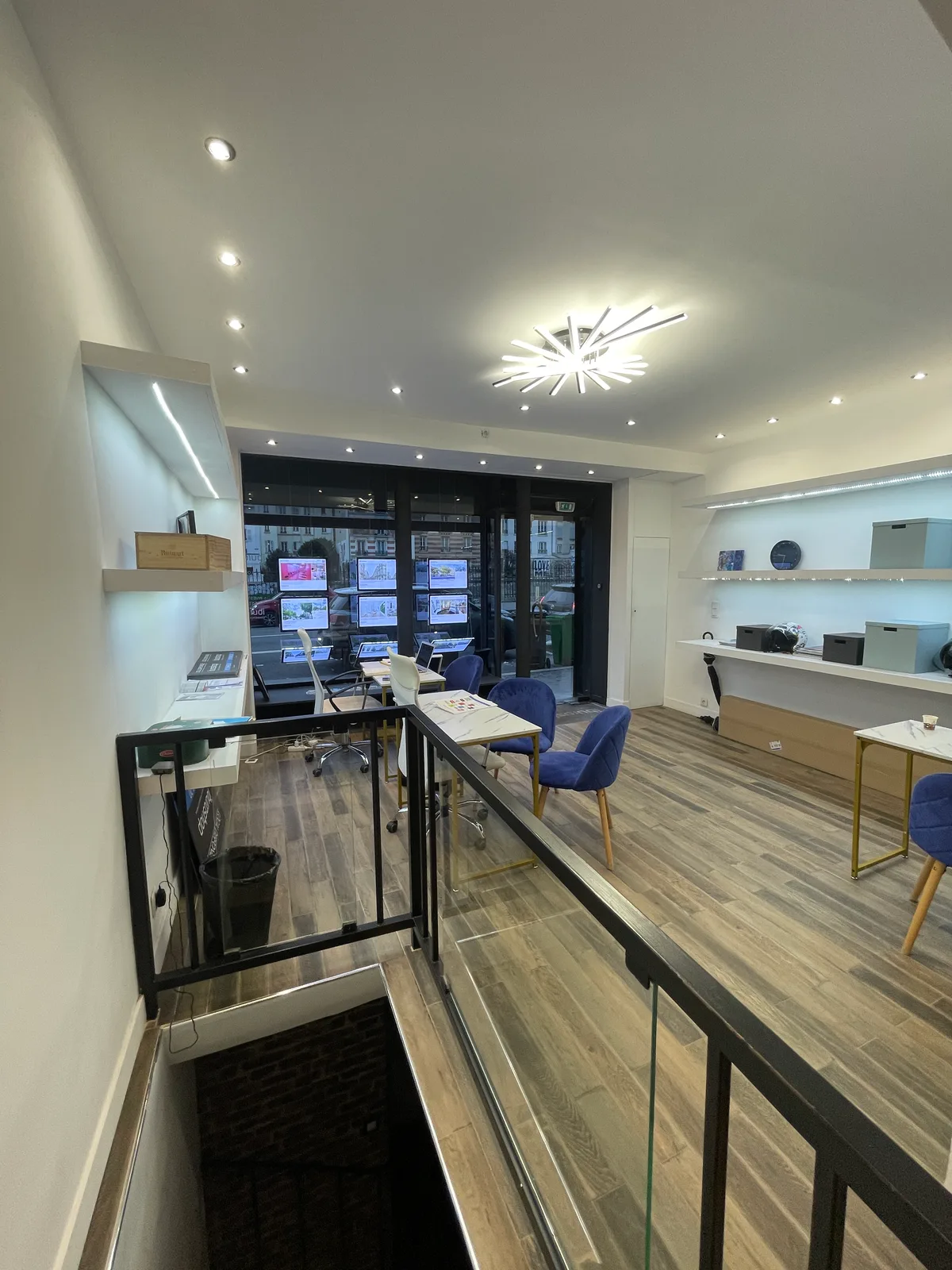
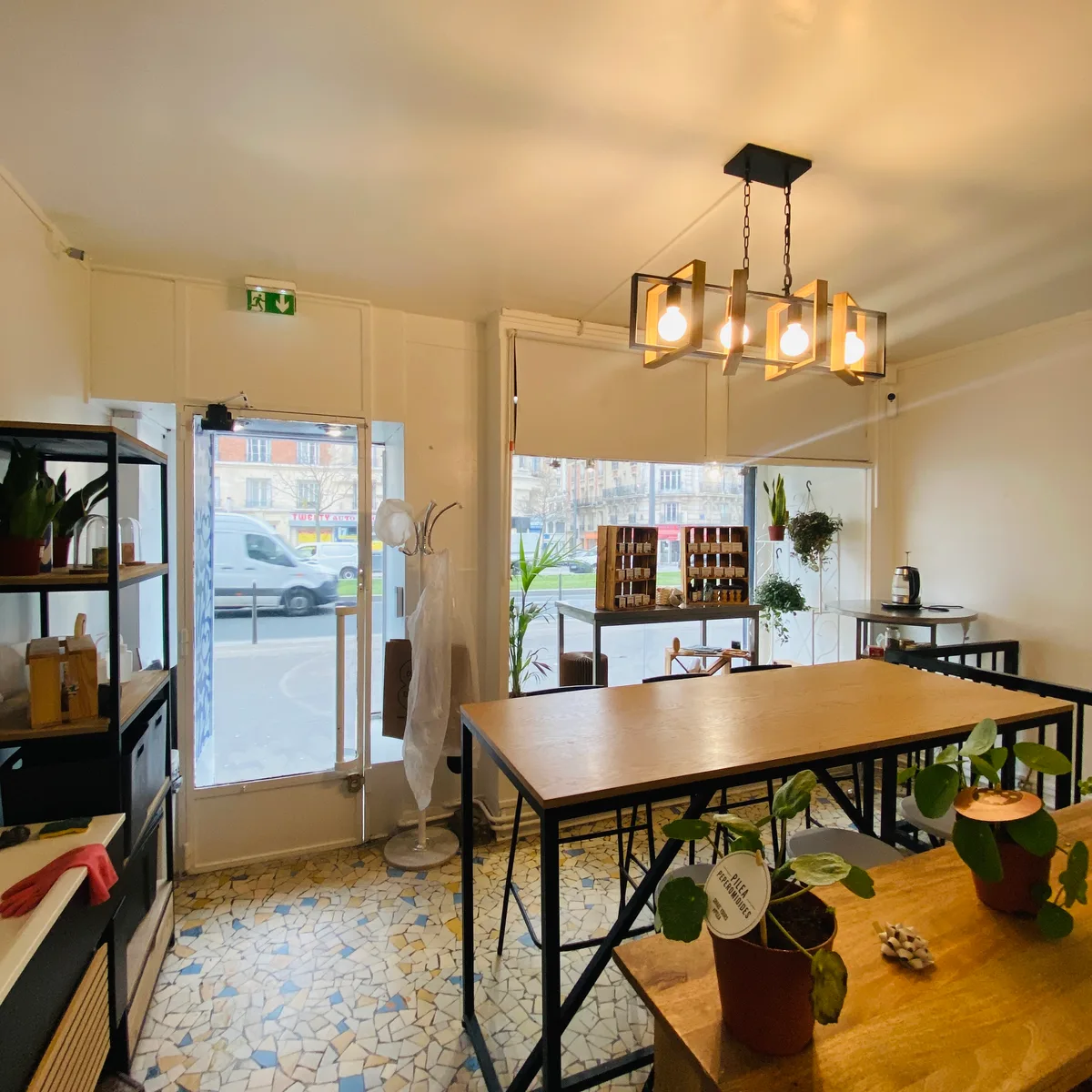
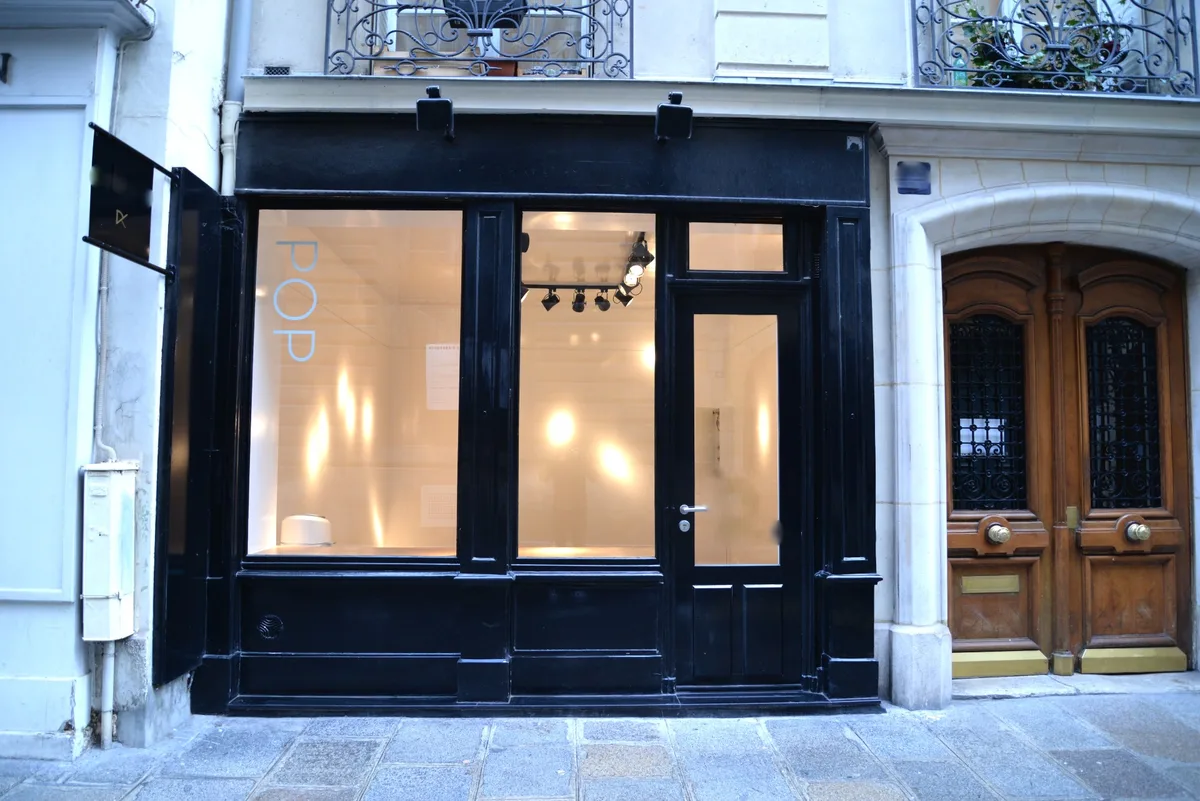
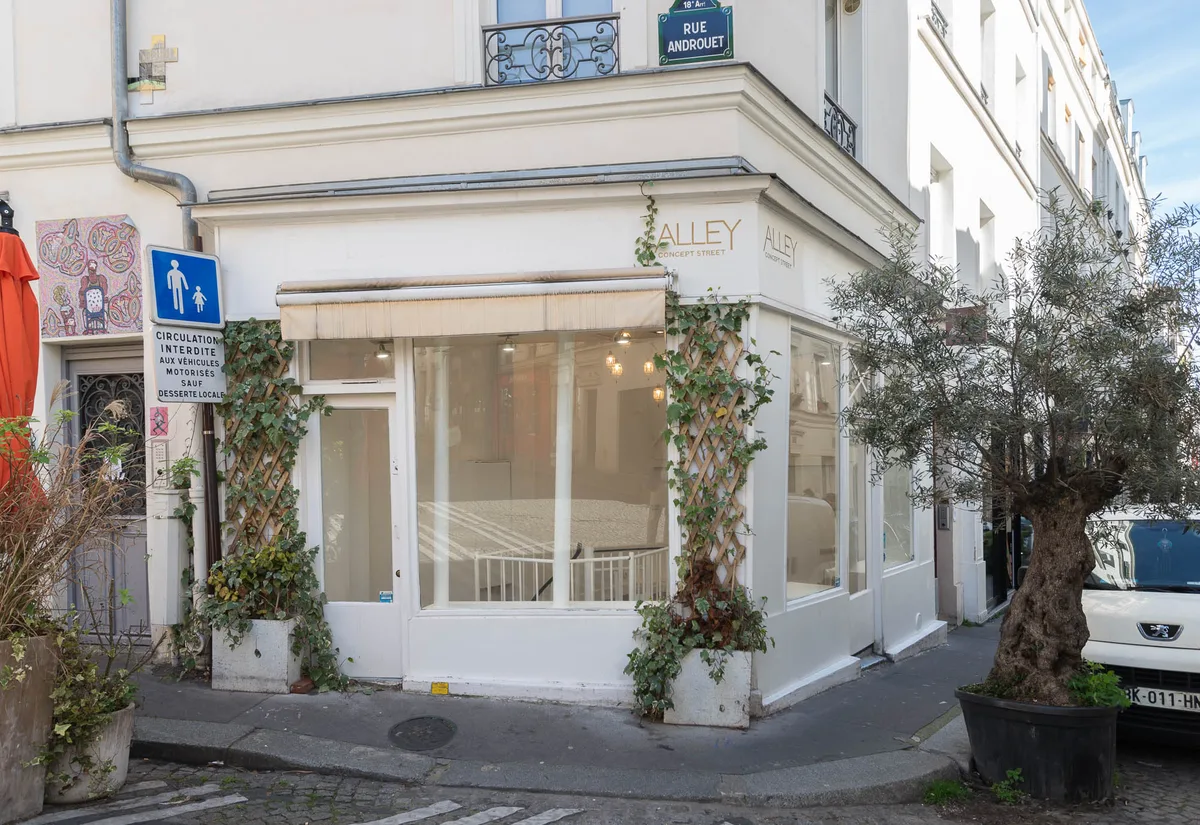
The classic Parisian ground floor storefront remains the most requested format for brands renting retail space in this district. These units typically feature direct street access, display windows facing the pedestrian flow, and ground floor access that eliminates entry friction for customers. Many heritage buildings in the 2nd arrondissement and Paris 3rd retain original features including marble floors, carved stone lintels, and high ceilings, which provide an immediate aesthetic context that reduces the production cost required to create a premium brand environment.
Storefronts in the Montorgueil zone range from compact boutique formats of 20 to 40 square metres up to larger retail shops of 80 to 150 square metres, depending on the specific street and building. For fashion brands, beauty labels, lifestyle concepts, and food and beverage operators, the ground floor storefront is typically the default space type.
Showrooms and Upper-Floor Commercial Spaces
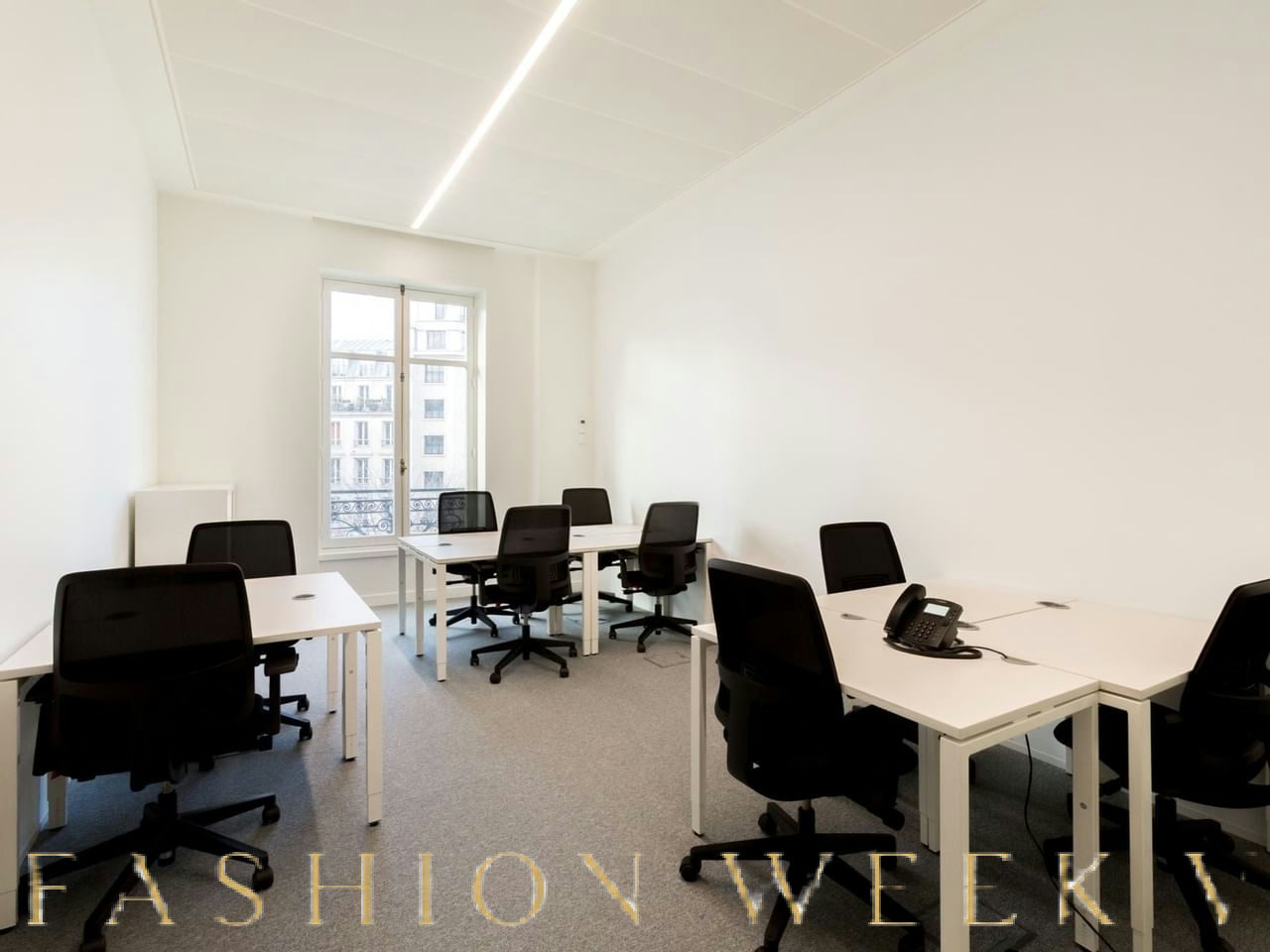
Showroom formats are well represented across Paris 2nd, Paris 3rd, and Paris 11th, particularly in buildings where upper floors have been converted from residential or office use to commercial accommodation. Showroom spaces in this district are commonly used by fashion brands during Paris Fashion Week for buyer appointments, press previews, and trade presentations. They offer the privacy and control that ground floor storefronts cannot always provide, and they tend to carry lower rental rates per square metre than equivalent street-level units.
Loft and Industrial Workshop Conversions
Moving east toward Canal Saint-Martin, Folie-Méricourt, and the 10th arrondissement, the property mix shifts toward larger industrial workshop conversions, warehouse spaces, and loft formats. These spaces typically offer high ceilings, raw concrete or timber finishes, loading access, and large uninterrupted floor plates suited to gallery-style retail, pop-up stores with complex installations, product launches, and creative brand experiences. The Canal Saint-Martin area in particular has become a well-established zone for brand activations that require scale and character without the cost pressure of the 1st arrondissement.
Gallery Spaces and Espace Créatif Formats
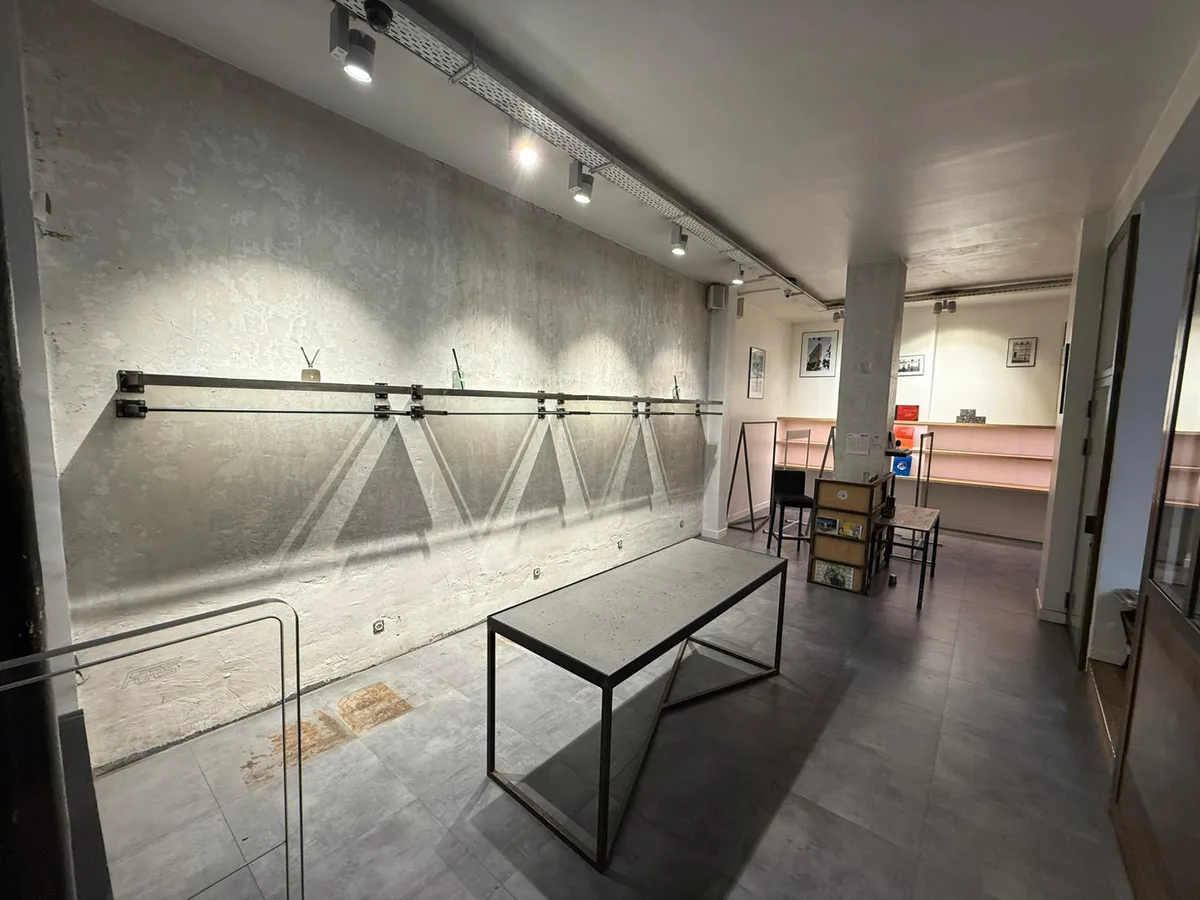
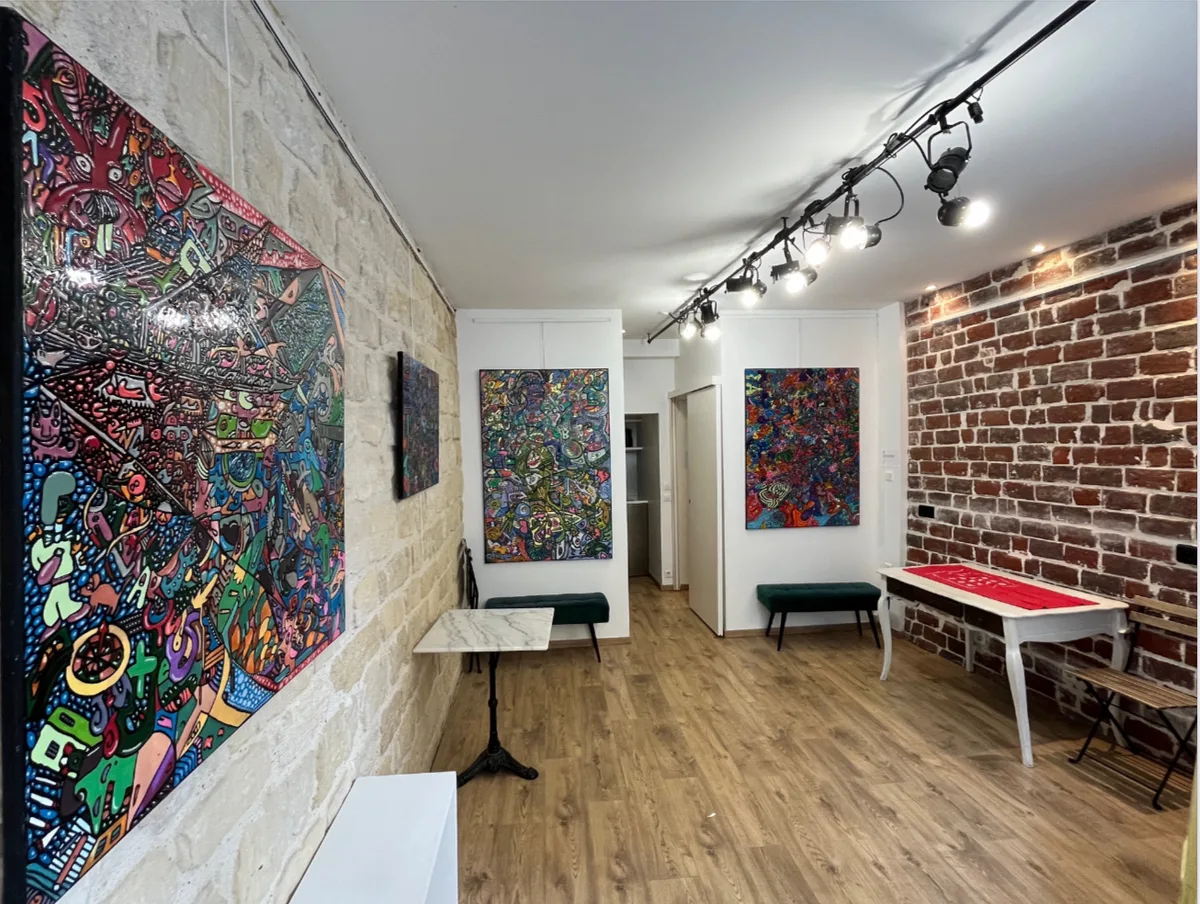
Art galleries and Galerie d'art formats are embedded across the Marais, Le Haut Marais, and Paris 3rd, and many gallery operators actively seek temporary commercial tenants during non-exhibition periods. For fashion brands and lifestyle labels, a gallery space provides an immediate curatorial framing that elevates product presentation. These spaces often feature white walls, polished concrete, controlled lighting, and an interior architecture that works well for Pop-Up Boutique formats and brand experience activations.
Haussmann Apartment Ground Floors and Charming Boutique Formats
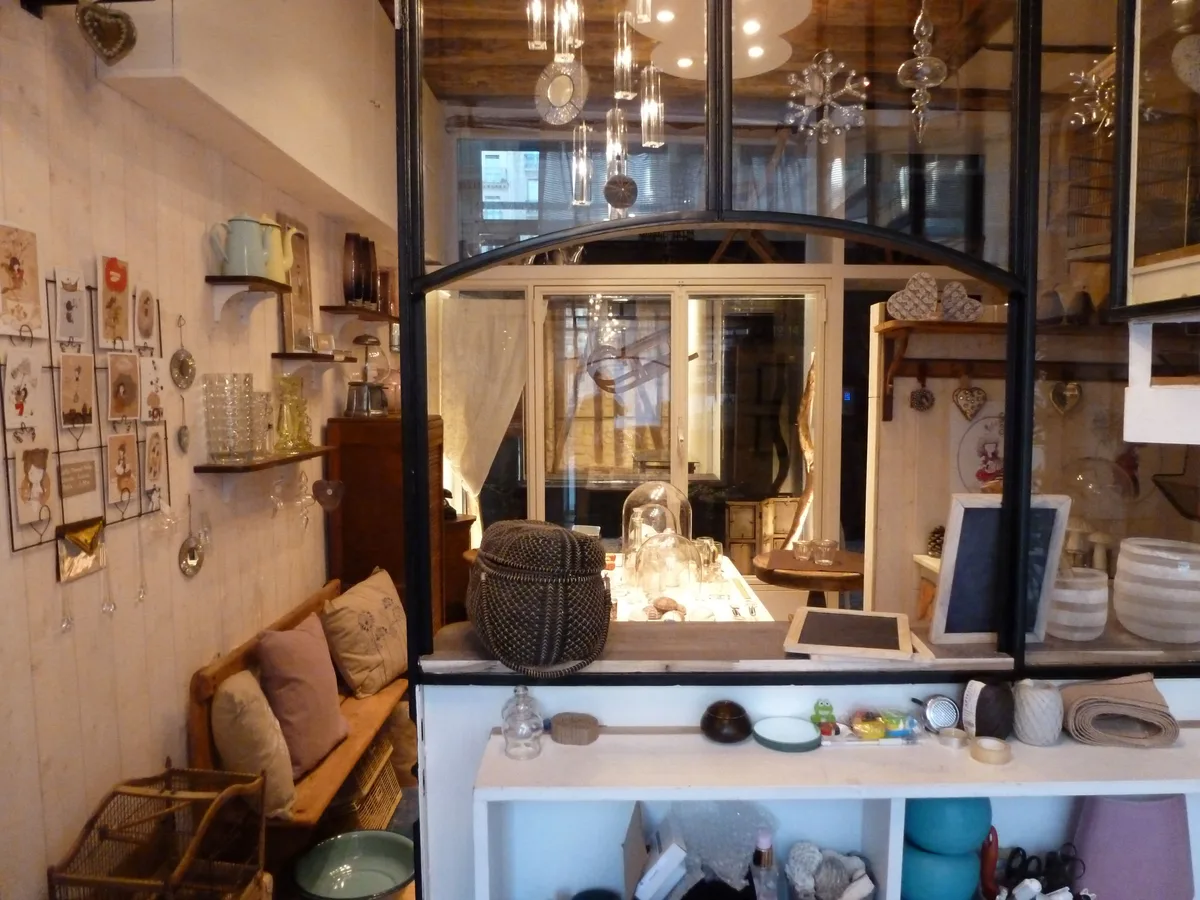
One of the most distinctive property types in central Paris is the ground floor of a Haussmann apartment building, which often retains ornate architectural detailing, period tiling, and high ceilings that are not found in purpose-built commercial units. These Charming Boutique formats require sensitive fit-out planning because landlords typically have strict requirements around modifications. However, for brands that want an intimate, residential-scaled retail environment, these spaces deliver an authenticity that is very difficult to replicate in a purpose-built storefront.
Photo Studios and Creative Workshop Spaces
Photo Studio rentals have grown significantly in Paris 2nd, Paris 3rd, Paris 10th, and Paris 11th as the content production needs of fashion brands have expanded. Many brands now combine a short-term retail activation with a content capture brief, renting a photo studio for a portion of their tenancy to produce lookbook and social content in parallel with the consumer-facing activation. The Espace multimodale format, which combines retail, studio, and event functions within a single flexible space, has become increasingly common in the market.
Quick answer: The main commercial property types available in the Montorgueil area and surrounding Paris arrondissements include ground floor storefronts, showrooms, loft and industrial workshop conversions, gallery spaces, Haussmann apartment ground floors, and photo studio formats. Each serves different brand formats and activation models.
| Space Type | Typical Size Range | Best Suited For | Key Features |
|---|---|---|---|
| Ground Floor Storefront | 20 to 150 sqm | Fashion boutiques, pop-up shops, food concepts | Street access, display windows, high foot traffic |
| Showroom | 40 to 200 sqm | Fashion week appointments, press previews, trade shows | Upper floor, controlled access, flexible layout |
| Loft and Industrial Workshop | 100 to 500 sqm | Brand installations, product launches, gallery retail | High ceilings, raw finishes, loading access |
| Gallery and Espace Créatif | 50 to 300 sqm | Pop-up boutiques, brand experiences, art-led retail | White walls, polished concrete, curated lighting |
| Haussmann Apartment Ground Floor | 30 to 100 sqm | Intimate boutiques, lifestyle brand activations | Period features, marble floors, high ceilings |
| Photo Studio | 50 to 250 sqm | Content production, dual retail and studio use | Cyclorama walls, controlled lighting, flexible use |
KEY TAKEAWAY: The commercial space market in and around Montorgueil is genuinely diverse, with options ranging from compact heritage storefronts to large industrial loft conversions. Matching space type to brand concept and operational model before beginning your search prevents costly mismatches and speeds up the shortlisting process.
Once you understand the property types available, the next step is mapping these across the specific Paris neighbourhoods that matter most for your brand's footprint and target clientele.
Paris Neighbourhoods for Retail Space: Montorgueil, Le Marais, Canal Saint-Martin, and Beyond
Paris commercial real estate is intensely neighbourhood-specific, and retail rents, clientele profiles, and activation contexts vary dramatically across even adjacent arrondissements. This section maps the key commercial zones relevant to brands considering Montorgueil alongside other viable Paris retail locations.
Montorgueil and Paris 2nd
The Montorgueil pedestrian zone sits primarily within the 2nd arrondissement, with some retail frontage extending into the 1st. This central zone benefits from proximity to the major transport hubs of Châtelet-Les Halles, Sentier, and Étienne Marcel, giving it excellent accessibility from across Paris and from tourist arrival points including Gare du Nord. The neighbourhood's mix of food market heritage, contemporary independent retail, and growing fashion presence makes it relevant for a wide range of brand formats. Commercial rents in Paris 2nd are generally more accessible than in the 1st, 6th, or 8th arrondissements, while still offering genuinely central positioning.
Le Marais and Le Haut Marais: Paris 3rd and Paris 4th
Le Marais remains one of the most commercially active retail zones in Paris, with particularly high demand for fashion, beauty, homeware, and gallery-adjacent retail. Le Haut Marais, which occupies the northern section of the 3rd arrondissement, has become the preferred location for contemporary fashion brands, concept stores, and creative showrooms. Property types here include restored warehouse spaces, gallery formats, and ground floor boutiques in historic hôtel particulier buildings. Rental pricing in Le Haut Marais has risen significantly over the past decade, and availability for short-term leases and pop-up formats requires specialist access. Paris 3rd is also one of the most concentrated zones for art galleries and Galerie d'art formats in the city.
Canal Saint-Martin and Folie-Méricourt: Paris 10th and Paris 11th
The Canal Saint-Martin area in the 10th arrondissement and the Folie-Méricourt neighbourhood in Paris 11th have emerged as major activation zones for brands seeking larger footprints, industrial character, and a younger creative clientele. These zones offer warehouse spaces, converted industrial workshops, and loft formats that are simply not available at equivalent scale in the central arrondissements. Rental rates here are generally lower than in Paris 2nd or 3rd, and the neighbourhoods are well served by metro and cycling infrastructure. The Canal Saint-Martin is particularly effective for activations tied to fashion, music, food, and contemporary culture, where the industrial aesthetic supports the brand story.
Gare du Nord and Paris 10th Commercial Corridors
The broader Paris 10th arrondissement extending north from the canal toward Gare du Nord contains a significant volume of commercial space at lower rental levels. This area is relevant for brands that need larger formats for lower budgets, or for activations targeting the transit audiences that move through the Gare du Nord and Gare de l'Est hubs. The character of retail space here is more varied, mixing traditional French neighbourhood boutiques with newer concept openings.
Saint-Honoré, Palais Royal, and Place Vendôme: The Luxury Corridor
For brands operating at the premium end of the market, the rue Saint-Honoré, Palais Royal, and Place Vendôme corridor represents Paris at its most commercially prestigious. Commercial rents in this zone are among the highest in Europe, and short-term lease availability is extremely limited. Activations in this corridor require long lead times, specialist landlord relationships, and significantly higher production budgets. However, for luxury brands for whom the address itself is a strategic asset, this zone remains unmatched in terms of clientele quality and brand positioning impact.
Paris 12th and Paris 19th: Emerging and Secondary Zones
Paris 12th and Paris 19th represent emerging and secondary commercial zones where rental rates are lower and space availability is higher, but foot traffic and brand visibility are correspondingly reduced. These zones are appropriate for brands testing new formats, running production-oriented activations with limited public-facing components, or operating in categories where the destination rather than the passing trade drives attendance.
To compare neighbourhoods and space types, explore the Paris city hub on Fashion Week Venues and shortlist spaces that match your brief, budget, and calendar window.
| Neighbourhood | Arrondissement | Best For | Relative Rent Level |
|---|---|---|---|
| Montorgueil | 1st and 2nd | Pop-ups, boutiques, food, lifestyle | Moderate to High |
| Le Haut Marais | 3rd | Fashion showrooms, concept retail, gallery formats | High |
| Canal Saint-Martin | 10th | Large activations, loft formats, industrial aesthetic | Moderate |
| Folie-Méricourt | 11th | Creative studios, warehouse space, brand experiences | Moderate |
| Saint-Honoré and Palais Royal | 1st | Luxury retail, flagship activations, VIP events | Very High |
| Gare du Nord corridor | 10th | Transit-adjacent retail, budget commercial space | Lower |
| Paris 12th | 12th | Secondary retail, production-focused activations | Lower to Moderate |
KEY TAKEAWAY: Neighbourhood selection in Paris is a strategic decision with direct implications for foot traffic quality, rental cost, production requirements, and brand positioning. Montorgueil and the surrounding central arrondissements offer the most balanced combination of accessibility, character, and commercial viability for most brand formats.
With neighbourhoods mapped, the next critical area to understand is the rental and lease structure that will govern your occupancy, including the specific French legal instruments that apply to short-term retail tenancies.
Lease Structures, Rental Terms, and French Commercial Property Law for Short-Term Retail
Renting commercial space in Paris operates under a distinct legal framework that differs significantly from what brands may be accustomed to in markets like Manhattan or San Francisco. Understanding the key instruments and terms before entering negotiations protects your brand and prevents costly legal errors.
The Bail Dérogatoire: France's Short-Term Commercial Lease
The bail dérogatoire is the primary legal instrument for short-term commercial tenancies in France. It allows landlords and tenants to agree a lease for a period of up to 36 months without triggering the protections of the standard French commercial lease statute, which would otherwise grant the tenant significant renewal rights and make early termination by the landlord very difficult. For brands renting retail space for a pop-up, a fashion week showroom, or a seasonal activation, the bail dérogatoire is typically the appropriate instrument.
IMPORTANT: The bail dérogatoire must be explicitly agreed in writing before the tenant takes possession of the space. If a tenant remains in occupation after the bail dérogatoire expires without a new agreement, French law may treat the tenancy as having converted to a full commercial lease with statutory protections, which creates significant complications for both parties.
The AOT: Autorisation d'Occupation Temporaire
The Autorisation d'Occupation Temporaire, or AOT, is a permit-based occupation agreement used for temporary use of certain public or semi-public spaces in Paris, including some areas managed by the city's public property administration. AOTs are relevant for activations taking place in public squares, covered markets, and some heritage spaces managed by public bodies. The AOT process involves a formal application, review, and approval process, and is typically more complex and time-consuming than a private landlord arrangement under a bail dérogatoire.
Standard Commercial Lease versus Short-Term Arrangements
France's standard commercial lease, known as the bail commercial, is a 3-6-9 structure that grants tenants a minimum term of nine years with break options at three-year intervals. This instrument is entirely inappropriate for pop-up or short-term retail activations and carries renewal and compensation rights that most landlords of short-term spaces will not accept for temporary tenants. Brands should always clarify which lease structure is being offered before proceeding with any rental.
Key Money and Free Rent
In the Paris commercial property market, some leases in high-demand locations involve a payment known as droit au bail or fonds de commerce, which represents the commercial value of the lease itself rather than just the physical space. This concept is less common in short-term rental arrangements but can arise when taking over an existing business premise. Brands entering Paris for the first time should seek specific legal advice on any such payments before committing. Free rent periods, known as franchise de loyer, are also negotiable in some cases, particularly for longer tenancies or spaces requiring significant fit-out work.
Pricing: What to Expect
Directional rental pricing for commercial space in Paris varies widely by neighbourhood, space type, size, and duration. Short-term pop-up and showroom formats in central Paris have been listed at indicative monthly rates in ranges such as approximately €2,500 per month for smaller creative studio formats and approximately €3,100 per month for mid-sized boutique storefronts, though actual pricing depends on the specific space, arrondissement, duration, and current market conditions. Longer-term commercial leases in Paris are sometimes quoted on an annual per-square-metre basis, and international brands familiar with USD per square foot per year pricing should note that Paris rents are quoted per square metre per year excluding taxes and service charges.
For brand-specific estimates based on your space type, size, and timeline, use the budget planning tool on Fashion Week Venues to generate a directional cost range before beginning your search.
IMPORTANT: Requirements for permits, lease structures, and compliance obligations vary significantly by space type, intended use, duration, and arrondissement. Always verify your specific situation with a qualified French legal advisor before signing any commercial rental agreement in Paris.
Quick answer: Short-term retail space in Paris is most commonly rented under a bail dérogatoire, which allows tenancies of up to 36 months without triggering standard commercial lease protections. Brands should always confirm the lease type in writing before taking possession, and seek qualified French legal advice before committing to any Paris commercial tenancy.
KEY TAKEAWAY: French commercial property law is precise and operates very differently from Anglo-American rental markets. Getting the lease structure right from the start is as important as finding the right space, and specialist legal advice is not optional for international brands entering Paris.
Understanding costs, lease structures, and permit requirements sets the foundation for effective space planning. The next dimension to address is the operational workflow involved in actually executing a retail activation from initial brief through to opening day.
How to Rent and Activate Retail Space in Montorgueil: Step-by-Step Workflow
Executing a successful retail activation in Montorgueil or any Paris commercial zone requires a structured process. The following workflow reflects the typical sequence from initial brief through to a live, operational space, and identifies the points at which specialist support adds the most value.
| Stage | Key Actions | Typical Timeline Before Opening | Specialist Support Required |
|---|---|---|---|
| 1. Brief and Strategy | Define concept, space type, neighbourhood, budget, and calendar window | 12 to 16 weeks | Activation strategist, budget tool |
| 2. Space Search | Identify candidate spaces, shortlist by criteria, arrange viewings | 10 to 14 weeks | Venue sourcing specialist, locator tool |
| 3. Legal and Lease | Review lease type, negotiate terms, sign agreement | 8 to 12 weeks | French legal advisor, permits tool |
| 4. Concept Direction | Develop interior concept, visual identity, customer journey | 8 to 10 weeks | Creative director, concept tool |
| 5. Production and Fit-Out | Build plan, contractor engagement, materials, furniture | 6 to 8 weeks | Production team, build tool |
| 6. Compliance and Permits | Confirm ERP classification, accessibility, signage, fire safety | 4 to 6 weeks | Compliance advisor, permits tool |
| 7. Staffing and Operations | Recruit and brief retail staff, set up POS and payments | 2 to 4 weeks | Staffing agency, POS provider |
| 8. Launch and Activation | Soft opening, influencer and press activation, trading | Opening day | Activation manager, marketing team |
| 9. Data and Reporting | Capture footfall, sales, and engagement data for ROI analysis | During and post-activation | Data and analytics team |
Brief and Space Criteria: What to Define Before Searching
The quality of your space search is directly proportional to the clarity of your brief. Before beginning any search for retail space in Montorgueil or the surrounding Paris commercial market, teams should have a confirmed view on: the neighbourhood or zone (defining a primary target and acceptable alternatives), the space type and minimum size in square metres, the desired tenure duration (days, weeks, or months), the intended trading format (pure retail, showroom, event, hybrid), the budget range for rent and fit-out, and the target opening date. Brands that begin searching without this information typically take significantly longer to close on a space and are more likely to make compromises that undermine the activation.
Loading, Storage, and Deliveries: Practical Operational Checks
One of the most commonly overlooked elements during the space viewing process is logistics. In the central Paris arrondissements, loading access is often restricted by pedestrianisation, heritage protection, and narrow streets. Brands with significant inventory, fixtures, or production materials should confirm loading and storage arrangements before signing any lease. Questions to ask include: what are the permitted delivery hours, is there a dedicated loading bay or street access point, where does inventory live if the retail floor cannot accommodate full stock depth, and what are the building rules around goods lifts and stairwell access?
Ground Floor, Upstairs, or Basement: Implications for Retail Performance
Floor level has a direct and measurable impact on retail performance. Ground floor units with street frontage consistently outperform upper floor and basement units for impulse purchase and walk-in traffic conversion. However, upper floor showrooms and basement spaces can perform effectively for appointment-based activations, private events, and brand experiences where the journey to the space itself is part of the brand narrative. For pop-up shops and open-access retail concepts, ground floor access should be treated as a baseline requirement unless the brand has a sufficiently strong pull factor to drive customers upstairs or below street level.
Space Features to Check During Viewings
Beyond size and location, brands should assess a specific checklist of features during viewings: ceiling height and how it affects fixture design, the condition and style of floors (hardwood floors, marble floors, concrete, tile), wall surfaces and whether they support your merchandising approach, natural light levels and the quality of existing electrical lighting, whether there are exposed features such as exposed piping, exposed stone, or exposed stone columns that add character, the location and capacity of power circuits, toilet facilities for staff and customers, and the presence of a functioning kitchen or vented restaurant space if food service is part of the activation concept.
For permit guidance specific to your space type and activation format, the permits tool on Fashion Week Venues provides a structured framework for understanding what compliance steps are required in Paris.
TIP: Visit any candidate space at multiple times of day before committing. Foot traffic patterns in Paris vary significantly between morning, afternoon, and evening, and a space that appears well-located on a map may receive most of its passing trade only during narrow peak windows.
KEY TAKEAWAY: A successful retail activation in Montorgueil depends on thorough pre-search brief preparation, rigorous space assessment against both brand and operational criteria, and a well-sequenced execution workflow that builds in sufficient lead time for legal, compliance, and production processes.
With the execution workflow established, the next critical consideration is how specialist agency support can accelerate and de-risk the entire process, particularly for brands entering Paris from international markets.
How Fashion Week Venues Helps Brands Rent and Activate Retail Space in Paris
Fashion Week Venues operates as a full-service pop-up shop agency and space marketplace with Paris as its primary and anchor market. The organisation works across the complete activation lifecycle, from initial venue sourcing and concept direction through to production, staffing, data capture, and post-activation reporting. For brands planning to rent retail space in Montorgueil and the surrounding Paris commercial zones, Fashion Week Venues provides both the transactional marketplace infrastructure and the strategic and operational support required to execute at the standard the Paris market demands.
Venue Sourcing and the Space Marketplace
The venue sourcing service operates alongside the Fashion Week Venues marketplace, which aggregates available spaces across Paris neighbourhoods including Montorgueil, Le Marais, Canal Saint-Martin, and beyond. Brands can browse and compare spaces directly, using tools such as the compare tool, the locator tool, and the timeline tool to shortlist options against their specific brief. This removes the reliance on individual commission brokers and provides direct access to a curated inventory of spaces suited to pop-up, showroom, and short-term retail formats.
Concept Direction, Production, and Branded Store Design
Fashion Week Venues offers concept and creative direction as a standalone service or as part of a full end-to-end activation package. The production and build team handles fit-out, contractor management, and the physical transformation of a raw space into a branded retail environment. The branded store design service covers spatial planning, visual merchandising architecture, signage, lighting design, and the integration of brand identity into the physical environment. Furniture rental is available as a standalone service for brands that need rapid deployment without the capital expenditure of custom fixtures.
Activation Management, Staffing, and POS
Day-to-day activation management, retail staffing, and POS and payments infrastructure are all available through Fashion Week Venues. For international brands entering Paris without an established local team, this operational infrastructure is particularly valuable. Retail staff with brand-specific briefing, French language fluency, and experience in the Paris market ensure that the customer experience matches the investment made in the space and production.
Data, Analytics, and ROI
Fashion Week Venues captures footfall, sales, dwell time, and engagement data throughout the activation period. The ROI calculator tool allows brand teams to model expected returns before committing to a space and budget, and to compare actual performance against projections post-activation. This data infrastructure supports internal business cases and provides the evidence base for scaling activations across multiple markets or calendar windows.
Tools That Support the Planning Process
The Fashion Week Venues toolkit includes the budget calculator, the ROI calculator, the timeline tool, the permits tool, the compare tool, the locator tool, and the build planning tool. These tools are designed to be used independently by brand teams during the research and planning phase, and they connect directly to the agency's service offering for teams that need specialist support beyond what the tools themselves provide. The Imagine visualisation tool allows brands to test spatial concepts against real space specifications before committing to a fit-out budget.
Who Benefits Most
Fashion Week Venues is most valuable for: international brands entering Paris for the first time who lack local market knowledge; brands planning activations tied to specific calendar windows including Paris Fashion Week; brands that need end-to-end support across concept, production, legal, and operations; and brands that want to co-activate with a complementary label through the twin concept framework. The service is designed for brand managers, creative directors, marketing leads, and retail strategy teams who need a reliable specialist partner rather than a series of disconnected vendor relationships.
Quick answer: Fashion Week Venues provides international and domestic brands with a curated marketplace of Paris retail spaces, combined with full agency support across concept direction, production, staffing, activation management, and data analytics. Teams can use the platform's tools independently or engage the full service for end-to-end support.
KEY TAKEAWAY: Engaging a specialist agency like Fashion Week Venues reduces the time, risk, and complexity of renting and activating retail space in Paris significantly, particularly for international brands navigating French legal frameworks, local landlord relationships, and permit compliance for the first time.
Beyond Paris, understanding how the Montorgueil opportunity compares to equivalent retail activation contexts in major international markets helps brands make informed multi-city strategy decisions.
Comparing Paris Retail Space to New York and San Francisco: What International Brands Should Know
For international brands that have activated in Manhattan or San Francisco before considering Paris, understanding the structural differences between these markets prevents both budget miscalculations and operational surprises.
Manhattan Retail Space: Key Differences
Manhattan retail real estate operates under a fundamentally different lease structure to Paris. Standard Manhattan retail leases are typically multi-year commitments with personal guarantees, and the concept of a short-term pop-up lease with minimal renewal risk is less embedded in the market than in Paris. However, the growth of flexible retail platforms has created a pop-up layer in Manhattan that sits above the traditional commercial lease market. High-traffic corridors in Manhattan including Soho, the Meatpacking District, the Upper East Side, Yorkville, and Upper West Side all carry rental rates expressed in USD per square foot per year, and brands familiar with this pricing model will need to translate to per-square-metre per-month thinking for Paris.
Manhattan Valley and the Bronx, including areas such as Riverdale, Fordham Heights, and the corridors around East 163rd Street and Southern Boulevard, represent lower-cost entry points into the New York market in the same way that Paris 12th or Paris 19th represent secondary options within Paris. The prime corridors of prime Upper East Side retail space and the most sought-after blocks in Manhattan command rents that are directionally comparable to Paris's rue Saint-Honoré and Place Vendôme zones.
The Good Guy Guarantee is a standard Manhattan lease instrument that allows tenants to exit a commercial lease early without full liability, provided they vacate in good condition and give sufficient notice. This concept does not have a direct French equivalent, which is one reason why understanding the bail dérogatoire structure is essential for brands accustomed to New York lease terms.
Triple net leases, known as NNN in Manhattan commercial real estate, require tenants to pay property taxes, insurance, and maintenance costs in addition to base rent. Paris commercial leases have their own additional charge structures, but they are governed by different French statutory frameworks, and direct NNN comparisons are not reliable.
San Francisco Retail Space: Key Differences
San Francisco's retail market has experienced significant structural change over recent years, with vacancy rates in certain corridors rising while others have consolidated strength. Key San Francisco retail neighbourhoods including Union Square, the Financial District, Hayes Valley, The Mission, Pacific Heights, Noe Valley, The Marina, and the Haight-Ashbury district each carry distinct clientele profiles, rent levels, and activation contexts. San Francisco retail rents are typically quoted in USD per square foot per year, and the market has a more established culture of pop-up and temporary retail than many comparable US cities, partly driven by the tech and creative industry concentration in the Bay Area.
Accessibility for San Francisco retail locations is supported by BART (Bay Area Rapid Transit), Caltrain, and ferry services, creating a transit-accessible retail audience that extends beyond the immediate neighbourhood catchment. For brands used to this transit-led footfall model, Paris offers strong equivalents through its metro and RER network, with Montorgueil's proximity to Châtelet-Les Halles providing comparably strong transit accessibility.
The question of whether to implement retail space in San Francisco versus Paris depends heavily on target market, brand positioning, and calendar strategy. San Francisco's consumer spending patterns are shaped by the technology sector and the creative communities of the Bay Area, while Paris attracts a global fashion and luxury audience alongside its affluent local residential base.
Quick answer: Paris, Manhattan, and San Francisco all offer viable pop-up and short-term retail activation markets, but they operate under distinct legal frameworks, lease structures, and rental pricing models. Brands planning multi-city strategies should budget and plan each market independently rather than applying assumptions from one market to another.
The comparison between markets reinforces the value of local specialist knowledge. For brands focused specifically on Paris, understanding the common misconceptions about the market before starting the search process saves significant time and prevents avoidable mistakes.
Pop-Up Shops and Temporary Retail Activations in Montorgueil: A Specialist Format Guide
Pop-up retail has become a structurally embedded part of the Paris commercial space market rather than a marginal or experimental format. The Montorgueil quarter and its surrounding arrondissements offer one of the most developed pop-up ecosystems in Europe, with a well-established supply of spaces designed or adapted specifically for short-term activation, an experienced landlord community familiar with temporary tenants, and a consumer audience that actively engages with limited-duration retail experiences.
Why Brands Choose Pop-Up Formats in Paris
The pop-up format offers brands a specific combination of advantages that permanent retail cannot replicate: limited duration creates urgency and exclusivity for consumers, lower capital commitment compared to a long-term lease allows for experimentation and market testing, geographic flexibility means brands can respond to calendar and trend opportunities rather than being fixed to a single location, and the physical presence of a pop-up generates media and social content value that substantially multiplies the return on the space rental investment itself.
For international brands, a Paris pop-up during Fashion Week or another key calendar window serves multiple objectives simultaneously: it provides a physical base for press and buyer appointments, creates a consumer-facing brand experience in one of the world's highest-profile fashion markets, generates content for global social and digital channels, and tests the Paris market response before committing to permanent retail investment.
Pop-Up Boutique Versus Pop-Up Store Versus Pop-Up Space
These three terms are often used interchangeably but carry distinct implications. A pop-up boutique implies a curated, brand-led retail experience with a focused product offer and an aesthetic environment that reflects the brand's positioning. A pop-up store is a broader term that encompasses any temporary retail format, including volume-driven sales pop-ups, sample sales, and trunk shows. A pop-up space is the physical venue itself, independent of the concept that occupies it. Brands should be clear about which format they are planning when briefing any agency or landlord, as the requirements for fit-out, staffing, permits, and operational infrastructure differ across these formats.
The Twin Co-Activation Model
One increasingly relevant format for brands entering the Paris pop-up market is the twin co-activation, where two complementary brands share a single space during the same activation period. This model reduces the per-brand rental and production cost, allows each brand to benefit from the other's audience and press relationships, and creates a more editorially interesting space narrative than a single-brand activation. Fashion Week Venues operates a dedicated twin co-activation concept that matches compatible brands and structures the shared space arrangement to benefit both parties.
Calendar Windows for Pop-Up Activations in Paris
Paris Fashion Week in its womenswear and menswear editions remains the highest-demand calendar window for pop-up and showroom space in the city. However, it is far from the only viable window. Other significant calendar points include the Maison et Objet trade fair period in January and September, the Paris summer tourist season from June through August, the Christmas and holiday retail period from November through December, and the spring fashion preview season in January and February. Brands that confine their Paris activation planning exclusively to Fashion Week week itself risk missing both the broader seasonal opportunity and the more accessible (and lower-cost) calendar windows on either side of peak demand periods.
DID YOU KNOW: Paris Fashion Week generates demand for retail and showroom space not just during the official calendar week but across a four-to-six-week window surrounding it, as brands, buyers, and press extend their Paris presence before and after the official schedule.
KEY TAKEAWAY: Pop-up formats in Paris offer brands a strategic combination of market presence, media value, and commercial flexibility that permanent retail cannot replicate at equivalent investment. The Montorgueil zone and surrounding arrondissements offer one of the most developed pop-up supply markets in Europe, with space options suited to brands at every scale.
With the pop-up format landscape mapped, brands considering their options in Paris benefit from understanding the common myths that circulate about the market, as several of these myths lead to delays, misallocated budgets, and missed opportunities.
Common Myths About Renting Retail Space in Paris Debunked
MYTH: You need a French legal entity to rent commercial space in Paris.
FACT: International brands can in many cases rent short-term commercial space in Paris without establishing a French company, particularly under bail dérogatoire arrangements where the landlord accepts a foreign entity as tenant. The specific requirements depend on the landlord, the space, and the lease structure, and some landlords do require a French guarantor or local entity for longer tenancies. Working with a specialist agency that has established landlord relationships, and obtaining advice from a French legal advisor, is the reliable path to confirming what is required for your specific situation. Do not assume either that a French entity is always necessary or that it is never required.
MYTH: Paris Fashion Week is the only viable calendar window for a retail activation in Paris.
FACT: Fashion Week is the highest-profile window but not the only commercially viable one. Paris attracts significant retail spending and brand engagement throughout the year, with strong seasonal peaks in summer (tourist season), autumn (back-to-school and fashion preview), and the Christmas period. Pop-up activations outside the Fashion Week window often achieve better space availability, lower rental rates, and more favourable landlord terms, while still reaching a high-quality Parisian and international consumer audience. A year-round calendar strategy that uses Fashion Week as one of several activation moments typically delivers better overall ROI than a single annual peak-period commitment.
MYTH: Commission brokers are the only way to find a short-term retail space in Paris.
FACT: Commission brokers remain active in the Paris commercial property market, but they are not the only route to space access and they carry specific conflicts of interest: their fee is typically paid by the transaction, which creates incentives to close deals rather than to find the best fit for the client. Curated marketplaces such as the Fashion Week Venues marketplace provide direct access to a pre-qualified inventory of spaces suited to pop-up, showroom, and short-term retail formats, without the opacity of commission-based brokerage. For brands that want agency support rather than a transactional introduction, a full-service agency provides broader value across the activation lifecycle.
MYTH: Short-term leases in Paris are legally straightforward and do not require specialist advice.
FACT: Short-term commercial leases in Paris operate under a specific French legal framework that is not self-evidently obvious to international brands. The bail dérogatoire has precise conditions that must be met to avoid inadvertently triggering the full commercial lease statute, with its potentially complex tenant protections and landlord obligations. Permit and compliance requirements for retail use, signage, fire safety, public access (ERP classification), and food service (if applicable) add further layers of regulatory complexity. Specialist legal advice from a French advisor is strongly recommended for any international brand entering the Paris commercial property market, regardless of the intended tenure duration.
MYTH: Landlords in Paris always pay for the fit-out of retail spaces.
FACT: In Paris, as in most commercial property markets, the allocation of fit-out costs between landlord and tenant depends on the specific negotiation, the length of the lease, the condition of the space, and the leverage of each party. For short-term pop-up leases, landlords rarely contribute to fit-out costs, and tenants should budget to deliver the full interior transformation. For longer commercial leases with established tenants, a landlord contribution (known as a participation aux travaux or franchise de loyer in lieu of fit-out) may be negotiable. Brands should not assume any landlord contribution without explicit written confirmation in the lease terms.
Frequently Asked Questions
Why rent a temporary retail space in the Paris 2nd arrondissement, and is Montorgueil specifically a good choice?
The Paris 2nd arrondissement offers brands a central location with strong foot traffic, cultural credibility, and a more accessible rental market than the luxury corridors of the 1st or 8th arrondissements. Montorgueil specifically combines the advantage of a fully pedestrianised high-traffic street with a neighbourhood aesthetic that resonates with both Parisian locals and international visitors. For pop-up shops, boutiques, and lifestyle brand activations, the combination of location, architectural character, and clientele quality makes the 2nd arrondissement one of the most consistently effective choices in Paris. Brands should confirm space availability well in advance of their target activation date.
What types of retail spaces are available in the Montorgueil area?
The Montorgueil quarter and surrounding streets in Paris 2nd and 1st offer a range of commercial property types including ground floor pedestrian storefronts, Haussmann apartment ground floors with period features, upper floor showrooms, and some loft and workshop conversions in adjacent streets. Spaces range from compact boutique formats of 20 to 40 square metres to larger retail units approaching 150 square metres. Brands requiring larger footprints or industrial aesthetic spaces are better served by Canal Saint-Martin, Folie-Méricourt, or Le Haut Marais, which are all within easy reach of Montorgueil.
How much does it cost to rent retail space in Paris for a pop-up?
Pop-up retail space costs in Paris vary significantly by neighbourhood, space type, size, condition, and duration. Directional monthly figures circulating in the Paris short-term market range widely, with some creative studio formats available at lower monthly rates and prime central storefronts commanding substantially higher figures. Brands should treat any published figures as directional estimates only and use a budget planning tool to generate projections specific to their brief. Fit-out, production, staffing, and operational costs must be budgeted separately from the space rental itself, and in many cases these costs exceed the pure rental cost over a short activation period.
What is a bail dérogatoire and why does it matter for pop-up brands?
A bail dérogatoire is France's short-term commercial lease instrument, permitting tenancies of up to 36 months without triggering the protections of the standard nine-year French commercial lease statute. For brands renting space for a pop-up, showroom, or short-term activation, the bail dérogatoire is typically the most appropriate and legally clean instrument. It must be agreed in writing before the tenant takes possession, and if the tenant remains beyond its expiry without a new agreement, the tenancy risks converting to a full commercial lease with significant legal and financial implications. Qualified French legal advice is strongly recommended before signing any commercial rental agreement in Paris.
Do I need a French company to rent commercial space in Paris?
Not necessarily, but it depends on the specific landlord, space, lease structure, and duration. Many landlords accept international entities for short-term bail dérogatoire arrangements, particularly when working through an established agency with local relationships. Some landlords require a French guarantor or local entity for added security. The safest approach is to work with a specialist agency familiar with the Paris market and to obtain specific legal advice for your situation. Do not assume a blanket rule applies in either direction.
What permits are required for a pop-up shop in Paris?
The permit and compliance requirements for a pop-up shop in Paris depend on the space type, intended use, duration, arrondissement, and specific building. Relevant considerations include ERP classification for public-access premises, fire safety compliance, signage permissions, noise regulations, and in some cases AOT (Autorisation d'Occupation Temporaire) for public or semi-public spaces. Brands planning food service components also face additional regulatory requirements. Requirements vary by situation and should be confirmed with a qualified French legal or compliance advisor rather than assumed from general guidance. The permits tool on Fashion Week Venues provides a structured starting framework.
How far in advance should I start looking for retail space in Paris for Fashion Week?
For activations tied to Paris Fashion Week, the search process should begin at least twelve to sixteen weeks before the target opening date, and ideally earlier for prime neighbourhood locations including Montorgueil, Le Haut Marais, and Canal Saint-Martin. The most desirable spaces are typically committed six to twelve months in advance for peak calendar windows. Brands that begin their search too late frequently face a choice between compromising on location, space quality, or budget. Building a rolling calendar of potential activation windows, rather than planning exclusively around Fashion Week, substantially improves space access and negotiating leverage.
What is the difference between a pop-up boutique, a pop-up store, and a showroom?
A pop-up boutique is a curated, brand-led temporary retail environment with a focused aesthetic and product edit, typically consumer-facing and open to the public. A pop-up store is a broader term covering any temporary retail format, including higher-volume or sales-focused activations. A showroom is a trade-facing or press-facing space used for buyer appointments, product previews, and media presentations, often not open to the general public. The three formats have different space requirements, permit implications, operational models, and staffing needs. Clarifying which format you are planning is essential before beginning a space search or agency brief.
Can I combine a retail space with a restaurant or food service concept in Paris?
Yes, but a vented restaurant space or any premises serving food and beverages in Paris is subject to additional regulatory requirements beyond standard retail compliance, including specific ventilation standards, health and safety certification, and in some cases a licence to serve alcohol. The space itself must be equipped or adaptable to these standards. Brands planning a café or food concept within their retail activation should confirm the space's existing classification and infrastructure before committing, and seek specialist advice on the compliance pathway. Building this into the brief from the start of the search process prevents costly surprises during fit-out.
What is the most expensive retail corridor in Paris, and how does Montorgueil compare?
The most prestigious and expensive retail corridors in Paris are rue Saint-Honoré, Place Vendôme, and the Palais Royal zone in the 1st arrondissement, where commercial rents reflect both the extreme demand and the scarcity of available spaces. Montorgueil, while centrally located and commercially vibrant, operates at a lower rental level than these luxury corridors, making it a more accessible entry point for brands that want central Paris presence without luxury corridor pricing. For brands whose positioning is contemporary, lifestyle-oriented, or independent rather than pure luxury, Montorgueil frequently offers a better fit in terms of both economics and brand context.
Are retail space rents in Paris likely to increase?
Central Paris commercial rents in high-demand neighbourhoods including Montorgueil, Le Marais, and Canal Saint-Martin have trended upward over the medium term, driven by constrained supply in heritage zones, sustained demand from international brands, and the continued growth of Paris as a global retail and cultural destination. Short-term rental rates for pop-up and showroom formats are subject to seasonal demand fluctuations, with peak periods around Fashion Week typically commanding premium pricing. Brands should build rental cost escalation assumptions into multi-year activation planning and lock in confirmed rates at the point of lease signing.
What is the Good Guy Guarantee, and is there an equivalent in French commercial leases?
The Good Guy Guarantee is a standard instrument in Manhattan commercial real estate that allows a tenant to exit a lease without full remaining liability, provided they vacate in good condition and give sufficient advance notice. There is no direct French equivalent. In France, lease exit and early termination rights are governed by the specific terms of the bail dérogatoire or commercial lease signed, and by the French statutory framework that applies to the lease type. Brands accustomed to New York lease flexibility should not assume that Paris leases carry equivalent exit flexibility, and should negotiate exit provisions explicitly at the point of lease drafting.
What does it cost to rent retail space in Manhattan, and how does that compare to Paris?
Manhattan retail rents are typically quoted in USD per square foot per year and vary dramatically by corridor. Prime Soho and Fifth Avenue rents rank among the highest globally, while secondary corridors on the Upper West Side, Yorkville, Manhattan Valley, and in the Bronx including Riverdale and Fordham Heights are substantially more accessible. Paris rents quoted per square metre per year in central arrondissements are broadly comparable to mid-tier Manhattan corridors in directional terms, though the specific exchange rate, lease structure, and additional charge frameworks make direct comparisons unreliable. Brands should budget each market independently using local market data.
How do I find a reputable agency to help me rent and activate retail space in Paris?
A reputable Paris retail activation agency should be able to demonstrate direct local market knowledge, an established inventory of or relationships with Paris space owners, experience with the specific lease structures and compliance requirements of the French commercial property market, and a track record of successful activations across relevant brand categories. The guide to hiring an agency on Fashion Week Venues provides a structured framework for evaluating and selecting a specialist partner, covering the questions to ask, the credentials to verify, and the red flags to avoid. Personal recommendations from brands that have previously activated in Paris are also a valuable validation source.
What is the ROI of a pop-up shop activation in Paris?
The return on investment from a Paris pop-up depends on the objectives the brand has set, which may include direct sales revenue, media value from press and influencer coverage, social content value, market testing data, wholesale order generation, and brand awareness building. Brands that define their success metrics before activating and build data capture infrastructure into the operational plan from the outset achieve significantly clearer ROI measurement than those that treat the activation as a purely experiential exercise. The ROI calculator tool on Fashion Week Venues enables brand teams to model expected returns against investment across multiple objective categories before committing to a space and budget.
Conclusion: Making the Decision to Rent Retail Space in Montorgueil
Montorgueil sits at the intersection of cultural heritage, commercial vitality, and genuine accessibility that makes it one of the most compelling retail activation zones in central Paris. For brands planning a pop-up shop, showroom, boutique, or brand experience in the city, the surrounding 2nd arrondissement and its adjacent neighbourhoods offer a range of property types, rental structures, and activation contexts that can serve strategies from compact one-week fashion week showrooms through to multi-month retail concepts targeting Paris's year-round consumer audience.
The critical success factors for any Paris retail activation are consistent: a clear brief before the search begins, the right lease structure advised by qualified legal support, a realistic production and operational budget, a structured workflow with sufficient lead time, and access to local market knowledge that reduces the risk of navigating French commercial property, compliance, and permit frameworks without specialist guidance.
Whether you are planning your first Paris activation or scaling an established market presence, the combination of a curated space marketplace and full-service agency support delivers measurably better outcomes than assembling the process from disconnected vendor relationships. The tools, the network, and the expertise required to move efficiently from brief to opening day are available through a single specialist partner.
To move from research to activation, start exploring available spaces on the Fashion Week Venues marketplace and build a focused brief for your target neighbourhood, space type, and calendar window. To understand how the full agency works from first brief to live activation, review the Fashion Week Venues process page and see how the complete end-to-end service is structured for international and domestic brands entering Paris.