

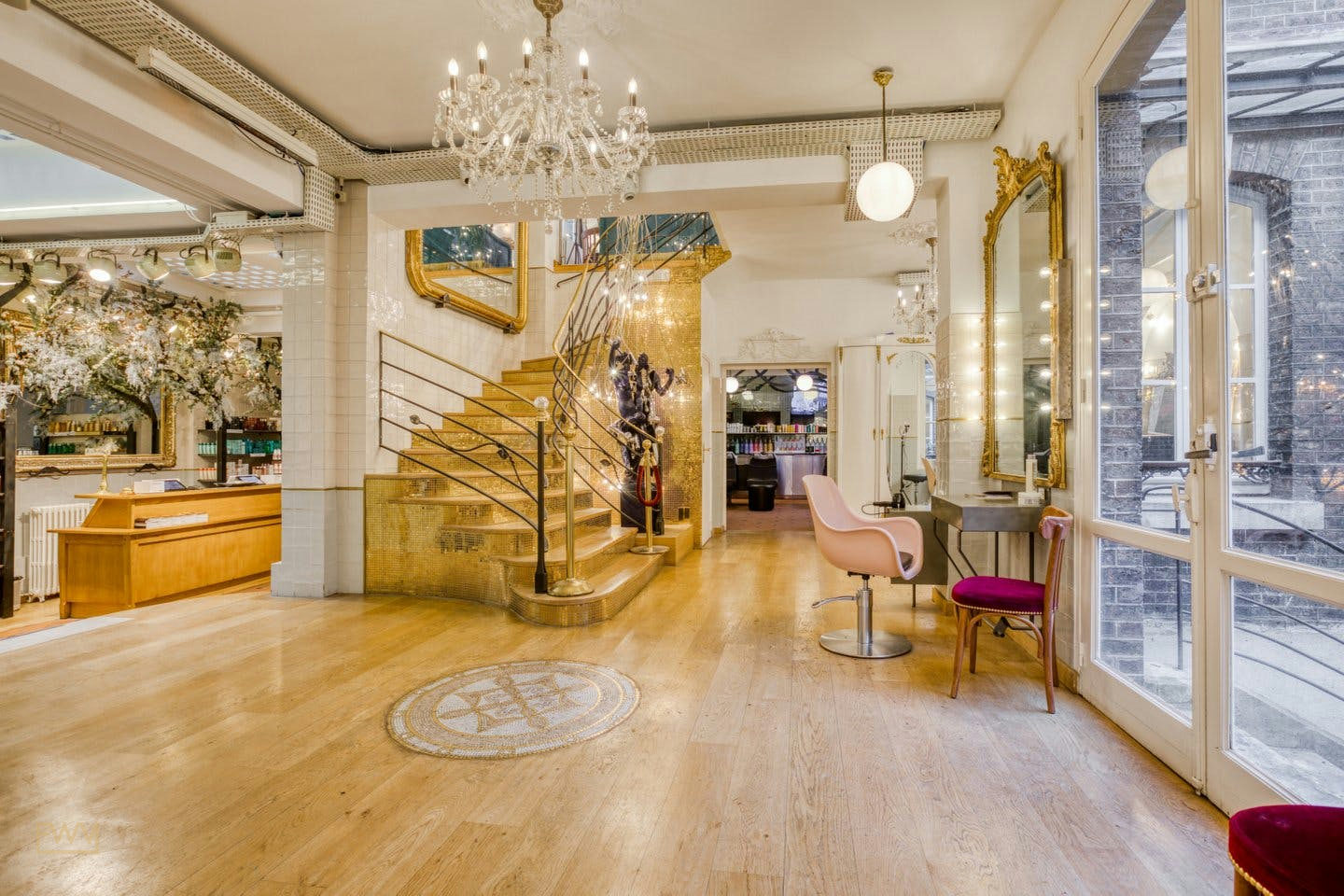
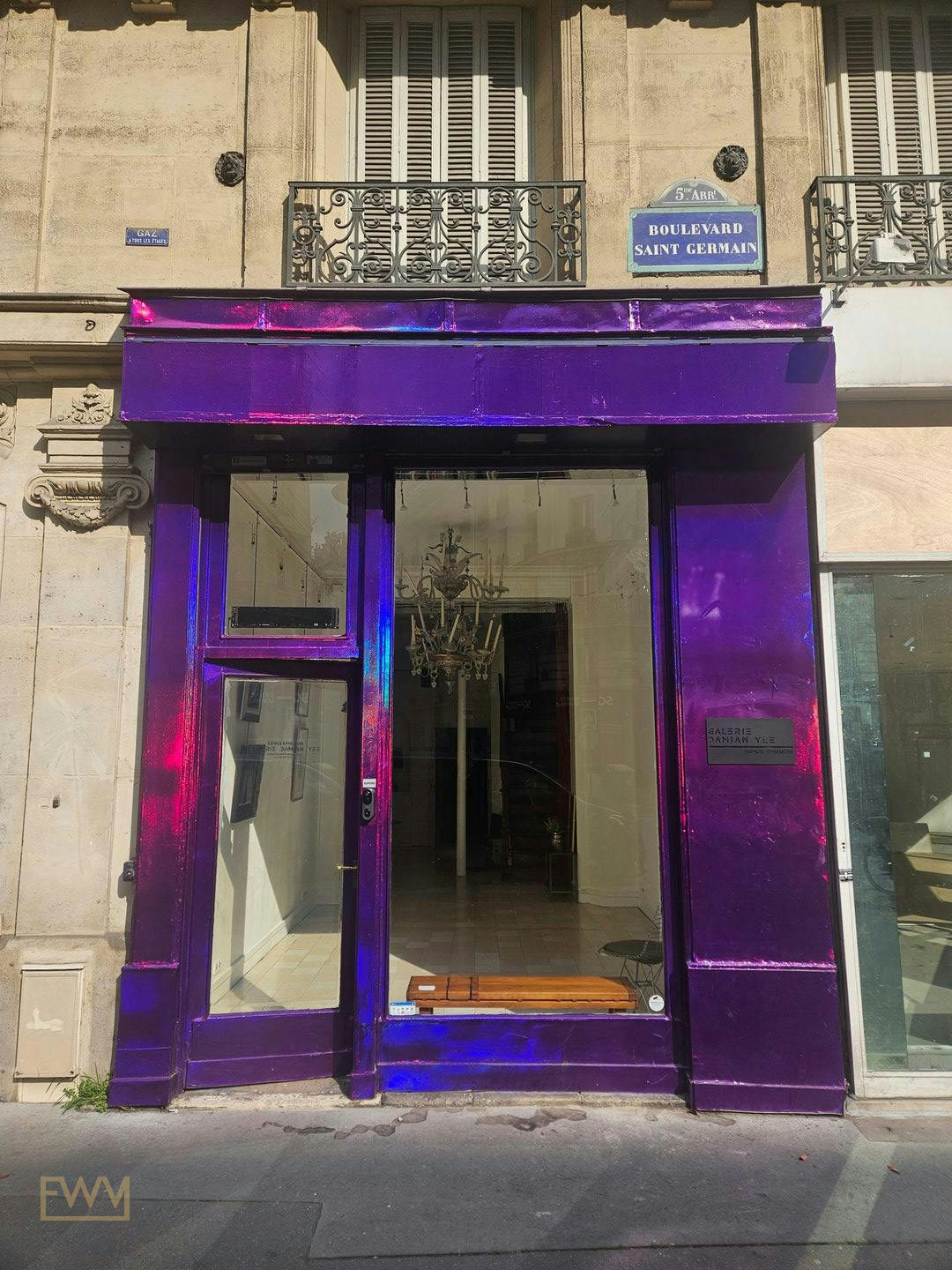

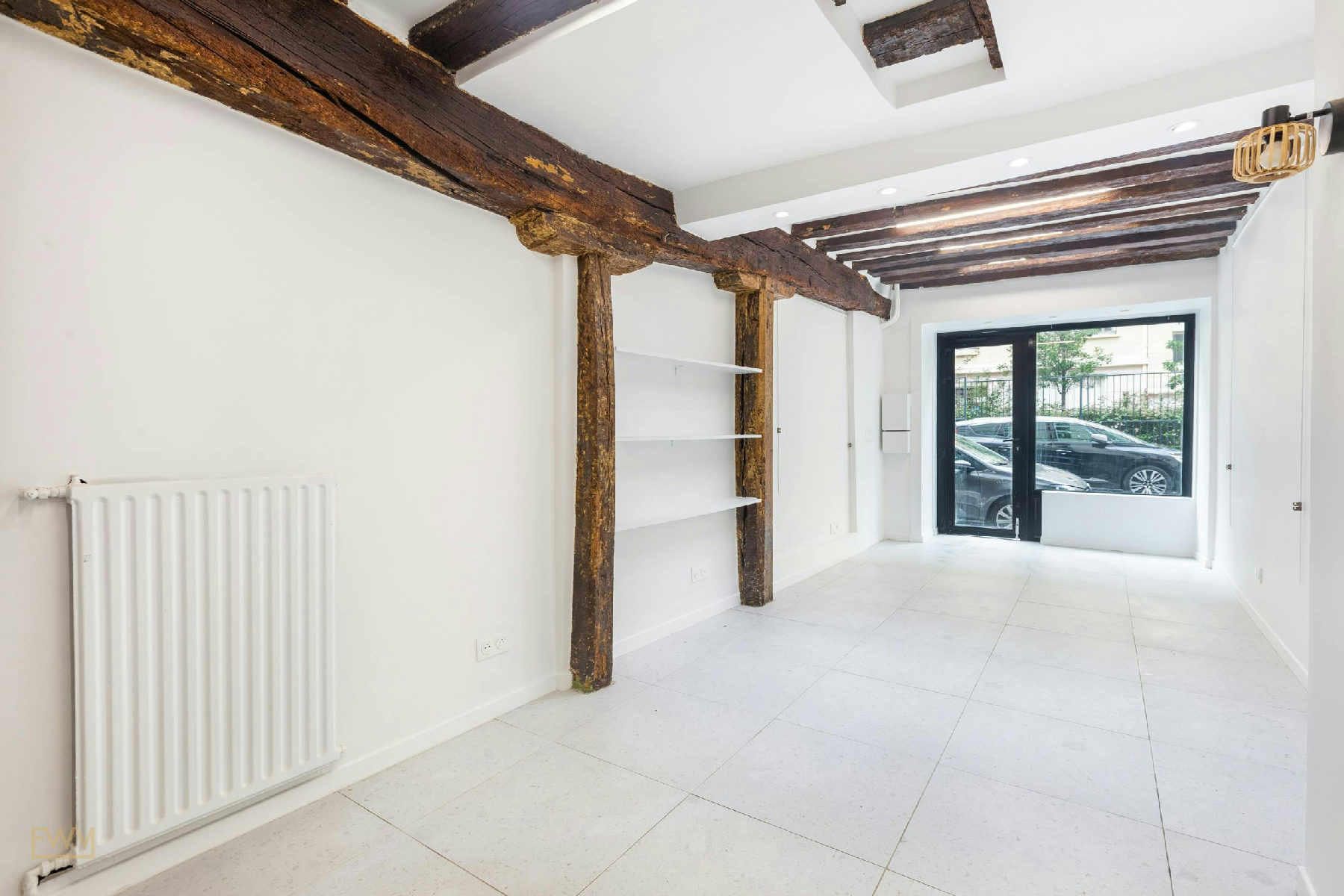
A short term shop Paris strategy looks different depending on who you are. If you are a tourist seeking a furnished apartment near the Louvre for a week, you need a vetted listing with keyless entry, chef-worthy kitchens, and reliable linens. If you are a brand activation manager launching a pop-up during Paris Fashion Week, you need a commercial short-term space in the Marais or Saint-Germain-des-Prés with the right permits, fit-out support, and a production partner who understands the French regulatory environment. This guide covers both worlds in full detail, including how the Paris short-term rental market functions in 2026, what regulations now govern hosts and operators, which neighbourhoods deliver the strongest returns and footfall, and how Fashion Week Venues supports brand teams seeking short-term spaces in Paris.
Introduction to the Paris Short-Term Rental Market in 2026
Quick answer: The Paris short-term rental market in 2026 is heavily regulated, platform-enforced, and increasingly professionalised. Supply tightened significantly following the Loi n° 2024-1039 (commonly called the Le Meur Law), which introduced mandatory registration, energy performance diagnosis requirements, and stricter municipal restrictions across Île-de-France and beyond.
Paris has long been one of the most competitive short-term rental markets in Europe. With the Eiffel Tower, the Louvre, Stade Roland-Garros, and the Grands Boulevards drawing tens of millions of visitors annually, demand for furnished accommodation consistently outpaces supply in the most desirable arrondissements. Platforms including Airbnb, Booking.com, Plum Guide, Belvilla by OYO, and dozens of professional operator services have competed for a finite stock of eligible properties.
The Paris short-term rental market experienced a structural shift in 2024. The Olympics 2024 initially inflated expectations. Many hosts listed at elevated rates anticipating a surge in demand, but booking behaviour did not match projections uniformly across all property types. The resulting supply glut in certain segments, combined with tightened enforcement of registration requirements, produced a notable market correction in late 2024 and into 2025. By 2026, the market has stabilised at a more professional baseline, with tracked listings leaning toward quality-compliant properties managed by firms such as UpperKey, GuestReady, HostnFly, WeHost, Bnblord, Welkeys, and similar property management companies.
RevPAR data analysed by tools like PriceLabs shows that availability-weighted pricing now favours professionally managed properties with strong guest behaviour records, verified registration numbers, and transparent taxe de séjour collection. Amateur operators without compliance infrastructure face increasing fines and de-listing risks under the centralised online registry introduced by the Le Meur Law.
For commercial operators and brand teams, the market offers a different opportunity altogether. Short-term commercial space in Paris, whether a boutique on Rue du Faubourg Saint-Honoré, a loft in the Marais, or a street-level unit near Parc Monceau, provides access to some of the world's highest-value retail and brand activation audiences.
KEY TAKEAWAY: The Paris short-term rental market in 2026 rewards professionalisation. Both residential hosts and commercial operators must navigate stricter regulatory frameworks, but well-managed, compliant properties and venues continue to generate strong returns in premium arrondissements.
Understanding the distinction between residential short-term rentals and commercial short-term spaces matters enormously for your strategy, and the sections below address each in turn.
Locations and Neighbourhoods: Where to Find the Best Short-Term Spaces in Paris
Quick answer: The strongest neighbourhoods for short-term rentals and brand activations in Paris include the Marais (3rd and 4th arrondissements), Saint-Germain-des-Prés (6th), the Louvre district (1st), Batignolles and the Rue de Levis market street area (17th), and the Grands Boulevards zone (9th and 10th). Each serves different guest profiles and brand activation goals.
Paris is a city of distinct villages, and the arrondissement you choose determines nearly everything: your audience, your foot traffic, your permitted space types, and your likely rental rate. Whether you are a residential host building a short-term rental portfolio or a brand planning a commercial activation, understanding the neighbourhood dynamics is essential.
The Marais: Cultural Prestige and Creative Footfall
The Marais, spanning the 3rd and 4th arrondissements, is Paris's most internationally recognised mixed-use neighbourhood. Its combination of heritage architecture, contemporary galleries, fashion boutiques, and strong tourist flow makes it the first choice for premium residential short-term rentals and brand pop-up spaces alike. Properties here often feature exposed brick, high ceilings, and interior design that photographs exceptionally well for listing platforms. Short-term rental listings in the Marais command some of the highest nightly rates in the city, and brand activations benefit from the neighbourhood's dense foot traffic and affluent visitor demographics.
Saint-Germain-des-Prés: Intellectual Elegance and Luxury Positioning
Saint-Germain-des-Prés in the 6th arrondissement carries strong associations with French culture, literary heritage, and luxury retail. For brands seeking a luxurious residence aesthetic or a pied-a-terre experience for their guests and customers, this neighbourhood delivers unmatched prestige. Short-term rentals here skew toward furnished apartments with classic Haussmann architecture and high-quality finishes. Booking windows tend to be longer as guests plan further in advance for stays in this location.
Louvre and 1st Arrondissement: Maximum Tourist Density
The area around the Louvre and the Tuileries in the 1st arrondissement sees the highest volume of international visitors in Paris. Short-term rental availability fluctuates heavily around major events including the French Open at Stade Roland-Garros, major trade fairs, and fashion weeks. Brands activating near the Louvre benefit from extraordinary visibility but face higher competition for space and more complex permit requirements given the heritage sensitivity of the area.
Batignolles, Rue de Levis, and Parc Monceau: The 17th Arrondissement Alternative
The 17th arrondissement, anchored by the Rue de Levis market street and the leafy Parc Monceau neighbourhood, has emerged as a credible alternative for brands seeking character-rich spaces without the premium rates of the Marais or Saint-Germain-des-Prés. Batignolles in particular attracts a residential-skewed local audience and increasingly draws brands interested in community-embedded activations. Properties here often offer larger floor plates and more flexible access arrangements than central arrondissements.
Grands Boulevards and the 9th Arrondissement
The Grands Boulevards zone bridges the gap between tourist Paris and working Parisian Paris. The 9th arrondissement is home to significant retail density, media companies, and creative agencies, making it a high-value location for brand activations targeting both consumers and industry professionals. Short-term rental listings here offer strong value relative to the 1st or 6th, and public transportation access is excellent.
| Neighbourhood | Arrondissement | Primary Audience | Best For | Rental Rate Profile |
|---|---|---|---|---|
| Marais | 3rd and 4th | International tourists and creatives | Brand pop-ups, luxury short-term stays | Premium |
| Saint-Germain-des-Prés | 6th | Affluent cultural tourists | Luxury residential, brand prestige activations | Premium to ultra-premium |
| Louvre District | 1st | High-volume international visitors | High-footfall pop-ups, flagship activations | Premium with event peaks |
| Batignolles and Parc Monceau | 17th | Local residents and cultural explorers | Community activations, emerging brand launches | Mid-range to premium |
| Grands Boulevards | 9th and 10th | Mixed tourists and professionals | Industry-facing events, mixed-use activations | Mid-range |
DID YOU KNOW: The Rue de Levis market street in the 17th arrondissement is one of the oldest covered market streets in Paris and sees consistent daily foot traffic from local residents, making it an underutilised but high-potential location for neighbourhood-embedded brand activations.
KEY TAKEAWAY: Your neighbourhood choice in Paris determines your audience, your rates, your permit complexity, and your brand positioning. Matching your space to your specific campaign objectives is more important than simply targeting the most prestigious address.
With location strategy established, the next critical question is which platforms and operators can help you discover, book, and manage short-term spaces across these neighbourhoods.
Short-Term Rental Platforms and Property Management Companies in Paris
Quick answer: The Paris market is served by a layered ecosystem of global platforms including Airbnb and Booking.com, curated listing services like Plum Guide and Belvilla by OYO, and full-service property management companies including UpperKey, GuestReady, HostnFly, WeHost, Bnblord, and Welkeys. Each offers a different value proposition for hosts, guests, and investors.
Understanding the platform landscape helps both property owners maximise their return and guests identify the right service level for their stay. Here is how the main players position themselves in the Paris market.
Global Platforms: Airbnb and Booking.com
Airbnb remains the largest platform for short-term rental listings in Paris by volume, though its tracked listings have declined since enforcement of the Le Meur Law began. The platform now requires hosts in Paris to provide registration numbers for all active listings, and illegal listings face removal. Airbnb also collects and remits the taxe de séjour (tourist tax) on behalf of hosts in Paris, which simplifies compliance for individual operators.
Booking.com operates a parallel model with broader accommodation types including hotels and hostels alongside apartments and private rooms. Its guest behaviour data shows a higher proportion of business travellers relative to Airbnb, making it relevant for brands considering accommodation partnerships around events.
Curated Platforms: Plum Guide and Belvilla by OYO
Plum Guide operates a selective curation model, accepting only a fraction of properties submitted for listing after a rigorous assessment process. Their focus on quality standards across categories including chef-worthy kitchens, furnished bathrooms, linens, and interior design makes them the preferred discovery platform for guests seeking premium furnished accommodation. Their Paris collection is notably smaller than Airbnb's by listing count but higher in average nightly rate and guest satisfaction score. Belvilla by OYO focuses on vacation rental homes and condos with a broader European portfolio, including a meaningful Paris supply of furnished apartments and private homes.
Professional Management Companies
The professionalisation of the Paris short-term rental market has accelerated demand for full-service property management companies. These firms handle listing creation, pricing optimisation via tools like PriceLabs, guest communication, keyless entry infrastructure, cleaning and linen management, registration compliance, and taxe de séjour remittance. The leading operators in Paris include UpperKey, which specialises in guaranteed rent models for property owners; GuestReady, which offers flexible management tiers; HostnFly, known for its strong operator overlays and technology integration; WeHost, Bnblord, and Welkeys, all of which serve the Île-de-France market with varying levels of service depth.
For hosts considering whether to self-manage or appoint a professional operator, the compliance environment in 2026 makes professional management an increasingly compelling choice. The administrative burden of maintaining registration, energy performance diagnosis records, fire safety regulations compliance, and accurate taxe de séjour remittance is substantial for individual hosts without institutional support.
TIP: If you are a property owner in Paris considering a short-term rental strategy, engaging a professional agency that understands the Le Meur Law requirements from the outset is significantly less costly than retroactive compliance or facing fines for illegal listings.
KEY TAKEAWAY: The platform ecosystem for Paris short-term rentals ranges from high-volume global marketplaces to curated boutique services and full-service professional management. Your choice of platform should reflect your property type, target guest profile, pricing ambition, and compliance readiness.
Before selecting a platform or operator, you need a clear understanding of the regulatory framework that now governs short-term rentals across Paris and Île-de-France.
Legal, Regulatory, and Tax Frameworks for Short-Term Rentals in Paris
Quick answer: Paris operates one of Europe's strictest short-term rental regulatory environments in 2026. The Loi n° 2024-1039 (Le Meur Law) introduced centralised registration, energy performance requirements, stricter primary residence caps, reduced tax relief for furnished rentals, and enhanced municipal powers to restrict short-term rental supply. Non-compliance carries significant fines.
This section outlines the key legal structures, tax implications, and compliance requirements relevant to both residential short-term rental hosts and commercial short-term space operators in Paris. Requirements vary by space type, duration, and arrondissement, and the information below should be verified with a qualified French legal advisor or notary before any operational decisions are made.
The Le Meur Law (Loi n° 2024-1039): What Changed
The Loi n° 2024-1039, known as the Le Meur Law after the French deputies who championed it, entered the regulatory framework in response to the housing crisis exacerbated by the proliferation of short-term rental listings across Paris and other French cities. The law introduced several structural changes that fundamentally reshaped the market.
First, it reduced the tax relief available for furnished short-term rental income. Previously, hosts operating under the micro-BIC regime could benefit from a 71 percent allowance on furnished holiday rental income. The Le Meur Law reduced this to 30 percent for non-classified furnished rentals, aligning it more closely with long-term rental taxation. Classified furnished rentals retain a higher allowance at 50 percent, creating an incentive for hosts to pursue official classification through the relevant French bodies.
Second, the law gave municipalities including Paris substantially expanded powers to impose municipal restrictions on short-term rental density by arrondissement. Paris already limits primary residences to 120 nights per year on short-term rental platforms, and secondary residences face even more stringent controls in certain zones.
Third, the law mandated energy performance diagnosis requirements for short-term rental properties. From 2025 onwards, properties with the lowest energy ratings face restrictions on short-term rental activity, mirroring requirements already in place for long-term rentals.
Registration System and Centralised Online Registry
All short-term rental listings in Paris must be registered through the centralised online registry managed by the French authorities. Hosts receive a registration number that must appear on every listing across all platforms. Platforms including Airbnb and Booking.com are legally required to remove listings without valid registration numbers and to report data on listing activity to municipalities. The enforcement of illegal listings has intensified since 2024, with fines for non-registered listings reaching substantial levels per infraction.
Tourist Tax: Taxe de Séjour
The taxe de séjour applies to all short-term rental stays in Paris. The rate varies by accommodation category and is applied per person per night. Platforms including Airbnb collect and remit this tax automatically for listings in Paris, which reduces the administrative burden for compliant hosts. Operators using platforms that do not collect the taxe de séjour automatically must remit it directly to the Paris municipality.
Fire Safety Regulations and Quality Standards
Short-term rental properties in Paris must meet fire safety regulations including smoke alarm installation and, for multi-unit buildings, compliance with the building's collective safety obligations. Quality standards for platforms like Plum Guide go beyond legal minimums to include assessment of linens quality, kitchen equipment, bathroom standards, and overall interior design coherence.
EU Regulations and the Short-Term Rental Data Reporting Framework
The European Union introduced its short-term rental regulation (EU 2024/1028) requiring platforms to share anonymised data on listings and occupancy with national and local authorities. This regulation, in conjunction with the Le Meur Law at the French national level, has materially reduced the number of active tracked listings in Paris and increased transparency across the market.
IMPORTANT: Secondary residencies face particularly stringent controls in Paris under current municipal regulations. If you own a property in Paris that is not your primary residence, your ability to list it as a short-term rental is subject to specific permit requirements and quotas that vary by arrondissement. Consult a qualified notary or French real estate legal advisor before proceeding.
KEY TAKEAWAY: The regulatory environment for short-term rentals in Paris in 2026 is comprehensive, actively enforced, and continuing to evolve. Compliance is not optional: registration, energy performance standards, taxe de séjour remittance, and night-cap limits all apply, with meaningful financial consequences for non-compliance.
For commercial short-term spaces, the regulatory picture differs significantly, and the next section addresses the specific frameworks that apply to brand activations, pop-up shops, and temporary commercial uses in Paris.
Commercial Short-Term Spaces in Paris: Pop-Up Shops, Showrooms, and Brand Activations
Quick answer: Commercial short-term spaces in Paris for brand activations, pop-up shops, and showrooms operate under a different legal and commercial framework than residential short-term rentals. The most common instruments are the bail dérogatoire (short-term commercial lease) and the autorisation d'occupation temporaire (AOT), each suited to different space types and durations.
For brands entering Paris for Fashion Week, the French Open period around Stade Roland-Garros, or any other concentrated activation window, securing the right commercial space under the right legal agreement is the foundation of a successful campaign. The Paris commercial property market is competitive at peak calendar moments, and the legal frameworks differ materially from residential rental arrangements.
Bail Dérogatoire: The Short-Term Commercial Lease
The bail dérogatoire, also called the bail précaire, allows parties to agree a commercial lease outside the standard nine-year French commercial lease regime. It is capped at a maximum duration of three years, with individual contracts typically structured for days, weeks, or months. For brands running a pop-up activation during Paris Fashion Week or a seasonal retail concept, the bail dérogatoire provides the legal basis for occupying a commercial space for a defined, short period.
Key characteristics of the bail dérogatoire include its mutual opt-out nature at the end of the agreed term, its exclusion from the tenant protections that govern standard commercial leases in France, and the requirement for both parties to clearly document the derogatory nature of the arrangement. If the tenant remains in the space after the maximum three-year cumulative period with the same landlord in the same premises, the lease risks converting to a full commercial lease with all associated tenant rights.
Requirements for bail dérogatoire arrangements vary by space type, duration, arrondissement, and the specific provisions negotiated between landlord and tenant. Brands should engage a French commercial property legal advisor or a specialist agency to structure these agreements correctly.
Autorisation d'Occupation Temporaire (AOT)
The AOT applies to temporary occupation of public domain properties, including certain heritage buildings, public squares, and municipally-owned spaces. For brands seeking iconic Paris locations with significant symbolic value, AOTs can unlock spaces that are not accessible through conventional commercial leasing channels. However, AOT applications involve the relevant public authority, carry their own administrative timelines, and are not guaranteed. The permit guidance tool on Fashion Week Venues provides directional information on permit categories relevant to different space types in Paris.
Property Types for Commercial Short-Term Use
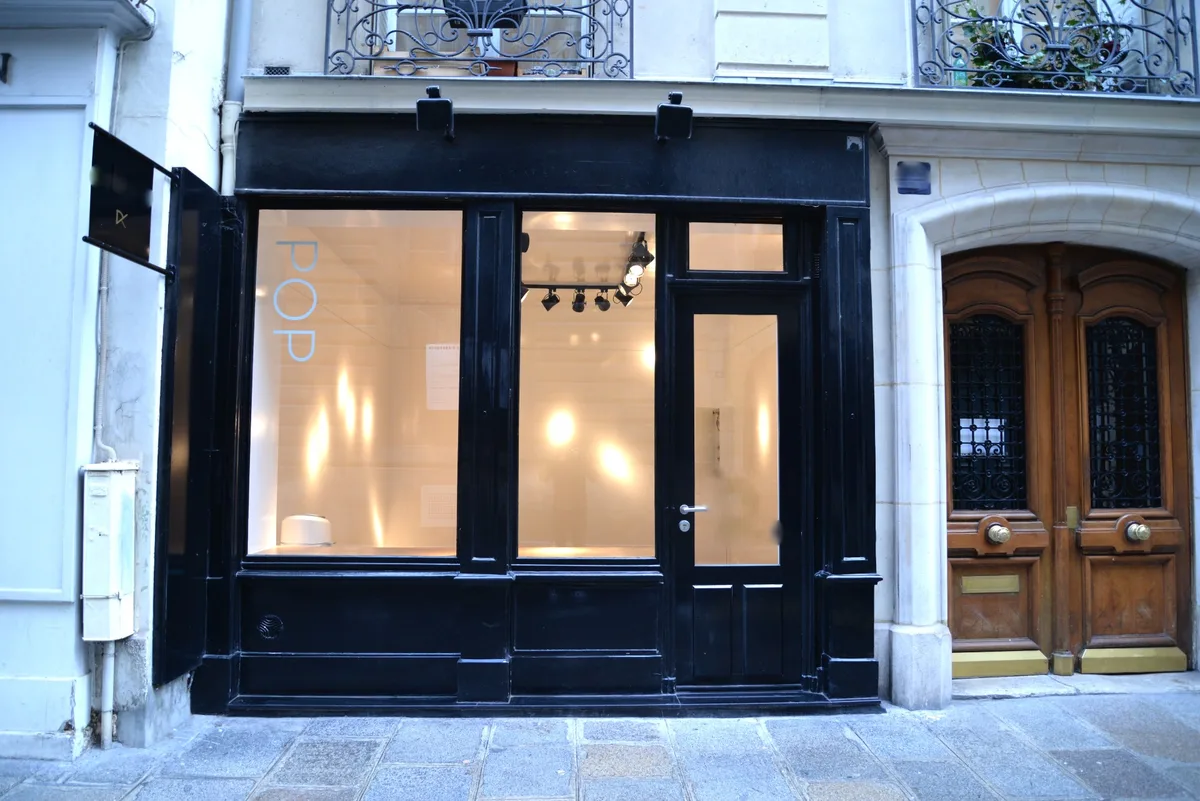
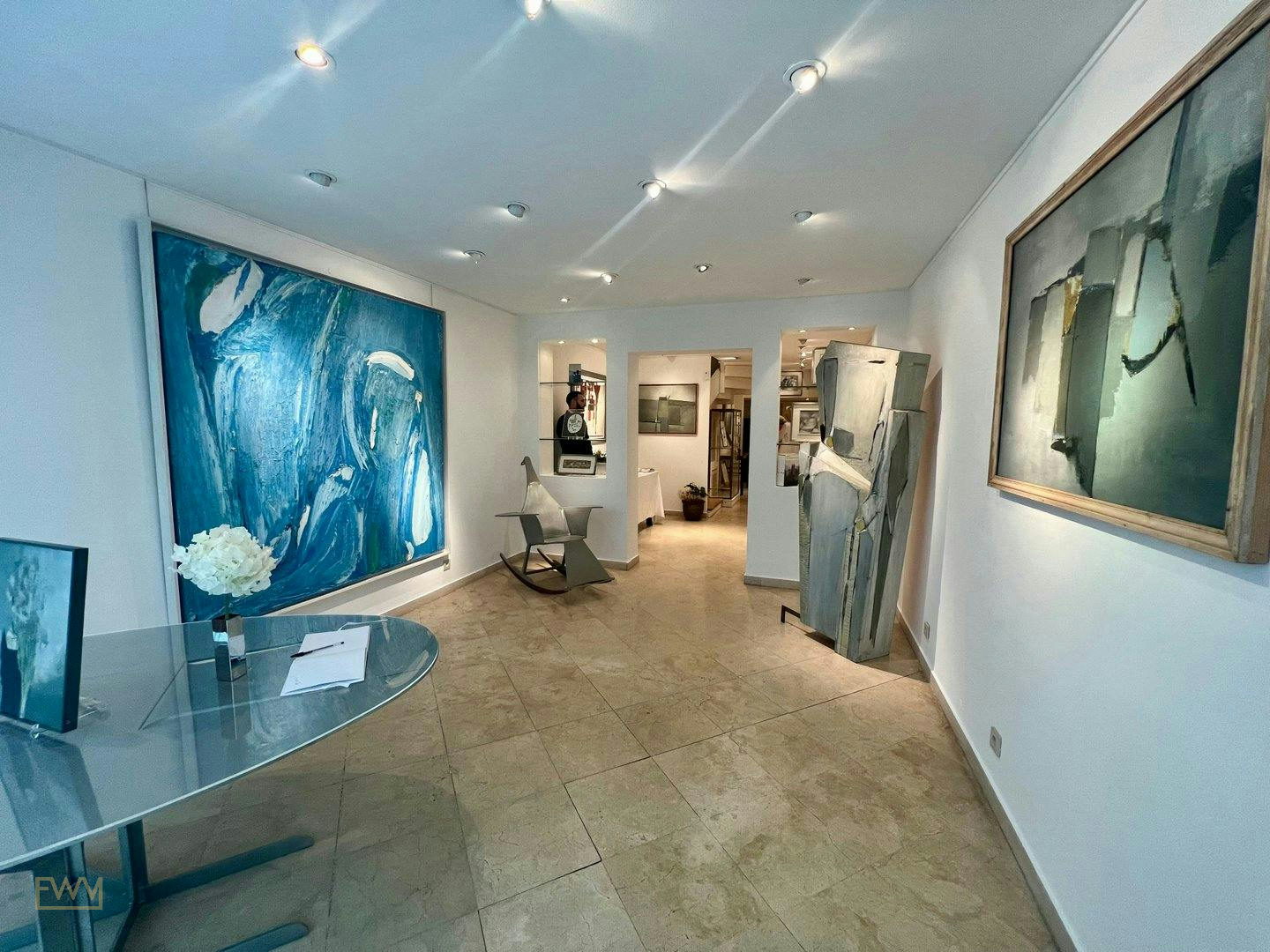
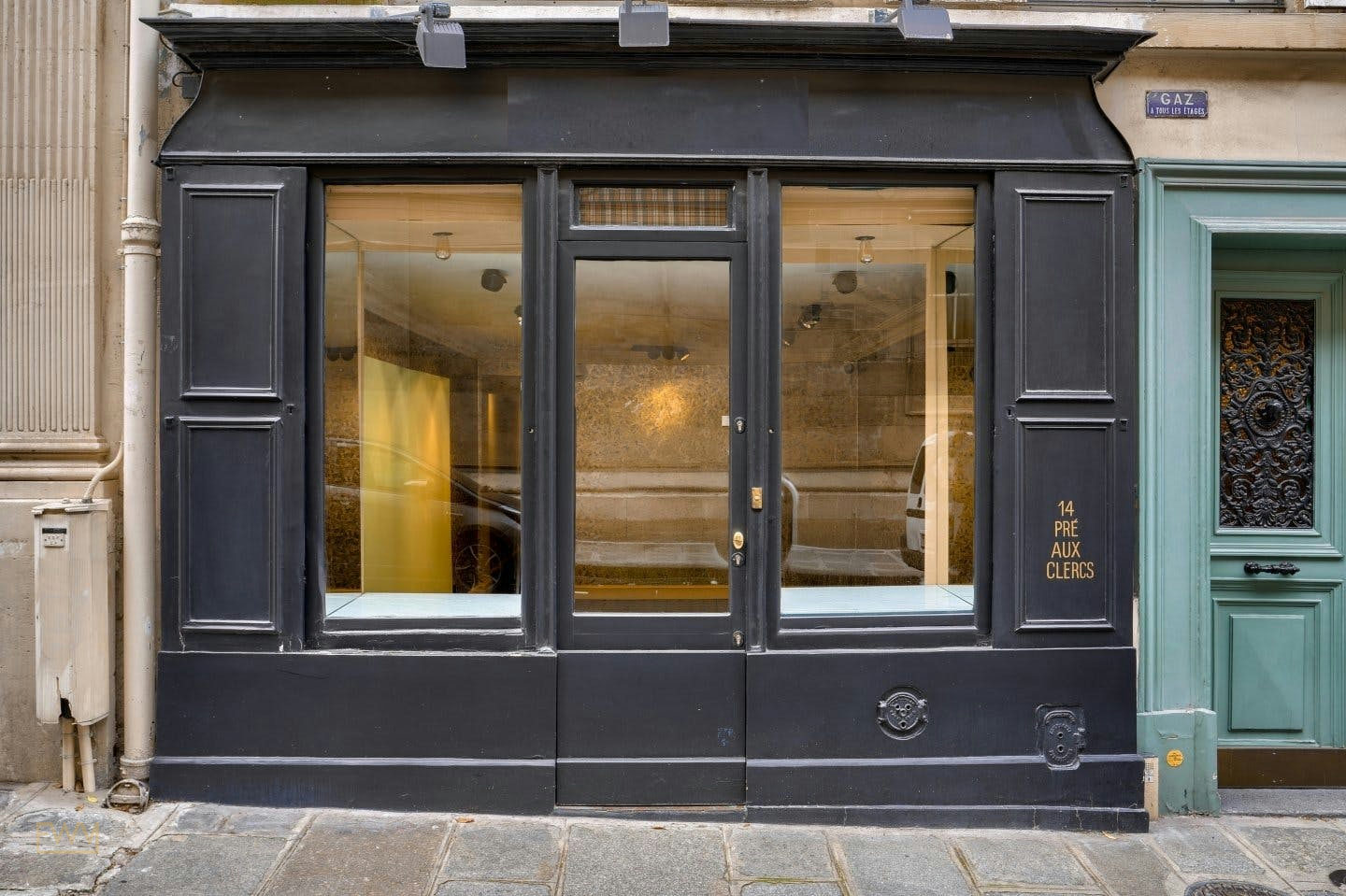
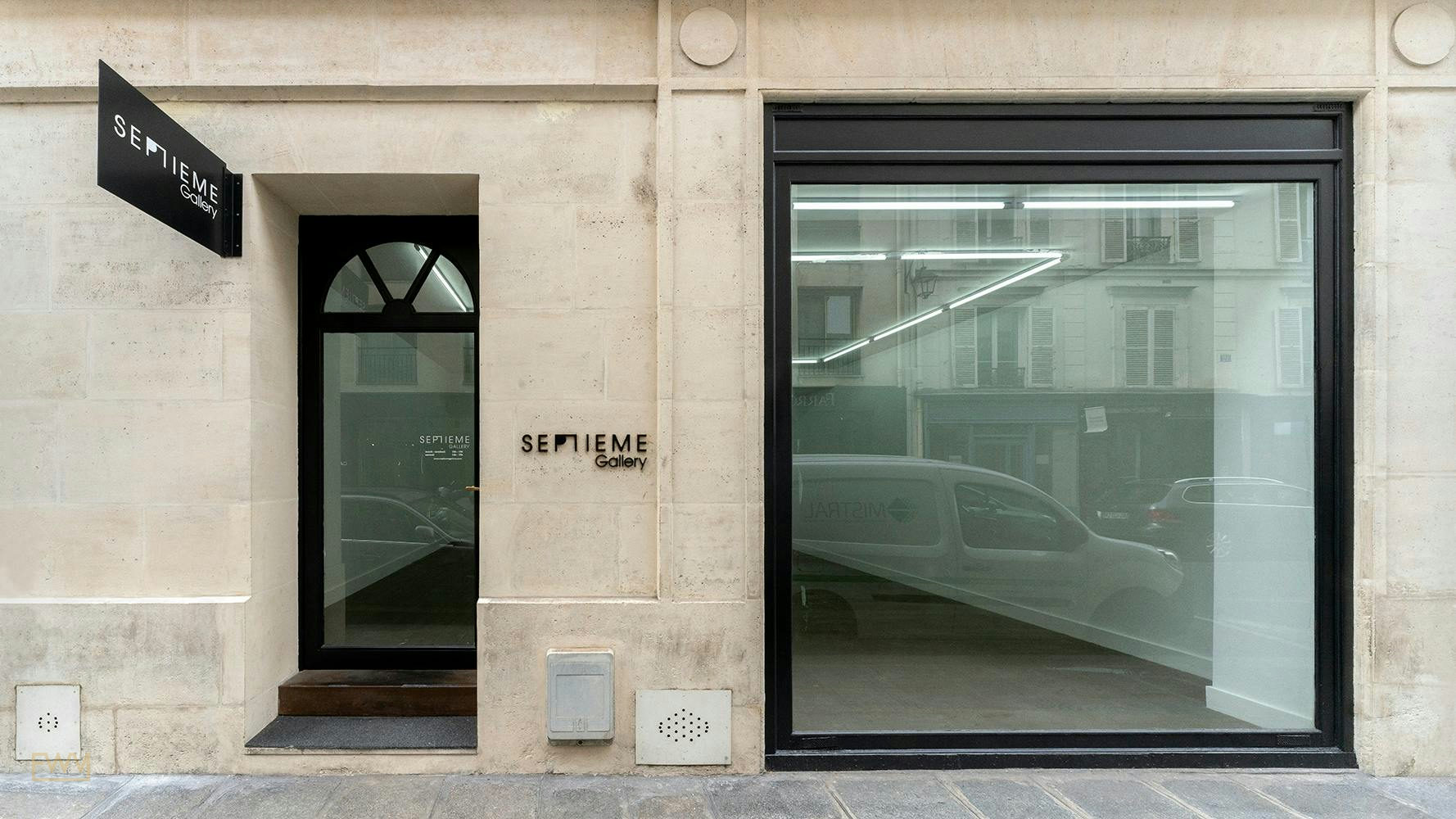
Paris offers a wide range of commercial property types suited to short-term brand use. These include street-level boutiques and retail units in premium shopping corridors, loft-format spaces in the Marais and Batignolles suitable for showrooms and immersive experiences, ground-floor spaces in Haussmann buildings that can be adapted for branded environments, and private mansion spaces (hôtels particuliers) that accommodate invitation-only events and press presentations.
| Space Type | Typical Use | Legal Instrument | Best Neighbourhoods | Key Considerations |
|---|---|---|---|---|
| Street-level retail unit | Pop-up shop, product launch | Bail dérogatoire | Marais, Saint-Germain-des-Prés, Grands Boulevards | Footfall, signage permissions, fit-out access |
| Loft or raw space | Showroom, immersive brand experience | Bail dérogatoire | Marais, Batignolles | Floor load, electrical capacity, loading access |
| Hôtel particulier | Press event, VIP dinner, brand presentation | Bail dérogatoire or event licence | 1st, 7th, 8th arrondissements | Heritage restrictions, catering requirements |
| Public domain space | Fan zone, outdoor brand activation | AOT from municipality | Varies by event context | Administrative lead time, public safety compliance |
| Market or shared commercial space | Multi-brand activation, press day | Sublicence or operator arrangement | Levis market street, covered markets | Shared management, operator approval required |
To compare commercial space options across Paris neighbourhoods and identify spaces that match your brand's brief, budget, and calendar window, explore the Paris city hub on Fashion Week Venues.
KEY TAKEAWAY: Commercial short-term spaces in Paris require careful selection of the appropriate legal instrument, early engagement with landlords and specialist advisors, and clear planning around fit-out permissions, permit requirements, and operational logistics. The bail dérogatoire and AOT frameworks each suit different use cases and space types.
With the legal framework clear, the next section addresses the financial dynamics of short-term rental investment in Paris, covering returns, tax structures, and market data for property investors and buy-to-let operators.
Rental Market Dynamics, Analytics, and Investment Performance
Quick answer: The Paris short-term rental investment market in 2026 offers selective but meaningful returns for well-located, compliant, professionally managed properties. RevPAR data from analytics platforms like PriceLabs indicates that premium arrondissements maintain strong nightly rates, but supply glut and the market correction of 2024 to 2025 have compressed yields for average-quality listings.
Whether you are a buy-to-let investor evaluating Paris as a short-term rental market or a brand assessing the cost of a commercial activation space, understanding the financial dynamics helps you plan and benchmark effectively.
Revenue Performance and RevPAR Trends
RevPAR (Revenue Per Available Room, applied in the short-term rental context as revenue per available listing night) is the most useful performance metric for comparing Paris short-term rental properties across arrondissements and property types. PriceLabs market reports covering Paris consistently show that the Marais, Saint-Germain-des-Prés, and the 1st arrondissement deliver the highest RevPAR, driven by premium rates and consistently high occupancy among quality-compliant listings.
The Olympics 2024 impact on the Paris short-term rental market was more nuanced than many hosts anticipated. While peak-week rates reached extraordinary levels, the surrounding weeks saw softer demand than historical averages as regular leisure visitors avoided Paris during the Games period. The net result for many hosts was a flat or marginally positive summer 2024 relative to summer 2023, followed by a supply glut correction through late 2024 as hosts who had over-listed relative to demand withdrew from the market.
By 2026, booking behaviour has normalised with a more experienced guest base and cleaner supply. Booking windows for premium Paris properties average three to six weeks for leisure stays and shorter for corporate and event-driven demand. Availability peaks during Fashion Week windows, the French Open at Stade Roland-Garros, and major trade fair periods in Paris and Le Bourget.
Tax Treatment of Short-Term Rental Income in France
Airbnb income in France is taxed as Bénéfices Industriels et Commerciaux (BIC) for residential furnished rentals. Under the micro-BIC regime, hosts whose annual gross rental revenue falls below the applicable threshold can deduct a flat allowance before paying tax on the remainder. As noted in the regulatory section, the Le Meur Law reduced the allowance for non-classified furnished rentals from 71 percent to 30 percent, materially increasing the effective tax burden for many Airbnb operators in Paris.
Classified meublés de tourisme (officially classified furnished holiday rentals) retain a 50 percent allowance under the revised framework, which creates a meaningful financial incentive to pursue classification through Atout France or another approved body. The classification process involves a property inspection against quality standards including interior design, kitchen equipment, furnished bathrooms, linens, and overall guest experience provision.
France's approach to closing the tax loophole benefiting short-term rentals through the Le Meur Law is now fully operational, and hosts who structured their financial models around the previous 71 percent allowance need to update their projections accordingly. Engaging a French tax advisor familiar with meublé de tourisme classification and the BIC regime is strongly recommended.
Investing in Paris Real Estate for Short-Term Rental
A foreigner can own an apartment in Paris without restriction, subject to the standard French real estate purchase process involving a notary, a Compromis de Vente, and an Acte Authentique. There are no nationality restrictions on property ownership in France. However, operating a short-term rental from a property you own in Paris is subject to all the regulatory requirements described in the legal section above, regardless of your nationality or country of residence.
For buy-to-let investors, Paris remains an appealing market due to its consistently high international visitor numbers, strong cultural appeal, and relative scarcity of new housing supply in premium arrondissements. The Paris real estate search market in 2026 remains competitive for well-located properties, with pricing in the Marais, 6th, and 1st arrondissements maintaining significant premiums over the citywide average.
The question of what constitutes a good ROI for a short-term rental in Paris depends heavily on the acquisition price, financing structure, management costs (typically 15 to 30 percent of gross revenue for professional management companies), regulatory compliance costs, and local tax rates. The ROI calculator on Fashion Week Venues can help brand teams model the financial performance of commercial activation spaces, though residential investment modelling requires a dedicated financial advisor familiar with French real estate and tax law.
DID YOU KNOW: The French real estate purchase process differs significantly from the UK and US models. A notary (notaire) is mandatory for all property transactions in France and acts for both buyer and seller, with fees typically ranging from 7 to 8 percent of the purchase price for older properties, including transfer taxes and notarial fees.
KEY TAKEAWAY: Paris short-term rental investment in 2026 requires updated financial modelling that accounts for the reduced tax allowances under the Le Meur Law, professional management costs, registration fees, and energy performance compliance expenditure. Gross rental yields must be stress-tested against these operational costs to arrive at realistic net returns.
Understanding the cost and return dynamics of residential short-term rentals in Paris provides useful context for commercial operators and brand teams assessing the relative value of short-term commercial space in the same market.
Property Features, Accommodation Types, and Quality Standards in Paris Short-Term Rentals
Quick answer: Paris short-term rental properties range from studio apartments and private rooms to triplexes, luxury residences, and iconic pied-a-terre properties. Quality markers assessed by premium platforms include chef-worthy kitchens, furnished bathrooms with quality linens, keyless entry systems, and coherent interior design that reflects French charm.
The diversity of accommodation types available for short-term rental in Paris is one of the market's defining characteristics. Unlike markets dominated by standardised hotel rooms, Paris's short-term rental supply includes everything from modest furnished rooms in residential buildings to spectacular triplexes with views of the Eiffel Tower and curated luxury residences that function as private homes.
Apartments and Flats
Furnished apartments and flats represent the largest category of short-term rental supply in Paris. These range from compact studios popular with solo travellers and couples to large multi-bedroom apartments suited to family groups. The quality spectrum is wide: at the lower end, a furnished apartment might offer basic amenities in a functional space; at the upper end, a curated apartment in the Marais or Saint-Germain-des-Prés offers gallery-quality interior design, chef-worthy kitchens stocked with quality equipment, furnished bathrooms with premium linens, and concierge-level service provision.
Triplexes and Exceptional Properties
Paris's older building stock frequently accommodates multi-level apartments, and triplex configurations in particular offer a distinctive guest experience that commands premium nightly rates. Properties of this type in the Marais or the 1st arrondissement with exposed brick, original architectural features, and curated interior design achieve some of the highest RevPAR metrics in the Paris market. Platforms like Plum Guide and UpperKey's managed portfolio include these exceptional property types as signature listings.
Luxury Residences and Pied-a-Terre Properties
The concept of the pied-a-terre, a secondary property maintained in Paris for short stays, has long been associated with the aspirational relationship many international visitors have with the city. Ever dreamed of living the luxe life in Paris? The short-term rental market now offers curated collections of luxury apartment rentals that approximate this experience for guests who want to live like Parisian residents for a week or a month.
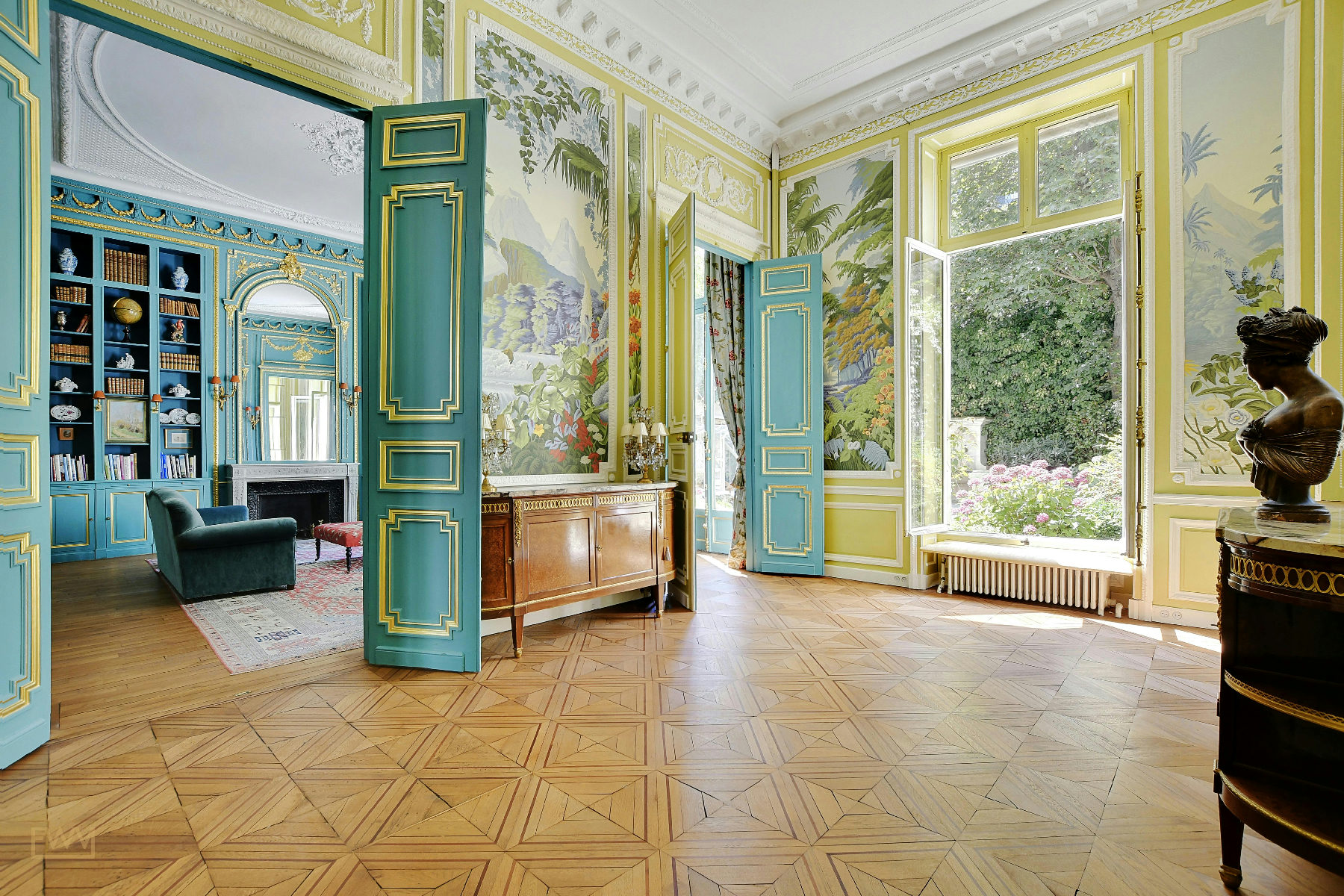
These properties typically feature Haussmann-era architecture, high ceilings, parquet floors, marble bathrooms, and locations within walking distance of Paris's most celebrated cultural landmarks. Platforms like Plum Guide operate home spotlight programmes specifically for this segment, while property management companies like UpperKey offer guaranteed occupancy models attractive to owners of luxurious residences who want professional income management without active involvement.
Private and Shared Rooms
Private and shared rooms within occupied residential properties represent the most affordable entry point to the Paris short-term rental market and are most commonly found on Airbnb and Booking.com. From a regulatory perspective, rooms rented within a host's primary residence are subject to slightly different rules than entire property rentals, though registration requirements and the 120-night annual cap still apply in Paris.
Commercial Property Types for Brand Activations
For brand teams, the equivalent diversity exists in the commercial short-term space market. Properties suited to brand activation include street-level boutiques with large display windows, raw warehouse spaces adaptable to experiential environments, heritage buildings with grand reception spaces, and market-embedded units that provide both space and built-in footfall from existing market visitors on streets like Rue de Levis.
TIP: When evaluating short-term rental properties or commercial spaces in Paris, pay close attention to the floor and load conditions for ground-floor commercial spaces and the lift access provisions for residential apartments. Both significantly affect operational logistics for either guest experience management or brand activation production.
KEY TAKEAWAY: The accommodation type you select in Paris for short-term rental purposes should reflect your target guest profile and pricing ambition. For commercial brand activations, the space type must align with your production requirements, audience experience goals, and permit eligibility.
With space types and quality standards clear, the following section explains how Fashion Week Venues supports brand teams specifically seeking commercial short-term spaces in Paris for activations, pop-up shops, and showrooms.
How Fashion Week Venues Helps Brands Find and Activate Short-Term Commercial Spaces in Paris
Fashion Week Venues operates as a full-service agency and space marketplace for brands seeking short-term commercial spaces in Paris and other major fashion capitals. The platform and agency model is specifically designed for brand teams who need more than a listing: they need a production partner, a logistics coordinator, and a compliance guide capable of navigating the French commercial space environment.
Venue Sourcing and Space Discovery
The venue sourcing service helps brand teams identify commercial spaces that match their brief across arrondissement, floor plate, space type, accessibility, and calendar window. Rather than approaching the Paris property market cold, brands benefit from a curated shortlist of verified spaces with known landlord relationships and documented permit histories. The space marketplace allows brands to browse and compare options with structured data on each property.
Concept Direction and Branded Store Design
Once a space is identified, the concept direction and branded store design teams help translate the brand's creative vision into a spatial plan that accounts for the specific architectural characteristics of the Paris venue. Whether the space features exposed brick, high Haussmann ceilings, or a raw industrial aesthetic, the design process creates a coherent branded environment that works with rather than against the existing space.
Production, Build, and Fit-Out
The production and build service manages the physical transformation of the space from empty shell to branded retail or experiential environment. In Paris, this involves coordinating with building managers on access windows, understanding arrondissement-specific restrictions on signage and façade modifications, sourcing furniture rental from the Fashion Week Venues inventory, and managing the timeline from handover to opening day. The timeline planning tool helps teams map every production milestone against their activation calendar.
Activation Management, Staffing, and Operations
Running a short-term commercial space in Paris requires operational support from opening to closing. Fashion Week Venues provides retail staffing, POS and payments infrastructure, and activation management throughout the active period of the space. For brands unfamiliar with the French retail environment, having on-the-ground operational support significantly reduces execution risk. The activation management service covers day-to-day operational oversight across the full activation window.
Permit Guidance and Compliance Support
Navigating Paris's commercial permit environment requires familiarity with both the general framework and the specific requirements of individual arrondissements and space types. Fashion Week Venues provides directional guidance on permit categories relevant to short-term commercial activations through the permits tool. As requirements vary by space type, duration, and location, brands are advised to verify specific permit needs with a French commercial legal advisor in addition to using this directional resource.
Tools for Budget and ROI Planning
Before committing to a space, brand teams can use the budget estimation tool to model the full cost of a Paris activation across venue rental, production, staffing, and operational components. This helps teams pressure-test their budget against realistic Paris market conditions before entering negotiations.
Who Benefits Most
Fashion Week Venues is most useful for brand activation managers, creative directors, and international brand teams who are planning Paris activations for Fashion Week windows, major event periods, or seasonal retail campaigns and who want a single accountable partner for space, production, and operations rather than assembling multiple vendors independently. The service is designed for brands at the consideration and planning stage through to post-activation analysis.
KEY TAKEAWAY: Fashion Week Venues addresses the full activation lifecycle for commercial short-term spaces in Paris: from space discovery and concept direction through production, staffing, operations, and data analysis. The platform does not guarantee specific spaces, permit approvals, or commercial outcomes, but provides structured support across every stage of the process.
Planning Your Paris Activation: A Step-by-Step Workflow
Quick answer: A successful short-term commercial activation in Paris requires a structured planning process starting a minimum of three to four months before the target activation window, with earlier lead times of six months or more recommended for peak Fashion Week or event periods.
The workflow below applies specifically to brand teams planning commercial short-term space activations in Paris. It is distinct from the process for booking a residential short-term rental, though some calendar and logistics principles apply to both.
| Stage | Action | Lead Time Before Activation | Key Consideration |
|---|---|---|---|
| 1. Brief Definition | Define neighbourhood, space type, size, budget, and dates | 6 months or more for Fashion Week | Align brief to campaign objectives and audience |
| 2. Space Sourcing | Use the marketplace and venue sourcing service to identify shortlist | 5 to 6 months | Verify legal instrument eligibility for each space |
| 3. Legal Review | Engage French commercial legal advisor for lease review | 4 to 5 months | Confirm bail dérogatoire terms and permit requirements |
| 4. Concept Direction | Develop spatial concept and branded environment plan | 3 to 4 months | Align concept to space architecture and brand guidelines |
| 5. Production Planning | Commission fit-out, furniture rental, and logistics schedule | 2 to 3 months | Coordinate access windows with building manager |
| 6. Staffing and Operations | Brief and onboard retail staff, install POS and payments | 4 to 6 weeks | French language capability and product knowledge |
| 7. Activation Launch | Open space to target audience with full operational support | Day zero | Media and influencer outreach aligned to opening |
| 8. Data and Debrief | Collect footfall, sales, and engagement data; produce post-activation report | Within 2 weeks of close | Use data to inform future activation strategy |
IMPORTANT: Paris Fashion Week windows compress available time for space negotiation, production, and compliance significantly. Brands that begin the process fewer than three months before their target activation date face a materially higher risk of being unable to secure suitable spaces in premium arrondissements, particularly in the Marais and Saint-Germain-des-Prés.
For brands exploring whether a full-service agency or a self-managed approach is more appropriate for their Paris activation, the guide to hiring a pop-up agency outlines the key decision factors and trade-offs.
KEY TAKEAWAY: Paris activation planning demands early action, legal precision, and logistical coordination across multiple vendors and stakeholders. A structured, phased workflow significantly reduces execution risk and improves the quality of the guest and customer experience.
Booking, Management, and the Guest Experience in Paris Short-Term Rentals
Quick answer: The Paris short-term rental guest experience in 2026 is shaped by professional management standards, platform-enforced quality benchmarks, and the unique cultural context of the city. Guests who book through curated platforms or professionally managed properties consistently report higher satisfaction than those who book through unmanaged listings.
What makes for a perfect stay in Paris? The answer combines the practical and the poetic. From a practical perspective, a perfect stay requires reliable keyless entry or a smooth check-in process, clean and well-maintained accommodation with quality linens, a kitchen equipped for real cooking rather than just coffee-making, strong connectivity, and transparent communication from the host or manager. From a cultural perspective, the ideal Paris stay involves a location that allows guests to discover French charm on foot, with access to local markets like Rue de Levis, neighbourhood bakeries, public transportation connections, and proximity to the experiences that make Paris genuinely exceptional.
The Role of Professional Agencies in Guest Experience
Property management companies including GuestReady, HostnFly, WeHost, and others have developed standardised guest experience protocols that elevate the Paris short-term rental product above what most individual hosts can deliver consistently. These include digital guest books, curated local guides, emergency contact infrastructure, and quality inspection processes between stays. For guests seeking guaranteed quality, properties managed by these firms or listed on curated platforms like Plum Guide offer the most reliable experience.
Event-Driven Booking Behaviour
Paris's event calendar directly drives booking behaviour across the short-term rental market. The French Open at Stade Roland-Garros in late May and early June creates significant demand in the 16th arrondissement and nearby areas. Paris Fashion Week windows in February and September to October drive demand in the Marais, Saint-Germain-des-Prés, and the 1st arrondissement. Major sporting events, including the ongoing legacy of the Olympics 2024 infrastructure, continue to generate event-driven demand for short-term accommodation and commercial space in Île-de-France.
Booking Platforms and Discovery
Guests discovering Paris short-term rentals in 2026 use a combination of global platforms (Airbnb and Booking.com for volume and price comparison), curated platforms (Plum Guide for quality-filtered discovery), and property management company websites for repeat bookings or specific property types. The centralised registration system means that compliant listings now carry a registration number visible in the listing detail, which has become a de facto quality signal for informed guests.
KEY TAKEAWAY: A perfect stay in Paris short-term accommodation depends on professional management standards, location quality, transparent platform compliance, and alignment between the guest's expectations and the property's actual offering. Guests should prioritise listings with clear registration numbers, professional management, and strong recent review scores.
Common Myths About Short-Term Rentals and Commercial Spaces in Paris Debunked
MYTH: You need a French legal entity to rent a commercial space in Paris for a brand activation.
FACT: International brands can enter into bail dérogatoire arrangements in Paris without incorporating a French entity, though the specific contractual and tax implications depend on the structure of the arrangement and the nature of the space. Many international brand teams activate in Paris through existing European subsidiaries or via a French agent. A qualified French commercial legal advisor should be consulted to determine the optimal structure for your specific situation.
MYTH: Paris Fashion Week is the only viable calendar window for brand activations in Paris.
FACT: While Paris Fashion Week windows in February and September to October represent the highest-profile activation opportunities, Paris supports strong brand activations year-round. The French Open period in late May and June, the summer luxury retail season, December's holiday retail peak, and major trade fairs throughout the year all create viable audiences for short-term commercial activations. Brands should assess their target audience and campaign objectives rather than defaulting to Fashion Week as the only relevant window.
MYTH: Commission brokers are the only way to find a short-term commercial space in Paris.
FACT: The commercial short-term space market in Paris has become significantly more accessible through dedicated space marketplaces and full-service agencies that offer transparent pricing, verified space data, and integrated production support. Commission-only brokers remain active but represent one channel among several. Platforms like the Fashion Week Venues marketplace provide structured discovery tools that allow brands to compare spaces, neighbourhoods, and formats before engaging with any individual landlord or intermediary.
MYTH: Short-term commercial leases in Paris are legally straightforward and can be drafted without specialist help.
FACT: The bail dérogatoire framework is specifically designed to derogate from the substantial tenant protections in French commercial lease law, which means that errors in drafting can inadvertently create full commercial lease obligations for either party. The requirements around duration caps, renewal restrictions, and the documentation of the parties' derogatory intent require careful legal handling. Brands and landlords should engage a French commercial property solicitor or avocat for any bail dérogatoire arrangement, regardless of its apparent simplicity.
MYTH: The Paris short-term rental market is largely unregulated and hosts can operate without formal registration.
FACT: The Paris short-term rental market is one of the most heavily regulated in Europe. Since the implementation of the Le Meur Law (Loi n° 2024-1039) and the EU short-term rental data regulation, all hosts must register their property through the centralised online registry, display their registration number on all platform listings, comply with night-cap limits for primary residences, meet energy performance standards, and remit the taxe de séjour. Non-compliant listings face removal from platforms and significant financial penalties.
Frequently Asked Questions About Short-Term Rentals and Commercial Spaces in Paris
Are short-term rentals allowed in Paris in 2026?
Yes, short-term rentals are allowed in Paris in 2026, but they are subject to significant regulatory requirements. Primary residences can be rented on short-term platforms for a maximum of 120 nights per year. Secondary residences face more restrictive conditions that vary by arrondissement and require a specific short-term rental permit from the Paris municipality. All properties must be registered through the centralised online registry and display a valid registration number on all platform listings. Energy performance diagnosis requirements also apply under the Le Meur Law. Non-compliance carries meaningful financial penalties, and enforcement has increased materially since 2024.
How many nights per year can a primary residence be rented in Paris?
A primary residence in Paris can be rented on short-term platforms for a maximum of 120 nights per calendar year. This cap is enforced through the platform reporting obligations introduced by the Le Meur Law and the EU short-term rental data regulation. Platforms including Airbnb automatically track and enforce this cap for Paris listings. Hosts who exceed this limit face de-listing and potential fines from the Paris municipality. Secondary residences do not benefit from the 120-night allowance and face separate, more restrictive permit requirements.
Is registration required to list a short-term rental in Paris?
Yes, registration is mandatory for all short-term rental listings in Paris. Hosts must register their property through the centralised online registry operated by the French authorities and obtain a registration number that must appear on every listing across all platforms. Platforms are legally required to remove listings without a valid registration number and to report listing activity data to municipal authorities. The registration process involves providing property details, ownership information, and confirmation of compliance with relevant regulations. Operating without registration constitutes an illegal listing and carries financial penalties.
How is Airbnb income taxed in France?
Airbnb income in France is classified as Bénéfices Industriels et Commerciaux (BIC) for furnished rental properties. Under the micro-BIC regime, hosts can deduct a flat allowance from gross rental income before calculating taxable income. The Le Meur Law reduced this allowance from 71 percent to 30 percent for non-classified furnished rentals, significantly increasing the effective tax burden for many Paris hosts. Officially classified meublés de tourisme retain a 50 percent allowance. Hosts operating above the micro-BIC threshold must use the réel simplifié regime, which allows deduction of actual costs. A French tax advisor should be consulted for individual circumstances.
Does France plan to eliminate the tax advantage for short-term rentals?
France has already substantially reduced the tax advantage for short-term rental operators through the Le Meur Law (Loi n° 2024-1039), which cut the micro-BIC flat allowance for non-classified furnished holiday rentals from 71 percent to 30 percent. This reform was driven by housing crisis concerns and pressure from French deputies representing cities where short-term rental supply was displacing long-term residential housing. The tax landscape continues to evolve, and further regulatory changes are possible. Hosts and investors should monitor French tax policy developments and take advice from a qualified French tax advisor on an ongoing basis.
What is the taxe de séjour and who collects it for Airbnb rentals in Paris?
The taxe de séjour is a tourist tax levied by the Paris municipality on all short-term accommodation stays. The rate varies by accommodation category and is applied per person per night. For listings on Airbnb in Paris, the platform collects the taxe de séjour automatically from guests at the time of booking and remits it directly to the Paris municipality on behalf of hosts. Hosts using other platforms that do not offer automatic collection must remit the taxe de séjour directly. The Paris taxe de séjour rate is among the highest in France, reflecting the city's tourism infrastructure investment obligations.
What energy performance requirements apply to short-term rentals in Paris?
Under the Le Meur Law, short-term rental properties in Paris are subject to energy performance diagnosis (DPE) requirements. Properties with the lowest energy performance ratings face restrictions on short-term rental activity, mirroring the phased restrictions already applicable to long-term rental properties in France. Hosts of older Parisian properties, particularly those in Haussmann-era buildings with original windows and heating systems, may need to invest in energy efficiency improvements to maintain compliance. The specific thresholds and implementation timeline should be verified with a French energy performance assessor and legal advisor.
Can a foreigner own an apartment in Paris and list it as a short-term rental?
Yes, foreigners can own property in Paris without nationality-based restrictions. The purchase process involves a notary, a Compromis de Vente (preliminary contract), and an Acte Authentique (final deed of sale). Once owned, a property can be listed as a short-term rental subject to all applicable regulations, including registration, night-cap limits, energy performance requirements, and taxe de séjour compliance. Secondary residence ownership by non-residents is specifically subject to the more restrictive short-term rental permit framework rather than the 120-night primary residence allowance. A notary and French tax advisor should be engaged at the time of purchase to structure the ownership and rental strategy correctly.
What makes Plum Guide different from Airbnb for Paris short-term rentals?
Plum Guide operates a curated, selective model that accepts only a small fraction of properties submitted for listing after a rigorous quality assessment. This assessment evaluates interior design coherence, kitchen equipment, furnished bathroom standards, linens quality, location, and overall guest experience capability. The result is a significantly smaller listing count than Airbnb but a considerably higher average quality standard. Guests using Plum Guide for Paris short-term rentals can expect consistently premium properties rather than navigating a large volume of listings with highly variable quality. Plum Guide properties typically command higher nightly rates and attract guests who prioritise quality assurance over price discovery.
What is the best arrondissement in Paris for a brand activation pop-up?
The best arrondissement depends on your brand's target audience, campaign objectives, and budget. The Marais (3rd and 4th) offers the strongest combination of cultural prestige, international footfall, and character-rich spaces. Saint-Germain-des-Prés (6th) suits luxury and heritage brand positioning. The Grands Boulevards area (9th) provides strong mixed consumer and professional footfall at lower space costs. The 17th arrondissement around Batignolles and Rue de Levis suits community-embedded and emerging brand activations. Each arrondissement also has distinct permit requirements and landlord dynamics that affect the feasibility and cost of short-term commercial occupation.
What is a bail dérogatoire and how does it work for short-term commercial spaces in Paris?
A bail dérogatoire, also called a bail précaire, is a short-term commercial lease in France that operates outside the standard nine-year commercial lease regime (which confers significant tenant protection rights). The parties explicitly agree to derogate from these protections, allowing for flexible short-term arrangements suited to pop-up activations, seasonal retail, and event-based commercial use. The maximum cumulative duration of a bail dérogatoire with the same landlord in the same premises is three years. After this period, any continued occupation risks converting to a full commercial lease. All bail dérogatoire arrangements should be drafted and reviewed by a French commercial property legal advisor.
How far in advance should a brand start planning a Paris pop-up during Fashion Week?
Brands targeting Paris Fashion Week windows should begin the planning process a minimum of four to six months in advance, with six months strongly preferred for premium spaces in the Marais, Saint-Germain-des-Prés, and the 1st arrondissement. Lead times of less than three months significantly restrict the available space options, compress production timelines, and increase execution risk. The most sought-after spaces in Paris are often reserved well ahead of peak fashion calendar windows. Using a structured planning tool and engaging a full-service agency early in the process provides the best chance of securing a suitable space at a workable cost.
What services does Fashion Week Venues provide for Paris brand activations?
Fashion Week Venues provides end-to-end support for brands seeking short-term commercial spaces in Paris, covering venue sourcing, concept direction, production and build, activation management, branded store design, furniture rental, retail staffing, POS and payments, data and analytics, and influencer marketing. The platform also offers a space marketplace, planning tools including budget estimation, ROI modelling, timeline planning, and permit guidance. Fashion Week Venues does not guarantee specific spaces, permit approvals, or commercial outcomes, but provides structured support across every stage of the activation planning and delivery process.
Are there co-activation or shared space options for brands with smaller budgets in Paris?
Yes, co-activation models allow brands to share the cost of a short-term commercial space in Paris while maintaining distinct brand environments within the same venue. Fashion Week Venues operates a twin concept specifically designed for this use case, enabling two brands to co-occupy a Paris space during the same activation window with shared production infrastructure and split operational costs. This model is particularly useful for emerging brands or those testing the Paris market for the first time without the budget to carry the full cost of a premium standalone space.
What data and analytics tools are available to measure the performance of a Paris brand activation?
Measuring the performance of a short-term commercial space activation in Paris requires data collection across multiple dimensions including footfall, dwell time, sales conversion, average transaction value, influencer and media reach, and social engagement. Fashion Week Venues provides access to data and analytics support as part of its full-service offering, helping brand teams quantify activation performance against campaign objectives. For residential short-term rental operators, analytics platforms like PriceLabs provide market-level data on RevPAR, occupancy rates, booking windows, and competitive supply that inform pricing strategy and investment decisions.
Conclusion: Making Short-Term Spaces in Paris Work for Your Goals in 2026
Paris remains one of the most compelling cities in the world for short-term rental investment and brand activation. Whether you are a residential host navigating the post-Le Meur Law regulatory environment, a property investor evaluating the Paris short-term rental market for buy-to-let returns, or a brand team planning a commercial activation during Fashion Week or another peak calendar window, the Paris market rewards preparation, professionalism, and regulatory compliance in equal measure.
The short-term rental landscape has matured significantly since 2024. The introduction of the centralised registration system, energy performance requirements, reduced tax allowances, and enhanced municipal enforcement has professionalised the market and reduced the opportunity for casual or non-compliant operators. For serious operators and investors, this is a positive development: it creates a cleaner competitive environment where quality properties managed by professional agencies deliver the most consistent returns.
For brand teams, Paris continues to offer an unmatched concentration of premium short-term commercial spaces across arrondissements that carry globally recognised cultural weight. Accessing these spaces effectively requires early planning, legal expertise, production capability, and operational support from partners who understand the Paris market in depth.
Fashion Week Venues is built for exactly this purpose. To move from research to activation, start exploring available spaces on the Fashion Week Venues marketplace and build a focused brief for your target neighbourhood, space type, and calendar window. Whether you are planning your first Paris pop-up or your tenth, a structured approach aligned to the realities of the Paris market in 2026 gives your activation the best possible foundation.