
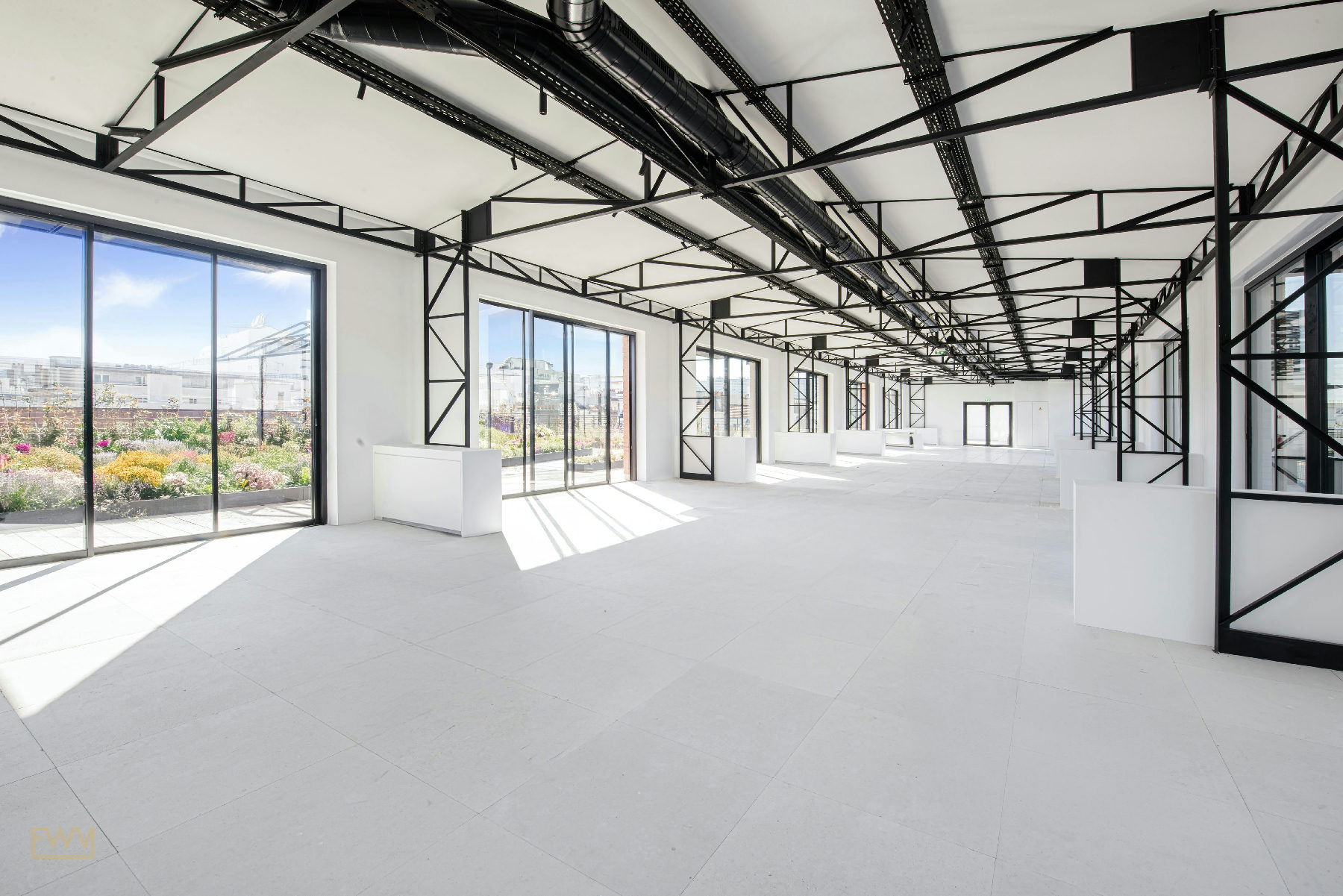

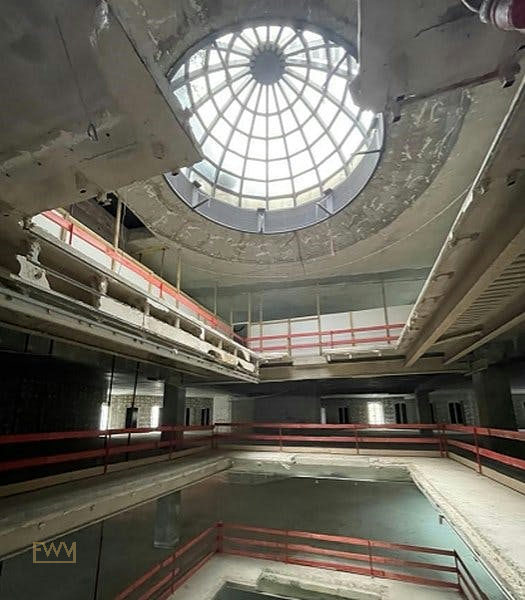
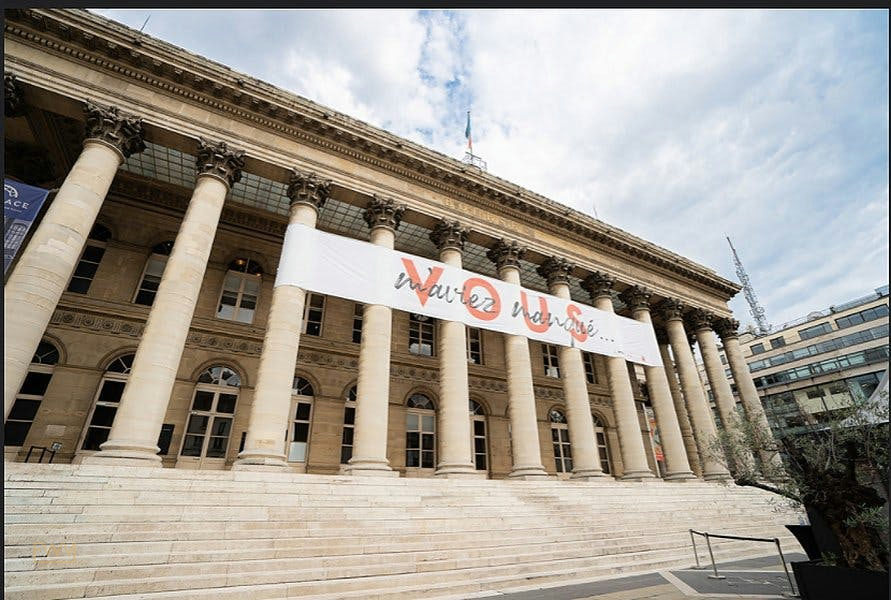

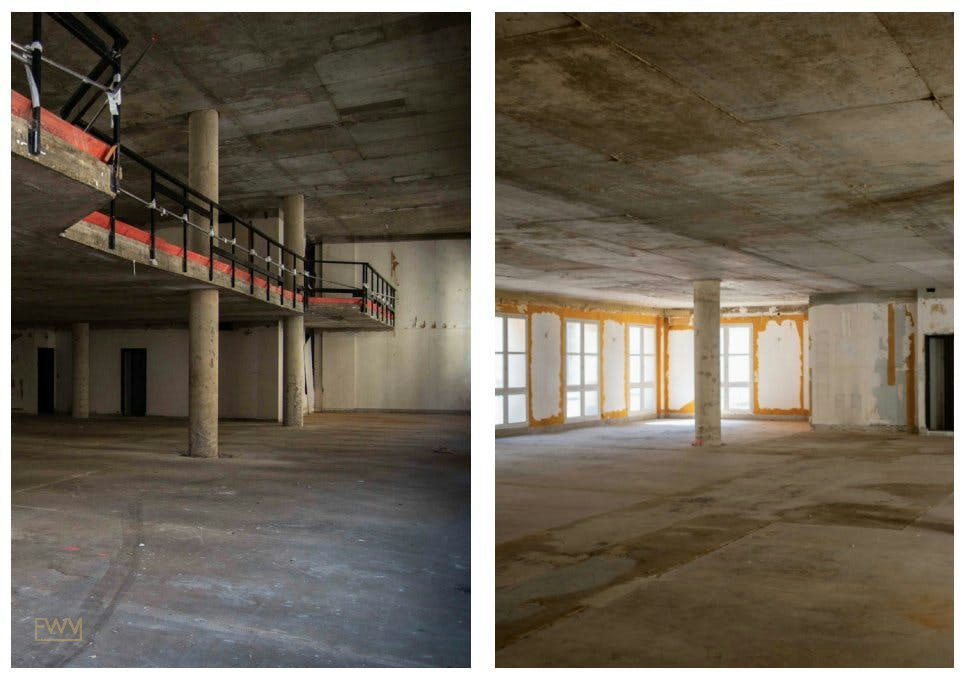
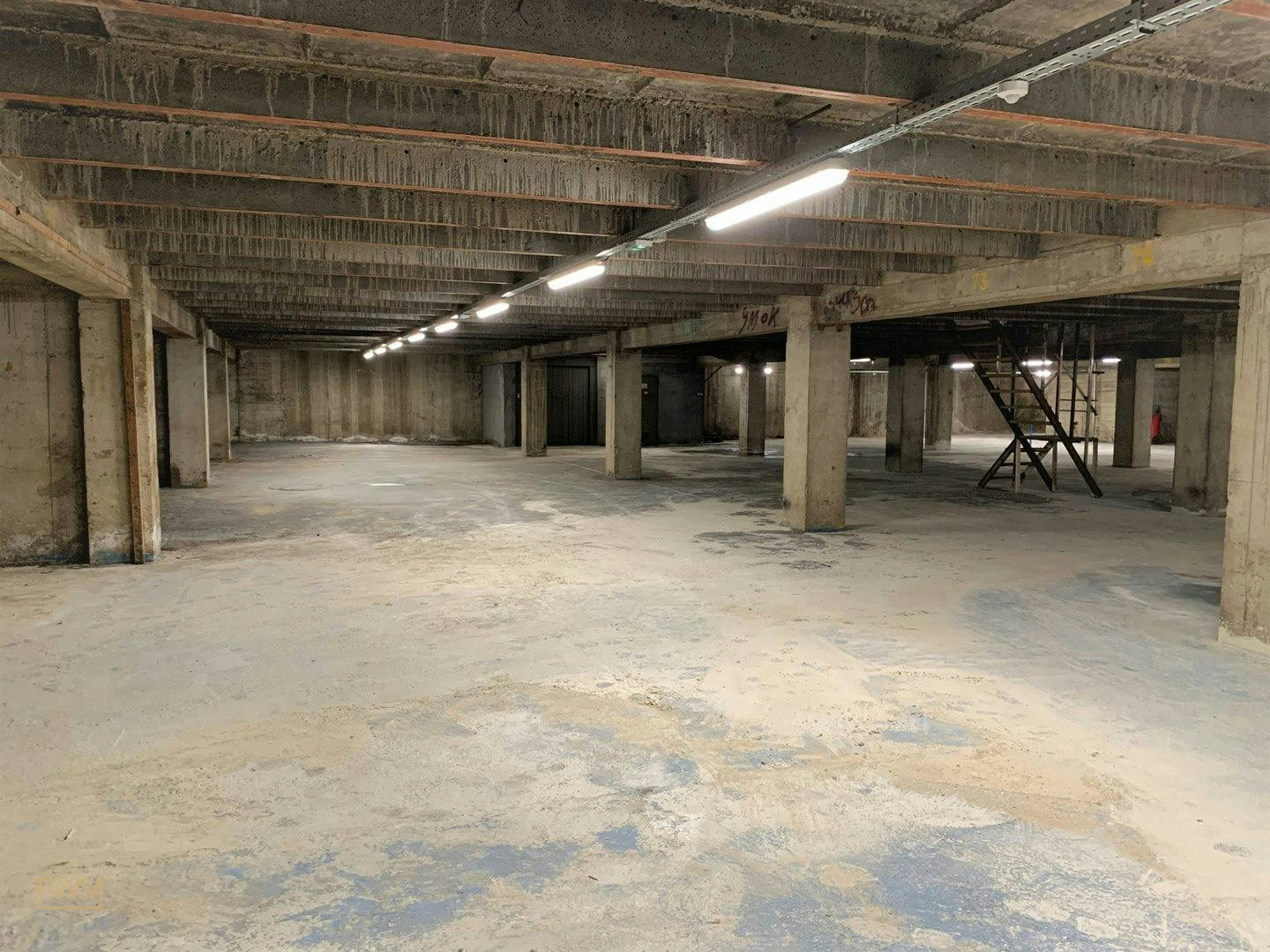
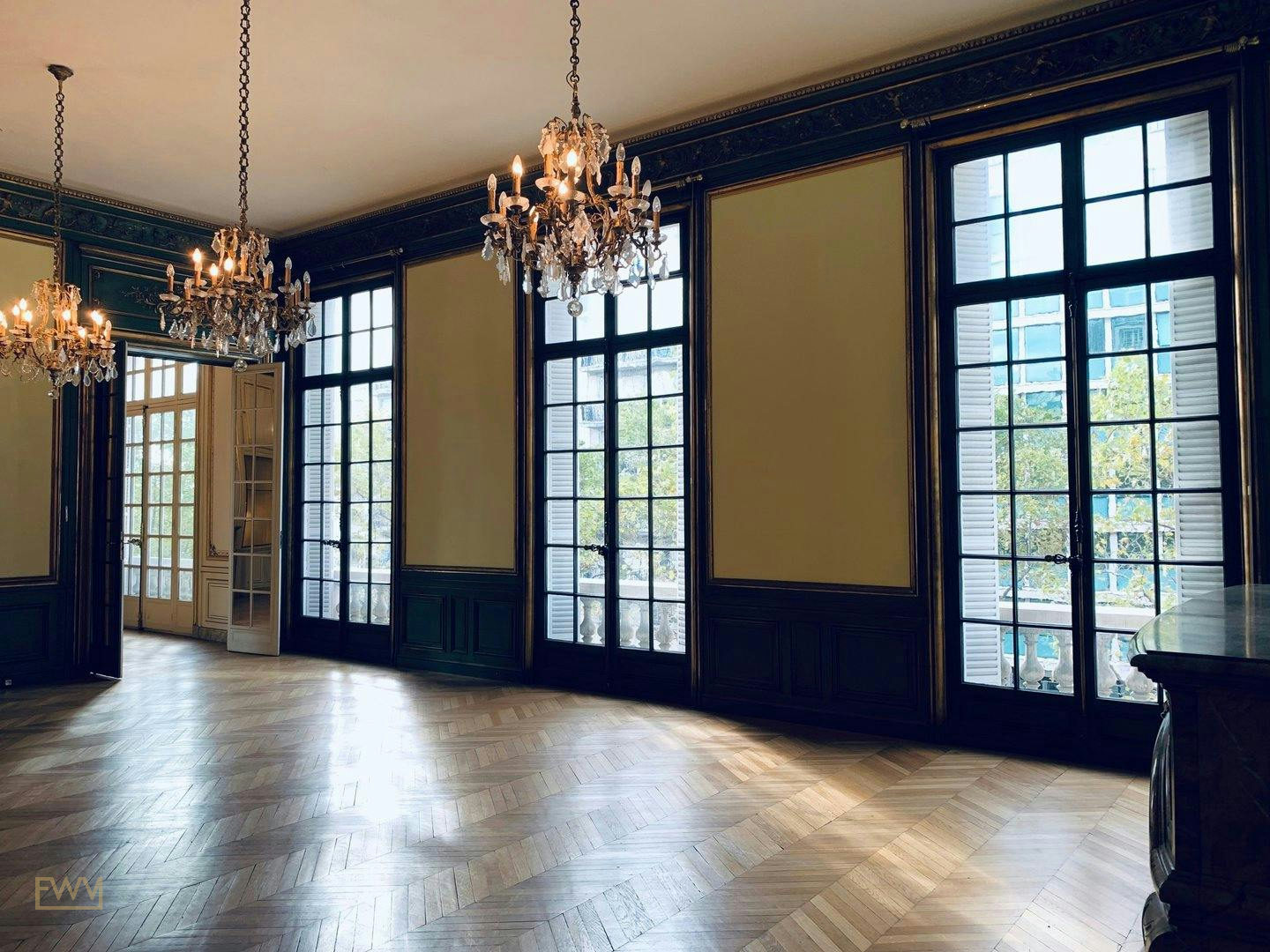
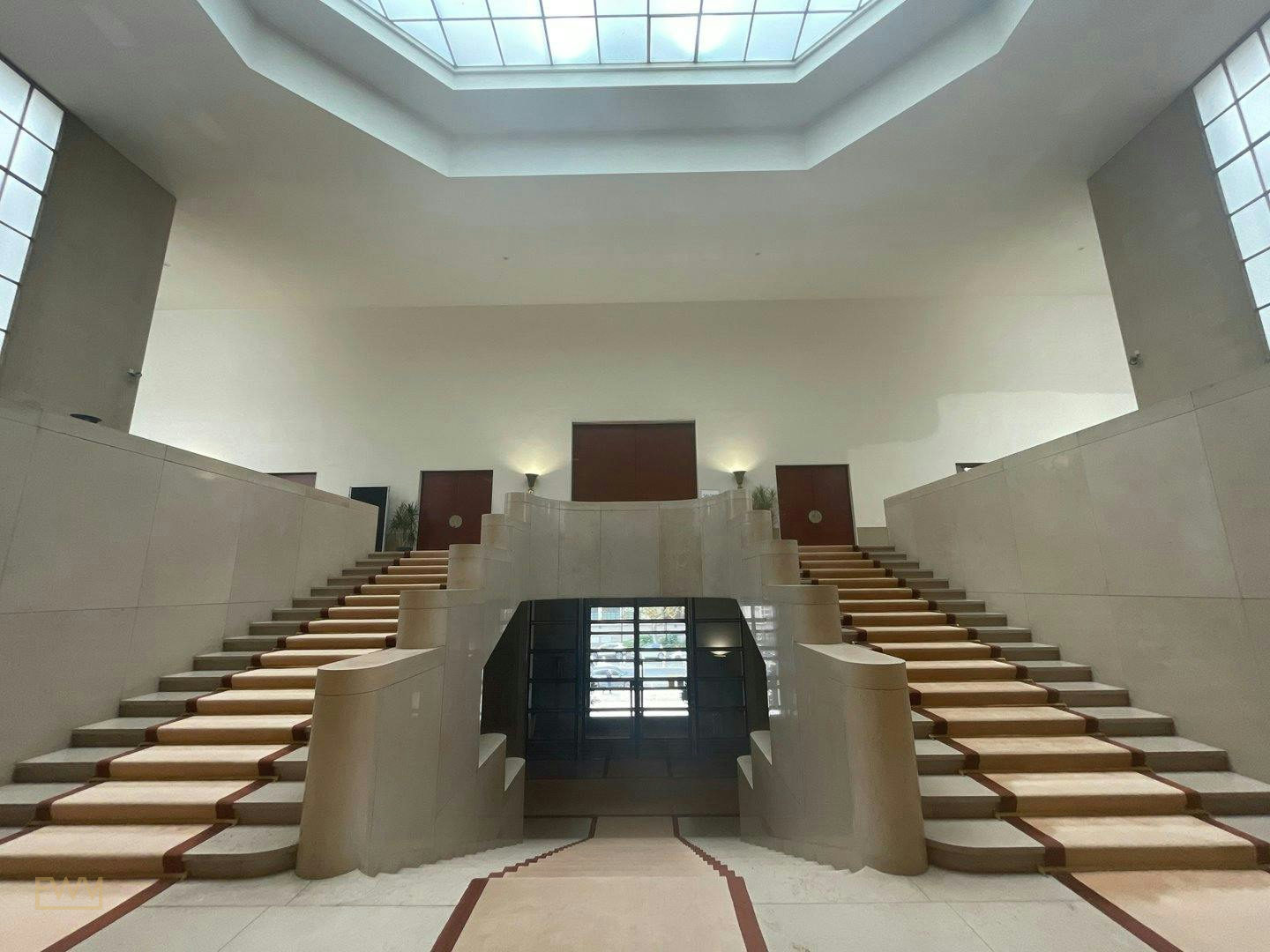
Paris Fashion Week venues are more than just spaces—they are pivotal platforms for brand storytelling and market positioning. Finding the right venue during Fashion Week in Paris involves strategic planning, meticulous logistics, and an understanding of both local culture and international expectations. Fashion Week Venues offers tailored solutions, guiding brands through this complex landscape to find, design, and execute unforgettable activations at sought-after locations. This in-depth guide covers everything from securing permits to optimizing your ROI with temporary spaces.
Understanding Fashion Week Venues: Beyond the Basics
When it comes to fashion week venues, the stakes are high and the variables are many. Successful activations during Paris Fashion Week, one of the most influential global fashion events, hinge not only on the right venue but also on aligned brand vision and precise execution. For newcomers, this landscape can seem daunting.
The choice of venue impacts brand perception and logistics. Prime spots like Le Marais and Saint-Germain-des-Prés are popular due to their prestige and accessibility. Meanwhile, emerging areas like Canal Saint-Martin offer unique vibes attracting a diverse audience. Each neighborhood has its own character that can align differently with brand aesthetics.
Temporary leasing, such as utilizing a bail dérogatoire or Autorisation d'Occupation Temporaire (AOT), allows brands to access prime real estate without long-term commitments. Yet, these agreements are uniquely structured under French commercial law, demanding careful navigation.
KEY TAKEAWAY: Selecting the right fashion week venue requires understanding Paris' neighborhood dynamics, legal frameworks for leases, and how these elements align with your brand's strategic goals. Collaborating with experts like Fashion Week Venues can simplify this process and align the venue selection with brand objectives.
Considering the variety and intricacies of Paris locales, it’s crucial to align your venue choice with your brand's target demographic and logistical capabilities. The next section dives deeper into specific venue types to assess match with your brand narrative.
Types of Fashion Week Venues and Their Unique Features
The selection of venue types for Fashion Week goes beyond conventional retail spaces. This decision will significantly affect both the audience's perception of the brand and logistical setups. Let's explore some common types:
- Showrooms: These venues provide an intimate setting ideal for showcasing tailored collections. They're preferred for their controlled environments and ability to focus solely on product detail.
- Pop-Up Shops: Popular for their flexibility and immediate consumer interaction, pop-up shops offer a chance to create bespoke brand experiences directly engaging the audience.
- Galleries and Art Spaces: Leveraging creative environments enhances the artistic presentation of a collection, aligning with avant-garde branding strategies.
- Luxury Hotels and Palaces: When exclusivity and prestige are priorities, these venues deliver unmatched ambience that complements high-fashion collections.
The nature of each venue type carries specific logistical needs—from spatial design to staffing and technology integration. Moreover, these setups require considerations on licensing and capacity limits defined by ERP standards. Understanding and respecting these legal aspects is vital.
Quick answer: Showrooms allow bespoke displays, pop-ups boost direct engagement, galleries provide artistic environments, and luxury hotels offer a prestigious setting.
| Venue Type | Ideal For | Considerations |
|---|---|---|
| Showroom | Bespoke displays | Limited space, high control |
| Pop-Up Shop | Direct consumer engagement | Short setup, legal compliance |
| Gallery | Artistic presentation | Licensing, creative design |
| Luxury Hotel | Prestigious settings | Cost, exclusivity |
KEY TAKEAWAY: Choosing the right type of venue aligns logistical capabilities with brand experiences. Each option carries distinct advantages and challenges that must match your campaign’s objectives.
Moving forward, logistical considerations become priorities. Whether through creative displays or efficient staffing, the next section will address how to optimize these variables for success.
Logistical Considerations: Planning and Execution
Execution is key once a venue is chosen. This phase involves several logistical tasks including production management, staffing, and compliance with French regulations. Ensuring all elements are perfectly timed and functioning smoothly can make or break a fashion event.
Comprehensive planning starts with understanding the components of venue fit-out and production. Services like production and build from Fashion Week Venues can transform raw spaces into branded environments. Essential factors include decor, lighting, audiovisuals, and more.
Next, efficient staffing ensures seamless operations. Properly trained personnel, hired through professional retail staffing services, can enhance customer interactions, while experienced event managers handle high-pressure situations and ensure brand standards are maintained.
Legal compliance must never be overlooked. Permits for temporary retail operations, such as ERP approval and bail dérogatoire, require navigation of French regulations. Consult tools like Fashion Week Venues' permits tool for guidance.
DID YOU KNOW: In France, an ERP (Établissement Recevant du Public) classification is essential for venues hosting public events, ensuring safety and accessibility requirements are met.
KEY TAKEAWAY: Mastering logistics through expert planning and execution emphasizes operational efficiency, safeguarding compliance and elevating consumer experiences. For a seamless process, incorporate expertise from industry service providers.
With logistics solidified, it's important to engage audiences effectively. Our next segment will delve into leveraging experiential marketing to maximize impact.
Experiential Marketing: Capturing Attention with Impact
Fashion Week is the ideal time to employ experiential marketing strategies that create memorable interactions and meaningful connections with audiences. The ephemeral nature of pop-up shops and events aligns perfectly with such dynamic marketing efforts.
Experiential marketing aims to engage customers through immersive experiences that resonate emotionally with the audience. This methodology focuses on delivering a multi-sensory experience that fosters brand loyalty. Events like interactive fashion shows or exclusive product tutorials can draw considerable attention.
Brands are increasingly incorporating digital technology to amplify these experiences. Augmented reality displays and virtual fitting rooms are some of the advances that transform consumer interaction. This tech-savvy approach not only captivates audiences but also provides valuable data insights.
TIP: Tailor digital and physical experiences to reflect the unique aspects of your brand. Use your concept direction strategies to guide this integration.
Quick answer: Experiential marketing at Fashion Week involves creating engaging, multi-sensory events that interact with consumers on emotional levels, often employing the latest digital technologies.
KEY TAKEAWAY: Aligning experiential marketing strategies with emerging tech and brand ethos enhances brand visibility and consumer trust. Consider experiential elements as integral to your strategy to convert interactions into long-lasting brand experiences.
Up next, we’ll explore financial planning to ensure your event not only impresses but also aligns with your budgetary constraints.
Budgeting for a Successful Fashion Week Activation
Budgeting is often one of the most challenging aspects of planning a Fashion Week activation. A clear financial plan that anticipates all expenses ensures smoother execution and helps avoid last-minute financial surprises.
Creating an effective budget begins with realistic cost estimations for venue rentals, production, staffing, and marketing. Tools like the budget calculator available from Fashion Week Venues can assist in tailoring costs to specific needs.
While costs can vary widely depending on the scale and ambition of the activation, it’s crucial to prioritize spending on elements that maximize impact, such as high-traffic venues and innovative marketing techniques. These decisions demand careful deliberation on their potential ROI.
Unexpected costs can derail budgets. Allocating at least 10% of total funds as a contingency reserve protects against overspending. Regularly reviewing costs against budget anticipates financial pitfalls and allows for necessary course corrections.
| Cost Element | Estimated Percentage | Purpose |
|---|---|---|
| Venue | 30-40% | Renting space that attracts target demographics |
| Production | 20-30% | Transforming the venue into a branded environment |
| Staffing | 15-20% | Ensuring professional and seamless operations |
| Marketing | 10-15% | Maximizing visibility through media and promotions |
| Contingency | 10% | Cushion for unexpected expenses |
KEY TAKEAWAY: Develop a flexible budget that allows room for creativity and mitigates risks through careful allocation and fallback provisions. Utilize calculation tools to refine and predict your financial roadmap successfully.
Having aligned your financial and logistical plans, focus shifts to navigating legal frameworks. The upcoming section elaborates on critical legalities to consider during space leasing and event execution.
Navigating Legalities: Ensuring Compliance and Avoiding Pitfalls
Legal compliance is a fundamental pillar when planning events at Fashion Week Venues in Paris. Navigating French commercial law, including laws related to lease types and regulatory compliance, demands precision and awareness.
Legal agreements such as the bail dérogatoire and Autorisation d'Occupation Temporaire (AOT) are designed for short-term leasing but require careful drafting and comprehension. These are tailored differently from standard commercial leases and can offer more flexibility to pop-up retailers.
Documentation mandates include adhering to ERP (Établissement Recevant du Public) requirements that outline safety and accessibility criteria. Such approvals, while necessary, involve intricate procedural navigation that can vary by arrondissement and venue type.
It's advisable to engage with a French legal advisor to ensure all contractual obligations are met and to consult expert tools like the permits tool from Fashion Week Venues. This supports understanding local compliance intricacies without assuming unnecessary risk.
IMPORTANT: Always verify specific lease and compliance requirements with local legal experts to prevent potential legal disputes.
Quick answer: Ensure compliance in Paris by understanding different lease agreements, ERP regulations, and using expert guidance to navigate complexities.
KEY TAKEAWAY: Legal acuity, coupled with strategic use of compliance tools, is crucial for mitigating risk. This protective measure allows brands to focus on creative and operational success.
Having tackled the legal landscape, the focus now shifts to optimizing activation success. The next section investigates key performance indicators and how they can measure and boost the effectiveness of your fashion week events.
Measuring Success: KPIs and ROI in Temporary Retail
Evaluating the success of fashion week activations is vital for understanding brand impact and informing future endeavors. This evaluation hinges on identifying relevant KPIs and calculating the ROI of your projects.
Key performance indicators vary but often include metrics such as visitor footfall, sales volume, brand engagement levels, and media attention. Companies often overlook the importance of post-event analysis in enhancing the effectiveness of future campaigns.
Using tools such as ROI calculators helps structure financial returns against expenses incurred during the entire activation period. It’s important to adapt these formulas to reflect both tangible and intangible results that contribute to long-term brand equity.
Quantitative metrics like sales are easier to track, whereas qualitative measures, including customer sentiment and brand storytelling, need systematic approaches to capture. Employing analytics tools that aggregate diverse data sources facilitates comprehensive outcome evaluations.
Quick answer: Measure event success through KPIs such as visitor engagement, sales, and media coverage; employ ROI tools to assess financial returns and brand impact effectively.
KEY TAKEAWAY: An insightful combination of qualitative and quantitative KPIs, bolstered by comprehensive analytic tools, ensures that brands can monitor, learn from, and iterate upon a wealth of performance data.
As brands refine their strategies from these insights, it's essential to recognize misconceptions that could impede success. The upcoming myths and facts section addresses common misunderstandings in the industry.
Common Myths Debunked
MYTH: You need a French legal entity to rent a space in Paris.
FACT: While having a legal entity in France can simplify certain processes, it is not strictly necessary to rent space for fashion week. Brands can collaborate with local agencies or seek specialized legal advice for seamless venue registrations and contracts.
MYTH: Paris Fashion Week is the only viable calendar window for brand activations in Paris.
FACT: Though Paris Fashion Week is a prime opportunity for exposure, fashion-related events occur year-round in Paris, including trade shows, designer showcases, and cultural exhibitions, offering multiple opportunities for brand engagement beyond the official fashion calendar.
MYTH: Commission brokers are the only way to find space in Paris.
FACT: While brokers have traditionally been involved, digital platforms like the space marketplace by Fashion Week Venues allow brands to explore diverse listings and manage bookings directly.
MYTH: Short-term leases are legally straightforward without specialist help.
FACT: Short-term leasing requires understanding specific legal frameworks and compliance requirements unique to temporary occupations in Paris, underlining the value of professional legal support.
The knowledge gained from debunking these myths allows brands to navigate the Paris fashion scene more effectively. Now, let's move to the frequently asked questions for detailed insights.
Frequently Asked Questions
What are the most sought-after areas in Paris for fashion week venues?
In Paris, areas like Le Marais, Saint-Germain-des-Prés, and Rue Saint-Honoré are prime locations for fashion week venues due to their high foot traffic, prestige, and proximity to key fashion houses and cultural landmarks. Each offers a unique ambient, influencing the overall brand impression.
How can I ensure my venue setup is compliant with French regulations?
Ensuring compliance involves consulting local legal advisors to understand requirements such as ERP (public access establishment standards) and any specific district regulations. Utilizing resources like Fashion Week Venues' permits tool can also streamline compliance through expert guidance and documentation checklists.
What logistical services should I prioritize for my fashion week activation?
Prioritize logistics that directly impact consumer experience and operational efficiency. Key services include production and build to transform your venue, along with retail staffing to manage operations. Elements like lighting, sound, and venue layout should align with your brand narrative and target audience expectations.
How does experiential marketing differ from traditional marketing?
Experiential marketing focuses on creating immersive, engaging experiences that resonate on an emotional level with audiences, as opposed to traditional marketing’s emphasis on informational broadcasts. At Fashion Week, experiential strategies involving digital technologies and interactive setups are particularly effective for customer engagement.
What budgeting tools are available for fashion week planning?
A variety of budgeting tools, including the Fashion Week Venues' budget calculator, assists in estimating costs across different expense categories such as venue rental, staffing, and marketing. These tools are invaluable for understanding financial commitments and allowing flexibility while planning an activation.
Why is measuring ROI important for temporary retail?
Measuring ROI is crucial for evaluating the financial effectiveness of your activation, guiding future investments, and justifying the return on spent resources. ROI metrics help assess both direct sales impacts and brand engagement levels, informing strategic adjustments for subsequent activations.
Can I expect immediate results from a pop-up during fashion week?
While immediate sales and publicity might be evident, the broader impact of pop-up activations lies in long-term brand awareness and consumer relationships. Strategic follow-ups and maintaining engagement post-event are key to maximizing the benefits of your initial exposure during fashion week.
What common mistakes should one avoid during fashion week activations?
Avoid overlooking the importance of legal compliance and ignoring logistical planning. Inadequate budgeting can lead to overstretched resources, affecting event execution quality. It’s crucial to understand the venue’s demographic fit and adapt marketing plans to the localized preferences of the Parisian audience.
How do digital tools enhance the fashion week venue selection process?
Digital tools enhance selection by providing comprehensive access to listings, facilitating comparisons, and integrating logistical considerations. Platforms like Fashion Week Venues' space marketplace enable detailed exploration of available options, assisting brands in making data-driven decisions tailored to their activation needs.
What makes pop-up shops an effective strategy during fashion week?
Pop-up shops are effective during fashion week because they provide brands with the flexibility to engage directly with consumers, test new concepts or products, and create a buzz through immersive experiences. Their short-term nature allows for dynamic expression of brand narratives without long-term commitments.
These FAQs address key aspects of organizing successful fashion events, offering practical advice for navigation through fluctuating scenarios. Up next, a conclusion that ties these insights together.
Conclusion
Activating a venue during Paris Fashion Week presents both remarkable opportunities and complex challenges. By thoroughly understanding venue types, logistical considerations, budgeting tactics, and legal frameworks, brands can maximize their impact within this vibrant market. Utilizing the expertise and tools provided by Fashion Week Venues, brands are empowered to execute seamless, compliant, and engaging activations that resonate with audiences. As we move further into an era where experiential marketing is paramount, integrating digital innovations will be key to standing apart in a crowded fashion landscape.
To move from research to activation, start exploring available spaces on the Fashion Week Venues marketplace and build a focused brief for your target neighborhood, space type, and calendar window. Ensure your brand leaves a lasting impression in the City of Light.