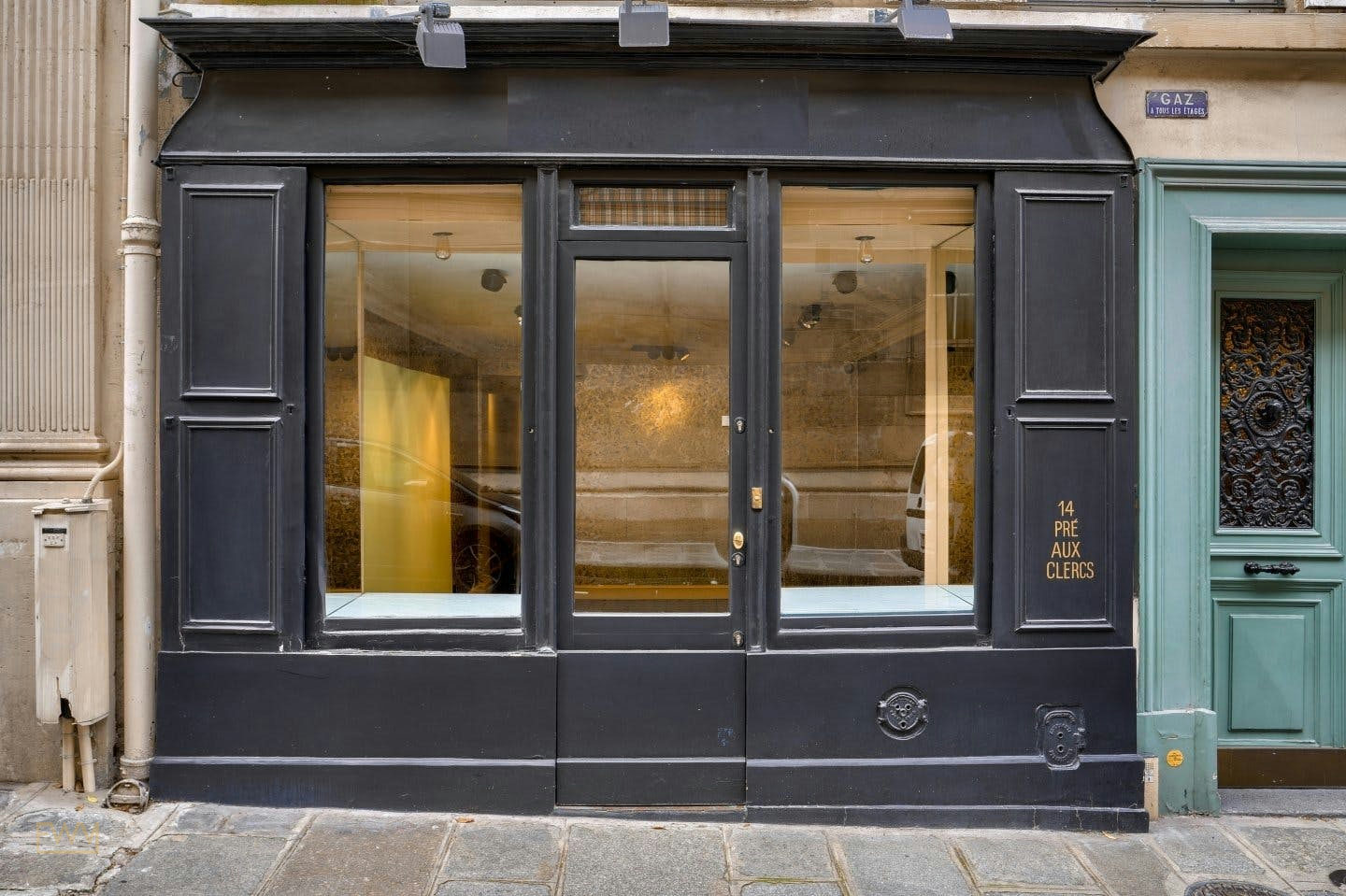
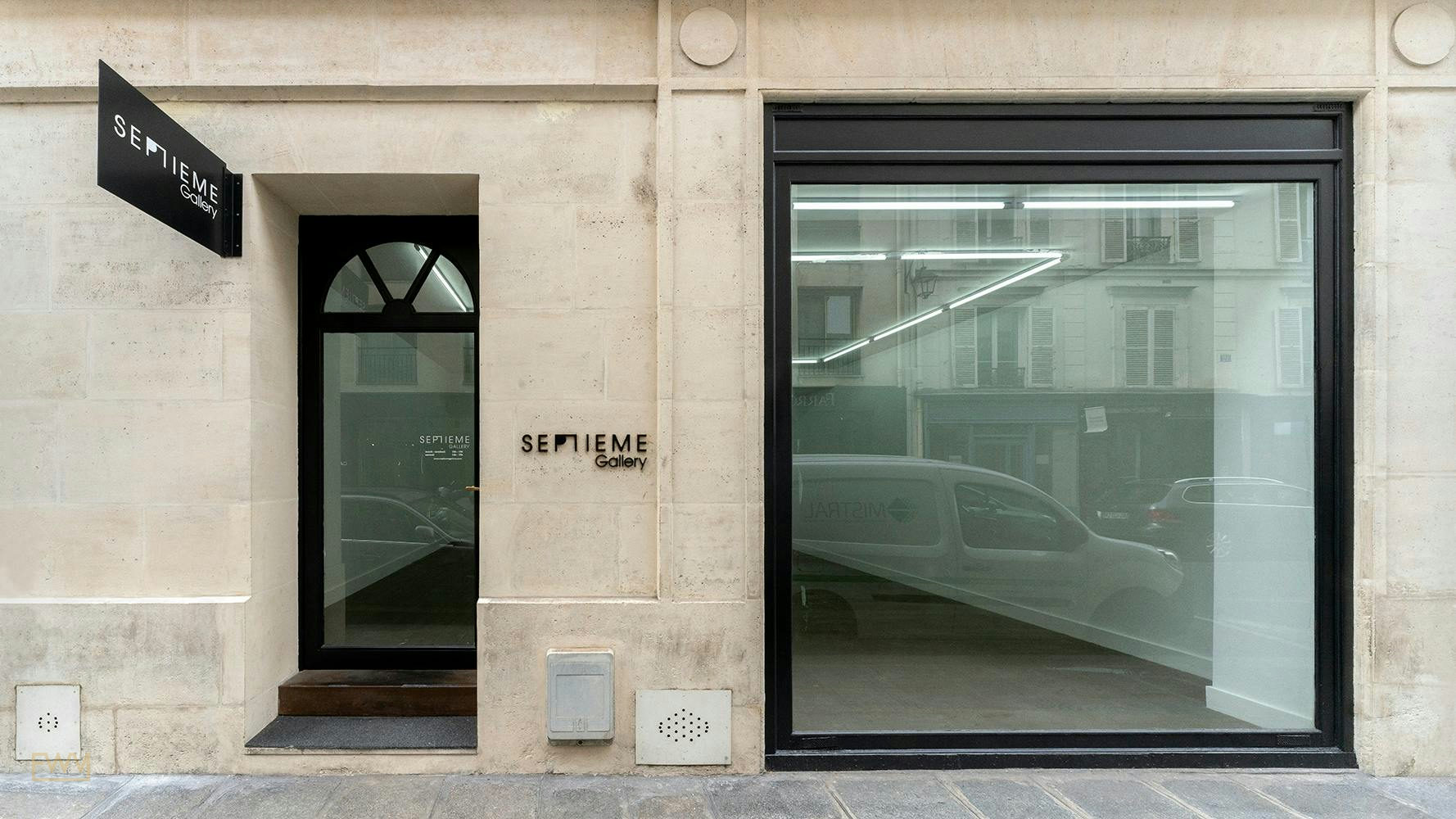
Creating a breakthrough experience during Paris Fashion Week begins with selecting the right venue. The primary keyword of Fashion Week Venues is crucial for fashion brands seeking to captivate their audience with pop-up spaces that leave a lasting impression. Fashion Week Venues provide extensive services aimed at seamless execution—from venue sourcing to activation management—making them an essential partner for brands entering the Paris market. In this comprehensive guide, we'll explore different types of venues, the permitting processes in France, budgeting considerations, and more to ensure full preparation for a successful fashion event.
Exploring Different Types of Fashion Venues
Quick answer: Fashion venues range from traditional showrooms to unique pop-up spaces, each offering distinctive benefits tailored to brand strategy.
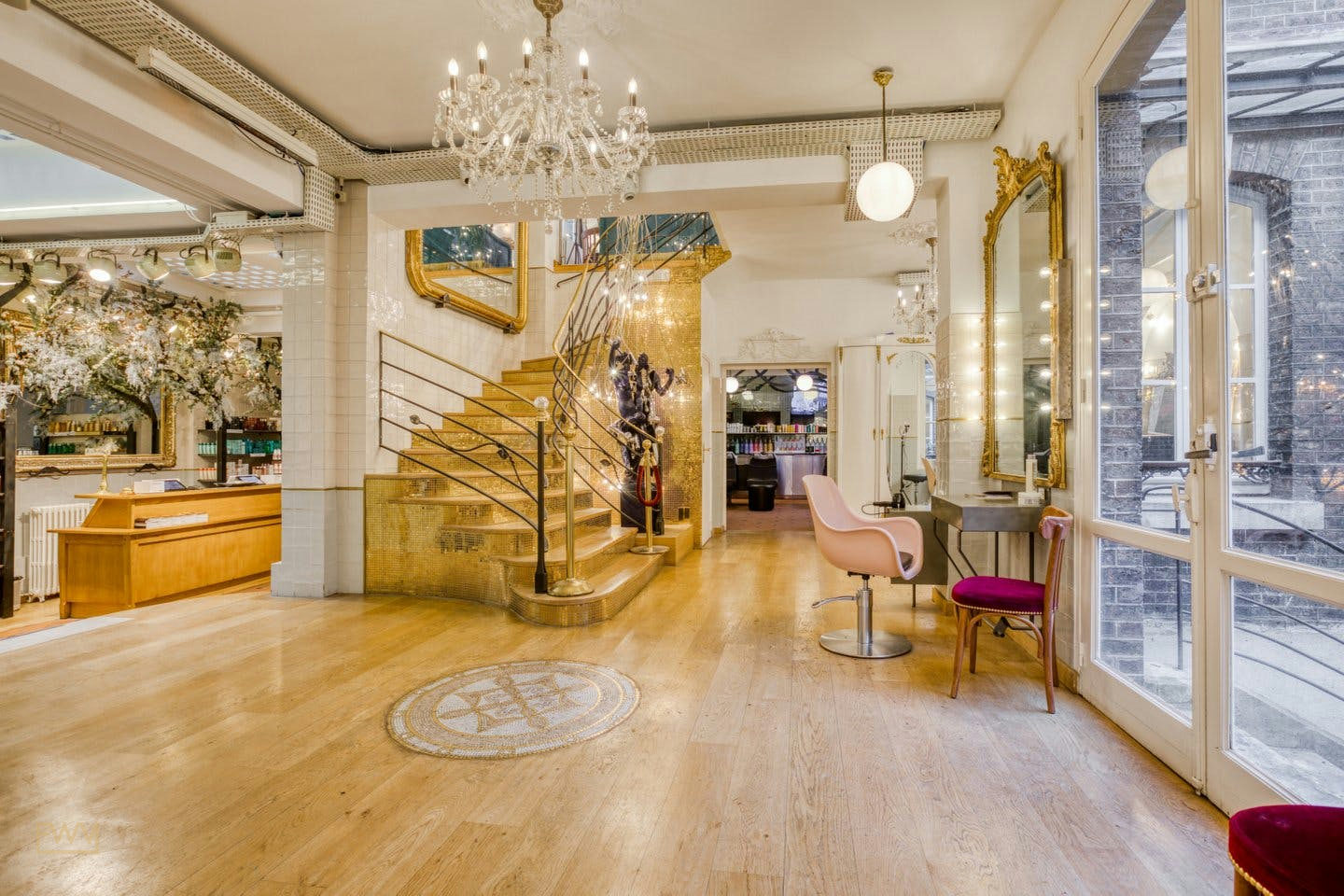
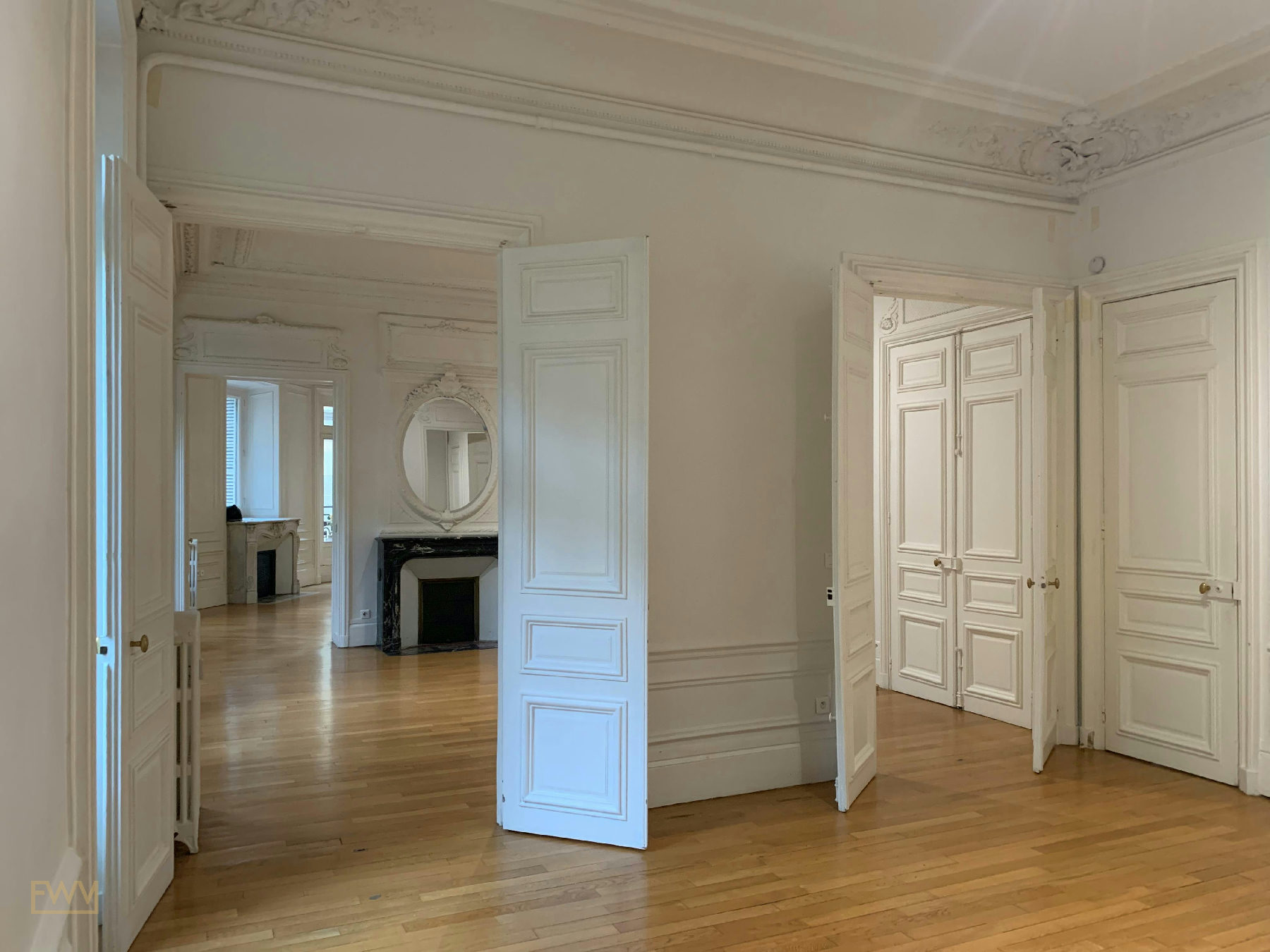
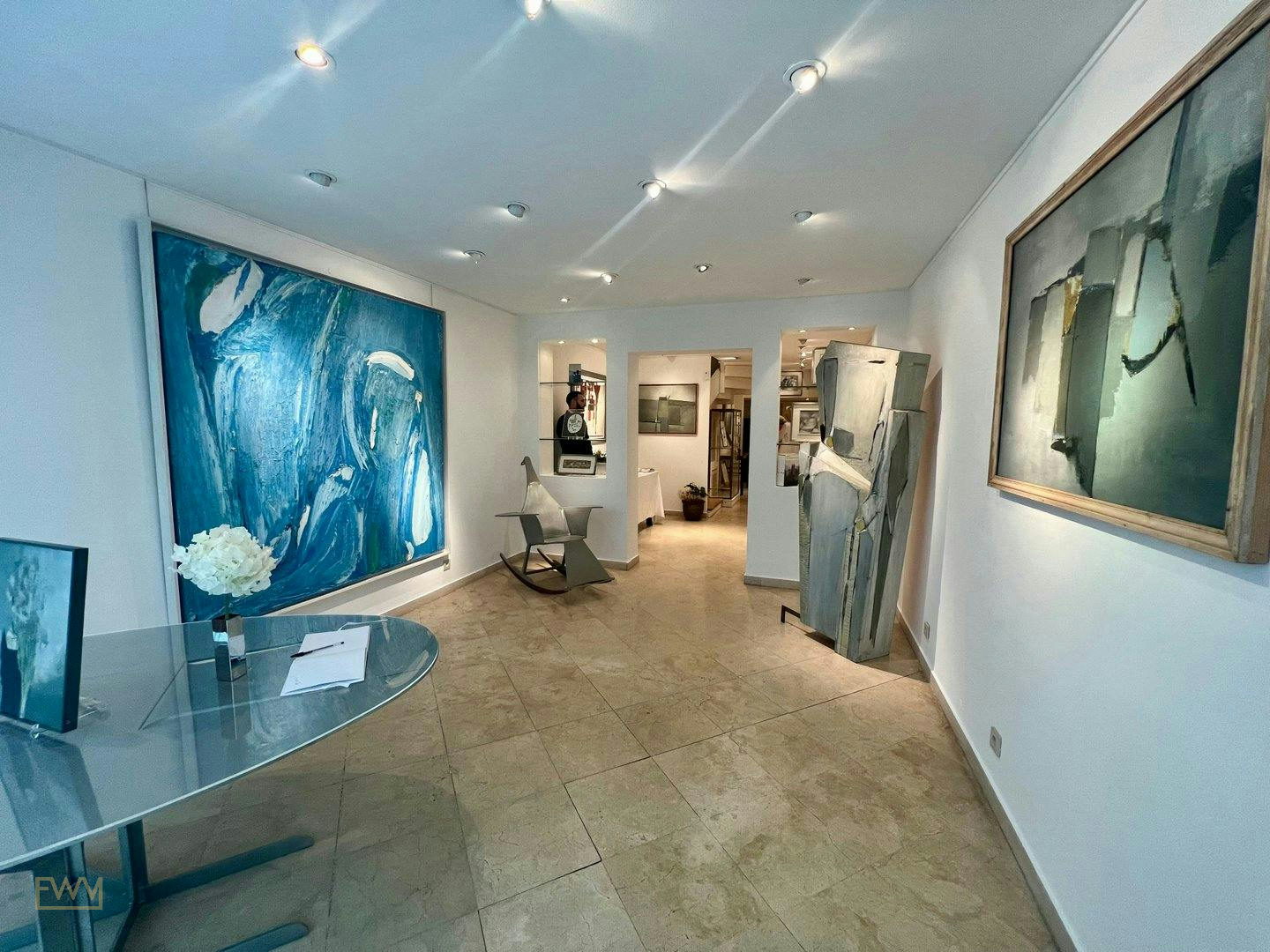
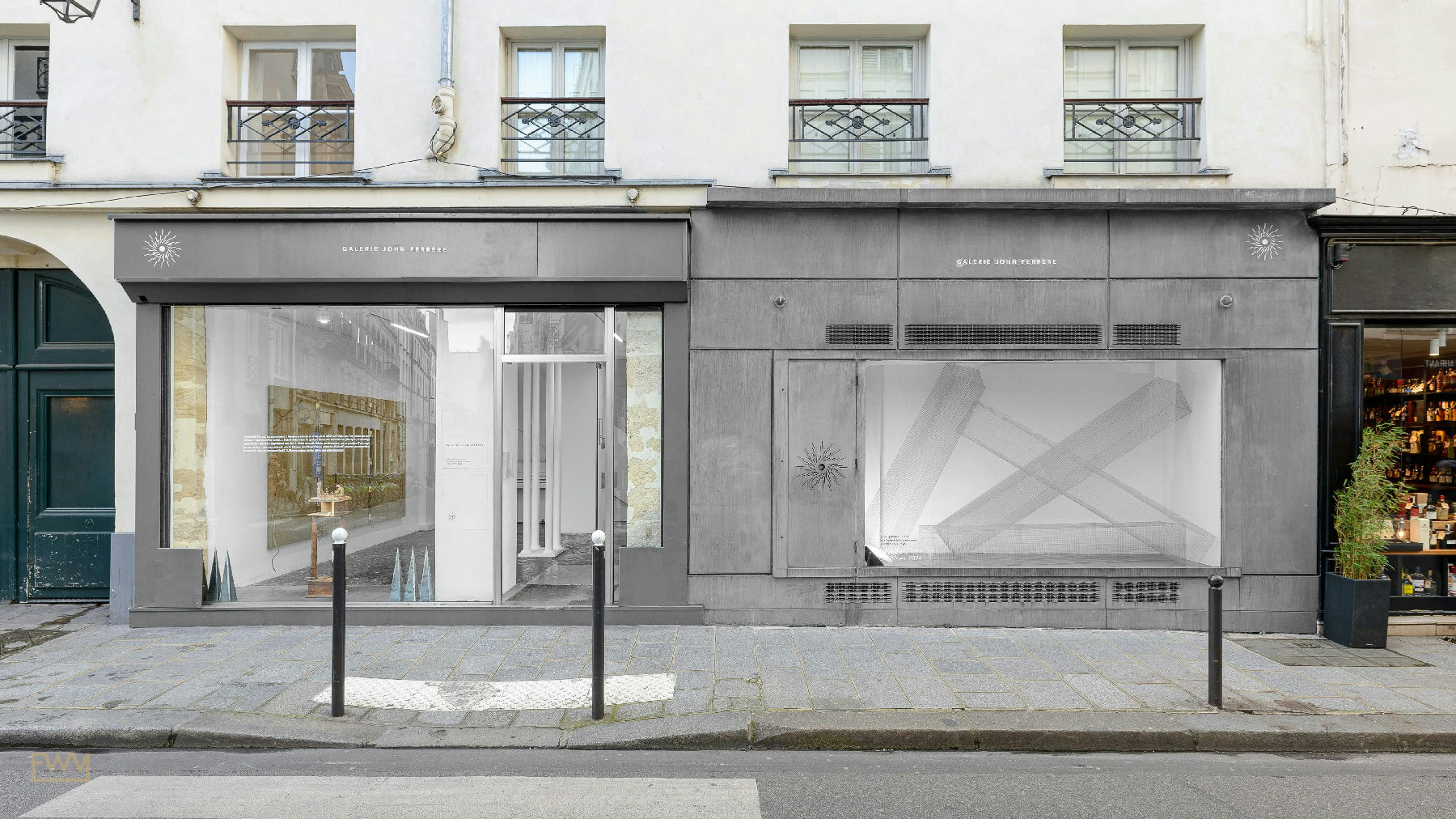
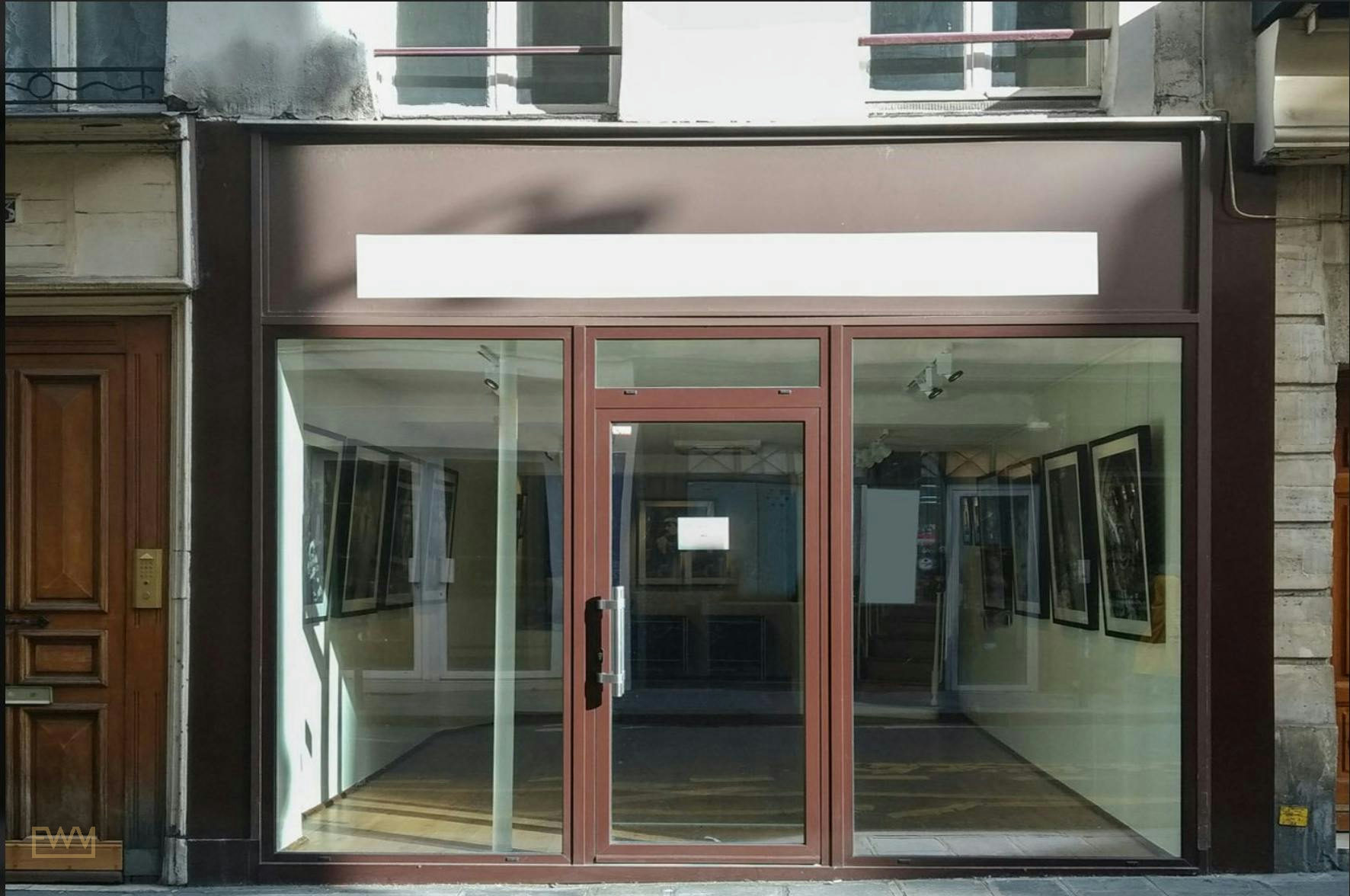
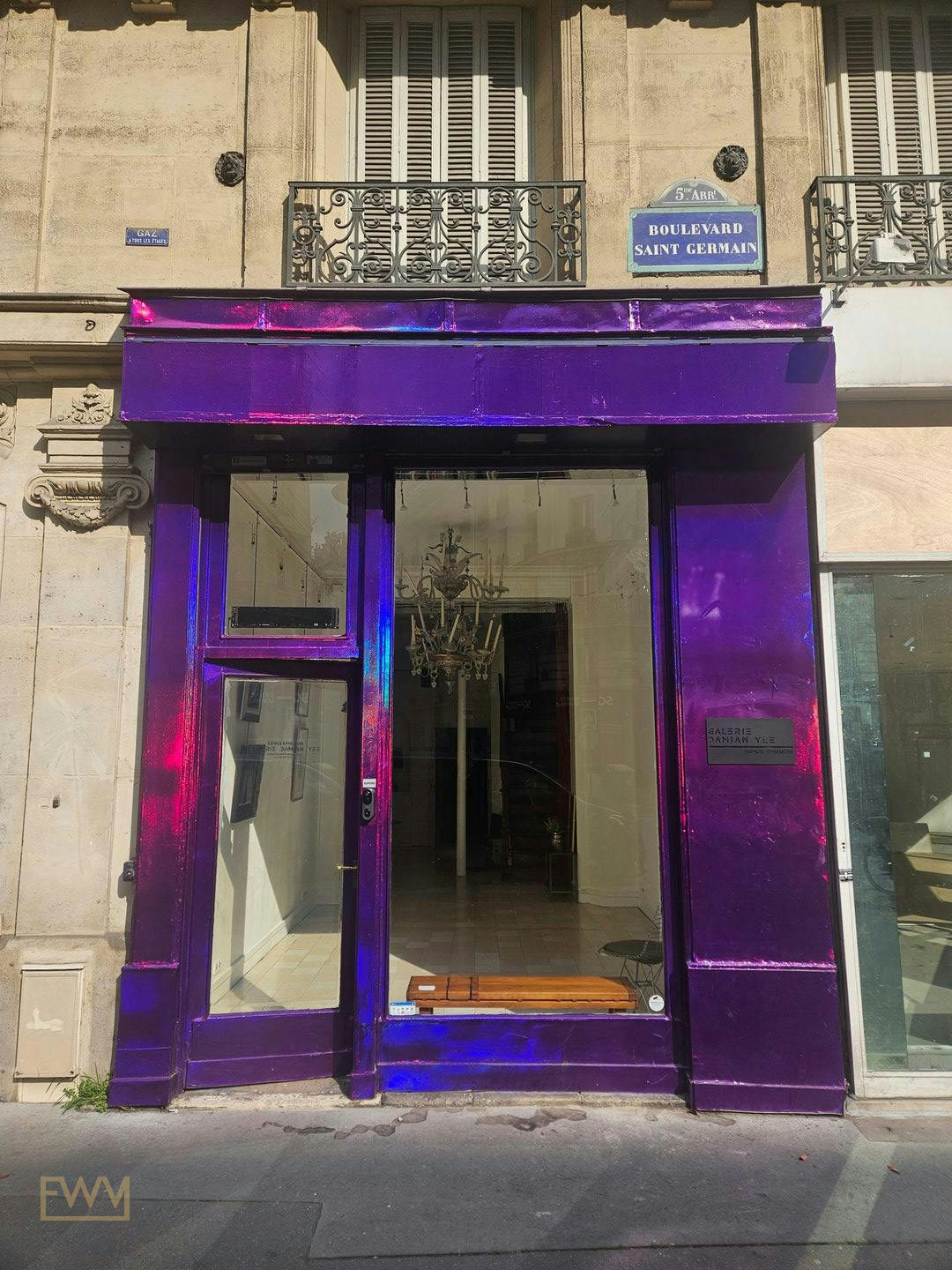
Fashion venues come in various forms, each serving a specific purpose. From the elegance of traditional showrooms in premier locales such as Saint-Germain-des-Prés, to the interactive dynamic of pop-up stores in trendy areas like Le Marais, the choice of venue influences the impact of a fashion brand's presentation. Showrooms provide controlled environments perfect for showcasing high-end collections, whereas pop-up spaces offer experiential marketing opportunities to engage directly with consumers.
A planning table for fashion venues might look something like this:
| Venue Type | Advantages | Disadvantages |
|---|---|---|
| Traditional Showroom | Perfect lighting and layout for detailed showcases | Higher costs, limited foot traffic |
| Pop-Up Store | High consumer engagement, trendier atmospheres | Short-term lease, potential logistic challenges |
| Event Space | Large capacity, flexibility in design | Potential for high costs, permitting complexities |
Each venue choice comes with distinct challenges and benefits. For example, a traditional showroom might offer the perfect controlled environment for showcasing new collections with optimal lighting and layout. However, such a venue might come at a premium cost and attract less spontaneous foot traffic compared to more dynamic spaces like pop-up stores.
Selecting the right venue depends on your specific brand goals and target audience. A fashion brand focused on immersive engagement might lean towards a pop-up store, whereas a luxury label could prefer the exclusivity of a private showroom.
KEY TAKEAWAY: Choosing the right venue involves aligning the distinctive benefits of each venue type with brand strategy and audience engagement goals.
To better understand which venue type aligns with your activation goals, we'll next consider the budgeting aspects crucial for decision-making.
Budgeting for Fashion Week Venues
Quick answer: Crafting a detailed budget helps anticipate costs related to venue rental, build-out, logistics, and staffing for Fashion Week activations.
Budgeting for a fashion week venue is a complex task that involves anticipating a range of expenses from the obvious like rent to the more nuanced such as staffing and event logistics. To achieve an effective projection, it is crucial to itemize potential costs and adopt a flexible, well-informed approach.
Let's look at a sample budgeting process:
| Expense Item | Estimated Cost | Considerations |
|---|---|---|
| Venue Rental | Variable | Depends on location, size, and duration |
| Permitting | 500 - 1,500 EUR | Includes legal fees, permit applications |
| Interior Build-Out | 5,000 - 15,000 EUR | Depends on design complexity and materials |
| Staffing | 2,000 - 6,000 EUR | Hiring specialized staff might increase costs |
Each budget item requires careful evaluation of the fashion brand's resources and goals. For accurate estimation, using Fashion Week Venues' budget calculator can streamline this process, ensuring an informed allocation of funds that supports your brand's overall strategy.
Moreover, it's essential to maintain financial flexibility to accommodate unforeseen costs that might arise, such as emergency staffing or unexpected technical requirements.
KEY TAKEAWAY: Thorough planning and budgeting, informed by precise estimates, are key to successfully managing the financial aspects of your fashion venue.
Next, we'll delve into the critical aspects of obtaining permits and compliance for a seamless fashion activation experience in Paris.
Understanding Permits and Compliance
Quick answer: Operating a pop-up or event venue in Paris requires understanding specific legal frameworks like bail dérogatoire and obtaining necessary authorizations.
Permitting is a fundamental component when establishing a temporary fashion venue in Paris. The legal intricacies can vary based on venue type, location, and intended usage duration.
The primary legal frameworks often encountered include the bail dérogatoire, which allows for short-term commercial leases, and Authorisation d'Occupation Temporaire (AOT), necessary for temporary public space occupation.
Permitting Checklist:
- Consult with a French legal advisor to verify specific permit requirements
- Determine if your space requires a bail dérogatoire or an AOT
- Apply for permits well in advance to ensure timely approval
- Verify compliance with safety and building regulations related to ERP (Establishment Receiving the Public)
Given these potential complexities, using Fashion Week Venues' permit guidance tool can significantly simplify this process, providing tailored insights based on your specific type of venue and desired use.
KEY TAKEAWAY: Securing the right permits and ensuring compliance through early legal consultations are essential to prevent operational disruptions.
Understanding these legalities provides a foundation to transition smoothly into the details of logistical planning for Parisian venues.
Evaluating Logistics for Temporary Spaces
Quick answer: Effective logistics planning for temporary fashion spaces involves coordinating transportation, setup, and dismantling processes.
Logistics play a pivotal role in the successful execution of a fashion event. Whether in setting up a short-term showroom or managing a bustling pop-up store, logistical planning needs meticulous attention to detail.
Key logistical considerations include:
- Assessing transportation routes and storage needs for materials
- Coordinating setup timelines and ensuring equipment availability
- Arranging skilled staff for both installation and deinstallation phases
- Negotiating contracts with local vendors for additional materials or staffing needs
Managing these logistics can be complex, which is where a partner like Fashion Week Venues can add significant value. Their venue sourcing services streamline these processes, from identifying suitable spaces to coordinating local contractor engagements.
Equally important is accounting for the time-sensitive nature of fashion events, which often require quick turnarounds. Utilizing strategic timelines through tools like the timeline planner can enhance coordination across all logistical components.
KEY TAKEAWAY: Successful logistics involves thorough planning of transportation, setup, and teardown to ensure a seamless event execution.
Following a robust logistics strategy, we move on to evaluating venue locations to see how strategic placement can maximize your brand's impact during Paris Fashion Week.
Choosing the Perfect Venue Location
Quick answer: The location of your fashion venue significantly affects brand visibility and audience reach, making strategic neighborhood selection crucial.
The choice of location for a fashion event venue influences not only foot traffic but also the brand perception and attendee demographics. Paris, as a global fashion capital, offers diverse neighborhoods, each with distinct advantages for fashion events.
| Neighborhood | Advantages | Brand Alignment |
|---|---|---|
| Le Marais | Trendy, young demographic, vibrant | Contemporary and streetwear brands |
| Saint-Germain-des-Prés | Luxury boutiques, sophisticated clientele | High-end and luxury brands |
| Canal Saint-Martin | Bohemian, creative community | Artistic and independent labels |
Choosing the right location involves more than just looking at foot traffic; it's about aligning the location with the brand's aesthetic and target audience. For instance, a brand targeting younger audiences might select a creative neighborhood like Canal Saint-Martin, whereas classic luxury brands often opt for historical elegance in Saint-Germain-des-Prés.
For brands unsure of potential locations, Fashion Week Venues offers location tools to help discover neighborhoods that align with your brand's values and goals.
KEY TAKEAWAY: Strategic location selection ensures optimal brand visibility and aligns with the target market, contributing to the overall success of your activation.
With venues chosen and locations determined, the next step involves exploring the use of data and analytics in optimizing venue performance.
Leveraging Data and Analytics for Venue Success
Quick answer: Utilizing data and analytics allows brands to measure the impact of their venues, identify customer behaviors, and enhance future event strategies.
Data and analytics provide crucial insights into the success of your venue activation. By analyzing traffic patterns, engagement rates, and sales metrics, brands can refine their strategies and enhance consumer experiences.
| Analytics Feature | Purpose | Example Metric |
|---|---|---|
| Foot Traffic Analysis | Measure visitor numbers | Daily footfall count |
| Sales Conversion Tracking | Analyze purchase trends | Conversion rate percentage |
| Engagement Metrics | Assess interactive experience | Social media shares |
Engaging a partner with expertise in analytics, like Fashion Week Venues, can transform how brands interpret data. Their data analytics services equip brands with tools to capture and analyze venue performance, turning insights into actionable strategies.
Additionally, understanding these metrics assists brands in making informed decisions about future venue engagements and improving customer journeys.
KEY TAKEAWAY: Utilizing data-driven insights empowers brands to optimize venue performance and refine marketing strategies for lasting impact.
As data optimizes performance, we now turn our attention to managing the creative aspects of preparing a venue.
Creative Direction and Visual Merchandising
Quick answer: An impactful creative direction enhances brand storytelling, while visual merchandising ensures a captivating consumer experience.
In the world of fashion events, creative direction and visual merchandising are crucial in crafting a memorable brand experience. Through thoughtful design elements and storytelling, brands can evoke emotions that resonate with their audience.
Key considerations for successful visual merchandising include:
- Developing a cohesive brand narrative
- Choosing complementary color schemes and decor
- Ensuring strategic product placement
Fashion Week Venues offer comprehensive concept direction services to guide brands in creating compelling visual narratives. Their expertise facilitates the seamless integration of branding elements into the spatial design, enhancing the overall consumer experience.
Visual merchandising also plays a critical role in experiential marketing, influencing customer perceptions and encouraging engagement through interactive displays, product demonstrations, and unique decor.
KEY TAKEAWAY: Effective creative direction and visual merchandising are vital for storytelling, transforming venues into immersive brand experiences.
With a creative vision established, next we explore how Fashion Week Venues supports brands in executing their concept directions.
How Fashion Week Venues Supports Successful Activations
Quick answer: Fashion Week Venues offers holistic services that guide every step of the activation process, from venue sourcing to staffing and analytics.
Fashion Week Venues positions itself as a key player in assisting brands with comprehensive services tailored to fashion week events. Their expertise spans multiple areas vital to a brand's success in Paris.
Services offered by Fashion Week Venues:
- Venue Sourcing: Match the brand with optimal locations, considering business requirements and aesthetics.
- Activation Management: Oversee all logistical aspects, ensuring a seamless setup, execution, and teardown.
- Creative Support: Provide production and build services to bring creative visions to life.
- Staffing Solutions: Deliver customized retail staffing services to complement brand needs.
Through their well-rounded services, both emerging designers and heritage brands benefit from focused industry insights and operational support.
Furthermore, with dedicated tools for comparing spaces and calculating ROI, brands can make data-driven decisions that align with their strategic goals.
KEY TAKEAWAY: Partnering with Fashion Week Venues provides brands with essential resources and services, streamlining activation processes and enhancing outcomes.
Understanding the comprehensive capabilities of Fashion Week Venues ensures brands are well-positioned to engage creatively with their audiences. We now move to dispel common myths associated with Parisian fashion events.
Common Myths Debunked
MYTH: You need a French legal entity to rent a space in Paris.
FACT: While having a French legal entity can facilitate certain business operations, it's not always required. Brands can work with agencies like Fashion Week Venues to secure venues without needing to establish a French entity.
MYTH: Paris Fashion Week is the only viable calendar window for events.
FACT: Although Paris Fashion Week is a highlight, the city hosts numerous fashion-related events and tradeshows year-round that provide opportune moments for brand activations.
MYTH: You must work with commission brokers to find a venue.
FACT: Commission brokers are not the sole option. Agencies like Fashion Week Venues offer comprehensive venue sourcing services that reduce reliance on third-party brokers and often provide more tailored solutions.
MYTH: Short-term leases in Paris are legally straightforward without specialist help.
FACT: Short-term leases, regardless of simplicity in conception, often demand the same legal diligence as long-term agreements. Engaging with legal experts ensures compliance with local regulations.
Dispelling these myths helps pave the way for more informed decisions as brands navigate the Paris Fashion Week landscape. Let’s address some frequently asked questions to further clarify key aspects of the venue process.
Frequently Asked Questions
What is the role of Fashion Week Venues in finding a space?
Fashion Week Venues serves as an essential partner for brands seeking spaces for pop-ups during fashion week. They provide comprehensive venue sourcing services, streamlining the process by matching brands with suitable locations based on their specific needs.
Are there any cost differences between renting a showroom and a pop-up store?
Yes, cost considerations for showrooms and pop-up stores differ significantly. Showrooms usually involve higher rental fees due to their premium amenities and fixed locations, while pop-up stores offer flexible pricing that varies based on location, size, and duration.
How early should brands begin planning for Paris Fashion Week venues?
Planning ideally begins at least 6 to 12 months in advance of Paris Fashion Week. Early planning ensures better access to preferred locations and sufficient time for compliance and logistic arrangements.
What legal permits are necessary for temporary venues in Paris?
Temporary venues often require a bail dérogatoire for short leases and potential AOT for public space usage. Consulting a French legal advisor is recommended for detailed permit needs tailored to specific venues and projects.
Can Fashion Week Venues help with event staffing?
Absolutely, Fashion Week Venues provides tailored retail staffing solutions to ensure brands have the necessary team for effective customer engagement and operational support during events.
Why is visual merchandising crucial for fashion activations?
Visual merchandising is vital to enhancing brand storytelling through aesthetic design and strategic product placement. It effectively engages customers, leaving a lasting impression and driving sales conversions.
How does Fashion Week Venues assist with logistics?
Fashion Week Venues assists from start to finish, coordinating transportation, setup, and teardown, while also engaging local contractors through their extensive network to handle logistical requirements efficiently.
What are the most popular areas in Paris for fashion pop-ups?
Popular areas for fashion pop-ups include Le Marais, known for its trendy vibe, and Saint-Germain-des-Prés, which offers a luxurious atmosphere. Each district provides unique benefits in line with different brand identities.
Is it possible to run simultaneous events at multiple locations?
Yes, running simultaneous events across multiple locations can enhance brand visibility. Fashion Week Venues' twin co-activation tool supports managing these events effectively, ensuring uniformity and cohesion across venues.
What strategies can maximize ROI for fashion week activations?
Maximizing ROI involves leveraging data analytics to make informed decisions, employing targeted marketing strategies such as influencer collaborations, and ensuring logistics are executed flawlessly for optimum visitor experience.
Can I compare analytics to measure success across different venues?
Yes, using comparative analytics can help determine the success metrics of different venues. Tools provided by Fashion Week Venues enable brands to assess foot traffic, sales conversions, and customer engagement rates efficiently.
Conclusion
Fashion Week Venues play a pivotal role in supporting brands in successfully executing their Paris Fashion Week activations. By offering comprehensive services and effective tools, Fashion Week Venues ensures every aspect of brand activations—from venue sourcing to creative execution—aligns with strategic business goals. Moreover, comprehending the nuances of permits, budgeting, location selection, and logistics is crucial. As brands initiate their journey from research to activation, exploring available spaces on the Fashion Week Venues marketplace can be a powerful first step. Align your brand with the right opportunities to achieve meaningful and memorable fashion experiences.