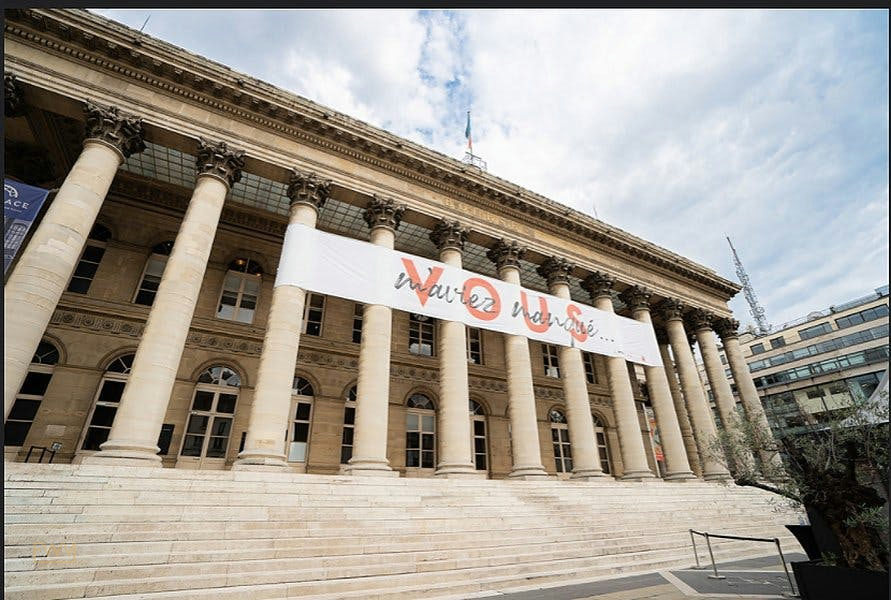
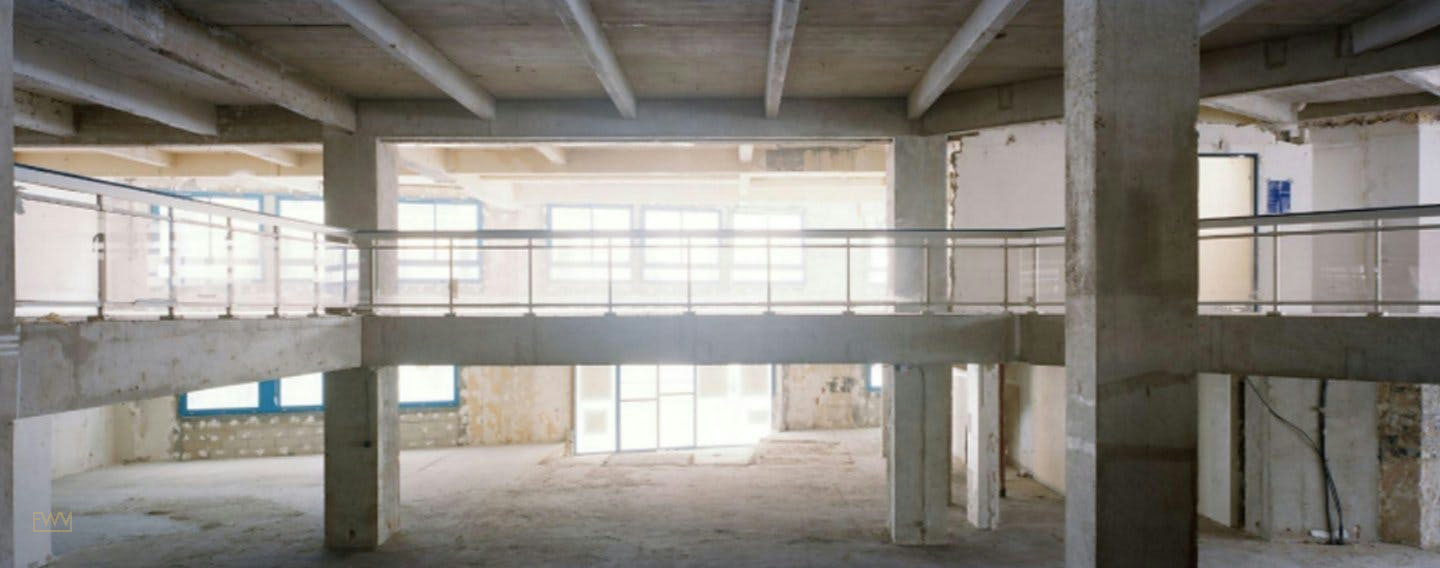
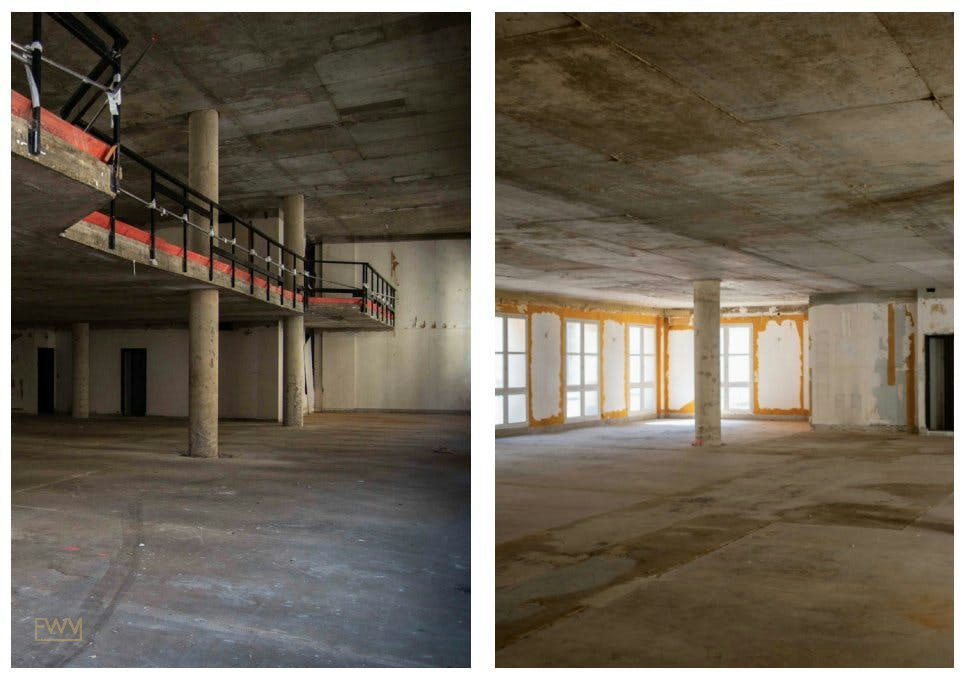
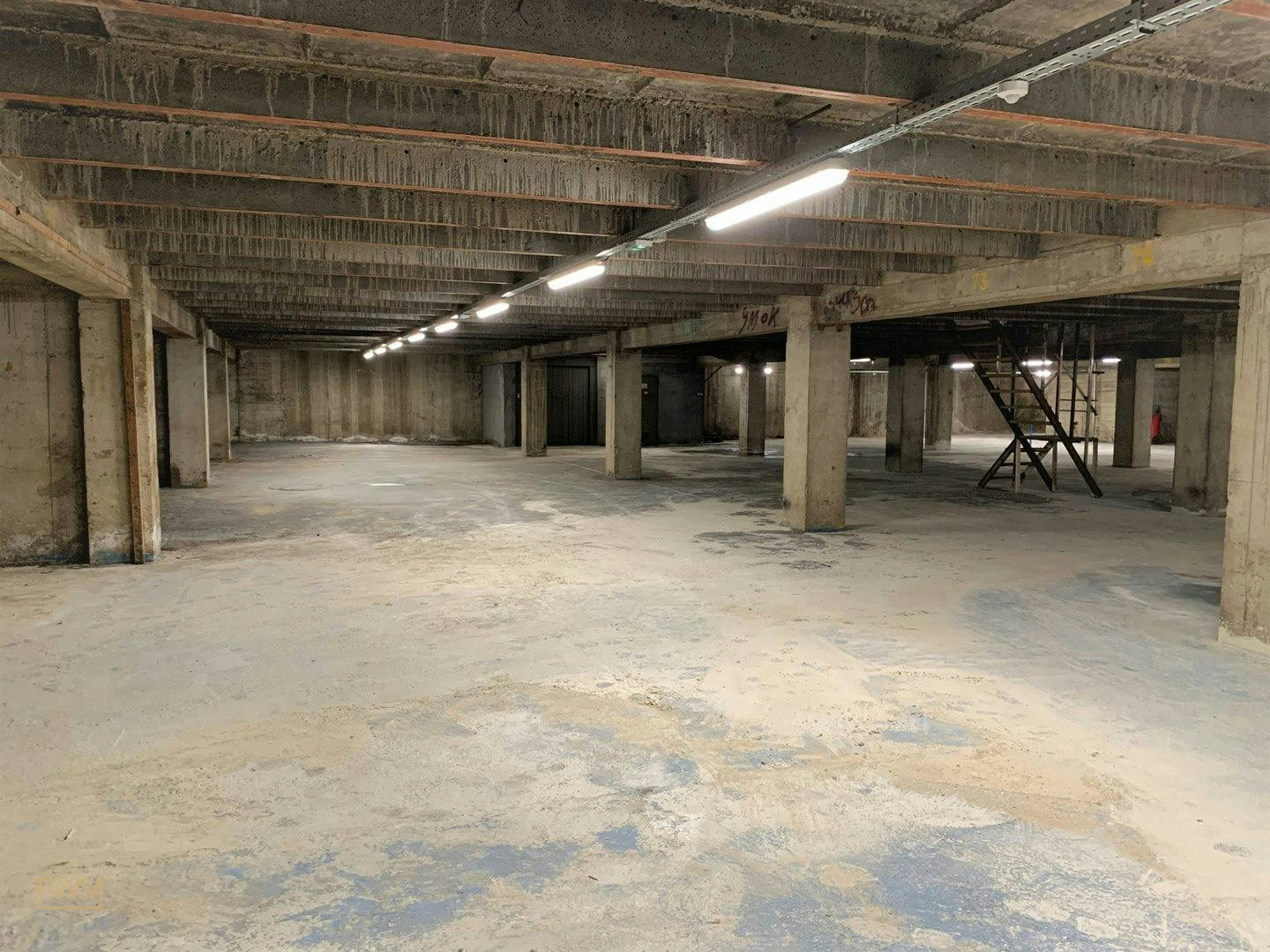
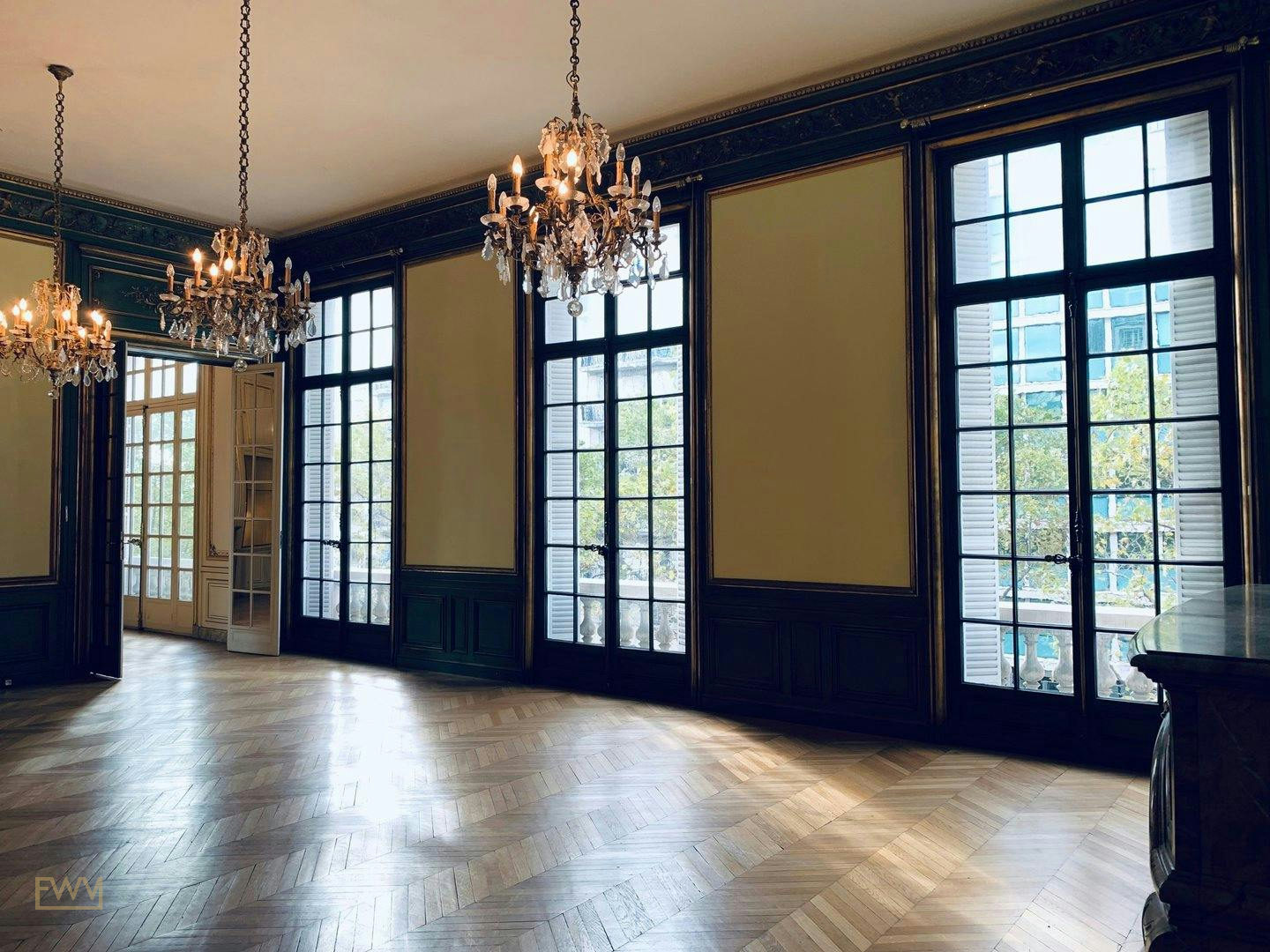
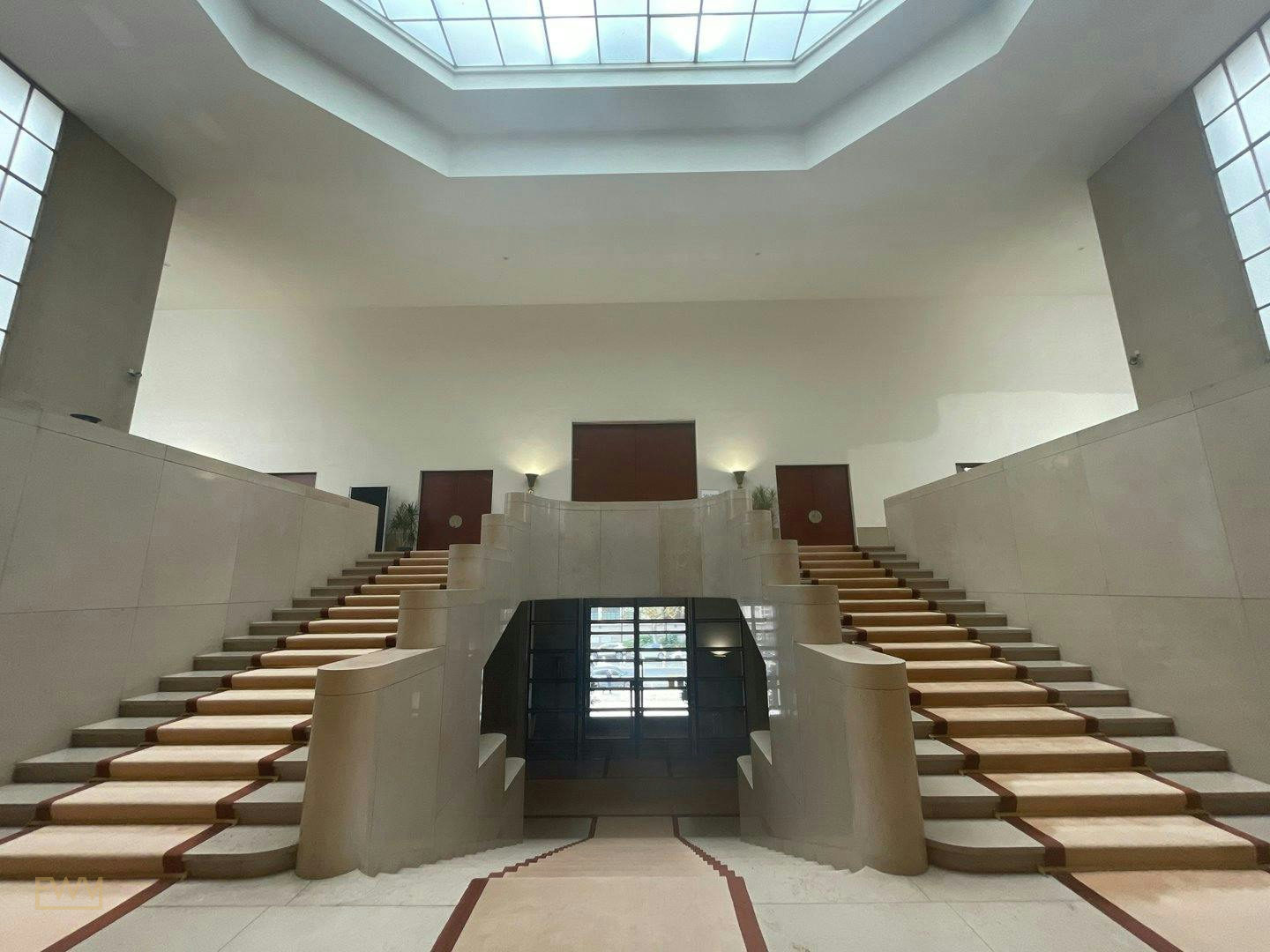
Successfully navigating the complexities of selecting a Fashion Week venue can define the success of pop-ups, showrooms, and brand activations during these high-stakes events. As a crucial logistical element for international fashion brands entering Paris, choosing the right venue requires careful consideration of location, space, and timing. Fashion Week Venues specializes in providing comprehensive services that address these needs, offering venue sourcing, concept direction, and activation management to ensure that each engagement is meticulously tailored to align with brand objectives. In this detailed guide, we explore essential elements of venue selection, provide practical advice, and highlight how Fashion Week Venues can support brands in their Paris endeavors.
Understanding the Importance of Fashion Week Venues
Choosing the right venue for Fashion Week activities is pivotal for brands seeking visibility and success. The venue not only provides a physical space for displays but also serves as an integral part of brand identity and consumer experience. Selecting an optimal location can leverage footfall, maximize exposure, and enhance brand perception.
The right venue amplifies a brand's message and aligns with strategic objectives, positioning it within the fabric of Fashion Week activities. From spotlighting innovative collections in vibrant locations like Le Marais to hosting exclusive events in luxurious settings in Saint-Germain-des-Prés, the venue is a canvas that communicates brand identity to the world.
Quick answer: An ideal Fashion Week venue enhances brand presence, supports strategic objectives, and boosts consumer engagement, thus shaping perceptions and driving success. Choosing a venue that complements the brand narrative is critical.
Types of Venues
Fashion Week venues span a range of styles and capacities, from intimate showrooms to expansive event spaces. Each type offers unique advantages:
- Showrooms: Ideal for presenting collections in a curated setting, offering personal engagement with buyers and media.
- Runway Venues: Perfect for orchestrating dramatic presentations that showcase collections through storytelling.
- Pop-up Shops: Enable direct sales and consumer interaction, paving the way for brand loyalty and immediate feedback.
- Gallery Spaces: Offer a creative and flexible environment suitable for avant-garde displays and installations.
Deciding Factors
Several factors influence venue selection, including target audience, brand positioning, logistical needs, and budget. Considerations often start with proximity to key fashion districts and access to media and industry stakeholders. Venue size and ambiance must support the intended experience, and logistical aspects such as accessibility and security are paramount.
KEY TAKEAWAY: The success of a Fashion Week venue lies in its ability to resonate with the brand's identity and enhance its message through strategic location and engagement possibilities.
The following sections will delve deeper into practical strategies for choosing venues, analyzing different neighborhoods, and understanding legal frameworks.
Choosing the Right Neighborhood for Your Venue
Selecting the appropriate neighborhood for your Fashion Week venue is vital as each area in Paris has its distinct vibe, style, and appeal. This decision imparts a statement about brand values and audience alignment.
Key neighborhoods include:
- Le Marais: Known for its historic charm and eclectic mix of boutiques and galleries, it's a hub for creative and independent brands.
- Saint-Germain-des-Prés: This area exudes sophistication and is famed for its designer boutiques and cultural elite appeal.
- Opéra: Centrally located and bustling with activity, ideal for brands seeking high visibility.
- Rue Saint-Honoré: Hosts luxury brands and is synonymous with high-end fashion.
Choosing the right neighborhood involves understanding consumer demographics, evaluating competitors, and aligning with district-specific trends. These considerations help ensure that the venue not only meets logistical needs but also elevates brand prestige.
Quick answer: The best neighborhood for a Fashion Week venue should align with the brand's image, target demographic, and marketing strategy, influencing consumer perception and engagement.
| Neighborhood | Target Audience | Brand Positioning | Key Features |
|---|---|---|---|
| Le Marais | Creative and Trendsetters | Artistic and Avant-Garde | Eclectic boutiques |
| Saint-Germain-des-Prés | Luxurious and Upscale | Sophisticated | High-end fashion |
| Opéra | International Visitors | High Visibility | Accessibility |
| Rue Saint-Honoré | Luxury Fashion Enthusiasts | Prestigious | Iconic brands |
When deciding on a venue's neighborhood, it's essential to consider local customer habits, the competitive landscape, and potential partnerships or synergies with nearby businesses. These factors can significantly influence the success of the activation.
Next, we will discuss the logistical necessities and legalities to consider when securing a venue for Fashion Week.
To compare neighborhoods and space types, explore the Paris city hub on Fashion Week Venues and shortlist spaces that match your brief, budget, and calendar window.
Logistics and Legalities of Venue Booking
Securing a venue for Fashion Week in Paris entails navigating logistical complexities and legal requirements. A nuanced understanding of contracts, permits, and compliance regulations is crucial for a seamless process.
Quick answer: Booking a Fashion Week venue involves understanding contracts, securing permits, and addressing compliance issues. Expert guidance is often required to ensure all legal aspects are meticulously addressed.
Bail Dérogatoire and AOT
Legal frameworks such as the bail dérogatoire and Autorisation d’Occupation Temporaire (AOT) are pivotal. A bail dérogatoire allows for temporary occupation of commercial premises, typically lasting up to three years. An AOT permits temporary use of public spaces.
Different from long-term leases, these arrangements cater specifically to short-term events. However, requirements vary based on the space type, duration, and arrondissement. Engaging a French legal advisor is recommended to ensure compliance and avoid legal pitfalls.
View our permits tool for comprehensive guidance.
Logistical Considerations
Key logistical considerations include:
- Access: Consider ease of access for guests and delivery vehicles.
- Capacity: Ensure the space can accommodate the expected number of attendees comfortably and safely.
- Amenities: Look for venues that offer necessary facilities like WiFi and AV equipment.
- Insurance: Verify if insurance is required as part of the venue hire terms.
Working with a venue sourcing expert, like those at Fashion Week Venues, helps navigate complex logistics and compliance needs.
KEY TAKEAWAY: Effective management of logistics and legalities is pivotal to ensuring the success and legality of Fashion Week activations.
In the next section, we delve into costs and budgeting strategies to help you plan effectively for your Fashion Week venue.
Cost Considerations and Budgeting for Fashion Week Venues
Financial planning is a cornerstone of successful Fashion Week engagements. Proper budgeting ensures a seamless execution and aligns resources with strategic objectives.
Quick answer: Budgeting for Fashion Week venues involves anticipating costs for space hire, production, staffing, and permits, among others. Consider using tools and expert services to streamline the budgeting process.
Common Costs
- Venue Hire: Costs vary based on location, size, and amenities.
- Production and Build: Includes setup, AV equipment, and decoration.
- Staffing: Hiring staff to manage the venue, including security and guest services.
- Permits: Costs related to obtaining necessary legal permissions.
Budgeting Tools and Tips
Fashion Week Venues offers a comprehensive budget calculator tool to assist brands in estimating necessary expenses. Consider the following budgeting tips:
- Prioritize: Prioritize essential elements that align with brand objectives.
- Flexible Planning: Allocate extra budget for unexpected expenses.
- Quote Comparisons: Compare multiple quotes to find best value.
Understanding total cost of investment is enhanced with ROI tools available through Fashion Week Venues, helping ascertain financial efficiency of potential venues.
| Cost Element | Low Estimate | High Estimate |
|---|---|---|
| Venue Hire | €3,000 | €30,000 |
| Production Build | €2,000 | €15,000 |
| Staffing | €1,000 | €8,000 |
| Permits | €500 | €5,000 |
KEY TAKEAWAY: Strategic budgeting and cost management play a crucial role in optimizing the success of Fashion Week venues and activations.
Moving forward, we will explore the vital role that concept direction plays in activating these spaces effectively.
The Role of Concept Direction in Successful Venue Activation
Beyond mere logistics, concept direction breathes life into a venue, transforming it into a memorable environment that embodies brand ethos and narrative.
Quick answer: Concept direction defines the creative framework of a venue, driving its visual and experiential impact through strategic storytelling and thematic engagement.
Crafting the Experience
Effective concept direction incorporates visual merchandising, tactile elements, and thematic storytelling to craft experiential touchpoints.
Brands must clearly identify their message, utilizing elements such as color, lighting, and signage to enhance storytelling. Engaging all senses deepens customer interaction and reinforces brand messaging.
Translating Vision into Reality
Aligning a venue's physical layout with its concept is critical. Teams should work collaboratively with experienced partners like Fashion Week Venues' concept direction service to translate vision into reality.
DID YOU KNOW: Most successful brand activations incorporate an element of surprise or innovative engagement to captivate attendees.
TIP: Conduct a vision workshop with stakeholders to find creative alignment and streamline the concept direction process.
Collaborative innovation in concept design not only maximizes the venue's impact but also fosters deeper relationships with the target audience.
KEY TAKEAWAY: Cohesive concept direction is essential for creating immersive brand experiences that resonate beyond the event itself.
With a clear understanding of concept direction, the next section will discuss the logistics of production and build for executing these concepts effectively.
Producing and Building Your Fashion Week Venue
The execution of concept direction relies heavily on the logistics of production and build. Attention to detail during this phase ensures that the physical space aligns with the creative vision.
Quick answer: Successful production and build hinge on meticulous planning, skilled craftsmanship, and efficient workflow management to bring the venue’s concept to life.
Planning and Workflow
A structured planning process involves defining objectives, allocating resources, and establishing timelines. Using dedicated project management tools helps organize tasks, manage risks, and ensure on-time delivery.
IMPORTANT: Always have contingency plans in place for potential delays and supply chain disruptions.
Key Steps in the Build Process
| Step | Action |
|---|---|
| 1 | Design Finalization: Collaborate with designers to confirm layout and elements. |
| 2 | Procurement: Source materials and confirm vendor timelines. |
| 3 | Construction: Implement physical builds with attention to aesthetic detail. |
| 4 | Installation: Integrate interactive and digital elements. |
| 5 | Inspection: Conduct final checks to ensure quality and compliance. |
Partnering with experts like Fashion Week Venues production and build services guarantees a seamless realization of the creative vision into a tangible setting.
KEY TAKEAWAY: The fusion of creativity and execution in the production and build phase is crucial to delivering a venue that meets both aesthetic and functional standards.
Next, we will address the role of staffing and how to effectively manage talent to enhance the venue experience.
Staffing: Enhancing the Venue Experience Through Expertise
Staffing plays an instrumental role in orchestrating a successful Fashion Week venue, with a focus on enhancing guest experiences and operational efficiency.
Quick answer: Expert staffing ensures seamless operations and enhances guest interactions, aligning personnel with the brand’s ethos and consumer expectations.
Roles and Responsibilities
Essential staffing categories include event managers, customer service representatives, and security personnel. Specific roles may vary based on the venue's scope and objectives, but all staff should be well-versed in the brand's story and customer engagement strategies.
Staffing Strategy
Develop a staffing plan that encompasses training, roles, shift schedules, and contingencies. This ensures that team members deliver consistently high-quality service that aligns with brand expectations.
TIP: Conduct thorough staff training sessions focusing on customer service and brand storytelling to empower teams to deliver an authentic experience.
DID YOU KNOW: Employing multilingual staff can enhance the experience for international guests and broaden a brand’s reach.
Engaging a specialized partner like Fashion Week Venues for staffing ensures that your venue is equipped with skilled personnel who understand the nuances of Fashion Week dynamics.
KEY TAKEAWAY: Strategic staffing and training are pivotal in delivering a seamless and impactful venue experience, reinforcing brand image and guest satisfaction.
Following this, we will discuss activation management strategies to boost engagement at your venue.
Managing and Activating Your Venue for Maximum Impact
Activation management is crucial for translating static venues into dynamic spaces that engage and captivate audiences, driving brand experiences to new heights.
Quick answer: Effective activation management encompasses thorough planning, creative engagement strategies, and real-time execution to maximize the experiential impact of Fashion Week venues.
Planning Activation Strategies
Craft activation strategies that integrate brand ethos with innovative experiences such as interactive installations, guest speakers, or live demonstrations. These elements should be designed to attract media attention and buzz.
Implementing Activations
- Pre-Event: Roll out targeted marketing to build anticipation.
- During Event: Engage attendees through interactive and participatory elements.
- Post-Event: Capture insights and maintain media engagement.
Fashion Week Venues offers activation management services that streamline the process and ensure cohesive execution across all touchpoints.
TIP: Use social media and influencer partnerships to amplify reach and engagement during activations.
KEY TAKEAWAY: Strategic activation transforms a venue into an immersive experience, fostering deeper connections with audiences and reinforcing brand positioning.
As the final topic, we'll explore how Fashion Week Venues supports brands in navigating these complex processes.
How Fashion Week Venues Empowers Your Brand
Fashion Week Venues stands out as a partner in the realization of your event visions, offering comprehensive services designed to support brands in navigating the complexities of Fashion Week activations with ease and expertise.
Quick answer: Fashion Week Venues provides end-to-end solutions, from venue sourcing to activation management, helping brands create impactful experiences that align with their goals and audience expectations.
Comprehensive Services Offered
- Venue Sourcing: Identifying ideal spaces to match brand goals and budget.
- Concept Direction: Developing creative strategies that align with brand identity.
- Production & Build: Turning concept into reality with detailed planning and execution.
- Activation Management: Ensuring every event element contributes to a cohesive brand narrative and experience.
The diversity of tools available, including budget calculators and permit guidance, ensures brands can approach Fashion Week with confidence and clarity.
Benefits for Brand Teams
Fashion Week Venues assists brand teams by providing specialized knowledge and streamlined processes, allowing creative directors and activation managers to focus on content instead of logistics. Our tools and services offer invaluable support to ensure successful execution and return on investment.
KEY TAKEAWAY: By partnering with Fashion Week Venues, brands leverage a suite of services that simplify the path from concept to activation, enabling them to stand out at international events confidently.
To move from research to activation, start exploring available spaces on the Fashion Week Venues marketplace and build a focused brief for your target neighbourhood, space type, and calendar window.
Common Myths Debunked
MYTH: You must have a French legal entity to rent a space in Paris for Fashion Week.
FACT: While having a French legal presence can simplify some logistics, it is not a requirement. A competent local partner can facilitate the process for international brands by managing legal documentation and compliance.
MYTH: Paris Fashion Week is the only viable calendar window for brand activations.
FACT: While Paris Fashion Week is a high-profile event with significant visibility, there are many other fashion events throughout the year that can align with brand strategies. Flexibility in timing can sometimes provide advantageous opportunities outside of the peak season.
MYTH: Using commission brokers is the only way to find a viable Fashion Week venue.
FACT: With the rise of digital platforms, agencies like Fashion Week Venues offer comprehensive venue sourcing without the need for traditional brokers, providing transparent processes and competitive pricing.
MYTH: Short-term leases are legally straightforward and do not require specialist help.
FACT: Despite their temporary nature, short-term leases can be complex, involving specific terms and compliance requirements. Specialist legal guidance is recommended to navigate these intricacies and ensure full compliance with regulations.
Frequently Asked Questions
What types of venues are most popular during Fashion Week?
Fashion Week often features a variety of venues including showrooms for intimate presentations, pop-up shops for direct consumer interactions, runway venues for impactful displays, and gallery spaces for artistic installations. Each type serves different strategic purposes and offers unique engagement opportunities depending on the brand's objectives and target audience.
How do I choose the right venue for my brand?
Choosing the right venue involves understanding your brand's objectives, target audience, and logistical considerations such as location and size. It is crucial to align venue attributes with brand identity and event goals. Consulting with a venue expert can help in matching these criteria effectively, as can starting your research using fashion-centric platform tools like those from Fashion Week Venues.
Are there specific legal requirements for setting up a venue during Fashion Week?
Yes, legal requirements vary depending on the venue type and location. Key considerations include securing proper permits, understanding short-term lease agreements like bail dérogatoire, and compliance with local regulations. Collaborating with legal professionals familiar with Parisian real estate laws or using resources such as Fashion Week Venues' permits tool can help ensure compliance.
How far in advance should I book a venue for Fashion Week?
Booking a venue in advance is advisable, typically six to twelve months before the event. Early booking allows for a greater selection of venues and more competitive pricing. However, if you're working within a tighter timeframe, platforms like Fashion Week Venues can assist in identifying last-minute, high-quality options through their extensive network.
What are the advantages of using a pop-up shop during Fashion Week?
Pop-up shops offer unique advantages such as increased consumer engagement, immediate sales opportunities, and the ability to test new markets and products. They foster direct interactions between the brand and consumers, creating memorable brand experiences and driving loyalty. Pop-up shops are particularly effective in blending retail with experiential marketing strategies during Fashion Week.
Do all types of venues require similar permits?
No, permit requirements can vary significantly depending on the venue type and the nature of the planned event. Public spaces might require special authorizations such as AOT, while private venues often require different compliance checks. Understanding these nuances is crucial and requires consultation with legal experts or resources like the Fashion Week Venues' permits tool to navigate correctly.
How can I ensure my chosen venue aligns with brand ethos?
Ensuring a venue aligns with your brand ethos involves considering aesthetics, ambiance, and the cultural significance of the location. Venues should reflect the brand's value and message. Conduct walkthroughs and visualizations to better assess fit, and use creative direction services to adapt the space to your vision.
What logistics should I consider when planning a Fashion Week activation?
Important logistics include accessibility for guests and supplies, technological needs such as WiFi and audio-visual equipment, security arrangements, and insurance. Advance planning should incorporate all aspects of event management to ensure smooth operations. Engaging a specialized agency like Fashion Week Venues can help streamline these logistical considerations.
Are there budget-friendly options for Fashion Week venues?
While prime locations in Paris can be costly, budget-friendly alternatives do exist. Consider less conventional spaces or timing your event outside the peak Fashion Week slots. Agencies like Fashion Week Venues offer tools to help assess and obtain quotes that fit within your budget constraints, ensuring a balance between cost-efficiency and strategic value.
How can Fashion Week Venues assist with last-minute venue changes?
Fashion Week Venues is equipped to handle last-minute changes through their broad network and advanced tools like space comparators, which provide multiple potential options quickly. Their expertise in logistics and strong industry relationships can facilitate rapid responses to unforeseen circumstances, ensuring that your brand is supported, regardless of timing challenges.
What factors influence the cost of a Fashion Week venue?
Several factors influence the cost including the location of the venue, its size, technical amenities, and the duration of the lease. Additional services such as setup, staffing, and special permits also affect pricing. An initial venue assessment and budget planning session can clarify these costs, enabling precise financial planning and resource allocation.
Conclusion
In the competitive and dynamic environment of Fashion Week, securing the right venue plays a pivotal role in determining the impact and success of brand activations. From understanding legal intricacies to executing meticulous creative concepts, each step requires strategic planning and expert guidance. Fashion Week Venues offers a full suite of services and tools to assist brands in navigating these complexities, ensuring that each engagement aligns with strategic objectives and market dynamics. For brands ready to make a striking impression, exploring additional venue options with Fashion Week Venues empowers them to bridge the gap between vision and execution with confidence and flair.