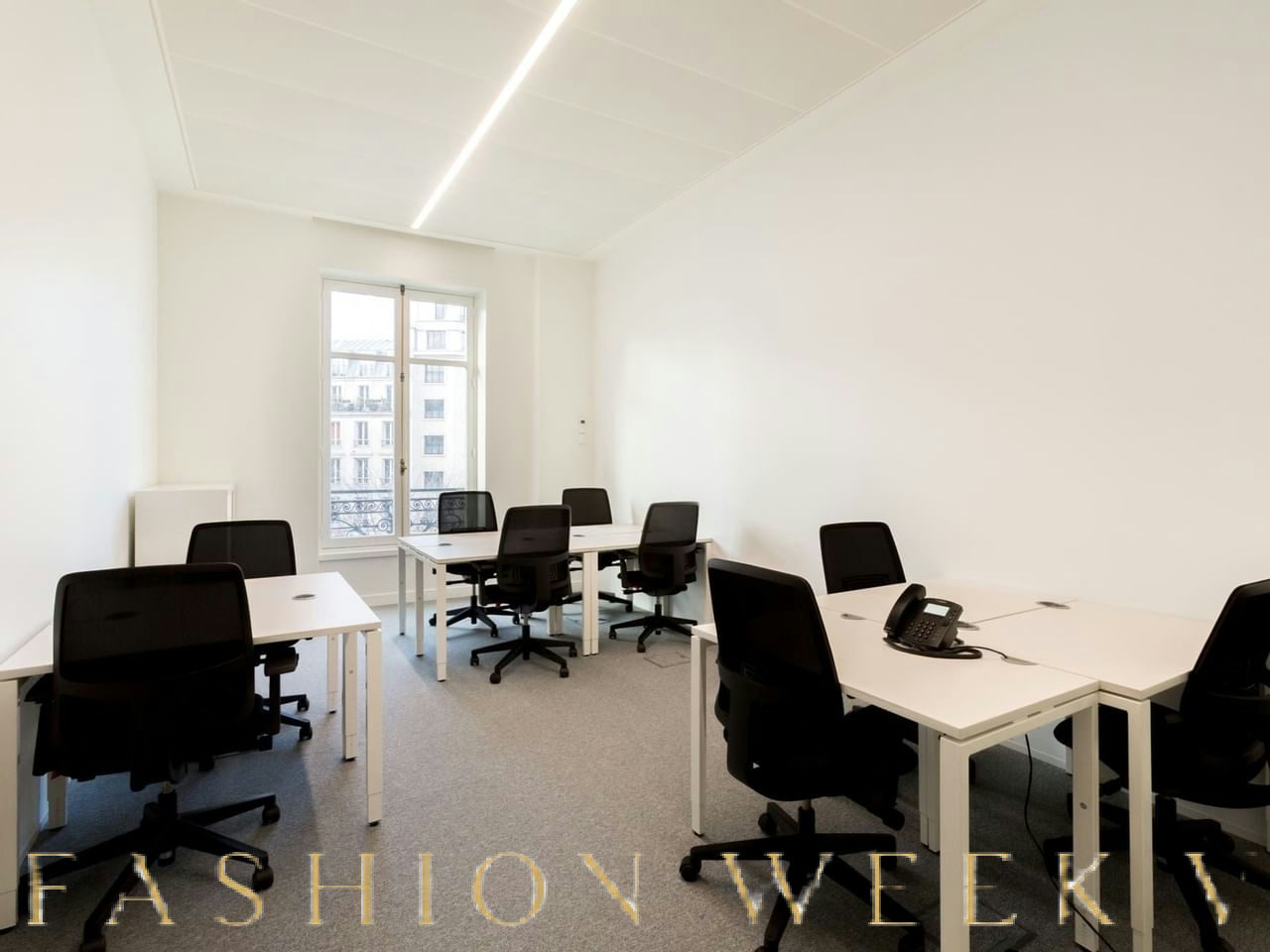
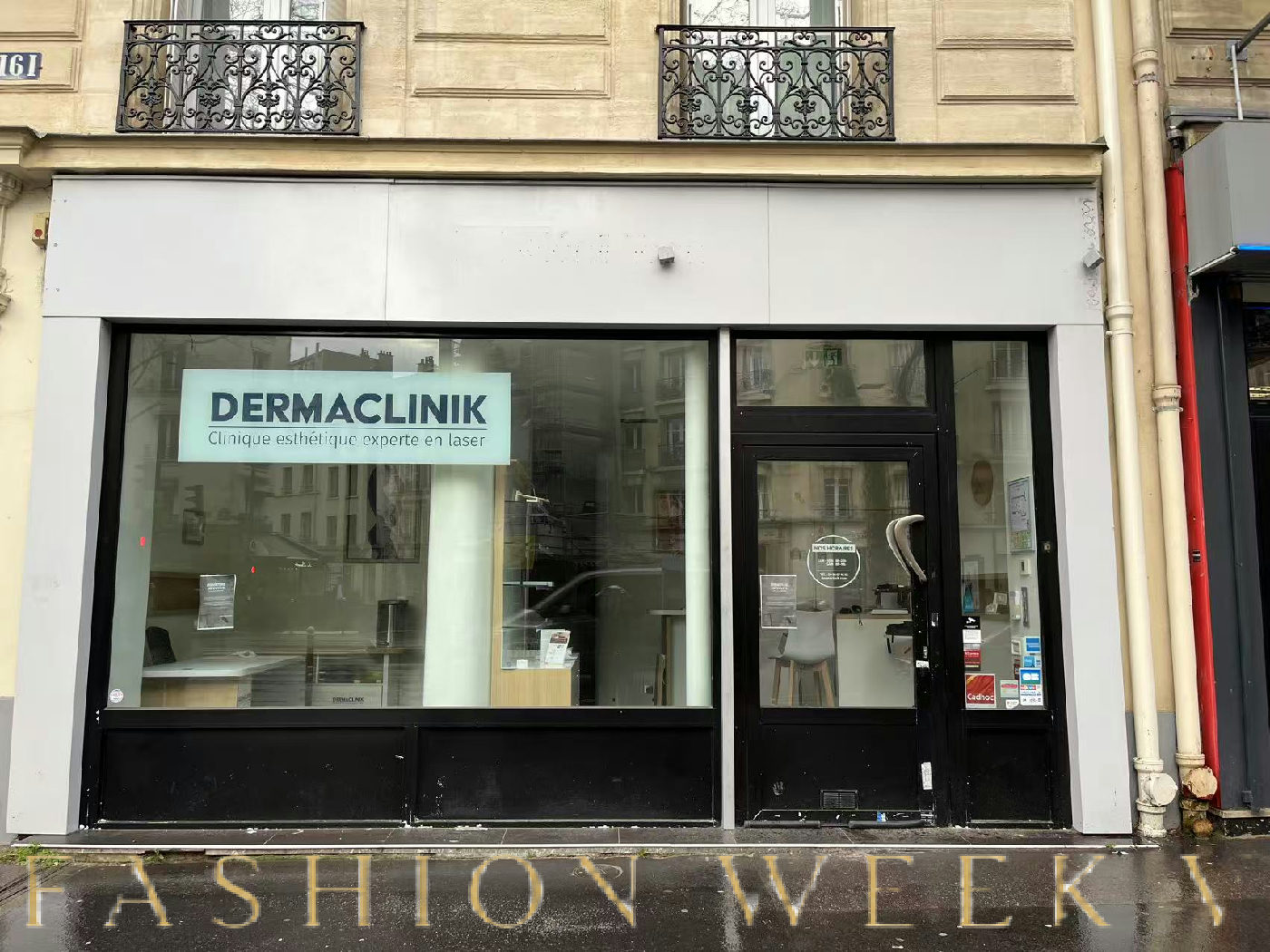
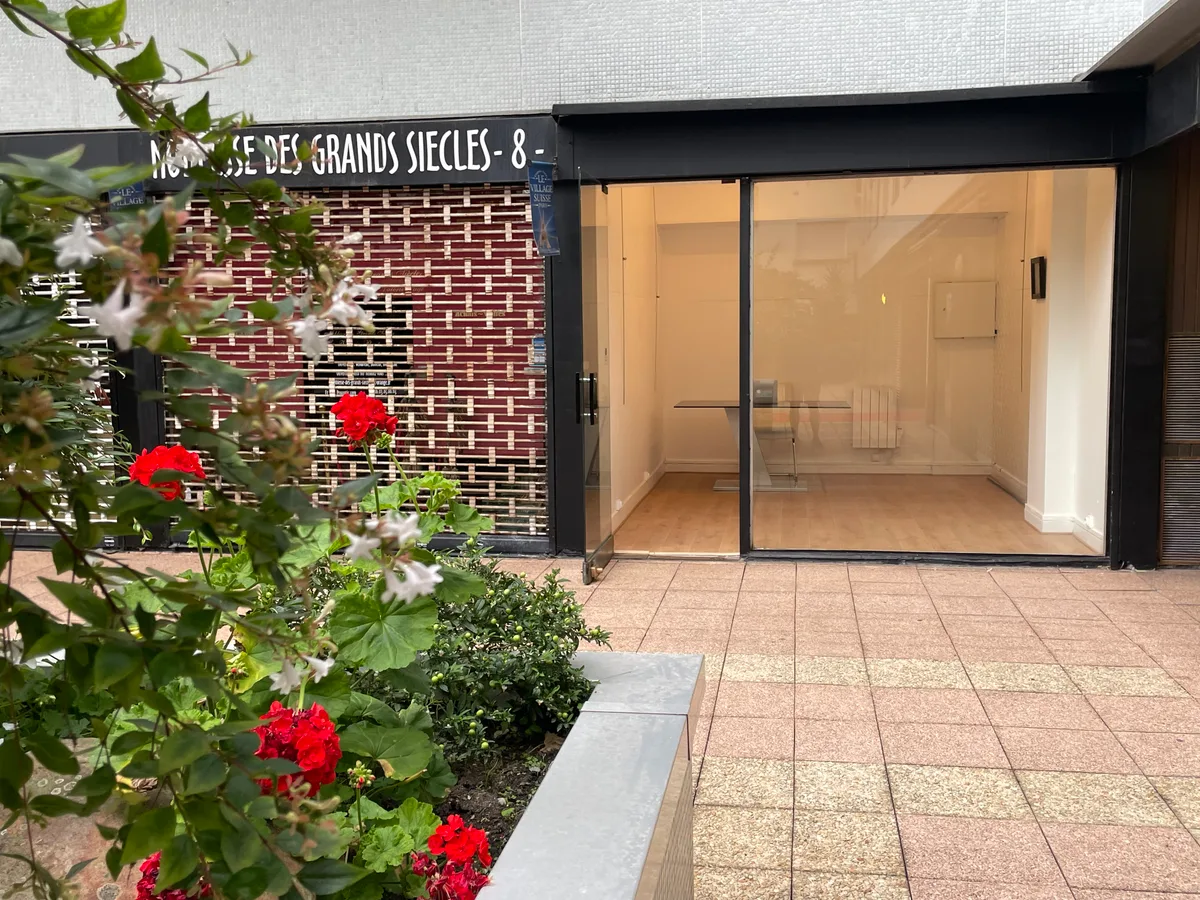
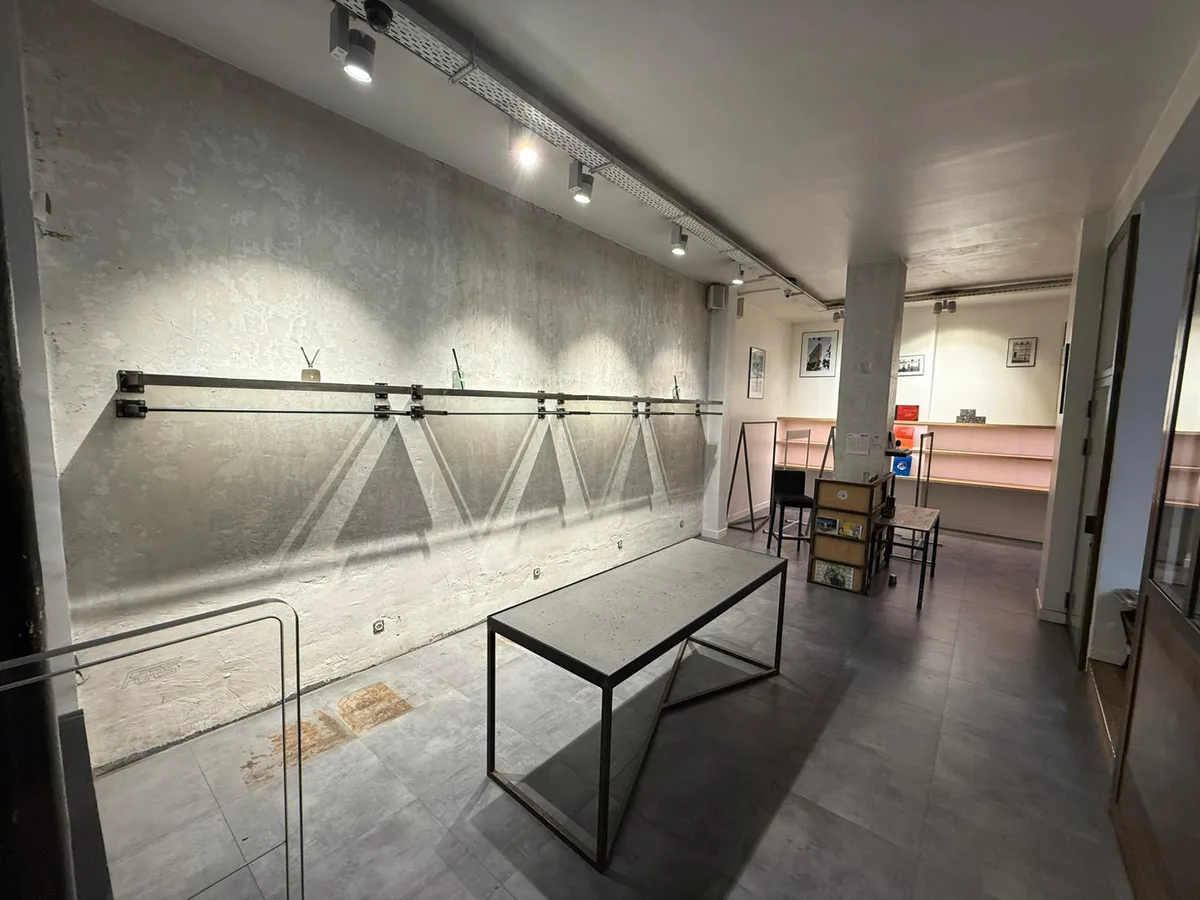
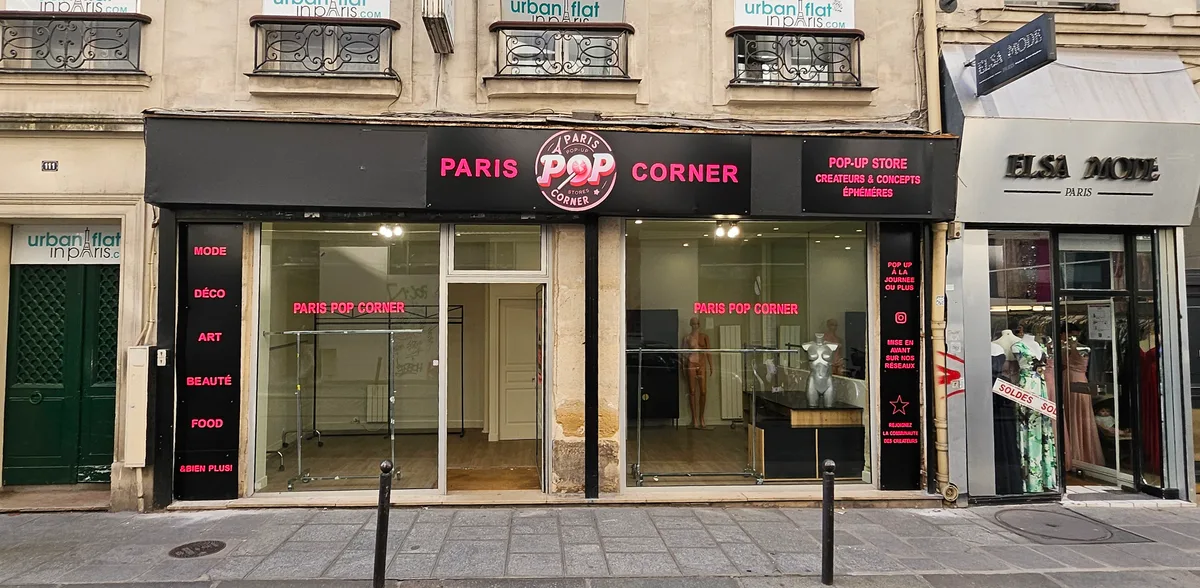
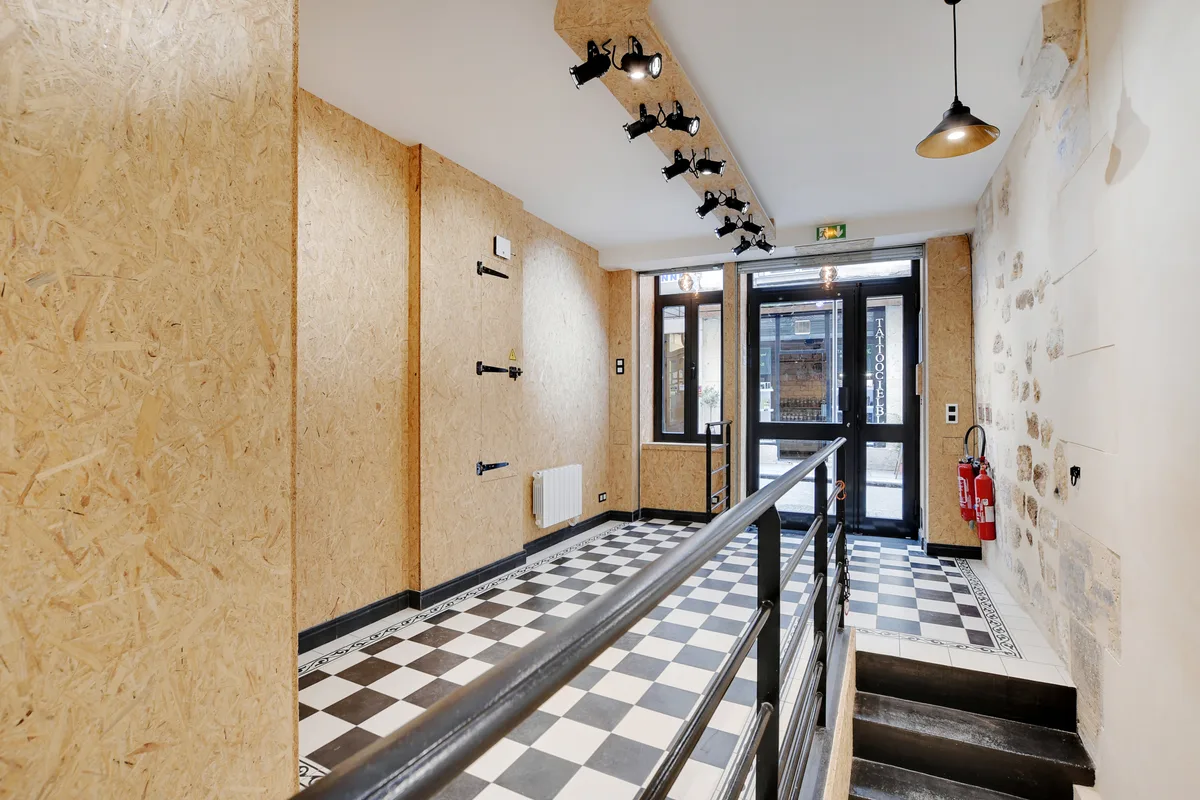
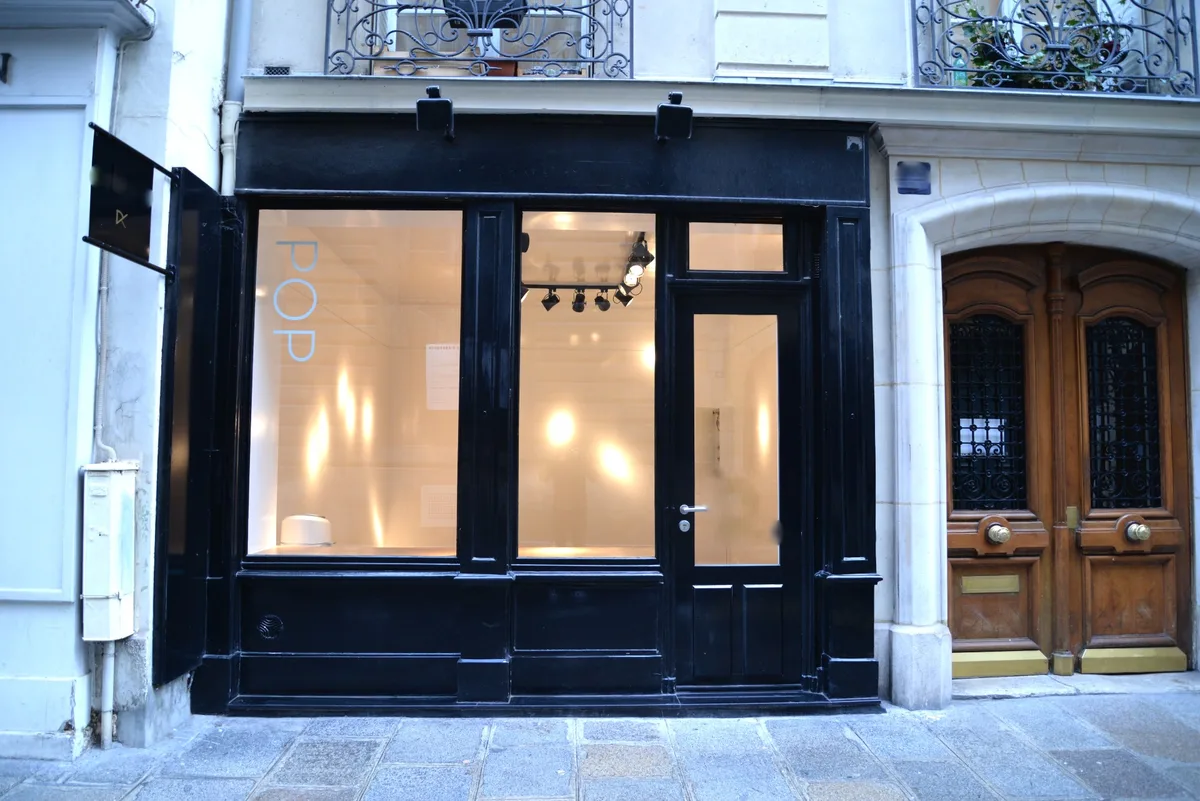
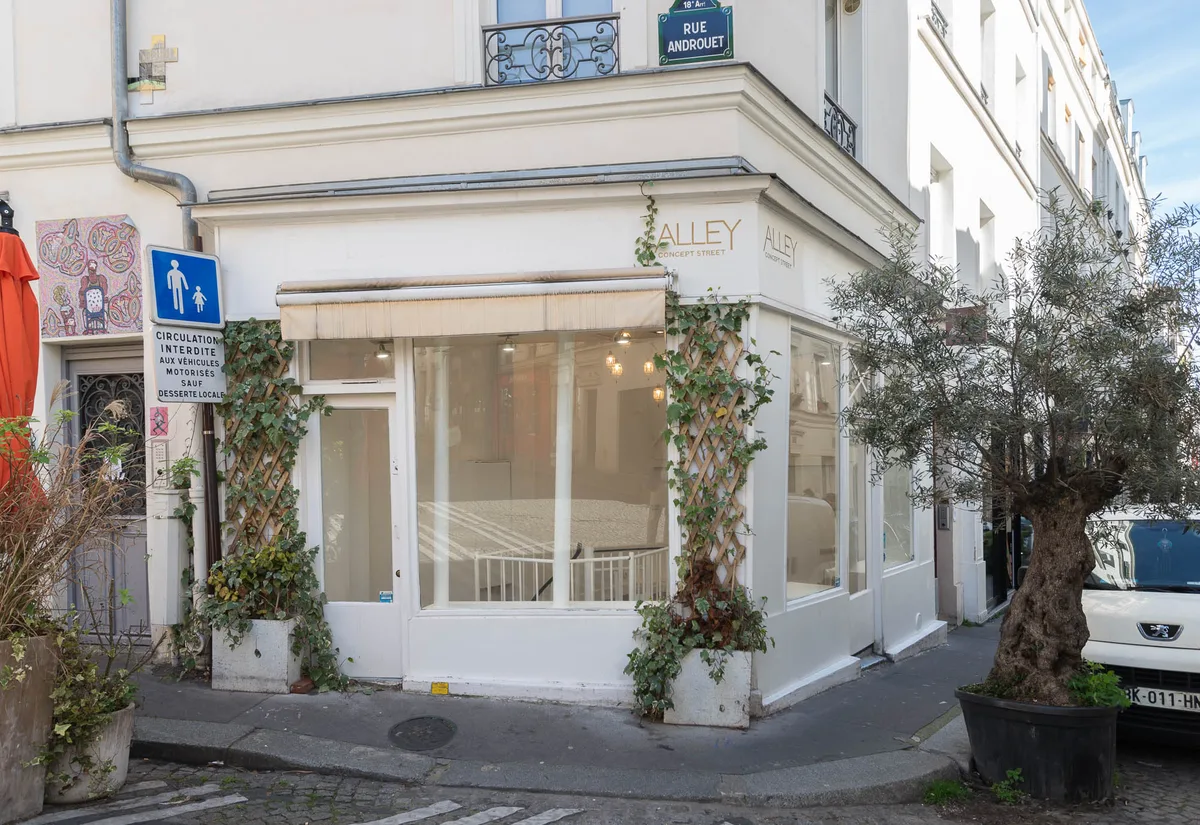
The allure of fashion week venues in major fashion capitals like Paris is undeniable for brands seeking to make impactful impressions. These venues set the stage for brand activation, blending creative direction and cutting-edge design to captivate audiences. Fashion Week Venues offers a comprehensive suite of services to aid brands, from venue sourcing to activation management. As a full-service pop-up shop agency, it ensures brands maximize their presence during pivotal fashion events. Understanding the landscape of fashion week venues is crucial for strategic brand activations. This guide explores essential considerations, from venue selection to compliance, providing valuable insights for brands looking to flourish in Paris and beyond.
Understanding Fashion Week Venues
Fashion Week venues are specialized spaces that play a pivotal role in brand activation strategies during major fashion events. They are not just spaces for showcasing collections but are instrumental in creating memorable brand experiences that resonate with audiences. The right venue can bridge the gap between a brand's vision and the consumer's perception.
Quick answer: Fashion Week venues serve as the ultimate platform for brands to engage with industry professionals, influencers, and potential buyers, providing a unique setting that enhances brand storytelling and consumer interaction.
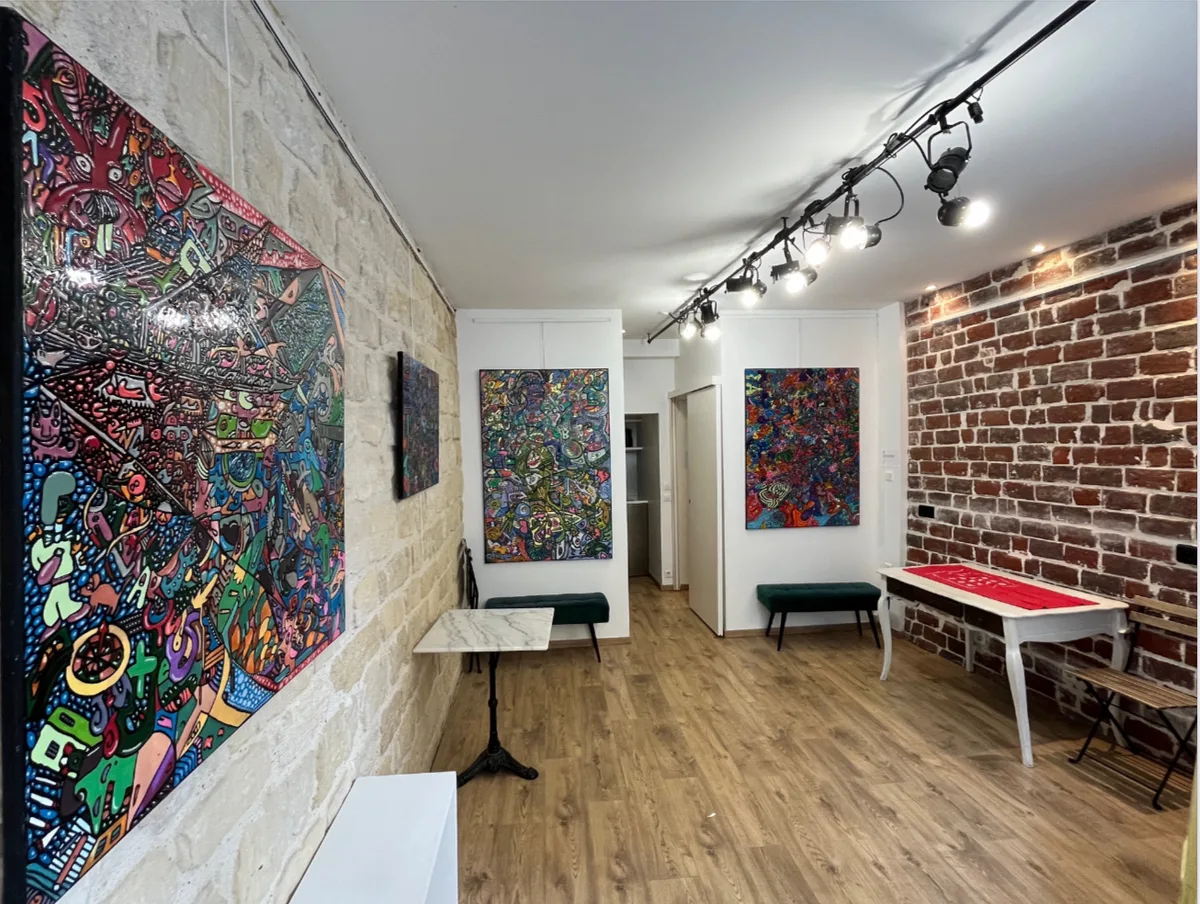
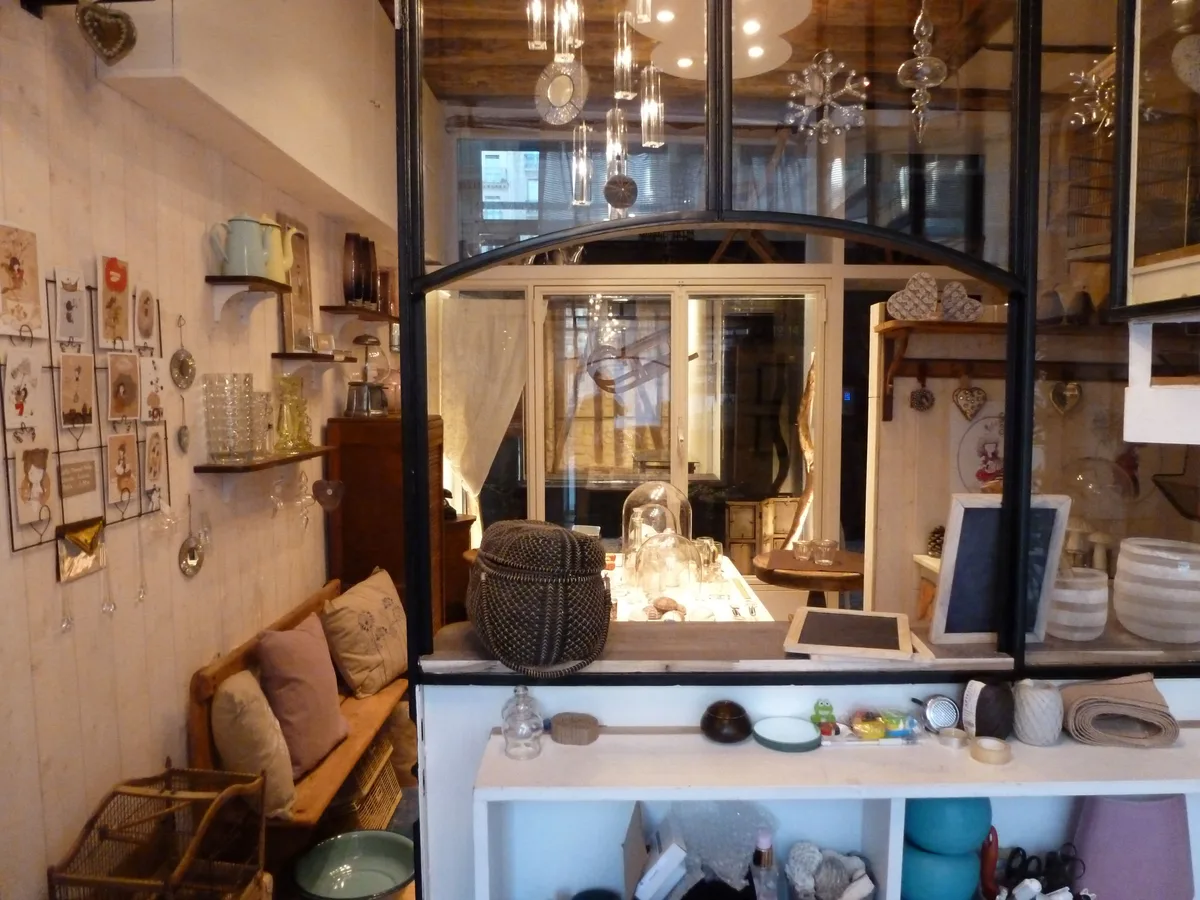
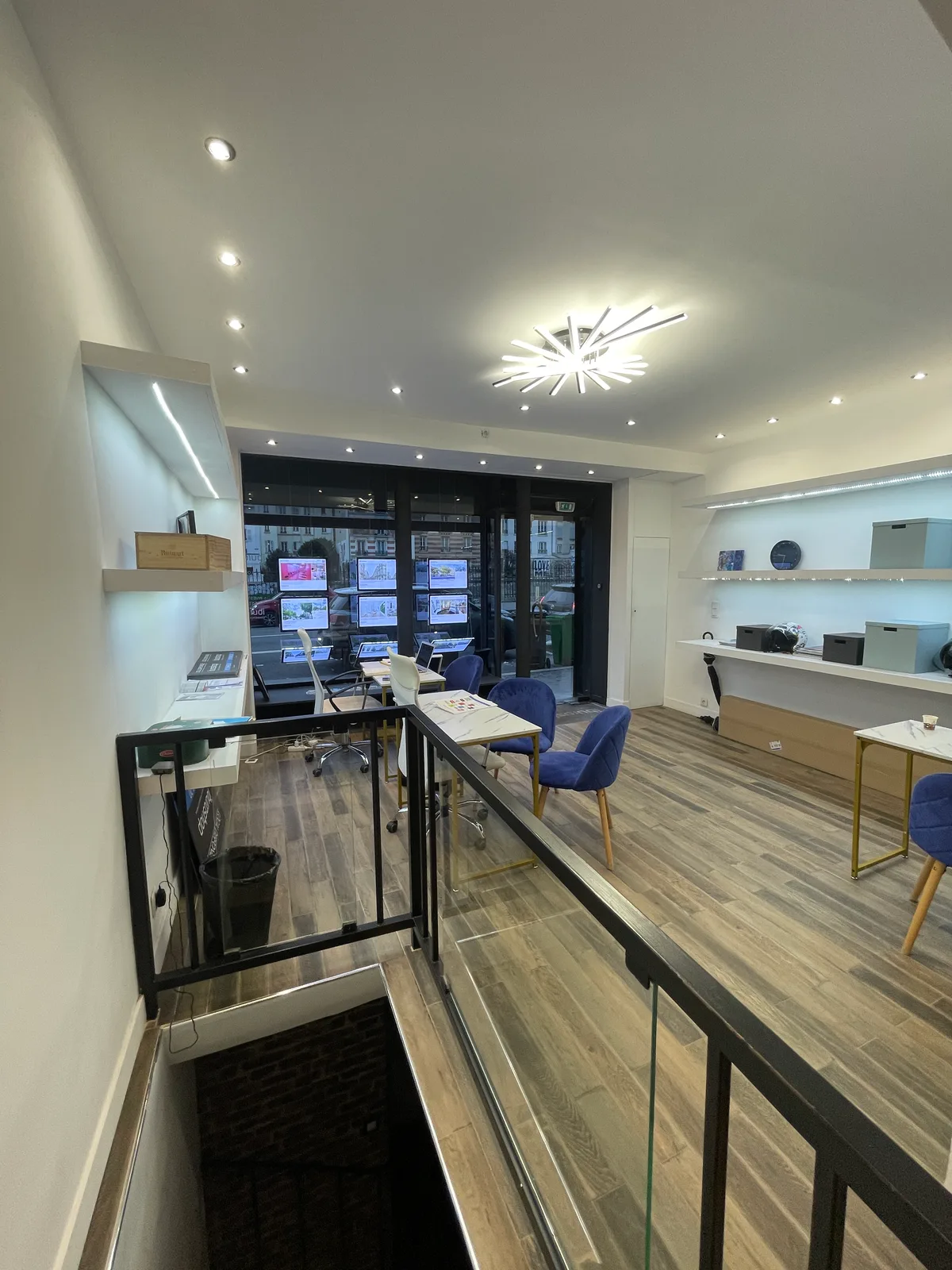
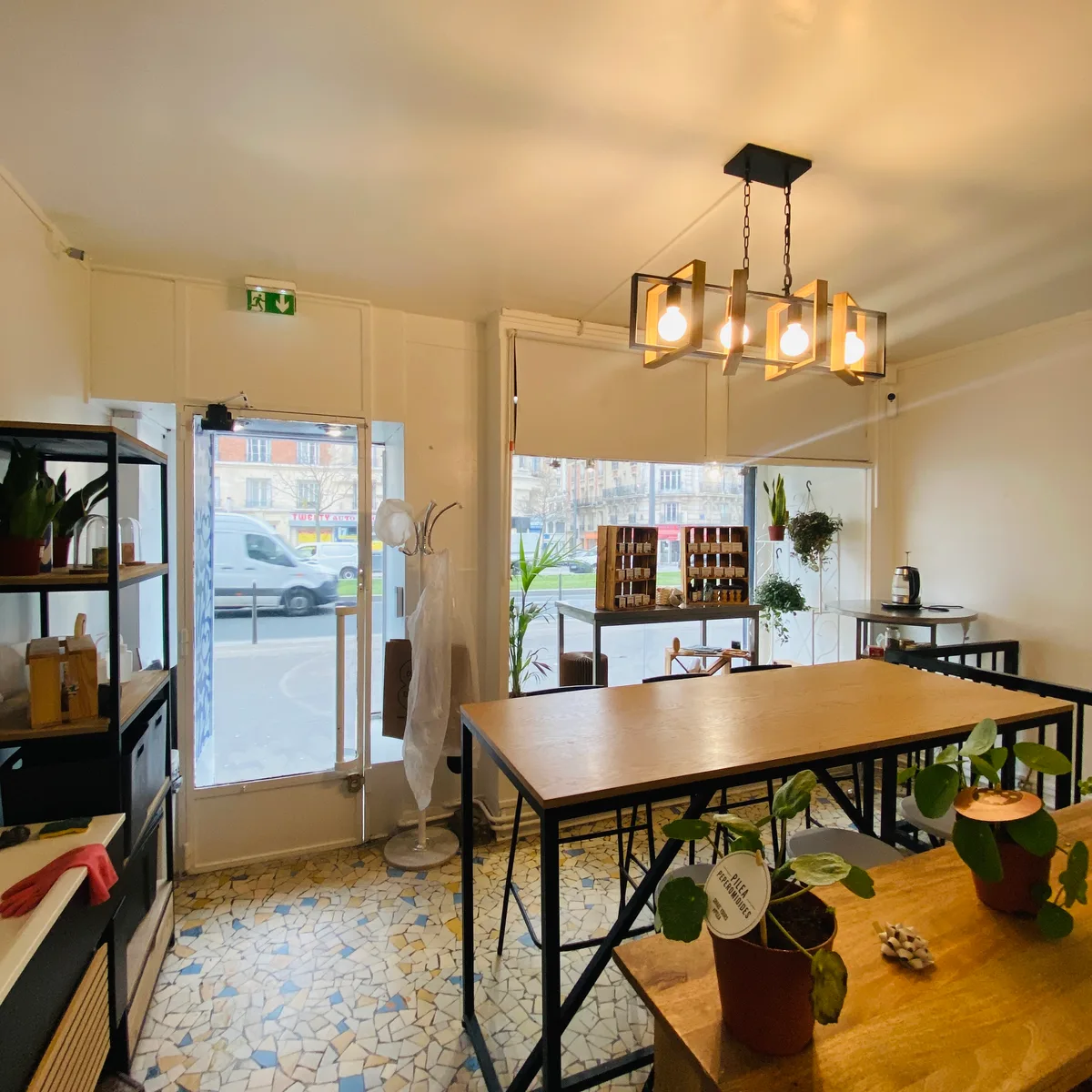
These venues vary from grand showrooms and elaborate pop-up shops to more intimate settings like concept stores and private galleries. The choice of venue depends on the brand's objectives, target audience, and budget. Key factors include location, capacity, aesthetics, and technological infrastructure.
A well-chosen Fashion Week venue aligns with the brand's identity and amplifies its message. For instance, a luxury brand may opt for a historic venue in Le Marais, known for its chic ambiance and high foot traffic, whereas an emerging designer might choose a contemporary space in Canal Saint-Martin to attract a younger, art-driven audience.
DID YOU KNOW: Paris Fashion Week alone accounts for over 300 events, each requiring meticulous planning and venue selection to stand out in a crowded calendar.
For brands, selecting the ideal venue requires not only an understanding of the physical space but also the logistical dynamics of setup, audience flow, and technological needs. This includes assessing the venue's ability to handle high-speed internet, audio-visual requirements, and other tech integrations necessary for modern fashion shows.
KEY TAKEAWAY: Choosing the right Fashion Week venue involves strategic alignment with brand goals, audience expectations, and logistical capabilities, making it pivotal for successful brand activations.
To delve further into available options, brands can explore the Fashion Week Venues marketplace, which offers a diverse range of spaces to meet varying needs and objectives.
Key Steps in Planning a Fashion Week Event
Planning a successful Fashion Week event involves several critical steps, each requiring careful consideration and strategic alignment. From initial concept development to execution, every stage shapes the final output and determines the event's success.
The first step is defining clear objectives. Whether launching a new collection, building brand awareness, or engaging with key industry players, knowing the event's purpose guides all subsequent decisions.
Quick answer: Establishing event objectives is foundational in guiding the scope and scale of your event, influencing venue choice, production needs, and marketing strategy.
Once objectives are established, the next phase involves selecting a suitable venue. This choice should reflect the brand's identity and objectives while accommodating logistical needs such as capacity, accessibility, and technological infrastructure. The Venue Sourcing service by Fashion Week Venues can streamline this process, offering tailored options that align with specific brand requirements.
Following venue selection, brands must focus on concept and creative direction, which involves designing an engaging and memorable experience that aligns with the brand's narrative. Services like concept direction can provide invaluable insights and creativity.
The production and build phase is where concepts come to life. This involves everything from set construction to lighting and sound setup, which are crucial for creating the desired ambiance and ensuring seamless execution. The Production and Build service offers end-to-end solutions for these needs.
TIP: Begin planning at least 12 months in advance to secure premier venues and accommodate any unexpected changes or challenges.
Marketing and PR strategies are vital to generate buzz and attract the right audience. Leveraging influencers and media partnerships can amplify reach and impact. Additionally, consider how social media can be integrated into the event strategy for real-time engagement.
Finally, post-event analysis is essential. This involves evaluating metrics such as attendance numbers, consumer engagement, and media coverage to measure the event's success against its objectives. Utilizing the ROI calculation tool can provide quantitative insights into the event's performance.
KEY TAKEAWAY: Successful Fashion Week events rely on a systematic approach, from initial planning to post-event analysis, ensuring every detail aligns with brand objectives and audience expectations.
Each of these steps interconnects, contributing to the overall success of the event and reinforcing the brand's position within the competitive landscape of Fashion Week.
Space Types and Their Unique Attributes
The choice of a venue during Fashion Week is influenced by the type of space, each offering distinct advantages and challenges. Understanding these can guide brands in selecting the perfect setting for their activations.
Space selection largely hinges on the brand's goals, whether showcasing a collection, hosting an experiential marketing event, or launching a new product line.
Quick answer: Fashion Week spaces range from luxurious hotels and gallant showrooms to innovative pop-up spaces, each offering unique settings for brand narratives and consumer engagement.
Here's a breakdown of key space types and their attributes:
| Space Type | Typical Use | Advantages | Considerations |
|---|---|---|---|
| Showroom | Collection display | Professional setting, customizable | High cost, requires permits |
| Pop-up Shop | Product launch | Flexibility, high foot traffic | Short-term leasing, setup time |
| Gallery | Art and fashion crossover | Unique aesthetic, creative layout | Limited capacity, restricted modifications |
| Hotel Event Space | Exclusive launches | Prestige, existing amenities | Availability, high cost |
Showrooms offer a professional environment ideal for collections or brand showrooms. They provide a stable, consistent setting that can be tailored to the brand's aesthetic. However, they often come with higher costs and require longer-term commitments and permits such as bail dérogatoire or AOT. Brands should refer to the Permits tool for guidance on compliance.
Pop-up shops, on the other hand, offer flexibility and the opportunity to engage a transient audience. They can be set up quickly and accommodate various styles, making them suitable for brands seeking immediate impact. Due to their short-term nature, they often have lower lease commitments but require skilled logistics and effective staffing, which can be supported through Retail Staffing services.
Galleries are often selected for their artistic ambiance, which complements brands looking to merge art with fashion. These spaces often have creative layouts but may limit modifications, making them less adaptable than other options.
Hotel event spaces are perfect for lavish, exclusive events, often offering prestige and in-built amenities such as catering and security. Their availability and cost can be challenges, necessitating early booking and budgeting considerations.
KEY TAKEAWAY: The type of space chosen for Fashion Week activations should align with the brand's strategy, resources, and audience to deliver impactful, memorable experiences.
By selecting the right venue, brands can effectively convey their identity and engage their target audience, ensuring a successful Fashion Week presence.
Paris: The Epicenter of Fashion Week
Paris serves as the epicenter for Fashion Week's luxury and innovation, delivering a prestigious platform for fashion brands worldwide. The city's rich history and vibrant fashion culture make it an ideal location for brand activations.
Paris's distinct neighborhoods like Le Marais, Saint-Germain-des-Prés, and Opéra provide varied settings that cater to different brand narratives. Le Marais is known for its eclectic mix of high-end boutiques and art galleries, ideal for avant-garde and luxury brands. Saint-Germain-des-Prés offers a sophisticated blend of culture and fashion, making it suitable for brands with a classic yet innovative approach.
Quick answer: Paris Fashion Week is pivotal due to its reputation for luxury and creativity, offering unique settings like Le Marais and Opéra that enhance brand storytelling and consumer engagement.
Opéra, with its historic charm and upscale retail spaces, serves as a draw for established brands. The presence of iconic landmarks like Galeries Lafayette adds to the locale's appeal. This diversity of environments ensures that there is a perfect setting for every brand objective, whether it be launching a new line or hosting an experiential event.
The regulatory framework in Paris requires brands to be cognizant of local permits like bail dérogatoire and AOT, especially when choosing unique locations such as art galleries or historical buildings. Consulting with legal advisors and utilizing resources like the Permits tool can help navigate these complexities.
For brands eyeing international expansion, Paris offers an invaluable stage with its high foot traffic and media visibility during Fashion Week. The cultural influence and logistical infrastructure make it an attractive location for brands aiming to elevate their presence on a global scale.
Comparative Table of Paris Neighborhoods for Fashion Week:
| Neighborhood | Character | Best For | Challenges |
|---|---|---|---|
| Le Marais | Eclectic, Artistic | Avant-garde brands | Pricing, Availability |
| Saint-Germain-des-Prés | Cultural, Historical | Classic, Innovative brands | Permits, Accessibility |
| Opéra | Historic, Upscale | Luxury, Established brands | Visibility, Cost |
Planning an event in Paris requires navigating both the cultural nuances and the logistical landscape unique to this vibrant city. For brands new to the Paris scene, collaborating with local experts like Fashion Week Venues can facilitate smoother operations and more effective activations.
KEY TAKEAWAY: Paris's influential neighborhoods offer distinct advantages for fashion brands seeking to leverage the city's prestige and visibility during Fashion Week, provided they effectively manage logistical and regulatory considerations.
Leveraging Paris's unique venues and cultural appeal can significantly enhance a brand's impact during Fashion Week, making it a vital part of any global marketing strategy.
How Fashion Week Venues Helps Brands
Fashion Week Venues plays a crucial role in assisting brands to navigate the complex landscape of Fashion Week spaces, providing a comprehensive array of services designed to streamline the planning and execution process.
With services spanning from venue sourcing to activation management, Fashion Week Venues bridges the gap between concept and execution, ensuring each campaign aligns with the brand's strategic goals. Their expertise in concept direction and fit-out and production minimizes the stress of event planning by offering end-to-end solutions tailored to each brand's needs.
Quick answer: Fashion Week Venues is a full-service agency that supports brand activations through comprehensive solutions, from venue selection to execution, ensuring alignment with strategic brand goals.
Their marketplace offers a diverse selection of spaces, enabling brands to find settings that perfectly capture their vision and brand narrative. The use of state-of-the-art tools like the budget calculator and ROI calculator provides brands with financial clarity and measurable insights into event performance.
Fashion Week Venues leverages its extensive network to facilitate necessary permits, provide retail staffing, and integrate influencer marketing strategies, enhancing the reach and effectiveness of each activation.
TIP: Utilize the venue compatibility features and comparison tools provided by Fashion Week Venues to refine event planning processes and optimize resource allocation.
Key advantages of engaging with Fashion Week Venues include reduced operational overhead, amplified brand messaging, and expert-driven decision-making processes tailored to the unique demands of Fashion Week environments.
While Fashion Week Venues offers expansive services and support, it is essential for brands to come with clear objectives and flexible strategies to maximize the benefits of their expertise and tools.
KEY TAKEAWAY: Partnering with Fashion Week Venues empowers brands to leverage expert knowledge and tools to navigate Fashion Week events effectively, ensuring streamlined processes and impactful outcomes.
Understanding these services and effectively integrating them into strategic planning allows brands to maximize their return on investment and strengthen their market positioning during Fashion Week.
Regulatory Framework and Legal Considerations
Operating within the Parisian fashion scene requires compliance with a specific regulatory framework, making legal considerations an integral part of planning Fashion Week events. Understanding the bail dérogatoire and AOT permissions is essential for occupying non-commercial spaces or public property.
Bail dérogatoire allows temporary occupation of spaces under flexible terms, essential for the transient nature of Fashion Week events. Conversely, AOT (Autorisation d’Occupation Temporaire) permits the temporary use of public property, crucial for street events or utilizing unique urban settings.
Quick answer: Navigating Paris's regulatory landscape for Fashion Week venues involves obtaining bail dérogatoire and AOT permits, critical for legal compliance and operational success.
The complexity of these permits varies depending on the type of venue, duration of occupancy, and the specific arrondissement. It's advisable to consult with French legal advisors and use resources like the Permits tool by Fashion Week Venues to ensure compliance.
Ensuring compliance with these regulations is not straightforward and involves multiple administrative steps. Missing any critical element might result in last-minute cancellations or legal issues, impacting brand reputation and event outcome.
IMPORTANT: Permit requirements and legal frameworks can vary significantly—always verify specifics with a local legal advisor to ensure all requirements are met.
Other regulations include safety compliance, particularly when it comes to ERPs (Établissements Recevant du Public), which address the safety and accessibility standards for public events. Ensuring all health and safety standards are complied with is crucial for a smooth and successful event.
For international brands, aligning these regulatory aspects with corporate compliance requirements necessitates a structured approach, facilitated by the specialized guidance and support offered by agencies like Fashion Week Venues.
KEY TAKEAWAY: Legal and regulatory compliance are critical in Paris Fashion Week planning, necessitating proactive management and expert consultation to avoid disruptions and ensure smooth execution.
Successfully navigating these regulatory waters not only prevents potential pitfalls but also enhances the credibility and professionalism of the brand within the competitive environment of Paris Fashion Week.
Timeline and Planning Strategies
Effective planning and strategic timelines are crucial for a successful Fashion Week event. Setting a detailed timeline ensures all elements come together seamlessly, aligning each component with the overarching brand strategy.
Initiating the planning process at least 12 to 18 months before Fashion Week is advisable. This anticipation phase is crucial for securing preferred venues and aligning production schedules with design and marketing timelines.
Quick answer: Begin planning Fashion Week events 12-18 months in advance to secure prime venues, integrate strategic objectives, and accommodate potential obstacles or last-minute changes.
Creating a comprehensive timeline helps align the multiple facets of event planning, from initial concept development to post-event analysis. This involves allocating time for design, production, marketing, and logistics, ensuring each phase is methodically executed.
Here's a timeline planning table:
| Phase | Duration | Activities |
|---|---|---|
| 1. Concept & Goals | 2-3 Months | Define objectives, initial creative brainstorming |
| 2. Venue & Permits | 3-4 Months | Venue scouting, obtain permits, secure contracts |
| 3. Design & Production | 3-5 Months | Set design, production planning, logistics |
| 4. Marketing & PR | 1-2 Months | Influencer outreach, media partnership, social media strategy |
| 5. Execution & Launch | 1 Month | Final walkthroughs, staff training, live launch |
| 6. Post-Event Evaluation | 1-2 Months | ROI analysis, survey responses, strategic debrief |
Adhering to a structured schedule mitigates risks associated with last-minute changes and ensures that all elements of the event adhere to the brand's high standards.
TIP: Regularly review and adjust timelines to reflect real-time developments and unforeseen challenges, maintaining flexibility combined with strategic foresight.
By leveraging tools like the Timeline Planning tool from Fashion Week Venues, brands can optimize their event preparation, track progress, and ensure all deadlines meet critical strategic objectives.
KEY TAKEAWAY: A well-structured timeline is essential for effective Fashion Week planning, enabling brands to seamlessly integrate creative, logistical, and strategic elements into a cohesive and successful event.
Integrating timeline strategies into planning processes not only enhances organizational efficiency but also ensures that brand activations during Fashion Week deliver sustained impact and success.
Cost Considerations and Budget Management
Managing the costs associated with Fashion Week events is critical to achieving a successful and sustainable activation. Budget considerations encompass everything from venue hire and production costs to staffing and marketing expenses.
The first step in effective budget management is understanding the scope of the project. Clearly defining what the event hopes to achieve helps outline necessary resources and allocates funds appropriately, avoiding unnecessary overspending.
Quick answer: Budgeting for Fashion Week involves planning for venue, production, staffing, and marketing costs, ensuring resources align with strategic objectives and deliver maximum ROI.
Here's a cost planning table to help guide budget allocation:
| Expense Category | Typical Percentage of Budget | Considerations |
|---|---|---|
| Venue | 30-40% | Location, amenities, time of year |
| Production & Design | 20-25% | Quality of materials, complexity of build |
| Marketing & PR | 15-20% | Media partnerships, influencer engagement |
| Staffing | 10-15% | Number of personnel, expertise level |
| Miscellaneous Costs | 5-10% | Contingencies, unforeseen expenses |
Flexible budgeting allows brands to adapt to unexpected changes, whether that involves securing additional marketing avenues or adjusting staffing needs. The Budget Estimation tool offered by Fashion Week Venues can assist in detailing cost considerations and keeping finances aligned with event goals.
Cost management also includes evaluating ROI. This analysis helps determine whether the event's outcomes justify the expenses and guides future allocations. Monitoring performance metrics and conducting post-event evaluations offer insights into cost effectiveness.
DID YOU KNOW: On average, brands allocate between 10-15% of their annual marketing budget to Fashion Week activities, reflecting the event's strategic importance in the luxury sector.
Budgeting mistakes often stem from inadequate forecasting or failing to accommodate for all elements involved in a Fashion Week activation. Leveraging detailed cost management processes and tools can prevent such pitfalls and lead to more impactful activations.
KEY TAKEAWAY: Proper budget management is essential for the success of Fashion Week events, allowing brands to allocate resources effectively and maximize ROI without compromising on quality or creativity.
By establishing a robust budgeting framework, brands can ensure that their financial investments in Fashion Week result in significant advantages and long-term value creation.
Common Myths Debunked
MYTH: You need a French legal entity to rent a space in Paris.
FACT: While having a French legal presence can simplify some processes, it is not a requirement to rent spaces in Paris. Many international brands successfully manage rentals through local agencies and legal advisors familiar with the Parisian market. Fashion Week Venues offers services to streamline this process for international brands.
MYTH: Paris Fashion Week is the only viable calendar window for brand activation in Paris.
FACT: While Paris Fashion Week is a major highlight, other windows such as Haute Couture Week and Menswear Week also provide excellent opportunities for activating brand experiences. Each has its unique characteristics and audience, allowing brands to tailor their message year-round.
MYTH: Commission brokers are the only way to find a space.
FACT: While brokers connect brands to spaces, alternative options exist. Platforms like Fashion Week Venues offer direct access to a wide range of spaces, allowing brands to compare options and select venues based on criteria such as style, location, and budget, without incurring brokerage fees.
MYTH: Short-term leases are straightforward and do not require specialized help.
FACT: Despite their temporary nature, short-term leases can involve complex legal requirements, including local permits and compliance with municipal regulations. Engaging with experts such as Fashion Week Venues ensures all aspects are professionally managed.
Addressing these myths assists brands in forming realistic expectations and making informed decisions regarding their Parisian Fashion Week activations.
Frequently Asked Questions
What is Fashion Week Venues?
Fashion Week Venues is a full-service agency and space marketplace that specializes in providing venues and logistical support for brand activations during major fashion events in Paris and other fashion capitals. Their comprehensive services cover everything from venue sourcing and concept direction to production, staffing, and marketing.
Why is Paris a key location for Fashion Week events?
Paris is renowned as a global fashion capital, offering unparalleled opportunities for visibility and prestige. The city's rich cultural heritage, vibrant fashion scene, and diverse architectural backdrops make it an ideal canvas for brand activations, attracting media attention and industry professionals from around the world.
How can Fashion Week Venues assist with legal and permit processes?
Fashion Week Venues assists with legal and permit processes by offering expert guidance on requirements such as bail dérogatoire and AOT permits, ensuring compliance with local regulations. Their specialized Permits tool provides detailed information to streamline these processes.
What are the advantages of using a space marketplace?
Using a space marketplace like Fashion Week Venues provides brands with access to a wide variety of venue options, allowing them to make direct comparisons based on criteria such as location, size, style, and budget. This approach simplifies the search process and often reduces costs associated with brokerage fees.
What is the typical lead time for planning a Fashion Week event in Paris?
Typically, a lead time of 12 to 18 months is recommended for planning a Fashion Week event in Paris. This timeframe allows brands to secure desirable venues, align creative and logistical elements, and implement comprehensive marketing strategies to maximize impact.
How does a pop-up shop differ from a showroom?
A pop-up shop is a temporary retail space designed to create immediate engagement and buzz, often used for product launches or limited-time promotions. Showrooms, however, are more permanent spaces typically used to display collections and facilitate buyer-seller interactions in a professional setting.
What kind of marketing strategies should be employed for Fashion Week events?
Effective marketing strategies for Fashion Week events include leveraging influencer partnerships, engaging with media outlets, and utilizing social media platforms for live updates and real-time engagement. Tailoring these strategies to the brand's target audience is crucial for maximizing reach and impact.
How can ROI be measured for a Fashion Week activation?
Measuring ROI for Fashion Week activations involves tracking metrics such as audience reach, media coverage, and direct sales attributed to the event. Financial performance tools, like the ROI calculator provided by Fashion Week Venues, offer valuable insights into the effectiveness of the event.
What are the common challenges faced during Fashion Week planning?
Common challenges in planning Fashion Week events include securing prime venue locations, complying with local regulatory requirements, and balancing the high costs associated with production and marketing. Proactive planning and partnering with experienced agencies can help mitigate these issues.
How do short-term leases operate within the context of Fashion Week?
Short-term leases for Fashion Week venues involve renting spaces for specified durations aligned with the event calendar. These leases often include specific clauses related to setup, usage, and legal compliance, making it essential to work with expert advisors to navigate these complexities.
Conclusion
Fashion Week venues play a critical role in crafting compelling brand narratives and engaging directly with key audiences. Successfully navigating this intricate landscape requires strategic planning, tailored venue selection, and compliance with local regulations. Leveraging the expertise and comprehensive services provided by Fashion Week Venues can significantly enhance a brand's impact during these prestigious events. To move from research to activation, start exploring available spaces on the Fashion Week Venues marketplace and build a focused brief for your target neighbourhood, space type, and calendar window.
From start to finish, the journey to a successful Fashion Week activation involves careful consideration of each component, from budget management to creative execution. By prioritizing planning, flexibility, and expertise, brands can ensure their presence on the Fashion Week stage is both memorable and impactful.