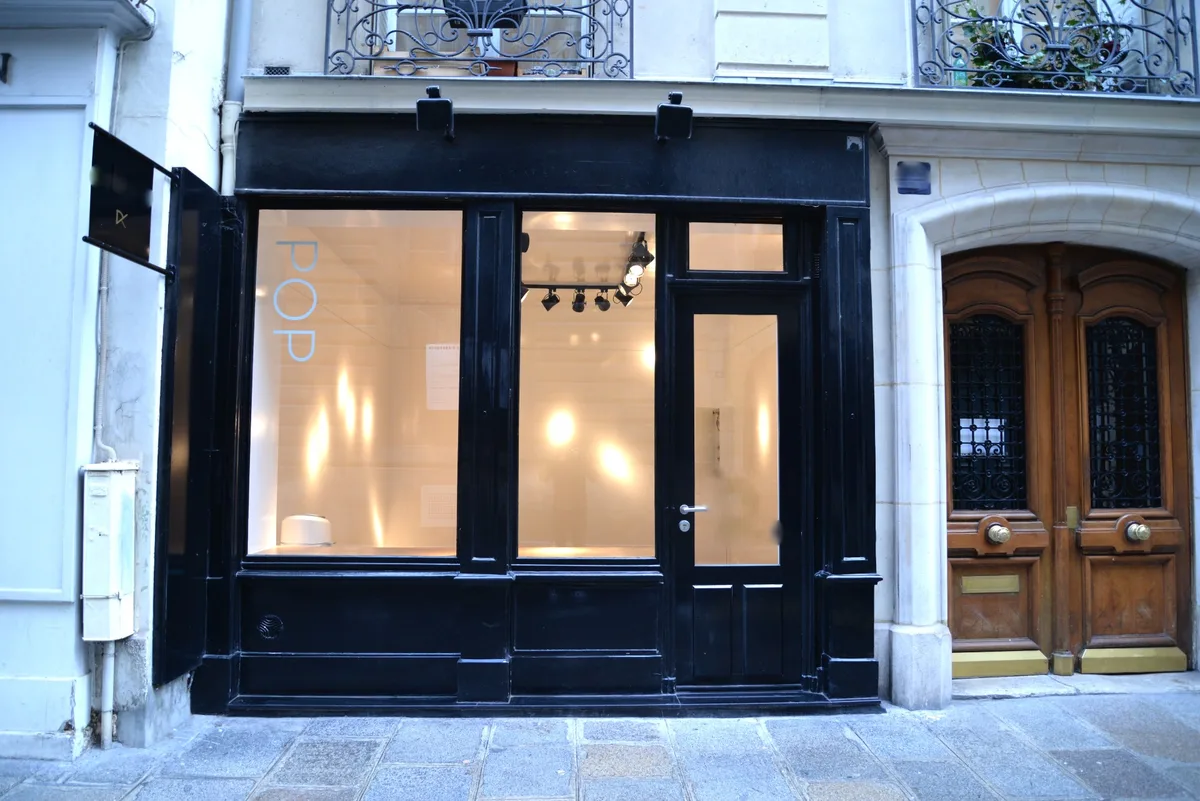
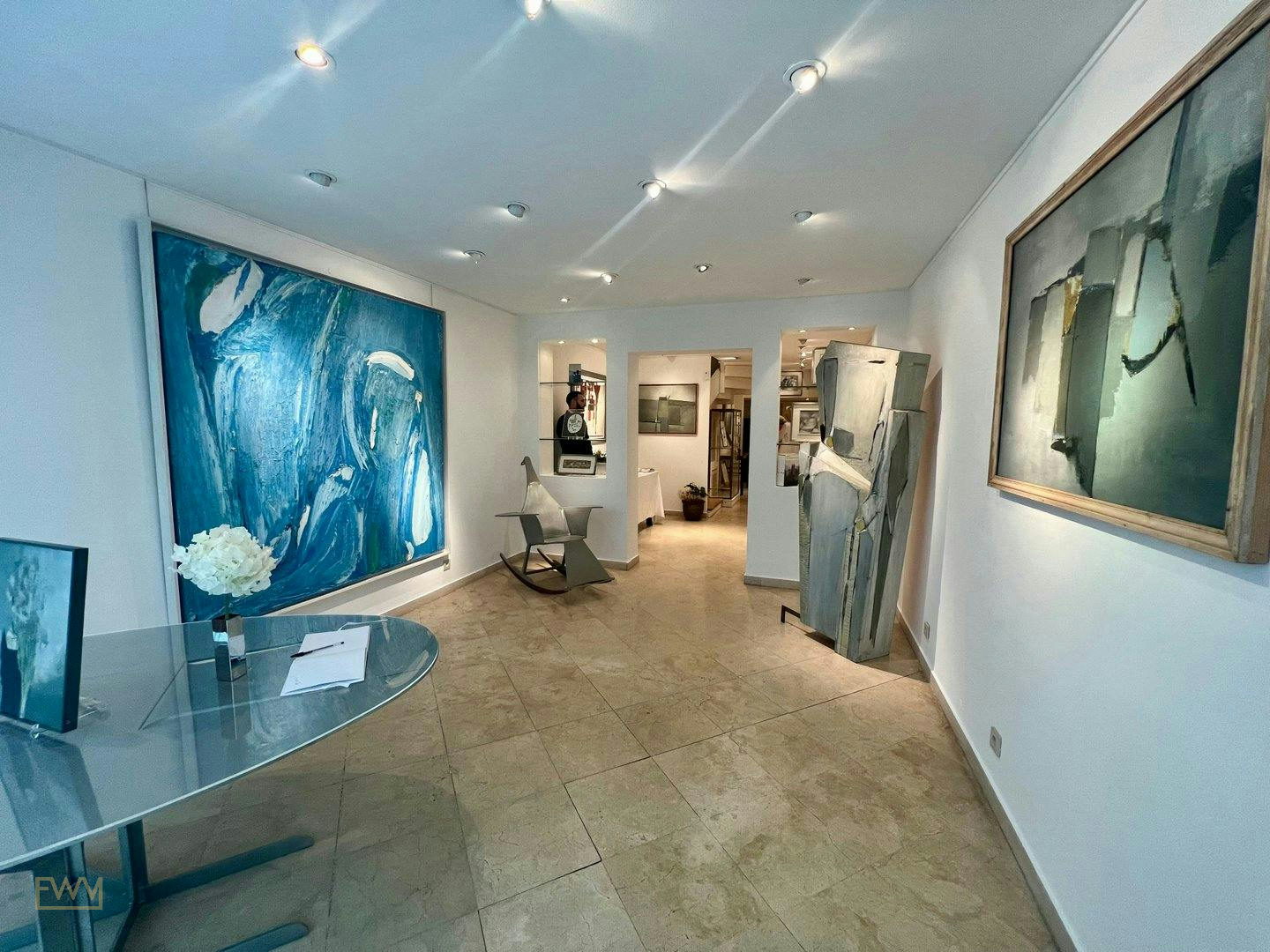
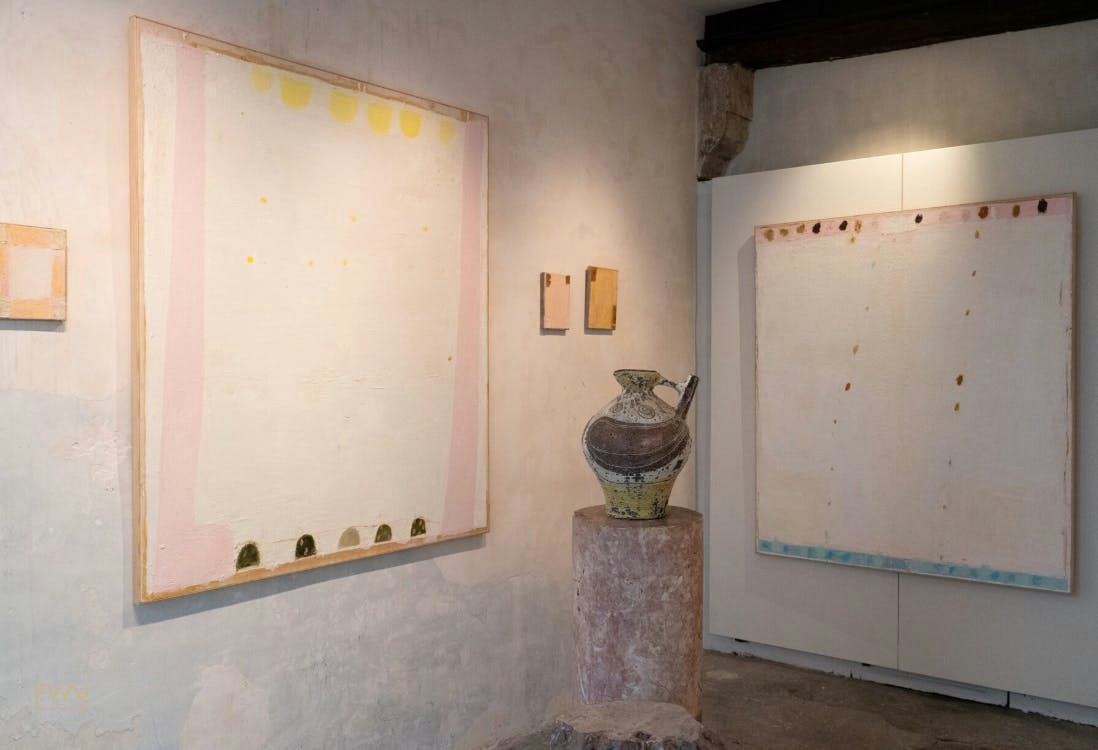
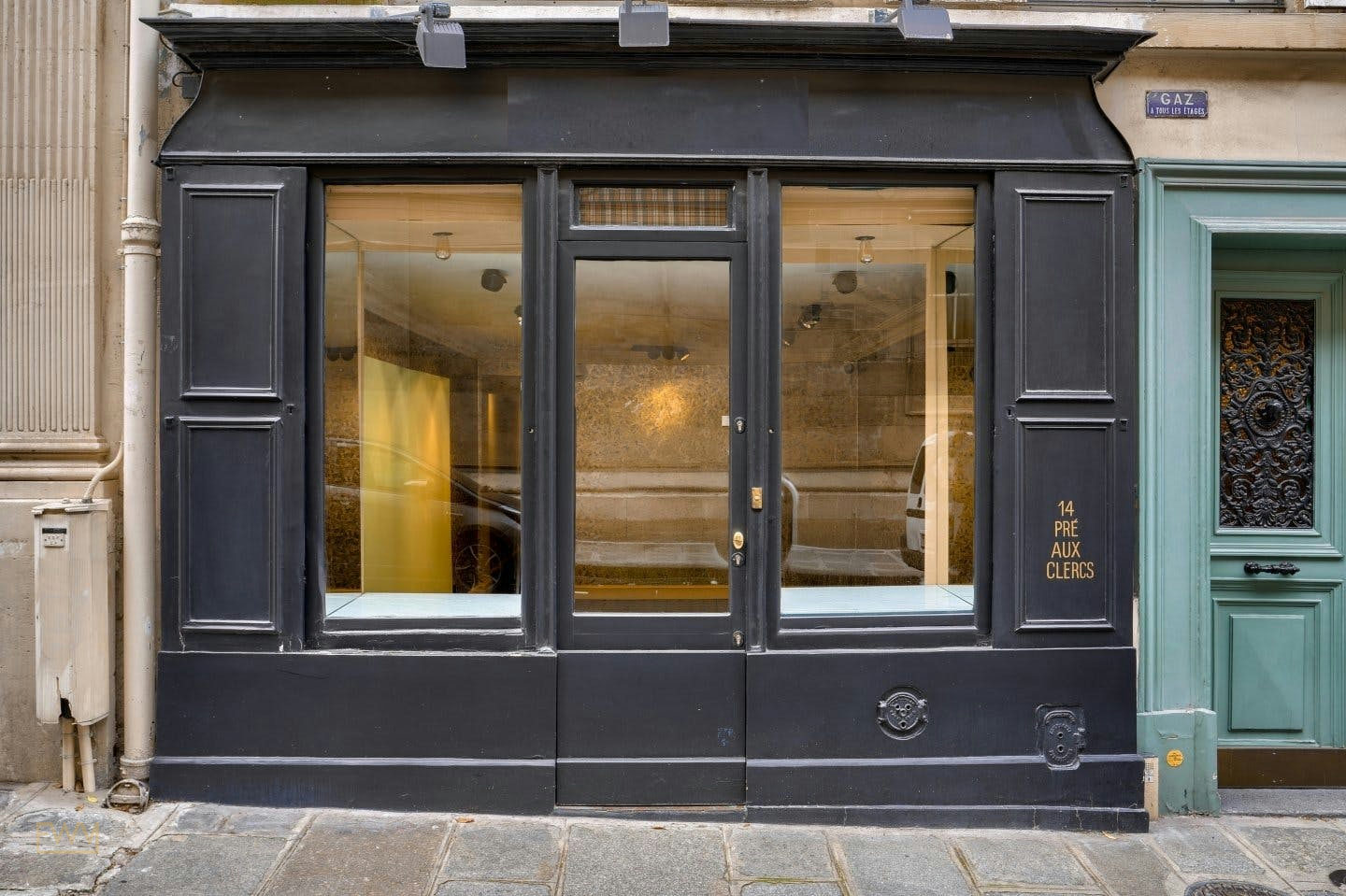
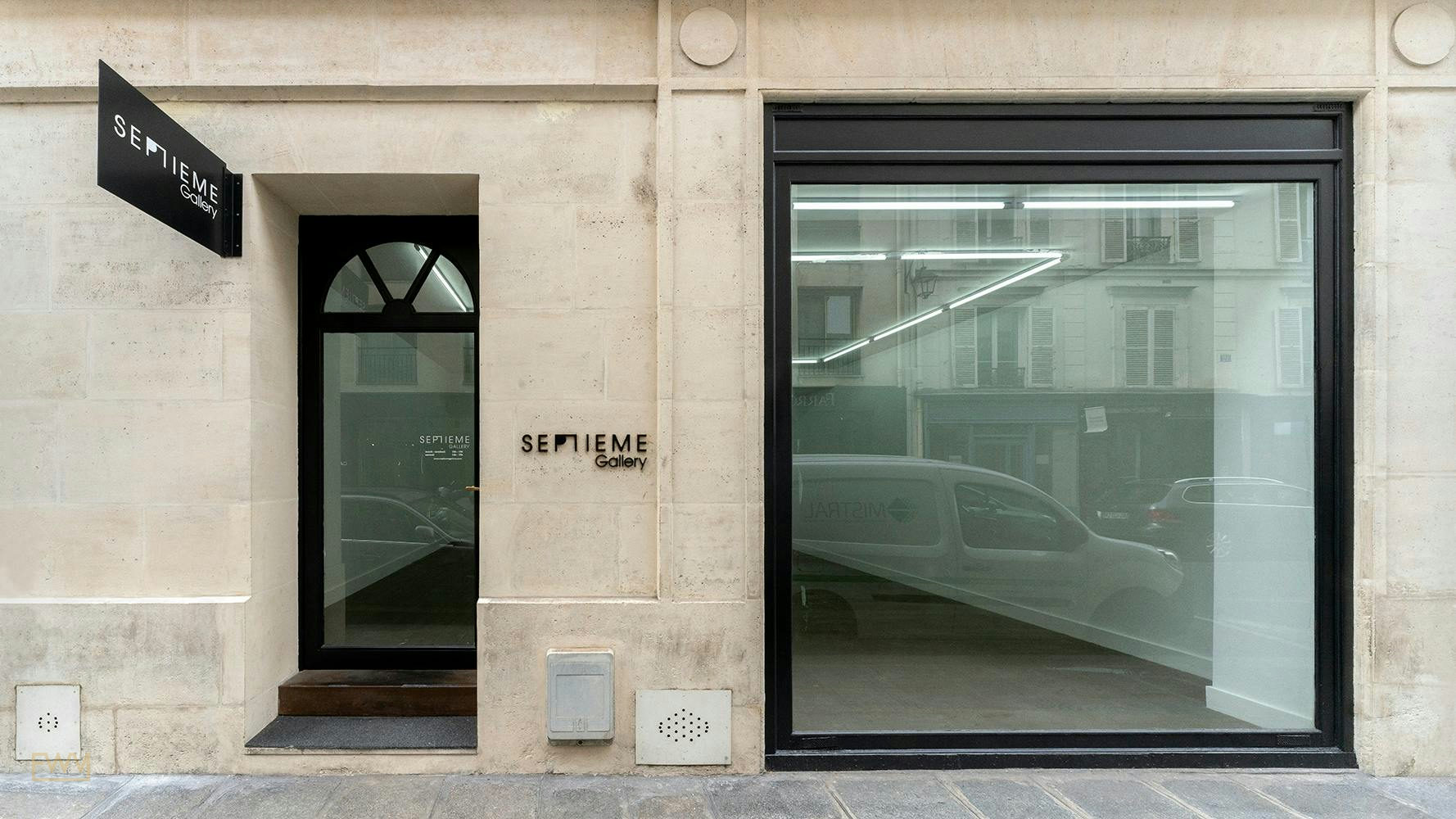
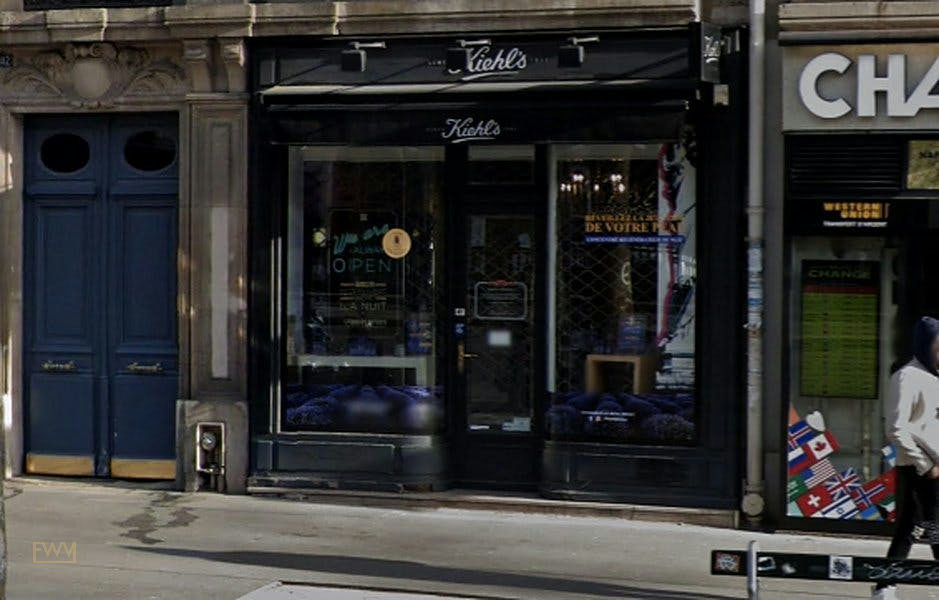
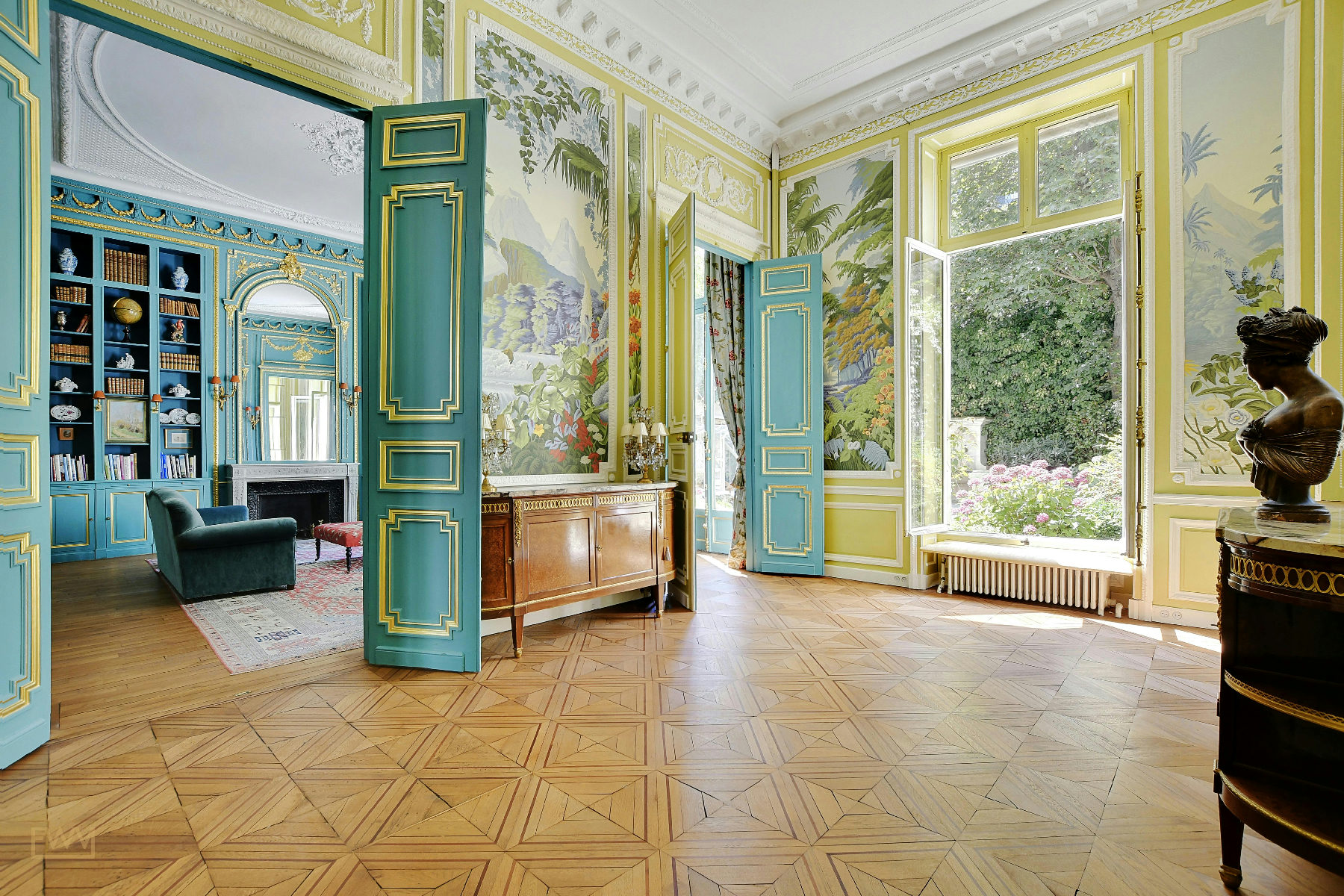
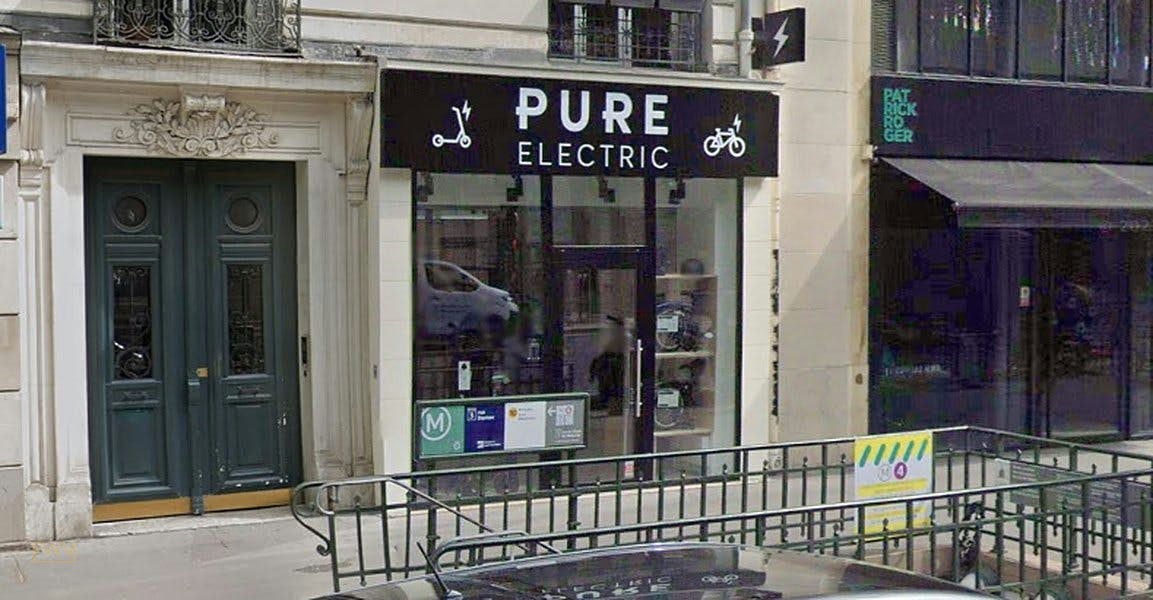
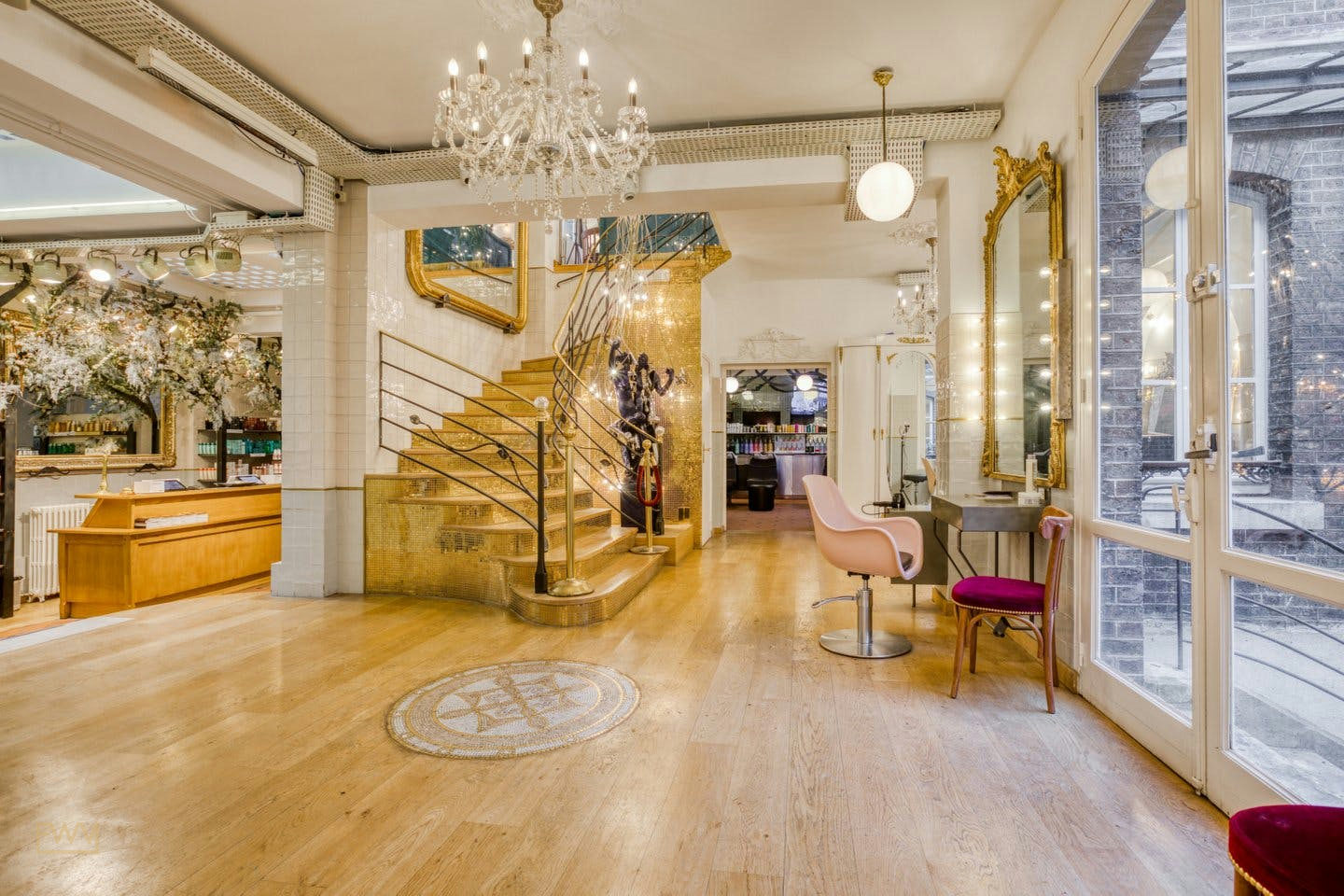
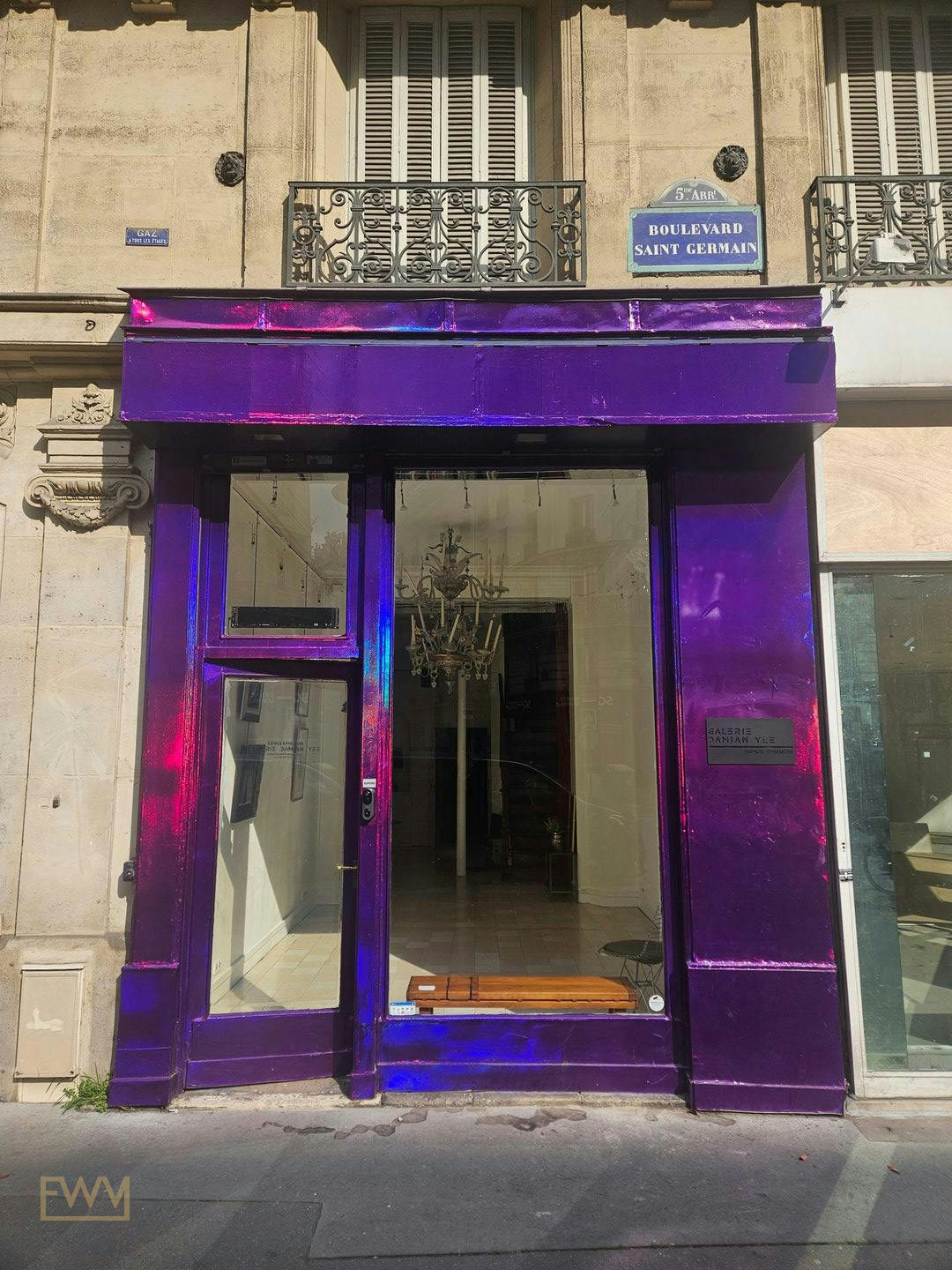
Booking a pop-up shop in the 1st arrondissement of Paris places your brand at the centre of one of the most commercially and culturally significant retail corridors on the planet. The 1er is home to Rue Saint-Honoré, the Palais-Royal gardens, the Tuileries Garden, and the Forum des Halles, giving any temporary retail activation immediate proximity to high-footfall luxury and lifestyle audiences. Whether you are launching a fashion collection, running a seasonal showroom during Paris Fashion Week, or building brand positioning through a short-term retail concept, the 1st arrondissement offers a density of opportunity that few other locations in the City of Light can match. Fashion Week Venues operates across Paris, supporting international brands with venue sourcing, permits, production, and full activation management.
What Is a Pop-Up Shop and Why Does the 1st Arrondissement of Paris Matter?
Quick answer: A pop-up shop is a short-term retail activation occupying a temporary space for days, weeks, or months. In the 1st arrondissement of Paris, pop-up shops benefit from extraordinary foot traffic, a luxury retail address, and proximity to major cultural institutions, making the area one of the most sought-after locations for brand activations in Europe.
A pop-up store is a temporary retail concept that allows brands to occupy a physical space without committing to a long-term lease. The format ranges from a single-day product launch in a boutique galerie to a four-week immersive Fashion Showroom on a heritage street. Pop-up stores have become a foundational tool in modern retail strategy because they compress brand experience, product discovery, and sales into a focused, time-limited environment that generates urgency among visitors and amplifies social media reach.
Paris is not simply a backdrop for pop-up retail. It is a functioning ecosystem of short-term retail spaces, fashion audiences, international press, and cultural calendar events that make temporary activations commercially viable at scale. The 1st arrondissement sits at the heart of that ecosystem. Bounded by the Seine to the south, the Marais to the east, and the 8th arrondissement's luxury axis to the west, the 1er offers brand teams a location that combines luxury adjacency, tourist volume, and fashion credibility in a single postcode.
Rue Saint-Honoré and its extension Rue du Faubourg Saint-Honoré form one of the most expensive and prestigious retail addresses in the world. Place Vendôme, just steps away, anchors the fine jewelry and haute couture universe. The Palais-Royal gardens draw a sophisticated, aesthetics-aware crowd that includes gallerists, designers, and international buyers. The Tuileries Garden connects the 1er directly to the 8th and functions as an outdoor event corridor during Paris Fashion Week, Paris Design Week, and the Tuileries Christmas Market season. Les Halles and the Forum des Halles at Châtelet add a younger, higher-volume retail audience to the same arrondissement.
This combination of audiences, addresses, and calendar events makes the 1st arrondissement uniquely versatile. A jewelry brand can activate on Rue Saint-Honoré during Fashion Week. A beauty brand can occupy a showroom near the Palais-Royal for Paris Design Week. A lifestyle brand can run a pop-up Christmas market stall in the Tuileries Garden during December. The 1er contains the full spectrum of temporary retail opportunity within a relatively compact geographic area.
DID YOU KNOW: The Palais-Royal arcade was one of the earliest examples of curated retail destination design in Paris, dating to the late 18th century. Brands activating in or around the Palais-Royal today inherit a heritage of designed shopping experience that resonates with discerning visitors.
KEY TAKEAWAY: The 1st arrondissement of Paris is not just a prestigious address. It is an active, multi-audience retail environment with calendar events, luxury adjacency, and cultural institutions that make it one of the most effective locations for pop-up retail in Europe.
Understanding why the 1er matters is the starting point. The next question is how to identify the right type of space and the right street for your specific activation brief.
Key Streets and Locations for Pop-Up Shops in the 1st Arrondissement
Quick answer: The best streets for a pop-up shop in the 1st arrondissement depend on your product category, target audience, and budget. Rue Saint-Honoré suits luxury and fashion brands. The Palais-Royal area suits concept-led and art-adjacent activations. Les Halles and Rue Montorgueil suit consumer brands seeking volume foot traffic.
The 1er covers a relatively small geographic area but contains several distinct retail micro-environments, each with its own visitor profile, rental rate range, and brand adjacency logic. Understanding these micro-environments before you search for a space is essential to matching your activation brief to the right location.
Rue Saint-Honoré and Place Vendôme
Rue Saint-Honoré is the primary luxury retail axis of the 1st arrondissement. Storefront rentals on this street place your brand directly alongside internationally recognised luxury houses, jewelry ateliers, and fashion boutiques. Place Vendôme, located just north of Rue de Rivoli, is internationally associated with fine jewelry, haute couture, and luxury hospitality. Brands in the jewelry, beauty, fashion, and accessories categories find that activating on or near Place Vendôme or Rue Saint-Honoré carries significant brand positioning value that extends beyond the duration of the pop-up itself.
Palais-Royal and the Gardens
The Palais-Royal area attracts a culturally literate, aesthetically aware audience. The arcaded galleries house independent designers, art galleries, and concept boutiques. The gardens themselves function as an open-air social space that draws Parisians and informed visitors alike. Pop-up stores and showrooms in this micro-neighbourhood benefit from strong social media resonance and press interest, particularly during Paris Fashion Week and FIAC.
Tuileries Garden
The Tuileries Garden, which runs along the northern bank of the Seine between the Louvre and Place de la Concorde, hosts the Tuileries Christmas Market each December, one of the best-attended seasonal markets in Paris. Brands can secure pop-up stalls or chalets within the market structure, placing their products directly in front of the millions of visitors who come for vin chaud, foie gras, Champagne, and seasonal gifts. The carnival atmosphere, with its rides, food vendors, and festive decoration, creates an environment where impulse purchases and brand discovery occur naturally.
Les Halles, Forum des Halles, and Châtelet
The Châtelet-Les Halles zone is the most transit-heavy area in the 1st arrondissement. The Forum des Halles shopping complex and the surrounding streets, including the pedestrianised approach from Rue Montorgueil to the north, attract a high volume of younger Parisian consumers and tourists. This is a strong location for consumer brands, lifestyle activations, and pop-up stores targeting broader demographic reach rather than a purely luxury audience.
Rue de Rivoli
Rue de Rivoli runs the full length of the 1er's southern edge, skirting the Tuileries Garden and connecting the Louvre to the Marais. It carries very high foot traffic from tourists visiting the Louvre and the Tuileries, and its arcaded northern frontage has historically hosted retail concepts ranging from souvenir shops to brand activations. The volume of international visitors passing through makes it a viable location for brands with an internationally focused customer profile.
| Location | Primary Audience | Best Activation Type | Calendar Peak |
|---|---|---|---|
| Rue Saint-Honoré / Place Vendôme | Luxury shoppers, fashion press, international buyers | Fashion showroom, jewelry pop-up, beauty launch | Paris Fashion Week (January, March, September, October) |
| Palais-Royal gardens and arcade | Culturally aware Parisians, designers, gallery visitors | Concept boutique, art-adjacent pop-up, brand installation | Paris Fashion Week, FIAC, Paris Design Week |
| Tuileries Garden | Tourists, families, seasonal market visitors | Pop-up Christmas market stall, chalet, seasonal concept | November to January (Christmas market season) |
| Les Halles / Châtelet | Younger Parisians, high-volume transit users | Consumer brand pop-up, lifestyle concept, product launch | Year-round; peak in September and December |
| Rue de Rivoli | International tourists, Louvre and museum visitors | Brand visibility activation, concept store, travel retail | Year-round; summer peak (June to August) |
KEY TAKEAWAY: Each micro-neighbourhood within the 1st arrondissement serves a different commercial purpose. Matching your activation type to the right street or location is as important as securing the right space.
Once you have identified the right location, the next step is understanding the full range of pop-up retail formats available to you in the 1er and how each format affects your planning, budget, and logistics.
Pop-Up Retail Formats Available in the 1st Arrondissement
Quick answer: Brands activating in the 1st arrondissement of Paris can choose from storefront pop-up shops, fashion showrooms, apartment concept stores, gallery-format retail spaces, chalet-style seasonal stalls, and dedicated event or launch spaces. Each format has distinct requirements for fit-out, permits, staffing, and minimum rental periods.
The format you choose shapes every subsequent decision, from fit-out complexity to staffing levels to the permits you need to obtain before opening. Understanding the range of available formats before you begin your search prevents costly mismatches between your brand concept and the space you ultimately secure.
Storefront Pop-Up Shops
A traditional storefront on a high street in the 1er provides street-level visibility, a display window for visual merchandising, and a transactional retail environment. These spaces are typically rented on a bail dérogatoire, a short-form commercial lease under French law that can run from one to thirty-six months and is designed specifically to facilitate temporary occupation without triggering the tenant protections of a full commercial lease. Storefront spaces on Rue Saint-Honoré or near the Palais-Royal are in high demand during Fashion Week periods, and lead times of three to six months or more are common for premium addresses.
Fashion Showrooms
A fashion showroom in the 1er is typically an apartment, private salon, or designated first-floor space used for appointment-based presentation to buyers, press, and wholesale accounts during Paris Fashion Week. The January and March women's and men's ready-to-wear weeks, the September and October haute couture and ready-to-wear seasons, and the trade fair calendar all drive demand for showroom space in the 1st arrondissement. Brands presenting collections to the French and international buying community frequently choose the Rue Saint-Honoré corridor, the Palais-Royal area, or the streets surrounding Hôtel de Ville for their proximity to the main show venues and the established showroom district to the east in the Marais.
Apartment and Private Salon Concepts
One of the most distinctive pop-up formats available in Paris is the apartment concept, in which a brand takes over a furnished or unfurnished residential or commercial apartment and presents a curated retail experience within a domestic setting. This format is particularly effective for brands in beauty, lifestyle, and fashion that want to create an intimate, editorial environment. Apartment spaces in the 1er and the adjacent 2nd arrondissement Sentier district offer strong brand positioning potential, particularly when styled to reflect the brand's aesthetic values.
Gallery and Galerie Formats
Several gallery spaces and art galeries within and around the Palais-Royal and the northern streets of the 1er can be rented for temporary retail activations. These spaces suit brands whose visual identity aligns with contemporary art, craft, or design. The white-wall gallery format provides a neutral backdrop that supports strong visual merchandising and suits product categories including jewelry, art objects, and premium fashion accessories.
Seasonal Market Chalets and Pop-Up Stalls
During the Christmas market season, the Tuileries Garden hosts the Tuileries Christmas Market, one of Paris's most commercially significant seasonal markets. Brands can apply to operate chalets or pop-up stalls within this market, selling products alongside vendors offering vin chaud, foie gras, Champagne, and artisan food from the Alsace region and beyond. The market atmosphere, with Santa appearances, festive lighting, and carnival entertainment, creates a high-engagement environment for brands with seasonal or gift-oriented product ranges. Similar seasonal market activations are available at the Hôtel de Ville Christmas Market, the Saint Michel Christmas Market, and the La Défense Christmas Market.
Event and Launch Spaces
The 1er contains a number of private event spaces, salons, and heritage venues that can be rented for product launches, press events, influencer evenings, and brand installations. These spaces are particularly relevant for brands that want to combine a public-facing retail element with a private guest experience during Fashion Week or Paris Design Week.
| Format | Typical Duration | Key Compliance Note | Best For |
|---|---|---|---|
| Storefront pop-up shop | 1 week to 12 months | Bail dérogatoire required; check commercial use classification | Fashion, beauty, lifestyle, luxury accessories |
| Fashion showroom | 1 day to 4 weeks | Appointment-based format may reduce permit complexity | Ready-to-wear, couture, wholesale buyer presentations |
| Apartment / private salon | 1 week to 3 months | Verify change-of-use requirements with a French legal advisor | Beauty, lifestyle, editorial brand concepts |
| Gallery / galerie | 2 days to 8 weeks | Confirm public access classification and insurance requirements | Jewelry, art objects, premium accessories, design |
| Seasonal market chalet | Seasonal (typically November to January) | AOT (autorisation d'occupation temporaire) required for public space | Gift products, food and beverage, seasonal retail |
| Event and launch space | 1 day to 1 week | Event permits vary by capacity and alcohol service | Press launches, influencer events, brand installations |
KEY TAKEAWAY: Choosing the right format before you begin searching for a space in the 1st arrondissement is essential. Each format carries different legal, logistical, and budget implications that affect your timeline and your activation outcome.
Understanding the formats available is the foundation. The next critical layer is understanding the legal and administrative framework that governs short-term retail in Paris, particularly in a commercially complex arrondissement like the 1er.
Permits, Regulations, and Legal Requirements for Pop-Up Shops in Paris
Quick answer: Operating a pop-up shop in Paris requires compliance with French commercial tenancy law, local planning regulations, and in some cases, public space occupation permits. The specific requirements vary by space type, intended use, arrondissement, and duration. Brands without a French legal entity can still rent space in Paris, but they must understand the framework before signing any agreement.
This is an area where many international brands encounter unexpected delays or complications, particularly when approaching Paris for the first time. The French legal system makes a clear distinction between different types of short-term commercial arrangements, and using the wrong vehicle for your rental can create problems with insurance, liability, and lease security.
Bail Dérogatoire
The bail dérogatoire, sometimes called a short-form commercial lease, is the primary legal vehicle for temporary retail occupation in France. Under French commercial law, a standard commercial lease (bail commercial) automatically triggers a nine-year term with significant tenant protections. The bail dérogatoire explicitly derogates from these protections and allows a short-term rental of up to thirty-six months without triggering the nine-year term. To be valid, a bail dérogatoire must be agreed upon by both parties in writing before occupation begins, and both parties must clearly state their intention to derogate from the standard commercial lease framework. Once the term expires, if the tenant remains in occupation without a new agreement, the lease may automatically convert to a bail commercial, which has very different implications for both parties.
Autorisation d'Occupation Temporaire (AOT)
For activations that take place on public or semi-public land, including market chalets in the Tuileries Garden, stalls on public squares, or any activation that occupies pavement or public outdoor space, an autorisation d'occupation temporaire (AOT) is required from the relevant municipal authority. The process for obtaining an AOT varies by location, duration, and the nature of the commercial activity. The Paris city administration processes AOT applications, and timelines and documentation requirements can be significant. Brands planning outdoor activations, particularly during the Christmas market season at the Tuileries or Hôtel de Ville, should factor in the AOT process very early in their planning cycle.
Insurance Requirements
French law requires that any commercial tenant operating from a rented space holds appropriate civil liability insurance (responsabilité civile professionnelle) covering the duration of the occupation. Landlords will typically require proof of insurance before handing over keys. International brands should verify with their existing insurance providers whether their current policies extend to commercial activities in France, as many corporate insurance policies do not automatically cover temporary retail operations in a foreign jurisdiction.
Do You Need a French Legal Entity?
One of the most common questions from international brands entering Paris for the first time is whether they need a French company to rent a space. The short answer is no, you do not necessarily need a French legal entity to sign a bail dérogatoire. However, the practicalities of opening a French bank account, processing POS transactions, employing French staff, and paying French VAT on retail sales mean that brands operating without any French administrative presence face practical complications that can be mitigated by working with a local agency that can provide the necessary administrative infrastructure. Requirements vary depending on the specific space, landlord, and nature of the activation, and a French legal advisor should always be consulted before entering into any rental agreement.
IMPORTANT: The permit, insurance, and compliance requirements for pop-up retail in Paris can differ significantly between a private storefront, a public market stall, and a gallery-format space. Do not assume that advice applicable to one format applies to another. Always verify requirements with a qualified French legal advisor and use the permits tool on Fashion Week Venues to understand the framework before signing anything.
KEY TAKEAWAY: Understanding the bail dérogatoire, the AOT process, and French insurance requirements is non-negotiable before activating in Paris. These are not bureaucratic complications to be worked around but essential frameworks that protect both the brand and the landlord during a temporary retail activation.
With the legal framework understood, the next area to address is the calendar, because in Paris, when you activate is just as important as where you activate.
Paris Calendar Events That Drive Pop-Up Retail Demand
Quick answer: The Paris retail and fashion calendar contains multiple peak periods that dramatically increase foot traffic, press attention, and buyer presence in the 1st arrondissement. The major demand peaks are Paris Fashion Week (January, March, September, and October), Paris Design Week (September), FIAC (October), and the Christmas market season (November to January). Planning your pop-up booking around these calendar events is essential to maximising visibility and commercial return.
Paris operates on a layered cultural and commercial calendar that creates predictable surges in high-value audience presence across the city. For brands considering a pop-up shop in the 1st arrondissement, aligning the activation with the right calendar window can transform a good location into an exceptional one.
Paris Fashion Week
Paris Fashion Week takes place four times per year. Menswear and haute couture weeks typically occur in January and July. Women's ready-to-wear weeks occur in March and October. Each Fashion Week brings a concentrated influx of international buyers, fashion editors, photographers, stylists, and press representatives to Paris. The 1st arrondissement, with its proximity to the main show venues, the Tuileries, and the Louvre, sits at the geographic and social centre of Fashion Week activity. Showroom bookings on Rue Saint-Honoré and in the Palais-Royal area during Fashion Week periods are frequently secured six months or more in advance. Brands planning a Fashion Showroom activation in the 1er for any Fashion Week should begin their venue search as early as possible.
DID YOU KNOW: Paris Fashion Week for women's ready-to-wear in October 2026 is expected to run from approximately 28 September to 6 October. Brands planning showroom activations around this window should be securing space now.
Paris Design Week
Paris Design Week, held each September, brings designers, architects, and design professionals from across the world to the city. The Palais-Royal area, the galleries of the 1er, and the wider Paris luxury retail district see increased foot traffic from a sophisticated, design-literate audience during this period. Brands in furniture, homeware, accessories, and premium beauty frequently use Paris Design Week as a launch platform for new collections.
FIAC
FIAC, the international contemporary art fair held in Paris each October, draws international collectors, gallery owners, and art-world professionals to the city. Brands with an art-adjacent identity, including fashion houses with strong visual art connections, frequently align pop-up activations and gallery-format retail spaces with the FIAC calendar.
Christmas Market Season
The Christmas market season in Paris runs from late November through to early January and represents one of the most commercially significant periods in the Parisian retail calendar. The Tuileries Christmas Market, known as La Magie de Noël, is one of the most visited seasonal events in the city, drawing millions of visitors to the Tuileries Garden for a combination of carnival rides, pop-up stalls, chalets selling regional French food, Champagne bars, artisan gifts, and festive entertainment. The markets align with the tradition of the Alsatian Marché de Noël, and visitors travel specifically to experience vin chaud, foie gras, and the festive atmosphere. The Hôtel de Ville Christmas Market, the Saint Michel Christmas Market, and the La Défense Christmas Market provide additional seasonal activation opportunities across the city. Brands with seasonal product ranges, gift propositions, or experiential concepts should strongly consider the Christmas market window as a primary activation period.
Flea Markets, Antique Fairs, and Secondary Calendar Events
While the 1st arrondissement itself does not host major flea markets, the city of Paris has an important flea market and antique fair ecosystem that is relevant to brands with vintage, collectible, or heritage product positioning. The Saint-Ouen flea market (Les Puces de Saint-Ouen) to the north, the Vanves Flea Market (Porte de Vanves) to the south, the Montreuil Flea Market to the east, the Marché d'Aligre in the 12th, the Village Saint-Paul in the 4th, and Hôtel Drouot, the historic auction house near the Opéra, all contribute to a city-wide antique and vintage culture that informs what Parisian consumers value in terms of discovery, quality, and story. Brands that understand this culture design more resonant pop-up retail experiences. The Foire de Chatou, held biannually at the Parc Georges Brassens, is a larger antique fair attracting serious collectors and is another marker in the Paris cultural calendar.
KEY TAKEAWAY: Aligning your pop-up activation in the 1st arrondissement with the right calendar event multiplies the commercial and brand-building value of the activation. Fashion Week, Christmas market season, Paris Design Week, and FIAC each create a distinct audience surge that benefits well-positioned pop-up retail concepts.
Calendar alignment and location selection are both critical. The third dimension is understanding how to budget and plan the operational logistics of a pop-up shop in one of Paris's most in-demand arrondissements.
Budgeting for a Pop-Up Shop in the 1st Arrondissement of Paris
Quick answer: The cost of a pop-up shop in the 1st arrondissement of Paris varies significantly based on location, space size, duration, format, and the level of fit-out and services required. Rental rates on Rue Saint-Honoré and around the Palais-Royal are among the highest in Paris. Brands should budget for rental, fit-out, permits, insurance, staffing, POS systems, and contingency before finalising their activation brief.
Budgeting for a Paris pop-up is more complex than simply identifying a rental rate. The total cost of a temporary retail activation includes a range of fixed and variable components that must all be accounted for before the brand commits to a space. Underestimating any of these components is one of the most common causes of over-budget activations.
Rental Rate Drivers
Rental rates for short-term retail space in the 1st arrondissement are driven by location (specific street and proximity to luxury anchors), space size (square metres of usable retail floor area), floor level and access (ground floor commands a premium over first floor or basement), duration (shorter rentals typically carry higher per-day or per-week rates), and calendar period (Fashion Week and Christmas market windows carry premium pricing). Rates on premium streets such as Rue Saint-Honoré are substantially higher than rates in secondary streets in the same arrondissement. Because rates fluctuate based on market conditions and the specific configuration of each space, providing a definitive price range without full knowledge of a brand's specific brief and timing would be misleading. Brands should use the budget estimation tool on Fashion Week Venues to generate a directional cost estimate based on their specific requirements.
Fit-Out and Production Costs
In addition to rental, brands must budget for the fit-out of the space. This includes branded store design, furniture rental, lighting, display fixtures, signage, and any structural or temporary construction elements. The complexity and cost of the fit-out depend on the brand's aesthetic vision, the condition of the raw space, and the duration of the activation. A simple apartment concept with minimal intervention requires a very different budget from a full architectural fit-out of a ground-floor storefront on Rue Saint-Honoré.
Staffing, POS, and Operations
Retail staffing in Paris requires compliance with French employment regulations. International brands hiring local staff must navigate URSSAF registration, payroll contributions, and employment contracts. POS and payments infrastructure must be capable of processing card transactions in Euros and ideally supporting contactless and mobile payment methods preferred by French consumers. Data and analytics tools can provide valuable insight into visitor behaviour, conversion rates, and transaction patterns during the activation period.
Insurance and Permit Costs
Civil liability insurance, specific to the French commercial context, is a mandatory cost that must be factored into the overall budget. Permit costs vary by space type and may include AOT application fees for public-space activations. Brands should allow for legal advisory fees if they require support with lease review, permit applications, or employment compliance.
TIP: Use the ROI calculator on Fashion Week Venues to model the expected commercial return from your activation against total costs. This helps brand teams present a business case internally and set realistic revenue and brand-building targets before the activation begins.
| Cost Component | Notes | Planning Priority |
|---|---|---|
| Space rental | Varies by street, size, duration, and calendar window | High - confirm early |
| Fit-out and branded store design | Depends on brand concept complexity and raw space condition | High - plan in parallel with space search |
| Furniture rental | Can be sourced through an agency or independently | Medium |
| Retail staffing | French employment law applies; allow for payroll compliance | High - start recruitment early |
| POS and payments | Must support Euro transactions; contactless preferred | Medium |
| Permits and legal | Bail dérogatoire review, AOT application, insurance | High - start early |
| Marketing and social media | Influencer amplification, press, content production | Medium to high |
| Contingency | Allow 10 to 15 percent of total budget | Essential |
KEY TAKEAWAY: A realistic budget for a pop-up shop in the 1st arrondissement of Paris must account for all operational components, not just rental. Brands that plan comprehensively from the outset avoid the cost overruns and activation compromises that come from underestimating non-rental expenses.
With budget clarity established, the next practical priority is building an activation timeline that ensures every component is in place before the opening date.
Step-by-Step Planning Process for a 1st Arrondissement Pop-Up
Quick answer: Planning a pop-up shop in the 1st arrondissement of Paris typically requires a minimum of eight to twelve weeks of lead time for a straightforward activation and three to six months for a complex fit-out or Fashion Week showroom. Starting the process earlier than you think necessary is always the right decision in a competitive market.
The activation planning process has a defined sequence of steps. Completing them out of order or overlapping dependent steps is one of the most reliable ways to miss a calendar window or exceed a budget. The table below provides a planning framework applicable to most pop-up activations in the 1er.
| Phase | Key Actions | Timing Before Opening |
|---|---|---|
| 1. Brief definition | Define concept, format, location preference, calendar window, budget range, and brand objectives | 16 to 24 weeks |
| 2. Space search and shortlisting | Search marketplace listings, review location data, compare spaces by size, rate, and access | 12 to 20 weeks |
| 3. Space inspection and selection | Visit shortlisted spaces, assess condition, confirm technical specifications, check planning use class | 10 to 16 weeks |
| 4. Lease and legal review | Review bail dérogatoire terms, confirm insurance requirements, apply for any required AOT permits | 8 to 14 weeks |
| 5. Concept and design | Finalise branded store design, confirm furniture and fixture requirements, brief production team | 8 to 12 weeks |
| 6. Production and fit-out | Execute build, install fixtures, complete signage and visual merchandising | 2 to 4 weeks |
| 7. Staffing and operations | Recruit and brief retail staff, set up POS and payments, brief on brand standards | 2 to 4 weeks |
| 8. Marketing and launch | Activate social media, brief influencer partners, issue press releases, confirm opening events | 1 to 4 weeks |
| 9. Live activation | Operate pop-up, monitor data and analytics, manage staff and operations | Ongoing |
| 10. Deactivation and reporting | Strip out and restore space, compile data and analytics report, review ROI | Post-activation |
The timeline tool on Fashion Week Venues provides a structured planning calendar that can be customised to your specific activation brief, calendar window, and lead time. Use it early in the process to identify critical path items and dependencies that could affect your opening date.
One of the most frequently underestimated phases is the legal and permit phase. In particular, AOT applications for public-space activations and bail dérogatoire reviews involving complex lease terms can take considerably longer than anticipated, especially during peak periods when Paris-based legal advisors are in high demand.
A second commonly underestimated phase is the fit-out phase. Quality branded store design and production in Paris requires skilled contractors and sufficient lead time to source materials, fabricate bespoke elements, and install to a high standard. Rushing the fit-out phase to compensate for delays earlier in the process almost always results in a compromised activation environment that does not represent the brand at its best.
To compare the timelines and requirements of different space types side by side before committing to a format, use the space comparison tool on Fashion Week Venues.
KEY TAKEAWAY: Building a realistic activation timeline and starting the planning process earlier than feels necessary is the single most important thing a brand team can do to ensure a successful pop-up in the 1st arrondissement of Paris. Every phase has dependencies, and compressing any phase increases risk.
A clear process understanding sets the foundation for working effectively with an agency partner, which for many international brands is the most efficient route to a well-executed activation in Paris.
How Fashion Week Venues Helps Brands Activate in Paris
Quick answer: Fashion Week Venues operates as a full-service pop-up shop agency and space marketplace, supporting brands from initial space search through to full activation management in Paris and other fashion capitals. The agency covers venue sourcing, concept direction, production, staffing, permits, POS, data, and influencer marketing, providing a single point of coordination for brands entering Paris.
For international brands activating in Paris for the first time, and for established brands managing multiple global activations simultaneously, working with a specialist agency removes the operational, linguistic, and administrative complexity of executing a high-quality pop-up in a foreign market. Fashion Week Venues combines a curated space marketplace with a full suite of activation services and planning tools that address every phase of the process described above.
Space Sourcing and the Marketplace
The Fashion Week Venues marketplace lists curated short-term retail spaces in Paris and other major fashion capitals. Brands can search by location, space type, size, and availability window, filtering results to match their specific activation brief. The locator tool allows brands to explore spaces geographically, identifying options by neighbourhood and proximity to key addresses such as Rue Saint-Honoré, the Palais-Royal, or the Tuileries Garden. For brands that want professional support identifying and negotiating the right space, the venue sourcing service provides specialist guidance from a team with direct market knowledge.
Concept Direction and Design
The concept direction and branded store design services support brands in translating their identity into a physical retail environment that works within the specific constraints and opportunities of a Parisian space. This includes spatial planning, visual merchandising strategy, fixture and furniture selection, and brand expression across all physical touchpoints. For brands activating in the 1er, where the design standard of the surrounding retail environment is extremely high, the quality of the physical concept has a direct impact on brand perception and social media amplification.
Production, Fit-Out, and Furniture
The production and build service manages the physical transformation of a raw or partially fitted space into a finished retail environment. This includes contractor coordination, material sourcing, installation, and sign-off. The furniture rental service provides a curated range of furnishings suitable for fashion, beauty, and lifestyle retail activations, reducing the cost and complexity of sourcing bespoke pieces for a short-term occupation.
Permits, Staffing, POS, and Data
Fashion Week Venues provides practical support across the operational components that are most challenging for brands entering Paris without a local infrastructure. The permits tool gives brands a clear framework for understanding which authorisations apply to their specific activation type. The retail staffing service connects brands with French-speaking retail staff experienced in luxury and fashion environments. The POS and payments service ensures that transactions are processed efficiently and in compliance with French fiscal requirements. The data and analytics service provides actionable insight into activation performance, visitor behaviour, and commercial results.
The Twin Concept
For brands that want to maximise the efficiency of their Paris activation, the twin concept offers a co-activation model in which two complementary brands share a single space, splitting costs while each benefiting from the other's audience. This model is particularly effective for brands with overlapping customer profiles but non-competing product categories, such as a fashion brand and a fine fragrance brand, or a jewelry brand and a premium accessories label.
Who Benefits Most
Fashion Week Venues is most useful for brand activation managers, creative directors, and retail strategists who need to execute a high-quality pop-up in Paris within a defined budget and timeline without building an entire local operational infrastructure from scratch. International brands entering Paris for the first time, brands managing multi-city activation programmes, and brands that want to focus internal resource on the creative and commercial dimensions of an activation while delegating logistics to a specialist team are all well suited to working with Fashion Week Venues.
It is important to note that Fashion Week Venues does not guarantee specific space availability, permit approvals, or activation outcomes. The agency provides professional support and market access, and outcomes depend on a range of factors including the brand's brief, budget, timeline, and market conditions at the time of activation.
To explore how Fashion Week Venues has supported past brand activations, review the work and case studies section, which provides real-world examples of how the agency's services have been applied across different activation types and markets.
KEY TAKEAWAY: Fashion Week Venues provides a structured, end-to-end infrastructure for brands activating in Paris, covering space sourcing, design, production, permits, staffing, and analytics. The agency is most valuable to brands that need market access and operational expertise without building a local team from the ground up.
Before examining the most common questions brands ask when planning a Paris pop-up, it is worth addressing several persistent misconceptions that can lead brand teams into poor decisions.
The 1st Arrondissement in the Context of Paris's Broader Pop-Up Ecosystem
Quick answer: The 1st arrondissement is one of the most commercially powerful locations for pop-up retail in Paris, but it sits within a broader city-wide ecosystem that includes the Marais, Saint-Germain-des-Prés, Montmartre, and emerging districts such as Sentier. Understanding how the 1er relates to other Parisian neighbourhoods helps brands make more strategic decisions about whether it is the right fit for their specific activation brief.
Paris is a city of distinct neighbourhoods, each with its own retail character, audience profile, and activation logic. The 1er is not the only option for a high-quality pop-up, but it offers a combination of attributes that is difficult to match elsewhere in the city.
Le Marais and the 4th Arrondissement
Le Marais, centred on the 3rd and 4th arrondissements, is Paris's most established destination for contemporary fashion, design, and art retail. Place des Vosges, the Halle des Blancs Manteau, and the streets around Hôtel de Ville are all within the Marais orbit. The Marais attracts a slightly younger and more fashion-forward crowd than the luxury axis of the 1er and suits brands in contemporary fashion, independent jewelry, design, and lifestyle. The Village Saint-Paul, a small courtyard complex in the 4th, offers an intimate setting for specialist and vintage brands.
Saint-Germain-des-Prés and the 6th Arrondissement
Saint-Germain-des-Prés, in the 6th arrondissement on the Left Bank, combines literary heritage with a refined retail environment. Saint-Sulpice, the Cluny Museum, and the streets between the Seine and the Luxembourg Gardens define an area that suits brands with an intellectual, artisanal, or heritage-oriented identity. The 6th attracts affluent Parisian residents and cultural tourists who are different in profile from the luxury international tourists who dominate the Rue Saint-Honoré corridor.
Montmartre
Montmartre, centred on the 18th arrondissement, attracts a high volume of tourists and has a well-established street retail scene around Place des Abbesses and the streets leading up to Sacré-Coeur. It suits brands with a bohemian, artisanal, or accessible luxury positioning and is a valid location for brands that want Parisian cultural credibility without the premium pricing of the central arrondissements.
Sentier and the 2nd Arrondissement
Sentier, in the 2nd arrondissement, has evolved from Paris's historic garment district into a creative and technology hub. It now attracts a young, entrepreneurial, and digitally aware audience and suits brands with a contemporary, direct-to-consumer positioning. It is an increasingly relevant location for fashion and lifestyle brands that want a Paris address without the costs of the 1er.
Latin Quarter and Notre-Dame
The Latin Quarter, surrounding the 5th arrondissement and Notre-Dame Cathedral, draws a mix of students, academic visitors, and cultural tourists. It is a valid location for book-related retail concepts, educational activations, and brands with a strong cultural or heritage dimension. Notre-Dame Cathedral continues to draw enormous numbers of visitors following its restoration, and the surrounding streets benefit from extremely high foot traffic from international tourists.
To compare neighbourhoods and space types, explore the Paris city hub on Fashion Week Venues and shortlist spaces that match your brief, budget, and calendar window.
KEY TAKEAWAY: The 1st arrondissement is the premium choice for luxury, fashion, and high-footfall pop-up retail in Paris. Other neighbourhoods offer distinct advantages for brands with specific audience, positioning, or budget requirements. Understanding the full Paris ecosystem helps brands make the right location decision for their activation.
Common Myths About Booking a Pop-Up Shop in Paris Debunked
MYTH: You need a French legal entity to rent a pop-up space in Paris.
FACT: International brands do not necessarily need a French company to sign a bail dérogatoire. However, without any French administrative presence, brands face practical complications with banking, VAT registration, employment contracts, and insurance. Working with a local agency that provides administrative infrastructure can resolve most of these issues. Requirements vary by space, landlord, and activation type, and a French legal advisor should be consulted before signing any agreement.
MYTH: Paris Fashion Week is the only commercially viable calendar window for a pop-up in the 1er.
FACT: While Paris Fashion Week generates exceptional demand for showroom and event space in the 1st arrondissement, it is one of several high-value calendar windows. The Christmas market season from November to January, Paris Design Week in September, and FIAC in October all create significant audience surges that benefit well-positioned pop-up retail activations. Year-round foot traffic from international tourists and Parisian consumers also supports activations outside the major calendar peaks.
MYTH: Commission brokers are the only way to find a pop-up space in Paris.
FACT: Commission-based brokers represent one route to finding a space, but brands can also access curated space marketplaces, work with full-service agencies, or approach landlords directly. Each route has different cost, control, and service implications. A curated marketplace combined with an agency's local market knowledge typically offers a more transparent and brand-aligned result than a pure commission broker arrangement.
MYTH: Short-term leases in Paris are legally straightforward and do not require specialist advice.
FACT: Short-term retail leases in Paris operate under a specific legal framework that includes the bail dérogatoire and, for public-space activations, the AOT. These instruments have precise legal requirements that must be met to be valid, and failure to structure a rental agreement correctly can expose a brand to unintended legal obligations. Specialist legal advice from a French advisor is strongly recommended before entering into any rental agreement in Paris, regardless of the duration or perceived simplicity of the arrangement.
MYTH: A first-floor or basement space in the 1st arrondissement will perform as well as a ground-floor storefront.
FACT: Ground-floor storefronts with street-level visibility and display windows significantly outperform upper-floor and basement spaces in terms of spontaneous foot traffic and walk-in conversion. First-floor and basement spaces can work very effectively for appointment-based showrooms or invitation-only activations but are generally less suited to high-volume retail operations or product launches that depend on organic visibility from passing pedestrians.
Frequently Asked Questions About Pop-Up Shops in the 1st Arrondissement of Paris
What is a pop-up store?
A pop-up store is a temporary retail concept in which a brand occupies a physical space for a defined, limited period, ranging from a single day to several months. Unlike permanent retail, a pop-up is designed to create urgency, generate press and social media attention, and provide direct consumer engagement without the long-term commitment and cost of a permanent lease. In Paris, pop-up stores operate across a wide range of formats including storefronts, showrooms, apartment concepts, gallery spaces, and seasonal market chalets. The format is now a mainstream tool in brand strategy for fashion, beauty, lifestyle, and luxury brands at all levels of the market.
How much does a pop-up shop cost in Paris?
The cost of a pop-up shop in Paris varies significantly based on location, size, duration, format, and the level of fit-out and services required. Spaces in premium locations such as Rue Saint-Honoré or the Palais-Royal area carry higher rental rates than secondary streets in the same arrondissement. Total activation costs include rental, fit-out, staffing, permits, insurance, POS, and marketing. Because rates and costs fluctuate with market conditions and specific requirements, providing a single figure would be misleading. Brands should use the budget estimation tool on Fashion Week Venues to generate a directional estimate based on their specific brief.
How do I rent a pop-up shop in Paris?
Renting a pop-up shop in Paris involves defining your activation brief, searching for available spaces through a marketplace or agency, inspecting shortlisted spaces, reviewing and signing a bail dérogatoire or appropriate short-term rental agreement, obtaining any required permits such as an AOT for public-space activations, arranging insurance, and completing the fit-out before opening. Working with a specialist agency that has direct market knowledge and an existing network of landlords and spaces in the 1er and other Paris neighbourhoods simplifies this process significantly, particularly for brands entering Paris for the first time.
Are pop-up stores common in Paris?
Pop-up stores are extremely common in Paris. The city's density of short-term retail spaces, its multiple annual fashion and cultural calendar events, its international tourist volume, and its established culture of brand activation all make it one of the most active markets for pop-up retail in the world. The 1st arrondissement, the Marais, Saint-Germain-des-Prés, and Montmartre are all well-established pop-up destinations with mature supply of temporary retail spaces and a clear audience base for brand activations.
Which streets in the 1st arrondissement are best for a fashion showroom?
Rue Saint-Honoré and the streets immediately surrounding the Palais-Royal are the primary fashion showroom addresses in the 1st arrondissement. These locations place your brand within the established luxury and fashion retail corridor and in close proximity to the show venues, press hotels, and buyer movement patterns of Paris Fashion Week. Streets around Hôtel de Ville on the eastern boundary of the 1er also offer viable showroom options at slightly different price points, with easy access to the broader Marais showroom district.
When should I book a showroom in the 1st arrondissement for Paris Fashion Week?
For premium addresses on or near Rue Saint-Honoré and the Palais-Royal, brands should ideally begin their search three to six months before the target Fashion Week period. Spaces in the most sought-after locations are frequently committed far in advance of the public calendar announcement. Brands that begin their search too close to the target date often find that their preferred streets and space types are fully occupied and are forced to accept compromises on location or format. Starting early is strongly advisable.
Can I rent a showroom in the 1st arrondissement for a single day?
Single-day rentals are available in some formats, particularly for event spaces, gallery formats, and private salon concepts used for press days, buyer appointments, or brand launch events. Storefronts and apartment concepts typically carry minimum rental periods of one week or more, though this varies by individual space and landlord. Brands requiring a single-day space should be transparent about their requirements during the search process to identify spaces where this is operationally viable.
What is the difference between a bail dérogatoire and a standard commercial lease in France?
A standard French commercial lease, known as a bail commercial, automatically grants the tenant a nine-year term with significant legal protections including the right to renewal. A bail dérogatoire explicitly derogates from these protections and allows a short-term rental of up to thirty-six months without triggering the nine-year term. For pop-up retail, the bail dérogatoire is the appropriate instrument. It must be agreed in writing before occupation begins, with both parties clearly stating their intention to derogate from the standard commercial lease framework. Once the term expires, if the tenant remains in occupation without a new agreement, the lease may convert to a bail commercial. Brands should always seek specialist French legal advice before signing either instrument.
What is a pop-up Christmas market in Paris?
A pop-up Christmas market in Paris is a temporary seasonal market, typically operating from late November to early January, featuring chalets and stalls selling artisan gifts, seasonal food and drink, festive decorations, and brand products. The Tuileries Christmas Market, known as La Magie de Noël, is one of the most prominent examples and draws millions of visitors to the Tuileries Garden each year. The markets draw on the Alsatian Marché de Noël tradition, featuring vin chaud, foie gras, Champagne bars, and artisan products from the Alsace region and beyond. They represent a significant commercial opportunity for brands with seasonal or gift-oriented product ranges.
Do I need insurance for a pop-up shop in Paris?
Yes. French law requires commercial tenants to hold civil liability insurance covering the duration of the occupation. Landlords will typically require proof of insurance before handing over the keys to any space. International brands should verify whether their existing corporate insurance policies cover commercial retail activities in France. In many cases, they do not, and a French-specific civil liability policy must be obtained. This is a non-negotiable requirement that must be in place before the activation opens, and brands should allow sufficient time to arrange appropriate cover.
What is the best time of year to open a pop-up shop in the 1st arrondissement?
The best time depends on your brand category and target audience. For fashion and luxury brands, Paris Fashion Week periods in January, March, September, and October offer unmatched access to press, buyers, and industry professionals. For consumer brands seeking maximum visitor volume, the summer months of June to August deliver very high tourist foot traffic, particularly in the Tuileries and Rue de Rivoli corridor. For seasonal and gift-oriented brands, the Christmas market period from late November to early January is the strongest commercial window. For design and art-adjacent brands, September (Paris Design Week) and October (FIAC) are the most relevant peaks.
Can international brands without French retail experience successfully activate in the 1st arrondissement?
Yes, international brands without prior French retail experience can and do successfully activate in the 1st arrondissement. The key is ensuring that the operational, legal, and administrative complexity of a Paris activation is properly managed. This typically means working with a specialist agency that has local market knowledge, established relationships with landlords, and experience managing the permit, staffing, and compliance requirements specific to Paris. Brands that approach Paris without this support frequently encounter delays, unexpected costs, and quality compromises that undermine the activation's commercial and brand-building impact.
How does foot traffic in the 1st arrondissement compare to other Paris neighbourhoods?
The 1st arrondissement generates some of the highest foot traffic volumes in Paris, driven by a combination of international tourist flows to the Louvre, the Tuileries, and the Palais-Royal; luxury shopping traffic on Rue Saint-Honoré; transit volume through the Châtelet-Les Halles hub; and cultural visitors to the area's museums and galleries. The specific foot traffic profile varies significantly by street and time of year. Premium streets near luxury anchors attract a high-spending but lower-volume audience. Transit-adjacent streets attract high volume but more diverse spending intent. Brands should match their location choice to the audience profile most relevant to their activation objectives.
What makes Paris's flea markets relevant to pop-up retail brands?
Paris's flea market and antique fair ecosystem, including Les Puces de Saint-Ouen, the Vanves Flea Market, the Marché d'Aligre, the Montreuil Flea Market, the Foire de Chatou, and Hôtel Drouot, reflects a broader Parisian consumer culture that values discovery, authenticity, quality, and story. Brands that understand this culture design more resonant pop-up retail experiences, because Parisian consumers and international visitors to Paris are conditioned by a city-wide environment that rewards distinctive, purposeful retail concepts. The flea market tradition is also directly relevant to brands in vintage fashion, collectibles, antiques, and artisan craft, which can use Paris's established flea market calendar as a platform for brand-building activations.
How do I compare different pop-up spaces in the 1st arrondissement before committing?
Comparing pop-up spaces effectively requires evaluating each option against a consistent set of criteria including location, floor level and street access, raw space condition, available rental period, rental rate, planning use class, permit requirements, and proximity to your target audience. The space comparison tool on Fashion Week Venues allows brands to evaluate multiple shortlisted spaces side by side against these criteria, making it easier to identify the option that best fits the activation brief. A physical inspection of shortlisted spaces before signing is always strongly recommended, regardless of how thorough the listing information appears to be.
Conclusion: Booking Your Pop-Up Shop in the 1st Arrondissement of Paris
The 1st arrondissement of Paris offers brand activation managers, creative directors, and retail strategists one of the most commercially and culturally powerful environments for temporary retail in the world. From the luxury axis of Rue Saint-Honoré and Place Vendôme to the concept-led atmosphere of the Palais-Royal, the high-volume transit corridors of Châtelet-Les Halles, and the seasonal magic of the Tuileries Christmas Market, the 1er contains a full spectrum of pop-up retail opportunity within a compact and prestigious geography.
Executing a successful pop-up in this environment requires clarity of brief, realistic budgeting across all cost components, thorough understanding of the French legal and permit framework, a well-structured planning timeline, and either a strong local operational team or a specialist agency partner. The combination of these elements determines whether a Paris pop-up achieves its brand and commercial objectives or falls short of its potential.
Fashion Week Venues provides the infrastructure, market access, and specialist expertise that international brands need to activate confidently in the 1st arrondissement and across Paris. From venue sourcing and concept direction to production, permits, staffing, and data, the agency covers every dimension of the activation process through a single, experienced point of coordination. To understand how Fashion Week Venues approaches activation projects, explore the agency process page for a clear overview of how the team works with brand clients from brief to deactivation.
To move from research to activation, start exploring available spaces on the Fashion Week Venues marketplace and build a focused brief for your target neighbourhood, space type, and calendar window. The sooner you begin, the more choice you will have in one of the most in-demand retail markets in the City of Light.