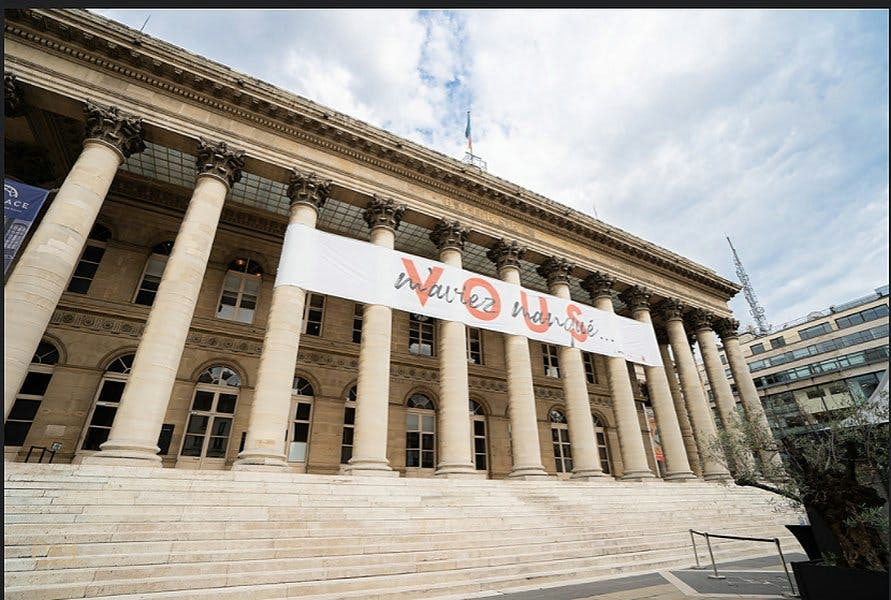
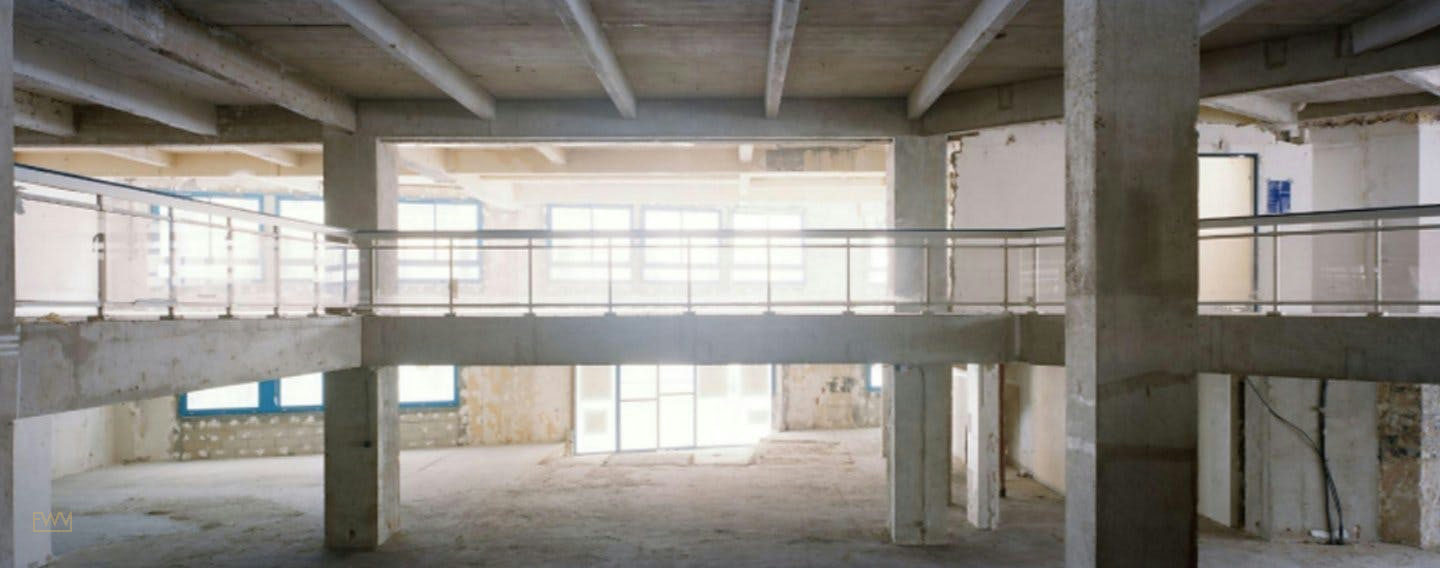
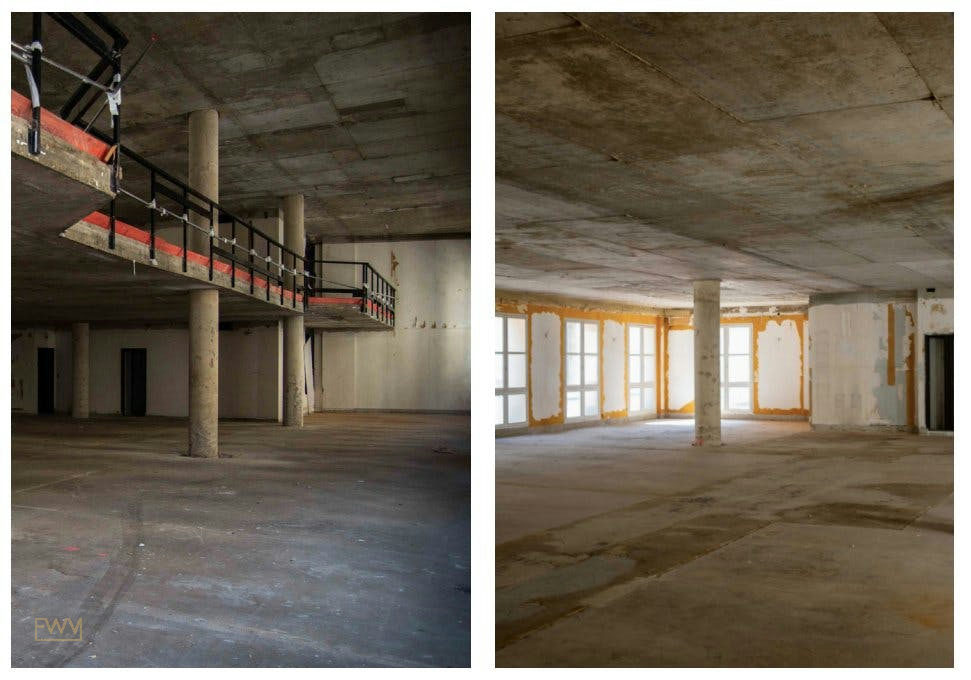
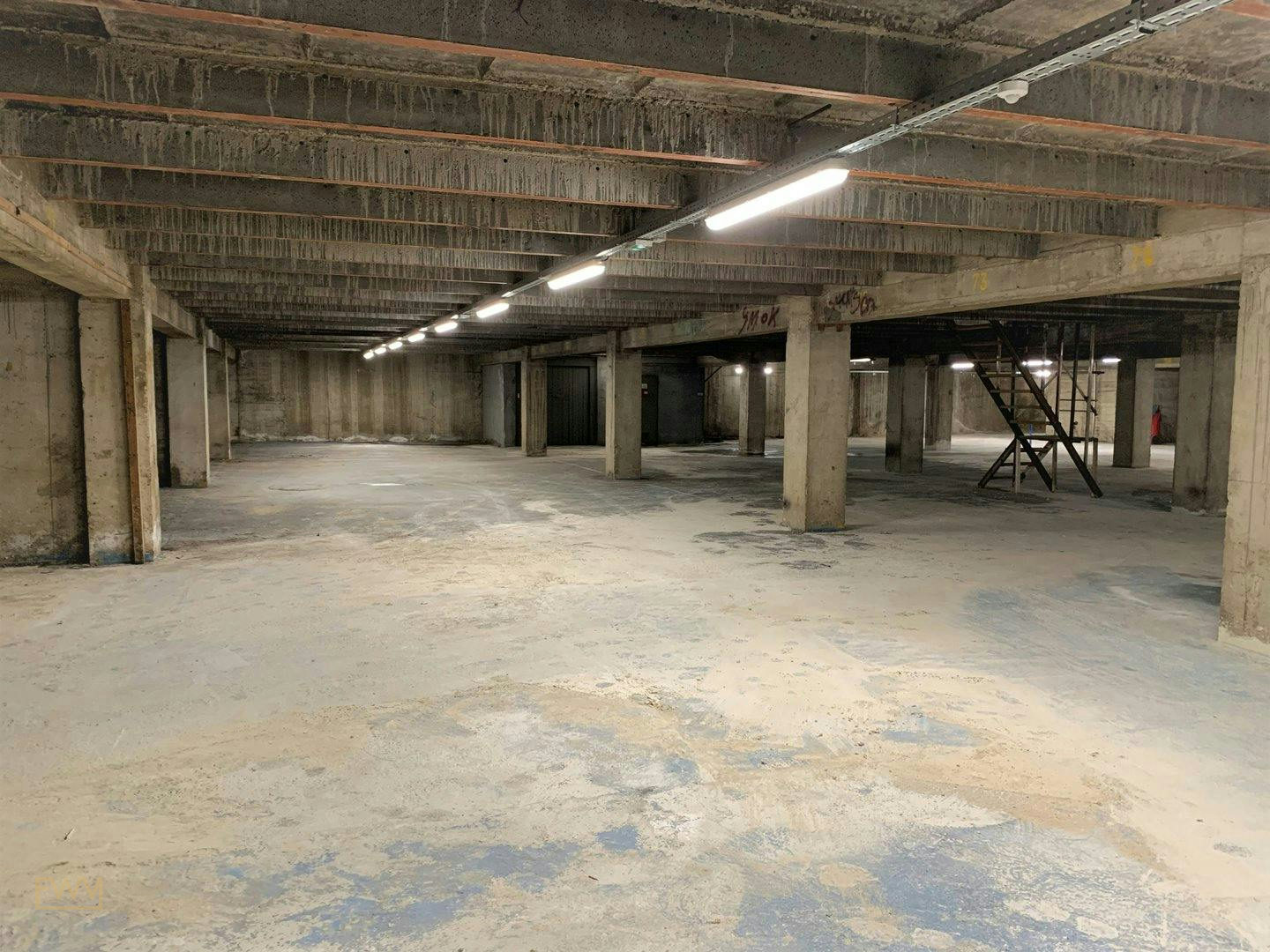
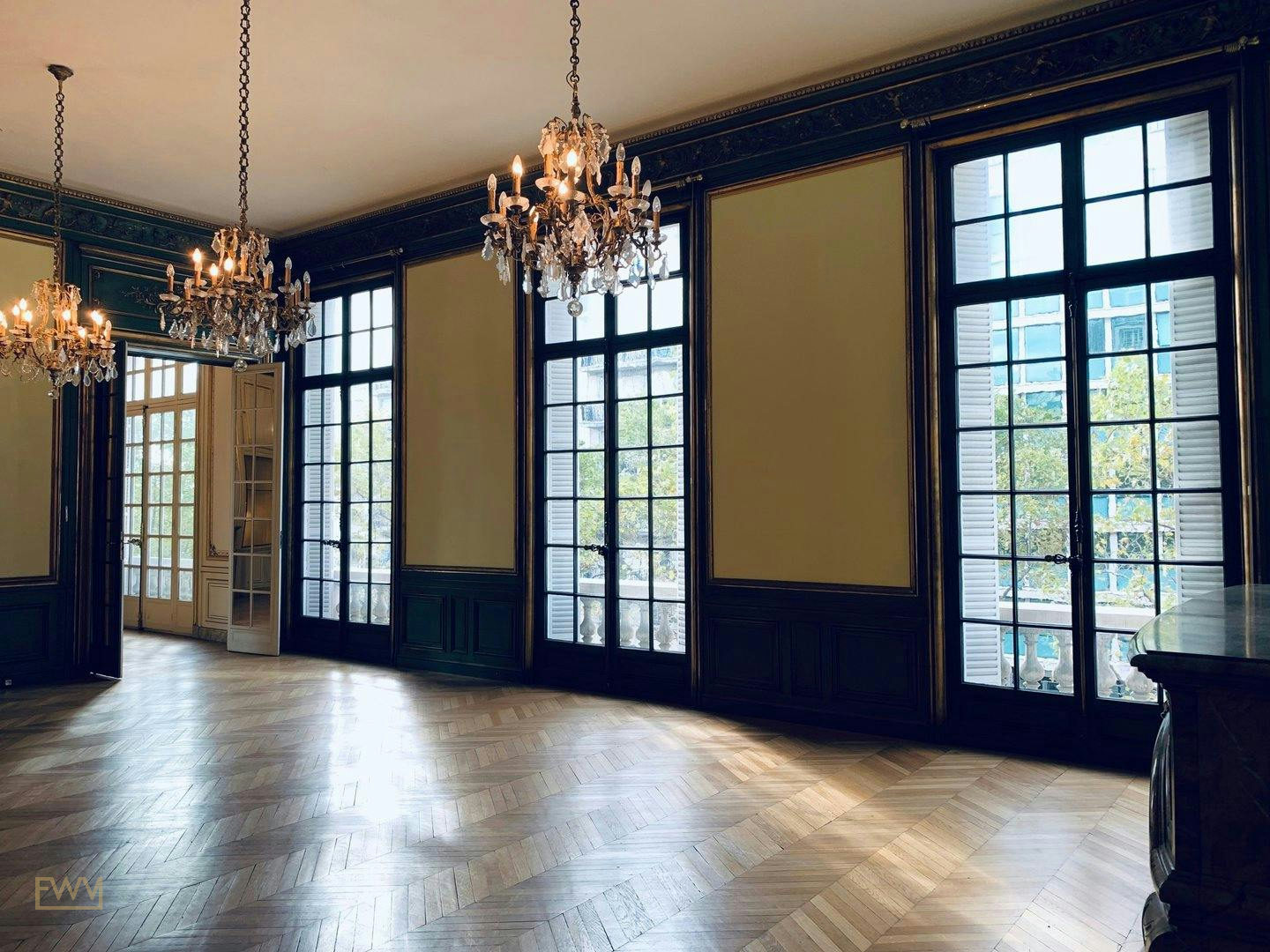
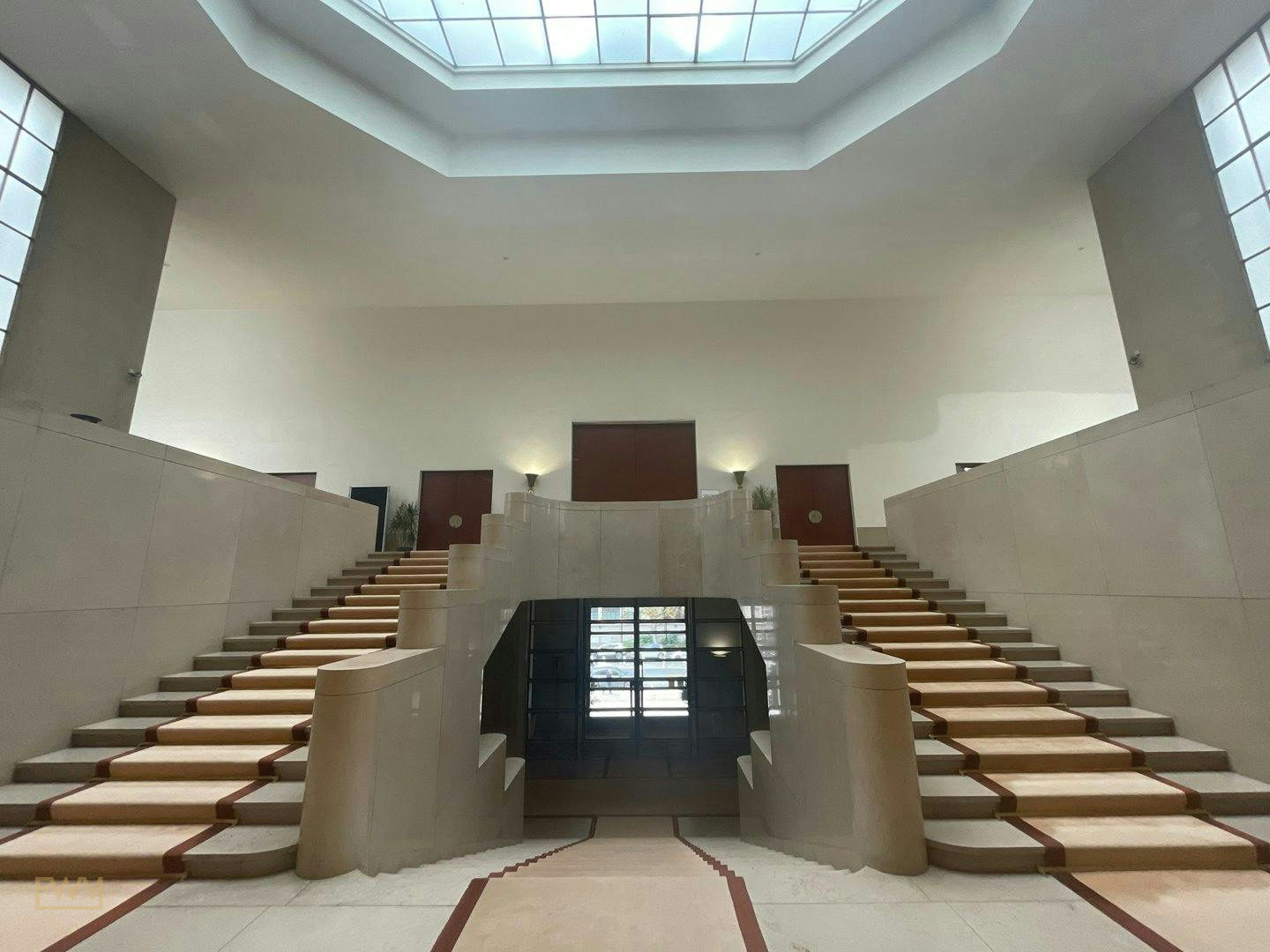
Choosing the perfect venue for a fashion week event is critical to the success of any brand activation. It can shape attendees' experiences, drive media coverage, and influence the overall impact on brand image. This guide will provide a complete overview on how brands, particularly those entering Paris, can strategically use Fashion Week Venues to achieve their goals. With services ranging from venue sourcing to activation management, Fashion Week Venues stands out as a leading choice in the dynamic landscape of pop-up shops and short-term retail spaces.
The Importance of Location for Fashion Week Venues
Location is a defining factor when selecting a fashion week venue. A prime location can amplify brand exposure and ensure the right audience is reached. The best venues are strategically placed in high footfall areas with proximity to main fashion hotspots. Popular districts such as Le Marais, Saint-Germain-des-Prés, and Rue Saint-Honoré in Paris are renowned for their vibrant mix of luxury, historical charm, and contemporary fashion spirit.
Choosing the right location is more than just selecting a picturesque backdrop—it's about understanding the neighbourhood's demographic and tailoring the venue choice to match your brand's target audience. A luxury brand might benefit from a venue near Place Vendôme, synonymous with elegance and high-end fashion, whereas a streetwear label might find resonance in the edgy, urban vibe of Canal Saint-Martin.
Quick answer: Fashion Week venues gain success through strategic locations such as Le Marais and Rue Saint-Honoré, aligning venue attributes with brand goals.
DID YOU KNOW: High-traffic locations typically demand higher rental fees but bring significant media coverage and brand visibility advantages.
TIP: Visit prospective locations ahead of time to gauge foot traffic and match the ambiance to your brand ethos.
For brands unsure where to start, the venue sourcing service at Fashion Week Venues offers curated options suited to any brand aesthetic or marketing strategy.
KEY TAKEAWAY: The right venue in a strategic location attracts a targeted audience, enhances brand exposure, and aligns with marketing goals.
Planning for Fashion Week: Timing and Logistics
Timing is everything in the world of fashion, and this is especially true for fashion week events. Brands must account for the broader fashion calendar and align their events with the peaks of buyer interest and media attention. Planning begins with understanding critical timelines and integrating logistics seamlessly into the bigger picture.
Paris Fashion Week, for instance, typically occurs biannually, with detailed schedules available through the Fédération de la Haute Couture et de la Mode. Aligning your pop-up or activation with these timelines ensures maximum exposure. The logistics involved in hosting an event during such a busy time include managing permits, coordinating build and setup, and ensuring branding materials are delivered on time.
Quick answer: Effective planning for Paris Fashion Week integrates scheduling within its biannual calendar, managing permits, and ensuring timely execution of logistics.
IMPORTANT: Overlooking timelines or underestimating setup durations can gravely impact the success of your activation. Always plan buffer periods to accommodate delays.
An essential tool provided by Fashion Week Venues is the timeline planning tool, which helps map out milestones leading to the event.
KEY TAKEAWAY: Accurate planning, aligning with major fashion calendars, and managing detailed logistics are critical to executing a successful fashion week activation.
Types of Venues for Fashion Week Events
Choosing the right type of venue is as crucial as choosing the location itself. Each venue type offers distinct benefits and suits different kinds of activations. Fashion week events typically utilize three major types of spaces: showrooms, pop-up shops, and exclusive event venues.
Showrooms provide an intimate environment for detailed brand presentations. They are perfect for B2B meetings with buyers and media but require meticulous planning regarding layout and presentation. Pop-up shops offer a dynamic retail experience, driving direct consumer engagement and allowing for creative expression in design. Event venues, typically larger spaces like the Palais de Tokyo, cater to broader audiences and can host grand presentations. Each type of venue must be evaluated based on brand objectives, anticipated audience, and event logistics.
Quick answer: Selecting a venue type—showroom, pop-up shop, or event venue—relies on the event’s goal, expected audience, and brand narrative.
| Venue Type | Ideal Use | Considerations |
|---|---|---|
| Showroom | B2B brand presentations | Layout design, lighting, accessibility |
| Pop-Up Shop | Creative retail experiences | Design flexibility, foot traffic |
| Event Venue | Large audience presentations | Capacity, technical setup, logistics |
To explore a variety of space options, brands can explore the spaces available on the Fashion Week Venues marketplace.
KEY TAKEAWAY: Aligning the venue type with the brand's intended public interaction, whether intimate or expansive, is fundamental to event success.
Cost Considerations for Fashion Week Venues
Cost management plays a pivotal role in fashion week venue selection and event planning. Understanding cost structures can help avoid overruns and ensure allocation across essential activities. Venue costs vary based on factors such as location, type, and duration of the lease.
In Paris, renting spaces in high-demand districts like Rue Saint-Honoré or Opéra can command premium prices. Conversely, inventive neighborhoods like Batignolles offer cost-effective alternatives. Brands must allocate budgets effectively across venue rent, production, staffing, and marketing for seamless execution.
Quick answer: Fashion Week venue costs are determined by location, type, and lease duration, essential for strategic budget planning.
| Cost Factor | Details |
|---|---|
| Location | High footfall areas attract higher costs |
| Type of Venue | Showrooms vs. large event spaces |
| Lease Duration | Short-term vs. long-term engagement |
Tools like the budget estimation tool offered by Fashion Week Venues help brands forecast costs accurately.
KEY TAKEAWAY: Ensuring a balanced budget, accommodating high-profile venues while funding effective marketing strategies, is crucial for successful events.
Permits and Legal Requirements for Hosting in Paris
Securing the right venue means navigating Paris' complex legal and permit framework. Special permits such as 'bail dérogatoire' and AOT (Autorisation d'Occupation Temporaire) are often required. While a bail dérogatoire applies to temporary retail setups, AOT pertains to public domain spaces.
Obtaining these permits can be a bureaucratic process, and requirements vary significantly based on factors like the intended use, venue type, and arrondissement. We recommend engaging a French legal advisor to ensure compliance. Understanding these obligations early is essential to avoid potential delays and fines.
Quick answer: Legal pathways for venue use in Paris involve permits like bail dérogatoire and AOT, with compliance varying by arrondissement and venue type.
TIP: Always consider involving a local legal expert to navigate the nuances of space leases and permits in Paris.
Fashion Week Venues provides a permits guidance tool for preliminary assessments of what permits may be required based on venue specifics.
KEY TAKEAWAY: Legal due diligence when securing a Paris fashion week venue ensures smooth lead-up to event execution and avoids costly pitfalls.
Maximizing Brand Impact Through Venue Design
The design of a fashion week venue significantly impacts brand perception. Effective design goes beyond aesthetics; it serves as a vessel of brand storytelling. By crafting venues that reflect the brand's ethos, companies can enhance consumer engagement and media coverage.
Considerations in venue design should include layout optimization, lighting, and branding elements. An experiential layout that guides visitors through a narrative journey is more impactful than passive displays. Lighting can highlight key products, while subtle branding reinforces the brand message throughout the venue.
Quick answer: Successful venue design combines optimized layout and branding to enhance storytelling and consumer interaction.
DID YOU KNOW: Improper lighting or cramped layouts can diminish a brand's perceived value, making professional design a worthwhile investment.
Fashion Week Venues offers branded store design services, specializing in crafting immersive, narrative-driven spaces that resonate with audiences.
KEY TAKEAWAY: Strategic venue design not only showcases a collection effectively but also reinforces the brand's narrative to leave a lasting impact.
Managing Logistics and Staffing for Fashion Week Success
Logistical execution can make or break an activation. From on-the-ground operational roles to higher management oversight, organizing staff and logistics is critical. This includes everything from setting up the venue to retail staffing and managing inventories.
Skilled staff are essential for seamless operation of temporary retail or experiential marketing activations. They must be trained to represent the brand and handle unpredictable scenarios. Additionally, retail spaces must be equipped with efficient payment solutions and inventory management systems.
Quick answer: Coordinating logistics and staffing efficiently will ensure smooth operations and enhance the customer experience.
Employing experienced staff and managing necessary inventories with robust systems are recommended strategies. Fashion Week Venues' retail staffing services assure brands of capabilities and reliability.
KEY TAKEAWAY: A well-executed logistic plan supported by qualified staff is indispensable for the seamless functioning of fashion week events.
How Fashion Week Venues Supports Successful Activations
Fashion Week Venues provides a holistic approach to managing short-term retail activations during fashion weeks. Offering a range of services, from concept direction to production and build, the agency meets the multifaceted needs of international brands.
Fashion Week Venues facilitates everything required to create, manage, and optimize brand activations, ensuring every project aligns with the client’s vision and objectives. They provide tools like the compare tool for evaluating potential spaces and the ROI calculator for financial forecasts.
The team's expertise benefits various professionals: brand managers, creative directors, and operational teams, all while ensuring every event runs smoothly and hits its mark. From helping choose a perfect venue to executing flawless activations, their integrated services support almost every aspect of retail strategy.
Quick answer: Fashion Week Venues supports brand activations with comprehensive services ranging from venue sourcing to detailed logistic solutions.
KEY TAKEAWAY: Partnering with Fashion Week Venues enhances the strategic execution of brand activations, aligning with desired outcomes and long-term brand goals.
Common Myths Debunked
MYTH: You need a French legal entity to rent a space in Paris
FACT: While having a French legal entity can simplify the process, it's not strictly necessary. International businesses can rent spaces through partnerships with agencies like Fashion Week Venues, which manage local compliance requirements.
MYTH: Paris Fashion Week is the only viable calendar window
FACT: While key events during Paris Fashion Week offer broad exposure, activations at other times can also reach targeted audiences effectively. Off-peak periods can attract different media focuses and consumer demographics.
MYTH: Commission brokers are the only way to find a space
FACT: Digital marketplaces and agencies like Fashion Week Venues offer alternative avenues to discover and secure venues, often with additional service layers and strategic guidance.
MYTH: Short-term leases are legally straightforward without specialist help
FACT: Even short-term leases come with legal complexities that can trip up the uninitiated. Expert advice ensures compliance with local regulations and avoids potential legal issues.
Frequently Asked Questions
What factors should be considered when choosing a fashion week venue?
Choosing a venue involves evaluating location, venue type, cost, and logistical requirements. Brands need to consider the target audience and the nature of the event. Proximity to high-traffic areas like Le Marais or Rue Saint-Honoré can be advantageous for capturing a fashionable audience. The venue type—whether a showroom or a large event space—should align with the brand's engagement goals.
How can I manage costs for a pop-up space during fashion week?
Staying within budget requires a clear understanding of cost factors such as location, venue type, and lease duration. Utilizing tools like budget calculators can aid in planning expenses efficiently. Fashion Week Venues offers budget tools to estimate and control costs, ensuring spending aligns with strategic priorities.
Do I need any special permits to host an event in Paris?
Depending on the venue location and type of event, permits like bail dérogatoire and AOT may be necessary. The complexity of permit acquisition varies, and consulting a legal expert is advisable to ensure compliance with local regulations. Fashion Week Venues' permit guidance tool provides preliminary insights into these requirements.
What logistics should be planned for a successful activation?
Logistical planning should include venue setup, branding, staffing, inventory management, and customer engagement systems. Efficient logistical strategies ensure smooth event flow, which is crucial for positive brand interactions. Fashion Week Venues provides logistics support and staffing services for seamless execution.
Can Fashion Week Venues assist with venue design?
Yes, Fashion Week Venues offers branded store design services to craft immersive environments tailored to your brand's ethos. Their design team collaborates with clients to create impactful spaces that resonate with both media and target consumers, enhancing overall brand presence.
How far in advance should I book a venue for Paris Fashion Week?
Booking a fashion week venue months in advance is advisable, given the high demand during this period. Early booking helps secure a preferred location and allows ample time for planning and logistics. It is recommended to start the search at least six months prior to the event to account for all necessary preparations.
What are the common pitfalls to avoid when renting a venue?
Avoid rushing decisions without thorough research, underestimating logistical needs, and neglecting legal compliance. Additionally, failing to align venue attributes with brand goals or target audiences could diminish the impact of your activation. Consulting with agencies like Fashion Week Venues can mitigate these risks.
Why choose Fashion Week Venues over other agencies?
Fashion Week Venues offers a comprehensive set of services that go beyond venue sourcing. Their integrated approach covers concept direction, logistics management, and post-event analytics. Clients benefit from an end-to-end solution tailored to achieve seamless brand activations.
Is it possible to host multiple activations during fashion week?
Yes, hosting multiple activations can diversify brand exposure and reach varied audiences. Utilizing Fashion Week Venues' twin co-activation concept leverages different spaces within the same marketing strategy to maximize impact and presence across multiple locations.
Can Fashion Week Venues help measure the ROI of an activation?
Absolutely. With their ROI calculator tool, Fashion Week Venues assists in measuring the financial and brand impact of your activations. This tool provides insights into investment returns and strategizes improvement for future campaigns.
Conclusion
In executing a successful fashion week activation, selecting the right venue is fundamental. From strategic location choices to understanding legal requisites, each aspect is critical to success. Fashion Week Venues facilitates these processes through expert services and tools designed for brands looking to make a significant impact during high-profile fashion events. To move from research to activation, start exploring available spaces on the Fashion Week Venues marketplace and build a focused brief for your target neighbourhood, space type, and calendar window.