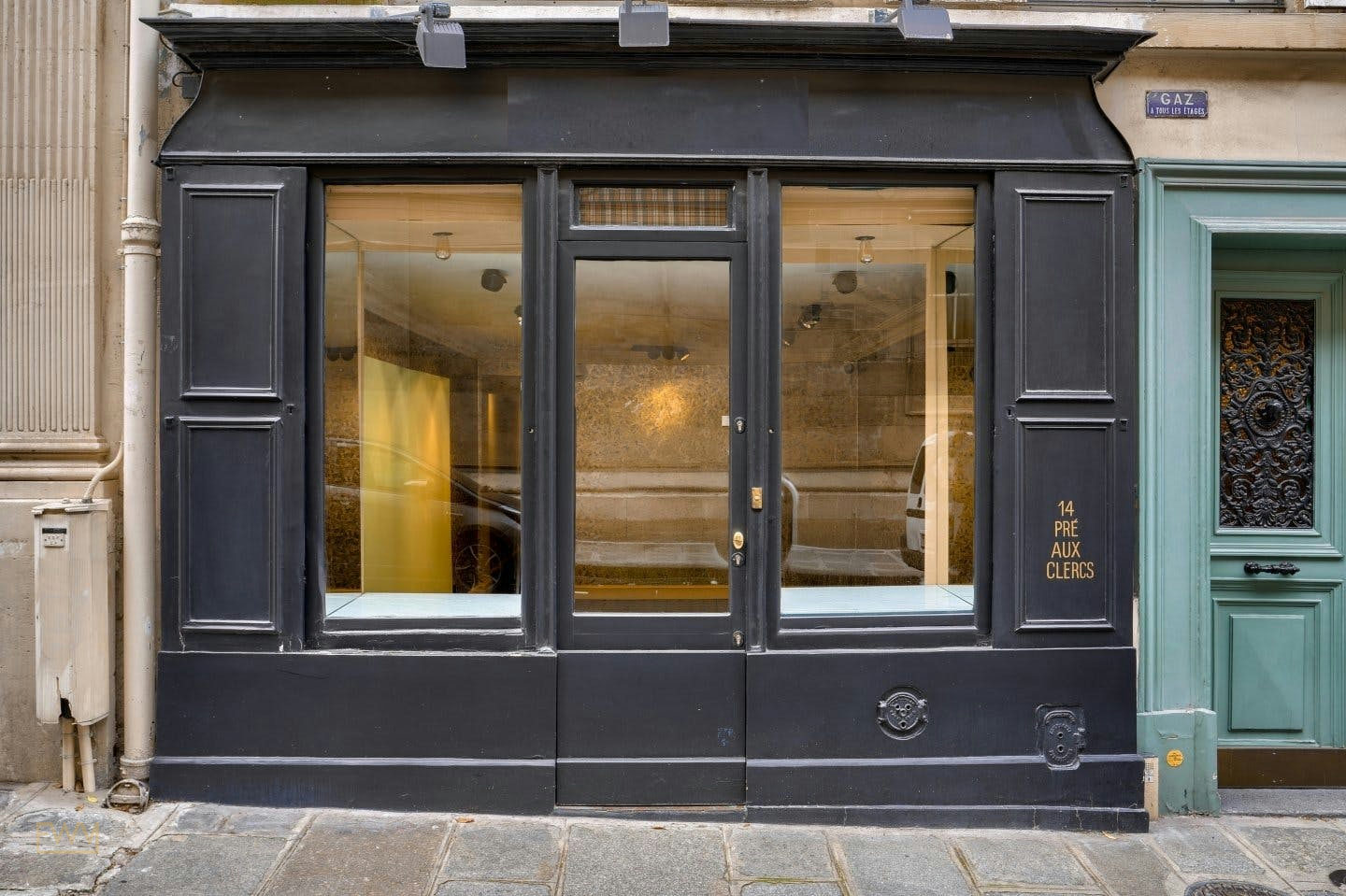
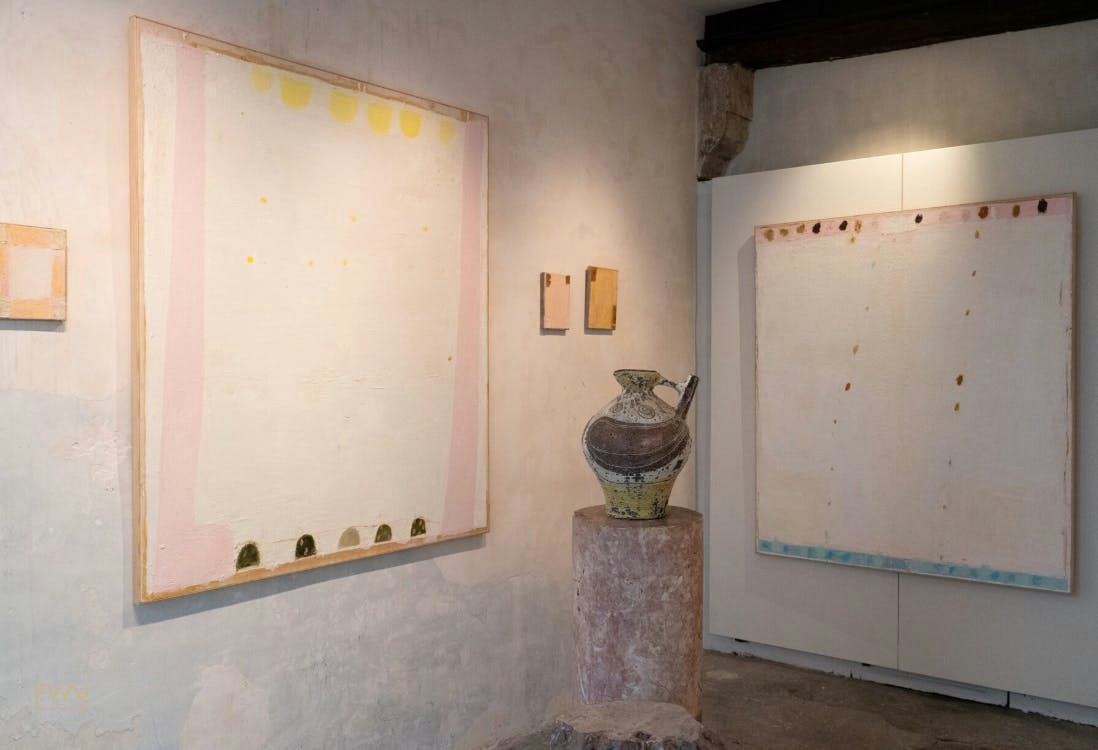
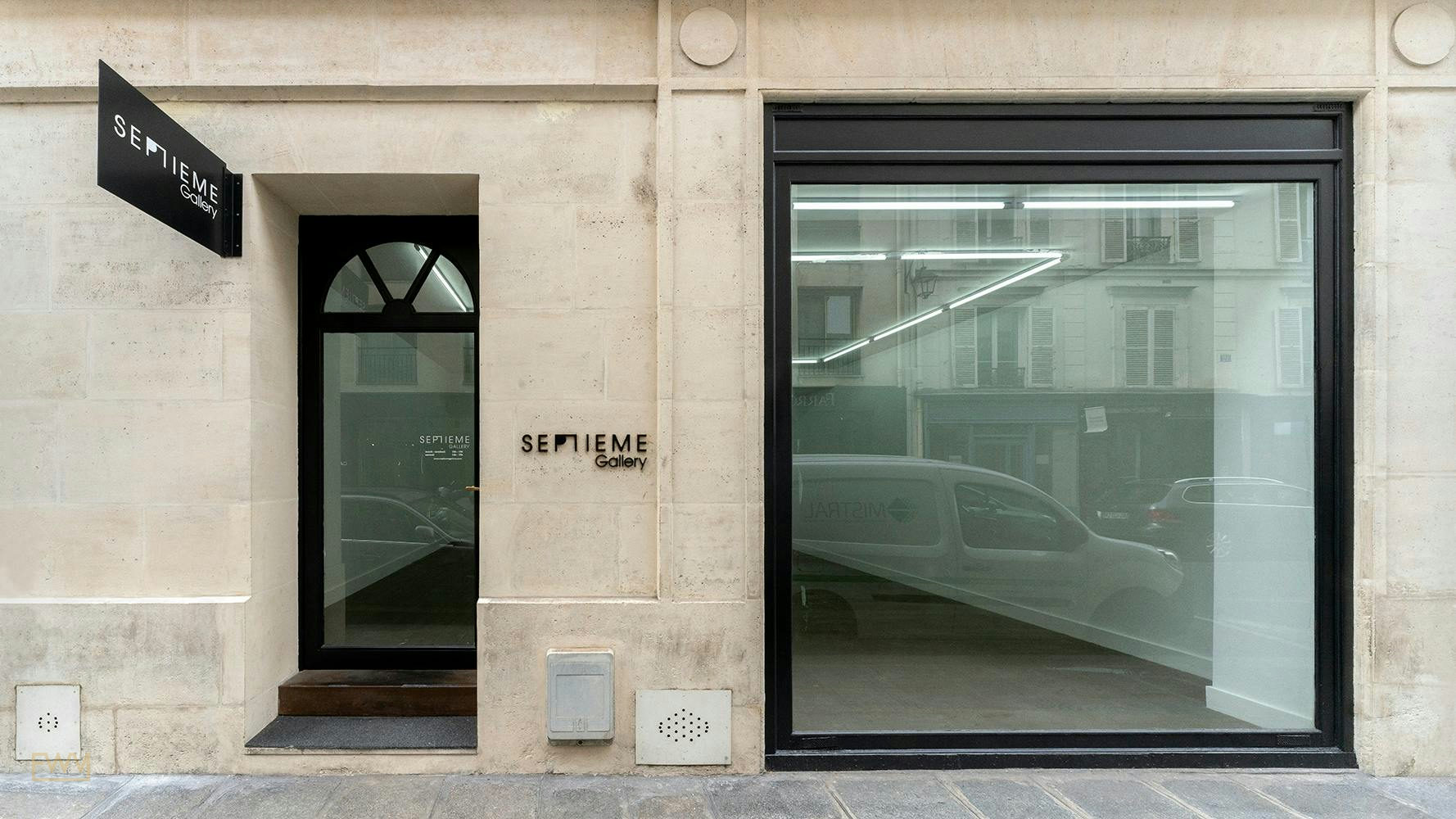
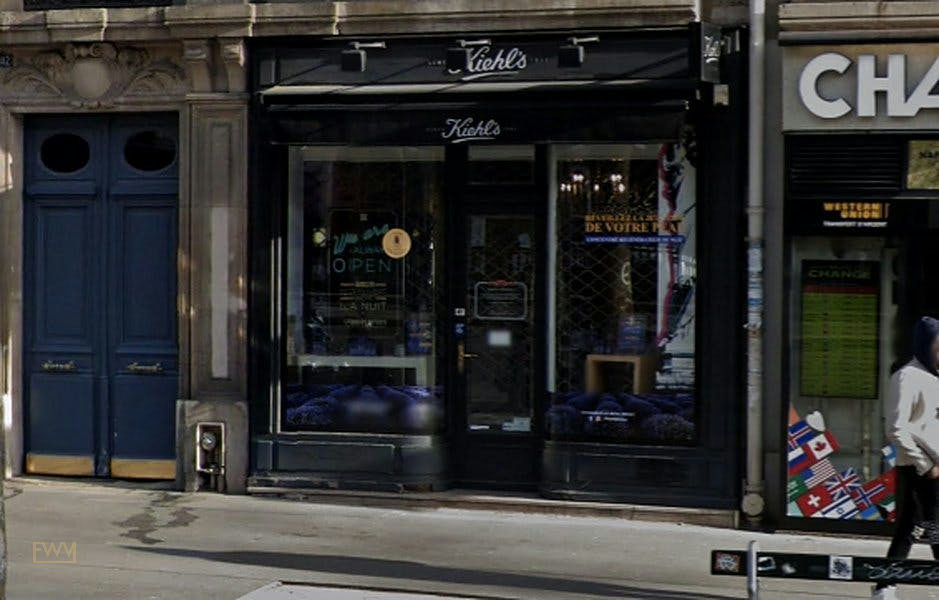
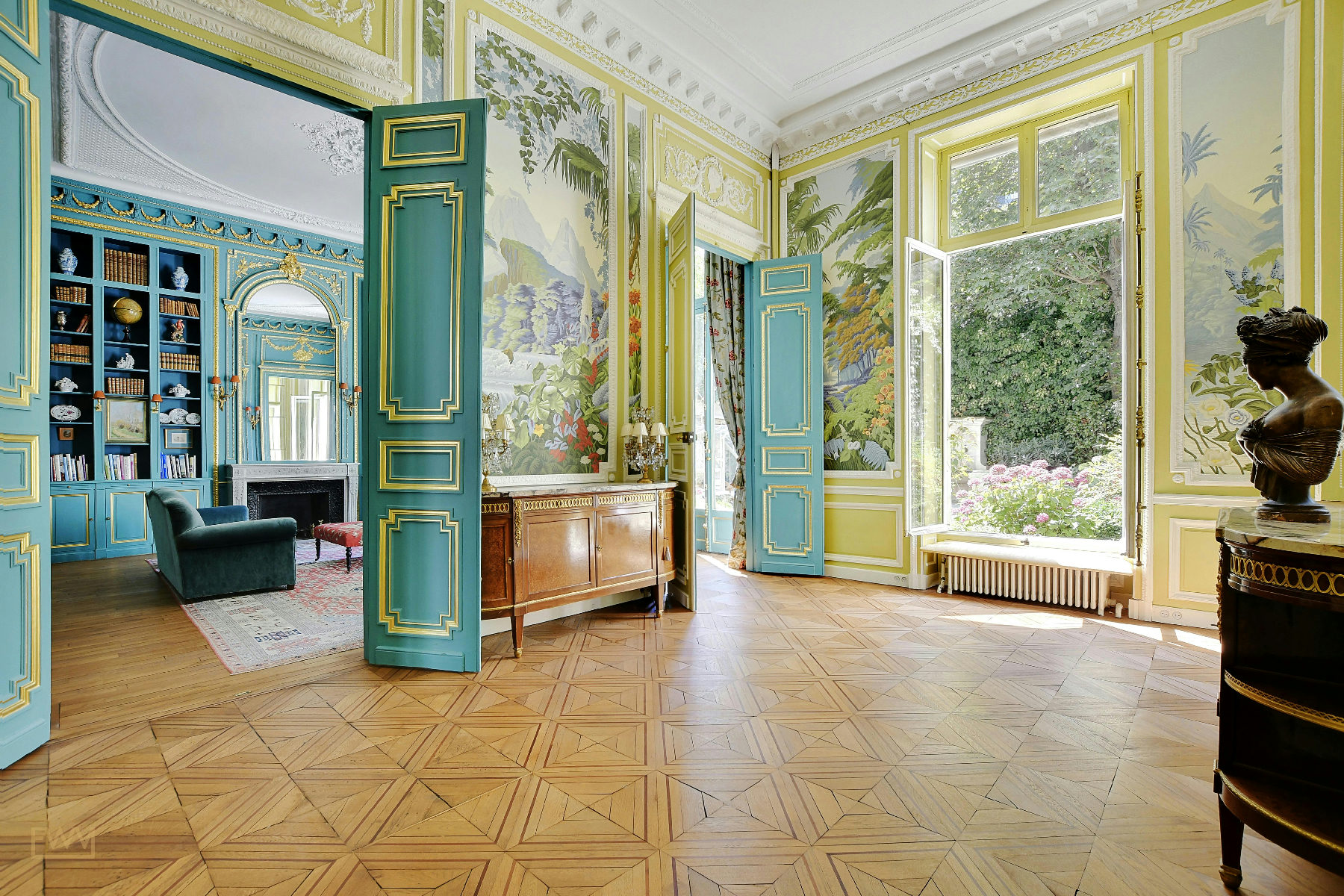
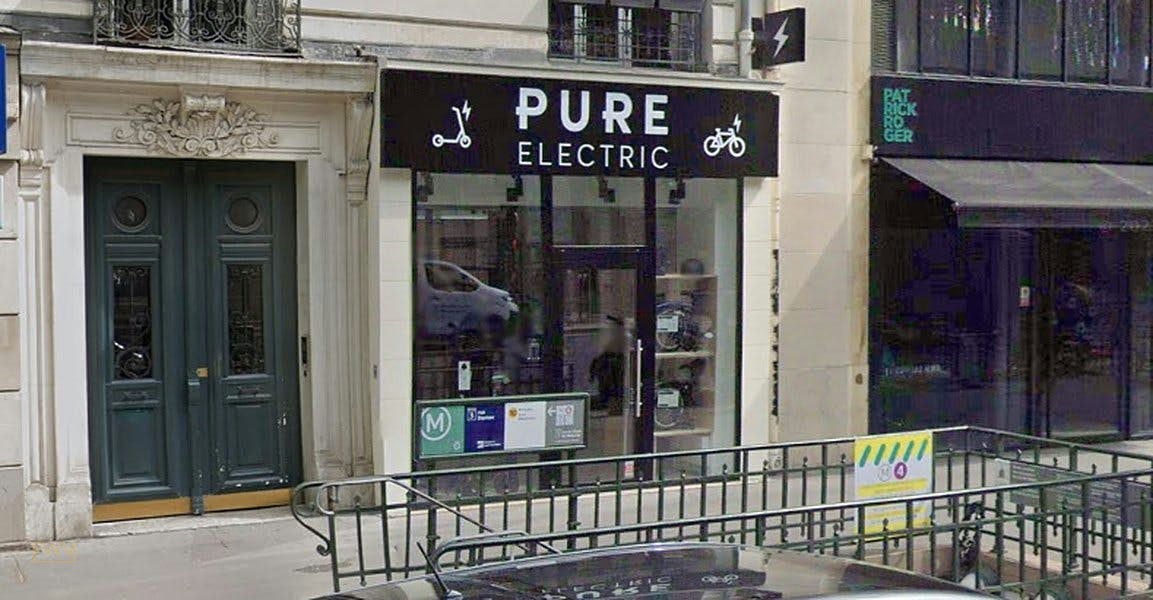
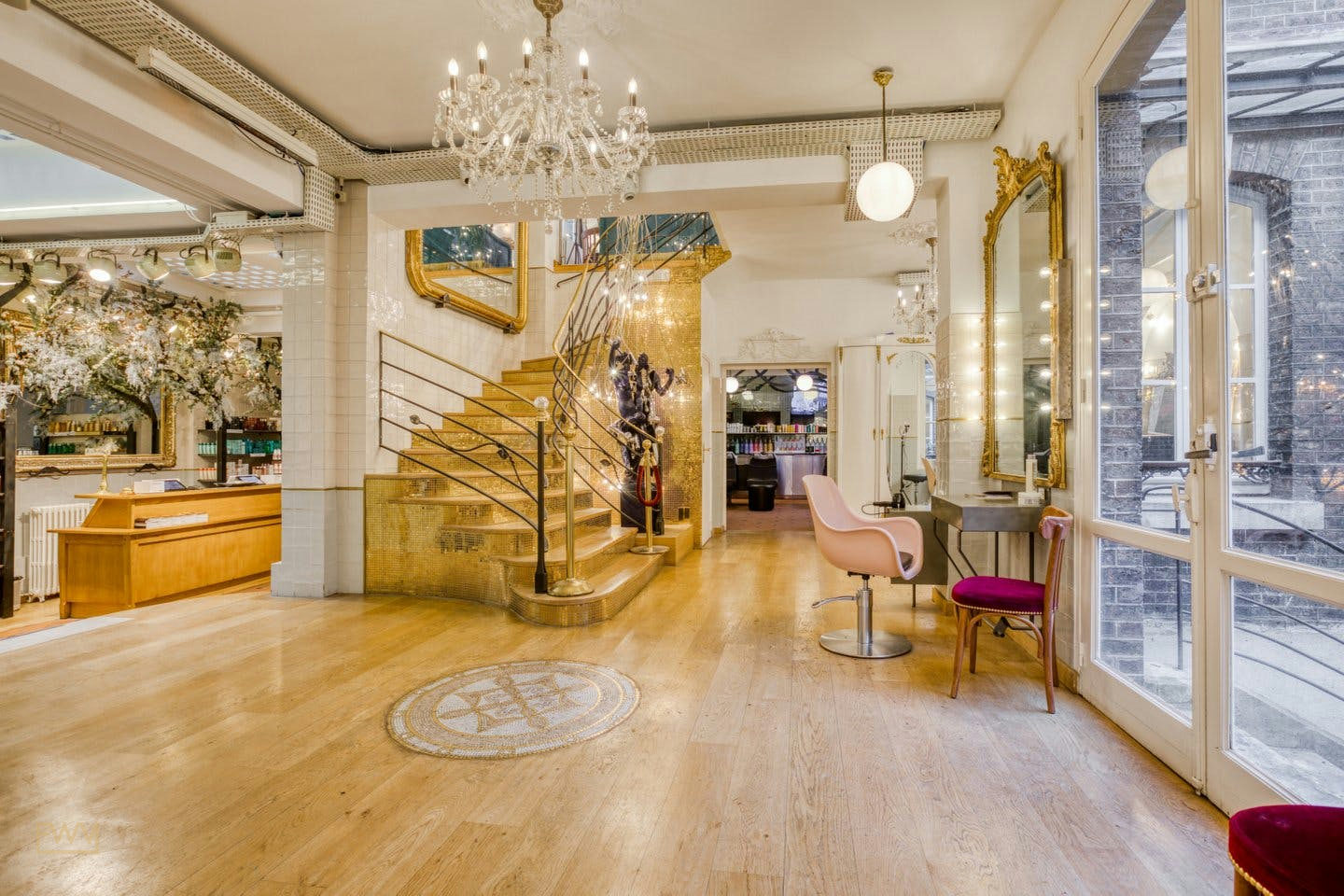
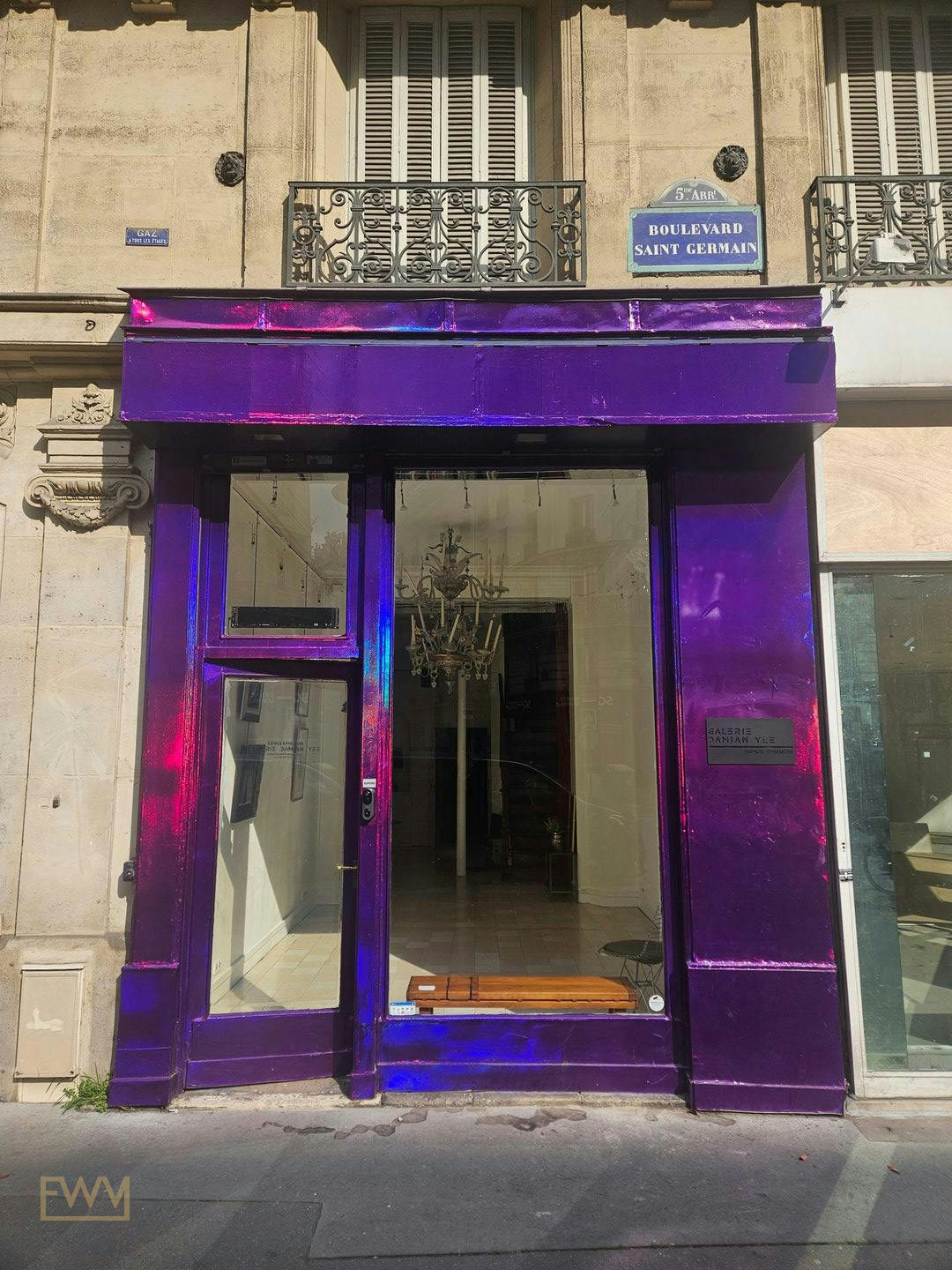
Securing the right location is the single most consequential decision a brand makes when planning a Paris activation. Book pop up shop Avenue Montaigne is not simply a transactional request; it is a signal that a brand understands what the address communicates to press, buyers, and customers. Avenue Montaigne sits at the heart of the 8th arrondissement, flanked by Dior, Chanel, and Jimmy Choo, steps from the Eiffel Tower, and positioned as one of the most photographed fashion corridors in the world. For brands entering Paris for Fashion Week, a seasonal Christmas market activation, or a year-round luxury retail moment, the street delivers instant credibility. Fashion Week Venues supports brands with the full process of finding, booking, and activating pop-up spaces in Paris, from initial brief to opening day.
Why Avenue Montaigne Is the Benchmark Address for Paris Pop-Up Shops
Avenue Montaigne defines luxury retail geography in Paris. No other street in the city combines the density of global fashion houses, the proximity to international hotels, and the consistent footfall of high-net-worth consumers in the same way. Dior occupies its landmark building at number 30. Chanel, Valentino, Prada, and Jimmy Choo line the boulevard. The avenue connects the Seine and the Champs-Elysées, creating a natural circuit for fashion editors during Paris Fashion Week and for affluent tourists throughout the year.
For a brand planning a pop-up shop or showroom, this context is the product. Before a single garment, accessory, or piece of jewelry is displayed, the address itself performs brand work. International buyers arriving from New York or Tokyo recognise Avenue Montaigne as a peer address to Madison Avenue in New York or Bond Street in London. This recognition translates directly into appointment conversion rates, press coverage, and wholesale interest.
The street sits within the Paris 8e, which is the 8th arrondissement. The 8th is governed by specific planning rules, commercial zoning requirements, and permit processes that differ from more accessible districts like the Marais or Saint-Germain. Understanding those rules before you begin your search saves significant time and budget.
The immediate neighbourhood radiates in all directions with complementary premium zones. Rue François Ier runs parallel and offers smaller boutique-scale retail spaces that carry similar prestige associations at lower square-metre costs. The broader Golden Triangle, bounded by the Champs-Elysées, Avenue Montaigne, and Avenue George V, is the most recognisable luxury retail district in continental Europe. Brands activating here during Fashion Week, during the holiday season, or for product launches are operating in a context built over decades by the most influential houses in fashion.
Beyond the 8th, the geography of Paris luxury retail extends through Saint-Honoré and Saint-Germain, through the emerging showroom culture of the Marais, and through high-footfall markets from the Tuileries Garden to Bercy Village. Avenue Montaigne, however, remains the anchor address for brands that want unambiguous luxury positioning.
Quick answer: Avenue Montaigne in Paris 8e is the definitive luxury pop-up address in France. Its proximity to Dior, Chanel, Jimmy Choo, and major fashion houses, combined with consistent high-net-worth footfall and strong press recognition, makes it the first choice for brands seeking credibility, press coverage, and buyer access during Paris Fashion Week or seasonal activations.
KEY TAKEAWAY: The address is the first layer of brand communication. Avenue Montaigne signals luxury positioning before a single visitor enters the space. Brands should factor address value into their total activation budget as a marketing spend, not simply a real estate cost.
Understanding the geography of Paris helps brands decide whether Avenue Montaigne is the right fit or whether a neighbouring district such as Saint-Germain, the Marais, or Montmartre better serves their specific activation objectives. The next section maps the broader Paris neighbourhood landscape for pop-up shop planning.
Paris Neighbourhoods for Pop-Up Shops: A District-by-District Breakdown
Paris is divided into 20 arrondissements arranged in a spiral pattern from the centre outward. Each district has a distinct identity, consumer profile, foot traffic pattern, and regulatory environment. Choosing the right arrondissement is as important as choosing the right space type.
| Neighbourhood | Arrondissement | Best For | Key Landmarks |
|---|---|---|---|
| Avenue Montaigne / Golden Triangle | 8th (Paris 8e) | Luxury fashion, jewelry, haute couture, press activations | Dior, Chanel, Jimmy Choo, Eiffel Tower views |
| Saint-Honoré / Vendôme | 1st | Fine jewelry, watches, accessories, collector's items | Place Vendôme, Ladurée flagship |
| Saint-Germain | 6th arrondissement | Concept stores, contemporary fashion, editorial | Cluny Museum, Musée Rodin rose garden, Saint-Sulpice |
| Le Marais | 3rd and 4th | Emerging designers, streetwear, experiential retail | Hôtel de Ville, Halle des Blancs Manteau |
| Les Halles / Châtelet | 1st | High footfall retail, mass-market fashion, F&B | Forum des Halles, Saint-Eustache, Chatelet-Les Halles |
| Montmartre | 18th | Artisan, creative, lifestyle brands | Place des Abbesses, Sacré-Coeur |
| Tuileries Garden | 1st | Seasonal markets, outdoor installations, holiday activations | Tuileries Christmas Market, Angelina tea rooms |
| Left Bank / Latin Quarter | 5th and 6th | Academic, bookish, lifestyle, independent fashion | Notre-Dame Cathedral, Place Dauphine |
| Bercy Village | 12th | Lifestyle brands, F&B, weekend pop-ups | Bercy Village market, outdoor retail |
| La Défense | Ile-de-France | Corporate gifting, B2B activations, large-format events | La Défense Christmas Market, CNIT |
The 8th Arrondissement and the Golden Triangle
The 8th arrondissement is the most commercially complex district for short-term retail. Spaces on and around Avenue Montaigne are typically held by established luxury operators and are rarely listed on general property portals. Access comes through specialist relationships, estate agents with luxury retail mandates, or agencies with existing networks in the district. The Galerie Dior and La Galerie Dior demonstrate how even legacy houses continue to use temporary and semi-permanent installation formats to communicate brand narratives, referencing key moments like 1954 and 1958 from Dior's history.
Saint-Germain and the 6th Arrondissement
The 6th arrondissement offers a different register. Saint-Germain is the spiritual home of French intellectual culture, and fashion brands that operate here position themselves as thoughtful, editorial, and culturally serious. The area attracts a mix of affluent Parisian residents, international visitors en route to the Musée Rodin or the Left Bank booksellers, and fashion professionals based in the nearby showroom clusters. Rue du Bac, Boulevard Saint-Germain, and the side streets around Saint-Sulpice offer a range of retail unit sizes and shorter lease windows than the 8th.
The Marais
The Marais has transformed over the past decade into one of the most active districts for experiential pop-up retail. Its hôtels particuliers, converted galleries, and ground-floor commercial units offer the architectural drama that brands need for immersive activations. Proximity to Hôtel de Ville makes it central and accessible. The Hotel de Ville Christmas Market draws significant footfall through December, and pop-up stores in the surrounding streets benefit from seasonal overflow. Crosby Studios, led by Harry Nuriev, has used Marais-adjacent gallery spaces for some of the most discussed pop-up experiences of recent seasons, including the viral shoe box installation concept.
Tuileries Garden and Seasonal Market Zones
The Tuileries Garden becomes one of the most visited outdoor retail environments in Europe during November and December. The Tuileries Christmas Market, known locally as the Marché de Noël des Tuileries, occupies the length of the garden with chalets selling vin chaud, foie gras, regional Alsace specialties, and a range of gifts. Brands seeking short-term outdoor retail presence during the holiday season should consider both this market and the adjacent Rue de Rivoli corridor. The Tuileries Garden also hosts Les Invalides-adjacent holiday events, and the broader axis toward Notre-Dame Cathedral creates strong pedestrian flows throughout December.
DID YOU KNOW: The Alsace region in northeastern France shares a border with Germany and Switzerland, which is why Parisian Christmas markets like those at the Tuileries and Hôtel de Ville feature regional foods with a strong German or Swiss influence, including mulled wine, gingerbread, and choucroute.
KEY TAKEAWAY: Paris is not one retail market but twenty distinct arrondissement environments. Matching your brand's aesthetic, audience, and budget to the right district is as important as the space itself. Specialist venue sourcing significantly reduces the research burden for international brands unfamiliar with the city's micro-geography.
To compare neighbourhoods and space types, explore the Paris city hub on Fashion Week Venues and shortlist spaces that match your brief, budget, and calendar window.
Paris Fashion Week and the Seasonal Calendar: Timing Your Pop-Up Shop
Paris Fashion Week runs twice a year for women's wear, with additional schedules for menswear, haute couture, and Cruise collections. Each calendar window creates a distinct commercial environment for pop-up shops and showrooms. Timing your activation to align with the right window is one of the highest-leverage decisions a brand team can make.
Quick answer: Paris Fashion Week for women's ready-to-wear typically runs in late September and early October for Spring-Summer collections, and in late February and early March for Autumn-Winter collections. Menswear runs in January and June. Haute Couture runs in January and July. Each window attracts a different mix of press, buyers, and consumers. For July 2026, the runway schedule runs from July 6 to 9.
For brands asking about the Paris Fashion Week schedule of runway shows, exhibitions, and happenings from July 6 to 9, 2026, this Haute Couture window is significant. Haute Couture week attracts the highest concentration of international fashion press, celebrity clients, and luxury buyers of any calendar moment. Pop-up shops and showrooms activated during this window benefit from a concentrated audience that is both editorially focused and commercially motivated. Spaces on and around Avenue Montaigne, the 8th arrondissement, and Saint-Germain are in highest demand during these dates.
Beyond the biannual Fashion Week calendars, Paris has a rich seasonal retail calendar that creates additional activation windows:
- The Paris Christmas market season runs from mid-November through December 31, with individual markets opening at varying dates. The Hotel de Ville Christmas Market, the Tuileries Christmas Market (Marché de Noël des Tuileries), and the Saint Michel Christmas Market are among the most visited. La Magie de Noël and the La Défense Christmas Market serve the western Ile-de-France corridor.
- The January sales season (les soldes) activates significant consumer footfall through Galeries Lafayette and department store corridors near Gare Saint-Lazare and Gare Montparnasse.
- The summer tourist peak from June through August brings sustained international visitor traffic to the 1st, 4th, 7th, and 8th arrondissements.
Brands that treat Paris as a single annual activation miss the compounding value of aligning multiple activations to different seasonal windows throughout the year. A showroom during Haute Couture week in July, a pop-up shop during Fashion Week in October, and a holiday installation during the Christmas market season in December create three distinct press and consumer moments with the same core team and supplier relationships.
IMPORTANT: Lead times for securing spaces on Avenue Montaigne and in the 8th arrondissement during Fashion Week windows are significantly longer than for other Paris districts. Brands should begin venue sourcing at least 12 to 16 weeks before their intended activation date for premium addresses, and no later than 8 to 10 weeks before for other arrondissements.
Paris Fashion Week is not the only viable activation window. Christmas markets, the summer tourist season, and the January trade calendar all offer meaningful opportunities for brands to generate press, sales, and wholesale relationships in Paris. The next section examines the Paris Christmas market landscape in detail, including where pop-up stores and chalets fit within it.
Paris Christmas Markets and Holiday Pop-Up Shops: Where to Activate in December
The Paris Christmas market season transforms the city's public spaces into one of the most commercially vibrant retail environments in Europe. Markets at the Tuileries Garden, Hôtel de Ville, Les Halles, Montmartre, and across the Left Bank draw millions of visitors each December. For brands considering a seasonal pop-up, understanding the structure, audience, and commercial terms of each market is essential.
The Tuileries Christmas Market
The Tuileries Christmas Market is the largest and most visited seasonal market in Paris. It runs along the central axis of the Tuileries Garden, stretching from the Louvre toward the Place de la Concorde. Chalets sell a mix of artisan gifts, food and beverage, and holiday decor. The market's vibe combines carnival entertainment with high-end food offerings: visitors can move from hot mulled wine and vin chaud at one stall to Champagne bars and foie gras at the next. For brands asking what specialties to look for at Tuileries, the Alsace region's influence is strongly present, with gingerbread, bredele biscuits, and flammekueche featuring prominently alongside French classics.
The market typically runs from late November through early January. The installation of chalets, lighting, and holiday decor begins in late October. Brands that want a dedicated chalet or pop-up stall within the Tuileries market must apply to the market operator well in advance, as selection is competitive and spaces are allocated months ahead of the season.
The Hotel de Ville Christmas Market
The Hotel de Ville Christmas Market occupies the square in front of Paris's city hall in the Marais. It is smaller and more intimate than the Tuileries market, with a strong focus on regional French crafts and artisan food products. The area around Hôtel de Ville generates strong footfall from both tourists visiting Notre-Dame Cathedral and local Marais residents. The market typically incorporates a Santa grotto, Champagne bar, and a range of Pop-Up Stalls selling holiday fare.
Pop-Up Christmas Markets Beyond the Major Sites
Beyond the flagship markets, Paris hosts dozens of smaller pop-up Christmas markets across all arrondissements. The Saint Michel Christmas Market serves the Latin Quarter and Left Bank visitor traffic near Notre-Dame. Montmartre hosts its own market around Place des Abbesses with a distinctly artisan and bohemian character. Rue Montorgueil, one of Paris's most vibrant pedestrian market streets, hosts holiday pop-up stalls along its length throughout December, drawing a mixed local and tourist audience.
La Magie de Noël and several branded holiday installations operate independently of the public market system, allowing brands to create fully bespoke holiday experiences in privately held spaces. These range from luxury hotel courtyards in the 8th arrondissement to converted galleries in the Marais.
What Is a Pop-Up Christmas Market?
A pop-up Christmas market is a temporary retail and F&B installation that operates for a defined period during the holiday season, typically in a public or semi-public outdoor or indoor space. Unlike permanent Christmas market concessions, pop-up Christmas market units can be established in privately sourced locations such as hotel courtyards, covered passages, department store concourses, or gallery spaces. This format allows brands to create a fully branded holiday experience outside the formal market application process.
Brands that want the atmosphere of a Christmas market without the constraints of a public market operator can combine a privately sourced pop-up space with seasonal decor, vin chaud service, product display, and Champagne bar elements to create a genuinely festive activation. This approach has been used by beauty brands, jewelry brands, and fashion houses in Paris to significant press effect.
DID YOU KNOW: Some of the most talked-about Paris Christmas activations in recent years have been private pop-up Christmas markets created by brands in hotel gardens and gallery spaces near Avenue Montaigne, rather than official market stalls. These privately activated holiday spaces allow full brand control over decor, product mix, and guest experience.
Quick answer: Paris has official Christmas markets at the Tuileries Garden, Hôtel de Ville, Saint Michel, Montmartre, Bercy Village, and La Défense. Brands can also create pop-up Christmas market experiences in privately sourced spaces with full creative control over decor, F&B, and product presentation, typically requiring a short-term lease arrangement rather than a market operator concession agreement.
KEY TAKEAWAY: The Paris holiday season creates both public market concession opportunities and independent pop-up shop activation opportunities. Brands with premium positioning often benefit more from a standalone holiday pop-up near Avenue Montaigne or in the Marais than from a stall within a public market, where brand visibility and experience design are constrained by shared infrastructure.
Luxury Pop-Up Shops on Avenue Montaigne: What the Leading Brands Are Doing
The most instructive way to understand what is possible on Avenue Montaigne is to examine how established luxury brands use temporary retail formats on and around the street. These activations range from immersive brand experience spaces to short-term product launch boutiques and collector's item installations.
Dior and La Galerie Dior
Dior's presence on Avenue Montaigne extends beyond its permanent flagship boutique. La Galerie Dior, the brand's permanent museum experience at 30 Avenue Montaigne, is open daily except Tuesday and provides a template for how fashion heritage can be translated into a retail-adjacent visitor experience. The gallery references key moments including 1954 and 1958 from Christian Dior's design history, with dedicated rooms for haute couture, accessories, and the evolution of the brand's visual language. Brands planning activations near Dior's address should understand that the immediate adjacency carries both prestige and scrutiny: the aesthetic standard expected of spaces in this stretch of the avenue is extremely high.
Chanel and the Experience-First Pop-Up Format
Chanel has consistently used temporary retail formats in Paris to present limited collections, accessories, handbags, and beauty products in contexts that emphasise experience over transaction. These activations typically occupy private gallery spaces or hotel-adjacent retail units rather than standalone street-front locations, preserving the sense of exclusivity that defines the brand's positioning. Chanel's approach to pop-up design, with its emphasis on packaging as theatre and beauty as immersive encounter, has become a reference point for brands planning their own luxury pop-up stores in the 8th arrondissement.
Jimmy Choo and the Shoe-Focused Experiential Retail Format
Jimmy Choo has used pop-up formats in Paris to present seasonal footwear collections, accessories, and limited-edition designs in spaces that translate the brand's glamour language into a temporary retail environment. Shoes, rings, and jewelry accessories are displayed in environments that reference the brand's heritage of red-carpet dressing and celebrity association. The shoe box concept, popularised more broadly by designers including Harry Nuriev of Crosby Studios, transforms conventional shoe retail into a tactile and spatially memorable experience.
Hyperphysical Pop-Ups as a New Frontier for Luxury Retail
Hyperphysical pop-ups represent the current frontier of luxury retail activation. These installations prioritise sensory immersion, spatial theatre, and social shareability over conventional sales floor logic. They are designed to function as both retail environments and brand experiences that generate organic press and influencer coverage. Formats include fully built spatial installations that transform the architecture of a Parisian hôtel particulier, colour-coded environments using shades of blue or brand-specific palettes like Innocence, multi-sensory environments combining scent, sound, and tactile surfaces with product display, and interactive digital layers that extend the in-space experience to online audiences.
For brands asking whether a pop-up is a sales catalyst, the answer is that it depends on the activation design. The most effective luxury pop-ups generate press coverage and social content that amplifies brand awareness at a scale disproportionate to the sales generated within the space itself. The physical sales within the pop-up are rarely the primary ROI metric; the earned media, wholesale appointments, and new customer acquisition metrics matter more for most brands operating at the premium end of the market.
Quick answer: Luxury pop-up shops on Avenue Montaigne and in the 8th arrondissement typically function as brand experience and press events as much as retail environments. The space communicates positioning, generates editorial coverage, and activates buyer and influencer relationships. Sales are a secondary metric for most premium activations at this address level.
KEY TAKEAWAY: Study the formats used by Dior, Chanel, and Jimmy Choo in Paris not as competitive constraints but as category benchmarks. These brands have defined what luxury pop-up retail looks like in Paris. Your activation should be informed by those standards while expressing your own distinct brand language through original design, product curation, and guest experience.
How to Find and Book a Pop-Up Space on Avenue Montaigne
Finding and booking a genuine pop-up shop on Avenue Montaigne or in the immediate vicinity requires a different approach from browsing general property portals. The process involves specialist contacts, off-market introductions, and a clear understanding of the commercial and legal frameworks governing short-term retail in Paris.
Step 1: Define Your Brief Before You Search
Before approaching any agent, marketplace, or agency, your brand needs a clear brief that specifies the activation dates, required square metres, preferred neighbourhood, space type (street-front boutique, gallery, courtyard, rooftop, covered passage), budget range, intended audience, and operational requirements including staffing, POS and payments infrastructure, fit-out requirements, and any F&B or event licensing needs. A vague enquiry produces vague results in a competitive market. Avenue Montaigne spaces that become available for short-term rental are allocated quickly to briefs that are specific, credible, and financially qualified.
Step 2: Use a Marketplace or Specialist Agency
General commercial property portals rarely list Avenue Montaigne or 8th arrondissement spaces for short-term rental. Specialist platforms and agencies with dedicated Paris market relationships are the most efficient route. A specialist venue sourcing service brings access to off-market spaces, existing relationships with building owners and managers, and the ability to move quickly when a space becomes available. For international brands unfamiliar with Paris commercial property norms, this specialist access is not a luxury but a practical necessity.
Step 3: Understand the Legal Framework
Short-term retail in France operates under a different legal framework from the standard commercial lease (bail commercial). The two most relevant structures for pop-up shops and temporary retail are the bail dérogatoire and the autorisation d'occupation temporaire (AOT). The bail dérogatoire is a derogatory lease that allows occupation for a defined period outside the protections of a standard commercial lease, typically for a maximum of three years but commonly used for periods of weeks to months. The AOT is an administrative authorisation for temporary occupation of public or publicly managed space, such as the Tuileries Garden chalet concessions. Neither structure is equivalent to a standard commercial lease, and the specific terms, duration limits, and obligations vary significantly by space type, location, and arrondissement. Brands should verify their specific situation with a qualified French legal advisor before signing any agreement. For an initial orientation, the permit guidance tool on Fashion Week Venues provides a useful starting framework.
Step 4: Negotiate and Confirm Commercial Terms
Commercial terms for Avenue Montaigne and 8th arrondissement short-term retail spaces reflect the scarcity and desirability of the address. Directional cost estimates for premium Paris locations vary significantly based on space size, duration, season, and specific address. Brands should use a specialist budget estimation tool to develop a realistic range before entering negotiation. Trying to negotiate without a realistic budget reference typically results in either overpaying or pursuing spaces that are out of scope for the actual budget.
Step 5: Plan the Build, Fit-Out, and Operational Infrastructure
Once a space is confirmed, the build and fit-out process begins. Paris commercial spaces available for short-term retail typically require full reinstatement at end of tenancy, which means all fixtures, fittings, signage, and installations must be removed and the space returned to its original condition. This condition significantly affects the design and construction strategy. Modular and reversible fit-out solutions are strongly preferred by both landlords and experienced brand teams. Furniture rental rather than bespoke furniture purchase reduces end-of-activation waste and reinstatement costs. Branded store design should be developed in parallel with structural build planning to ensure that the design intent is achievable within the physical and regulatory constraints of the specific space.
| Stage | Activity | Recommended Lead Time |
|---|---|---|
| 1. Brief development | Define dates, size, neighbourhood, budget, audience, operational needs | 16 to 20 weeks before activation |
| 2. Venue search | Engage marketplace and agency, review shortlist, visit spaces | 12 to 16 weeks before activation |
| 3. Legal and permit review | Confirm lease structure (bail dérogatoire or AOT), engage French legal advisor | 10 to 14 weeks before activation |
| 4. Commercial negotiation | Agree terms, deposit, reinstatement obligations, access dates | 8 to 12 weeks before activation |
| 5. Design and build planning | Develop concept direction, branded store design, fit-out specification | 8 to 10 weeks before activation |
| 6. Production and build | Fit-out installation, furniture, signage, technology, F&B setup if applicable | 1 to 2 weeks before activation |
| 7. Staffing and operations | Recruit and brief retail staff, confirm POS and payments, security service | 2 to 4 weeks before activation |
| 8. Activation and live operation | Open to public, press, and buyers | Activation period |
| 9. Reinstatement and data review | Strip fit-out, return space, analyse data and analytics outputs | Within 5 to 7 days post-activation |
TIP: International brands entering Paris for the first time benefit significantly from using an integrated agency that covers venue sourcing, concept direction, production and build, staffing, and data in a single engagement. Managing five separate specialist suppliers across a language and timezone barrier adds significant coordination risk to an already compressed timeline.
KEY TAKEAWAY: Booking a pop-up shop on Avenue Montaigne requires specialist access, clear brief development, legal framework understanding, and realistic budget planning. The process is not comparable to booking a standard commercial space in other cities and should begin significantly earlier than most international brand teams assume.
Permits, Legal Structures, and Compliance for Paris Pop-Up Shops
Permit and compliance requirements for temporary retail in Paris are one of the most frequently misunderstood aspects of the booking process for international brands. Getting this right protects your investment, your timeline, and your legal standing in France.
Quick answer: Paris pop-up shops and temporary retail spaces are governed primarily by either the bail dérogatoire (a short-term derogatory lease outside standard commercial lease protections) or the AOT (autorisation d'occupation temporaire) for public-space activations. Neither is equivalent to a standard commercial lease, and requirements vary by space type, duration, arrondissement, and specific landlord or authority. Always verify your specific situation with a qualified French legal advisor.
Bail Dérogatoire
The bail dérogatoire is the most common legal structure for privately sourced pop-up shops in Paris. It allows a tenant to occupy a commercial space for a defined period outside the protection and obligations of a standard bail commercial. The maximum cumulative duration is typically capped and the agreement should clearly specify the permitted use, access dates, reinstatement obligations, and any restrictions on fit-out, signage, or trading activities. Brands planning food and beverage service, music, or public events within the space may require additional licences, including a licence de débit de boissons for alcohol service and an autorisation de travaux for significant fit-out works.
AOT for Public and Market Spaces
For brands seeking a chalet or stall within official Christmas markets at the Tuileries Garden, Hôtel de Ville, or other public spaces, the relevant structure is the AOT issued by the relevant public authority. These authorisations are managed through competitive application processes and are not available through commercial estate agents. Timing, eligibility criteria, and commercial terms are set by the market operator or municipal authority. Brands should apply directly to the relevant authority well in advance of the market season.
Additional Compliance Considerations
Depending on the nature of the activation, brands may also need to address: fire safety compliance for public-facing retail spaces, accessibility requirements under French disability legislation, import and export documentation for product transported into France from outside the EU, VAT registration and French tax obligations for retail sales, and employment law compliance for retail staff engaged in France. A security service may also be required for high-value product displays involving jewelry, watches, or other high-risk items. Requirements vary significantly by space type, product category, and the specific terms of the rental agreement.
IMPORTANT: Fashion Week Venues does not provide legal advice. The information in this guide is provided for orientation purposes only. Always verify your specific permit, legal, and compliance requirements with a qualified French legal advisor before signing any agreement or committing to an activation timeline.
KEY TAKEAWAY: Permit and legal compliance for Paris pop-up shops is more complex than most international brands anticipate. Bail dérogatoire arrangements require careful drafting, public space activations require formal AOT applications, and operational activities including alcohol service and significant fit-out works carry their own separate licensing requirements.
How Fashion Week Venues Helps Brands Book Pop-Up Shops in Paris
Fashion Week Venues is a full-service pop-up shop agency and space marketplace with Paris as its primary market. The agency supports international brands, emerging designers, and established fashion houses at every stage of the pop-up shop process, from initial brief development to activation management and post-activation data review.
What Fashion Week Venues Does
The core value of Fashion Week Venues is consolidation. Instead of managing separate relationships with a commercial estate agent, a French permit specialist, an interior design studio, a fit-out contractor, a furniture supplier, a staffing agency, a POS provider, and an influencer marketing agency, brands can engage Fashion Week Venues as a single integrated partner. The agency brings all of these capabilities in-house or through its validated supplier network.
Services include venue sourcing across all Paris arrondissements including Avenue Montaigne and the 8th, concept and creative direction, production and fit-out, activation management, branded store design, furniture rental, retail staffing, POS and payments infrastructure, data and analytics, and influencer marketing support. Brands can engage the full service or select individual service components depending on their in-house capabilities and budget.
Tools That Support the Planning Process
Fashion Week Venues provides a suite of planning tools that help brand teams move from brief to decision more quickly. These include a budget estimation tool for developing realistic cost ranges before entering negotiation, an ROI calculator for modelling expected returns against activation investment, a compare tool for evaluating multiple spaces against each other, a timeline tool for building a realistic activation schedule, a permit guidance tool for understanding the initial compliance landscape, and a locator tool for identifying available spaces by neighbourhood and space type. These tools are available at the Fashion Week Venues tools section.
Which Brand Teams Benefit Most
Fashion Week Venues is most useful for: international brands entering Paris for the first time without established local supplier relationships; brands with compressed timelines who need to move quickly from brief to confirmed space; brands planning multi-city activations across Paris, London, Milan, New York, Tokyo, or Dubai who benefit from a single agency relationship across markets; and brands whose in-house teams lack the specific knowledge of French commercial property, permit processes, and local supplier networks needed to operate effectively in Paris.
Practical Use for Brand Teams
The recommended starting point for most brand teams is to explore the Fashion Week Venues space marketplace to understand what is available in their target neighbourhood and date window, then use the budget tool to calibrate expectations before formal engagement. Brands with specific activation concepts can also use the Imagine visualisation tool to explore how their concept might work within different space typologies before committing to a specific venue. The build planning tool helps develop a realistic fit-out scope and timeline. The twin concept supports brands interested in co-activation with a complementary partner brand, which can significantly reduce the net cost of a premium address activation.
Limitations to Understand
Fashion Week Venues does not guarantee specific space availability, permit approvals, or activation outcomes. Space availability on Avenue Montaigne and in premium Paris locations is subject to market conditions, landlord preferences, and lead time. Early engagement significantly improves outcomes but does not guarantee access to any specific space. All permit and legal compliance decisions should be verified with a qualified French legal advisor independent of any agency recommendation.
KEY TAKEAWAY: Fashion Week Venues provides a practical consolidation of the specialist knowledge and supplier relationships that international brands need to activate successfully in Paris. The agency's value is greatest for brands operating under time pressure, entering Paris for the first time, or planning activations that span multiple service types from venue to staffing to analytics.
Pop-Up Shop Space Types and Formats for Paris Activations
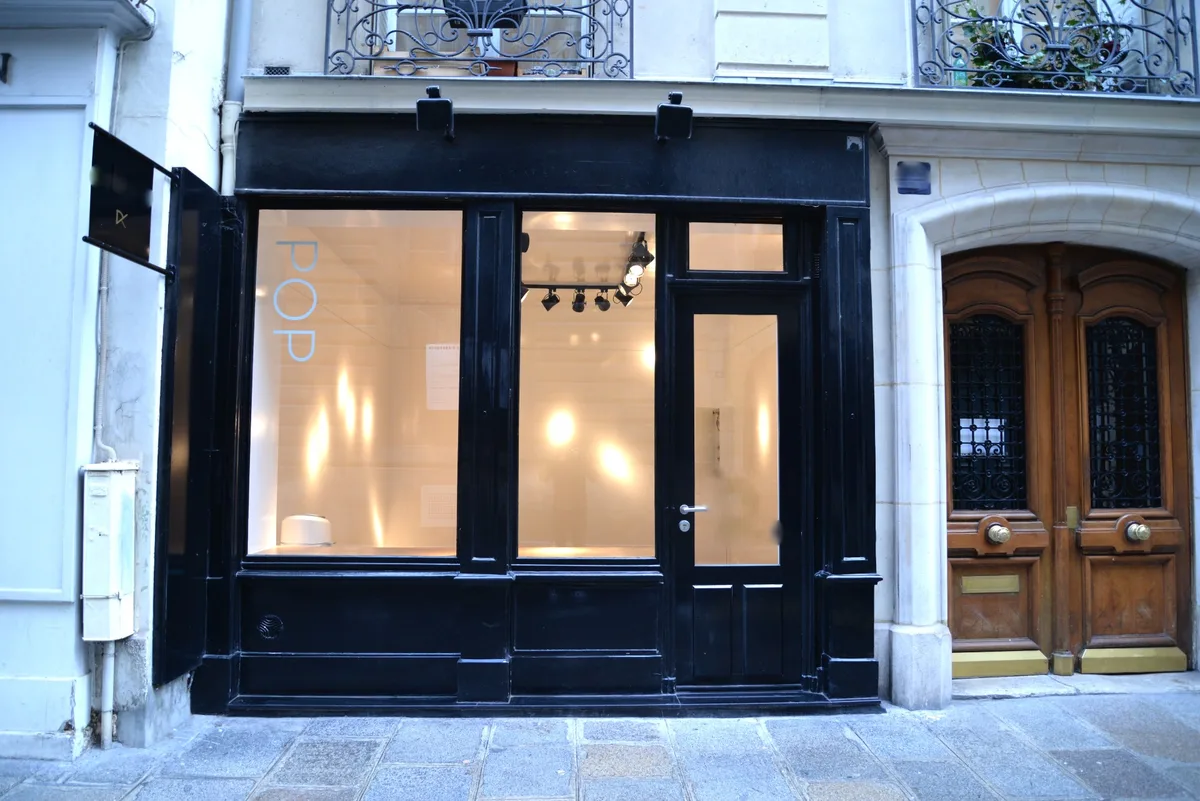
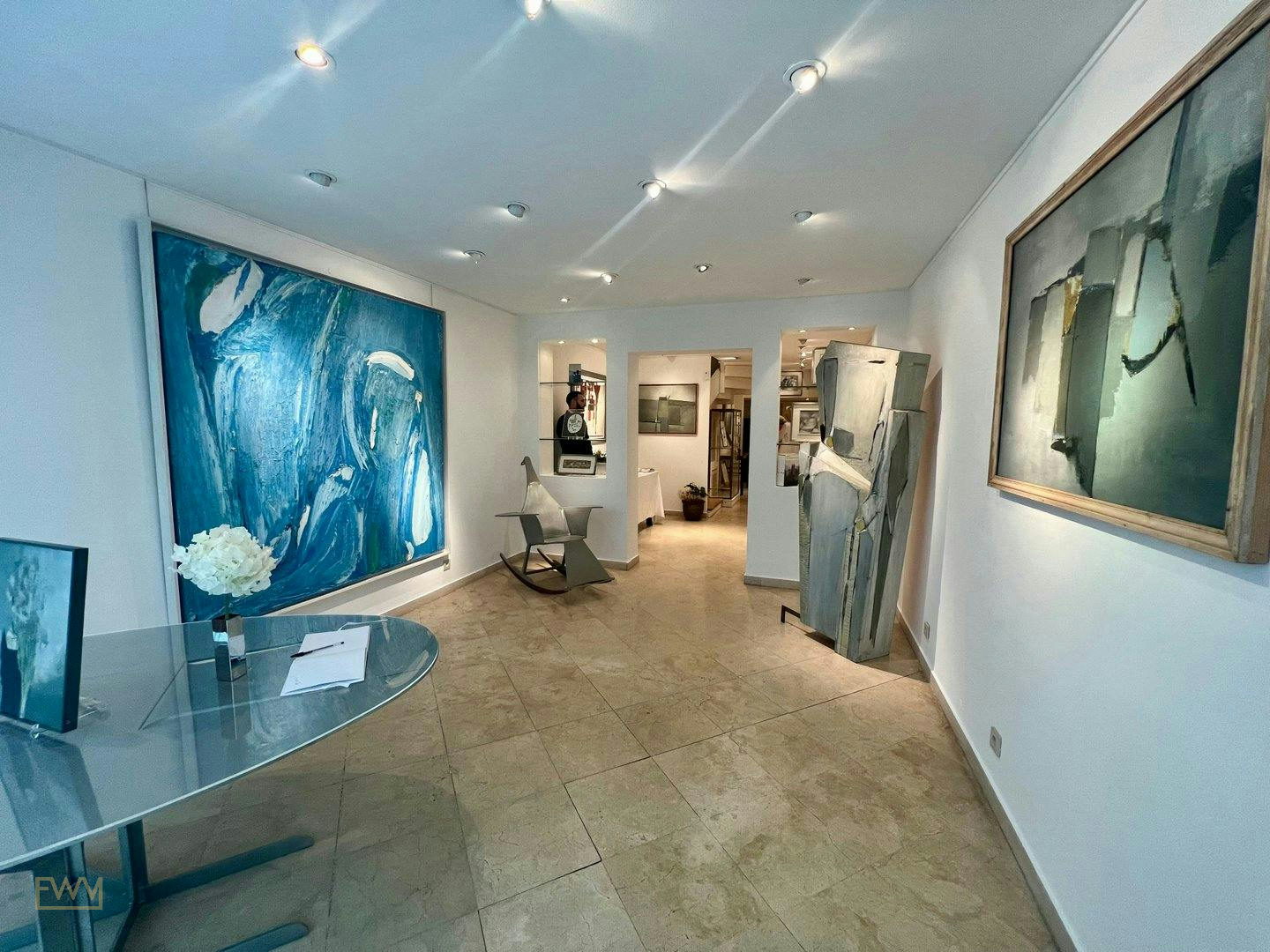
Not all pop-up shops take the same form, and the physical format of the space significantly affects both the activation design and the commercial terms available. Paris offers a broader range of space typologies for temporary retail than almost any other city in the world, from haussmannian street-front boutiques to covered passages and hotel garden pavilions.
| Space Type | Typical Size | Best For | Neighbourhoods Available |
|---|---|---|---|
| Street-front boutique | 50 to 300 sqm | Fashion, jewelry, accessories, beauty brands | 8th (rue François Ier), 6th, 4th (Marais) |
| Gallery space | 100 to 500 sqm | Experiential, installation, press events | Marais, Saint-Germain, 8th |
| Hotel courtyard or garden | 50 to 200 sqm outdoor | Seasonal installations, holiday pop-ups, VIP events | 8th, 1st, 7th |
| Covered passage | Variable | Multi-brand pop-up markets, artisan retail | 2nd, 9th |
| Department store concession | 20 to 100 sqm | Beauty, accessories, brand launches | Galeries Lafayette (9th), Bon Marché (7th) |
| Outdoor market chalet | 8 to 20 sqm per unit | Holiday retail, F&B, seasonal gifting | Tuileries (1st), Hôtel de Ville (4th), Montmartre (18th) |
| Showroom | 50 to 250 sqm | Wholesale appointments, press previews, trade | 8th, 9th, 10th, Marais |
| Rooftop or terrace space | 50 to 300 sqm | Launch events, cocktail activations, brand experiences | 8th, 1st, 18th |
Quick answer: The most common pop-up shop formats in Paris for luxury brands are street-front boutiques in the 8th arrondissement or Marais, gallery spaces for immersive experiential activations, and hotel courtyard spaces for seasonal holiday pop-ups. Space type selection should be driven by brand positioning, activation objectives, and operational requirements rather than size alone.
For brands weighing up multiple space options, the space comparison tool on Fashion Week Venues allows side-by-side evaluation of shortlisted spaces across key criteria including neighbourhood, size, configuration, and commercial terms. The locator tool provides a map-based interface for identifying available spaces by district. Brands can also explore the twin co-activation concept for brands interested in sharing a premium space with a complementary brand, which reduces net costs while maintaining address quality.
KEY TAKEAWAY: Space type and format selection is as important as address selection. A street-front boutique on Rue François Ier communicates differently from a gallery installation in the Marais, even if both spaces sit within premium Paris neighbourhoods. Define your activation objectives first, then match the space type to those objectives.
Common Myths About Booking a Pop-Up Shop in Paris: Debunked
MYTH: You need a French legal entity to rent a pop-up space in Paris.
FACT: Many international brands activate in Paris without a pre-established French legal entity by working through a specialist agency or third-party operator that holds the commercial agreement on their behalf. However, the specific structure available depends on the landlord, the space type, the duration, and the nature of the activation. Brands should verify their specific situation with a qualified French legal advisor rather than assuming either that a French entity is or is not required.
MYTH: Paris Fashion Week is the only viable calendar window for a Paris pop-up.
FACT: Paris has meaningful commercial activation windows throughout the year. The Christmas market season from November through December, the summer tourist peak from June through August, the January trade calendar, and the Haute Couture week in July all create distinct press and consumer contexts for pop-up shops. Brands that limit their Paris strategy to Fashion Week miss multiple high-value activation opportunities.
MYTH: Commission brokers are the only way to find a pop-up space in Paris.
FACT: Specialist marketplace platforms, integrated agencies, and direct enquiries to building owners and managers are all viable routes to finding a pop-up space in Paris. Commission brokers can be effective for certain types of spaces but typically focus on longer-term commercial leases rather than the short-term bail dérogatoire arrangements that most pop-up activations require. A specialist platform focused on short-term retail gives brands access to a curated inventory of spaces matched to activation use cases.
MYTH: Short-term leases in Paris are legally straightforward and require no specialist help.
FACT: The bail dérogatoire and AOT structures used for short-term retail in Paris are not comparable to holiday flat rentals or standard month-to-month tenancies. They carry specific obligations, duration limits, reinstatement requirements, and operational restrictions that are not obvious from a standard property listing. Brands that sign short-term retail agreements without specialist legal review regularly encounter unexpected costs, reinstatement disputes, and permit complications that a qualified French advisor could have anticipated and addressed in advance.
MYTH: A great space on Avenue Montaigne will sell itself without investment in design or staffing.
FACT: The address provides the external credibility, but the interior experience, staffing quality, and operational execution determine whether press, buyers, and customers have a positive brand encounter. Underfunded fit-outs in premium locations create a damaging disconnect between address expectation and interior reality. The standards set by neighbouring houses like Dior and Chanel mean that the aesthetic bar on Avenue Montaigne is genuinely high.
Frequently Asked Questions
How far in advance should I book a pop-up shop on Avenue Montaigne?
For premium addresses on and around Avenue Montaigne in Paris 8e, brands should begin the venue search process at least 12 to 16 weeks before their intended activation date. During Paris Fashion Week windows or the Christmas market season, competition for available spaces intensifies significantly and lead times can extend to 20 weeks or more. Brands that approach the market with a fully developed brief, a realistic budget, and a confirmed operational team have a significant advantage in securing the spaces they want within the timeframe they need.
Do I need a French legal entity to book a pop-up shop in Paris?
Not necessarily, but the answer depends on the specific space, landlord, and lease structure. Many international brands activate in Paris through a specialist agency or local operator that holds the commercial agreement. The bail dérogatoire structure used for most short-term retail does not automatically require a French-registered entity, but individual landlords may have their own requirements. Always verify your specific situation with a qualified French legal advisor before committing to any commercial agreement in Paris.
What is a bail dérogatoire and how does it apply to pop-up shops?
A bail dérogatoire is a short-term French lease structure that allows commercial occupation outside the protections and obligations of a standard bail commercial. It is the most common legal framework for pop-up shops and temporary retail activations in Paris. The agreement specifies a defined occupation period, permitted use, reinstatement obligations, and any specific restrictions on fit-out, signage, or trading activities. Duration is typically capped, and the specific terms vary by space, landlord, and arrondissement. Brands should engage a qualified French legal advisor to review any bail dérogatoire before signing.
What are the best Paris neighbourhoods for luxury pop-up shops?
Avenue Montaigne and the broader Golden Triangle in the 8th arrondissement offer the highest luxury positioning and the strongest press recognition for fashion and jewelry brands. Saint-Germain in the 6th arrondissement suits editorial and concept-led activations. The Marais combines architectural drama with high tourist and local footfall and is particularly strong for experiential formats. Saint-Honoré in the 1st is ideal for fine jewelry and accessories. Each neighbourhood has a distinct audience profile, permit environment, and commercial terms landscape, so selection should be driven by brand positioning and activation objectives.
When do Paris Christmas markets open and close?
The major Paris Christmas markets typically open in mid-to-late November and run through December 31 or early January. The Tuileries Christmas Market usually opens in late November. The Hotel de Ville Christmas Market has in recent years opened in late November and run into January. Exact dates vary annually and should be verified with the market operators directly. Brands planning Christmas pop-up activations in privately sourced spaces adjacent to these markets should aim to open no later than mid-November to capture the full holiday trading period.
What does a Paris pop-up shop typically cost?
Costs vary widely based on location, space size, duration, fit-out complexity, staffing levels, and operational requirements. Avenue Montaigne and 8th arrondissement spaces command premium rates that reflect the address desirability. Other arrondissements such as the Marais, Saint-Germain, and the 1st offer a range of price points at different size and quality levels. Brands should use the Fashion Week Venues budget estimation tool to develop a realistic cost range before beginning the venue search. Providing a specific budget range upfront significantly improves the quality of the shortlist received from any agency or marketplace.
Can I run a Champagne bar or food and beverage service in a Paris pop-up shop?
Yes, but F&B service including alcohol requires specific licences in France. A licence de débit de boissons is required for any space where alcohol is served to the public, including private-facing brand activations. The specific licence category depends on the type of alcohol served and the nature of the event. Brands planning Champagne bars, vin chaud service, or any form of food service within their pop-up shop should address licensing requirements at the brief stage, before venue confirmation, as not all spaces are eligible for F&B licences and the application process takes time.
What is the difference between a pop-up shop and a showroom in Paris?
A pop-up shop is a consumer-facing temporary retail environment where products are available for direct purchase by members of the public or invited guests. A showroom is a trade-facing environment where collections are presented to buyers, press, and wholesale partners for order and editorial purposes rather than direct retail sale. During Paris Fashion Week, many brands operate showrooms rather than pop-up shops, though the two formats are sometimes combined in a dual-use space. The commercial terms, permit requirements, and operational needs differ between the two formats.
How does Paris Fashion Week affect pop-up shop availability and pricing in the 8th arrondissement?
Paris Fashion Week, particularly the women's ready-to-wear shows in September and February and Haute Couture week in January and July, creates peak demand for all commercial space types in the 8th arrondissement, the Marais, Saint-Germain, and other premium Paris neighbourhoods. Available spaces are absorbed more quickly, commercial terms reflect scarcity, and the quality of the space inventory on the open market declines as premium spaces are secured through private relationships and early agency engagement. Brands planning to activate during Fashion Week windows must begin their search significantly earlier than for off-peak activations.
What is the twin co-activation concept for Paris pop-up shops?
The twin co-activation concept offered by Fashion Week Venues pairs two complementary brands in a shared premium space, allowing both brands to benefit from an address and space size that might be beyond the budget of either brand operating independently. The concept works when the two brands share an audience but do not compete directly, for example a jewelry brand and a handbag brand, or a beauty brand and a fashion accessories label. The twin format divides the space, the fit-out costs, and the staffing costs between both partners while maintaining distinct brand environments within the shared footprint.
Where are the best places to see Christmas lights and holiday decor in Paris?
The most celebrated Christmas lights displays in Paris are on the Champs-Elysées, which illuminates its entire length with a coordinated light installation from late November. Avenue Montaigne, Rue du Faubourg Saint-Honoré, and the streets around Galeries Lafayette near Gare Saint-Lazare are also renowned for elaborate holiday decor. The Galeries Lafayette Christmas window displays are among the most photographed in Europe. The Eiffel Tower's light show takes on additional seasonal character in December. Notre-Dame Cathedral and the surrounding Ile de la Cité are particularly atmospheric during the Christmas Eve Mass period.
What staffing do I need for a Paris pop-up shop on Avenue Montaigne?
Staffing requirements depend on the space size, trading hours, visitor volume, and product category. At minimum, most consumer-facing pop-up shops require a floor manager, at least two sales associates, and a security service presence for any space handling high-value products including jewelry, watches, or limited-edition collector's items. Bilingual staff fluent in French and English are essential for Avenue Montaigne activations where the visitor profile includes both affluent French consumers and international tourists and press. Brands can access specialist retail staffing support through Fashion Week Venues, which provides staff briefed specifically for luxury pop-up environments.
Is it a sales catalyst? How do I measure the ROI of a Paris pop-up shop?
A Paris pop-up shop can function as a direct sales driver, a press and editorial catalyst, a wholesale appointment generator, or a brand awareness investment depending on the activation design and the target metrics defined upfront. For luxury brands on Avenue Montaigne, the press and earned media value, wholesale order uplift, and new customer acquisition are typically more significant ROI components than in-store sales revenue alone. The Fashion Week Venues ROI calculator helps brand teams model expected returns across multiple metrics before committing to an activation budget, allowing a more rigorous pre-investment evaluation.
What permit considerations apply to outdoor Christmas market chalets in Paris?
Outdoor Christmas market chalets in public spaces such as the Tuileries Garden or the square in front of Hôtel de Ville operate under AOTs issued by the relevant municipal authority or market operator. These are not available through commercial estate agents and must be applied for directly through the market administration process. Selection is competitive and availability is determined by the market operator. Brands that miss the AOT application window for a specific market should consider a privately sourced pop-up space in an adjacent building or courtyard as an alternative. Requirements vary and should be verified with the specific market authority.
What are the best resources for planning a Paris pop-up shop as an international brand?
International brands planning a first Paris pop-up activation benefit from combining the Fashion Week Venues Paris city hub, which provides neighbourhood-level guidance, space inventory, and agency contacts, with the budget and timeline tools on the Fashion Week Venues tools section. The guides section provides detailed guidance on specific aspects of Paris activation planning. Brands that prefer a fully managed approach can review the Fashion Week Venues process page, which outlines how the agency works from brief to activation and the specific stages at which brand input is required. All information about engaging the agency as a partner is available through the Fashion Week Venues contact page.
Conclusion: From Research to Activation on Avenue Montaigne
Booking a pop-up shop on Avenue Montaigne is one of the most powerful brand statements available to a fashion label, jewelry brand, or luxury accessories business operating in Paris. The address delivers instant credibility, editorial authority, and a consumer context shaped by decades of investment from the world's most recognised luxury houses. Dior, Chanel, and Jimmy Choo did not choose this corridor by accident, and brands that join them, even temporarily, benefit from the accumulated gravity of that address.
The process requires more specialist knowledge than most international brand teams anticipate. French commercial property law, the bail dérogatoire framework, AOT applications for Christmas market spaces, F&B licensing, fit-out reinstatement obligations, and the compressed lead times of the Paris Fashion Week calendar all demand early preparation and expert local support. Attempting to navigate these elements without specialist guidance consistently produces delays, budget overruns, and missed activation windows.
Paris also offers far more than Avenue Montaigne alone. The Marais, Saint-Germain, Rue Montorgueil, the Tuileries Garden, and the neighbourhoods around Hôtel de Ville all provide meaningful activation contexts for brands with the right audience and positioning. The Christmas market season from November through December creates a distinct and commercially significant overlay on the city's usual retail landscape, with official chalets, privately sourced holiday pop-ups, Champagne bars, and vin chaud installations combining to make Paris the most atmospheric retail environment in Europe during the holiday season.
Understanding your brief, your budget, your audience, and your calendar window before you begin the venue search is the most valuable thing any brand team can do to improve their activation outcomes. Specialist tools, marketplace access, and an integrated agency relationship do the rest.
To move from research to activation, start exploring available spaces on the Fashion Week Venues marketplace and build a focused brief for your target neighbourhood, space type, and calendar window.