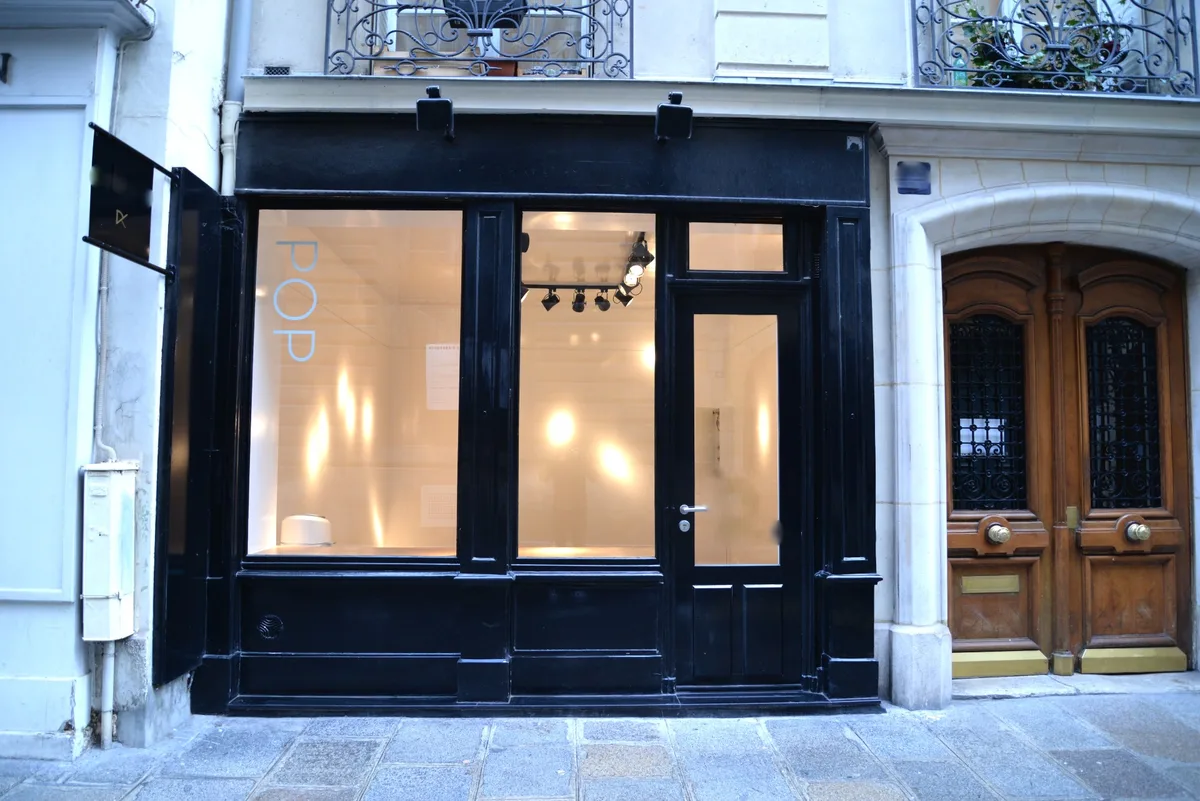
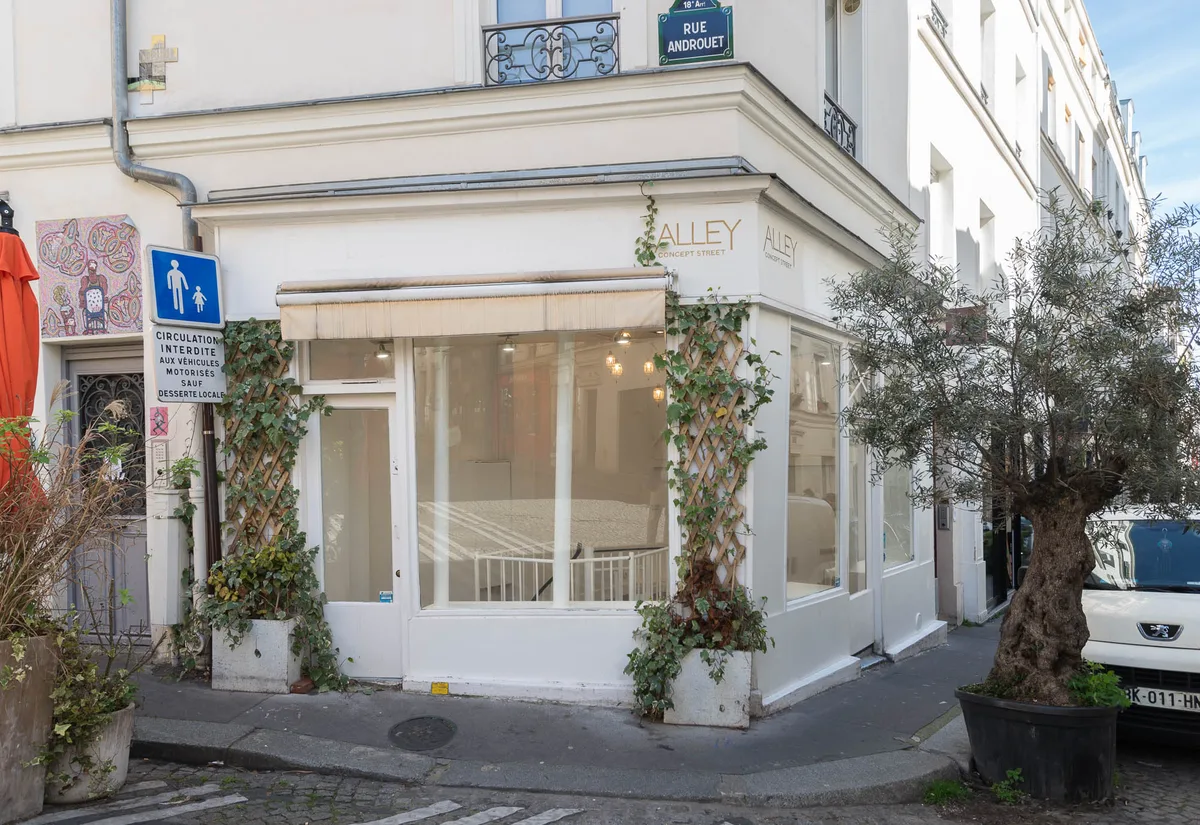
Finding the right book pop-up shop Bastille opportunity in Paris requires more than a quick search and a signed agreement. The Bastille district and the surrounding Paris 11th arrondissement represent one of the French capital's most commercially active and culturally rich zones for short-term retail, seasonal activations, and brand events. Whether you are a fashion label planning a showroom, a publisher staging a literary retail experience, a beauty brand seeking a boutique format, or an independent business testing a new concept before committing to a permanent lease, Bastille offers an exceptional concentration of street-level spaces, converted galleries, and characterful storefronts. Fashion Week Venues supports brands seeking pop-up spaces in Paris with venue sourcing, concept direction, production, and full activation management across the city's most sought-after neighbourhoods.
Why Bastille and the Paris 11th Arrondissement Are Prime Pop-Up Territory
Quick answer: Bastille and the 11th arrondissement offer an unmatched combination of foot traffic, cultural credibility, neighbourhood diversity, and short-term space availability, making them among the most commercially compelling locations for pop-up shops and temporary retail activations in Paris.
The Bastille district sits at the intersection of the 11th, 12th, and 4th arrondissements, and its commercial energy spills across all three. Place de la Bastille is one of Paris's most recognisable landmarks, drawing foot traffic from commuters, tourists, local residents, and visitors heading towards Le Marais, the Latin Quarter, or Bercy Village. The area is not a homogeneous retail corridor. It is a neighbourhood with distinct micro-zones, each offering its own space typology and audience profile.
Rue Saint-Sabin, which runs parallel to Boulevard Beaumarchais, hosts a cluster of independent boutiques, design studios, and concept stores that have made it a quiet favourite for brands seeking an alternative to the more overtly commercial strips around Saint-Honoré or the Left Bank. The street attracts a design-literate crowd and has become a popular location for fashion showrooms and seasonal pop-up stores in recent years.
The Paris 11th arrondissement more broadly covers Oberkampf, Charonne, and the eastern reaches of the Marais border, giving brands access to a young, culturally engaged demographic. This is a district reinvented over the past two decades from a working-class neighbourhood into one of the city's most creative and commercially dynamic zones. Who could have imagined that boulevards once lined with motorbike and camera shops would become synonymous with creativity, independent retail, and brand activation?
For brands considering a pop-up store, the 11th offers several practical advantages. Rental rates for short-term spaces tend to be more accessible than those in the 6th arrondissement or around Saint-Germain, which allows brands to allocate more of their budget towards fit-out, staffing, and activation rather than rent. Space sizes range from intimate boutique formats of around 30 to 60 square metres through to larger gallery-style venues capable of hosting showrooms, press events, and consumer activations simultaneously.
The Bastille Wall, a fragment of the original medieval fortification that once enclosed the city, remains embedded in the foundations of modern Paris as a reminder of the area's deep historical roots. This layered history gives the district a cultural weight that brands consistently find compelling when building narrative around a temporary retail concept.
DID YOU KNOW: The Bastille district borders both Le Marais and the Latin Quarter, giving a pop-up located here access to foot traffic from two of Paris's most visited neighbourhoods simultaneously.
KEY TAKEAWAY: Bastille and the 11th arrondissement are strategically located, culturally credible, and commercially diverse, making them a strong first consideration for brands planning short-term retail in Paris. The neighbourhood's mix of residential density, tourism flow, and creative culture provides a natural audience for fashion, beauty, lifestyle, and publishing concepts.
Understanding which specific space type and micro-location within Bastille best fits your brand concept requires mapping your target audience, your activation format, and your calendar window. The next section covers the main space typologies available in this area.
Types of Pop-Up Spaces Available Near Bastille and in the Paris 11th Arrondissement
Quick answer: Space types in the Bastille area range from street-level boutiques and gallery conversions to apartment showrooms, former artisan workshops, and contemporary storefronts, each suited to different brand formats, audience sizes, and activation durations.
Not every pop-up space is built the same way, and the type of space you choose will define not only your visual execution but your logistics, your permit requirements, and your customer experience. The Bastille area and the broader 11th arrondissement offer a genuinely diverse range of options.
Street-Level Boutiques and Storefronts
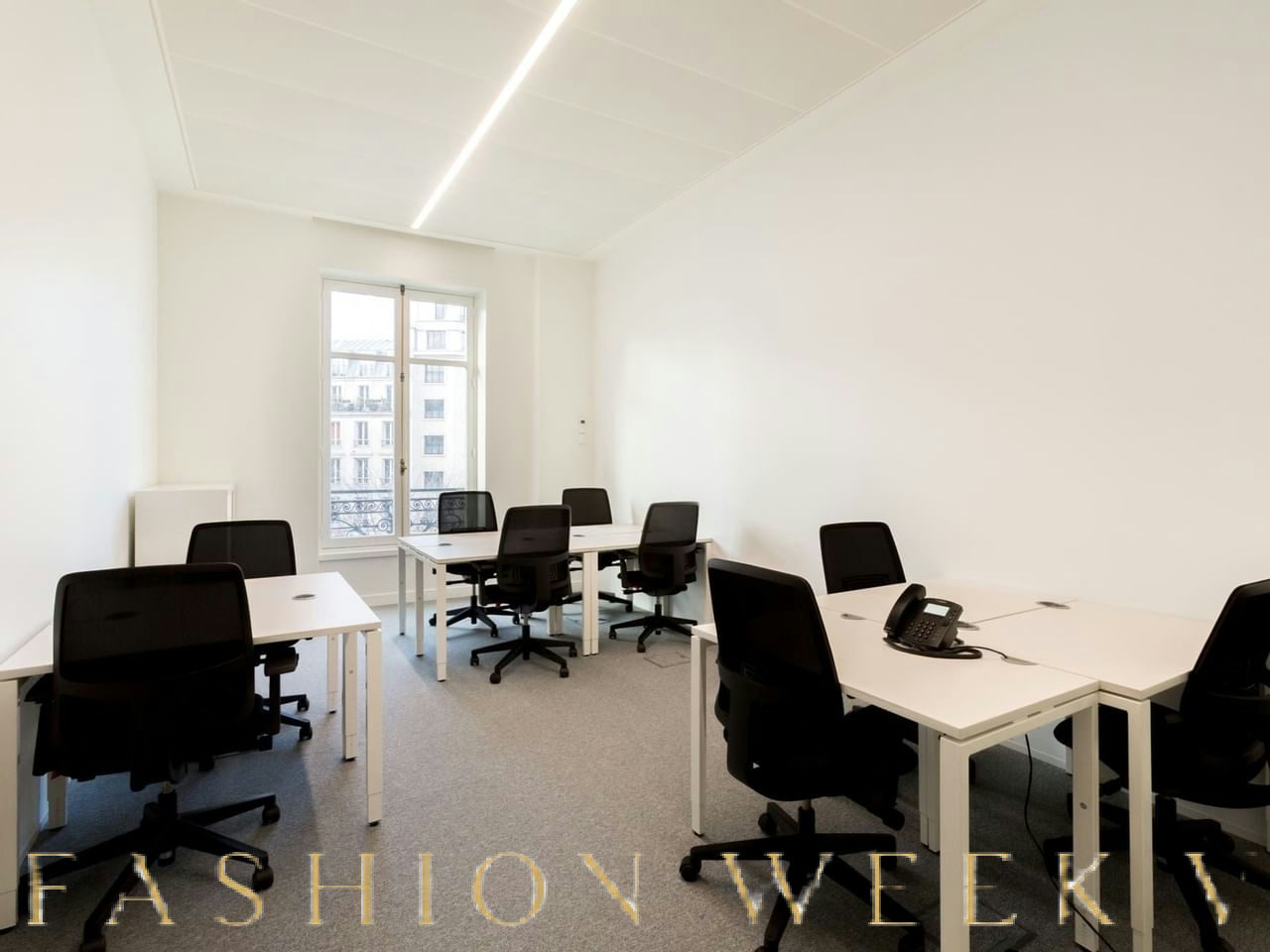
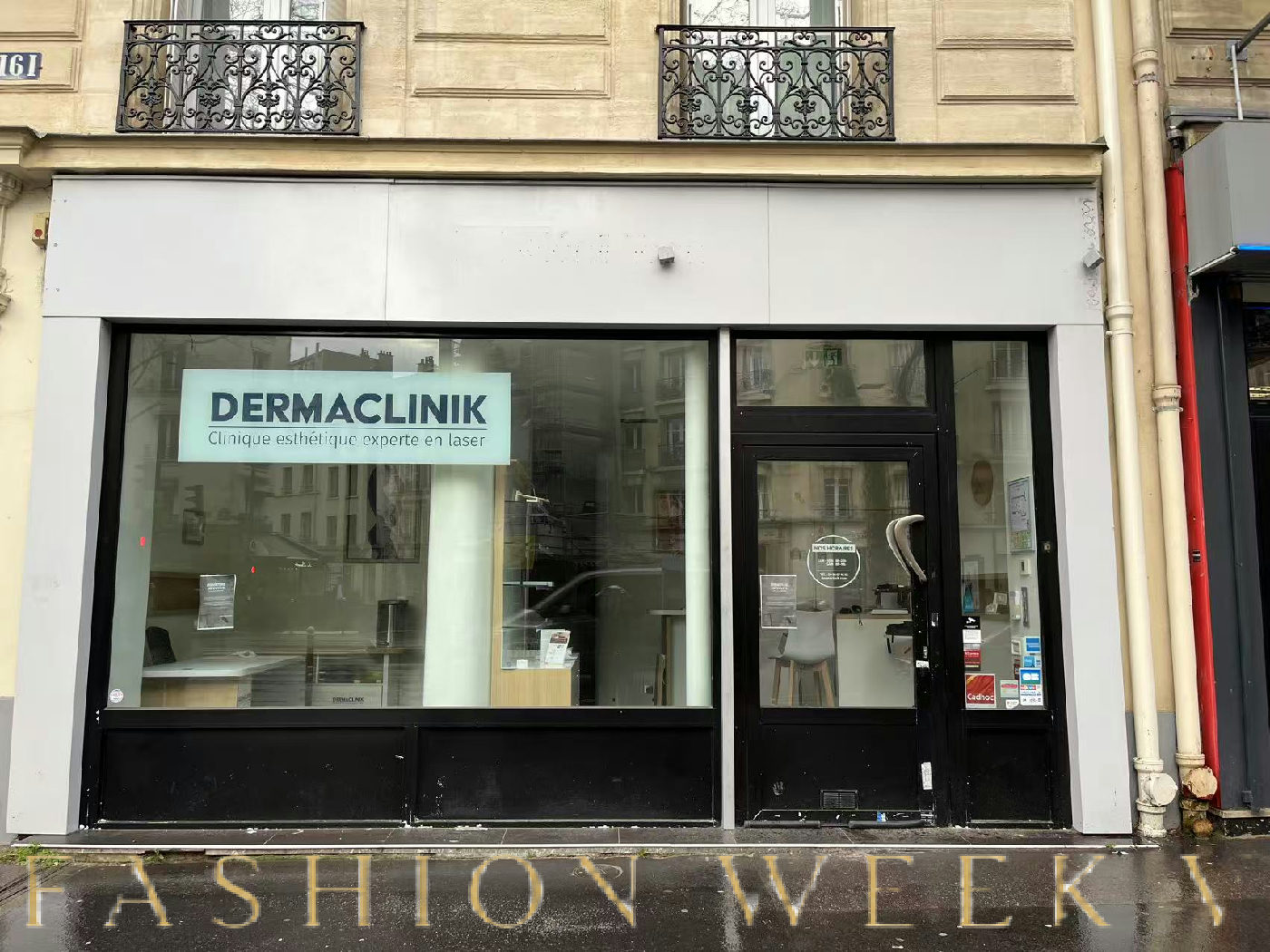
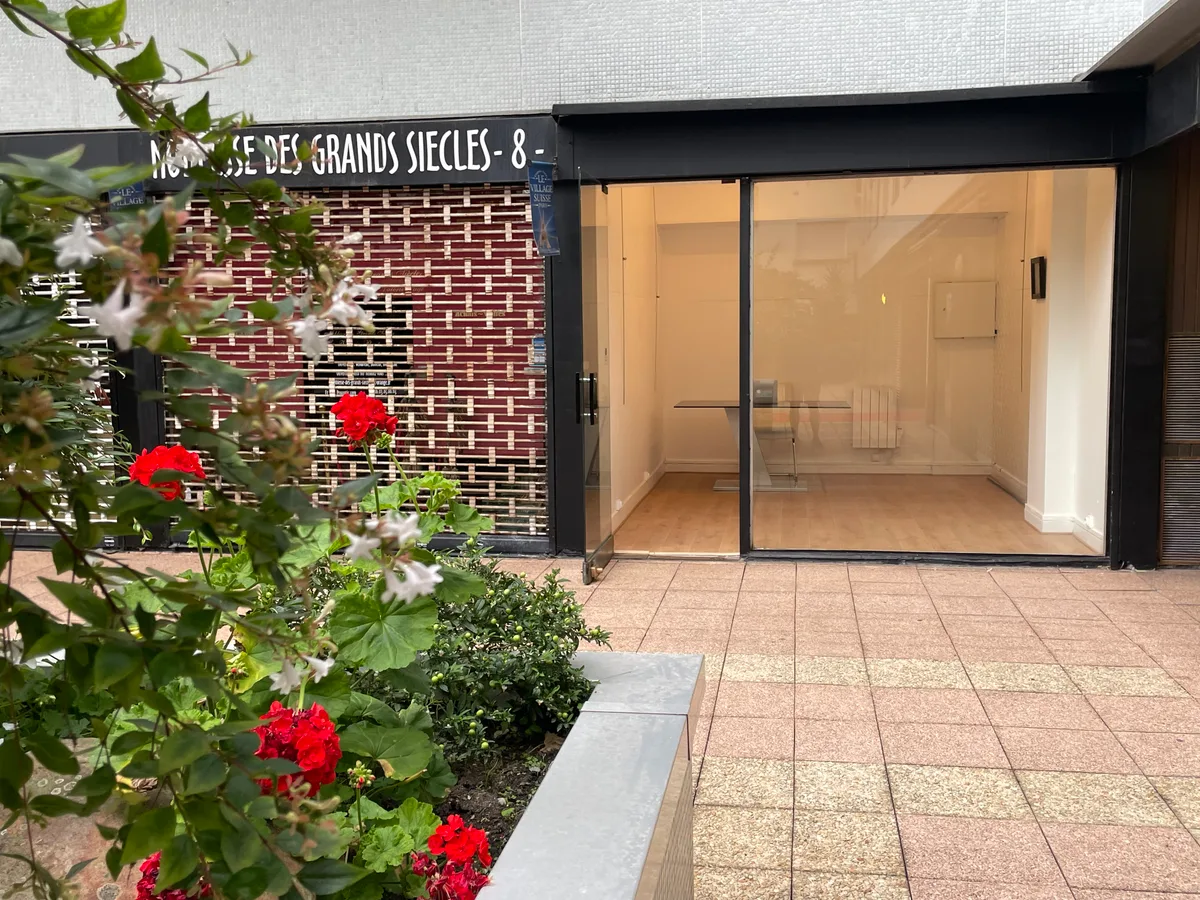
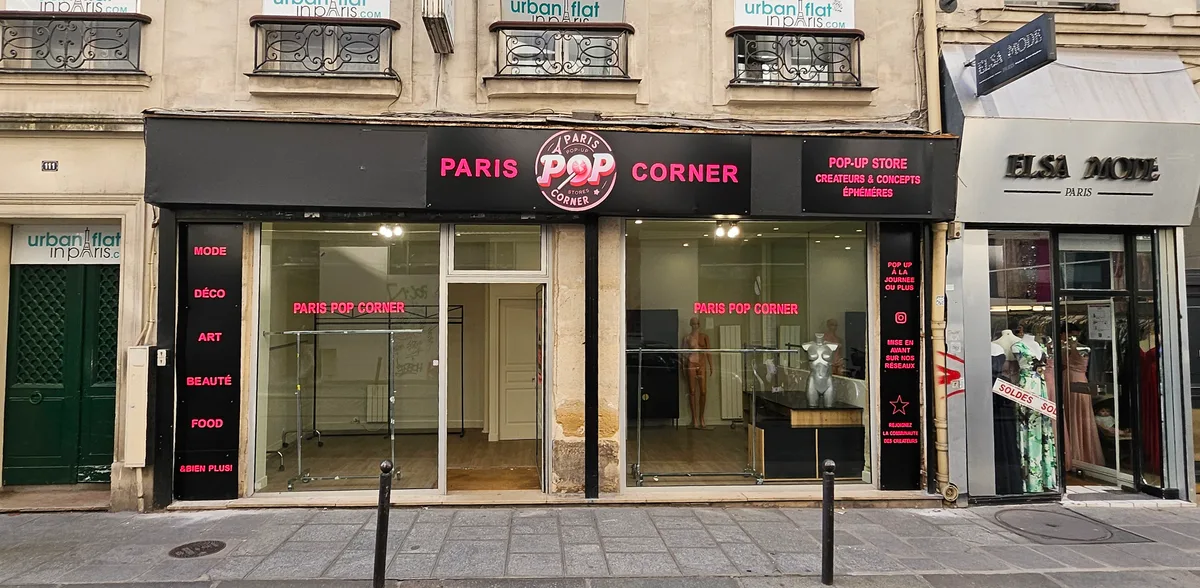
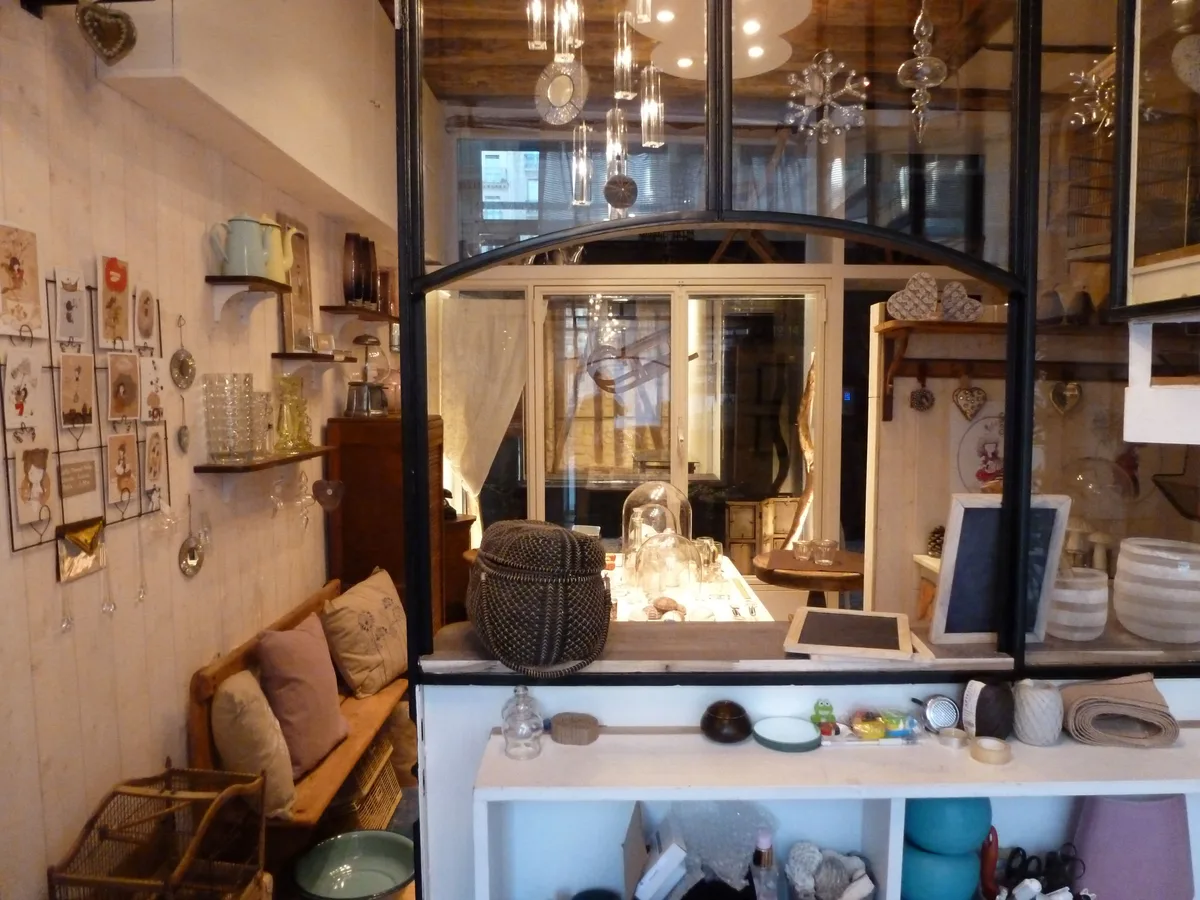
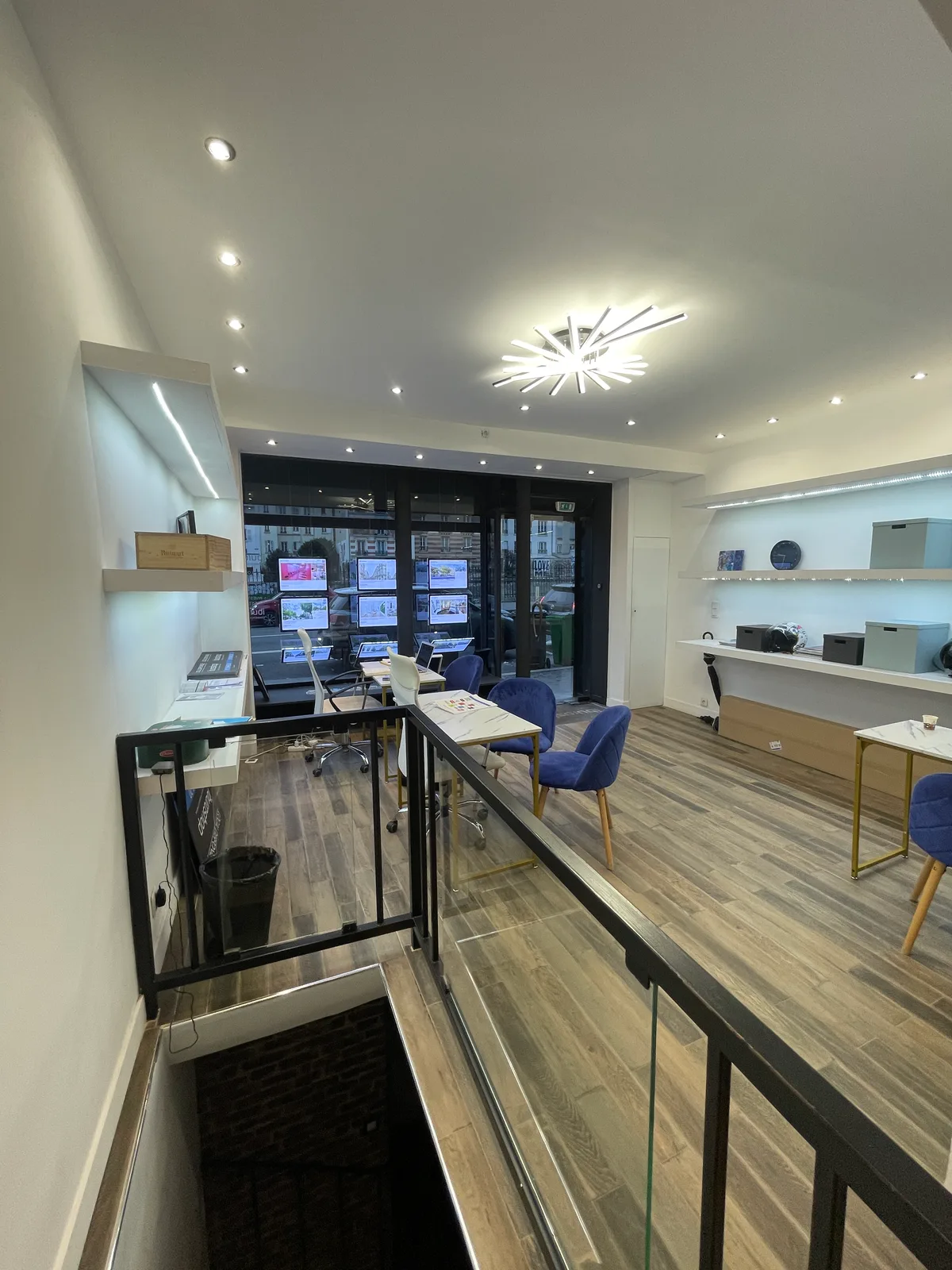
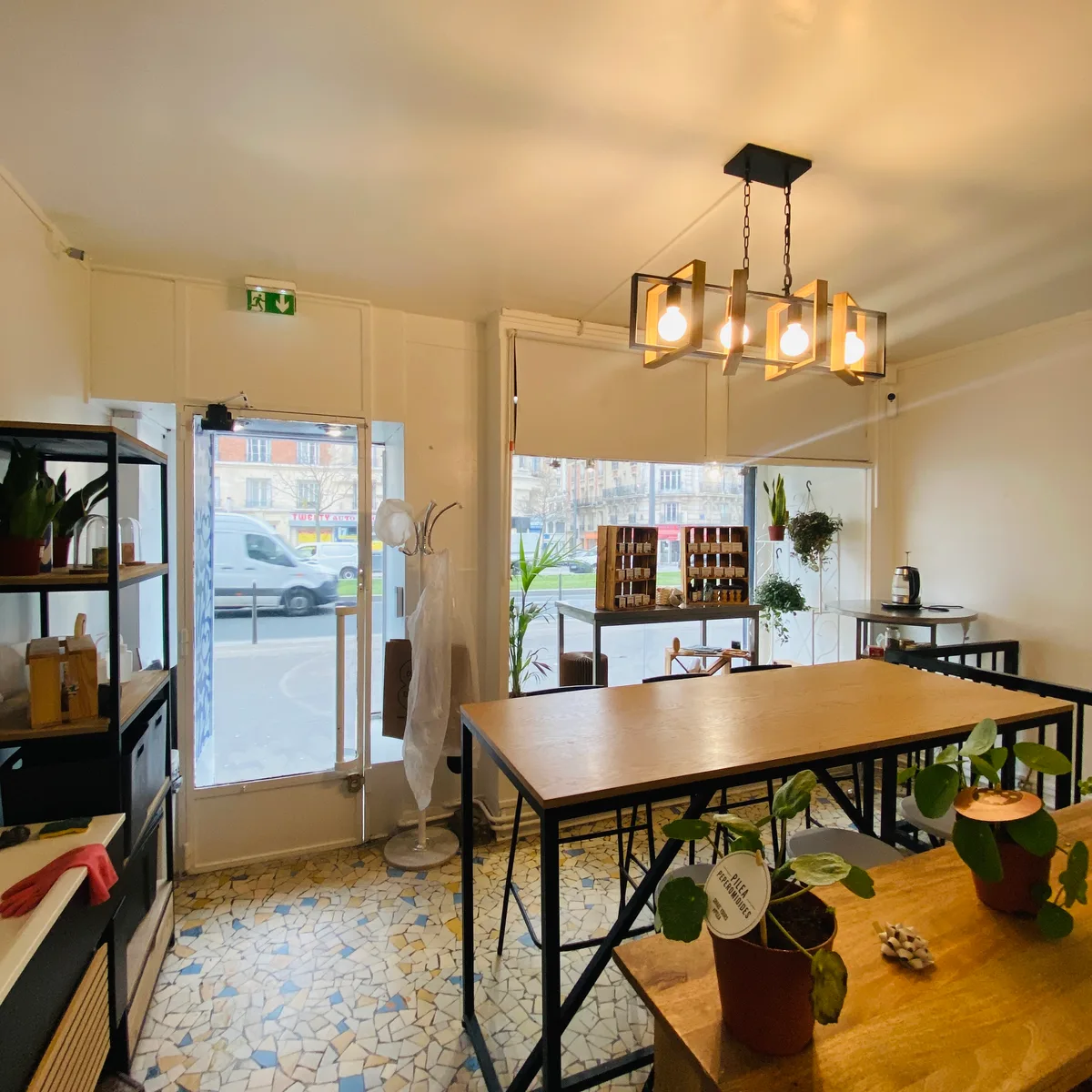
The most straightforward format for consumer-facing retail activations, street-level boutiques in Bastille offer direct pedestrian exposure and are typically configured for retail display, fitting, and transaction. These spaces are suitable for fashion, jewellery, beauty, and lifestyle brands seeking a clean, accessible environment with a defined shopfront identity. Many of these spaces can be booked on short-term agreements ranging from a single week to three months, which makes them particularly practical for seasonal activations tied to Paris Fashion Week, the holiday season, or specific campaign windows.
Gallery and Galerie Conversions
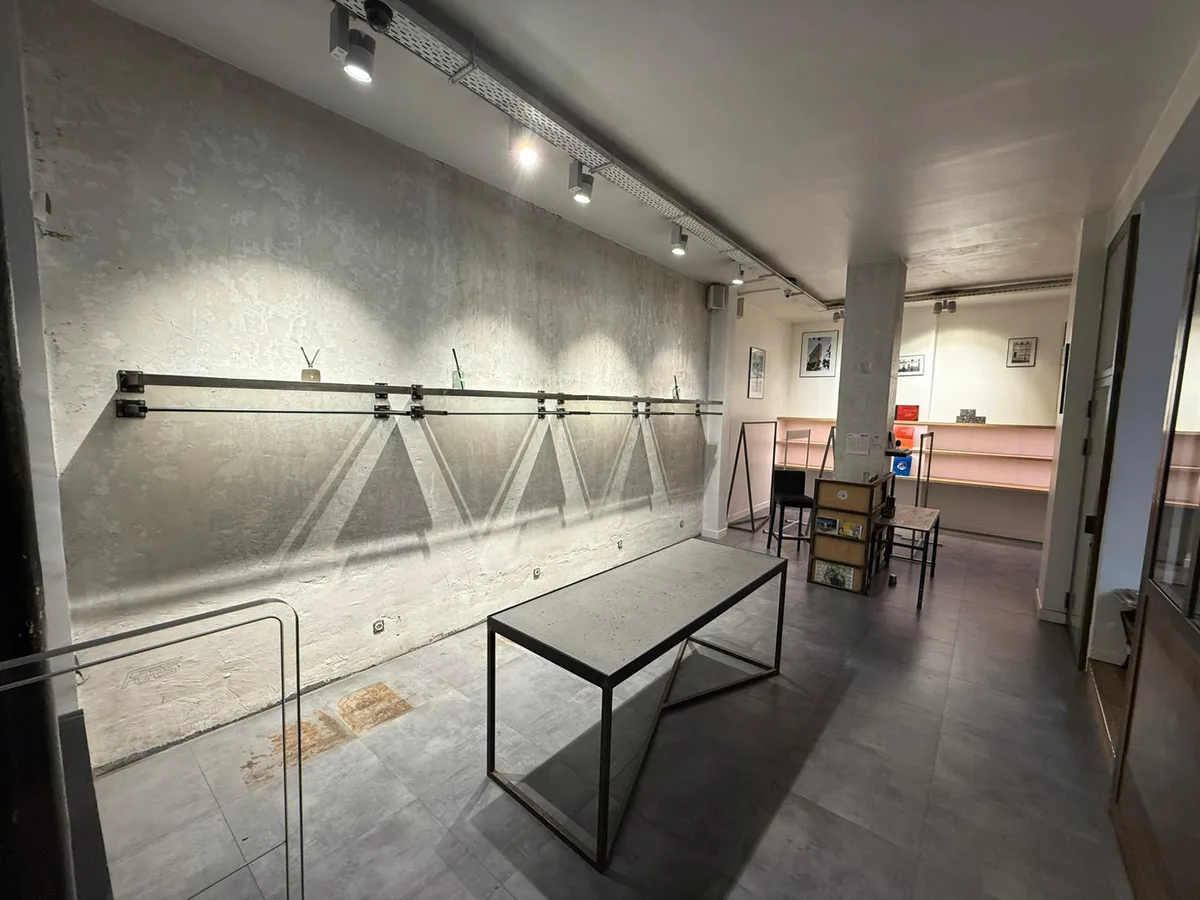
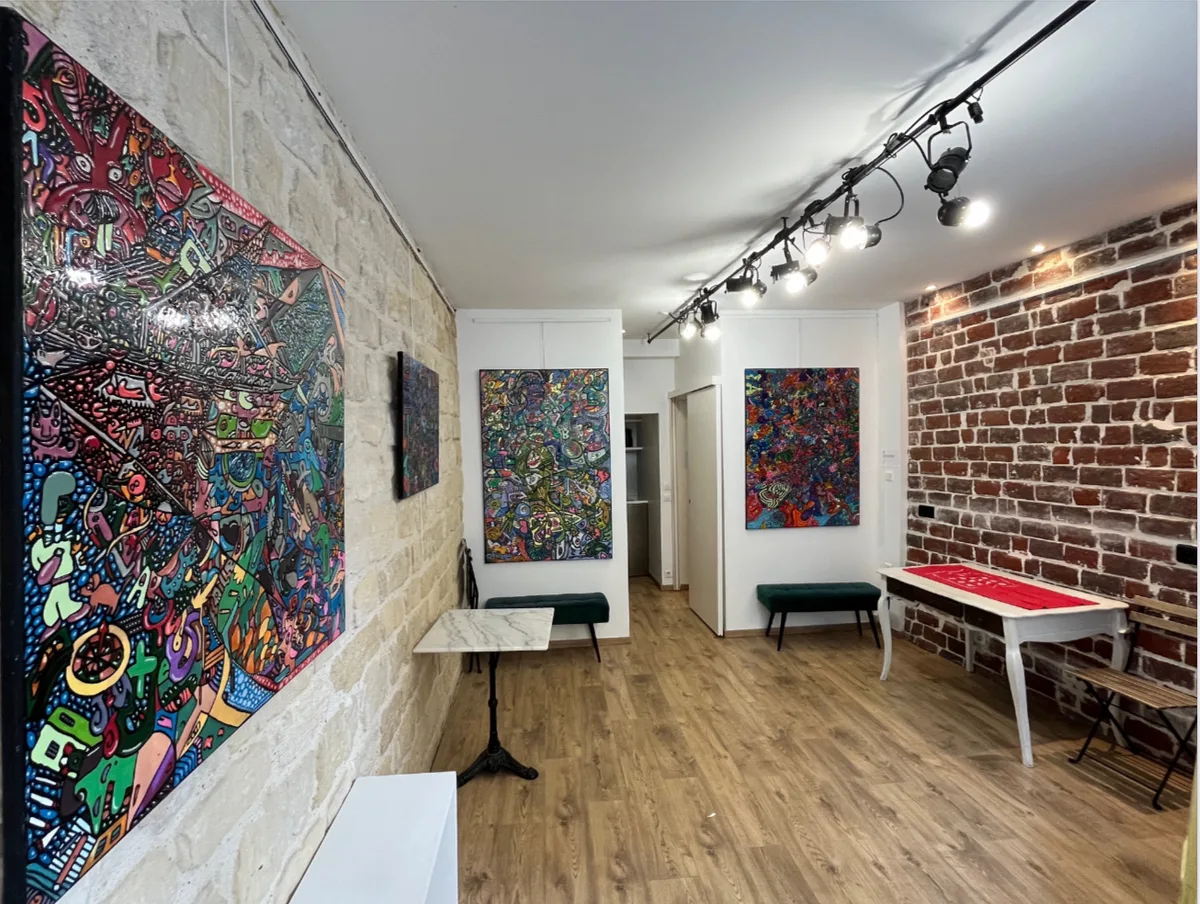
Paris has a long tradition of galeries as commercial and cultural spaces, and the Bastille area is home to a number of converted gallery formats. These spaces typically offer higher ceilings, polished concrete or parquet floors, and an aesthetic that suits brands seeking a minimal, editorial feel. They work particularly well for fashion showrooms, book launches, exhibition-style brand experiences, and beauty concept stores. The Halle des Blancs Manteau, located in nearby Le Marais, is one example of a historic converted space that captures this typology, though the Bastille area has its own emerging cluster of similar conversions.
Apartment Showrooms
One of the most distinctively Parisian formats, the apartment showroom transforms a residential space into a curated brand environment. These spaces work particularly well for jewellery, accessories, lifestyle, and niche fashion labels that want to create a private, intimate experience rather than open consumer retail. Apartment showrooms in the 11th arrondissement often feature parquet floors, original mouldings, and a layered domestic aesthetic that is impossible to replicate in a conventional retail unit. They are also frequently used for cookbook photo shoots, product photography, and editorial content production, making them doubly useful for brands with content creation as a campaign objective.
Pop-Up Stalls and Shared Market Formats
Particularly relevant during the Christmas season, pop-up stalls within established market structures offer lower entry costs and built-in foot traffic. The chalet format, familiar from Alsace-inspired Christmas markets across Paris, represents the most visible example of this typology. These stalls are best suited to food, gift, and artisan product categories, though fashion accessories and beauty brands have successfully operated within shared market environments.
| Space Type | Best For | Typical Size Range | Availability Window |
|---|---|---|---|
| Street-Level Boutique | Fashion, beauty, jewellery, lifestyle retail | 30 to 120 sqm | Year-round, short-term from 1 week |
| Gallery Conversion | Showrooms, press events, brand experiences | 80 to 300 sqm | Year-round, varies by space |
| Apartment Showroom | Private appointments, jewellery, accessories, content creation | 40 to 150 sqm | Year-round, often flexible |
| Pop-Up Stall or Chalet | Food, gifts, artisan products, seasonal activations | 8 to 25 sqm | Seasonal, primarily November to January |
| Workshop or Former Atelier | Production-heavy activations, installations, hybrid retail | 50 to 200 sqm | Varies, often available outside peak season |
TIP: Parquet floors and raw or polished concrete floors each carry a very different aesthetic signal. Before viewing a space, clarify your preferred floor finish and confirm whether it can be covered or adapted for your activation. This small detail affects fit-out cost significantly.
KEY TAKEAWAY: The variety of space types in the Bastille area means brands across multiple categories can find a format that matches both their aesthetic and their operational requirements. Identifying the right typology before beginning your space search saves time and budget.
Once you have identified your preferred space type, the next question is how to locate, evaluate, and secure the right property within your timeline and budget.
How to Find and Book a Pop-Up Shop in Bastille: A Step-by-Step Process
Quick answer: Booking a pop-up shop in Bastille involves defining your brief, sourcing available spaces, conducting inspections, understanding the legal agreement type, negotiating terms, and managing fit-out and activation logistics, ideally with specialist support to avoid costly delays or compliance issues.
The process of securing short-term retail space in Paris differs meaningfully from commercial lettings in other European cities. Paris has its own legal framework, its own landlord culture, and its own practical requirements that can make the process opaque for international brands approaching it without local knowledge. The following workflow maps out the key stages.
| Stage | Action | Key Consideration |
|---|---|---|
| 1. Brief Definition | Define space size, location preference, duration, budget, and activation format | Be specific about neighbourhood, not just Paris generally |
| 2. Space Discovery | Browse marketplace listings, contact agency, or search via specialist platform | Bastille and 11th arrondissement spaces often move quickly in peak season |
| 3. Shortlisting | Compare spaces by size, location, floor finish, natural light, and lease type | Use a comparison tool to evaluate multiple options side by side |
| 4. Inspection | Visit shortlisted spaces in person or via video walkthrough | Check electrical capacity, loading access, and signage permissions |
| 5. Legal Review | Review bail dérogatoire or AOT terms with a French legal advisor | Do not sign without understanding the agreement type and its limitations |
| 6. Booking Confirmation | Sign agreement, pay deposit, confirm dates | Confirm fit-out access dates separately from trading dates |
| 7. Fit-Out and Production | Design, build, and dress the space to brand specification | Paris requires licensed tradespeople for electrical and structural work |
| 8. Activation Management | Staff, operate, and manage the space for the duration of the booking | French labour law applies to all staff working in France |
| 9. Decommission | Strip fit-out, restore space to original condition, return keys | Confirm reinstatement obligations in the agreement before booking |
The inspection stage deserves particular attention. When viewing a potential space, go beyond the aesthetic. Confirm the electrical load capacity, which matters if you are running POS systems, lighting rigs, or audio-visual equipment. Check loading access for delivery of stock and fixtures. Ask whether the landlord permits temporary signage on the shopfront and whether there are building management rules that restrict operating hours or noise levels.
For brands new to Paris, the legal agreement stage is the most commonly underestimated. Short-term commercial leases in France do not automatically fall under the protections of a standard bail commercial. The bail dérogatoire is a specific legal mechanism that allows short-term commercial occupation for up to three years without triggering the full protections of a 9-year commercial lease. However, it must be correctly drafted and signed before trading begins, and if the tenant remains in the space beyond the agreed period without a new agreement, the tenancy may automatically convert to a full bail commercial. This has significant financial and legal implications. Requirements vary by space type, duration, and arrondissement, and it is strongly recommended that you verify your specific situation with a qualified French legal advisor.
For spaces on public land, an Autorisation d'Occupation Temporaire, known as an AOT, is required. This is a separate administrative authorisation granted by the relevant public authority and is distinct from a private lease agreement. AOTs are relevant for brands considering activations in public squares, parks, or municipal spaces near Bastille, Hôtel de Ville, or Tuileries Garden. Processing times vary and approval is not guaranteed.
To navigate permit requirements with more clarity before committing to a space, the permit guidance tool on Fashion Week Venues provides directional information by space type and activation format.
IMPORTANT: Signing a lease agreement in France without understanding the agreement type can expose your brand to unintended long-term obligations. Always confirm whether your agreement is a bail dérogatoire, an AOT, a licence de domiciliation, or another instrument before signing.
KEY TAKEAWAY: The process of booking a pop-up shop in Bastille has multiple stages, each with its own risks and requirements. Brands that approach the process systematically and with local specialist support consistently achieve better outcomes in terms of space quality, cost control, and timeline management.
Understanding the Paris neighbourhood landscape more broadly will help you contextualise Bastille against alternative locations and decide whether it is truly the right fit for your activation.
Bastille in Context: Comparing Paris Neighbourhoods for Pop-Up Retail
Quick answer: Bastille is one of several strong pop-up retail neighbourhoods in Paris, each with distinct audience profiles, space typologies, and rental dynamics. Comparing options across Le Marais, Saint-Germain, Montmartre, Rue Montorgueil, and Bercy Village helps brands identify the best strategic fit.
Paris is a city of arrondissements, and each arrondissement carries its own commercial character. For brands considering pop-up activations, the choice of neighbourhood is rarely arbitrary. It reflects target audience, brand positioning, price point, and activation format. The following comparison covers the most relevant areas for short-term retail in Paris.
Le Marais, which borders Bastille to the north and west, is the most internationally recognised destination for fashion pop-ups and concept stores. Place des Vosges, one of Paris's most beautiful public squares, sits at its centre, and the surrounding streets host a dense concentration of fashion boutiques, jewellery stores, art galleries, and beauty concept spaces. The Halle des Blancs Manteau in Paris Le Marais is a notable event and pop-up venue within this district. Demand for space in Le Marais is consistently high, and availability windows around Paris Fashion Week fill quickly.
Saint-Germain and the 6th arrondissement represent the city's most prestigious retail corridor for luxury and premium brands. The area around Saint-Sulpice and the Left Bank attracts high-net-worth visitors and carries strong associations with French cultural heritage. Rental rates here reflect this positioning and are among the highest in Paris for short-term retail space.
Montmartre, particularly around Place des Abbesses, offers a more bohemian aesthetic and attracts a creative and tourist-heavy audience. The neighbourhood suits artisan, lifestyle, and accessible fashion brands rather than luxury activations. Space typologies here lean towards charming, irregularly shaped units that require thoughtful fit-out planning.
Rue Montorgueil, running through the 2nd arrondissement, is a pedestrianised market street with consistent food and lifestyle traffic. It is particularly relevant for food-adjacent brands, lifestyle products, and beauty activations that benefit from a casual, accessible shopping environment.
Bercy Village in the 12th arrondissement offers a more destination-style retail environment in former wine warehouse buildings. It attracts families and local residents rather than tourists and is worth considering for brands targeting a Parisian rather than international audience.
| Neighbourhood | Primary Audience | Space Character | Best Brand Categories |
|---|---|---|---|
| Bastille / 11th Arrondissement | Mixed local, creative, young professional | Diverse, from boutique to gallery | Fashion, beauty, lifestyle, publishing, food |
| Le Marais | International tourists, fashion-forward locals | Historic, high-character retail | Fashion, jewellery, concept, luxury accessories |
| Saint-Germain / 6th Arrondissement | Luxury shoppers, cultural visitors | Refined, prestigious storefronts | Luxury fashion, fine jewellery, premium beauty |
| Montmartre / Place des Abbesses | Tourists, creatives, art-interested visitors | Charming, irregular, characterful | Artisan, lifestyle, accessible fashion |
| Rue Montorgueil | Local residents, food tourists | Pedestrianised market strip | Food, beauty, lifestyle, casual fashion |
| Bercy Village | Local families, Parisian residents | Converted warehouse village | Lifestyle, homewares, food and beverage |
To compare neighbourhoods and space types in detail, explore the Paris city hub on Fashion Week Venues and shortlist spaces that match your brief, budget, and calendar window.
KEY TAKEAWAY: Each Paris neighbourhood offers a distinct commercial proposition. Bastille's strength lies in its accessibility, its creative energy, and its relatively diverse space inventory compared to the more premium and more competitive zones of Le Marais or Saint-Germain.
One of the most important calendar considerations for any Paris pop-up is the Christmas season. Paris's network of seasonal markets, holiday activations, and consumer events creates a significant commercial window that brands in any category should understand before planning their timing.
Paris Christmas Markets and Seasonal Pop-Up Opportunities
Quick answer: Paris hosts a network of Christmas markets, seasonal activations, and holiday pop-up stores from late November through early January, creating one of the highest-traffic commercial windows of the year across multiple neighbourhoods including those near Bastille, Hôtel de Ville, and Tuileries Garden.
The Marché de Noël season transforms Paris into something deserving of its reputation as the City of Light. From late November, chalets begin appearing in squares and parks across the city, selling hot mulled wine, or vin chaud, alongside foie gras, Champagne, regional specialities, and artisan gifts. For brands with any kind of seasonal or gifting angle, this window represents one of the most commercially potent opportunities in the Paris calendar.
The Major Paris Christmas Markets
The Tuileries Christmas Market, known as La Magie de Noël, is among the largest and most theatrical of Paris's seasonal markets. Located in the Tuileries Garden near the Eiffel Tower, it combines shopping chalets with a full fairground offering, including rides, food stalls, and a Champagne bar. The vibe at Jardin des Tuileries Christmas carnival is genuinely festive: fun, entertainment, shopping, food, and beverages ranging from hot chocolate through to Champagne. It is particularly suited to gift, lifestyle, and food brands that want to reach a broad, international consumer audience during the holiday season. Because who can resist a Christmas-themed carnival with fantastic food offerings plus shopping opportunities for special gifts?
The Hotel de Ville Christmas Market, located in front of the Hôtel de Ville, is one of the city's most beloved seasonal fixtures. It draws both local Parisians and visitors and has a slightly more community-focused character than the Tuileries event. Nearby, the Saint Michel Christmas Market attracts visitors exploring the Latin Quarter and the area around Notre-Dame Cathedral, adding a literary and cultural dimension to the seasonal retail environment. The reconstruction of Notre-Dame, which reopened in late 2024, has significantly revitalised foot traffic in this part of Paris.
The La Défense Christmas Market offers a very different experience, set among the modern towers of Paris's business district and drawing a corporate as well as tourist audience. It is particularly relevant for brands targeting professionals and business gift categories.
What makes these markets commercially significant beyond their own footfall is that they elevate the seasonal consumer spending mood across the entire city. Brands operating a pop-up store in Bastille or the 11th arrondissement during the Christmas season benefit from this elevated shopping mindset even if they are not physically within a market structure.
Alsace Influence and Seasonal Specialities
The aesthetic and culinary identity of Paris Christmas markets draws heavily on Alsace, the region in northeastern France that shares a border with Germany and Switzerland. Visitors should look for regional foods with a strong German or Swiss influence: pretzels, choucroute, pain d'épices, and of course the iconic vin chaud. Understanding this cultural dimension helps brands that are staging food-adjacent or gift-focused activations during the Christmas season to align their offering with visitor expectations and the established market aesthetic.
Beyond the established market circuits, pop-up Christmas markets appear throughout Paris in December. What is a pop-up Christmas market in this context? It is typically a temporary cluster of independent vendors, often curated around a theme such as design, fashion, or artisan food, that operates for a limited number of days or weeks in a hired venue or public space. These formats offer brands a lower-cost way to participate in the Christmas retail calendar without committing to a full standalone pop-up shop.
DID YOU KNOW: Chatelet-Les Halles, the Forum des Halles, and the Saint-Eustache church area see significant seasonal foot traffic in December, making the surrounding streets a natural extension of the Christmas market circuit for brands operating in this part of the city.
KEY TAKEAWAY: The Paris Christmas market season is a strategically important window for pop-up activations. Brands that align their Bastille or 11th arrondissement pop-up with the city's broader seasonal commercial energy stand to benefit from elevated consumer spending, increased tourist traffic, and a natural gift-purchasing mindset.
Beyond the Christmas calendar, brands should also consider how a Bastille pop-up integrates with the Paris fashion calendar and other major retail events throughout the year.
Fashion, Beauty, and the Book Pop-Up: Content-Driven Retail in Paris
Quick answer: Bastille is well suited to content-driven pop-up formats that combine retail with editorial, literary, beauty, or cultural programming, reflecting the district's creative character and its audience's appetite for experiences beyond transactional shopping.
One of the most compelling evolutions in short-term retail over the past decade is the emergence of the content-driven pop-up: a space that functions simultaneously as a retail environment, a production studio, an event venue, and a media asset. Paris, and Bastille in particular, is exceptionally well suited to this format.
The Book Pop-Up as a Model for Cultural Retail
The book pop-up is a format that has gained significant traction in Paris and other fashion capitals as a way for publishers, authors, curators, and lifestyle brands to create temporary physical presences that feel both commercial and culturally meaningful. A bookshop pop-up in Bastille is not simply a temporary sales point. It is a gathering space, a community hub, and a content creation environment.
Consider the model of a concept like Josephine's Bookshop, a July-only pop-up bookshop that operated as both a retail space and a community venue. Questions worth asking when designing a similar concept include: how did you decide on the location, what makes the space a community space, how did you select the titles on offer, and what events are planned over the course of the activation? These questions reveal that a successful book pop-up is as much about curation and programming as it is about physical space.
Being in Paris with a concept like this carries its own cultural gravity. The city's relationship with books, literary culture, and independent publishing is deep and historically significant. What ways can brands make sure that books can exist without borders in a city that has always celebrated literary freedom? It is worth noting that revolutionary bookstores have historically chosen revolutionary days and revolutionary districts for their openings. Opening a book-focused pop-up on the anniversary of the storming of the Bastille, or in the streets surrounding Place de la Bastille, carries a narrative weight that cannot be manufactured elsewhere.
Fashion Showrooms and Press Activations
For fashion brands, the Bastille area and the broader 11th arrondissement offer strong options for showroom-format activations during Paris Fashion Week. A fashion showroom in Paris is not simply a space where buyers view a collection. It is a brand statement, a press opportunity, and increasingly a consumer-facing event. The chic, distinctively eclectic character of Bastille-area spaces often suits brands that want to differentiate themselves from the more expected showroom locations around Saint-Honoré or the Palais Royal.
Does your brand need a matching dining-room set or a more loosely curated environment? The answer will shape the space you choose. Spaces with parquet floors carry a different signal than those with polished concrete or raw concrete floors, and each communicates something specific about the brand's positioning. This level of detail matters enormously in a city where aesthetic literacy is a baseline expectation among press, buyers, and consumers alike.
Beauty Concept Stores and Product Launches
Beauty is one of the fastest-growing categories in the Paris pop-up market. French beauty culture is globally influential, and a temporary beauty concept store in Bastille can serve simultaneously as a consumer retail point, a sampling environment, an influencer content hub, and a press activation space. Brands in the beauty category benefit from Bastille's mix of local Parisian customers, who represent authentic French beauty consumers, and international visitors, who add global reach to on-site content and word-of-mouth.
Photography, Props, and Content Production
Paris pop-up spaces are increasingly used not just for trading but for content production. Apartment showrooms and gallery conversions in the Bastille area are regularly hired for cookbook photo shoots, fashion editorials, product photography, and brand film production. A food stylist or prop stylist working in a Paris apartment space has access to the specific aesthetic qualities that make Parisian content instantly recognisable: natural light, architectural character, and the visual associations of a café table in a city that invented the concept.
Brands that book a space for both retail trading and content production extract significantly more value per square metre and per day from their pop-up investment. Glassware, dinnerware, mortars and pestles, vintage finds, and carefully curated props can transform a temporary retail space into a visually rich content environment that generates media assets long after the physical activation has closed.
KEY TAKEAWAY: The most commercially successful pop-ups in Bastille and the 11th arrondissement are those that treat the physical space as a multi-purpose asset, combining retail, community programming, content creation, and brand storytelling into a single activation.
Understanding how Fashion Week Venues can support your brand at every stage of this process is the next logical step.
How Fashion Week Venues Supports Your Bastille Pop-Up From Brief to Activation
Quick answer: Fashion Week Venues provides end-to-end support for brands seeking pop-up spaces in Bastille and across Paris, covering venue sourcing, concept direction, production, staffing, POS and payments, data and analytics, and influencer marketing, with a suite of planning tools available for brands at every stage of the process.
Fashion Week Venues operates as a full-service pop-up agency and space marketplace with Paris as its primary market. For brand teams planning a Bastille activation, the agency offers practical support across every stage of the process, from initial brief definition through to post-activation reporting.
Venue Sourcing and Space Discovery
The starting point for most brand engagements is space. Fashion Week Venues maintains a curated inventory of spaces across Paris's key neighbourhoods, including Bastille, Le Marais, Saint-Germain, and Montmartre. Brands can explore available spaces through the marketplace, filter by location, size, space type, and availability window, and shortlist options for inspection. The venue sourcing service goes beyond passive browsing, with the agency actively identifying off-market spaces and negotiating access for clients with specific requirements.
Concept Direction and Branded Store Design
Once a space is secured, the creative challenge begins. Fashion Week Venues offers concept direction to help brands define their spatial narrative, and branded store design to translate that narrative into a physical environment. The agency's Imagine tool allows brand teams to visualise how their concept might look in a specific space before committing to a fit-out budget, reducing the risk of aesthetic misalignment.
Production, Build, and Fit-Out
Executing a pop-up fit-out in Paris requires knowledge of local trade contractors, building regulations, and the specific requirements of historic properties. Fashion Week Venues manages production and build on behalf of clients, coordinating tradespeople, managing timelines, and ensuring that the space is ready to trade on schedule. The Build planning tool helps brand teams map out their production schedule against their trading dates and available fit-out access windows.
Staffing, POS, and Operational Management
A pop-up space is only as effective as the team operating it. Fashion Week Venues provides retail staffing with bilingual team members who understand both the brand brief and the expectations of Parisian and international customers. POS and payments infrastructure is integrated, enabling hassle-free transactions from day one of trading. For brands that prefer a fully managed activation, the agency's activation management service covers all operational dimensions.
Data, Analytics, and ROI
One of the persistent challenges of pop-up retail is measuring return on investment beyond simple revenue. Fashion Week Venues provides data and analytics tools that capture footfall, conversion rates, average transaction values, and brand sentiment indicators, enabling brand teams to evaluate their activation against pre-defined KPIs. The ROI calculator on the Fashion Week Venues platform helps brands model expected returns before committing to a space and budget.
Planning Tools for Brand Teams
For brand teams that prefer to plan independently before engaging agency support, Fashion Week Venues offers a suite of self-service tools. The budget estimation tool provides directional cost guidance based on space size, activation format, and duration. The timeline tool maps activation milestones against calendar dates. The locator tool visualises space locations across Paris neighbourhoods. The compare tool enables side-by-side evaluation of shortlisted spaces.
IMPORTANT: Fashion Week Venues does not guarantee space availability, permit approvals, or specific activation outcomes. All planning guidance and tool outputs should be treated as directional estimates and verified against current market conditions and your specific legal and operational context.
KEY TAKEAWAY: Fashion Week Venues provides comprehensive support for brands planning Bastille pop-ups, from space discovery through to post-activation reporting. The combination of agency expertise, curated space inventory, and digital planning tools makes it a practical starting point for international and domestic brands entering the Paris short-term retail market.
Brands considering whether to work with a specialist agency or source a space independently should weigh the practical realities of the Paris market before making that decision.
Budget, Timeline, and Logistics Planning for a Bastille Pop-Up
Quick answer: Planning a successful pop-up in Bastille requires a realistic budget that covers rent, fit-out, staffing, permits, insurance, POS, and operational costs, combined with a timeline that accounts for space sourcing lead times, permit processing, and production scheduling.
Budget is one of the most common sources of friction in pop-up planning. Brands frequently underestimate the total cost of a Paris activation by focusing on rent alone and overlooking the multiple cost layers that sit beneath it. A useful framework divides the total activation budget into five categories: space costs, fit-out and production, staffing and operations, marketing and content, and contingency.
Space Costs
Short-term rental rates in Paris vary significantly by neighbourhood, space type, size, and duration. The 11th arrondissement and Bastille area generally offer more accessible rates than prime Marais or Saint-Germain locations, though this advantage narrows during peak periods such as Paris Fashion Week or the Christmas season when demand across the city is elevated. Rates are typically quoted per week or per month for short-term agreements. For directional budget guidance specific to your space type and duration, the budget estimation tool on Fashion Week Venues provides a useful starting point without requiring a full agency engagement.
Fit-Out and Production
Fit-out costs depend on the starting condition of the space, the complexity of your concept, and the level of bespoke versus off-the-shelf fixtures you use. Furniture rental is a cost-effective option for brands that want a high-quality fit-out without the capital commitment of purchasing and shipping custom pieces. Fashion Week Venues offers furniture rental as part of its service suite, with pieces selected to suit the aesthetic requirements of each activation.
Timeline Considerations
Lead times for Paris pop-up activations are longer than many international brands expect. Space sourcing for peak periods such as Paris Fashion Week in February or October, or the Christmas season in November and December, should begin at minimum three to four months in advance. Permit processing timelines vary by space type and municipality and can add several weeks to the overall planning horizon. Production and fit-out scheduling must account for the availability of contractors in Paris, which tightens considerably in the weeks leading up to Fashion Week.
The timeline tool available through Fashion Week Venues allows brand teams to input their trading dates and work backwards through all required milestones to identify the latest safe start date for each planning stage.
TIP: If you are planning a Christmas season activation in Bastille, begin your space search no later than August. Prime spaces for the November to January window are often claimed by September, and leaving the search until October significantly reduces your options.
KEY TAKEAWAY: Successful Bastille pop-up planning requires treating budget and timeline as integrated variables rather than independent considerations. A well-constructed timeline prevents cost escalation caused by rush production, late permit submissions, or last-minute space alternatives.
Common Myths About Booking a Pop-Up Shop in Paris Debunked
MYTH: You need a French legal entity to rent a pop-up space in Paris.
FACT: Many short-term retail spaces in Paris can be accessed by international companies without a French legal entity, particularly under bail dérogatoire agreements or through a specialist agency that holds the lease on your behalf. However, the specific requirements vary by landlord, space type, and agreement structure. Some landlords do require a French guarantor or local legal entity, particularly for longer bookings. Verifying your legal position with a qualified French advisor before signing any agreement is strongly recommended.
MYTH: Paris Fashion Week is the only viable calendar window for a Paris pop-up.
FACT: While Paris Fashion Week in February and October creates the most concentrated demand for showroom and fashion brand spaces, the Paris retail calendar offers multiple commercially strong windows throughout the year. The Christmas season from late November through December is arguably the highest-traffic consumer window of the year. The summer months attract significant international tourist spending. Trade fair seasons, art fair weeks, and design events each create distinct commercial moments that brands in relevant categories can leverage effectively.
MYTH: Using a commission broker is the only practical way to find a short-term space in Paris.
FACT: Commission brokers are one access route, but they are not the only option and are not always the most transparent. Specialist pop-up agencies, curated marketplace platforms, and direct landlord relationships each offer alternative routes to space. Working with a full-service agency like Fashion Week Venues gives brands access to both a curated space inventory and end-to-end operational support, which can reduce total cost and complexity compared to sourcing space through a broker and managing production separately.
MYTH: Short-term retail leases in Paris are legally straightforward and do not require specialist advice.
FACT: Short-term commercial leases in France operate within a specific legal framework that is meaningfully different from equivalent arrangements in the UK, US, or other European markets. The bail dérogatoire, the AOT, and other short-term instruments each carry specific conditions, duration limits, and risk implications. Brands that sign agreements without understanding these details have in some cases found themselves in unintended tenancy situations with significant financial consequences. Requirements vary by space type, duration, and arrondissement. Verification with a qualified French legal advisor before signing is not optional, it is essential.
MYTH: A pop-up shop in Paris is primarily a sales channel and should be evaluated on revenue alone.
FACT: The most strategically successful Paris pop-ups generate value across multiple dimensions simultaneously: brand awareness, press coverage, influencer content, wholesale buyer relationships, direct consumer acquisition, and retail data. Evaluating a Bastille activation solely on in-store revenue misses the majority of its commercial value. A comprehensive ROI framework that accounts for earned media value, new customer acquisition, and market intelligence typically reveals a return significantly higher than a revenue-only assessment would suggest.
Frequently Asked Questions
Why should I rent a pop-up shop in the Paris 11th arrondissement rather than in Le Marais or Saint-Germain?
The 11th arrondissement and Bastille area offer a compelling combination of creative credibility, diverse foot traffic, and relatively accessible rental rates compared to Le Marais or Saint-Germain. The neighbourhood attracts a younger, design-literate local audience alongside international visitors, making it particularly suited for fashion, beauty, lifestyle, and publishing concepts. For brands entering the Paris market for the first time, or those testing a concept before committing to a more premium location, the 11th arrondissement offers lower risk and strong commercial potential.
What is a bail dérogatoire and why does it matter for my Paris pop-up?
A bail dérogatoire is a short-term commercial lease instrument under French law that allows temporary occupation of a commercial space for up to three years without triggering the full protections and obligations of a standard 9-year bail commercial. It must be correctly drafted and signed before trading begins. If the tenant remains in the space beyond the agreed period without a new agreement, the tenancy risks converting automatically to a full bail commercial, which carries significant financial and legal implications. All requirements vary by space type, duration, and arrondissement. Verify your specific situation with a qualified French legal advisor before signing.
How far in advance should I start searching for a pop-up space in Bastille?
For peak periods such as Paris Fashion Week in February or October, or the Christmas season in November and December, beginning your space search three to four months in advance is strongly recommended. Prime spaces in Bastille and the 11th arrondissement are claimed early during these windows. For off-peak periods, a six to eight week lead time may be sufficient, though allowing more time always provides more options and better negotiating leverage. The timeline planning tool on Fashion Week Venues can help you map your specific milestones against your target trading dates.
What permits might I need for a pop-up shop in Bastille?
Permit requirements for a Paris pop-up depend on your space type, activation format, and whether the space is on private or public land. Spaces on public land require an Autorisation d'Occupation Temporaire from the relevant public authority. Private spaces may require planning permissions for temporary signage, structural alterations, or changes of use. Food and beverage service introduces additional health and safety requirements. Requirements vary significantly by space and arrondissement, and the permit guidance tool on Fashion Week Venues provides directional information. Verifying your specific requirements with a qualified French advisor is always recommended.
What is the best calendar window for a fashion pop-up in Bastille?
The two Paris Fashion Week windows in February and October are the most commercially concentrated periods for fashion brand activations, with maximum press, buyer, and influencer presence in the city. However, the Christmas season from late November through December offers exceptional consumer traffic and spending intent, making it compelling for brands with a gifting or lifestyle angle. Spring and early summer attract significant tourist and leisure spending. The right window depends on your brand category, activation objective, and target audience. A format built around sales and consumer engagement may perform better in December than during Fashion Week.
Can I use a Bastille pop-up space for content production as well as retail trading?
Yes, and many brands find that combining retail trading with content production significantly increases the commercial return from their space investment. Gallery conversions, apartment showrooms, and certain boutique formats in the Bastille area are well suited to photography, video production, and editorial content creation. Confirm with the landlord before booking that content production is permitted within the terms of your agreement, and check whether the space requires any additional insurance for production activity. Fashion Week Venues can advise on spaces that are specifically suited to dual-purpose activations.
How do Paris Christmas markets relate to pop-up shop opportunities near Bastille?
The Christmas market season in Paris creates an elevated consumer spending environment across the entire city from late November through to early January. While the major Christmas markets are concentrated around Tuileries Garden, Hôtel de Ville, and Champs-Élysées, the commercial energy radiates outwards, benefiting pop-up shops in neighbouring areas including Bastille and the 11th arrondissement. Brands that time their Bastille pop-up to coincide with the Christmas season can leverage this city-wide shopping mood, elevated tourist numbers, and the gifting mindset that makes consumers more receptive to new brand discoveries.
What space sizes are typically available for pop-up shops in the Bastille area?
The Bastille area and 11th arrondissement offer a wide range of space sizes, from intimate boutique formats of around 25 to 40 square metres through to larger gallery-style and former workshop spaces of 150 to 300 square metres or more. The right size depends on your activation format, expected footfall, staffing model, and fit-out requirements. Smaller spaces typically cost less to rent and fit out but limit your capacity for events and multiple product categories. The space comparison tool on Fashion Week Venues allows brands to evaluate shortlisted options side by side against size, location, and specification criteria.
Do I need French-speaking staff for my Bastille pop-up?
While English is widely spoken among the tourist audience in Paris, having at least one French-speaking team member on site is strongly recommended for any pop-up that serves a local Parisian customer base. French customers, particularly in a neighbourhood like Bastille with a strong residential community, respond significantly better to staff who can communicate in French. This applies equally to interactions with landlords, building managers, local suppliers, and any regulatory or administrative contacts. Fashion Week Venues provides bilingual retail staffing as part of its activation support services.
What is the difference between a pop-up store and a showroom format in Paris?
A pop-up store is primarily a consumer-facing retail environment where goods are displayed, sold, and transacted. A showroom is primarily a trade-facing environment where collections are presented to buyers, press, and wholesale accounts, with transactions typically occurring off-site or by order rather than at the point of display. The two formats can overlap: a hybrid pop-up showroom might be open to consumers during certain hours and reserved for trade appointments at others. The space requirements, legal considerations, and operational logistics differ between formats, and clarifying your activation model before selecting a space will significantly improve your briefing accuracy.
How does Fashion Week Venues help international brands navigate the Paris pop-up process?
Fashion Week Venues provides end-to-end support for international brands entering the Paris short-term retail market, covering venue sourcing, concept direction, production and fit-out management, staffing, POS and payments, data and analytics, and influencer marketing. The agency's local market knowledge, landlord relationships, and understanding of French legal and permit requirements significantly reduce the time, cost, and risk involved in planning a Paris activation. A dedicated process overview is available on the Fashion Week Venues website, and the agency's portfolio of past activations provides relevant reference points for brands evaluating fit.
What is the AOT and when does it apply to a Paris pop-up?
An Autorisation d'Occupation Temporaire is an administrative authorisation granted by a public authority allowing temporary commercial use of public land. It applies when a brand wants to activate in a public square, park, or municipally controlled space, such as the area around Place de la Bastille or the Tuileries Garden. AOTs are separate from private lease agreements and involve a distinct application process with the relevant municipality or authority. Processing times vary and approval is not guaranteed. For brands considering public space activations, beginning the AOT application process as early as possible is essential.
Can small or emerging brands afford a pop-up shop in Bastille?
Bastille and the 11th arrondissement are generally more accessible for smaller and emerging brands than the more premium Paris retail districts. Shared pop-up market formats, short-duration bookings, and the twin co-activation concept offered through Fashion Week Venues, which enables two brands to share a space and split costs, can make short-term Paris retail accessible even for brands with limited activation budgets. The key is accurate budget modelling that accounts for all cost layers, not just rent. The budget estimation tool on Fashion Week Venues is a useful starting point for brands at the planning stage.
What happens at the end of a pop-up lease in Paris?
At the end of a short-term lease in Paris, the tenant is typically required to restore the space to its original condition, which means removing all fit-out, fixtures, and signage and making good any damage caused during the occupation. The specific reinstatement obligations will be set out in the lease agreement and should be reviewed carefully before signing. Failure to meet reinstatement obligations can result in deductions from the security deposit or additional charges. Fashion Week Venues includes decommissioning and space restoration as part of its full-service activation management offering.
How do I evaluate whether my Bastille pop-up was commercially successful?
Evaluating the success of a Paris pop-up requires a multi-dimensional framework that goes beyond in-store revenue. Key metrics to track include direct sales, new customer acquisition, footfall and conversion rate, earned media value from press and influencer coverage, content assets created, wholesale leads generated, and brand sentiment data. The data and analytics service offered by Fashion Week Venues captures these dimensions during the activation, enabling brands to produce a comprehensive post-activation report. The ROI calculator on the Fashion Week Venues platform can help brands model expected returns before the activation begins and then compare actuals against projections at close.
Conclusion: Planning Your Pop-Up Shop in Bastille With Confidence
Bastille and the Paris 11th arrondissement represent one of the French capital's most genuinely compelling locations for short-term retail, brand activation, and cultural pop-up concepts. The neighbourhood's combination of creative energy, audience diversity, accessible space inventory, and strategic proximity to Le Marais, the Latin Quarter, and central Paris makes it a strong choice for brands across fashion, beauty, lifestyle, publishing, and food categories.
The process of booking a pop-up shop here rewards brands that plan early, understand the local legal framework, approach their space as a multi-purpose brand asset, and build their activation around a clear audience and commercial objective. Whether your goal is consumer sales, press coverage, wholesale relationships, content creation, community building, or market testing, Bastille offers the physical and cultural conditions to deliver against all of these ambitions.
The Paris Christmas market season, the Fashion Week calendar windows, and the city's year-round tourism economy create multiple viable activation moments. The key is matching your timing to your category, your audience, and the specific commercial outcome you are trying to achieve.
Working with specialists who understand the Paris market, its legal requirements, its landlord culture, and its operational realities is not a luxury. For international brands in particular, it is the most reliable way to avoid costly delays, compliance issues, and strategic misalignments that can undermine an otherwise well-conceived activation.
To move from research to activation, explore available spaces on the Fashion Week Venues marketplace and build a focused brief for your target neighbourhood, space type, and calendar window. Whether you are planning a book pop-up, a fashion showroom, a beauty concept store, or a seasonal gifting activation, the right Paris space is available, and the right support team can help you make the most of it.