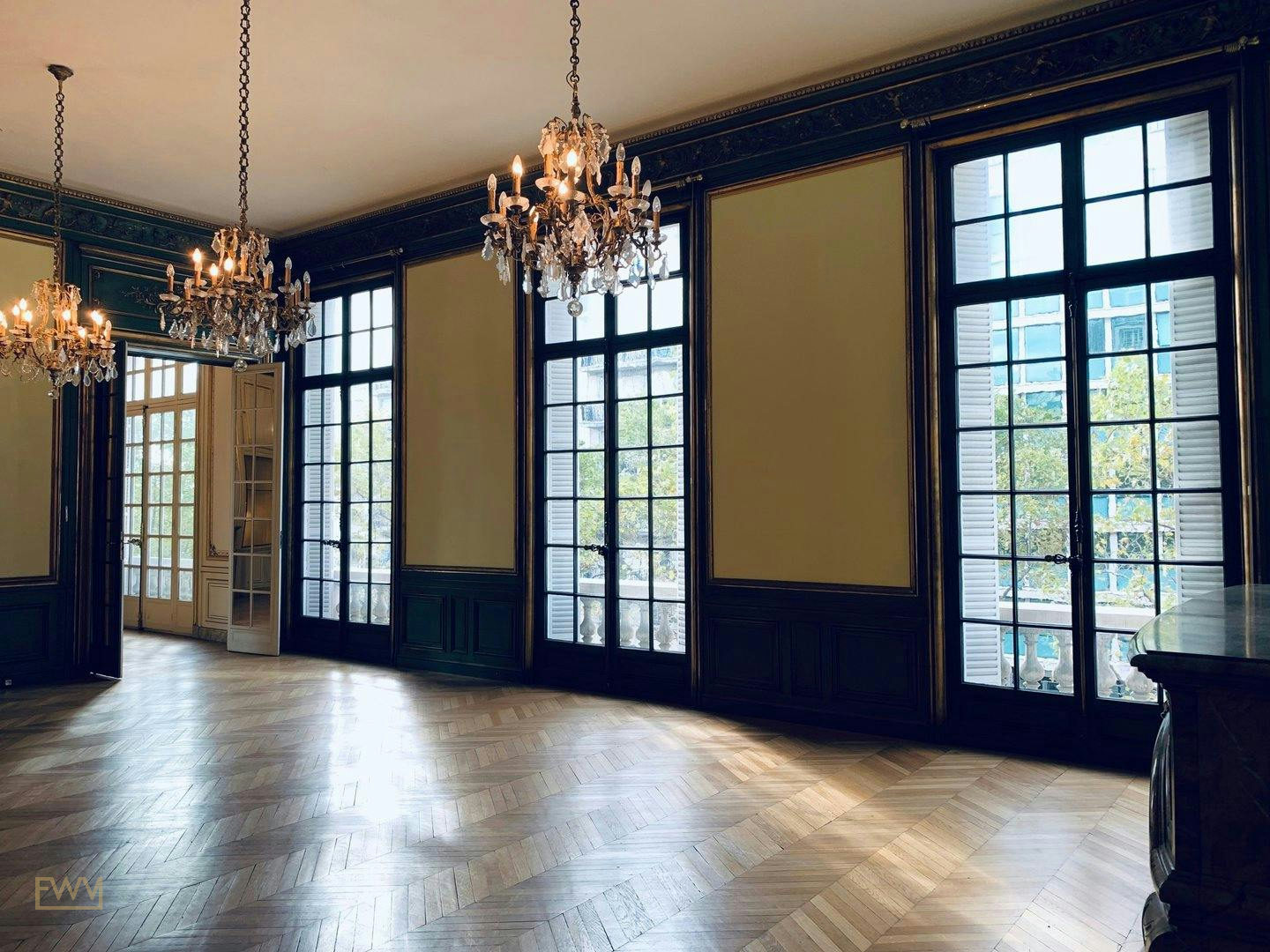
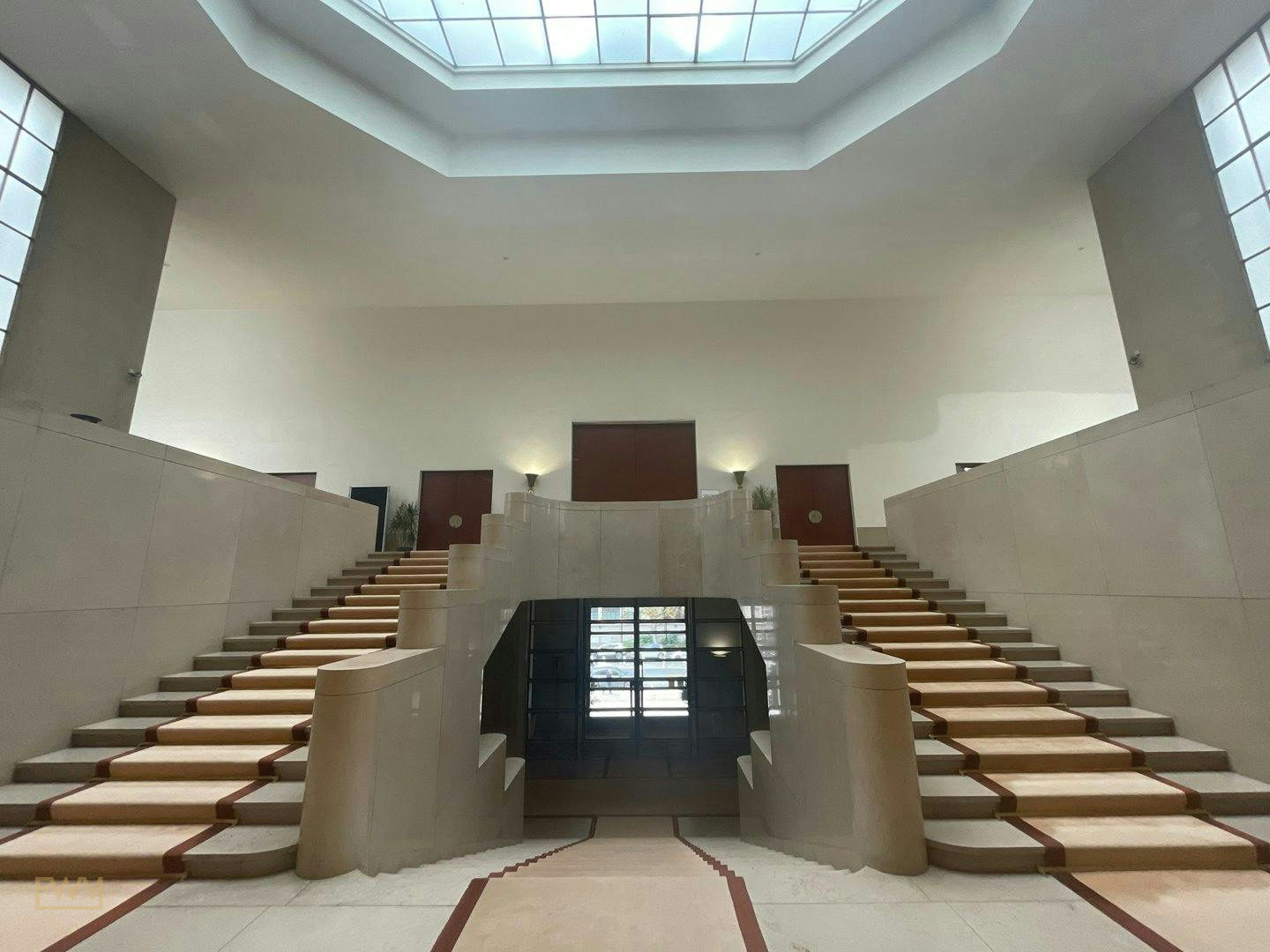
Securing the right space to book a pop-up shop near the Eiffel Tower in Paris is one of the most strategically high-value decisions a brand can make when entering the French market or activating during a major calendar moment. The districts surrounding the Eiffel Tower, across the 7th and 16th arrondissements, combine extraordinary foot traffic, cultural prestige, and proximity to some of the world's most recognisable landmarks, making them genuinely compelling for retail activations, showrooms, literary pop-ups, and immersive brand experiences. Whether your concept is a curated book and culture pop-up, a fashion presentation, or a souvenir and lifestyle store tied to Paris's literary and artistic heritage, the choices you make around location, permits, design, and timing will define the outcome. Fashion Week Venues works with international brands, publishers, and creative teams navigating exactly these decisions across Paris and other major fashion capitals.
Why the Eiffel Tower District Draws Pop-Up Brands to Paris
The area surrounding the Eiffel Tower is not simply a tourist corridor. It is a layered urban environment combining residential streets, cultural institutions, international hotels, government buildings, and some of Paris's most architecturally significant public spaces. For brand activations and pop-up shops, this geography offers a combination of high-volume footfall and the cultural legitimacy that comes from proximity to one of the most photographed structures on earth.
The 7th arrondissement anchors this district, and it is home to more than the Eiffel Tower alone. The Hôtel des Invalides, with its golden dome and vast esplanade, draws visitors seeking French military history and Napoleonic heritage. The Musée d'Orsay, positioned along the Seine on the Quai Anatole France, draws hundreds of thousands of art visitors annually and creates sustained foot traffic across the arrondissement. Saint-Germain-des-Prés, while technically centred in the 6th arrondissement, bleeds into the cultural gravitational pull of the 7th, with its historic cafés, literary bookshops, and publishing houses shaping the character of the broader neighbourhood. The bistro-bookshop La Belle Hortense in Le Marais, Shakespeare and Company on the Quai de Montebello near Notre-Dame de Paris, and the broader tradition of Parisian booksellers along the Seine all establish Paris as a city with a uniquely literary retail culture.
Across the Seine, the 16th arrondissement offers a more residential and high-end retail character. Streets in the 16th arrondissement attract a different visitor profile, typically wealthier, more local, and more discerning in terms of luxury and design. The Hotel Passy Eiffel and the surrounding Passy neighbourhood illustrate the blend of international visitors and affluent Parisian residents that makes the western bank so interesting for premium pop-up concepts.
The Champs-Élysées corridor, stretching from the Arc de Triomphe toward Place de la Concorde, represents a third distinct geography within the Eiffel Tower's broader catchment. While technically in the 8th arrondissement, the Champs-Élysées is within walking distance of the Trocadéro and draws enormous volumes of international visitors whose retail and cultural browsing patterns extend across multiple arrondissements. Pop-up brands that position in the 8th arrondissement benefit from this flow as well as from proximity to the luxury retail environment already established there.
For book-focused pop-ups, cultural brand activations, and literary retail concepts, the geography around the Eiffel Tower is particularly compelling because it overlaps with a tradition of intellectual and artistic culture. From the Centre Pompidou in the Marais, which draws visitors interested in contemporary art and design, to the Musée du Louvre and its enormous footprint in the 1st arrondissement, the cultural infrastructure of central Paris creates a distributed audience for experience-led retail. A pop-up shop that combines a book format, interactive literary programming, or a visual arts concept can draw not only tourist traffic but also Parisian readers, students, curators, and professionals who inhabit these neighbourhoods daily.
DID YOU KNOW: The Quai de Montebello, directly opposite Notre-Dame Cathedral on the Left Bank, has historically been associated with the bouquinistes, the iconic green-box booksellers of Paris who have traded along the Seine since the 16th century. Their presence has shaped the expectation among visitors that Paris offers accessible, ambient literary retail in unexpected outdoor locations.
KEY TAKEAWAY: The Eiffel Tower district is not a monolithic tourist zone. It encompasses distinct neighbourhoods with different visitor profiles, retail characters, and cultural institutions that reward a brand willing to match their concept carefully to the right arrondissement and street.
Understanding this geography in detail is a prerequisite for choosing the right space. The next step is understanding the specific types of pop-up shops and retail formats that work in this environment.
Types of Pop-Up Shop Concepts That Work Near the Eiffel Tower
The range of viable pop-up formats for the Eiffel Tower district is broader than many international brands initially expect. Beyond fashion presentations and souvenir retail, the neighbourhood supports literary, cultural, gastronomic, design, and experiential formats that match the intellectual character of central Paris.
Book and Literary Pop-Ups
Paris has a uniquely powerful literary culture that extends from its bouquiniste stalls and independent bookshops to major cultural events. A book-focused pop-up in this environment can draw on several overlapping traditions. The floating bookshop concept, inspired in part by the literary barges that have operated along the Canal de l'Ourcq and the Quai de l'Oise, represents one format. Another is the ephemeral concept store, combining curated book selections with author events, literary speed dating, DJ sets, and experiential programming to create something closer to a cultural destination than a simple retail transaction.
Publishers such as Presses Universitaires de France, German publishing house Taschen, and the ecosystem of independent French classics publishers have all demonstrated that book retail can take unexpected formats. Taschen's Paris store on the Île Saint-Louis, for example, blends the feel of an art gallery with coffee table book retail and XXL book formats, including cult works like the Little Book of Butts and oversized photography volumes featuring artists like Bert Stern and Annie Leibowitz. This format, marrying visual art with bibliographic culture, is well suited to a temporary pop-up near cultural landmarks.
A pop-up book format event, where the physical design of the space itself unfolds like the pages of a book, offers a compelling social media and experiential angle. Installations that evoke the pop-up book as both a physical object and a spatial metaphor can generate significant press and platform coverage, especially when positioned near a recognisable landmark that serves as an organic backdrop.
The concept of a print on demand service within a temporary retail space is also gaining traction. Brands can offer visitors the ability to select, customise, and print books on location, combining cartography, poetry, French classics, and world literature into bespoke objects. This kind of service creates a reason to dwell and a high perceived value product that is difficult to replicate on Amazon or through standard e-commerce.
Fashion and Design Pop-Ups
The 7th and 8th arrondissements have strong precedents for fashion and design pop-ups. The proximity to the Musée d'Orsay, the established luxury retail of the Champs-Élysées, and the quiet residential elegance of the streets between the Eiffel Tower and the Invalides all support premium fashion presentations. International brands entering Paris for the first time frequently use a pop-up format to test market reception before committing to a permanent location.
Fashion pop-ups near the Eiffel Tower benefit from the international visitor profile of the area. Visitors from Asia, North America, and the Gulf states who travel to Paris specifically to engage with French fashion and design culture are well represented in this district.
Cultural and Heritage Activations
Brands with a strong narrative around historical presentation, architectural wonders, or cultural significance can position effectively near landmarks like the Hôtel des Invalides, the Arc de Triomphe, or the Sacré-Coeur. This is particularly true for brands in photography, art publishing, or heritage tourism sectors, where the context of Parisian monuments provides an authentic frame for the brand story.
Visual artists, curators, and institutions working with historical heritage collections, whether documentary photography in the tradition of Bert Stern or contemporary work from visual artists responding to the City of Light, find the Eiffel Tower district an exceptionally legible backdrop for temporary installations and retail activations.
Quick answer: The most effective pop-up formats near the Eiffel Tower combine strong concept clarity with Parisian cultural context. Book and literary pop-ups, fashion presentations, heritage and cultural activations, and immersive design experiences all perform well when the concept is aligned with the specific neighbourhood's visitor profile and cultural character.
KEY TAKEAWAY: A successful pop-up near the Eiffel Tower does not simply occupy space. It participates in the cultural conversation of one of the world's most visited urban environments, and the concept must be strong enough to justify that participation.
Once you have a concept, the next critical decision is identifying and securing the right physical space. This requires understanding both the space marketplace and the permit environment in Paris.
How to Find and Book Pop-Up Space Near the Eiffel Tower in Paris
Finding the right space is both a market knowledge challenge and a logistical one. Paris's commercial property market is highly fragmented, and short-term retail space near high-footfall landmarks is in demand from multiple directions simultaneously. Brands entering Paris for the first time frequently underestimate how early they need to begin the sourcing process.
Using a Space Marketplace
The fastest and most transparent starting point for international brands is a dedicated space marketplace. Platforms that aggregate short-term retail and event spaces allow brand teams to filter by arrondissement, size, duration, and venue type before committing to agent conversations. The Fashion Week Venues space marketplace allows brands to browse available venues across Paris and other fashion capitals, compare specifications, and shortlist options before beginning due diligence.
When using any marketplace, the key variables to assess include floor area, ceiling height, natural light, frontage visibility, storage access, loading access, proximity to public transport, and the specific street address relative to the landmarks you want to draw footfall from. A space on the Rue Cler, for example, has a very different character from one on the Avenue de Suffren, even though both are within the 7th arrondissement and within walking distance of the Eiffel Tower.
Working with a Venue Sourcing Specialist
Beyond marketplace browsing, many brands benefit from working with a venue sourcing specialist who understands the off-market stock, landlord relationships, and specific permit requirements of each arrondissement. Paris has a significant volume of spaces that are never listed publicly, including retail units in premium streets, hôtel particulier ground floors, and gallery spaces that are available on short-term terms only through direct relationships.
A specialist approach to venue sourcing in Paris can surface options that would not appear in a standard marketplace search, and can often negotiate terms that reflect the brand's specific timeline and activation requirements rather than a generic rental structure.
Timing Your Search
Booking timelines for spaces near the Eiffel Tower depend heavily on the calendar window. During Paris Fashion Week, which takes place twice annually in January and February for menswear and Haute Couture and in September and October for ready-to-wear, demand for spaces across the 1st, 3rd, 4th, 7th, and 8th arrondissements spikes significantly. Brands that want premium locations during these windows need to begin their search six to nine months in advance.
Outside Fashion Week windows, the booking lead time can be considerably shorter, particularly for spaces that have not been pre-reserved by recurring tenants. Summer months, when tourist footfall near the Eiffel Tower is at its peak, represent another high-demand window for retail activations, souvenir concepts, and cultural programming.
Comparing Locations and Neighbourhoods
To compare neighbourhoods and space types before committing to a brief, brands should explore the Paris city hub on Fashion Week Venues and shortlist spaces that match their brief, budget, and calendar window. Understanding the micro-differences between streets and arrondissements is as important as understanding the broader district.
| Neighbourhood | Arrondissement | Best For | Key Landmarks Nearby | Visitor Profile |
|---|---|---|---|---|
| Trocadéro / Passy | 16th | Premium fashion, luxury lifestyle, cultural brand | Eiffel Tower, Palais de Chaillot | Affluent local residents, international tourists |
| Champ de Mars / Invalides | 7th | Heritage brand, cultural activation, literary retail | Eiffel Tower, Hôtel des Invalides, Musée d'Orsay | Mixed tourists and professional visitors |
| Saint-Germain-des-Prés | 6th | Books, fashion, design, creative brand | Musée d'Orsay, Jardin du Luxembourg | Literary visitors, Parisian readers, design community |
| Le Marais | 3rd / 4th | Contemporary fashion, art, concept retail | Centre Pompidou, Place des Vosges, Musée Picasso | Young creatives, tourists, fashion community |
| Champs-Élysées / 8th | 8th | Mass market brand activation, flagship experience | Arc de Triomphe, Grand Palais | High-volume international tourists, luxury shoppers |
| Châtelet / Marais border | 1st / 4th | Multi-format retail, book and culture | Louvre, Musée du Louvre, Centre Pompidou | Museum visitors, Parisian residents, art community |
KEY TAKEAWAY: Space availability near the Eiffel Tower and across central Paris is time-sensitive and location-specific. Brands that define their arrondissement preference, space requirements, and calendar window before beginning their search move faster and secure better options.
Paris Pop-Up Shop Permits, Regulations, and Compliance
One of the most commonly misunderstood aspects of opening a pop-up shop in Paris is the permit and regulatory environment. Short-term retail in Paris is governed by a distinct framework from standard commercial leases, and understanding this framework before signing anything is essential.
Bail Dérogatoire and Short-Term Leases
The bail dérogatoire, sometimes called a lease dérogatoire or convention d'occupation précaire, is the most common legal instrument used for short-term pop-up retail in Paris. It allows a tenant and landlord to agree on an occupation period of up to three years without triggering the full protections of the French commercial lease statute (the bail commercial). For pop-up activations lasting days, weeks, or a few months, this instrument is typically used in some form, though the exact structure varies by property type, duration, and arrondissement.
IMPORTANT: The bail dérogatoire does not replace the need for specialist legal advice. Requirements vary depending on the space type, the duration of occupation, the specific terms agreed with the landlord, and the arrondissement in which the space is located. Always verify the legal structure of any short-term retail agreement with a qualified French legal advisor before signing.
Autorisation d'Occupation Temporaire (AOT)
For activations in public spaces, on terraces, in parks, or on the public domain in Paris, an Autorisation d'Occupation Temporaire (AOT) is required. This is a permit granted by the relevant public authority, which may be the City of Paris (Mairie de Paris), the relevant arrondissement, or a specific institutional body depending on the location. AOTs are used for outdoor pop-ups, temporary market stalls, branded installations near landmarks, and event structures in public areas.
Brands considering outdoor activations near the Eiffel Tower or along the Seine should understand that the AOT process can be competitive and time-consuming, and that approval is not guaranteed. The Fashion Week Venues permit guidance tool provides directional information on the permit landscape, though formal legal advice remains essential for any specific application.
Fire Safety and Electrical Safety Compliance
All temporary retail spaces in Paris must comply with French fire safety and electrical safety regulations. This includes requirements around emergency exits, fire extinguisher placement, electrical load capacity, cable management, and insurance documentation. Spaces in historic buildings, which are common in the arrondissements closest to the Eiffel Tower, may have additional constraints due to heritage protection requirements.
Before signing a lease or occupation agreement, brands should request a copy of the space's safety compliance documentation, verify the electrical installation capacity against their build requirements, and confirm that their fit-out contractor is familiar with French safety standards.
Insurance Requirements
Temporary retail operators in Paris typically need public liability insurance, contents insurance, and, depending on the space, loss of key insurance. Landlords frequently require proof of insurance before handing over keys. International brands should verify that their existing policies extend to French territory and cover temporary retail operations, or arrange supplementary cover through a French insurer.
Quick answer: Opening a pop-up shop in Paris requires navigating a specific short-term leasing framework, fire and electrical safety compliance, and appropriate insurance. The process is manageable with specialist support but should not be approached without qualified guidance, particularly for international brands unfamiliar with French commercial property law.
KEY TAKEAWAY: Permit and compliance requirements for Paris pop-up shops are real, specific, and variable by location. Brands that treat this as an administrative afterthought risk delays, fines, or forced closure. Build permit and compliance time into your planning timeline from the beginning.
Planning Your Pop-Up Shop Concept, Design, and Build in Paris
The design and build phase of a Paris pop-up is where brand vision becomes physical reality, and where the cultural expectations of a Parisian audience become most relevant. Visitors near the Eiffel Tower, whether tourists drawn to Parisian monuments or residents of the 7th arrondissement, have sophisticated aesthetic standards shaped by the extraordinary architectural environment they inhabit daily.
Concept Development
Strong concept direction begins with a clear articulation of what the pop-up is for. Is it a sales activation, a brand awareness exercise, a product launch, a cultural programming space, or a combination? The answer shapes every subsequent decision from space selection to visual identity to staffing. For a book-focused pop-up near the Eiffel Tower, the concept might draw on the literary heritage of Saint-Germain-des-Prés, the immersive format of a pop-up book, or the idea of a floating bookshop translated into a physical land-based space. The concept should be legible to visitors within seconds of entering the space.
Spatial Design and Merchandising
Spatial design for a Paris pop-up must balance aesthetic ambition with practical retail function. Merchandise needs to be accessible, legible in terms of pricing and product range, and displayed in a way that encourages browsing and dwelling. For book and literary retail, this might mean tables at browsing height, reading nooks that invite visitors to sit and sample content, digital tablet catalogues that extend the range beyond what can be physically stocked, and self-service collection areas for pre-ordered or print on demand items.
The use of a digital tablet catalogue is particularly effective for literary pop-ups with a wide range of titles. Rather than attempting to stock every format and edition of a publication, the brand can offer a curated physical selection complemented by a digital interface that allows visitors to explore the full range and place orders for shipping. This hybrid model manages inventory and cashflow while maintaining a rich browsing experience.
Fit-Out and Production
Paris has a strong market for bespoke fit-out and production services oriented toward temporary retail. Working with a production team that understands Parisian building regulations, heritage property constraints, and the practicalities of short-term retail build and strike is considerably more efficient than attempting to manage an international build team without local knowledge. The production and build services offered by Fashion Week Venues are designed for exactly this context, supporting brands through the physical realisation of their concept from initial drawings to final installation.
Packaging and Presentation
Packaging is a direct extension of the brand concept in a physical retail environment. For a book and culture pop-up in Paris, packaging choices that reference Parisian visual culture, from the classic brown paper wrapping of traditional libraires to contemporary Parisian graphic design, can significantly enhance the perceived value of the purchase and create a memorable souvenir experience. This is particularly important for visitors from outside France who are likely to share their purchases on social media.
TIP: Consider designing your packaging as a standalone collectible object that references Parisian monuments or literary heritage. Visitors who would not pay a premium for a standard book bag frequently will pay more for packaging that functions as a Parisian souvenir in its own right.
Dimensions, Scale, and Space Planning
Space planning for a Paris pop-up depends on the floor area available, the target capacity, and the density of the programme. Brands should plan for clear circulation routes, accessible layouts that comply with French disability access regulations, and a flow that guides visitors naturally from entry through the core experience to a purchase or engagement point. Dimensions should be mapped against the planned furniture layout, including any furniture rental items, before the fit-out begins.
KEY TAKEAWAY: The design and build of a Paris pop-up is a collaborative process that requires creative vision, practical expertise, and local knowledge. Brands that invest appropriately in concept direction and production quality create spaces that generate substantially better return on their activation investment.
Paris Pop-Up Shop Budgeting, ROI, and Financial Planning
Financial planning for a Paris pop-up shop requires a clear understanding of all cost categories, not just rent. International brands frequently underestimate the total cost of a Paris activation by focusing on the space rental rate while overlooking fit-out, staffing, permits, insurance, marketing, logistics, and contingency.
Key Cost Categories
The primary cost categories for a Paris pop-up include space rental, security deposit, fit-out and production, furniture rental, retail staffing, permits and legal fees, insurance, marketing and social media, inventory management, point of sale and payment systems, security systems, shipping and logistics, and agency or management fees. The relative weight of each category varies by concept, duration, and location, but brands should budget for all of them from the outset.
For guidance on building a brand-specific cost model, the Fashion Week Venues budget calculator provides a structured framework for estimating total activation costs based on space type, duration, and service requirements. This is a directional tool and does not replace a formal budget prepared with your agency and legal advisors.
Revenue Planning and Cashflow
Pop-up retail near the Eiffel Tower can generate revenue from direct sales, wholesale introductions, press coverage value, social media reach, data collection, and long-term brand awareness. For brands operating a book or literary pop-up, revenue streams might include physical book sales, print on demand services, event ticketing for author events or literary speed dating sessions, and brand partnership or collaboration income.
Cashflow management is particularly important for short activations where the operational window is tight. Brands should ensure that payment systems, including credit card readers and contactless payment infrastructure, are operational from day one. Paris visitors, particularly international tourists, expect seamless card payment options, and any friction in the payment process will directly reduce conversion rates.
Measuring ROI
Return on investment for a Paris pop-up should be measured across multiple dimensions: direct sales revenue, wholesale leads generated, media value of press and social coverage, brand awareness uplift, data captured from visitors, and the strategic value of establishing a Paris presence. The Fashion Week Venues ROI calculator helps brand teams assign values to these dimensions and construct a defensible business case for the activation investment.
| Cost Category | Notes | Timing |
|---|---|---|
| Space Rental | Varies significantly by arrondissement, size, and duration | Payable on agreement / in advance |
| Security Deposit | Typically one to three months' equivalent rent | On signing |
| Fit-Out and Production | Includes design, materials, installation, and strike | Pre-activation |
| Furniture Rental | Display fixtures, seating, shelving for literary/retail formats | Pre-activation and ongoing |
| Retail Staffing | French employment law applies; agency staffing recommended for short terms | During activation |
| Permits and Legal | Varies by space type and AOT requirement | Pre-activation |
| Insurance | Public liability, contents, and key cover | Pre-activation |
| Marketing and Social Media | Influencer partnerships, paid social, PR | Pre-activation and during |
| POS and Payments | Card readers, till systems, contactless infrastructure | Pre-activation |
| Security System | CCTV, alarm, access control depending on space | Pre-activation |
| Contingency | Recommend minimum 15% of total budget | Reserved throughout |
KEY TAKEAWAY: Paris pop-up budgeting requires a whole-activation view that goes far beyond the space rental line. Brands that plan their full cost model early avoid the cashflow pressures that frequently compromise activation quality in the final weeks before opening.
Marketing, Social Media, and Foot Traffic Strategy for Paris Pop-Ups
A Paris pop-up near the Eiffel Tower exists in one of the world's most photographed and shared urban environments. This creates an extraordinary organic marketing opportunity, but only for brands that plan their social media and PR strategy in advance and create a space that is genuinely worth sharing.
Organic Foot Traffic and Landmark Proximity
Foot traffic near the Eiffel Tower, the Arc de Triomphe, the Musée d'Orsay, and Notre-Dame de Paris is sustained and high-volume across most of the year. Visitors who are already in the area for landmark tourism represent a warm audience for a well-positioned and visually compelling pop-up, provided the concept is clearly communicated through exterior signage, window dressing, and any permitted outdoor presence.
The proximity to specific Parisian monuments also creates opportunities for content that positions the brand within the visual grammar of Paris. A book pop-up photographed against the backdrop of the Eiffel Tower at dusk, or a literary installation visible from the banks of the Seine, generates content that resonates not only with visitors on the ground but with the far larger audience following these visitors' social media accounts from around the world.
Influencer Marketing and Press Previews
Influencer marketing is a significant driver of pop-up awareness in Paris. The city has a large and active community of lifestyle, fashion, culture, and literary influencers whose audiences overlap strongly with the target visitors for a high-quality pop-up concept. Hosting a press preview or influencer evening before the public opening allows the brand to generate content and coverage before the first day of trading.
The influencer marketing services available through Fashion Week Venues connect brands with relevant Paris-based and international influencer networks and provide guidance on structuring partnerships that generate authentic, high-reach content rather than purely promotional posts.
Event Programming as Marketing
For literary and cultural pop-ups, event programming is one of the most effective marketing tools available. Author events draw press coverage and social media attention beyond what a static retail environment can generate. Literary speed dating, where visitors are matched with books by a knowledgeable host, creates a memorable and shareable experience that differentiates the pop-up from conventional retail. DJ sets combined with book browsing evenings position the space as a cultural venue rather than a shop, attracting a broader audience and extending dwell time.
Programming should be announced through social media, email, and cultural listings well in advance of the activation. Paris has a rich ecosystem of cultural listings platforms, including both established print publications and digital guides, through which event announcements reach audiences specifically interested in literary, artistic, and cultural events.
Sustainability as a Marketing and Brand Signal
Sustainability is an increasingly important factor in Parisian consumer decision-making, particularly among the younger, locally resident audiences that cultural pop-ups frequently target. Brands that can credibly communicate sustainable sourcing, packaging, and operational practices benefit from both consumer goodwill and press coverage. For a book pop-up, this might include stocking titles focused on sustainability, using recycled or recyclable packaging, partnering with organisations like Good_Again Goodwill for pre-loved book components, or communicating the carbon credentials of the print on demand service.
Quick answer: Effective marketing for a Paris pop-up near the Eiffel Tower combines organic social media content generation, targeted influencer partnerships, event programming that creates reasons to attend, and sustainability messaging that resonates with Parisian cultural values. Plan your marketing timeline as carefully as your build timeline.
KEY TAKEAWAY: The Eiffel Tower district provides a marketing context of extraordinary visual richness. Brands that build their creative brief with social media content generation in mind, rather than as an afterthought, convert foot traffic into lasting brand awareness at a scale that extends far beyond the physical footprint of the pop-up itself.
How Fashion Week Venues Supports Brands Booking Pop-Up Space in Paris
Fashion Week Venues is a full-service pop-up shop agency and space marketplace with Paris as its anchor market. For brands seeking to book a pop-up shop near the Eiffel Tower or anywhere across central Paris, Fashion Week Venues offers a combination of marketplace access, specialist services, and practical tools that address the full lifecycle of a Paris activation.
Space Discovery and Venue Sourcing
The Fashion Week Venues marketplace lists available spaces across Paris's key arrondissements, allowing brand teams to browse, compare, and shortlist options before engaging in detailed conversations. The venue sourcing service goes beyond the marketplace to surface off-market spaces and negotiate terms on behalf of the brand. This is particularly valuable for brands targeting the 7th, 8th, and 16th arrondissements, where premium spaces near landmarks like the Eiffel Tower and the Arc de Triomphe are often allocated quickly and through direct relationships rather than public listings.
Concept, Design, and Production
For brands that need support beyond space finding, Fashion Week Venues offers concept and creative direction, branded store design, furniture rental, and full production and build management. These services are particularly relevant for international brands entering Paris for the first time, who may not have existing relationships with Parisian fit-out contractors or an understanding of the local build environment.
Operations, Staffing, and Analytics
Operational services including retail staffing, POS and payment systems, activation management, and data and analytics ensure that the pop-up operates effectively once it is open. For book and literary pop-ups, this might include staffing with French-speaking team members who can guide visitors through the concept, manage event programming, and provide the kind of knowledgeable, experience-led service that differentiates a well-executed pop-up from a generic retail transaction.
Planning Tools
Fashion Week Venues provides a suite of planning tools that help brand teams move from initial research to a fully costed and timed activation plan. The timeline tool structures the pre-activation period into a manageable sequence of milestones. The budget calculator builds a comprehensive cost model. The ROI calculator supports business case development. The permits tool provides directional guidance on the Paris permit landscape. The space comparison and locator tools support the space selection process. These tools are available at the Fashion Week Venues tools hub.
Who Benefits Most
Fashion Week Venues works most effectively with brand teams that have a clear concept, a defined budget envelope, and a specific calendar window in mind. The agency is designed for international brands entering Paris, brands activating during Paris Fashion Week, publishers and cultural organisations seeking temporary space, and established brands that want to test new formats in a controlled, time-limited environment. Brands at an earlier stage of planning, or those who need support in defining their concept before beginning the space search, can benefit from an initial conversation with the Fashion Week Venues team via the contact page.
Quick answer: Fashion Week Venues supports brands at every stage of booking a Paris pop-up, from initial space discovery through concept direction, production, staffing, and analytics. The combination of marketplace access, specialist agency services, and practical planning tools is designed specifically for the complexities of the Paris short-term retail market.
KEY TAKEAWAY: Working with a Paris-specialist agency reduces the risk of the most common and costly mistakes in pop-up activation: choosing the wrong location, underestimating the permit timeline, over-spending on fit-out at the expense of marketing, and under-staffing the operational phase.
Step-by-Step Workflow for Booking a Paris Pop-Up Shop Near the Eiffel Tower
A clear workflow from initial concept to operational launch helps brand teams avoid the most common delays and errors in the Paris pop-up process. The following table outlines the recommended sequence of steps for a brand planning a pop-up activation near the Eiffel Tower or in the surrounding arrondissements.
| Phase | Step | Key Actions | Typical Timeline Before Opening |
|---|---|---|---|
| 1. Strategy | Define concept and objectives | Clarify format (book, fashion, cultural), target visitor, duration, and budget envelope | 6 to 9 months |
| 2. Research | Map neighbourhood and space options | Browse marketplace, use locator tool, shortlist arrondissements | 5 to 7 months |
| 3. Space Selection | Venue sourcing and comparison | Engage venue sourcing specialist, compare shortlisted spaces, conduct site visits | 4 to 6 months |
| 4. Legal and Permits | Lease and permit preparation | Engage French legal advisor, begin bail dérogatoire or AOT application, arrange insurance | 3 to 5 months |
| 5. Concept and Design | Creative and spatial development | Finalise concept direction, develop floor plan, specify furniture and fit-out | 3 to 4 months |
| 6. Production | Build planning and contractor engagement | Appoint fit-out contractor, confirm electrical and fire safety compliance, schedule build | 2 to 3 months |
| 7. Inventory and Logistics | Product ordering and shipping | Confirm inventory levels, arrange shipping to Paris, plan storage and replenishment | 2 to 3 months |
| 8. Marketing | Pre-launch awareness | Influencer briefings, press preview planning, social media content creation | 6 to 8 weeks |
| 9. Staffing | Team recruitment and briefing | Engage retail staffing, conduct team briefing on concept, POS training | 4 to 6 weeks |
| 10. Installation | Fit-out and merchandising | Build installation, merchandising, POS setup, security system activation | 1 to 2 weeks |
| 11. Launch | Press preview and public opening | Host press and influencer preview, open to public, begin event programming | Day of opening |
| 12. Analytics | Live performance tracking | Monitor footfall, sales, social reach, and event attendance in real time | Ongoing during activation |
Quick answer: A well-planned Paris pop-up near the Eiffel Tower typically requires six to nine months of preparation for a premium space during a high-demand window like Fashion Week or peak summer. Shorter timelines are possible for smaller activations outside peak periods, but the permit and legal preparation steps cannot be significantly compressed.
KEY TAKEAWAY: The workflow for a Paris pop-up is sequential and interdependent. Delays in the legal and permit phase affect the design phase, which affects the build phase, which affects the marketing timeline. Starting earlier creates the margin for the kind of thoughtful, high-quality execution that delivers real results in a competitive market.
For brands that want to understand the agency selection process in more detail before committing to a specific partner, the guide on hiring a pop-up agency provides a useful framework for evaluating options and making an informed decision.
The Literary and Cultural Landscape of Pop-Up Retail Near Paris Landmarks
Paris has a relationship with books and literary culture that is unlike any other city in the world. The city's identity as a centre of intellectual life, from the philosophical cafés of Saint-Germain-des-Prés to the publishing houses of the Latin Quarter, creates a distinctive context for book-focused pop-up retail that both international publishers and independent literary brands can draw on.
The Paris Book Culture Infrastructure
Shakespeare and Company, the legendary English-language bookshop on the Quai de la Tournelle near Notre-Dame Cathedral, is one of the most visited independent bookshops in the world and embodies the idea that a bookshop can be a cultural destination rather than simply a retail outlet. The bistro-bookshop La Belle Hortense in Le Marais combines book browsing with wine and conversation, demonstrating that literary retail and hospitality programming are natural partners in a Parisian context.
The bouquinistes of the Seine, operating from their traditional green-painted boxes along the Quai de Montebello and the Quai de l'Oise, represent the world's largest open-air bookshop and have been a fixture of Parisian visual culture for centuries. Their presence, combined with the literary barge tradition on the Canal de l'Ourcq, establishes Paris as a city where books appear in unexpected and ambient retail formats that visitors actively seek out.
The Centre national du Livre and the broader ecosystem of French cultural institutions support literary programming, publication subsidies, and event organisation that can provide context and sometimes partnership opportunities for international book brands entering Paris.
Publishers and Book Formats in Paris
The Paris book market encompasses an extraordinary range of formats. Presses Universitaires de France publish the rigorous academic and philosophical titles associated with the French intellectual tradition. Taschen, the German publishing house with a significant Paris presence, has pioneered the XXL book format and the coffee table book as a luxury object, with cult works spanning photography volumes featuring artists like Bert Stern's photographs of Marilyn Monroe and Annie Leibowitz's iconic portrait work. Travel guides, cartography publications, and Parisian cultural guides form a significant segment of the visitor-oriented book market near landmarks.
For a pop-up book concept near the Eiffel Tower, curation might combine French classics and poetry with contemporary visual art books, architectural publications celebrating Parisian architectural wonders, and interactive formats including pop-up book editions that reference the landmarks visible from the shop window. The concept of cartography as a product category, mapping Parisian monuments, the Seine, Notre-Dame Cathedral, the Sacré-Coeur, and the broader topography of the City of Light, has strong souvenir appeal while maintaining cultural and intellectual credibility.
Parisian Readers and the Visitor Market
A well-positioned literary pop-up near the Eiffel Tower can serve two distinct audiences simultaneously. Parisian readers, a highly literate and culturally engaged population, represent a local audience that responds to thoughtful curation, knowledgeable staff, and programming that goes beyond what a standard bookshop or Amazon can offer. International visitors, drawn to the landmarks of the City of Light, represent a second audience seeking culturally resonant souvenirs and experiences that connect them to the literary heritage of Paris.
The tension between these two audiences is a productive creative challenge rather than a problem to be solved. A pop-up that serves both thoughtfully, perhaps offering a curated French classics section for Parisian readers alongside a beautifully designed English-language travel guide and photography collection for international visitors, creates a richer experience for both groups and a stronger brand story overall.
DID YOU KNOW: Paris has been the home of the largest open-air book market in the world, with the Seine-side bouquinistes operating across more than three kilometres of riverbank and typically offering tens of thousands of titles at any given time. This tradition establishes an expectation among visitors that books in Paris are discoverable, accessible, and ambient.
KEY TAKEAWAY: Paris's literary culture provides an extraordinary context for book-focused pop-up retail. Brands that engage authentically with this culture, through curation, programming, and design, create experiences that resonate far more deeply with both local and international audiences than a generic retail format would.
Common Myths About Booking a Pop-Up Shop in Paris Debunked
MYTH: You need a French legal entity to rent a pop-up space in Paris.
FACT: Many international brands rent short-term retail spaces in Paris without having a French company. The bail dérogatoire framework allows for flexible short-term occupation agreements, and some landlords work regularly with foreign entities. However, specific legal requirements depend on the space type, duration, and landlord, and specialist advice is always recommended. The Fashion Week Venues permit guidance tool provides a useful starting point.
MYTH: Paris Fashion Week is the only viable calendar window for a pop-up near the Eiffel Tower.
FACT: Paris Fashion Week generates extraordinary demand and media attention, but it is not the only viable window for a pop-up activation. Summer months bring peak tourist footfall to the Eiffel Tower district. The autumn cultural season, which coincides with gallery openings and the Rentrée literary calendar, is an excellent period for book and cultural pop-ups. The Christmas and holiday period is another high-footfall window. Brands should consider which calendar window aligns best with their target audience and concept, not simply default to Fashion Week.
MYTH: Commission brokers are the only way to find a short-term retail space in Paris.
FACT: Commission brokers are one route, but not the only one. Dedicated space marketplaces, full-service agencies, and direct landlord relationships all offer alternative paths to securing short-term retail space in Paris. Each route has different cost structures, transparency levels, and service implications. Comparing approaches before committing to a broker relationship is time well spent.
MYTH: Short-term leases in Paris are legally straightforward and do not require specialist advice.
FACT: Short-term commercial leases in Paris operate under French law, which differs substantially from Anglo-American lease frameworks. The bail dérogatoire, the AOT for public spaces, and the specific obligations around fire safety, electrical compliance, and insurance are all substantive legal matters. Brands that sign agreements without qualified French legal advice risk significant exposure. Always engage a French legal advisor before signing any Paris commercial space agreement.
MYTH: A pop-up book shop near the Eiffel Tower will automatically attract footfall from tourist traffic alone.
FACT: Proximity to a major landmark generates ambient pedestrian traffic, but converting that traffic into pop-up visitors requires clear exterior communication, compelling visual merchandising, and active marketing. Visitors to the Eiffel Tower are typically focused on a specific tourist experience and will not divert to a retail space unless it offers a compelling and clearly communicated reason to enter. Marketing, programming, and outstanding design are all necessary components of a successful pop-up, regardless of how well the space is located.
Frequently Asked Questions About Booking a Pop-Up Shop Near the Eiffel Tower in Paris
How far in advance do I need to book a pop-up shop near the Eiffel Tower in Paris?
For premium spaces in high-demand windows like Paris Fashion Week or peak summer, a lead time of six to nine months is recommended. For smaller activations during lower-demand periods, a three to four month lead time may be sufficient. The permit and legal preparation steps require time that cannot easily be compressed, so earlier is always better. Using the Fashion Week Venues timeline planning tool helps brand teams map out realistic preparation schedules based on their target opening date.
Do I need a French company to rent a pop-up space in Paris?
Not necessarily, though requirements vary by landlord, space type, and the duration and structure of the occupation agreement. Many international brands operate Paris pop-up activations through their existing legal entity with appropriate representation in France. Some landlords require a French guarantor or local legal address. The best approach is to verify the specific requirements of each space with a qualified French legal advisor before signing. The Fashion Week Venues permits tool provides directional guidance on this question.
What is a bail dérogatoire and does my pop-up need one?
A bail dérogatoire is a short-term commercial occupation agreement under French law that allows flexible tenure without triggering the full protections of the French commercial lease statute. It is commonly used for pop-up retail activations lasting weeks to a few months. Whether your specific activation requires a bail dérogatoire, an AOT, or another legal instrument depends on the space type, location, and duration. A qualified French legal advisor should confirm the appropriate structure for your specific situation.
What permits do I need for an outdoor pop-up near the Eiffel Tower?
Outdoor activations on the public domain in Paris, including terraces, public squares, and spaces near landmarks like the Eiffel Tower, typically require an Autorisation d'Occupation Temporaire (AOT) from the relevant public authority. The process is competitive and timelines vary. For outdoor activations near major Parisian monuments, the permit application should begin as early as possible. The Fashion Week Venues permits tool provides guidance on the general process, though formal applications require specialist legal support.
What is the best neighbourhood near the Eiffel Tower for a book or literary pop-up?
Saint-Germain-des-Prés in the 6th arrondissement offers the strongest existing literary culture infrastructure and is most familiar to visitors specifically seeking a book-related experience. The 7th arrondissement, between the Eiffel Tower and the Musée d'Orsay, combines strong foot traffic with a quieter retail environment suited to an experience-led concept. Le Marais offers a younger, more contemporary audience that responds well to hybrid cultural programming. The best choice depends on the specific concept, target audience, and price point.
How do I estimate the cost of a pop-up shop near the Eiffel Tower in Paris?
Total activation costs include space rental, fit-out and production, furniture rental, staffing, permits, insurance, marketing, inventory, POS systems, security, and contingency. The relative weight of each category varies by concept, duration, and arrondissement. The Fashion Week Venues budget calculator provides a structured framework for building a brand-specific cost model. Directional cost estimates should be treated as starting points only, and a formal budget should be prepared with your agency and legal advisors.
Can I run a book pop-up in Paris without selling directly to consumers?
Yes. Many pop-up activations in Paris function primarily as brand experiences, press and influencer showcases, or wholesale introduction platforms rather than direct-to-consumer retail operations. A book or literary pop-up might focus on event programming, cultural partnerships, and press coverage while directing purchase-intent visitors to an online store or a print on demand service. This model can significantly reduce the logistical complexity of managing inventory and cashflow while maintaining a strong physical presence near the Eiffel Tower.
What are the best calendar windows for a pop-up near Paris landmarks outside of Fashion Week?
The peak summer season from June through August brings the highest tourist footfall to the Eiffel Tower district and surrounding landmarks. The Rentrée period in September is excellent for literary and cultural pop-ups as Parisian cultural life resumes after the summer. The Christmas and holiday season from late November through December is another high-footfall window with strong gifting purchase intent. The spring season from March through May offers good weather, rising tourism, and a receptive local audience returning to cultural activity after winter.
How do I generate foot traffic to a pop-up shop that is not directly on a tourist route?
For spaces that are not directly on the highest-footfall tourist routes, a combination of active marketing, event programming, influencer partnerships, and social media content creation is essential. Press previews that generate media coverage before opening day can drive purposeful visits from people who have specifically sought out the pop-up. Partnerships with nearby cultural institutions, hotels like the Hotel Passy Eiffel, and local businesses can also drive referral traffic. Clear directional signage and a compelling exterior presence convert passing pedestrians into visitors.
What staffing do I need for a Paris pop-up shop?
Staffing requirements depend on the size of the activation, the hours of operation, and the nature of the visitor experience. A bilingual team, capable of engaging visitors in both French and English, is strongly recommended for any pop-up in a high-tourism district like the Eiffel Tower area. French employment law applies to all staff working in France, including temporary hires, and specialist retail staffing agencies familiar with the Paris market can manage compliance on behalf of the brand. Fashion Week Venues offers retail staffing services designed for exactly this context.
Is it possible to do a pop-up in collaboration with another brand near the Eiffel Tower?
Yes, and co-activations are increasingly common in the Paris pop-up market. Sharing a space with a complementary brand reduces per-brand costs, expands the combined audience, and can create a richer visitor experience. For a literary pop-up, potential co-activation partners might include a Parisian coffee brand, a stationery or gifts brand, a visual arts organisation, or a cultural institution. The Fashion Week Venues twin concept is specifically designed to support co-activation formats, pairing complementary brands in a single shared space.
What insurance do I need for a Paris pop-up shop?
At minimum, a Paris pop-up operator needs public liability insurance covering the activation space and visitor interactions, and contents insurance covering stock, fixtures, and equipment. Many landlords require proof of public liability cover before handing over the space. If the activation involves electrical installations, events, or overnight stock storage, additional cover may be required. International brands should verify whether their existing policies extend to French territory and supplement where necessary through a French or international insurer with French market expertise.
How should I handle returns and exchanges in a temporary Paris retail environment?
French consumer law grants specific return and exchange rights to purchasers, and these apply to temporary retail just as they do to permanent stores. Brands operating a Paris pop-up should ensure that their POS system and staff are briefed on the applicable return policy and that the process for handling returns, including where customers can return items after the pop-up has closed, is clearly communicated at the point of sale. Shipping arrangements and clear after-care instructions on receipts help manage this practically.
Can a pop-up near the Eiffel Tower serve as a test before opening a permanent Paris store?
Yes, and this is one of the most strategically valuable uses of a Paris pop-up format. A temporary activation near the Eiffel Tower or in another high-footfall Paris district allows a brand to test product-market fit, pricing, visitor demographics, sales conversion, and operational logistics in the real Paris market before committing to a permanent commercial lease. The data gathered from a well-instrumented pop-up, including footfall counts, dwell time analysis, sales by product category, and visitor origin data, provides a strong evidence base for permanent location decisions.
What should I consider when planning a pop-up in Paris if my brand is primarily digital?
Digital-native brands entering Paris through a pop-up face the specific challenge of translating an online brand identity into a physical experience that meets the aesthetic and service expectations of a Parisian audience. The physical space must communicate the brand's values and personality immediately and convincingly. Staff training, sensory design, and in-store experience programming are all critical. Digital touchpoints within the physical space, including QR codes linking to the brand website, digital tablet catalogues, and social media-integrated photography moments, help bridge the online and offline experience for visitors already familiar with the brand digitally.
Conclusion: Taking Your Paris Pop-Up from Concept to Activation
Booking a pop-up shop near the Eiffel Tower in Paris is a genuinely rewarding strategic move for brands that approach it with the right preparation, specialist support, and conceptual ambition. The district surrounding the Eiffel Tower, spanning the 7th and 16th arrondissements and extending into Saint-Germain-des-Prés, Le Marais, and the Champs-Élysées corridor, offers a combination of extraordinary footfall, cultural prestige, and visual richness that very few urban environments in the world can match.
The practical requirements are real and should not be underestimated. Permit applications, legal frameworks including the bail dérogatoire and AOT, fire and electrical safety compliance, insurance, staffing under French employment law, and the specific dynamics of the Paris space market all require specialist knowledge and careful planning. Brands that work with experienced partners who understand these requirements move faster, avoid costly mistakes, and deliver stronger activations.
For book and literary pop-ups, the Paris context offers something particularly rare: a city whose identity is inseparable from its literary culture, where the bouquinistes of the Seine, the cafés of Saint-Germain-des-Prés, and the heritage of Shakespeare and Company collectively establish books as a legitimate and beloved category of Parisian cultural life. A literary pop-up that engages authentically with this culture, through thoughtful curation, intelligent programming, and a design that respects the aesthetic standards of one of the world's great cities, has the potential to become genuinely memorable for everyone who visits it.
To move from research to activation, start exploring available spaces on the Fashion Week Venues marketplace and build a focused brief for your target neighbourhood, space type, and calendar window. The team at Fashion Week Venues is available to support every stage of the process, from initial space discovery through concept development, build management, staffing, and post-activation analysis.