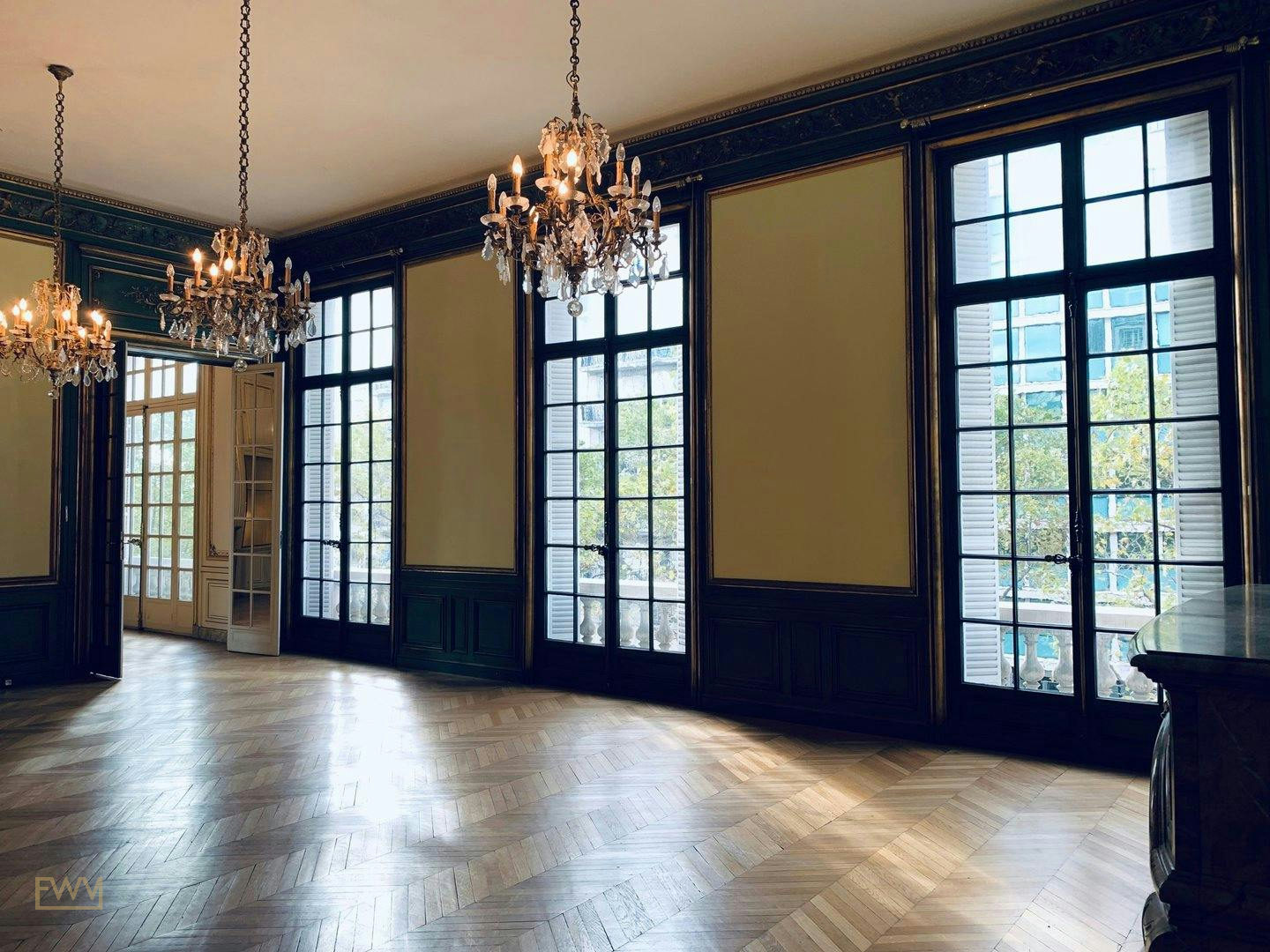
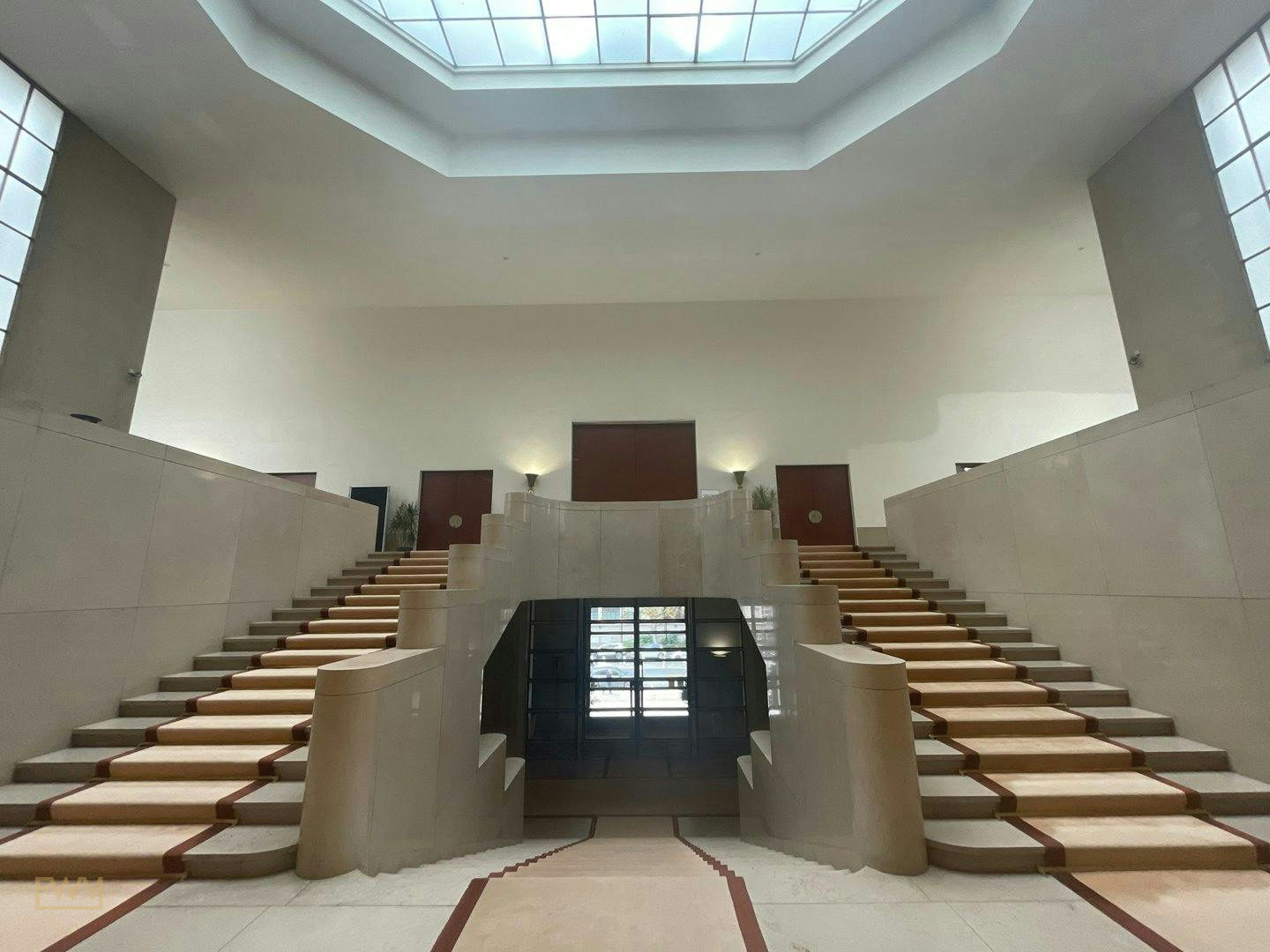
Paris remains the world's most coveted city for brand activations, and the 8th arrondissement surrounding the Arc de Triomphe is its most prestigious commercial address. Whether you are planning a flagship pop-up on the Champs-Élysées, a curated showroom near the Palais Royal, or an intimate boutique experience within the historic covered passages, booking the right space demands specialist knowledge of French lease law, neighbourhood dynamics, and fashion calendar timing. This guide covers everything brand teams, creative directors, and retail strategists need to know to successfully book a pop-up shop near the Arc de Triomphe in Paris, from space types and permit requirements to production logistics and activation strategy. Fashion Week Venues' Paris city hub provides curated space discovery, tools, and full-service support for brands entering this market.
Why the Arc de Triomphe District Is Paris's Most Powerful Retail Location
The area radiating outward from the Arc de Triomphe at Place Charles de Gaulle, also known as Charles de Gaulle Étoile, offers unmatched commercial density, cultural prestige, and international visitor footfall. This is not simply a tourist zone. It is where French luxury, European heritage retail, and global brand strategy converge in a single walkable district.
The Champs-Élysées stretching southeast from the Arc de Triomphe to Place de la Concorde is arguably the world's most famous retail boulevard, hosting flagship stores from Dior, Louis Vuitton, and dozens of global brands alongside the Les Arcades des Champs-Élysées passages. The avenue has undergone successive transformations, with the city of Paris investing in pedestrian-friendly redesigns that have improved dwell time and experiential retail potential significantly.
To the north, the 9th arrondissement's covered passages including Galerie Vivienne, Galerie Colbert, Passage Jouffroy, Passage Verdeau, and Passage du Caire represent a completely different type of pop-up environment: intimate, historical, glass-roofed arcades built before Baron Haussmann's sweeping urban redesign of Paris in the 1850s and 1860s. These passages couverts draw a refined, design-literate visitor with strong purchasing intent and provide one of the most atmospheric retail settings in France.
The district also sits within reach of the Grand Palais, Petit Palais, Hôtel des Invalides, Musée du Louvre, Musée d'Orsay, Bourse de Commerce, Trocadero, and the Eiffel Tower, creating a cultural circuit that keeps affluent domestic and international visitors in the area for extended periods. This proximity to major Parisian monuments translates directly into sustained foot traffic for retail and experiential activations throughout the year.
Beyond pure footfall, the area carries a symbolic weight that is difficult to replicate. A pop-up shop near the Arc de Triomphe signals to press, buyers, and consumers alike that a brand is operating at the highest level of the Paris market. For brands entering France or reinforcing their European positioning, the address itself becomes part of the narrative.
DID YOU KNOW: The Champs-Élysées corridor and its surrounding arrondissements collectively attract tens of millions of visitors annually, making them among the most visited retail zones anywhere in Europe.
KEY TAKEAWAY: The Arc de Triomphe district combines international prestige, dense cultural infrastructure, and exceptional foot traffic across multiple space typologies, from grand boulevard flagships to intimate historical arcade boutiques, making it the most strategically valuable pop-up location in Paris.
Understanding the full geography of this district, including its covered passages and neighbourhood nuances, is the essential first step before selecting a space type or confirming a calendar window.
Paris's Historic Covered Passages: Retail Heritage and Modern Pop-Up Opportunity
The covered passages of Paris, known as passages couverts or galeries, represent one of the world's earliest forms of purpose-built retail architecture. For brands seeking a distinctive, historically resonant pop-up environment near the Arc de Triomphe and the Champs-Élysées, these arcades offer something no modern venue can replicate.
The Origins and Design of the Covered Passages
Paris's passages couverts emerged in the late 18th and early 19th centuries, with roots in the social upheaval of the French Revolution and the commercial ambitions of wealthy landowners who sought to develop interior streets across large city plots. The defining characteristics of these structures are their glass roofs, which admit natural light into covered walkways lined with shops, boutiques, restaurants, and bistros. The Galerie Véro-Dodat, which opened in 1826 and was financed by two pork butchers who became rich during the Consulate period, is one of the earliest surviving examples. The Galerie Vivienne, opened in 1823, remains one of the most photographed and most commercially active covered passages in Paris today.
The arcades project of this era was closely tied to the cultural and intellectual life of Paris. The poet Charles Baudelaire wrote extensively about the flâneur experience of wandering these glass-roofed corridors, and the passages became meeting points for artists, journalists, booksellers, and bourgeois Parisians. The Palais Royal, which predates most passages and functioned as an early prototype for the covered arcade concept, hosted some of the most politically charged conversations of the French Revolution period beneath its arches.
The passages are also deeply linked to specific neighbourhoods and their commercial identities. Many are found in the Sentier district, the historic centre of the French garment trade, as well as along Boulevard Montmartre and in the streets around Rue Sainte-Anne. Jules Mirès, a speculative financier of the early Second Empire, was among those who attempted to modernise and monetise the passage model, though Baron Haussmann's grand redesign of Paris ultimately drew commercial energy away from the covered arcades toward the new broad boulevards.
Key Covered Passages Near the Arc de Triomphe
While most of the surviving passages couverts are concentrated in the 2nd and 9th arrondissements rather than directly adjacent to the Arc de Triomphe, they are all within a short metro ride on the RER A line or other central lines, making them entirely practical as secondary activation sites or alternative pop-up locations for brands whose primary venue is in the 8th arrondissement.
- Galerie Vivienne: Located near the Palais Royal and the Musée du Louvre, this is the most prestigious and well-maintained of the surviving passages. It features decorative mosaic floors, classical reliefs, and a glass roof that floods the interior with diffused light. It houses wine merchants, rare booksellers, fashion boutiques, and a celebrated restaurant.
- Galerie Colbert: Adjacent to Galerie Vivienne and connected to it historically, this passage is now managed as a cultural venue by the Institut National d'Histoire de l'Art. It hosts exhibitions and events and occasionally opens spaces for short-term activations.
- Passage Jouffroy: Opening off Boulevard Montmartre, this passage is home to the Musée Grevin, one of Paris's longest-running wax museums, alongside antique dealers, hotels, and a variety of boutiques. The Hôtel des Princes and the Hôtel Baudelaire Opera are nearby.
- Passage Verdeau: Connecting Passage Jouffroy at one end, Passage Verdeau is known for its antique postcard dealers, vintage camera shops, and old book traders. It is quieter and more specialist in character.
- Passage du Caire: The oldest surviving passage in Paris, located in the Sentier garment district. Its Egyptian-influenced facade references the Napoleonic campaign and represents a very different atmosphere to the later, more ornate passages.
- Passage des Deux Pavillons: A small, relatively obscure passage off the Palais Royal, notable for its intimate scale and its quiet position away from main tourist routes.
- Passage du Prado: Located in the 10th arrondissement near the Faubourg Saint-Antoine area, this passage serves a working local clientele and is less touristic in character.
- Cour du Commerce Saint-André: On Rue Saint-André-des-Arts in the 6th arrondissement, this narrow covered lane has medieval roots and includes the site of the Le Precope, which claims to be the oldest café in Paris. The Comédie Française Theater and the Institut de France are nearby.
It is worth noting that the Passage des Princes, once located near Boulevard Montmartre near Drouot, was permanently closed and redeveloped. The Passage Ben-Aïad, while currently closed, has been discussed in preservation circles as a potential restoration candidate. The Passage du Havre, near the Gare Saint-Lazare and close to Haussmann department store territory, continues to operate as a practical shopping arcade rather than a heritage destination.
Quick answer: Paris once had over 150 covered passages at their peak in the mid-19th century. Fewer than 20 survive today in any meaningful form, with around 10 to 12 considered genuinely active retail or cultural spaces. The best preserved include Galerie Vivienne, Passage Jouffroy, and Galerie Véro-Dodat.
Why Covered Passages Declined and Why They Matter Again
Baron Haussmann's redesign of Paris under Napoleon III fundamentally changed how the city moved and shopped. Wide new boulevards, department stores like the prototype that became Le Grand Colbert's commercial neighbourhood, and improved street lighting made the covered passages feel cramped and outdated by the 1870s. The Rue de la Grand Batelière and similar streets that once fed traffic into the passages were increasingly drawn toward the grand boulevards. By the early 20th century, many passages had closed or deteriorated significantly.
Today, the surviving passages benefit from strong heritage tourism interest, a design-conscious local clientele, and growing recognition among international brands and creative agencies as uniquely atmospheric pop-up environments. The cartography of French retail history runs directly through these arcades, and brands that understand this context can build activations with genuine cultural depth rather than generic experiential marketing.
KEY TAKEAWAY: The covered passages of Paris are not merely historical curiosities. They are active retail environments with architectural character, motivated visitors, and short-term space availability that makes them practical and powerful choices for pop-up activations targeting affluent, culturally engaged consumers.
With this spatial and historical context established, the next step is understanding how to select the right space type and neighbourhood for your specific brand brief and calendar window.
Space Types and Neighbourhoods for Pop-Up Shops Near the Arc de Triomphe
Choosing where to book a pop-up shop near the Arc de Triomphe depends on your brand positioning, target customer, budget, required footprint, and whether your activation is tied to a specific fashion calendar window such as Paris Fashion Week.
The Champs-Élysées and 8th Arrondissement
The Champs-Élysées corridor is the most visible and highest-cost retail environment in the district. Flagship and semi-permanent pop-up spaces here command premium rents and require brands to meet high standards of design and presentation. Les Arcades des Champs-Élysées, which run parallel to the main boulevard, offer a slightly more sheltered and intimate alternative to street-level storefronts while still benefiting from Champs-Elysées footfall. The Grand Palais, now fully restored, hosts major exhibitions and events throughout the year including during Paris Fashion Week, and its surroundings offer complementary activation opportunities in its gardens and adjacent streets.
The Palais Royal and 1st Arrondissement
The gardens and arcaded galleries of the Palais Royal, situated between the Musée du Louvre and the Comédie Française Theater, represent one of the most beautiful and architecturally coherent retail environments in Paris. The galleries host a curated mix of boutiques, jewellers, and galleries with very low tenant turnover. Short-term activations do occur here but require significant advance planning and strong brand credentials. This zone also puts brands within walking distance of the Tuileries, the Musée du Louvre, and the Bourse de Commerce, which has been transformed by François Pinault into a major contemporary art venue.
The Marais and Le Marais Cross-District Appeal
The Marais district, encompassing the 3rd and 4th arrondissements, sits further east but draws a young, creative, and internationally affluent clientele that closely mirrors the target consumer for many fashion and lifestyle brands. Place des Vosges, the oldest planned square in Paris, anchors the district's luxury positioning. Short-term spaces here range from converted hôtels particuliers to purpose-built retail units in curated concept store complexes. The Marais is increasingly popular for Paris Pop Up activations that want editorial credibility alongside commercial performance.
The 9th Arrondissement and Covered Passage Zone
For brands whose concept aligns with heritage, craft, design, or collectible product, the passages couverts neighbourhood offers uniquely atmospheric spaces at scale points that are often more accessible than Champs-Élysées pricing. Spaces within or adjacent to Galerie Vivienne, Passage Jouffroy, and Passage Verdeau are available on short-term terms and attract a visitor profile that tends to be highly educated, design-literate, and internationally connected.
Space Type Comparison by Neighbourhood
| Neighbourhood | Space Types Available | Visitor Profile | Best For | Relative Cost Index |
|---|---|---|---|---|
| Champs-Élysées, 8th | Flagship units, arcade shops, event terraces | High-volume international tourists and luxury shoppers | Mass luxury, global brands, high-visibility launches | Very High |
| Palais Royal, 1st | Gallery arcades, garden-adjacent studios | Affluent Parisians, art and design collectors | Niche luxury, jewellery, collectibles, fashion art | High |
| Passages Couverts, 2nd/9th | Covered arcade units, mezzanine spaces | Cultural tourists, design professionals, Parisians | Heritage brands, books, artisan products, editorial | Moderate |
| Le Marais, 3rd/4th | Hôtels particuliers, concept retail, gallery floors | Young affluent international and domestic | Streetwear, contemporary fashion, lifestyle brands | Moderate to High |
| Saint-Germain, 6th | Boutique ground-floor units, courtyard spaces | Literary, academic, culturally sophisticated | Publishing, fragrance, concept fashion | High |
KEY TAKEAWAY: Neighbourhood selection should be driven by brand positioning and target customer first, then refined by space availability, budget, and calendar timing. The covered passages offer the best cost-to-character ratio for brands with a strong design or heritage narrative.
With the right neighbourhood identified, understanding the legal framework for short-term space rental in Paris is the single most critical operational step before committing to any space.
French Lease Law, Permits, and Compliance for Short-Term Pop-Up Spaces
Booking a pop-up shop in Paris is not the same as booking one in London, New York, or Dubai. French commercial property law is specific, and the compliance requirements vary by space type, lease duration, intended use, and arrondissement. Brands that underestimate this complexity risk delays, additional costs, or blocked activations.
Understanding the Bail Dérogatoire
The bail dérogatoire, sometimes called a short-term commercial lease, is the most common legal instrument used for pop-up retail in France. It allows landlords and tenants to enter into a commercial lease for a maximum of three years without triggering the full protections of the French Commercial Code, which would ordinarily give tenants significant renewal rights. A bail dérogatoire must be explicitly designated as such in the agreement, and both parties must acknowledge in writing that it operates outside the standard commercial lease framework. The duration flexibility of this instrument makes it particularly well-suited to pop-up activations lasting from a few days to several months.
Understanding the Autorisation d'Occupation Temporaire (AOT)
For spaces in publicly managed areas, including sections of the Tuileries, certain covered public arcades, and some landmark buildings, an Autorisation d'Occupation Temporaire (AOT) may be required instead of a standard lease. The AOT grants temporary occupancy rights for a defined period and purpose. These permits are granted by the relevant public authority and typically require a formal application process that may include a design brief, brand credentials, and confirmation of intended activities. Timelines for AOT applications vary and brands should build significant lead time into their planning calendar.
Additional Permits and Compliance Requirements
Beyond the base lease structure, pop-up activations in Paris may require additional permits depending on the nature of the activation. External signage on heritage buildings or in protected zones requires authorisation from the Direction Régionale des Affaires Culturelles (DRAC). Food service, whether a full bistro concept or product sampling, requires compliance with French food hygiene regulations. Events involving live music or entertainment in covered passages or private courtyards may require a declaration to the local mairie. Temporary structures such as branded installations, modular builds, or exhibition systems require structural safety certification.
IMPORTANT: Requirements vary significantly depending on the specific space, its location, its listed status, and the nature of your activation. Always verify compliance requirements with a qualified French legal advisor and confirm with the landlord or space owner before signing any agreement.
The Fashion Week Venues permits tool provides guidance on the types of authorisations typically required for different space categories and activation types in Paris, which can serve as a useful starting framework before engaging legal counsel.
Do You Need a French Legal Entity?
Many international brands assume they need to establish a French company or register a branch in France before they can rent commercial space. This is not always the case. Non-French entities can enter into bail dérogatoire agreements directly, though some landlords prefer or require a local legal entity or a French guarantor. A specialist agency with existing landlord relationships can often facilitate this process and act as an intermediary where needed. Requirements vary by landlord, space type, and duration, so this should be confirmed on a case-by-case basis.
KEY TAKEAWAY: The bail dérogatoire is the standard short-term lease instrument for Paris pop-up shops, but it must be correctly structured and accompanied by any relevant ancillary permits. Never assume a standard short-term rental agreement is legally straightforward without specialist review.
Once the legal framework is clear, the practical logistics of production, staffing, and brand experience build require equally careful planning.
Production, Build, and Activation: What It Takes to Open in Paris
A pop-up shop near the Arc de Triomphe involves considerably more than renting a space and moving in product. The production and activation process in Paris has specific requirements driven by landlord standards, heritage protection rules, contractor availability during fashion calendar peaks, and the high expectations of Parisian consumers and press.
Pre-Production Planning
Successful activations in Paris typically begin their pre-production process six to twelve weeks before the intended opening date, and often longer for complex builds or flagship-scale activations. Pre-production includes finalising the lease, securing all required permits, commissioning a concept and design brief, sourcing contractors who are familiar with Parisian building codes and heritage requirements, and planning logistics for product delivery and installation.
The timeline planning tool on Fashion Week Venues provides a structured framework for mapping out all pre-production milestones against a chosen activation window, which is particularly useful for international teams coordinating across time zones.
Build and Fit-Out in Heritage Spaces
Spaces in covered passages, listed buildings, or heritage-adjacent zones in Paris carry specific constraints on build and fit-out. Drilling into original tile or stone floors may be prohibited. Adhesive fixings on heritage walls may require landlord approval. Modular or freestanding structures are often the preferred solution in these contexts, as they cause no permanent alteration to the space. Branded store design that works within rather than against the architectural character of a covered passage or classical arcade tends to generate far stronger editorial and visitor response than generic retail installations dropped into a heritage setting.
Staffing and Operations
Paris-based retail staffing for pop-up shops requires navigating French employment law, which has specific provisions for short-term contracts, agency staff, and foreign employees working in France. Language requirements are a practical consideration: a bilingual team capable of engaging both French-speaking locals and international visitors is essential in the 8th arrondissement environment. Brands requiring specialist product knowledge or high-touch customer service should plan staffing requirements well in advance of their activation window.
Typical Pop-Up Activation Workflow
| Phase | Timeline Before Opening | Key Actions |
|---|---|---|
| Brief and Strategy | 12 to 16 weeks | Define concept, target neighbourhood, space type, budget, and calendar window |
| Space Search | 10 to 14 weeks | Shortlist spaces, conduct viewings, assess compliance requirements |
| Legal and Permits | 8 to 12 weeks | Negotiate and sign bail dérogatoire, apply for ancillary permits |
| Concept and Design | 8 to 10 weeks | Finalise branded store design, confirm furniture and fixtures brief |
| Production | 4 to 8 weeks | Commission build, order materials, plan logistics and delivery |
| Staffing and Training | 3 to 6 weeks | Recruit and contract Paris-based team, train on brand and product |
| Installation | 1 to 2 weeks | Fit out space, install product, test POS and payments systems |
| Activation | Launch to close | Operate, manage, track data and analytics, activate influencer marketing |
| Wrap and Debrief | Post-close | Decant space, return to original condition, compile ROI report |
TIP: Paris Fashion Week windows in February to March and September to October compress lead times significantly because contractors, suppliers, and spaces are all in high demand simultaneously. Build in extra lead time and confirm contractor availability early.
KEY TAKEAWAY: Successful pop-up production in Paris requires a structured timeline, heritage-aware design thinking, compliance across multiple permit categories, and a Paris-based operational team. International brands without local infrastructure benefit most from a full-service agency partner.
Understanding how to estimate and manage costs is the next critical step in planning a Paris pop-up activation.
Budgeting for a Pop-Up Shop Near the Arc de Triomphe
Pop-up shop budgets in Paris vary enormously depending on space size, location, duration, build specification, staffing model, and the level of ancillary services required. This section provides a directional framework for budget planning, but all figures should be treated as estimates only and verified against current market conditions and your specific brief.
Key Budget Categories
A Paris pop-up budget typically spans the following categories: space rental, legal and permit fees, design and concept fees, build and fit-out costs, furniture rental, product logistics and storage, staffing, POS and payment infrastructure, marketing and influencer activation, data and analytics, and contingency. Each category interacts with the others and with the specific space chosen, which is why building a detailed budget from a confirmed brief rather than a generic estimate is essential.
Quick answer: There is no single standard cost for booking a pop-up shop near the Arc de Triomphe in Paris. Space rental costs in the 8th arrondissement tend to be among the highest in the city, while covered passage units in the 9th arrondissement may offer more accessible entry points. Use the Fashion Week Venues budget tool to model your specific scenario.
The budget estimation tool on Fashion Week Venues allows brand teams to input their space size, neighbourhood preference, duration, and service requirements to generate a directional cost framework that reflects current Paris market conditions.
ROI Considerations
Return on investment for a Paris pop-up activation should be calculated across multiple dimensions: direct retail revenue, press and media coverage value, social and influencer reach, wholesale and buyer meetings facilitated, brand awareness uplift in the French and European market, and long-term customer acquisition value. A pop-up near the Arc de Triomphe that generates significant editorial coverage in French Vogue, Le Figaro, and international fashion media may deliver brand value that far exceeds the direct sales generated during the activation window.
The ROI calculator on Fashion Week Venues helps brand teams quantify these multiple value dimensions against total activation cost, providing a more complete picture of commercial justification for the investment.
KEY TAKEAWAY: Paris pop-up budgets should account for all cost categories from lease to decamp, not just rent. ROI should be measured across brand, commercial, and relationship dimensions, not purely on in-store sales during the activation window.
Knowing how much a Paris pop-up costs and what it returns is important, but selecting and securing the right space remains the single most consequential decision in the process.
How Fashion Week Venues Helps Brands Book Pop-Up Shops in Paris
Fashion Week Venues operates as a full-service pop-up shop agency and space marketplace with Paris as its anchor market. For brands seeking to book a pop-up shop near the Arc de Triomphe or anywhere in the broader Paris geography, the platform and agency combine space discovery with end-to-end operational support.
Space Marketplace and Discovery
The Fashion Week Venues space marketplace aggregates curated short-term commercial spaces across Paris's key retail neighbourhoods, including the 8th arrondissement Champs-Élysées zone, the Palais Royal corridor, the passages couverts district, the Marais, and Saint-Germain. Brand teams can browse, filter by size, duration, and neighbourhood, and compare shortlisted options using the built-in comparison tool. The locator tool maps available spaces geographically, allowing teams to assess proximity to specific landmarks such as the Arc de Triomphe, Musée du Louvre, or Grand Palais.
To compare neighbourhoods and space types, explore the Paris city hub on Fashion Week Venues and shortlist spaces that match your brief, budget, and calendar window.
Services Available
Fashion Week Venues offers the following services relevant to an Arc de Triomphe district pop-up activation:
- Venue sourcing: Identifying and shortlisting spaces matched to the brand brief, including off-market spaces not publicly listed.
- Concept direction: Developing the spatial concept and brand narrative that will guide the design and activation approach.
- Production and build: Managing the fit-out process from contractor sourcing through to installation, working within Paris's heritage and building code requirements.
- Branded store design: Creating bespoke interior environments that communicate brand identity within the architectural constraints of the chosen space.
- Furniture rental: Providing curated furniture and fixture solutions for the activation period, eliminating the cost and logistics of purchasing and disposing of assets.
- Retail staffing: Recruiting and contracting bilingual Paris-based retail and brand ambassador teams.
- POS and payments: Installing and managing point-of-sale and payment systems compliant with French retail requirements.
- Data and analytics: Tracking footfall, dwell time, conversion, and customer data throughout the activation to support ROI reporting.
- Influencer marketing: Coordinating press and influencer visits to the activation to maximise editorial and social coverage.
Tools Available
Fashion Week Venues offers a suite of planning tools specifically designed for brands planning Paris pop-up activations: budget estimation, ROI calculation, space comparison, timeline planning, permit guidance, and space location. These tools are designed to reduce the time and specialist knowledge required to build an initial activation brief and move toward space selection and booking.
Who Benefits Most
Fashion Week Venues is most valuable for international brands entering Paris for the first time, brands operating within tight fashion calendar windows who cannot afford delays, brands that lack an established Paris supplier and contractor network, and creative directors or brand managers who need a single trusted partner rather than a fragmented network of separate contractors. Brands with well-established Paris infrastructure may use the marketplace primarily for space discovery and comparison rather than full-service support.
To understand how the agency structures and delivers its work for brands, the process page provides a transparent overview of how Fashion Week Venues operates from brief through to close of activation.
KEY TAKEAWAY: Fashion Week Venues reduces the complexity, risk, and time cost of booking and executing a pop-up activation near the Arc de Triomphe in Paris by combining curated space access with full-service operational support and practical planning tools.
Before committing to any agency or space, it is worth addressing the most common misconceptions that lead brands to make avoidable and costly mistakes in the Paris pop-up market.
Paris Fashion Week Calendar and Strategic Timing for Arc de Triomphe Pop-Ups
Timing a pop-up near the Arc de Triomphe requires understanding how Paris Fashion Week and the broader international fashion calendar creates waves of concentrated visitor and press activity that can dramatically amplify an activation's reach and impact.
Paris Fashion Week Windows
Paris Fashion Week takes place twice annually: the womenswear ready-to-wear season in late February to early March, and again in late September to early October. These windows bring an extraordinary concentration of buyers, press, stylists, celebrities, and brand decision-makers into Paris, all of whom represent potential visitors to a well-positioned pop-up activation in the 8th arrondissement or nearby districts.
The menswear and haute couture calendars provide additional windows in January and July respectively. For brands in adjacent lifestyle, beauty, fragrance, or accessories categories, these secondary calendar windows can offer compelling activation opportunities with less venue competition and slightly reduced rental pressure compared to the main womenswear season peaks.
Non-Fashion Week Windows
Paris is a twelve-month city for international brand activations. Outside fashion week periods, major events including the FIAC art fair, Maison and Objet design fair, Paris Games Week, and the Nuit Blanche cultural festival all generate concentrated periods of high-value visitor activity that support pop-up activations in the right categories. The Grand Palais, Bourse de Commerce, and Centre Pompidou all host large-scale exhibitions that draw the type of culturally engaged consumer that premium and luxury brands target.
Quick answer: Paris Fashion Week in February to March and September to October provides the highest concentration of press and buyer activity, making these the most strategically valuable windows for brand activations near the Arc de Triomphe. However, these windows also carry the highest space costs and the most compressed timelines, so early planning is essential.
Seasonal Considerations for Covered Passage Activations
The covered passages of Paris are genuinely year-round environments, thanks to their glass roofs and interior positioning. They are particularly appealing in winter months when outdoor foot traffic on the Champs-Élysées and surrounding boulevards is reduced by cold and rain. For rainy-day retail activations or wintertime brand experiences, the atmospherically lit interiors of Galerie Vivienne or Passage Jouffroy provide a warm and visually compelling environment that outdoor or street-level spaces cannot match.
KEY TAKEAWAY: Strategic timing aligned with the Paris fashion calendar dramatically increases press, buyer, and influencer exposure for pop-up activations near the Arc de Triomphe. However, non-fashion-week windows offer compelling cost and competition advantages for brands willing to think beyond the standard calendar peaks.
Practical Visitor and Operational Guide: The Arc de Triomphe Neighbourhood
Understanding the physical character and operational realities of the Arc de Triomphe neighbourhood is as important for brand activation managers as it is for the visitors they are trying to attract. This section covers the practical logistics that shape how visitors experience and navigate this part of Paris.
Getting There: Metro and Transport
The best metro stop for the Arc de Triomphe is Charles de Gaulle Étoile, served by Metro lines 1, 2, and 6, as well as the RER A line which connects directly to Charles de Gaulle Airport and Versailles. This extraordinary transport connectivity means the Arc de Triomphe is one of the most easily reached points in Paris from any direction, including by visitors arriving directly from international travel. For pop-up brands, this accessibility is a significant operational advantage: supplier deliveries, staff commutes, and visitor arrivals are all simplified by the density of transport infrastructure.
Walking the Neighbourhood
The area around the Arc de Triomphe is largely flat and walkable, with the Place Charles de Gaulle roundabout being the main logistical complexity: the circle is famously dangerous to cross at street level, and visitors accessing the Arc de Triomphe itself do so via an underground tunnel from the Avenue de la Grande Armée or Avenue Kléber sides. The Champs-Élysées pedestrian zones, renewed through city investment, are now more comfortable and spacious. The Trocadero is approximately 15 minutes on foot, providing views of both the Eiffel Tower and the city's western skyline. The Petit Palais, Grand Palais, and Hôtel des Invalides are all reachable on foot in under 20 minutes.
Photography and Viewpoints
For visitors and brand content teams, the viewpoints around the Arc de Triomphe are among the most photographed in Europe. The rooftop of the Arc itself offers one of the definitive panoramic views of Paris, looking down the Champs-Élysées toward the Musée du Louvre and La Defense simultaneously. Night photography from the Trocadero or from the Champs-Élysées with the Arc illuminated is a perennial visual of Paris. Brands running content-driven activations near this location should plan for significant organic social media exposure simply by virtue of their address.
Quick answer: The best time to visit the Arc de Triomphe for fewer crowds is early morning on weekdays, particularly before 10am. Late evenings offer the most dramatic visual experience, especially when the eternal flame at the tomb of the Unknown Soldier is lit for ceremonial occasions. Skip-the-line tickets are available online and save significant waiting time at the entrance.
Local Food, Cafés, and the Neighbourhood Experience
The immediate surroundings of the Champs-Élysées have historically been associated with expensive tourist-facing restaurants with uneven quality. However, the side streets branching off the avenue and particularly the streets toward the 17th arrondissement offer more authentic Parisian bistro and café experiences. Rue de Presbourg, Avenue Marceau, and the streets near Place des Ternes host restaurants serving traditional French cuisine at prices reflecting local rather than tourist demand. For brand teams spending extended periods in the area during an activation, understanding this geography ensures a better working experience. For consumer-facing events that incorporate food or beverage, sourcing local bistro or catering partnerships from these streets rather than the main Champs-Élysées operators tends to deliver both higher quality and better pricing.
TIP: For family-friendly or child-appropriate activities near the Arc de Triomphe, the Jardin d'Acclimatation in the Bois de Boulogne, reachable via Metro Line 1, is one of the best options in western Paris. The Musée Grevin wax museum in Passage Jouffroy also appeals strongly to younger visitors.
KEY TAKEAWAY: The Arc de Triomphe neighbourhood is exceptionally well-connected by public transport, physically accessible and walkable for visitors, and surrounded by a density of cultural, dining, and retail attractions that supports extended visitor dwell time, all of which benefits pop-up brands located in this zone.
Common Myths About Pop-Up Shops Near the Arc de Triomphe: Debunked
MYTH: You need to establish a French legal entity before you can rent a commercial space in Paris.
FACT: International brands can sign bail dérogatoire short-term lease agreements in France without a pre-existing French company, though some landlords may request local guarantors or specific financial documentation. Working through a specialist agency with established landlord relationships can significantly simplify this process. Requirements vary by space, landlord, and duration, so case-by-case legal advice is essential.
MYTH: Paris Fashion Week is the only viable calendar window for a pop-up near the Arc de Triomphe.
FACT: While Paris Fashion Week windows in February to March and September to October offer concentrated press and buyer access, Paris is a year-round destination for international visitors and domestic affluent consumers. Non-fashion-week windows can offer better space availability, lower rental rates, and less competition for press attention. Major design, art, and cultural events throughout the year create compelling alternative activation windows.
MYTH: Commission brokers are the only way to find short-term commercial spaces in Paris.
FACT: Commission-based brokers are one route to space discovery but not the only one. A specialist pop-up agency with its own curated marketplace and direct landlord relationships offers significant advantages: transparent pricing, pre-vetted spaces, and integrated operational support beyond pure space brokerage. Relying on commission brokers alone often means missing off-market spaces and receiving incentivised rather than objective advice.
MYTH: Short-term leases in Paris are legally simple and require no specialist help.
FACT: The bail dérogatoire is a specific legal instrument that must be correctly structured to function as intended. Mistakes in the agreement structure, failure to obtain required ancillary permits, or misunderstanding of heritage building restrictions can result in significant costs and delays. A qualified French legal advisor and a specialist agency partner are both advisable for any brand unfamiliar with French commercial property law.
MYTH: The covered passages near the Arc de Triomphe are only interesting as tourist attractions, not as serious retail environments.
FACT: The surviving covered passages of Paris, particularly Galerie Vivienne and Passage Jouffroy, host active commercial tenants and attract motivated, design-literate visitors with strong purchasing intent. Several international and French brands have used these spaces for short-term pop-up activations with strong editorial and commercial results. Their architectural character and heritage status make them powerful brand environments for the right concept.
Frequently Asked Questions
Which metro stop is closest to the Arc de Triomphe?
The Charles de Gaulle Étoile station is the closest metro stop to the Arc de Triomphe, served by Metro lines 1, 2, and 6 as well as the RER A line. This makes the Arc de Triomphe one of the best-connected points in Paris, reachable directly from Orly Airport via the RER A transfer and from Charles de Gaulle Airport. For pop-up brands operating in the 8th arrondissement, this transport connectivity is a significant advantage for both staff logistics and visitor access throughout the activation period.
How do you get tickets to climb the Arc de Triomphe?
Tickets to access the top of the Arc de Triomphe can be booked online through the official Centre des Monuments Nationaux website. Booking online in advance is strongly recommended as it avoids the often significant queuing time at the entrance. The rooftop of the Arc de Triomphe provides one of the finest panoramic views of Paris, looking down the Champs-Élysées toward the Musée du Louvre to the east and toward La Defense to the west. There is no elevator: visitors must climb approximately 284 steps to reach the top, though there are rest stops along the way.
Is there an elevator to the top of the Arc de Triomphe?
There is no elevator to the viewing platform at the top of the Arc de Triomphe. Visitors must climb approximately 284 steps using the internal spiral staircase. There is a small lift serving part of the route that assists visitors with mobility limitations, but this does not reach the full rooftop level. Brand teams hosting press or influencer visits to the Arc de Triomphe as part of an activation programme should factor this into their event planning, particularly for guests with mobility considerations.
How many covered passages still exist in Paris?
At the peak of their popularity in the mid-19th century, Paris had over 150 covered passages and arcades. Today, fewer than 20 survive in any meaningful form, and only around 10 to 12 are genuinely active as retail or cultural spaces. The best preserved and most commercially active include Galerie Vivienne, Passage Jouffroy, Passage Verdeau, Galerie Véro-Dodat, Galerie Colbert, and Passage du Caire. The Passage des Princes has been permanently closed, and several others are partially or fully inaccessible.
Can an international brand rent a pop-up space in Paris without a French company?
Yes, international brands can enter into bail dérogatoire short-term lease agreements in France without having a pre-established French legal entity, though some landlords may require local guarantors, French bank accounts, or additional financial documentation. The specific requirements depend on the landlord, the space, and the intended duration and use. Working with a specialist agency that has existing landlord relationships in Paris can simplify this process considerably. Legal advice from a qualified French commercial property lawyer is recommended before signing any agreement.
What permits are required for a pop-up shop near the Arc de Triomphe?
Permit requirements depend on the specific space, its heritage status, the nature of the activation, and the intended use. A standard retail pop-up in a non-heritage commercial space typically requires a correctly structured bail dérogatoire and any relevant business licensing. Activations involving external signage on heritage buildings, food service, entertainment, or temporary structures require additional authorisations from the relevant French authorities, which may include the DRAC for heritage properties and the local mairie for events. Requirements vary and must be verified on a case-by-case basis with qualified legal advice.
What are the best photo spots near the Arc de Triomphe?
The Arc de Triomphe itself offers one of the finest rooftop panoramas in Paris, looking down the Champs-Élysées toward the Musée du Louvre. From street level, the view along the Avenue des Champs-Élysées toward the Arc from Place de la Concorde is a classic Parisian composition. The Trocadero gardens provide excellent views of both the Eiffel Tower and, from certain angles, the western horizon including the Arc. For night photography, the illuminated Arc with the Champs-Élysées light trails is one of the most photographed images in European travel photography.
Are dogs allowed in parks and attractions near the Arc de Triomphe?
Parisians are famously welcoming to dogs, and most outdoor spaces including the Champs-Élysées pavements, the streets around the Arc de Triomphe, and many parks in the area permit dogs on leads. However, dogs are not permitted inside museums, monuments including the Arc de Triomphe itself, or most indoor retail and restaurant spaces, in line with general French public health regulations. The Bois de Boulogne, close to the 16th arrondissement, is an excellent large-format outdoor space for dog-friendly visits in the western Paris area.
What is the best time to visit the Arc de Triomphe with fewer crowds?
The Arc de Triomphe is most crowded during midday hours on weekends and during summer school holiday periods from mid-July to late August. Early morning visits on weekdays, particularly before 10am, offer the quietest experience. Late evenings, particularly around sunset, are visually spectacular but can also be busy with photographers and tourists. For brand teams planning events or content shoots at or near the Arc de Triomphe, booking morning slots during off-peak months such as November, January, or early February provides the best combination of space and atmospheric light.
Does a Paris City Pass cover attractions near the Arc de Triomphe?
Several attractions near the Arc de Triomphe are included in the Paris Museum Pass and similar city passes, including the Arc de Triomphe itself, the Musée du Louvre, the Musée d'Orsay, the Petit Palais, the Centre Pompidou, and the Sainte-Chapelle. The Eiffel Tower and the Bateaux-Mouches river cruises are not typically included and require separate tickets. Brands planning consumer-facing experiences or press events that incorporate landmark visits should consider whether city pass coverage affects the logistics and cost of their itinerary planning.
What markets and shopping streets are near the Arc de Triomphe?
The immediate area around the Champs-Élysées is dominated by large-format retail rather than market trading. However, the Marché Président Wilson on Avenue du Président Wilson in the 16th arrondissement, close to the Trocadero, operates on Wednesday and Saturday mornings as one of Paris's finest outdoor food markets. The passages couverts in the 9th arrondissement, accessible by Metro, are the best alternative to street markets for browsing antiques, vintage items, and specialist books near the broader Arc de Triomphe district. The Drouot auction house, also in the 9th arrondissement, hosts regular sales that attract serious collectors.
What unique or hidden gems are near the Arc de Triomphe?
Beyond the well-known tourist circuit, the area around the Arc de Triomphe contains several less-visited pleasures worth exploring. The Cité du Retiro, a small private passage off Rue du Faubourg Saint-Honoré, is an almost unknown alley of workshops and ateliers. The Musée Jacquemart-André on Boulevard Haussmann houses an exceptional private art collection in a beautifully preserved 19th-century mansion. The Armenian cultural centre and neighbourhood around Rue Saint-Lazare offer a very different face of Paris. For brands seeking authentic neighbourhood context for their activation narrative, these hidden layers of the district provide rich material.
What are the best rainy-day options near the Arc de Triomphe?
The covered passages, particularly Galerie Vivienne, Passage Jouffroy, and Galerie Véro-Dodat, are naturally weather-proof destinations that become even more atmospheric on rainy days when their glass roofs provide shelter from the rain. The Grand Palais, Petit Palais, Musée du Louvre, and Musée d'Orsay are all major indoor cultural destinations within reach. The Hôtel des Invalides, which houses one of the finest military history museums in Europe as well as Napoleon's tomb, is another excellent wet-weather option. For brands planning all-weather activations, spaces within the covered passages offer a structural advantage over street-level or outdoor venues.
Is luggage storage available near the Arc de Triomphe?
Several luggage storage services operate near the Champs-Élysées and Charles de Gaulle Étoile area, including staffed bag storage facilities in the surrounding streets. Left-luggage lockers are available at the nearby RER A stations. For international visitors arriving in Paris and heading directly to a pop-up event or showroom in the 8th arrondissement before checking into their hotel, this is a practical consideration that brand teams can address proactively in their visitor communications and event briefings.
How far in advance should a brand book a pop-up space near the Arc de Triomphe?
For the most desirable spaces in the 8th arrondissement and the Champs-Élysées corridor, particularly during Paris Fashion Week windows, lead times of six to twelve months are not uncommon. Covered passage spaces and Marais locations may become available with shorter lead times, but three to six months of advance planning is still recommended to allow adequate time for legal structuring, permit applications, production planning, and staffing. International brands that are new to the Paris market should generally plan for longer lead times than those with established local networks and relationships.
Conclusion: Booking a Pop-Up Shop Near the Arc de Triomphe
Booking a pop-up shop near the Arc de Triomphe in Paris is one of the most strategically powerful decisions a brand can make in the European market. The district combines unmatched prestige, extraordinary transport connectivity, a dense concentration of cultural infrastructure, and a range of space typologies that spans grand Champs-Élysées flagship units to intimately atmospheric covered passage boutiques. Whether you are planning a brand launch, a seasonal retail activation, a press showroom, or a consumer experience event, the Arc de Triomphe district provides a setting that amplifies brand narrative and drives both commercial and editorial outcomes.
Success in this market requires genuine expertise: in French lease law and the bail dérogatoire framework, in heritage building compliance, in Paris fashion calendar dynamics, in production logistics, and in the specific expectations of French and international consumers visiting this part of the city. Working with a specialist partner who combines space access, operational experience, and planning tools significantly reduces the risk and complexity involved.
Fashion Week Venues exists precisely to bridge the gap between ambitious brand briefs and the practical realities of operating a pop-up activation in Paris. From initial space discovery through to post-activation ROI reporting, the agency and platform provide the infrastructure that international brands need to perform at the level this city demands.
To move from research to activation, start exploring available spaces on the Fashion Week Venues marketplace and build a focused brief for your target neighbourhood, space type, and calendar window.