Whether you are a brand planning a retail activation near the French capital's most iconic cathedral or a book enthusiast searching for the most atmospheric literary experiences in the 4th arrondissement, the opportunity to book a pop-up shop near Notre-Dame Paris sits at a remarkable intersection of culture, foot traffic, and commercial potential. The zone surrounding the Cathédrale Notre-Dame de Paris draws millions of visitors annually, making it one of the highest-visibility locations for short-term retail in Europe. From pop-up bookstores celebrating French literary heritage to international fashion brands seeking temporary flagships during Paris Fashion Week, the demand for spaces in this neighbourhood is intense and growing. Fashion Week Venues supports brands navigating pop-up space discovery and activation across Paris, including the areas surrounding Notre-Dame, the Marais, and the Seine River.
Why the Notre-Dame Neighbourhood Is One of Paris's Most Powerful Pop-Up Locations
The area surrounding the Cathédrale Notre-Dame de Paris is not simply a tourist corridor. It is a living, breathing cultural district that blends Gothic architecture, literary history, independent bookstores, and some of the most photographed landmarks on earth. For any brand considering a pop-up shop, this zone offers a combination of raw foot traffic and cultural prestige that very few other Parisian neighbourhoods can match.
The 4th arrondissement, which contains the Île de la Cité where Notre-Dame stands, sits at the geographic heart of Paris. The Seine River wraps around it on both sides. Within walking distance, visitors encounter the Marais to the northeast, the Louvre to the northwest, the Musée d'Orsay across the river to the west, and the Centre Pompidou just minutes away on Rue Saint-Martin. This density of major cultural sites creates a visitor flow that circulates continuously throughout the day and into the evening.
The ongoing rebuilding of Notre-Dame de Paris following the devastating 2019 fire has added a new dimension to the neighbourhood's cultural importance. The restoration, which attracted global attention for its efforts to preserve the cathedral's Gothic architecture, gargoyles, rose windows, stained glass windows, and bell tower, positioned the area as a site of active heritage renewal. Visitors arriving to witness this historical heritage restoration bring with them curiosity, reverence, and significant purchasing intent, particularly for culturally relevant products including books, maps, cartography prints, and design objects.
The Pont Neuf, Place des Vosges, Hôtel des Invalides, and Arc de Triomphe all anchor a broader circuit of Parisian monuments that visitors complete across one or two days. A well-positioned pop-up shop along this circuit, particularly one connected to the literary or cultural identity of the French capital, can capture attention from French and international visitors in equal measure.
DID YOU KNOW: The area around Notre-Dame sits within one of the most densely visited cultural zones in Europe, with millions of tourists circulating between the Île de la Cité, the Marais, and the Louvre each year, creating sustained foot traffic across every season.
KEY TAKEAWAY: The Notre-Dame neighbourhood offers brands a rare combination of heritage prestige, cultural alignment, and high visitor volume, making it one of the strongest zones in Paris for a short-term pop-up shop activation tied to books, design, lifestyle, or French culture.
Understanding who visits this area and when is critical to planning an effective activation, which is why the next section explores the specific types of pop-up concepts that perform best in this environment.
Pop-Up Books, Paper Engineering, and the Art of the Three-Dimensional Book
When people search for a book pop-up shop near Notre-Dame Paris, they are often looking for two distinct things: either a physical retail space to activate as a pop-up, or the specific genre of three-dimensional paper-engineered books known as pop-up books. Both are deeply relevant here, and any brand or retailer operating in this space should understand both meanings.
What Is a Pop-Up Book?
Quick answer: A pop-up book is a three-dimensional paper-engineered product in which illustrations and architectural elements rise, fold, and rotate when pages are opened. Pop-up books use paper engineering techniques to create interactive, sculptural reading experiences that blend art, design, and storytelling into a single physical format suitable for children and adults alike.
The pop-up book format has a long and sophisticated history in publishing. Paper engineering transforms flat pages into pop-up illustrations and three-dimensional structures through precise cutting, folding, and assembly. Artists and designers including David Hawcock have elevated pop-up art into a recognised discipline, creating pop-up books that celebrate architecture, history, and iconic landmarks such as Notre-Dame de Paris itself.
A pop-up book dedicated to Notre-Dame de Paris might present a historical presentation of the cathedral's Gothic architecture, including fold-out depictions of the rose windows, gargoyles, and bell tower. The interactive format makes the cultural importance of the building accessible to younger readers and international visitors who may not read French, translating historical heritage into a tactile, visual experience. Such books function simultaneously as souvenirs, design objects, educational tools, and keepsakes.
Bibliographic Reference: Notre-Dame Pop-Up Books in Retail
Among the most notable examples of pop-up books dedicated to Parisian landmarks is the Notre-Dame de Paris pop-up edition. Key bibliographic details for reference include the following. The publication date is Juin 2015. The reference number is MX616010. The ISBN is 9782361934477. The author credit is Ehrhard Dominique. The format is described as a Paperback with flap. The size of the book and dimensions place it within the oversized illustrated book category, designed for display as well as reading. The number of pages is appropriate to the pop-up book format, where each spread constitutes a complete three-dimensional scene rather than a conventional page count.
These bibliographic details matter for retailers and brands operating pop-up bookstores, as they help with sourcing, inventory verification, and product page accuracy whether selling through a physical pop-up shop, through Amazon, or through direct fulfilment with credit card payment and a security system at point of sale.
Disney picture books have also used the pop-up book format to introduce Parisian themes to younger audiences, and the intersection of pop-up art with cultural landmarks represents a growing retail category that performs particularly well in high-traffic cultural zones.
TIP: If you are curating a pop-up bookstore near Notre-Dame, consider building a dedicated section around paper-engineered and three-dimensional books that feature Parisian monuments. These items function as souvenirs and gifts, driving higher average transaction values than conventional paperbacks.
KEY TAKEAWAY: Pop-up books about Notre-Dame and Parisian landmarks are high-value souvenir and design products that retail well in culturally positioned pop-up shops near the cathedral. Understanding bibliographic details, formats, and paper engineering helps buyers source and merchandise these products effectively.
The distinction between a pop-up book and a pop-up shop matters commercially, but the two concepts converge powerfully when a brand builds a retail activation around the literary and cultural identity of the Notre-Dame neighbourhood, which is exactly what the next section explores.
Literary Paris: Bookstores, Booksellers, and the Culture of the Book in the French Capital
Paris has one of the most celebrated literary cultures in the world, and the area around Notre-Dame sits at its historic centre. Understanding the literary ecosystem of this neighbourhood is essential for any brand seeking to open a pop-up bookstore or literary-themed retail activation near the Seine River.
The Little Paris Bookshop and the Myth of Monsieur Jean Perdu
Nina George's novel The Little Paris Bookshop introduced global audiences to the idea of a floating barge book store on the Seine River, operated by the fictional Parisian bookseller Monsieur Jean Perdu. The story is built around the concept of literary advice as medicine, with the bookseller diagnosing customers' emotional needs and prescribing books accordingly, including works by Nordic literature authors such as Tove Jansson, Karl Ove Knausgård, Jón Kalman Stefánsson, Sara Stridsberg, and Sofi Oksanen. The book also references The Little Breton Bistro in a sequel, deepening the association between French lifestyle and literary culture.
The fictional Literary Apothecary Bookstore and its maximum character Max Jordan represent a broader cultural fantasy about bookshops as places of emotional and intellectual transformation. This narrative has proven commercially powerful. Real bookshops and pop-up bookstores in Paris have drawn on the same romantic identity to attract customers who want not just a book but an experience.
DID YOU KNOW: The concept of a floating barge book store on the Seine, as depicted in The Little Paris Bookshop by Nina George, has inspired real-world bookshop activations in Paris, where the combination of the river setting, literary curation, and Parisian atmosphere creates a format that is highly shareable and commercially distinctive.
Secondhand Books, Flea Markets, and Treasure Hunting in Paris
The tradition of the secondhand book in Paris is inseparable from the city's literary identity. The bouquinistes, the green metal stalls lining the Seine River from the Pont Neuf toward the Louvre and beyond, have sold secondhand books, cartography prints, vintage magazines, and souvenir items for centuries. For a pop-up retailer, the bouquiniste format represents a model of treasure hunting retail that visitors actively seek out.
Beyond the bouquinistes, Paris has a rich secondhand book culture that extends into flea markets across the city, into shops like Book Off Ch'telet, which sells secondhand books and vinyl records along with a record player testing station, and into specialist stores scattered across every arrondissement. The combination of secondhand books, vinyl records, eco-friendly totes, and carefully curated French lifestyle books creates a retail format that resonates strongly with the values of younger visitors and Parisian fashion brands seeking cultural authenticity.
Nordic Literature and the Scandinavian Cultural Presence in Paris
One of the most distinctive literary pop-up concepts in Paris in recent years has been the Bokbar operated by the Swedish Institute at the Hôtel de Marle in the Marais. The Bokbar concept functions as a Scandinavian cultural center pop-up bookshop that sells Nordic literature, Nordic crime novels, books by Tove Jansson including Moomin titles, and works by authors including Sara-Vide Ericson and other Swedish and Nordic writers. The Swedish Institute's home at the Hôtel de Marle makes it one of the few international cultural institutions operating a retail and events space in central Paris, and the Bokbar format demonstrates how a pop-up bookstore can serve a specific literary community while remaining open to broader Parisian audiences.
The success of this model shows that a pop-up bookstore near Notre-Dame does not need to be generic to succeed. A focused curatorial identity, whether around Nordic literature, French lifestyle books, cartography, or paper engineering and pop-up art, can generate stronger customer loyalty and press coverage than a broad, undifferentiated offer.
KEY TAKEAWAY: The literary identity of the Notre-Dame neighbourhood supports a wide range of pop-up bookstore formats, from secondhand and treasure hunting models to curated literary pop-ups with strong thematic identities. Brands that align their bookshop concept with a clear curatorial voice perform better than those with generic offerings.
With the literary landscape established, the next section focuses on the practical question of how to actually book a pop-up shop space near Notre-Dame, including the neighbourhoods, space types, and operational considerations that brands need to understand.
How to Book a Pop-Up Shop Near Notre-Dame Paris: Neighbourhoods, Space Types, and Availability
Quick answer: To book a pop-up shop near Notre-Dame Paris, identify your target arrondissement, define your space type requirements, establish your activation dates around the Paris Fashion Week calendar or cultural event windows, and engage a specialist agency or marketplace to shortlist available venues. Permit requirements, lease structures, and landlord negotiations vary by location and require specialist guidance.
The streets surrounding Notre-Dame de Paris span several distinct neighbourhoods, each with a different commercial character, rental market, and visitor profile. Understanding these differences is critical to making the right space choice.
Key Neighbourhoods for a Pop-Up Near Notre-Dame
| Neighbourhood | Character | Best For | Foot Traffic Level |
|---|---|---|---|
| Île de la Cité (4th) | Historic core, tourist-heavy, limited retail | Souvenir, heritage, cultural activations | Very High |
| Saint-Michel / Latin Quarter (5th and 6th) | Student district, bookshops, cafes, restaurants | Bookstores, French lifestyle, cultural brands | High |
| Le Marais (3rd and 4th) | Fashion, art, design, galleries | Parisian fashion brands, design, beauty, pop-up art | Very High |
| Châtelet / Les Halles (1st and 4th) | Commercial centre, high footfall, diverse retail | High-volume retail, secondhand books, vinyl records | Extremely High |
| Saint-Germain-des-Prés (6th and 7th) | Luxury, literary heritage, galleries | French lifestyle books, premium design, beauty | High |
The Marais remains one of the most requested neighbourhoods for pop-up shops by international brands entering Paris. Its mix of historic architecture, independent boutiques, galleries, and proximity to the Swedish Institute's Hôtel de Marle gives it a cultural credibility that brands value highly. Rue Saint-Martin, which runs through the heart of this area and connects to the Centre Pompidou, is particularly active for retail activations.
Space Types Available Near Notre-Dame
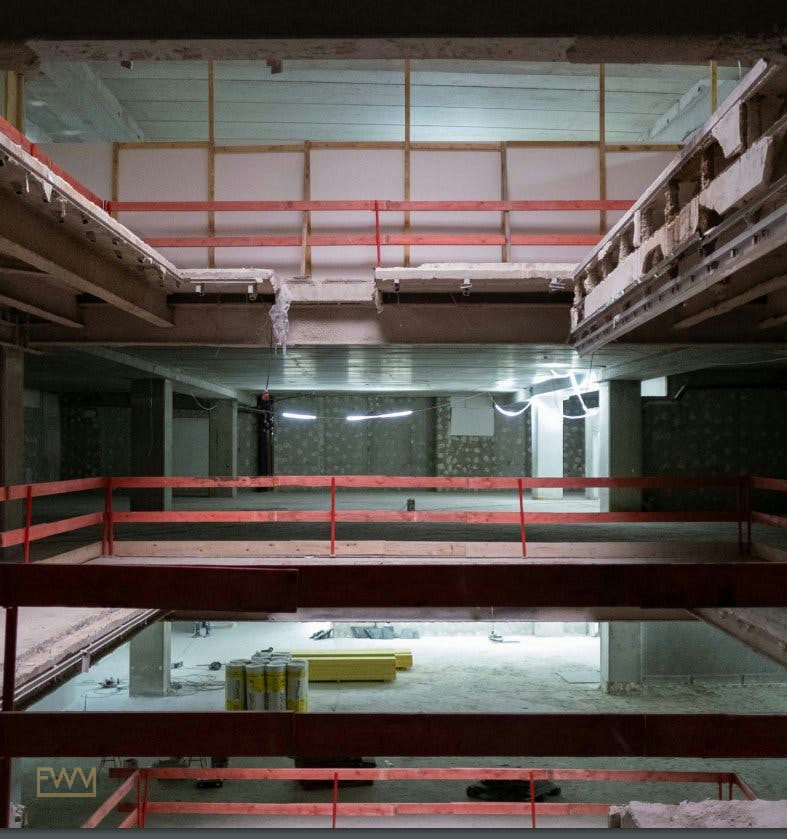
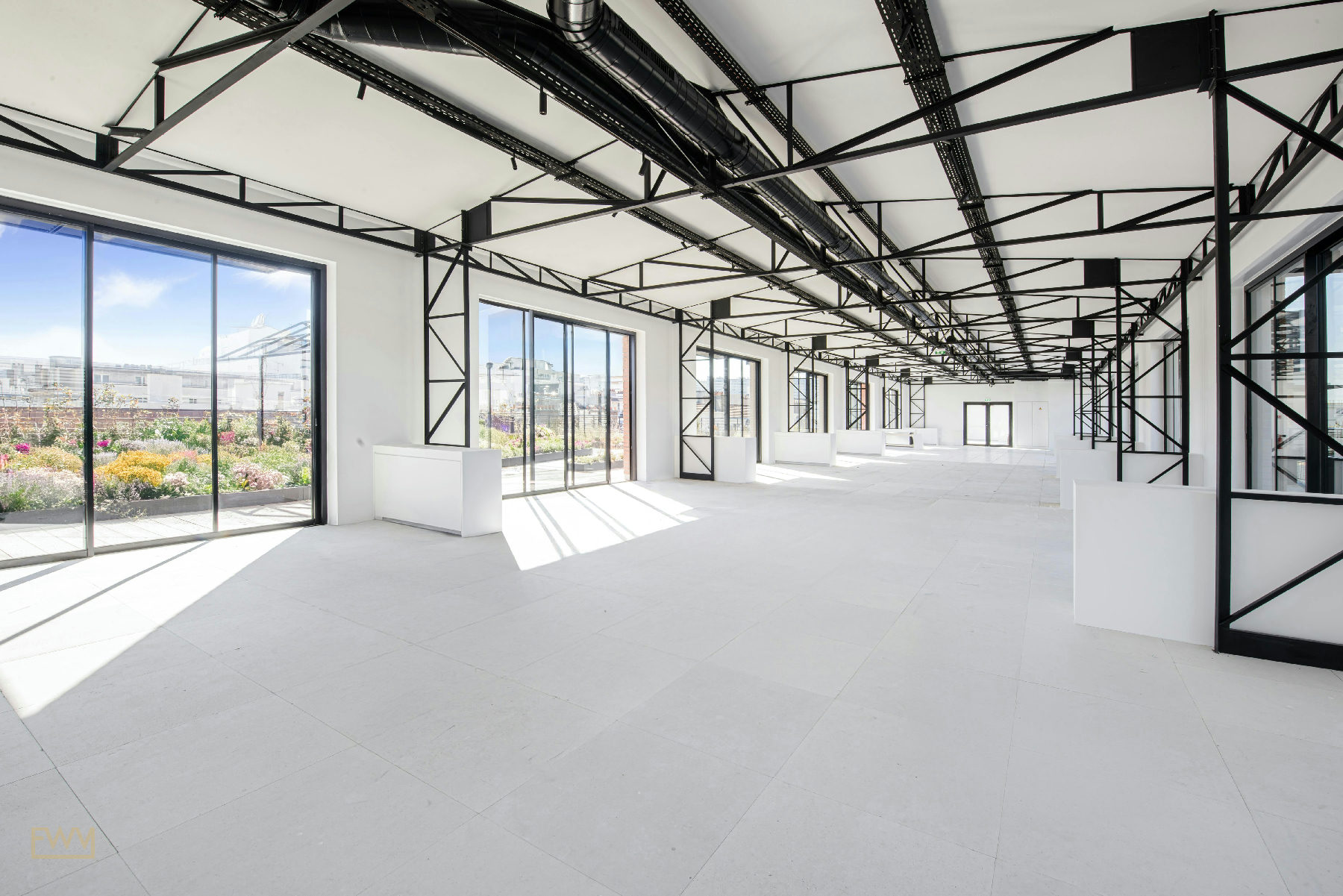
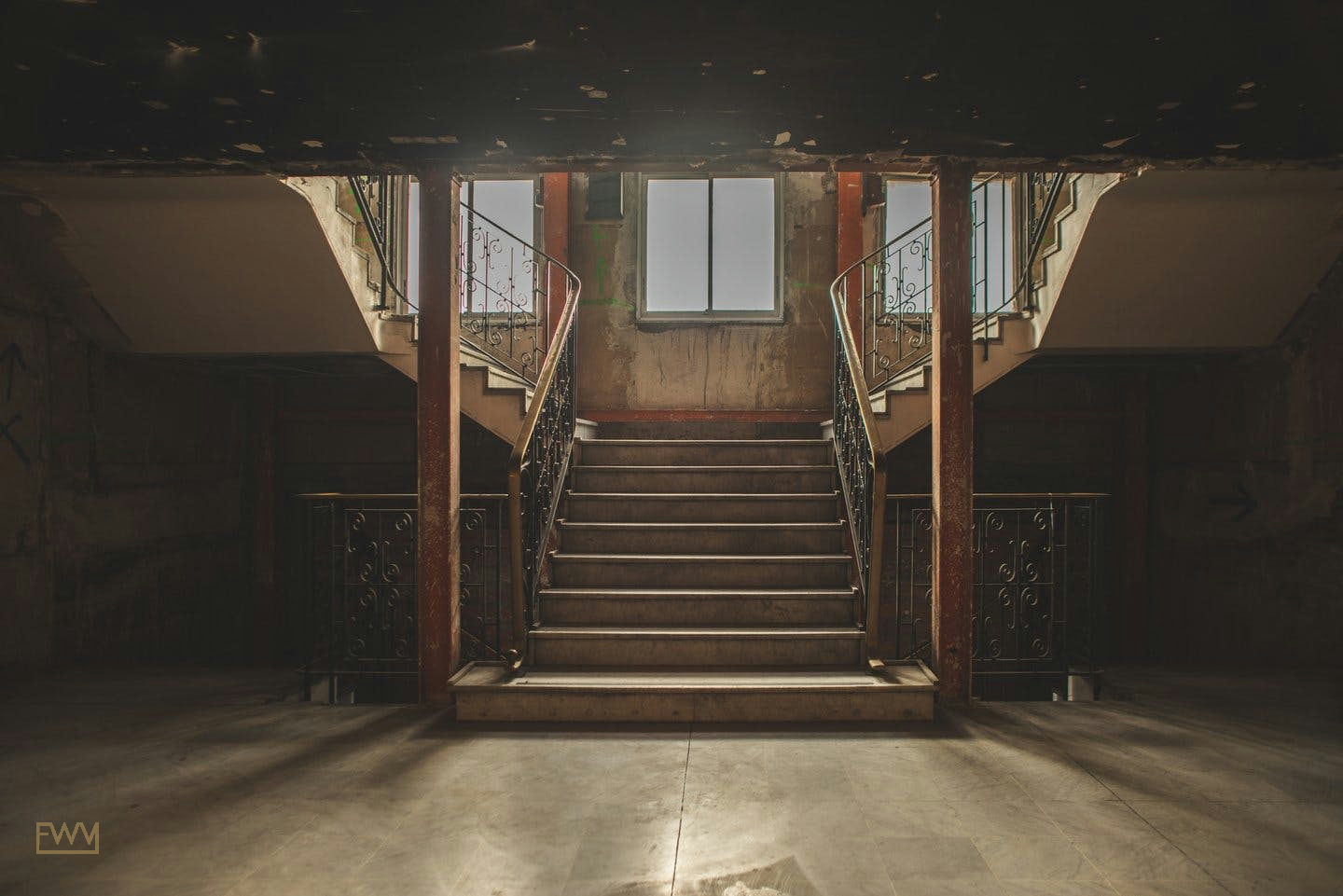
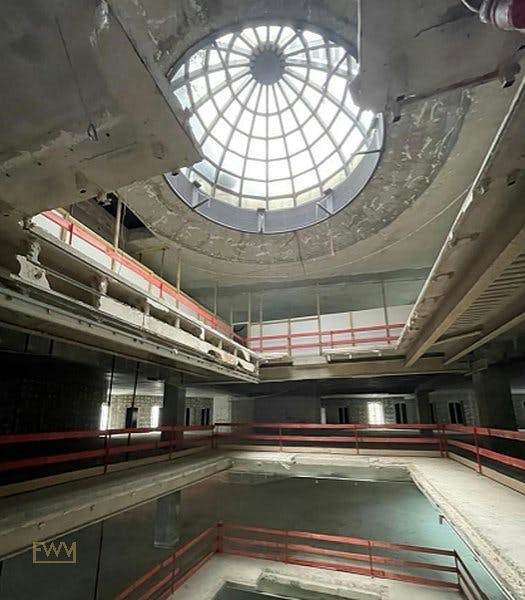
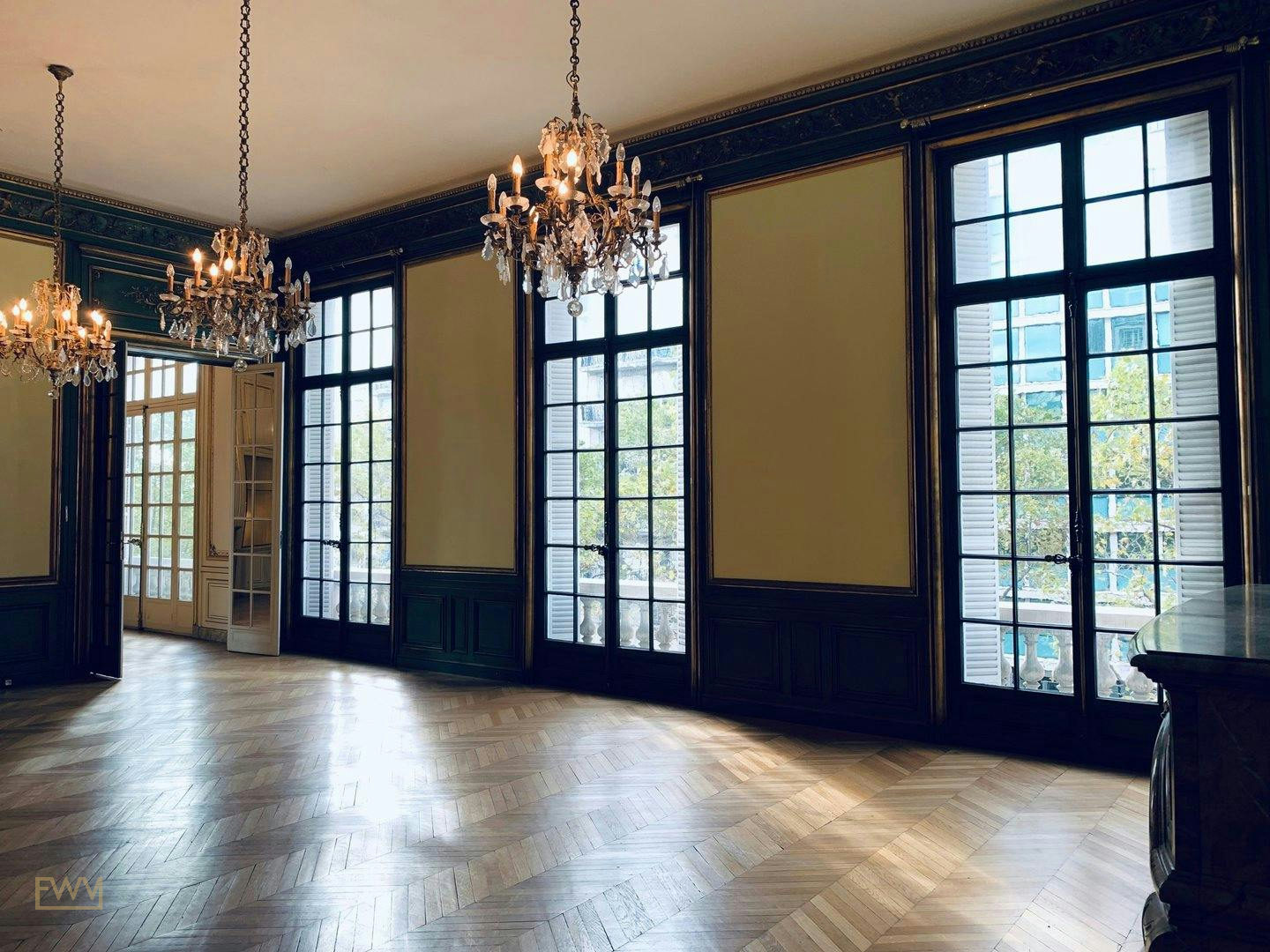
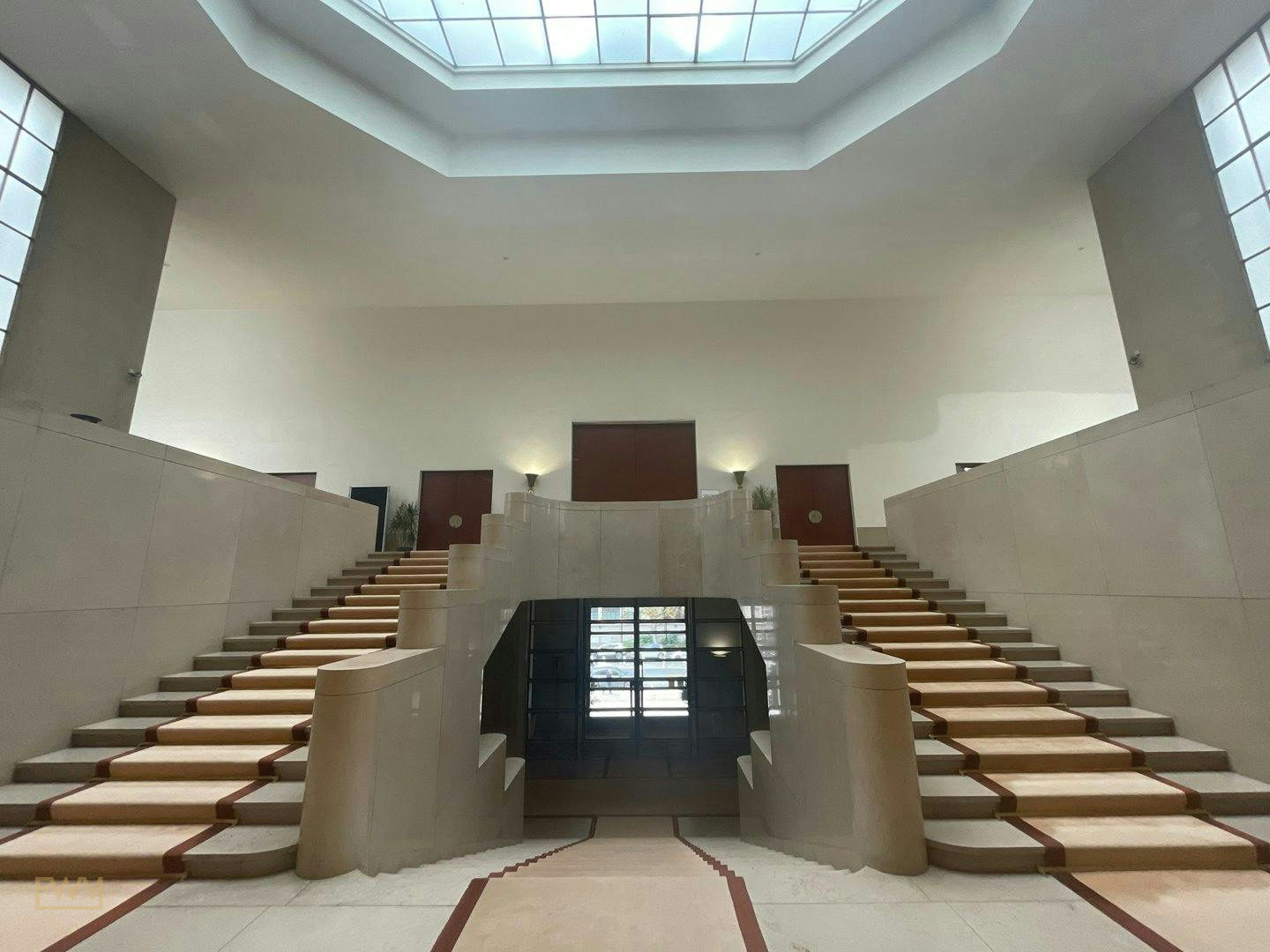
The types of spaces available for short-term pop-up activation near Notre-Dame include former retail units, gallery spaces, historic courtyard spaces, basement concept spaces, and market stall formats. Each type has different structural characteristics, permitted uses, and associated costs.
A brand planning a pop-up bookstore might prioritise a ground-floor unit with good window display potential on a pedestrian street, or a courtyard space within a historic building that allows for a more immersive, atmospheric installation. A fashion brand seeking to use the literary theme of the neighbourhood as a backdrop might prefer a larger gallery-style space that can accommodate both product display and cultural programming such as book signings, reading events, or author meet-and-greet sessions.
To compare neighbourhoods and space types, explore the Paris city hub on Fashion Week Venues and shortlist spaces that match your brief, budget, and calendar window.
Timing Your Activation: Paris Fashion Week and Cultural Calendars
Paris Fashion Week runs across multiple seasons each year, and the July 2026 edition (schedule of runway shows, exhibitions, and happenings runs from approximately July 6 to 9, 2026) represents one of the most commercially powerful windows for a pop-up activation near Notre-Dame. During Fashion Week, the footfall in neighbourhoods such as the Marais and the area around the Louvre increases sharply, and the press, buyer, and influencer audience arriving for shows and presentations provides additional visibility for any well-positioned pop-up.
Beyond Fashion Week, the restoration and reopening of Notre-Dame de Paris has created a new recurring draw that brings visitors to the area throughout the year. Brands should consider both the Fashion Week calendar and the broader cultural calendar when timing their activation.
IMPORTANT: Space availability near Notre-Dame during Paris Fashion Week is extremely limited. Brands should begin their search and secure spaces at least three to six months ahead of their target activation dates. Last-minute sourcing in peak windows is possible but significantly more expensive and less likely to yield the right space.
KEY TAKEAWAY: The neighbourhoods surrounding Notre-Dame offer a range of space types across different price tiers and foot traffic levels. The Marais and Saint-Michel are the strongest zones for literary and culturally themed pop-ups, while Châtelet offers the highest raw volume for commercial retail formats.
Permits, Leases, and Legal Structures for Pop-Up Shops in Paris
Quick answer: Short-term retail activations in Paris typically use one of two legal structures: a bail dérogatoire, which is a short-term commercial lease derogating from standard French commercial lease protections, or an autorisation d'occupation temporaire (AOT), which permits temporary use of public or shared spaces. Requirements vary significantly by space type, duration, arrondissement, and intended use.
Many international brands approaching Paris for the first time assume that renting a short-term space is a simple transactional process similar to booking a hotel room. In reality, the French commercial property market involves a specific legal framework that requires careful navigation, particularly for brands without a French legal entity.
Understanding Bail Dérogatoire
The bail dérogatoire allows landlords and tenants to agree on a short-term commercial lease of up to three years without triggering the protections of the standard French commercial lease, known as the bail commercial. For a pop-up shop activation of days, weeks, or a few months, this is the most commonly used structure. It provides a degree of flexibility that the standard bail commercial does not offer, but it still involves a formal legal agreement with defined obligations for both parties.
Key considerations for a bail dérogatoire include the specific permitted use clause, which must align with your intended retail activity, the duration clause, the reinstatement obligations at the end of the term, and the insurance requirements. These clauses vary by landlord and by space, and misunderstanding them can result in unexpected costs at the end of your activation.
Autorisation d'Occupation Temporaire (AOT)
For activations in public spaces, markets, plazas, or shared cultural venues, an AOT is typically required. This is a permit issued by the relevant public authority rather than a contract with a private landlord. The process for obtaining an AOT involves submitting a formal application, demonstrating the legitimacy and nature of the proposed activity, and complying with specific operating conditions set by the issuing authority. In zones of high historical heritage significance such as the areas directly around Notre-Dame, additional approvals from heritage preservation bodies may apply.
For guidance on permit requirements relevant to your specific space type and location, use the permit guidance tool on Fashion Week Venues, and always verify specific requirements with a qualified French legal advisor before committing to any space.
IMPORTANT: Do not assume that any single permit structure applies universally across Paris. Requirements vary by arrondissement, space type, activation duration, and whether your proposed use involves food service, live entertainment, outdoor signage, or structural modifications to the space.
KEY TAKEAWAY: The legal framework for short-term retail in Paris is specific and requires professional guidance. The bail dérogatoire and the AOT are the two primary legal structures, but their application varies significantly. Brands should not proceed without verifying requirements with a French legal advisor.
Retail Concept Development: Designing a Pop-Up Bookshop or Literary Activation Near Notre-Dame
The conceptual design of a pop-up bookshop or literary-themed activation near Notre-Dame is as important as the space itself. The most successful pop-ups in this zone have translated the cultural identity of the neighbourhood into a coherent retail experience that feels intentional, immersive, and worth visiting specifically.
Thematic Anchors for a Notre-Dame Pop-Up Concept
The themes available to a brand activating near Notre-Dame are rich and diverse. The cathedral's Gothic architecture, its history of fire and rebuilding, its rose windows and gargoyles, the Seine River and Pont Neuf, the literary heritage of the Latin Quarter, the cartography tradition of French publishers, and the intersection of French culture with Nordic literature through institutions like the Swedish Institute at the Hôtel de Marle all provide strong conceptual starting points.
A pop-up bookshop might organise its curation around the theme of Parisian monuments, with books, maps, pop-up art, and three-dimensional paper-engineered products dedicated to landmarks including Notre-Dame, the Eiffel Tower, the Arc de Triomphe, Le Sacré-Coeur, Place des Vosges, Musée d'Orsay, and the Louvre. Adding a cartography section with antique and contemporary maps of Paris and its arrondissements creates a collector's dimension that attracts a different buyer profile from the souvenir shopper.
Alternatively, a brand might focus on the Nordic literature angle pioneered by the Bokbar at the Swedish Institute, creating a dedicated space for Scandinavian authors and titles alongside a curated selection of French lifestyle books and design objects. This hybrid model, combining books with plants, eco-friendly totes, candles, and carefully selected objects, reflects the Scandinavian cultural center aesthetic that has found a strong following in Paris.
Product Mix and Merchandising Considerations
The product mix of a pop-up bookshop near Notre-Dame should be calibrated to the dual audience of tourists and Paris-based shoppers. Tourists tend to prioritise souvenir books, pop-up books about Parisian landmarks, design-led publications, and items they can carry easily such as tote bags and small art prints. Paris-based shoppers, including those attending exhibitions, cultural events, or simply browsing the neighbourhood, are more likely to respond to curated literary selections, Nordic crime novels, French lifestyle books, secondhand books, and vinyl records.
Eco-friendly totes printed with Parisian designs, literary quotes, or landmark illustrations have become a standard ancillary product for Paris pop-up bookshops, with strong margins and high impulse purchase rates. Production and printing of custom totes should be factored into the conception and manufacturing phase of your activation planning, with sufficient lead time for design, printing, and shipping.
Point-of-sale setup for a pop-up bookshop should include card payment facilities, as the majority of customers, particularly international visitors, will pay by credit card. A basic security system appropriate to the space type and value of inventory should also be considered as part of the operational planning for the activation.
The Paris Pop Up Concept: Floating Barge and Unconventional Formats
The idea of a floating barge book store on the Seine, inspired by the fictional Literary Apothecary Bookstore in The Little Paris Bookshop, has moved from fiction into reality in various forms. Paris Pop Up activations on or near the Seine have used the river setting to create high-impact visual installations that attract press coverage and social media sharing beyond what a conventional street-level pop-up would generate.
For brands willing to invest in a more unconventional format, the Seine River and the canals including Canal de l'Ourcq offer distinctive spatial opportunities that are genuinely difficult to replicate in other cities. These formats require more complex permitting, production, and logistical planning, but the visibility payoff can be significant, particularly during Paris Fashion Week or major cultural events linked to the restoration of Notre-Dame.
KEY TAKEAWAY: Concept development for a pop-up bookshop near Notre-Dame should draw on the specific cultural identity of the neighbourhood, whether through Parisian landmarks, French literary heritage, Nordic literature, or paper engineering and pop-up art. The most memorable activations combine a clear thematic anchor with a carefully considered product mix and a space that amplifies the concept.
Production, Build, and Operational Planning for Your Paris Pop-Up
The production and build phase of a Paris pop-up activation involves a sequence of decisions that span space fit-out, furniture, staffing, payments, and logistics. For brands entering Paris for the first time, the complexity of this phase is frequently underestimated.
From Conception to Manufacturing
The production process for a pop-up shop begins with conception, which means translating your brand brief and thematic identity into a spatial design. This includes decisions about floor layout, display furniture, lighting, signage, point-of-sale placement, and any bespoke elements such as custom shelving, model-making displays for pop-up books, or advertising installations on the building facade or windows.
Manufacturing and build timelines for a Paris pop-up depend on the complexity of the design. A simple clean-and-brand activation in an existing retail unit might require only a few days of build time. A fully bespoke installation with custom furniture, printed graphics, and structural modifications could require several weeks of production followed by a multi-day installation period. Both timelines need to be factored into your space booking, as most Paris landlords do not provide rent-free fit-out periods for short-term leases.
Furniture, Staffing, and POS
For a bookshop activation, furniture rental typically includes shelving units, display tables, seating, and any specialist display furniture for oversized pop-up books, maps, or art objects. Sourcing furniture in Paris rather than importing it reduces logistical cost and complexity significantly.
Retail staffing for a Paris pop-up requires consideration of French employment law, which differs significantly from UK or US norms. For short-term activations, brands often use specialist staffing agencies that provide trained retail staff on fixed-term contracts appropriate to the activation duration. Staff should ideally be bilingual or multilingual, given the international visitor profile of the Notre-Dame area, where Chinese, English, Spanish, and other languages are commonly spoken alongside French.
For detailed guidance on the sequencing of all these production and operational decisions, explore the production and build services at Fashion Week Venues, which supports brands through the fit-out and operational planning process in Paris and other major cities.
TIP: Build in a buffer of at least one full day between the end of your fit-out and the opening day of your activation. Last-minute production issues, delivery delays, and permit complications are common in Paris, and having a buffer day reduces the risk of opening in a space that is not fully ready.
Campaigns, Advertising, and Influencer Marketing
A pop-up bookshop or literary activation near Notre-Dame benefits from a layered marketing approach that combines traditional advertising in relevant cultural media, social media content creation, influencer marketing, and point-of-sale in-space experience design. Parisian fashion brands and international brands alike have found that activations near Notre-Dame attract organic social media coverage at a higher rate than activations in less iconic locations, simply because visitors naturally photograph and share their experiences in this environment.
Influencer marketing campaigns for a pop-up bookshop should target literary influencers, French lifestyle content creators, travel bloggers covering Paris, and fashion and design accounts whose audiences overlap with book culture. The combination of the Notre-Dame backdrop, the cultural resonance of the bookshop concept, and a distinctive product selection creates strong visual content potential.
Good_Again Goodwill and other secondhand and ethical retail concepts have demonstrated that campaigns built around cultural values, sustainability (eco-friendly totes, secondhand books), and community (literary events, author readings) generate stronger long-term brand equity than purely product-focused advertising.
KEY TAKEAWAY: The production and operational phase of a Paris pop-up requires careful sequencing of build, staffing, payments, permits, and marketing. Brands that plan each phase with realistic timelines and appropriate professional support achieve significantly better outcomes than those who attempt to manage the process independently for the first time in an unfamiliar market.
How Fashion Week Venues Supports Brands Opening a Pop-Up Shop Near Notre-Dame Paris
Quick answer: Fashion Week Venues is a full-service pop-up agency and space marketplace that supports brands through every stage of opening a pop-up shop in Paris, from initial space discovery and concept direction through to production, staffing, activation management, and post-activation analytics. The agency operates across all major Paris neighbourhoods including the areas near Notre-Dame, the Marais, and the Seine River.
For brands approaching Paris for the first time, or for experienced teams that want to reduce the friction of navigating the French retail market, Fashion Week Venues provides a structured path from brief to open doors. The service offer spans the full activation lifecycle and includes a suite of planning tools that support internal decision-making before any commitment is made.
Space Discovery and Venue Sourcing
The Fashion Week Venues marketplace allows brands to search and discover available pop-up spaces across Paris, filtered by neighbourhood, size, space type, and availability window. For the Notre-Dame area specifically, the platform covers spaces in the 4th arrondissement, the Marais, Saint-Michel, Châtelet, and surrounding zones. The venue sourcing service provides a curated shortlisting process for brands that prefer a guided search rather than browsing independently.
Planning Tools for Brand Teams
The Fashion Week Venues tools section includes a budget calculator for directional cost estimation, an ROI calculator to model financial outcomes against investment, a timeline tool to map the full activation sequence, a permits tool for permit requirement guidance, a compare tool to evaluate multiple spaces side by side, and a locator tool to visualise space options on a map. These tools are designed to support internal brand team decision-making and briefing before engaging the agency on a specific activation.
Concept Direction, Production, and Activation Management
For brands that need more than a space, Fashion Week Venues offers concept direction, branded store design, production and build management, furniture rental, retail staffing, POS and payments setup, and influencer marketing support. The twin concept supports co-activation scenarios where two brands share a space and activation costs, which can be particularly effective for a pop-up bookshop that pairs a literary brand with a complementary lifestyle or fashion brand.
The imagine tool allows brand teams to visualise a space before committing, which reduces the risk of selecting a venue that does not work for the intended concept. The build tool supports fit-out planning, and the process page explains how the agency works from initial contact through to post-activation reporting.
Who Benefits Most
The brands that get the most value from Fashion Week Venues in the context of a Notre-Dame area activation are typically international brands entering Paris for the first time, brands planning activations tied to Paris Fashion Week, literary and cultural brands seeking to capitalise on the Notre-Dame restoration narrative, and Parisian fashion brands looking for a structured production and activation partner for a short-term concept.
Fashion Week Venues does not guarantee specific spaces, permit approvals, or activation outcomes. The agency provides guidance, sourcing, and production support, and the final decisions on space selection, concept, and investment remain with the brand team.
To explore how your brand can be supported through an activation near Notre-Dame, review past activations and case studies on Fashion Week Venues to understand the range of concepts the agency has delivered across Paris and other fashion capitals.
KEY TAKEAWAY: Fashion Week Venues provides a structured, end-to-end support model for brands opening a pop-up shop in Paris, with tools, services, and expertise that reduce the complexity and risk of navigating the French market independently. The platform is most valuable for brands that want both space access and operational support in a single partner relationship.
Notre-Dame Restoration, Gothic Architecture, and the Cultural Moment for Brands
The rebuilding of Notre-Dame de Paris following the April 2019 fire represents one of the most significant cultural restoration projects in modern European history. For brands considering a pop-up activation near the cathedral, understanding the cultural context of the restoration is important both for concept development and for commercial positioning.
The fire destroyed the cathedral's medieval spire and caused severe damage to the roof and upper structure. The restoration effort brought together master craftspeople, historians, architects, and materials scientists from across France and internationally to reconstruct the Gothic architecture with a commitment to historical accuracy. The rose windows, stained glass windows, gargoyles, and bell tower have all been central to the restoration programme, and their preservation and reinstatement has been documented extensively in global media.
The cultural importance of Notre-Dame extends far beyond France. As a symbol of Gothic architecture, of French civilisation, and of the resilience of cultural heritage, the cathedral attracts visitors from every country in the world. The brands that have most successfully capitalised on this moment are those that engage with it genuinely rather than superficially, using the themes of restoration, craftsmanship, heritage, and beauty as real conceptual anchors rather than marketing backdrops.
A pop-up bookshop that dedicates a section to the rebuilding of Notre-Dame de Paris, including architectural books, historical photography, restoration documentation, and pop-up books depicting the cathedral's Gothic architecture, gargoyles, and rose windows, connects directly to this moment in a way that visitors find meaningful. The historical heritage of the site adds a layer of purpose and cultural depth that a purely commercial pop-up cannot easily achieve.
DID YOU KNOW: The restoration of Notre-Dame de Paris has been called the largest heritage restoration project in the world, drawing on centuries-old craft techniques including stone carving, lead working for the rose windows, and oak timber framing for the rebuilt roof structure.
For brands in the books, design, architecture, beauty, or French lifestyle categories, the Notre-Dame restoration represents a cultural moment that aligns naturally with a pop-up activation in this neighbourhood. The question is not whether to engage with it, but how to do so with the authenticity and depth that the subject demands.
KEY TAKEAWAY: The ongoing restoration of Notre-Dame de Paris adds a layer of cultural relevance and visitor motivation to the neighbourhood that brands can draw on meaningfully in their pop-up concepts. The most effective activations engage with the themes of heritage, craft, and restoration with genuine depth rather than superficial reference.
Paris as a Pop-Up Destination Beyond Notre-Dame: The Wider City Context
While the area around Notre-Dame is the focus of this guide, Paris as a whole represents one of the world's premier pop-up retail destinations, and brands planning an activation near the cathedral benefit from understanding how their concept fits within the broader Parisian retail landscape.
Beyond Notre-Dame: Key Cultural and Retail Zones
The Musée du Louvre and its surrounding district in the 1st arrondissement attract a sophisticated international audience with high purchasing power and a strong appetite for design, art books, and cultural products. The Centre Pompidou and its plaza in the Beaubourg area draw a younger, more design-literate audience. The Musée d'Orsay on the Left Bank serves visitors who combine art with a broader appreciation of French culture and cuisine. Le Sacré-Coeur in Montmartre draws a high volume of visitors who also explore the creative and artisanal retail offer of the 18th arrondissement.
Each of these zones creates a different audience profile and a different commercial context for a pop-up shop. A brand considering locations beyond the immediate Notre-Dame area should map their target customer against the visitor profile of each zone before selecting a neighbourhood.
Avignon, Cuisery, and the Wider French Book Town Network
Paris is not the only French city with a strong literary retail identity. Avignon, known for its theatre festival and its historic walled city, and Cuisery, which has established itself as one of France's dedicated book towns, demonstrate that literary retail culture extends beyond the French capital. For brands with a specifically French literary identity, understanding this network of book-oriented destinations provides additional context for positioning a Paris pop-up within a broader national narrative.
However, for maximum visibility, commercial impact, and connection to the international fashion and cultural calendar, Paris and specifically the Notre-Dame area remains the strongest single location for a pop-up activation combining books, culture, and brand presence.
To use the full suite of planning tools for your Paris activation, including budget estimation, timeline planning, and space comparison, visit the budget planning tool on Fashion Week Venues to begin building a realistic financial framework for your concept.
KEY TAKEAWAY: Paris offers a city-wide network of culturally rich pop-up locations beyond Notre-Dame, each with a distinct visitor profile and commercial character. Brands should map their target audience against neighbourhood profiles to select the location that best serves their activation goals.
Common Myths About Booking a Pop-Up Shop Near Notre-Dame Paris
MYTH: You need a French legal entity to rent a pop-up space in Paris.
FACT: Many international brands operate short-term pop-up activations in Paris without a pre-existing French legal entity. While having a French entity simplifies certain aspects of contracting and taxation, specialist agencies and legal advisors can structure arrangements for foreign brands. Requirements vary by landlord and space type, and professional guidance is essential to navigate this correctly.
MYTH: Paris Fashion Week is the only viable calendar window for a pop-up near Notre-Dame.
FACT: While Paris Fashion Week (with the July 2026 edition running approximately July 6 to 9) represents a peak commercial window, the Notre-Dame area draws significant visitor traffic year-round, particularly following the cathedral's restoration. Cultural events, holiday seasons, and the ongoing interest in the rebuilding of Notre-Dame create multiple viable activation windows across the calendar year.
MYTH: Commission brokers are the only way to find a pop-up space in Paris near Notre-Dame.
FACT: Purpose-built pop-up marketplaces, specialist agencies like Fashion Week Venues, and direct landlord relationships all provide viable routes to securing a space in Paris. Commission-based brokers are one option, but they are not the only or necessarily the most efficient route, particularly for brands that want ongoing production and activation support alongside space access.
MYTH: Short-term leases in Paris are legally straightforward and do not require specialist help.
FACT: The French commercial lease framework, including the bail dérogatoire and the AOT, involves specific legal obligations that differ significantly from short-term retail arrangements in the UK, US, or other markets. The permitted use clause, reinstatement obligations, insurance requirements, and permit conditions all require careful review by a qualified French legal advisor. Proceeding without specialist help is a significant risk for any brand.
MYTH: A pop-up bookshop near Notre-Dame will only attract tourists looking for cheap souvenirs.
FACT: The audience around Notre-Dame includes culturally motivated visitors from across the world, Paris-based residents who visit the area regularly, design and architecture professionals attending events linked to the restoration, and press and buyers active during Paris Fashion Week. A well-curated pop-up bookshop with a strong identity, distinctive product selection, and thoughtful programming can attract a high-value customer base that extends well beyond the souvenir market.
Frequently Asked Questions
What is a pop-up book, and how is it different from a conventional illustrated book?
A pop-up book is a three-dimensional paper-engineered product in which illustrations and architectural elements rise, fold, or rotate when pages are opened. Unlike a conventional illustrated book, which presents images flat on the page, a pop-up book creates sculptural, interactive scenes through precision paper cutting and folding. Artists like David Hawcock have made pop-up art a recognised discipline. Pop-up books about Parisian landmarks such as Notre-Dame de Paris combine the historical presentation of Gothic architecture with the tactile engagement of three-dimensional paper-engineered products, making them both educational resources and desirable souvenir items in retail environments near the cathedral.
What are the best neighbourhoods in Paris for a book-themed pop-up shop near Notre-Dame?
The strongest neighbourhoods for a book-themed pop-up near Notre-Dame are the Latin Quarter and Saint-Michel in the 5th and 6th arrondissements, the Marais in the 3rd and 4th, and the Châtelet area in the 1st and 4th. The Latin Quarter has the deepest literary heritage and strongest association with bookshops and student culture. The Marais offers design-forward audiences and proximity to cultural institutions including the Swedish Institute's Hôtel de Marle. Châtelet provides extremely high foot traffic and is home to secondhand book retailers including Book Off Ch'telet. Each neighbourhood attracts a different customer profile, so space selection should be based on the specific audience you are targeting.
How far in advance should a brand book a pop-up space near Notre-Dame for Paris Fashion Week?
Brands should begin their space search at least three to six months before their target activation date for Paris Fashion Week. The July 2026 edition runs from approximately July 6 to 9, and demand for spaces in the Marais, the area near Notre-Dame, and surrounding neighbourhoods increases sharply in the months before the event. Last-minute space availability is possible but is significantly more expensive and unlikely to yield the ideal location. Production planning, permit applications, and staffing arrangements also require lead time, making early booking essential for a well-executed activation.
What legal structure governs a short-term pop-up lease in Paris?
Short-term pop-up leases in Paris typically use either a bail dérogatoire, which is a short-term commercial lease derogating from standard French commercial lease protections, or an autorisation d'occupation temporaire (AOT) for public or shared spaces. The bail dérogatoire is the most common structure for private retail spaces and allows leases of up to three years without triggering the full protections of the standard bail commercial. Requirements vary by space type, location, and intended use. Brands should always verify specific requirements with a qualified French legal advisor before signing any agreement. Permit guidance is also available through specialist tools.
Does Fashion Week Venues handle the permit process for a pop-up near Notre-Dame?
Fashion Week Venues provides permit guidance tools and supports brands in understanding the permit landscape for their specific space type and location. However, the agency does not guarantee permit approval, as this is determined by the relevant French authorities and depends on the specific nature of the activation, the space, and the arrondissement. Brands should use the permit guidance tool on the Fashion Week Venues platform as a starting point, and verify all requirements with a qualified French legal advisor before proceeding. The area around Notre-Dame may involve additional heritage authority considerations given the historical significance of the location.
What products sell best in a pop-up bookshop near Notre-Dame?
The strongest selling product categories in a pop-up bookshop near Notre-Dame typically include pop-up books and three-dimensional paper-engineered books about Parisian landmarks, cartography and antique map reproductions, French lifestyle books and illustrated publications, secondhand and vintage books with a Parisian or French theme, Nordic literature titles, eco-friendly tote bags printed with literary or Parisian designs, and souvenir art prints. The dual audience of tourists and Paris-based shoppers means that the product mix should be calibrated to serve both impulse buyers looking for memorable souvenirs and culturally engaged shoppers seeking curated literary selections.
What is the Bokbar, and how does it relate to a pop-up bookshop near Notre-Dame?
The Bokbar is a pop-up bookshop concept operated by the Swedish Institute at the Hôtel de Marle in the Marais, functioning as a Scandinavian cultural center retail space that sells Nordic literature, including works by Tove Jansson, Karl Ove Knausgård, Jón Kalman Stefánsson, Sara Stridsberg, Sofi Oksanen, and Sara-Vide Ericson, alongside Nordic crime novels, Moomin titles, and selected French lifestyle items. It represents a model of the culturally focused pop-up bookshop that appeals to a specific literary community while remaining open to broader Parisian audiences. The Bokbar demonstrates that a strong curatorial identity, rather than a broad undifferentiated book selection, creates a more memorable and commercially sustainable pop-up retail experience.
Is Paris really worth the effort for an international brand's first pop-up?
Paris consistently ranks among the top three cities in the world for fashion, culture, and luxury retail, alongside London and New York. The combination of international visitor volume, media and press attention during Paris Fashion Week, the cultural cachet of a Parisian address, and the richness of the local creative community makes Paris a uniquely powerful location for a brand's first international pop-up. The area near Notre-Dame adds a heritage dimension that amplifies brand positioning in categories including books, design, beauty, and French lifestyle. The market requires specialist navigation, but the returns in brand visibility, press coverage, and customer engagement are well-documented.
How does the restoration of Notre-Dame affect foot traffic and retail opportunity in the area?
The rebuilding of Notre-Dame de Paris has sustained and in many cases increased visitor interest in the immediate area around the cathedral. The restoration of the Gothic architecture, including the rose windows, stained glass windows, gargoyles, and bell tower, has attracted visitors who want to witness the process and understand the cultural importance of the project. This creates a consistently motivated visitor demographic with strong interest in cultural products, heritage books, architectural publications, and design objects related to the cathedral. Brands that engage genuinely with the restoration narrative in their pop-up concept will find that this audience is receptive and commercially valuable.
What is the difference between a bail dérogatoire and a standard bail commercial in France?
A bail commercial is the standard French commercial lease, which grants tenants significant protections including a minimum lease term of nine years and the right to renew. A bail dérogatoire allows landlords and tenants to agree on a shorter lease, up to three years, without triggering these protections. This makes it more flexible and appropriate for pop-up activations. However, a bail dérogatoire still involves formal legal obligations around permitted use, reinstatement, and insurance. If a tenant remains in occupation beyond the agreed dérogatoire period without a new agreement, the lease can convert to a full bail commercial, which has significant implications. Professional legal advice is essential before signing either type of agreement.
Can a pop-up bookshop near Notre-Dame also sell merchandise and fashion products?
Yes, many successful pop-up concepts in Paris combine books with complementary product categories including fashion accessories, tote bags, art prints, candles, plants, and design objects. The key legal consideration is that the permitted use clause in your lease must cover all intended retail activities. If your bail dérogatoire specifies books only and you also sell fashion products, you may be in breach of the lease. Ensure that the permitted use clause in your agreement accurately reflects your full intended product range before signing. A specialist French legal advisor can help structure the permitted use clause appropriately.
How can Fashion Week Venues help with the concept and design of a pop-up bookshop?
Fashion Week Venues offers concept direction and branded store design services that support brands in developing the spatial and visual identity of their pop-up. For a bookshop concept near Notre-Dame, this might include translating a thematic brief around Gothic architecture, Nordic literature, or French lifestyle books into a coherent interior design, product display strategy, and visual merchandising plan. The imagine tool on the platform allows brand teams to visualise the space before committing, reducing the risk of selecting a venue that does not work for the intended concept. The production and build service then manages the fit-out to deliver the design to standard.
What staffing is required for a pop-up bookshop in Paris?
A pop-up bookshop in Paris typically requires at least one to two members of retail staff during trading hours, with additional staff for busy periods such as Paris Fashion Week or weekend peaks. Staff should ideally be bilingual, with French as a primary language and English as a minimum secondary language, given the international visitor profile of the Notre-Dame area. For a bookshop with a Nordic literature focus, Swedish or another Scandinavian language would be a valuable additional capability. Fashion Week Venues provides retail staffing support for Paris activations, and all staffing arrangements must comply with French employment law, which governs fixed-term contracts and short-term employment arrangements.
What budget should a brand expect for a pop-up shop near Notre-Dame during Paris Fashion Week?
Budget requirements for a pop-up near Notre-Dame during Paris Fashion Week vary significantly based on space size, location, duration, fit-out complexity, staffing levels, and marketing spend. It is not appropriate to provide specific figures without a detailed brief, as costs can range widely across the spectrum of activation types. The Fashion Week Venues budget tool provides a directional estimate framework based on specific inputs including space size, neighbourhood, duration, and service requirements. Using this tool before approaching landlords or agencies will give your team a realistic financial framework and reduce the risk of committing to a concept that exceeds your available budget.
Conclusion: Booking a Pop-Up Shop Near Notre-Dame Paris
The opportunity to book a pop-up shop near Notre-Dame Paris is one of the most culturally rich and commercially powerful short-term retail propositions available in Europe. The combination of the cathedral's restored Gothic architecture, the literary heritage of the surrounding arrondissements, the persistent global interest in the rebuilding of Notre-Dame de Paris, and the commercial energy of Paris Fashion Week creates a location that supports a wide range of brand activations, from curated pop-up bookshops and paper-engineered book displays to Parisian fashion brands seeking a culturally grounded presence in the French capital.
Success in this location requires more than finding a space. It requires a concept rooted in genuine cultural understanding, a production plan that accounts for the realities of the French commercial lease framework including the bail dérogatoire and AOT, a product mix calibrated to the dual audience of culturally engaged tourists and Paris-based shoppers, and a marketing approach that amplifies the natural visual and narrative power of the Notre-Dame setting.
The brands that treat the Notre-Dame area with the cultural seriousness it deserves, whether by engaging with the themes of restoration, literary heritage, Gothic architecture, or French lifestyle, consistently achieve stronger outcomes than those that approach it as simply another high-footfall location.
For brands ready to move from research to action, the guide to hiring a pop-up agency on Fashion Week Venues provides a clear framework for evaluating and selecting the right partner for your Paris activation. And to move from research to activation, start exploring available spaces on the Fashion Week Venues marketplace and build a focused brief for your target neighbourhood, space type, and calendar window.