
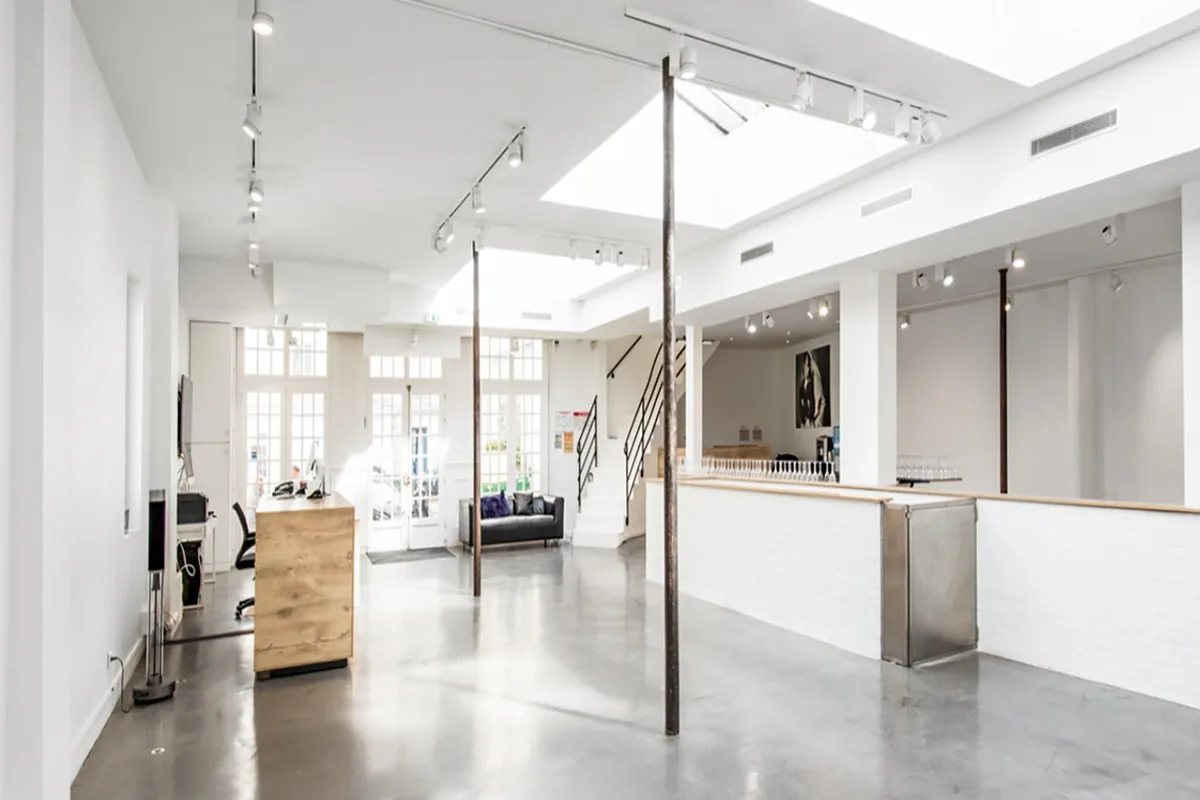
Finding the perfect venue for a successful activation during Fashion Week requires strategic insight and meticulous planning. As a leader in the field, Fashion Week Venues offers unparalleled expertise in securing the ideal spaces across Paris and other fashion capitals. This guide provides essential information for fashion brands, creative directors, and event producers navigating the complexities of temporary retail spaces, pop-ups, and showrooms. Dive in to explore how Fashion Week Venues can facilitate your next short-term activation with ease and efficacy.
The Importance of Location Selection for Fashion Week Activations
Choosing the right location for fashion week activations can dramatically impact the success of your event. Strategically situating your activation ensures maximum exposure, accessibility, and alignment with your brand’s identity. In bustling cities like Paris, districts such as Le Marais or Saint-Germain-des-Prés offer distinct advantages for different types of events, from exclusive showrooms to public pop-up stores.
Location defines the ambiance and perceived value of your brand activation. For high-end brands, opting for a space near hubs of luxury retail, such as around Rue Saint-Honoré or Place Vendôme, reinforces the image of exclusivity. Meanwhile, emerging designers might benefit from more avant-garde, culturally vibrant areas like Canal Saint-Martin. Each neighborhood not only reflects but also amplifies the brand message, providing an intrinsic backdrop that can either enhance or detract from the overall impact.
Quick answer: Select a location by aligning the neighborhood’s characteristics with your brand's image and target audience to ensure the venue complements your event’s goals.
Additionally, some locations inherently offer logistical advantages due to proximity to key facilities such as transportation hubs, partner hotels, and media offices. Balancing aesthetic appeal with operational efficiency is pivotal. Calculate potential foot traffic, demographic appeal, and logistical feasibility when choosing a location.
KEY TAKEAWAY: The neighborhood of your fashion week venue informs not just the perception but also the functionality of your event. Strategically choose an area that resonates with both brand and audience while offering logistical efficiency.
Understanding the dynamics of Paris’s arrondissements can lead to more informed decisions, which is integral to the broader process of venue selection and activation planning.
Understanding Different Space Types for Fashion Week
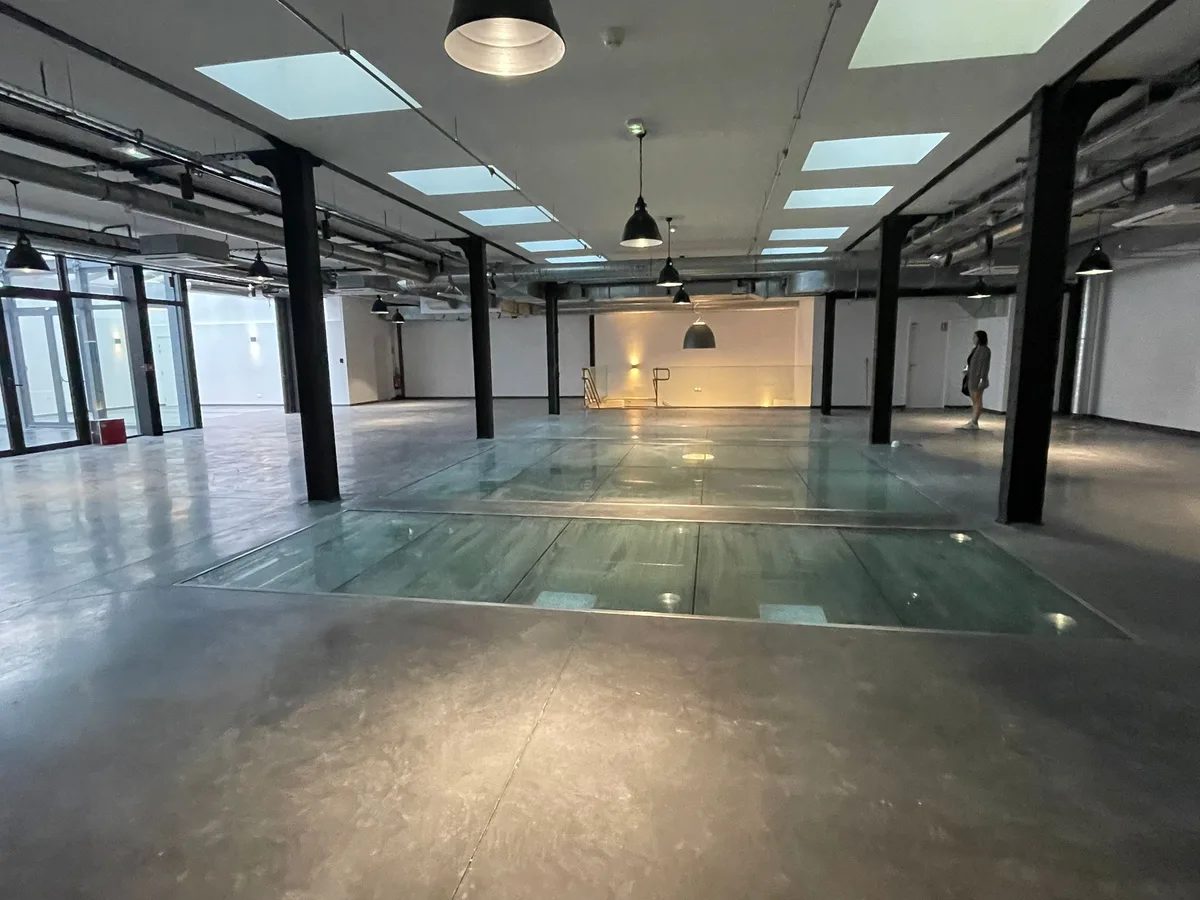
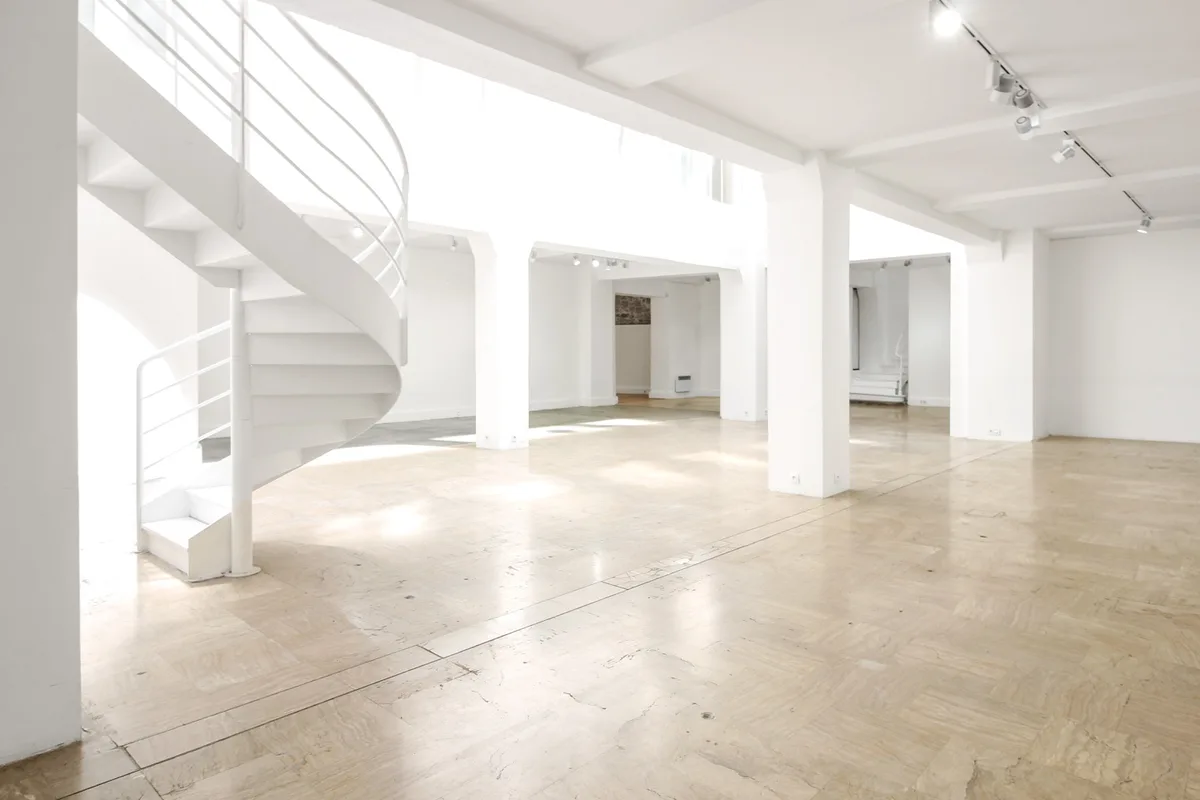
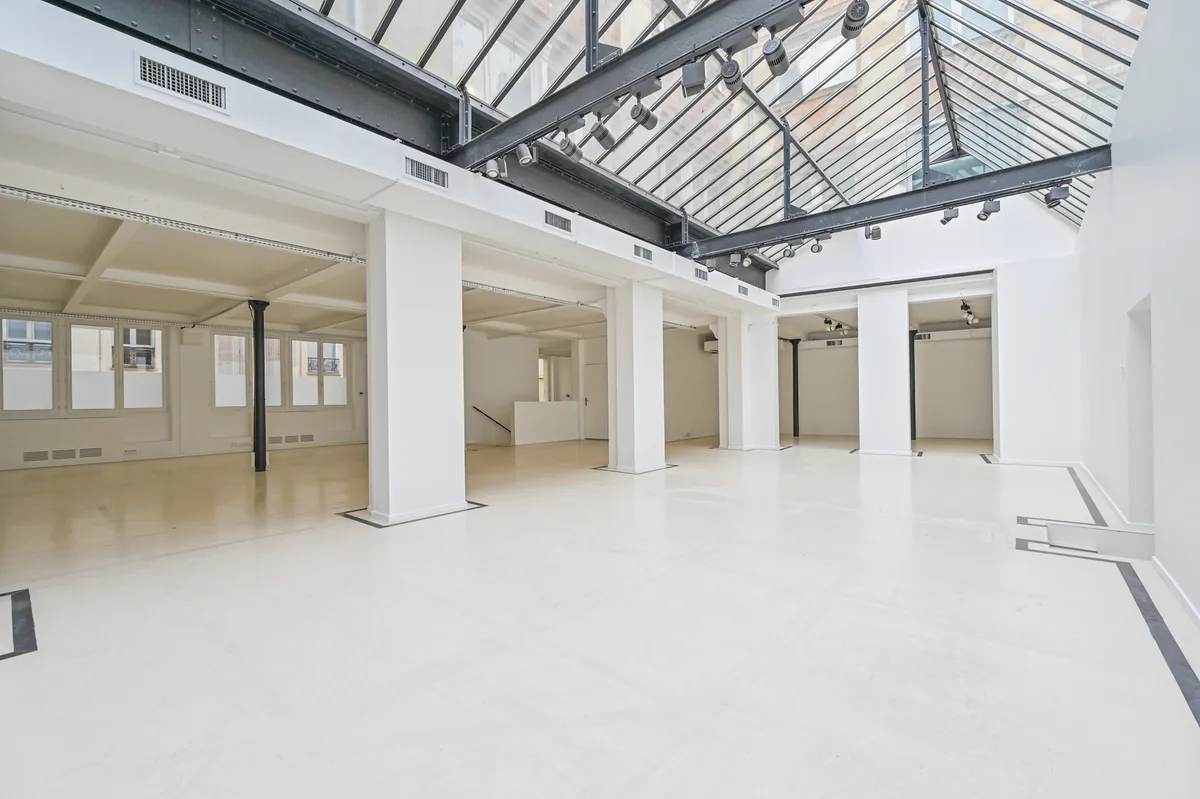
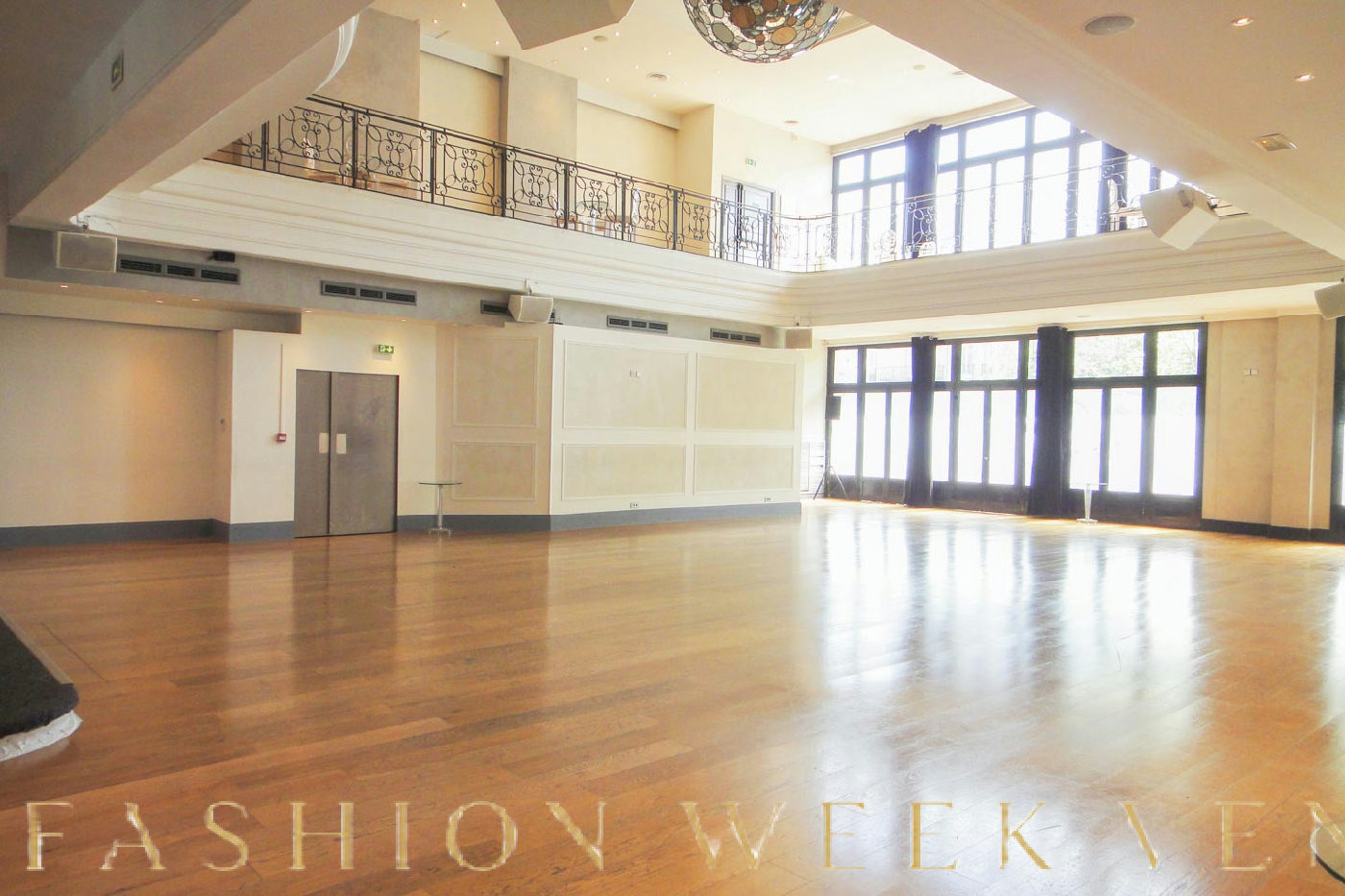
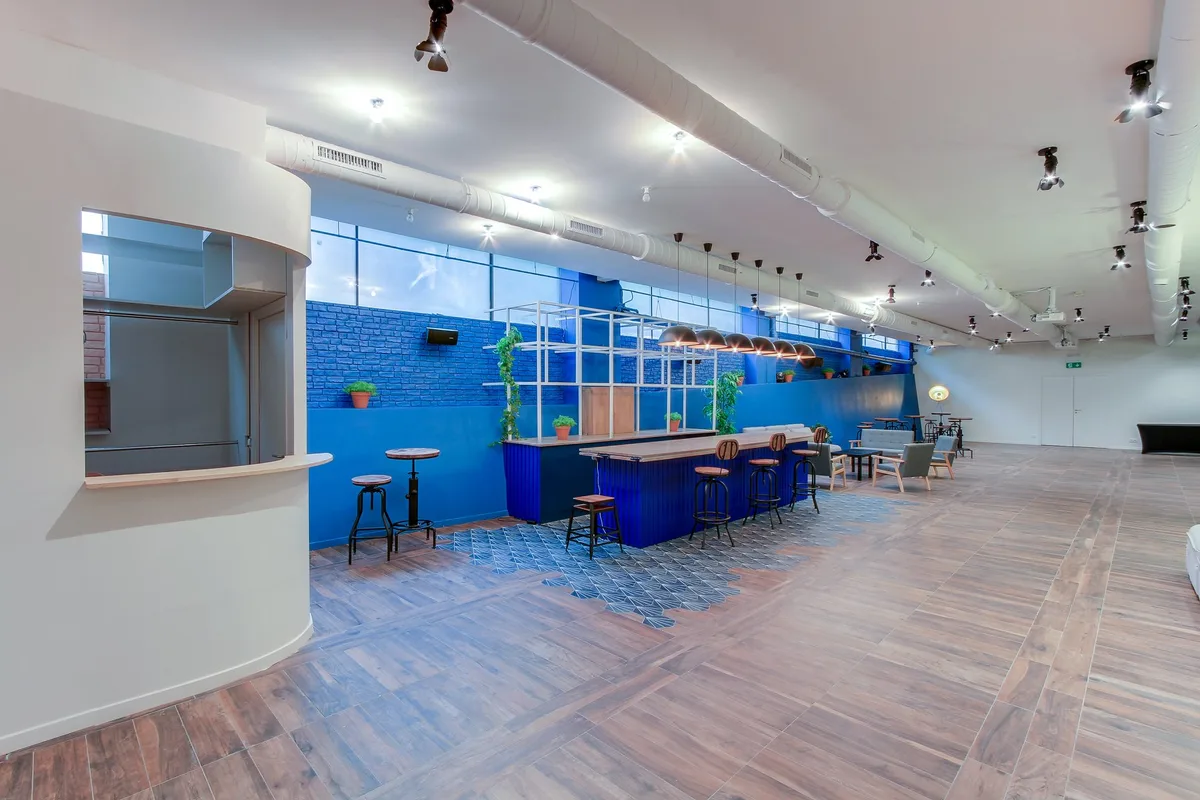
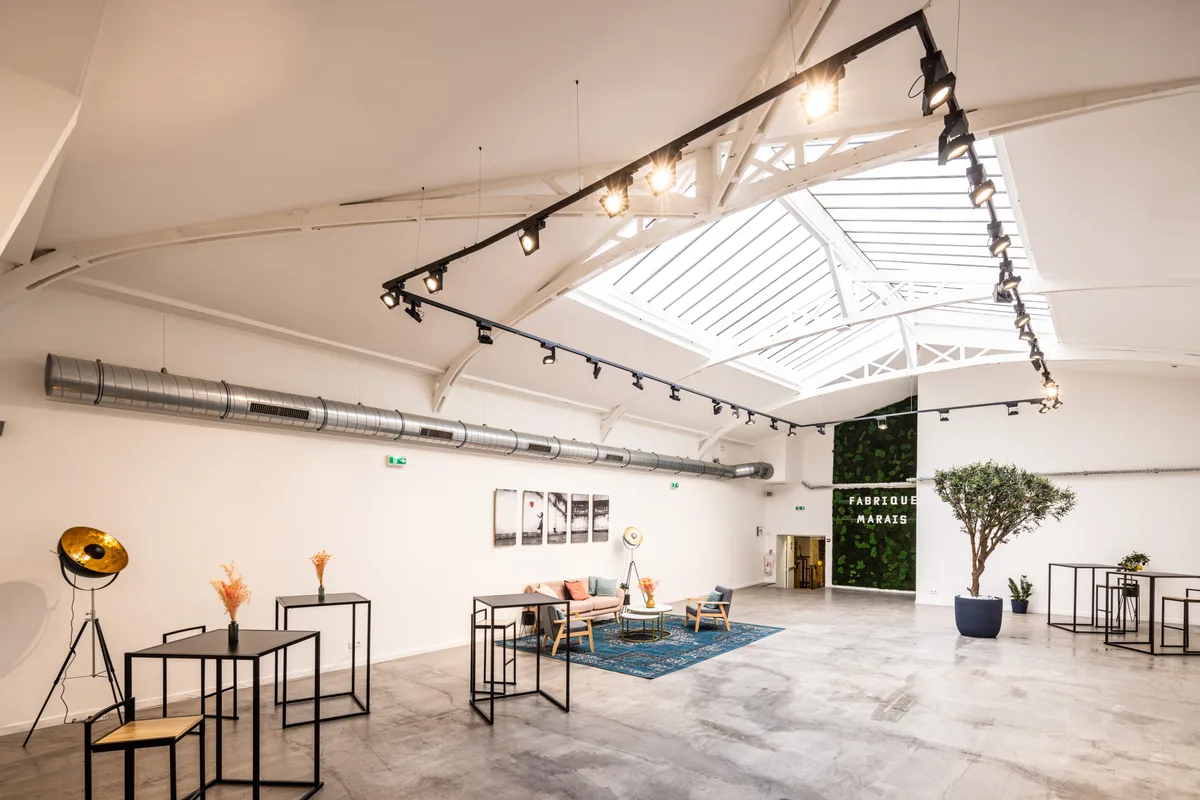
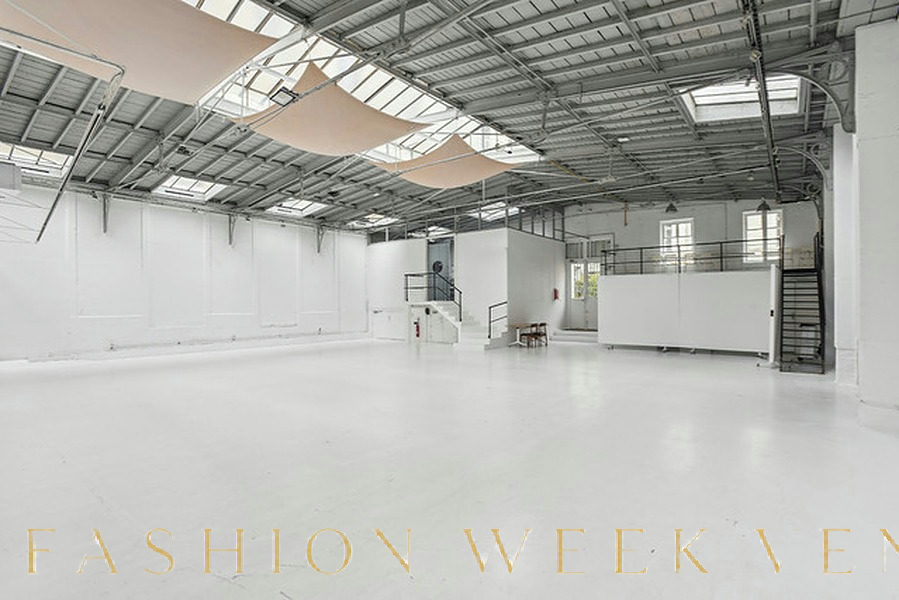
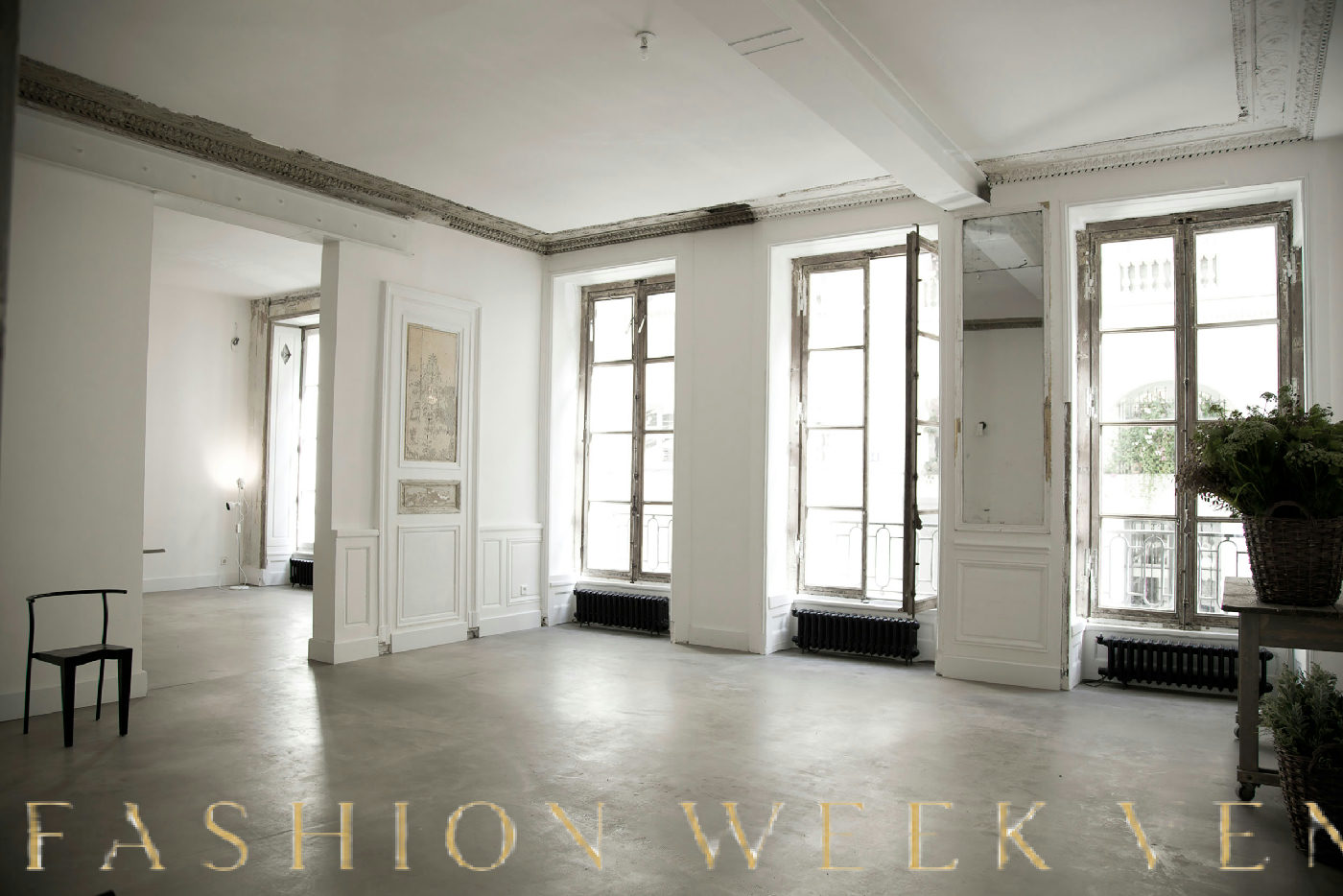
When planning an activation event, knowing the different types of spaces available is crucial. Spaces range from intimate showrooms for invite-only previews to expansive galleries suitable for public exhibits or retail pop-ups. Fashion Week Venues provides access to a marketplace rich with varied options, including traditional galleries, modern pop-up stores, and hybrid spaces for multipurpose use.
Quick answer: Identify your activation’s purpose to determine the most suitable space type, whether it’s for intimate brand experiences or wide-reaching pop-ups.
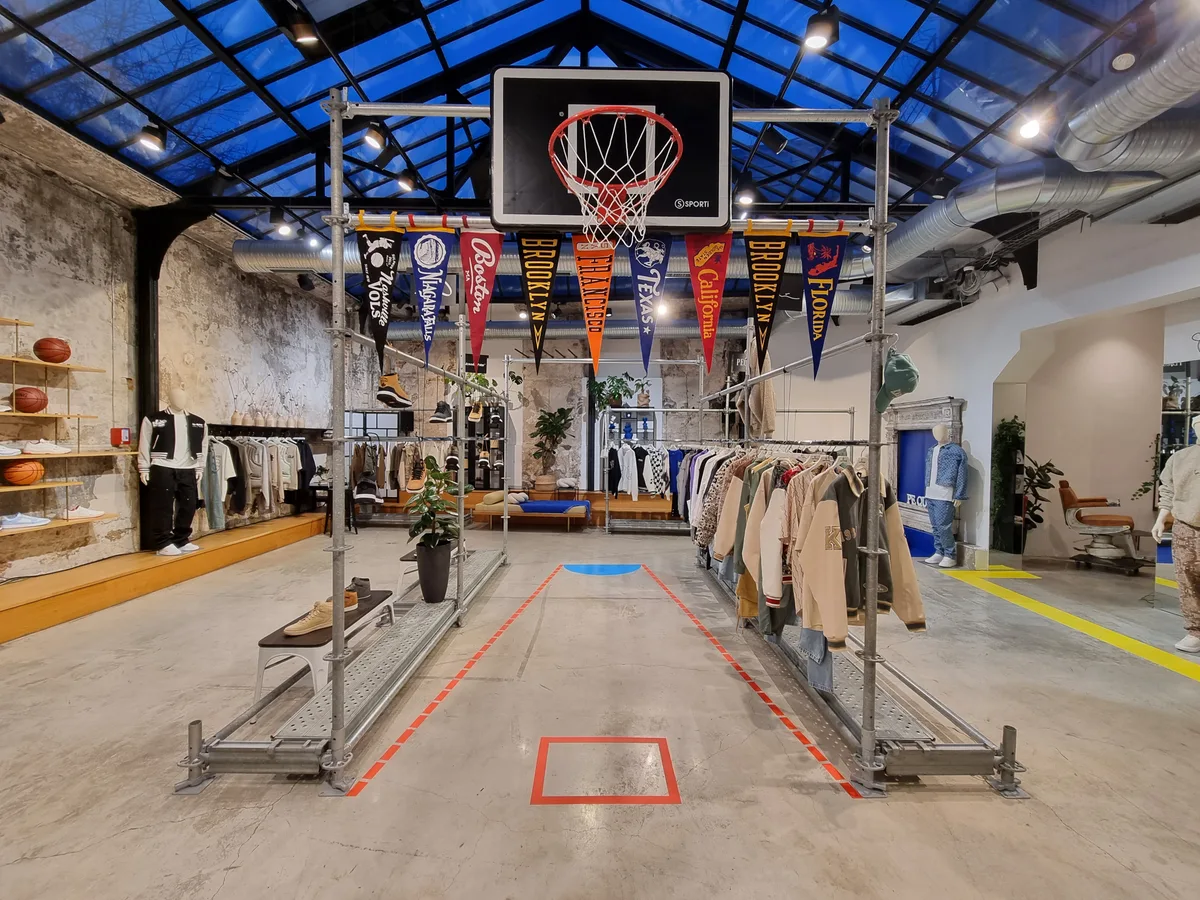
Showroom spaces are often used for luxury brands wanting to offer a curated, exclusive viewing experience. These spaces can be found in luxury hotels or historical buildings, providing a sophisticated backdrop that makes a powerful statement. Alternatively, pop-up stores offer a more accessible retail approach, crucial for brand activations seeking to broaden consumer reach and engagement. Locations within busy shopping districts, such as near Galeries Lafayette, can ensure high footfalls and spontaneous customer interactions.
Here is a breakdown of common space types and their uses:
| Space Type | Characteristics | Ideal For |
|---|---|---|
| Showrooms | Exclusive, intimate, luxury-focused | Launches, bespoke appointments |
| Pop-up Stores | High-traffic, retail setup | Brand expansions, high engagement |
| Art Galleries | Creative, cultural, flexible | Crossover events, artistic brands |
Failure to align the space type with the activation purpose can diminish brand impact. For instance, using a high-traffic location for an exclusive launch might undermine its exclusivity, whereas a discreet showroom may not capture the extensive reach desired for broader market moves.
KEY TAKEAWAY: Selecting the right type of space is essential. It should reflect the brand ethos and meet the scale of engagement expected. Utilize marketplace insights from Fashion Week Venues here to match space type with event goals.
Recognizing the scope and intent of your event next involves tailoring these choices to suit your specific creative direction and logistical needs.
Legal Considerations: Permits and Compliance in Paris
Organizing an activation during fashion week in Paris requires understanding of intricate local laws and regulations. Notably, the bail dérogatoire is what's used instead of a traditional commercial lease for short-term rentals. This type of arrangement offers flexibility but involves strict conditions that brands must respect. Similarly, the Autorisation d’Occupation Temporaire (AOT) permits are necessary for public space use.
Quick answer: Use a bail dérogatoire for short-term venue leases and ensure to acquire AOT as necessary for events utilizing public spaces.
It’s essential to navigate these arrangements carefully. While the bail dérogatoire allows you to secure spaces for less than three years without tying the brand to long-term commitments, compliance requirements can vary considerably by arrondissement and the nature of the venue. Having a clear understanding of these requirements helps avoid legal pitfalls that could disrupt event execution.
DID YOU KNOW: Each district in Paris may have its own additional regulations, making expert local guidance a valuable asset.
Brands must consult with a French legal advisor to ensure compliance and consider reaching out to experienced agencies like Fashion Week Venues, which offer detailed permit and compliance tools and resources. View our comprehensive permits tool for support in this complex process.
KEY TAKEAWAY: Ensure thorough legal compliance when planning your event in Paris. Use specialized legal guidance to navigate complex short-term rental agreements and permit requisites.
With legal hurdles addressed, the next logical step is understanding the creative and operational logistics that accompany choosing a venue.
Creative Direction and Venue Compatibility
Aligning your activation’s creative vision with your choice of venue is pivotal. Each venue space comes with architectural features and constraints that can either bolster or hinder your intended message. For instance, a minimalist fashion collection might benefit from a modern, stark venue that amplifies the simplicity of the designs.
Quick answer: Choose a venue that enhances and reflects your brand's creative direction to optimize the impact of your presentation.
Fashion Week Venues can assist in this process by providing concept direction services, ensuring that the creative presentation of your brand is in harmony with the venue selection. This service involves detailing how lighting, space arrangement, and even the neighborhood can contribute to or detract from the audience’s experience of the collection.
Utilizing visual simulation tools available from Fashion Week Venues allows brands to envision how their collection will appear within the chosen space. This proactive approach prevents misalignment between the artistic concept and spatial reality.
TIP: Consider hiring a creative director who has experience specifically with temporary exhibitions in Paris to maximize the venue's architectural potentials.
KEY TAKEAWAY: Successful venue compatibility requires an in-depth understanding of both space and brand narrative. Engage professional creative services for optimal integration of your fashion vision into the chosen venue.
Proceeding with this harmony in mind, operational preparations are the next focus for ensuring seamless activation.
Operational Logistics for Fashion Week Activations
Once the perfect venue and creative direction are secured, turning focus to the operational logistics aspect ensures seamless execution. Planning involves several key components: scheduling, staffing, and supplies.
Quick answer: Create a comprehensive logistic plan that covers all aspects from setup to tear-down, including staffing, scheduling, and on-site supplies.
Fashion Week Venues offers a activation management service that handles most logistical components. Operational logistics should touch on every aspect of the event, from pre-event installation to real-time management during the event, and post-event dismantling.
To establish a smooth operational workflow, consider the following checklist:
- Secure permissions and confirm contracts for venue use.
- Arrange transport and logistic partners for setup and breakdown.
- Hire and train staff or engage a professional retail staffing service for expertise and ease.
- Plan a clear timeline using comprehensive tools like those available through Fashion Week Venues.
- Ensure all technological and physical resources, such as audio-visual equipment, are in place well before the event day.
IMPORTANT: Always include a contingency plan in your workflow to address unexpected changes or emergencies effectively.
Such meticulous attention mitigates risk, ensuring the event presents a polished and professional impression. By identifying potential logistical challenges in advance, teams can preemptively manage issues ranging from staffing problems to supply chain delays.
KEY TAKEAWAY: The success of a fashion activation rests on the solid foundation of precise logistical planning. Utilizing professional services ensures operational efficiency and minimizes risk.
Following effective logistical planning, understanding how to budget for your event is crucial for managing resources effectively.
Budget Planning for Fashion Week Events
Crafting a detailed and realistic budget is fundamental to the successful execution of any fashion week event. Given the multitude of variables involved—from venue hire to staffing and logistics—comprehensive budget planning ensures that resources are allocated effectively and that the project remains financially viable.
Quick answer: Develop a detailed budget plan that accounts for all expenses, including venue, staffing, logistics, and contingency costs.
Effective budget planning involves several steps. First, make a list of all potential expenses, categorizing them as necessary, optional, or contingent. This allows for clear prioritization based on your available resources. Next, secure quotes for significant expenses such as venue hire, production build, and staffing.
Utilize Fashion Week Venues' budget calculator tool, which can help tailor estimates based on your specific needs and financial constraints. By comparing quotes against these estimates, misallocated costs can be identified and addressed early in the planning stages.
Here is an example of a cost planning structure:
| Expense Category | Estimated Cost | Actual Cost | Notes |
|---|---|---|---|
| Venue Hire | Varies by location | TBD | Include insurance and compliance costs |
| Staffing | €5000–€15000 | TBD | Consider using contracted services |
| Logistics | Varies | TBD | Transport, set up, breakdown |
DID YOU KNOW: Proper budget planning includes setting aside at least 10% of funds for unforeseen expenditures or price fluctuation.
KEY TAKEAWAY: Effective budget planning involves detailed cost projections aligned with strategic objectives. Implement comprehensive budgeting tools to ensure all expenses are accounted for.
With financial planning in place, it’s equally crucial to explore how venue choices impact the overall ROI of your event.
Maximizing ROI Through Venue Selection
The return on investment (ROI) for fashion week events often hinges on choosing the right venue. This decision impacts not just direct financial outcomes but also brand positioning, consumer perception, and long-term business relationships.
Quick answer: Optimize ROI by selecting a venue that aligns with budgetary constraints while maximizing brand exposure and strategic reach.
Utilize the ROI calculation tool offered by Fashion Week Venues to project potential returns based on venue type and location. By weighing these factors, you can identify opportunities to leverage your budget effectively and amplify event impact.
For instance, hosting an event in a high-profile location like Palais de Tokyo can significantly boost brand visibility, drawing attention from local media and influencers likely to generate organic buzz. However, the cost of such venues can be high, prompting a balance between expenditure and potential outreach. On the other hand, partnership events or co-branded activations in less conventional, innovative spaces might incur lower initial costs while providing substantial creative freedom.
Establish key performance indicators (KPIs) early on in planning to adequately measure success post-event. Consider tracking metrics such as foot traffic, sales conversions, media coverage, and social media engagement.
TIP: Use comparative analytics post-activation to benchmark ROI against previous events.
KEY TAKEAWAY: Maximizing ROI involves strategic venue selection in conjunction with defined KPIs and financial insights, ensuring brand goals are met with profitability.
With emerging technologies and evolving consumer expectations, innovative venue approaches are redefining brand activations.
Innovation in Venue Activation: The Twin Concept
Embracing innovation in venue activation defines modern fashion events. The Twin Concept from Fashion Week Venues exemplifies this by offering transformative co-activation opportunities—where brands share spaces or create simultaneous dual activations to maximize impact.
Quick answer: Explore dual activations with the Twin Concept to maximize resource efficiency and consumer engagement through shared spaces.
This model enables brands to capitalize on each other's strengths, effectively multiplying brand exposure while splitting operational costs. The potential for cross-pollination of audiences can drive higher foot traffic and generate richer consumer experiences. Additionally, leveraging shared technologies, such as integrated POS systems or unified data analytics, enhances operational efficiency.
DID YOU KNOW: Brands participating in dual activations reported up to 30% savings on logistic costs and a 40% increase in media mentions.
The Twin Concept also allows for creative collaborations, where brands co-design shared spaces to produce unique environmental branding. Fashion Week Venues’ tools for space visualisation and joint concept development facilitate this kind of ambitious planning.
KEY TAKEAWAY: The Twin Concept empowers brands to reap significant benefits through collaboration, cost-sharing, and heightened consumer interactions.
Exploring such ingenuity ensures dynamic events that captivate audiences while refining execution strategies.
Vendor Coordination and Venue Preparation
Effectively coordinating vendors is a critical aspect of venue preparation for a successful activation. Prompt and precise communication ensures that all partners—caterers, decorators, audio-visual technicians—are aligned with your event’s vision and timeline.
Quick answer: Coordinate effectively with vendors by establishing clear timelines, expectations, and communication channels early in the planning process.
Use the timeline planning tool provided by Fashion Week Venues to keep all stakeholders on track. Maintain an active schedule that includes milestones for every phase— from pre-event setup to debriefing.
A cooperative vendor consortium helps establish a cohesive event aesthetic, from ensuring color scheme consistency to synchronizing delivery and installation schedules. Detailed contracts should stipulate deliverables, deadlines, and contingency procedures, helping mitigate unexpected disturbances.
- Hold regular check-ins to ensure progress and tackle emerging challenges.
- Ensure transparent communication channels are in place for immediate problem-solving.
- Ensure clarity of accountability and predefine roles for seamless execution.
TIP: Include clauses in vendor contracts covering delay compensations and catastrophic scenario planning for added security.
KEY TAKEAWAY: Vendor coordination requires clear communication and strategic planning to instill reliability and professionalism in your fashion event.
As preparation converges on the event phase, consider how retail staffing augments the overall presentation.
Retail Staffing: Enhancing Client Experience
Staffing is a fundamental yet often understated component of fashion week activations. Professional staff amplify your brand identity by directly engaging with customers, thus shaping their experience and perception of your brand.
Quick answer: Enhance client engagement with skilled retail staff who embody your brand vision and values at every point of contact.
By enlisting services like those offered by Fashion Week Venues through their retail staffing solutions, you can employ trained professionals who understand the nuances of luxury retail and consumer interaction. These experts are equipped to conduct brand narrative storytelling, offer personalized buying experiences, and manage visitor inquiries efficiently.
Cross-training staff on multiple roles— from product knowledge to inventory management— increases operational flexibility and ensures coverage across all customer touchpoints. This enhances the consumer journey from entry to exit, ensuring positive lasting impressions.
DID YOU KNOW: Good staffing practices can increase customer satisfaction rates by as much as 20%, creating opportunities for strong brand loyalty and advocacy.
KEY TAKEAWAY: Skilled staffing is critical to customer satisfaction and retention. Employ well-trained retail professionals who can bridge the gap between brand and consumer seamlessly.
With retail personnel ready, examining how technology influences modern retail engagement is pertinent for final preparations.
The Role of Technology in Fashion Week Venues
Technology serves as a pivotal element in modernizing and enhancing the engagement potential of fashion week venues. From the use of augmented reality to interactive retail spaces, integrating technology can significantly augment both consumer experience and operational efficiency.
Quick answer: Incorporate technology to create engaging, data-informed, and immersive customer experiences that align with contemporary audience expectations.
Technology tools offered by Fashion Week Venues, such as the space comparison tool, empower brands to make informed decisions regarding venue selection by comparing multiple parameters effectively. Moreover, leveraging CRM systems, and integrated POS hardware, brands enhance sales conversions and develop deeper insights into consumer preferences.
Furthermore, interactive digital displays and AR installations cultivate an immersive environment that can captivate audiences and increase dwell time. These elements are crucial in designing visual merchandising tactics aimed at elevating the exhibition experience.
TIP: Regularly update your tech tools and software to align with the latest retail innovations and consumer engagement trends.
KEY TAKEAWAY: Embracing evolving technological innovations fosters dynamic retail engagement and operational efficiency, ensuring a contemporary resonance with audiences.
With technology integrated, it’s critical to draw on past successes and insights for best-practice guidance.
Learning from Past Activation Successes
Studying past activation successes provides valuable insights and benchmarks for planning future events. Identifying strategies that worked, as well as pitfalls to avoid, empowers brands to refine their approach continuously.
Quick answer: Analyze successful past activations to identify winning elements and inform strategies for future events.
Fashion Week Venues offers access to a repository of case studies that detail past projects, offering both inspiration and a cautionary blueprint for handling different challenges. From these, brands can learn about diverse activation formats, space utilization strategies, and resource allocations that led to notable successes.
Reviewing activation KPIs, such as media reach, sales growth, and stakeholder feedback, will help ensure the refinement of future planning processes. Stay flexible to adapt to the dynamic nature of the fashion industry, keeping abreast of shifting consumer expectations and technological advancements.
TIP: Treat each event as a learning experience, actively seeking feedback from consumers and stakeholders to improve ongoing and future activations.
KEY TAKEAWAY: Using past success and learning as building blocks positions brands to better navigate the complexities of fashion week activations.
Drawing from these insights, consider how strategic partnerships can amplify activation outcomes.
Leveraging Strategic Partnerships for Activation Success
Transforming a venue into a successful fashion week activation often hinges on building and leveraging strategic partnerships. Collaborations can amplify brand reach, diversify audience demographics, and enhance the range of experiential offerings.
Quick answer: Build strategic partnerships to extend your activation's impact through collaborative creativity and shared resources.
Engage with complementary brands, influencers, and media outlets to broaden exposure. These partners provide access to new market segments and enhance promotional reach, not only through mutual resource sharing but also by integrating varied cultural and artistic influences that can elevate the event’s overall appeal.
Strategic partnerships can also help finance costly activation elements, as partners often contribute financially in exchange for co-branding opportunities. This mutually beneficial arrangement helps offset costs while retaining a singular authoritative vision for the event.
DID YOU KNOW: Brand partnerships in activations can reduce costs by an average of 20%, while doubling audience reach and engagement metrics.
KEY TAKEAWAY: Carefully curated partnerships enrich the activation experience and ensure access to extended resources, helping elevate the event and its outcomes.
Transitioning toward concluding sections, it’s essential to debunk common myths that may cloud accurate venue decisions.
Common Myths Debunked
MYTH: You need a French legal entity to rent a space in Paris.
FACT: While some arrangements may benefit from having a legal entity, it is not mandatory. Agencies like Fashion Week Venues can facilitate cross-border leases smoothly without such formalities.
MYTH: Paris Fashion Week is the only viable window for activations.
FACT: Paris hosts various trade shows and fashion events all year round, providing several opportunities for brand activations outside the main Fashion Week.
MYTH: Commission brokers are necessary to find venue spaces.
FACT: Many great spaces are accessible through online marketplaces and agencies like Fashion Week Venues without the intermediary costs of brokers.
MYTH: Short-term leases are easy to manage legally.
FACT: Even short-term leases require careful negotiation and understanding of French law to ensure compliance. Permit guidance tools are crucial in these cases.
By dispelling these misconceptions, brands are empowered to make informed decisions that reflect the true nature of venue logistics and legalities.
Frequently Asked Questions
How early should I book a venue for Fashion Week?
Booking a venue well in advance is advisable, as these spaces are in high demand during Fashion Week. Ideally, securing your venue six months to a year before the event ensures greater selection and flexibility.
Can I host a pop-up event during Fashion Week?
Yes, hosting pop-up events during Fashion Week can be an effective way to boost brand visibility and consumer engagement. These short-term retail spaces can draw foot traffic and media attention, contributing significantly to your marketing objectives.
What types of venues are best for showcasing a new fashion collection?
The best venue for showcasing a new collection depends on your brand's aesthetic and target market. Luxury brands might prefer elegant showrooms in high-end districts, while emerging designers may opt for modern, versatile spaces that allow for creative presentations.
How do I ensure my event is compliant with Parisian regulations?
Ensuring compliance involves understanding both national and local regulations. It's crucial to engage with legal experts or seasoned agencies that offer comprehensive compliance services. Familiarize yourself with city-specific permits like AOT and consult permit guidance tools for thorough assistance.
Do I need a visa to host an event in Paris?
While you do not need a visa specifically to host an event, any team members or models traveling to Paris may require the appropriate visas depending on their nationality. It’s best to verify individual needs months in advance to ensure smooth operations.
Are there restrictions on using public spaces for events?
Yes, using public spaces involves additional permissions such as an AOT. While these places can increase reach and impact, securing necessary permits dictates adherence to specific regulations regarding noise, time, and accessibility.
What is the cost difference between a showroom and a pop-up store?
Generally, showrooms could command higher rates due to their exclusivity and luxurious environments. In contrast, pop-up stores, often located in high-footfall areas, might offer more flexible pricing structures. Use comparison tools and tailor to your budget via a budget estimator.
How can technology enhance my Paris Fashion Week activation?
Technology can greatly enhance activations through interactive displays, augmented reality experiences, and seamless transactions via advanced POS systems. Integrating tech can provide valuable consumer insights, optimize sales opportunities, and elevate user experiences.
Is it more beneficial to partner with local vendors?
Partnering with local vendors can be advantageous in reducing logistics issues and fostering community relationships. Local partners often offer insights into regulations and trends, ensuring smoother operational aspects.
How can Fashion Week Venues assist in planning a successful event?
Fashion Week Venues offers comprehensive services including venue sourcing, concept direction, activation management, POS and payment integration, and retail staffing. Using their tools and expertise, brands can navigate every aspect of event planning smoothly and efficiently.
Conclusion
Navigating the intricacies of fashion week venues requires informed strategic planning, an understanding of operational logistics, and a keen eye for creative opportunities. By aligning venue selection with brand identity and consumer engagement goals, companies can effectively leverage events to capitalize on brand visibility and consumer interaction. With the aid of Fashion Week Venues, your brand can access expert guidance and innovative tools to ensure a seamless activation process, from creative conception to execution. Begin exploring available spaces today on the Fashion Week Venues marketplace and elevate your upcoming activation with confidence.