
The allure of Paris Fashion Week extends beyond runway glamor to the essence of brand presence in prime venues. Successfully navigating the complexities of venue selection, permits, and activations in major fashion capitals like Paris demands expertise. Fashion Week Venues excels in providing comprehensive services that optimize brand exposure during these critical events. This guide addresses every aspect of this competitive demand, including venue sourcing, legal compliance, and strategic activations, empowering brands to make informed decisions that maximize return on investment.
Understanding the Role of Venue Sourcing for Fashion Weeks
Venue sourcing in the context of fashion weeks is more than just finding a location; it's about selecting a space that complements a brand's image, enhances visibility, and creates unforgettable experiences. With Paris being the epicenter of fashion, identifying the right venue is crucial for achieving brand success during Fashion Week.
Quick answer: Venue sourcing is the strategic process of selecting a location that optimally enhances brand visibility, aligns with aesthetic goals, and attracts target audiences during Fashion Week.
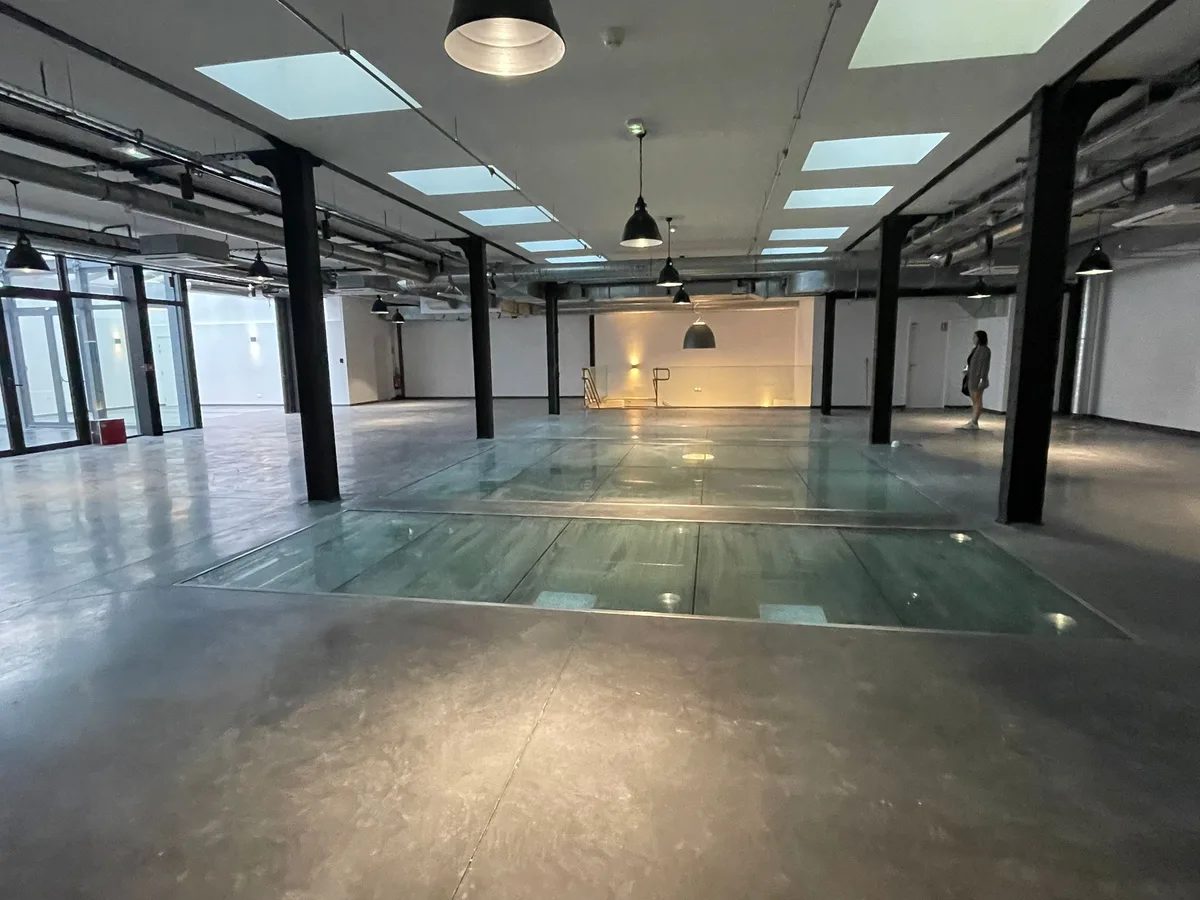
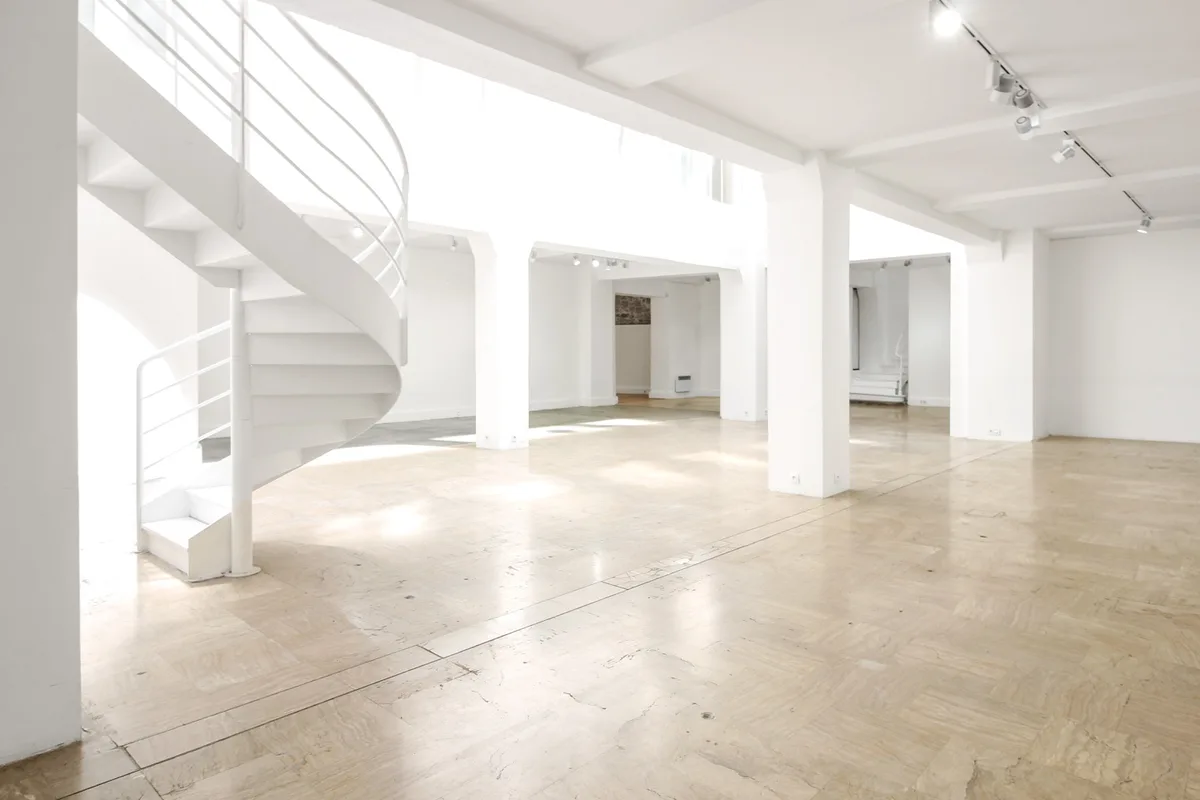
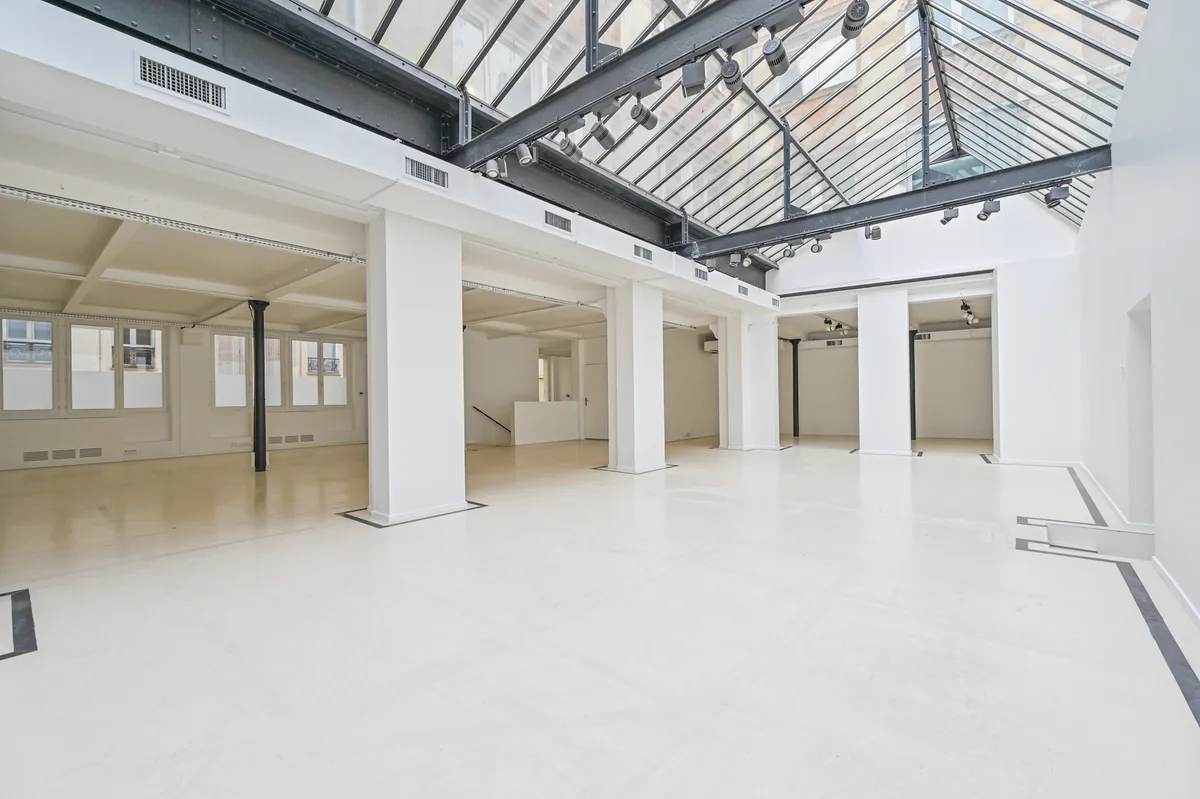
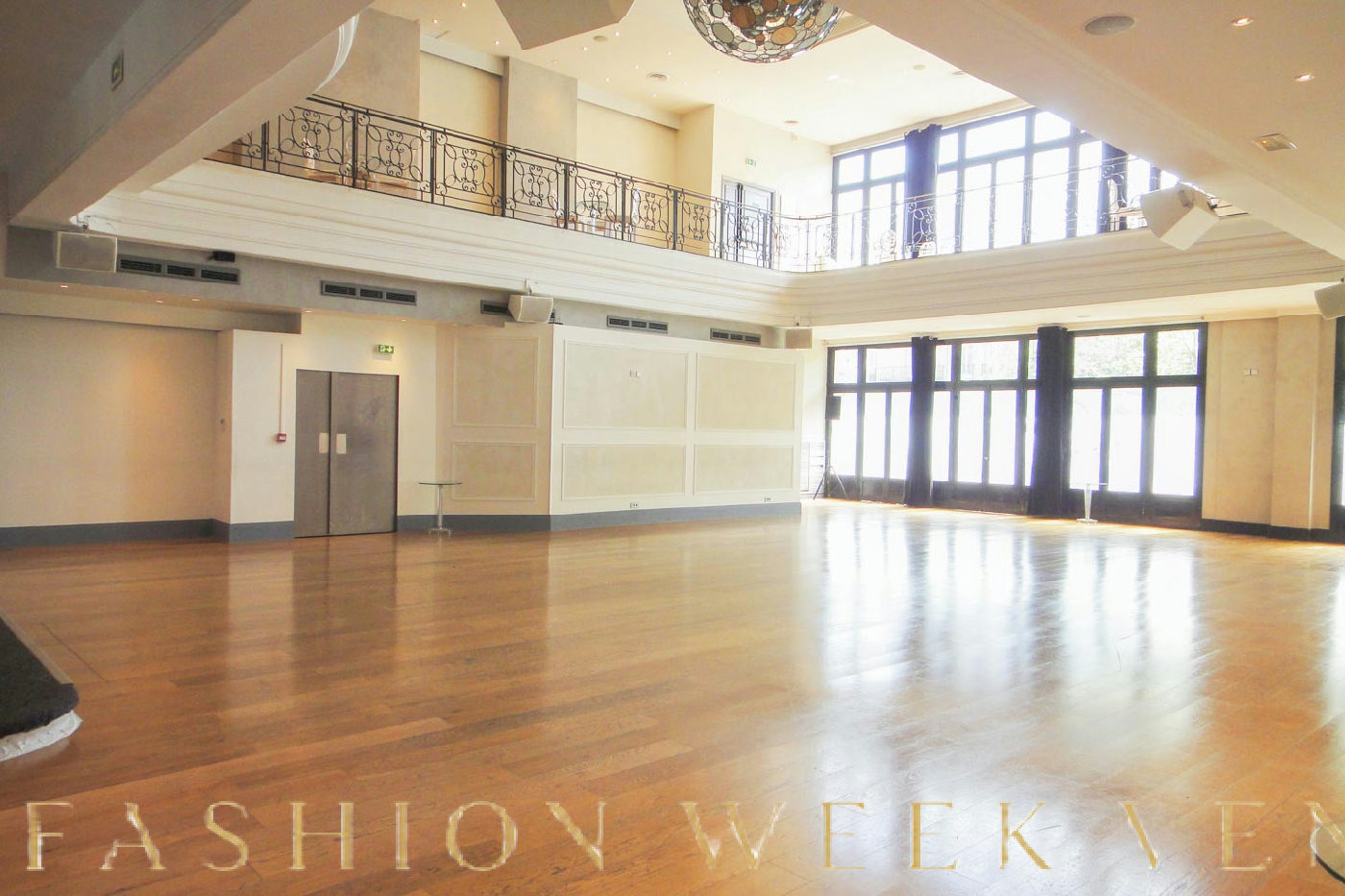
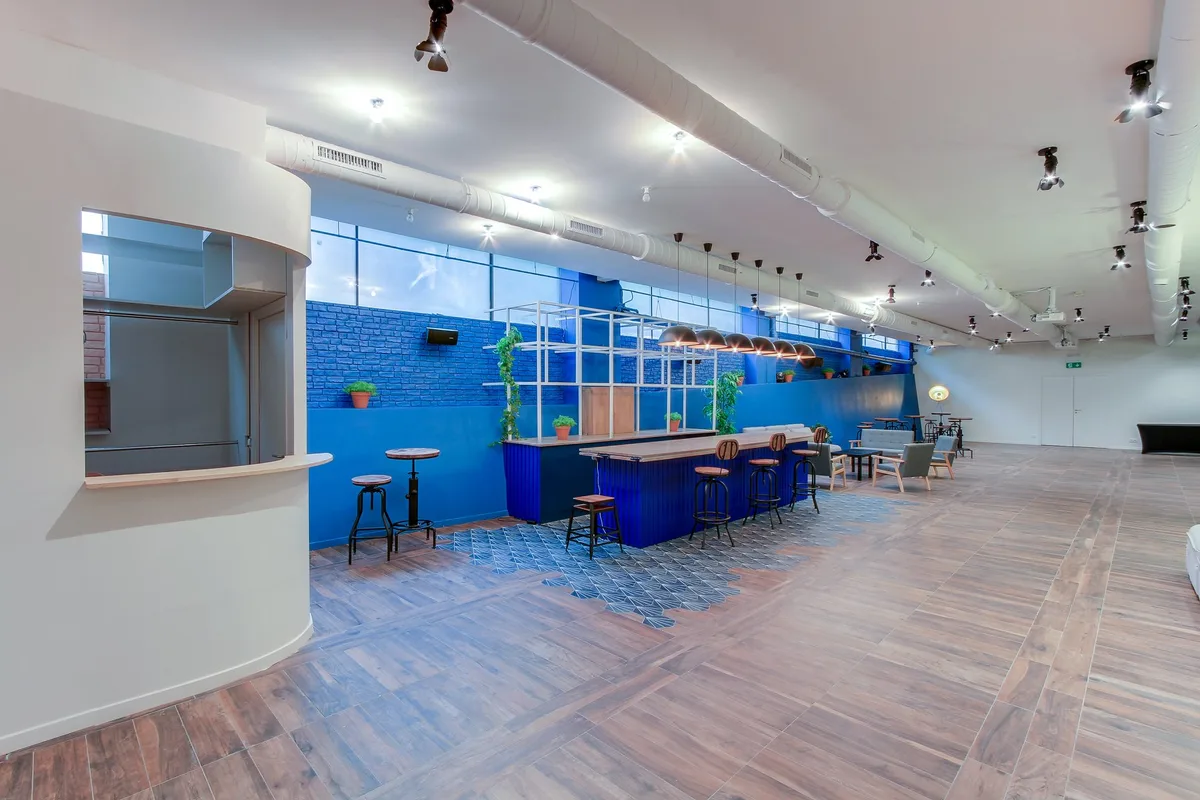
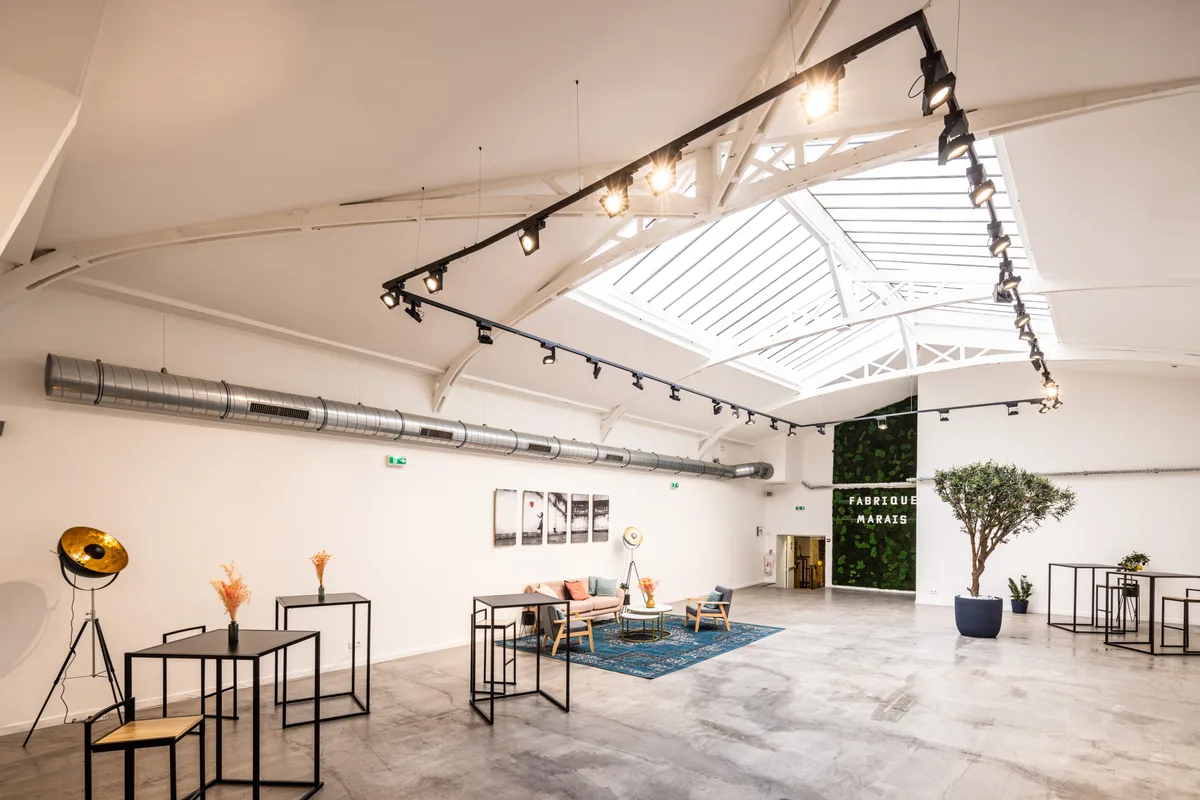
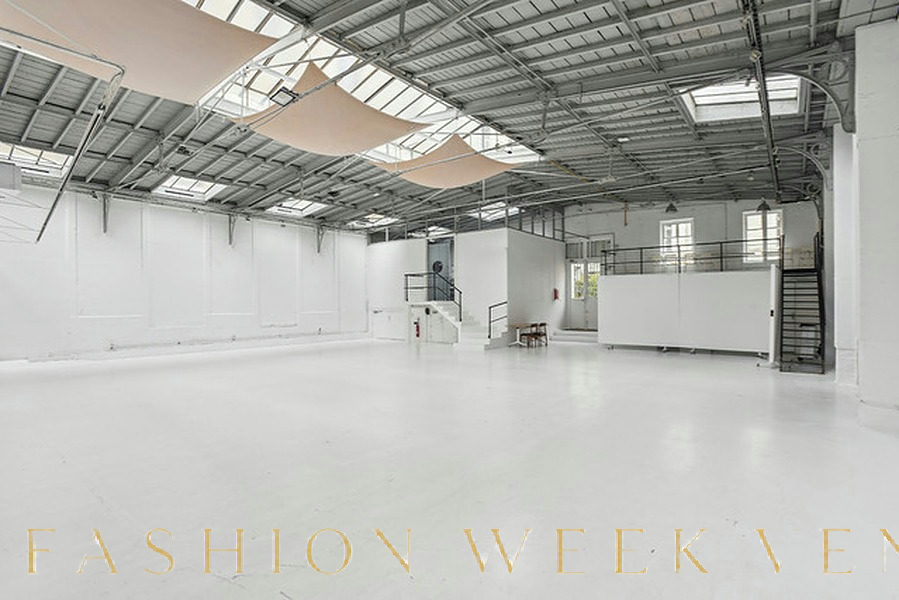
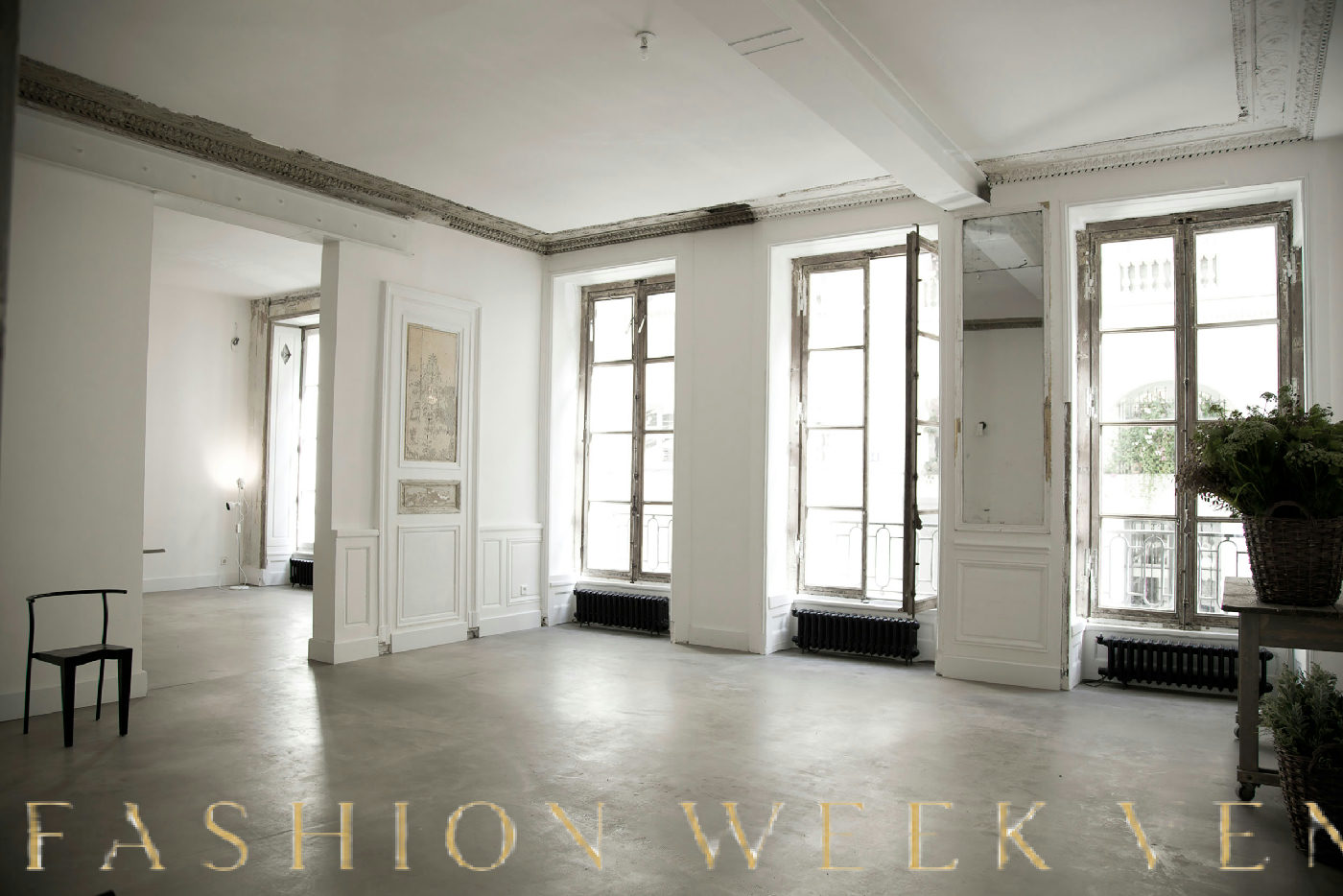
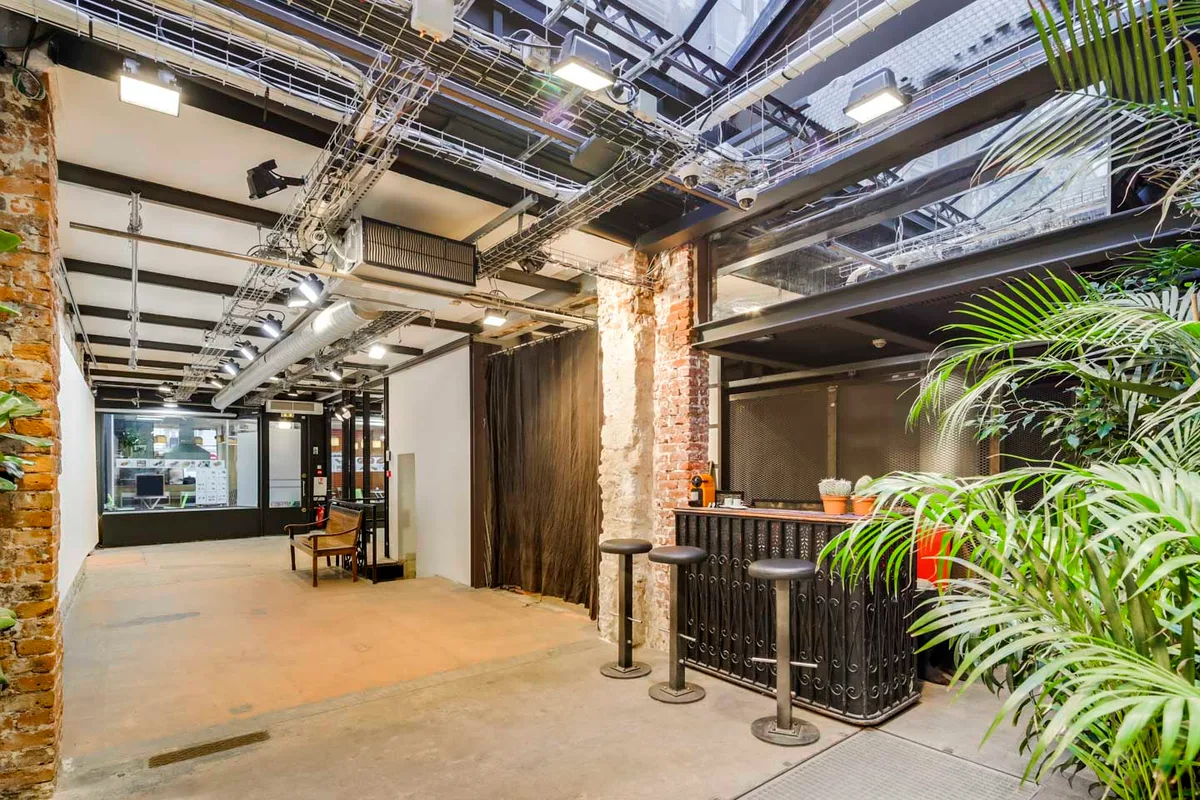
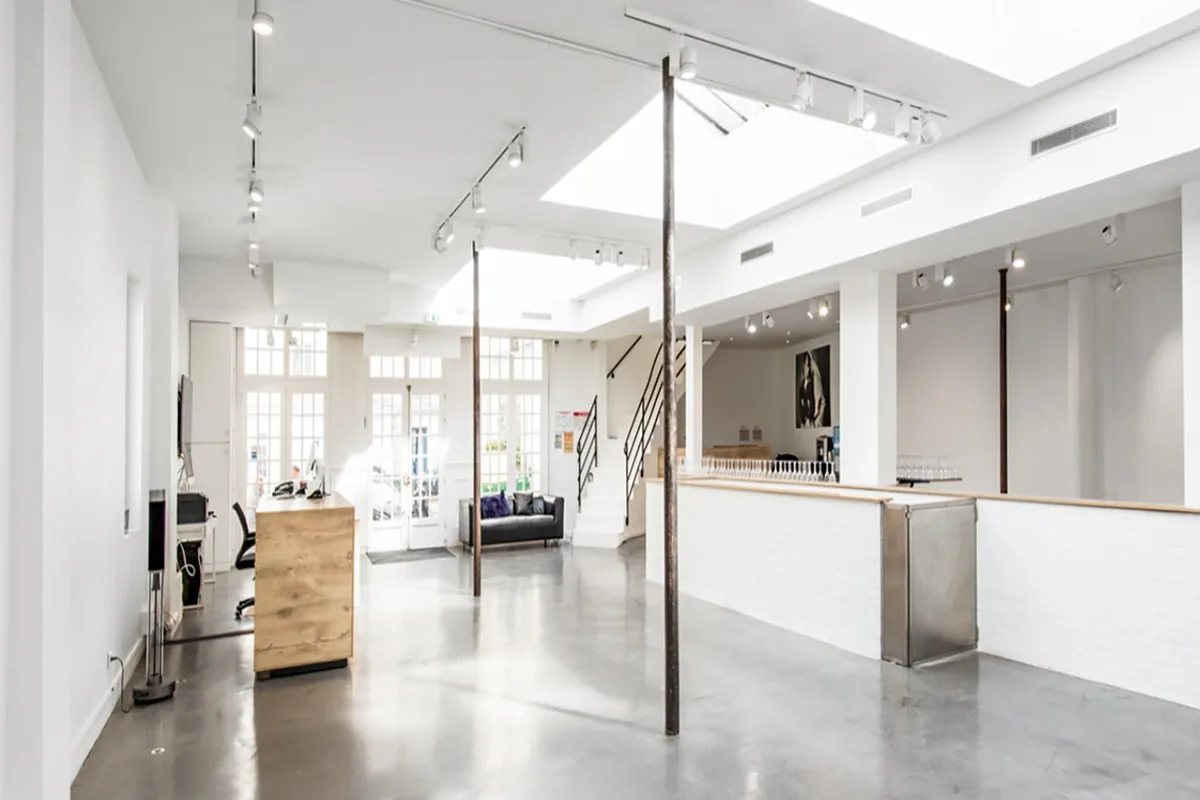
The decision-making process involves evaluating various factors such as location, capacity, layout, lighting, and ambiance. The chosen venue must reflect the brand's identity and accommodate the intended presentation style, whether it's a runway show, exhibition, or pop-up retail experience. For instance, a luxury brand might prefer a classic, historical setting that reflects its heritage, while an avant-garde designer might opt for a modern, industrial space that speaks to innovation.
Moreover, successful venue sourcing also includes logistical considerations. Accessibility for guests, proximity to other key Fashion Week locations, and technical capabilities such as sound, lighting, and Internet connectivity are critical to ensure seamless operations and an impactful presentation.
KEY TAKEAWAY: Understanding venue dynamics and aligning them with brand goals are pivotal for maximizing impact during Fashion Week.
As brands determine what constitutes a successful venue for their needs, the next step involves exploring detailed activation strategies.
Strategic Activation Management for Fashion Weeks
Activation management during Fashion Weeks involves coordinating the various elements that bring a fashion presentation to life. This includes not only the design and production but also marketing, staffing, and technological support, creating a holistic brand experience.
Quick answer: Strategic activation management orchestrates various event elements to create cohesive and memorable brand experiences during Fashion Week.
Effective activation management requires detailed coordination and planning. From concept development to execution, every element must work in harmony to captivate audiences and leverage media exposure. A well-managed activation could include themed decor, interactive installations, live performances, and influencer engagement, each chosen to contribute to an engaging and memorable atmosphere.
Furthermore, the integration of technology plays a significant role. Virtual reality experiences, augmented reality features, and interactive touchpoints can deepen audience engagement. For example, a pop-up may feature an AR display that allows visitors to try on virtual garments, enhancing the experiential value.
KEY TAKEAWAY: Comprehensive activation management ensures all event elements are cohesive, aesthetically aligned, and maximally engaging, resulting in a powerful brand message.
Next, consider how concept direction can shape these activation strategies and amplify brand presentation.
Developing an Effective Concept Direction
Concept direction forms the narrative backbone of a Fashion Week presentation. It encapsulates the creative vision and communicates the brand’s story and ethos effectively to the audience, providing a unified direction for all aspects of the event.
Quick answer: Concept direction in fashion events is the articulation of a unifying narrative and aesthetic strategy that guides the overall event experience and brand message.
The process starts with defining the objectives and core message of the collection or brand. These elements are translated into thematic and visual strategies that inform venue design, set aesthetics, and even the marketing approach. This could range from a minimalist, monochrome setup for a contemporary line to an elaborate, colorful display for a more exuberant collection.
Moreover, consistent branding across collateral like invitations, signage, digital interfaces, and available merch ensures cohesiveness. Every touchpoint is an opportunity to reinforce the concept and leave a lasting impression on participants.
KEY TAKEAWAY: Clearly articulated concept direction unifies the event's narrative, enhances the brand message, and strengthens recall among attendees and media outlets.
Building from concept direction, productions need crafting to bring the vision to life through fit-out and technical execution.
Ensuring Successful Production and Build Execution
The production and build phases translate creative concepts into physical reality, requiring meticulous planning and execution to ensure the venue is transformed into an authentic representation of the brand.
Quick answer: Successful production and build involve translating conceptual designs into a physical space that embodies the brand's identity and enhances the event experience.
This phase includes a range of tasks from constructing sets, arranging lighting, sound and visual equipment, to configuring technical infrastructure. Collaboration with experienced designers and technicians is crucial for adhering to safety and quality standards while maintaining the creative integrity of the concept.
For brands looking to impress at Paris Fashion Week, collaborating with professionals skilled in local codes and restrictions is beneficial. Knowledge of the arrondissement-specific regulations and permit requirements, such as the AOT or bail dérogatoire, ensure that installations meet local compliance and standards.
KEY TAKEAWAY: Effective production and build transform conceptual designs into reality, ensuring technical precision and compliance with local regulations enhance the brand experience at Fashion Week.
With production in place, the next consideration includes staff requirements and visitor engagement.
Optimizing Retail Staffing and Visitor Experience
Staffing is critical to manage the flow of events and contribute positively to the visitor experience. This includes hiring knowledgeable personnel who can embody the brand and communicate effectively with fashion week attendees.
Quick answer: Retail staffing during Fashion Week requires strategically trained teams that enhance the visitor experience and effectively communicate the brand message.
The right professionals, such as event coordinators, brand ambassadors, and sales associates, can make a measurable difference in customer perception and satisfaction. They provide guided brand narratives and offer in-depth product information, creating a personalized experience that distinguishes the brand.
Furthermore, customer relationship management (CRM) tools and systems can be integrated to gather critical data, helping brands to engage with visitors post-event and convert interactions into sales opportunities. Proper training and technology usage ensure that staff can facilitate an engaging and seamless experience.
KEY TAKEAWAY: Effective staffing enhances engagement, ensures a seamless visitor experience, and extends brand interaction, crucial for successful Fashion Week presence.
Continuing, we dive into the logistics of secure transactions and customer data management during events.
Implementing Efficient POS and Payment Solutions
Seamless payment solutions and point-of-sale systems are essential for pop-up experiences during Fashion Weeks, ensuring smooth transactions and enhanced customer satisfaction.
Quick answer: Efficient POS and payment solutions streamline transactions, enhance customer experience, and allow real-time data tracking during Fashion Week events.
Advanced POS systems cater to the dynamic needs of Fashion Week events by supporting multiple payment forms, ensuring quick processing, and securing transactions. Integrating these systems with CRM and inventory management solutions provides real-time data access, enabling brands to make informed decisions swiftly.
Moreover, data security remains a priority. Implementing robust systems that comply with data protection laws ensures customer trust. This also includes handling international transactions, as international guests form a significant part of the audience during these events.
KEY TAKEAWAY: Efficient POS systems improve the transactional flow and enhance the customer-brand interaction, driving greater satisfaction and data-driven decision-making during Fashion Week.
The next phase examines how brands can leverage influencer marketing strategies at these events.
Leveraging Influencer Marketing for Wider Reach
Influencer marketing during Fashion Week can amplify a brand's reach and engagement significantly. Collaborating with key influencers allows brands to access larger audiences and create more relatable content that resonates with target demographics.
Quick answer: Utilizing influencer marketing during Fashion Week leverages the network and credibility of influencers to expand a brand's reach and deepen audience engagement.
Influencers provide authentic endorsements that can enhance brand narratives and spread messages across platforms, reaching millions in a short timeframe. By leveraging visual platforms like Instagram and TikTok, brands can showcase their collections through creative storytelling and live updates, thereby enhancing visibility.
Strategically selecting influencers aligned with the brand's values and audience ensures authentic engagement. Collaborations can range from social media posts, stories, live streams, and even on-site event hosting.
KEY TAKEAWAY: Effective influencer marketing boosts brand visibility and engagement through credible voices, making it a powerful tool during Fashion Week activations.
With influencers increasing reach, it's time to explore the interactive dimension of experiential marketing during these events.
Exploring Experiential Marketing Opportunities
Experiential marketing transforms passive audiences into active participants, creating memorable, immersive experiences that forge strong emotional connections with a brand.
Quick answer: Experiential marketing during Fashion Week engages audiences through interactive, immersive brand experiences that foster deeper emotional connections.
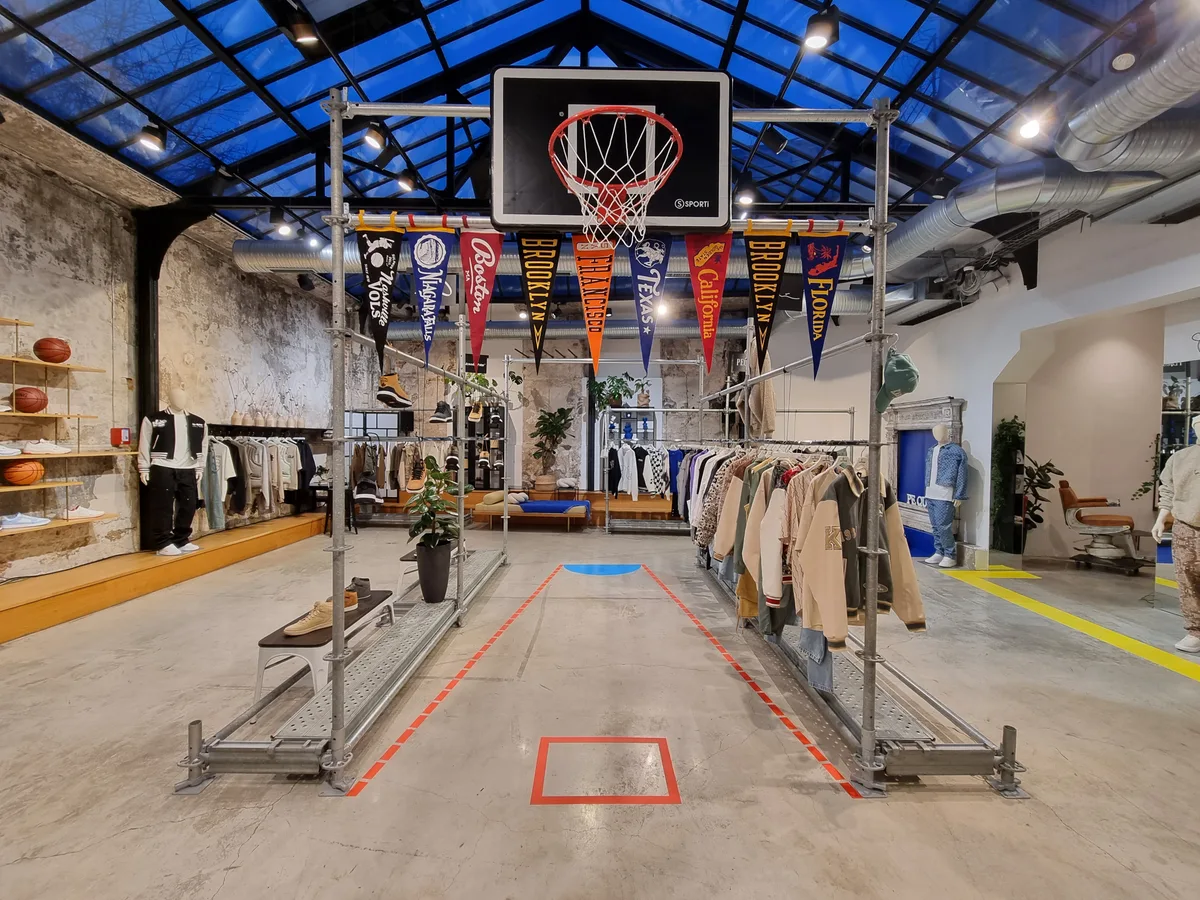
These engagements often include pop-up shops, interactive kiosks, virtual and augmented reality experiences, and themed installations. For instance, a space might offer an AI-powered stylist booth, providing personalized fashion recommendations to visitors.
Experiential marketing enables brands to stand out in the crowded Fashion Week landscape by offering unique encounters that resonate. This is especially effective when aimed at Millennials and Gen Z consumers, who value authenticity and experiences over traditional advertising.
KEY TAKEAWAY: Experiential marketing elevates brand interaction, offering memorable experiences that improve engagement and foster lasting customer loyalty during Fashion Weeks.
The next step is understanding the financial implications and budgeting Tools for Fashion Week events.
Financial Planning and Budget Management for Fashion Weeks
Proper financial planning is essential for brands participating in Fashion Week, as costs can vary widely based on venue, production, marketing, and compliance needs.
Quick answer: Financial planning for Fashion Week involves allocating budgets efficiently with tools that help manage costs and maximize return on investment.
DID YOU KNOW: Brands can use specialized tools like the Budget Calculator offered by Fashion Week Venues to estimate expenses accurately.
Effective budget management begins with setting clear objectives and forecasting potential income streams. Costs should be categorized into fixed costs, such as venue rental and staff wages, and variable costs, such as marketing and production elements, providing a clear expenditure overview.
| Cost Type | Examples |
|---|---|
| Fixed Costs | Venue rent, permits, staffing |
| Variable Costs | Marketing, production materials |
Monitoring financial performance through the event's lifecycle is vital. Tools for ROI calculation can measure whether financial goals were met post-event, providing data to inform future strategies.
KEY TAKEAWAY: Strategic budget planning and management are crucial to control costs and ensure a profitable Fashion Week participation.
Integral to budgeting is understanding and ensuring compliance with regulatory constraints, which we explore next.
Navigating Permits and Compliance in Paris
Navigating Paris's permitting landscape for Fashion Week events can be intricate due to the city's regulations on event spaces. Understanding local laws and requirements is crucial for lawful and successful operations.
Quick answer: Securing permits and ensuring compliance in Paris involves understanding local ordinances, utilizing tools, and obtaining legal advice to meet all requirements for Fashion Week venues.
In Paris, you need to be aware of the bail dérogatoire, a temporary rental agreement essential for pop-up spaces, varying from typical lease agreements. Additionally, the Autorisation d'Occupation Temporaire (AOT) is necessary for occupying public spaces temporarily.
IMPORTANT: Always verify permit requirements with a French legal advisor, as conditions vary by location and use.
Special permits may also be required depending on the arrondissement, especially for venues classified as Etablissement Recevant du Public (ERP). Access the Permits Tool offered by Fashion Week Venues for detailed guidance.
| Type | Description |
|---|---|
| Bail dérogatoire | Temporary rental, typically short-term |
| AOT | Permit for using public spaces |
KEY TAKEAWAY: Successful compliance involves understanding and securing the correct permits, essential for lawful activations in Paris's diverse environments.
Having covered compliance, let’s shift focus to key strategies in selecting the ideal venues and space types across Paris's districts.
Choosing the Perfect Venue Location in Paris
Selecting a venue location in Paris for Fashion Week is as crucial as the venue itself. Each neighborhood offers a unique appeal that can enhance or detract from your event’s experience and audience engagement.
Quick answer: Choosing the right location in Paris involves evaluating neighborhood demographics, accessibility, and ambiance to align with brand goals during Fashion Week.
For instance, Le Marais is known for its trendy atmosphere and attracts a youthful audience, while Rue Saint-Honoré conveys luxury and sophistication, perfect for upscale brands. Similarly, the bohemian charm of Canal Saint-Martin appeals to avant-garde and alternative fashion audiences.
Selecting a location that matches your target demographic and brand identity maximizes impact and reach. Consider proximity to other Fashion Week venues, hotel accessibility, and transportation links as strategic advantages.
To compare venue locations and characteristics, consider using the Compare Tool by Fashion Week Venues, which allows side-by-side evaluations.
| Neighborhood | Characteristics | Ideal For |
|---|---|---|
| Le Marais | Trendy, diverse, youthful | Emerging brands |
| Rue Saint-Honoré | Luxury, elegant | Established luxury brands |
| Canal Saint-Martin | Bohemian, artistic | Alternative fashion |
KEY TAKEAWAY: Strategic location choice enhances brand presence, with each Paris district offering unique opportunities to connect with target audiences effectively.
After placement, look into the logistical side of executing a successful activation with a guide on timeline planning.
Coordinating Timeline and Scheduling for Fashion Weeks
Effective timeline and schedule coordination ensures that every aspect of Fashion Week activations are executed smoothly, minimizing disruptions and optimizing exposure.
Quick answer: A well-coordinated timeline maximizes efficiency and ensures seamless event execution during Fashion Week through detailed pre-planning and scheduling.
Begin planning months in advance, accounting for necessary lead times for production, permits, travel, and accommodation preparations. Utilize the Timeline Planning Tool from Fashion Week Venues for an overview of critical deadlines and processes.
Comprehensive schedules should outline each phase of the event, from setup to teardown. This includes deadlines for marketing campaigns and influencer collaborations, ensuring that all elements are synchronized.
| Phase | Key Activities |
|---|---|
| Pre-Event | Venue setup, permits, staff assignments |
| During Event | Event management, real-time adjustments |
| Post-Event | Tear down, feedback collection |
KEY TAKEAWAY: Structured timelines and careful scheduling ensure smooth operations and maximize brand impact, ultimately driving more successful Fashion Week activations.
With timelines set, let’s explore how Fashion Week Venues facilitates these processes for brands.
How Fashion Week Venues Supports Brands in Paris
Fashion Week Venues offers a comprehensive solution for brands looking to establish a presence at Fashion Week events in Paris. From sourcing prime locations to managing logistics and activations, Fashion Week Venues streamlines the complex processes involved, thus enabling brands to focus on creative and strategic aspects.
Quick answer: Fashion Week Venues provides end-to-end services including venue sourcing, concept development, and activation management to support brands at Fashion Week events in Paris.
Key offerings include a space marketplace for browsing potential venues and specialized tools like the space locator tool. These resources are invaluable for brand managers, creative directors, and activation teams as they simplify otherwise complex logistical challenges.
Fashion Week Venues' expertise in local compliance and regulatory requirements also mitigates potential legal hurdles, allowing brands to proceed with confidence.
KEY TAKEAWAY: Fashion Week Venues' tailored services and tools empower brands to efficiently prepare for and execute successful Fashion Week events, enhancing logistical efficiency and creative effectiveness.
Having explored the agency's unique offerings, we now address common misconceptions in our myth-busting section.
Common Myths Debunked
MYTH: You must have a French legal entity to lease a space in Paris.
FACT: While establishing a French legal entity can be beneficial, it is not a prerequisite for leasing event spaces in Paris. However, specific permits and local compliance requirements must be fulfilled, which can be effectively navigated with guidance from agencies like Fashion Week Venues.
MYTH: Paris Fashion Week is the only feasible time to activate your brand in Paris.
FACT: While Paris Fashion Week is a prominent period, numerous other fashion events, exhibitions, and cultural happenings provide opportunities for brand activations throughout the year. Engaging outside peak periods can also allow for more unique and focused brand activations.
MYTH: Brokers are the only way to find a space in Paris.
FACT: Although brokers can facilitate space searches, platforms like Fashion Week Venues’ marketplace offer a direct and comprehensive solution for discovering and securing event spaces, providing more transparency and flexibility.
MYTH: Short-term leases are simple and require minimal legal oversight.
FACT: Even short-term leases involve complex regulations and legalities, particularly in Paris's dense market. Engaging with experienced agencies and legal experts is crucial to ensuring all aspects are thoroughly addressed and compliant.
Having clarified these myths, let's tackle further questions frequently asked by brands.
Frequently Asked Questions
What are the essential permits for hosting an event during Paris Fashion Week?
Hosting an event in Paris during Fashion Week requires understanding specific permit needs such as the bail dérogatoire and Autorisation d'Occupation Temporaire (AOT). Navigating these requirements effectively often involves consulting a local legal advisor or using guidance tools like those provided by Fashion Week Venues.
How far in advance should I book a venue for Paris Fashion Week?
It is advisable to book a venue at least 6 to 12 months in advance of Paris Fashion Week. Early planning ensures a wider selection of prime spaces that align with your branding goals and scheduling needs. Utilizing tools provided by Fashion Week Venues can facilitate a smoother booking process.
What budget considerations should I keep in mind for a Fashion Week activation?
Budgeting for Fashion Week activations should factor in venue costs, marketing, compliance, staffing, and production expenses. Access to forecast tools like the Fashion Week Venues Budget Calculator can help determine costs specific to your planned activities, optimizing financial planning strategies.
Are there specific space types more suitable for certain fashion brands?
Yes, space types should align with brand identity and event style. For instance, a luxury brand may benefit from a classic gallery space on Rue Saint-Honoré, whereas avant-garde labels might opt for industrial venues in Le Marais. A strategic match maximizes branding impact and audience connection.
Can I use the same concept direction for multiple events across different fashion capitals?
While a unified concept direction can strengthen brand consistency, adjustments may be needed to cater to local cultural nuances and market preferences. Tailoring your approach in each city allows for more authentic and engaging connections with diverse audiences globally.
What kind of data analytics should I focus on post-event?
Post-event data analytics should include footfall analysis, sales conversions, social media engagement, and visitor sentiment metrics. Understanding these metrics helps brands better evaluate the event's impact and refine future strategies. Tools offered by Fashion Week Venues can further assist in gathering and interpreting these insights.
How can Fashion Week Venues help with influencer marketing?
Fashion Week Venues assists brands in engaging strategic influencers who align with brand ethos and target audiences. Such collaborations can be managed through the agency’s influencer marketing services, enhancing brand visibility and interaction during Fashion Week.
What are the risks of not complying with local Parisian regulations for pop-ups?
Non-compliance with local regulations can result in fines, event shutdowns, and long-term reputational damage. To mitigate these risks, brands should consult local legal experts and utilize compliance tools provided by Fashion Week Venues, ensuring all legal and safety standards are met.
How can I measure the ROI of my Fashion Week activation effectively?
Measuring ROI requires analyzing sales data, media exposure, and brand engagement metrics, comparing these against investment costs. Tools like the ROI Calculator from Fashion Week Venues can provide insightful overviews that align financial inputs with strategic outcomes.
Is it feasible to conduct virtual activations in parallel with physical events?
Yes, integrating virtual components can complement physical events, potentially reaching broader audiences. Technologies like live streaming and VR experiences can expand participation and engagement. Fashion Week Venues can guide brands in executing blended event strategies effectively.
How do I select the right staff for my Fashion Week activation?
Selecting staff involves considering experience, brand familiarity, and customer service skills. Staff should be brand ambassadors who embody your brand's values and can effectively engage with guests. Utilize services like those from Fashion Week Venues to source and manage your event’s staffing needs effectively.
What are the strategic benefits of a twin co-activation approach?
The Twin Co-Activation approach enables brands to synergize resources and create larger, more impactful experiences without doubling costs. This method encourages collaborative marketing strategies and maximizes audience engagement through combined exposure.
Conclusion
Fashion Week offers unparalleled opportunities for brands to solidify their presence within the highly competitive marketplace of luxury fashion. An optimal balance of venue sourcing, strategic activations, and compliance ensures that brands stand out. Fashion Week Venues provides comprehensive, reliable support throughout this complex process, enhancing creativity and logistical execution. To move from research to activation, start exploring available spaces on the Fashion Week Venues marketplace and build a focused brief for your target neighborhood, space type, and calendar window.