
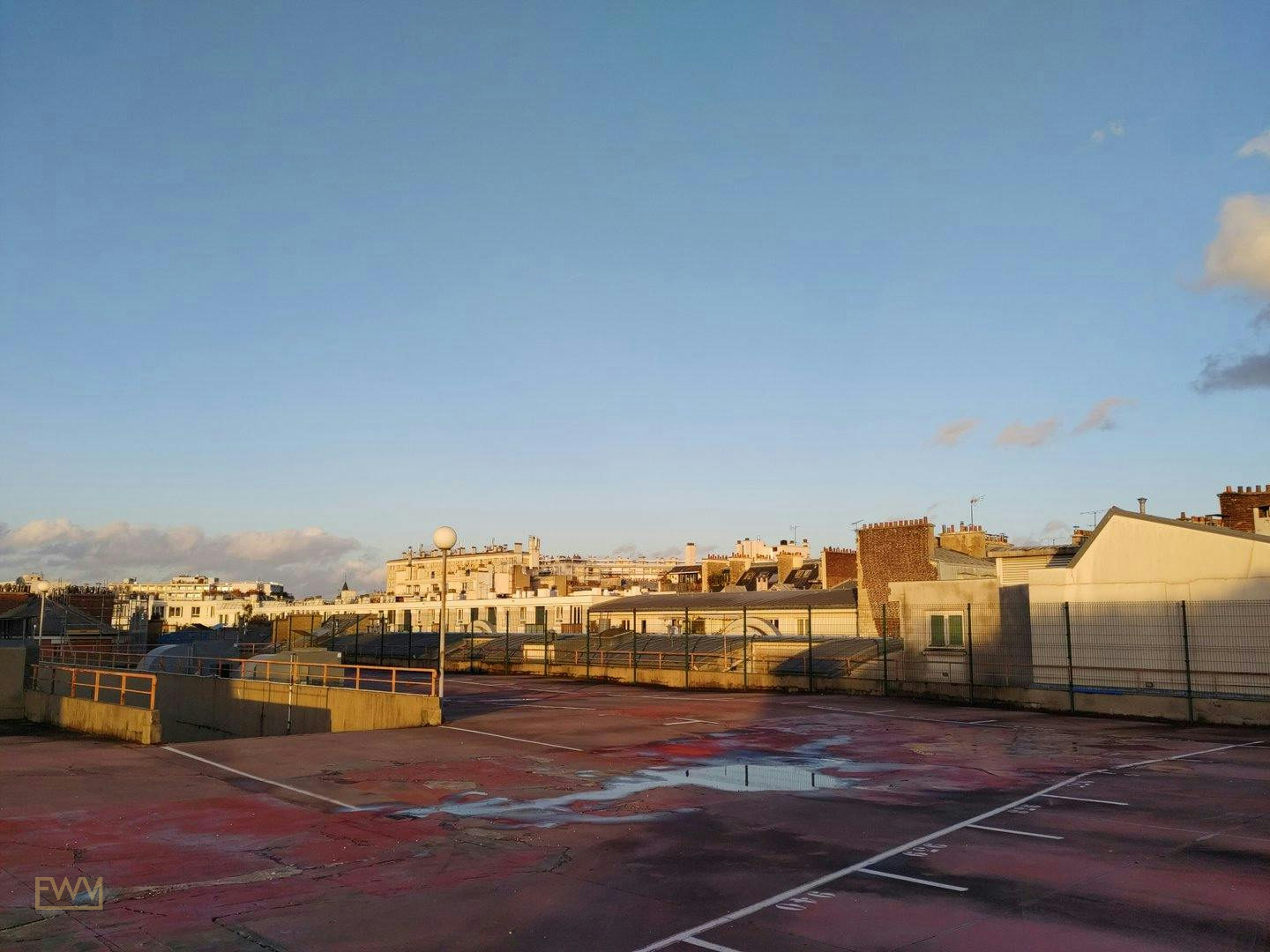
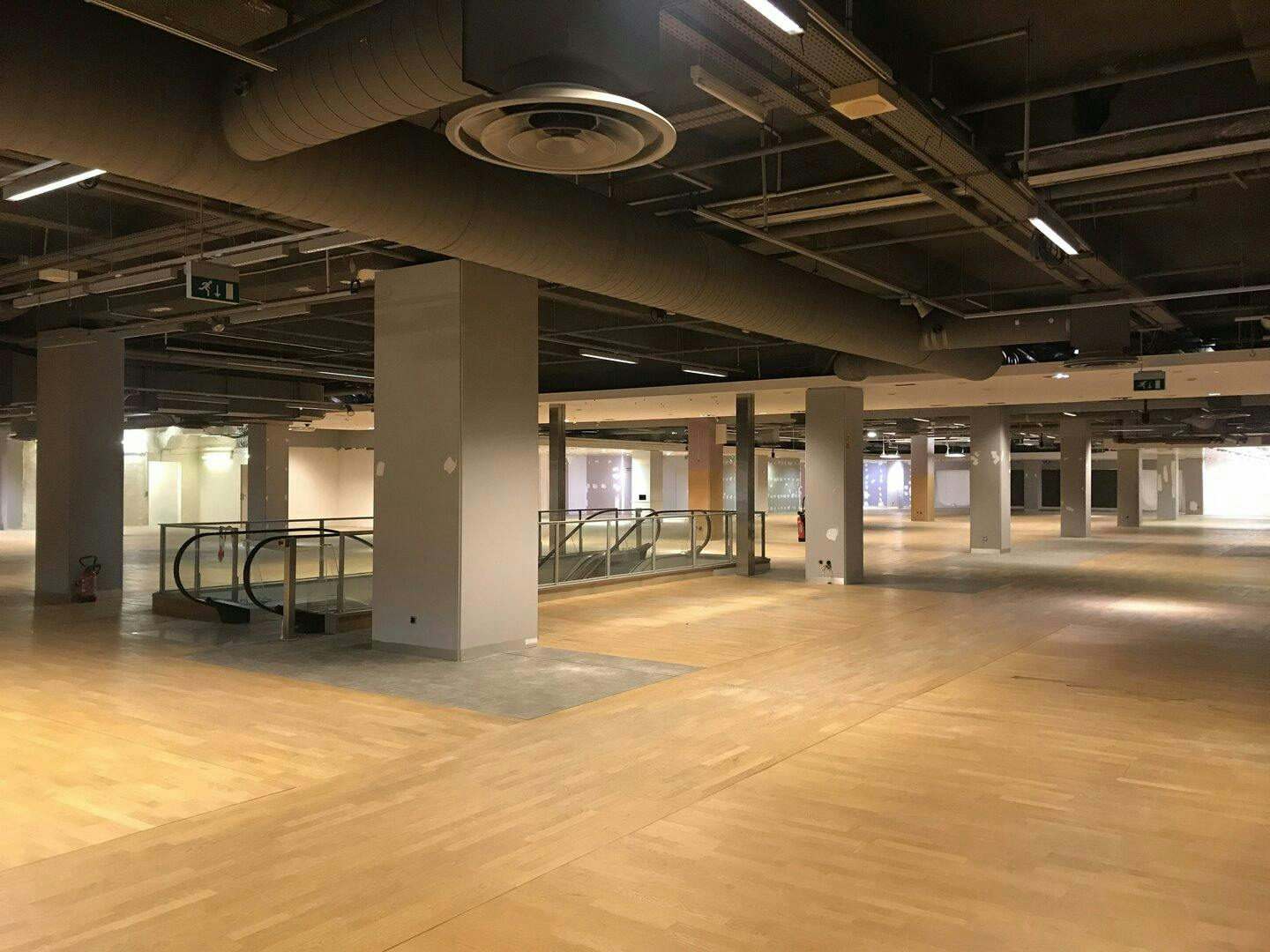
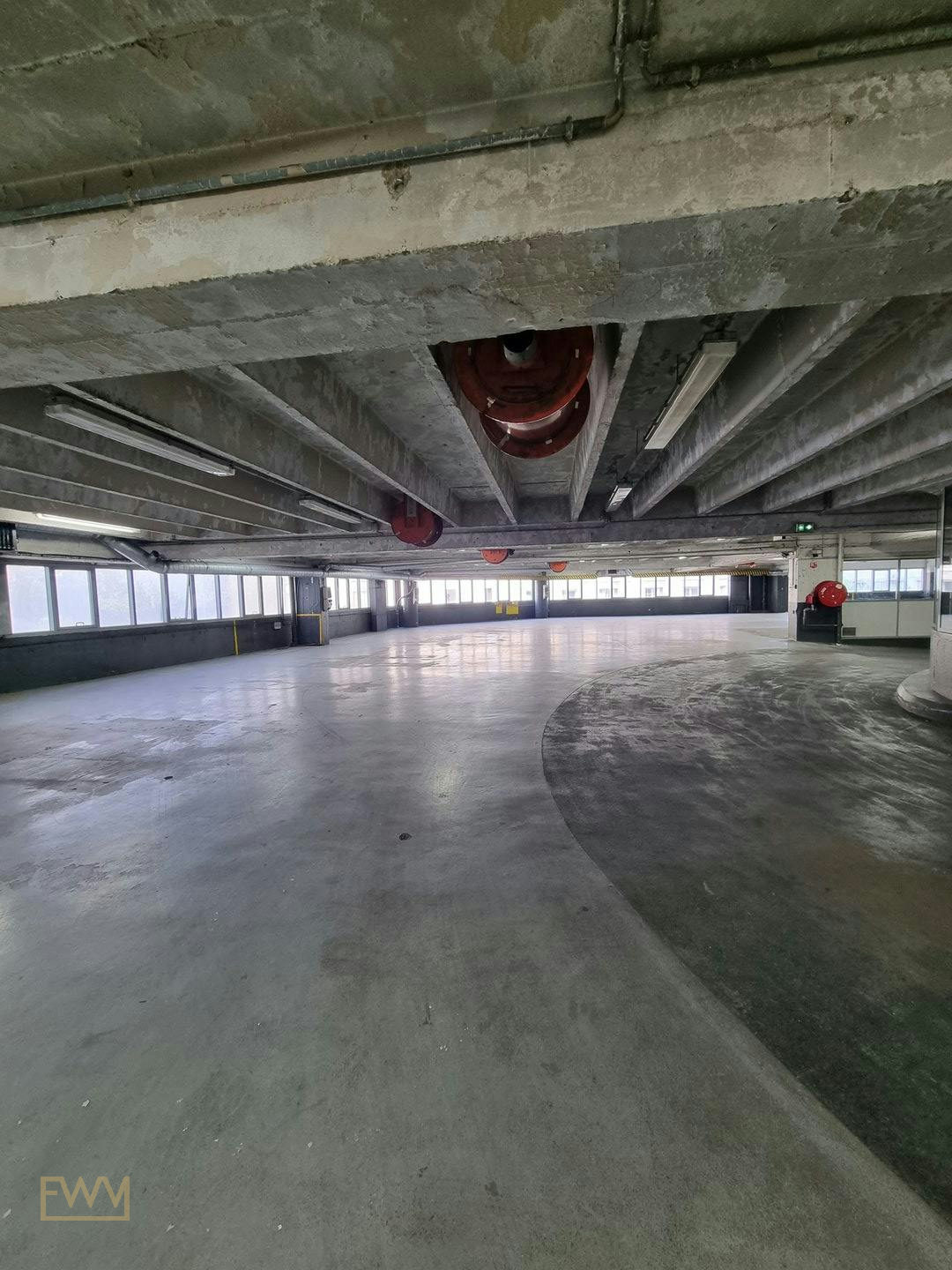

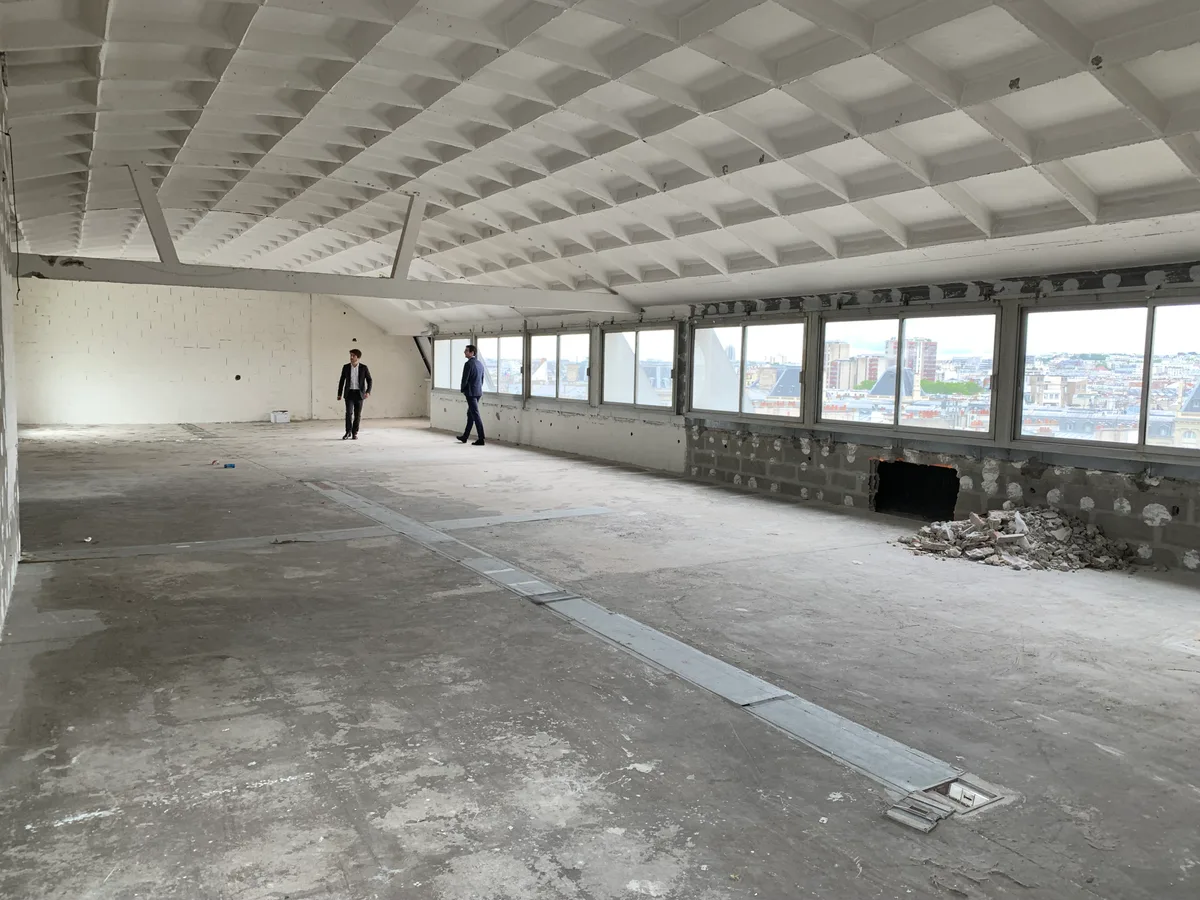
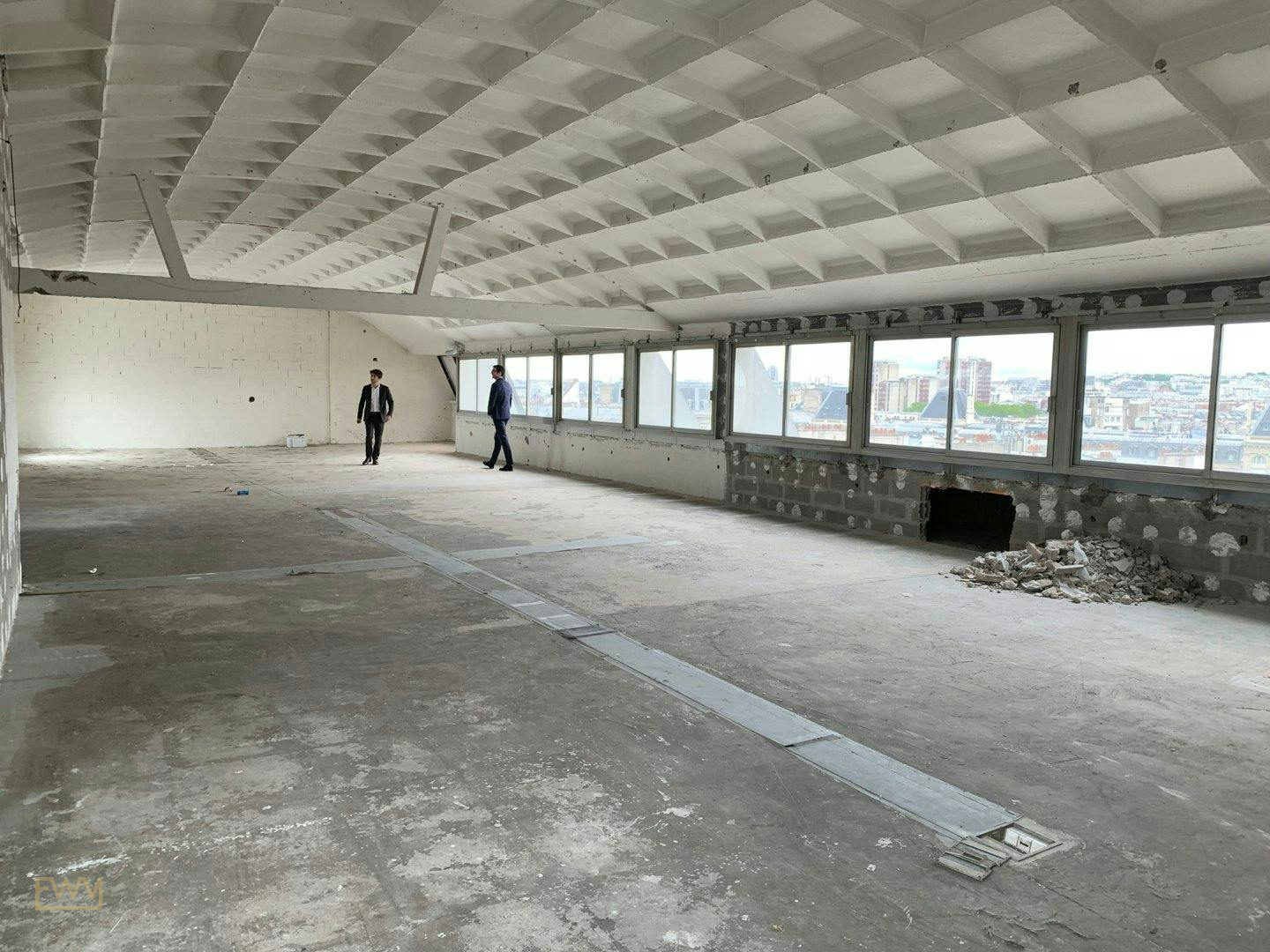
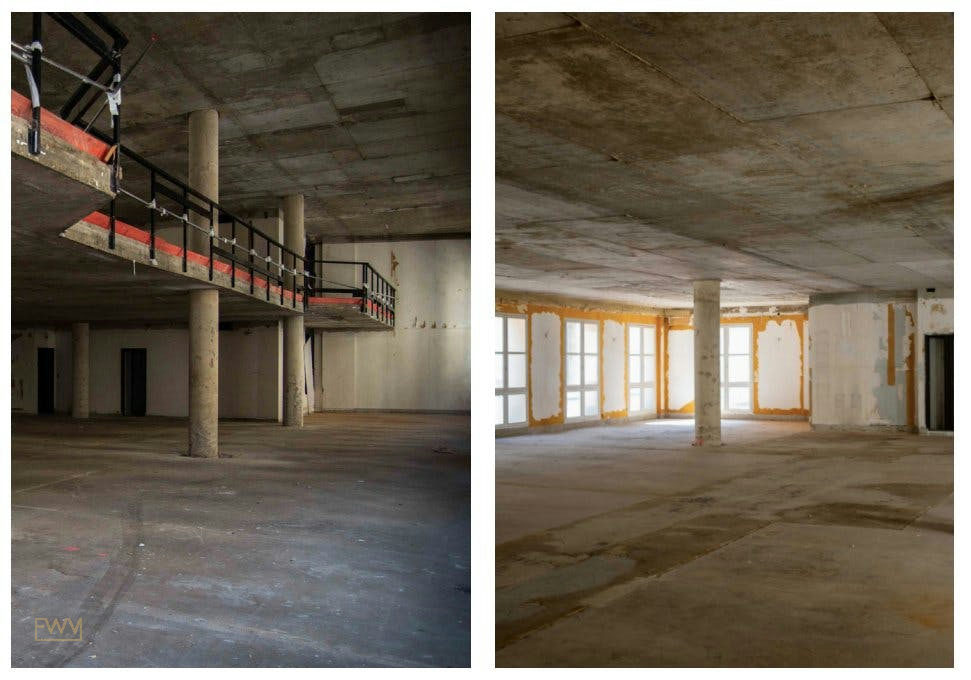
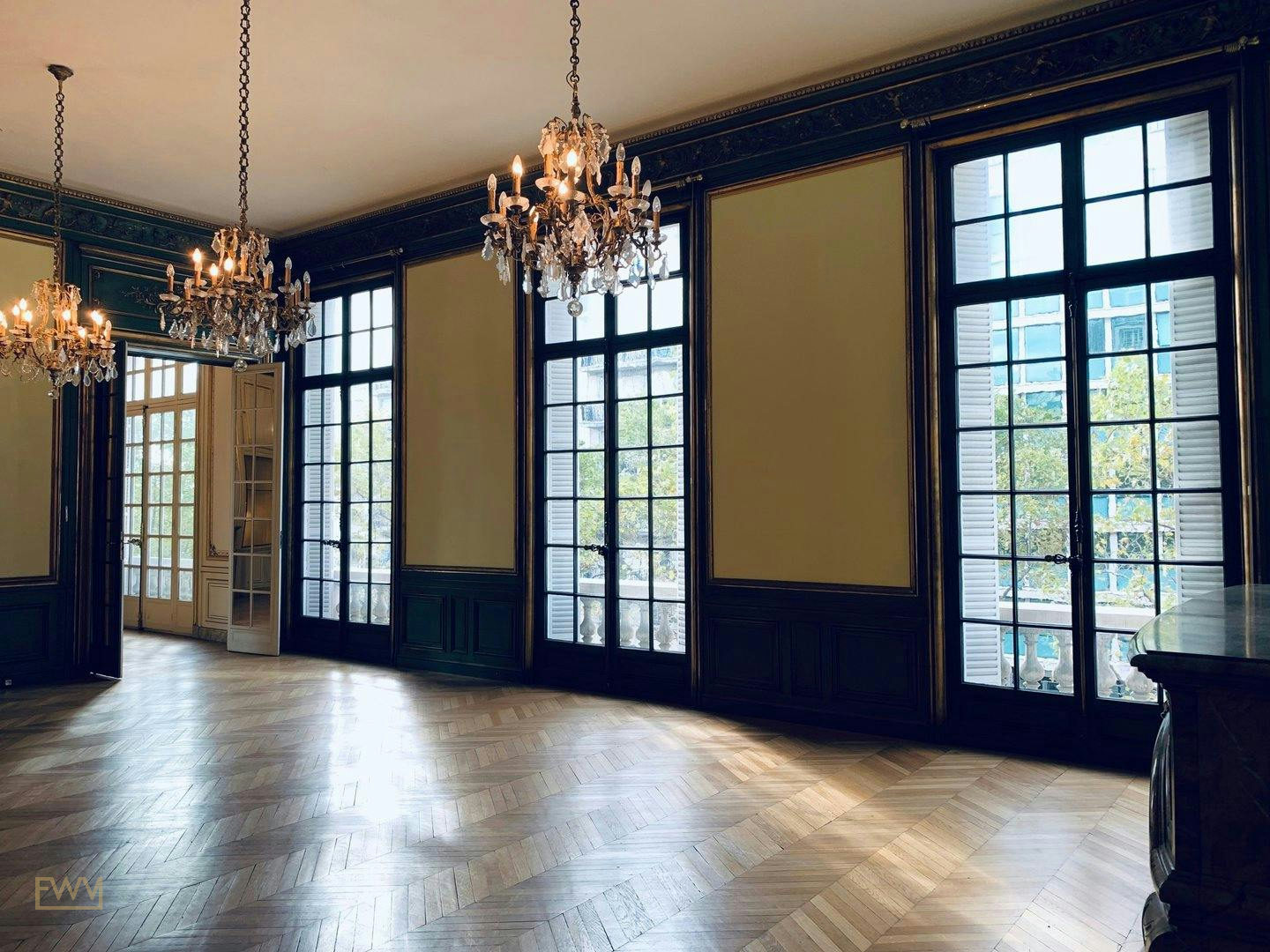
Fashion week venues play a pivotal role in shaping brand perception and achieving successful activations. Understanding how to navigate these dynamic spaces can be the key to maximizing brand visibility, especially during high-stake events like Fashion Week. Whether you're a brand activation manager, a creative director, or a new fashion label entering Paris, partnering with Fashion Week Venues can streamline your search for the ideal location. From venue sourcing to activation management, Fashion Week Venues offers a full suite of services to bring retail visions to life in this bustling market.
The Importance of Location for Fashion Week Venues
The location of a venue is paramount when planning events during Fashion Week. That's because the physical space where your brand meets its audience can significantly influence overall impact and consumer perception. Ideally situated venues not only attract foot traffic but also align with your brand's target demographic. For example, choosing a location in Le Marais or Rue Saint-Honoré can signify luxury and exclusivity, attracting a clientele that matches brands aspiring to upscale reputations.
Location is also crucial for logistical reasons. When situated conveniently, a venue becomes accessible not only to consumers but also to staff and logistics teams, simplifying setup and ensuring smooth operations. This consideration is particularly important in fashion capitals like Paris, where urban density, transportation hubs, and cultural landmarks add layers of logistical complexity and opportunities for brand storytelling.
| Neighbourhood | Advantages | Disadvantages |
|---|---|---|
| Le Marais | Trendy, artistic ambiance, attracts influencers | High competition for spaces |
| Saint-Germain-des-Prés | Historic, luxury appeal, rich cultural heritage | Potential for high rental costs |
| Opéra | Central location, access to theatres and galleries | Busy, may not suit all brands |
Quick answer: Selecting an ideal fashion week venue depends significantly on the location, as it affects brand perception, logistics, and audience engagement. Different neighbourhoods in Paris offer unique advantages that should align with your brand's identity and logistical capabilities.
KEY TAKEAWAY: Strategic location choice for your fashion week venue leverages local culture, consumer traffic, and logistical convenience to amplify brand presence.
In the following discussion, we'll explore how venue types and characteristics impact brand activations.
Understanding Venue Types for Fashion Activations
Choosing the appropriate venue type is another critical success factor. Venues range from traditional showrooms and retail stores to modern pop-up spaces and private galleries. Each venue type can accommodate different audience sizes, ambiance requirements, and brand experiences.
Showrooms often cater to brands showcasing new collections in an intimate setting that facilitates direct interaction between designers and buyers. Showrooms are popular for their exclusivity and the focused attention they allow on the product. However, their limited public accessibility might deter mass-market engagement.
On the other hand, pop-up shops offer a more experimental and flexible approach to brand activation. These temporary spaces allow brands to create immersive experiences for a broader audience. Pop-ups are particularly appealing for consumer engagement and generating social media buzz, but they require intentional planning and creative direction to avoid appearing transient.
| Venue Type | Best For | Considerations |
|---|---|---|
| Showrooms | Exclusive previews, intimate events | Limited public access, higher cost |
| Pop-Up Shops | Engagement, social media buzz | Requires creative planning |
| Private Galleries | High-end artistic events | May require permits for public access |
Quick answer: Consider the type of fashion activation you aim to achieve; whether it's exclusive showrooms or interactive pop-up shops, each venue type supports different aspects of brand engagement and logistical requirements.
KEY TAKEAWAY: The venue type should align with your brand's goals, target audience, and the nature of the event, whether it is a collection preview or a large public activation.
This leads us to consider timing and its impact on securing an optimal fashion week venue.
Timing Considerations: Securing Venues Ahead of Fashion Week
Timing is everything when planning for fashion week venues. Securing a venue well ahead of the fashion week calendar ensures that the location, logistics, and marketing align seamlessly with the brand's strategy. Initiating venue booking at least 6 to 12 months in advance is industry standard, especially in fashion hubs like Paris where demand peaks.
The timing also affects pricing, with last-minute bookings often attracting premium rates. Additionally, an earlier commitment allows brands more time to plan complementary aspects like PR strategies and event partnerships that could enhance the venue’s impact.
DID YOU KNOW: Delays in securing a venue can also limit options, pushing brands to less ideal locations or dates that do not align with their target audience's presence.
A chronological approach to fashion week planning is invaluable. From initial concept development to on-the-ground activation management, each phase requires synchronization with venue bookings.
| Phase | Ideal Timeframe | Key Actions |
|---|---|---|
| Concept Development | 1 Year Before | Define objectives, start venue search |
| Venue Booking | 6-12 Months Before | Contract finalization, permits initiation |
| Activation Management | 3-6 Months Before | Logistics planning, staff sourcing |
Quick answer: Secure your fashion week venue well in advance to avoid inflated prices and limited location options. Early booking is also critical for comprehensive event planning and marketing strategies.
KEY TAKEAWAY: Begin your venue search early to optimize location, cost, and cross-functional planning, ensuring sufficient lead time for creative and logistical preparations.
With dates secured, it's crucial to understand the permit landscape for fashion week activations.
The Permit Puzzle: Navigating Compliance for Fashion Week Venues
Understanding the permit requirements for fashion week venues in Paris is a cornerstone of compliance and successful event execution. The permitting process involves securing a bail dérogatoire or an AOT, which differ from standard commercial leases by offering more flexibility suited to temporary placements.
IMPORTANT: The requirements and processing times for these permits vary significantly depending on the space type, event duration, and the specific arrondissement. Hence, it's recommended to consult with a French legal advisor to verify obligations and compliance steps, which can be explored further on the Fashion Week Venues permits tool.
Failure to comply with local regulations can result in fines or even the cancellation of the event, making it crucial to work with professionals who understand the regulatory landscape thoroughly. This level of expertise ensures not only compliance but also facilitates smoother negotiations with landlords and local authorities.
- Bail dérogatoire: A temporary lease suited for short-term activations often exceeding 30 days.
- AOT (Autorisation d’Occupation Temporaire): Permits public property usage typically required for events spilling into public spaces.
- ERP (Établissement Recevant du Public): Compliance for spaces hosting significant public attendance involving safety standards.
Quick answer: Securing the necessary permits, such as a bail dérogatoire or an AOT, is imperative for executing a successful fashion week event, particularly in a legally stringent environment like Paris.
KEY TAKEAWAY: Navigating the permit process requires early planning and consultation with legal experts to ensure compliance and avoid disruptions during fashion week.
Next, let's explore how budget considerations play into planning a successful fashion activation.
Budgeting for Fashion Week Venues: A Strategic Approach
Budget planning is a pivotal aspect of securing a fashion week venue, directly influencing the selection, design, and overall success of the activation. Accurate budgeting begins with realistic estimates of core expenses, such as venue rental, production costs, staffing, and marketing.
Costs can vary widely based on factors including location, venue type, and the level of customization required for the event setup. Establishing an itemized budget early on helps in mapping out required investments and potential financial constraints. Leveraging the Fashion Week Venues budget calculator tool can guide this process, providing tailored estimates based on a brand's specific requirements.
Incorporating buffer budgets for unforeseen expenses, such as last-minute permits or additional marketing efforts, ensures the financial robustness of the activation plan.
| Expense Category | Estimated % of Overall Budget | Considerations |
|---|---|---|
| Venue Rental | 30% - 40% | Location and duration impact costs |
| Production Costs | 20% - 30% | Customization level influences expenditure |
| Marketing | 15% - 20% | Influencer involvement can escalate costs |
| Staffing | 10% - 15% | Depend on event scale and luxury level |
Quick answer: Strategic budget planning involves setting realistic expectations for cost categories like venue rental, production, marketing, and staffing while incorporating flexibility for unexpected expenditures.
KEY TAKEAWAY: A comprehensive budget plan provides the financial framework to cover all aspects of a fashion week venue activation, supporting the seamless execution of the event within fiscal constraints.
This strategic financial planning bridges seamlessly into the next essential component: the execution and management of the planned activation.
Fashion Week Venue Execution: From Concept to Reality
Bringing a fashion week venue concept to life involves a seamless transition from planning to execution, encompassing everything from design and set-up to live event management. This phase requires a comprehensive understanding of production logistics, aesthetic design, and consumer engagement strategies.
Effective execution starts with detailed planning that aligns every aspect of the physical space with the brand's goals. Engaging professional activation management, such as services offered by Fashion Week Venues, ensures a coordinated approach that covers all bases—from visual merchandising to on-site operations.
During the setup phase, factors such as aesthetic coherence and practical layout are crucial. This includes designing inviting layouts, installing branding elements strategically, and ensuring both staff and visitors have clear, seamless Movement throughout the space.
To maximize impact, leverage experiential marketing tactics—like immersive storytelling or themed installations—that reflect the brand’s story and engage all senses, creating lasting impressions that amplify brand messaging.
- Visual Merchandising: Ensures aesthetic consistency and product prominence.
- Staff Training: Crucial for delivering outstanding consumer experiences.
- Technical Setup: Includes POS systems, lighting, and audio-visual elements.
Quick answer: Proper execution of a fashion week venue involves careful integration of conceptual design and operational logistics to create an impactful consumer experience that aligns with the brand’s objectives.
KEY TAKEAWAY: The phase of execution is pivotal in translating the planned vision into reality, meeting consumer expectations, and supporting overall brand goals through precise operational management.
As we pivot from execution to evaluation, we consider how to assess the impact and ROI of a fashion week venue activation.
Measuring Success: Evaluating Fashion Week Venue Activations
Measuring the success of a fashion week venue activation is essential for determining ROI and guiding future strategies. Evaluations should cover quantitative metrics, such as sales uplift and foot traffic, as well as qualitative assessments, such as brand sentiment and consumer feedback.
Quantitative metrics offer clear indicators of financial return. Use data analytics tools to track sales changes, online engagements, and consumer acquisition rates post-event. Incorporating these metrics into an ROI calculation tool helps brands gauge financial efficacy.
Qualitative assessments yield insights into consumer perceptions and brand equity changes. Gather feedback through surveys and social media monitoring to understand audience reactions, learning what resonated and what didn’t.
These metrics, combined with inventive mapping against objectives, enable brands to craft more effective future activations based on tangible results and experiential learning.
- Sales Performance: Review pre-and post-event sales data.
- Consumer Feedback: Collect direct insights through surveys and interactions.
- Engagement Rates: Use social media analytics to evaluate reach and interaction.
Quick answer: Evaluation of a fashion week venue should include a mix of quantitative metrics and qualitative insights to comprehensively assess its impact and determine the ROI of the activation.
KEY TAKEAWAY: Thorough evaluation is key to understanding the effectiveness of a venue activation, providing guidance for future strategies and ensuring alignment with broader brand goals.
Our discussion now transitions to how Fashion Week Venues aids in navigating these complexities, providing a blend of strategic and logistical support.
How Fashion Week Venues Facilitates Fashion Week Success
Fashion Week Venues acts as a crucial partner for brands seeking comprehensive support in executing short-term retail activations. From venue sourcing and concept direction to activation management, their services are tailored to meet the nuanced demands of each brand and its specific event goals.
Their innovative tools, like the space locator and permits tool, enable brands to streamline the planning process, technical support from inception through to on-location execution helps maintain efficiency, creativity, and compliance.
Brand teams ranging from retail strategists to popup planners benefit from these comprehensive offerings, allowing them to focus on creative and consumer engagement aspects while logistical experts handle operational intricacies.
Importantly, Fashion Week Venues' extensive knowledge of market intricacies and regulatory landscapes provides a safeguard against common pitfalls associated with planning pop-up spaces and short-term retail activations in cities like Paris.
Quick answer: Fashion Week Venues provides full-spectrum support from venue discovery to on-site execution, offering strategic and logistical expertise tailored to brand-specific needs for a successful fashion week activation.
KEY TAKEAWAY: By partnering with Fashion Week Venues, brands gain access to seasoned expertise, robust planning tools, and strategic insights, enabling them to execute impactful short-term activations effectively.
As we wrap up our exploration, let's address some common misconceptions related to fashion week venues.
Common Myths Debunked
MYTH: You need a French legal entity to rent a space in Paris.
FACT: While having a French legal entity can simplify some processes, it is not mandatory to rent a short-term fashion week venue in Paris. Agents and agencies specializing in international brands can facilitate the process without necessitating local incorporation.
MYTH: Paris Fashion Week is the only viable calendar window.
FACT: Although Paris Fashion Week is a key event, the city's robust fashion calendar includes multiple events year-round that offer valuable exposure opportunities. Aligning with less crowded events can also lead to more focused media attention.
MYTH: Commission brokers are the only way to find a space.
FACT: Commission brokers offer access to certain venues, but platforms like Fashion Week Venues' marketplace also provide extensive access to curated spaces without hidden commissions.
MYTH: Short-term leases are legally straightforward without specialist help.
FACT: Contrary to this belief, short-term leases involve intricate legal requirements that vary from standard commercial leases, necessitating professional legal guidance to navigate effectively.
With these myths addressed, we now turn to a comprehensive FAQ section to further clarify any lingering questions or concerns.
Frequently Asked Questions
What role does a venue play in a brand's success during fashion week?
The venue is crucial as it directly impacts a brand's image, engagement opportunities, and logistics management. A well-chosen venue aligns with a brand's aesthetic, attracts targeted foot traffic, and enhances the overall consumer experience, contributing to successful brand activations.
How far in advance should I book a fashion week venue?
Booking should ideally start 6 to 12 months in advance. This timeline ensures access to top-choice locations, better pricing options, and allows ample time for marketing strategy development and logistical planning.
How do I decide between a showroom and a pop-up shop?
The decision hinges on your event goals: showrooms suit exclusive, invite-only events, focusing on depth of interaction with select audiences, while pop-ups are designed for engagement with broader audiences, maximizing reach and brand activation.
What are the must-have permits for hosting an event in Paris?
A bail dérogatoire for short-term leases and possibly an AOT for events using public spaces are typical. Compliance with ERP regulations might also be required, depending on the venue's public capacity. Consulting a legal expert is advisable to navigate these requirements.
How much should I budget for a fashion week venue activation?
Budgeting depends on various factors, including location, complexity of setup, and duration, typically ranging from 10% to 20% of the overall project cost. Utilize the budget calculator for precise estimates tailored to your project's specifics.
Are there flexible lease options for short-term activations?
Yes, there are several flexible leasing options, such as bail dérogatoire, which suit temporary activations. These leases offer more flexibility compared to standard leases, but it's important to carefully navigate legal obligations with professional guidance.
What strategies can enhance consumer engagement at fashion week events?
Effective strategies include thematic immersive experiences, real-time social media engagements, and strategic influencer collaborations that amplify outreach and encourage active consumer participation, driving both foot traffic and online buzz.
How do I ensure my activation stands out during the competitive fashion week?
To stand out, focus on originality in concept planning, incorporating unique brand storytelling and cutting-edge interactive technology that captivates audiences, alongside optimizing location and timing for maximum media and consumer impact.
What are the key metrics for evaluating a fashion week activation?
Key metrics include sales uplift, foot traffic, social media engagement, and brand sentiment. Combining quantitative data with qualitative feedback provides a holistic view of an activation's success and informs future planning strategies.
How can Fashion Week Venues enhance the planning process for my brand?
Fashion Week Venues offers an integrated approach that supports everything from venue sourcing to execution. With tailored tools like the space locator and personalized service offerings, they simplify the complexities of fashion week planning.
Conclusion
Planning for fashion week venues involves a careful balance of location scouting, venue type selection, budget management, and execution oversight. Leveraging expert insights and specialized tools can significantly streamline this process, enhancing your brand's ability to captivate audiences during this critical marketing period. Fashion Week Venues stands ready to assist with tailored solutions, comprehensive guidance, and strategic expertise, empowering brands to achieve memorable activations in Paris and beyond. To move from research to activation, start exploring available spaces on the Fashion Week Venues marketplace and build a focused brief for your target neighbourhood, space type, and calendar window.