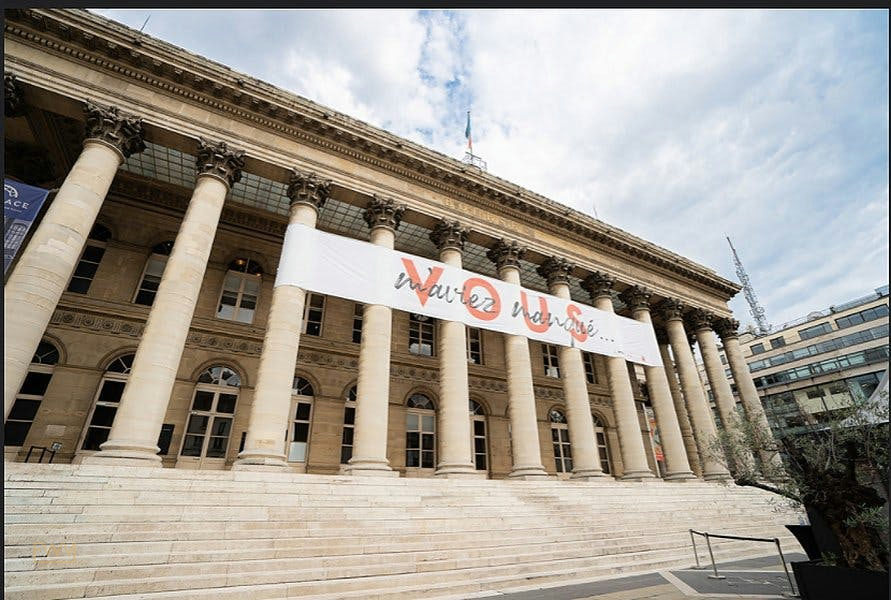

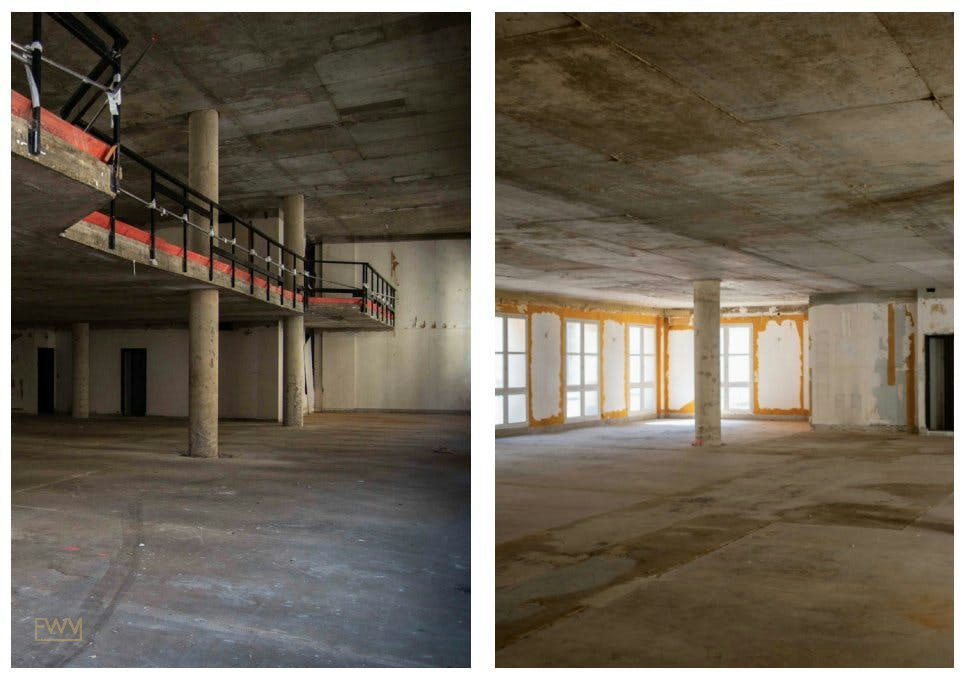
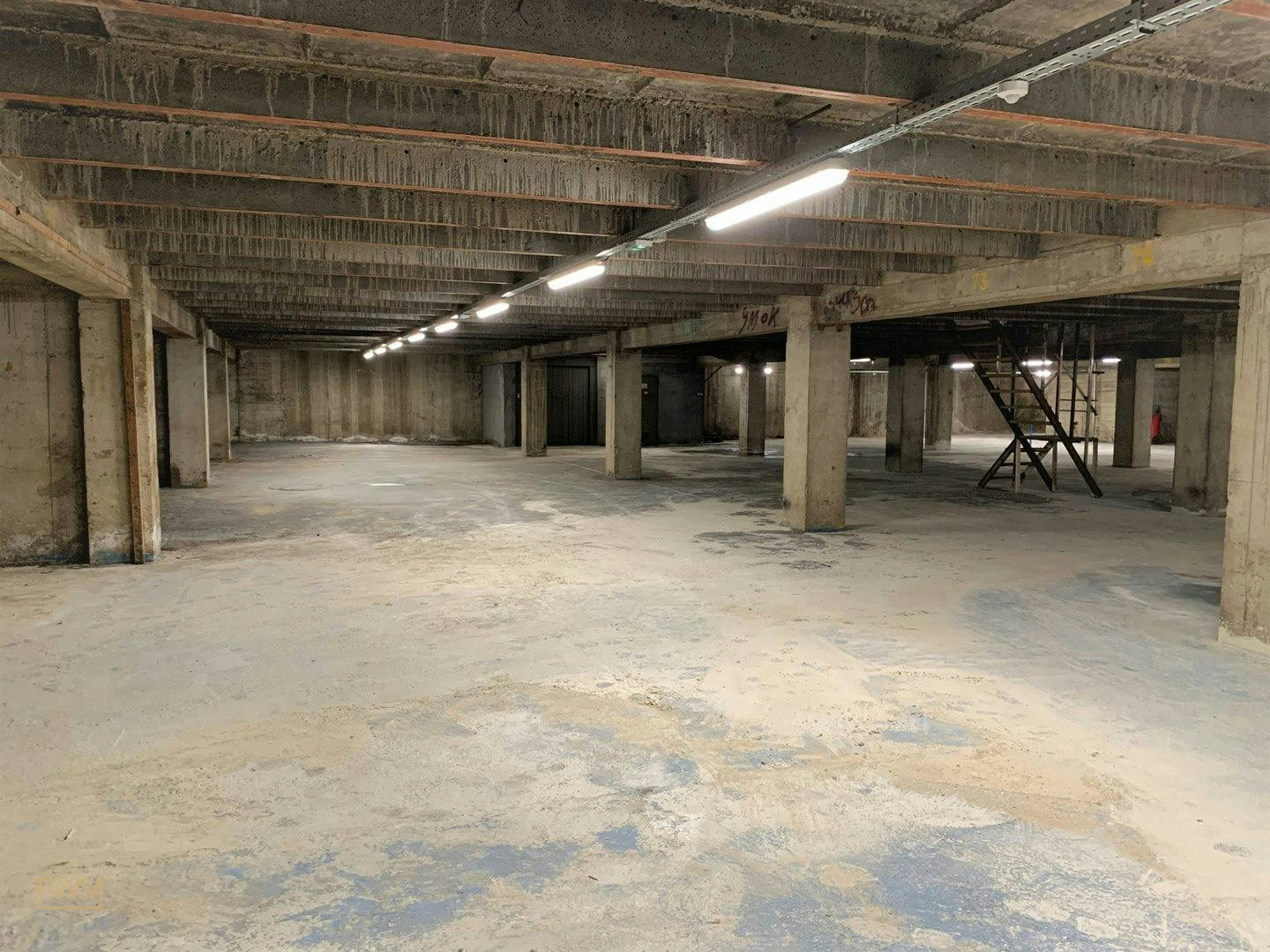
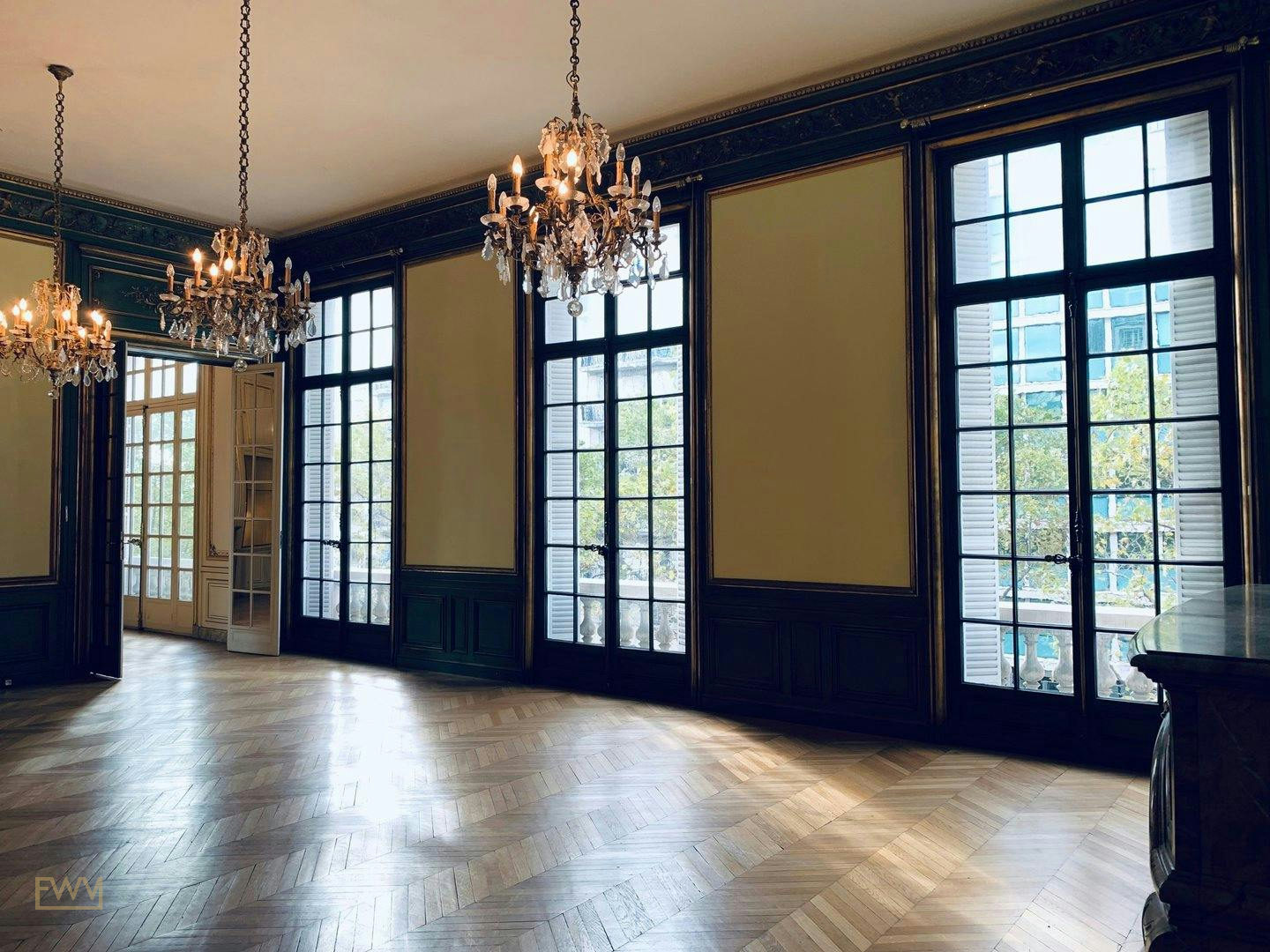
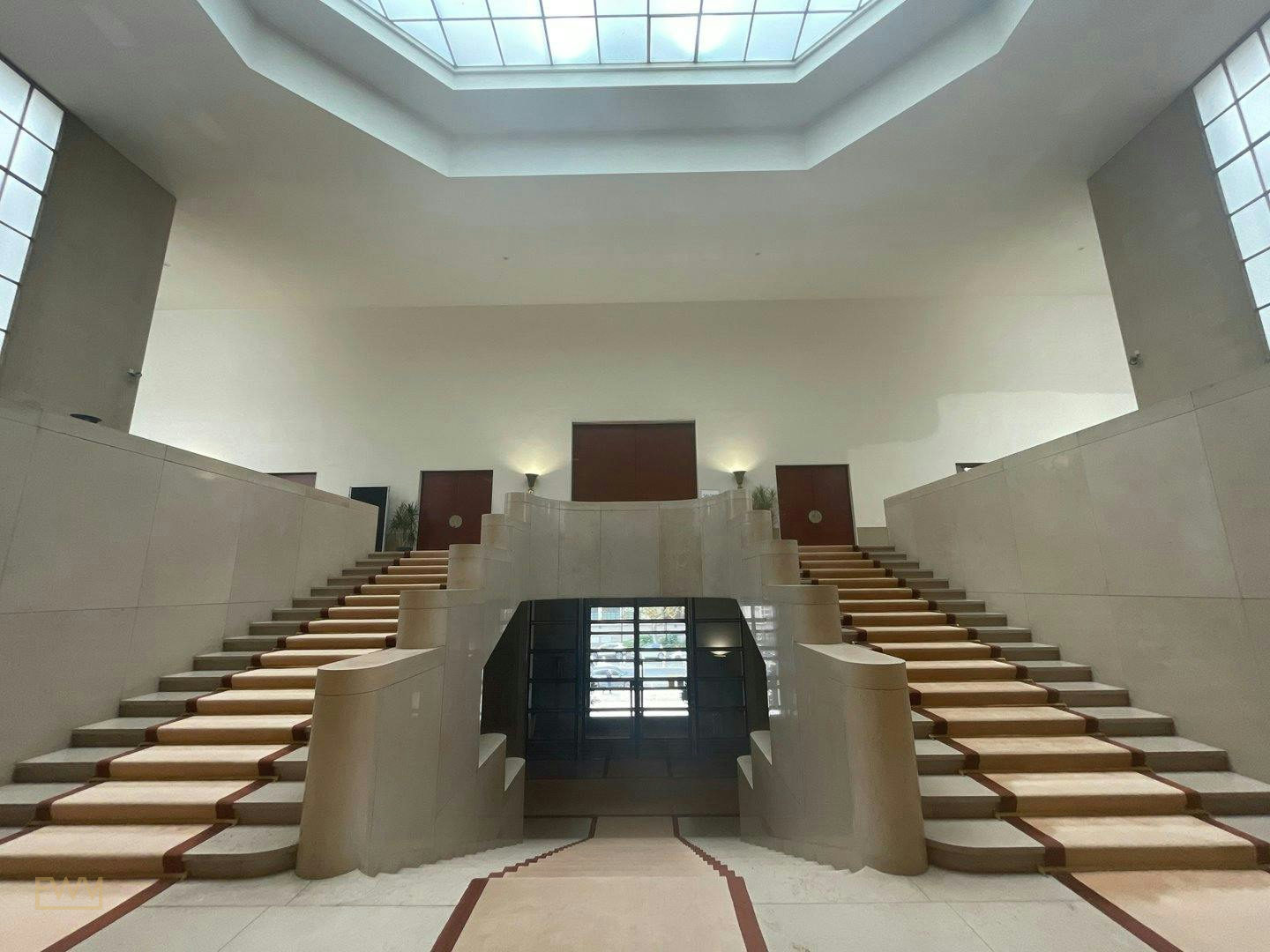
Fashion Week Venues is renowned for providing an unparalleled experience in securing fashion week venues in Paris. With the city's storied history as the epicenter of haute couture and innovative fashion, it demands a knowledgeable approach to location, permits, and timing. As professionals navigating these dynamic waters, your choices must enhance both brand visibility and experiential marketing. Fashion Week Venues, as a full-service agency, excels in guiding brands through venue sourcing, activation management, and leveraging cutting-edge tools to navigate this complex landscape.
Essential Criteria for Choosing Fashion Week Venues
Choosing the right venue during Paris Fashion Week is pivotal for a successful brand activation. Key considerations include location, size, aesthetics, and technical capabilities of the space. Paris offers a plethora of unique venues, from historical buildings to contemporary lofts. Understanding the distinctive characteristics of neighborhoods like Le Marais and Saint-Germain-des-Prés can provide a competitive edge.
When selecting a venue, brands need to weigh the advantages and disadvantages of each option carefully. Access to high foot traffic areas such as Rue Saint-Honoré can be a boon for luxury brands wanting maximum exposure. Alternatively, emerging designers might thrive in artier districts like Canal Saint-Martin due to the opportunities for collaboration and mutual support among creative communities.
KEY TAKEAWAY: The right venue enhances your brand's narrative and aligns with your strategic goals. Always consider location, capacity, and your audience's expectations.
As you ponder these aspects, it's crucial to employ a decision-making matrix that prioritizes brand identity coherence and logistical feasibility. This leads us into exploring the types and characteristics of available spaces.
Types of Fashion Week Venues in Paris
Paris offers a rich tapestry of venue types suitable for every brand's style and budget. These include galleries, lofts, hotels, marquees, and showrooms. Each venue type serves a unique purpose based on the brand activation desired.
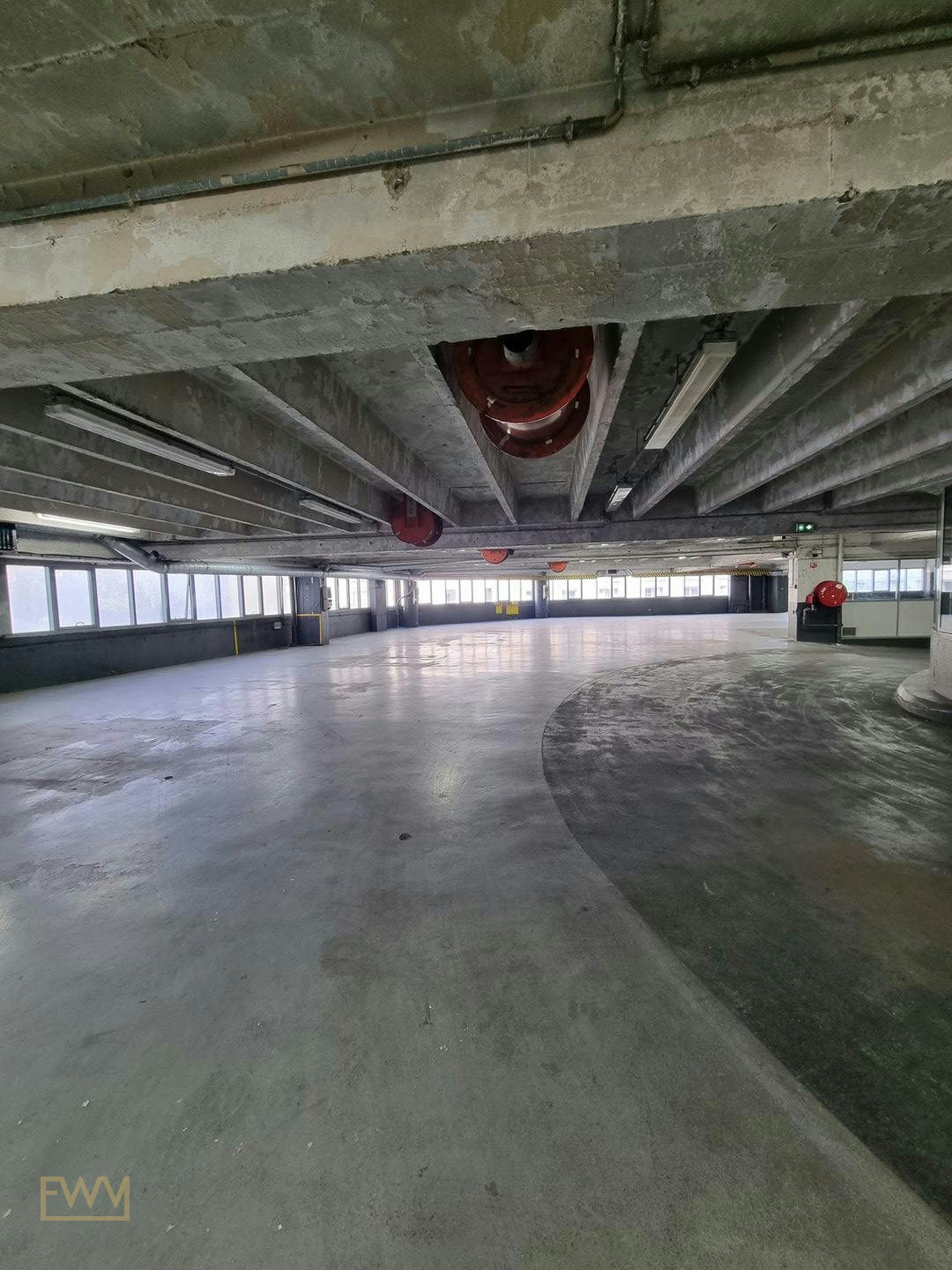
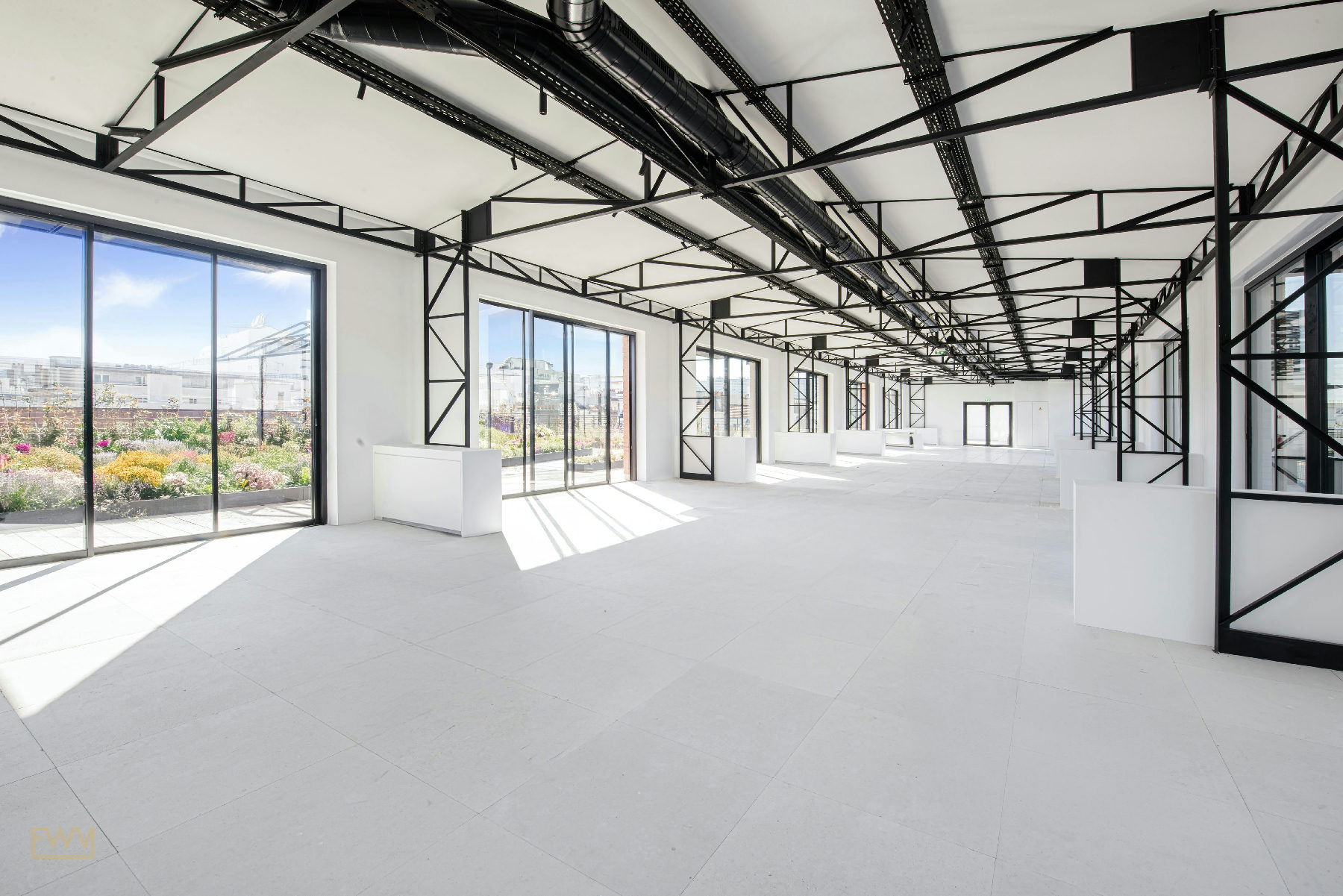
Galleries, such as those found in Le Marais, appeal to brands fusing art with fashion. They offer expansive wall space perfect for installations. Lofts, commonly located in the upper arrondissements, provide a blank slate for creative direction envisioned by fashion brands needing flexibility in design.
| Venue Type | Location | Ideal For |
|---|---|---|
| Gallery | Le Marais | Artistic Brands |
| Loft | 9th and 10th Arrondissements | Innovative Activations |
| Hotel Ballroom | Central Paris | Luxury Brands |
Quick answer: Galleries and lofts offer creative flexibility, while hotels provide an upscale ambiance in prestigious locations.
Understanding the inherent benefits of each venue type informs your strategy for guest experience and operational arrangements. As we consider the artistry in venue selections, permit requirements must also be understood.
Navigating Permits and Compliance in Paris
Operating a temporary retail or event space in Paris requires careful attention to permits and compliance, governed by France's complex regulatory environment. Key concepts include the bail dérogatoire, which permits short-term occupancy beyond normal commercial leases, and AOT (Autorisation d'Occupation Temporaire), essential for public property use.
Guidelines for securing a bail dérogatoire hinge on the property type and intended usage, with typical applications requiring negotiation with landlords and legal advisors. The AOT, often applied for events at iconic public spaces like the Palais de Tokyo, involves an additional layer of municipal approval.
| Permit Type | Application Requirement | Authority |
|---|---|---|
| Bail Dérogatoire | Short-term Use Agreement | Private Owner |
| AOT | Public Space Usage | Ville de Paris |
Quick answer: Navigating Paris' permit landscape requires meticulous planning and engagement with local authorities to meet all legal obligations.
Understanding these complexities is crucial for avoiding legal pitfalls and ensuring smooth operations. It's imperative to consult with French legal experts or use tools like those found at Fashion Week Venues for guidance.
Leveraging Strategic Location for Brand Success
Paris' geography is an asset to brands, offering distinct neighborhoods that cater to varied retail strategies. Strategic location decisions involve aligning your brand ethos with the cultural pulse of a neighborhood.
Saint-Germain-des-Prés, with its historical cafe culture and intellectual legacy, offers an authentic Parisian backdrop perfect for heritage brands. In contrast, the bustling Rue Saint-Honoré rivals global high streets for luxury retail, attracting flagship stores from brands seeking high visibility.
Brands should conduct comprehensive neighborhood analyses, using tools like the space locator tool offered by Fashion Week Venues, which helps identify optimal locations for target demographics.
KEY TAKEAWAY: Location significantly impacts brand perception; choose a neighborhood that embodies your brand values and reaches your target audience effectively.This segue naturally into the logistical considerations that Paris poses for international brands.
Logistical Considerations for International Brands
Paris is a global attraction for fashion, complicating logistics for international brands looking to make a seamless entrance. Paramount considerations include navigating local transportation for seamless guest experiences, understanding shipping and customs regulations, and managing personnel on the ground.
Brands must synchronize deliveries with local curfews, avoid disruptions by understanding public transport schedules, and consider safety regulations around transport logistics. Additionally, staffing considerations include hiring bilingual staff proficient in both French and English to manage local interactions effectively.
- Tip: Collaborate with local logistics partners to expedite customs and streamline venue access.
Fashion Week Venues offers support in arranging reliable retail staffing solutions and coordinating on-ground logistical efforts to ensure smooth transitions.
Quick answer: Effective logistical planning hinges on local insights and the coordination of shipments with venue capabilities and public regulations.
These logistical intricacies require a sophisticated understanding and can disadvantage brands failing to prepare adequately. As you refine your event execution, consider the importance of experiential marketing.
The Role of Experiential Marketing During Fashion Week
Experiential marketing transforms fashion events from passive presentations into dynamic engagements. By intertwining brand ethos with experiential elements, events resonate more profoundly with attendees, generating social buzz and enhancing brand recall.
Engagement strategies might include interactive installations, live demonstrations, or immersive experiences that invite participant involvement. For instance, a pop-up in Le Marais might include virtual reality tours of a brand's heritage alongside influencer-hosted workshops.
- DID YOU KNOW: Experiential marketing can increase brand recall by up to 70% among fashion consumers? Leveraging these experiences can set brands apart during busy Fashion Weeks.
Fashion Week Venues excels at activating brand experiences that resonate with targeted audiences, aligning your message with event design while managing logistical challenges.
KEY TAKEAWAY: The integration of experiential marketing within your brand activation strategy cultivates memorable connections with audiences, influencing perception and loyalty.
This experiential focus seamlessly ties into how branding aesthetics contribute to successful retail activations.
Designing for Atmosphere: Aesthetic Considerations
The aesthetic presentation of a fashion venue influences both the ambiance of your event and the consumer's emotional response. An effective design strategy amplifies brand messaging and enhances experiential storytelling.
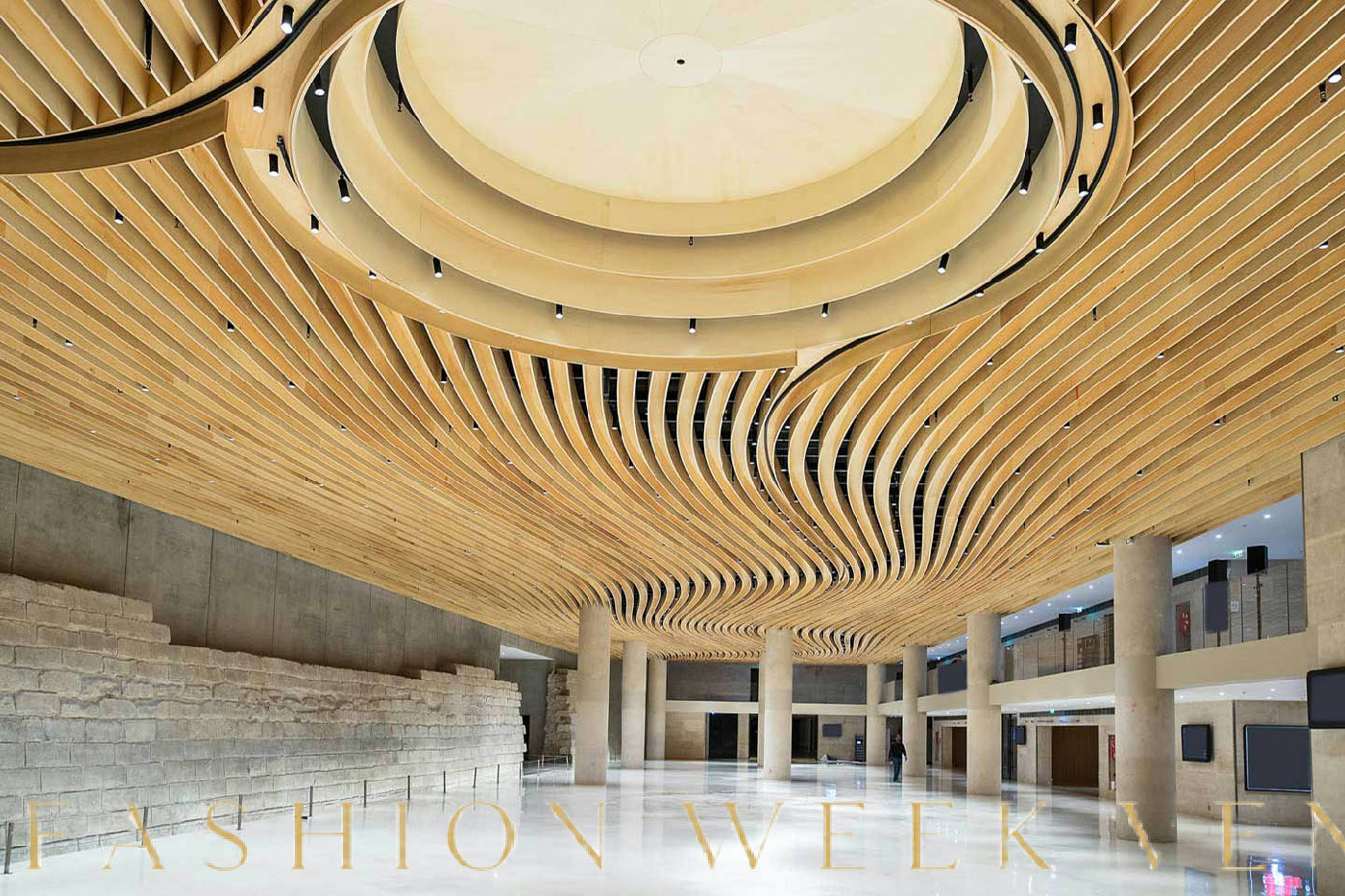
In Paris, a city celebrated for its architectural charm and style, a venue's design should balance between historical allure and contemporary edge. Custom installations and tailored décor elevate the space, ensuring it speaks directly to the brand's core narrative.
- IMPORTANT: Custom elements should not compromise guest comfort or structural safety. Hiring experienced production teams is crucial for quality execution.
Utilizing the branded store design services by Fashion Week Venues provides expert insight into creating immersive environments that accentuate brand stories. This carefully orchestrated atmosphere can substantially influence guest perceptions and media portrayal.
Quick answer: A compelling design should synergize with both the brand's identity and the physical venue, creating an inviting and impactful atmosphere.
Effective aesthetic decisions foster a unique ambiance that supports the next phase—achieving operational excellence.
Achieving Operational Excellence
Operational excellence is the backbone of successful events, ensuring every aspect, from staff management to audience engagement, runs smoothly. A well-orchestrated event reflects positively on a brand and maximizes the return on investment.
Methods to achieve this include utilizing comprehensive checklists for timeline management, employing advanced POS systems to optimize sales processes, and ensuring that all staff are fully trained and briefed on roles and responsibilities.
| Operational Aspect | Strategy | Outcome |
|---|---|---|
| Staff Training | Role-specific Briefings | Improved Customer Service |
| Event Timeline | Timeline Tool Usage | Efficient Workflow |
Quick answer: Proper training and precise timeline management are critical components to ensure a seamless brand event experience.
Operational excellence demands continuous monitoring and adaptation, leveraging tools available with Fashion Week Venues to streamline processes and enhance event outcomes.
With these operational frameworks in place, attention turns toward anticipating future trends that shape the fashion retail landscape.
Predicting and Adapting to Future Trends
The fashion industry is perpetually evolving, influenced by technological advances, consumer behavior, and societal shifts. Brands must stay ahead by anticipating trends and adapting strategies accordingly.
Key trends include increasing digital integration with physical spaces, a shift toward sustainable practices, and the growing importance of personalized experiences. Tracking these trends offers opportunities for innovation and differentiation in temporary retail spaces.
TIP: Collaborate with trend forecasters to ensure your brand’s approach aligns with emerging consumer preferences.
Fashion Week Venues supports brands in adopting agile strategies and tools needed to navigate future retail landscapes, providing critical market insights and innovative activation strategies.
KEY TAKEAWAY: Adapting to future trends involves embracing technological advances and prioritizing sustainability, transforming these into opportunities for innovation and competitive advantage.
Ultimately, remaining proactive and flexible enables brands to harness new trends effectively while preparing for diverse international audiences.
Understanding the Importance of Data and Analytics
Data and analytics play a crucial role in enhancing decision-making processes for fashion events. Understanding audience demographics, engagement patterns, and sales data helps tailor strategies to maximize impact.
Advanced analytics tools provide insights into real-time consumer behaviors, enabling brands to adjust strategies dynamically. For instance, analyzing foot traffic patterns during events can guide resource allocation and staffing needs more efficiently.
Fashion Week Venues leverages cutting-edge analytics solutions, allowing brands to unlock hidden value from data, personalize experiences, and drive measurable results. This helps brands optimize their presence effectively during critical fashion calendar events.
Quick answer: Leveraging data and analytics enhances strategic planning and operational efficiency, improving overall brand performance and customer satisfaction.
As we conclude our discussion, it’s essential to debunk common myths surrounding fashion week venue allocation and management professionals face.
Common Myths Debunked
MYTH: Needing a French legal entity to rent a space in Paris.
FACT: While securing a legal entity can facilitate certain processes, it is not always mandatory. Many venues allow international entities to lease spaces directly or through trusted agencies. However, expert legal consultation is recommended for compliance.
MYTH: Paris Fashion Week is the only viable calendar window for brand activation.
FACT: While Paris Fashion Week draws significant global attention, numerous opportunities exist throughout the year, especially in alignment with new retail trends and festivals that attract substantial visitor engagement.
MYTH: Commission brokers are the only way to find a space.
FACT: The emergence of space marketplaces, like those offered by Fashion Week Venues, provides brands with access to comprehensive listings and direct negotiation channels, enhancing choice and control.
MYTH: Short-term leases are legally straightforward without specialist help.
FACT: Short-term leases often involve complex regulations and compliance requirements. Engaging a specialist who understands the nuances of French property law is highly advisable to mitigate risks and ensure legal adherence.
Frequently Asked Questions
What are the most popular neighborhoods for fashion events in Paris?
Popular neighborhoods include Le Marais for its artsy vibe, Saint-Germain-des-Prés for historic charm and luxury appeal, and Rue Saint-Honoré for high-end retail. Each offers distinct benefits catering to different brand identities and target markets.
How early should I book a venue for Paris Fashion Week?
It’s advisable to book at least six to nine months in advance to secure your desired location, especially for popular spaces during high-demand times like Fashion Week.
How do I ensure my event is compliant with local regulations?
Ensure compliance by obtaining all required permits, engaging local legal advisors, and following the city’s guidelines. Utilize tools like Fashion Week Venues’ permits tool for detailed insights.
What type of venue is best for an emerging brand?
Emerging brands might benefit from creative, adaptable spaces such as lofts or art galleries, which offer flexibility and the opportunity to make a strong visual impact.
Can Fashion Week Venues help with retail staffing?
Yes, Fashion Week Venues provides comprehensive retail staffing solutions to ensure your event runs smoothly, with staff tailored to fit your brand’s image and needs.
What are the major legal considerations when leasing a space in Paris?
Leasing involves understanding bail dérogatoire, potential AOT requirements for public venues, and adhering to local property laws and regulations, which necessitate expert legal counsel.
Is it possible to share a venue with another brand?
Yes, co-activation through shared venues is becoming prevalent and is facilitated by concepts like Fashion Week Venues’ twin co-activation, which allows cost-sharing and increased audience reach.
What should be included in a brand activation strategy?
A robust strategy should include defining clear objectives, understanding target audience demographics, selecting an appropriate venue, and integrating experiential marketing to engage visitors effectively.
Can I use pop-up shops outside of Fashion Week?
Absolutely, pop-up shops can be strategic during various peak seasons throughout the year, offering flexibility and time-specific audience engagement beyond Fashion Week.
How can I ensure strong media coverage for my event?
Cultivate strong media relationships by issuing well-timed press releases, hosting media-exclusive previews, and leveraging influencer partnerships for maximum coverage and buzz.
Conclusion
Securing an ideal fashion week venue in Paris requires careful planning, understanding unique geographic advantages, meticulous legal compliance, and creative engagement strategies. Fashion Week Venues supports this complex process from sourcing to execution, providing brands with tailored spaces and expert services necessary for effective activation. As you move from concept to reality, directly engage with our marketplace to streamline your venue selection and start crafting impactful brand experiences with confidence.