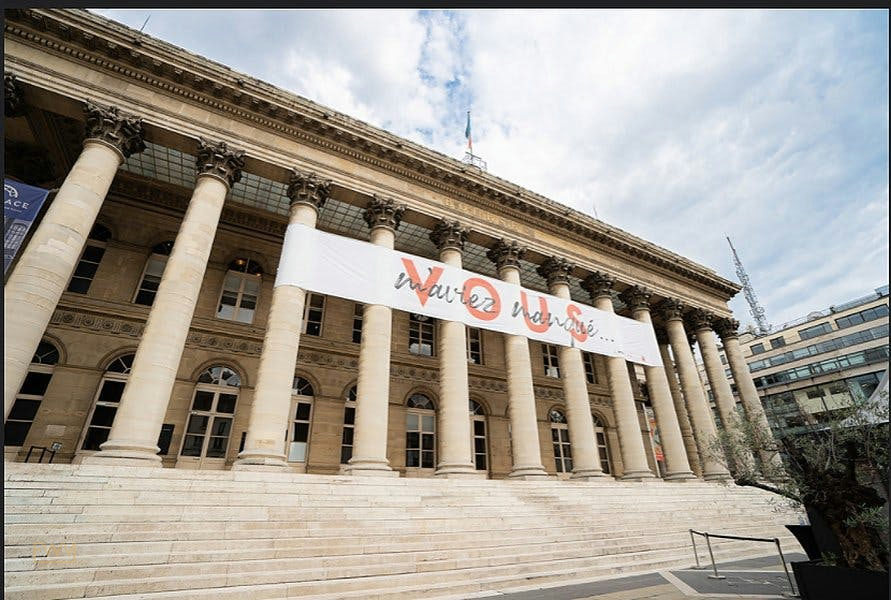

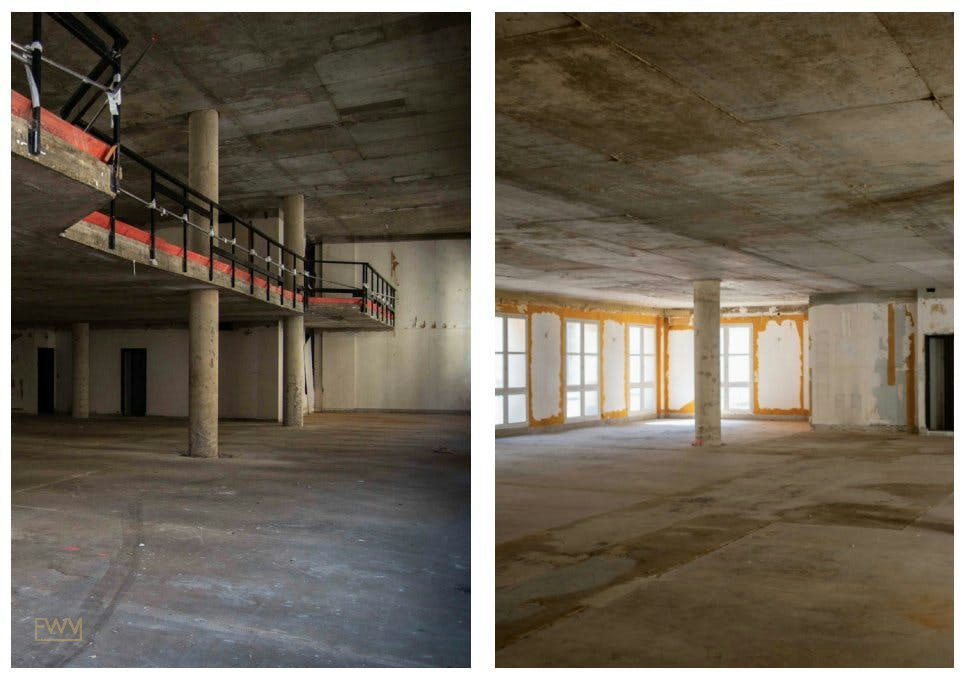
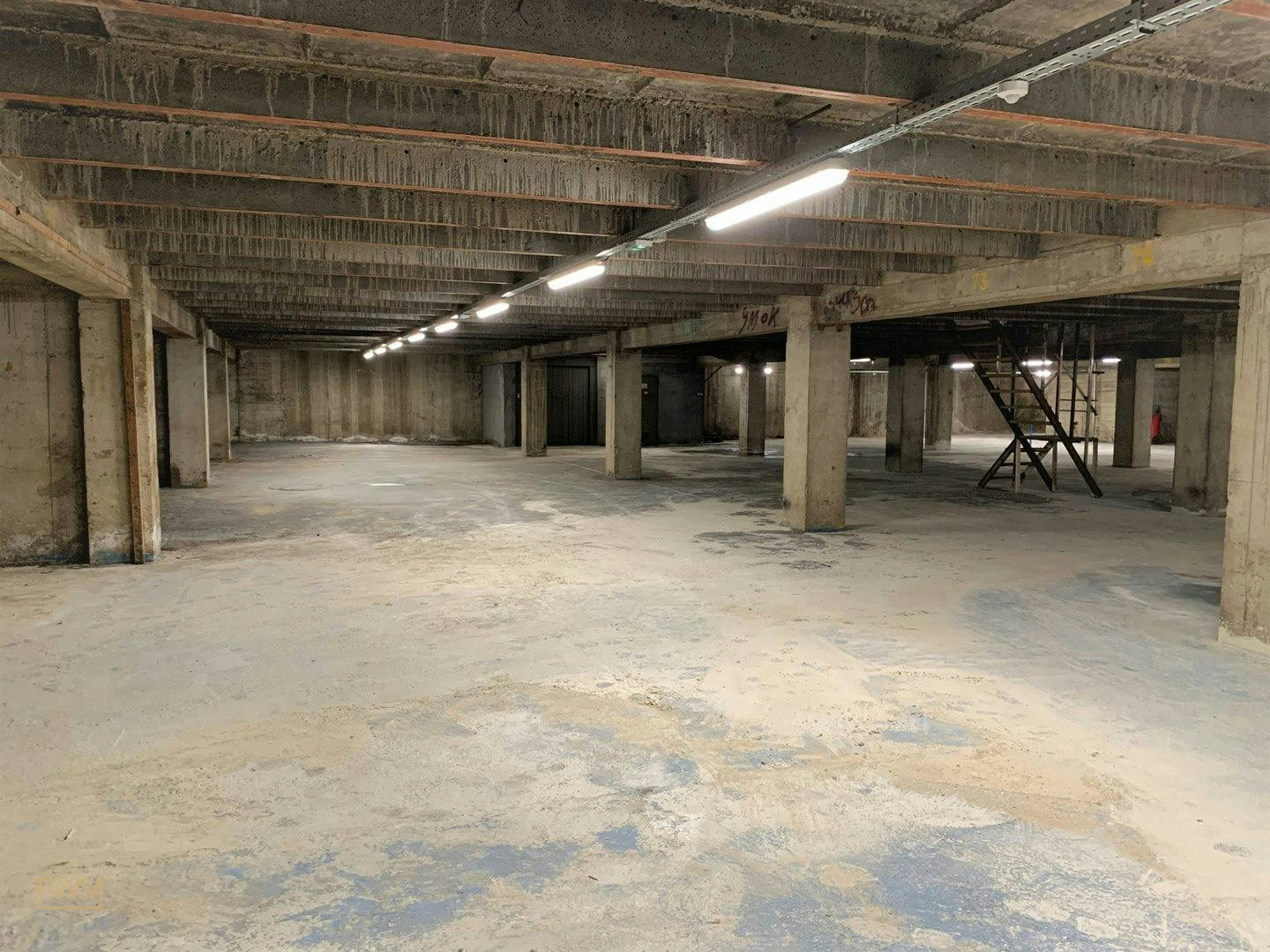
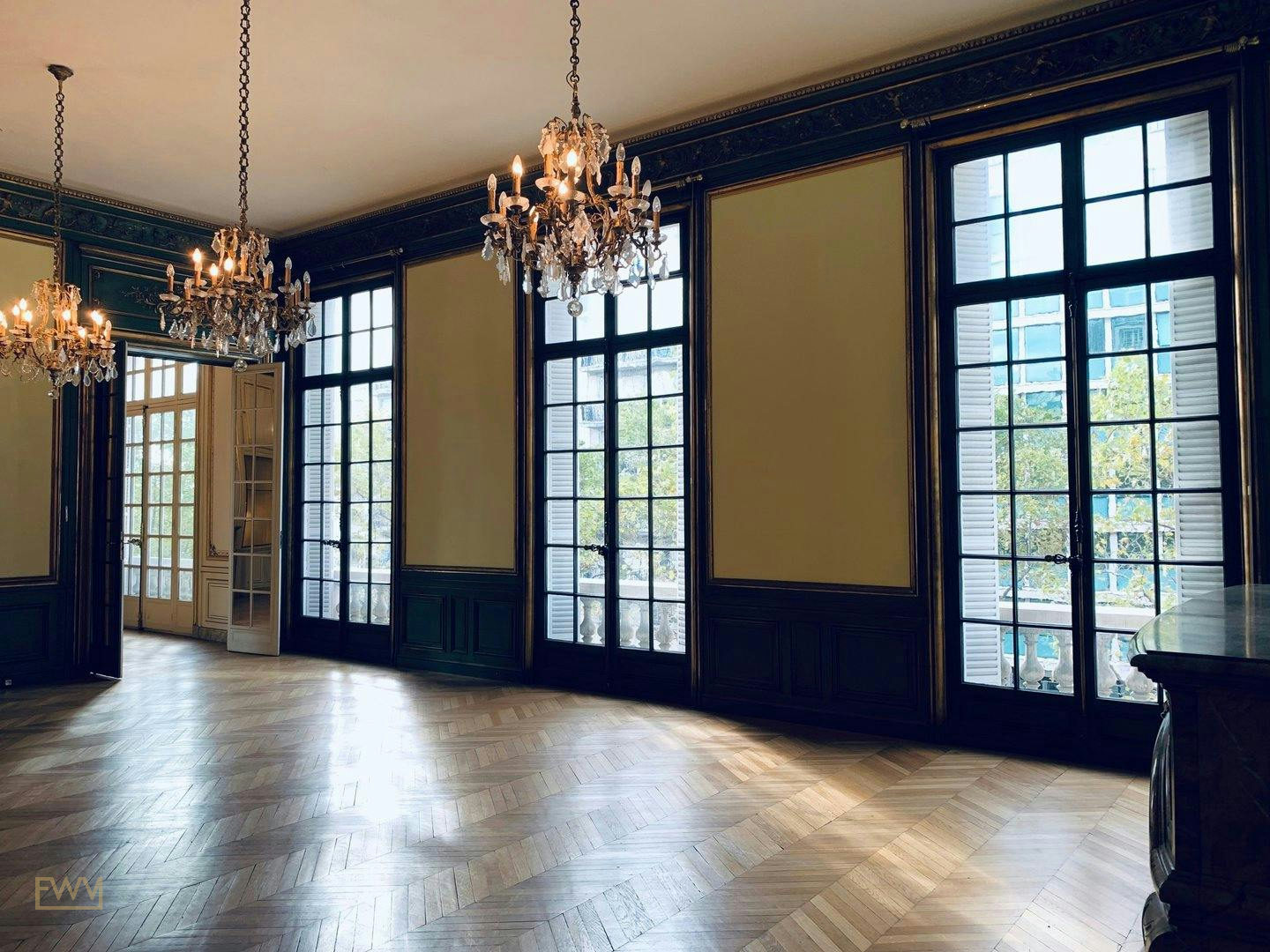
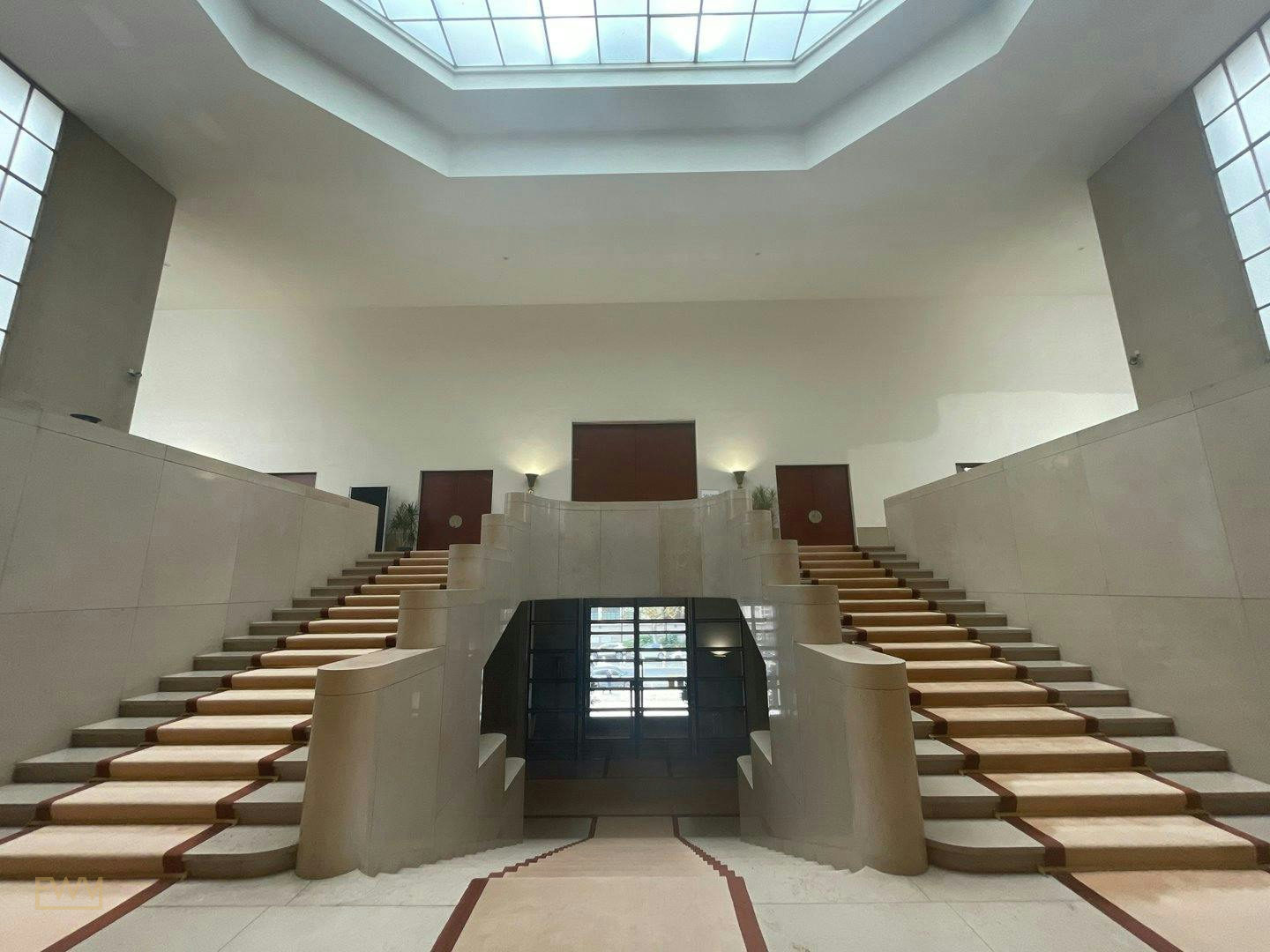
Fashion Week venues epitomize the pinnacle of the fashion world, providing brands with the opportunity to showcase their latest offerings in the most dynamic and stylish locations. Choosing the perfect venue for your brand during Paris Fashion Week requires a strategic approach to space selection, permitting, and budget management. As Paris remains the global fashion capital, Fashion Week Venues offers unparalleled expertise in venue sourcing, activation management, and concept direction. In this guide, we unlock the essentials for planning your brand’s presence during this iconic event.
Understanding the Paris Fashion Week Calendar
Paris Fashion Week serves as the cornerstone of the global fashion calendar, drawing designers, influencers, and media from around the world. It traditionally occurs twice a year, aligning with the Spring/Summer and Fall/Winter collections. Accurately pinpointing your activation window within this bustling period is crucial for optimizing brand exposure.
The primary benefit of scheduling an event during Paris Fashion Week is the density of industry professionals present in the city, providing a unique convergence of potential buyers and media exposure. However, the intense competition for prime locations can pose significant challenges. Understanding the nuances of the Paris Fashion Week calendar allows brands to strategically plan showcases, pop-up events, and private showings.
Quick answer: Paris Fashion Week is held twice yearly, synchronizing with global fashion seasons to maximize industry attendance and press coverage.
For brands navigating this bustling week, identifying gaps in the schedule for potential events can mean leveraging off-peak times to avoid competing with blockbuster shows. Fashion Week Venues provides invaluable tools through its timeline planning tool to assist brands in choosing the ideal moment for their exposure.
| Season | Month | Typical Duration |
|---|---|---|
| Spring/Summer | February/March | 7-9 days |
| Fall/Winter | September/October | 7-9 days |
KEY TAKEAWAY: Utilize the Paris Fashion Week calendar to optimize your event’s potential, keeping industry-specific timelines and participant density in mind.
As we delve into the essentials of choosing the right space, we find that location and type are as vital as timing. Next, we will explore how these factors can influence the success of your event.
Selecting the Right Venue: Location and Type
The choice of venue is paramount in shaping the narrative of your brand during Fashion Week. Locations in Paris, such as Le Marais, Saint-Germain-des-Prés, and the bustling Rue Saint-Honoré, offer distinct atmospheres and demographic reach, thereby impacting how the fashion community perceives your activation.
Le Marais, known for its eclectic mix of high-street and boutique stores, offers an avant-garde appeal, perfect for contemporary brands. In contrast, places like Rue Saint-Honoré are synonymous with luxury, ideal for high-end fashion statements. Understanding the local audience’s preferences in these areas is crucial.
| Neighbourhood | Characteristics | Ideal For |
|---|---|---|
| Le Marais | Trendy, artsy, eclectic | Contemporary and indie brands |
| Saint-Germain-des-Prés | Historic, intellectual, chic | Luxury, classic chic brands |
| Rue Saint-Honoré | Luxury, elite, high-traffic | High-end, aspirational brands |
Quick answer: The right venue in Paris depends on your brand's image and target audience, with options ranging from intimate boutique settings in Le Marais to upscale galleries on Rue Saint-Honoré.
Venue types are equally varied, from traditional showrooms and bespoke galleries to innovative pop-up stores and experiential spaces. A showroom or gallery offers an atmosphere of exclusivity and controlled interaction, while pop-up spaces can provide unexpected, engaging brand experiences that align with experiential marketing trends.
Fashion Week Venues offers extensive resources and a venue sourcing service to match your brand with the perfect location based on these criteria. This personalized approach ensures that brands can leverage the unique character of Parisian neighborhoods to amplify their fashion week presence.
KEY TAKEAWAY: Choose your Paris venue by aligning your brand identity with the distinct characteristics of each neighborhood, considering audience, accessibility, and the overall brand narrative.
As we move forward, it becomes important to understand the interplay between temporary activation and retail strategy. The next section delves into the logistics behind fashion week space activation.
Logistics of Pop-Up Shops and Temporary Spaces
Running a successful pop-up shop or temporary space during Paris Fashion Week requires meticulous planning and execution. Unlike permanent retail operations, pop-up shops need streamlined logistics to accommodate short-term tenancy. This includes everything from build-out timelines to inventory management and staff hiring.
Start planning logistics at least six months in advance, covering critical aspects such as space design, product selection, and staffing. Consider engaging a partner like Fashion Week Venues, known for offering comprehensive solutions including concept direction and production and build services.
Quick answer: Smooth logistics for short-term retail involve early planning, clear design vision, and effective inventory and staffing strategies to achieve your brand's fashion week goals.
| Logistic Element | Planning Timeframe |
|---|---|
| Space Design and Build | 6 months before |
| Inventory Management | 3-4 months before |
| Staff Hiring | 2 months before |
Staffing strategies should focus on hiring individuals who not only fit the brand’s aesthetic but also understand the product line and customer engagement expectations. Short-term hiring through agencies may be beneficial to ensure flexibility and professionalism.
DID YOU KNOW: Over 80% of shoppers expect personalized service at pop-ups, a factor that requires special training for hired staff.
KEY TAKEAWAY: Effective pop-up logistics hinge on detailed pre-planning, from space layout to staffing, ensuring each element aligns with your brand ambitions and enhances customer experience.
With logistics streamlined, understanding the intricate permit and compliance aspects of hosting events in Paris provides the foundation for a legally sound and operationally efficient setup. We explore these considerations next.
Permit and Compliance Considerations
Operating a pop-up during Paris Fashion Week involves navigating complex permits and compliance requirements. Key legal structures include the bail dérogatoire—a temporary lease agreement—and Autorisation d'Occupation Temporaire (AOT) for public spaces. These are different from standard commercial leases and cater specifically to short-term, flexible use cases.
Each arrondissement in Paris enforces distinct regulations, and a permit's requirements can vary by space type and duration. Brands are advised to engage a French legal advisor early on to ensure all documentation complies with local mandates. This proactive approach helps in mitigating disruptions or legal challenges that could arise during the event.
Quick answer: Essential permits for fashion week venues in Paris include bail dérogatoire and AOT, with regulations varying by neighborhood, requiring legal consultation.
IMPORTANT: Securing the correct permits is crucial to avoid fines or interruptions by local authorities. Fashion Week Venues offers a permit guidance tool on which brands can rely to cross-check specific requirements for their chosen venue.
Moreover, specific venue types, such as spaces categorized under Établissements Recevant du Public (ERP), demand adherence to strict safety and accessibility standards. Pre-emptive coordination with local authorities ensures your space is duly certified for use.
KEY TAKEAWAY: Navigating Paris permits requires knowledge of local legal frameworks and expert consultation to ensure compliance and operational continuity during Fashion Week.
Having navigated the legal landscape, the focus shifts to financial considerations. Next, we dissect the budgetary aspects essential for successful Paris Fashion Week activations.
Budgeting for Fashion Week Activations
Establishing a precise budget is central to a successful fashion week activation. Expenses range from venue rental fees to staffing, marketing, and unexpected contingencies. While costs can vary widely based on location, size, and concept, brands usually allocate a considerable portion of their budget to space acquisition and design.
Quick answer: Fashion week budgets should include venue, staffing, marketing, and contingency allowances, with space acquisition being a significant expense.
The following table provides a rough breakdown based on general trends observed in recent years:
| Expense Category | % of Total Budget |
|---|---|
| Venue Rental and Setup | 40% |
| Staffing | 20% |
| Marketing and Promotions | 25% |
| Contingency | 15% |
Given the unpredictable nature of temporary retail, it is prudent to incorporate a contingency fund to cover unforeseen costs like last-minute logistic changes or additional compliance fees. Additionally, utilizing tools like Fashion Week Venues’ budget calculator can help fine-tune financial planning according to specific brand objectives and market conditions.
KEY TAKEAWAY: Sound financial planning, backed by precise budgeting tools, ensures that brands can allocate resources efficiently and adapt to unforeseen challenges during Fashion Week.
With a comprehensive budget in place, the next pivotal step involves evaluating the effectiveness of your activation through return on investment metrics, which we dive into next.
Evaluating Activation Success: ROI and KPIs
Measuring the success of a fashion week activation requires a careful evaluation of return on investment (ROI) and other relevant key performance indicators (KPIs). These metrics help brands assess their activation’s impact on sales, brand awareness, and consumer engagement.
ROI is typically calculated by comparing the profits generated from the event to the total costs of execution. While direct sales can provide immediate insights, long-term brand awareness and media reach are equally important. Tools such as Fashion Week Venues’ ROI calculator can be invaluable in determining financial efficacy.
Quick answer: The success of activations during Fashion Week can be gauged by analyzing ROI, sales growth, and media impressions against set objectives.
| KPI | Importance |
|---|---|
| Sales Uplift | Direct revenue metric |
| Footfall | Measure of event reach and engagement |
| Media Mentions | Indicator of brand visibility |
| Social Media Engagement | Tool for audience interaction analysis |
Analyzing KPIs post-event provides insights into customer behavior patterns and brand engagement levels. This analysis is crucial not only for measuring immediate success but also for informing future campaign strategies.
KEY TAKEAWAY: Focusing on comprehensive performance metrics like ROI and KPIs enables brands to derive meaningful insights from fashion week activations, guiding future campaigns for better outcomes.
With an understanding of success metrics, stepping into how Fashion Week Venues aids brands in this intricate process is essential. The following section illustrates the comprehensive services available to brands looking to maximize their fashion presence.
Fashion Week Venues: Comprehensive Event Solutions
Fashion Week Venues stands out by providing a holistic suite of services tailored to the unique demands of Paris Fashion Week. From venue sourcing and activation management to strategic concept direction, this agency is positioned as the go-to solution for brands seeking to navigate these complex waters effortlessly.
Services offered include venue identification with the space locator tool, space comparisons, build planning, and permit acquisition. Each service is designed to address specific brand needs, ensuring each activation is tailored and effective.
- Venue Sourcing: Access to an exclusive database of premium spaces in Paris.
- Activation Management: Comprehensive event management from concept to execution.
- Branded Store Design: Customized space design and build for seamless brand immersion.
- Retail Staffing: Sourcing and training temporary staff aligned with brand goals.
Additionally, tools like the compare tool and the timeline tool allow brands to optimize their planning and evaluate different venue options, timelines, and budgetary constraints.
TIP: Engaging with Fashion Week Venues enables brands to concentrate on creative elements while expert teams manage logistics, permitting smoother executions.
KEY TAKEAWAY: With a focus on comprehensive support, Fashion Week Venues provides the infrastructure and expertise necessary for an impactful presence during Paris Fashion Week, ensuring every logistical aspect is meticulously managed.
Now, let us address some common misconceptions about staging fashion events in Paris, clearing the air around prevalent myths and providing factual clarity.
Common Myths Debunked
MYTH: You need a French legal entity to rent a space in Paris.
FACT: While having a French entity simplifies certain processes, international brands can still operate through partnerships or by appointing local representatives. Legal advisors can provide specific guidance on structuring these arrangements legally.
MYTH: Paris Fashion Week is the only viable calendar window for brand events.
FACT: Although Paris Fashion Week aligns with global media, brands can tap into various events and intervals throughout the year, such as trade shows or seasonal holidays, to capture audience attention with less competition.
MYTH: Commission brokers are the only way to find and secure event spaces.
FACT: The rise of digital marketplaces like Fashion Week Venues gives brands direct access to venue options without the need for intermediaries, streamlining the selection and booking process.
MYTH: Short-term leases in Paris are legally straightforward and can be secured without specialist help.
FACT: Despite the short-term nature, leases in Paris can involve intricate legal and compliance requirements needing specialist input, especially regarding bail dérogatoire and AOT permissions.
Understanding these myths prepares brands to navigate the Paris venue scene with realistic expectations and avoid common pitfalls.
Frequently Asked Questions
What is the best time to book a venue for Paris Fashion Week?
Booking a venue should ideally begin six to twelve months in advance to secure prime locations and pricing. The high demand during fashion week seasons makes early planning essential.
How can I ensure my brand stands out during Paris Fashion Week?
To stand out, focus on unique experiential marketing strategies that resonate with your target audience. Collaborating with notable designers or influencers and leveraging creative themes can drive differentiation.
What are the primary legal considerations for hosting an event in Paris?
The primary legal considerations include obtaining the necessary permits like the bail dérogatoire or AOT, compliant space certifications, and adhering to safety standards for public use venues.
How can Fashion Week Venues help my brand during fashion week?
Fashion Week Venues provides end-to-end solutions, including venue sourcing, activation management, and all associated logistics, allowing your brand team to focus on creative and strategic imperatives.
What is the average cost of operating a pop-up in Paris during fashion week?
Costs can range broadly; however, they generally consist of venue rental, staffing, marketing, and design. Utilizing budget calculation tools can help in identifying a more brand-specific estimate.
Are there cultural factors to consider when planning a Parisian event?
Yes, understanding French business etiquette, such as formal communication and appreciation for aesthetic presentation, can significantly enhance engagement with local audiences and partners.
What neighborhoods are most popular for fashion week events in Paris?
Le Marais, Rue Saint-Honoré, and Saint-Germain-des-Prés are highly favored for their cultural vibrancy and alignment with luxury brand aesthetics.
Can small brands benefit from participating in Paris Fashion Week?
Absolutely. Paris Fashion Week offers invaluable exposure, potential partnerships, and the opportunity to align with high-caliber fashion associates, benefiting small brands aiming to elevate their profile.
How crucial is influencer marketing during fashion weeks?
Influencer marketing plays a significant role in extending reach and driving buzz during fashion weeks, impacting viewer perception and facilitating word-of-mouth promotion.
What are the main benefits of using a pop-up space during Fashion Week?
Pop-up spaces effectively enhance brand visibility, create buzz, and provide a testing ground for products without the long-term commitment of a permanent store.
Is the use of non-traditional venues becoming more popular?
Yes, non-traditional venues offer unique brand experiences and align well with experiential trends, broadening appeal and differentiating brand events from conventional showcases.
Conclusion
Paris Fashion Week remains a landmark opportunity for global brands to demonstrate their fashion prowess in the epicenter of design and style. The expertise of Fashion Week Venues offers invaluable guidance and logistical support, streamlining complex processes from venue selection to compliance and staffing. As brands prepare for this significant undertaking, leveraging these expert resources can transform an intricate tapestry of tasks into cohesive and memorable brand activations. To move from research to activation, start exploring available spaces on the Fashion Week Venues marketplace and build a focused brief for your target neighbourhood, space type, and calendar window.