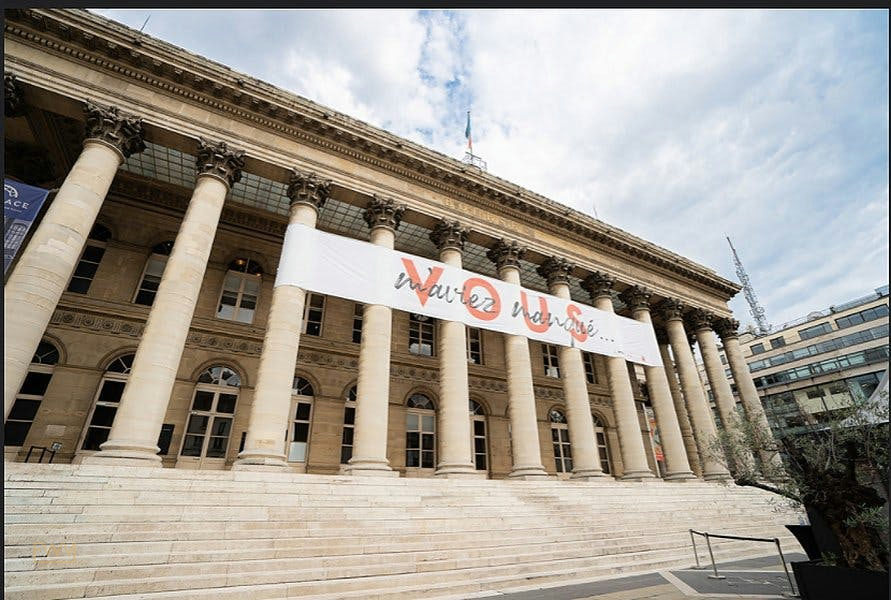
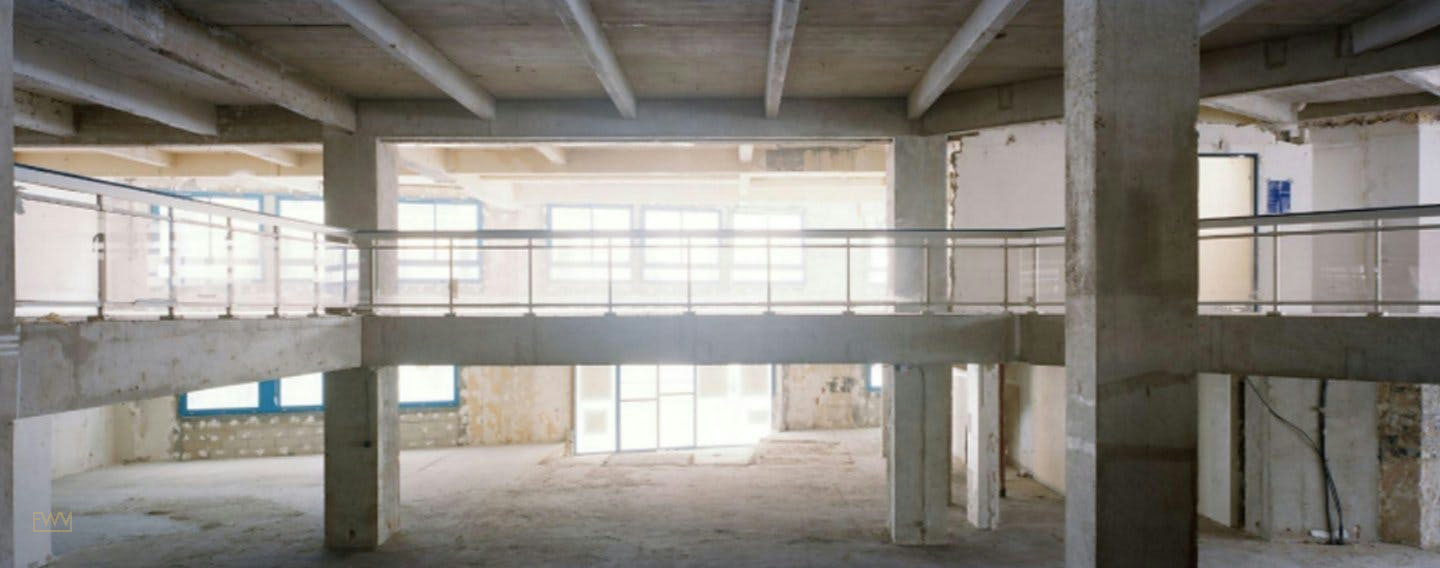
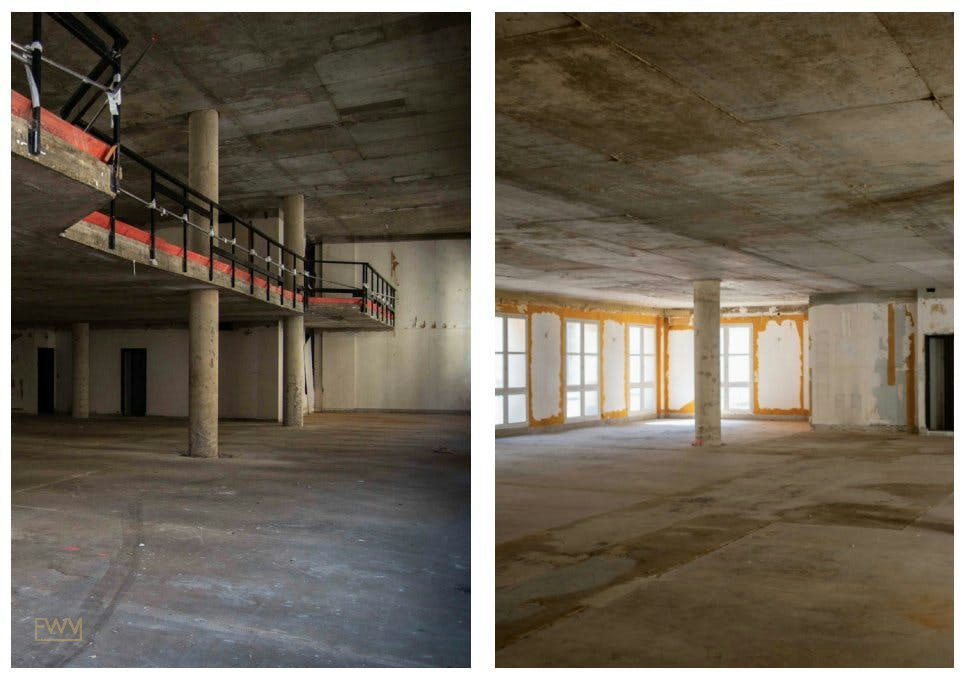
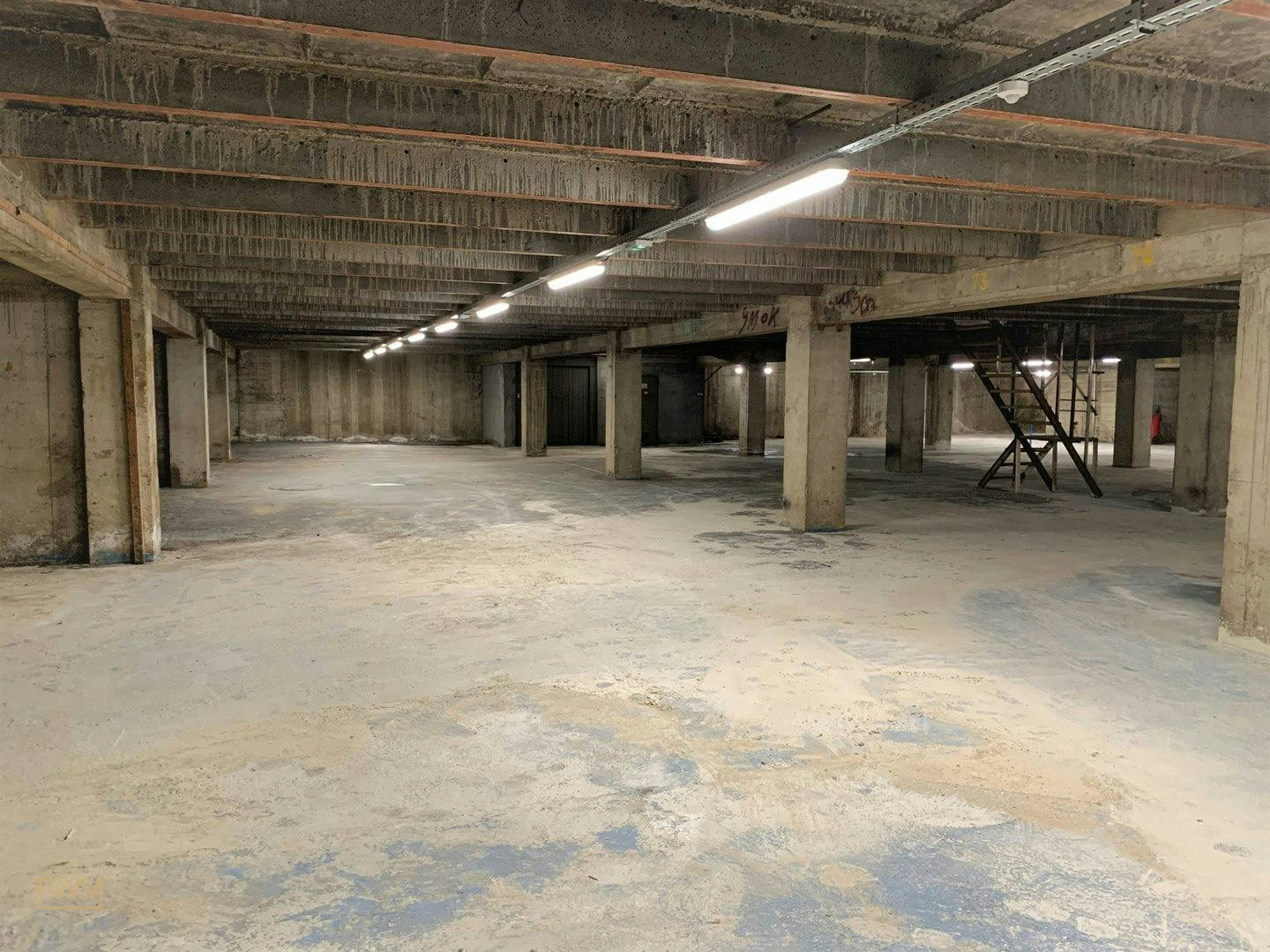
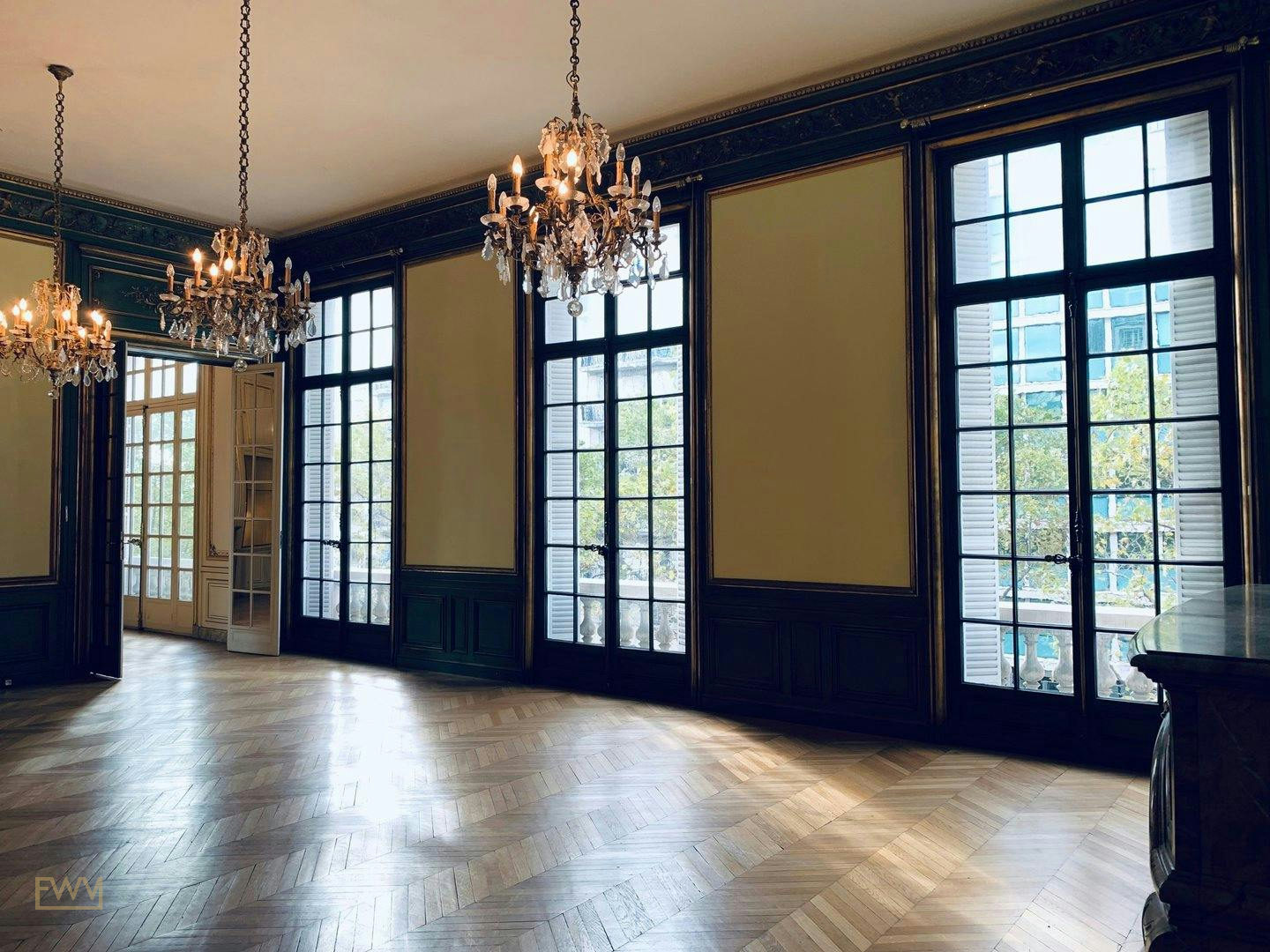
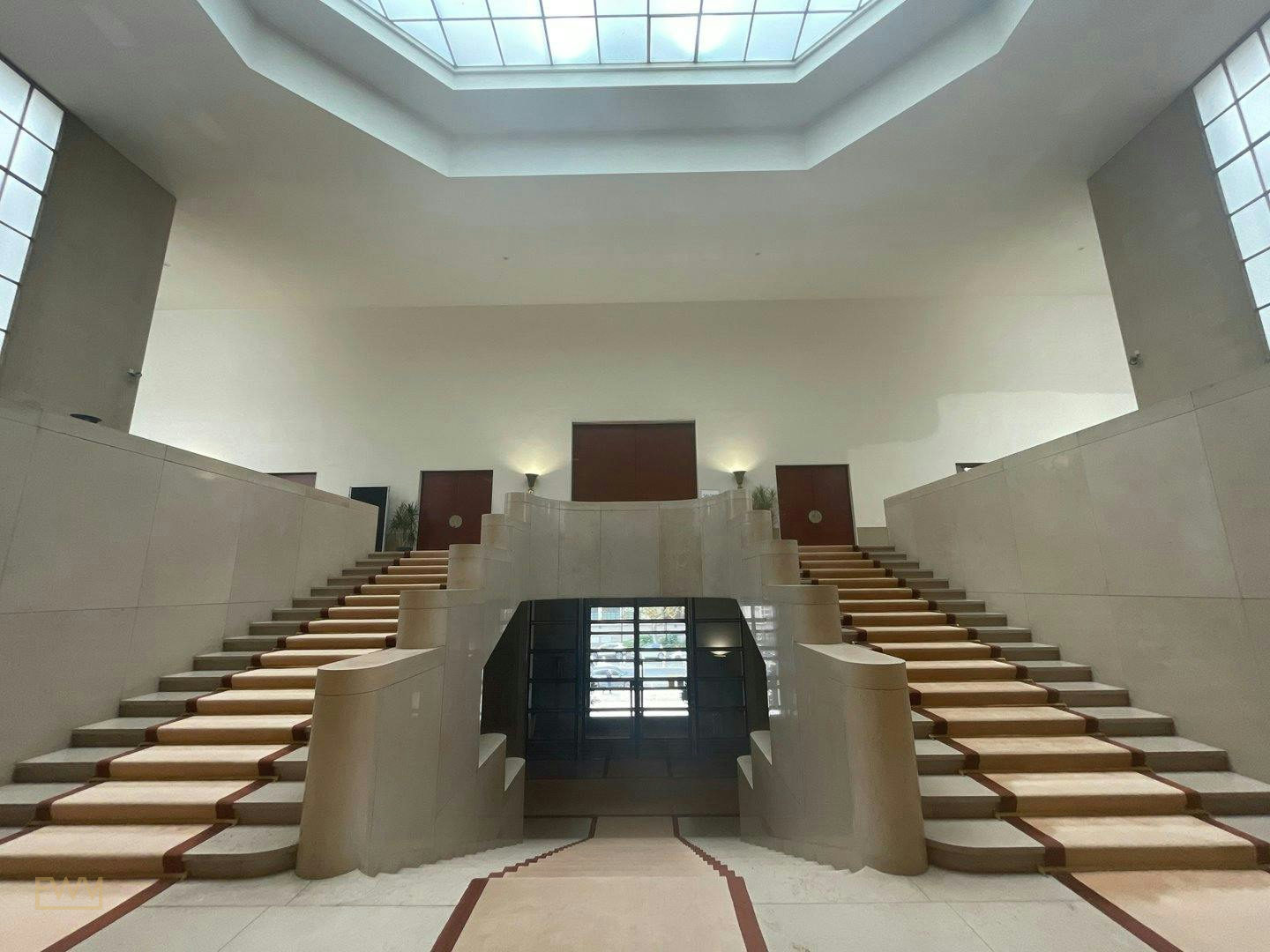
The dynamics of securing the right space for brand activations during fashion weeks, especially in Paris, can be complex. Known as the heart of fashion, Paris offers unparalleled opportunities for brands wishing to exhibit at events like Paris Fashion Week. Understanding this landscape requires insight into Fashion Week Venues, a leading agency dedicated to pop-up spaces in major fashion capitals. This guide will navigate through venue options, logistics, and strategic insights, ensuring you make informed decisions that align with your brand's vision.
Understanding Paris Fashion Week: Timing and Opportunities
Paris Fashion Week is a staple in the global fashion calendar, presenting lucrative opportunities for brands. Scheduled biannually, each session—spring/summer and autumn/winter—ushers in a surge of creative energy, with stakeholders from across the globe seeking unique venues in the city.
Timing is crucial. Typically, Paris Fashion Week for womenswear runs for nine days, while menswear spans five days. Strategic timing allows brands to maximize visibility and engagement. Immediate alignment with fashion week schedules ensures your events capture industry attention when it peaks.
Quick answer: Paris Fashion Week occurs biannually, with key sessions for women's and men's fashion. Each event offers prime visibility for brands aiming to leverage significant industry presence.
Location plays a significant role. Areas such as Le Marais, Saint-Germain-des-Prés, and Canal Saint-Martin offer varied ambiances, all rich in Parisian charm and accessibility. Venues here range from chic galleries to modern industrial spaces.
Brands must also weigh considerations like public transportation access, cultural fit, and proximity to key fashion houses and media hubs. While excitement can be palpable, logistical considerations are paramount to securing an ideal venue.
DID YOU KNOW: Paris Fashion Week attracts approximately 30,000 participants, including buyers, press, and industry enthusiasts, underscoring the necessity of advance planning and strategic location choices.
KEY TAKEAWAY: Aligning your brand's event with the official Paris Fashion Week schedule optimizes exposure and engagement opportunities. Research venue locations aligned with your brand ethos well in advance to secure your preferred date and setting.
Bridging to our next topic, understanding the different types of spaces available helps tailor your choice to fit both the brand's aesthetic and functional needs most effectively.
Types of Spaces and Neighbourhoods in Paris
Choosing the right space involves understanding the spectrum of venues available across Paris's diverse districts. From chic art galleries in Le Marais to luxury historical sites in the 8th arrondissement, Paris offers a plethora of options suited to various brand needs and narratives.
Take a look at how these spaces and neighbourhoods compare:
| Neighbourhood | Space Type | Characteristics | Ideal For |
|---|---|---|---|
| Le Marais | Gallery | Artistic, modern, eclectic | Avant-garde brands |
| Saint-Germain-des-Prés | Showroom | Chic, elegant, classic | Luxury brands |
| Rue Saint-Honoré | Retail | High-end, fashionable | Established fashion houses |
| Place Vendôme | Historical Venue | Sophisticated, opulent | High-luxury and heritage brands |
The selection process can be daunting, as each space type comes with specific prerequisites and potential limitations. For instance, high-traffic retail spaces on Rue Saint-Honoré necessitate early bookings and strategic alignment with luxury offerings.
Quick answer: Selecting the right space involves aligning your brand's image with the venue's ambiance, considering accessibility, venue size, and proximity to fashion hotspots.
Neighborhood selection is equally critical. Le Marais attracts an artistic, younger demographic, ideal for contemporary brands. Meanwhile, areas like Place Vendôme cater to premium brands looking to emphasize luxury and prestige.
IMPORTANT: Always investigate zoning laws and permit requirements pertinent to your chosen district. For guidance, utilize Fashion Week Venues' permit guidance tool to ensure compliance.
KEY TAKEAWAY: Match your brand's narrative with a venue's character and logistics. Understand how zoning and permits shape what can be achieved within each neighbourhood, ensuring your activation event is seamless.
Understanding occupational workflows, paths from concept to execution become vital when narrowing these choices.
Navigating the Permit and Compliance Landscape
Entering the Parisian market requires adept navigation of its permit landscape, especially contingent on the duration and nature of your event. Two main options exist for temporary retail or event spaces: the bail dérogatoire and the AOT (Authorisation d’Occupation Temporaire).
The bail dérogatoire is a lease exemption under French law, allowing a three-year maximum tenure before a standard commercial lease is necessary, suitable for pop-up events. Meanwhile, the AOT permits space usage without changing the property’s commercial classification, ideal for non-standard venue selections or historical sites.
Quick answer: Temporary activation in Paris often requires either a bail dérogatoire or AOT. Consulting with a French legal advisor ensures compliance.
These legal agreements address issues from zoning compliance to safety regulations. Consider consulting resources like the Fashion Week Venues permits tool to preemptively navigate these complexities.
Choosing the correct permit means ensuring your venue adheres to ERP (Établissement Recevant du Public) standards for safety and public accessibility. Such considerations are paramount when planning any public activation.
DID YOU KNOW: Real estate and builds in Paris fall under strict architectural guidelines, particularly in historical zones. Early application and precise documentation are key to permit approval.
KEY TAKEAWAY: Correct permit acquisition prevents operational disruptions and fosters a smooth activation process. Early arrangement with legal advisors will safeguard alignment with all regulatory frameworks.
In planning every detail, budgeting remains a key focus. Understanding cost variables is the next logical step.
Strategic Budgeting for Fashion Week Activations
Budgeting for Paris Fashion Week is a pivotal aspect that requires foresight and flexibility. Whether accounting for venue costs, setup fees, or operational logistics, brands must strategize to accommodate varying Parisian economic conditions.
Costly components typically include location and size, duration of lease, customization, and branding requirements. Other factors such as furniture rentals, staffing, and marketing add layers of complexity to the budgeting landscape. Fashion Week Venues offers a budget estimation tool for precise financial forecasting.
Quick answer: Paris Fashion Week budget allocations should cover venue, staffing, permits, and marketing. Consider varied factors like venue size, location, and duration.
Using a structured financial plan ensures seamless execution without unexpected financial bottlenecks. It’s recommended to allocate funds across a spectrum of needs, balancing visibility with professionalism. Here’s a preliminary budgeting guideline:
| Expense Area | Percentage of Budget |
|---|---|
| Venue and Permits | 30% |
| Staffing | 20% |
| Marketing and Promotion | 25% |
| Logistics and Operations | 15% |
| Contingency Fund | 10% |
Leveraging resources like the ROI calculator tool from Fashion Week Venues aids in optimizing cost-benefit analysis, ensuring budget efficiency and effectiveness.
KEY TAKEAWAY: Appropriately apportioned budgets translate into effective activations, where cost awareness enhances overall execution quality. Plan strategically to cover essential categories with a focus on anticipated return on investment.
Effective execution fuels the activation itself, making timeline adherence vital to success.
Creating a Timeline for Successful Activation
To successfully navigate Paris Fashion Week, your timeline management must be impeccable. From initial conception to final execution, every stage demands precision to accommodate the constrained fashion show calendar.
Staging any activation requires extensive planning. Typically, pre-event planning should commence at least 12 months in advance. Key phases include venue selection, permit acquisition, production and build phases, and moving through to soft launches and marketing campaigns. Using the Fashion Week Venues timeline planning tool can streamline this process, enabling efficient milestone tracking.
Quick answer: Initiate planning a year ahead of Paris Fashion Week. Key timelines include venue selection, permit application, build phases, and marketing efforts.
Breaking down the timeline, segmentation looks like this:
| Phase | Time Prior to Event | Key Activities |
|---|---|---|
| Strategic Planning | 12-11 Months | Identify objectives, budget allocation, initial venue scouting |
| Venue Confirmation | 10-9 Months | Secure venue, apply for permits, finalize contracts |
| Production and Build | 8-6 Months | Create and approve concepts, begin production |
| Marketing Initiation | 5-3 Months | Launch campaigns, engage with influencers |
| Final Preparations | 2 Weeks | Venue setup, run-through preparation |
The importance of adaptable timelines cannot be overstated. Contingencies should be built in, funding immediate remedies for any unexpected obstacles that arise.
KEY TAKEAWAY: Comprehensive and flexible timelines are essential for effective activation during Paris Fashion Week. Plan early, and use tools to keep track, allowing for creative and logistical adjustments.
With timelines set, the physical presence of your activation event can help bring your creative concepts to life most effectively.
How Fashion Week Venues Helps Brands Succeed
Fashion Week Venues is your strategic partner in navigating the challenges of Paris Fashion Week. Offering comprehensive services ranging from venue sourcing to activation management, they streamline all operational components.
Brands benefit from Fashion Week Venues' array of tools, such as the comparison and locator tools for adept space selection. Their guides and case studies provide additional layers of insight, supporting brands at any stage of activation planning.
Quick answer: Utilize Fashion Week Venues for services and tools essential for pop-ups and brand activations. From strategic venue sourcing to comprehensive timeline planning services, they aid brands in curating successful fashion week experiences.
Fashion Week Venues excels in the market by leveraging cutting-edge concepts and emphasizing multi-functionality through their onsite twin concept for co-activation.
Through their adept use of digital tools, brands can visualize potential spaces with the Imagine tool and estimate financials effectively using the Budget tool.
The dedicated expertise of Fashion Week Venues not only optimizes operational efficiency but also empowers creative teams to execute and manage unforgettable brand experiences.
KEY TAKEAWAY: Fashion Week Venues offers unparalleled service for brand visibility and operational success during Paris Fashion Week. Leveraging their comprehensive suite of tools and services, brands can effectively navigate complex logistical and creative landscapes.
Next, let's address common myths and misconceptions surrounding activation in Paris.
Common Myths Debunked
MYTH: You need a French legal entity to rent a space in Paris.
FACT: While certain administrative tasks can be easier with local registration, many international brands successfully activate in Paris through a bail dérogatoire or representation by a local agency like Fashion Week Venues.
MYTH: Paris Fashion Week is the only viable calendar window for activations.
FACT: Although Paris Fashion Week presents an optimal time for activations, Paris hosts numerous events year-round where brands can gain similar exposure through strategic placements and events.
MYTH: Commission brokers are the sole method to find a space.
FACT: While brokers play a role, many brands utilize digital marketplaces like Fashion Week Venues' marketplace for more control in the selection process.
MYTH: Short-term leases for pop-up spaces are legally straightforward without specialist help.
FACT: Navigating short-term leases in Paris can be complex and varies widely by arrondissement. Engaging with experts ensures compliance with all local regulations and ordinances.
The reality of Parisian activations involves understanding nuanced differences—now further addressed in FAQs.
Frequently Asked Questions
What is the best time to plan for Paris Fashion Week activations?
Initiating your planning process at least one year beforehand is advisable for securing your desired space and ensuring all necessary permits are obtained. Aligning with the official calendar and creating flexible timelines can significantly enhance your event’s chances for success.
How do I choose the right neighbourhood for my event in Paris?
Understanding the unique characteristics and typical audience of each district is crucial. Le Marais is vibrant and youthful, while Rue Saint-Honoré is more upscale and chic. Assess whether the neighborhood aligns with your brand image and target demographic.
Are there cost-effective options for luxury branding during Paris Fashion Week?
While Paris Fashion Week is synonymous with luxury, budgeting strategies can include off-peak event dates, digital marketing strategies, and using virtual elements to enhance onsite activation. Utilize budgeting tools for strategic financial allocations.
Can international brands host events in heritage locations?
Yes, though they may require an AOT permit to operate within heritage spaces. It's recommended to collaborate with agencies like Fashion Week Venues, familiar with negotiating these distinguished sites to ensure all regulations and guidelines are followed.
What are common pitfalls when sourcing temporary spaces?
Pitfalls include underestimating the cost of customizations, inadequate research into local regulations, and failing to plan for unexpected weather-related venue issues. Comprehensive pre-event checks and local guidance mitigate these risks.
What type of marketing is most effective during fashion weeks?
Highly visual and experiential campaigns perform best during fashion weeks. Integrating social media influencers, leveraging large-scale visuals, and providing exclusive media access can drive significant buzz and attention.
What are the deliverables managed by Fashion Week Venues?
Fashion Week Venues handles all stages from concept direction, venue sourcing, and production, to event staffing and after-event analytics. Their comprehensive suite of services allows brands to focus on creativity rather than logistics.
Why are legal advisors recommended for permits?
Legal advisors aid in navigating complex local regulations, ensure adherence to contractual stipulations, and address any last-minute legal challenges. Their expertise is invaluable in securing requisite permits without delays or penalties.
Is ROI measurable from fashion week activations?
Yes, the impact of activations can be quantified by foot traffic, media impressions, and sales spikes, among other metrics. Tools offered by Fashion Week Venues, like their ROI tool, assist in making these assessments.
Can I run a pop-up during non-fashion periods in Paris?
Absolutely. While fashion weeks are high-profile times, non-fashion periods can present less competition for venues and might provide more flexibility with scouting and customizing a space according to your exact specifications.
What kind of staffing is necessary for pop-up stores?
Staff requirements depend on the size of the event and expected visitor numbers. Typically, operational staff, brand ambassadors, and sales teams are essential to smoothly operate and optimize customer experiences during the activation.
How do venue permits affect pop-up activation timelines?
Permits are critical and can impact scheduling significantly. Any delay in securing appropriate documentation could hinder setup or opening dates. Appropriately timing permit applications can prevent conflicts in the activation timeline.
Conclusion
Successfully navigating Paris Fashion Week with effective venue selection and comprehensive planning is crucial for impactful brand activations. From understanding local permits to managing budgets and timelines, each step contributes to a seamless, high-profile presence. Agencies like Fashion Week Venues, equipped with the right knowledge and tools, support brands in transforming aspirations into reality. To move from research to activation, start exploring available spaces on the Fashion Week Venues marketplace and build a focused brief for your target neighbourhood, space type, and calendar window. Remember, thorough preparation and strategic partnerships are your best allies in making these ambitious projects successful.