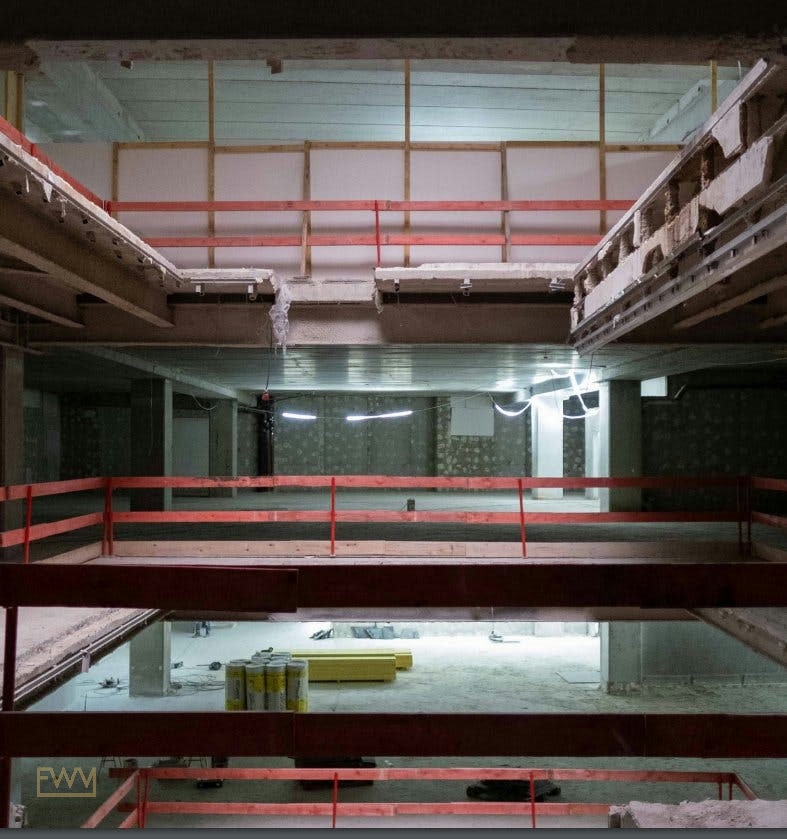
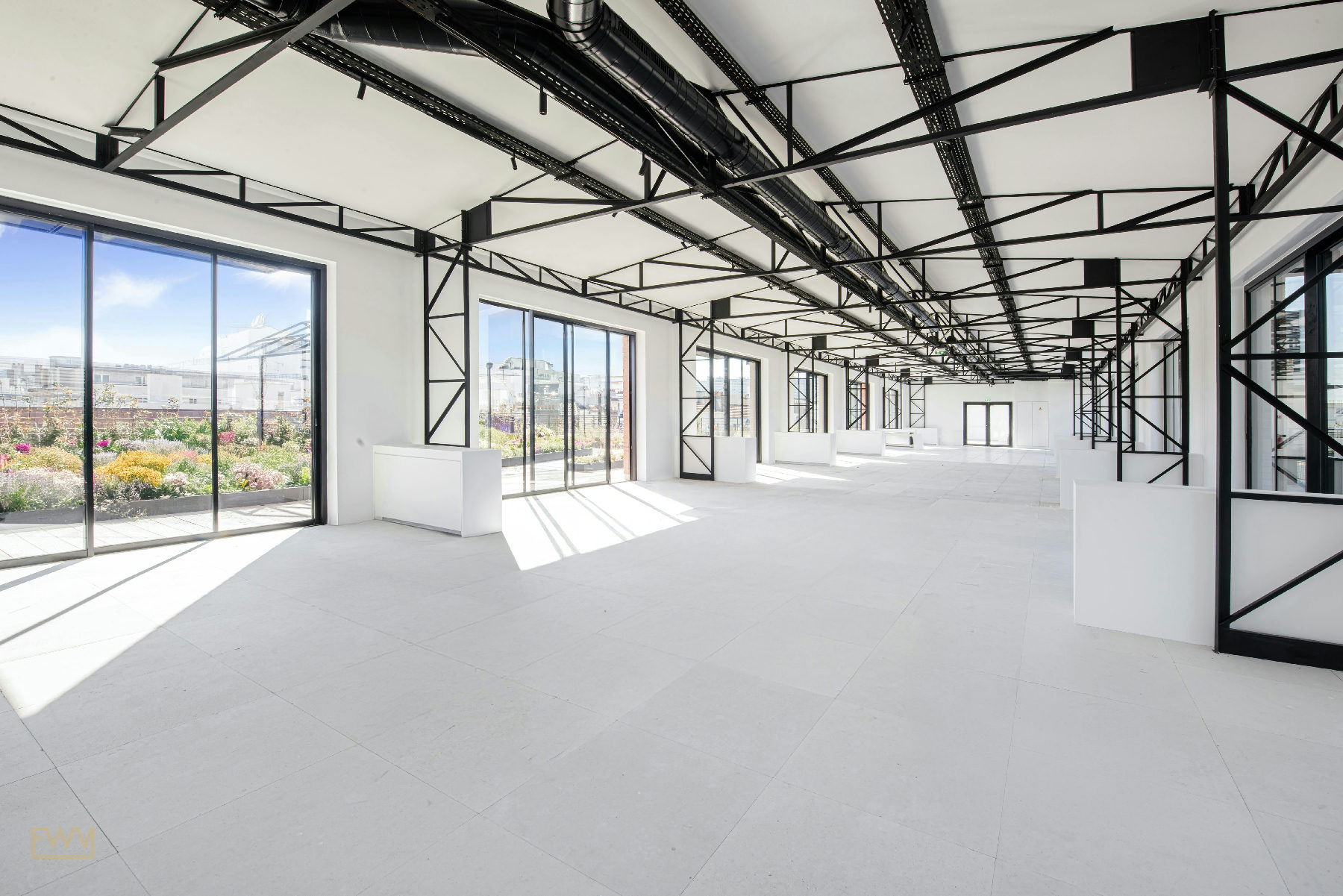
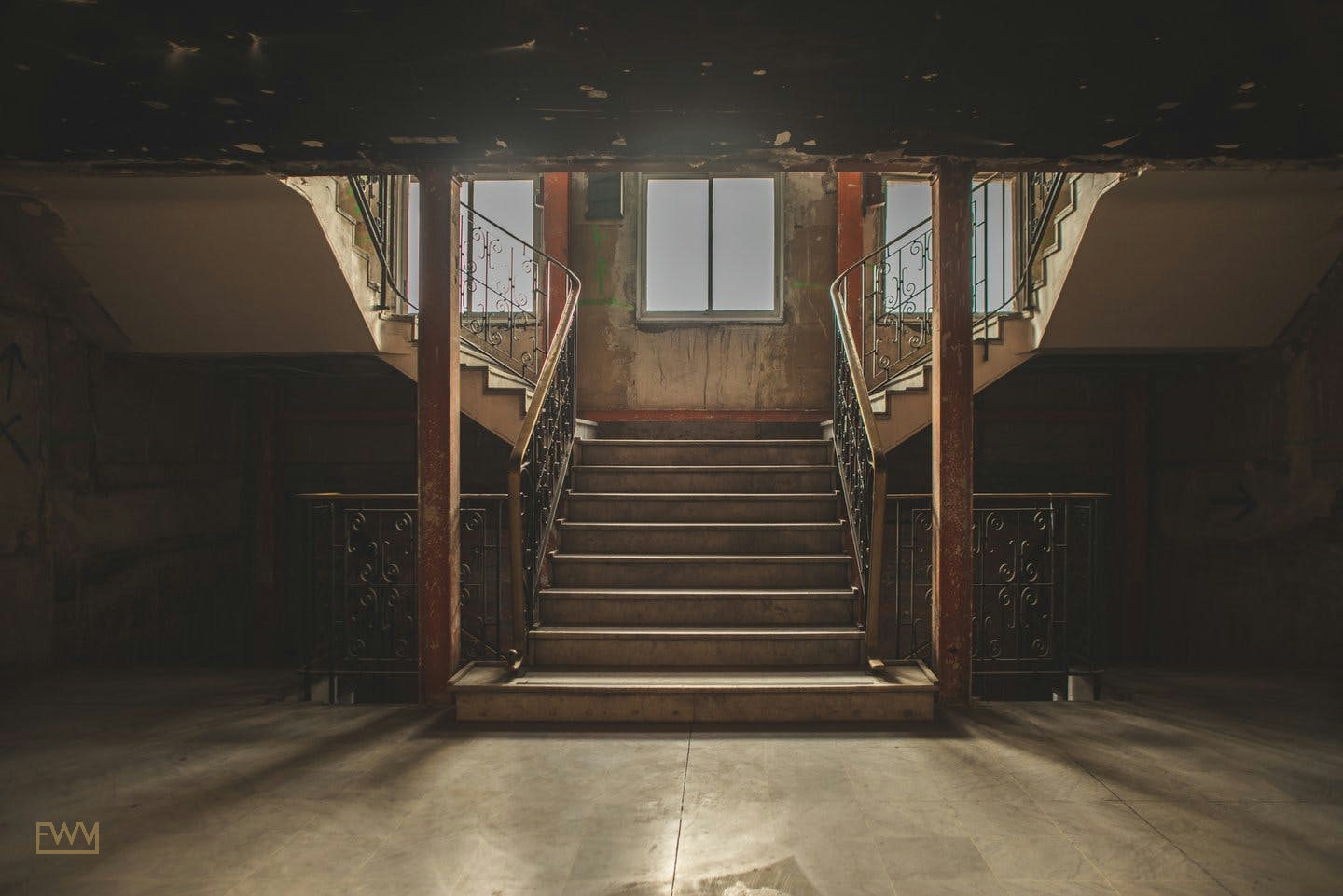
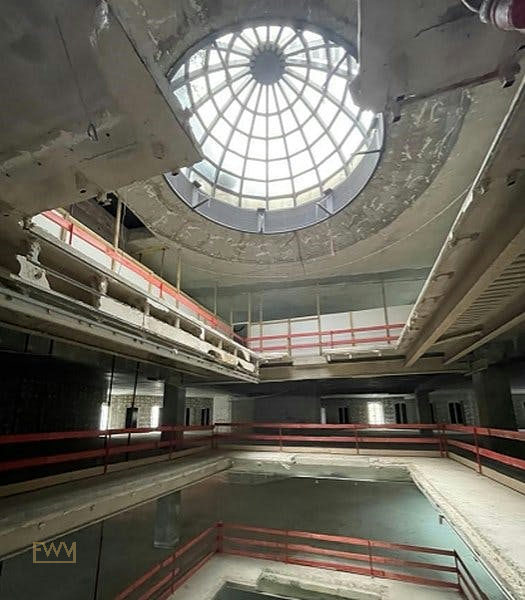
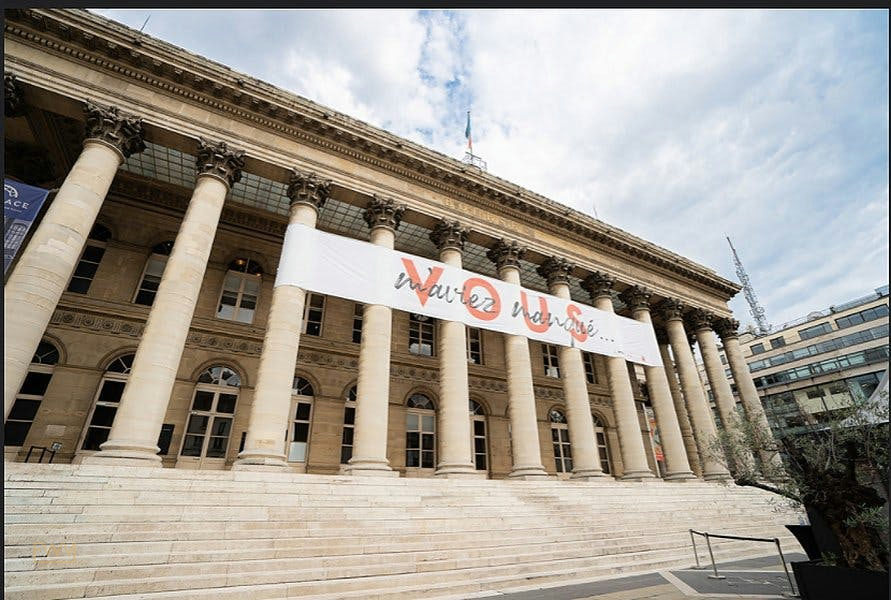

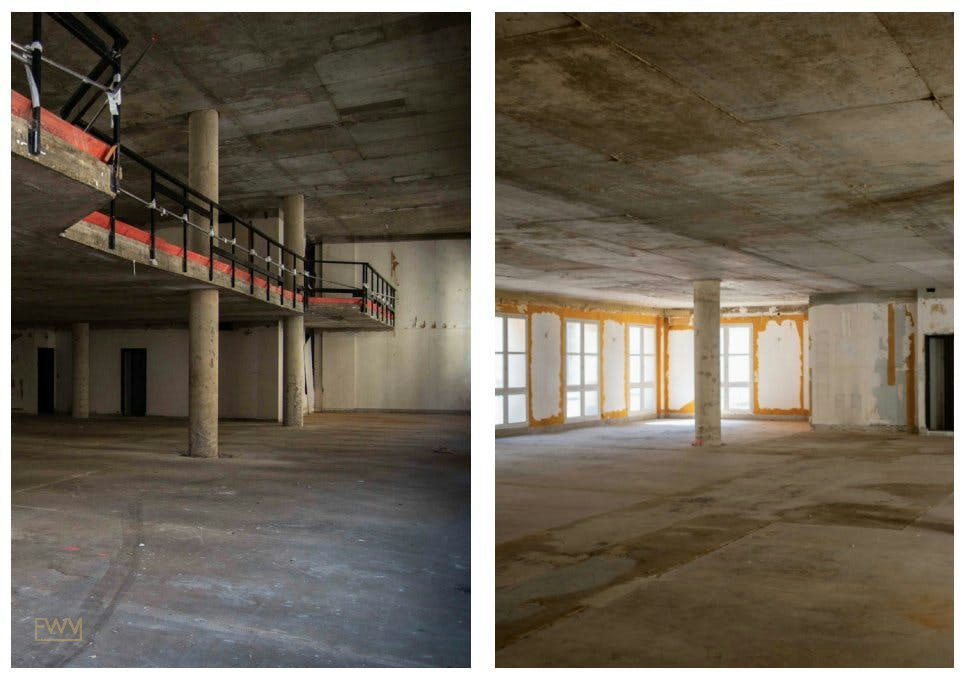
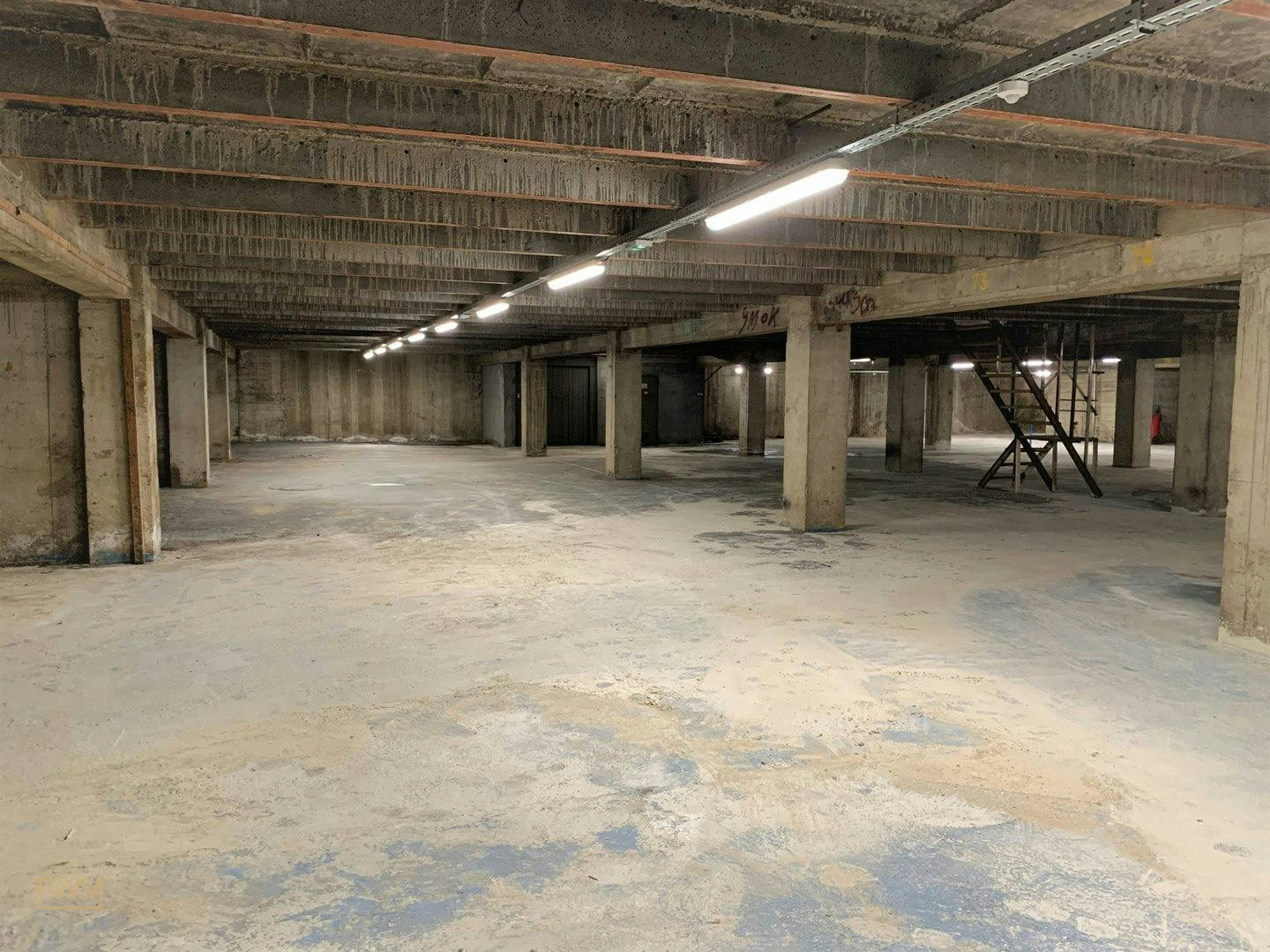
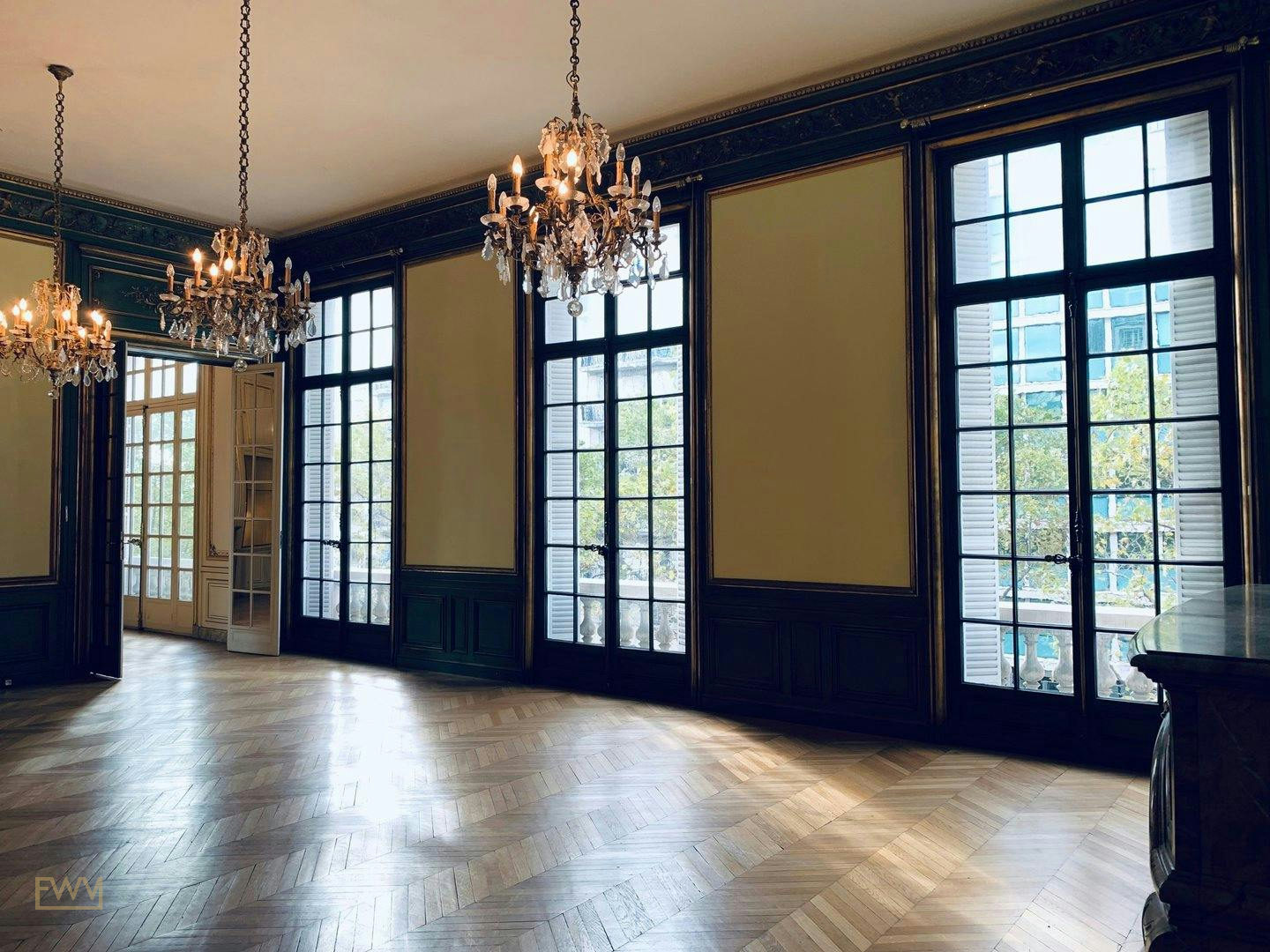
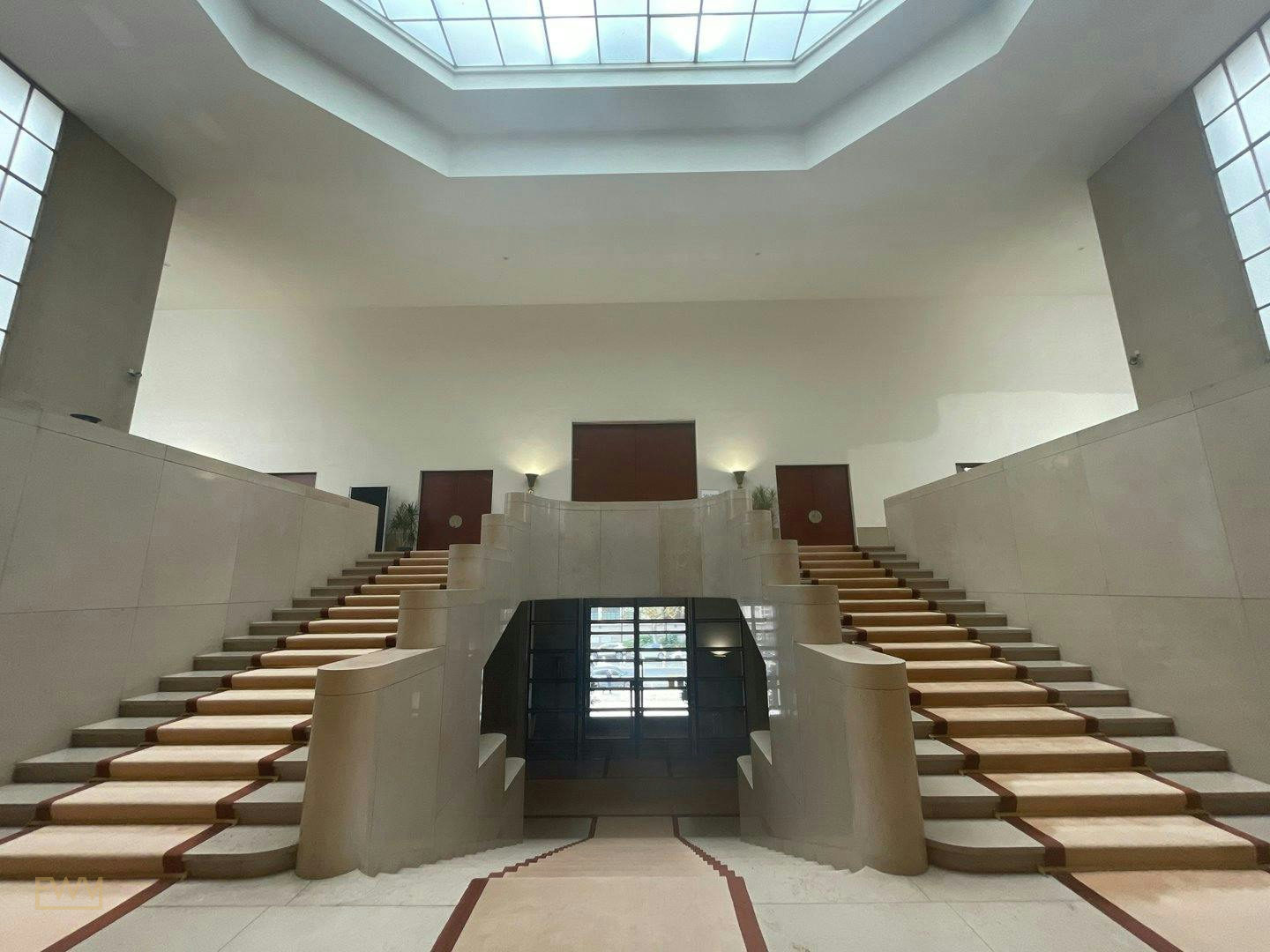
Fashion Week venues are pivotal in shaping brand narratives, offering unique platforms for showcasing collections and brand activations. As the anchor hub for global fashion, Paris provides unparalleled opportunities for brands looking to make a significant impact during Fashion Week. With its rich tapestry of districts, from the historic charm of Le Marais to the luxury of Rue Saint-Honoré, knowing the intricacies of venue selection in Paris is essential. Fashion Week Venues is your trusted partner, offering a wealth of resources for planning and executing successful short-term retail activations.
Understanding the Fashion Week Venue Landscape
Fashion Week venues are varied, ranging from opulent ballrooms to industrial lofts, each offering a unique atmosphere that can elevate a brand's presentation. Selecting the right venue is not merely about aesthetics; it's about aligning the venue's character with brand values and audience expectations. In Paris, this landscape is vibrant, with each arrondissement offering distinct features that cater to different experiential needs.
Quick answer: Fashion Week venues in Paris span diverse districts and spaces, from historic locations to modern settings, each offering unique attributes to match specific brand narratives.
Le Marais, for instance, is known for its eclectic mix of modern and historic influences, making it ideal for brands looking to blend tradition with innovation. In contrast, the luxury districts around Rue Saint-Honoré and Place Vendôme are perfect for high-end labels seeking opulent settings that match their upscale appeal. Meanwhile, areas like Canal Saint-Martin appeal to more avant-garde brands that thrive on a youthful and creative energy. Each district comes with its advantages, but they also present logistical challenges, such as varying regulations and accessibility concerns.
| Neighbourhood | Characteristics | Ideal for |
|---|---|---|
| Le Marais | Eclectic, vibrant mix of modern charm and historical backdrop | Innovative, contemporary fashion brands |
| Rue Saint-Honoré | Luxury district with high foot traffic | Upscale houses and established brands |
| Canal Saint-Martin | Trendy, youthful with artistic atmosphere | Avant-garde and emerging designers |
KEY TAKEAWAY: Understanding the unique attributes of each Parisian district enhances venue selection, ensuring alignment with brand identity and target audience.
To maximize the potential of your Fashion Week activation, it's crucial to explore these neighbourhoods through the Paris city hub on Fashion Week Venues, allowing for strategic alignment of location, space type, and brand image.
Types of Fashion Week Venues
The types of venues available for Fashion Week can significantly impact the ambiance and effectiveness of a brand's activation. From expansive open spaces to intimate showrooms, each type provides different advantages. These venues include historical sites, modern galleries, pop-up shops, and collaborative spaces.
Quick answer: Venue types for Fashion Week in Paris include historical sites, modern galleries, intimate showrooms, pop-up shops, and collaborative spaces, each suited to different brand strategies.
Historical sites offer a unique charm and prestige but come with their own set of challenges, such as stringent compliance requirements and higher costs. Modern galleries provide a sleek, contemporary feel perfect for brands that focus on minimalist aesthetics and cutting-edge design. Intimate showrooms are ideal for personal interactions and detailed product showcases, allowing brands to connect more deeply with their audience.
DID YOU KNOW: Over 70% of pop-up spaces in Paris are booked within six weeks of Fashion Week, necessitating early planning and flexible strategies.
| Venue Type | Key Features | Challenges |
|---|---|---|
| Historical Sites | Prestigious, unique architecture | Compliance, cost, booking time |
| Modern Galleries | Contemporary, tech-friendly | Availability, customization limits |
| Showrooms | Intimate, customizable | Limited space |
| Pop-Up Shops | Flexible, variable locations | Short-term, rapid setups |
For a successful venue selection, brands must consider not just the type but the exact requirements of each space, and plan for flexibility in terms of setup and duration.
KEY TAKEAWAY: Different venue types cater to various presentation needs, making it crucial for brands to align their choice with both logistical capabilities and branding goals.
Explore the Fashion Week Venues marketplace to find the ideal venue type that matches your activation strategy.
Aligning Venues with Brand Strategy
Choosing a venue that resonates with your brand's strategy is vital in enhancing the overall consumer experience. It involves ensuring that every element of the venue, from location and layout to historical significance and design aesthetics, aligns with the brand's narrative.
Quick answer: Aligning venues with brand strategy involves selecting spaces that reflect brand values, storytelling, and consumer engagement priorities to enhance the experience.
The alignment begins with understanding your brand's core values and target audience. For instance, a brand that promotes sustainability might opt for eco-friendly venues with smart designs and energy-efficient facilities, while a luxury brand might choose a venue that exudes opulence and exclusivity, such as an haute couture mansion or a famed palace-turned-event space.
Through strategic design and curation, the venue becomes a part of the storytelling, where each element is carefully selected to resonate with visitors, thereby creating a memorable and coherent brand message.
TIP: Consider integrating technology and interactive experiences to elevate audience engagement, a growing trend in venue-based brand activations.
Effective alignment doesn’t end at the design phase; it extends to event execution, where seamless experiences hinge on coordination between venue elements and brand goals. Here, strategic services like concept direction and production and build become indispensable.
KEY TAKEAWAY: A venue that seamlessly integrates with a brand's strategic outline not only offers aesthetic coherence but amplifies brand messaging through every touchpoint and interaction.
This alignment strengthens brand loyalty and ensures that every event’s goal is achieved with precision and impact.
Step-by-Step Venue Selection Process
Selecting the perfect venue involves a meticulous process that ensures all brand requirements and activation goals are met. This process includes several critical steps, each requiring detail-oriented planning and expert insights.
Quick answer: The venue selection process involves steps like defining objectives, location scouting, assessing logistical needs, cost estimation, and finalizing bookings.
- Define Objectives: Identify the core goals of the fashion activation, whether it's launching a new collection, brand repositioning, or consumer engagement.
- Budget Assessment: Utilize tools like the budget calculator to establish financial parameters and inform location decisions.
- Logistical Requirements: Evaluate space requirements, technical needs, and compliance issues such as bail dérogatoire and ERP permits which can be complex depending on the district.
- Location Scouting: Prioritize spaces that not only suit logistical needs but also embody the brand’s visual and thematic goals.
- Finalizing Venues: Leverage comprehensive analysis from space comparison tools to choose the most viable options and proceed with negotiations and booking.
IMPORTANT: Each step in this process must be handled with care, as failing to account for local regulations can delay activations significantly.
| Step | Description |
|---|---|
| Define Objectives | Clarify the event's purpose and desired outcomes |
| Budget Assessment | Set financial limits using a budget tool |
| Logistical Requirements | Detail space and technical needs, permits |
| Location Scouting | Find spaces that match brand themes |
| Finalizing Venues | Choose and book your ideal space |
KEY TAKEAWAY: Each step builds upon the last, requiring careful consideration, strategic planning, and often, collaboration with agencies like Fashion Week Venues to streamline the process effectively.
Legal Considerations in Venue Agreements
When securing a venue for Fashion Week, understanding French legal obligations is paramount. Venue agreements, as in the case of a bail dérogatoire or temporary occupation permit (AOT), differ significantly from standard commercial leases and require careful legal navigation.
Quick answer: Venue agreements in Paris often involve specialized legal considerations, such as bail dérogatoire or AOT, each with unique regulatory requirements.
A bail dérogatoire allows short-term occupation under specific conditions distinct from the standard commercial lease, offering flexibility but requiring meticulous adherence to pre-defined conditions. It’s crucial to understand that these agreements differ by space type, duration, and arrondissement, often necessitating French legal advice.
An Autorisation d’Occupation Temporaire (AOT) allows use of public spaces under specific conditions. This is particularly relevant for external venues or events utilizing prominent public areas for promotional activities.
TIP: Always verify with a legal advisor familiar with French property law to ensure venue agreements meet compliance standards without unforeseen liabilities.
For brands unfamiliar with these requirements, leveraging tools like Fashion Week Venues' permits tool provides crucial guidance and support in navigating these complex legal waters.
KEY TAKEAWAY: Given the legal intricacies involved, securing expert advice is advisable when drafting or negotiating venue agreements, ensuring all regulatory boxes are checked for a smooth, compliant activation.
Budgeting and Cost Management
Effective budgeting is essential for successful Fashion Week activations. With multiple cost components, from venue rental to staffing, managing expenses strategically can dictate the activation’s success or failure.
Quick answer: Fashion Week activations require carefully planned budgets, accounting for venue rental, logistic expenses, compliance costs, staffing, and unexpected contingencies.
Start by defining key budgetary limits using the budget calculator tool provided by Fashion Week Venues. This tool helps brands allocate their financial resources efficiently by simulating various cost scenarios and aligning them with strategic priorities.
Common expenses include:
- Venue Rental: Major cost influenced by location, size, and type.
- Technical and Production: Covers staging, lighting, and overall AV requirements.
- Compliance and Permits: Including costs for legal compliance and securing necessary permits.
- Staffing and Logistics: Essential for ensuring smooth operation and audience management.
- Unforeseen Costs: Allocate a contingency budget for unexpected changes or requirements.
Persistent cost monitoring and re-alignment are critical, especially in dynamic environments like Fashion Week where variables frequently change.
DID YOU KNOW: Allocating roughly 10-15% of your budget to unforeseen expenses is a common practice among seasoned event planners.
KEY TAKEAWAY: Structured budgeting using advanced planning tools not only optimizes financial resources but also ensures that activations can adapt flexibly to moving circumstances without derailing objectives.
Activating the Venue: Logistics and Execution
Once the venue is secured, the next critical phase is activation. This involves intricate logistics planning and execution strategies that bring the brand's vision to life.
Quick answer: Venue activation requires detailed logistical planning, including spatial design, technical setup, and real-time audience engagement strategies.
Key steps in the activation process include:
- Spatial Planning: Customize the venue layout to enhance brand storytelling, ensuring all spatial elements align with intended audience pathways.
- Technical Setup: Installation of equipment, including AV systems, staging, and lighting, in coordination with technical partners.
- Staff Coordination: Utilization of retail staffing services for seamless interaction and management during the event.
- Audience Engagement: Implement real-time interactive methods such as social media walls or live polling to enhance visitor experience.
TIP: Consider incorporating experiential elements like VR or AR, which are gaining traction in engaging fashion show attendees.
Leveraging activation management services can significantly enhance operational efficiency, allowing brand teams to focus on strategic objectives rather than logistical concerns.
KEY TAKEAWAY: Effective activation demands seamless integration of logistics, design, and engagement strategies, ensuring the brand's narrative cohesively unfolds throughout the event with maximum impact.
Post-Event Evaluation and ROI
The success of a Fashion Week activation isn’t just measured through immediate brand exposure. It extends to evaluating performance metrics and understanding return on investment (ROI).
Quick answer: Post-event evaluation involves assessing performance metrics like audience engagement, brand reach, and sales impact to calculate ROI.
It starts with collecting data on attendee demographics, engagement levels, and feedback using tools like surveys and digital touchpoints. Fashion Week Venues’ ROI calculator aids brands in quantitatively measuring outcomes against objectives, such as lead generation, sales uplift, and brand buzz created.
Post-event strategies also involve leveraging analytics for future improvements, identifying strengths and weaknesses in execution, and reinforcing successful practices.
- Data Analysis: Scrutinize collected data to understand guest interactions and content performance.
- Financial Assessment: Correlate revenue metrics to costs for accurate ROI computations.
- Strategy Refinement: Implement insights gained for optimizing future activations.
IMPORTANT: Consistent evaluation provides strategic insights that not only support immediate return assessments but also influence long-term brand positioning and campaign refinement.
KEY TAKEAWAY: Comprehensive post-event evaluations ensure clear insight into success metrics, guiding brands towards informed decisions for future activations and cumulative growth.
Common Myths Debunked
MYTH: You need a French legal entity to rent a space in Paris.
FACT: While having a French entity can simplify the process, foreign businesses can still rent spaces through agencies and partners like Fashion Week Venues who handle local compliance efficiently.
MYTH: Paris Fashion Week is the only viable calendar window for fashion brands.
FACT: While prestigious, leveraging other city-wide fashion events or periods can provide less competitive, often more cost-effective activation opportunities while still appealing to your target audience.
MYTH: Commission brokers are the only way to find suitable spaces.
FACT: Platforms like the Fashion Week Venues marketplace provide direct access to a wide range of spaces, helping brands streamline their search process independently and potentially lowering overhead costs.
MYTH: Short-term leases are legally straightforward and don't require specialist consultation.
FACT: Short-term leases in Paris often involve complex legal structures and compliance factors, necessitating expert consultation to avoid disputes and ensure legal adequacy.
Frequently Asked Questions
What is the average cost of renting a venue during Paris Fashion Week?
The cost of renting a venue during Paris Fashion Week varies greatly depending on the location, size, and type of the venue. While historical sites in prime districts like Rue Saint-Honoré are priced higher, more modern and flexible spaces may offer cost advantages. For a more tailored assessment, stakeholders are advised to use budget estimation tools like those offered by Fashion Week Venues.
How long does it take to secure a venue?
Securing a venue can take anywhere from a few weeks to several months, depending on demand and complexity of the venue. Early planning and engagement with venue sourcing specialists can significantly expedite this process, ensuring the availability of preferred locations.
Are there specific permits required for fashion events in Paris?
Yes, certain permits such as a bail dérogatoire or Autorisation d’Occupation Temporaire (AOT) may be required, particularly for short-term activations or public space usage. Compliance with local regulations is essential, and guidance through tools like the permits tool from Fashion Week Venues can offer crucial support.
Can international brands easily host events without a French partner?
Yes, international brands can host events in Paris without a French partner, but navigating local regulations and securing the right venue necessitates knowledge of local laws and processes. Agencies like Fashion Week Venues provide the expertise and tools necessary to streamline this, even without a local partner's presence.
How do you align a venue choice with a brand’s identity?
Aligning venue choice with brand identity starts with understanding brand goals, thematic elements, and target audience preferences. Considering elements such as venue historicity, design aesthetics, and location relevance will enhance strategic alignment, and engagement with concept direction services ensures cohesion and creativity.
What are the key logistical challenges when organizing a Fashion Week event?
Common logistical challenges include space customization, permit acquisition, technical setup, staffing, and audience flow management. Effective planning, supported by experienced partners and specialized tools such as those offered by Fashion Week Venues, can overcome these hurdles efficiently.
How do I calculate ROI for a fashion event?
Calculating ROI involves assessing several metrics such as audience engagement, immediate sales impact, media reach, and enhanced brand perception. Tools like the ROI calculator from Fashion Week Venues can help quantify these aspects, providing a comprehensive picture of the event's success relative to costs.
Why is hiring an agency beneficial for venue management?
Hiring an agency brings expertise in local market dynamics, regulatory knowledge, and logistical execution, significantly reducing the risk of oversight while maximizing strategic opportunities. Agencies like Fashion Week Venues offer end-to-end services, from concept direction to activation management, streamlining processes and ensuring professional outcomes.
What are the emerging trends in fashion event venues?
Emerging trends include the growing popularity of environmentally sustainable venues, multi-sensory experiences using technology like AR and VR, and flexible spaces that allow customization. Trends reflect the increasing demand for interactive and immersive fashion experiences, placing greater emphasis on creativity in venue selection.
Can I host a public event in a high-traffic area in Paris without restrictions?
High-traffic areas in Paris have specific regulations and often require obtaining an Autorisation d’Occupation Temporaire (AOT) to host public events. Compliance with these requirements is essential, necessitating proper inquiry and planning confirmed by legal advisories or specialized services available through agencies like Fashion Week Venues.
How Fashion Week Venues Can Help
Fashion Week Venues offers a comprehensive range of services and tools designed to support brands in navigating the complexities of space selection and event activation in major fashion capitals. The platform provides access to a diverse marketplace of venues, strategic concept direction, production and build expertise, and robust activation management services.
Brand teams benefit from tools such as the space comparison tool for assessing various spaces in alignment with specific brand needs, and the permits tool that guides through complex compliance processes. With their wide-ranging expertise in market trends and logistical dynamics, Fashion Week Venues enables brands to focus on creative elements while handling operational concerns effectively.
KEY TAKEAWAY: By leveraging Fashion Week Venues' extensive services and tools, brands can achieve streamlined activations and maximize their Paris Fashion Week presence with strategic finesse.
For personalized strategy and execution support, explore Fashion Week Venues’ array of resources and start securing your ideal venue with confidence.
Conclusion
In the dynamic world of fashion, where presentation is as crucial as the products themselves, selecting the right venue plays a critical role in shaping brand narratives during Fashion Week. By understanding the diverse landscape of venues, aligning them with brand strategies, and navigating legal and logistical challenges with expertise, brands can create memorable activations that resonate with their target audience.
Fashion Week Venues stands as a pivotal partner in this journey, offering a comprehensive suite of services and tools to facilitate seamless planning and execution. For those looking to take their Fashion Week activation from concept to reality, start by exploring the available spaces on the Fashion Week Venues marketplace and build a focused brief tailored to your strategic goals and audience needs.