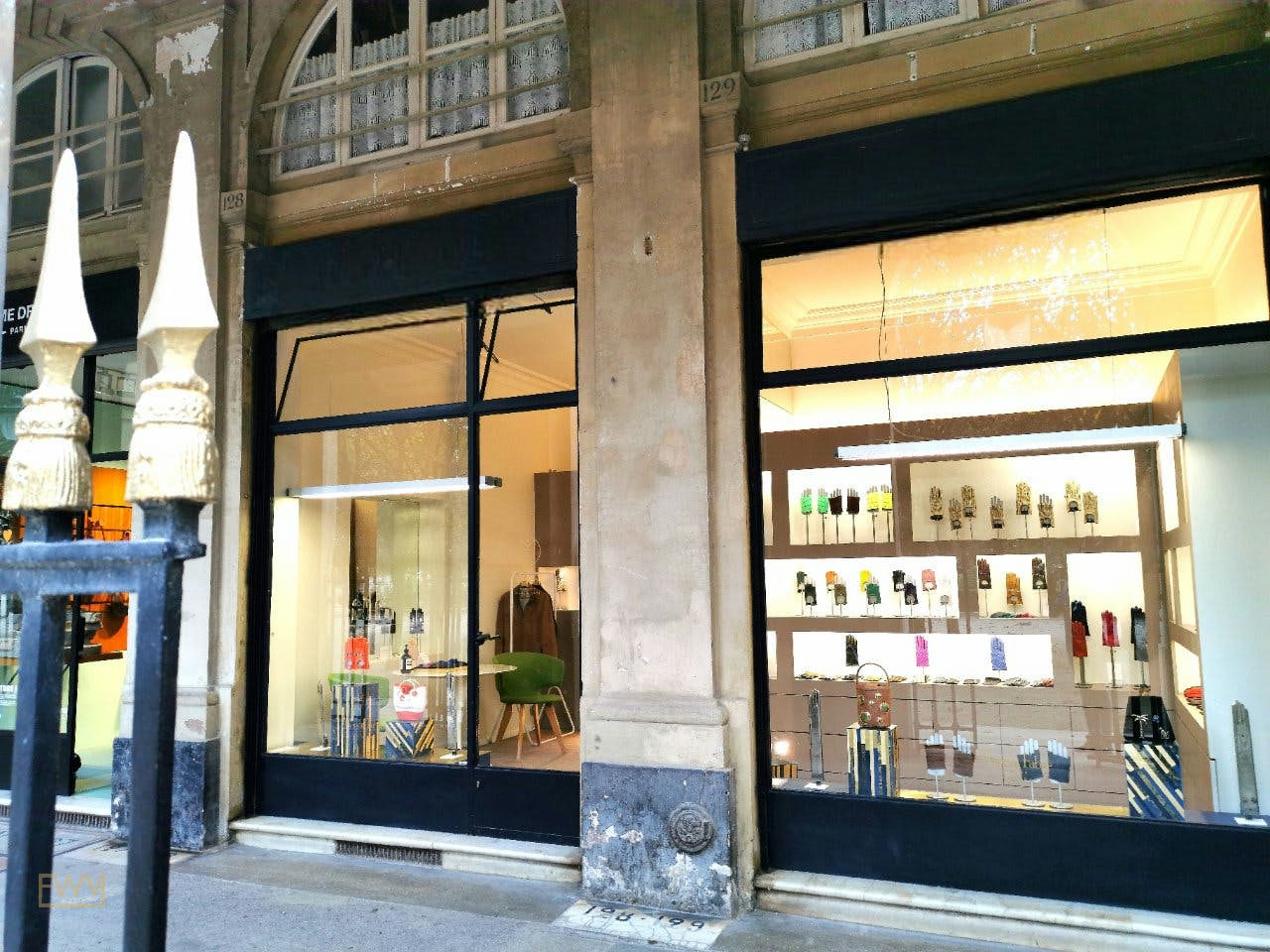
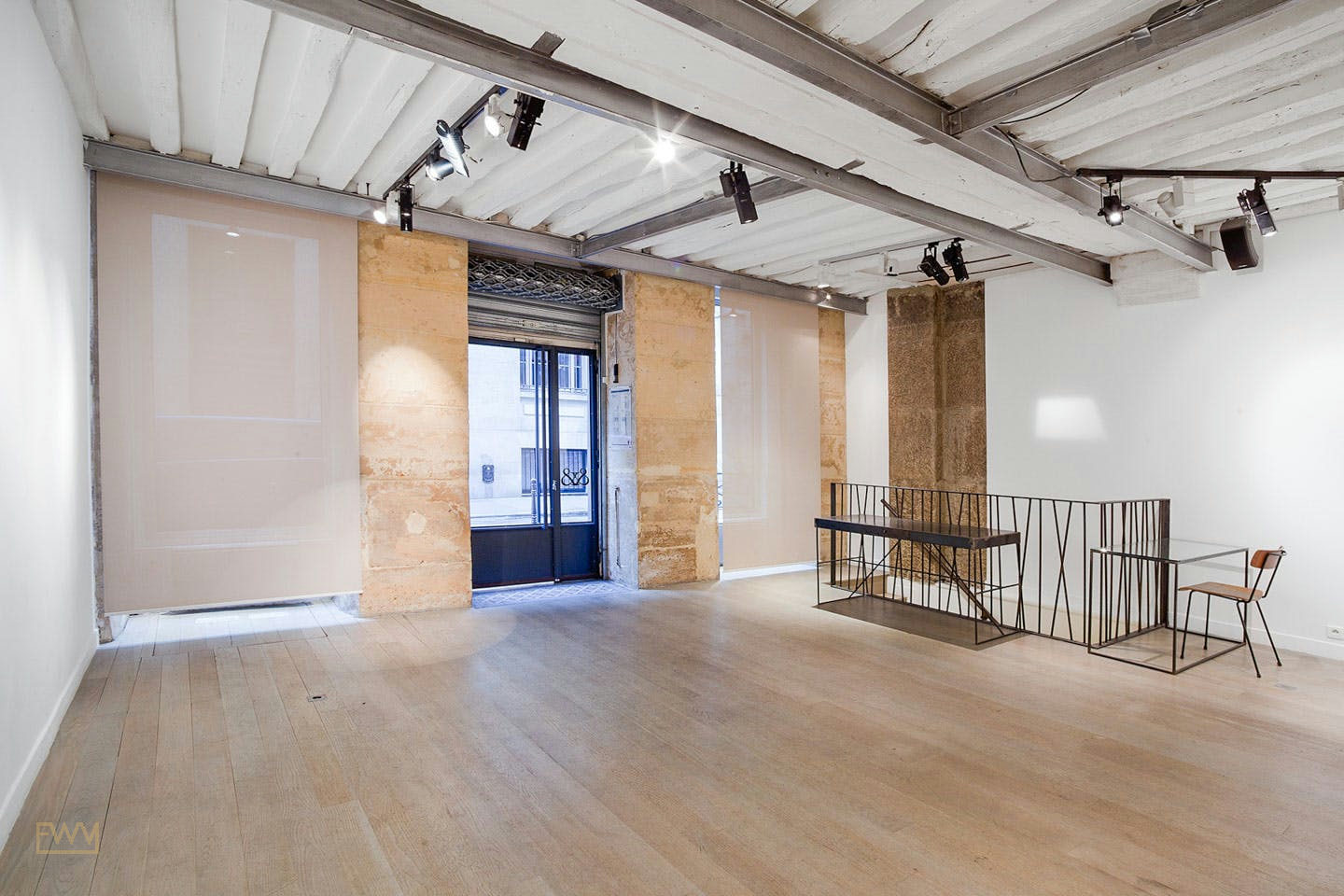
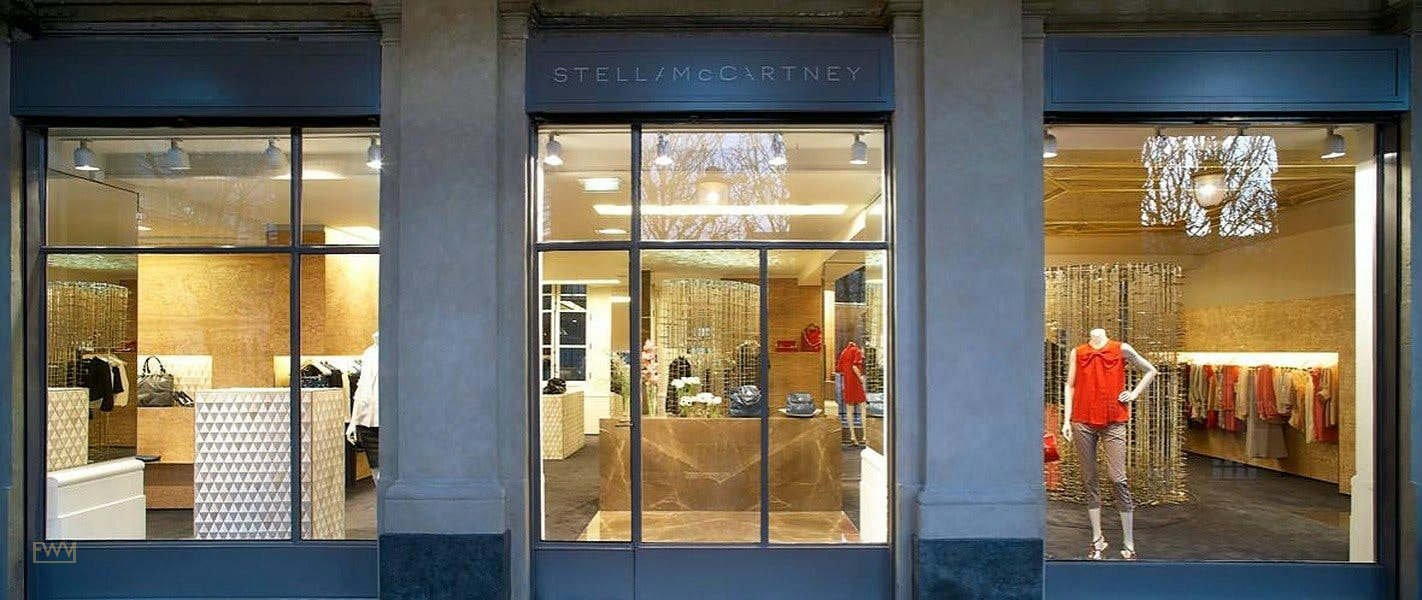
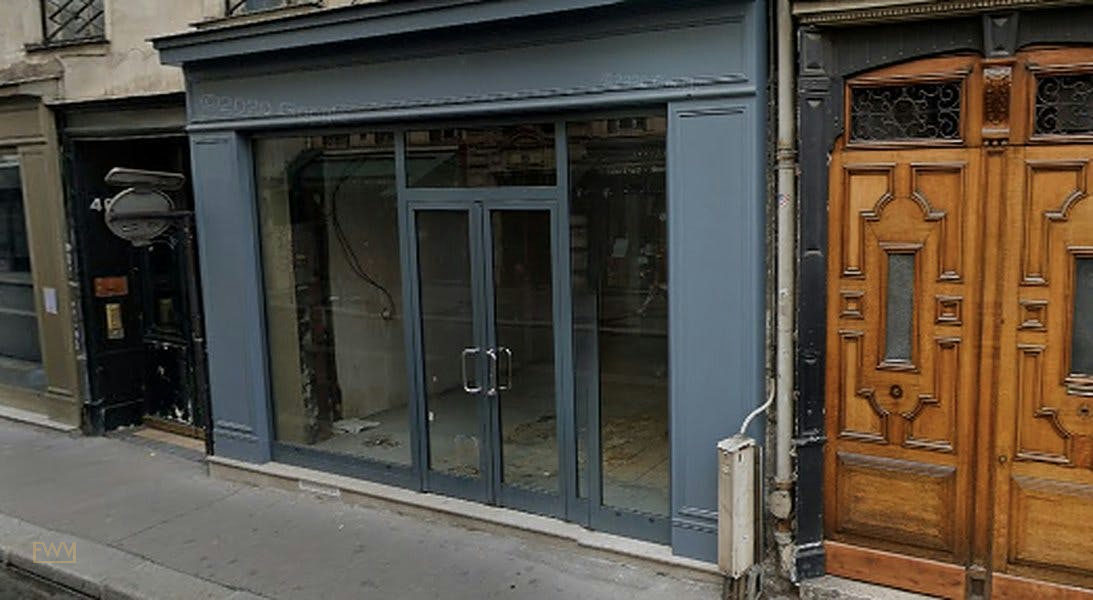
To hire retail space in Palais Royal is to position your brand at one of the most architecturally significant and commercially coveted addresses in Paris. The Palais-Royal complex, its arcaded galleries, and the surrounding streets of the Paris 1st arrondissement draw a concentrated mix of luxury shoppers, international tourists, fashion press, and culturally engaged locals that few other locations in the world can replicate. Fashion Week Venues works with brands seeking pop-up shops, showrooms, event spaces, and short-term retail activations across Paris, including in and around the Palais Royal district. This guide covers everything brand teams need to know before committing to a space: location context, space types, commercial terms, permit requirements, design considerations, and how to build a successful activation strategy from first enquiry to final day of trading.
Why Palais Royal is One of the Most Powerful Retail Addresses in Paris
The Palais Royal district sits at the geographic and cultural heart of Paris, making it an exceptional choice for brands that want visibility, prestige, and genuine footfall from the right audiences.
The Palais-Royal itself was built in the 17th century and has served as a royal residence, a political meeting ground, and a commercial hub. Its covered arcades, specifically the Valois and Montpensier galleries, have housed boutiques, cafes, and specialist retailers for over two centuries. Today that same architectural framework supports some of the most sought-after short-term retail spaces in the French capital. The marble floors, high ceilings, and vaulted stone passageways create a physical environment that elevates any brand presenting within it. For luxury brands in particular, the built environment does a significant amount of brand positioning work before a single product is placed on a shelf.
The location also benefits from its proximity to several other major commercial and cultural anchors. Rue Saint-Honoré, one of the world's most recognised luxury retail streets, runs directly south of the Palais Royal gardens. Place Vendôme, home to the world's highest concentration of fine jewellery houses, is within a short walk. Rue de Rivoli borders the district to the south, while Rue du Louvre provides a direct northern connection toward Les Halles and the Marais. The Louvre itself, the most visited museum in the world, sits immediately adjacent, ensuring a consistent flow of culturally motivated international visitors throughout the year.
Place des Victoires, the circular baroque plaza to the northeast, has become one of Paris's most respected addresses for independent luxury and contemporary fashion. Brands including Kenzo have maintained flagship stores there for decades. The density of high-quality retail, hospitality, and cultural institutions in this cluster means that any pop-up store or showroom operating in the Palais Royal district benefits from ambient prestige and natural cross-shopping behaviour.
Foot traffic in this district is notably different in character from high-volume tourist corridors like the Champs-Élysées or Boulevard Haussmann. Visitors to the Palais Royal tend to be intentional shoppers, design-aware tourists, architecture enthusiasts, and fashion insiders. During Paris Fashion Week, the concentration of press, buyers, stylists, and brand executives in the surrounding arrondissements makes the area particularly valuable for showroom activations and press-facing pop-up shops.
DID YOU KNOW: The Jardin du Palais Royal is one of the few significant green spaces in central Paris that is enclosed by commercial arcades on three sides, meaning visitors to the garden naturally pass through or alongside retail and hospitality spaces as part of their route.
KEY TAKEAWAY: Palais Royal offers a rare combination of architectural distinction, luxury retail context, cultural credibility, and access to fashion industry professionals that makes it one of the highest-value locations in Paris for short-term brand activations, showrooms, and pop-up stores.
Understanding the geography of the district helps brands narrow their space search before approaching any venue sourcing process. The next section examines the specific types of spaces available and what each is suited to.
Types of Retail and Event Space Available to Hire in the Palais Royal District
The Palais Royal district accommodates a wide range of space formats, from compact ground-floor boutiques in the arcades to full loft spaces with parquet floors and double-height ceilings. Choosing the right format depends on your activation type, team size, product category, and intended visitor experience.
Boutique and Arcade Units
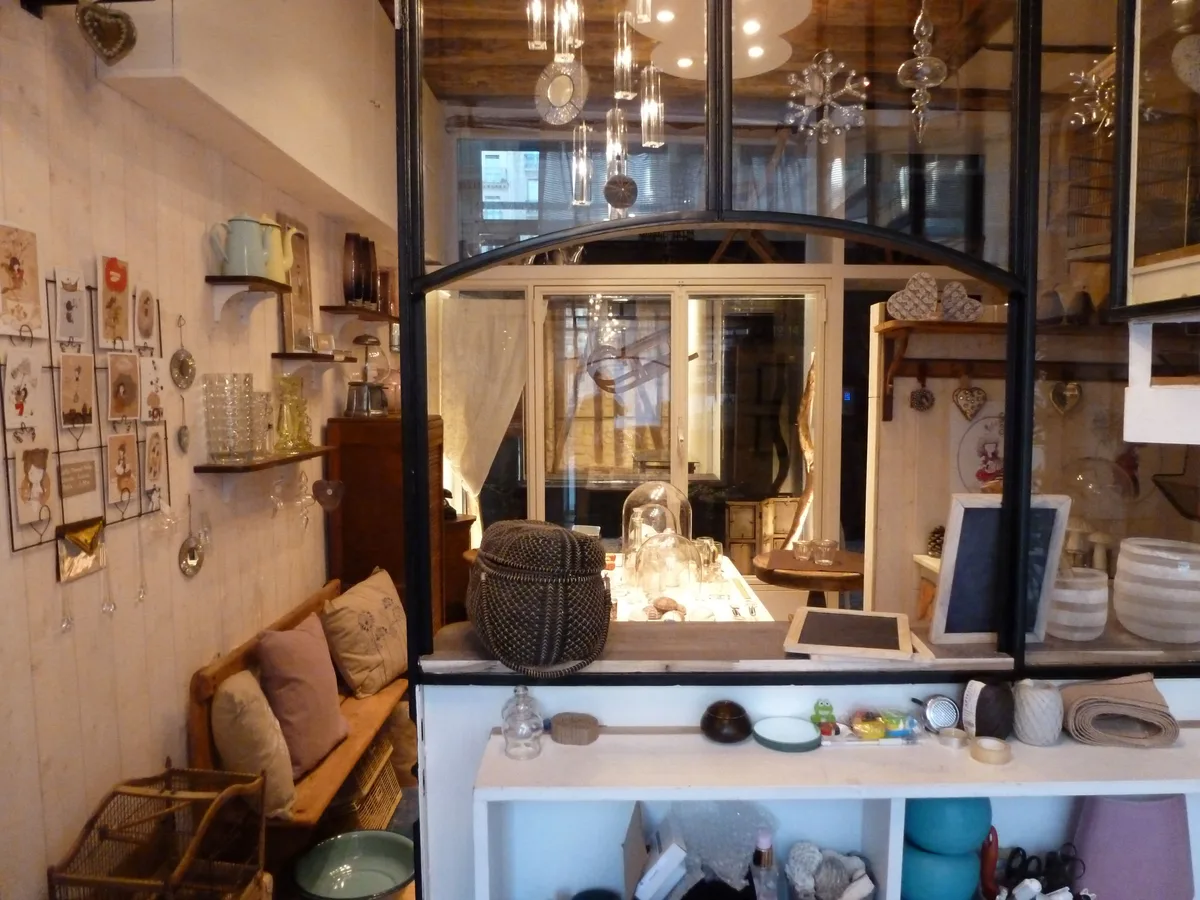
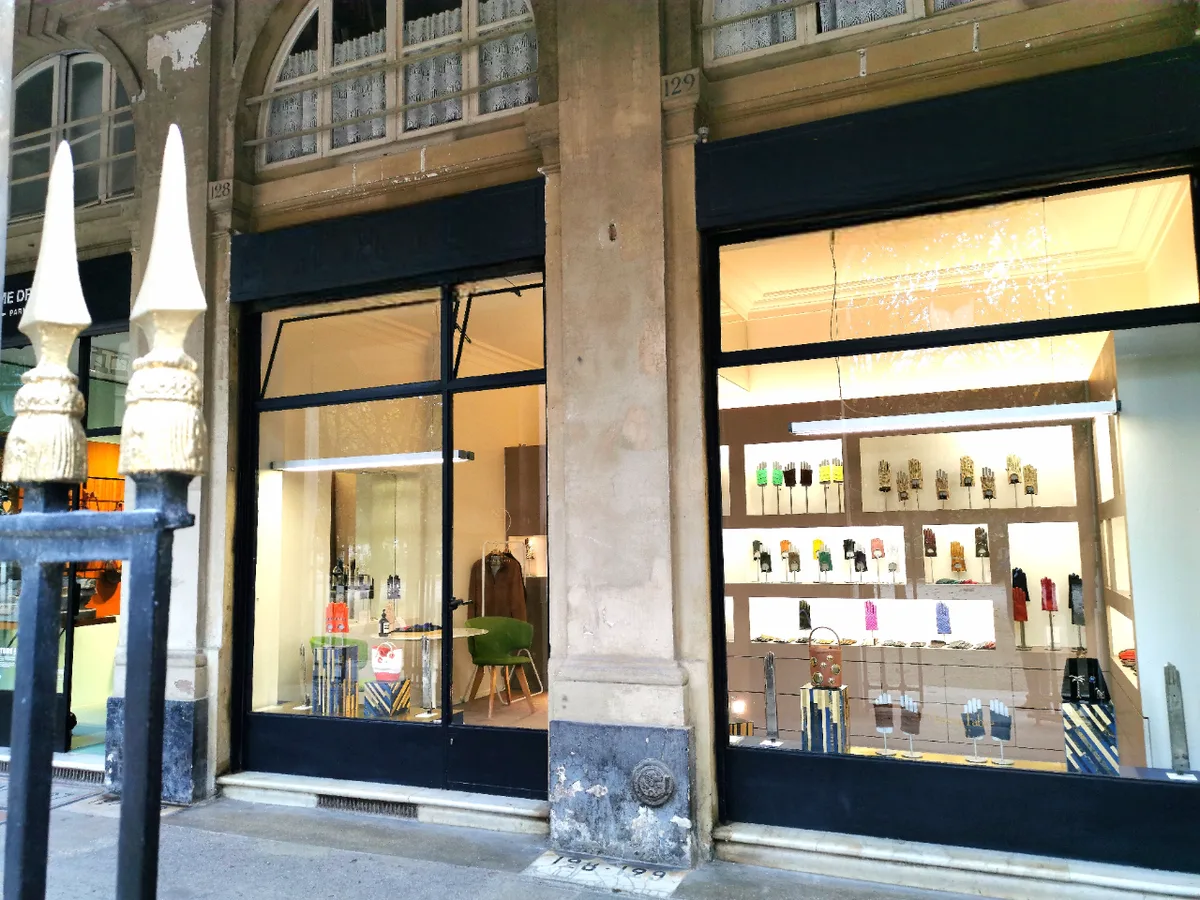
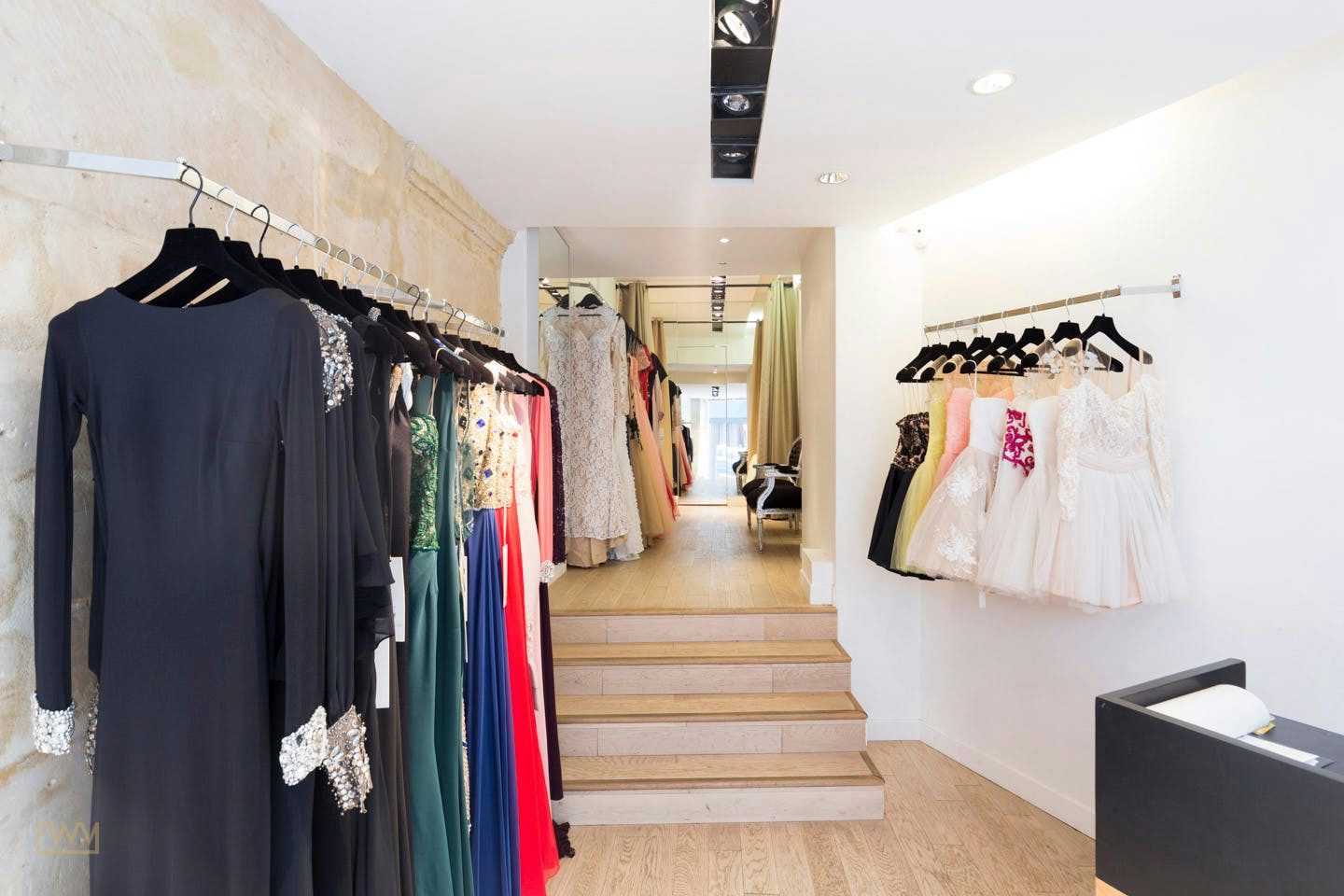
The covered arcades of the Palais-Royal, particularly the Valois and Montpensier galleries, contain individual retail units ranging from very compact specialist spaces to mid-size boutiques. These spaces are historically associated with jewellers, antiquarians, art dealers, and specialist fashion retailers. For a brand seeking authenticity, heritage associations, and a genuine Parisian context, an arcade unit delivers an environment that cannot be replicated elsewhere. The ground floor units open directly onto the pedestrianised gallery corridors, creating natural visibility and encouraging impulse visits from passing foot traffic. Many units feature original marble floors, stone arches, and period details that work particularly well for luxury, heritage, and artisanal brands.
Galerie and Showroom Spaces
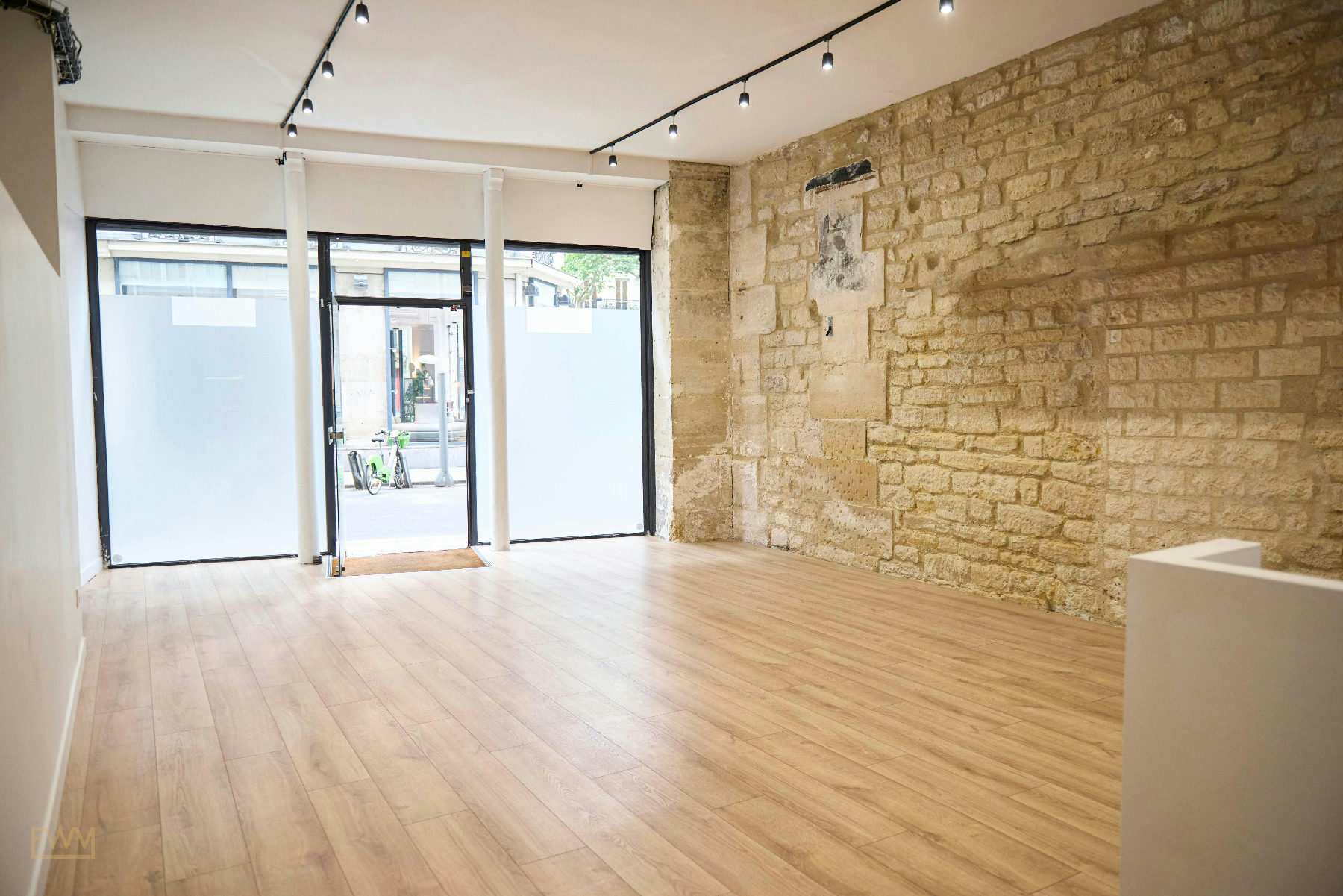
Beyond the arcades themselves, the streets immediately surrounding the Palais Royal contain a significant number of galerie-style spaces that have historically been used for art gallery exhibitions, brand presentations, and design showrooms. These spaces typically offer higher ceilings, open floor plans, and neutral interior finishes that allow brands to install custom fixtures and branded environments without competing against strong existing architectural character. For fashion brands hosting press days, buyer appointments, or wholesale showrooms during Paris Fashion Week, a galerie-format space in this neighbourhood provides the right combination of address credibility and interior flexibility.
Loft Spaces
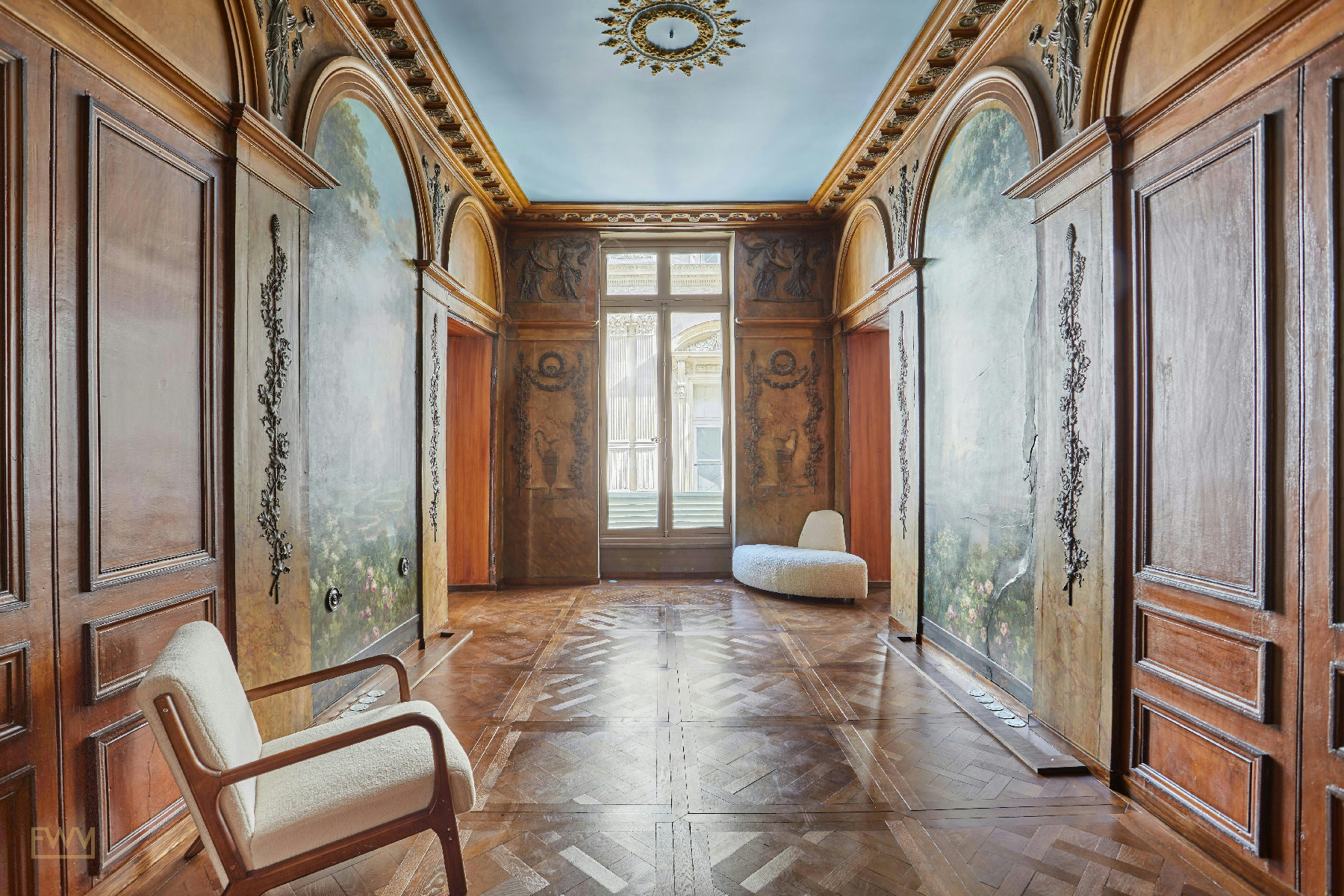
Loft spaces in the Palais Royal area are less common but highly sought after. They tend to occupy upper floors in Haussmann-era or older buildings and are characterised by parquet floors, large windows, exposed beams or stonework, and generous ceiling heights. A LOFT format works well for brands that need a multi-functional space capable of hosting both retail and event programming simultaneously. A brand might use the ground floor for consumer retail during the day and convert the upper loft area for a press dinner or influencer event in the evening. This dual-use capability makes loft spaces particularly good value during Fashion Week calendar windows.
Cafes and Hospitality-Format Spaces
Several spaces in the district have existing cafe or bar infrastructure, including professional kitchen equipment, seating areas, and service counters. Brands in food, wellness, beauty, and lifestyle can hire these spaces and operate them as branded cafes or tasting experiences alongside a product retail component. The cafe format is a well-established activation model for building dwell time, generating social media content, and creating the kind of memorable customer experience that drives both brand awareness and customer loyalty.
Event Spaces and Private Venues
The Palais Royal area also contains private event spaces that are typically used for corporate receptions, fashion presentations, and brand launches. These spaces often feature period architecture, private gardens or courtyards, and catering infrastructure. Brands launching a new collection, hosting a VIP press event, or staging a product reveal benefit from the formal elegance that this category of space provides.
Quick answer: The main space types available to hire in the Palais Royal district include arcade boutiques, galerie and showroom spaces, loft spaces with parquet floors, cafe-format venues, and private event spaces. Each format suits different activation types, team sizes, and visitor experience goals. Brands should define their activation model before starting their space search.
| Space Type | Best For | Typical Features | Ideal Duration |
|---|---|---|---|
| Arcade boutique | Luxury retail, jewellery, heritage brands | Marble floors, stone arches, ground floor access, gallery foot traffic | 1 to 4 weeks |
| Galerie or showroom | Press days, buyer appointments, wholesale showrooms | High ceilings, open plan, neutral finishes, flexible layout | 3 to 10 days |
| Loft space | Multi-format activations, dual retail and event use | Parquet floors, large windows, exposed structural elements | 1 to 3 weeks |
| Cafe-format space | Food, wellness, beauty, lifestyle brands | Kitchen infrastructure, seating, service counter, dwell-time environment | 1 to 2 weeks |
| Private event venue | Collection launches, VIP press events, brand reveals | Period architecture, courtyards or gardens, catering facilities | 1 to 3 days |
KEY TAKEAWAY: Space type and activation model must be aligned before beginning any negotiation. The wrong format, even in the right neighbourhood, creates operational friction and limits the experience you can deliver to visitors, press, and buyers.
Once you have identified the right format, the next critical step is understanding the commercial and legal framework that governs short-term retail leases in Paris, which differs significantly from other markets.
Commercial and Legal Framework for Hiring Retail Space in Paris
Short-term retail leases in France operate under a specific legal framework that brand teams from outside France often find unfamiliar. Understanding the distinction between lease types, your obligations as a tenant, and the role of permits is essential before signing any agreement.
Bail Dérogatoire: Short-Term Commercial Leases in France
The standard commercial lease in France, known as a bail commercial, carries a nine-year minimum term and provides tenants with significant statutory renewal rights. This structure is entirely unsuitable for pop-up activations, short-term showrooms, or temporary retail stores. The relevant mechanism for brands hiring space on a short-term basis is the bail dérogatoire, also known as the bail précaire or short-term derogatory lease. Under French law, this type of lease can be used for an initial period of up to three years in total across successive agreements for the same space, after which the tenant acquires rights under the standard commercial lease statute unless the arrangement is formally terminated and a defined waiting period observed.
For a brand hiring space for one week, two weeks, or two months, the bail dérogatoire is the standard instrument. However, the structure of the agreement, the clauses governing permitted use, rent, deposit, and reinstatement obligations, requires review by a qualified French legal advisor. Requirements vary depending on the space type, the building category, the specific arrondissement, and the landlord's own legal structure.
IMPORTANT: Do not assume that a short-term retail lease in Paris is legally straightforward. Even a two-week agreement can carry significant obligations around space reinstatement, permitted trading activities, noise restrictions, and public liability insurance. Always engage a French legal advisor or work with an agency that provides legal support as part of its service.
AOT: Autorisation d'Occupation Temporaire
If a brand wishes to use any public or semi-public space, including pavement terraces, public courtyards, or areas adjacent to classified historic buildings such as those in and around the Palais Royal, it will typically need an Autorisation d'Occupation Temporaire, or AOT. This is a permit issued by the relevant public authority permitting temporary use of public domain. The application process, timelines, and conditions attached to AOT permits vary significantly depending on the specific location, the nature of the activity, and the authority responsible. The AOT is separate from any private lease agreement and does not substitute for planning or building permit requirements that may apply to fit-out works.
Rent, Deposits, and Commercial Terms
Short-term retail leases in high-demand Paris locations are typically priced on a weekly or monthly basis, with rent calculated per square metre. In premium districts such as Palais Royal and rue Saint-Honoré, rent levels reflect the exceptional desirability of the location and the scarcity of available inventory during peak calendar windows including Paris Fashion Week. Beyond the headline rent, brands should account for utilities, service charges, a refundable security deposit, any agent or platform fees, and the cost of reinstatement at lease end. Some landlords also require a Tenant's commission arrangement through a nominated agent or a minimum rent guarantee regardless of trading performance. The concept of land value tax may be relevant for certain property types and tenants, though this is a technical area where professional legal and tax advice is essential. For a brand-specific cost estimate, use the budget planning tool on Fashion Week Venues to model your likely cost range based on space size, duration, and location.
Do You Need a French Legal Entity?
International brands often assume they need to establish a French company or branch before they can sign a lease or trade in Paris. This is not always the case. Many short-term retail arrangements can be structured in ways that allow foreign legal entities to enter into agreements with landlords directly, subject to appropriate guarantees and legal structuring. However, the specifics depend on the duration of the activation, the nature of the trading activity, and the landlord's requirements. This is an area where specialist legal advice is indispensable.
Quick answer: Brands hiring retail space in Paris for short-term activations typically use a bail dérogatoire rather than a full commercial lease. International brands do not always require a French legal entity, but specific arrangements vary by landlord and activation type. Public space use may also require an AOT permit. Professional legal advice is always recommended before signing.
Use the permit guidance tool on Fashion Week Venues to understand the permit landscape relevant to your specific location and activation type before beginning any formal negotiations.
KEY TAKEAWAY: The French legal framework for short-term retail leases is specific, structured, and different from most other major markets. Brands that approach Paris without legal preparation risk delays, unexpected costs, and lease conditions they are not equipped to fulfil. Build legal review time into your activation timeline from the start.
With the legal context established, it is equally important to understand the financial side of planning a Palais Royal activation, including how to structure a realistic budget before committing to a space.
Budget Planning for a Palais Royal Pop-Up Shop or Showroom
Budgeting accurately for a Palais Royal retail activation requires a clear view of all cost categories, not just the headline rent. Brands that focus only on the rental rate often find themselves exposed to unexpected costs in fit-out, staffing, permits, and reinstatement that can significantly exceed the original space cost.
Cost Categories to Plan For
The primary cost categories for a Palais Royal pop-up shop or showroom activation include the space rental itself, a refundable security deposit, utilities either included in the rental or billed separately, fit-out and production costs including fixtures, furniture, and branded elements, staffing costs including retail floor staff and any security service requirement, technology costs including point-of-sale systems and payment infrastructure, marketing and influencer activity costs, permit and legal fees, and reinstatement costs at the end of the lease. In premium Paris locations, the space rental is rarely the largest single cost in the overall budget. Fit-out, staffing, and production together frequently exceed the rental cost, particularly for brands investing in a high-quality brand environment.
Rental Rate Context for the Palais Royal Area
Short-term rental rates in the Palais Royal district reflect its position as one of Paris's most coveted addresses. Directional estimates for this type of location are highly variable and depend on space size, specific position within the arcade or surrounding streets, rental duration, time of year, and current market conditions. Rates are generally quoted per square metre per week or per month. Premium arcade units and ground-floor spaces command higher rates than upper-floor or interior spaces. During Paris Fashion Week, demand spikes significantly and availability shrinks, meaning that brands which plan and commit early are able to access better spaces at more predictable pricing. The closer to Fashion Week the booking is made, the more limited the options and the less negotiating leverage available.
TIP: Book your Palais Royal space a minimum of three to six months before your intended activation window, particularly if you are targeting Paris Fashion Week in February or September. Prime spaces in this district are frequently reserved well in advance by returning brands and long-term relationships.
Discounts, Negotiation, and Booking Terms
Landlords in the Palais Royal area vary considerably in their approach to negotiation. Some offer discounts for longer bookings, off-peak periods, or brands with strong activation track records and professional references. Others maintain firm pricing, particularly during high-demand windows. Booking terms typically require a deposit at the point of reservation, with the balance due at lease commencement. Payment structures, cancellation terms, and the handling of utility deposits vary by property. Working through a specialist agency that has established relationships with Palais Royal landlords can provide access to spaces that do not appear on public platforms and can sometimes improve the commercial terms available through prior knowledge of individual landlord preferences.
ROI Planning for a Short-Term Retail Activation
A pop-up shop or showroom in Palais Royal should be evaluated on multiple return dimensions, not only direct sales revenue. Brand awareness generated among high-value visitors, press coverage and editorial placement secured during Fashion Week, wholesale orders placed by buyers who visited the showroom, social media content created by influencers and visitors, and customer data captured through the activation all contribute to the total return. Use the ROI calculation tool on Fashion Week Venues to build a multi-dimensional return model before finalising your budget allocation.
Quick answer: Budgeting for a Palais Royal pop-up involves rental costs, deposit, utilities, fit-out and production, staffing, technology, marketing, permits, legal fees, and reinstatement. Rental is rarely the largest cost category. Brands should plan six to twelve months ahead and use specialist tools to model realistic total activation costs before committing to a space.
| Cost Category | Notes | Plan Ahead |
|---|---|---|
| Space rental | Quoted per sqm per week or month, location and timing dependent | Book 3 to 6 months ahead for peak windows |
| Security deposit | Typically refundable, held against reinstatement obligations | Factor into cash flow planning |
| Utilities | Sometimes included, sometimes billed separately | Clarify at heads of terms stage |
| Fit-out and production | Can exceed rental cost for premium brand environments | Allow 8 to 12 weeks for design and build |
| Retail staffing | Customer service staff, sales floor team, security service | Source locally or through agency |
| POS and payments | Hardware, software, currency handling if multi-market | Test before opening day |
| Marketing and influencer | Pre-opening buzz, in-activation content, post-activation coverage | Plan campaign alongside space design |
| Permit and legal fees | Bail dérogatoire review, AOT if applicable | Initiate early, do not leave until week before |
| Reinstatement | Restoring space to original condition on exit | Budget from day one, not on exit |
KEY TAKEAWAY: A realistic Palais Royal activation budget must cover nine distinct cost categories beyond the headline rent. Brands that model only the rental cost typically face budget overruns at fit-out and reinstatement. Use specialist tools and agency support to build a comprehensive cost plan before signing any agreement.
With budget planning established, the next critical workstream is activation design, where the unique architectural character of the Palais Royal district creates both opportunities and constraints that brand teams should understand in advance.
Design, Architecture, and the Palais Royal Brand Environment
The Palais Royal district sets a high architectural standard that brands must engage with thoughtfully. Spaces with marble floors, parquet, vaulted stone ceilings, and period fenestration demand a considered design approach that respects the existing environment while creating a distinct brand presence.
Working with Existing Architectural Character
Unlike a blank-canvas retail unit in a contemporary shopping centre, most spaces available to hire in the Palais Royal area carry significant architectural character. Marble floors, carved stone details, high plaster ceilings, and tall French windows define the aesthetic register. Brands that try to install a jarring contemporary fit-out into a period arcade unit often find that the contrast works against them rather than creating productive tension. The most successful activations in this environment tend to work with the existing architecture, using the space's inherent qualities as a stage for the brand rather than attempting to override them.
Scandinavian and Nordic Design Approaches in Palais Royal
A notable characteristic of the Palais Royal shopping district is its long-established reputation as a home for Nordic and Scandinavian design. The area has attracted Danish design brands, furniture makers working in traditions influenced by Kaare Klint and the Scandinavian Shaker style, and retailers selling handmade furniture, sustainable materials, and contemporary craft objects. Brands in the design, homeware, and lifestyle categories will find that the neighbourhood context actively reinforces their positioning. The influence of the Danish Cabinetmakers' Guild Exhibition tradition, which prioritised functional beauty, material honesty, and craft precision, resonates with the curatorial sensibility of the Palais Royal arcade retailers and their customers.
Luxury Brand Design Standards
For luxury fashion, jewellery, and accessories brands, the Palais Royal environment demands a design investment that matches the quality of the surrounding permanent boutiques. Visitors to this district are accustomed to extraordinarily high standards of visual merchandising, material quality, and spatial experience. A poorly fitted-out pop-up in this context will damage brand perception rather than build it. Budget adequately for fixtures, lighting, furniture, and surface treatments. Consider working with a specialist retail design team that understands both the architectural constraints of historic Parisian buildings and the visual expectations of a luxury retail audience. Fashion Week Venues provides branded store design services specifically for brands activating in high-prestige Paris locations.
Sustainable Materials and Contemporary Brand Values
A growing number of brands activating in Paris are incorporating sustainable materials, circular design approaches, and carbon-conscious fit-out specifications into their pop-up shop design. This reflects both genuine brand values and the expectations of the culturally progressive consumer segment that is heavily represented in the Palais Royal visitor profile. Using reclaimed timber, natural stone, plant-based textiles, and locally sourced furnishings not only reduces environmental impact but also creates a visual language that resonates authentically with this audience.
Quick answer: Palais Royal spaces typically feature marble floors, parquet, high ceilings, and period architectural details that require brands to design activations carefully. The most successful approach works with the existing architectural character rather than overriding it. Luxury standards are expected by visitors to this district, and under-investment in fit-out is visually obvious in this context.
To visualise how a brand environment might work within a specific Palais Royal space before committing to a design direction, use the Imagine space visualisation tool on Fashion Week Venues.
KEY TAKEAWAY: Design investment in a Palais Royal activation is not optional. The neighbourhood sets an architectural and visual quality standard that brands must match. Period spaces reward brands that design with restraint, material quality, and respect for context. Under-fitted spaces in this district read as incongruous and damage the brand perception they were intended to build.
Design quality is inseparable from the activation experience more broadly. The following section examines how to plan a complete activation strategy for a Palais Royal pop-up shop or showroom, covering the operational, marketing, and staffing dimensions.
Planning a Successful Palais Royal Pop-Up Activation Strategy
A successful Palais Royal pop-up activation combines the right space, a compelling brand environment, a well-trained team, and a pre-planned marketing and content strategy. Each of these elements requires advance preparation, and they all need to work together on the ground during the live activation period.
Activation Timeline and Pre-Opening Preparation
An effective activation timeline for a Palais Royal pop-up typically runs from twelve to sixteen weeks before the opening date for full-service activations and from six to eight weeks minimum for simpler formats. The timeline covers space identification and shortlisting, site visits, legal review and lease signing, design brief and concept development, production and build planning, permit applications, staffing recruitment and briefing, POS and payments setup, marketing campaign planning and influencer outreach, logistics and stock delivery, fit-out period, soft opening, public launch, and post-activation data review. Brands that compress this timeline without specialist agency support frequently experience avoidable problems at the fit-out and permit stages that delay opening or increase costs. Use the activation timeline planning tool to map the specific milestones relevant to your activation type and target opening date.
Staffing a Palais Royal Pop-Up Store
Customer service quality in the Palais Royal context must reflect the expectations of a premium audience. Visitors to boutiques and activations in this district expect attentive, knowledgeable, and discreet service. A retail store manager with experience in luxury or premium retail is essential for any activation that runs for more than a few days. Supporting floor staff should be briefed thoroughly on the brand story, the product range, any promotion mechanics, and the intended visitor journey. Language capability is an important consideration: the district attracts French, English, Japanese, and Mandarin-speaking visitors in significant numbers, and having bilingual or multilingual staff on the floor materially improves conversion and visitor experience. Fashion Week Venues provides retail staffing services including sourcing, briefing, and management of floor teams for Paris activations.
Pop-Up as a Marketing Tool
A Palais Royal pop-up shop functions as a powerful marketing tool beyond its direct sales function. The combination of a prestigious address, distinctive architecture, and curated brand environment creates natural content opportunities for press, editorial teams, and social media creators. Brands that plan their influencer strategy in parallel with their space design brief capture significantly more organic coverage than those that treat influencer activity as an afterthought. The opening day or press preview event is the highest-leverage moment in the activation calendar: investing in this moment, through the quality of the space, the brand story briefing, and the hospitality extended to guests, generates disproportionate return in coverage and awareness.
Building Customer Loyalty Through the Activation
Short-term activations in Paris can and should function as customer loyalty building exercises for brands with an existing Paris customer base. Exclusive in-store experiences, personalised service, early access events, and limited edition products available only at the pop-up create a sense of privilege and connection that long-term customers respond to strongly. Data capture mechanisms, handled in compliance with French GDPR obligations, allow brands to continue the relationship after the physical space has closed. The pop-up becomes the catalyst for an ongoing customer relationship rather than a one-time transaction event.
Paris Fashion Week as an Activation Window
Paris Fashion Week, which takes place twice annually in late February to early March and late September to early October, represents the single highest-value window for brand activations in the Palais Royal district. The concentration of press, buyers, creative directors, stylists, and brand executives in the neighbourhood during these weeks creates an audience quality that is simply not available at any other time of year. Showrooms hosting buyer appointments, press-facing pop-up stores, and brand experience activations all benefit from the elevated attention and industry traffic that Fashion Week generates. However, availability of premium spaces during Fashion Week is extremely limited, and brands that do not plan six or more months ahead often find that the spaces they need are already committed. For a complete overview of the Paris activation landscape and available spaces across all calendar windows, visit the Paris city hub on Fashion Week Venues.
Quick answer: A successful Palais Royal activation strategy requires a twelve to sixteen week preparation timeline, a skilled multilingual customer service team, a pre-planned influencer and press strategy, and a clear view of the return dimensions beyond direct sales. Paris Fashion Week is the highest-value calendar window, but requires booking well in advance.
| Phase | Key Activities | Recommended Timing Before Opening |
|---|---|---|
| Research and shortlisting | Space discovery, site visits, neighbourhood comparison | 12 to 16 weeks |
| Legal and commercial | Bail dérogatoire negotiation, AOT application, legal review | 10 to 14 weeks |
| Design and production | Concept brief, design development, fixture procurement, build planning | 8 to 12 weeks |
| Staffing and operations | Team recruitment, briefing, POS and payments setup | 4 to 6 weeks |
| Marketing and influencer | Campaign planning, influencer outreach, press invitations | 4 to 8 weeks |
| Fit-out and logistics | Build execution, stock delivery, VM installation | 1 to 2 weeks |
| Live activation | Daily operations, customer service, content capture, data collection | Opening to close |
| Post-activation review | Sales data, visitor data, press coverage audit, ROI assessment | Within 2 weeks of close |
KEY TAKEAWAY: Activation planning is a structured process with eight distinct phases. Compressing the timeline without specialist support is the single most common cause of avoidable problems in Paris pop-up activations. Begin planning at the research and shortlisting phase as early as possible, and use agency support and digital tools to keep each phase on track.
Understanding how to plan an activation is important, but so is understanding how to find and evaluate the right space in the first place. The following section explains how Fashion Week Venues supports brands throughout the space discovery and activation management process.
How Fashion Week Venues Helps Brands Hire Retail Space in Palais Royal
Fashion Week Venues is a full-service pop-up shop agency and space marketplace that supports brands throughout the entire process of hiring and activating retail space in Paris and other major fashion capitals. The platform and agency model are designed for brand teams that want professional support across the full activation lifecycle, from initial space discovery through to post-activation reporting.
Space Discovery and Venue Sourcing
For brands beginning the search for a Palais Royal pop-up or showroom space, Fashion Week Venues provides both a curated space marketplace and a dedicated venue sourcing service. The marketplace allows brand teams to browse available spaces by neighbourhood, size, format, and availability window. The venue sourcing service goes beyond the marketplace to access spaces that are not publicly listed, including off-market properties, private galleries, and spaces managed through landlord relationships that are available only through the agency. This is particularly valuable in the Palais Royal district, where some of the most desirable spaces are not advertised publicly and are only accessible through established agency networks.
Concept Direction and Brand Environment Design
Once a space has been identified, Fashion Week Venues offers concept direction and branded store design support to help brands translate their brief into a physical environment that performs within the specific context of the chosen space. This includes working with the existing architectural character of period Palais Royal spaces, specifying appropriate materials and fixtures, and designing visitor journeys that support both commercial and brand awareness objectives.
Production, Build, and Fit-Out Management
Fashion Week Venues manages the production and build process for brand activations in Paris, coordinating suppliers, managing timelines, and handling the practical logistics of fitting out a short-term retail space in a historic building. This includes navigating any building-specific restrictions on fixings, electrical works, or floor coverings that are common in protected or classified Paris properties.
Retail Staffing, POS, and Operational Support
The agency provides staffing support, point-of-sale and payments infrastructure, and operational management services throughout the live activation period. This means brand teams can focus on their brand and their visitors rather than managing operational logistics on the ground in a foreign market.
Tools for Self-Directed Planning
For brand teams that prefer to self-direct parts of the planning process, Fashion Week Venues offers a suite of digital planning tools covering budget estimation, ROI modelling, space comparison, permit guidance, timeline planning, and space location. These tools are available independently of the agency service and can be used to build and validate a business case before engaging any external support. Explore the full range of planning tools at the Fashion Week Venues tools section.
What Fashion Week Venues Does Not Guarantee
Fashion Week Venues does not guarantee the availability of specific spaces, the outcome of permit applications, or the commercial results of any activation. The agency provides professional support, market access, and specialist expertise to maximise the probability of a successful activation, but real-world outcomes depend on factors including brand preparation, market conditions, and execution quality on the ground. For a transparent view of what the agency offers and how the process works, review the agency process page.
Quick answer: Fashion Week Venues supports brands hiring retail space in Palais Royal through venue sourcing, concept direction, production and build management, retail staffing, POS infrastructure, and a suite of self-directed planning tools. The agency has access to off-market spaces in Paris that are not publicly listed and provides end-to-end support from initial brief through to post-activation reporting.
KEY TAKEAWAY: Brands that engage a specialist Paris pop-up agency early in their planning process benefit from access to better spaces, more efficient timelines, and fewer avoidable problems at the legal, permit, and build stages. Fashion Week Venues is structured to support both fully managed activations and self-directed teams using the agency's planning tools and marketplace independently.
Before committing to any activation plan, it is useful to address the misconceptions that frequently lead brands into avoidable difficulties when hiring retail space in Paris. The following section tackles the most common myths directly.
Common Myths About Hiring Retail Space in Palais Royal, Debunked
MYTH: International brands need to establish a French legal entity before they can rent retail space in Paris.
FACT: Many short-term retail lease arrangements in Paris can be structured to accommodate foreign legal entities without requiring the brand to establish a French company or branch. The specific approach depends on the landlord, the duration of the activation, the nature of the trading activity, and how the lease is legally structured. A qualified French legal advisor or a specialist agency with experience in cross-border Paris activations can advise on the right structure for your specific situation. This should never be assumed either way without professional guidance.
MYTH: Paris Fashion Week in February or September is the only viable calendar window for a Palais Royal pop-up.
FACT: While Paris Fashion Week generates the highest concentration of industry professionals and press in the district, the Palais Royal area maintains excellent foot traffic and consumer engagement throughout the year. The spring and summer months attract significant numbers of international tourists and Parisian luxury shoppers. Brands in homeware, design, lifestyle, food, and wellness often find that non-Fashion Week windows are more appropriate for their target audience, less competitive for space availability, and more cost-effective. The right calendar window depends entirely on your activation objectives, target visitor profile, and budget.
MYTH: The only way to find a good space in the Palais Royal area is through a commission broker.
FACT: Commission brokers are one route to finding space, but they are not the only one and are not always the most effective for short-term retail or pop-up activations. Specialist pop-up agencies, dedicated space marketplaces, and direct landlord relationships are all legitimate and often more efficient routes for brands seeking temporary retail spaces. Commission-only brokers may have limited visibility of short-term inventory and may prioritise longer-term deals where commissions are higher. A specialist pop-up agency typically has a broader and more current view of short-term availability in premium Paris neighbourhoods.
MYTH: Short-term retail leases in Paris are legally simple and can be managed without specialist help.
FACT: Short-term commercial leases in France, even those for periods of a few weeks, operate within a specific legal framework that includes the bail dérogatoire structure, potential AOT permit requirements, reinstatement obligations, insurance requirements, and compliance with French consumer trading law. Brands that approach these agreements without legal review or specialist agency support regularly encounter unexpected costs, compliance issues, or lease conditions they did not anticipate. Professional legal review of any Paris lease agreement, regardless of duration, is strongly recommended.
MYTH: A Palais Royal pop-up is only viable for established luxury brands with large budgets.
FACT: While the Palais Royal district is associated with luxury and premium positioning, the range of space formats, sizes, and rental durations available means that emerging brands, independent designers, and brands at earlier stages of their Paris market entry can access this neighbourhood at a scale that fits their budget. A compact arcade unit for two weeks during an off-peak period is a very different financial commitment from a full ground-floor gallery space during Fashion Week. The key is accurate budgeting across all cost categories, not just headline rent, and realistic planning of the activation scope to match the available investment.
Frequently Asked Questions About Hiring Retail Space in Palais Royal
Why should a brand choose to hire retail space in Palais Royal rather than another Paris district?
The Palais Royal district offers a combination of architectural prestige, luxury retail context, cultural credibility, and proximity to key Paris fashion and commerce addresses that is unmatched in the French capital. The Valois and Montpensier gallery arcades, the Jardin du Palais Royal, and the surrounding streets including rue Saint-Honoré and Place des Victoires create a commercially powerful environment. The visitor profile, which skews toward culturally engaged, high-spending, internationally mobile consumers and fashion industry professionals, is particularly valuable for luxury, design, lifestyle, and fashion brands. No other Paris district combines history, foot traffic quality, and fashion industry visibility in the same way.
What are the most sought-after locations within the Palais Royal area for a pop-up shop?
The gallery arcades directly within the Palais-Royal complex, particularly the Valois and Montpensier galleries, are the most architecturally distinctive and historically resonant locations. Ground-floor arcade units facing the Jardin du Palais Royal offer the highest natural visibility. Spaces on rue Saint-Honoré command premium positioning due to the street's global luxury retail reputation. Place des Victoires is highly regarded for contemporary and independent luxury brands. Rue de Rivoli provides high volume tourist foot traffic, while Rue du Louvre offers a more commercial but well-connected alternative. The ideal location depends on the brand's target visitor profile and activation objectives.
How much does it cost to hire a pop-up shop or showroom in Palais Royal?
Rental rates in the Palais Royal area are among the highest for short-term retail space in Paris, reflecting the district's exceptional demand and limited inventory. Rates vary significantly based on space size, specific location, format, and the time of year. Fashion Week windows command a meaningful premium over off-peak periods. Beyond rent, brands must budget for a security deposit, utilities, fit-out and production, staffing, technology, marketing, permits, and reinstatement. For a brand-specific cost estimate that covers all categories, use the budget planning tool on Fashion Week Venues to model your realistic total activation cost before committing to a space.
What is the ideal duration for renting a pop-up space in Palais Royal?
The ideal duration depends on the activation type, the target audience, and the operational investment. Press-facing showrooms and buyer appointment spaces often run for three to ten days aligned with Paris Fashion Week. Consumer-facing pop-up stores typically run for two to four weeks to build word-of-mouth, maximise editorial coverage, and justify the fit-out investment. Longer runs of four to eight weeks are viable for brands building Paris market awareness or testing a new product category. The minimum duration that justifies significant fit-out investment is generally one week, though for simple gallery or showroom formats, three to five days can deliver strong results if the timing and audience access are right.
Do I need a French company to rent retail space in Paris?
Not necessarily. Many short-term retail lease arrangements in Paris can be structured for foreign legal entities without requiring a French company or branch to be established. However, this depends on the specific landlord, the duration of the activation, the nature of the trading activity, and the legal structure of the agreement. Some landlords prefer to work with locally registered entities and may require a French guarantor. This is an area where specialist legal advice is essential. Do not assume either outcome without consulting a qualified French legal advisor or a specialist Paris pop-up agency that can advise on the correct structure for your situation.
What permits do I need to operate a pop-up shop in the Palais Royal area?
The permit requirements for a Palais Royal pop-up depend on the specific space, the nature of the trading activity, whether any public or semi-public domain is being used, and whether any physical works are being carried out in the space. The short-term lease itself is typically structured as a bail dérogatoire. If any pavement, courtyard, or public-adjacent space is being used, an Autorisation d'Occupation Temporaire may be required from the relevant authority. Additional permits may apply for food service, amplified music, or signage in protected areas. Requirements vary by arrondissement, building category, and landlord restrictions. Use the permit guidance tool on Fashion Week Venues for an initial overview, and always verify requirements with a French legal advisor.
What types of space are available to hire in the Palais Royal area?
The Palais Royal district offers arcade boutiques within the historic galleries, galerie and showroom-format spaces suited to press days and buyer appointments, loft spaces with parquet floors and high ceilings for multi-format activations, cafe-format venues with existing hospitality infrastructure, and private event spaces for collection launches and VIP presentations. Each format suits different activation types, team sizes, and visitor experience goals. Space sizes range from compact single-room units to multi-floor spaces of several hundred square metres. The right format depends on your activation model, operational team capacity, and the visitor experience you intend to deliver.
How does Paris Fashion Week affect space availability and rental costs in Palais Royal?
Paris Fashion Week, held twice annually in late February to early March and late September to early October, creates a significant spike in demand for high-quality spaces in the Palais Royal district and surrounding arrondissements. During these windows, the neighbourhood sees a concentrated influx of press, buyers, stylists, creative directors, and brand executives that dramatically increases the value of any well-positioned activation. As a result, rental rates for premium spaces during Fashion Week are higher than at other times of year, and availability is significantly more limited. Brands targeting Fashion Week windows should begin their space search a minimum of six months in advance and ideally earlier for the most desirable locations.
What is a bail dérogatoire and why does it matter for my pop-up?
A bail dérogatoire is a short-term commercial lease instrument under French law that allows landlords and tenants to agree on a rental arrangement for a period of up to three years in total without triggering the full statutory protections of a standard nine-year commercial lease. For brands operating pop-up shops, showrooms, or short-term activations in Paris, the bail dérogatoire is the standard legal vehicle. It is important because it governs your rights and obligations as a tenant, including permitted use, rent terms, deposit arrangements, and reinstatement requirements at the end of the lease. All bail dérogatoire agreements should be reviewed by a qualified French legal advisor before signing, regardless of the rental duration.
Can emerging or independent brands afford to activate in Palais Royal?
Yes, with the right planning and realistic scoping. The Palais Royal area contains a range of space formats and sizes, and not all of them require the investment associated with a full flagship-scale activation. A compact arcade unit or a small galerie space for a carefully scoped two-week activation can be viable for an emerging brand with a considered budget. The key is accurate planning across all cost categories, not just rent, and designing an activation that matches the investment level. A well-executed smaller activation in the right Palais Royal location will always outperform a poorly executed larger one. Use the budget planning and ROI tools on Fashion Week Venues to assess viability before committing.
How do I find Palais Royal spaces that are not listed publicly?
Some of the most desirable short-term retail spaces in the Palais Royal area are not publicly advertised and are only accessible through established agency relationships or direct landlord networks. Working with a specialist pop-up agency that operates in Paris and has active relationships with Palais Royal property owners and managers is the most reliable route to accessing off-market inventory. Fashion Week Venues maintains a curated marketplace of listed spaces alongside access to unlisted spaces through its venue sourcing service. Submitting a detailed brief that covers your space requirements, budget range, activation type, and target dates gives the agency the information it needs to match you with relevant spaces, including those not visible on any public platform.
What should I include in a space brief for a Palais Royal pop-up?
An effective space brief for a Palais Royal activation should include your brand name and category, the target activation dates, required floor area and any specific spatial requirements such as ceiling height or floor type, your preferred space format, your approximate total budget including fit-out, your target visitor profile, any specific operational requirements such as kitchen facilities or private areas, and any flexibility on location within the broader Palais Royal district. The more specific and accurate your brief, the more efficiently a sourcing agency or marketplace can match you with relevant options. Vague briefs lead to irrelevant suggestions and wasted time in a market where the best spaces move quickly.
What role do influencer marketing and press relationships play in a Palais Royal pop-up?
Influencer marketing and press outreach are integral components of a Palais Royal activation strategy, not optional add-ons. The location itself generates credibility and content-worthiness that makes influencer and press engagement easier to secure than it would be in a less prestigious address. Brands that invest in a press preview event, provide clear brand storytelling materials, and personally invite relevant creators and editors to experience the space generate disproportionate coverage relative to their investment. Planning influencer outreach in parallel with space design ensures that the space is photographed, filmed, and published at its best rather than as an afterthought after the opening day has passed.
How can I compare Palais Royal with other Paris neighbourhoods for my activation?
Palais Royal competes with the Marais, Saint-Germain-des-Prés, Le Bon Marché area, and the 8th arrondissement around rue Saint-Honoré and Boulevard Haussmann as premium Paris activation locations. Each district has a distinct visitor profile, architectural character, and commercial context. The Marais offers a younger, more trend-forward audience and greater space availability. Saint-Germain attracts a literary, intellectual, and design-aware crowd. The 8th arrondissement provides proximity to the traditional luxury maisons and a high concentration of international luxury shoppers. Palais Royal offers a unique combination of historic architecture, luxury context, and fashion industry visibility that the other districts cannot fully replicate. Use the space comparison tool on Fashion Week Venues to evaluate options across districts before making a final decision.
What happens at the end of a short-term retail lease in Paris?
At the end of a bail dérogatoire, the tenant is typically required to reinstate the space to its original condition, removing all fixtures, fittings, branded elements, and any physical alterations made during the tenancy. The security deposit is held against this obligation and is returned once the reinstatement has been verified by the landlord. Failure to reinstate adequately can result in deposit deductions or additional costs. Reinstatement requirements should be fully understood before signing the lease and budgeted for from the outset of activation planning. Working with a specialist agency that manages the fit-out process also means having a team responsible for professional reinstatement at the end of the lease term.
Conclusion: Making the Right Decision for Your Palais Royal Activation
Hiring retail space in Palais Royal represents one of the highest-value decisions a fashion, luxury, design, or lifestyle brand can make when entering or deepening its presence in the Paris market. The district offers a rare combination of architectural distinction, premium consumer foot traffic, fashion industry visibility during Paris Fashion Week, and cultural credibility that few other locations in the world can match. But the opportunity demands serious preparation: accurate budgeting across all cost categories, early space booking particularly for Fashion Week windows, legal review of all lease agreements, thoughtful design that respects the architectural context, and a fully staffed and well-briefed team on the ground.
Brands that approach a Palais Royal activation with the same level of strategic rigour they apply to any major marketing investment will find that the district rewards them generously in brand awareness, press coverage, buyer relationships, and customer loyalty. Brands that treat it as a simple rental transaction risk underperforming in an environment where the standards are set by some of the world's most sophisticated retailers.
Fashion Week Venues exists to help brand teams navigate every stage of this process: from initial space discovery and legal support through to fit-out management, staffing, and post-activation data review. Whether your team is planning a two-week consumer pop-up, a Fashion Week showroom, or a multi-format brand experience, the agency's marketplace, tools, and specialist Paris expertise are available to support you.
To move from research to activation, start exploring available spaces on the Fashion Week Venues marketplace and build a focused brief for your target neighbourhood, space type, and calendar window. The most important step is always the first one, and in a market as competitive as Palais Royal, taking that step early makes all the difference.