To hire retail space in the Opéra district of Paris is to place your brand at one of the most commercially powerful intersections in Europe. The 2nd and 9th arrondissements surrounding the Palais Garnier combine some of the highest pedestrian footfall in Paris with a clientele drawn from luxury tourism, corporate finance, and international fashion. For brands seeking a pop-up shop, showroom, or short-term boutique during Paris Fashion Week or any major cultural calendar window, the Opéra district offers an unmatched combination of prestige, transit access, and consumer density. This guide covers every dimension of renting retail, event, and temporary space in the area, from space types and neighbourhood mapping to permits, budgets, logistics, and how Fashion Week Venues supports brand activations across Paris.
Why the Opéra District Is One of Paris's Most Valuable Retail Addresses
Quick answer: The Opéra district in Paris sits at the junction of the 1st, 2nd, 8th, and 9th arrondissements, combining luxury tourism, finance, and fashion retail in a dense geographic cluster. Its proximity to Galeries Lafayette, Place de la Madeleine, Boulevard Haussmann, and the Palais Garnier makes it one of the most footfall-rich areas in France for brand activations and short-term retail concepts.
Few districts in Paris carry the same commercial weight as the Opéra neighbourhood. The area bounded by Boulevard des Capucines to the south, Boulevard Haussmann to the north, the rue de Rivoli corridor to the west, and Gare Saint-Lazare to the northeast creates a catchment zone that serves millions of visitors, commuters, and affluent residents each year. The Galeries Lafayette flagship alone attracts approximately 33 million visitors annually according to the retailer's own published figures, and its position at the top of Boulevard Haussmann pulls premium consumer traffic directly through the surrounding streets.
For brands considering where to place a pop-up store or temporary boutique in Paris, the density of complementary retail in this zone is a significant advantage. Luxury flagships, concept stores, jewellers, and gastronomy destinations including Cédric Grolet's pastry shop on rue de Rivoli sit within walking distance. The cultural programming of the Palais Garnier creates regular high-value evening traffic. Michelin-starred restaurants and destination bars including Bar Hemingway at the Ritz, Le Perchoir de l'Opéra, Bar à Bulles, and Les Caves du Louvre operate within the broader district, ensuring that the area functions as an all-day destination rather than a single-use retail corridor.
The Opéra district also benefits from exceptional public transportation infrastructure. Métro lines 3, 7, 8, 9, and 14 converge in the area, with additional bus lines serving cross-arrondissement routes. Gare Saint-Lazare, one of the busiest railway stations in Europe, feeds a continuous flow of commuters and regional travellers into the neighbourhood. This transit density means that a well-positioned pop-up shop or showroom in the Opéra area benefits from organic foot traffic that does not depend entirely on destination marketing or social media campaigns.
From a brand positioning perspective, the Opéra district occupies a middle tier between the extreme luxury exclusivity of Place Vendôme and the younger, more experimental energy of Le Marais. This positioning suits brands that want significant footfall and prestige association without the per-square-metre rental costs of a Vendôme or rue Saint-Honoré address. The Haussmannian building stock in the area also produces some of the most architecturally distinguished short-term rental spaces in Paris, with ornate ceilings, classical proportions, and ground-floor retail units that photograph exceptionally well for social media and editorial content.
DID YOU KNOW: The 9th arrondissement, which covers much of the Opéra district, is home to over 60,000 residents and functions simultaneously as a financial hub, a tourism centre, and a creative neighbourhood, making its daytime and evening consumer profile unusually diverse by Parisian standards.
KEY TAKEAWAY: The Opéra district combines mass-market footfall from Galeries Lafayette and Gare Saint-Lazare with luxury consumer proximity from Place de la Madeleine, Boulevard Haussmann, and rue Saint-Honoré, making it one of the most strategically versatile locations in Paris for a brand activation of any scale.
Understanding the full geographic range of available streets and buildings within the Opéra cluster helps brands locate the right balance of visibility, prestige, and rental cost. The following section maps the key streets and sub-zones within the district in detail.
Mapping the Opéra District: Key Streets, Arrondissements, and Sub-Zones
Quick answer: The Opéra district spans the 1st, 2nd, 8th, and 9th arrondissements of Paris. Primary streets for retail and pop-up space include Avenue de l'Opéra, Boulevard Haussmann, rue du Quatre Septembre, rue de la Paix, and Boulevard Malesherbes. Each sub-zone carries distinct positioning, foot traffic patterns, and space typologies.
Paris does not divide cleanly into uniform retail zones, and the Opéra district is no exception. Brands and brand teams planning to hire retail space in the area need to understand which streets and sub-zones align with their target customer, brand tier, and activation objectives. The following table provides a structured overview of the primary sub-zones and their characteristics.
| Sub-Zone / Street | Arrondissement | Primary Profile | Best For |
|---|---|---|---|
| Avenue de l'Opéra / Rue du Quatre Septembre | 1st and 2nd | High-volume tourist and commuter corridor | Volume-driven pop-up shops, accessible luxury, F&B concepts |
| Place de la Madeleine / Boulevard Malesherbes | 8th | Affluent residential and luxury retail | Premium brand activations, lifestyle showrooms, beauty launches |
| 134 Boulevard Haussmann / Rue Paul Cézanne | 8th and 9th | Finance district with fashion week adjacency | Corporate showrooms, B2B launches, press and trade events |
| Rue de Marignan / Rue Washington | 8th | Champs-Élysées adjacency, international brands | High-visibility activations, international brand entries |
| Palais Royal / Rue de Rivoli / Louvre | 1st | Cultural tourism and prestige retail | Art-adjacent activations, design concepts, cultural collabs |
| Rue de la Baume / Rue Boissière | 8th | Residential high-end, discreet luxury | Exclusive showrooms, invite-only launches, private sales |
The address at 35 Avenue de l'Opéra sits at the apex of the main tourist and commercial axis running south from the Palais Garnier to the Louvre, and spaces on or adjacent to this avenue benefit from constant pedestrian movement. Further west, the streets approaching Place Vendôme via rue de la Paix begin the transition into the hyper-luxury zone that commands the highest per-square-metre rental premiums in Paris. Rue Saint-Honoré and its extension, rue du Faubourg-Saint-Honoré, run parallel to the north of the Tuileries and connect the 1st arrondissement to the 8th, passing through the densest concentration of established luxury maisons in the city.
Brands entering the Opéra district for the first time should note that the 2nd arrondissement, sometimes referred to as Paris 2nd or the Bourse district, offers a distinct character from the 9th arrondissement Opéra core. The 2nd includes the covered passages, the historic Bourse de Commerce area now home to the Pinault Collection, and access to the emerging Saint-Denis corridor. These spaces tend to offer a more creative and architectural vocabulary than the Haussmannian stock found further north and west.
The Avenue des Champs-Élysées sits at the western edge of this geographic cluster. While technically in the 8th arrondissement, activations on or immediately adjacent to the Champs-Élysées occupy a different strategic register, drawing mass international tourism but requiring substantially higher budgets and a different permitting approach for temporary structures on public land.
TIP: Brands that need to be within the Opéra district for brand positioning but have a constrained budget should explore the 2nd arrondissement streets running parallel to Avenue de l'Opéra, including rue du Quatre Septembre and rue de la Baume, where Haussmannian building stock is available at relatively more accessible short-term rental rates without sacrificing proximity to the prestige zone.
KEY TAKEAWAY: The Opéra district is not a single market but a cluster of distinct sub-zones, each with its own consumer profile, rental tier, and activation logic. Mapping your brand's position relative to these sub-zones before beginning your space search will save time and prevent misalignment between brief and available inventory.
Having mapped the geography, the next step is understanding the range of space types available for hire across the Opéra district and what each format offers a brand activation.
Types of Retail and Event Spaces Available in the Opéra District
Quick answer: The Opéra district offers a broad typology of short-term rental spaces including Haussmannian boutiques, ground-floor retail units, salon-style apartments, gallery spaces, lofts, terraced venues, and purpose-converted showrooms. Each space type suits different activation formats, brand tiers, and operational requirements.
When brands search for space to hire in the Opéra district, they typically encounter the following categories of available property. Understanding the practical characteristics of each type helps brand teams qualify listings more quickly and avoid spending time on spaces that are technically available but architecturally or operationally unsuitable for a fashion or beauty activation.
| Space Type | Typical Size Range | Key Features | Best Activation Format |
|---|---|---|---|
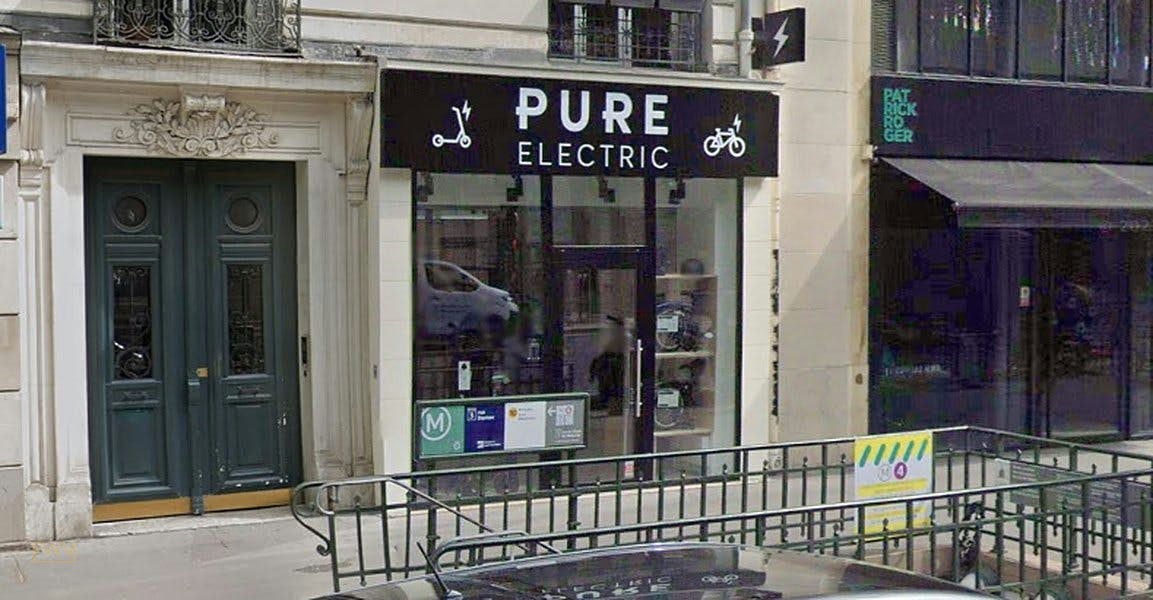
| Haussmannian Ground-Floor Boutique | 40 to 150 sqm | Large windows, moulded ceilings, parquet floors, historic facade | Pop-up shop, boutique launch, beauty retail |
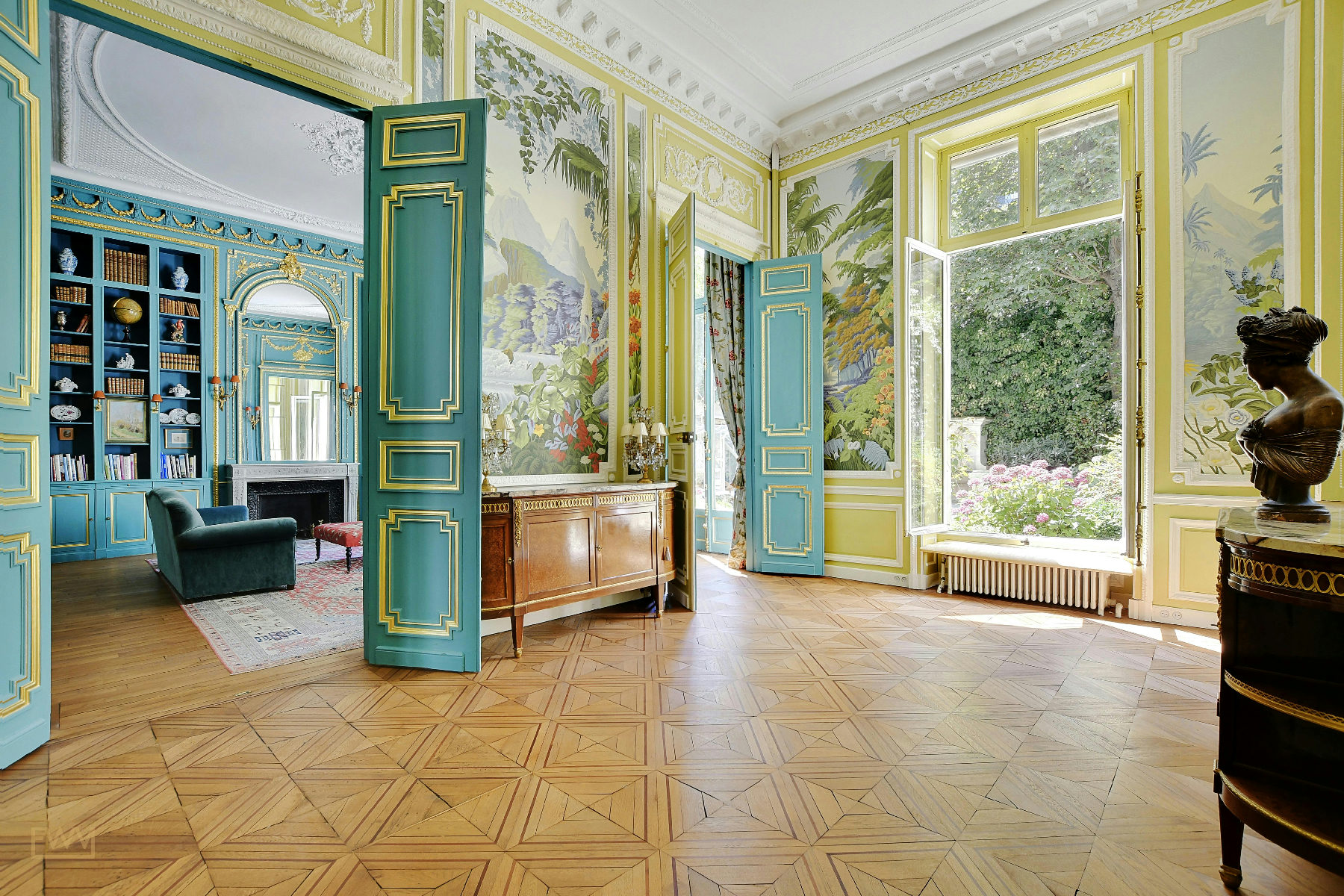
| Haussmannian Salon / Upper Floor Apartment | 80 to 300 sqm | Ornate plasterwork, high ceilings, natural light, balcony access | Showroom, press preview, private sale, brand experience |
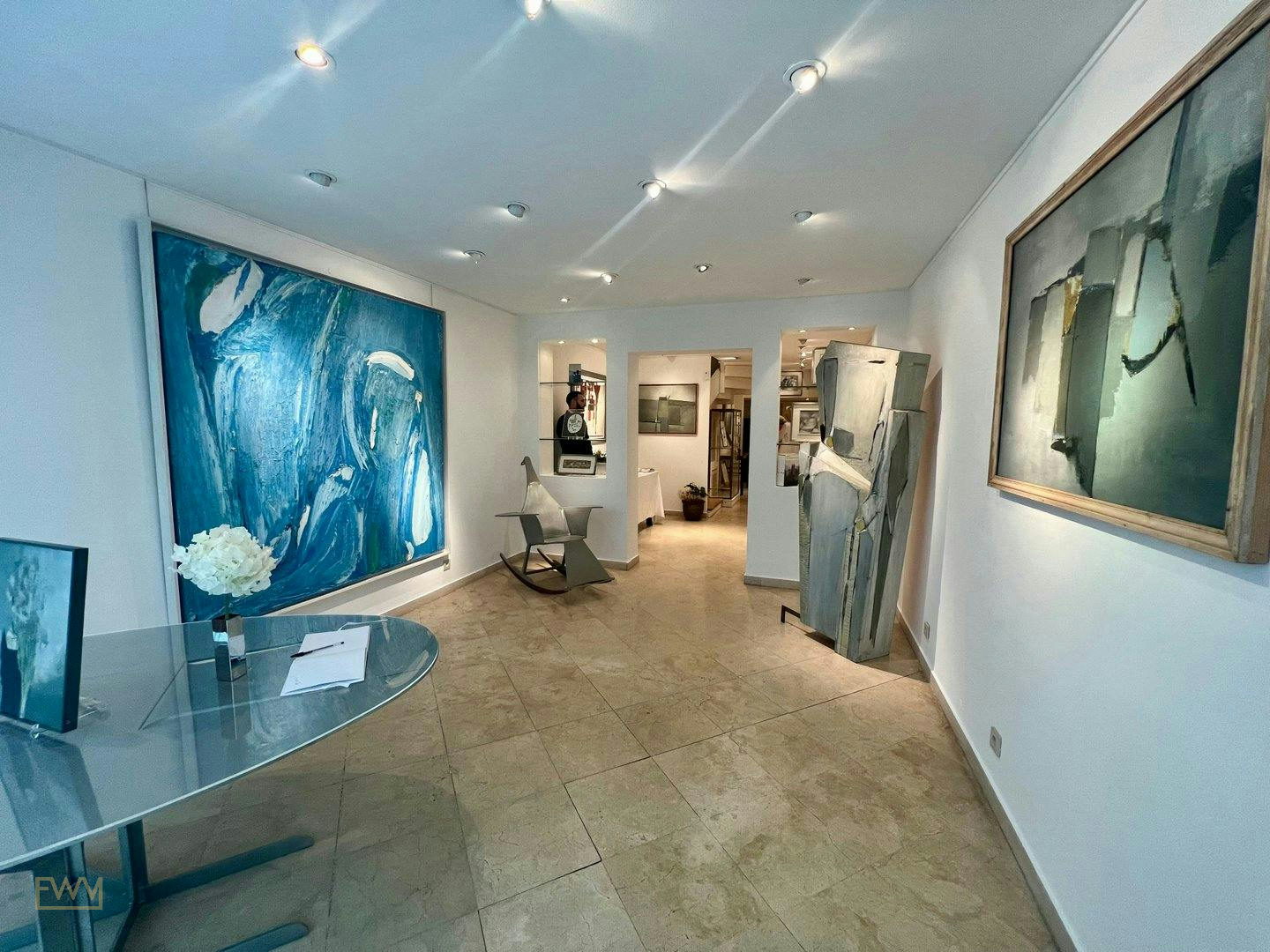
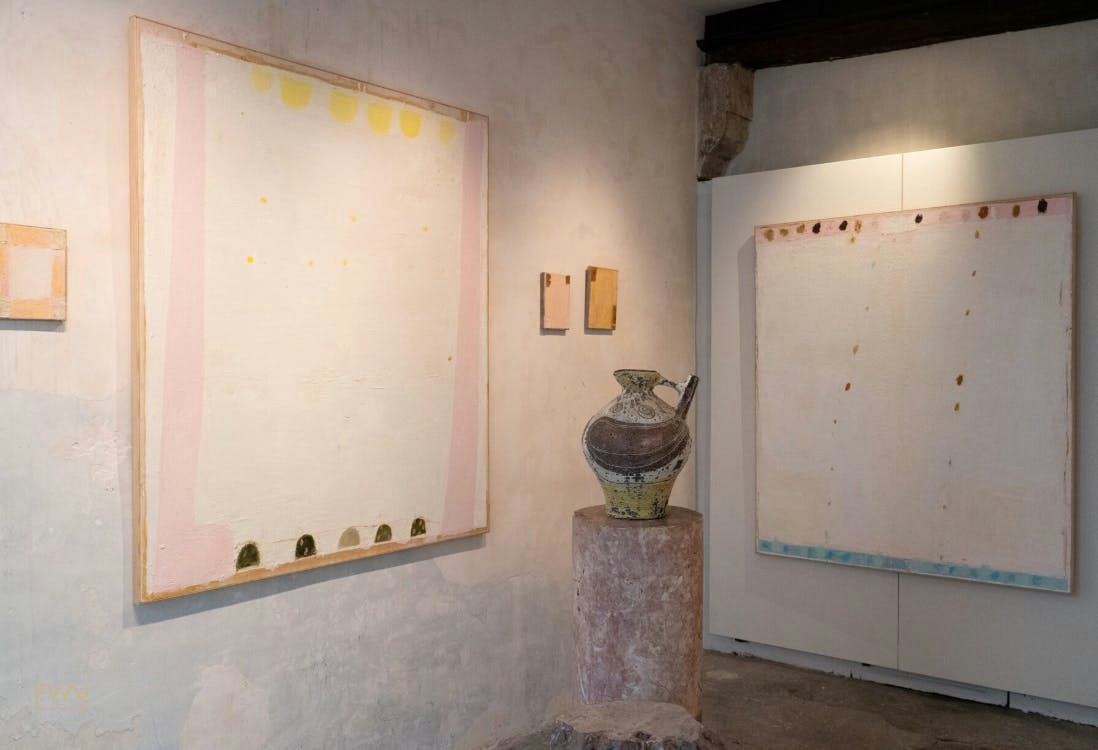
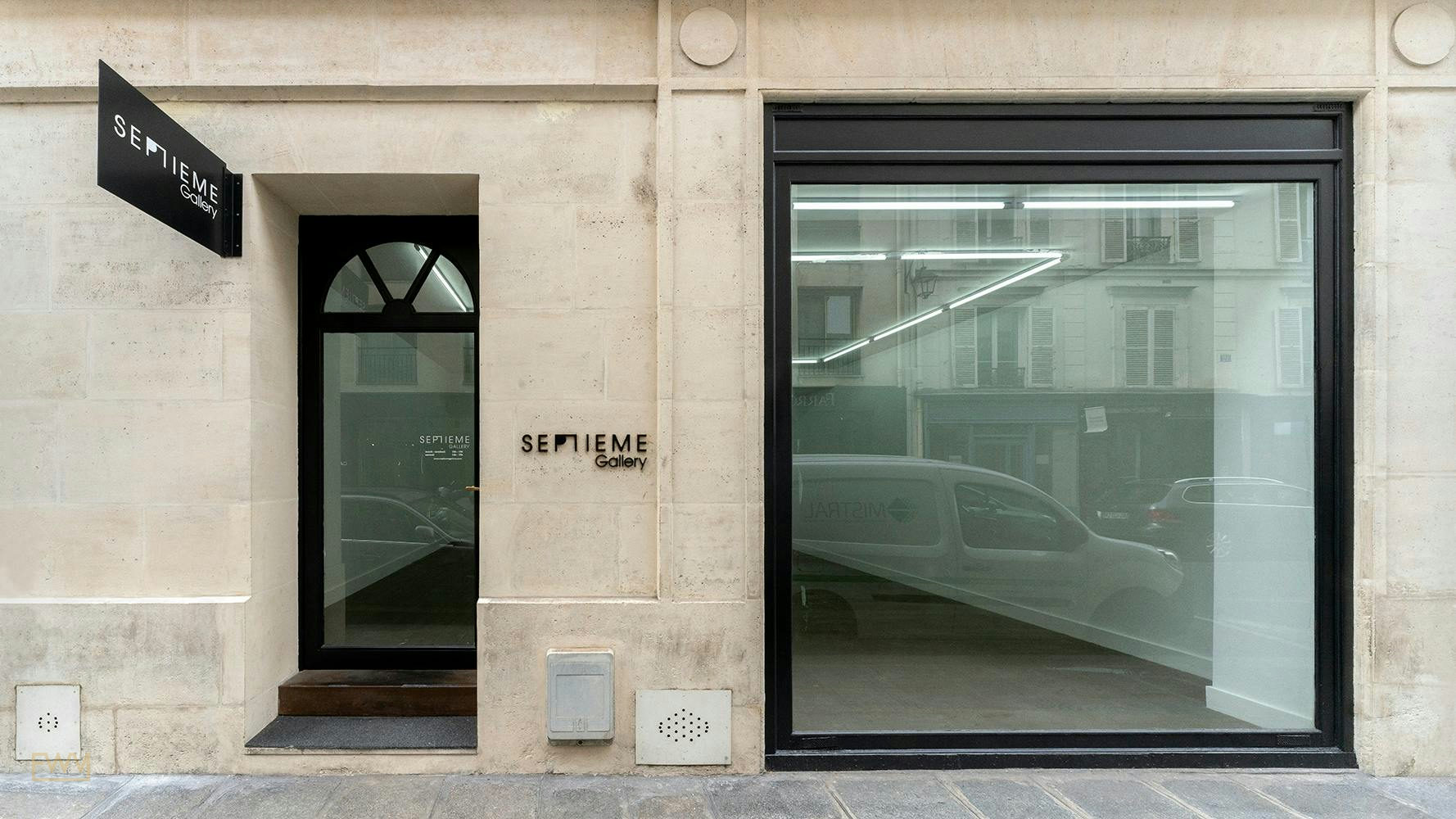
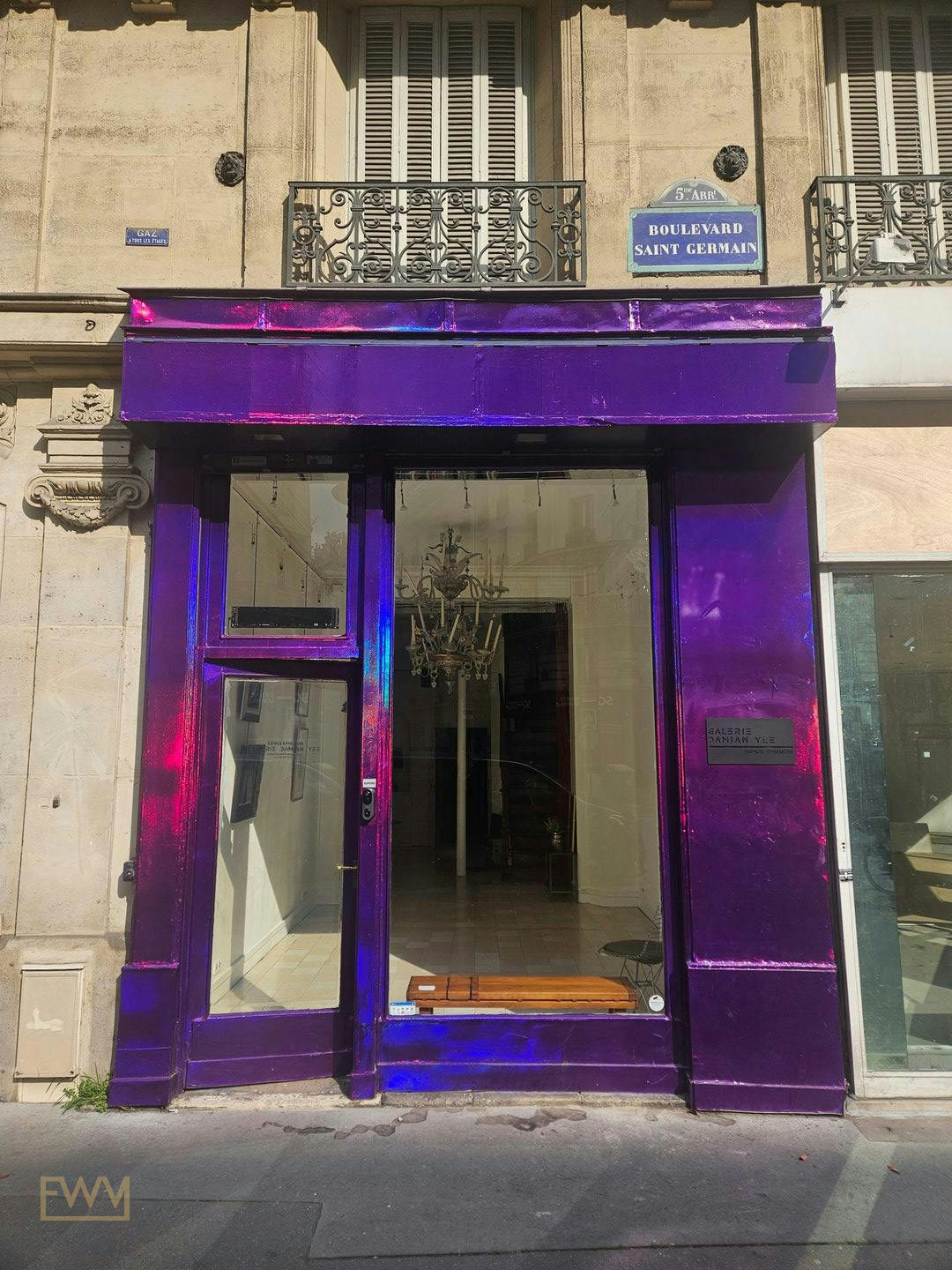
| Art Gallery / Galerie d'Art | 50 to 200 sqm | White walls, polished floors, neutral volumes, controlled lighting | Fashion brand launch, product presentation, editorial shoot |
| Loft / Industrial Conversion | 100 to 500 sqm | Exposed stone, exposed piping, open plan, raw finishes | Large-format activations, FIAC adjacency events, brand installations |
| Terraced / Rooftop Venue | Varies | Outdoor terrace, panoramic views, seasonal use | Brand parties, press events, influencer activations |
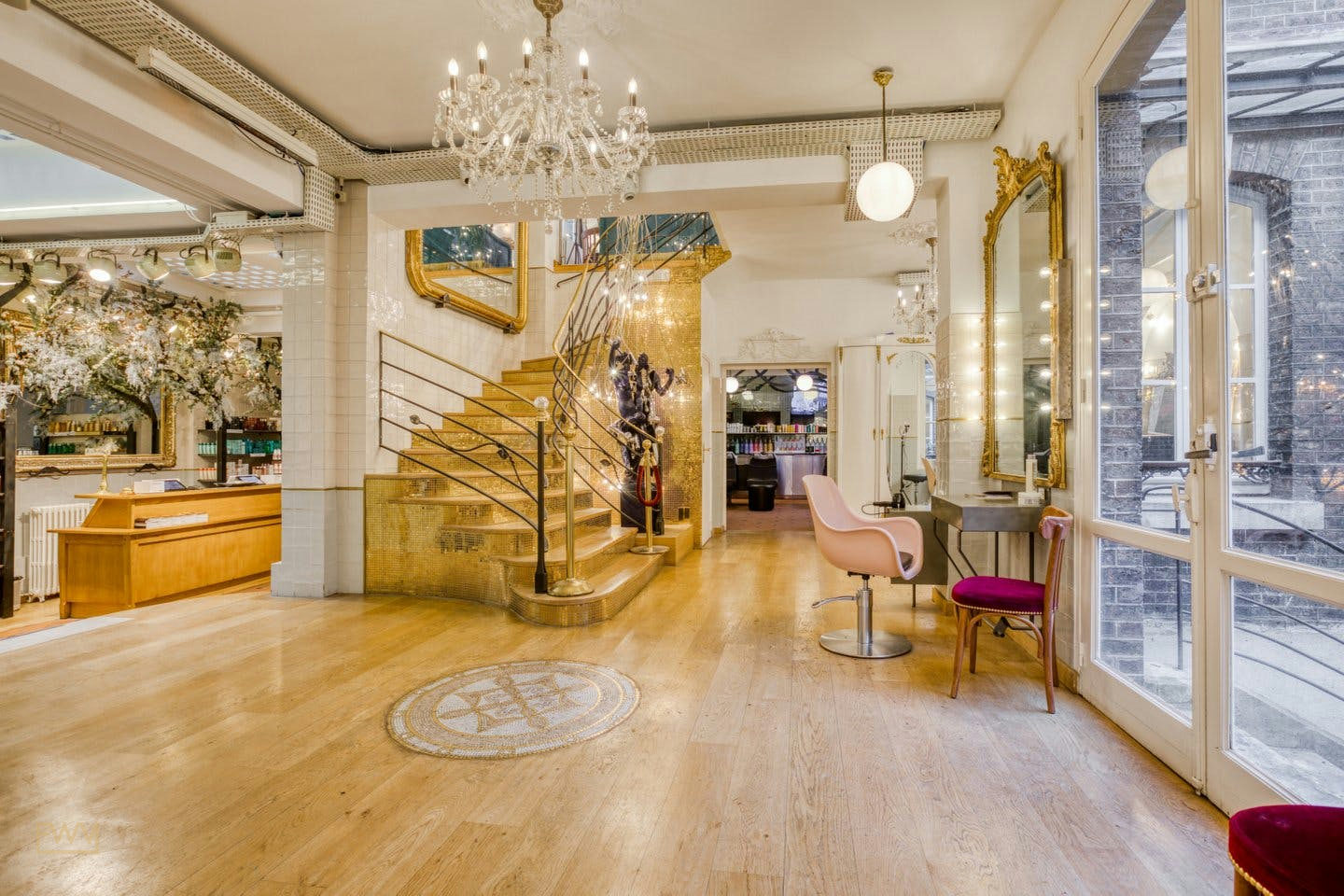
| Charming Boutique / Espace Créatif | 30 to 100 sqm | Characterful interiors, neighbourhood-facing, flexible use | Capsule collections, concept stores, single-brand pop-up |
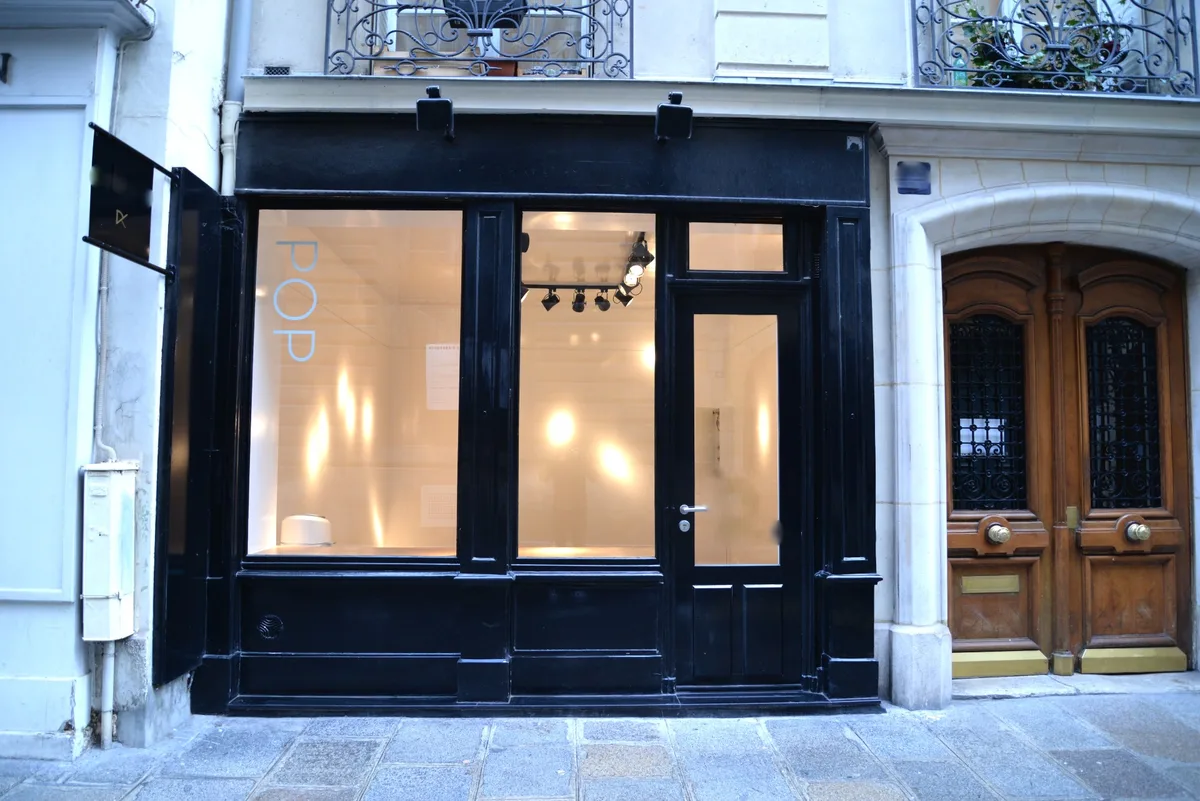
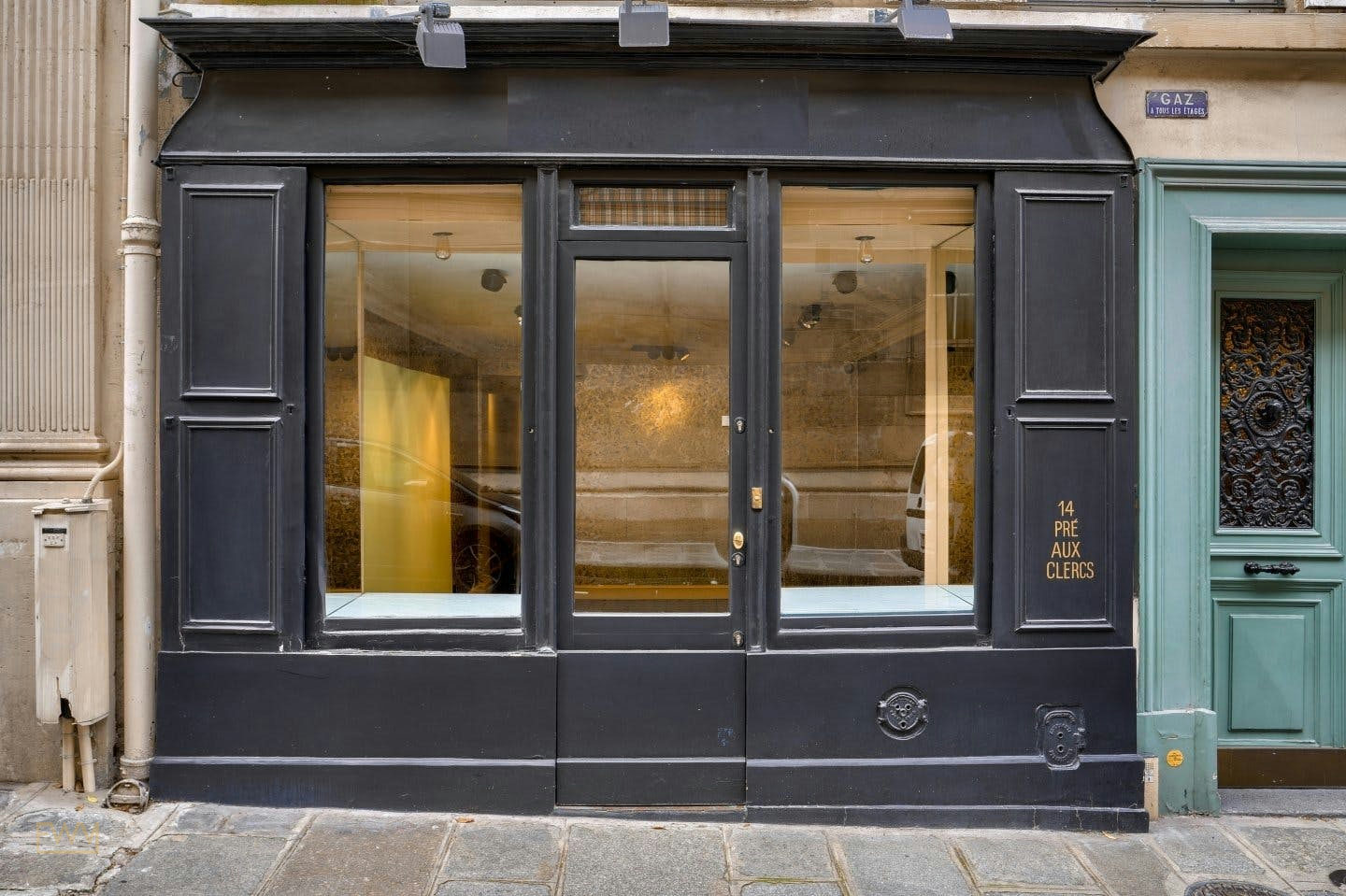
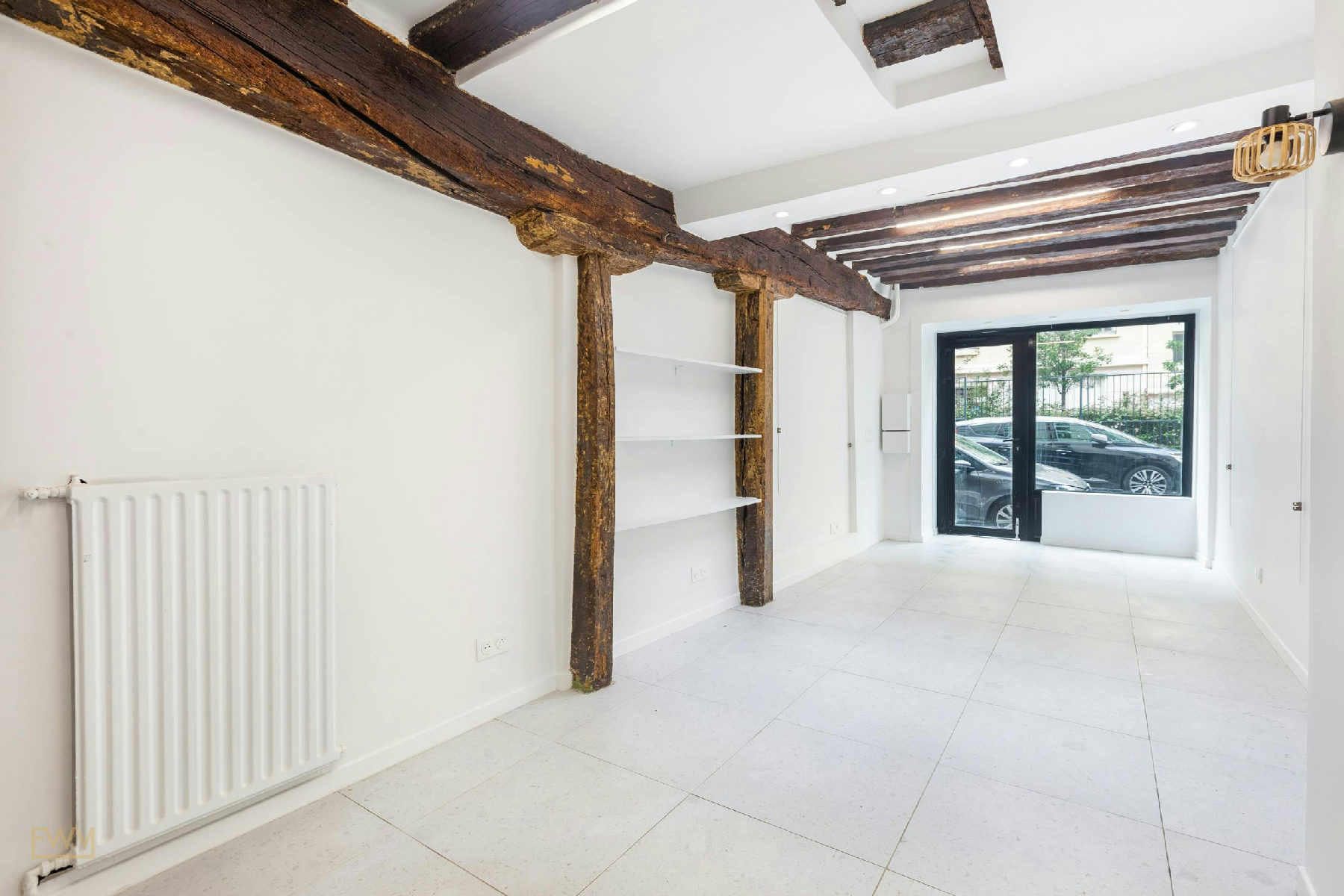
The Haussmannian building stock throughout the Opéra district is one of its defining commercial assets. Buildings constructed during the Baron Haussmann-era renovation of Paris in the mid-19th century feature standardised structural elements, including high ceilings, ornate cornices, wrought-iron balconies, and double-fronted windows, that create an immediately recognisable architectural backdrop for brand photography and retail presentation. Ground-floor units in these buildings often include original shop fronts with large panes of glass, providing outstanding street visibility for pop-up stores and temporary boutiques.
Loft-style spaces and Espace Créatif formats are less common in the Opéra district than in Le Marais or the Canal Saint-Martin, but they do exist, particularly in the smaller streets of the 2nd arrondissement where former commercial buildings have been converted for flexible use. These spaces frequently feature exposed stone columns, exposed piping, and raw concrete or brick finishes, which provide a strong visual contrast to the typical Haussmannian vocabulary and appeal to brands seeking a more industrial or contemporary aesthetic without leaving the central Paris premium zone.
Terrassed venues and rooftop spaces in the Opéra district have become increasingly sought after for brand events, particularly during Paris Fashion Week and Paris Design Week. Le Perchoir de l'Opéra is one well-known example of the rooftop event model in this neighbourhood, and several buildings along Boulevard Haussmann and the side streets between the Opéra and Place de la Madeleine offer terrasse access as part of a larger hire package.
IMPORTANT: Space features listed in short-term rental platforms, including floor type, access, exposed materials, and ceiling height, should always be verified in person or through a trusted agent before signing a hire agreement. Photographs in listings do not always represent current condition, and space specifications can change between listing and booking.
KEY TAKEAWAY: The Opéra district's space typology spans from ground-floor Haussmannian boutiques ideal for high-street pop-up formats to upper-floor salon spaces suited to press and trade showrooms, with a smaller but growing inventory of creative and loft formats for brands seeking a more contemporary activation aesthetic.
With space types identified, the next critical question for brand teams is how to navigate the commercial real estate and short-term rental platforms available in Paris, and what to expect from each channel.
Commercial Real Estate Platforms and How to Search for Space in Paris
Quick answer: Brands searching for short-term retail space in the Opéra district can use specialist pop-up platforms, commercial real estate platforms such as LoopNet, CoStar, or Workthere, local Parisian agencies, and dedicated fashion-industry space marketplaces. Each channel has distinct advantages, limitations, and cost structures that brand teams should understand before committing time to a search.
The landscape for searching commercial space in Paris has changed significantly over the past decade. Brands can now access listings through multiple channels, but the ease of online discovery does not always translate into transactional simplicity. Understanding which platforms serve which type of space requirement is an essential first step before beginning an Opéra district search.
General commercial real estate platforms including LoopNet, CoStar, and Workthere are primarily oriented toward medium-to-long-term office space and commercial leases. They carry some short-term retail listings, particularly for larger premises, but their inventory for pop-up shops and short-term boutiques in the Opéra district is limited and tends to reflect the commercial broker market rather than the flexible temporary retail market. These platforms are more relevant for brands seeking longer-term Espace Commerciel or Agence Paris arrangements, and for investment property research.
Specialist pop-up platforms emerged in the 2010s to address the gap between general commercial real estate infrastructure and the needs of brands seeking short-term retail spaces. Platforms aggregating listings across Paris arrondissements allow brands to filter by space type, neighbourhood, floor access, features such as exposed stone or terrasse, and minimum booking duration. However, the quality, accuracy, and transactional completeness of these platforms varies considerably. Some function primarily as listing directories, directing brands to property owners or broker professionals for negotiation, while others offer a more managed end-to-end booking process.
The Fashion Week Venues space marketplace is specifically designed for brands in the fashion, beauty, and lifestyle sectors seeking short-term retail and event spaces in major fashion capitals. The platform is built around the editorial and operational needs of brand activations rather than general commercial tenancy, and supports space discovery alongside the full range of services that a brand activation requires, from venue sourcing and concept direction through to staffing, POS, and data analytics.
Regardless of which platform or channel a brand team uses, the following workflow applies to most Opéra district space searches.
| Step | Action | Key Consideration |
|---|---|---|
| 1 | Define brief: dates, space type, size, budget, location preference | Be specific about Fashion Week calendar alignment and minimum sqm |
| 2 | Set up search alerts on relevant platforms | Opéra district spaces move quickly in peak season; alerts enable first-mover advantage |
| 3 | Use comparison and locator tools to shortlist | Compare spaces by neighbourhood, size, features, and proximity to foot traffic sources |
| 4 | Conduct physical viewings or request verified virtual tours | Confirm space features, condition, and access in person before proceeding |
| 5 | Review permit requirements for your specific activation type | Requirements vary by space type, duration, and arrondissement |
| 6 | Negotiate terms, insurance, and handover schedule | Ensure clarity on restoration obligations and merchandising permissions |
| 7 | Confirm booking with signed agreement and secure payment | Verify that the transaction channel is secure and that funds are held appropriately |
| 8 | Begin fit-out planning and activation scheduling | Build sufficient lead time for production, staffing, and permit processing |
TIP: Brands that save searches and set up email alerts on multiple platforms simultaneously will have a significant advantage when sourcing Opéra district spaces during peak fashion calendar windows. Premium spaces in this zone are often secured three to six months in advance for Paris Fashion Week dates.
KEY TAKEAWAY: Searching for retail space in the Opéra district requires a multi-platform approach combined with a clearly defined brief. General commercial real estate platforms serve longer-term lease needs, while fashion-specific marketplaces and specialist agencies provide better coverage for the short-term and pop-up formats most relevant to brand activations.
The permit and legal compliance dimension of hiring retail space in Paris is one of the most commonly misunderstood aspects of planning an Opéra district activation. The next section addresses this directly.
Permits, Regulations, and Legal Compliance for Retail Space in Paris
Quick answer: Hiring retail space for a temporary activation in Paris requires understanding several distinct regulatory frameworks including the bail dérogatoire for short-term commercial tenancy, the autorisation d'occupation temporaire (AOT) for public space use, arrondissement-specific planning rules, and insurance requirements. These vary by space type, duration, and location and should be verified with a qualified French legal advisor before signing any agreement.
One of the most significant practical barriers for international brands hiring retail space in Paris is navigating French commercial property law and local regulations. The French legal framework for temporary retail tenancy differs substantially from the UK, US, and most other markets, and misunderstanding the applicable rules can result in unexpected costs, delays, or contractual complications.
Understanding the Bail Dérogatoire
The bail dérogatoire, sometimes referred to as a convention d'occupation précaire, is a short-term commercial lease that falls outside the standard French commercial lease framework (the bail commercial). It allows a landlord and tenant to agree a tenancy of up to 36 months without triggering the full protections of the standard commercial lease, which provides long-term renewal rights to the tenant. For brands seeking a temporary retail space in the Opéra district for a period of days, weeks, or a few months, the bail dérogatoire is typically the applicable legal format. However, its terms, including restoration obligations, permitted use clauses, and insurance requirements, must be reviewed carefully before signing. Brands should not assume that a short-term space hire is legally uncomplicated simply because the duration is brief.
Autorisation d'Occupation Temporaire (AOT)
If a brand activation involves any use of public space, including a pavement display, a temporary structure on the street, or an outdoor installation, an Autorisation d'Occupation Temporaire must be obtained from the relevant mairie or préfecture. AOT applications vary in complexity and processing time depending on the arrondissement and the nature of the occupation. For activations in highly controlled areas such as Place Vendôme, the Palais Royal gardens, or the approaches to the Louvre, AOT requirements are particularly strict and lead times can be long. Brands planning any outdoor element to their Opéra district activation should factor AOT processing time into their overall project timeline.
Insurance and Merchandising Regulations
French law requires that commercial tenants hold appropriate liability insurance for any retail or event space hire. The specific coverage required will depend on the nature of the activation, the space classification, and the terms of the hire agreement. Brands should confirm insurance requirements with the property owner and with their own insurer well in advance of the activation start date. Merchandising regulations, including rules governing signage, window display, and any structural modifications to the space, also vary and should be clarified in writing as part of the hire agreement.
For brands that are uncertain about the permit and compliance requirements for their specific activation format, the permit guidance tool on Fashion Week Venues provides a structured starting point for understanding what is likely to apply to your project type, location, and duration. It is not a substitute for qualified French legal advice, but it helps brand teams build a compliance checklist before engaging specialists.
IMPORTANT: Do not assume that a landlord or listing platform has handled permit compliance on your behalf. Responsibility for obtaining the correct permits and authorisations for a temporary retail activation in Paris typically rests with the brand or tenant, not the property owner. Always verify requirements with a French legal advisor before committing to an activation format.
KEY TAKEAWAY: Temporary retail in the Opéra district involves at least three distinct regulatory layers: the short-term tenancy agreement, any public space permits if applicable, and insurance and merchandising compliance. International brands should engage French legal counsel early in the planning process and use permit guidance tools to build their compliance checklist before the space search is complete.
Having addressed the legal framework, the next section covers the budget reality of hiring retail space in the Opéra district, including the factors that drive cost variation and how brands can estimate expenditure before committing to a brief.
Budget Planning for Hiring Retail Space in the Opéra District
Quick answer: The cost of hiring retail space in the Opéra district of Paris varies significantly based on space size, location within the district, duration, activation format, and whether the brand is booking during peak fashion calendar periods. Directional estimates suggest that short-term retail spaces in this zone command a meaningful premium over equivalent sizes in outer arrondissements, and full activation costs extend well beyond the rental fee alone.
Budget planning for a Paris retail activation is one of the areas where brand teams most frequently underestimate total cost. The rental fee for the space itself is typically only a portion of the overall investment. A complete budget for a short-term retail activation in the Opéra district must account for the following cost categories.
- Space rental: The core hire fee for the physical space, typically quoted per day, per week, or per month. Premium locations in the Opéra core command significantly higher rates than comparable space in the 2nd arrondissement or outer 9th. Rates during Paris Fashion Week are typically higher than shoulder-period rates.
- Fit-out and production: Costs associated with designing, building, and installing the branded environment within the space. In a Haussmannian building, fit-out must respect building regulations and restoration obligations, which can add to production costs relative to a raw loft or converted space.
- Staffing: Retail staff, brand ambassadors, security, and event support personnel. Staffing in Paris requires compliance with French labour law, which is more complex for international brands than employment regulation in many other markets.
- Permits and legal fees: Costs associated with obtaining relevant permits, drafting and reviewing hire agreements, and any compliance consultancy.
- Insurance: Liability and property insurance for the duration of the activation.
- Technology and POS: Point of sale systems, payment processing, data collection tools, and any digital experience infrastructure.
- Marketing and influencer activation: Social media content production, influencer engagement, PR, and any paid media supporting the physical activation.
- Restoration and handover: Costs associated with returning the space to its original condition at the end of the hire period.
Because these costs interact and depend on specific space and activation choices, it is not possible to provide a single reliable figure for a Paris Opéra district pop-up activation. Fashion Week Venues provides a budget estimation tool that allows brand teams to build a directional cost model based on their specific space type, duration, size, and service requirements. This tool is particularly useful for brands that are early in the planning process and need to establish a budget envelope before committing to a detailed brief.
Brands should also consider the ROI framework for their activation rather than focusing exclusively on cost. A well-executed pop-up shop in the Opéra district during Paris Fashion Week generates value across multiple dimensions: direct sales, press coverage, social media content, buyer and trade relationships, and brand awareness among a concentrated luxury consumer audience. The ROI calculation tool on Fashion Week Venues provides a framework for quantifying these dimensions and building a business case for the investment.
TIP: Brands that are cost-sensitive should consider co-activation formats, where two complementary brands share a single space and divide the rental cost. The Fashion Week Venues twin concept is specifically designed for this model and can significantly reduce the per-brand cost of a premium Opéra district space while maintaining the presentation quality that the location demands.
KEY TAKEAWAY: The total cost of a retail activation in the Opéra district of Paris extends far beyond the rental fee. Brands that plan their full activation budget early, including fit-out, staffing, permits, insurance, and technology, will have a more accurate picture of required investment and will be better positioned to negotiate space terms that reflect genuine value for their brief.
To compare the Opéra district against other Paris neighbourhoods from a budget, positioning, and foot traffic perspective, the next section provides a structured neighbourhood comparison.
Comparing the Opéra District to Other Paris Neighbourhoods for Pop-Up and Retail Activation
Quick answer: The Opéra district competes with Le Marais, Saint-Germain-des-Prés, the Champs-Élysées, and the Vendôme-Saint-Honoré axis as a primary destination for brand activations in Paris. Each neighbourhood carries different positioning values, foot traffic profiles, space typologies, and cost levels. The right choice depends on brand tier, target consumer, activation format, and calendar timing.
Paris Fashion Week draws brand activations across multiple arrondissements simultaneously, and brands often face a genuine strategic choice about which neighbourhood best serves their objectives. The following table provides a comparative framework for the primary neighbourhoods considered by brands planning a retail or event activation in Paris.
| Neighbourhood | Arrondissement | Brand Tier | Foot Traffic Type | Space Typology | Relative Cost |
|---|---|---|---|---|---|
| Opéra / Grands Boulevards | 2nd, 9th | Mid to upper luxury | Tourism, commuter, finance | Haussmannian, gallery, boutique | Medium-high |
| Place Vendôme / rue Saint-Honoré | 1st, 8th | Ultra-luxury | High-net-worth, luxury tourism | Heritage boutique, private salon | Very high |
| Le Marais / Place des Vosges | 3rd, 4th | Contemporary to luxury | Fashion-forward, cultural | Loft, gallery, converted space | Medium |
| Saint-Germain-des-Prés | 6th | Intellectual luxury | Affluent local, literary tourism | Boutique, salon, gallery | High |
| Champs-Élysées | 8th | Mass market to premium | International mass tourism | Large-format retail, flagship | Very high |
| Palais Royal / Louvre | 1st | Cultural luxury | Cultural tourism, design | Gallery, concept space | High |
Le Marais is frequently cited as the most fashion-forward neighbourhood in Paris for brand activations outside the traditional luxury axis. Its creative community, gallery density, and concentration of concept stores and independent boutiques make it a natural home for emerging and contemporary luxury brands. The Place des Vosges, Europe's oldest planned square, provides a spectacular backdrop for outdoor events during warm-weather activation windows. However, Le Marais spaces suitable for larger production builds can be harder to find, and the area's irregular street layout and protected building status create logistical challenges for brands that require significant structural fit-out.
Saint-Germain-des-Prés carries enormous brand prestige among a certain consumer profile, particularly those who associate the neighbourhood with French intellectual and design culture. However, available short-term retail inventory in Saint-Germain is limited relative to demand, and the neighbourhood's residential character means that activation formats involving significant public footfall or event programming can face local opposition.
For brands that are using Fashion Week Venues to identify the right Paris neighbourhood for their activation, the space comparison tool allows teams to evaluate multiple neighbourhoods and space options side by side across criteria including size, location, features, and estimated cost, enabling a more structured decision process before committing to a specific area.
KEY TAKEAWAY: The Opéra district offers one of the strongest combinations of footfall volume, architectural prestige, and space diversity among Paris activation neighbourhoods. Brands that require high consumer visibility, strong social media aesthetics, and proximity to both luxury and mid-market consumers will find the Opéra zone highly competitive relative to alternatives at similar or lower cost levels.
Understanding the fashion calendar is equally important to neighbourhood selection. The timing of a Paris activation relative to the key fashion and cultural calendar windows significantly affects both the opportunity and the cost of hiring retail space in the Opéra district.
Paris Fashion Week, Cultural Calendar, and Timing Your Opéra District Activation
Quick answer: Paris Fashion Week takes place twice annually in February to March for autumn/winter collections and September to October for spring/summer collections. These windows generate the highest demand for short-term retail and event space in the Opéra district and should be booked three to six months in advance. FIAC, Paris Design Week, and other cultural events create additional activation windows throughout the year.
Timing is one of the most consequential decisions in planning a Paris retail activation. The city operates on a dense cultural calendar that creates multiple distinct windows of concentrated consumer and trade attention across the year. Understanding which windows align with a brand's objectives, audience, and budget is essential before beginning the space search.
Paris Fashion Week is the defining calendar event for brand activations in the fashion industry. The February to March and September to October windows attract the global fashion press, international buyers, creative directors, stylists, and high-net-worth consumers in concentrations that are unmatched outside the main show schedule. The Opéra district, with its proximity to show venues, hotel clusters, and luxury retail, sees a marked increase in both foot traffic and brand activation activity during these periods. Spaces in prime locations are often secured six months in advance for Fashion Week dates, and rental rates typically reflect this demand premium.
Beyond Paris Fashion Week, the following calendar windows are relevant for brands planning Opéra district activations.
- Paris Design Week (September): Running concurrently with September Fashion Week, Paris Design Week activates the city's design and interiors sector and creates opportunities for brands at the intersection of fashion and home.
- FIAC / Paris+ par Art Basel (October): The international contemporary art fair draws a high-net-worth collector audience to Paris each autumn, creating strong conditions for brand activations positioned at the fashion-art intersection.
- Christmas season (November to January): The Opéra district benefits significantly from the Christmas retail season, with Galeries Lafayette's famous festive windows drawing millions of visitors to the Boulevard Haussmann axis.
- Haute Couture Week (January and July): While smaller in press and trade scale than ready-to-wear Fashion Week, Haute Couture Week creates a concentrated luxury consumer and media environment particularly suited to ultra-luxury brand activations.
Brands that are planning their first Paris activation often assume that Fashion Week is the only viable window. In reality, shoulder-period activations between these peaks can offer significant advantages: lower rental rates, less competition for premium spaces, greater flexibility in build scheduling, and the opportunity to reach Paris-based consumers who are less saturated with fashion week programming. A well-timed June or October activation in the Opéra district can deliver strong results at a meaningfully lower cost than a direct Fashion Week booking.
To build a realistic timeline from brief to activation, brands can use the timeline planning tool on Fashion Week Venues, which maps the key milestones from space brief to activation launch across the full project lifecycle.
KEY TAKEAWAY: Paris Fashion Week remains the primary activation window for fashion brands in the Opéra district, but it is not the only viable calendar option. FIAC, Paris Design Week, the Christmas retail season, and Haute Couture Week each create distinct conditions for brand activation, and shoulder-period bookings can deliver strong commercial results at lower cost and with greater operational flexibility.
The cultural and consumer ecosystem surrounding the Opéra district is part of what makes it so valuable as a retail destination. The next section explores the local amenities, dining destinations, and landmarks that define the neighbourhood experience for consumers and brand guests.
The Opéra District as a Consumer Destination: Amenities, Culture, and Lifestyle
Quick answer: The Opéra district is one of the richest consumer destinations in Paris, combining world-class gastronomy, cultural landmarks, iconic retail, and exceptional transport access. For brand teams planning an activation, understanding the local lifestyle ecosystem helps in shaping the consumer experience and the activation's social media and editorial narrative.
A retail activation in the Opéra district does not exist in isolation. The surrounding neighbourhood provides a context that shapes how consumers experience a brand's presence in the space. Brands that understand and connect to the local lifestyle ecosystem, rather than treating the space as a generic container, create more resonant activations with stronger social media and editorial outcomes.
The Palais Garnier, the home of the Paris Opera and one of the most architecturally spectacular buildings in Europe, is the defining cultural landmark of the district. Its influence on the neighbourhood's aesthetic identity is pervasive: the grand Haussmannian boulevards, the formal gardens, and the sense of operatic scale all contribute to a brand backdrop that is immediately communicable in visual content. Brands that reference this visual language in their activation design can create a compelling dialogue between their product and the environment.
Gastronomically, the Opéra district offers a range of destinations that serve brand guests, press, and influencers at every occasion type. For lunch in the district, the options range from the brasserie classics along the grands boulevards to the more contemporary dining addresses that have opened in the 9th arrondissement in recent years. Bar Hemingway at the Ritz Paris, while technically on Place Vendôme, is within the orbit of the Opéra zone and remains one of the most prestigious cocktail addresses in Paris for brand entertainment. Le Perchoir de l'Opéra provides a rooftop cocktail experience that fits naturally into a brand event evening programme. Bar à Bulles and Les Caves du Louvre offer complementary wine and champagne formats for private dining and brand hosting. Cédric Grolet's pastry shop on rue de Rivoli is one of the most photographed food destinations in Paris, attracting global social media audiences and premium consumers who represent a natural audience for luxury fashion and beauty brands in the adjacent area.
Galeries Lafayette on Boulevard Haussmann is not merely a retail neighbour. For brands with a concession or wholesale presence in the department store, a nearby pop-up shop creates a powerful reinforcement loop: consumers who discover the brand at Galeries Lafayette can be directed to a more immersive brand experience just minutes away, and vice versa. This halo effect is a significant strategic benefit of the Opéra location for brands that already have a presence in the department store ecosystem.
For brand social media and influencer marketing, the visual richness of the Opéra district is a considerable asset. The Palais Garnier facade, the Palais Royal arcades, the covered passages of the 2nd arrondissement, and the Grand Staircase of the Galeries Lafayette are all within walking distance and constitute some of the most photographed locations in Paris. Brands that build their influencer activation programme around the neighbourhood's existing content infrastructure can significantly amplify the reach and quality of their social media output without commissioning bespoke production.
DID YOU KNOW: The covered passages of the 2nd arrondissement, including the Galerie Vivienne and the Passage des Panoramas, were among the world's first purpose-built shopping arcades and remain functioning retail environments today. Their 19th-century glass roofs and mosaic floors create a unique visual context for brand photography that is distinct from any other retail environment in Paris.
KEY TAKEAWAY: The Opéra district's lifestyle ecosystem, from the Palais Garnier's visual gravitas to the gastronomy, the covered passages, and the proximity of Galeries Lafayette, provides brand activations with a contextual richness that amplifies their social media, editorial, and consumer experience impact beyond what the space alone can deliver.
For brands that want expert guidance navigating every dimension of a Paris Opéra district activation, from space sourcing to concept direction and production, the following section explains how Fashion Week Venues supports the full activation lifecycle.
How Fashion Week Venues Supports Opéra District and Paris Retail Activations
Quick answer: Fashion Week Venues is a full-service pop-up agency and space marketplace built specifically for fashion, beauty, and lifestyle brands planning activations in major fashion capitals. Its services, tools, and market expertise are designed to support brand teams through every stage of an Opéra district or broader Paris activation, from initial space discovery through to post-activation performance analysis.
Fashion Week Venues operates both as a space marketplace, where brands can browse and discover available retail and event spaces across Paris and other fashion capitals, and as a full-service agency that manages the end-to-end process of planning and executing a brand activation. For brand teams that lack in-market Paris expertise, this dual model is particularly valuable: it removes the need to manage multiple vendor relationships across sourcing, design, production, staffing, and compliance simultaneously.
Services Relevant to Opéra District Activations
The agency's venue sourcing service covers the identification, qualification, and negotiation of short-term retail spaces across all major Paris arrondissements, including the Opéra district, with a focus on spaces that meet both the brand's creative brief and its operational requirements. This service is particularly useful for international brands that do not have an established network of Paris property contacts and need to move quickly in a competitive market.
For brands that require a complete branded environment rather than a basic shell, the concept direction service develops the creative vision for the space, including the spatial narrative, brand identity application, and visual merchandising strategy. This service is supported by the Imagine visualisation tool, which allows brand teams to see a rendered interpretation of their concept within a shortlisted space before committing to a design direction.
Physical fit-out and installation are managed through the production and build service, which coordinates contractors, materials, installation schedules, and restoration planning within the constraints of the hire agreement and the Parisian planning environment. This is a critical service for brands activating in Haussmannian buildings, where fit-out must comply with building protection requirements and restoration obligations are typically comprehensive.
Fashion Week Venues also provides retail staffing for brand-trained floor teams, brand ambassadors, and event support personnel, all compliant with French labour law. Complementing this, the activation management service oversees the operational day-to-day running of the pop-up or showroom during the hire period, including scheduling, customer experience management, and incident response.
For brands interested in sharing a premium Opéra district space with a complementary brand to reduce rental costs, the twin co-activation concept provides a structured framework for dual-brand space sharing that maintains the integrity of both brand presentations while delivering meaningful cost efficiencies.
Tools for Paris Activation Planning
The Fashion Week Venues toolset supports brands through the analytical and planning dimensions of a Paris activation. The budget tool, ROI calculator, timeline planner, permit guidance tool, space locator, and space comparison tool together provide a comprehensive pre-commitment planning environment that helps brand teams build confidence in their brief before beginning formal space negotiations. Brands that are new to Paris activations will find these tools particularly useful for stress-testing assumptions about cost, timeline, and location before committing resources to the project.
To understand how Fashion Week Venues has delivered activations for other brands, the work and case study section provides detailed documentation of past projects across multiple markets and activation formats. Reading these cases before engaging the agency provides useful context for what is achievable within different budget and brief parameters.
KEY TAKEAWAY: Fashion Week Venues offers fashion and lifestyle brands a single, integrated partner for Paris Opéra district activations, covering space discovery, creative direction, production, staffing, compliance guidance, and performance analytics. Brand teams that use both the marketplace and the agency services benefit from an end-to-end process that reduces the complexity and risk of executing a high-quality Paris activation from an international base.
Common Myths About Hiring Retail Space in the Opéra District, Paris
MYTH: You need a French legal entity to rent a retail or pop-up space in Paris.
FACT: International brands can hire short-term retail and event spaces in Paris as foreign legal entities. The bail dérogatoire framework does not require a French company registration. However, the specific documentation required by individual property owners varies, and some landlords do prefer or require a French guarantor or entity. Working with a specialist agency or legal advisor familiar with the Paris market helps brands navigate these requirements without establishing a full French legal presence.
MYTH: Paris Fashion Week is the only viable calendar window for a brand activation in the Opéra district.
FACT: While Paris Fashion Week generates the highest concentration of industry attention, the Opéra district attracts premium consumers, international tourists, and fashion-forward Parisians throughout the year. FIAC, Paris Design Week, the Christmas retail season, Haute Couture Week, and numerous shoulder-period windows offer strong activation conditions at lower rental rates and with greater space availability. Brands that time activations outside peak Fashion Week periods often achieve better operational outcomes and stronger consumer engagement at reduced cost.
MYTH: Using a commission broker is the only way to find a quality short-term retail space in Paris.
FACT: Commission-based broker professionals are one route to market, but they are not the only option. Specialist fashion industry space marketplaces, direct property owner listings, and full-service agencies such as Fashion Week Venues all provide access to short-term retail inventory in the Opéra district. Each channel has different cost structures, inventory breadth, and service levels. Brands should evaluate multiple channels before committing to a sourcing approach.
MYTH: Short-term lease agreements in Paris are straightforward and do not require specialist legal advice.
FACT: French commercial property law is among the most detailed and tenant-protective in Europe, and short-term tenancy frameworks including the bail dérogatoire include specific provisions that can create significant obligations for the tenant if not understood in advance. Restoration obligations, permitted use clauses, insurance requirements, and deposit structures all require careful review. International brands hiring space in Paris for the first time should always engage a French legal advisor before signing any hire agreement, regardless of the duration or apparent simplicity of the arrangement.
MYTH: A pop-up space in the Opéra district is automatically suitable for a luxury brand activation because of its postcode.
FACT: Postcode alone does not determine suitability. Space condition, building access, floor level, ceiling height, natural light, fit-out restrictions, neighbours, and the specific street's foot traffic profile all affect whether a space will deliver the brand experience and commercial results the activation requires. Brands should conduct thorough due diligence on every shortlisted space regardless of its address prestige.
Frequently Asked Questions About Hiring Retail Space in the Opéra District, Paris
How much does it cost to rent a retail or event space in the Opéra district of Paris?
The cost of hiring retail or event space in the Opéra district varies significantly based on space size, exact location within the district, duration of hire, space type, and whether the booking falls during a peak fashion calendar period. Rental fees are only one component of the total cost, which also includes fit-out, staffing, permits, insurance, and technology. Because these variables interact in ways that make generalised figures misleading, Fashion Week Venues provides a budget estimation tool that allows brand teams to build a directional cost model based on their specific brief. As a general principle, expect premium Opéra district locations during Paris Fashion Week to command materially higher rates than shoulder-period bookings in the same area.
What types of retail and event spaces are available in the Opéra district?
The Opéra district offers a diverse range of space typologies for short-term hire, including Haussmannian ground-floor boutiques, upper-floor salon apartments, art galleries, loft conversions, terraced rooftop venues, and purpose-configured creative spaces. Each type suits different activation formats. Ground-floor boutiques are best for high-footfall pop-up shops, salon apartments for showrooms and press events, galleries for brand launches and editorial content, and rooftop terraces for brand events and influencer activations. The specific features of each space, including ceiling height, floor type, exposed materials, and access, should be verified before shortlisting.
Can I rent a pop-up shop or event space in the Opéra district for just one day?
Some spaces in the Opéra district are available for single-day hire, particularly those managed through short-term rental platforms or agencies. However, minimum hire periods vary by space and owner, and many premium spaces in this zone require a minimum booking of three to seven days. During Paris Fashion Week, minimum hire periods tend to be longer due to high demand and the operational complexity of short turnarounds. Brands seeking single-day hire should focus their search on platforms that explicitly list minimum booking durations and should engage early, as single-day availability in premium spaces is limited.
Do I need a permit to run a pop-up shop or event in the Opéra district?
Permit requirements for retail and event activations in the Opéra district depend on the nature of the activation, the space type, the duration, and whether any public space is involved. Indoor activations within a privately rented space typically require a compliant short-term tenancy agreement and appropriate insurance rather than a public space permit. Activations that extend to the pavement, use outdoor structures, or involve significant noise or crowd management may require an Autorisation d'Occupation Temporaire from the local mairie. Requirements vary by arrondissement and by the specific classification of the building. Always verify permit requirements with a qualified French legal advisor before committing to an activation format.
What is the best time of year to book a pop-up shop or event space in the Opéra district?
The best time depends on your brand's objectives. Paris Fashion Week in February to March and September to October generates maximum industry attention and press opportunity but also the highest competition for space and peak rental rates. FIAC in October, Paris Design Week in September, the Christmas retail season from November to January, and Haute Couture Week in January and July each create distinct high-value windows. For brands seeking strong consumer traffic at lower cost and with greater space availability, shoulder periods between these events can be highly effective. Booking three to six months in advance is advisable for any peak period, and at least eight weeks for shoulder-period bookings.
What are the most sought-after streets for pop-up shops and retail space in the Opéra district?
Avenue de l'Opéra, Boulevard Haussmann, rue de la Paix, Place de la Madeleine, rue du Quatre Septembre, and the streets immediately surrounding the Palais Garnier are among the most sought-after addresses in the Opéra zone. For brands seeking proximity to the luxury axis without the highest rental rates, streets including rue de la Baume, rue Boissière, and Boulevard Malesherbes offer Haussmannian building stock at relatively more accessible price points. The 2nd arrondissement streets including rue du Quatre Septembre and rue de Marignan provide a creative alternative within the broader Opéra catchment area.
What is a bail dérogatoire and why does it matter for short-term retail in Paris?
A bail dérogatoire is a short-term commercial tenancy agreement under French law that sits outside the standard framework of the bail commercial. It allows landlords and tenants to agree a tenancy of up to 36 months without the long-term renewal rights that a full commercial lease would provide. For brands hiring retail space in Paris for a pop-up activation, a bail dérogatoire is typically the applicable legal format. Its terms include provisions on permitted use, restoration obligations, insurance requirements, and deposit structures that must be reviewed carefully. International brands should engage French legal counsel before signing any bail dérogatoire to understand their obligations fully.
What benefits does a pop-up shop in the Opéra district offer a brand?
A pop-up shop in the Opéra district delivers several distinct benefits for fashion and lifestyle brands. The neighbourhood's foot traffic from tourism, Galeries Lafayette, and the Palais Garnier creates natural consumer discovery without requiring the brand to generate all its own footfall. The Haussmannian architectural backdrop provides a high-quality visual environment for brand photography, social media content, and editorial features. Proximity to the luxury and fashion press ecosystem during Fashion Week creates significant earned media potential. The prestige association of the Opéra address reinforces brand positioning, particularly for brands entering the Paris market for the first time or seeking to elevate their consumer perception.
How far in advance should I book a pop-up space in the Opéra district for Paris Fashion Week?
For Paris Fashion Week dates in February to March or September to October, the most sought-after spaces in the Opéra district are typically secured three to six months in advance. Brands that begin their search less than two months before their target activation window will find that premium inventory is largely committed and will face a more restricted choice at potentially inflated rates. Beginning the brief development and platform or agency engagement process at least four to six months before the target activation start date gives brand teams the best combination of space choice, negotiating position, and fit-out scheduling flexibility.
Do I need to be present in Paris to hire and manage a retail space in the Opéra district?
Physical presence during the build, launch, and operational phases of an Opéra district pop-up is strongly advisable and in many cases operationally necessary. However, the initial space search, brief development, concept direction, and contract negotiation phases can be managed remotely through a trusted local agency or marketplace partner. Fashion Week Venues provides an end-to-end remote-to-local capability that allows brand teams based outside Paris to manage the planning phases digitally before transitioning to in-market management during the activation period. Brands that are entirely new to Paris should plan to have at least one team member on the ground from fit-out through to closing.
What is the difference between a pop-up shop and a showroom in the Opéra district?
A pop-up shop in the Opéra district is a temporary retail environment open to the general public, designed to generate direct sales, consumer discovery, and brand awareness. A showroom is typically a private or trade-facing environment where buyers, press, stylists, and industry partners view a collection by appointment. The space requirements for each format differ: pop-up shops require high-visibility street frontage, retail-grade fixtures, POS infrastructure, and robust foot traffic management, while showrooms prioritise presentation quality, appointment scheduling systems, and a controlled brand environment. Some Opéra district spaces serve both formats across different operational periods within the same hire agreement.
Can two brands share a single space in the Opéra district to reduce costs?
Yes. Co-activation, where two complementary brands share a single rented space and divide the costs, is an increasingly common approach in the Paris pop-up market. The Fashion Week Venues twin co-activation concept provides a structured framework for this model, including guidance on how to manage the spatial division, brand separation, shared operational costs, and joint promotional programming. Co-activation works best when the two brands have complementary rather than competing product categories and share a broadly similar consumer profile. It is particularly effective for brands that want Opéra district presence during Paris Fashion Week but cannot individually justify the full rental and production cost of a premium space.
What should I check before signing a short-term retail lease in the Opéra district?
Before signing any short-term lease or hire agreement for retail space in the Opéra district, brand teams should verify the following: the exact permitted use of the space under the agreement, restoration obligations at the end of the hire period, insurance requirements and how liability is allocated, whether the fit-out and brand modifications you intend to make are permitted, access arrangements for build and restoration periods, utility inclusions and exclusions, deposit terms and conditions for return, and whether any public space permits are required for your activation format. Review by a qualified French legal advisor is strongly recommended before execution.
Why is the Opéra district particularly valuable for fashion brands entering the Paris market for the first time?
The Opéra district offers first-time Paris entrants a combination of benefits that is difficult to replicate in other neighbourhoods. Its high footfall from multiple consumer streams means that a new brand does not need to rely exclusively on its own audience to generate activation traffic. The neighbourhood's established prestige association provides immediate brand positioning value. Its proximity to the fashion industry infrastructure of central Paris, including the press, buyers, stylists, and creative community that concentrate in the 1st through 9th arrondissements during Fashion Week, maximises the opportunity for industry relationship building alongside consumer engagement.
How do I find and compare available pop-up spaces in the Opéra district quickly?
The most efficient approach to finding and comparing available short-term retail spaces in the Opéra district is to use a combination of a specialist fashion-industry space marketplace and a structured comparison tool. The Fashion Week Venues marketplace allows brands to search available spaces by location, size, type, and features, while the space comparison tool supports side-by-side evaluation of shortlisted options. Setting up search alerts on the platform ensures that new listings matching your brief are flagged immediately. Brands that supplement platform searching with direct agency engagement through Fashion Week Venues gain access to unlisted inventory and expert qualification that accelerates the shortlisting process.
Conclusion: Making the Right Decision to Hire Retail Space in the Opéra District, Paris
The decision to hire retail space in the Opéra district of Paris is one of the highest-impact choices a fashion or lifestyle brand can make in its physical activation strategy. The combination of architectural prestige, exceptional transit connectivity, concentrated luxury and mid-market consumer traffic, proximity to the Paris Fashion Week ecosystem, and an unusually rich lifestyle and cultural context makes this district genuinely distinctive among global retail activation destinations.
Success in the Opéra district, however, requires more than finding an available space. It demands a clear brief, early calendar planning, a thorough understanding of French short-term tenancy law and permit requirements, a realistic and complete budget model, and an activation concept that connects meaningfully to the neighbourhood's identity and the brand's own positioning. Brands that approach the district with generic retail thinking will underperform. Those that invest in neighbourhood understanding, creative concept development, and operational rigour will find that the Opéra district rewards them with exceptional brand exposure, media coverage, and commercial results.
Fashion Week Venues exists to support brand teams through every stage of this process, from initial space discovery to final handover, with the market expertise, service depth, and toolset that a high-quality Paris activation requires. Whether your brand needs a single-service engagement or a fully managed end-to-end activation, the agency and marketplace resources are available to support your specific brief and budget.
To move from research to activation, start exploring available spaces on the Fashion Week Venues marketplace and build a focused brief for your target neighbourhood, space type, and calendar window. The earlier you begin, the stronger your position in one of the world's most competitive and rewarding retail destinations.