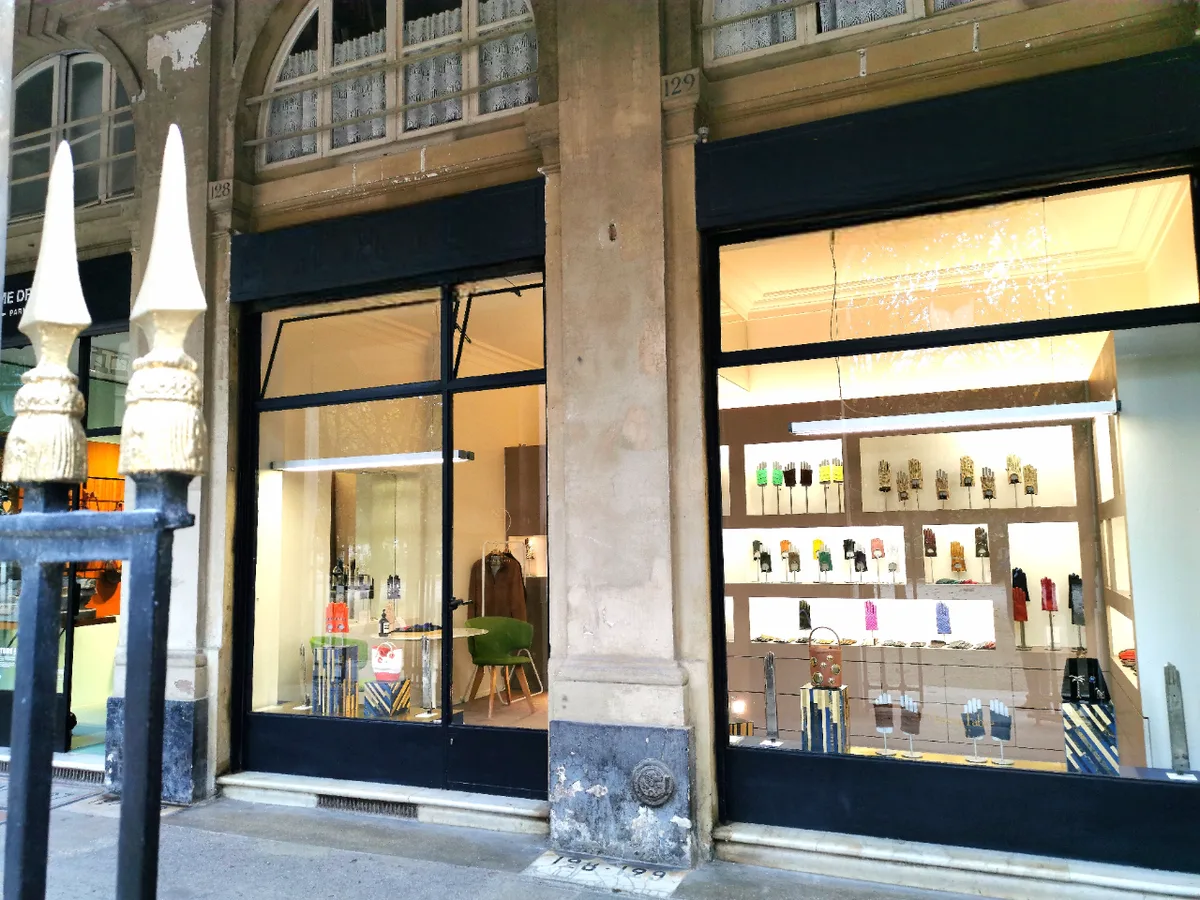
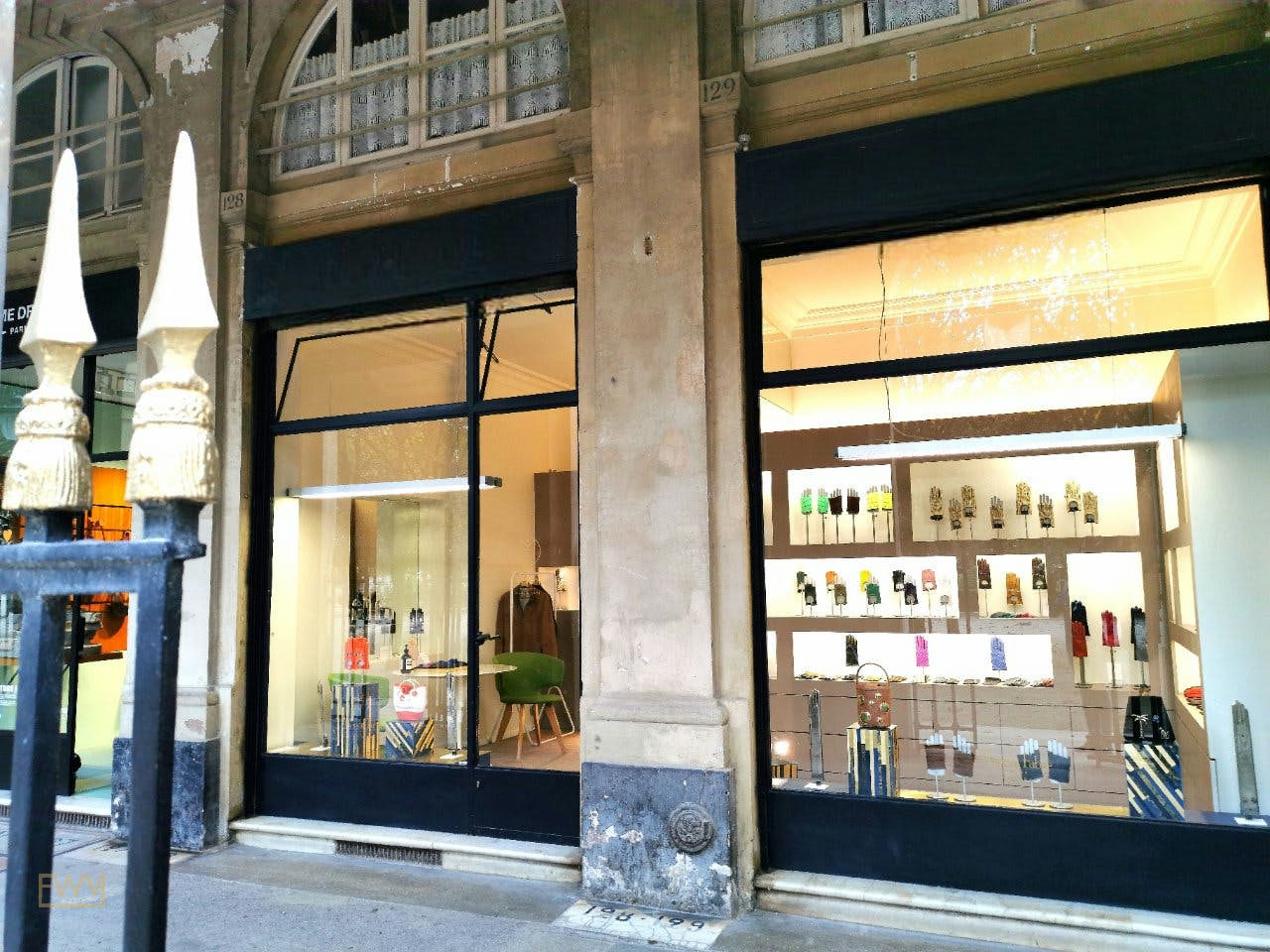
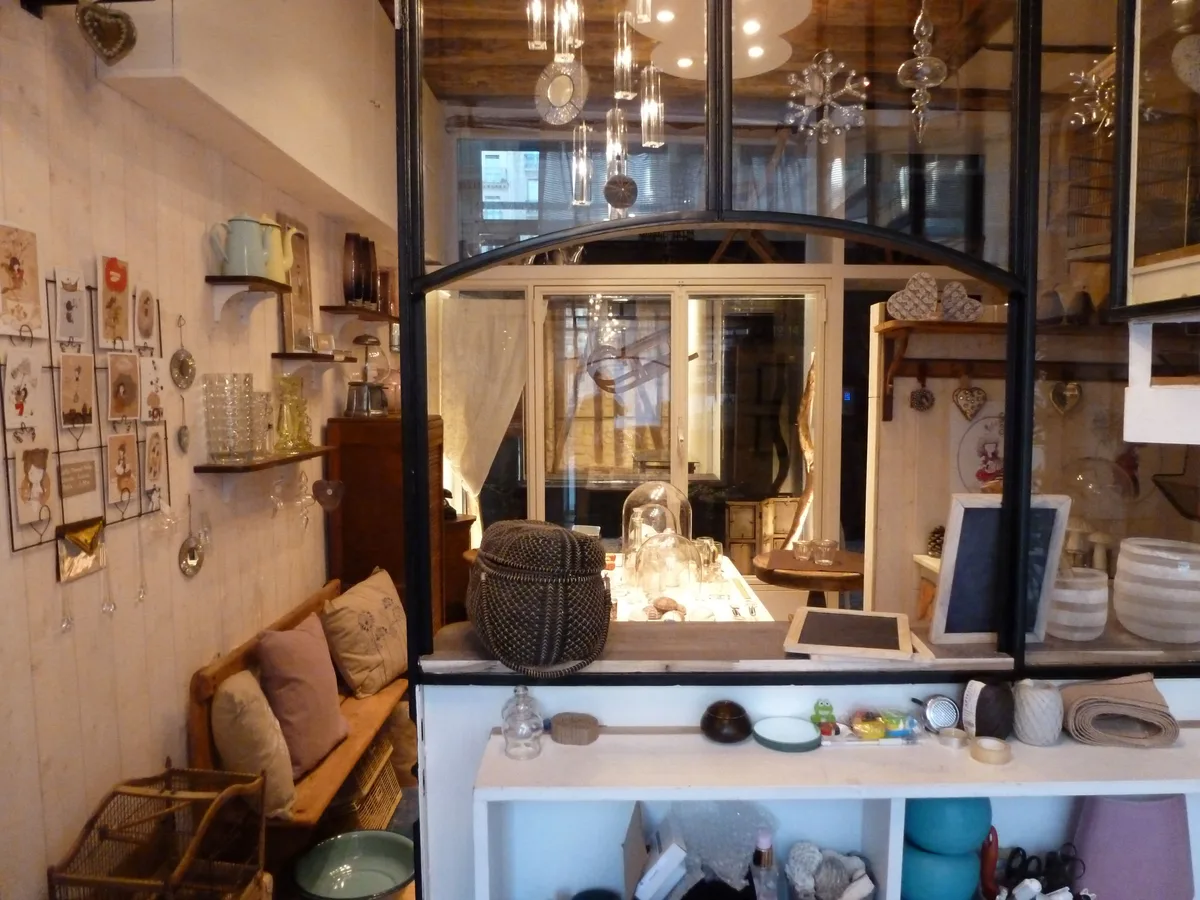
The demand for pop-up spaces in fashion weeks across global fashion capitals is rapidly increasing as brands seek innovative ways to engage their audiences. These temporary retail opportunities in vibrant destinations such as Paris provide unparalleled avenues for brand activation, product launches, and experiential marketing. Fashion Week Venues, a premier full-service agency and space marketplace, offers comprehensive solutions to source, create, and manage these unique fashion experiences. As brands look to make impactful impressions during pivotal calendar events like Paris Fashion Week, understanding the nuances of venue sourcing, permit requirements, and strategic location choices becomes critical. With this guide, we explore every aspect of utilizing pop-up spaces for your brand's success during fashion weeks.
The Strategic Importance of Paris in Fashion
Paris, the epitome of luxury and fashion, holds an undeniable allure for fashion brands seeking to establish themselves on a global platform. Hosting some of the most prestigious fashion weeks, Paris offers an ideal backdrop for pop-up spaces, showrooms, and event venues. Fashion brands around the world are drawn to Paris not just for its historical significance but also for the buying power and influence it wields in the fashion industry.
Quick answer: Paris’s strategic importance lies in its ability to attract a global audience during its renowned fashion weeks, providing unparalleled brand exposure and networking opportunities.
Key Takeaway: A presence in Paris Fashion Week can significantly enhance brand visibility and consumer engagement, making it a pivotal location for pop-up activations.
Engaging with Paris Fashion Week offers brands increased visibility in a city known for its avant-garde fashion scene and consumer readiness. The proximity to fashion influencers, media, and buyers is one of the significant benefits of choosing Paris as a hub for pop-up events. In the competitive luxury market, a successful activation could lead to increased brand loyalty and presence not just in Europe, but internationally.
DID YOU KNOW: The Paris Fashion Week calendar alone features over 100 different shows and opportunities for brands to showcase their creations, offering numerous partnerships and networking prospects.
To move from merely contemplating to action, brands should explore Fashion Week Venues' Paris city hub to discover optimal neighborhoods and spaces.
For brands aiming to capitalize on this, collaboration with experts such as Fashion Week Venues ensures a seamless execution. From venue sourcing to activation management, understanding the specifics of leasing permits is crucial for compliance and smooth operation. This seamlessly transitions us to understanding the logistics of obtaining the right permits for operations.
Navigating Fashion Week Leasing Permits
Securing the right permits is a critical step for any brand planning to operate a pop-up or temporary retail space in Paris. The process involves understanding specific leasing types, such as the bail dérogatoire and the Autorisation d'Occupation Temporaire (AOT). These permits are essential to legally occupy a space for the short-term duration typical of a fashion week activation.
Quick answer: Two major permits required for fashion week spaces in Paris are the bail dérogatoire and AOT, each serving different space requirements and durations.
The differences between a bail dérogatoire and a standard commercial lease lie primarily in flexibility and duration. While a commercial lease is long-term, a bail dérogatoire allows short-term leasing without the complexities of a full commercial contract. Typically utilized for less than three years, these leases are preferred due to their adaptability, essential for pop-up spaces often needed for short stints around fashion week events.
The AOT permit, on the other hand, pertains to occupying public spaces or state-owned venues, such as parks and galleries. This is ideal for brands wishing to host large-scale events in venues such as the Palais de Tokyo. Acquiring an AOT is somewhat intensive and requires detailed approvals, making early application and compliance crucial.
Important: Always verify your leasing permits with a French legal advisor and consider utilizing tools like Fashion Week Venues' permit guidance tool for comprehensive navigation through these requirements.
Key Takeaway: Proper permits are non-negotiable for a successful temporary retail activation in Paris. Brands must prioritize thorough understanding and acquisition of these permits.
Understanding permit logistics ensures that brands not only comply with legal requirements but also leave a lasting impact during their activation. As we have explored the permit necessities, it’s vital to shift focus to choosing the best neighborhoods for your activation events.
Choosing the Right Neighborhood for Your Pop-Up
Selecting the ideal neighborhood for a pop-up shop is a pivotal decision that can significantly impact a brand’s success during fashion weeks. Paris, with its varied districts, offers distinct characteristics that align with different brand identities and target audiences. Whether it’s the chic sophistication of Rue Saint-Honoré or the eclectic appeal of Le Marais, each location offers unique advantages.
Quick answer: Popular Parisian neighborhoods for fashion-week pop-ups include Le Marais, Saint-Germain-des-Prés, and Opéra, each offering unique consumer demographics and retail opportunities.
Key neighborhoods to consider include:
- Le Marais: Known for its artsy vibe and fashionable boutiques, attracting a young and trendy crowd.
- Opéra: Ideal for high-end brands seeking proximity to iconic department stores like Galeries Lafayette.
- Rue Saint-Honoré: This bustling street hosts luxury brands and appeals to an affluent consumer base.
- Saint-Germain-des-Prés: Characterized by its blend of classic and contemporary Paris, perfect for brands aiming for a sophisticated edge.
- Canal Saint-Martin: A hub for emerging designers looking for a creative and relaxed environment.
To make informed decisions, brands should analyze foot traffic, seasonal trends, and consumer profiles associated with each neighborhood. Fashion Week Venues’ compare tool offers valuable insights into space features and demographic alignment.
Tip: Use the insights from your target consumer profile to guide your neighborhood choice, ensuring the pop-up aligns with your brand’s ethos and strategy.
Key Takeaway: Strategic neighborhood selection can enhance consumer engagement and brand visibility, critical for impactful pop-up activations.
Having reviewed neighborhood options, the next logical step is deciding on the type of space that fits your brand's needs, ensuring that it resonates with your target audience.
Types of Spaces for Fashion Week Activations
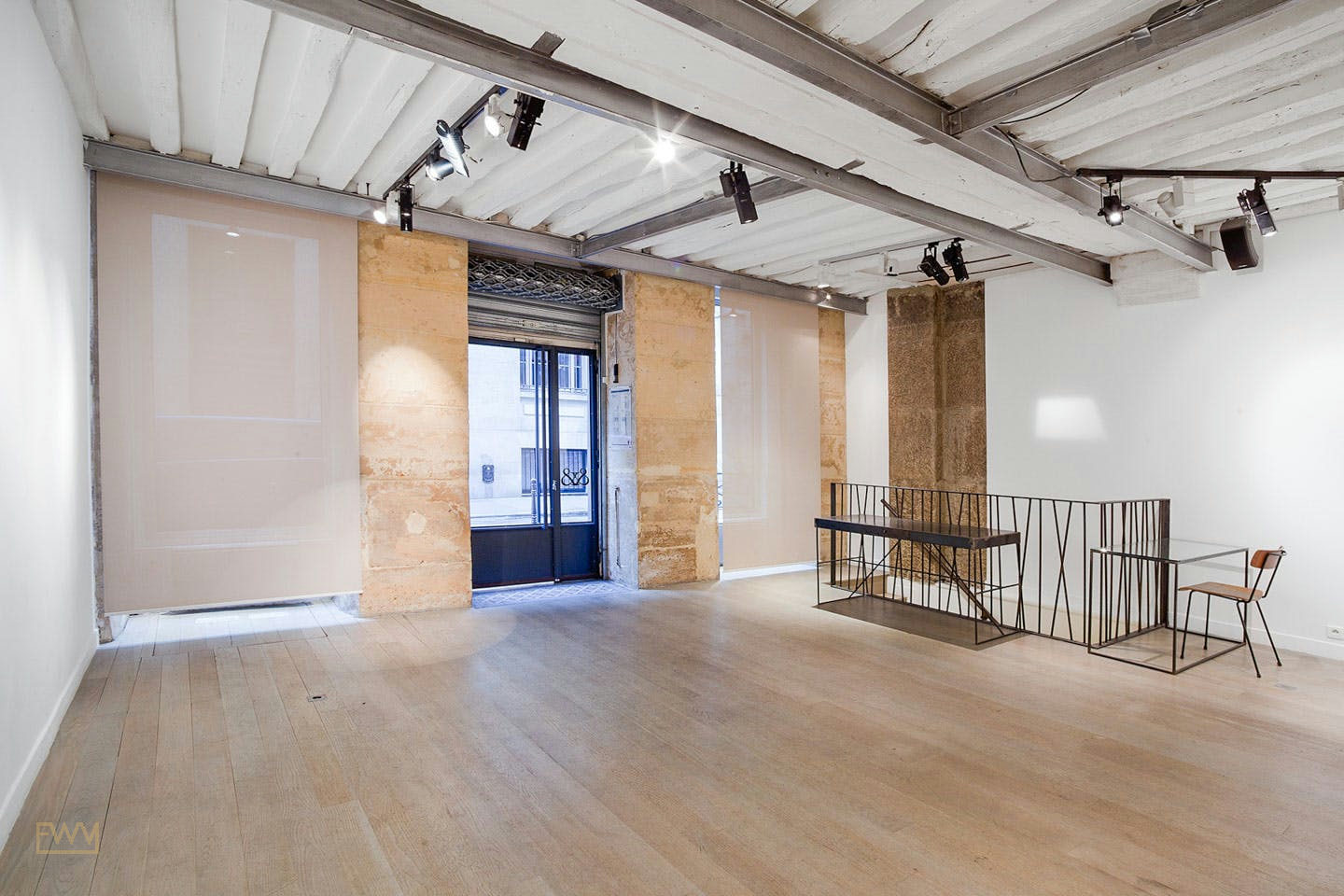
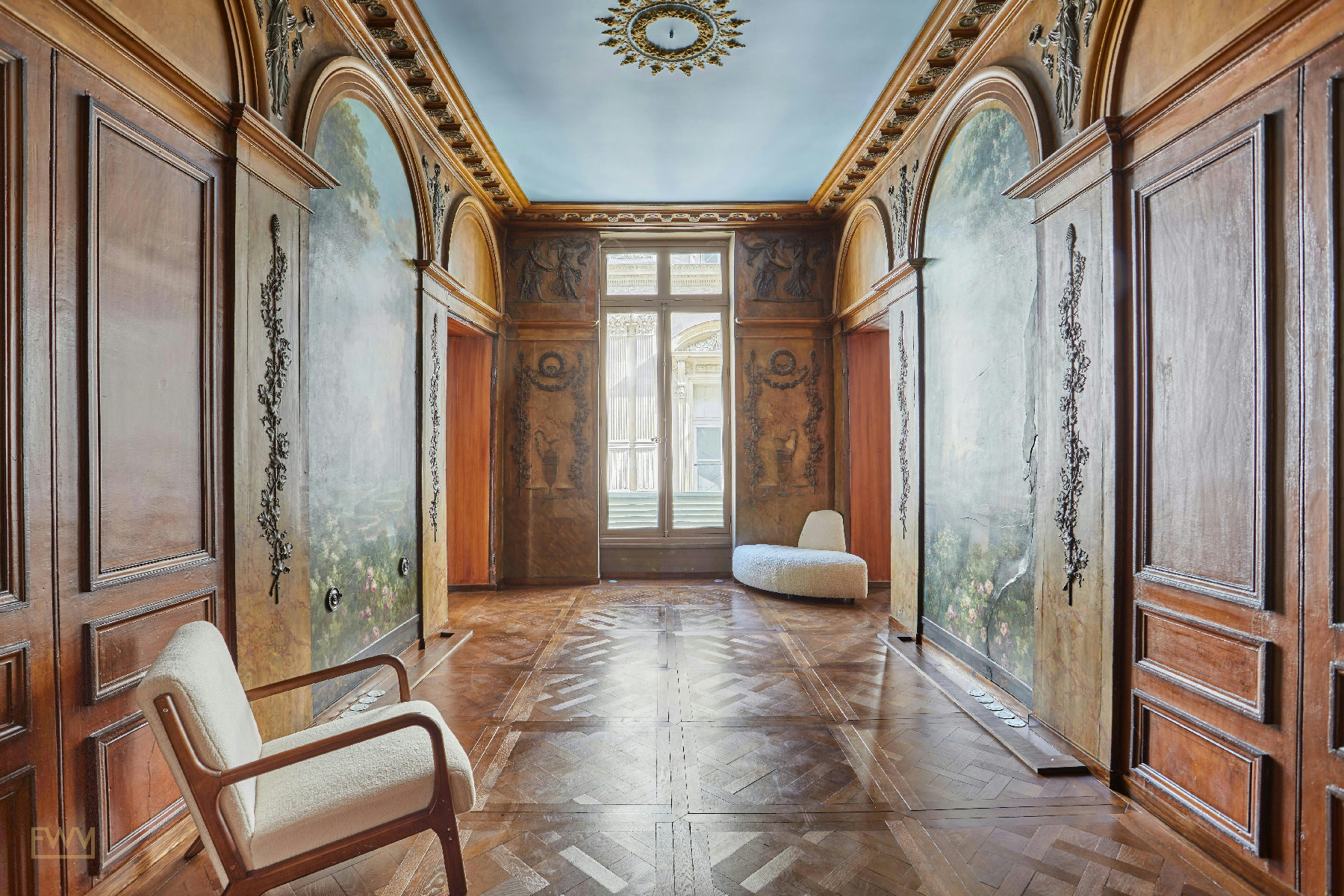
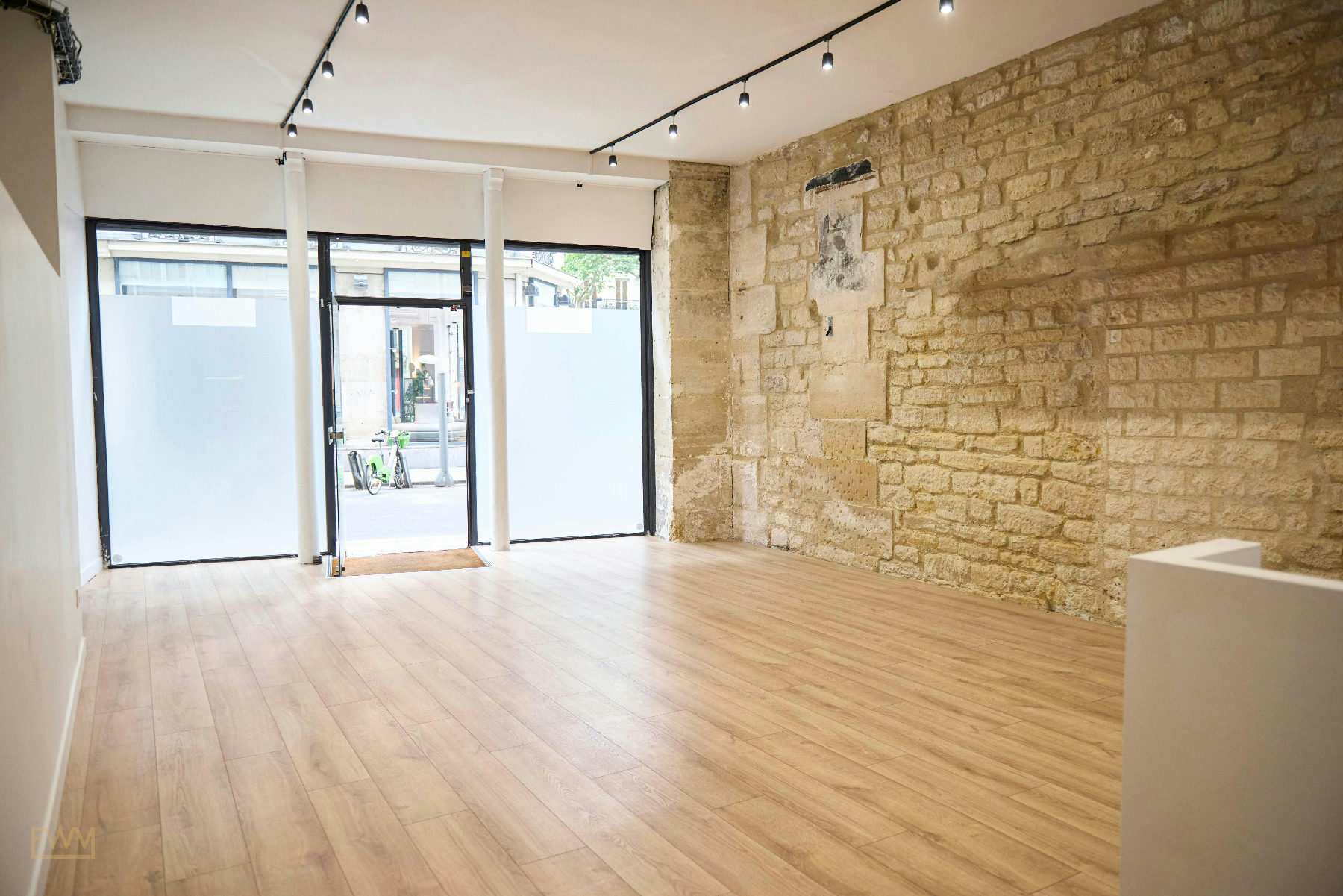
Tapping into the right type of space is as important as the location itself. Brands can choose from a variety of spaces ranging from sleek showrooms to expansive outdoor venues depending on their specific needs and goals. Understanding these options helps in curating the right kind of environment that complements brand identity and fosters consumer interaction.
Quick answer: Popular space types for fashion week activations include showrooms for intimate events, galleries for artistic showcases, and outdoor venues for larger interactive brand experiences.
Choices range from:
- Showrooms: Ideal for controlled environments suited for brand-consumer interactions and fashion showcases. These are perfect for launching new collections.
- Galleries: Allow for creative freedom and a blank canvas to reflect the brand's ethos through artistic presentations.
- Outdoor Venues: Particularly suited for engaging large audiences with immersive brand experiences and installations.
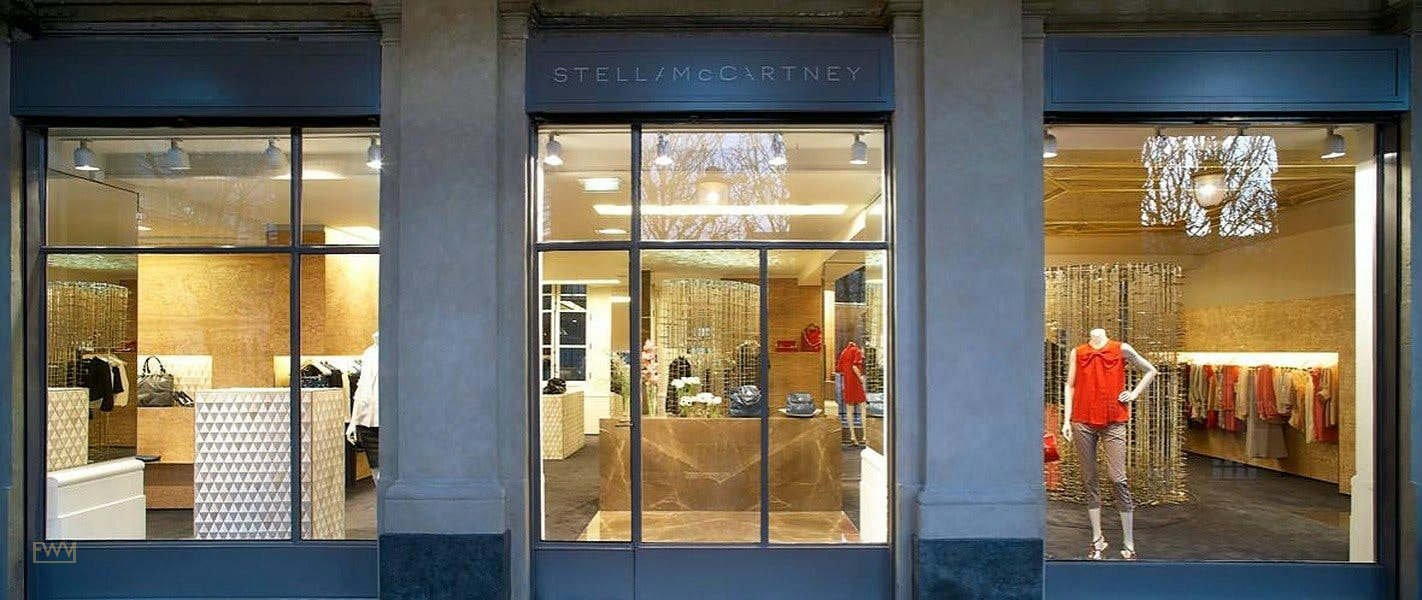
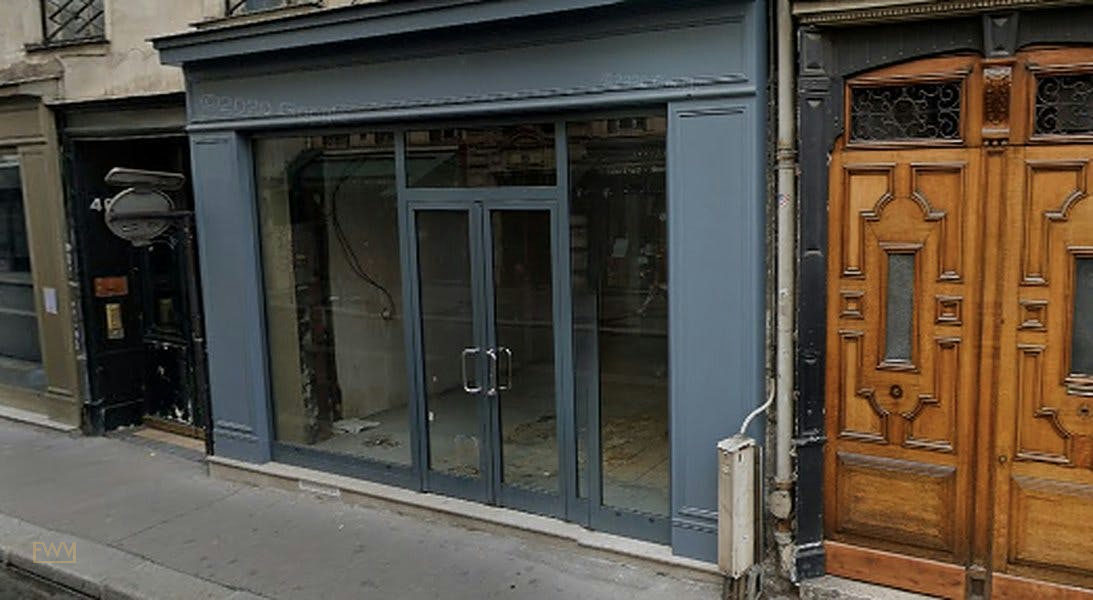
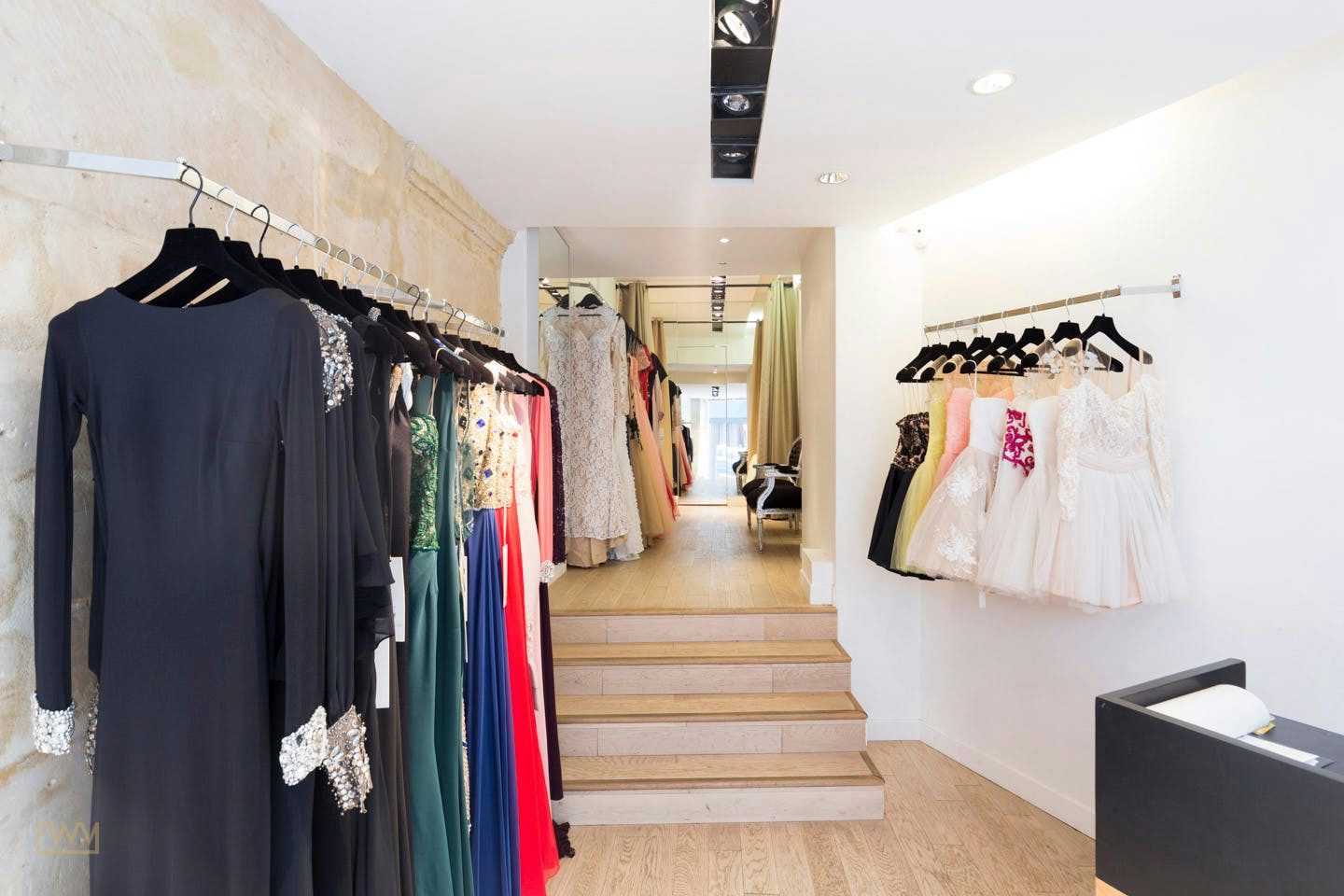
- Retail Spaces: Traditional yet effective for brands looking to emulate their in-store experience on a temporary scale.
- Multi-purpose Spaces: Versatile options that can be transformed as per the brand’s thematic requirements.
The Fashion Week Venues’ locator tool can aid in narrowing down the most suitable spaces based on functionality and consumer appeal.
Key Takeaway: Selecting the right space type enhances brand storytelling and customer engagement, tailor-fitting the campaign to audience expectations.
Ensuring that the space type aligns with the brand’s vision is fundamental to engaging your audience. With space categories explored, it's time to delve into partnering effectively with venue sourcing experts.
Partnering with Venue Sourcing Experts
Aligning with venue sourcing experts allows brands to access a wealth of knowledge and resources essential for choosing the perfect location. These professionals provide comprehensive insights into market trends, optimize logistics, and ensure compliant dealings with landlords and city regulations.
Quick answer: Venue sourcing experts assist in finding ideal spaces, navigating legal compliance, and optimizing logistics for successful pop-up activations.
Such partnerships offer several benefits:
- Insider Knowledge: Experts have deep insights into market trends and emerging opportunities, valuable for making informed decisions.
- Negotiation Skills: Their established relationships with landlords often result in more favorable terms and conditions.
- Compliance Assurance: Navigate the legality of short-term leases with reduced risk of unforeseen legal challenges.
- Logistic Support: From space design to set-up and dismantle, experts streamline processes, enabling brand focus on engagement strategies.
Discover how Fashion Week Venues aids in securing the perfect space efficiently and effectively, ensuring every element aligns with your strategic goals.
Key Takeaway: Partnering with venue sourcing experts optimizes planning, minimizes risk, and enhances strategic alignment of your fashion week activations.
Once aligned with expert partners, the subsequent focus is to refine your brand activation strategies for favorable outcomes. Let’s explore the pivotal elements of activation success.
Creating Impactful Brand Activations
Brand activations during fashion weeks aim to create immersive experiences that leave lasting impressions on consumers. The goal is to evoke emotion, inspire engagement, and drive meaningful interactions. Effective activations differentiate brands within a competitive marketplace and establish deeper consumer relationships.
Quick answer: Successful brand activations prioritize experiential elements, emotional connections, and clear brand messaging to captivate and engage audiences during fashion weeks.
Strategies include:
- Creative Visuals: Leverage visual merchandising to convey your brand’s story, utilizing technology, light, and design elements.
- Tactile Experiences: Include interactive installations or product touchpoints that engage multiple senses.
- Scheduled Events: Host live performances or style workshops to diversify experiences during the activation period.
- Influencer Involvement: Collaborate with fashion influencers to amplify reach and connect with a broader audience.
- Data Collection: Use feedback loops to enhance consumer insights for future activations.
Key Takeaway: Multi-sensory brand activations create distinct consumer impressions, leading to increased loyalty and brand advocacy.
Developing strategic activations maximizes engagement, laying the groundwork for further discussions on practical execution through skilled teams and resources.
Utilizing Skilled Teams for Temporary Retail Success
Temporary retail success hinges on the capabilities and coordination of hired teams skilled in various facets of pop-up execution. From concept to completion, seasoned professionals streamline processes, overcome challenges, and ensure flawless execution that complements strategic brand objectives.
Quick answer: Success in temporary retail relies on a cohesive team skilled in execution across concept direction, production, activation management, and staffing.
Expert teams should specialize in areas such as:
- Concept Direction: Crafting and executing the vision behind the activation, ensuring it aligns with brand essence.
- Production and Build: Efficient setup, strong logistical coordination, and technology integration.
- Activation Management: Overseeing the entire process from start to finish, ensuring objectives are met seamlessly.
- Retail Staffing: Hiring personnel who embody brand ethos and enhance customer experience.
Explore the range of services offered by Fashion Week Venues to assemble the perfect team for your activation needs.
Key Takeaway: Selecting skilled teams increases operational efficiency and ensures a cohesive and memorable consumer experience during fashion week activations.
With expert teams in place, understanding the financial aspects becomes an essential part of planning. Let’s examine budgeting techniques next.
Budgeting for Fashion Week Pop-Up Shops
Determining a realistic budget for pop-up shops is crucial to avoid overspending while maximizing impact. Financial planning encompasses space rental costs, staffing, logistical expenses, and marketing investments to ensure a successful activation within anticipated expenditures.
Quick answer: Effective budgeting for pop-up shops includes estimating expenses for space rental, staffing, logistical needs, and marketing initiatives to ensure financial viability.
Budgetary Considerations:
- Space and Venue Rental: Analyze key factors like location desirability and space accessibility, consuming a large percentage of costs.
- Staffing Costs: Depending on the size and duration, allocate funds for skilled personnel and any training required.
- Production and Build Expenses: Factor in costs related to setup, installation, and required equipment or technology integration.
- Marketing and Promotions: Integrate influencer involvement, social media campaigns, and in-store promotions to heighten buzz and engagement.
Utilize Fashion Week Venues’ budget calculator for evaluating financial requirements tailored to your specific needs and facade preferences.
Key Takeaway: Proactive financial planning ensures a balanced allocation of resources, optimizing both execution quality and return on investment.
Budgeting effectively returns substantial dividends in the form of successful activations, allowing us to explore the importance of evaluating return on investment in the next section.
Evaluating ROI for Pop-Up Activations
Measuring the return on investment (ROI) is vital to understand the impact and effectiveness of pop-up activations. Accurate evaluation helps brands assess financial performance, adjust strategies for future endeavors, and command better decisions on resource allocation.
Quick answer: Evaluating ROI involves examining financial returns, consumer engagement metrics, and brand impact relative to the investment in pop-up activations.
Important ROI Metrics:
- Sales Conversion: Track direct sales attributed to the activation period to assess revenue generation.
- Consumer Engagement: Monitor foot traffic, social media mentions, and customer interactions for qualitative insights.
- Brand Equity: Evaluate long-term effects on brand perception and customer loyalty.
- Cost Efficiency: Consider cost savings from strategic decisions or negotiated terms that minimized expenses.
Leverage Fashion Week Venues’ ROI tools to calculate and understand the overall performance impacts of your activations.
Key Takeaway: Thorough ROI analysis informs better strategic planning, maximizing future investment returns and brand success.
With a grip on ROI, transitioning the focus to handling myths and misconceptions ensures informed decision-making and proper planning for fashion week engagements.
Common Myths Debunked
MYTH: A French legal entity is required to rent space in Paris.
FACT: While having a French entity can simplify processes, many landlords and agencies accept international clients without it. Always verify tenancy terms and consult with legal advisors.
MYTH: Paris Fashion Week is the only viable time for fashion activations.
FACT: While Paris Fashion Week garners immense attention, other times of the year, supported by specific events or holidays, also offer prime opportunities for engagements.
MYTH: Commission-based brokers are the only way to source spaces.
FACT: With advancements in digital space marketplaces like Fashion Week Venues, brands can explore virtual tools and direct agency negotiations, often reducing costs.
MYTH: Short-term leases pose no legal complexities.
FACT: Short-term leases still require adherence to local laws and specific permit acquisitions. Consulting legal advisors remains vital for compliance.
Understanding these myths is crucial for planning effectively and reducing risks, preparing you to tackle frequently asked questions about pop-up activations next.
Frequently Asked Questions
What are the primary benefits of pop-up spaces during fashion weeks?
Pop-up spaces during fashion weeks offer unparalleled opportunities for brand exposure and customer interaction. They allow brands to create immersive experiences that showcase their products directly to an engaged audience, potentially driving media coverage and boosting sales. Additionally, pop-ups can help brands test new markets, engage with influencers, and curate personalized consumer experiences, fostering stronger customer relationships.
How does the choice of neighborhood impact a pop-up's success?
The neighborhood significantly impacts a pop-up's success by determining the demographic and foot traffic it attracts. Areas like Le Marais cater to a more trend-conscious crowd, while Rue Saint-Honoré appeals to luxury clientele. Understanding these dynamics helps in targeting the right audience and enhancing brand relevance, which is crucial for maximizing engagement and sales.
What types of permits are necessary for a pop-up shop in Paris?
Operating a pop-up shop in Paris typically requires a bail dérogatoire for short-term rentals and possibly an Autorisation d'Occupation Temporaire (AOT) for public spaces. These permits ensure legal compliance, so it's imperative to consult with local authorities or utilize permit guidance tools such as those offered by Fashion Week Venues to streamline the application process.
Why partner with Fashion Week Venues for space sourcing?
Partnering with Fashion Week Venues provides access to a comprehensive marketplace, expert advice, and creative solutions tailored to fashion week activations. They offer tools for concept direction, production management, and activation analytics, increasing the efficiency and effectiveness of your event planning. The agency’s expertise in navigating compliance ensures smoother operations.
How soon should brands start planning for a pop-up event?
Planning for a pop-up should begin at least 4 to 6 months in advance of the intended activation date. This timeline allows ample time for sourcing the right venue, securing necessary permits, designing the space, and coordinating marketing efforts. Early planning also helps in managing cash flow and optimizing logistics for a successful activation.
What are the cost considerations for a pop-up space in Paris?
Cost considerations include venue rental fees, which vary by location and size, staffing, infrastructure set-up, promotional campaigns, and permit fees. Brands should also anticipate potential costs related to logistics and unforeseen legal requirements. Utilizing tools like the budget calculators from Fashion Week Venues can assist in preparing a comprehensive financial plan.
How does Fashion Week Venues ensure compliance with local laws?
Fashion Week Venues ensures compliance by leveraging a deep understanding of local regulations and partnerships with legal experts. They guide brands through the complex landscape of leasing agreements and permits, helping to mitigate legal risks. Their tools and resources offer detailed compliance roadmaps crucial for successful pop-up execution.
Is it plausible to achieve significant ROI from a pop-up space?
Yes, significant ROI can be achieved through strategic location selection, effective consumer engagement, and leveraging data analytics. Pop-up spaces facilitate direct customer interaction and brand-building opportunities, which can translate into increased sales and enhanced brand loyalty. Analyzing ROI using dedicated tools, such as those provided by Fashion Week Venues, further optimizes the investment.
What role does influencer marketing play in fashion week activations?
Influencer marketing amplifies reach and credibility by engaging with personalities who resonate with the target demographic. This strategy enhances visibility through social media and authentic endorsements, crucial for driving foot traffic and boosting brand awareness. Partnering with influencers can expand audience engagement and foster brand advocacy.
What are the common challenges faced when setting up pop-up shops?
Common challenges include navigating complex leases and permits, adhering to local regulations, managing logistics in a busy urban environment, and ensuring the pop-up resonates with its audience. Overcoming these requires careful planning, reliable partnerships, and adaptive strategies. Utilizing expert guidance from agencies like Fashion Week Venues can mitigate these hurdles significantly.
With these FAQs addressed, we summarize what Fashion Week Venues offers and conclude with an actionable CTA for your next activation endeavor.
Conclusion
Brand activations in global fashion capitals like Paris present immense opportunities and challenges. Understanding the strategic importance of location, permit requirements, neighborhood dynamics, and execution logistics is crucial for successful pop-ups. Partnering with experts like Fashion Week Venues, leveraging their tools and services, ensures comprehensive support through all phases of your activation. From venue sourcing to concept design and legal compliance, their solutions help brands execute flawless and memorable experiences. To move from research to activation, start exploring available spaces on the Fashion Week Venues marketplace and build a focused brief for your target neighborhood, space type, and calendar window. Embrace these insights to make your next fashion week activation impactful and successful.