
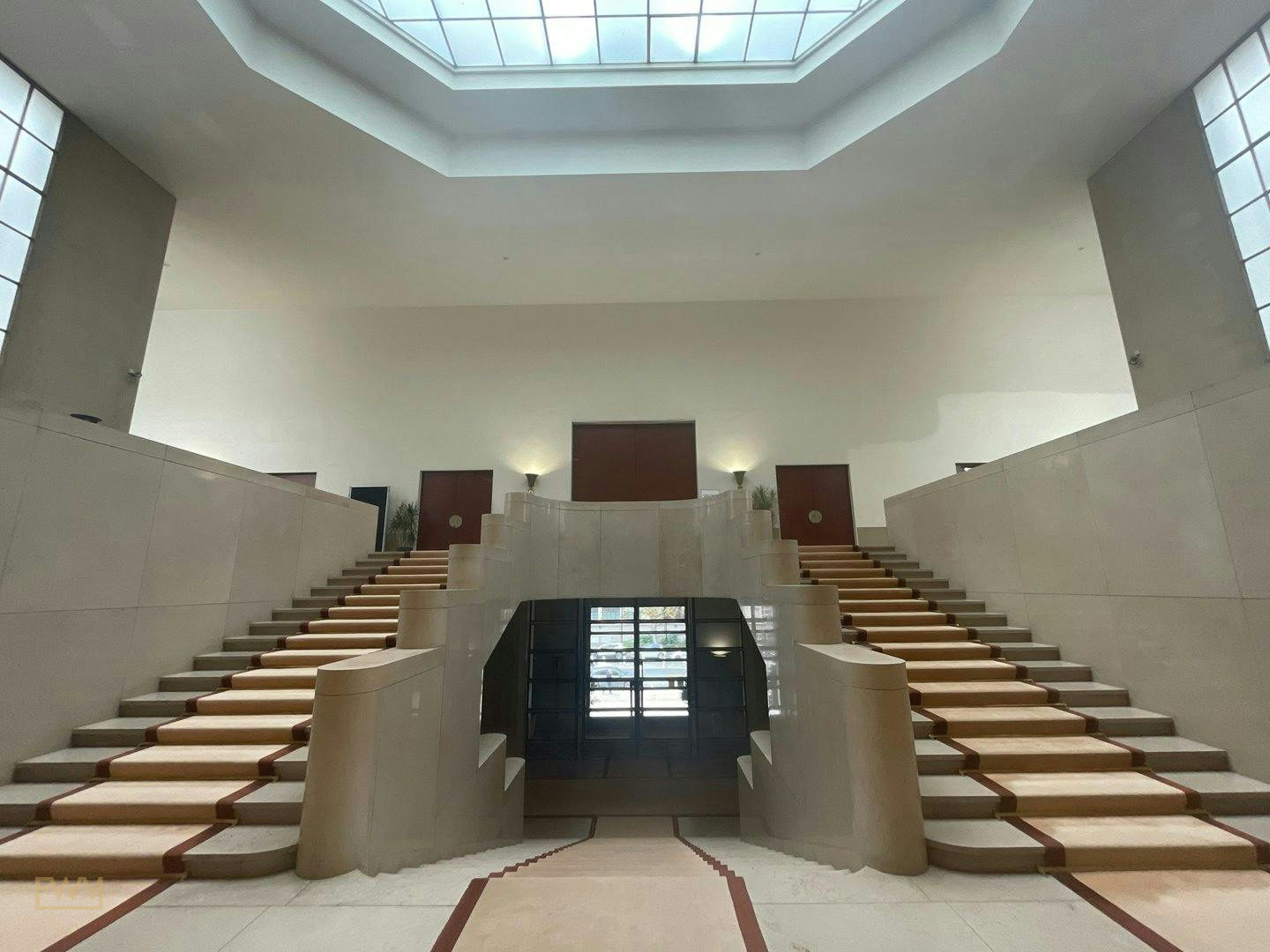
Choosing the right fashion week venue is critical for the success of any brand activation during major fashion events. This comprehensive guide is designed to help fashion brands, event producers, and creative directors navigate the complex landscape of venue selection, space logistics, and effective brand activations. Whether you're targeting Paris, New York, or any other fashion capital, Fashion Week Venues offers unparalleled expertise and resources for securing the perfect pop-up spaces. From venue sourcing and production to staffing and permits, this guide will empower your team to make informed decisions and maximize your event's impact.
Understanding Venue Types and Their Unique Advantages
Choosing the right venue type is crucial for aligning with your brand's objectives and vision. The major venue types available during fashion weeks include pop-up shops, showrooms, event spaces, and short-term retail locations. Each venue type offers unique advantages:
- Pop-up Shops: Ideal for creating a temporary retail presence, allowing brands to directly engage with consumers in a dynamic setting.
- Showrooms: Often used for press previews or buyer surveys, showrooms provide a controlled environment to showcase new collections.
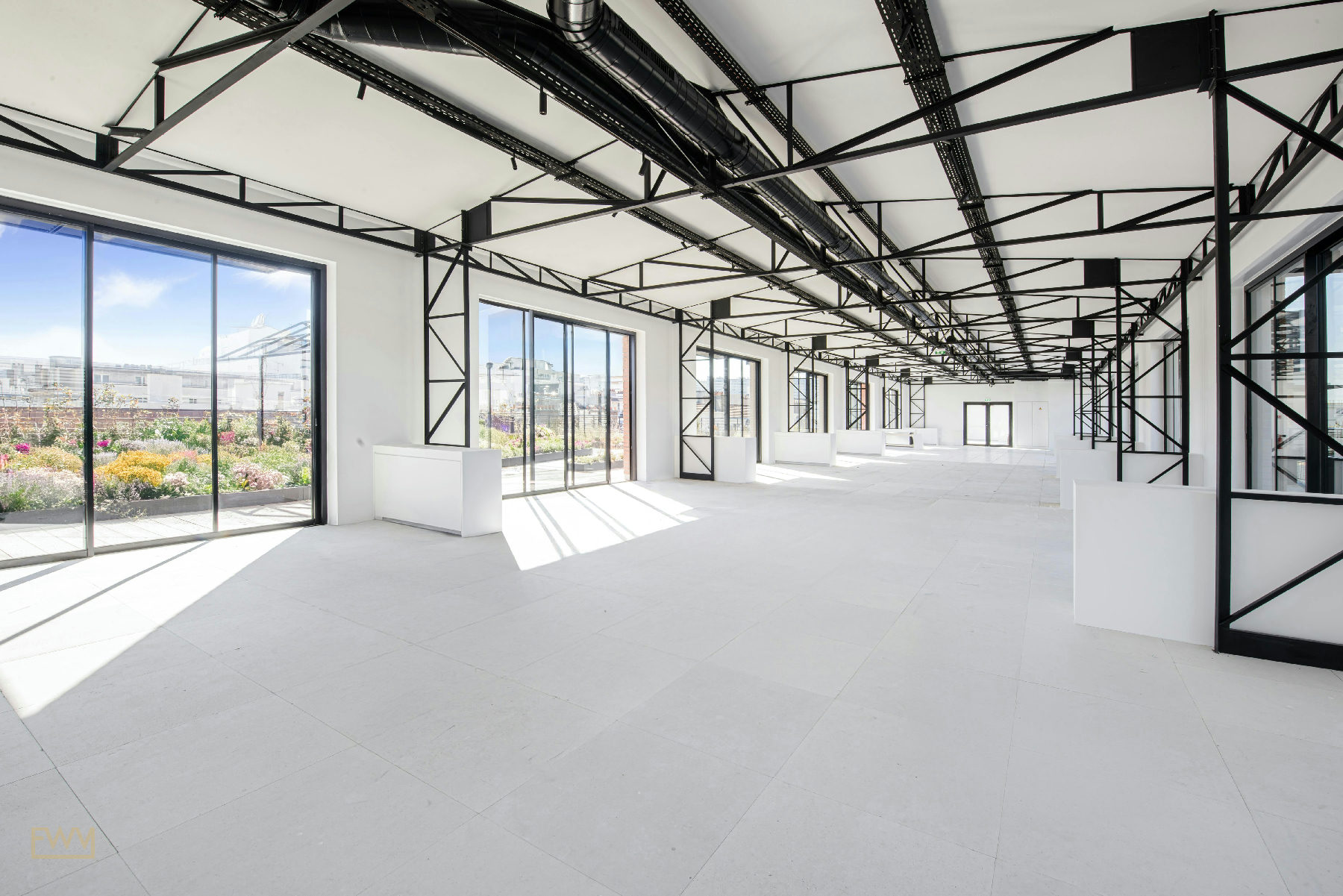
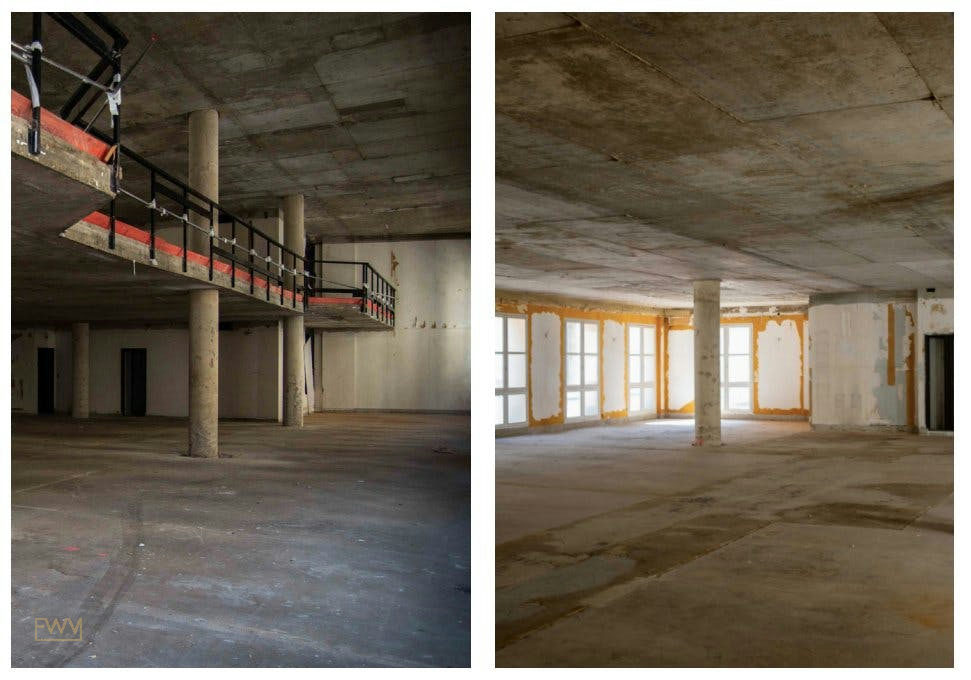
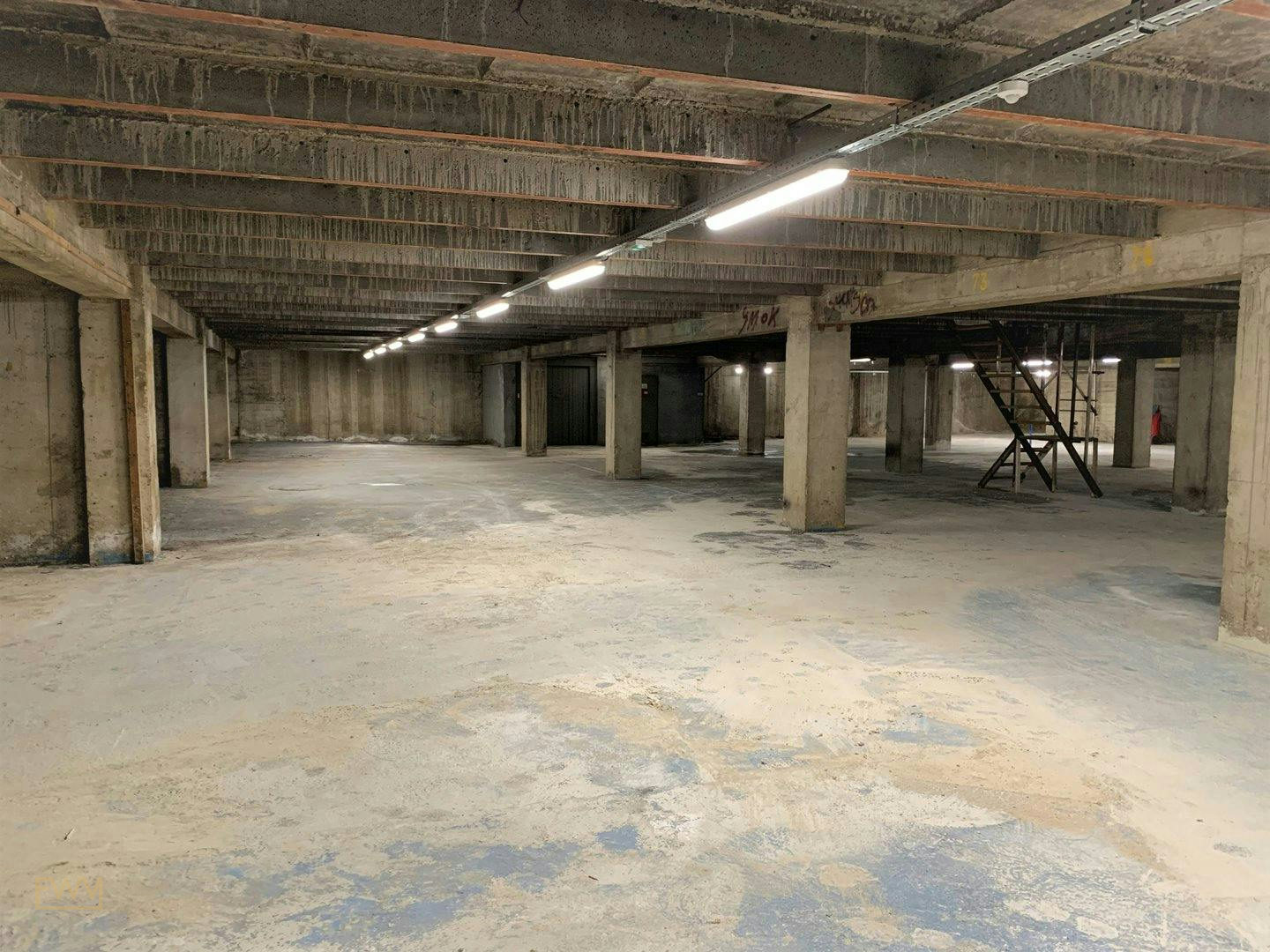
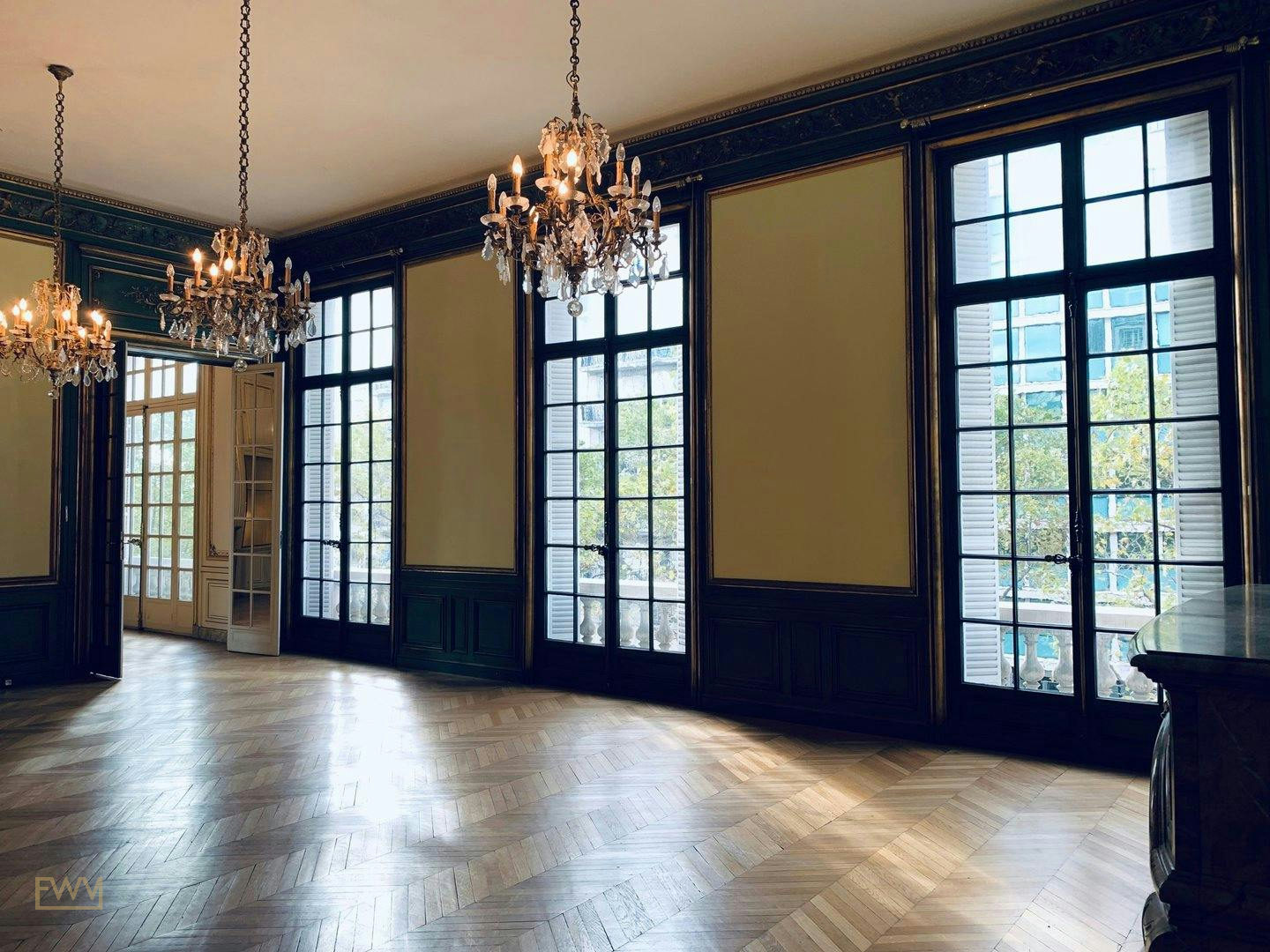
- Event Spaces: Versatile venues perfect for brand launches, offering ample space for structural creativity and large guest lists.
- Short-term Retail: Offers a traditional retail experience with the agility of temporary deployment, suitable for testing market reactions or increasing brand exposure.
Several factors should be considered when selecting your venue type, including the event objectives, target audience, budget, and duration of the activation. For instance, pop-up shops are excellent for direct consumer engagement and typically have lower setup costs, whereas showrooms require less interior modification but may limit interactions to industry insiders.
KEY TAKEAWAY: Selecting the right venue type hinges on aligning the event's goals with the venue's inherent advantages, ensuring the space supports your branding and logistics needs.
Next, we'll explore the strategic significance of choosing carefully planned locations within major fashion capitals.
Strategic Location Selection in Fashion Capitals
The location of your event during fashion week can significantly affect visibility, guest attendance, and overall success. Paris, a prime example, offers a rich tapestry of neighborhoods, each with unique characteristics suited to different brand engagements:
- Le Marais: Known for its artistic vibe and high foot traffic, it is ideal for brands targeting a younger, trend-conscious audience.
- Saint-Germain-des-Prés: Offers a classic Parisian charm that attracts luxury-seeking clients, a perfect spot for high-end brands.
- Opéra: With its cultural landmarks and bustling streets, Opéra is attractive for experiential marketing activations.
- Rue Saint-Honoré: A hotspot for high fashion and luxury, making it essential for brands seeking premium positioning.
- Canal Saint-Martin: Trendy and vibrant, it’s suitable for brands engaging millennials and hosting informal public events.
It's essential to evaluate each neighborhood's demographic appeal, accessibility, historical visitor patterns, and nearby competitive activities. Align these factors with your brand’s image and target audience to select the most advantageous location.
DID YOU KNOW: Studies show that up to 70% of foot traffic during the Paris Fashion Week occurs within the first few days, highlighting the importance of high-visibility locations.
Quick answer: For maximum impact, pick a location that aligns with your target audience and brand objectives, ensuring it offers appropriate exposure and accessibility.
KEY TAKEAWAY: Strategic location selection is a pivotal element of successful fashion week activations, providing the necessary exposure and audience connection to maximize event impact.
With location insights underway, understanding the event preparations required becomes crucial. The next section covers crucial pre-event steps.
Pre-Event Planning: Key Considerations for Success
Thorough pre-event planning sets the foundation for a successful activation during fashion weeks. Critical considerations include venue selection formalities, conceptualization, and logistical arrangements:
- Venue Agreements: Ensure all legalities and rental agreements, such as the bail dérogatoire, are in place.
- Concept Development: Develop a creative concept that aligns with your brand’s image and the event theme.
- Production Planning: Organize the design and build-out with an emphasis on visual merchandising and branding elements.
- Staffing and Training: Hire and train staff to deliver an engaging consumer experience, supported by effective point-of-sale systems.
- Marketing and Promotions: Deploy a comprehensive marketing strategy, leveraging influencer partnerships to reach broader audiences.
Each of these elements requires careful evaluation and coordination to ensure seamless execution. For instance, effective concept direction involves defining the overarching theme, which links to production planning for the spatial setup. Similarly, hiring skilled retail staffing ensures the staff effectively conveys brand messaging to visitors.
IMPORTANT: Secure all necessary permits and comply with local regulations, such as AOT, to avoid legal complications during the event.
KEY TAKEAWAY: Pre-event planning involves comprehensive coordination across legal, creative, logistical, and promotional dimensions to ensure a smooth and successful activation.
The next section will delve into the management of permits and legal compliance for event activations.
Navigating Permits and Legal Compliance in Paris
Compliance with Parisian regulations is a core component of executing a successful fashion week activation. Understanding and securing the correct permits is paramount:
The bail dérogatoire is a short-term rental agreement that allows for flexibility in venue usage without long-term obligation, ideal for pop-up activations. Another critical permit is the Autorisation d’Occupation Temporaire (AOT), which enables temporary utilization of public spaces.
Compared to standard commercial leases, these permits provide the flexibility necessary for temporary events but require thorough documentation and negotiation. It’s recommended to work in consultation with legal experts familiar with Parisian real estate. This ensures compliance with all local zoning laws and safety regulations.
Quick answer: Securing a bail dérogatoire or AOT is essential for temporary retail spaces in Paris, offering legal flexibility for pop-up activations.
IMPORTANT: Permit requirements may vary based on the type of space, its location within Paris, and the specific activities planned. Brands must plan accordingly.
KEY TAKEAWAY: Diligently navigating the permit process ensures legal compliance and protects the brand’s investment in its temporary activation.
Successfully managing permits sets a strong foundation; next, you'll discover how to budget effectively for your fashion week event.
Budgeting for Fashion Week Activations
Budgeting is a crucial step in the planning process for any fashion week activation. It's important to allocate resources effectively to various aspects such as venue costs, production, staffing, and marketing:
- Venue Costs: Includes rental fees, bail dérogatoire, utilities, and any additional setup fees.
- Production and Design: Costs related to designing the space, including materials, visual merchandising components, and furniture rental.
- Staffing Costs: Includes hiring and training retail staff, security, and event personnel.
- Marketing Expenses: Budget for social media marketing, influencer partnerships, and promotional materials.
Brands can use tools like the Fashion Week Venues budget calculator to refine their financial planning based on their specific needs and market conditions.
DID YOU KNOW: According to industry reports, brands often allocate between 15% to 25% of their budget on marketing alone to gain maximum exposure.
Quick answer: Efficient budgeting requires preemptive allocation to key event aspects, ensuring balanced spending across venue, production, staffing, and marketing.
KEY TAKEAWAY: Strategic budgeting allows brands to maximize their investments, prioritizing vital aspects of the activation while maintaining financial control.
After budgeting, we'll explore effective brand activation strategies to enhance your fashion week impact.
Brand Activation Strategies for Maximum Impact
Effective brand activation strategies are essential for capturing audience attention and enhancing your brand’s presence during fashion weeks. Here are some innovative approaches:
- Experiential Marketing: Engage attendees through immersive, interactive experiences that align with your brand narrative.
- Exclusive Events: Host invite-only events for influencers and industry insiders to generate buzz and facilitate organic content sharing.
- Technology Integration: Utilize AR/VR technologies to enhance engagement and provide rich, personalized experiences.
- Storytelling and Content: Craft compelling brand stories and use social media to amplify your message and engage with a broader audience.
Each strategy should be tailored to seamlessly align with the overarching brand goals and character, ensuring consistency in messaging and experience.
Quick answer: Deploy experiential marketing, coupled with exclusive events and technology integration, to maximize brand impact during fashion weeks.
KEY TAKEAWAY: Strategic brand activations capture audience interest and generate meaningful engagement, reinforcing your brand amidst the bustling atmosphere of a fashion week.
With strategies in place, let's look at the importance of synchronizing with the fashion industry calendar for effective planning.
Aligning with Fashion Industry Calendars
Aligning your event with the fashion industry's calendar is vital for maximizing exposure and engagement. The fashion calendar revolves around prominent weeks in major cities including Paris, London, New York, and Milan.
Planning your activation around these critical periods ensures that your brand is present when attention is at its peak. Timing is essential—scheduling either during or immediately preceding these events can capture heightened interest.
Quick answer: Coordinate your event dates with global fashion weeks to capitalize on heightened industry focus and media coverage.
While the most notable dates are during the bi-annual fashion week cycles, emerging designers may also consider smaller events to avoid competing with larger brands for attention.
DID YOU KNOW: According to the Fédération de la Haute Couture et de la Mode, Paris alone attracts thousands of global media outlets during its fashion weeks, providing unmatched exposure platforms.
KEY TAKEAWAY: Adhering to the fashion industry calendar ensures consistent media and consumer engagement, enhancing your brand's relevance and reach.
The upcoming section delves into utilizing Fashion Week Venues' services and tools to streamline this comprehensive planning process.
How Fashion Week Venues Facilitates Your Activation
Fashion Week Venues offers a full suite of services to streamline the complexities of planning and executing a successful fashion week activation. From venue sourcing to execution, every detail is managed with precision:
Our services include:
- Venue Sourcing and negotiation
- Creative Concept Development
- Production and Build-Out for onsite execution
- Activation Management to flawlessly execute your event
Fashion Week Venues also provides specialized tools such as the Permits Tool to navigate legal requirements, the Budget Calculator for transparent financial planning, and space visualizations through the Imagine Tool.
TIP: Utilize our Locator Tool to find the perfect venue that meets your event goals and logistical needs.
KEY TAKEAWAY: Leveraging Fashion Week Venues' comprehensive services and innovative tools can significantly simplify and enhance your event planning, ensuring a successful activation.
Having explored how Fashion Week Venues can assist, the next section addresses common myths related to fashion week venues in Paris.
Common Myths Debunked
MYTH: You need a French legal entity to rent a space in Paris.
FACT: While it is beneficial, it is not mandatory to form a French entity to engage in short-term leases. Agencies like Fashion Week Venues facilitate the process for international brands without local structures.
MYTH: Paris Fashion Week is the only viable time to activate.
FACT: While Paris Fashion Week offers unique exposure, other fashion weeks in cities like Milan or events outside fashion week cycles can also provide substantial visibility and marketing opportunities.
MYTH: Commission brokers are the only way to find a space.
FACT: Modern marketplaces and agency services, including Fashion Week Venues, provide direct access to landlords and spaces, often saving both time and costs.
MYTH: Short-term leases are legally straightforward without specialist help.
FACT: Navigating short-term leases can be complex due to specific legal, zoning, and safety requirements. Expert guidance ensures compliance and security for your activation.
KEY TAKEAWAY: Avoiding misconceptions about fashion week activations in Paris allows brands to explore various strategic and practical options, maximizing their event's success.
Frequently Asked Questions
What is a pop-up shop, and how does it differ from a showroom?
A pop-up shop is a temporary retail space designed for direct consumer interaction and sales, often with a limited timeframe. In contrast, a showroom is typically used for displaying products to the press or buyers in a more controlled environment, focusing on the visual presentation rather than direct sales.
Are permits difficult to obtain for temporary events in Paris?
Obtaining permits such as the bail dérogatoire or AOT can be complex due to varying requirements based on location and event specifics. It is crucial to consult with local experts or services that specialize in navigating Parisian regulatory frameworks to ensure compliance.
How can I ensure my brand gets noticed during a busy fashion week?
To stand out during fashion weeks, leverage strategic brand activation plans, such as hosting exclusive influencer events or integrating advanced technology like AR experiences. Utilizing platforms like Fashion Week Venues for strategic location sourcing can also enhance visibility.
What are some cost-effective ways to manage my event budget?
Cost-effective event management can be accomplished through strategic prioritization of expenses. Utilize budget calculation tools to identify areas where funds can be saved, like shared venues or bundled marketing efforts, while focusing on high-impact strategies that drive brand exposure.
Can I host a fashion event outside of the traditional fashion weeks?
Yes, hosting events outside traditional fashion weeks can be advantageous by avoiding competition with larger brands and gaining niche market attention. Targeting local festivals or off-peak times can yield substantial media presence and consumer interest without the heightened competition.
What logistical aspects should I consider for a pop-up activation?
Logistical considerations for a pop-up activation include securing the right location and permit, designing and fitting the space, staffing appropriately, and deploying an efficient marketing plan. Comprehensive planning tools and marketplace services can streamline these processes effectively.
What role does technology play in modern fashion activations?
Technology enhances modern fashion activations by providing immersive and personalized experiences, improving engagement. Utilizing AR, VR, or bespoke digital touchpoints creates a lasting impression and allows brands to reach wider audiences both physically and virtually.
Why should I use an agency like Fashion Week Venues for my event?
An agency like Fashion Week Venues offers expertise in venue sourcing, concept development, and execution. They simplify complex logistical tasks and ensure compliance with local regulations, enabling brands to focus on strategy and creative execution.
What trends should I consider when planning my fashion week activation?
Emerging trends include sustainable concepts, experiential storytelling, and integrating technology into physical spaces. By aligning with these trends, brands can meet contemporary consumer expectations and foster greater engagement.
Is it necessary to travel to Paris for the event planning?
While visiting Paris can enhance understanding of the local scene, it's not mandatory. Many agencies provide virtual tools and services that allow brands to manage planning remotely, though some on-the-ground presence may offer logistical advantages.
How far in advance should I begin planning my Paris fashion week activation?
Planning should ideally begin 9-12 months in advance to secure preferred venues, manage logistics, and execute an effective marketing strategy. Early planning also allows more flexibility in budgeting and regulatory compliance processes.
What are the risks of not securing the appropriate permits?
Without appropriate permits, brands risk encountering legal complications such as fines or forced event shutdowns. Ensuring compliance with local laws and regulations through expert assistance mitigates these risks and ensures a smoother execution.
Can temporary retail spaces influence long-term brand perceptions?
Yes, temporary retail spaces can significantly impact brand perceptions by providing a unique experience that embodies the brand’s ethos. Successful activations can elevate a brand’s prestige and foster deeper consumer relationships, impacting long-term loyalty.
What makes Paris a prime location for fashion week activations?
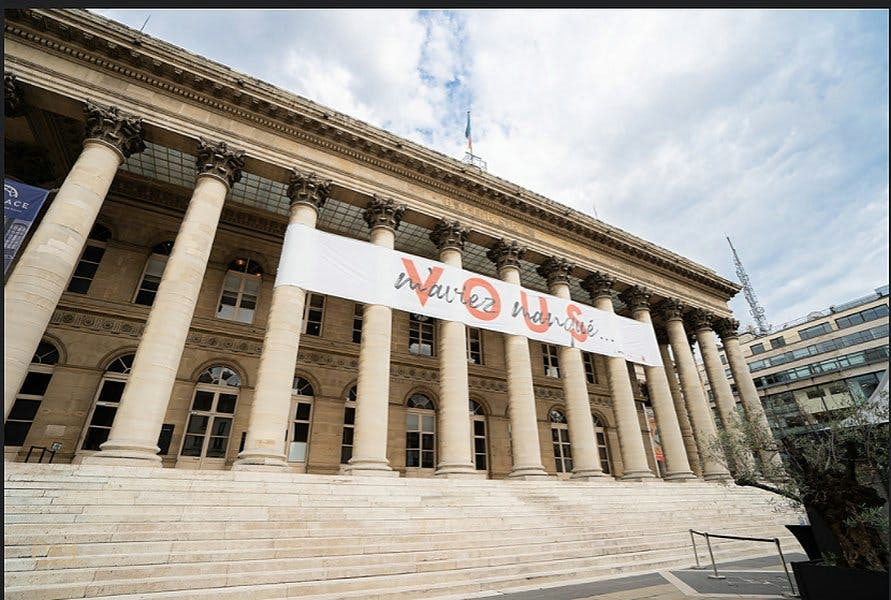
Paris is a global fashion capital known for luxury, innovation, and cultural influence, attracting prominent industry figures and media during fashion weeks. Its rich history, vibrant neighborhoods, and iconic architecture make it a premier destination for impactful fashion activations.
Conclusion
Navigating the complexities of fashion week venues involves understanding the nuanced dynamics of venue types, strategic location placements, effective brand activation plans, and compliance with legal frameworks. Fashion Week Venues is committed to simplifying this journey for brands through comprehensive services and innovative tools. Aligning your activation with industry calendars ensures timely engagement during peak periods, enhancing visibility and brand impact.
Fashion Week Venues provides not only the logistical and creative support but also the strategic insights required to transcend conventional marketing barriers. To move from research to activation, start exploring available spaces on the Fashion Week Venues marketplace and build a focused brief for your target neighborhood, space type, and calendar window. This proactive approach empowers brands to thrive amidst the vibrant backdrop of fashion capitals like Paris, setting the stage for successful and memorable experiences.