
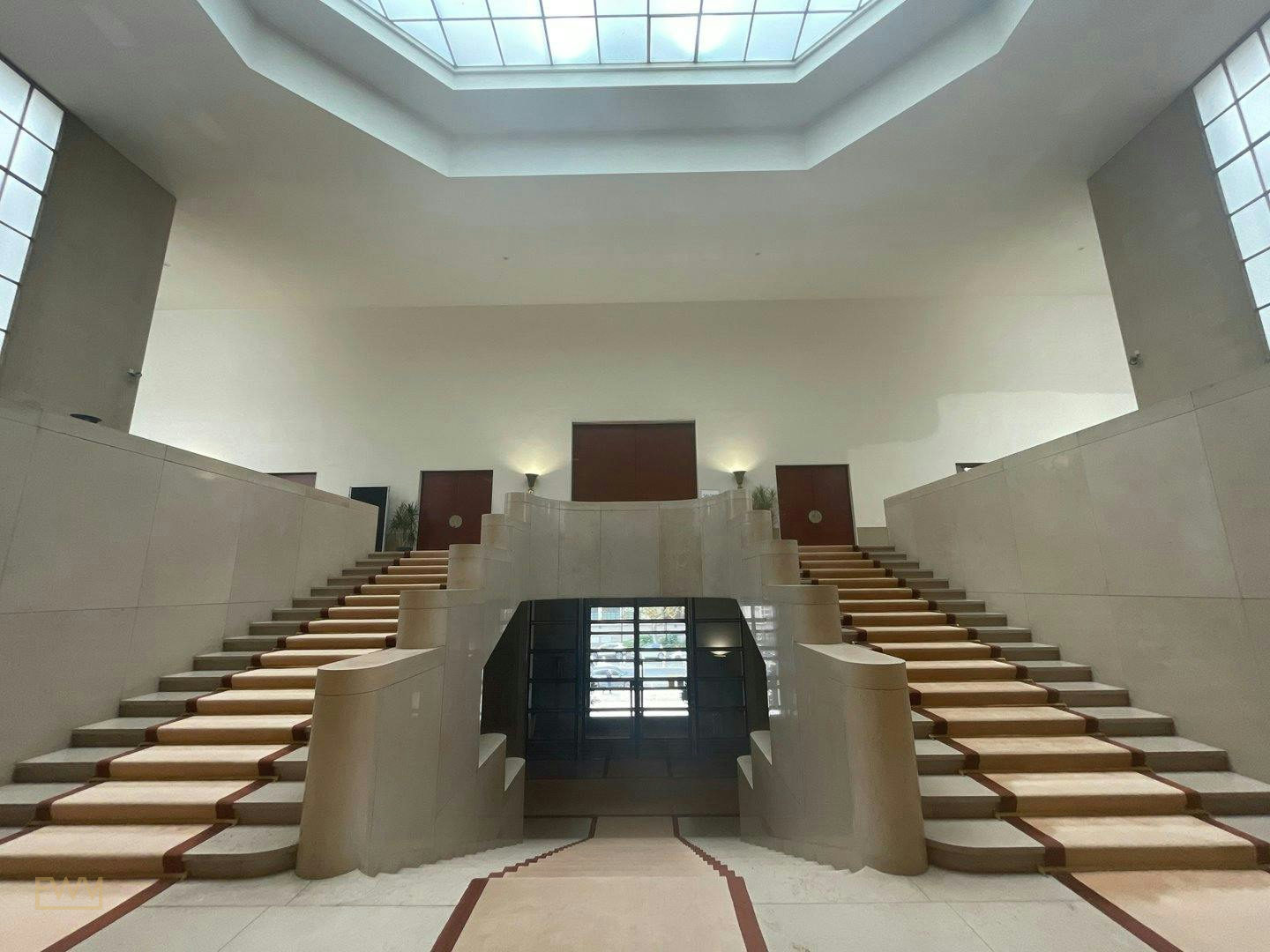
Fashion Week venues play a crucial role in the success of brand activations, pop-up experiences, and showroom events during major fashion events. With Paris at the heart of these showcases, companies such as Fashion Week Venues provide comprehensive services to help brands select, design, and manage these temporary retail spaces. The expertise in venue sourcing and activation enables brands to stand out in competitive environments.
Understanding the Fashion Week Venue Landscape
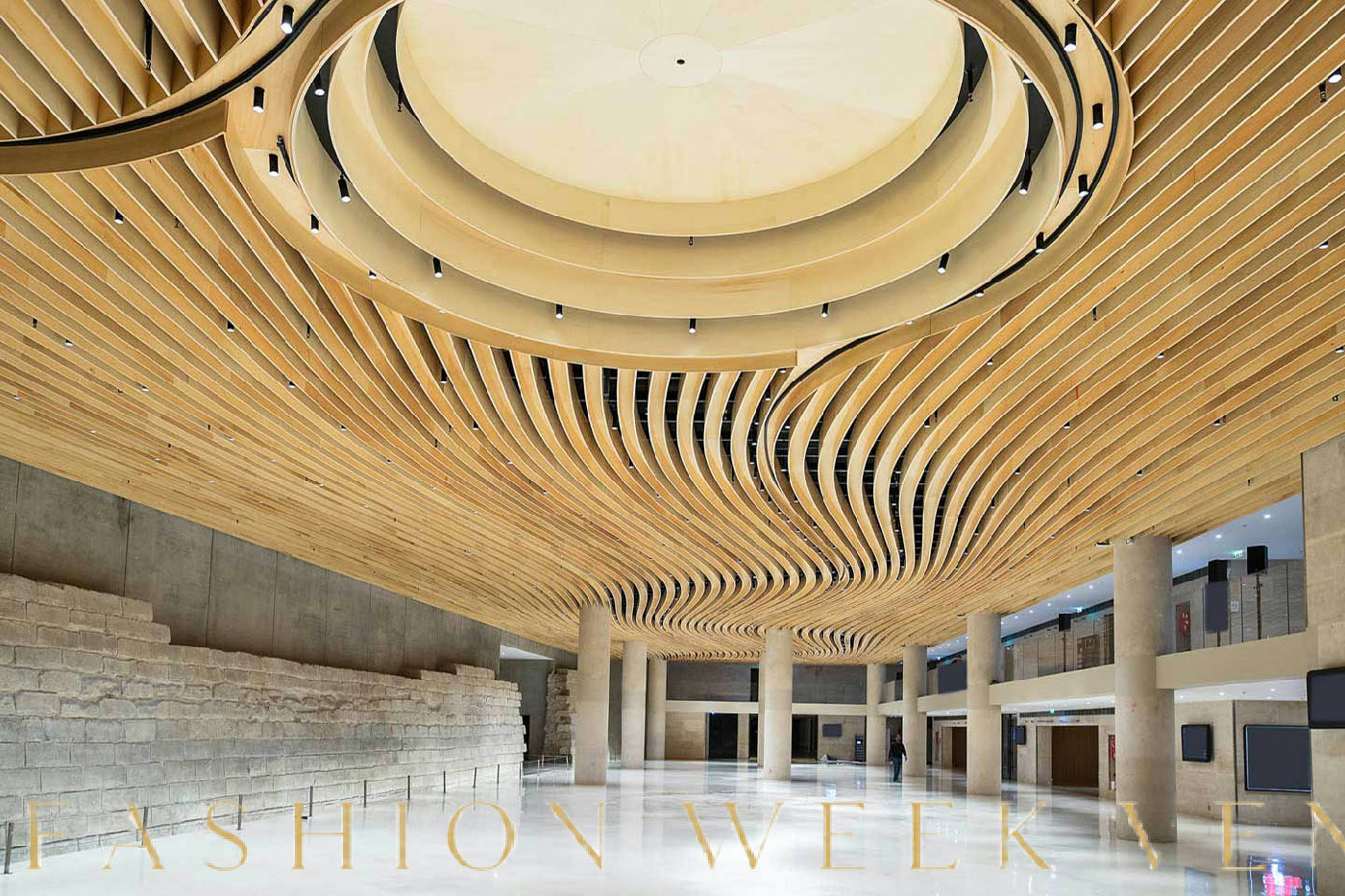
The landscape of fashion week venues is as diverse as the brands that utilize them. From historical buildings to avant-garde structures, the variety offers brands a multitude of options to express their narratives effectively. These venues are not only locations where events are held, but they serve as a canvas for brand storytelling, aligning with the aesthetic values and commercial strategies of fashion houses.
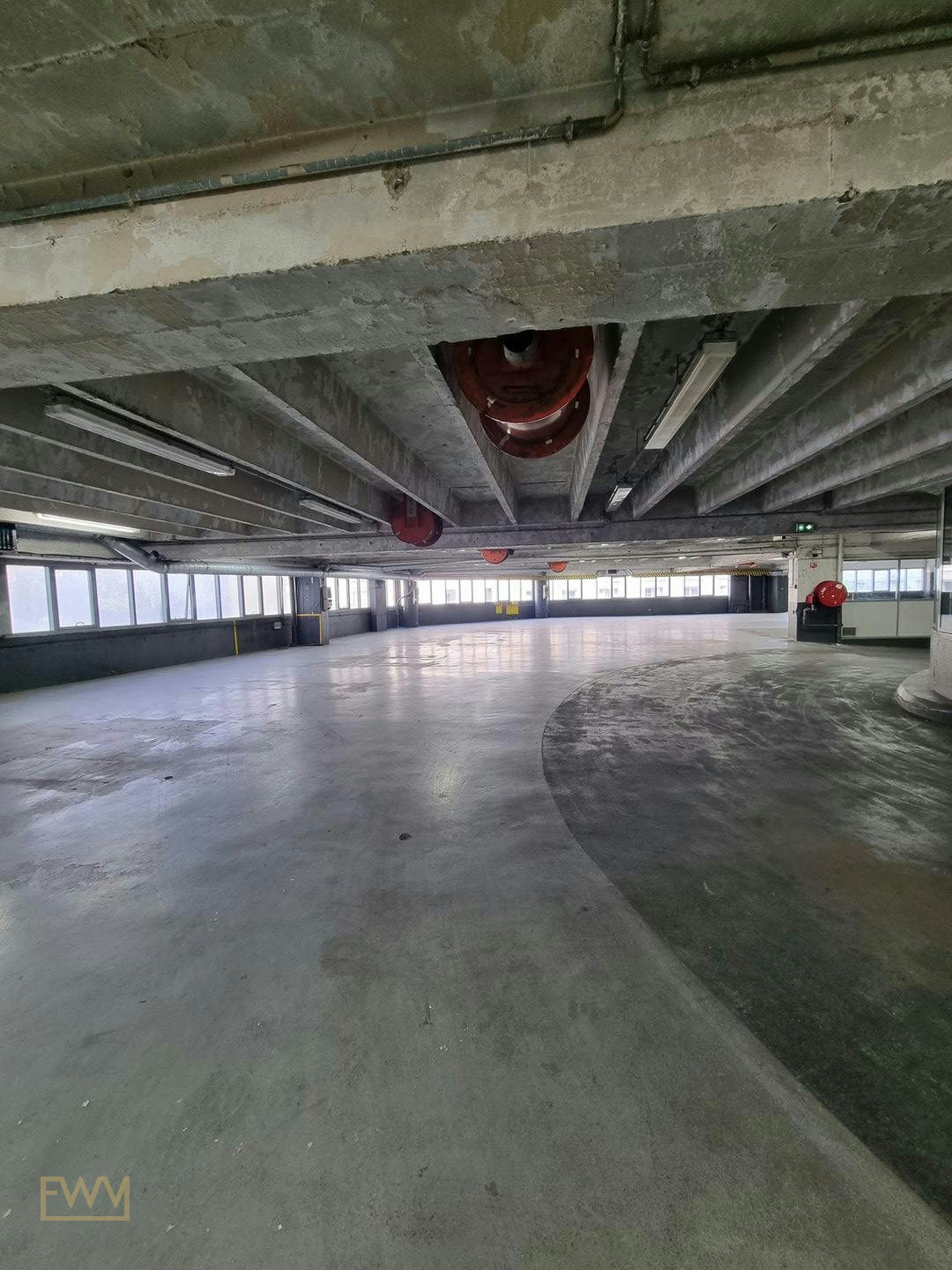
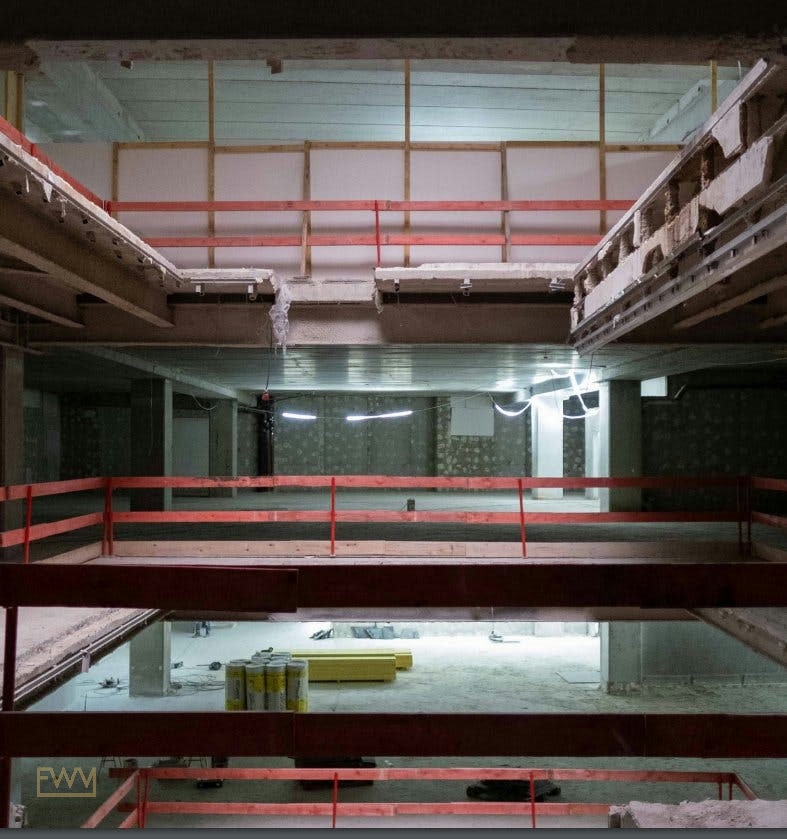
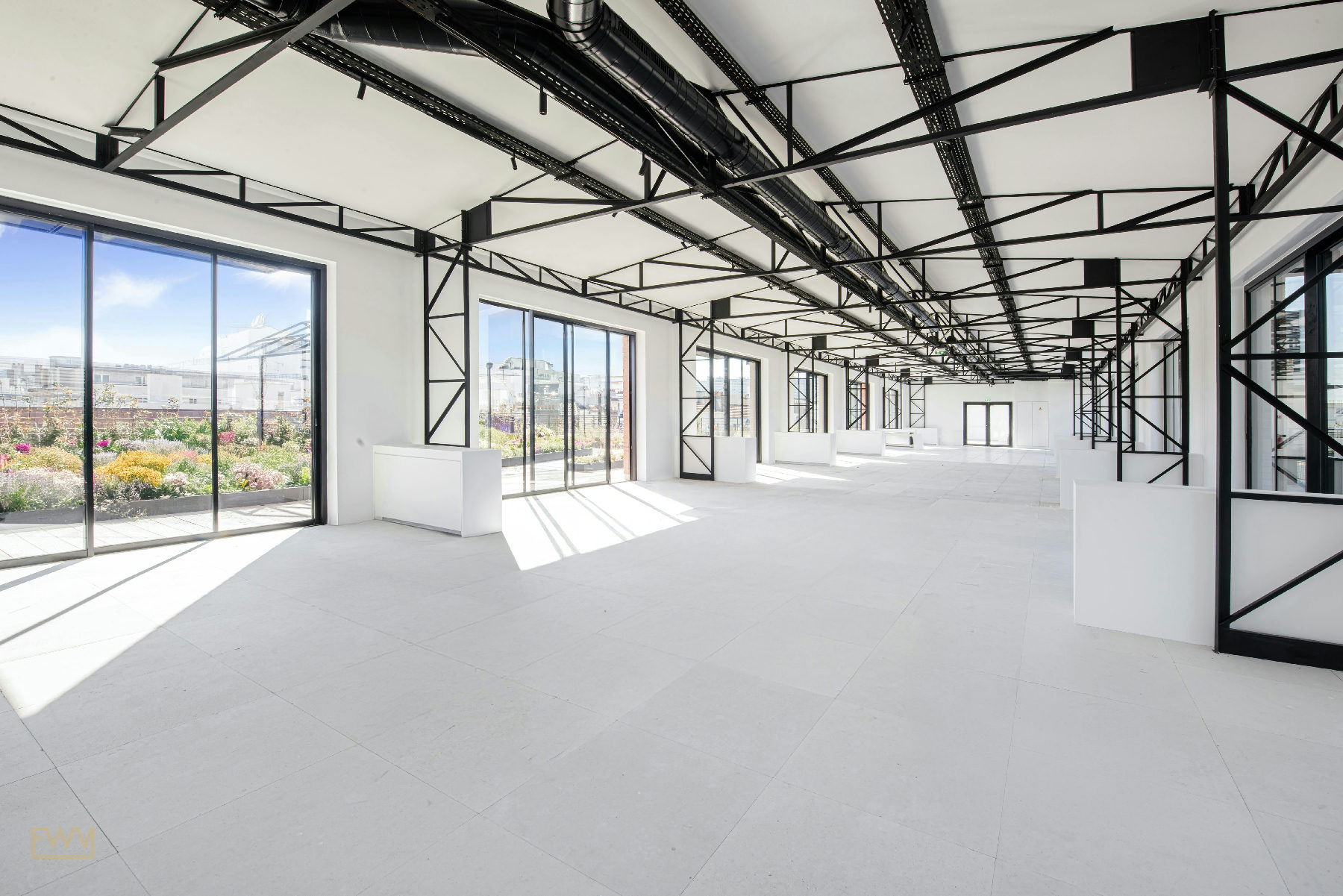
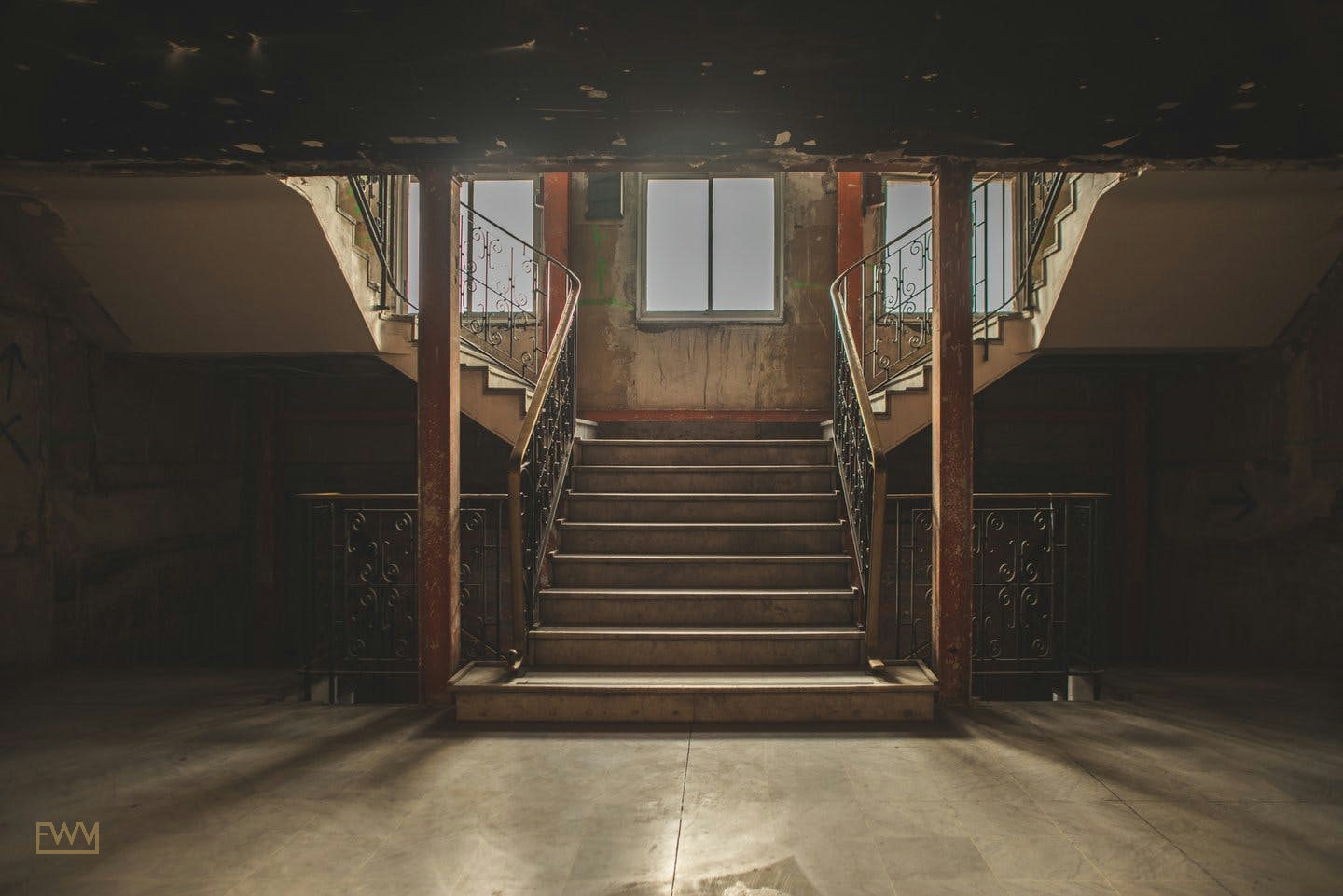
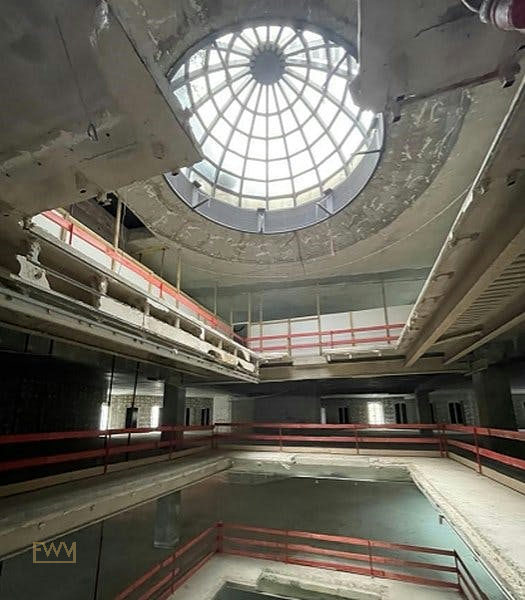
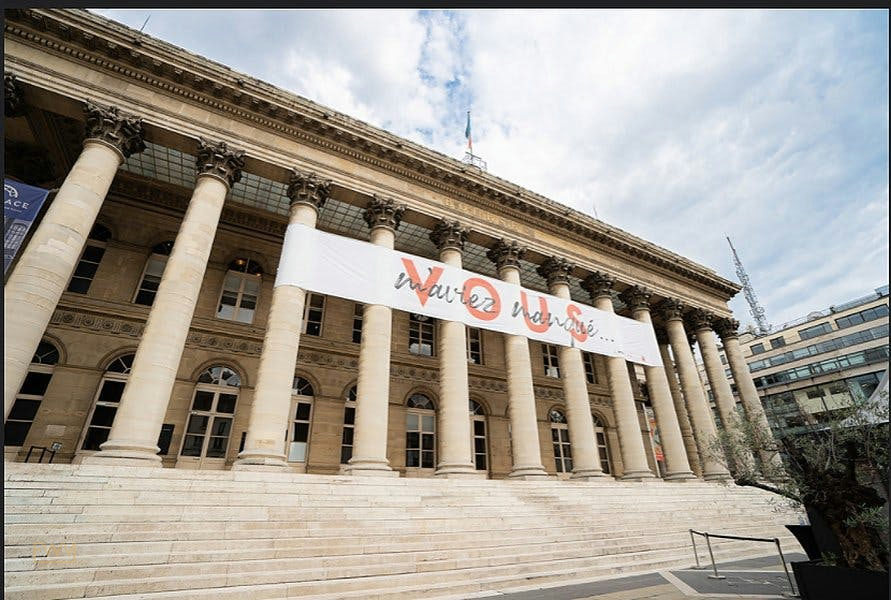
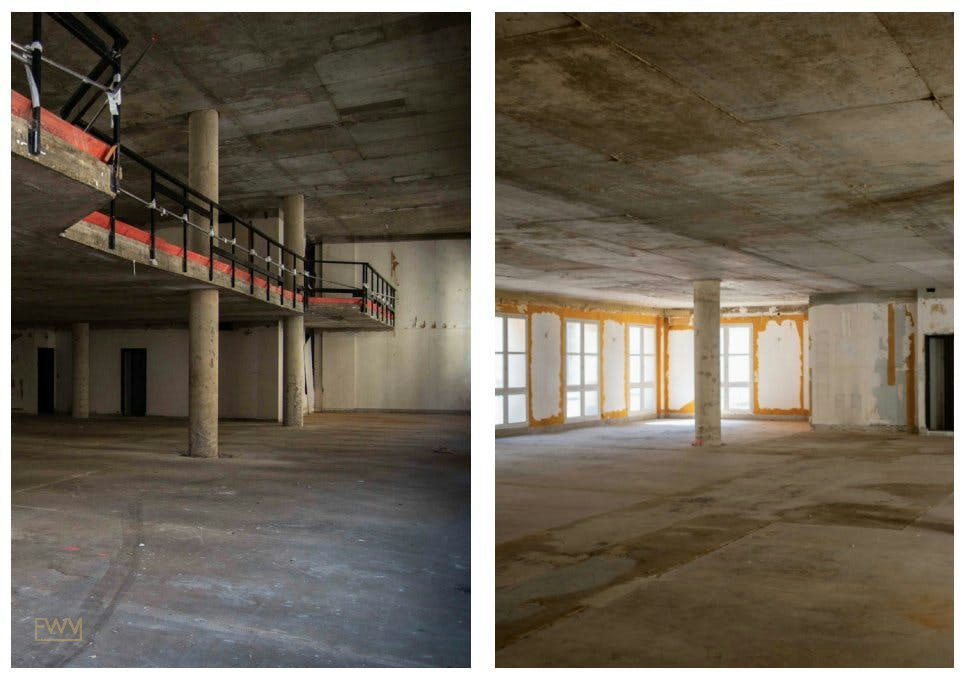
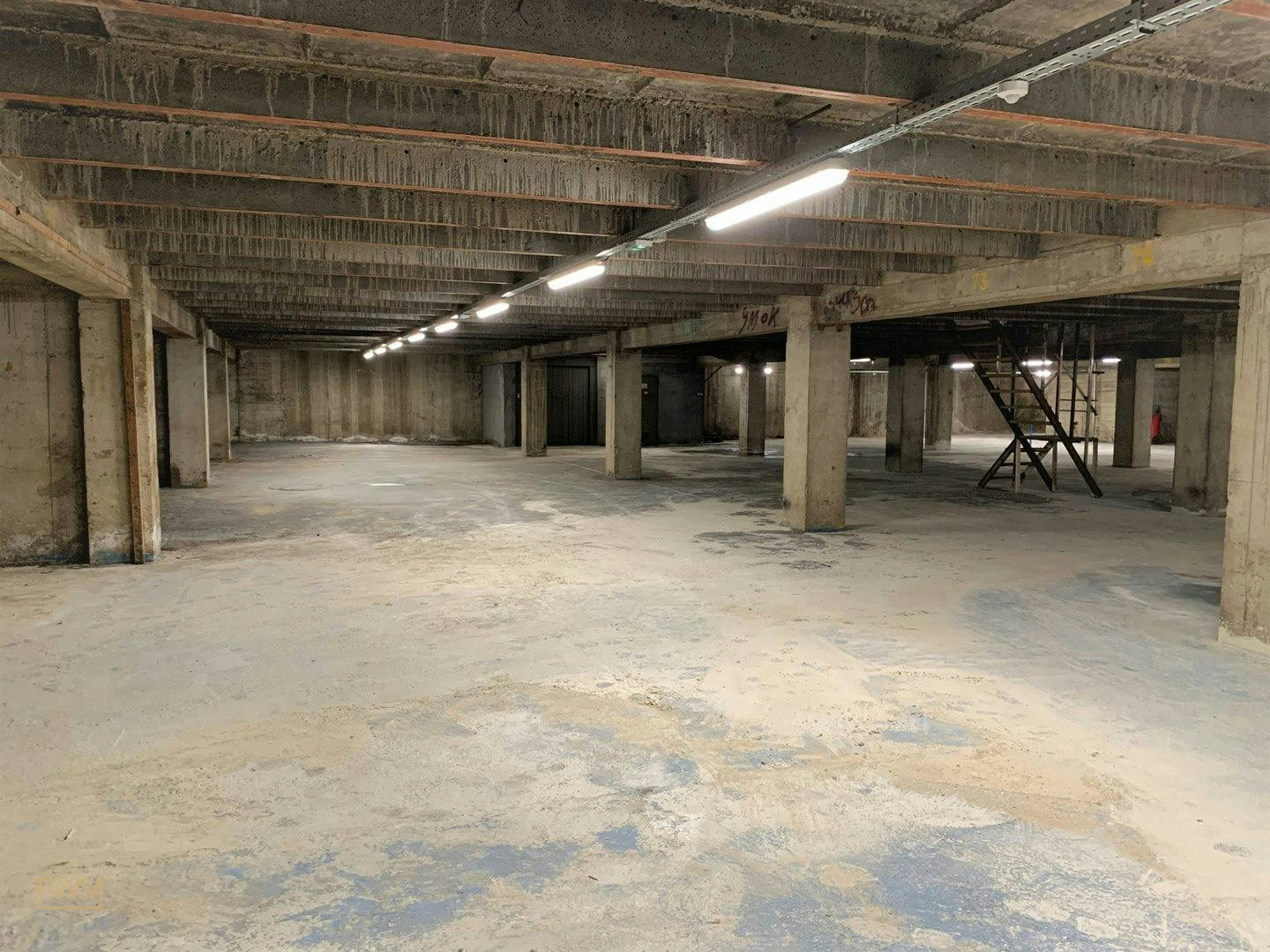
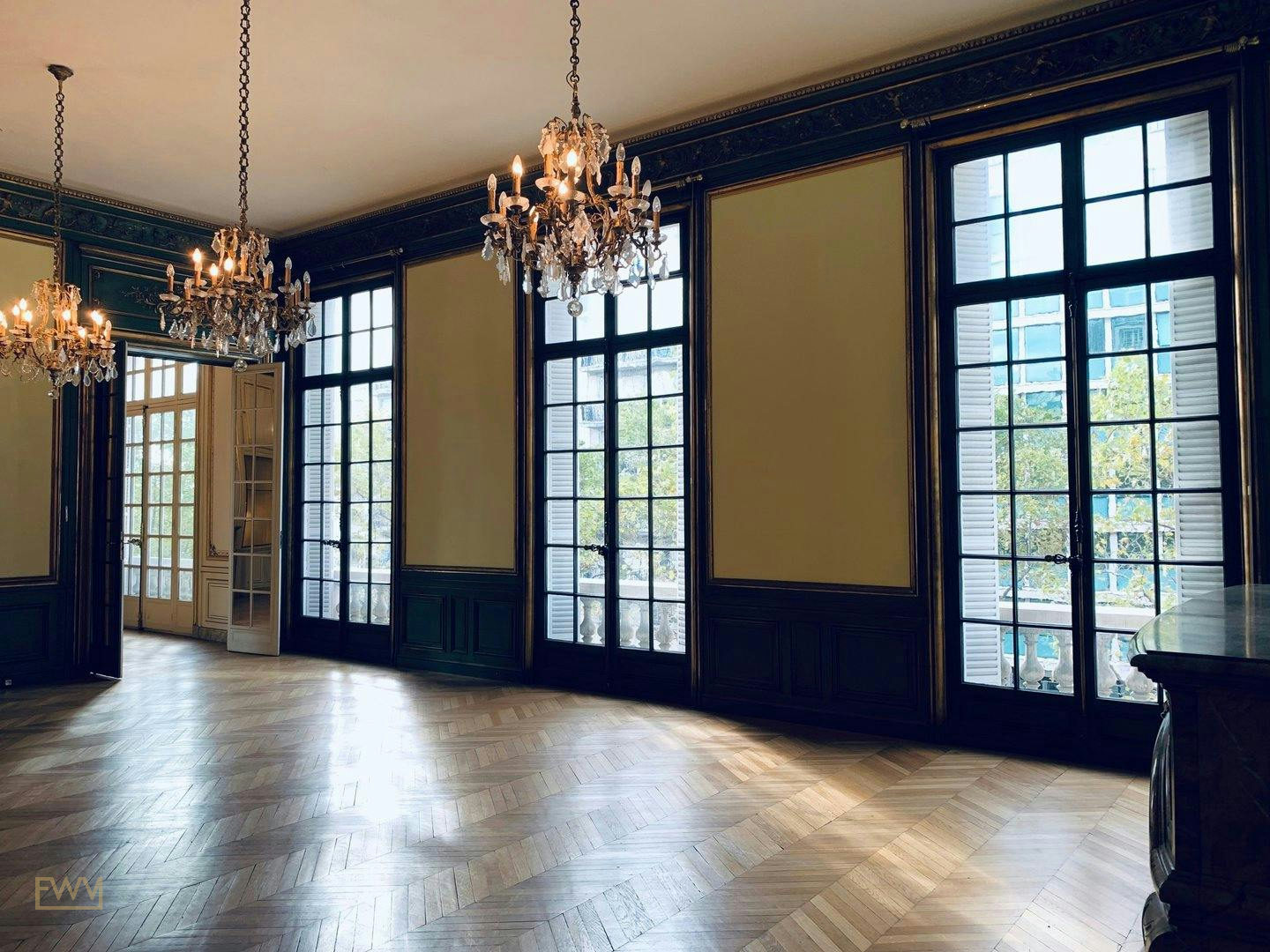
There are three main categories of spaces: traditional, modern, and unconventional. Traditional spaces often include classical French architecture, typical of areas like Le Marais, offering rich cultural backdrops. Modern spaces, found in business districts or repurposed industrial sites, offer sleek designs that cater to contemporary styles. Unconventional spaces, such as those transformed from warehouses or rooftops, present unique branding opportunities for daring brands.
Quick answer: The choice of fashion week venues depends on the brand’s philosophy, customer engagement goals, and the kind of experience they wish to offer.
Main criteria for selecting venues include location, capacity, cost, existing infrastructure, ambiance, and accessibility. Brands often lean towards trendy districts like Saint-Germain-des-Prés for their allure and elevated foot traffic.
- Location: Proximity to main fashion districts increases visibility.
- Capacity: Aligns with the scale of expected attendees.
- Cost: Budget constraints can influence the final choice.
- Infrastructure: Availability of essential facilities such as Wi-Fi, lighting, and power supply.
- Ambiance: Classical versus modern feel depending on branding needs.
- Accessibility: Ease of access for logistics and guests.
KEY TAKEAWAY: A brand’s choice of venue is a critical component of its brand identity and consumer interaction strategy.
DID YOU KNOW: Paris is home to over 180 distinct districts, each offering unique venues suitable for different branding events.
How to Choose a Fashion Week Venue
Choosing the right fashion week venue involves more than just selecting a location; it's about aligning with your brand's identity and ensuring practicality. Successful venue selection must consider key elements such as brand alignment, target audience, accessibility, and financial feasibility.
First, align the venue choice with your brand's image. A heritage brand might opt for an iconic historic location, while a tech-driven brand could select a sleek, modern space. Next, consider your target audience—leverage venues that resonate with their preferences and expectations.
Accessibility for guests and logistical convenience are paramount. Venues in central locations with good transport links facilitate better attendance and ease the transport of materials. Factor in budget constraints and ensure the venue not only fits your financial plan but offers flexible terms to accommodate unforeseen changes.
- Target Audience Alignment: Choose a venue style that appeals to your demographic.
- Accessibility: Consider transport links, parking, and locality.
- Financial Feasibility: Ensure the package fits within budget including potential overages.
- Flexibility in Terms: Opt for venues that offer flexible renting terms.
Quick answer: Select venues that enhance your brand visibility and resonate with your audience, while being cost-effective and logistically favorable.
Lastly, inquire about technology and infrastructure. A space must accommodate audiovisual requirements, internet needs, lighting, and other technological preferences essential for a seamless event.
KEY TAKEAWAY: Your venue should be an extension of your brand, strategically selected to enhance guest experience and operational function.
To compare neighbourhoods and space types, explore the Paris city hub on Fashion Week Venues and shortlist spaces that match your brief, budget, and calendar window.
Exploring Different Types of Fashion Week Venues
Fashion week venues vary widely, each offering unique benefits tailored to different brand needs. Understanding these categories is vital in selecting spaces that not only fit logistical requirements but also align with the thematic essence of your event.
The most common types of venues are:
| Type | Description | Ideal For | Drawbacks |
|---|---|---|---|
| Historic Buildings | Rich with history, offering classical aesthetics. | Luxury and heritage brands. | High cost and maintenance needs. |
| Modern Spaces | Sleek, contemporary, and well-equipped. | Tech brands and contemporary designers. | May lack character. |
| Unconventional Venues | Unique and surprising settings. | Edgy, bold brands. | Logistical and permit challenges. |
Each type of venue offers its unique set of advantages, but requires careful consideration of potential drawbacks like cost, ease of access, and appropriate permissions. Understanding zoning laws and permits, such as the bail dérogatoire and AOT for temporary occupancy on public property, is crucial.
Quick answer: Choose a venue type that supports both your brand's identity and logistical needs, considering potential challenges like cost and legal requirements.
KEY TAKEAWAY: The type of fashion week venue selected can dramatically influence the perception and impact of the brand event, therefore choosing wisely influences success heavily.
Steps for Securing a Fashion Week Venue
The process of securing a fashion week venue can be intricate and demands considerable attention to detail. Engaging in a systemic approach helps ensure no crucial aspect is overlooked and maximizes the potential for a smooth execution.
- Define Objectives: Set clear objectives for the activation to guide venue selection.
- Research: Investigate potential venues that align with set objectives.
- Budget Planning: Utilize tools such as the budget estimation tool to understand financial constraints.
- Visit Locations: Schedule site visits to assess venues first-hand.
- Negotiation: Engage with site owners to negotiate terms.
- Permits and Approvals: Secure necessary permits using resources like the permit guidance tool.
- Contract Review: Have legal advisors review contracts to ensure all terms are clear and favorable.
- Finalize and Reserve: Secure the venue once all terms are agreed upon and documented.
In navigating these steps, it's also beneficial to incorporate flexibility in schedules and plans to accommodate unforeseen circumstances, a frequent reality in fashion events planning.
Quick answer: Approach securing a venue with a structured plan, from defining clear objectives to thorough contract review, ensuring all legal and logistical bases are covered.
KEY TAKEAWAY: Following a well-defined protocol not only minimizes risks but also enhances the likelihood of securing a venue that matches your brand requirements efficiently.
Challenges in Finding the Perfect Fashion Week Venue
Finding the perfect fashion week venue comes with its set of challenges. The competition for prime locations, especially during Paris Fashion Week, can be intense, with high demand driving up costs and limiting availability to only the quickest or best-connected brands.
One of the major challenges is aligning potential venues with brand identity while staying within budgetary and operational constraints. Permissions and legal considerations, like securing certain French permits for operating temporary spaces, add layers of complexity.
Also, while some businesses may seek smaller, intimate locations to create a niche or exclusive ambiance, larger brands might require extensive floor space to accommodate bigger crowds and elaborate setups. Adjusting these needs against logistical realities like transportation, technological capabilities, and service facilities can become overwhelming without expert guidance.
Quick answer: The challenges in finding the perfect venue arise from high demand, budget limitations, legal requirements, and logistical complications.
TIP: Enlisting the aid of specialized agencies like Fashion Week Venues can provide a competitive edge in overcoming these obstacles by leveraging their extensive network and tools like the concept and creative services.
Finally, making timely decisions amidst these challenges is another critical factor; procrastination can limit options further and compromise the quality or strategic fit of the venue selected.
KEY TAKEAWAY: Overcoming venue selection challenges requires early engagement, strategic planning, and possibly, professional support for navigation through available choices and logistic hurdles.
Legal Considerations for Temporary Fashion Week Spaces
Navigating legalities is a fundamental aspect of securing a temporary space for fashion week events. French legalities such as the bail dérogatoire and AOT are essential for non-permanent occupancy, ensuring compliance with regional and municipal laws.
Understanding the intricacies of these permits is necessary. The bail dérogatoire allows commercial use of a space for short durations without modifying underlying leases, which is beneficial for brands needing flexibility. Meanwhile, AOT (Authorisation d’Occupation Temporaire) applies predominantly to using non-standard venues or public spaces, requiring negotiation with municipal authorities for legal occupation.
It is advisable for brands to consult legal experts due to the complex nature of these permits and to ensure alignment with local regulations. Mistakes in navigating these regulations can lead to fines or event cancellation.
Quick answer: Securing a temporary space involves understanding and obtaining necessary permits like bail dérogatoire and AOT, along with consulting legal experts.
| Legal Aspect | Description | Application |
|---|---|---|
| Bail Dérogatoire | Temporary lease agreement for short-term use. | Short-term retail and showrooms. |
| AOT | Temporary occupation of public property. | Unconventional, public spaces. |
| ERP Compliance | Standards for buildings open to the public. | Must meet safety regulations. |
KEY TAKEAWAY: Legal compliance is non-negotiable. Brands must approach temporary space leases with diligence regarding local legal landscapes to prevent setbacks.
Budget Planning for Fashion Week Venues
Crafting a budget for a fashion week venue requires a balance between ambition and financial limitations. Knowing the underlying costs, from venue hire to ancillary expenses, contributes to more effective financial planning and resource allocation.
Key expense components typically include venue rent, staffing, permits, logistics, and production costs. Venue rent can range widely depending on location and style, while staffing expenses encompass hiring event managers, security, and support staff. Permits are another significant financial consideration, and logistics play a crucial role in budget planning, especially when dealing with international shipping or complex installations.
Utilizing a budget calculator tool allows brands to estimate potential costs accurately based on their specific requirements, thereby maintaining financial control and avoiding overspend.
- Venue Rent: Depends on location, type, and duration.
- Staffing: Costs for event stewards and security personnel.
- Permits: Necessary for legal operation.
- Production Costs: Include setup, decoration, and technical equipment.
- Marketing and PR: Costs for promoting the event.
Quick answer: Budget planning involves a comprehensive understanding of all potential costs, from rent and staffing to marketing and permits.
TIP: Always allocate a contingency fund within your budget to cover any unexpected costs or changes in setup.
KEY TAKEAWAY: Accurate budget planning is essential for financial management and preventing overspending, which could compromise the event's success.
Optimizing Marketing and PR for Fashion Week Events
Marketing and PR strategies are pivotal to the success of fashion week events. Proper planning can maximize exposure and engagement, capitalizing on the media attention that surrounds these high-profile gatherings. A robust strategy should seamlessly integrate digital and traditional approaches, drawing on tools and technologies available to modern marketers.
Effective marketing hinges on several elements, including influencer collaborations, social media campaigns, and press relations. Leveraging influencers who embody the brand ethos can extend reach and enhance authenticity. Social media platforms amplify campaigns, enabling real-time interaction with audiences and showcasing event highlights through stories and live posts.
Another crucial aspect is fostering media relationships to secure spots in fashion publications and build a narrative pre, during, and post-event. This provides credence and covers broad outreach sectors.
Quick answer: Integrate digital and traditional marketing techniques, including influencer partnerships and media engagement, to optimize event exposure.
TIP: Utilize influencer marketing services for targeted reach and authenticity.
KEY TAKEAWAY: A dynamic marketing and PR approach that capitalizes on influencer power and solid media relations is fundamental to maximizing the impact of fashion week events.
Timeline Management for Venue Booking
Successfully managing timelines is critical when booking venues for fashion week events. Thorough timeline planning ensures all tasks from concept to execution are systematically achieved, minimizing stress and unexpected delays.
Each phase requires careful attention, beginning with early stage activities such as venue selection and permit applications months in advance. Next comes the production phase, where setup details, logistics, and on-the-day operations are finalized. Marketing and pre-event promotion start once these are set, while the actual fashion week event execution rounds off the timeline.
A robust timeline tool, like the one offered by Fashion Week Venues, facilitates the structuring of these tasks. This tool divides activities into manageable segments, ensuring clarity and adherence to deadlines.
Quick answer: Strategic timeline planning from initial booking to event execution ensures all deadlines are met, preventing last-minute rushes and setbacks.
KEY TAKEAWAY: An organized timeline is essential. It brings structure and efficiency into the event planning process, ensuring smooth operational flow.
How Fashion Week Venues Can Support Your Event
Fashion Week Venues offers specialized support across the entire event planning and execution process. By providing a suite of services, including the comprehensive service packages, brands are equipped with the expertise needed to navigate the complex landscape of fashion event planning.
The company assists in every aspect, from venue sourcing to staffing needs, production, and adjustments. With tools for visualizing space usage and estimating budgets, brands can plan with confidence despite the dynamic nature of fashion events.
Fashion Week Venues benefits brand teams from creative directors to logistic managers by offering insights and hands-on help through every challenge they may face during the event cycle.
Quick answer: Fashion Week Venues aids brands through venue selection, staffing, concept direction, production, and more, streamlining processes with expert support.
KEY TAKEAWAY: Leveraging a service provider like Fashion Week Venues allows brands to focus on creativity and strategy, with logistical details managed by experienced specialists.
Common Myths Debunked
MYTH: You need a French legal entity to rent a space in Paris.
FACT: While having a legal entity in France can simplify some logistical issues, foreign brands can still rent spaces through temporary leasing agreements like bail dérogatoire, often facilitated by agencies.
MYTH: Paris Fashion Week is the only viable calendar window.
FACT: Although Paris Fashion Week is a highlight, many brands succeed by activating in less congested weeks, maximizing attention and focusing on niche markets.
MYTH: Commission brokers are the only way to find a space.
FACT: While brokers offer extensive networks, tools like the locator tool on Fashion Week Venues’ platform streamline finding a space directly, often delivering better terms.
MYTH: Short-term leases are legally straightforward without specialist help.
FACT: Legal advice is crucial when negotiating short-term leases to ensure compliance with French regulations, which can be intricate without proper guidance.
Frequently Asked Questions
What are the most popular areas in Paris for fashion events?
Paris boasts several key zones for fashion events, with Le Marais, Saint-Germain-des-Prés, and Rue Saint-Honoré standing out due to their trendy boutiques and cultural landmarks. These districts not only provide aesthetic appeal but also attract affluent and fashion-conscious crowds.
How far in advance should I book a venue for Fashion Week?
It is advisable to begin the venue booking process at least six months prior to the event. This provides ample time for site visits, negotiations, securing permits, and addressing any unforeseen issues that may arise.
What should be included in a venue rental contract?
A venue rental contract should detail the rental period, costs, inclusive services, cancellation policies, and specific terms related to permits. It's essential to review these details thoroughly to avoid misunderstandings.
What are some hidden costs when renting a space for Fashion Week?
Hidden costs might include additional fees for extended hours, cleaning charges, electricity usage, and decoration or furniture rental. Brands should clarify all potential costs upfront to maintain budget integrity.
How can brands ensure maximum exposure during their events?
To maximize exposure, brands should integrate digital campaigns with traditional media, use influencer partnerships, and engage in strategic media relations. Fashion Week Venues also offers services that assist in amplifying media coverage through public relations efforts.
Is it necessary to hire a local agency for Paris events?
Hiring a local agency offers significant benefits, such as cultural insights, established local networks, and expertise in sourcing venues and handling logistics seamlessly. Fashion Week Venues excels in providing these services.
Are there any regulations on sound and light installations in Paris venues?
Yes, regulations are in place to ensure safety and prevent disturbances to nearby residents. It's crucial to adhere to these guidelines or consult venue management to avoid potential fines or shutdowns.
How do brands measure the success of their fashion week activations?
Success can be measured through various metrics such as attendance, media coverage, social media reach, sales figures post-event, and overall engagement with the target audience. Using a combination of these measures offers a comprehensive overview of the event's impact.
What permits are required for an outdoor fashion event in Paris?
Outdoor events require the AOT permit among others, ensuring compliance with local regulations on public property use. Brands should verify specific requirements ahead of time using the Fashion Week Venues permits tool.
Can pop-ups be effective for new fashion lines?
Pop-ups are highly effective for introducing new fashion lines, offering a platform for direct consumer interaction and immediate feedback, helping brands iterate rapidly and cater to market demands effectively.
Conclusion
In the competitive realm of fashion weeks, the choice of venue is pivotal to brand success. Strategic decisions, supported by industry experts like Fashion Week Venues, ensure that every facet—from location to legal compliance—is addressed, optimizing the event's impact. For those aiming to move from research to activation, start exploring available spaces on the Fashion Week Venues marketplace and build a focused brief for your target neighborhood, space type, and calendar window.