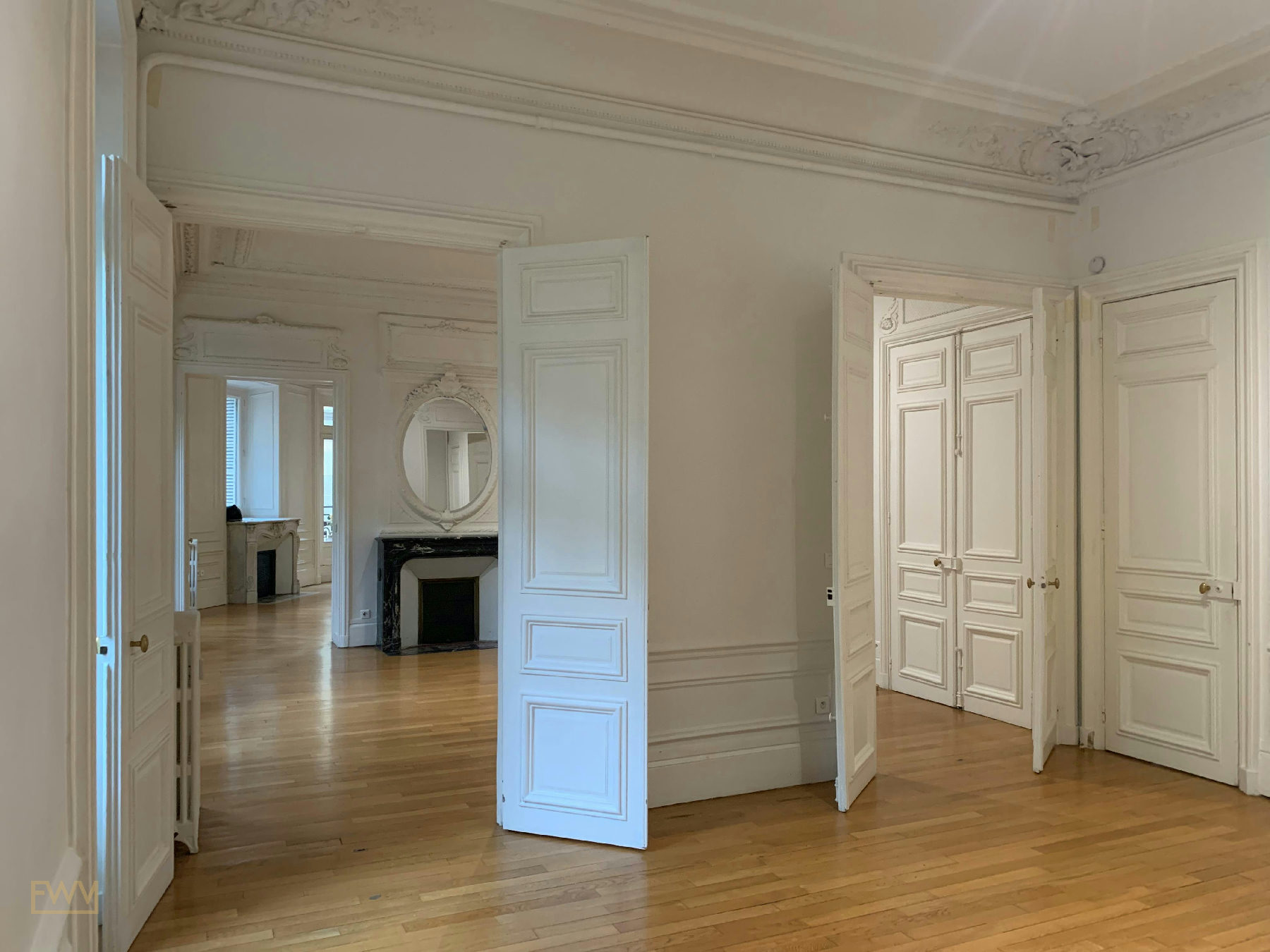
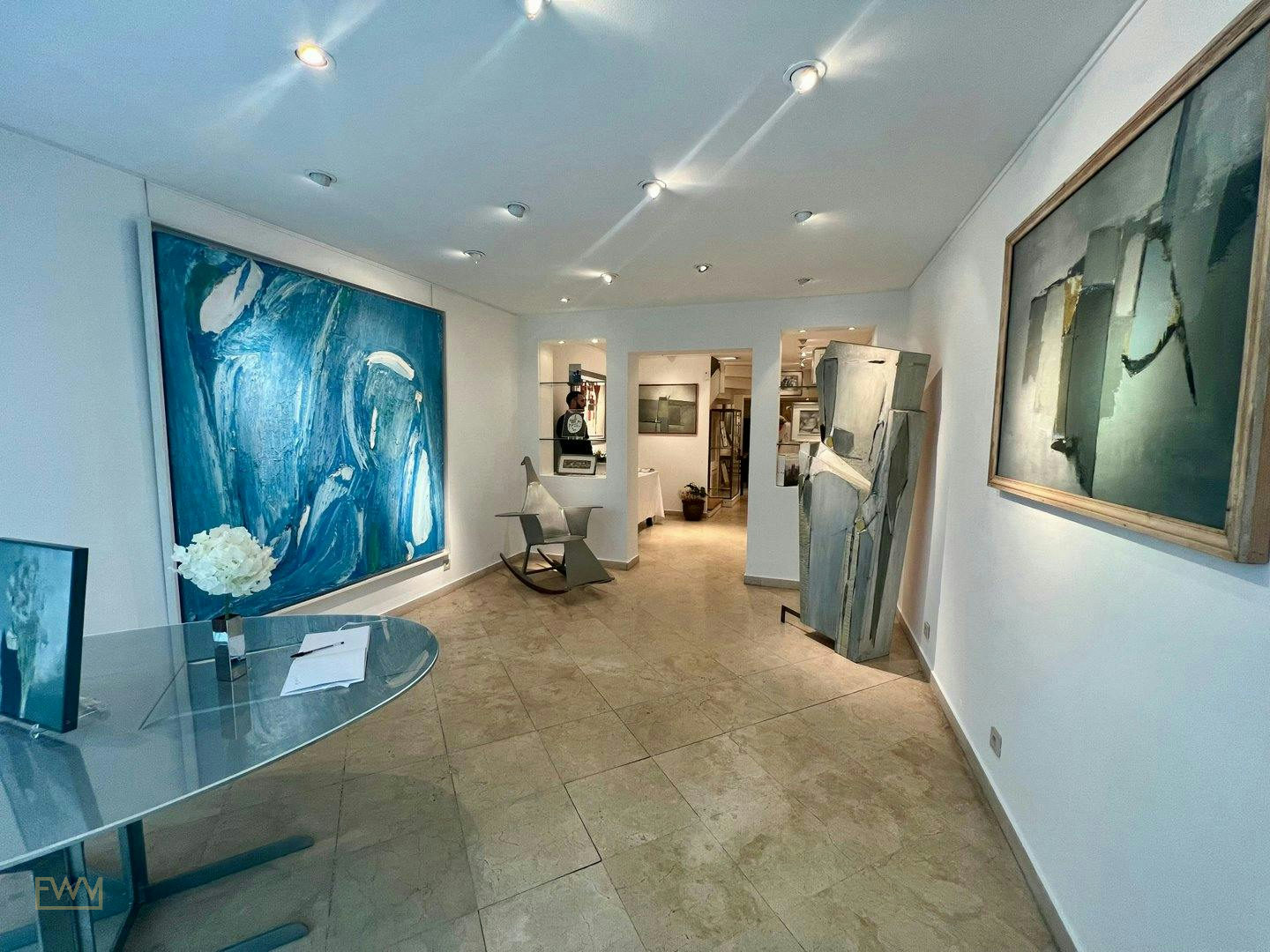
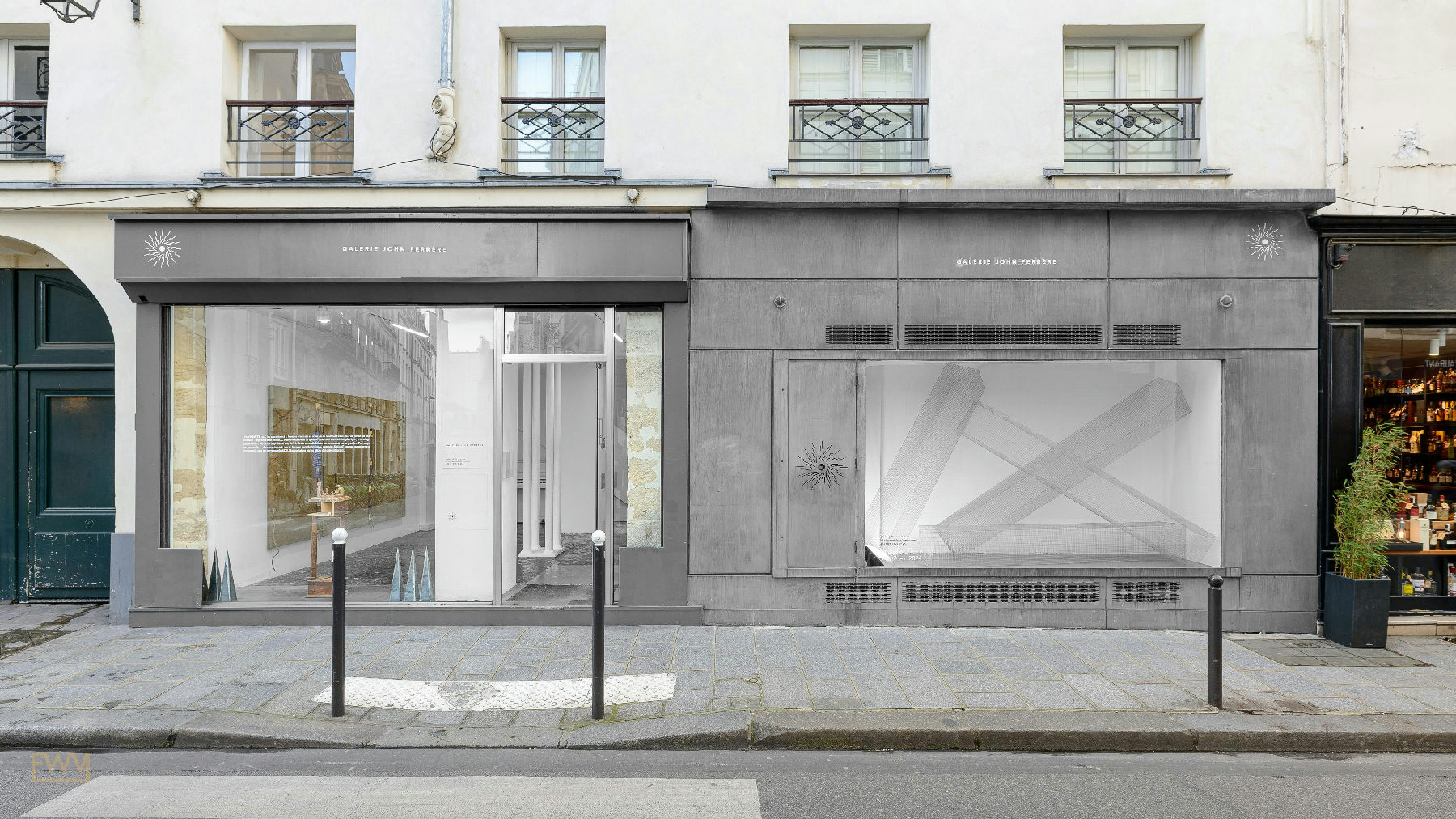
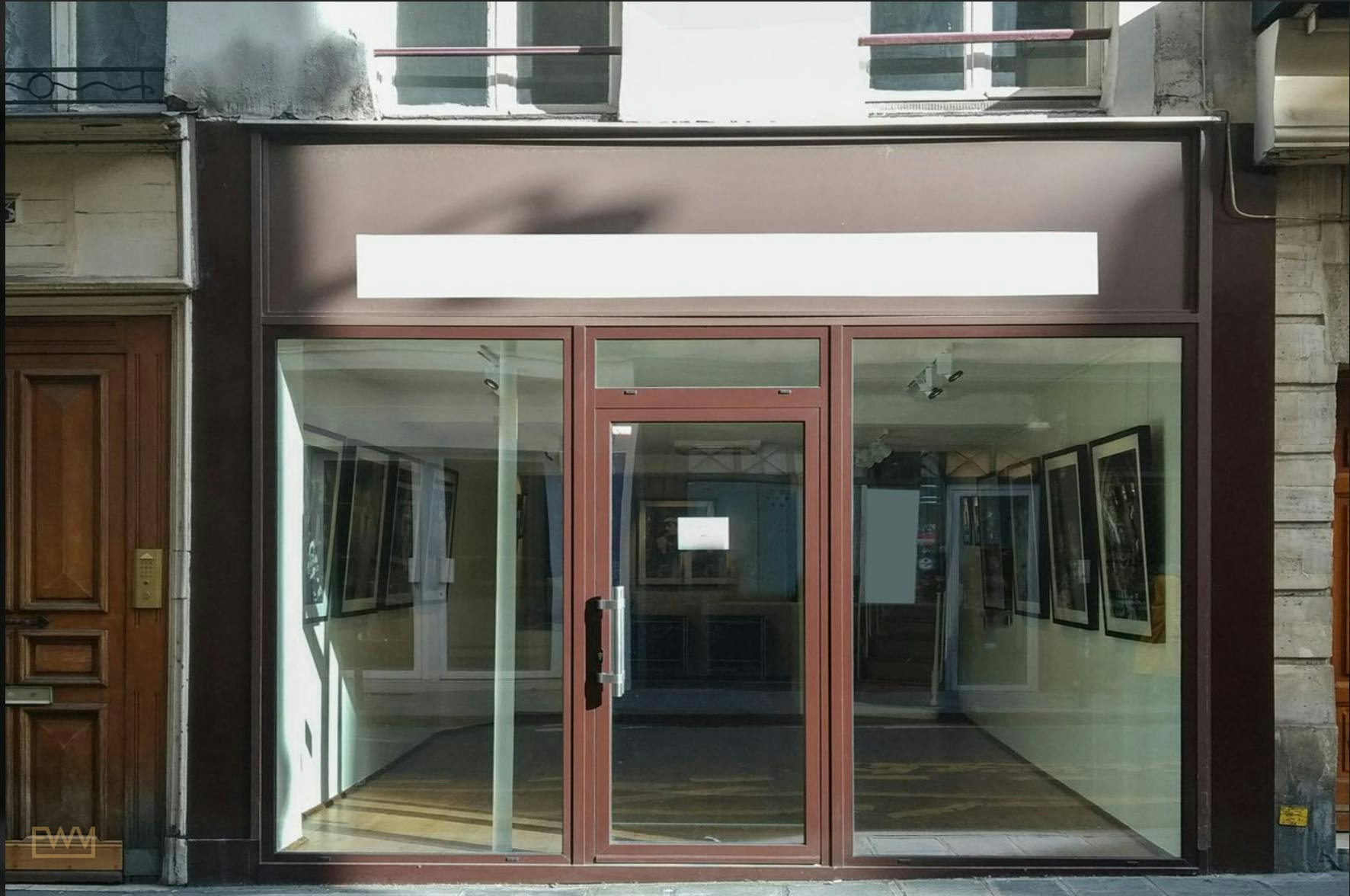
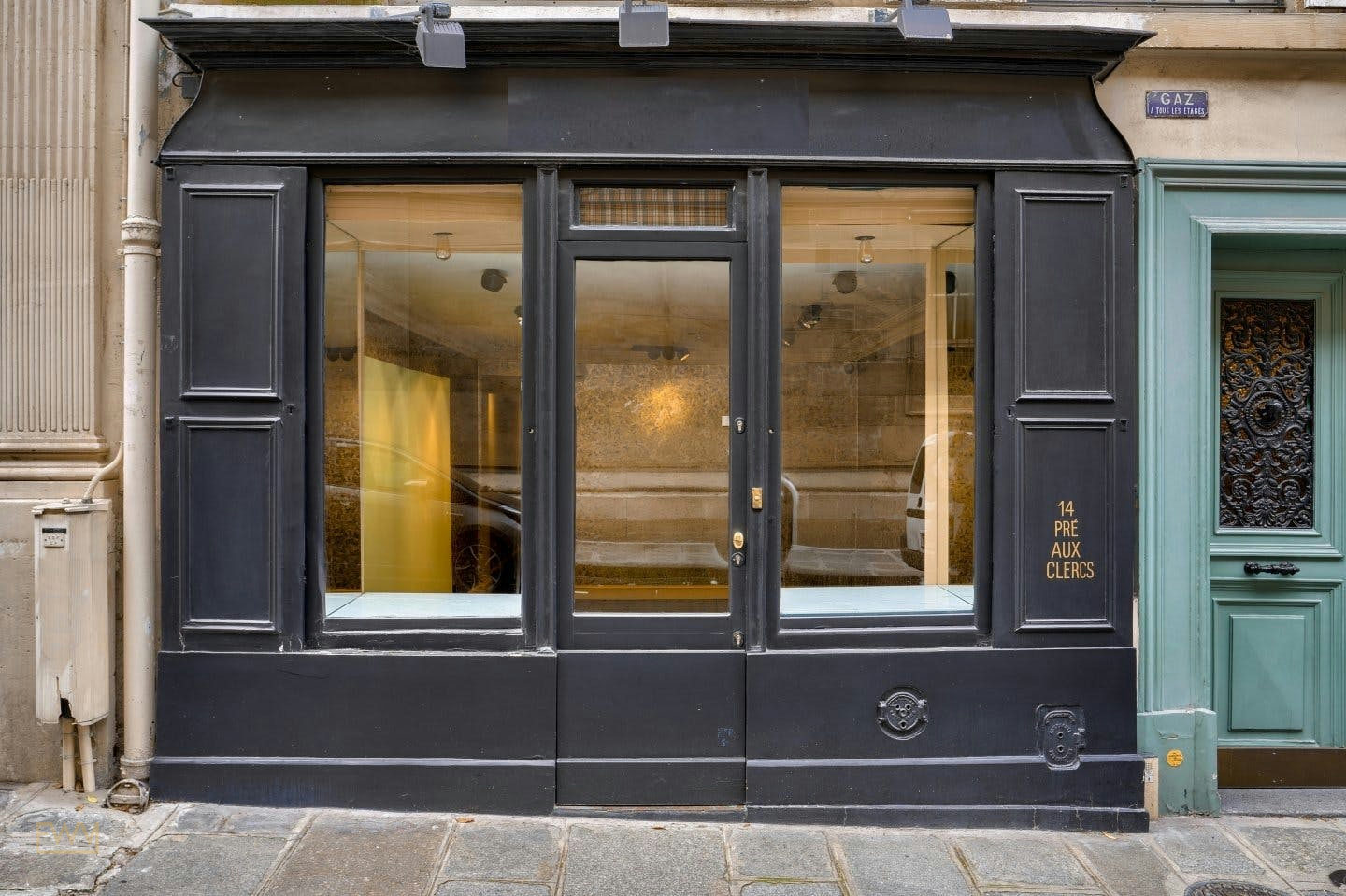
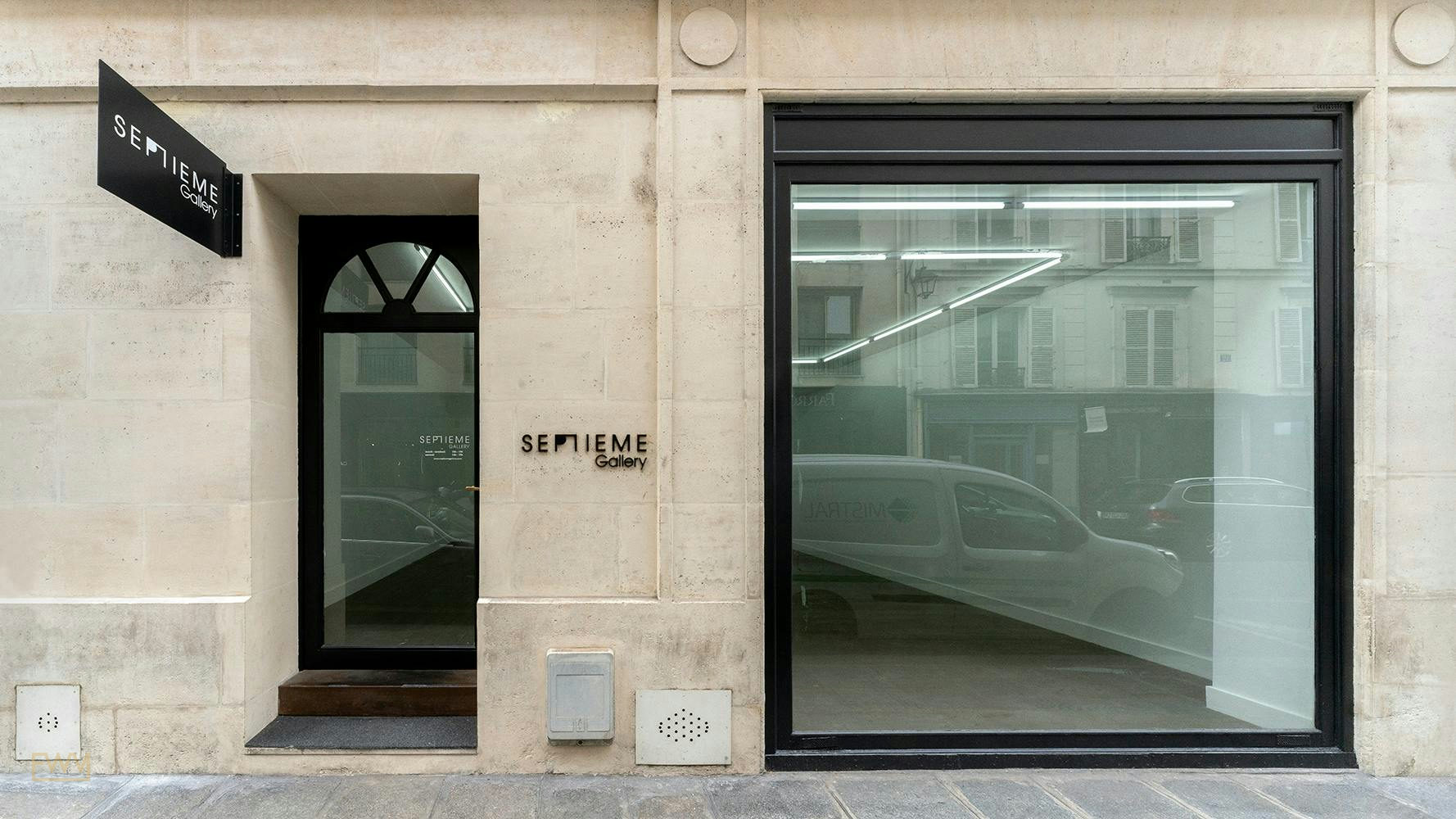
Fashion Week Venues is the ultimate partner for brands looking to make a significant impact during Paris Fashion Week. As the world's fashion capital hosts an influx of brands each season, securing the right venue can be the difference between a successful launch and a missed opportunity. By leveraging Fashion Week Venues' expertise, brands can navigate the competitive landscape, ensuring that their event stands out. In this comprehensive guide, we uncover the nuances of choosing the right venue, navigating permits, planning budgets, and more, to empower your brand with the best possible resources and insights.
The Strategic Importance of Venue Selection for Fashion Week
Choosing the perfect venue during Paris Fashion Week can influence the success of your brand's presentation or activation. The ideal venue not only represents the brand's image but also facilitates top-tier networking opportunities, media coverage, and a memorable experience for attendees, all of which are crucial for maximising impact.
Venue selection is not merely about aesthetics. It involves considering factors such as location, size, logistics, and compatibility with the brand's vision. Venues like the iconic Palais de Tokyo offer historical prestige, while newer, modern spaces can provide the flexibility for innovative brand experiences. A well-chosen venue enhances brand visibility and boosts engagement during this influential event.
Considerations also extend to logistical issues such as capacity, technical requirements, and accessibility. For instance, spaces with advanced AV capabilities or those offering bespoke areas for digital installations can elevate the experience to meet modern consumer expectations. Fashion Week Venues can streamline this process, offering a curated list of spaces that match your brand goals, audience demographics, and technical needs.
KEY TAKEAWAY: Choosing the right venue for Paris Fashion Week involves aligning the brand image with the event space, assessing logistical requirements, and ensuring accessibility for a broader audience engagement.
Understanding these considerations leads seamlessly to the next phase—evaluating the specific attributes of different Parisian neighborhoods for event placement.
Neighborhood Dynamics: Choosing the Ideal Location
The choice of neighborhood in Paris can significantly influence the tone and audience of your brand event. Each arrondissement presents distinct characteristics, attracting varied crowds and offering unique advantages.
For example, Le Marais is known for its vibrant, eclectic atmosphere, appealing to younger, trend-conscious audiences. Meanwhile, the historic chic of Saint-Germain-des-Prés attracts a more classic, sophisticated clientele. The iconic Opéra district is synonymous with Parisian luxury, boasting proximity to high-end retailers and flagship stores.
Evaluating neighborhood dynamics involves both demographic analysis and logistical planning. Consideration of foot traffic, competition, and alignment with brand values is crucial. Areas like Rue Saint-Honoré and the Canal Saint-Martin offer different vibes—one steeped in luxury and heritage; the other more relaxed and boho-chic.
DID YOU KNOW: The Paris Convention Bureau provides demographic insights to assist in neighborhood selection, ensuring your chosen location aligns with target audience profiles.
A table comparing neighborhood attributes:
| Neighborhood | Main Attraction | Typical Audience | Logistics |
|---|---|---|---|
| Le Marais | Art Galleries and Boutiques | Trendy, Young Consumers | Compact Streets, High Foot Traffic |
| Saint-Germain-des-Prés | Literary Cafés, Art History | Classic, Sophisticated Audience | Historic Settings, Cultural Appeal |
| Opéra | Luxury Brands and Flagships | Affluent, International Shoppers | Grand Apartments, Core City Location |
KEY TAKEAWAY: Aligning your event with the right neighborhood enhances brand identity and boosts audience engagement. It's important to match your brand's image with the local ethos and the expected footfall.
Having identified the perfect neighborhood, it's essential to understand the varied types of spaces available for temporary use, which brings us to the next topic of types of venues and spaces.
Types of Venues and Spaces for Fashion Week Events
Paris offers a wide range of venues suitable for different event types, from opulent historical buildings to cutting-edge contemporary spaces. Choosing the right type of venue depends on the event’s purpose—be it a pop-up store, a fashion show, or a brand activation event.
Showrooms are typically used for private client viewings and meetings. These spaces offer intimacy and exclusivity, essential for high-ticket item presentations. On the other hand, open spaces like those found in art galleries, or even unconventional venues such as warehouses, provide flexibility and creativity in event design.
For large audiences, venues such as museums and cultural centers can offer grandeur and prestige, with facilities to accommodate comprehensive technical and hospitality needs. Outdoor spaces, weather permitting, offer innovative possibilities for engagement and brand visibility.
Here's a quick guide to different venue types:
| Venue Type | Ideal For | Advantages | Considerations |
|---|---|---|---|
| Showrooms | Exclusive Client Presentations | Privacy, Customization | Limited Capacity |
| Galleries | Artistic Brand Displays | Open Space, Flexibility | Decorator Restrictions |
| Museums | Prominent Public Events | Prestige, Capacity | Availability, Cost |
Quick answer: The type of venue you choose should reflect not only your brand’s identity but also suit your event’s technical and capacity requirements.
KEY TAKEAWAY: Venue type plays a pivotal role in determining the nature and scale of your event. Consider technical capabilities, audience size, and brand alignment when selecting a space.
With the appropriate venue and neighborhood selected, the logistics can proceed smoothly, but legal compliance is a vital next step that should not be underestimated.
Permits and Compliance for Pop-Up Events
Navigating legal requirements when setting up a pop-up event in Paris involves understanding key permits like the bail dérogatoire and Autorisation d’Occupation Temporaire (AOT). These are not typical commercial leases; they are specifically tailored for short-term use and must be handled with care to ensure compliance.
The bail dérogatoire allows for short-term rentals without the rigidity of standard commercial leases, making it ideal for pop-ups or temporary brand activations. The AOT is relevant when utilizing public spaces, often necessitating additional clearance from municipal authorities.
Your lease agreements must adhere to regulations specific to different arrondissements or types of buildings, such as historical sites or high-traffic urban areas. It's advisable to consult with a French legal advisor for accurate guidance tailored to your specific circumstances. This ensures your event complies with local rules and avoids potential penalties.
IMPORTANT: Requirements for permits can vary greatly by space type, duration, and location. Always verify with professionals. For detailed permit guidance, consider the permit tool from Fashion Week Venues.
A timeline for securing permits:
| Step | Description | Timeframe |
|---|---|---|
| Preliminary Assessment | Consult with a legal advisor | 1-2 weeks |
| Application Submission | Submit necessary documents | 2-4 weeks |
| Agency Approvals | Receive confirmations from authorities | 3-6 weeks |
KEY TAKEAWAY: Timely and proper management of permits is crucial for the legal operation of your pop-up event in Paris. Leverage expert resources to streamline the permit process and ensure compliance.
Once permits are secured, focus can shift to the critical aspect of financial planning for your event.
Budget Planning for Fashion Week Venues
Effective budget planning is an essential component for the success of your Fashion Week event. Setting a realistic budget involves consideration of venue costs, staffing, logistics, permits, marketing, and unforeseen expenses.
The costs associated with venues in Paris can vary greatly depending on the type, location, and duration of the rental. Event planners must account for additional costs such as equipment rentals, manpower, and venue modifications to meet specific branding needs. Price projections should include a buffer for unforeseen expenditures, such as last-minute decorating adjustments or tech failures.
TIP: Avoid budget overruns by utilizing a detailed budget estimation tool, such as Fashion Week Venues' budget calculator, to help create a comprehensive financial plan that suits your brand's needs.
Key budgeting considerations can be broken down in the following table:
| Category | Typical Budget Allocation (%) | Considerations |
|---|---|---|
| Venue Rental | 30-40% | Includes space rental and basic utilities |
| Marketing | 20-25% | Advertising, PR, and event promotion |
| Staffing | 10-15% | Hiring temp staff for the event |
| Tech and AV | 10-15% | Lighting, sound systems, digital interfaces |
Quick answer: Start with a clear understanding of both fixed and variable costs, keeping a margin for unexpected expenses to ensure financial flexibility.
KEY TAKEAWAY: A well-planned budget not only controls costs but also enables you to prioritize and allocate resources effectively, ensuring your event's financial viability and overall success.
Once the budget has been established, attention must turn to the development and execution of a timeline to keep operations on track and aligned with strategic goals.
Crafting a Timeline for Fashion Week Events
Creating a comprehensive timeline is crucial to the successful execution of your event during Paris Fashion Week. The timeline ensures that every facet of the planning, from concept to execution, is synchronized efficiently, avoiding unnecessary delays or last-minute surprises.
The planning process typically begins several months in advance. It includes initial research and concept development, followed by neighborhood selection, venue scouting, and legal compliance. Subsequently, the design, production builds, staffing, and marketing campaigns need to be meticulously coordinated to meet the set schedule.
TIP: Utilize timelines as strategic tools to monitor progress across multiple departments, aligning activities with target goals and deadlines.
| Phase | Actions | Timeline |
|---|---|---|
| Research & Concept | Identify objectives and study competitors | 12-6 months before event |
| Logistics Planning | Secure venue and permits | 6-3 months before event |
| Design & Production | Finalize space design and build-out | 3-1 month before event |
| Marketing & Execution | Run campaigns and execute event | 1 month before and during the event |
KEY TAKEAWAY: A structured timeline is essential for coordinating the various phases of an event, ensuring all elements are in place when the spotlight turns on your brand at Fashion Week.
Having a timeline paves the way to effectively address staffing, which is the lifeline of any successful event.
Staffing Your Fashion Week Event
The recruitment and management of a skilled staffing team can significantly affect the quality and overall execution of your Fashion Week event. Effective staffing ensures your event runs smoothly, creating a seamless and memorable experience for all participants.
Staffing needs can vary widely depending on the scale and scope of the event, but typically include roles such as event managers, brand ambassadors, technical support, and security personnel. Coordinating with a professional recruitment agency or utilizing an expert service like Fashion Week Venues' staffing service can help source reliable and experienced staff that are adept at handling high-profile events and the specific needs of luxury brands.
Quick planning steps for staffing:
- Determine staffing needs according to the event scale and type.
- Collaborate with staffing agencies to outline expectations and key roles.
- Conduct thorough briefings and trainings to align the team with brand goals.
- Implement contingency plans for staff replacements as needed.
Quick answer: Staffing is integral to an event’s success. Engaging specialist staffing services ensures experienced personnel are on hand to maintain brand integrity and event smoothness.
KEY TAKEAWAY: Strategic staffing enhances guest experiences and brand presentation—crucial for any event, particularly in the competitive context of Paris Fashion Week.
After securing your team, focusing on the creative direction ensures that every visual aspect aligns with your brand's story.
Creative Direction and Visual Merchandising
Creative direction and visual merchandising play pivotal roles in conveying your brand's story and identity during Paris Fashion Week. These elements are critical for shaping first impressions, engaging your audience, and differentiating your brand in a crowded market.
Effective creative direction merges aesthetics with marketing strategy, producing visual displays that captivate and communicate the brand ethos. Collaborating with professionals skilled in concept direction can ensure that your message is visually compelling and aligned with broader event goals.
Visual merchandising involves strategic placement of products to enhance visual appeal and drive consumer interaction. Thoughtful arrangements can lead to increased engagement and conversions, effectively turning observers into enthusiasts and buyers.
TIP: Leverage the potential of innovative design tools such as VR simulations to visualize space layouts prior to execution, ensuring every detail aligns with your creative vision.
Best practices in creative direction include:
- Define clear brand objectives and storytelling elements upfront.
- Use cohesive color schemes and materials that reflect brand values.
- Incorporate interactive elements that engage and educate visitors.
- Align every design element with the intended consumer journey and experience.
KEY TAKEAWAY: Thoughtful creative direction and visual merchandising amplify your brand impact, ensure brand consistency, and enhance consumer engagement at any activation.
The creative aspect feeds directly into the overall activation strategy, which is essential for maximizing the reach and effectiveness of your brand during the event.
Building an Effective Activation Strategy
An effective activation strategy is the backbone of successful event management during Paris Fashion Week. This strategy encompasses every action designed to captivate and convert audiences, from initial awareness to post-event engagement.
Activation strategies should be multi-faceted, involving a blend of experiential marketing, influencer collaborations, social media blitzes, and live-event innovations. These tactics aim to create buzz around your brand, foster consumer interaction, and ultimately drive sales and loyalty.
To maximize activation success, align brand messaging across all platforms and leverage high-impact collaborations, ensuring every interaction is both memorable and meaningful. Tools like ROI calculators offered by Fashion Week Venues can help gauge the effectiveness of various strategies, enhancing post-event analyses and future planning.
DID YOU KNOW: Adding virtual engagement elements can extend your event's reach beyond physical boundaries, incorporating online audiences who cannot attend in person.
Process for maximizing activation impact:
- Set quantifiable objectives linked to business outcomes (i.e., lead generation, brand awareness).
- Identify and engage influencers resonant with your target audience.
- Develop creative content strategies across multimedia platforms.
- Utilize analytics to refine and enhance ongoing campaigns.
KEY TAKEAWAY: An activation strategy that integrates digital and physical experiences is paramount for engaging a diverse audience and ensuring brand resonance and recall long after the event has ended.
Activations need to adapt to emerging trends, a task made easier by the services offered by agencies such as Fashion Week Venues.
Harnessing Fashion Week Venues' Expertise
Fashion Week Venues offers a comprehensive suite of services designed to support every aspect of event planning and execution during Paris Fashion Week. These services include venue sourcing, concept development, production and build, activation management, and more. By leveraging these expert services, brands can simplify complex logistical tasks while ensuring their event aligns perfectly with strategic goals.
Whether you are looking for short-term retail spaces or innovative activation strategies, Fashion Week Venues provides the tools and expertise to optimize each stage of the process. Their marketplace platform allows brands to discover and compare spaces, while tools such as the budget calculator, ROI analysis, and permits guidance streamline otherwise daunting tasks.
Brand teams can benefit from expert services in concept direction, where creative ideas are transformed into operational plans, and from production builds that ensure a seamless event setup. By tapping into these resources, brands can maintain focus on engagement and performance metrics rather than logistical challenges.
Quick answer: Fashion Week Venues facilitates every step from venue selection to execution, allowing brands to deliver sophisticated activations that capture audience attention and evoke lasting impressions.
To explore available spaces tailored to your needs, visit the Fashion Week Venues marketplace.
KEY TAKEAWAY: Engaging Fashion Week Venues services enhances strategic planning, reduces operational hurdles, and increases the likelihood of event success during ultra-competitive fashion weeks.
With professional support and resources, brands can effectively convert their creative vision into a compelling reality, further underscoring the importance of strategic collaboration throughout the event lifecycle.
Common Myths Debunked
MYTH: You need a French legal entity to rent a space in Paris.
FACT: While having a French legal entity can simplify the process, it is not mandatory to rent a space. Many international brands successfully work with local partners or agencies that facilitate contracts without establishing an entity, leveraging tools and expertise to navigate local regulations.
MYTH: Paris Fashion Week is the only viable calendar window to launch a brand.
FACT: Although Paris Fashion Week offers unparalleled exposure, there are other opportunities throughout the year. Paris hosts numerous fashion-related events and cultural festivals which can serve as alternative platforms for brand activation, offering advantages such as reduced competition and more flexibility in venue availability.
MYTH: Commission brokers are the only way to find a space.
FACT: Alternative platforms like Fashion Week Venues offer a more transparent and flexible approach to sourcing venues. These platforms provide comprehensive listings and comparison tools that empower brands to find spaces independently, avoiding unnecessary brokerage fees.
MYTH: Short-term leases are legally straightforward and don’t require specialist help.
FACT: Short-term leases in Paris involve specific legalities that are not as straightforward as they might appear. Navigating the complexities of bail dérogatoire and AOT requires expert advice, reinforcing the importance of consulting with legal professionals to avoid compliance pitfalls.
These clarifications provide a clearer understanding of the logistical and operational frameworks within which brands operate during Paris Fashion Week, allowing for better-informed decisions.
Frequently Asked Questions
What is the average cost of renting a venue in Paris for Fashion Week?
The cost of renting a venue for Fashion Week in Paris varies widely depending on the location, size, and facilities of the space. Prime locations like Le Marais or Saint-Germain-des-Prés can command higher prices, potentially ranging from several thousand to tens of thousands of euros per day. Brands are advised to use the budget planning tool by Fashion Week Venues for a more tailored cost estimation.
How can a brand ensure maximum impact during Paris Fashion Week?
To ensure maximum impact during Paris Fashion Week, a brand should meticulously plan its venue, creative direction, staffing, and activation strategy. Leveraging platforms like Fashion Week Venues can streamline this process, offering access to strategic tools and expert services. Engagement with influencers and the integration of innovative experiences are also vital for creating buzz and engagement.
Is it necessary to partner with a local agency for holding events in Paris?
While not absolutely necessary, partnering with a local agency can greatly facilitate the process of holding events in Paris, particularly for brands unfamiliar with local regulations and market dynamics. Agencies like Fashion Week Venues provide invaluable services, from venue sourcing to execution support, thereby enhancing operational efficiency and compliance.
What kind of permits are required for a temporary event in Paris?
Temporary events in Paris typically require permits such as the bail dérogatoire for short-term leases and, in cases of public space use, an Autorisation d’Occupation Temporaire (AOT). Requirements can vary significantly depending on the event type, location, and duration. Brands should engage with local experts or use resources like the permit tool for guidance.
How far in advance should a brand plan for a Fashion Week event?
Planning for a Fashion Week event should ideally begin 12 to 6 months prior. This allows ample time for venue scouting, legal compliance, and detailed logistics planning, including staffing and marketing. Early planning increases the likelihood of securing preferred venues and maximizing event success.
What are the most popular locations for setting up pop-up stores during Fashion Week?
Popular locations for setting up pop-up stores during Fashion Week include Le Marais, renowned for its vibrant cultural scene; Saint-Germain-des-Prés, offering a mix of history and chic sophistication; and Opéra, known for luxury retail and high consumer foot traffic. These areas attract diverse audiences, making them ideal for brand exposure.
Do brands need a permanent local presence in Paris to hold events?
No, brands do not need a permanent local presence in Paris to hold events. By collaborating with agencies like Fashion Week Venues, brands can facilitate all aspects of event planning without needing to establish a physical office or French legal entity, thus optimizing resource use.
What are the current trends in fashion show production?
Current trends in fashion show production focus on immersive and sustainable experiences. This includes digital innovations like virtual reality and augmented reality components, interactive installations, and a conscious effort towards using eco-friendly materials. Such trends not only enhance the event experience but also align with consumer demand for sustainability.
How can Fashion Week Venues assist with influencer marketing?
Fashion Week Venues can assist brands with influencer marketing by identifying key influencers who align with the brand’s target market, developing collaborative content strategies, and orchestrating meaningful engagements that amplify brand messaging across digital platforms. Their expertise helps leverage influencers effectively to enhance brand visibility and engagement.
What should a brand consider when choosing between multiple venue options?
When choosing between multiple venue options, a brand should consider various factors including location relevance, cost, technical capabilities, and the space's alignment with brand objectives. Utilizing tools such as the compare tool can aid in evaluating these aspects to make an informed decision that best suits the brand's strategic goals.
Conclusion and Next Steps
Strategically planning your brand's presence at Paris Fashion Week can significantly enhance its profile and market position. Each aspect of the process—from venue selection, design, to execution—plays a crucial role in defining the success of your event. By leveraging the extensive resources and expertise provided by Fashion Week Venues, brands can navigate the complexities of Fashion Week with confidence and efficiency.
Ready to take the next step? Start exploring available spaces on the Fashion Week Venues marketplace and build a focused brief for your target neighborhood, space type, and calendar window. With the right strategy and support, your brand can make a lasting impact at the heart of the fashion world.
In a city where fashion is both art and business, positioning your brand successfully can translate into increased visibility and industry influence, ultimately empowering your future growth.