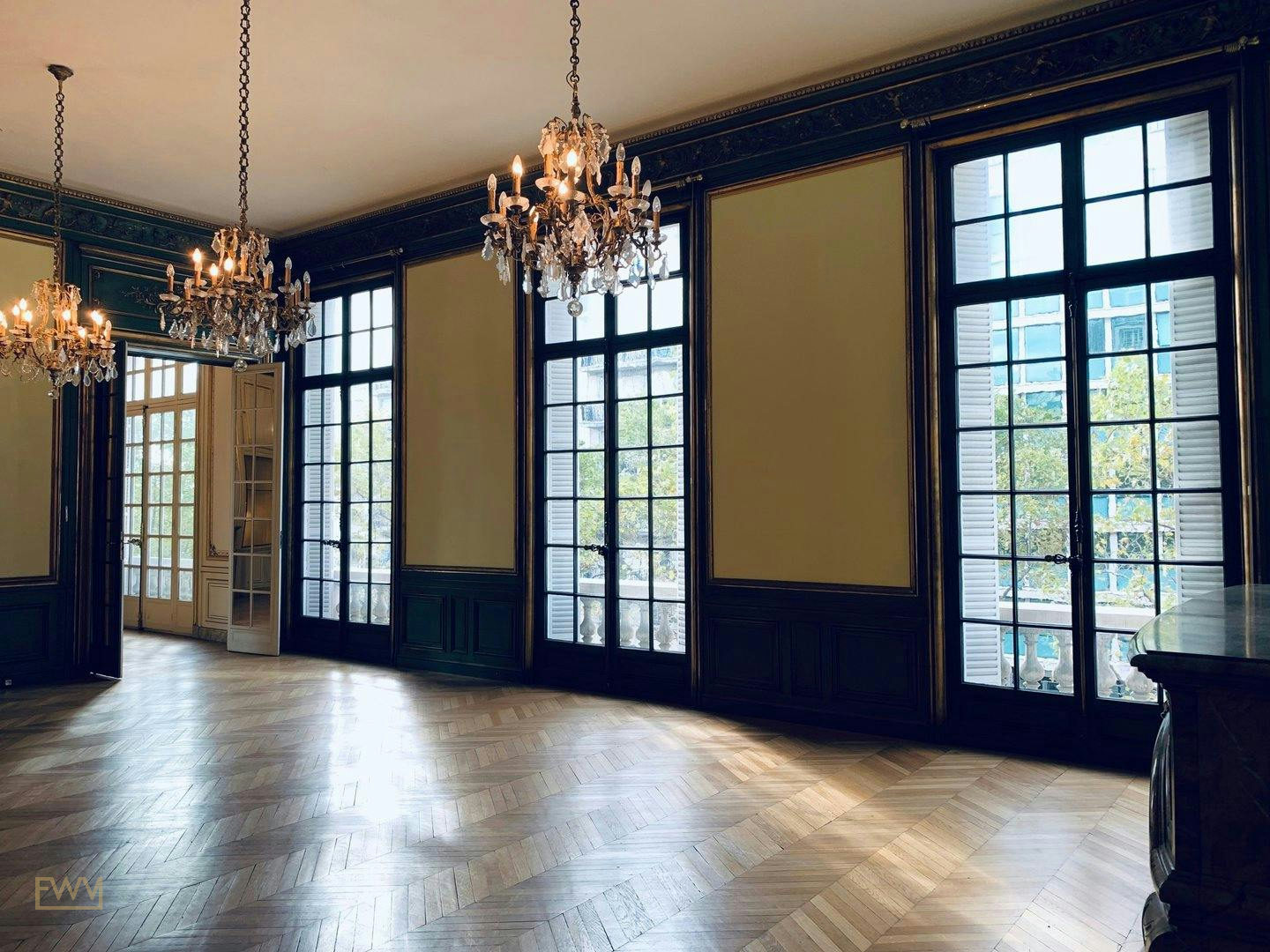
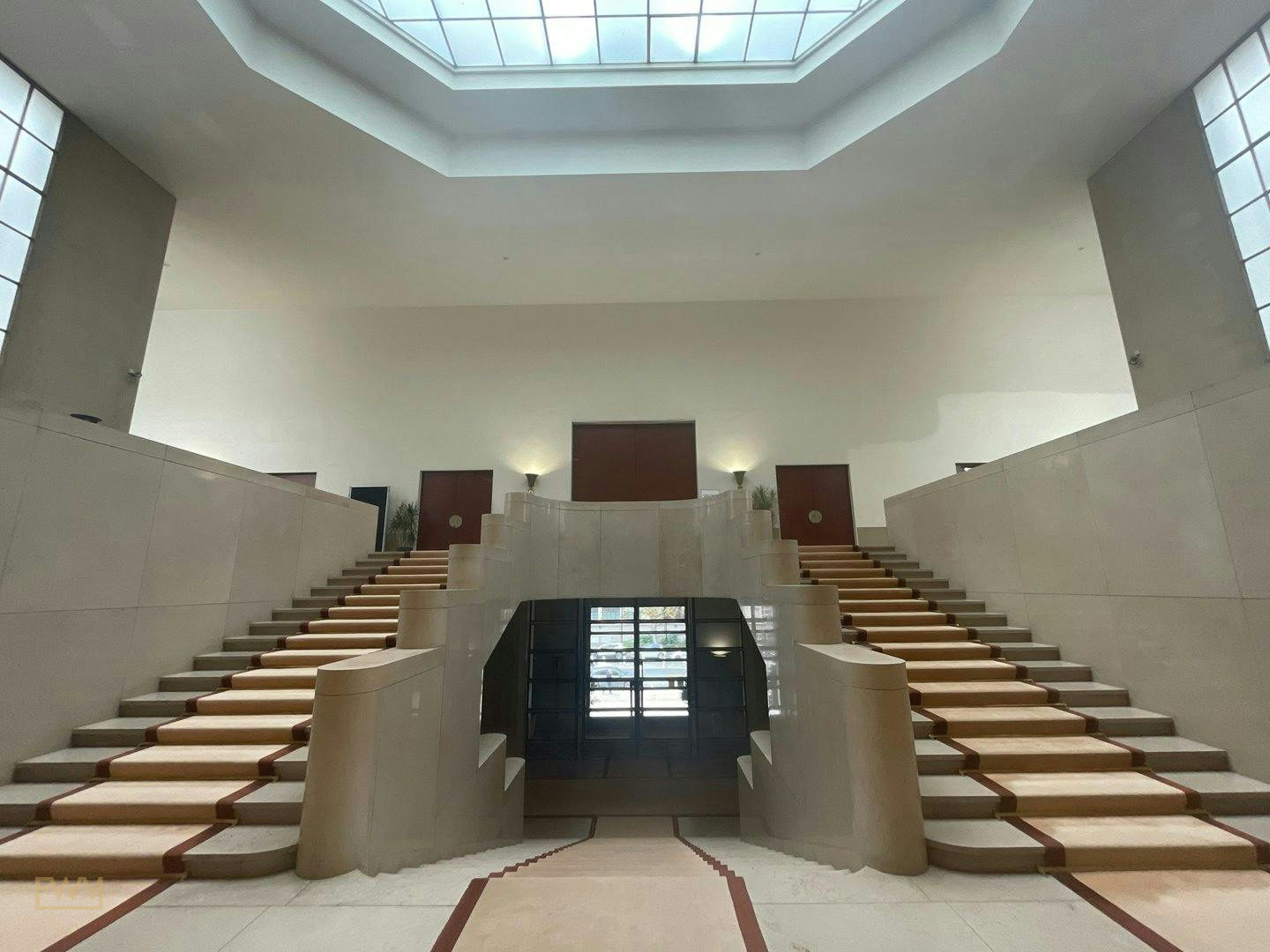
Opening a pop up store in the 7th arrondissement of Paris places your brand in one of the most prestigious residential and cultural districts in the French capital. The 7th, covering the postcode Paris 7 - 75007, is home to the Musée Rodin, the Champs de Mars, the Tour Eiffel, the Pont de l'Alma, and the legendary Le Bon Marché Rive Gauche. It is a neighbourhood where heritage architecture, affluent foot traffic, and international tourism converge at an unusually high density. For fashion brands, luxury labels, designers, and creative agencies planning temporary retail activations, showrooms, or concept stores in Paris, the 7th offers a compelling alternative to the Marais district and Saint-Germain-des-Prés, though all three neighbourhoods reward serious attention. Fashion Week Venues supports brands planning pop-up activations across Paris, including the 7th arrondissement.
Why the 7th Arrondissement is a Serious Pop-Up Destination for Fashion and Luxury Brands
The 7th arrondissement is not the most obvious first choice for pop-up retail, but it is frequently underestimated by brands who default to the Marais district or rue de Rivoli without exploring what Paris 7 - 75007 genuinely offers. The neighbourhood commands some of the highest average household incomes in France, it draws enormous volumes of culturally engaged international tourists, and its streets carry an architectural weight that few other districts can match.
Rue de Grenelle, rue des Saints-Pères, rue du Bac, and rue de Sèvres form the commercial backbone of the arrondissement. These streets connect the 7th to Saint-Germain-des-Prés and carry a steady flow of affluent residents, museum visitors, and fashion-conscious international shoppers. The presence of the Dior store on avenue Montaigne is geographically close, and the influence of that luxury corridor bleeds into the 7th through the Pont de l'Alma axis. Le Bon Marché Rive Gauche on rue de Sèvres remains one of the most internationally recognised department stores in France and creates a gravitational pull that benefits independent pop-up operators in the surrounding streets.
For brands active during Paris Fashion Week, the 7th offers proximity to showrooms typically clustered in the 8th and the Saint-Germain corridor. Buyers, press, and stylists moving between appointments frequently pass through the arrondissement. A well-positioned pop-up store or showroom in the 7th can serve both as a retail activation and as an informal brand hospitality space during the shows schedule, which for 2026 runs across multiple windows including the haute couture and ready-to-wear calendars.
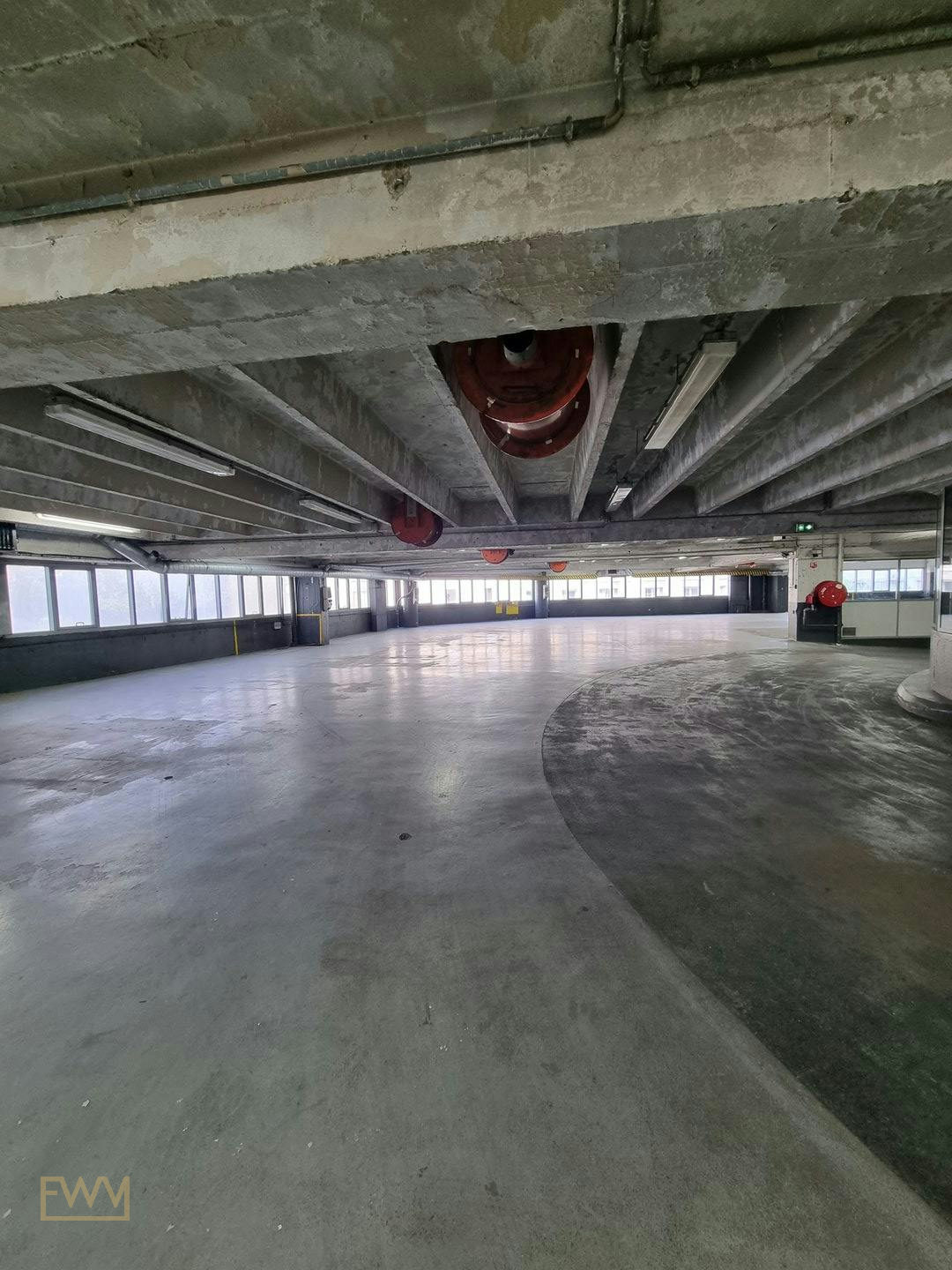
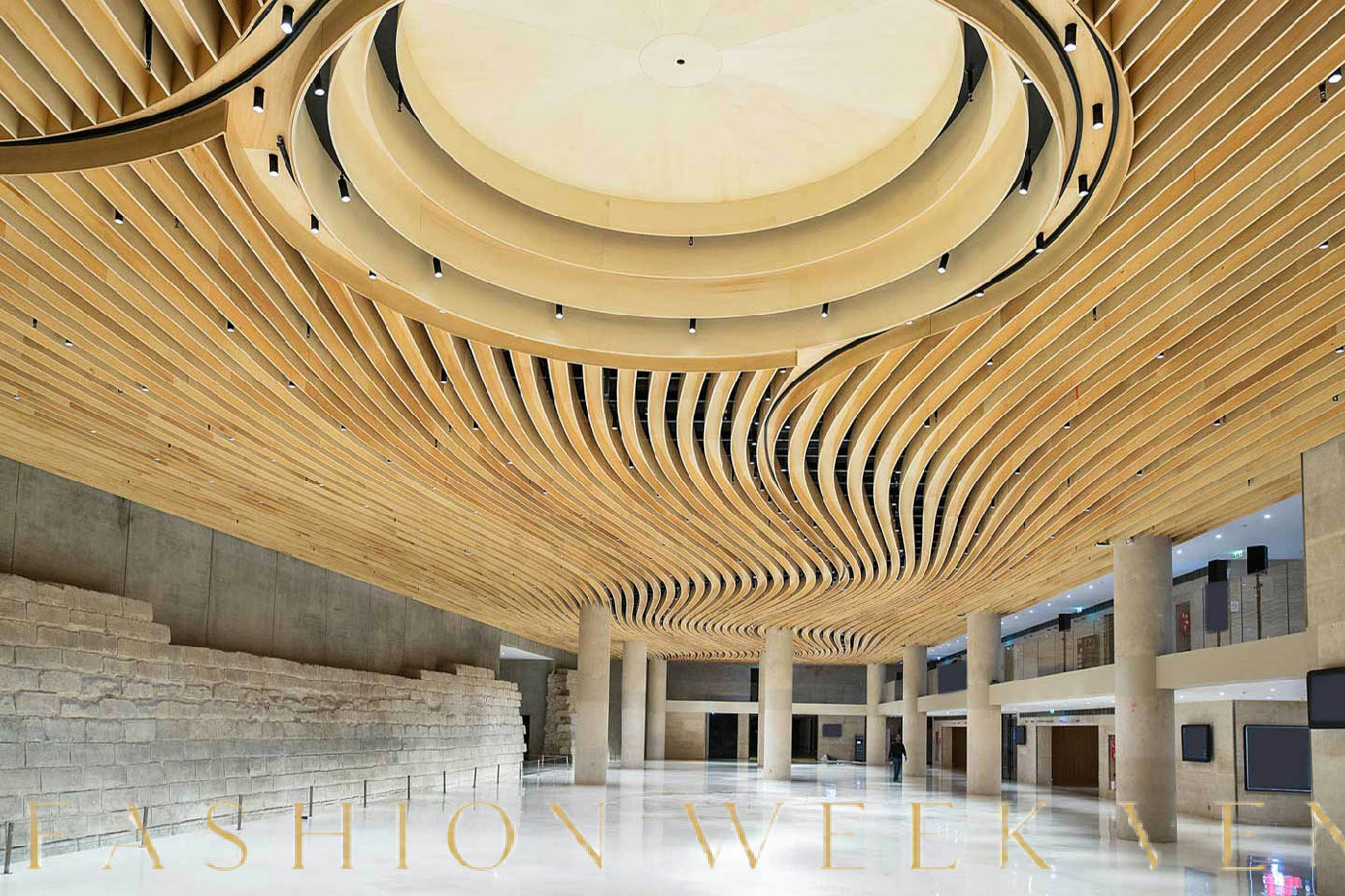
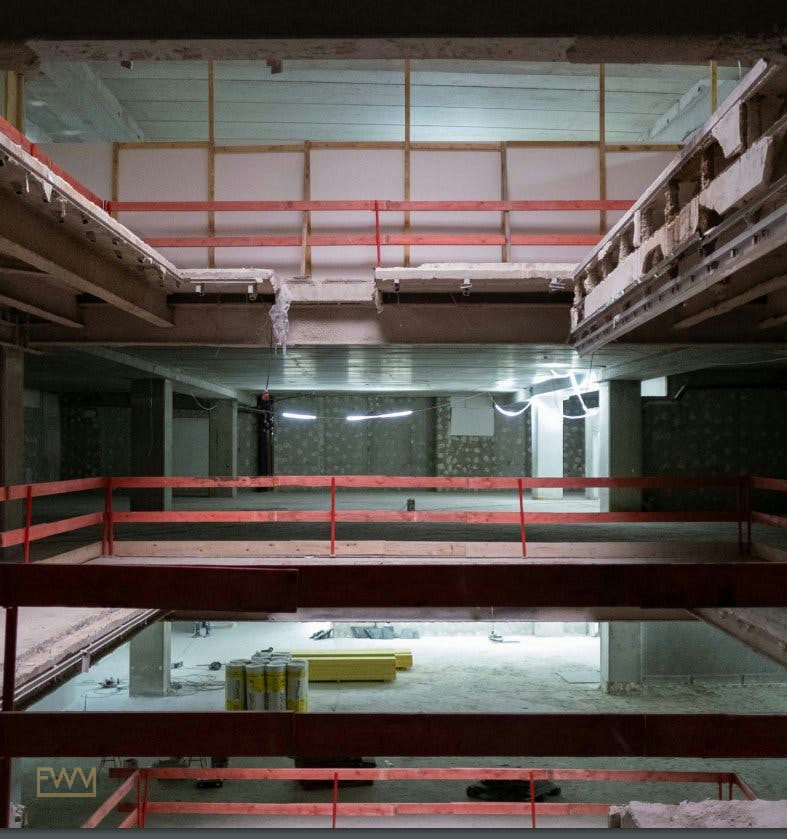
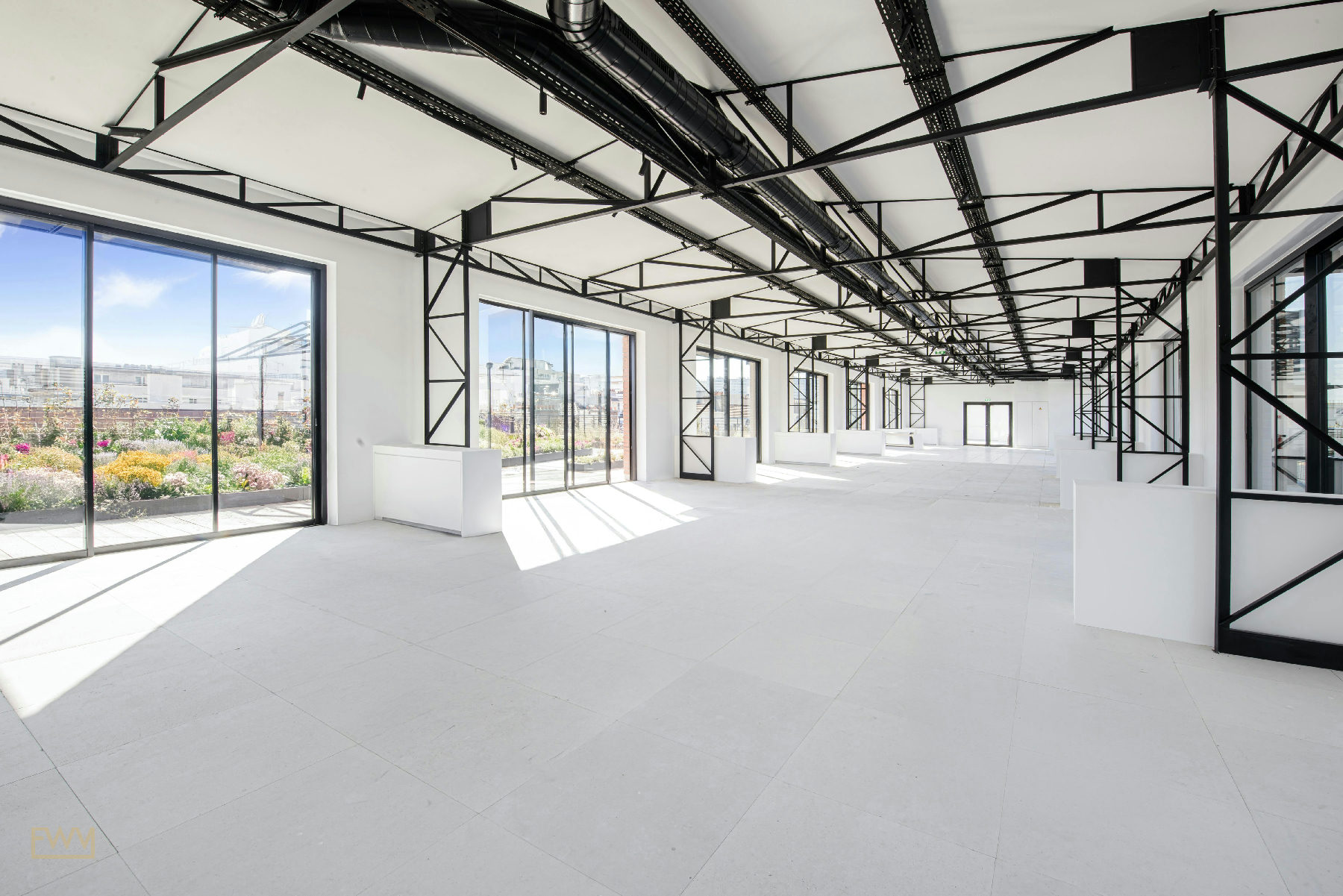
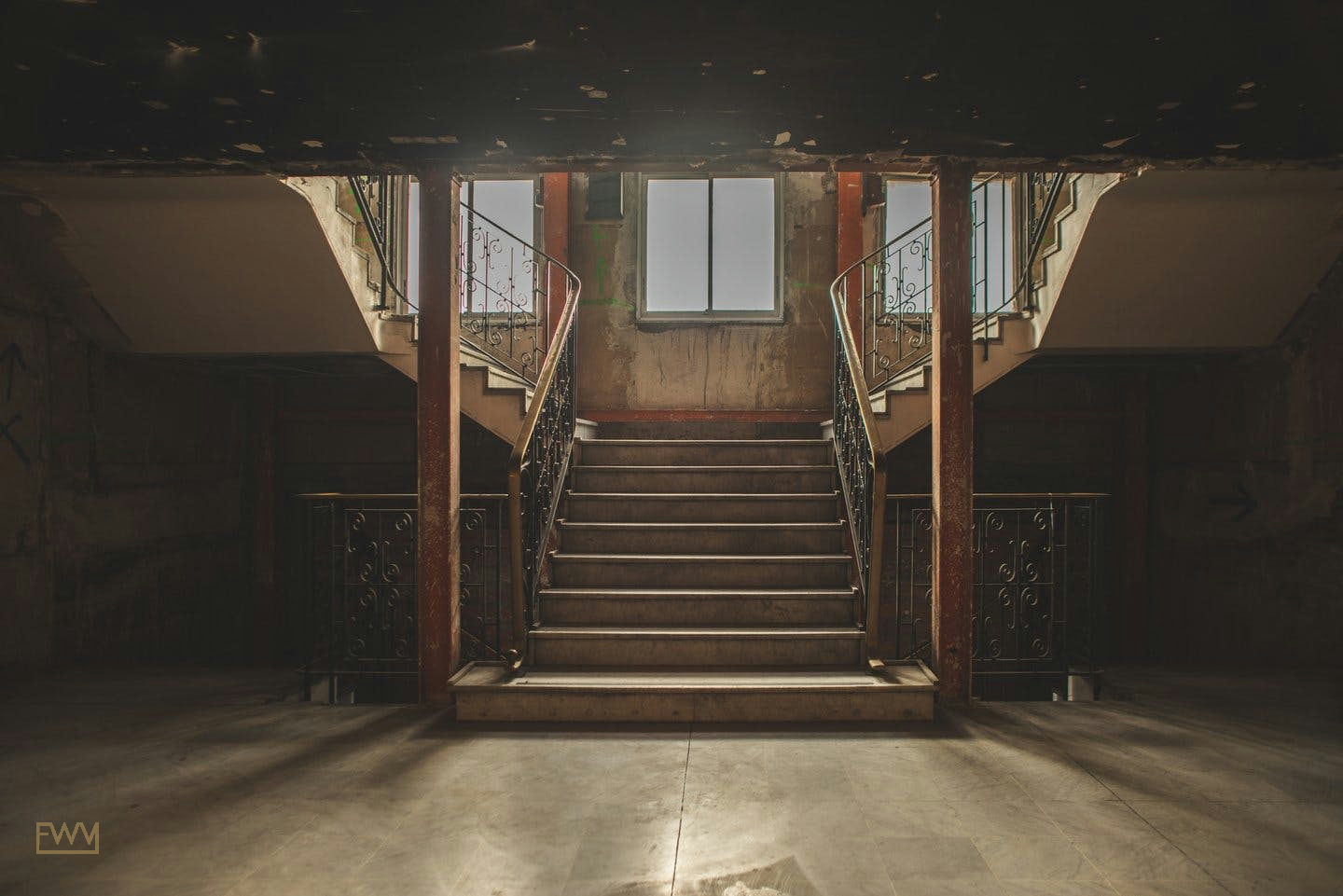
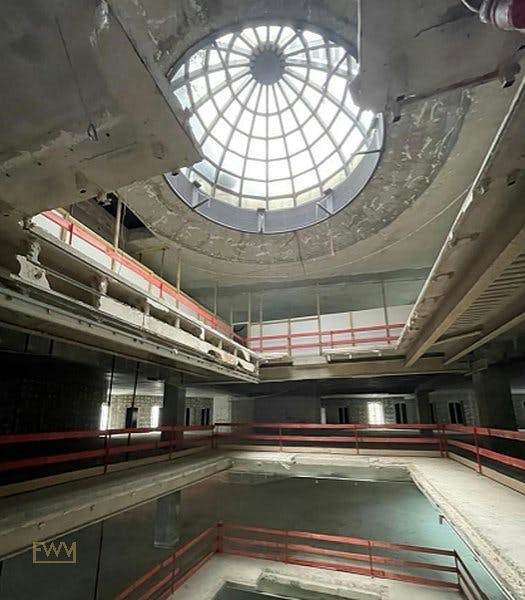
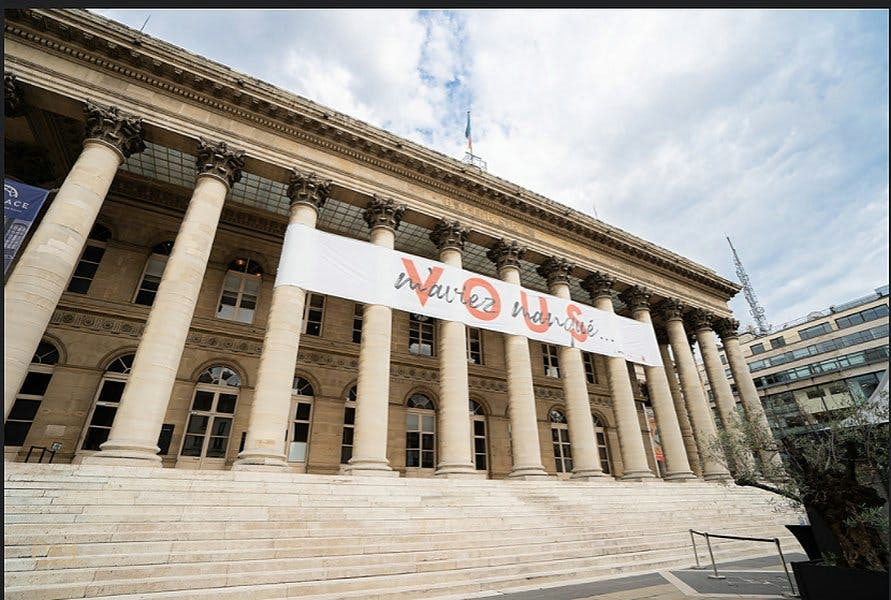
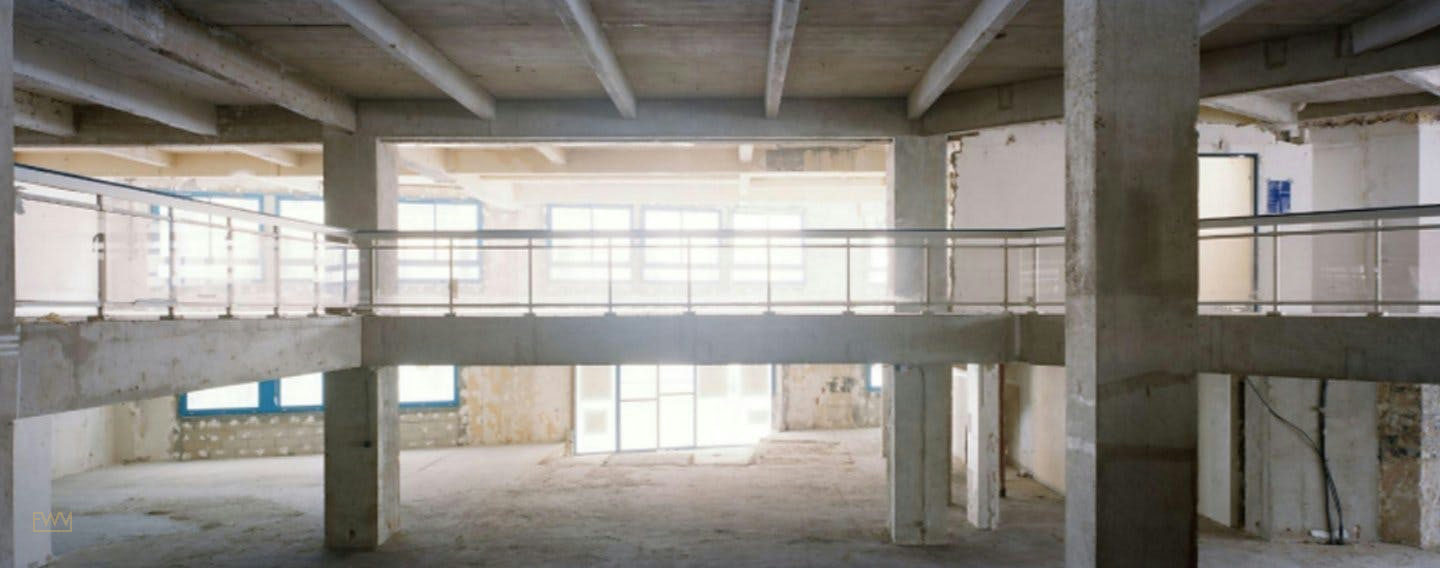
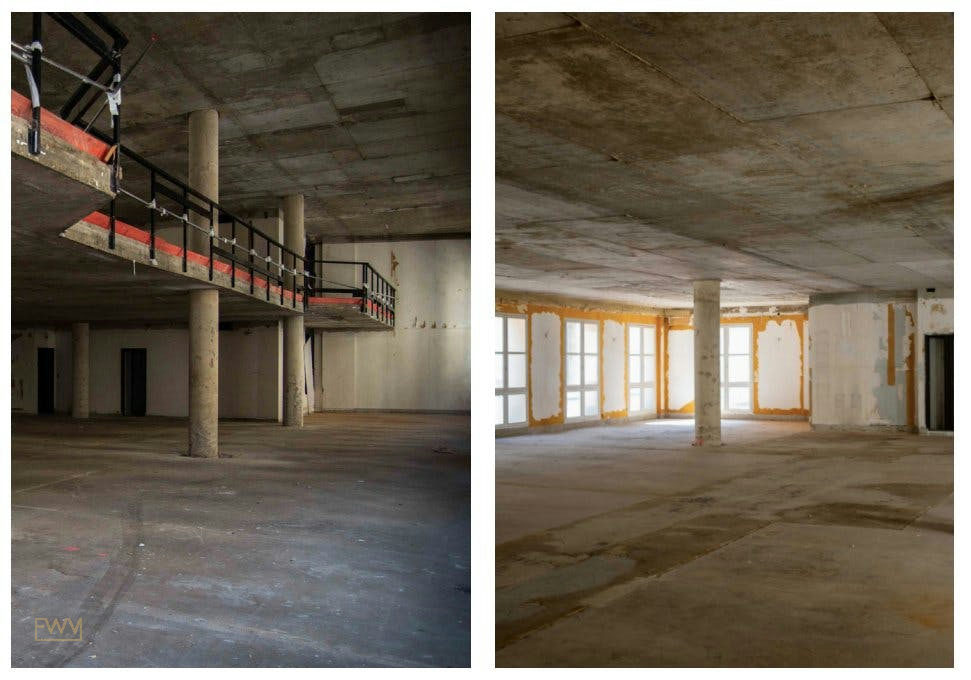
The physical character of 7th arrondissement spaces tends toward the grand: high ceilings, stone facades, ornate architectural details including exposed stonework, visible stone columns, and in some properties exposed pipework typical of Haussmannian and pre-Haussmannian construction. These raw architectural features, what French property listings sometimes describe with terms like tuyauterie apparente, pierre apparente, and colonnes en pierre apparentes, are highly desirable for brands seeking editorial-quality visual environments for Instagram content, press events, and influencer activations.
The neighbourhood is also home to a growing number of concept stores and independent boutiques that have chosen the 7th specifically because of its reputation for discretion and quality. Brands seeking to avoid the visual noise of more heavily touristed zones like the Marais or Opéra find the 7th provides a quieter, more focused customer interaction.
Quick answer: The 7th arrondissement of Paris offers pop-up brands a combination of high-income foot traffic, proximity to Le Bon Marché Rive Gauche, architectural grandeur, and strong international tourism density. It suits luxury, fashion, and design-led brands seeking prestige placement without the saturation of the Marais district or Champs-Élysées corridor.
DID YOU KNOW: The 7th arrondissement has more UNESCO World Heritage landmarks per square kilometre than almost any other district in Paris, which contributes directly to its year-round international tourism flow and the premium it commands for short-term retail space rentals.
KEY TAKEAWAY: Brands that dismiss the 7th arrondissement as purely residential miss a neighbourhood with serious commercial density along its main retail streets, an exceptionally affluent resident demographic, and architectural spaces that outperform most other Paris districts for visual brand storytelling.
Understanding which streets and zones within the 7th best suit your specific brand brief is the next critical step, and the variation across even a few hundred metres can make a significant difference to footfall, visibility, and the type of customer your activation attracts.
Key Streets and Zones for Pop-Up Stores in Paris 7 - 75007
The 7th arrondissement is large and internally varied. Choosing the right street matters as much as choosing the right arrondissement, because footfall patterns, retail character, and space typology differ substantially between zones.
Rue de Sèvres and the Le Bon Marché Zone
Rue de Sèvres is the primary commercial artery connecting the 7th to the 6th arrondissement. The presence of Le Bon Marché Rive Gauche anchors this street as a destination for fashion shoppers. Brands activating on or near rue de Sèvres benefit from the halo effect of the department store, and the surrounding streets carry boutiques, concept stores, and smaller independent retailers that attract a well-curated customer base. Pop-up stores in this zone tend to attract both local Parisian shoppers and international visitors specifically seeking the Saint-Germain-des-Prés and Rive Gauche shopping experience.
Rue des Saints-Pères and Rue du Four
Rue des Saints-Pères runs from Saint-Germain-des-Prés down toward the Seine and carries a mix of gallery spaces, bookshops, and fashion boutiques. Rue du Four connects into the heart of Saint-Germain and offers smaller street-level retail units that are particularly suited to intimate pop-up concepts, preview showrooms, and appointment-only brand presentations. These streets appeal to fashion industry insiders, press, and buyers as much as general consumers.
Rue de Grenelle and the Museum Quarter
Rue de Grenelle passes close to the Musée Rodin and connects several residential streets with real estate and retail premises of exceptional quality. Brands activating here benefit from proximity to the museum visitor footfall as well as the affluent residential population of the 7th. This zone suits brands whose positioning aligns with art, craft, design, and cultural engagement rather than mass-market retail volume.
Champs de Mars and Tour Eiffel Perimeter
The immediate perimeter of the Champs de Mars and Tour Eiffel carries extraordinary tourist volumes, but permanent retail on these streets is dominated by souvenir and hospitality operators. For fashion brands seeking pop-up space in this zone, the opportunity lies in short-term event activations, brand experiences, and installations rather than traditional retail formats. Pont de l'Alma is geographically close to both the 7th and the luxury corridor of the 8th, making it a useful landmark for brands bridging both districts in their activation strategy.
Quick answer: Within the 7th arrondissement, rue de Sèvres, rue des Saints-Pères, rue de Grenelle, and rue du Four offer the strongest conditions for fashion pop-up stores and showrooms. Each street serves a distinct customer profile, from international luxury shoppers near Le Bon Marché to industry insiders and cultural visitors in the museum quarter.
| Street or Zone | Best For | Typical Space Type | Footfall Profile |
|---|---|---|---|
| Rue de Sèvres | Fashion retail, concept stores | Street-level boutique, storefront | International tourists, affluent locals |
| Rue des Saints-Pères | Gallery-style activations, press events | Gallery space, converted showroom | Industry insiders, cultural visitors |
| Rue de Grenelle | Luxury, art, design brands | Boutique, espace commercial | Affluent residents, museum visitors |
| Rue du Four | Intimate pop-ups, appointment showrooms | Small boutique, studio | Fashion press, buyers, local residents |
| Champs de Mars perimeter | Brand experiences, event installations | Event space, temporary structure | High-volume international tourism |
KEY TAKEAWAY: Location within the 7th varies significantly by street. Brands must match their footfall requirements, space typology, and customer profile to the specific micro-zone rather than treating the entire arrondissement as uniform.
With the right street identified, the next question is what type of space to rent and how the temporary retail formats available in Paris 7 compare to what brands might find in other districts like the Marais.
Pop-Up Store Formats Available in the 7th Arrondissement
The 7th arrondissement offers a range of short-term retail formats, each suited to different brand objectives, team sizes, and activation durations. Understanding the distinct characteristics of each format helps brands align their space brief with operational reality.
Street-Level Storefront Pop-Up
The classic pop-up shop format: a vacant or temporarily available ground-floor commercial unit rented on a short-term basis. In the 7th, these spaces typically feature Haussmannian shopfronts with large glazed windows, stone facades, and internal ceiling heights that exceed standard modern retail. These storefronts work well for fashion, accessories, beauty, and lifestyle brands seeking direct consumer engagement. The architectural quality of these spaces in the 7th tends to be higher than equivalent units in busier tourist zones, which benefits brands whose visual identity depends on the integrity of the space rather than pure footfall volume.
Showroom Space
Showroom rentals in the 7th serve fashion designers, luxury brands, and creative agencies presenting collections to buyers, press, and trade clients. The 7th is well-suited to this format because its proximity to Saint-Germain-des-Prés and the traditional press and buying routes of Paris Fashion Week makes it logistically practical for appointment-based traffic. A showroom in the 7th can also double as a consumer-facing pop-up outside core appointment windows, maximising the return on the rental investment.
Galerie d'Art and Gallery-Format Space
Several spaces in the 7th operate as hybrid gallery and retail environments. These galerie d'art formats are popular with fashion brands blurring the line between product presentation and artistic installation. The neighbourhood's cultural density, including the Musée Rodin and numerous private galleries on rue des Saints-Pères, creates a natural environment for this format. Brands like those behind gallery-retail concepts understand that the credibility of a gallery address in the 7th communicates something specific to the Parisian and international audience that a conventional storefront cannot.
Concept Store Takeover
Some established concept stores in the 7th offer short-term concession or takeover arrangements that allow incoming brands to activate within an existing retail environment. This reduces the operational burden of setting up a standalone pop-up while still providing meaningful brand visibility and consumer engagement. For international brands entering Paris for the first time, a concept store takeover can be a lower-risk entry point that preserves marketing budget for consumer-facing activation rather than fit-out costs.
Event Space with Retail Component
A number of private event venues and historic premises in the 7th can be configured to incorporate a temporary retail element alongside a brand event, launch, or press presentation. This hybrid format suits brands with complex activation programmes that need to serve multiple objectives within a single venue and a single rental period.
Quick answer: The 7th arrondissement offers street-level storefronts, showroom spaces, gallery-format venues, concept store takeovers, and hybrid event-retail spaces for pop-up activations. Each format serves a different brand objective, from direct consumer sales to trade appointments and brand hospitality.
TIP: When briefing a space in the 7th, specify whether your primary objective is consumer footfall, trade and press appointments, brand storytelling, or direct sales. Each objective points toward a different zone and space type within the arrondissement.
KEY TAKEAWAY: The format of your pop-up store determines which zone of the 7th to target, what lease structure to negotiate, and what operational infrastructure you need. Clarifying format early saves significant time in the space search process.
Once the format is clear, brands need to understand the legal and contractual framework governing short-term retail space rental in Paris, which differs meaningfully from what brands accustomed to other markets might expect.
Leases, Permits, and Legal Considerations for Pop-Up Spaces in Paris
Paris has specific legal instruments that govern short-term commercial space rental, and brands entering the market without understanding these frameworks risk signing agreements that do not protect their interests or, in some cases, failing to obtain the permissions required to trade legally.
The Bail Dérogatoire
The primary legal vehicle for short-term commercial lettings in France is the bail dérogatoire, sometimes called a convention d'occupation précaire. This is a derogatory lease that allows landlords and tenants to agree a commercial occupation for a period of up to 36 months without the tenant acquiring the statutory rights attached to a standard 3-6-9 commercial lease (bail commercial). The bail dérogatoire is the standard instrument for pop-up stores, temporary showrooms, and concept stores in Paris. It provides the flexibility that brands need for short-term activations while giving landlords the security of knowing the tenancy ends without renewal rights.
Brands should note that a bail dérogatoire must be correctly structured to avoid inadvertently creating a full bail commercial with its associated statutory rights and obligations. Specific clauses, duration limits, and renewal provisions must be carefully drafted. Always verify the specific terms of any bail dérogatoire with a qualified French legal advisor before signing.
Autorisation d'Occupation Temporaire (AOT)
For activations on public land, in public spaces, or on terraces and frontages adjacent to public thoroughfares, brands may need an Autorisation d'Occupation Temporaire (AOT) from the relevant municipal authority or the Mairie de Paris. This permit governs temporary use of public space and is separate from the commercial lease for the space itself. Requirements for an AOT vary depending on the specific location, the nature of the activation, the footprint on public space, and the duration of the occupation. Processing timelines also vary and should not be left until the last moment.
Commercial Activity Permits and French Legal Entity Requirements
International brands without a French legal entity can rent pop-up space in Paris under certain structures, but the specific requirements depend on the nature of the commercial activity, the payment of French VAT, and the employment of local staff. Requirements vary by space type, duration, and the specific arrondissement. Brands should verify these requirements with a French legal advisor or through specialist agency support before committing to a space or activation plan.
Use the permit guidance tool on Fashion Week Venues to understand the typical permit considerations relevant to your specific activation type and location in Paris.
Planning Timeline for Permits
A common operational error is underestimating the time required to secure relevant permits and lease agreements for Paris pop-up spaces. Brands planning activations aligned with Paris Fashion Week windows, which create competitive demand for spaces in all major districts including the 7th, should begin the legal and permit process as early as possible. For major calendar windows, lead times of three to six months or more for securing both the space and the required permits are not unusual.
IMPORTANT: Fashion Week Venues does not provide legal advice and does not guarantee permit approval. All permit and lease requirements for pop-up spaces in Paris should be verified with a qualified French legal advisor before any commitment is made.
Quick answer: Short-term commercial space rental in Paris is typically structured through a bail dérogatoire rather than a standard commercial lease. Brands activating on public land also need an Autorisation d'Occupation Temporaire. International brands without a French entity face additional compliance considerations and should verify requirements with a specialist advisor.
KEY TAKEAWAY: The legal framework for Paris pop-up spaces is distinct and requires specialist knowledge. Treating it as equivalent to short-term retail leasing in other markets is a common and costly mistake. Early engagement with legal and permit processes is essential, particularly for Fashion Week calendar windows.
With the legal framework understood, the next priority is building a realistic budget for a pop-up store in the 7th arrondissement, which requires honest assessment of both space costs and operational overhead.
Budgeting for a Pop-Up Store in the 7th Arrondissement of Paris
Budgeting accurately for a Paris pop-up store requires brands to account for significantly more than the headline rental cost. The total cost of a temporary retail activation in the 7th arrondissement typically includes space rental, fit-out and production, staffing, permits and compliance, marketing and influencer activation, logistics, insurance, and agency fees where applicable.
Space Rental Costs
Space rental costs in the 7th arrondissement vary considerably based on the street, the space size, the duration of the rental, the architectural quality of the premises, and the timing relative to the Paris Fashion Week calendar and other peak demand periods. The 7th commands a premium over some other Paris districts due to its prestige address and the architectural quality of available spaces. Directional estimates only can be provided without access to live market data for a specific space brief, and brands should use the budget estimation tool on Fashion Week Venues to generate brand-specific estimates based on their requirements.
Fit-Out and Production
The cost of fitting out a pop-up space in Paris depends on the scope of the installation, the brand's design requirements, the condition of the space, and the duration of the rental. Spaces in the 7th arrondissement, particularly those with exposed stone, period architectural features, and high ceilings, often require minimal structural intervention because the existing environment contributes directly to the brand aesthetic. However, custom fixtures, branded installations, lighting design, and signage are standard costs in any fashion pop-up activation.
Staffing
Retail staffing for Paris pop-up stores must comply with French labour regulations, including requirements around employment contracts, working hours, minimum wage provisions, and social charges. For international brands, navigating French employment law adds complexity and cost. Specialist retail staffing agencies familiar with the Paris market can streamline this process. Fashion Week Venues offers retail staffing support for Paris activations as part of its full-service offering.
Marketing and Influencer Activation
A pop-up store in Paris without an accompanying marketing activation risks underperforming on consumer visibility. Instagram content production, influencer partnerships, press outreach, and social media campaigns are standard components of a Paris pop-up marketing budget. Brands activating during Fashion Week windows have access to concentrated press and influencer presence in the city, which creates significant organic amplification opportunity if the space is visually strong and the activation is well-timed.
Budget Comparison by Activation Scale
| Activation Scale | Typical Duration | Team Size Required | Primary Budget Drivers |
|---|---|---|---|
| Intimate showroom | 5 to 14 days | 2 to 4 people | Space rental, minimal fit-out, logistics |
| Mid-scale pop-up | 2 to 6 weeks | 4 to 8 people | Fit-out, staffing, marketing, permits |
| Full concept store | 4 to 12 weeks | 8 to 20 people | All of the above plus production, agency |
| Fashion Week activation | 7 to 10 days | 5 to 15 people | Premium space, rapid build, PR and influencer |
TIP: Use the ROI calculator at Fashion Week Venues ROI tool to model projected returns against your activation budget before committing to a space or production scope.
KEY TAKEAWAY: The headline rental cost of a pop-up space in the 7th arrondissement is rarely the largest line item in a full activation budget. Fit-out, staffing, marketing, and compliance costs frequently equal or exceed space rental, particularly for activations during Fashion Week calendar windows.
With budget parameters established, brands can begin the practical process of finding and shortlisting spaces in the 7th, which is where having access to the right sourcing tools and agency relationships makes a material difference to speed and outcome.
How to Find and Shortlist Pop-Up Spaces in the 7th Arrondissement
Finding the right space in the 7th arrondissement requires a structured approach that goes beyond browsing available listings. The most effective process combines systematic space discovery, neighbourhood due diligence, direct landlord engagement, and specialist agency support.
Space Discovery and Marketplace Tools
Digital space marketplaces have transformed the initial discovery phase for Paris pop-up searches. Brands can filter available spaces by arrondissement, size, duration, space type, and price range. The Fashion Week Venues space marketplace allows brands to browse available spaces across Paris, compare options, and build a shortlist aligned with their brief.
Neighbourhood Recce and Ground-Level Research
No digital tool fully replaces a ground-level visit to the neighbourhood before committing to a space. Walking rue de Sèvres, rue des Saints-Pères, rue de Grenelle, and rue du Four at different times of day provides direct evidence of footfall patterns, competitive brand presence, retail character, and the practical logistics of the address. Brands should observe neighbouring businesses, assess natural light, check loading access, and evaluate the visual quality of the frontage.
The Space Comparison Process
When evaluating multiple spaces in the 7th, a structured comparison framework helps brands move from preference-based shortlisting to evidence-based decisions. Key comparison dimensions include location within the arrondissement, space size and configuration, architectural character, rental terms and flexibility, permit requirements, fit-out timeline, and proximity to key landmarks and transport connections.
Working with a Specialist Agency
For brands without established Paris market knowledge, working with a specialist pop-up agency significantly reduces the risk of choosing the wrong space, signing an unfavourable lease, or underestimating operational complexity. The guide to hiring a pop-up agency on Fashion Week Venues sets out what to look for in an agency partner and what questions to ask before engaging.
Step-by-Step Space Search Workflow
| Step | Action | Output |
|---|---|---|
| 1 | Define brief: size, duration, format, budget, calendar window | Written space brief |
| 2 | Research zones within the 7th arrondissement | Priority street list |
| 3 | Browse marketplace and agency listings | Long list of 8 to 12 spaces |
| 4 | Ground-level recce of top candidates | Qualified shortlist of 3 to 5 spaces |
| 5 | Request detailed terms and permit information | Comparative terms sheet |
| 6 | Legal review of proposed lease | Verified and negotiated agreement |
| 7 | Confirm fit-out timeline and production brief | Build schedule and production plan |
| 8 | Activate permits, staffing, and marketing in parallel | Operational readiness confirmation |
KEY TAKEAWAY: A structured space search process reduces the risk of reactive decisions driven by availability pressure. Brands that define their brief clearly before searching consistently arrive at better space choices with more favourable terms than those who start with the space and work backwards.
The 7th arrondissement does not exist in isolation. Understanding how it compares to other Paris pop-up destinations, and what the Marais district offers by contrast, helps brands make confident location decisions rather than defaulting to the most familiar option.
The 7th Arrondissement vs the Marais District and Other Paris Pop-Up Zones
Every Paris district has a distinct retail character, customer profile, and operational context. Brands choosing between the 7th arrondissement, the Marais district, Saint-Germain-des-Prés, and other zones need an honest comparative assessment rather than a ranking driven by brand prestige alone.
The Marais district, centred on rue de Turenne, rue Debelleyme, rue Charlot, and the Place des Vosges, is arguably the most active pop-up zone in Paris. Addresses like 101 rue de Turenne, 21 rue Debelleyme, 22 rue Debelleyme, and 54 rue Charlot have hosted notable brand activations from international fashion labels and emerging designers. The Le Marais District draws a diverse, fashion-forward, and culturally engaged audience that skews younger and more experimental than the 7th. Space availability in the Marais is generally higher, and the concentration of adjacent independent retailers, galleries, and concept stores creates natural cross-pollination of footfall.
Saint-Germain-des-Prés, which borders the 7th to the north, offers a blend of literary heritage, luxury retail, and fashion credibility that attracts both local Parisians and sophisticated international visitors. Brands like Miu Miu have used the Saint-Germain area for high-profile activations that leverage the neighbourhood's cultural prestige as well as its retail infrastructure. The overlap between Saint-Germain and the 7th along streets like rue des Saints-Pères means that many spaces marketed as one can easily serve both catchments.
The Opéra and Pyramides metro stations anchor a different Paris retail zone, connecting the 1st and 2nd arrondissements and serving the rue de Rivoli shopping corridor. This zone has high footfall but less fashion credibility than the Marais or the 7th. Rue Sainte-Anne and the Maison Wa Sainte-Anne concept occupy a niche that appeals to specific cultural communities and lifestyle brands rather than mainstream fashion.
For brands with a Paris Fashion Week-specific activation brief, the clustering of press, buyers, and industry professionals in Saint-Germain-des-Prés and the 7th during the shows calendar creates a strategic case for this corridor over the Marais, which, while excellent for consumer-facing retail, is less central to the professional circuit of the shows.
To compare neighbourhoods and space types across Paris, explore the Paris city hub on Fashion Week Venues and shortlist spaces that match your brief, budget, and calendar window.
Quick answer: The 7th arrondissement suits luxury, fashion, and design brands seeking prestigious placement with an affluent residential and tourism audience. The Marais suits brands targeting a younger, fashion-forward, and culturally diverse consumer. Saint-Germain-des-Prés bridges both profiles and benefits from strong Paris Fashion Week industry proximity.
KEY TAKEAWAY: No single Paris arrondissement is universally the right choice. The decision should be driven by brand positioning, target customer profile, activation format, and the specific calendar window. A strategic comparison of multiple districts, informed by live space availability and market knowledge, produces better decisions than defaulting to the most obvious location.
The Paris Fashion Week calendar is the single most important external driver of demand for pop-up and showroom space across all major Paris districts, and brands need to understand its structure and timing implications before confirming any space commitment.
Paris Fashion Week, the Haute Couture Calendar, and Timing Your Pop-Up Activation
Paris Fashion Week operates across multiple calendar windows annually, each with distinct industry attendance profiles, consumer engagement levels, and space rental market conditions. Understanding the calendar is essential for brands planning pop-up stores, showrooms, or brand activations in the 7th arrondissement or any other Paris district.
The Paris Fashion Week Calendar Windows
The Paris Fashion Week calendar includes the Haute Couture shows in January and July, the menswear shows in January and June, and the women's ready-to-wear shows in February and September. Each window brings a concentrated influx of press, buyers, stylists, influencers, and brand representatives to the city. The July 2026 Haute Couture window, running from approximately July 6 to 9, 2026, creates a concentrated period of industry activity that overlaps with peak summer tourism in the city. Brands that time pop-up activations to coincide with this window benefit from exceptional press and influencer density in the city, but must plan and secure space well in advance to avoid being priced out or finding no suitable availability.
Seasonality Beyond Fashion Week
The Paris retail calendar has additional peaks and troughs that affect pop-up strategy. The les soldes (official sale periods) in January and July create strong consumer traffic but also a promotional context that some luxury and fashion brands prefer to avoid for full-price activations. Summer in Paris brings very high international tourism volumes, which benefits brands targeting tourist consumers in areas like the Champs de Mars perimeter and rue de Rivoli but has less impact on the resident-focused zones of the 7th.
Lead Times and Planning Windows
Brands targeting Fashion Week calendar windows should begin the space search, legal review, and permit process at least three to six months in advance of the intended activation start date. The most desirable spaces in the 7th arrondissement and across Paris are claimed early, particularly for the September ready-to-wear and July Haute Couture windows. Brands that leave space searches to four to six weeks before their activation date face a significantly restricted market and higher rental premiums.
Use the timeline planning tool on Fashion Week Venues to map your activation plan against Fashion Week calendar windows, permit lead times, and production schedules.
Quick answer: Paris Fashion Week operates across January, February, June, July, and September windows. Brands targeting any of these windows for pop-up activations in the 7th arrondissement should begin space search and legal processes three to six months in advance. The July 2026 Haute Couture window runs approximately July 6 to 9.
DID YOU KNOW: During Paris Fashion Week windows, rental premiums for short-term commercial space in prime Paris districts can increase substantially relative to off-peak periods. Early commitment to a space at agreed rates is one of the most effective ways to protect the activation budget.
KEY TAKEAWAY: The Paris Fashion Week calendar is both the greatest opportunity and the greatest operational risk for brands planning pop-up activations in the city. Aligning your timeline with the calendar, securing space early, and building realistic lead times for permits and production determines whether your activation lands at the right moment or misses it entirely.
Understanding how Fashion Week Venues specifically supports brands through this process, from initial space search to live activation management, helps brands assess whether a full-service agency approach is the right choice for their team and budget.
How Fashion Week Venues Supports Pop-Up Activations in the 7th Arrondissement and Paris
Fashion Week Venues is a full-service pop-up shop agency and space marketplace with Paris as its primary market. The agency supports brands across the entire activation lifecycle, from initial space discovery and brief development through to live activation management and post-event analysis. This section explains what the agency does, which services are most relevant to brands planning 7th arrondissement activations, and what limitations brands should understand before engaging.
Venue Sourcing
Fashion Week Venues operates an active space sourcing function for Paris, covering all major arrondissements including the 7th. The venue sourcing service goes beyond marketplace browsing to include off-market spaces, landlord relationships, and brief-matched recommendations. For brands targeting specific streets or zones within the 7th, the sourcing team can target searches to match the precise brief requirements rather than presenting a generic shortlist.
Concept Direction and Branded Store Design
Many brands arrive with a clear product and marketing strategy but without a resolved concept for the physical space itself. Fashion Week Venues offers concept direction and branded store design services that translate brand identity into a spatial activation brief, including decisions about how to engage with the existing architectural character of a 7th arrondissement space rather than working against it.
Production, Build, and Fit-Out
The production and build service manages the physical construction and installation of the pop-up space, including custom fixtures, branded installations, lighting, and signage. For spaces in the 7th with exposed stone, period architectural features, or non-standard configurations, the production team can advise on what is structurally feasible within the terms of a temporary lease.
Activation Management and Retail Staffing
Running a pop-up store in Paris involves daily operational decisions that require local knowledge and on-the-ground resource. Fashion Week Venues provides activation management support that covers operational readiness, on-site team coordination, and reactive problem-solving throughout the activation period. Retail staffing is available as a component of the activation management service or as a standalone engagement for brands with existing local teams.
Tools for Independent Planning
Brands that prefer to manage their own planning process can use the Fashion Week Venues tool suite independently. The budget calculator, ROI calculator, timeline planner, space comparison tool, permit guidance tool, and space locator provide a structured planning framework for any Paris pop-up activation. These tools are particularly useful for brands in the early research phase who need to build a business case before committing agency budget.
What Fashion Week Venues Does Not Guarantee
Fashion Week Venues does not guarantee the availability of specific spaces, the approval of permits, or specific commercial outcomes from any activation. The agency provides support, expertise, and access to networks and tools. All legal and permit requirements should be verified independently with qualified French legal advisors. All financial projections from the ROI and budget tools are directional estimates only.
KEY TAKEAWAY: Fashion Week Venues supports brands across the full pop-up activation lifecycle in Paris, from space discovery to live management. The agency's Paris-specific market knowledge, tool suite, and service offering are most valuable to international brands entering the market for the first time or brands scaling their Paris activation complexity beyond what an internal team can manage alone.
Brand Activations, Designers, and Notable Examples in and Around Paris 7
The ecosystem of brand activations in and around the 7th arrondissement and the broader Paris left bank reflects the breadth of what temporary retail can achieve when aligned with the right neighbourhood, the right concept, and the right calendar window.
Brands like Miu Miu have used the Saint-Germain-des-Prés corridor adjacent to the 7th for activations that blend high fashion with neighbourhood-specific cultural credibility. The choice of Saint-Germain rather than the Champs-Élysées or Marais communicates something specific about the brand's relationship to Parisian intellectual and creative life, a signal that extends to press coverage, social media narrative, and the type of consumer the activation attracts.
Manucurist, the Parisian nail care brand with a strong sustainability narrative, has used pop-up formats across Paris to build direct consumer relationships outside of the conventional wholesale and department store channel. Its activations demonstrate how a native French brand can use temporary retail to test new neighbourhoods and build community around a product category that benefits from experiential engagement.
MASONPRINCE and Sashaskvo represent a generation of emerging designers who have used Paris pop-up formats to build international brand awareness during Fashion Week windows, leveraging the concentrated press and buyer presence in the city to create moments that generate social media reach far beyond the physical footprint of the activation. For these brands, the choice of a visually distinctive space with strong architectural character, the kind of pierre apparente and colonnes en pierre apparentes typical of premium 7th arrondissement addresses, is central to the content strategy rather than incidental to it.
The concept of sustainable shopping has also found strong expression in the 7th and its surrounding arrondissements. Brands committed to circular fashion, sustainable materials, and ethical production find that the 7th's culturally engaged, educated, and affluent resident demographic is receptive to premium sustainable propositions in a way that some higher-footfall tourist zones are not.
Anime and merchandise activations, including those from animate International and Pokémon store formats, have found success in Paris through targeted activations that serve specific communities of enthusiasts. While these formats are more naturally aligned with districts like the Opéra and Pyramides metro area, the broader lesson for any brand is that Paris pop-up success depends on matching the audience to the neighbourhood rather than defaulting to prestige address alone.
La Maison des Femmes, operating as both a social organisation and a cultural reference point, demonstrates how non-commercial and community-driven concepts also use temporary and semi-permanent space activations in Paris to serve specific audiences and build community presence.
Quick answer: Brand activations in and around the 7th arrondissement range from luxury fashion labels like Miu Miu using the Saint-Germain corridor to emerging designers leveraging architecturally distinctive spaces for social media content, and sustainable brands engaging the neighbourhood's educated and affluent resident demographic. Each activation reflects a deliberate match between brand positioning and neighbourhood character.
KEY TAKEAWAY: The most successful brand activations in the 7th arrondissement and its adjacent districts share a common quality: a deliberate alignment between the brand's visual identity and values, the architectural and cultural character of the chosen space, and the specific audience present in that neighbourhood during the activation window.
Common Myths About Pop-Up Stores in Paris 7 Debunked
MYTH: International brands need a French legal entity to rent a pop-up space in Paris.
FACT: International brands can rent short-term commercial space in Paris without a French registered company in many cases, but the specific requirements depend on the structure of the lease, the nature of the commercial activity, VAT obligations, and employment arrangements. Requirements vary by space type, duration, and agreement structure. This should always be verified with a qualified French legal advisor before signing any agreement, as assumptions made on the basis of experience in other markets frequently do not apply in France.
MYTH: Paris Fashion Week is the only worthwhile calendar window for a Paris pop-up store.
FACT: Paris Fashion Week windows create concentrated industry and media presence, but they are not the only viable timing for a pop-up activation. Summer tourism peaks, the Christmas season, the Haute Couture calendar in January and July, and the menswear calendar in June all create distinct commercial opportunities. Brands with consumer-facing rather than industry-facing objectives may find that non-Fashion Week windows offer better value, less competitive space supply conditions, and more focused consumer engagement without the operational intensity of a Fashion Week launch.
MYTH: Commission brokers are the only way to find a pop-up space in Paris.
FACT: Digital space marketplaces, direct landlord relationships, full-service pop-up agencies, and specialist sourcing services all provide access to Paris pop-up spaces. Commission brokers remain active in the market, but they are not the only or necessarily the most efficient route to finding and securing the right space. Brands benefit from comparing multiple access routes and understanding the cost structure of each before committing to an approach.
MYTH: Short-term leases in Paris are legally straightforward and can be signed without specialist advice.
FACT: Short-term commercial leases in France, including the bail dérogatoire, have specific legal requirements and risks that differ substantially from short-term leases in other markets. A poorly structured bail dérogatoire can inadvertently create a full bail commercial with statutory renewal rights and obligations that neither party intended. Specialist French legal advice before signing any commercial lease is not optional for brands that want to manage their exposure correctly.
MYTH: The 7th arrondissement is purely residential and unsuitable for consumer-facing retail activations.
FACT: The 7th arrondissement contains significant retail infrastructure along rue de Sèvres, rue des Saints-Pères, rue de Grenelle, and rue du Four, and it benefits from very high international tourism volumes due to the Tour Eiffel, Musée Rodin, and Champs de Mars. While it is less commercially dense than the Marais or Champs-Élysées, it is far from purely residential and offers genuine consumer-facing retail opportunity for brands whose positioning matches the neighbourhood's affluent and culturally engaged profile.
Frequently Asked Questions About Pop-Up Stores in the 7th Arrondissement Paris
What is the minimum rental duration for a pop-up store in the 7th arrondissement of Paris?
Minimum rental durations for pop-up spaces in the 7th arrondissement vary by landlord, space type, and the terms of the available lease instrument. Some spaces are available for as little as a few days for event-format activations, while standard short-term commercial lettings under a bail dérogatoire typically have a minimum duration of one week to one month. Brands with very short activation windows, such as a five-day Fashion Week showroom, should look specifically for spaces marketed for event or short-term activation rather than standard commercial units. Requirements and availability change frequently, so direct enquiry with the landlord or a specialist sourcing agency is the most reliable route to current minimum duration information.
Does a brand need to speak French to rent a pop-up space in Paris?
English is widely used in Paris's commercial property and pop-up space market, particularly for spaces marketed to international brands and accessed through specialist agencies or digital marketplaces. However, lease documents, permit applications, and regulatory correspondence with French authorities are typically in French. Brands without French language capability should ensure their legal advisor, agency partner, or local representative can manage French-language documentation on their behalf. Relying on translation tools alone for legal documents is a significant risk in the French commercial property context.
How far in advance should a brand start looking for a pop-up space in the 7th for Paris Fashion Week?
Brands targeting Paris Fashion Week calendar windows should begin their space search at minimum three to six months in advance of their intended activation start date. For the most desirable streets and space types in the 7th, premium addresses are secured even earlier. Brands that begin searching four to six weeks before a Fashion Week window typically find a restricted market with limited choice and inflated rental premiums. Early engagement with a specialist sourcing agency, combined with a clear and detailed space brief, significantly improves the outcome of the search process.
What is a bail dérogatoire and why does it matter for pop-up stores in Paris?
A bail dérogatoire is a derogatory commercial lease instrument under French law that allows landlord and tenant to agree a temporary commercial occupation without the tenant acquiring the statutory rights and protections associated with a standard bail commercial. It is the primary legal vehicle for pop-up stores, temporary showrooms, and concept stores in Paris. It must be correctly structured with appropriate duration limits and renewal provisions to avoid inadvertently creating a full commercial lease. All bail dérogatoire agreements should be reviewed by a qualified French legal advisor before signing. Fashion Week Venues' permit guidance tool can help brands understand the permit and lease landscape, but it does not replace specialist legal advice.
What permits does a brand need to open a pop-up store in the 7th arrondissement?
The specific permits required depend on the nature of the activation, the space type, whether any public space is used, the duration of the activity, and the specific address within the arrondissement. In general, brands may need to address the commercial lease structure, potential Autorisation d'Occupation Temporaire (AOT) for public space use, VAT registration obligations, and employment compliance for any French-based staff. Requirements vary and change, so brands should consult the permit guidance tool on Fashion Week Venues for a directional overview and then verify specific requirements with a qualified French legal advisor before committing to any activation plan.
Is the 7th arrondissement suitable for emerging fashion brands or only for established luxury labels?
The 7th arrondissement suits both established luxury labels and well-positioned emerging brands, provided the emerging brand's visual identity and price positioning align with the neighbourhood's character. The arrondissement's affluent and culturally engaged demographic is receptive to premium emerging designers, particularly those with strong sustainability credentials, distinctive craft narratives, or compelling visual identities that benefit from the architectural quality of the available spaces. Emerging brands should assess whether their price point and brand story genuinely connect with the 7th's typical consumer before committing to what is typically a higher-cost location than alternatives like the northern Marais.
How does the 7th arrondissement compare to the Marais for a pop-up store?
The 7th arrondissement offers a more affluent, quieter, and architecturally grander environment compared to the Marais district, which is more fashion-forward, densely activated, and commercially diverse. The Marais on streets like rue de Turenne, rue Charlot, and rue Debelleyme generates higher fashion-specific foot traffic and suits brands targeting a younger, trend-conscious audience. The 7th suits brands seeking prestige placement, proximity to Le Bon Marché Rive Gauche, and an audience that includes both affluent Parisian residents and culturally engaged international tourists. Fashion Week industry professionals are generally more concentrated in the Saint-Germain and 7th corridor during shows season.
Can an international brand without a French company rent a pop-up space in Paris?
In many cases, yes, but the specific structure of the arrangement depends on the nature of the commercial activity, the lease terms, VAT obligations, and employment requirements. Some landlords and spaces require a French legal entity for certain types of commercial lettings, while others accommodate international brands through alternative structures. The specific requirements should be verified with a qualified French legal advisor and discussed with any agency or landlord before committing to a space. Fashion Week Venues can support international brands navigating these requirements as part of its agency service, but cannot provide legal advice or guarantees of specific outcomes.
What does a pop-up store in the 7th arrondissement cost?
Rental costs for pop-up spaces in the 7th arrondissement vary considerably based on the street, the size of the space, the duration of the rental, the architectural quality of the premises, and the timing relative to Fashion Week calendar windows. The 7th commands a premium over some other Paris districts. Total activation costs, including fit-out, staffing, marketing, permits, insurance, and agency fees, typically exceed the headline rental cost. Brands should use the budget estimation tool on Fashion Week Venues to generate directional estimates based on their specific brief rather than relying on generic market figures.
What architectural features are typical of pop-up spaces in the 7th arrondissement?
Pop-up spaces in the 7th arrondissement frequently feature Haussmannian and pre-Haussmannian architectural elements including high ceilings, large glazed shopfront windows, stone facades, exposed stone interior walls (pierre apparente), stone columns (colonnes en pierre apparentes), and in older buildings exposed pipework (tuyauterie apparente). These features are highly valued by fashion brands for their visual editorial quality, their ability to frame product displays and installations, and their contribution to Instagram and press content. Brands should specify their preference for raw architectural features or a more neutral finish when briefing a space search.
How does Paris Fashion Week affect space availability and pricing in the 7th arrondissement?
Paris Fashion Week creates strong demand for short-term space across all major Paris districts, including the 7th. Rental premiums increase during Fashion Week calendar windows, and the most desirable spaces are secured months in advance. Brands targeting Fashion Week windows face a more competitive and expensive space market than those activating during off-peak periods. The operational intensity of Fashion Week also affects lead times for fit-out, permit processing, and staffing, all of which need to be compressed into a shorter available window. Early planning and early space commitment are the most effective risk management strategies for Fashion Week activations.
What services does Fashion Week Venues provide for pop-up activations in Paris?
Fashion Week Venues provides a full range of services for Paris pop-up activations, including venue sourcing, concept direction, production and build, activation management, branded store design, furniture rental, retail staffing, POS and payments, data and analytics, and influencer marketing. The agency also operates a space marketplace and a suite of planning tools including budget estimation, ROI calculation, timeline planning, space comparison, permit guidance, and space location. The agency is most useful to international brands entering the Paris market for the first time or brands scaling their activation complexity beyond internal team capacity. Fashion Week Venues does not guarantee space availability, permit approvals, or specific commercial outcomes.
Are there sustainable shopping opportunities in the 7th arrondissement for brand activations?
The 7th arrondissement's educated, affluent, and culturally engaged demographic is particularly receptive to brands with strong sustainability narratives. Brands built around circular fashion, ethical production, sustainable materials, or community-driven retail concepts find a genuine audience in the 7th. Sustainability credentials are increasingly relevant to press and influencer engagement in Paris, and a pop-up activation in the 7th that integrates a credible sustainability narrative into both the product and the space design can generate meaningful earned media alongside direct consumer engagement.
What transport connections serve the 7th arrondissement for pop-up store customers?
The 7th arrondissement is well-served by Paris public transport, with metro lines connecting the neighbourhood to central Paris and major transport hubs. Key nearby metro stations include Solférino, Rue du Bac, Varenne, and La Tour-Maubourg on different lines. The RER C line connects the 7th to major tourist entry points including the Tour Eiffel. The neighbourhood is also walkable from Saint-Germain-des-Prés and the 6th arrondissement. For pop-up activations, strong transport connectivity matters for customer accessibility, staff logistics, and supplier deliveries, all of which should be assessed during the space search process.
Conclusion: Making the Right Decision for Your Paris 7 Pop-Up Activation
A pop up store in the 7th arrondissement of Paris represents a genuine strategic opportunity for fashion brands, luxury labels, emerging designers, and international retailers who take the time to understand what the neighbourhood offers and how to navigate the practical requirements of activating in it successfully. The 7th is not the easiest Paris district to activate in, but for brands whose positioning aligns with its character, the combination of architectural grandeur, an affluent and culturally engaged audience, proximity to Le Bon Marché Rive Gauche, and strong international tourism density creates conditions that very few other Paris neighbourhoods can match.
The decisions that determine whether a 7th arrondissement pop-up succeeds or underperforms are made before the space is open: in the quality of the brief, the rigour of the space search, the realism of the budget, the completeness of the legal and permit process, and the ambition of the activation concept. Brands that treat the physical space as the foundation of their activation, rather than an afterthought to the marketing plan, consistently generate better results from Paris pop-up investments.
Paris Fashion Week, the Haute Couture calendar, and the city's year-round retail rhythm all create specific windows of opportunity that reward early planning and early commitment. The brands that succeed in the 7th are those that approach the activation as a strategic investment requiring the same rigour as any other major brand initiative, not as a logistical exercise to be managed reactively as the calendar approaches.
To move from research to activation, start exploring available spaces on the Fashion Week Venues marketplace and build a focused brief for your target neighbourhood, space type, and calendar window. The sooner you begin, the more options you will have at the prices and terms that reflect the actual market rather than the premium that late-stage searches always carry.