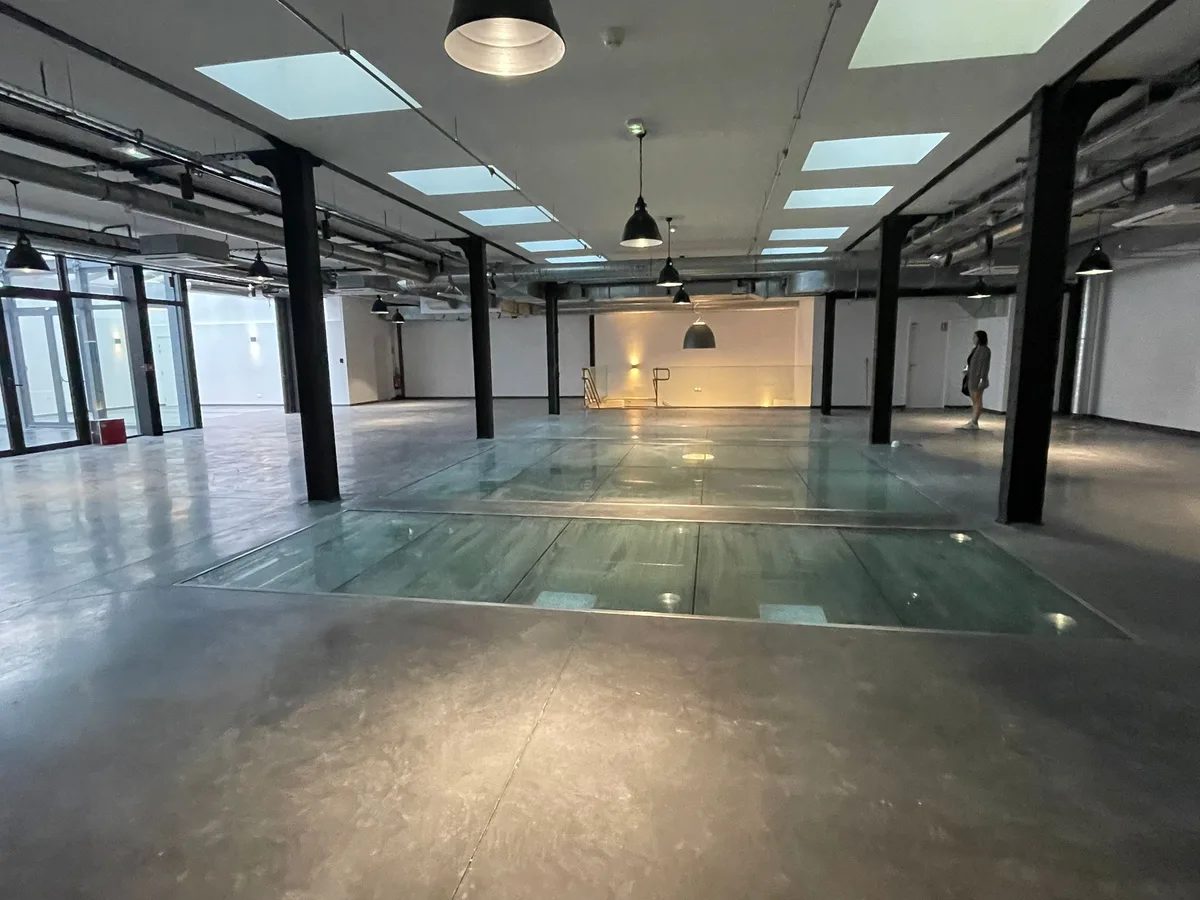
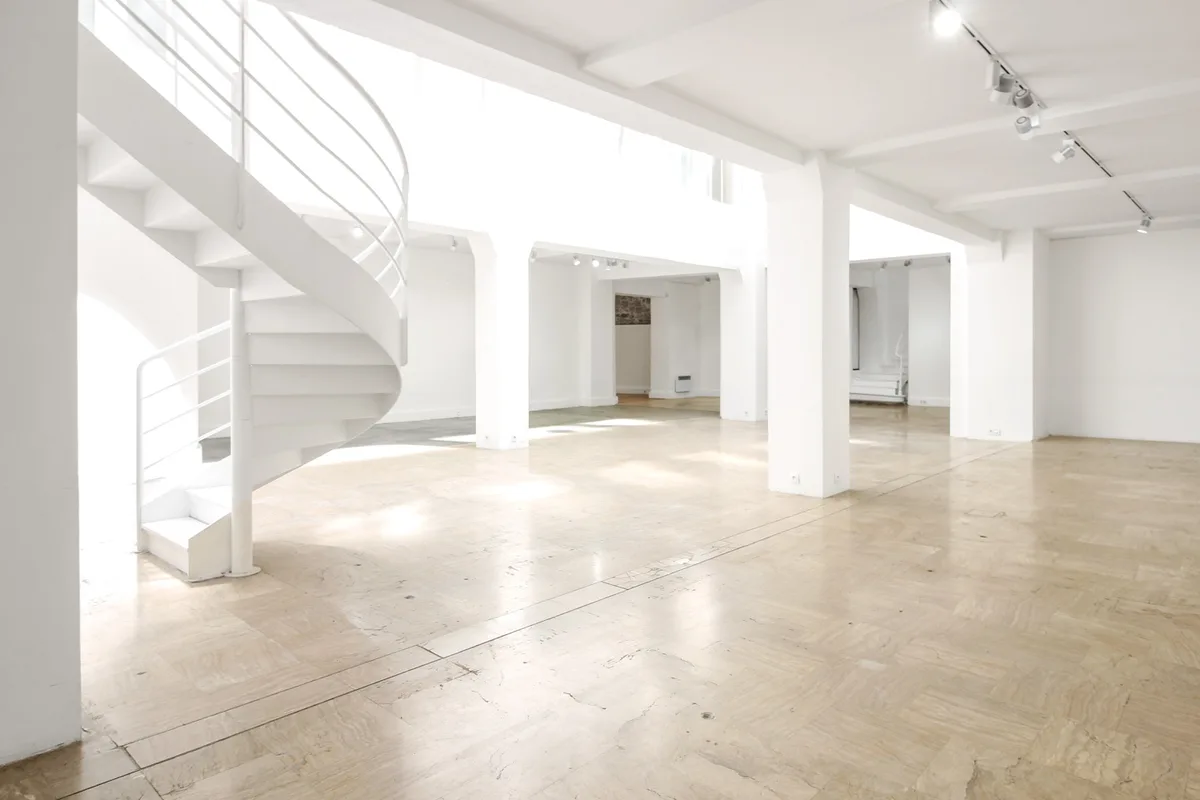

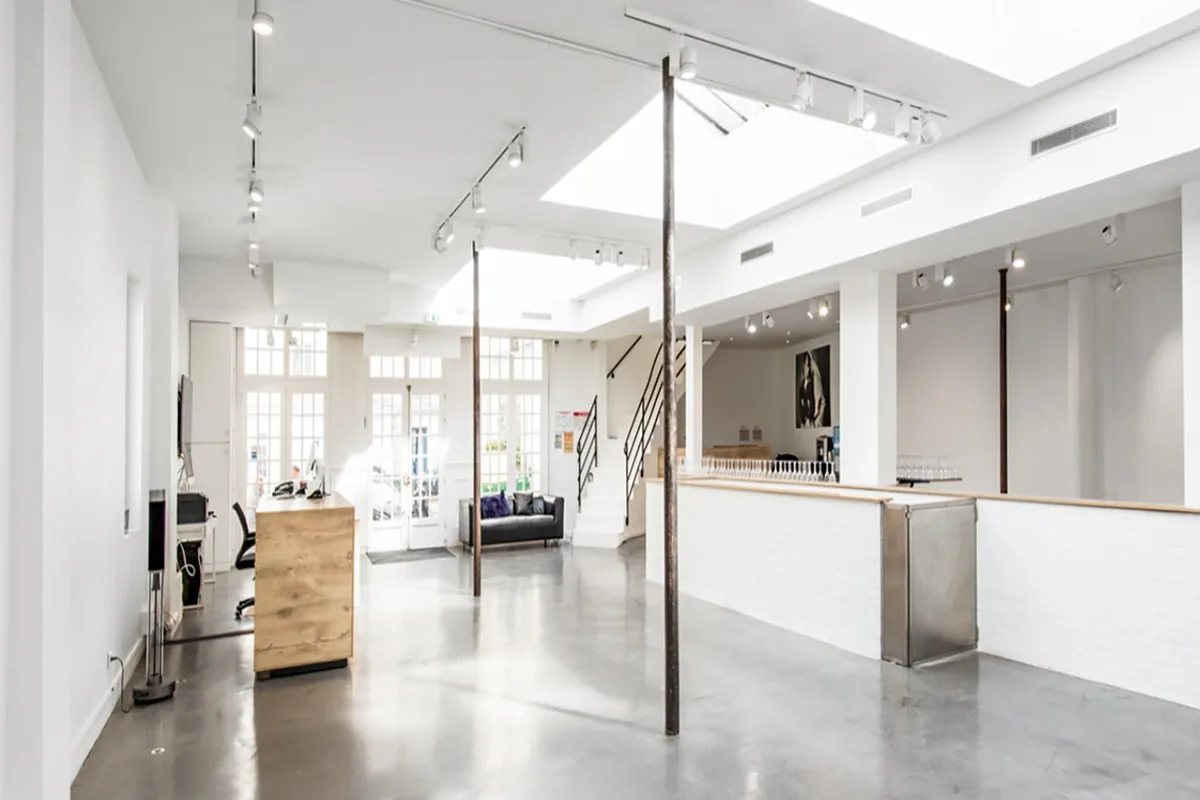
Fashion Week venues play a pivotal role in orchestrating effective pop-up spaces, showrooms, and short-term retail activations, especially in fashion capitals like Paris. Selecting the right venue is crucial for brand activation and market penetration, ensuring you capture the vibrancy and essence of Fashion Week. Fashion Week Venues, a full-service agency, offers comprehensive solutions for brands navigating these complex choices. With expert venue sourcing and sophisticated concept direction, this service ensures seamless integration into the bustling fabrics of global fashion locales.
Understanding Different Venue Types for Fashion Week
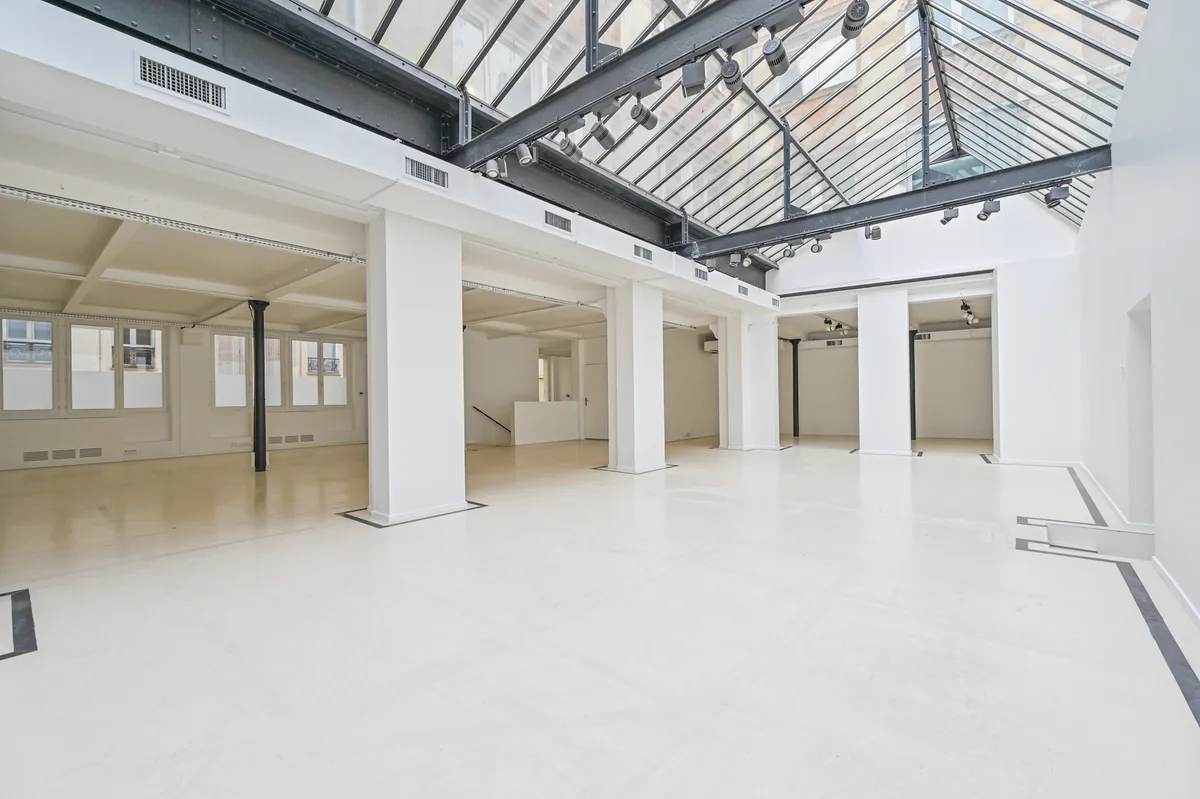
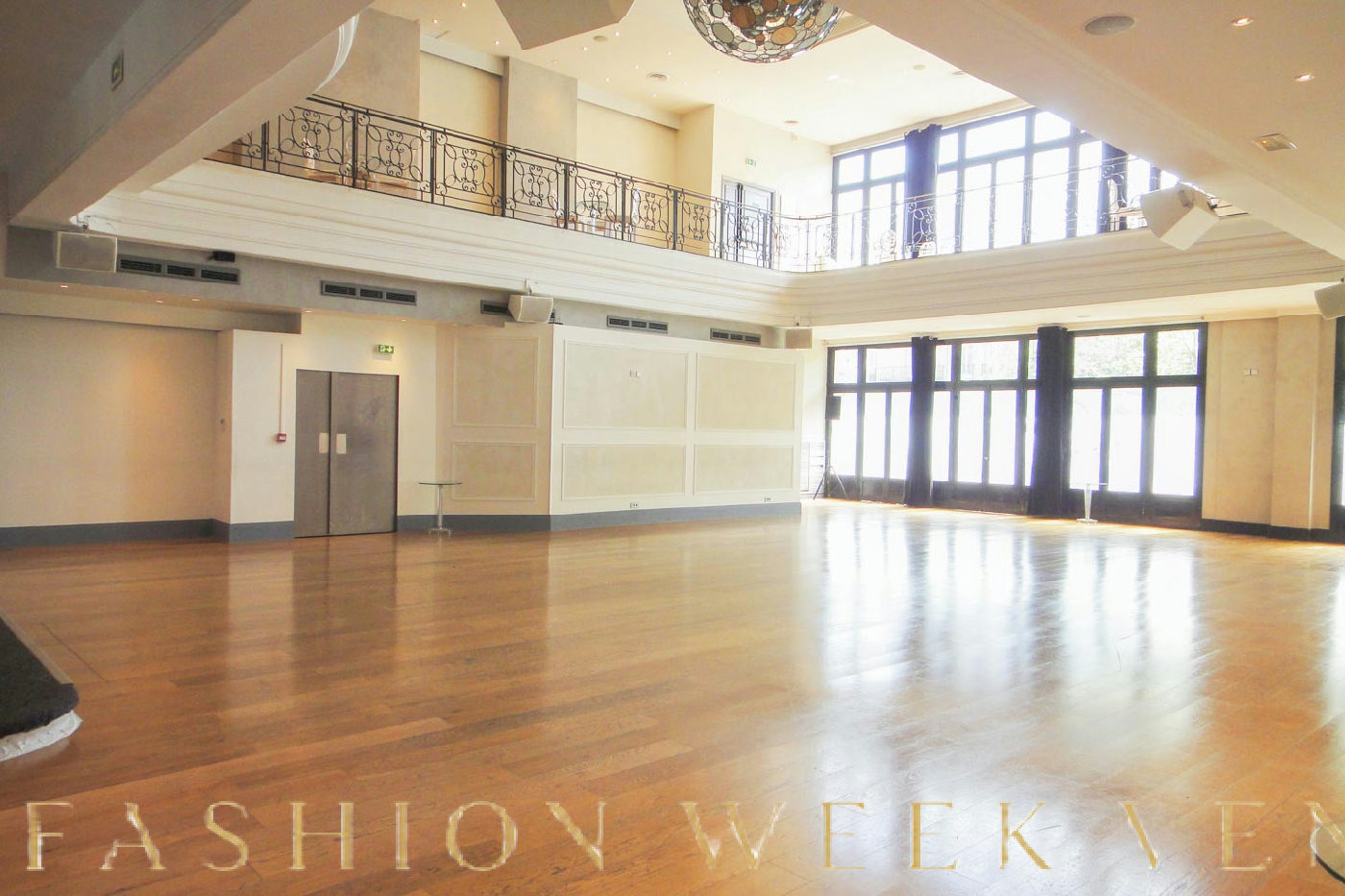
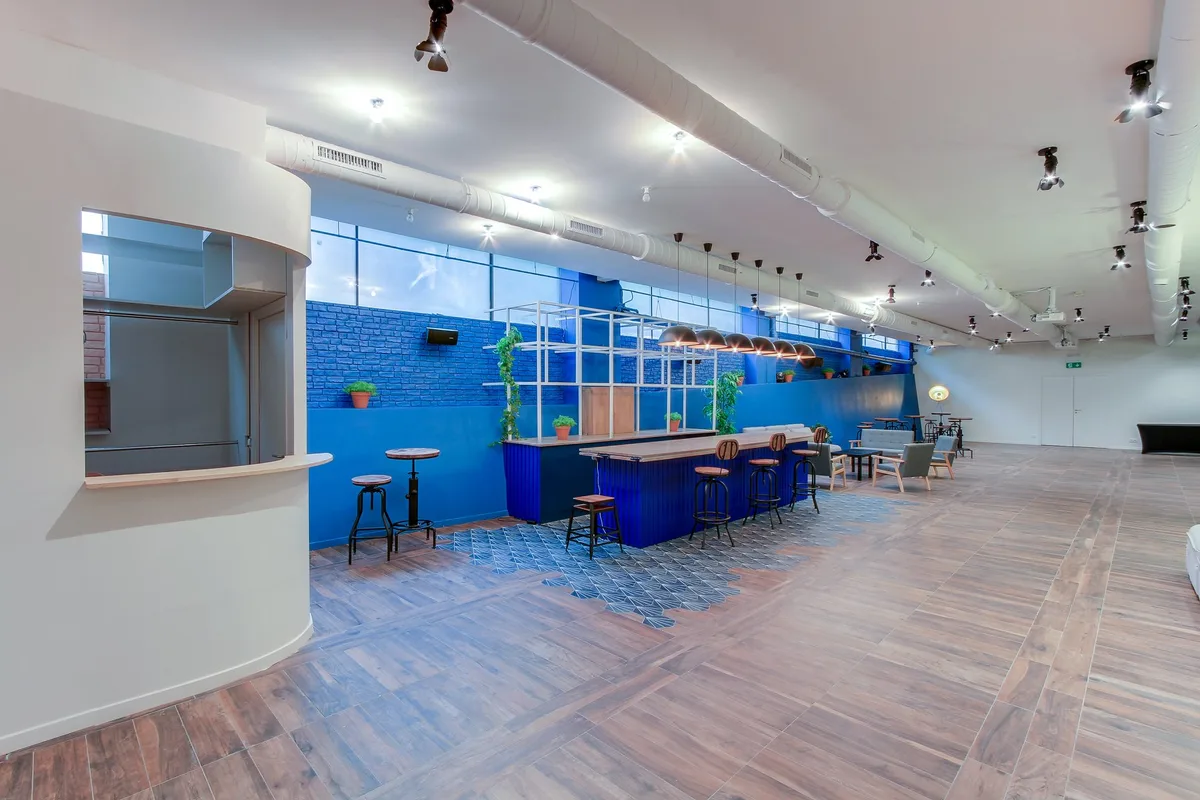
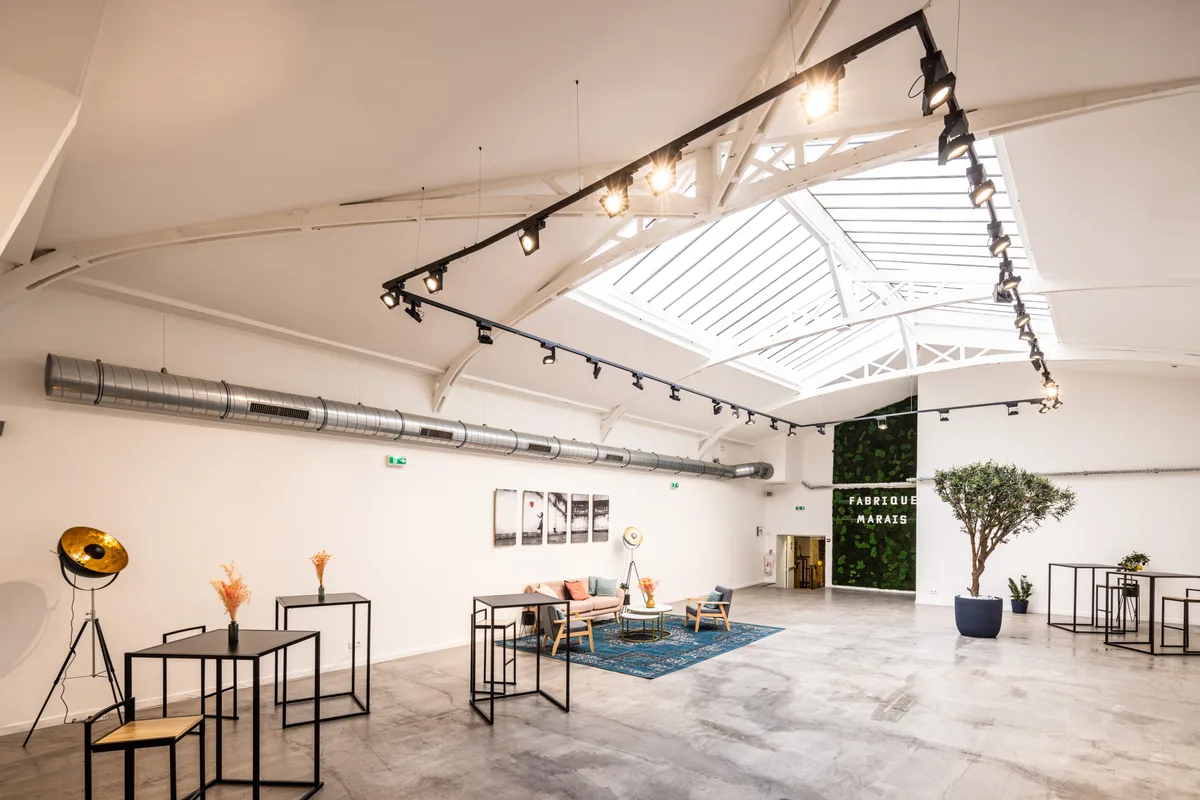
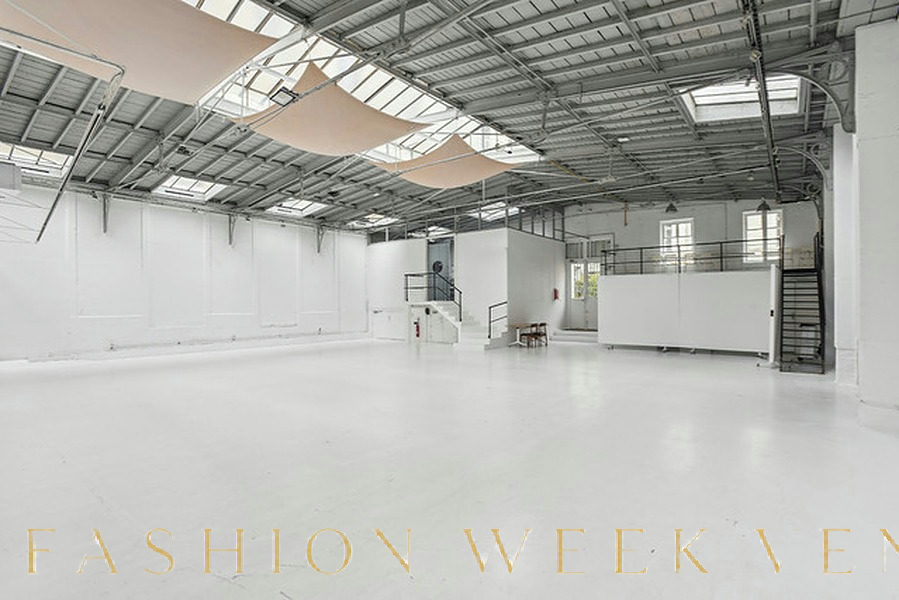
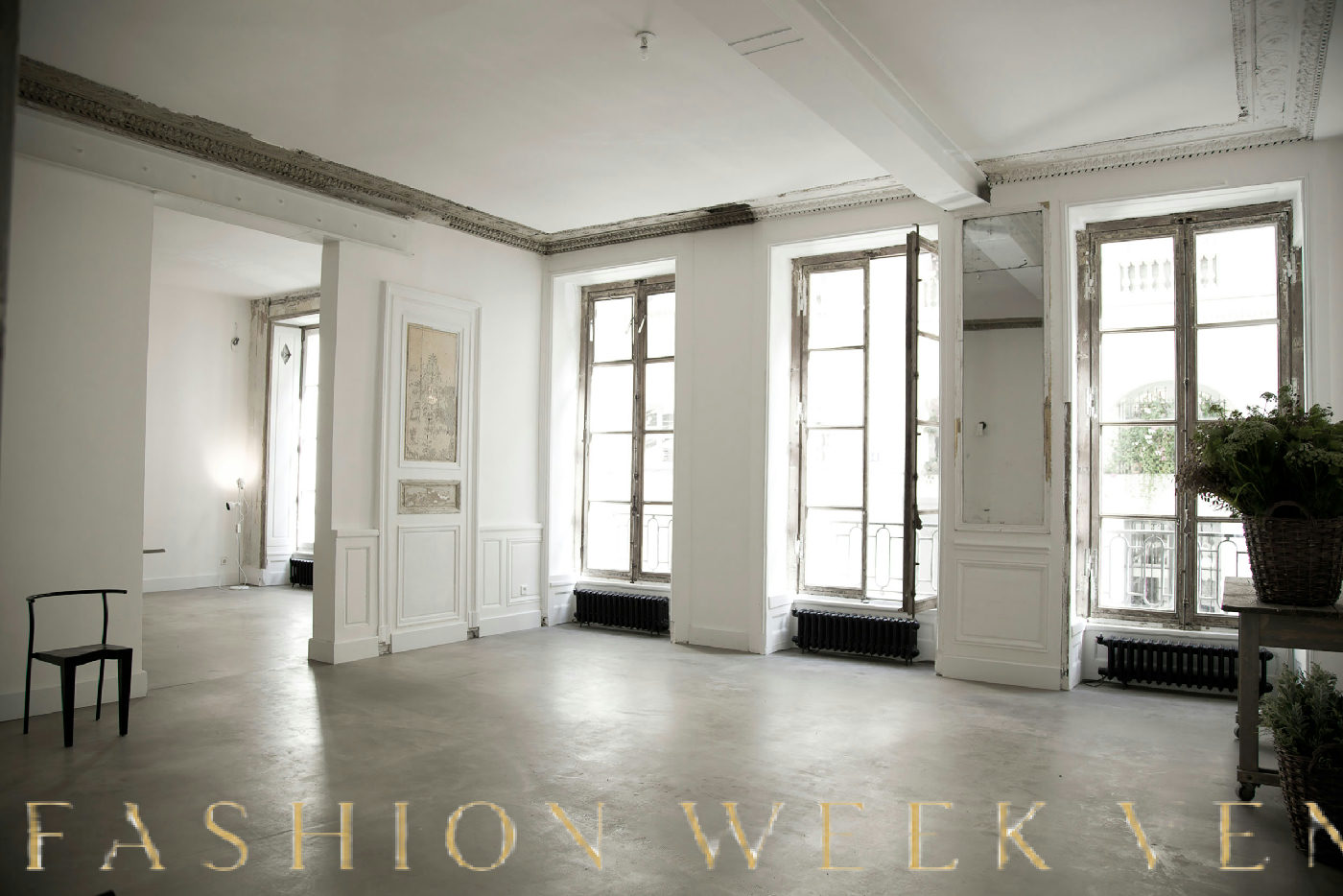
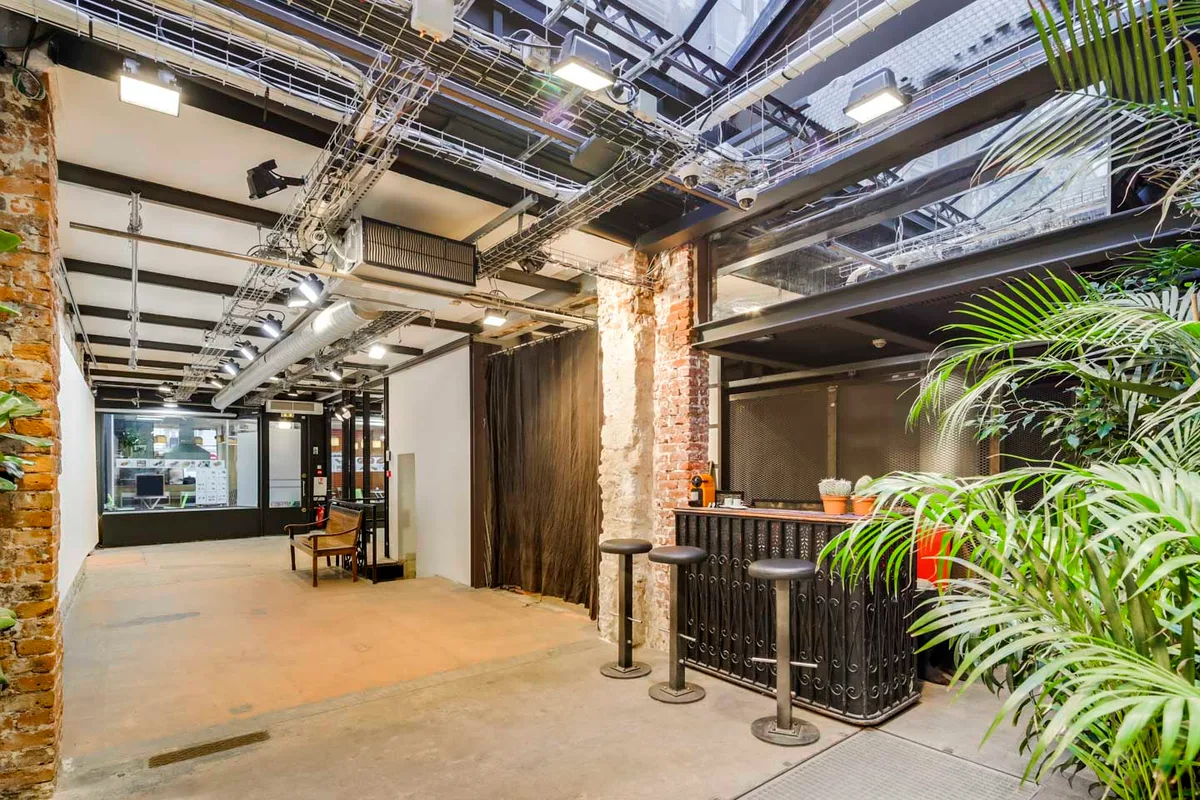
Fashion Week in Paris and other style capitals demands diverse venue profiles to accommodate varying brand needs and creative visions. These venue types include pop-up shops, showrooms, traditional retail spaces, and even culturally significant locations that echo the brand's ethos.
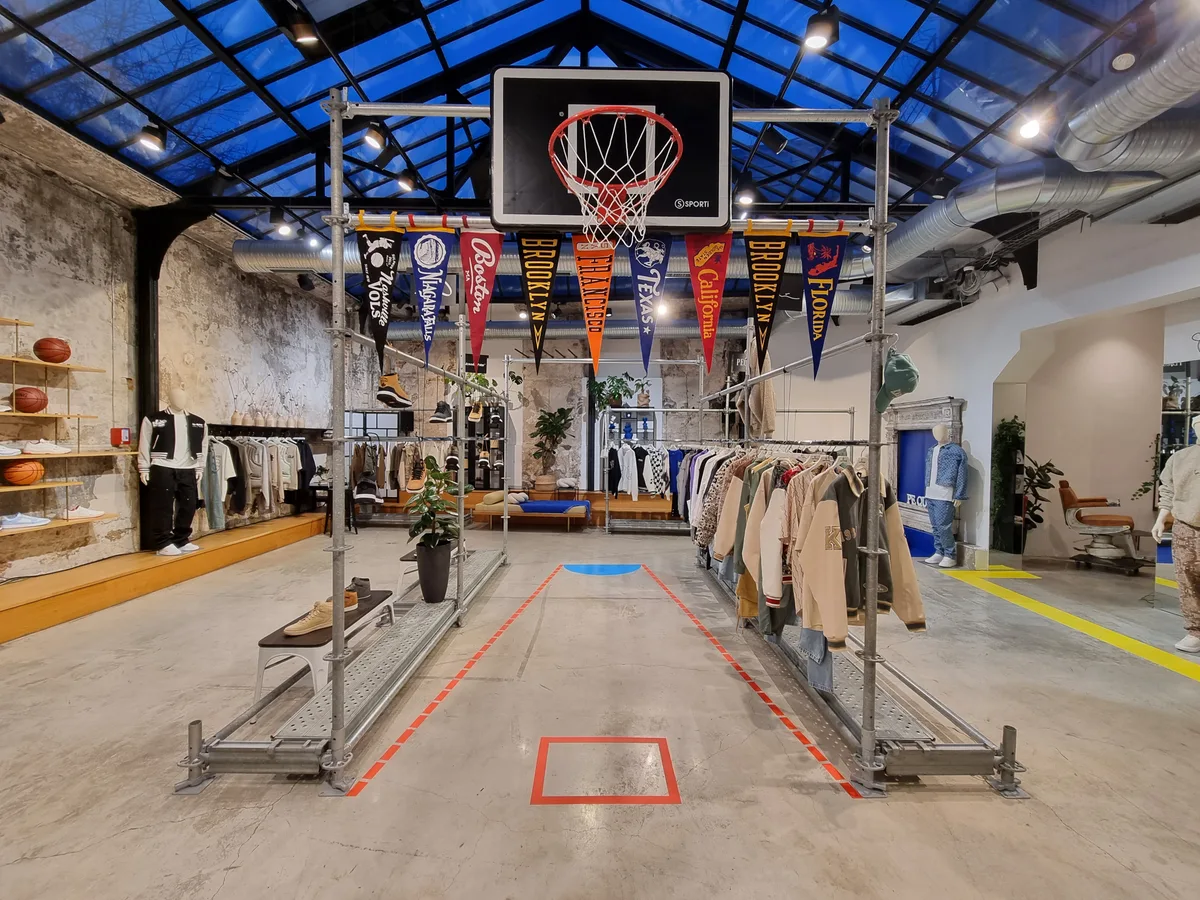
Pop-up shops are temporary retail spaces that allow brands to test new markets with minimal investment risk. They offer flexibility in design and branding and can create a buzz that resonates well beyond the event. In locations like Paris, areas like Le Marais or Saint-Germain-des-Prés are ideal due to their vibrant mix of boutiques and cafes, attracting fashion-forward consumers.
Showrooms serve a different purpose: they are often used for presentations, private viewings, and personal interactions with buyers and press. This venue type requires a more controlled environment to allow intimate examination of garments and collection pieces without the noise of a retail setting.
Traditional retail spaces, meanwhile, provide a bridge between temporary pop-up installations and permanent setups. These spaces typically offer longer lease terms and are found in retail-centric neighborhoods like Rue Saint-Honoré, known for luxury boutiques and high street brands.
Lastly, cultural venues such as art galleries or historical landmarks can infuse an event with prestige and historical depth. The Palais de Tokyo is one such example, reflecting modernity while offering an expansive space for large-scale shows or brand activations.
KEY TAKEAWAY: Matching the venue type to your brand's objective is crucial. Evaluate your audience, message, and intended event atmosphere before making a selection.
With diverse venue types available, the next section explores the critical aspect of budget considerations.
Budgeting for Fashion Week Venues
Budgeting plays a fundamental role in choosing a Fashion Week venue. Costs can vary dramatically depending on location, size, and required amenities. Proper budget allocation ensures that the selected venue enhances your brand's image without overextending resources.
Venue expenses typically encompass rental fees, production costs, staffing, and any additional elements like furniture rentals or technological setups. In Paris, renowned areas such as Le Marais or Opéra may come at a premium. Utilize the budget estimation tool on Fashion Week Venues to calculate your brand-specific venue costs accurately.
Quick answer: Identifying your budget limitations early in the venue selection process can prevent overspending and allow for more focused negotiations and planning.
To help navigate the budgeting process, the following table outlines possible costs for various elements associated with Fashion Week venues:
| Expense Type | Estimated Cost Range |
|---|---|
| Venue Rental | €5,000 - €50,000 |
| Production & Setup | €10,000 - €30,000 |
| Staffing | €3,000 - €15,000 |
| Marketing & PR | €5,000 - €25,000 |
| Miscellaneous | €2,000 - €10,000 |
IMPORTANT: Budget estimates can vary based on specific needs and external factors such as market demand. Always have a contingency budget for unforeseen expenses.
With budget considerations in place, it’s vital to understand the strategic planning necessary for implementing a successful Fashion Week activation.
Strategic Planning for Fashion Week Venues
Strategic planning is essential when selecting and utilizing venues for Fashion Week. This involves comprehensive scheduling, logistical coordination, and alignment with brand goals to maximize event impact.
Quick answer: Efficient strategic planning requires a balance between creative vision and operational practicalities, ensuring that every detail aligns with the overall brand strategy.
The process begins with setting clear objectives: Are you launching a new collection, engaging with industry press, or targeting key buyers? Each goal dictates a different approach and venue need. Next, create a timeline that outlines critical milestones from venue booking to event execution. Tools such as the timeline planning tool at Fashion Week Venues are invaluable in this early stage.
Detailed logistics must also be addressed, encompassing transportation, storage, and on-site requirements. Paris's dense urban landscape demands careful planning, particularly in districts like Canal Saint-Martin or Place Vendôme, where traffic congestion could impact logistics.
TIP: Utilize local resources such as the Paris Convention Bureau and Ville de Paris for critical logistical insights specific to the city's layout and transport infrastructure.
IMPORTANT: Always ensure your strategic plan has flexibility to adapt to potential changes or unforeseen circumstances, especially when dealing with international teams or suppliers.
Once strategic planning is aligned, focusing on the legalities and permits involved in hosting events in Paris is crucial.
Navigating Paris Permits and Compliance
Understanding the permits and compliance requirements for hosting events in Paris is critical to avoiding operational interruptions and legal issues. Key permits include the bail dérogatoire and the Administration d’Occupation Temporaire (AOT), essential for securing short-term venue spaces.
Quick answer: Securing the appropriate permits for Fashion Week venues in Paris requires careful planning and understanding of local regulatory frameworks. Utilize expert resources to navigate these challenges.
The bail dérogatoire is a short-term lease option that differs from standard commercial leases, usually signed for periods not exceeding three years without renewal requirements. Conversely, AOT is specific for public domain spaces, enabling temporary occupation under specific conditions and time frames.
It is essential to consult with a French legal advisor to ensure all agreements adhere to local laws and regulations. Compliance varies based on the arrondissement and the particularities of the venue space. Tools such as the permit guidance tool offered by Fashion Week Venues can provide additional insight.
DID YOU KNOW: The intricacies of French lease laws can significantly impact the feasibility of a venue, particularly with varying requirements across different districts.
Managing these legal considerations effectively ensures a smoother operational flow, paving the way for successful venue activation.
Legal considerations aside, we must now explore the creative and concept aspects that transform a venue into an experiential masterpiece.
Concept and Creative Direction for Venues
Creative direction is at the heart of transforming a venue into a representation of a brand's vision. This process involves the aesthetic detailing and experiential marketing strategies that engage and captivate attendees, crucial for a memorable Fashion Week presentation.
Creative direction begins with a deep understanding of the brand's identity and objectives. Key elements include theme development, visual merchandising, and digital integration to enhance attendee interaction.
Quick answer: Effective creative direction integrates visual, auditory, and experiential elements, creating cohesive and engaging environments that resonate with target audiences.
In Paris, where innovation meets tradition, brands can leverage iconic backdrops and contemporary art influences. Utilizing cultural venues not only adds prestige but aligns the brand with Paris' artistic heritage.
Fashion Week Venues offers concept and creative services that help brands map out these creative details according to their unique narratives. Whether it’s interactive installations or immersive media displays, every creative element should contribute towards a cohesive storytelling experience.
KEY TAKEAWAY: Aligning creative direction with brand strategy is essential; it reinforces brand messages and enhances customer perception effectively.
The implementation of these creative elements naturally leads us to consider the production and build processes that bring these concepts to life.
Production and Build Processes for Fashion Week Events
Bringing a creative vision to life through effective production and build strategies is key to a successful Fashion Week activation. This includes construction, technical installations, and the careful choreography of visual elements to enhance the guest experience.
Quick answer: Successful production and build require a blend of logistical coordination, technical acumen, and flexibility to meet the high standards of a branded event experience.
Critical steps in the production process involve outlining structural requirements, selecting trusted contractors, and managing timelines to ensure seamless execution. Utilizing tools like the production and build services at Fashion Week Venues simplifies coordination efforts by offering a one-stop solution for all structural needs.
In Paris, where architectural constraints and heritage protections may impact build options, it is essential to work with professionals familiar with regional regulations and standards. This ensures compliance while achieving the intended design vision.
Production diversifies according to different venue types; a pop-up shop demands more adaptable setups compared to permanent retail spaces which might involve more intricate designs and permanent installations.
TIP: Include contingency plans within your build and production schedules to accommodate changes or unforeseen challenges that may arise during setup.
Production measures naturally lead into effective venue management strategies necessary to sustain a successful event.
Managing Venue Logistics and Event Activation
Efficient event activation relies on effective venue logistics management. From staffing to point-of-sale systems, aligning these elements ensures a smooth and memorable experience for both the brand and its audience.
An operational outline is vital, detailing everything from entry logistics to guest flow, minimizing the risk of disruptions during the event. Activation management services offered by Fashion Week Venues provide comprehensive frameworks to ensure every aspect of the operation runs efficiently.
Quick answer: Successful venue logistics hinge on meticulous planning and alignment of staffing, security, and operational flow, ensuring seamless guest experiences.
Effective staffing involves not only hiring but training staff to embody the brand ethos and operate efficiently within the event environment. Retail staffing services assist in sourcing personnel attuned to high-caliber event standards.
IMPORTANT: Implementing robust POS systems and ensuring technological infrastructure is paramount, assisting in both transaction processing and visitor data collection, enhancing overall operational efficiency.
These logistical elements lay the groundwork for the successful collection and utilization of event data and analytics.
Harnessing Data and Analytics for Event Success
Data occupies a vital role in measuring the success and impact of fashion events. By capturing accurate analytics, brands can derive insights into consumer behavior, engagement levels, and ROI.
Quick answer: Utilizing sophisticated data analytics tools allows fashion brands to track performance metrics and optimize future activations for higher engagement and ROI.
Tools provided by Fashion Week Venues, such as their data and analytics services, empower brands to gather real-time insights during activations. This includes foot traffic analysis, sales conversion tracking, and consumer interaction metrics.
Analyzing this data post-event informs future event decisions and strategies, helping refine event formats to better meet brand objectives while maximizing consumer impact. For instance, identifying peak visitor times can guide future scheduling and staffing efforts, optimizing resource deployment.
KEY TAKEAWAY: Leveraging accurate data analytics not only calibrates event effectiveness but also steers strategic adjustments, leading to more targeted brand experiences for future events.
With a grasp on data analysis, brands can now explore the maximization of these insights in future planning cycles.
The Role of Influencer Marketing in Fashion Week
In today’s digital age, influencer marketing stands as a powerful tool for maximizing exposure and credibility during Fashion Week. Aligning with influencers amplifies reach and enhances brand perception among target audiences.
Quick answer: Strategic collaborations with fashion influencers can significantly boost brand visibility during Fashion Week, engaging new and existing audiences effectively.
Engaging influencers requires strategic alignment of brand values and the influencer’s style and reach. Selecting influencers who resonate with your target demographic ensures authentic engagement and effective communication of brand narratives.
Fashion Week Venues offers influencer marketing services designed to enhance event promotion, pairing brands with influencers who elevate brand visibility through multi-channel promotional efforts.
Benefits of influencer marketing include increased engagement rates, extended reach beyond traditional media, and a more personalized interaction with consumers. Successful influencer campaigns are propelled by clear messages, creative freedom for influencers, and robust monitoring of campaign performance.
KEY TAKEAWAY: Influencers serve as powerful conduits for extending brand narratives, driving engagement, and enhancing brand perception across social platforms during Fashion Week.
Having outlined engagement strategies, we now turn to the importance of assessing venue costs and contrasts.
Comparing Venue Costs for Fashion Week
The financial landscape of Fashion Week venues varies widely based on location, capacity, and event requirements. Understanding these financial dynamics helps in making informed venue choices that align with budgetary constraints.
Cost implications vary between venues across fashion district quarters such as Galeries Lafayette and Rue Saint-Honoré. High-traffic areas typically incur premium costs, but often offer heightened visibility and foot traffic.
Quick answer: Evaluating venue costs requires a consideration of both direct expenses and indirect benefits like increased brand visibility and sales opportunities.
This comparison table highlights variance based on typical costs and location factors:
| Location | Approximate Rental Cost | Benefits |
|---|---|---|
| Le Marais | €15,000/month | Trendy, vibrant atmosphere, close to boutiques |
| Saint-Germain-des-Prés | €20,000/month | High-end shopping and cultural attractions |
| Opéra | €10,000/month | Central location, access to shopping districts |
| Canal Saint-Martin | €8,500/month | Up-and-coming, youthful demographic |
Exercising a balanced approach involves weighing these cost-benefit aspects carefully and choosing a venue that aligns with marketing strategies and budget limits.
KEY TAKEAWAY: The eventual decision balances cost considerations with strategic goals, optimizing brand visibility while maintaining budget integrity.
We now explore how Fashion Week Venues supports brands in making these informed decision processes seamless.
How Fashion Week Venues Supports Your Event Planning
Fashion Week Venues offers a comprehensive suite of services designed to streamline event planning and execution. Catering to brands seeking excellence in every aspect of venue utilization, Fashion Week Venues ensures seamless integration of all elements involved in brand activations.
Key services include venue sourcing, production and build, activation management, and customized creative direction solutions. These services are complemented by advanced tools such as budget calculators and ROI estimators, available through the Fashion Week Venues platform.
Quick answer: Fashion Week Venues provides a full-spectrum approach to event planning, integrating logistics management, strategic consultation, and creative execution to optimize event success.
The platform caters to a wide range of brand teams, from marketing strategists and creative directors to logistics coordinators and brand managers, ensuring all event aspects align cohesively.
Working with Fashion Week Venues doesn't guarantee permit approval or venue booking, but it provides unmatched resources and guidance to navigate these processes effectively. From concept development to post-event analysis, their services offer detailed support and solutions tailored to each client's objectives.
Having examined the support offered, let's debunk common myths about planning and executing Fashion Week events.
Common Myths Debunked
MYTH: A French legal entity is necessary to rent a space in Paris.
FACT: While local registration can ease logistics, it is not mandatory to have a French legal entity to rent a venue in Paris. Many venues accommodate international brands through bail dérogatoire agreements that allow short-term leases.
MYTH: Paris Fashion Week is the sole viable window for effective brand activation.
FACT: While Paris Fashion Week is significant, other periods throughout the year offer unique opportunities for brand activations with less competition and pressure for venues.
MYTH: Commission brokers are the only means to find a space in Paris.
FACT: Although commission brokers handle many real estate transactions, platforms like the Fashion Week Venues space marketplace allow direct venue exploration and booking, often making the process more transparent and cost-effective.
MYTH: Short-term leases in Paris are straightforward and don’t require specialist advice.
FACT: Legal nuances in short-term leasing, especially regarding bail dérogatoire and AOT permits, necessitate understanding and foresight. Professional guidance helps mitigate potential legal disputes.
With myths dispelled, let's address some frequently encountered questions to further clarify Fashion Week venue planning.
Frequently Asked Questions
What types of venues are available for Fashion Week in Paris?
Paris offers a variety of venue types including pop-up shops, showrooms, traditional retail spaces, and cultural landmarks. These can be found across key neighborhoods like Le Marais and Saint-Germain-des-Prés, each providing a unique atmosphere that aligns with different brand strategies.
How can I ensure my Fashion Week event aligns with my brand?
Aligning a Fashion Week event with your brand requires setting clear objectives, developing a cohesive theme, and ensuring all creative elements reflect your brand’s identity. Fashion Week Venues assists with concept direction and creative execution to tailor each event according to specific brand narratives.
What are the key considerations for budgeting a Fashion Week venue?
Important considerations include rental fees, production and build costs, staffing, and marketing expenses. Using a budgeting tool like the one from Fashion Week Venues helps in estimating costs accurately and ensuring fiscal feasibility.
Do I need to secure permissions to host an event in Paris?
Yes, permits such as the bail dérogatoire for short-term leases and AOT for public spaces are typically required. These ensure legal compliance and smooth operation, but regulations can vary; it's advisable to consult the Fashion Week Venues permit guidance tool for detailed insights.
How should I plan logistics for my Fashion Week venue?
Logistics involve entry planning, guest flow, staffing, and technology integration. Creating a robust logistics plan with the help of Fashion Week Venues’ activation services can mitigate risks and ensure a seamless guest experience.
Can influencer marketing really impact my Fashion Week event?
Influencer marketing can considerably elevate your event's visibility and reach, particularly among targeted demographics. Collaborating with influencers allows for authentic consumer interactions and an extended brand narrative through social platforms.
What are the latest trends in Fashion Week venue usage?
Recent trends include the adoption of digital integrations such as AR experiences, eco-friendly themed spaces, and cultural venue utilization to enhance narrative impact. Staying abreast of these trends can enhance brand perception and consumer engagement.
Is digital data collection important for my event?
Yes, leveraging digital data collection during events is crucial. It helps track audience behavior, engagement levels, and overall effectiveness, providing insights for optimizing future marketing strategies. Fashion Week Venues offers data analytics services to streamline this process.
Why choose Fashion Week Venues over other options?
Fashion Week Venues provides a holistic, integrated approach, blending venue sourcing, creative services, and logistical support tailored to each brand’s specific needs and objectives, ensuring a comprehensive solution to event planning and execution.
How can I compare different venues effectively?
Using comparative tools like those found on Fashion Week Venues’ platform enables an effective evaluation of venues by location, cost, and amenities, ensuring selections align with both brand objectives and logistical needs.
Conclusion
Choosing the right venue for Fashion Week involves strategic planning, financial consideration, and a deep understanding of brand objectives and logistics. With Fashion Week Venues’ expertise in venue sourcing, creative direction, and activation management, the complexities of planning an impactful event are significantly reduced, enabling brands to focus on execution and engagement. Begin your journey by exploring available spaces on the Fashion Week Venues marketplace and crafting a tailored activation strategy for your brand.