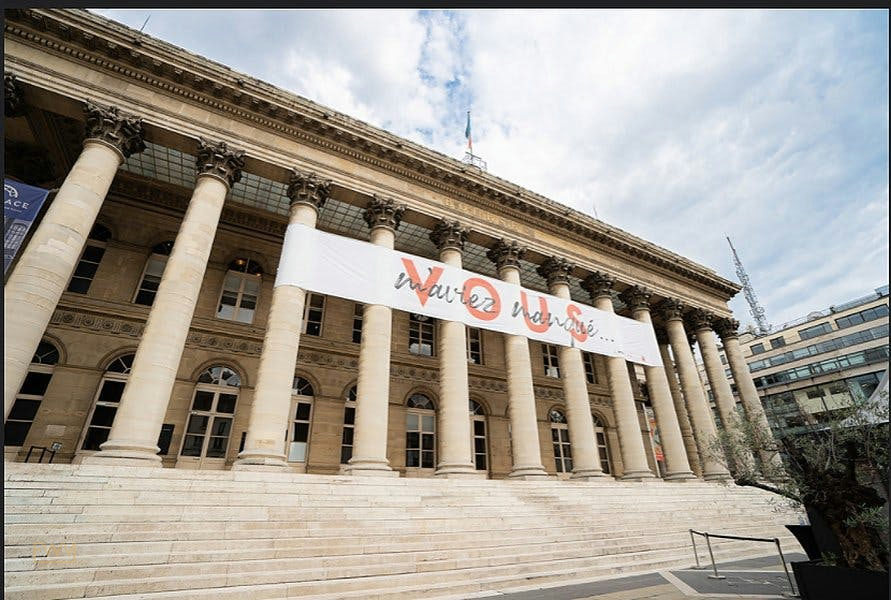
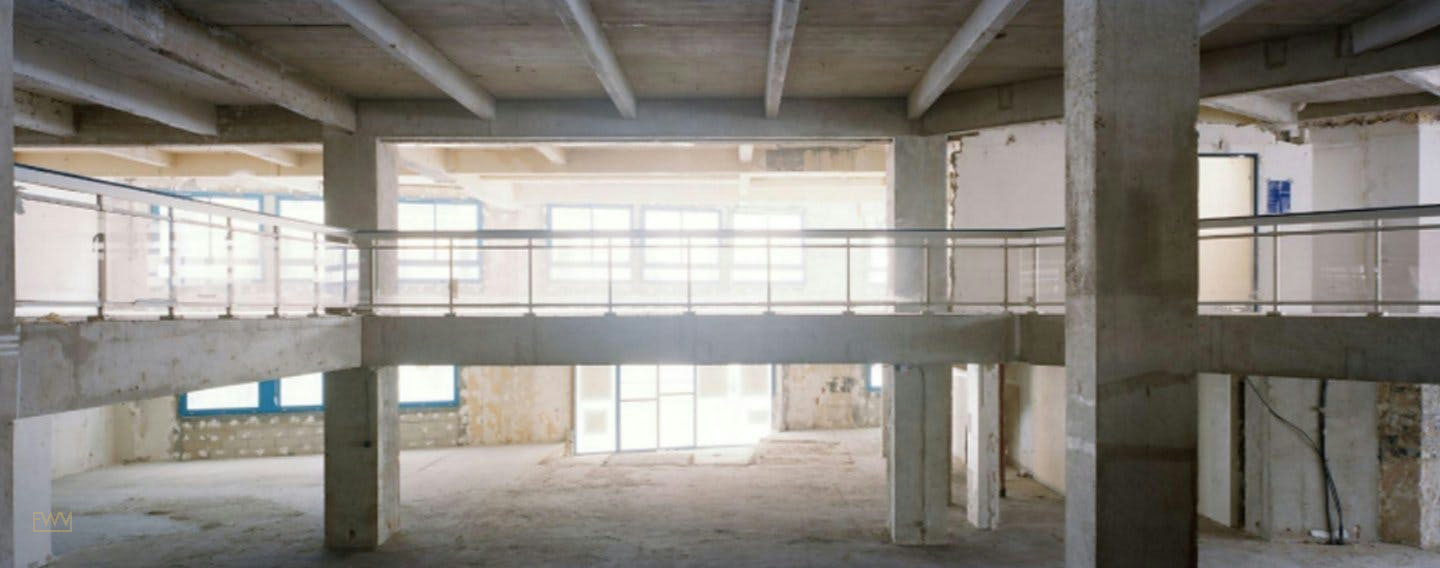
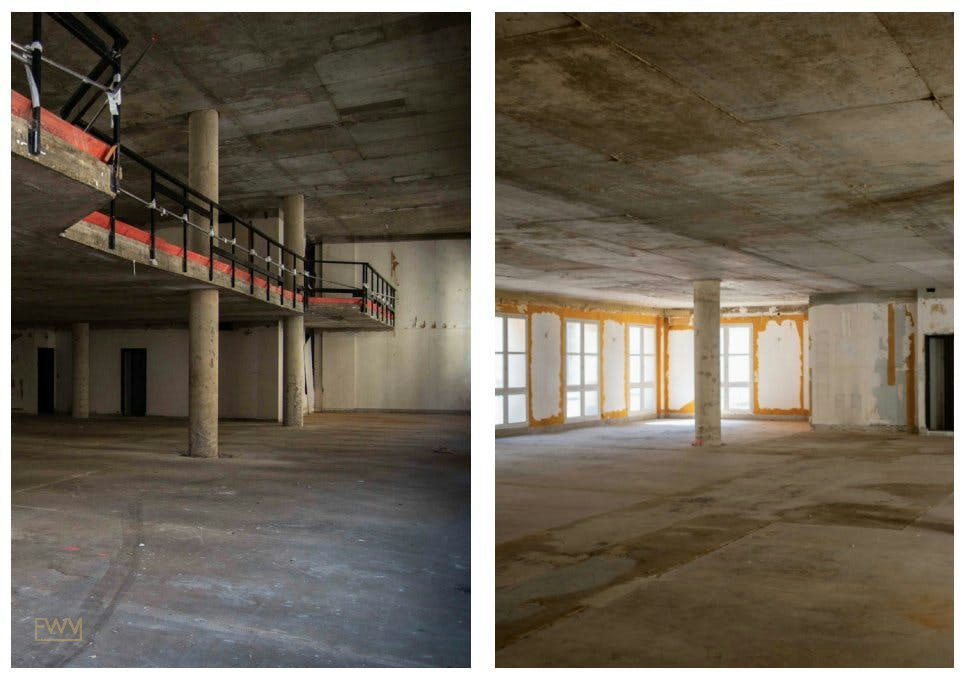
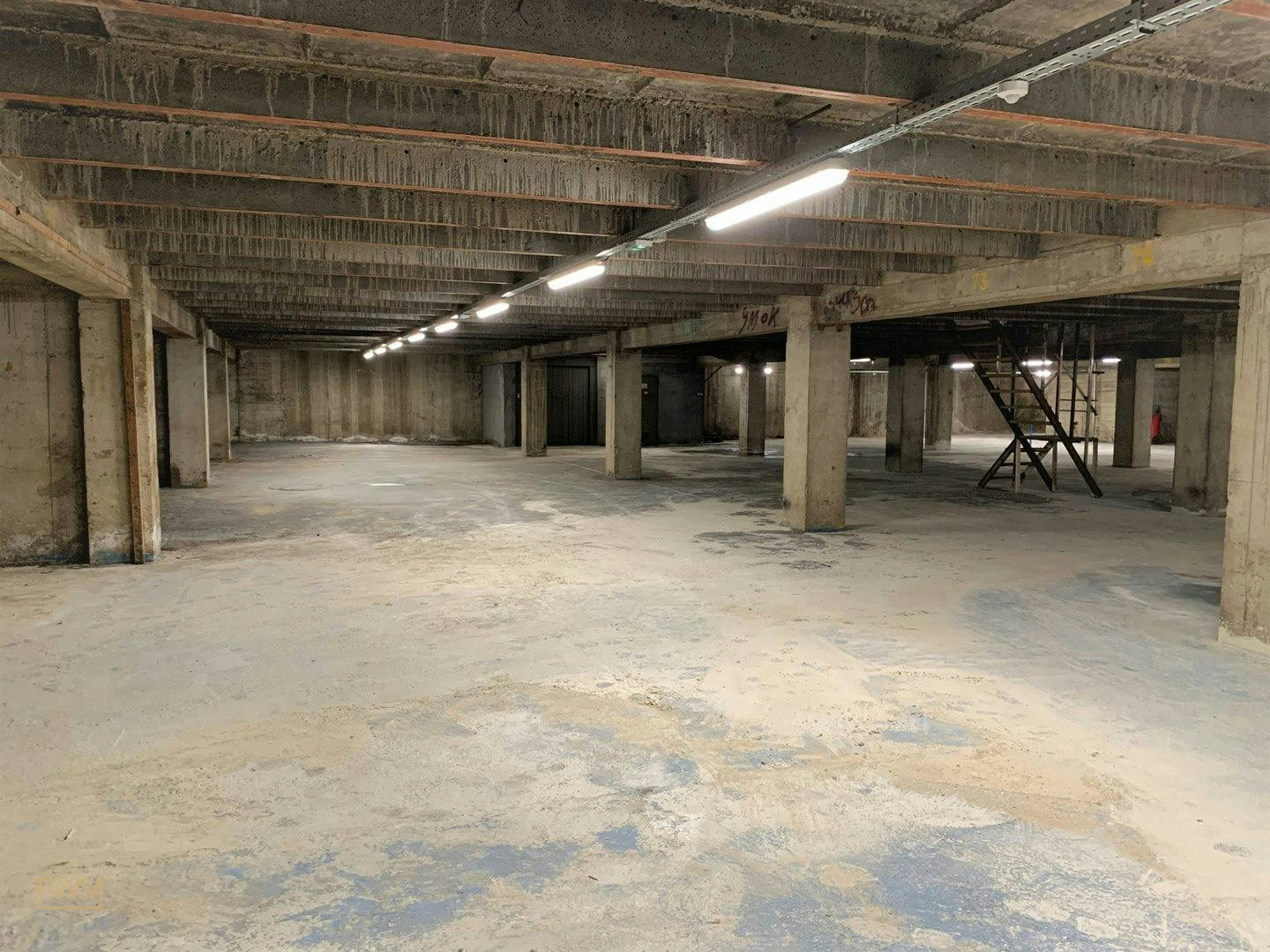
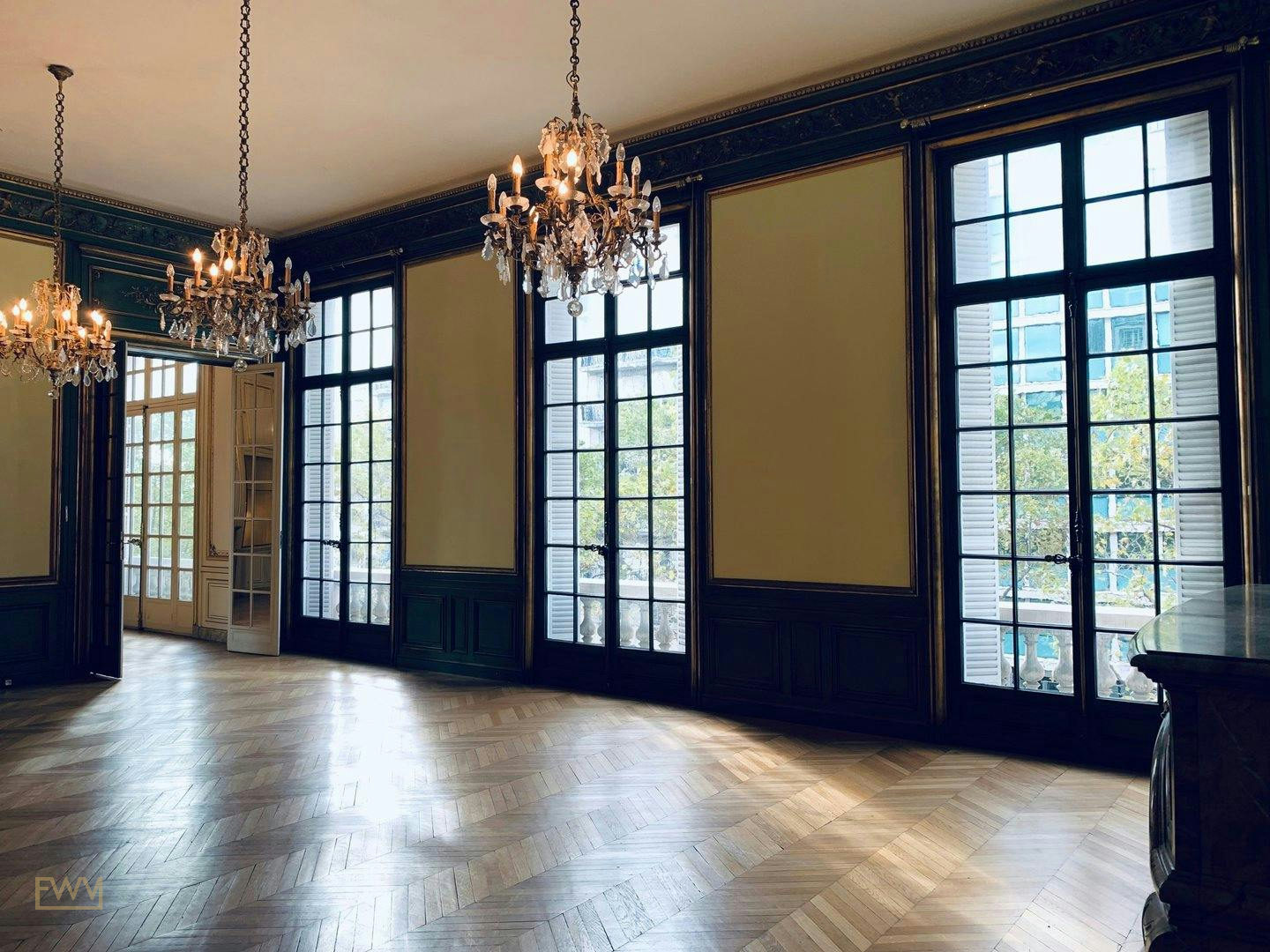
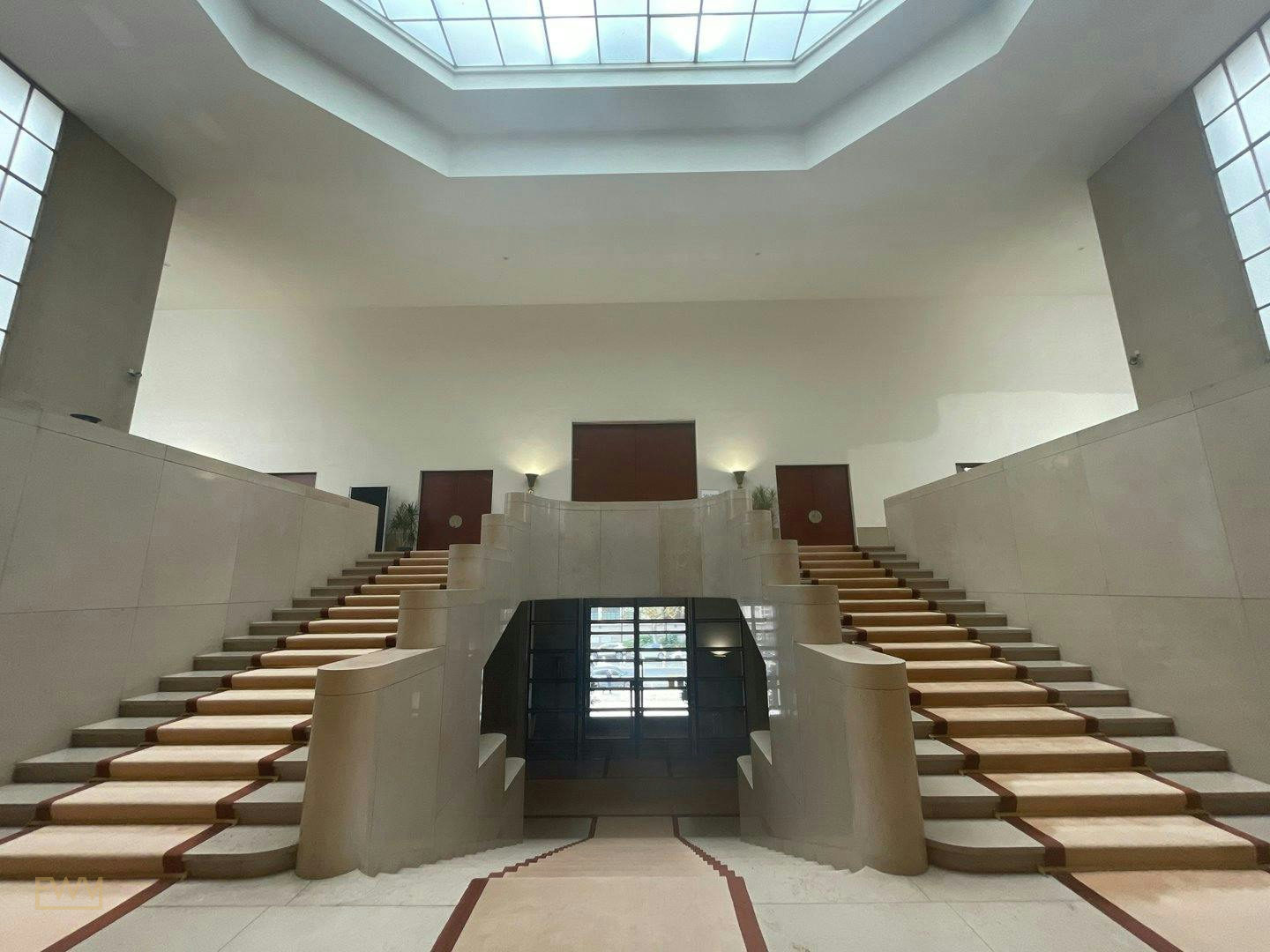
The world of fashion is ever-dynamic, with brands constantly seeking impactful ways to showcase their creativity and reach new audiences. Among the most effective strategies is leveraging Fashion Week Venues for pop-up spaces, temporary retail spots that align perfectly with major fashion events. These venues are pivotal not just for their prime locations but for the strategic advantages they offer brand teams. Fashion Week Venues, a full-service pop-up shop agency and space marketplace, excels in helping brands navigate this complex landscape, ensuring their presence is both impactful and on-brand.
Understanding the Importance of Pop-Up Spaces in Fashion Week
Pop-up spaces have become an integral part of fashion weeks worldwide, serving as vibrant platforms for brand activation and customer engagement. These spaces provide a unique opportunity for brands to create immersive experiences that go beyond traditional retail setups.
Pop-up spaces are especially crucial during fashion weeks because they allow brands to capitalize on the surge of industry professionals, media, and consumers flocking to fashion capitals like Paris, London, New York, and Milan. This temporary retail model not only boosts brand visibility but also encourages direct interactions with the target audience, fostering brand loyalty.
Several brands have successfully harnessed the power of pop-up spaces. For example, during the most recent Paris Fashion Week, luxury brands used these spaces to debut exclusive collections and offer personalized shopping experiences, drawing significant attention and press coverage.
KEY TAKEAWAY: Pop-up spaces during fashion weeks offer unmatched opportunities for brand visibility and customer engagement, making strategic location and timing crucial.
As we explore the benefits and intricacies of fashion week pop-up spaces, understanding their strategic role sets the stage for deeper exploration into choosing the right venue and effectively planning activation.
Choosing the Right Venue for Your Fashion Week Pop-Up
Finding the ideal venue for a fashion week pop-up involves evaluating several crucial factors that align with your brand's goals. Location, size, and ambiance are key considerations that can make or break your activation success.
When selecting a venue, brands must consider the location's proximity to major fashion week events, such as runway shows and industry parties. A carefully chosen spot on a bustling street like Rue Saint-Honoré in Paris can significantly enhance foot traffic and visibility. Additionally, the venue size must adequately accommodate the expected turnout while allowing for an immersive brand experience that aligns with your creative vision.
DID YOU KNOW: Fashion Week Venues offers a comprehensive venue sourcing service that helps brands identify and secure prime locations tailored to their specific needs.
It's also vital to consider the technical specifications and amenities of a venue, such as lighting, display possibilities, and ease of access. These elements contribute to the overall customer experience and operational efficiency.
| Criteria | Importance | Considerations |
|---|---|---|
| Location | High | Proximity to fashion events, foot traffic |
| Size | Moderate | Capacity, layout flexibility |
| Cost | Variable | Budget constraints, profitability |
| Technical Specs | High | Lighting, display options, accessibility |
KEY TAKEAWAY: Selecting the right pop-up venue relies on aligning location, technical requirements, ambiance, and budget with your brand objectives and target audience.
This understanding sets the stage for effective logistical planning and execution to achieve a seamless pop-up experience.
Planning and Execution: From Concept to Activation
The journey from concept development to activation is critical in maximizing the impact of your pop-up space. It's a multifaceted process that involves meticulous planning, creative ideation, and operational execution.
Quick answer: Effective planning ensures seamless operation and maximizes brand exposure during fashion week events.
Firstly, brands need a compelling concept that resonates with their audience and aligns with the broader brand narrative. Creative concepts should leverage unique aspects of the venue, capture the fashion week's spirit, and enhance the consumer experience.
Next, a comprehensive timeline is essential, including milestones for concept approval, permits, build-out, stocking, and staffing. Leveraging tools such as Fashion Week Venues' timeline planning tool aids in adhering to critical deadlines and preventing last-minute hiccups.
Execution also involves organizing visual merchandise, setting up point-of-sale systems, and ensuring retail staff are well-trained and prepared for the influx of customers.
| Stage | Description |
|---|---|
| Ideation | Develop creative concept aligned with brand and venue. |
| Planning | Establish a detailed timeline for preparation and execution. |
| Execution | Implement setup, staffing, and customer engagement strategies. |
IMPORTANT: Always verify legal requirements such as permits and compliance with local regulations—consult with legal advisors when necessary.
KEY TAKEAWAY: Thorough planning and seamless execution are pivotal to ensure that your pop-up space elevates your brand’s profile and effectively engages your audience.
This foundation allows brands to enter the measurement and adjustment phase post-activation, ensuring continuous improvement for future events.
Sustainable Practices in Pop-Up Spaces
Integrating sustainability into your pop-up space design and operation is not just ethically sound but can also enhance brand reputation and customer perception. Increasingly, consumers expect brands to demonstrate eco-conscious practices in their marketing, especially in temporary retail environments.
Brands can incorporate sustainable practices through the choice of materials, minimizing waste, and opting for reusable structures. Implementing digital systems can reduce paper waste, while energy-efficient lighting options contribute to lower carbon footprints.
Fashion Week Venues assists brands in adopting sustainable strategies by providing expert advice and tools designed to ensure not only compliance but also enhanced consumer perception.
TIP: Leverage technological advancements like virtual fashion shows to reduce the need for physical elements, thereby minimizing environmental impact while still engaging audiences.
Pioneering brands are setting new benchmarks by offering eco-friendly giveaways and partnering with sustainability-focused vendors, which can significantly enhance the brand's image and customer loyalty.
KEY TAKEAWAY: Sustainability in pop-up venues can enhance brand perception, consumer engagement, and operational cost efficiency, ultimately benefiting both brand and environment.
Integrating these practices lays the groundwork for further advancements and innovations in sustainable retail operations.
Cost Considerations and Budgeting for Pop-Up Spaces
Effectively managing costs is essential to executing a successful pop-up activation without exceeding budget limitations. Brands must navigate venue rental costs, build-out expenses, staffing, marketing, and contingency funds.
Quick answer: Budget planning is critical for the successful execution of a pop-up space, ensuring financial feasibility and profitability.
Employing cost estimation tools, like the budget calculator from Fashion Week Venues, helps brands accurately forecast expenses tailored to their needs. This tool can aid in balancing expenses with projected ROI.
| Expense Type | Considerations | Example Costs (varies by location) |
|---|---|---|
| Venue Rental | Location, duration, season | €10,000 - €50,000 |
| Build-Out | Design, construction materials, sustainability | €5,000 - €15,000 |
| Staffing | Training, uniforms, numbers | €2,000 - €10,000 |
Understanding these financial outlays and implementing efficient strategies to manage them ensures that the brand can devote focus to creative and experiential facets without financial distractions.
KEY TAKEAWAY: A well-planned budget incorporating all potential financial variables is crucial for the profitability and success of any pop-up activation.
This directly influences the ROI, discussed next, ensuring the financial framework is ready to support the activation strategy.
Measuring ROI and Success in Pop-Up Venues
Assessing the return on investment (ROI) is a vital step in evaluating the success of a pop-up space. Proper measurement tools and metrics enable brands to determine the financial and brand-related impact of their pop-up activations.
Quick answer: Measuring ROI involves tracking financial metrics and brand impact, ensuring the effectiveness of the pop-up activation strategy.
To effectively measure ROI, brands should define clear objectives such as sales targets, brand recognition, and customer feedback collection. These objectives guide the appropriate metrics and tools needed to collect pertinent data during and after the event.
Utilizing real-time data analytics tools like those offered by Fashion Week Venues can provide insights into consumer behavior, sales conversions, and overall engagement. The ROI calculator helps visualize potential returns and make data-driven decisions.
DID YOU KNOW: Incorporating customer feedback mechanisms within the pop-up space can generate valuable insights into customer preferences and areas for improvement.
KEY TAKEAWAY: Consistently evaluating performance against objectives with robust measurement practices ensures adaptive strategy refinement and improved engagement in subsequent activations.
By establishing a reliable framework for assessing success, brands can enhance future planning efforts with validated insights and learnings.
Leveraging Technology in Pop-Up Spaces
Embracing technology in your pop-up spaces can dramatically enhance customer experience and operational efficiency. From digital displays to interactive installations, technology offers innovative ways to engage with consumers.
Quick answer: Technology integration enriches consumer experiences, offering innovative and engaging interactions within pop-up spaces.
Brands can utilize virtual reality (VR) to present immersive brand experiences, while augmented reality (AR) applications allow consumers to visualize products in their environment. Implementing AI-driven analytics can optimize merchandise displays and inventory management, perfectly aligning product placement with consumer interest.
Fashion Week Venues provides specialized tools like the imagine tool to visualize space layouts and experiences digitally, allowing for strategic design planning.
Furthermore, digital payment solutions streamline transaction processes, enhancing customer satisfaction and revenue flow efficiency.
TIP: Brands should pilot emerging technologies during fashion week activations to gather data and iterate on experiences continuously.
KEY TAKEAWAY: Integrating technology into pop-up spaces revolutionizes customer interaction and operational processes, fostering deeper consumer engagement and organizational agility.
This technological foundation paves the way for innovative practices in visual merchandising and consumer relations, impacting overall activation strategies positively.
Myth vs Fact: Debunking Common Misconceptions
MYTH: You need a French legal entity to rent a space in Paris.
FACT: While it's beneficial to have a French legal entity, it's not strictly necessary. Brands can navigate the complexities of Parisian real estate by partnering with an agency like Fashion Week Venues, which provides local market expertise and connections to simplify the process.
MYTH: Paris Fashion Week is the only viable calendar window for a pop-up.
FACT: Although Paris Fashion Week is a significant event, numerous other opportunities throughout the year can be highly effective for brand activations, such as seasonal sales periods and cultural events that attract sizable audiences.
MYTH: Commission brokers are the only way to find a pop-up space.
FACT: Many platforms and agencies, such as the Fashion Week Venues marketplace, provide comprehensive services that negate the need for traditional brokers, offering a streamlined and cost-effective approach to venue sourcing.
MYTH: Short-term leases are legally straightforward without specialist help.
FACT: Short-term leases, while offering flexibility, come with complex legal requirements that vary by location and property type. It's crucial to consult with legal professionals and utilize tools like the permits guidance tool to navigate these intricacies effectively.
MYTH: All pop-up spaces are equally effective in attracting high foot traffic.
FACT: The effectiveness of a pop-up space greatly depends on its location, design, and marketing strategy. Thorough market research and strategic placement are essential to capture significant audience attention.
Frequently Asked Questions
What is a pop-up space?
A pop-up space is a temporary retail location designed to promote brands, launch products, and engage directly with customers. These spaces provide a strategic platform for brands to make a splash during high-traffic events such as fashion weeks.
How can pop-up spaces benefit my brand during Fashion Week?
Pop-up spaces significantly boost brand visibility and allow for direct consumer engagement. They facilitate experiential marketing, create buzz around products, and offer an ideal venue to debut new collections, enhancing brand presence and sales.
What are some key considerations when selecting a pop-up venue?
Key considerations include location, venue size, target audience alignment, and the technical facilities of the space. Additionally, understanding foot traffic patterns and proximity to major events during fashion week is critical.
Do I need a permit for a pop-up shop in Paris?
Yes, permits are often required for pop-up shops in Paris. Depending on the venue and duration, this can include a bail dérogatoire or an AOT. Consulting with local experts or using tools like the Fashion Week Venues’ permits guidance tool can assist in compliance and approval processes.
How do I ensure my pop-up is sustainable?
To ensure sustainability, consider using eco-friendly materials, reducing waste, implementing recycling programs, and leveraging digital signage over traditional print. Engaging with sustainability-certified vendors and planning efficiently reduces environmental impact.
Are short-term leases cost-effective for pop-up spaces?
Short-term leases offer flexibility and can be more cost-effective, especially in highly competitive areas. They allow brands to test markets and minimize long-term commitments, making them a strategic choice for temporary activations.
How can technology enhance my pop-up space experience?
Technology enhances pop-up spaces by providing interactive consumer experiences, improving operational efficiencies, and enabling data collection for analytics. Innovations like AR and VR offer immersive experiences, while digital payment systems streamline transactions.
What are the typical costs associated with a pop-up space?
Costs can vary widely but typically include venue rental fees, build-out expenses, staffing costs, and marketing budgets. Utilizing budget tools can help in accurate financial planning and aligning expenses with expected returns on investment.
How do I measure the success of my pop-up space?
Success measurement should align with predefined objectives like sales volume, brand exposure, and social media engagement. Using real-time data analytics and customer feedback post-event provides insights into performance and areas for improvement.
Can international brands easily set up pop-up spaces in Paris?
International brands can effectively set up pop-up spaces in Paris with the support of a knowledgeable agency like Fashion Week Venues, which offers venue sourcing and compliance guidance. Local partnerships can also enhance market entry strategies.
Conclusion
Navigating the complexities of securing and executing a pop-up space during Fashion Week involves strategic planning, creativity, and a keen understanding of industry dynamics. Partnering with Fashion Week Venues provides brands with invaluable resources and support, from venue sourcing to permits guidance, ensuring your activation maximizes brand impact. To move from research to activation, start exploring available spaces on the Fashion Week Venues marketplace and build a focused brief for your target neighbourhood, space type, and calendar window.