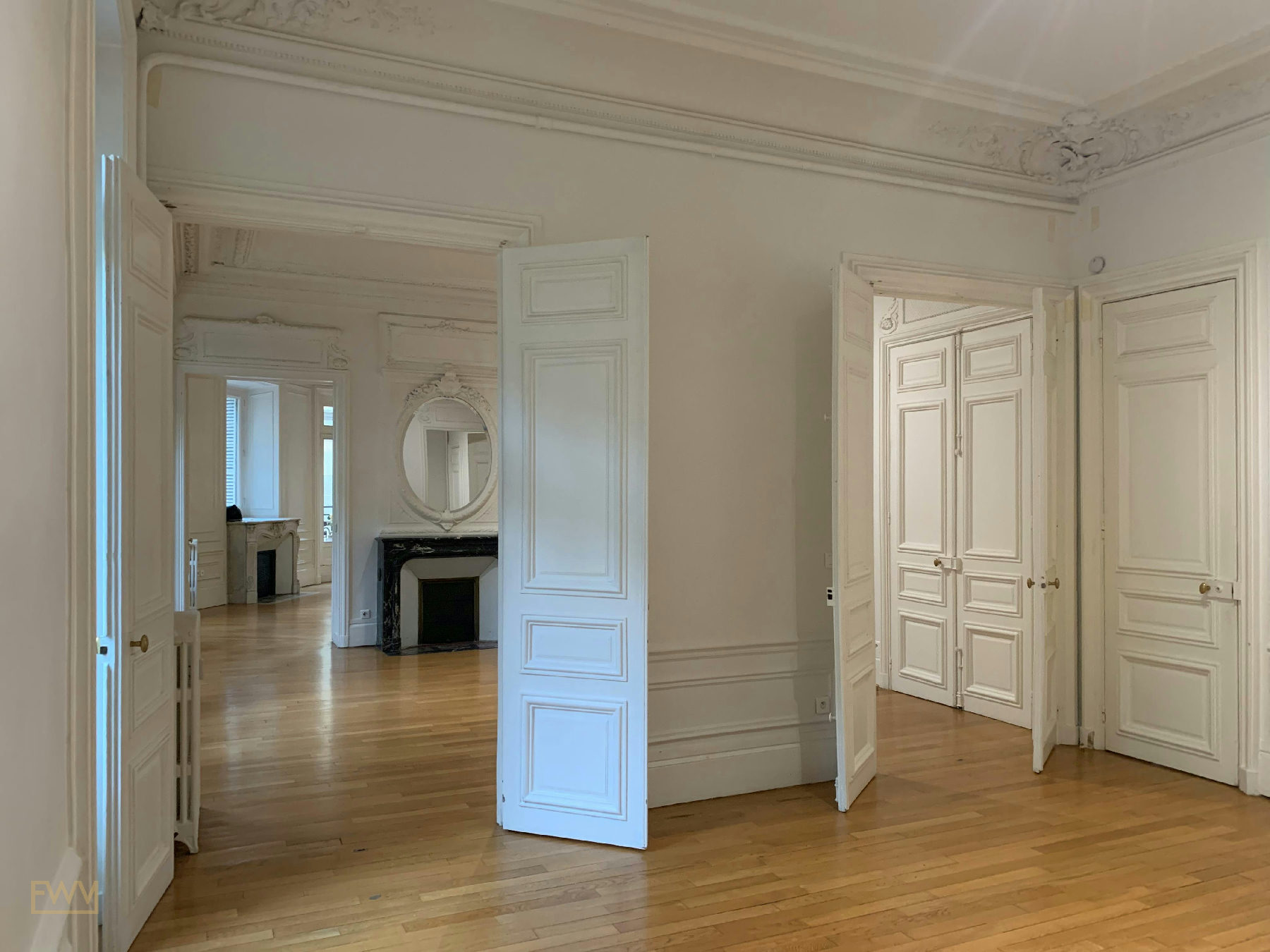
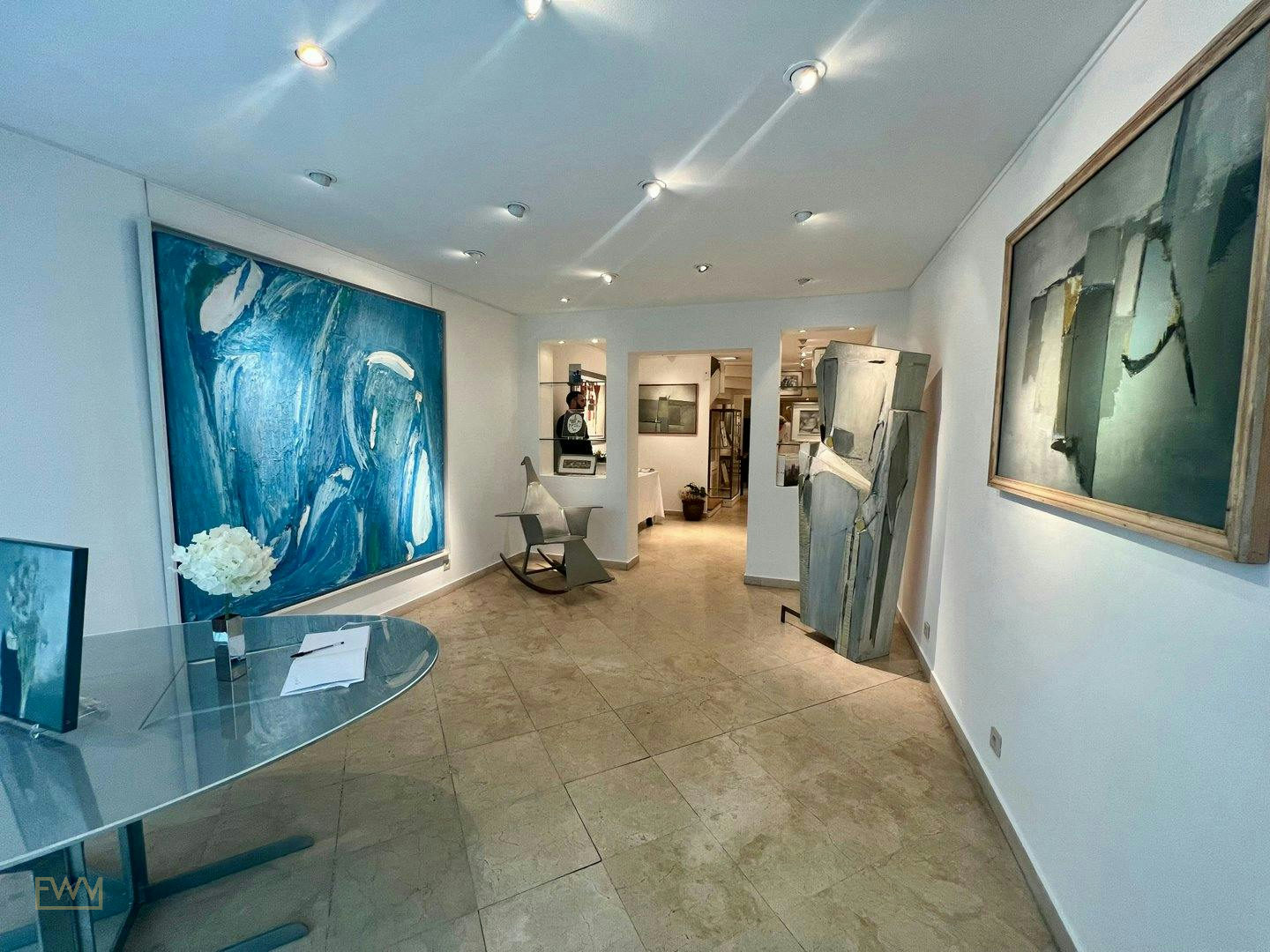
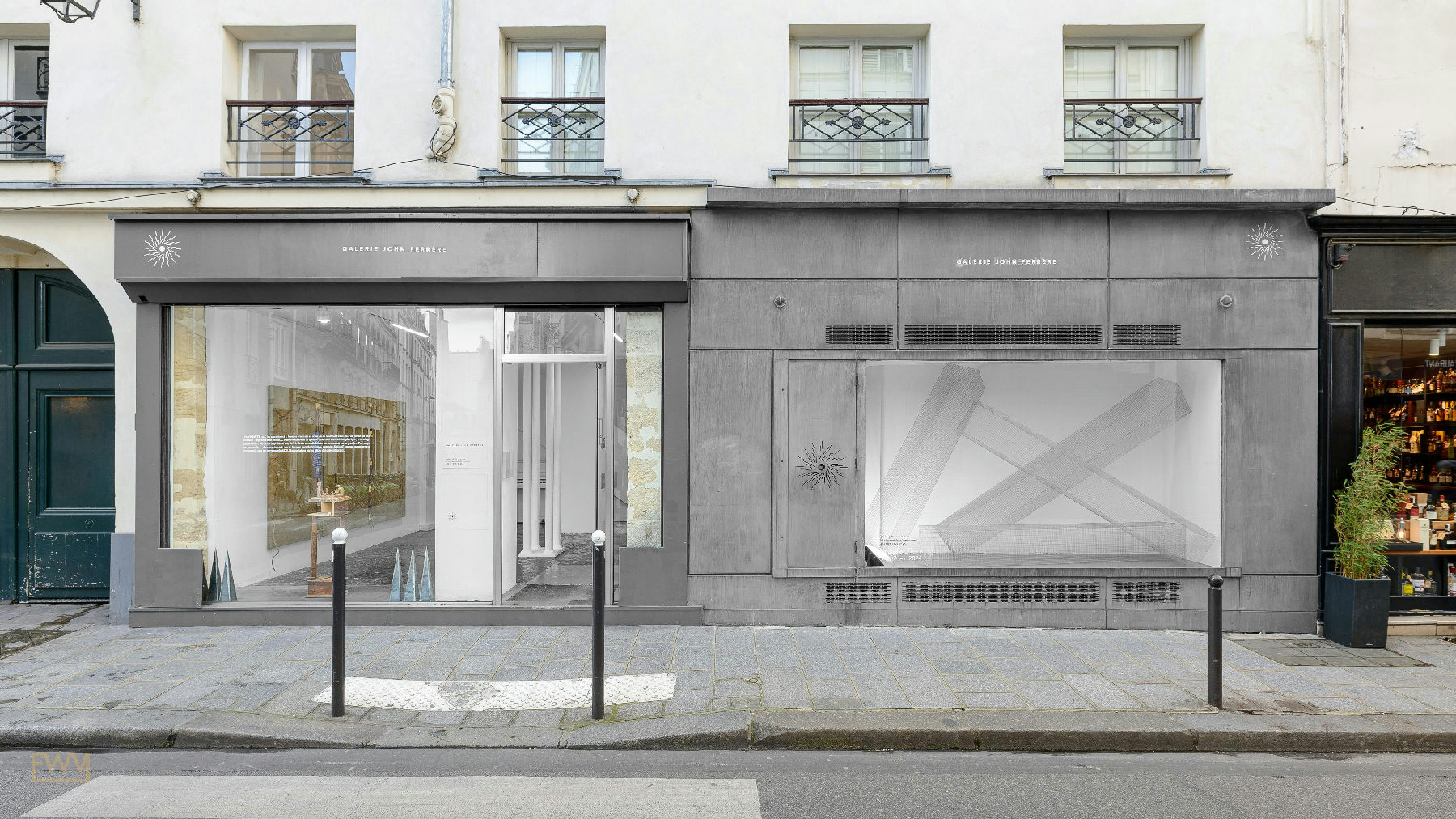
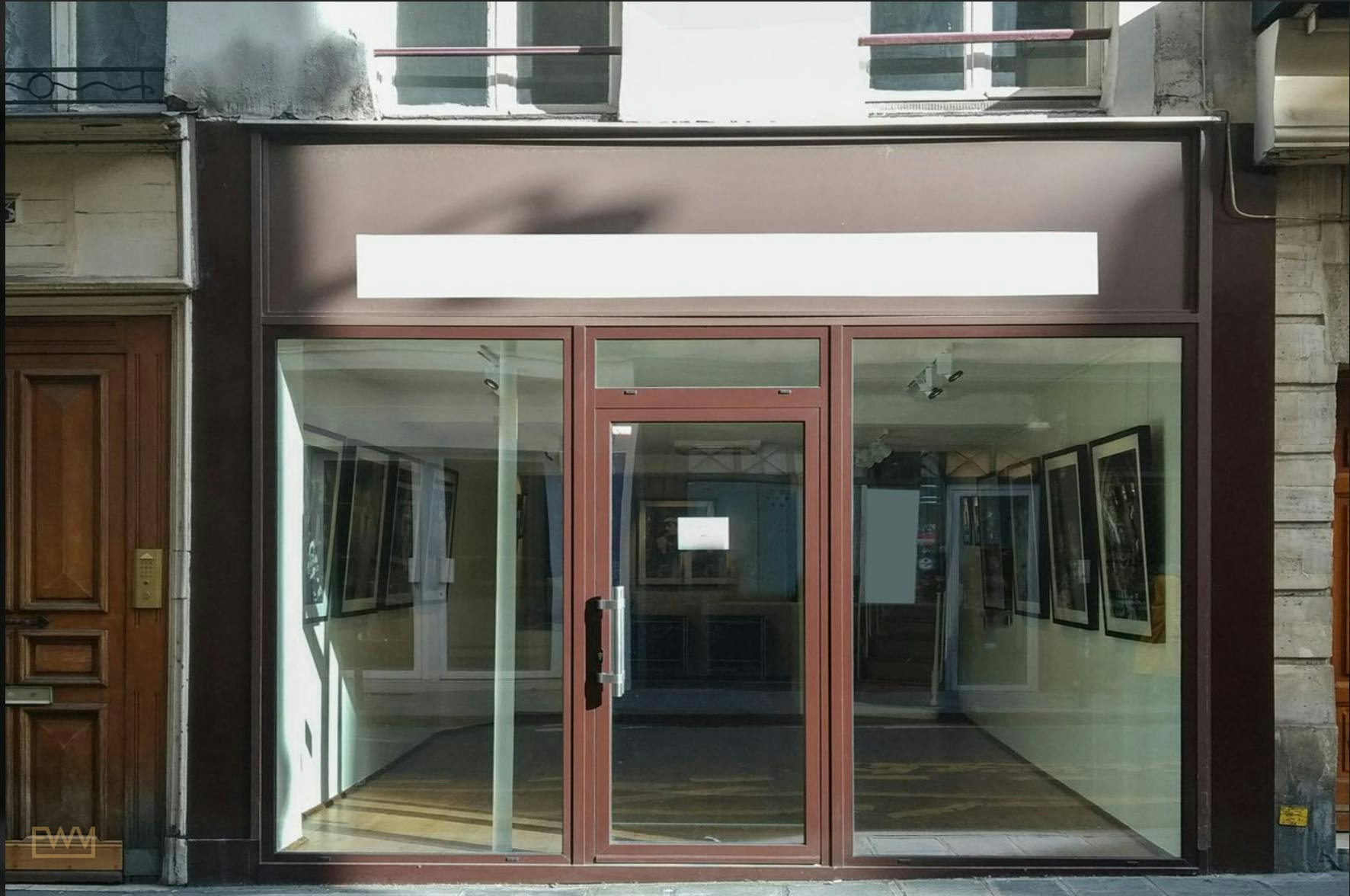
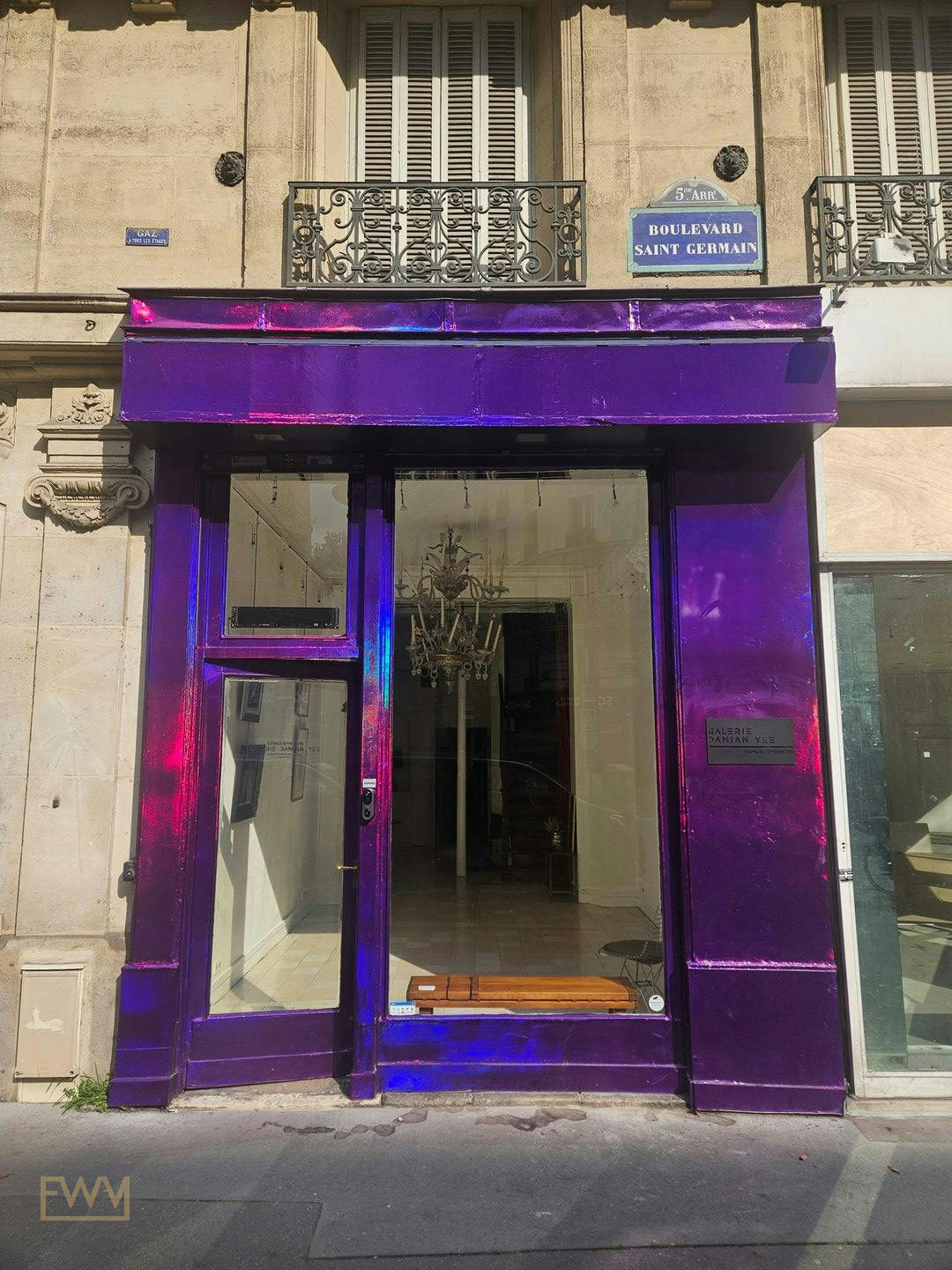
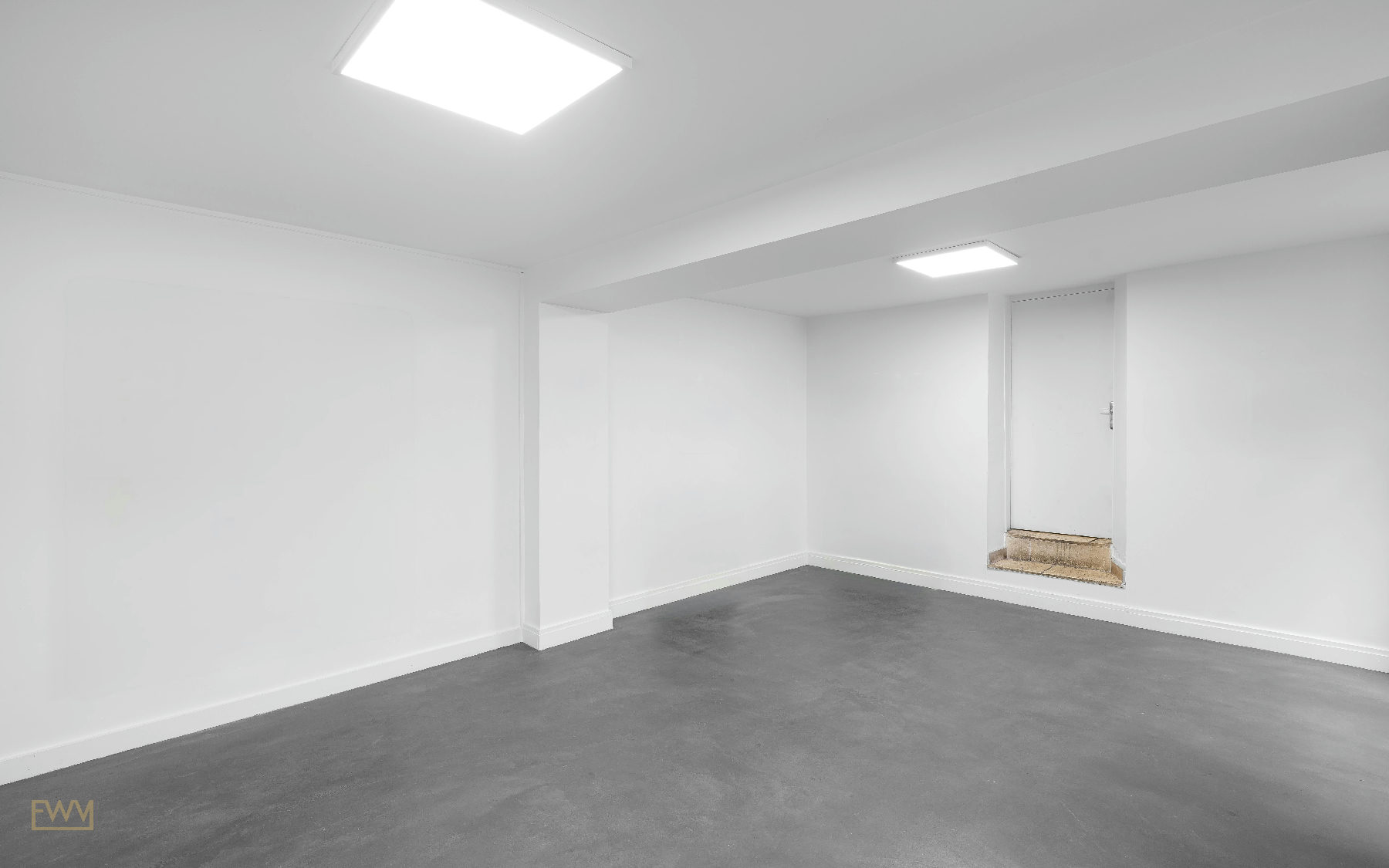
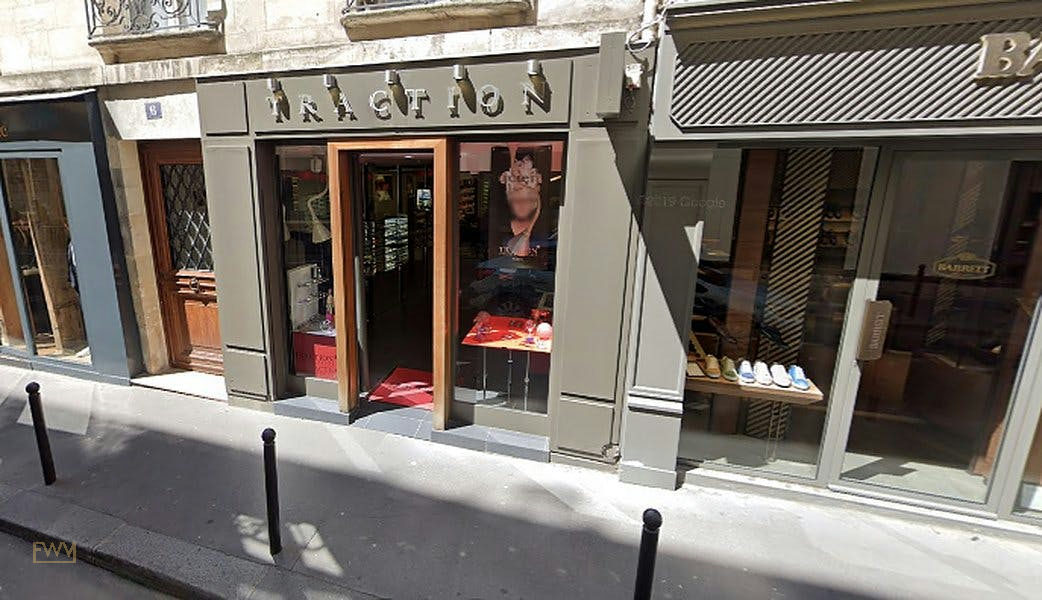
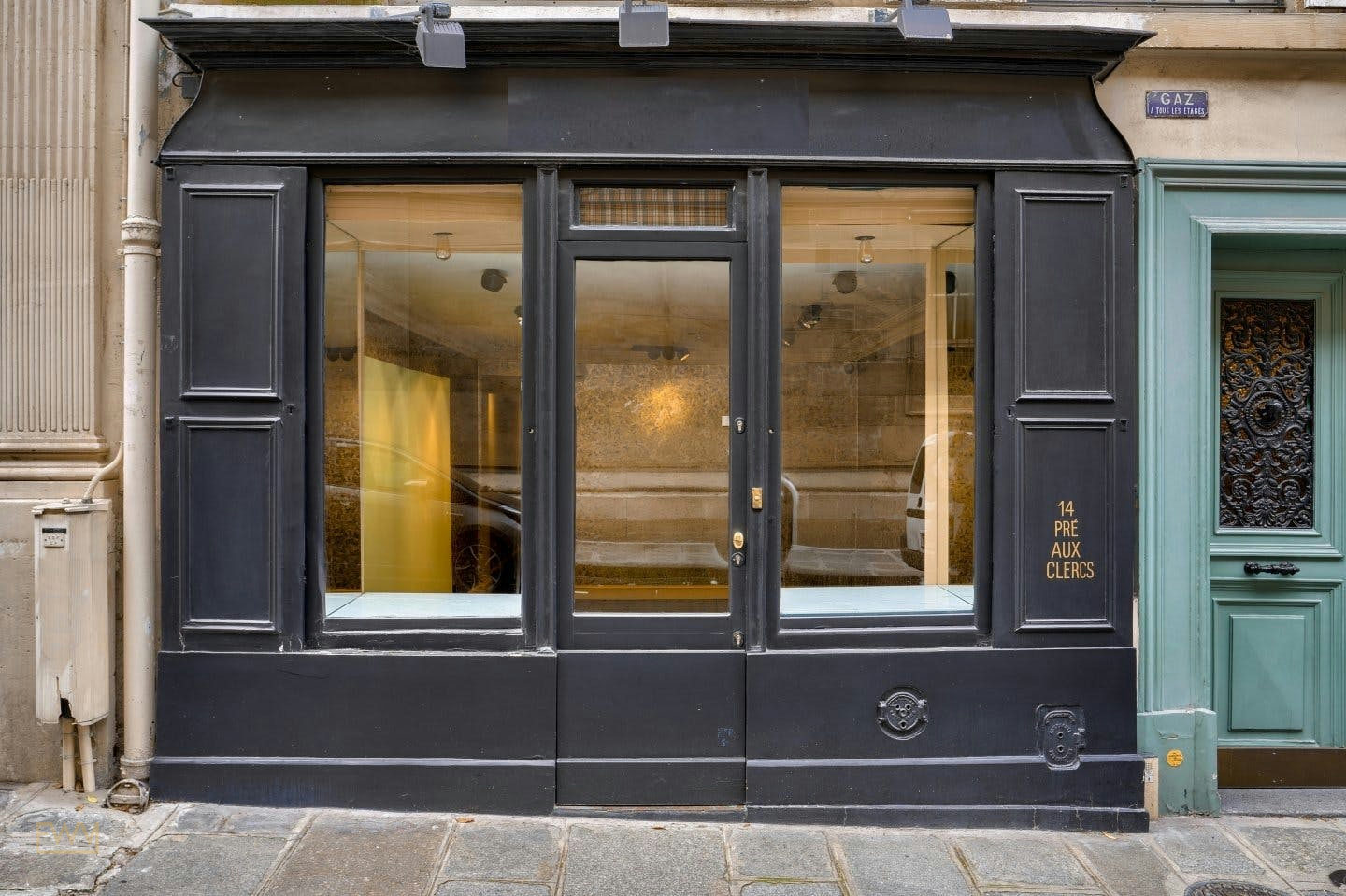
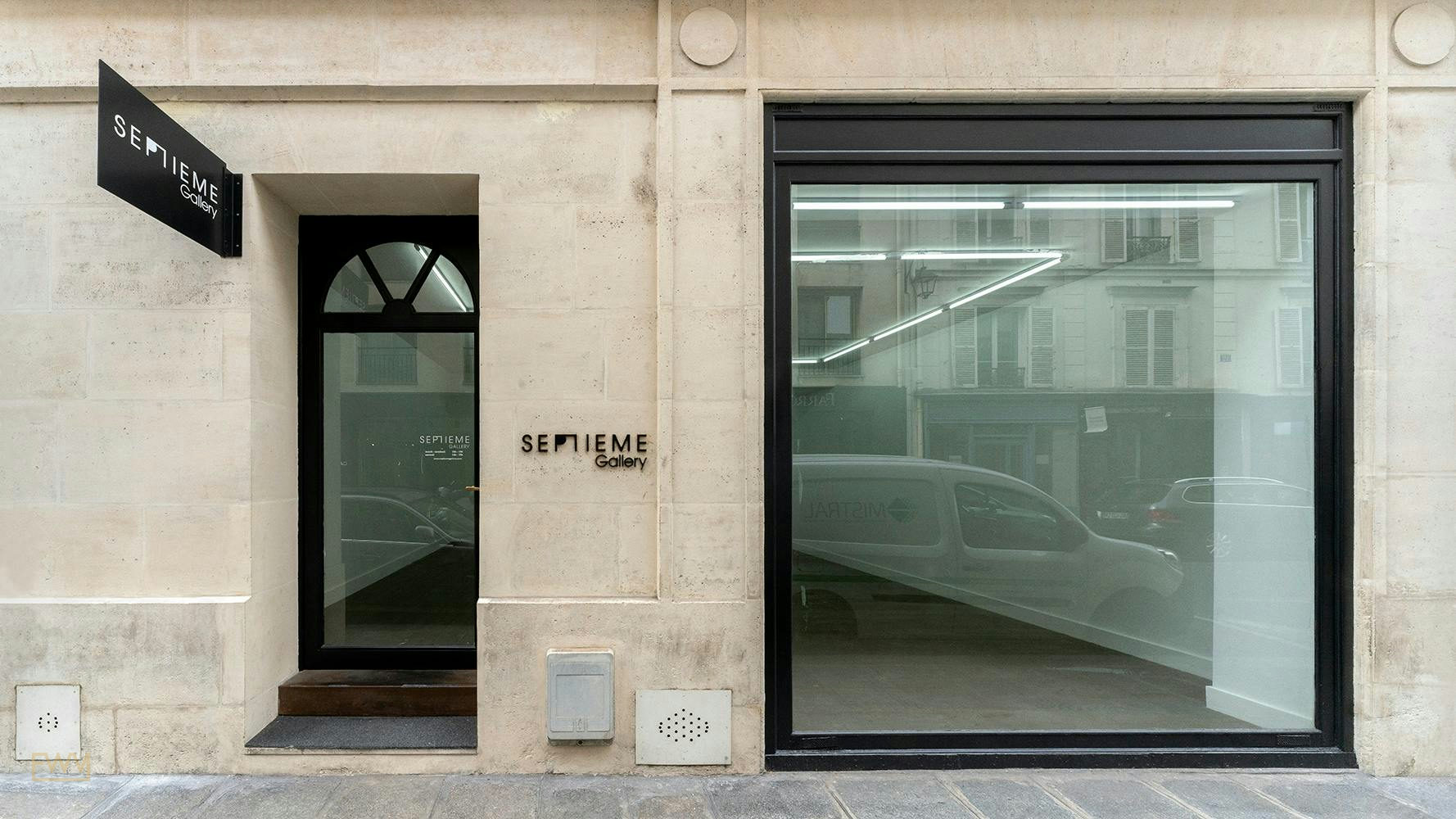
Fashion Week venues stand at the intersection of creativity, strategy, and logistics, especially when it comes to choosing the right location in a fashion capital like Paris. Working with an experienced agency like Fashion Week Venues can significantly streamline this complex process, offering insights into venue sourcing, brand activation, and compliance. This guide will explore the nuances of selecting the perfect space for your fashion event, the critical role of timing, and how to navigate the legal landscape effectively.
Understanding the Role of Fashion Week Venues
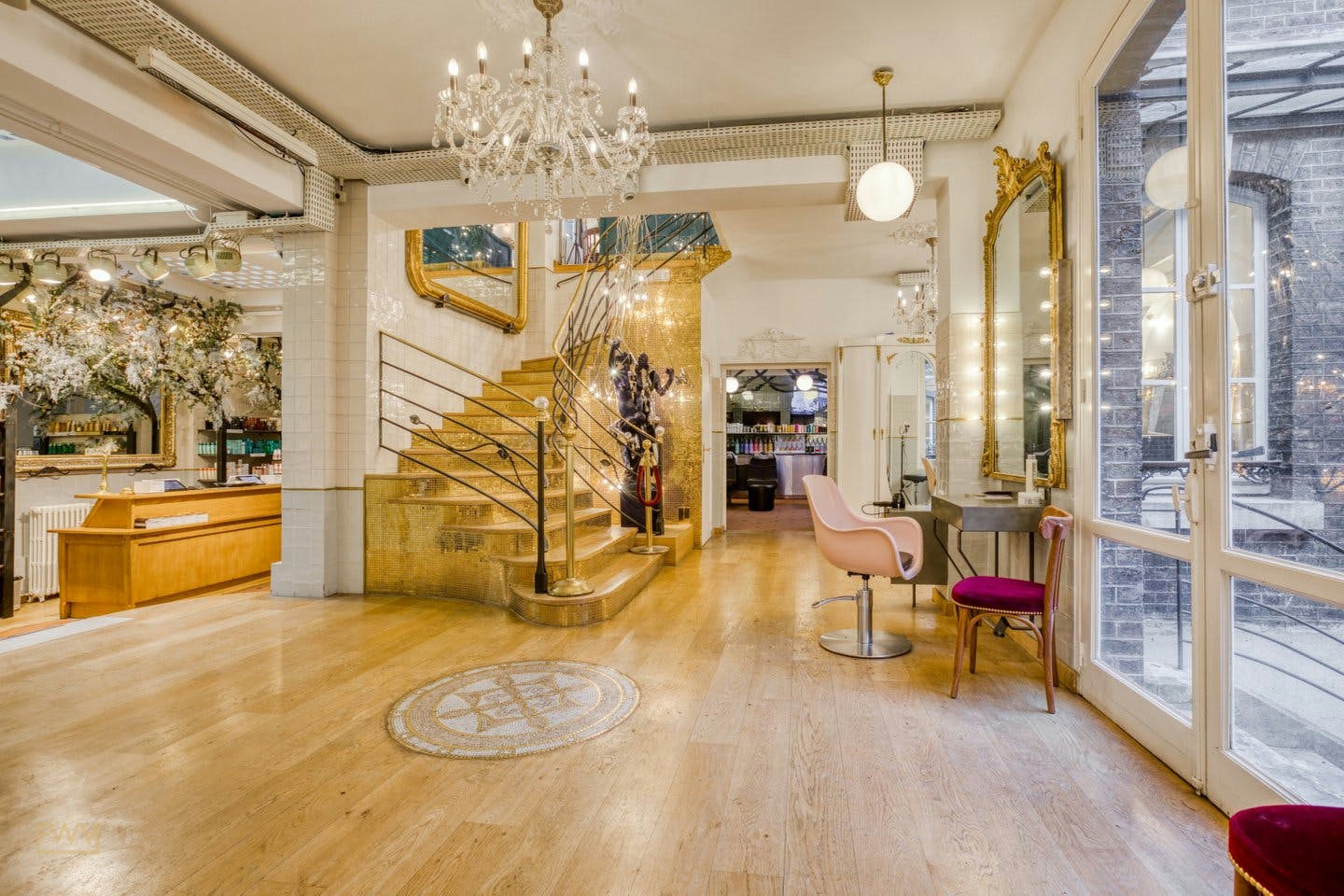
Fashion week venues are more than just spaces; they are platforms for brand storytelling, visitor engagement, and market expansion. Located in strategic zones, they offer visibility and accessibility crucial for successful fashion showcases. Whether you're a luxury brand or a new designer, selecting the right venue can influence your event's success. Fashion Week Venues, equipped with extensive knowledge of Parisian districts and logistical expertise, can help tailor these spaces to fit your brand's unique narrative.
Key elements to consider when selecting a venue include the location's prestige, foot traffic, and space adaptability. For instance, districts like Le Marais and Saint-Germain-des-Prés are renowned for their blend of history and haute couture, offering a rich backdrop for fashion events. High-profile venues near popular landmarks such as Palais de Tokyo or Rue Saint-Honoré can enhance brand image through their inherent prestige.
KEY TAKEAWAY: Choosing a venue involves balancing brand identity, audience reach, and logistical feasibility.
The next section will delve into how timing impacts venue availability and costs during fashion weeks.
The Importance of Timing in Fashion Week Venue Selection
Timing is a critical factor when planning events around fashion weeks. High demand during Paris Fashion Week and similar events means that successful venue selection requires foresight. Booking early offers access to premium locations and ensures availability, while last-minute selections might lead to compromises on space and budget.
Paris Fashion Week occurs twice a year for both men's and women's shows, creating spikes in venue demand during these periods. Consequently, brands are advised to start their venue search at least six months in advance for a broader selection and better negotiation conditions.
| Timeframe | Action | Benefits |
|---|---|---|
| 6-12 Months Before | Initial Search and Booking | Access to premium venues and better rates |
| 3-6 Months Before | Finalizing Logistics | Ample time for setup and compliance checks |
| Less than 3 Months | Last-Minute Preparation | Limited choices, higher costs |
Quick answer: Start venue selection at least six months before Fashion Week to secure the best locations.
This forward-thinking planning ensures that your event aligns perfectly with both the calendar and your broader brand strategy, thus enhancing activation success. Next, explore the different types of venues available for fashion events.
Types of Venues for Fashion Events
Fashion events demand venues that can transform atmospheres and provide experiential value to attendees. The choice of a venue can enhance the thematic elements of a collection, providing a canvas for creative storytelling.
Common venue types include:
- Showrooms: Ideal for private viewings and intimate gatherings, focusing on detailed product display.
- Retail Spaces: Leveraged for temporary retail experiences that can drive immediate sales and brand engagement.
- Event Halls: Suitable for larger audiences, they require more substantial production setups.
- Galleries: Perfect for a stylish and artistic ambiance, appealing to an upscale audience.
Selecting the right venue type depends on the event's objective, the brand's image, and the target audience's preferences. The comparison tool available on Fashion Week Venues allows brands to weigh these options efficiently, considering factors like capacity and location.
KEY TAKEAWAY: Matching venue type with event goals and brand identity is essential for effective audience engagement.
We'll now consider how Fashion Week Venues supports this intricate process through their comprehensive service offerings.
How Fashion Week Venues Facilitates Venue Selection
Fashion Week Venues offers a wide array of services designed to streamline the venue selection process and optimize event execution. Their expertise in venue sourcing, logistics, and production provides brands with a seamless experience.
Services such as venue sourcing, concept direction, and retail staffing ensure that every aspect of event management is handled with precision. The agency utilizes tools like the space locator tool for optimal space selection and the process page to guide clients through a structured planning approach.
Additionally, the budget estimator and permits tool are invaluable for managing costs and compliance, aiding brands in making informed decisions upfront.
Fashion Week Venues benefits creative directors, brand managers, and logistic teams by providing tailored solutions that match individual project needs, ensuring that events are not only visually stunning but also logistically sound.
KEY TAKEAWAY: Comprehensive services from Fashion Week Venues ensure that brands can focus on creativity while logistical complexities are expertly managed.
Next, we will look at the core legal considerations involved in short-term space rentals in Paris.
Legal Considerations for Short-Term Leases in Paris
Navigating the legal landscape of short-term leases in Paris requires understanding specific terms and regulations. Notably, 'bail dérogatoire' and 'Autorisation d'Occupation Temporaire (AOT)' are common forms of temporary contracts that allow for differentiated rental terms compared to standard commercial leases.
The 'bail dérogatoire' offers flexibility with leases typically ranging from one day to three years, making it an ideal option for fashion events. However, legal conditions such as property zoning, usage regulations, and insurance requirements must be strictly adhered to. AOT permits are particularly relevant for public spaces, imposing additional criteria that must be addressed before an event can proceed.
IMPORTANT: Legal requirements can vary significantly depending on the venue type, event duration, and location within Paris, and it's advisable to consult with a legal advisor when securing permits.
| Lease Type | Duration | Key Requirements |
|---|---|---|
| Bail Dérogatoire | 1 day to 3 years | Flexible terms; requires clear use description |
| AOT | Varies | Required for public spaces; additional permissions |
Quick answer: Use 'bail dérogatoire' for flexible short-term leasing, but verify specifics with a local legal expert.
With legalities in focus, let's consider the cost aspects of engaging such venues and how to effectively budget for them.
Budgeting for Fashion Week Venues
Budgeting effectively for fashion week venues involves balancing costs with expected returns, considering factors such as location, venue type, and duration. Understanding these components allows brands to allocate resources strategically without compromising on core event objectives.
Venue expenses can vary significantly, influenced by district, size, and special features. Prestigious locations such as Rue Saint-Honoré or Place Vendôme naturally command higher fees due to their luxury cachet and visibility.
Fashion Week Venues provides a budget calculator tool that offers directional estimates based on specific event parameters, helping brands to plan financial aspects meticulously.
| Cost Component | Estimated Range | Considerations |
|---|---|---|
| Venue Rental | Variable (location and size) | Evaluate based on visibility and target audience |
| Production Setup | 20% - 40% of total budget | Includes design, build, and AV services |
| Staffing | 10% - 20% of total budget | Depends on event complexity and duration |
| Marketing and Promotion | Up to 15% of total budget | Influencer partnerships and media exposure |
Quick answer: Account for approximately 20% of total costs in production setup when budgeting for your fashion event.
The following section will address the importance of experiential elements in fashion events and how they drive brand engagement.
Integrating Experiential Elements into Fashion Events
Experiential marketing transforms traditional fashion events into multi-sensory experiences that engage audiences on a deeper level. By integrating elements like interactive installations, live performances, and digital integrations, brands can elevate their storytelling and maximize attendee impact.
Key to successful experiential marketing is creating a cohesive narrative that aligns all event elements from venue setup to audience interaction. For instance, a venue in the Canal Saint-Martin area could leverage its artistic vibe for immersive art installations that reflect the brand's creative ethos.
Fashion Week Venues assists brands by providing access to essential services like concept direction, production build, and data analytics to ensure every element resonates with both the brand and its audience.
| Experiential Element | Purpose | Impact on Audience |
|---|---|---|
| Interactive Installations | Engage through interaction | Increases engagement and memorability |
| Live Performances | Create dynamic ambiance | Enhances entertainment value |
| Digital Integrations | Bridge physical and digital realms | Extends reach and accessibility |
DID YOU KNOW: Experiential elements can increase event attendance by over 30% when effectively aligned with marketing strategies.
KEY TAKEAWAY: Integrating experiential elements can significantly enhance audience engagement and expand brand visibility.
Next, we will explore the implications of technology and data analytics in fashion events.
Leveraging Technology and Data Analytics in Fashion Events
Incorporating technology and data analytics into fashion events offers brands critical insights that drive strategic decisions. From optimizing engagement strategies to refining future activations, data-driven approaches are reshaping how brands interact with audiences.
Technology such as AI-powered analytics and augmented reality (AR) provides new channels for brand interaction, allowing for personalized experiences that resonate more profoundly with attendees. Additionally, tools like Fashion Week Venues' data analytics service provide comprehensive insights into visitor behavior, helping brands fine-tune their strategies for enhanced outcomes.
TIP: Use AI analytics to monitor attendee engagement in real time, adapting marketing tactics dynamically during events.
Quick answer: Utilize data analytics to gain insights into visitor preferences and enhance future event planning.
As we continue, let's discuss the logistical considerations crucial to the successful execution of a fashion event.
Logistical Considerations for Successful Event Execution
Effective logistical management is the backbone of a successful fashion event. This involves coordinating numerous elements such as transportation, setup, staffing, and compliance with regulatory standards. Thorough planning and execution minimize risks and ensure a smooth flow of operations.
Ensuring smooth logistics starts with a detailed timeline and comprehensive checklist. Fashion Week Venues' timeline tool assists brands in mapping out each phase of their event, from setup to dismantling.
Transport coordination, especially in a bustling city like Paris, requires meticulous planning. Factor in the city's infamous traffic and restricted zones in districts like Opéra, making early arrangements crucial.
Quick answer: Develop a detailed timeline four months in advance to ensure logistical readiness and minimize unforeseen disruptions.
KEY TAKEAWAY: Comprehensive logistical planning ensures event success and enhances attendee experience.
Following this, we will consider key strategies for aligning events with the brand's broader marketing goals.
Aligning Fashion Events with Brand Marketing Strategies
Aligning fashion events with broader marketing strategies amplifies their impact and ensures cohesive brand messaging. This alignment synchronizes event activities with brand objectives, overarching campaigns, and target audience expectations.
For example, leveraging influencer partnerships can amplify event reach and engagement. Platforms like social media provide opportunities to extend the life of an event well beyond its duration through content sharing and post-event marketing.
Fashion Week Venues supports this strategy with services like influencer marketing, enabling brands to maximize visibility and engagement through curated partnerships.
KEY TAKEAWAY: Align your fashion event with brand values and campaigns to maximize impact and audience resonance.
The final section will address common myths and facts about securing venues for fashion weeks in Paris.
Common Myths Debunked
MYTH: You need a French legal entity to rent a space in Paris.
FACT: While a French presence can facilitate processes, it's not a prerequisite for renting. Legal representatives and partnerships can bridge this gap, ensuring compliance with local regulations.
MYTH: Paris Fashion Week is the only viable window for hosting fashion events.
FACT: Although dominant, other times of year also offer opportunities for impactful brand activations, particularly if aligned with independent fashion calendars or off-season collections.
MYTH: Using commission brokers is the only way to find a venue in Paris.
FACT: Platforms like Fashion Week Venues offer direct access to a broad range of venues, eliminating unnecessary costs and providing detailed insights into locations and availabilities.
MYTH: Short-term leases are legally straightforward without specialist help.
FACT: While appearing simple, the legal intricacies of short-term leasing require expert guidance to ensure compliance and avoid potential pitfalls.
KEY TAKEAWAY: Understand the local nuances and consult experts to navigate Paris's venue landscape effectively.
Let's now move to addressing common questions around planning for fashion week venues.
Frequently Asked Questions
What are the prime districts for fashion venues in Paris?
Prime districts include Le Marais, Saint-Germain-des-Prés, and Opéra due to their historic significance, high foot traffic, and vibrant cultural landscape. Each offers unique benefits; Le Marais is creative and trendy, Saint-Germain is upscale, while Opéra is bustling and central. Choosing depends on your brand's identity and audience target.
How early should I book a venue for Paris Fashion Week?
Booking six to twelve months in advance is recommended for optimal venue selection and cost control. Early planning ensures access to premium locations and time for comprehensive logistical planning. Last-minute reservations often result in higher costs and limited choices.
Are there specific permits needed for temporary retail spaces in Paris?
Yes, permits such as the 'bail dérogatoire' for short-term leases or the 'Autorisation d'Occupation Temporaire' for public spaces are necessary. Requirements vary based on location, space type, and event duration. It is advisable to consult with experts for precise permit guidance.
Can foreign brands host events in Paris without a local office?
Yes, foreign brands can host events without a local office by leveraging local agencies for representation and management. These agencies can handle logistics, compliance, and venue negotiations, allowing brands to enrich their international presence without needing a permanent setup in Paris.
What are some cost-effective strategies for hosting an event during Paris Fashion Week?
Cost-effective strategies include selecting venues slightly outside central high-demand districts, using digital marketing for promotion, and coordinating with shared event services like Fashion Week Venues’ twin co-activation model. This method optimizes budgets by sharing costs across multiple brands or events.
How do experiential elements benefit fashion week venues?
Experiential elements enhance audience engagement by creating memorable, multi-sensory experiences that align with brand storytelling. Integrating these elements is crucial for capturing audience interest, encouraging social media sharing, and extending event impact outside physical venues.
What factors should I consider when choosing a venue in Paris?
Consider the venue’s location, audience fit, space adaptability, and infrastructure. Proximity to popular landmarks, the prestige of the district, and compatibility with brand imagery all play pivotal roles. Additionally, ensure that logistical elements such as transport access and technical facilities align with your event’s needs.
Do fashion week venues need specific insurance in Paris?
Insurance requirements can vary, often needing comprehensive coverage for public liability, assets, and cancellation risks. Verifying specific needs with insurers and legal advisors is vital to ensuring compliance and protection against unforeseen events during fashion weeks.
Why is concept direction important for fashion events?
Concept direction ensures that all elements of a fashion event align with the brand's narrative, goals, and the intended audience experience. It helps in shaping the visual and thematic aspects of the event, driving coherent messaging, and maximizing impact through focused creative vision.
Can technology enhance the impact of fashion events?
Yes, technology significantly enhances fashion events by enabling interactive experiences, data-driven insights, and extensive digital exposure. Technologies like AR and AI provide innovative ways to engage audiences, while data analytics offer actionable insights into attendee preferences and behaviors.
Conclusion
Navigating the world of fashion week venues requires a strategic blend of creativity, foresight, and logistical expertise. Agencies like Fashion Week Venues provide invaluable assistance, bridging the gap between vision and execution through comprehensive services and tools. From venue sourcing to legal compliance, brands can secure a truly impactful presence during fashion weeks. Start exploring the marketplace today to find the perfect venue that aligns with your brand’s ambition and goals.