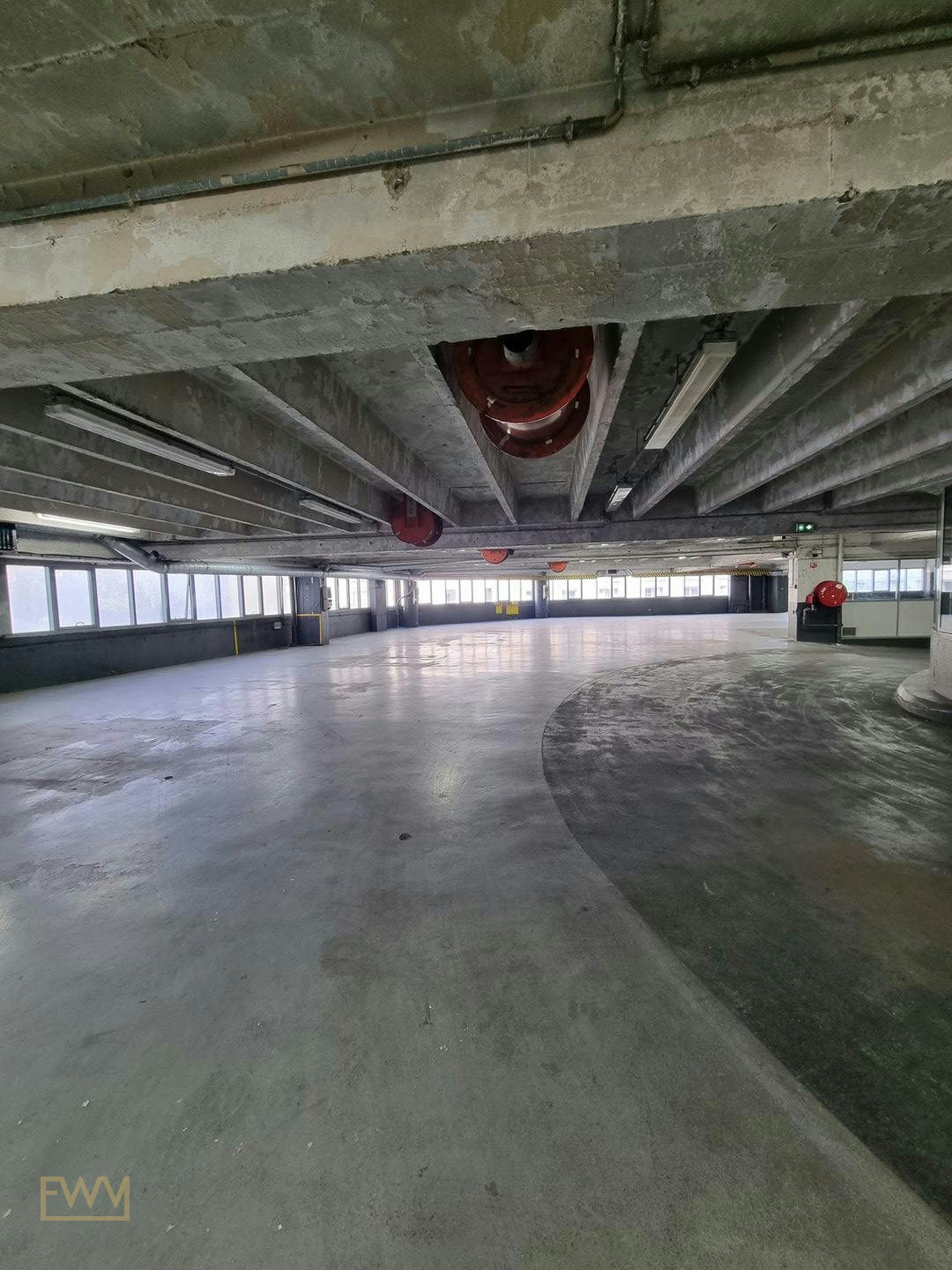
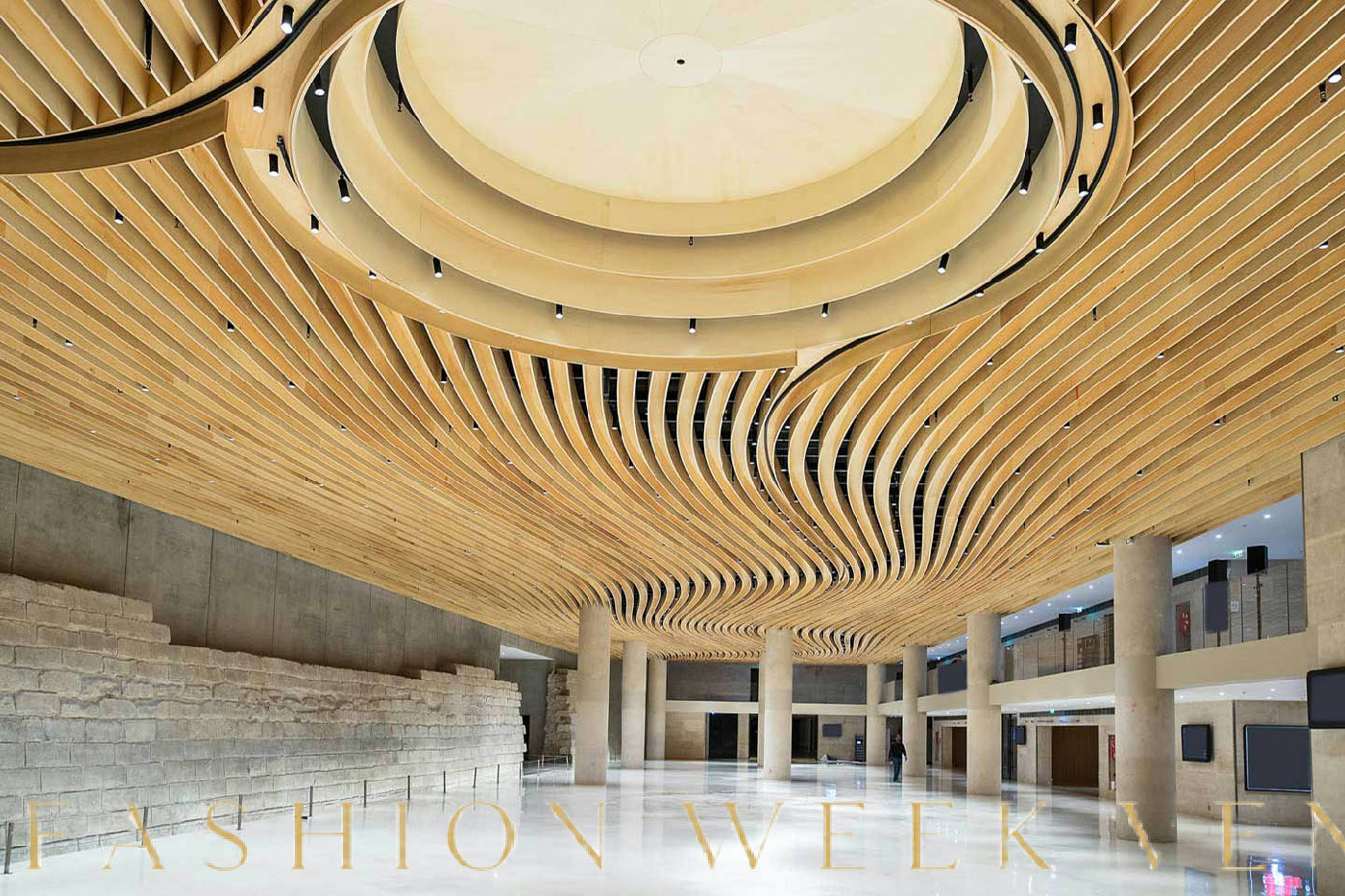
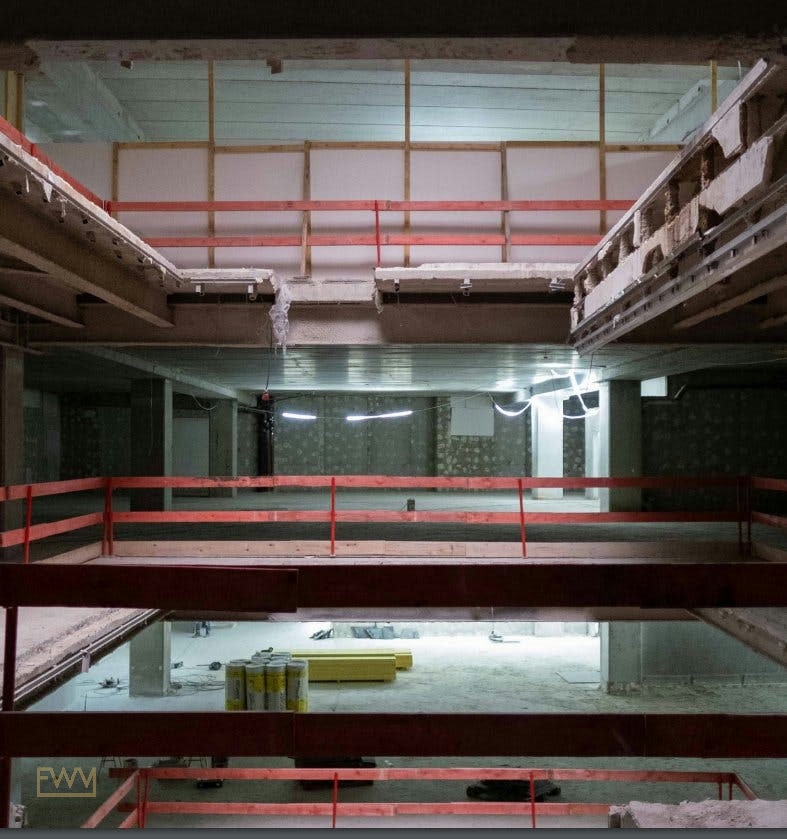
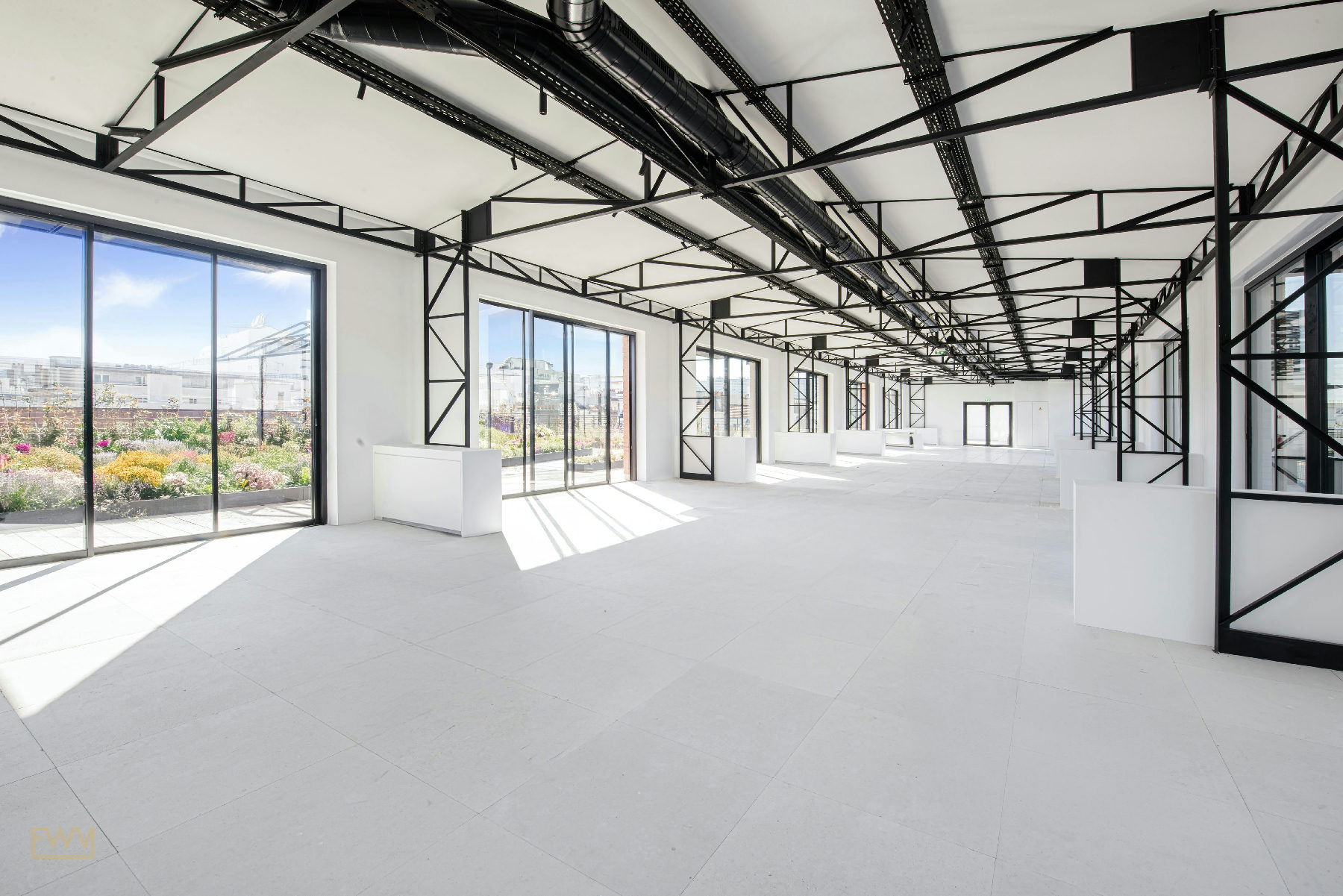
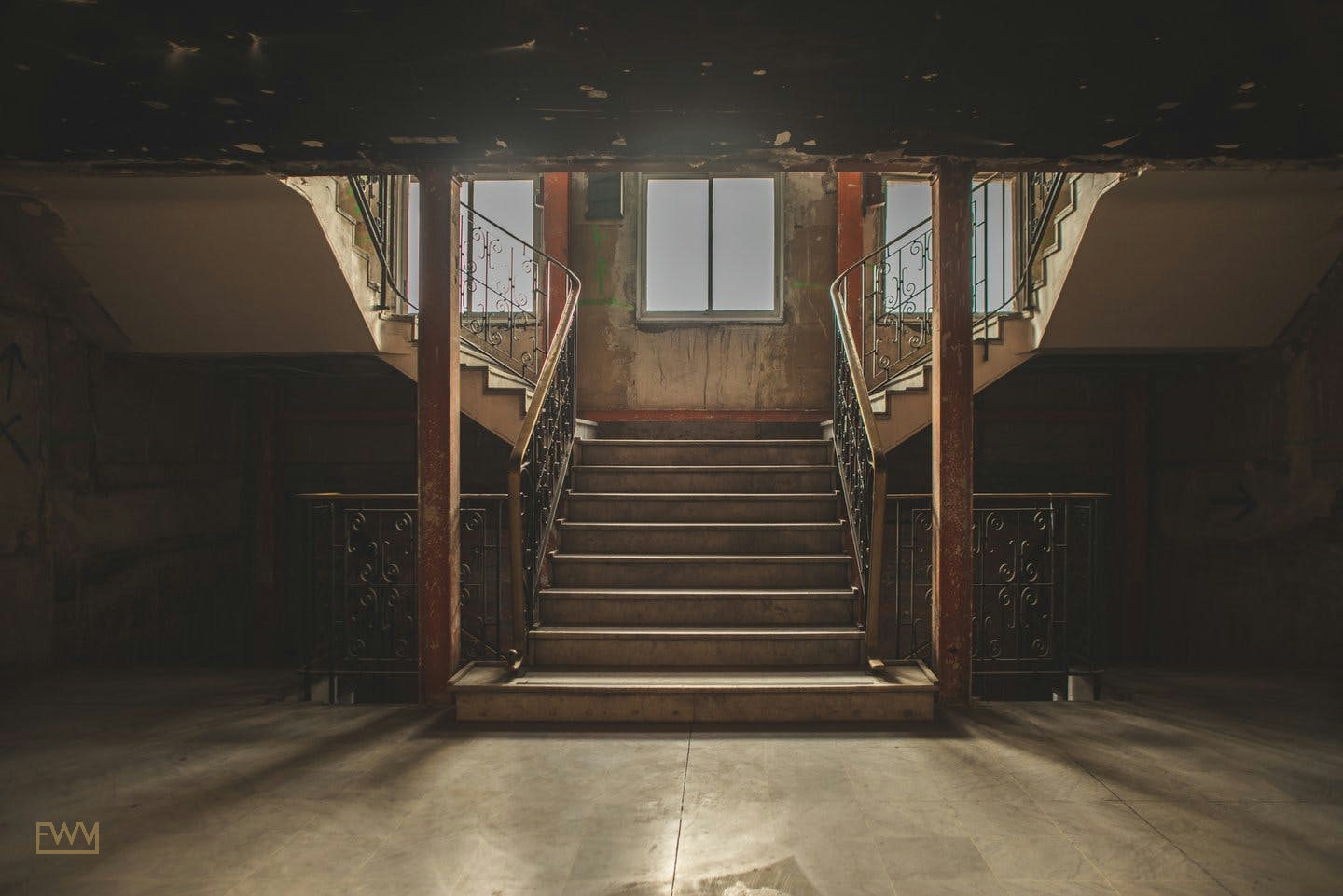
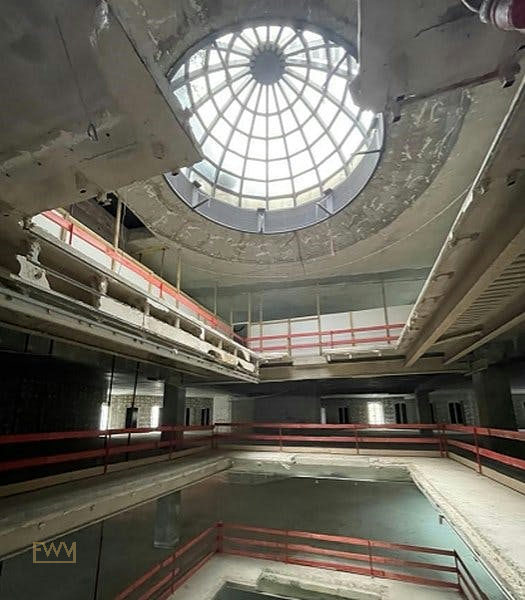
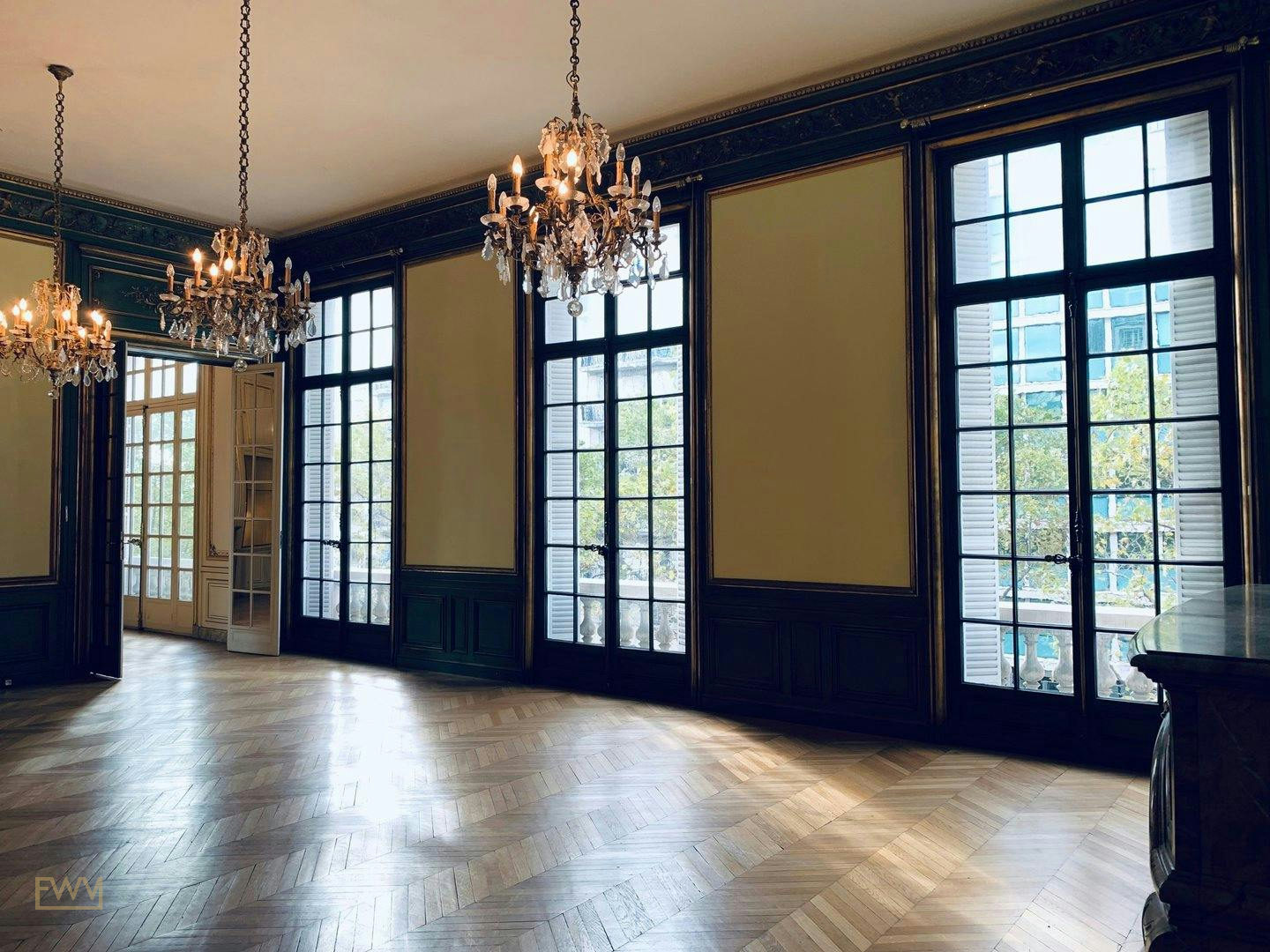
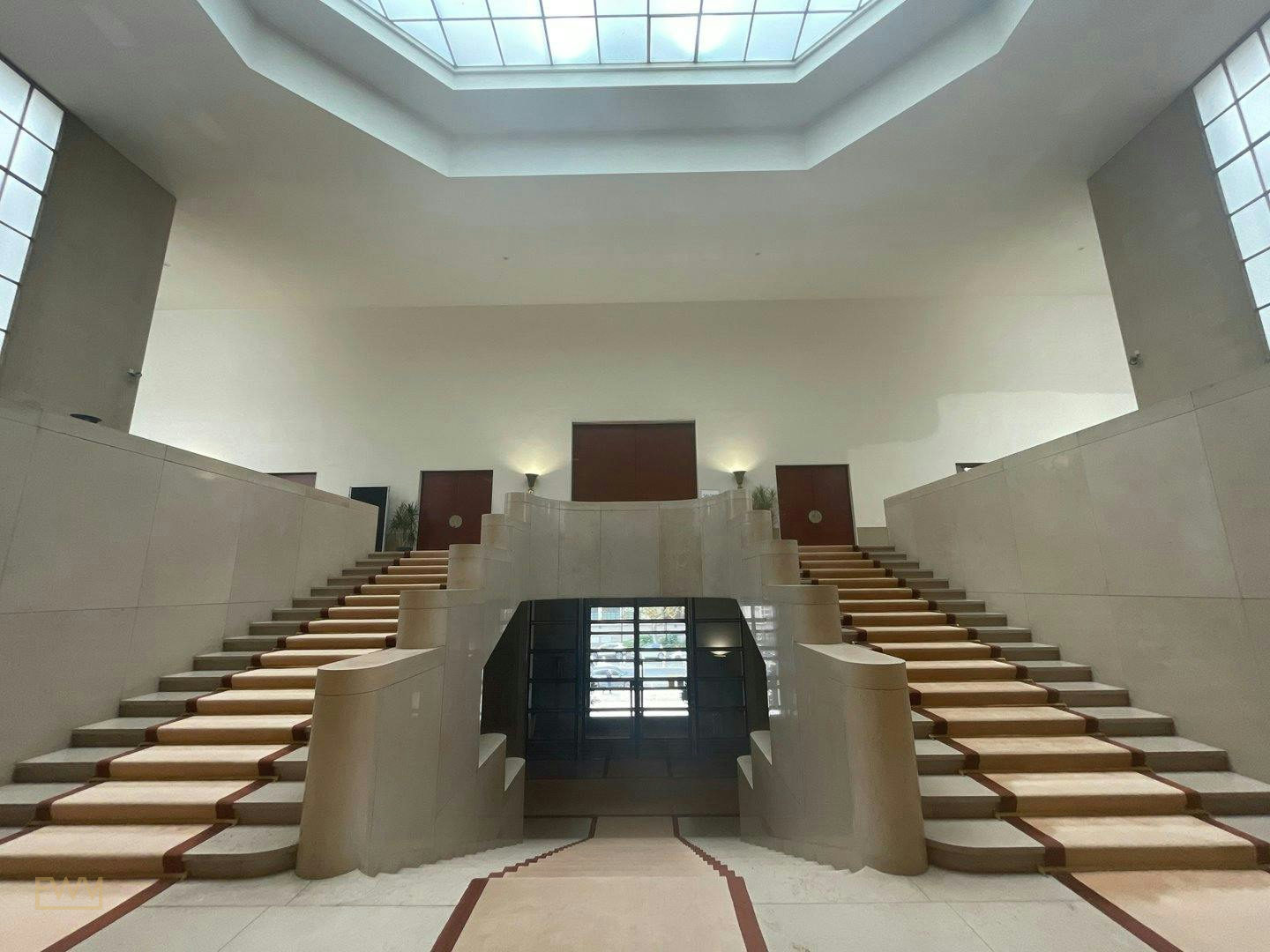
The world of fashion is dynamic and fast-paced, and securing the right space during Fashion Week is critical for successful brand activations. Paris, as the nucleus of haute couture, offers a vast array of luxury retail locations for brands looking to leave a mark. Fashion Week Venues excels in providing full-service solutions tailored to meet the unique needs of fashion labels and brands seeking pop-up spaces, showrooms, and short-term retail experiences in Paris. This guide is crafted to navigate the complexities of choosing the perfect venue, handling logistics, and ensuring compliance with local regulations, all while maximizing the opportunity that Paris Fashion Week presents.
Understanding Pop-up Spaces and Their Unique Value
Quick answer: Pop-up spaces are temporary retail environments that allow brands to create immersive shopping experiences, directly engage with consumers, and test new markets.
Pop-up spaces in Paris present unique opportunities for brands to connect directly with diverse audiences in a highly experiential and interactive manner. Unlike traditional retail venues, pop-up shops are temporary, which adds a layer of exclusivity and urgency—consumers are drawn to the fleeting nature of these offerings. This section explores the elements that make pop-up spaces an essential part of a brand’s retail strategy.
Temporary by design, these spaces grant flexibility and creativity in location and design, making them ideal for brands testing new products, launching collections, or connecting with particular demographics. The versatility of pop-up spaces allows brands to tailor the shopping environment to complement and enhance their product line, which can significantly elevate brand perception and consumer engagement.
Moreover, pop-up events capitalize on buzz, often spurred by social media and influencer marketing, making them a cost-effective strategy compared to traditional permanent retail. The concept of limited-time availability creates a sense of urgency and excitement, enhancing consumer interest and foot traffic.
KEY TAKEAWAY: Pop-up spaces provide brands the flexibility to engage with consumers in innovative ways, offering a powerful strategy for brand visibility during peak seasons like Fashion Week.
Understanding the strategic deployment of pop-up shops is crucial as we transition to considering the unique challenges and opportunities present in Paris as a host city.
Paris as a Premier Location for Fashion Week Pop-ups
Quick answer: Paris is a prime location for pop-up venues due to its status as a fashion capital, offering high foot traffic, a diverse customer base, and the allure of a cultural epicenter.
Paris remains unmatched when it comes to fashion and luxury. With its rich history and reputation as a global fashion hub, the city attracts thousands of international visitors annually, specifically for Fashion Week events. This section provides insights into why Paris is ideally suited for pop-up activations, examining the city’s unique features, popular districts, legal considerations, and local trends.
The neighborhoods of Le Marais and Saint-Germain-des-Prés are particularly noted for their vibrant shopping scenes and their ability to draw in discerning shoppers. Le Marais, with its blend of historic charm and contemporary flair, provides an ideal environment for emerging fashion designers and established brands to set up pop-up venues. Saint-Germain-des-Prés, famously fashionable, offers proximity to art galleries and upscale retail, creating a sophisticated shopping experience.
Aligning with the local culture and shopping patterns of Paris can significantly enhance the success of pop-up shops. Being a city that thrives on aesthetics and detail, the physical appearance and design of the pop-up space can make a considerable impact. Hence, ensuring that the venue fits seamlessly with the Parisian aesthetic is crucial.
Furthermore, navigating local regulations and permits is essential. The bail dérogatoire and Autorisation d’Occupation Temporaire (AOT) are key forms of permits for temporary spaces. These differ from standard commercial leases, and understanding them can prevent potential legal complications.
DID YOU KNOW: Paris Fashion Week generates economic activity with an impact surpassing €1 billion, with pop-up retail accounting for a significant share.
KEY TAKEAWAY: Paris offers diverse and high-impact locations for pop-ups, but understanding its regulatory landscape and tuning into the local zeitgeist is crucial for success.
As we move forward, we'll explore how to effectively prepare for securing a venue, focusing on timelines and the necessary steps.
The Perfect Timing: Planning and Execution During Fashion Week
Quick answer: Successful pop-up planning for Fashion Week involves strategic timing, early preparation, and aligning marketing campaigns with the event calendar.
Fashion Week is a whirlwind of creativity and networking, and timing is everything when it comes to setting up a pop-up space. This section delves into the critical timing aspects to ensure your brand gains maximum visibility and impact.
Firstly, the importance of timing cannot be overstated. Brands need to secure their venues well in advance, typically 6 to 12 months before Fashion Week, to avoid competition and premium pricing. An effective timeline should incorporate phases for venue scouting, design finalization, logistics planning, and marketing roll-out.
Venues near major show sites or popular areas like Rue Saint-Honoré often see a surge in bookings during this period. Utilizing tools like the timeline planner can help brands stay on track with their planning process.
Moreover, aligning your pop-up launch with the major shows and events can tap into the existing foot traffic of fashion influencers, buyers, and media. This results in higher exposure and greater business prospects.
TIP: Coordinate your social media and event invitations with major Paris Fashion Week schedules to capture aligned audiences naturally drawn to fashion events.
KEY TAKEAWAY: To maximize exposure, carefully plan your pop-up to coincide with Fashion Week, using advance preparation and strategic event alignment.
Next, we'll look at selecting a venue that complements your brand's aesthetic and marketing goals.
Choosing the Right Venue: From Concept to Execution
Quick answer: Selecting the right venue involves aligning brand identity with the space's character, audience reach, and logistical support.
Choosing the right venue is a crucial component of any successful pop-up strategy. In Paris, where venue choice can influence the entire perception of a brand, careful selection is paramount.
When determining a venue, consider the neighborhood and what it signifies. Each Parisian district has its own cultural vibe and customer profile. For instance, the sleek sophistication of the Opéra district is suited to high-end luxury brands, while the bohemian charm of the Canal Saint-Martin area may appeal to edgier labels.
An essential step in venue selection is considering logistics: accessibility, capacity, and amenities are crucial. A prime location without adequate facilities can detract from the brand experience. Thus, working with professionals who offer venue sourcing expertise is highly recommended.
Fashion Week Venues handle everything from concept direction to production and build, ensuring streamlined execution and brand consistency.
IMPORTANT: Always verify the legal criteria for temporary leases and be prepared to adjust plans based on the available space options and regulatory requirements.
KEY TAKEAWAY: For impactful pop-ups, match the venue to your brand’s story, audience, and logistical needs, with a professional agency’s assistance.
Now, we will examine the financial aspects and budgeting considerations for your pop-up store in Paris.
Budgeting for Pop-up Spaces: Cost Management and ROI
Quick answer: Budgeting involves understanding cost components, using estimation tools, and preparing for financial contingencies to ensure ROI.
The financial aspect of opening a pop-up space needs meticulous attention. Predicting and managing costs effectively is critical for ensuring that the venture remains financially viable and achieves the desired return on investment (ROI).
Paris, as a high-demand location, implies premium prices, from rental costs to staffing and decor. However, leveraging tools like the budget estimator allows brands to create robust financial plans that accommodate all potential expenses.
Start with identifying fixed costs such as venue rent, permits, and basic utilities. Then, account for variable costs, including staffing, marketing, and inventory. Be prepared for unforeseen expenses by setting aside a contingency fund—approximately 10% to 15% of total expenses is advisable.
Understanding and analyzing these costs against potential revenue allows brands to evaluate their break-even points and profitability, further supported by tools like the ROI calculator.
TIP: Regular financial audits throughout the pop-up duration can help spot areas for cost savings and adjustment, aiding in maintaining budget adherence.
KEY TAKEAWAY: Effective budget planning, accentuated by technology-based estimations, ensures financial feasibility and enhances potential profitability.
As budgeting aligns the fiscal elements, ensuring regulatory compliance is the next crucial step in this journey.
Regulations and Permits for Paris Pop-up Spaces
Quick answer: Compliance with local law requires obtaining appropriate permits and understanding lease terms specific to Paris pop-up spaces.
Operating a pop-up space in Paris involves navigating through the intricate web of local regulations and permits, such as the bail dérogatoire and AOT. These are crucial for legal compliance and successful operations.
The bail dérogatoire, typically used for periods shorter than three years, allows businesses to operate temporarily without getting into long-term lease commitments. On the other hand, the AOT is specific for public spaces or certain urban properties, granting short-term site occupation rights.
Understanding these permits’ specifics involves acknowledging their limitations and varying terms based on location and duration of your pop-up. Consulting with a local legal advisor or using the permits tool is recommended to navigate this smoothly.
The importance of adhering to these legal frameworks cannot be overstressed as they influence virtually every aspect of the pop-up setup—from design compliance to operational viability.
IMPORTANT: Regulatory approval is never guaranteed; thus, brands must ensure all applications are submitted early to accommodate potential delays.
KEY TAKEAWAY: Legal adherence via appropriate permits ensures smooth operation, legality, and success of your Paris pop-up.
As legalities are in place, developing a comprehensive marketing strategy becomes the next focus.
Marketing Strategies for Pop-up Success During Fashion Week
Quick answer: A multi-faceted marketing strategy leveraging digital, social media, and local partnerships is essential for maximizing foot traffic and brand engagement.
Your pop-up shop's marketing plan can be the key driver of its success. An effective marketing strategy not only increases foot traffic but also enhances brand recall and engagement long after the event concludes.
Social media is a potent tool for reaching vast audiences swiftly. Platforms like Instagram and TikTok can be used to showcase exclusive previews of the space, engage potential customers, and create a buzz around the event location.
- Leverage influencer partnerships to drive traffic and credibility.
- Use targeted advertisements to reach demographically relevant audiences.
- Implement on-site activations—interactive installations and live sessions can increase visitor dwell time and enhance brand interactions.
Physical marketing shouldn't be overlooked. Collaborating with local businesses or featuring on local guides such as the Paris Convention Bureau's listings can amplify reach within the city’s tourist and fashion communities.
TIP: Utilize Fashion Week close proximity for co-marketing opportunities with neighboring brands and events.
KEY TAKEAWAY: Implementing integrated marketing campaigns enhances brand presence, maximizes visibility, and increases pop-up engagement during Fashion Week.
After engaging marketing strategies, ensuring the seamless operational execution of the pop-up is vital, which we'll cover next.
Operational Execution: From Coordination to Staffing
Quick answer: Successful execution hinges on robust planning, coordination, logistics management, and effective staffing strategies.
The operational success of a pop-up space relies on meticulous coordination between various dynamic parts—from logistics to staffing—ensuring a seamless customer experience.
A few operational essentials include:
- Efficient logistics planning to handle inventory seamlessly and ensure timely restocking.
- Well-defined scheduling to coordinate event timings, operational hours, and staff shifts.
- Comprehensive training for temporary staff to uphold brand standards of service and presentation.
Utilizing professional activation management services can mitigate risk and bolster operational flow. Further, opting for retail staffing solutions ensures that employees are well-versed in retail operations and brand ethos, optimizing customer interaction.
TIP: Employ data tools to track retail performance metrics during the activation for real-time adjustments and insights into consumer behavior.
KEY TAKEAWAY: Ensuring operational excellence is fundamental to delivering a memorable brand experience, relying on robust logistics and quality staffing.
With operations in check, now let's look at how Fashion Week Venues can assist.
How Fashion Week Venues Facilitates Your Project's Success
Quick answer: Fashion Week Venues provides end-to-end services that streamline finding, designing, and activating pop-up spaces in Paris, optimizing brand visibility and engagement.
Fashion Week Venues offers comprehensive services tailored to simplify and optimize the setup and management of pop-up spaces. Our team of experts handles everything from upfront venue sourcing to activation management, ensuring that your brand delivers an impactful experience.
Some of the resources and tools we provide include:
- Permit guidance, to help navigate complex local regulations efficiently.
- Branded store design, ensuring your space reflects your unique identity.
- Data analytics to measure and improve consumer engagement.
- Expertise in influencer marketing to amplify your reach.
Our approach is particularly beneficial for creative directors, retail strategists, and brand activation managers who demand high-impact yet seamless execution. While we provide extensive support, brands should actively collaborate with local legal advisors to ensure compliance is thoroughly met.
KEY TAKEAWAY: Fashion Week Venues is your strategic partner for executing compelling pop-up activations, reducing complication and increasing consumer reach.
Now, let's debunk some common myths surrounding pop-up spaces in Paris.
Common Myths Debunked
MYTH: You need a French legal entity to rent a space in Paris.
FACT: While having a French entity can simplify some legal aspects, it's not strictly necessary. International brands can operate through alternate permits and rental agreements, which specialized agencies like Fashion Week Venues manage expertly without requiring local incorporation.
MYTH: Paris Fashion Week is the only viable calendar window for pop-up spaces.
FACT: Although highly prestigious, Fashion Week is not the only time to host a successful pop-up. Paris hosts numerous events and has continuous tourist local footfall, making other periods equally promising for retail activations.
MYTH: Commission brokers are the only way to find a space.
FACT: While traditional brokers can help, using an integrated agency like Fashion Week Venues provides more comprehensive services, from creative direction to venue comparison, often more efficiently and with better outcome alignment to strategic marketing goals.
MYTH: Short-term leases are legally straightforward without specialist help.
FACT: Short-term leases involve complex legal terminologies and obligations that vary notably by district and property type in Paris. Consulting with legal advisors or employing tools provided by agencies like Fashion Week Venues can prevent costly oversights.
Frequently Asked Questions
What are the best neighborhoods in Paris for a pop-up shop?
Le Marais, Saint-Germain-des-Prés, and Opéra are top choices. Le Marais attracts a trendy crowd with its mix of historical charm and modern boutiques. Saint-Germain-des-Prés offers upscale shopping near cultural institutions, while Opéra is vibrant with large stores and historic venues that drive substantial foot traffic.
Do I need an AOT for all pop-up spaces?
An AOT is necessary for occupying public or semipublic spaces in Paris but may not be required for private venues. Always verify with a regulatory expert to ensure compliance based on your specific location and duration of stay.
How far in advance should I plan my pop-up space for Paris Fashion Week?
Planning should start at least 6 to 12 months in advance to secure prime locations and align with busy fashion event schedules. This lead time is essential for designing, obtaining permits, and coordinating marketing strategies effectively.
Are pop-up spaces suitable for new brands entering the Paris market?
Yes, pop-up spaces offer an excellent opportunity for new brands to test the Parisian market. They provide flexibility for experimenting with niche offerings and innovations, ensuring the ability to assess market response without a long-term commitment.
What are the cost considerations for pop-up shops in Paris?
Cost considerations include venue rental, permits, staffing, decoration, marketing, and unexpected contingencies. Using budget and ROI calculators can help predict expenses and potential revenue, aiding in financial planning.
Can pop-up stores align with web marketing strategies?
Absolutely. Integrating online marketing with offline experiences can amplify reach and engagement. Utilizing social media, collecting visitor data, and offering digital incentives can enhance consumer experience and conversion rates.
What permits are required for setting up a pop-up space in Paris?
Permits like the bail dérogatoire for private property use and possibly an AOT for public space occupation are necessary. Consulting tools and advisors is essential to navigate these legalities accurately.
How can Fashion Week Venues assist with logistics and staffing?
Fashion Week Venues offers complete logistical support, from venue setup to staff recruitment and training. We ensure that staffing aligns with brand values, offering comprehensive solutions for a seamless retail operation.
Can I use a pop-up shop for product launches?
Yes, pop-up shops are perfect for high-impact product launches. They allow for a controlled environment to introduce new products directly to your target audience, optimizing engagement and feedback reception.
Why is legal advice important for pop-up spaces?
Legal advice ensures that all operations are compliant with local laws, preventing legal disputes and operational hindrances. It’s critical given the unique challenges of short-term retail setups, particularly in fashion-forward markets like Paris.
What are common challenges of setting up a pop-up shop in Paris?
Challenges include securing prime locations, navigating permit regulations, and managing logistics within a tight timeline. Partnering with an expert service provider like Fashion Week Venues can alleviate these hurdles and enhance operational success.
How do I measure the success of a pop-up shop?
Success can be measured through sales figures, foot traffic, brand engagement, and collected data on customer behavior. Utilizing analytics tools provides deeper insights into performance metrics, helping to refine future strategies.
Are there specific styles or themes best suited for Parisian pop-ups?
Paris favors sophisticated and aesthetically pleasing designs that align with its stylish identity. Themes should resonate with local culture while standing out distinctively—vintage, contemporary chic, and art-inspired setups are always appreciated.
Conclusion: Your Next Steps in Parisian Pop-up Retail
Creating a successful pop-up space during Paris Fashion Week is an exceptional opportunity for brands to engage with their audience in innovative ways. From planning and budgeting to legal compliance and marketing, every aspect requires careful consideration and execution. Fashion Week Venues provides the expertise and resources necessary to navigate these complexities, ensuring a seamless and impactful retail experience.
Taking a strategic approach to pop-up retail in Paris not only capitalizes on the city’s unparalleled fashion market but also enhances long-term brand appeal and consumer loyalty. To move from research to activation, start exploring available spaces on the Fashion Week Venues marketplace and build a focused brief for your target neighbourhood, space type, and calendar window.